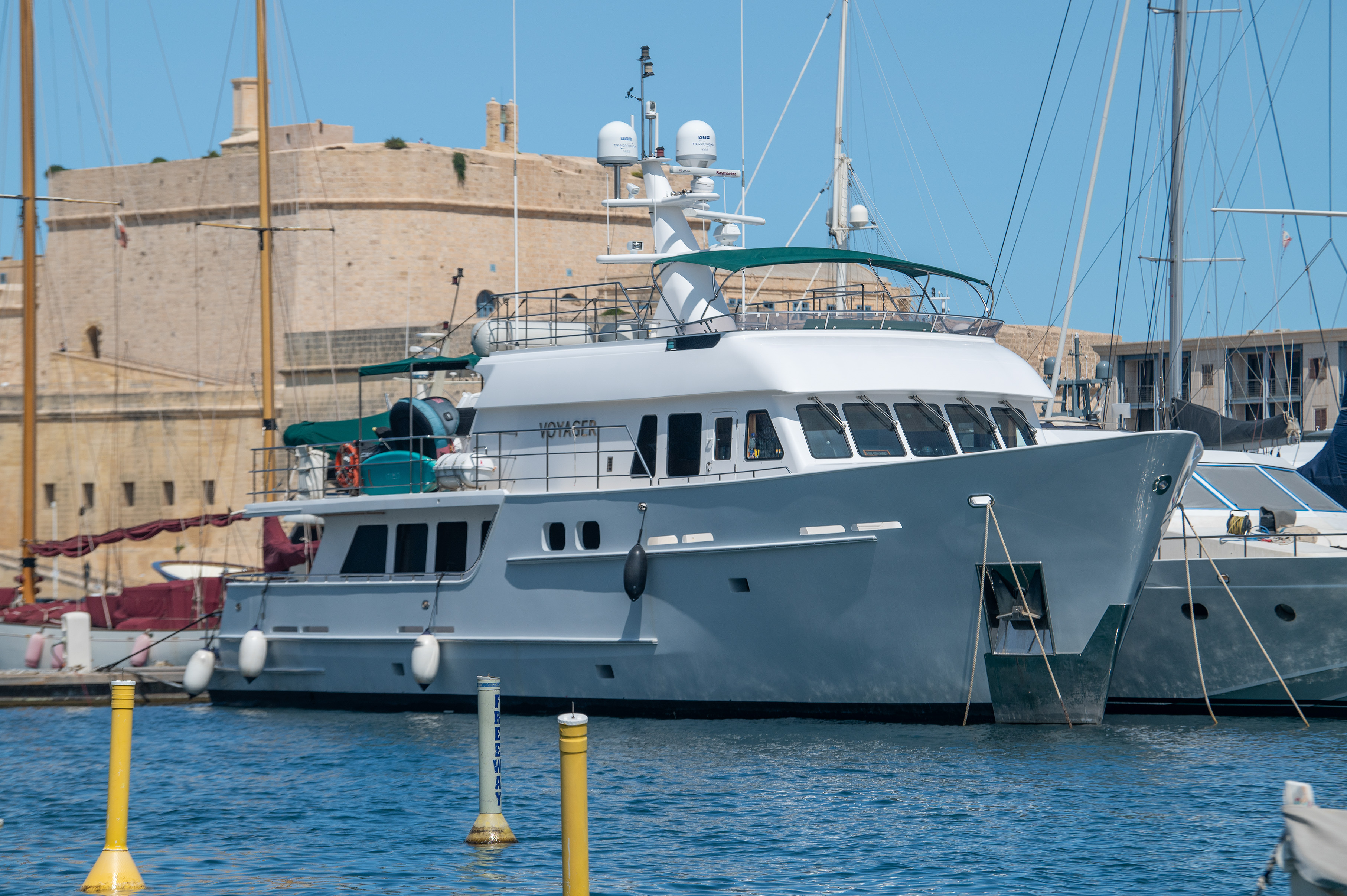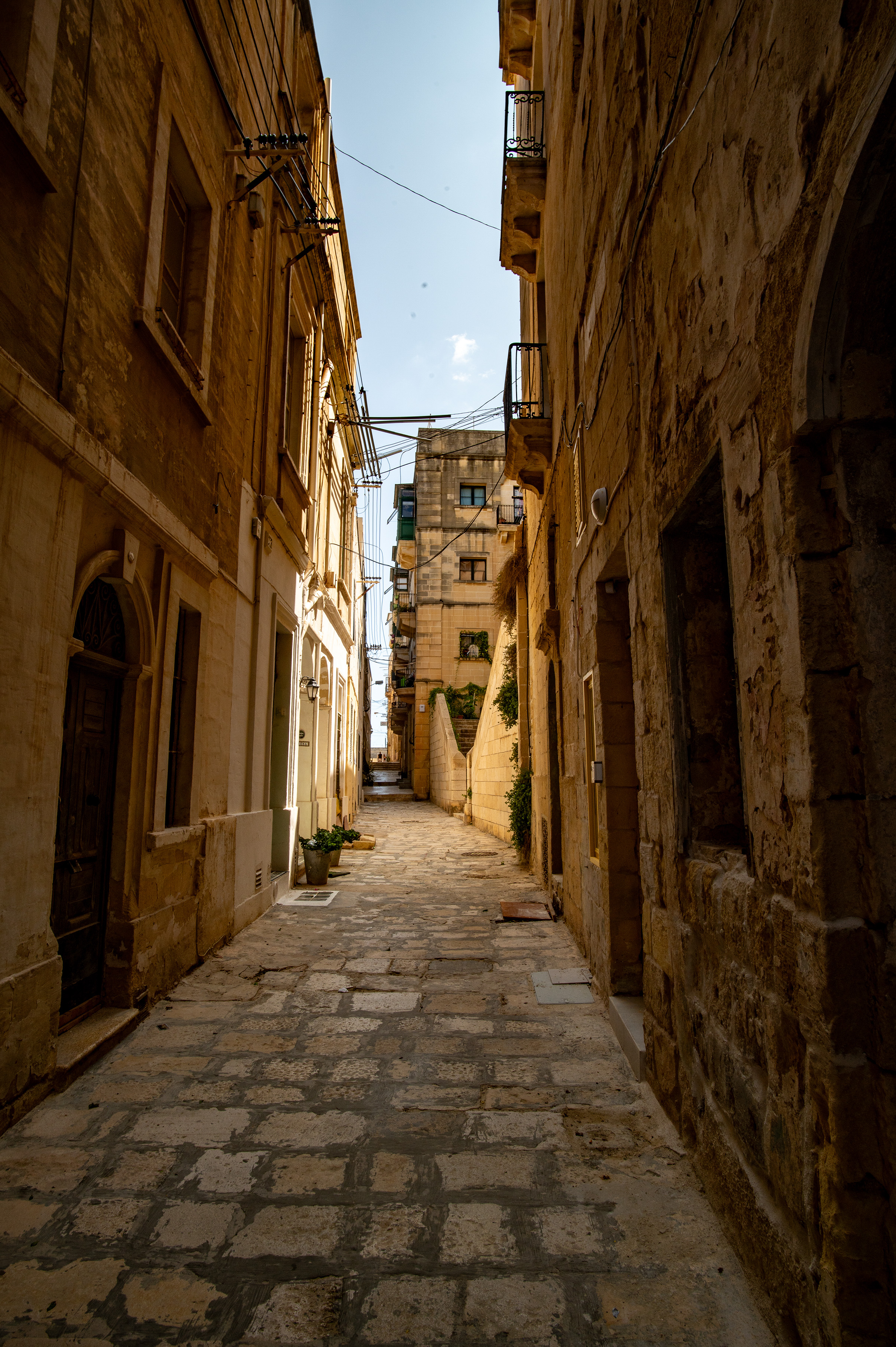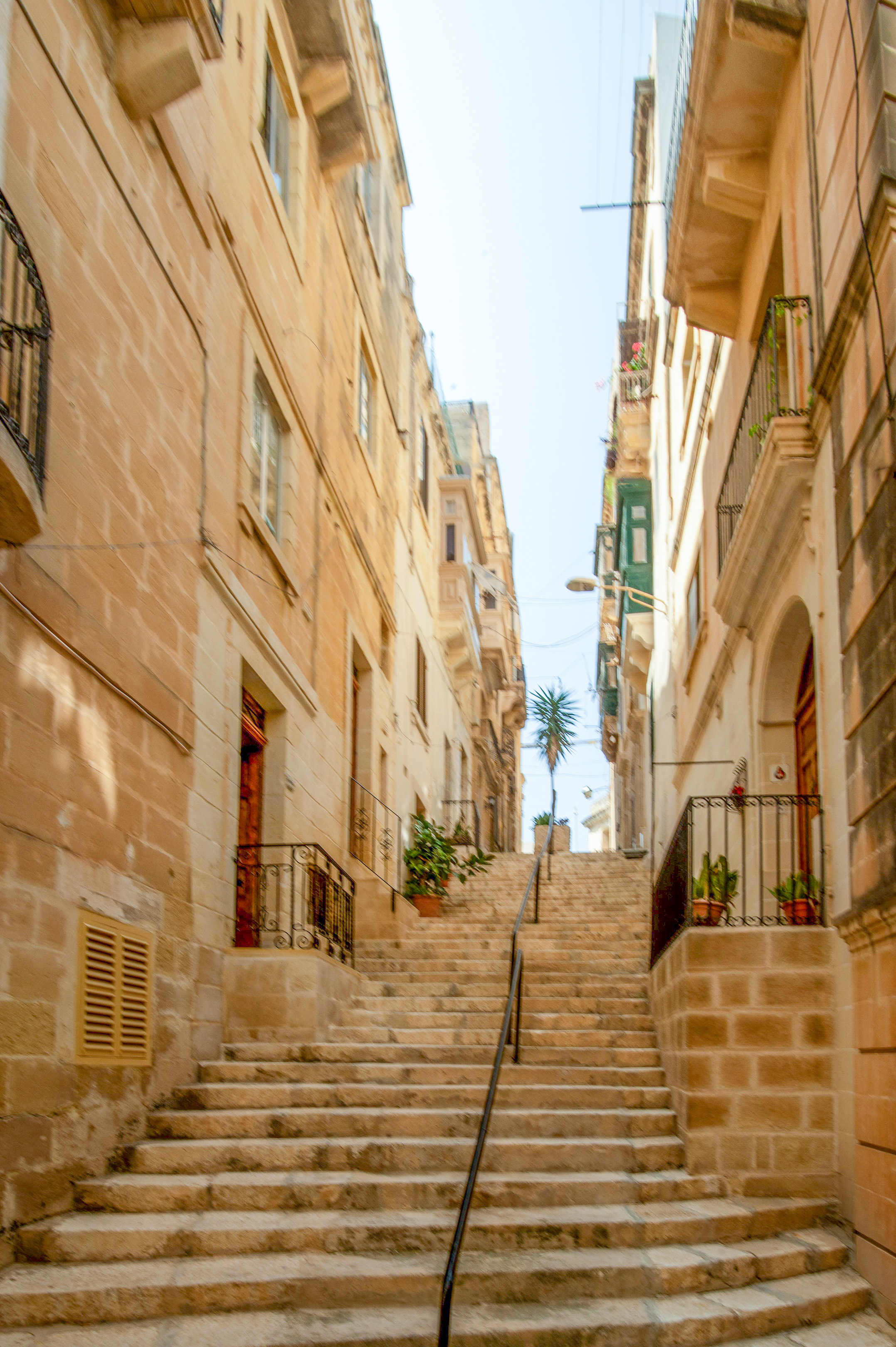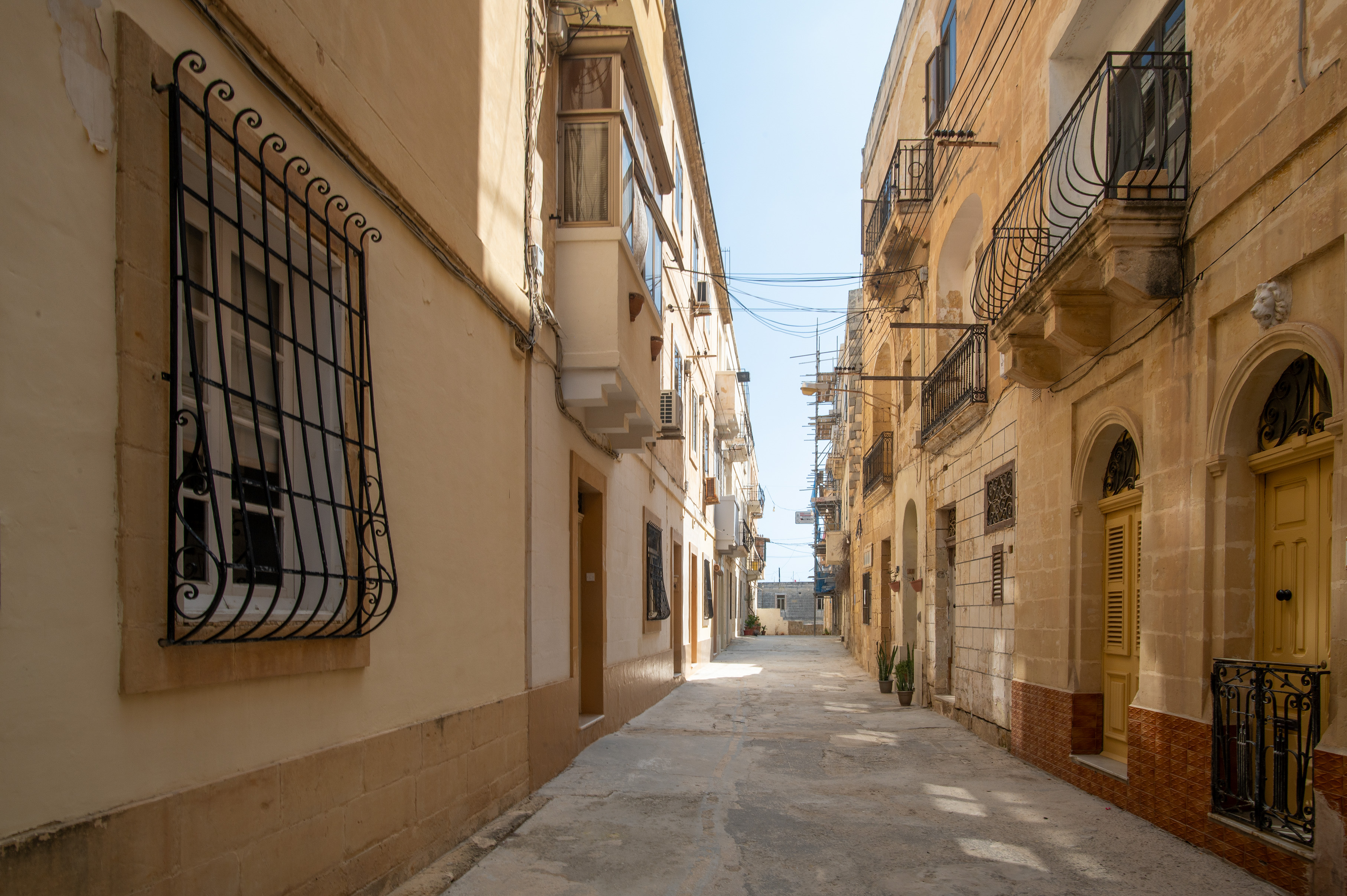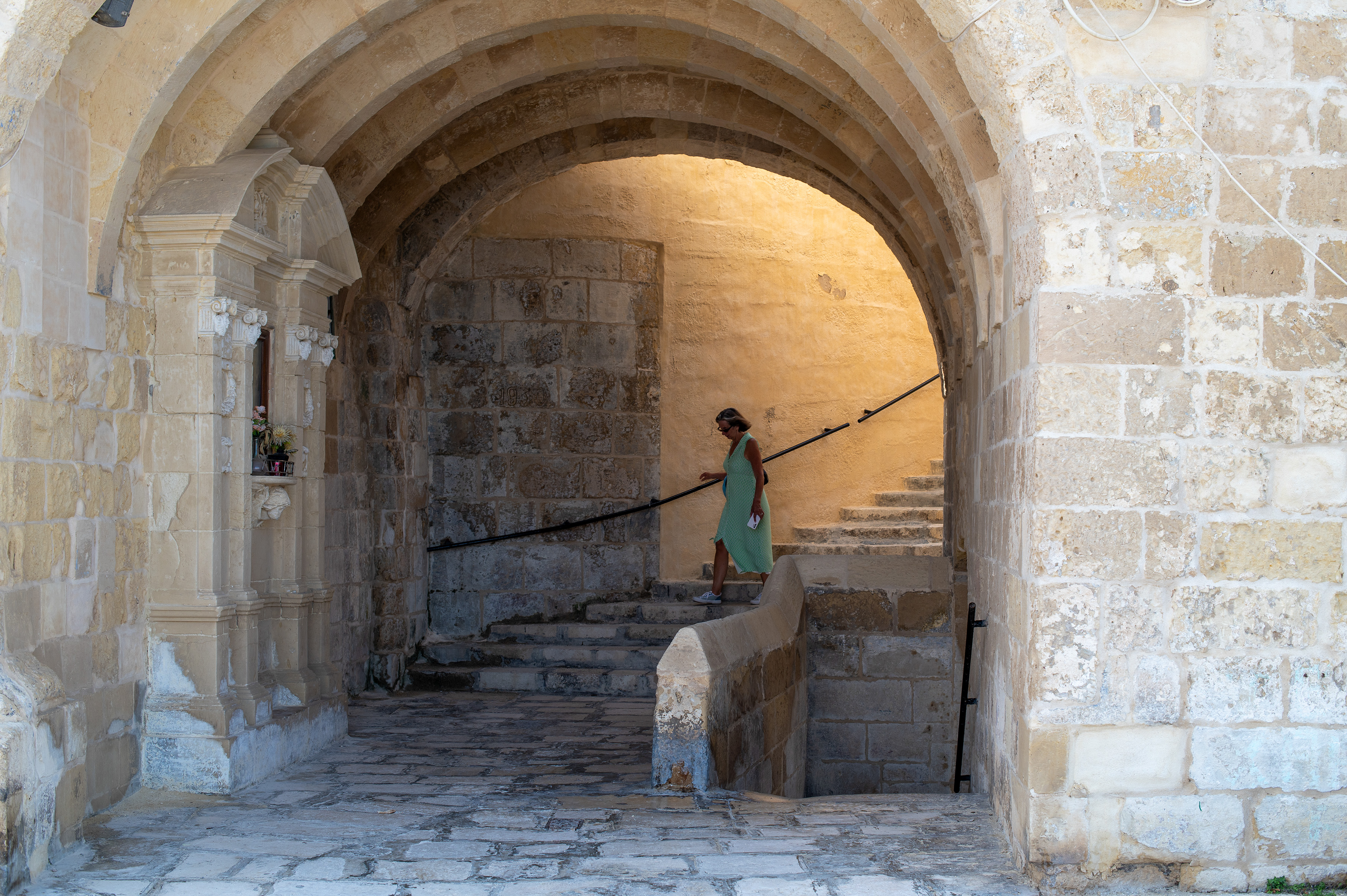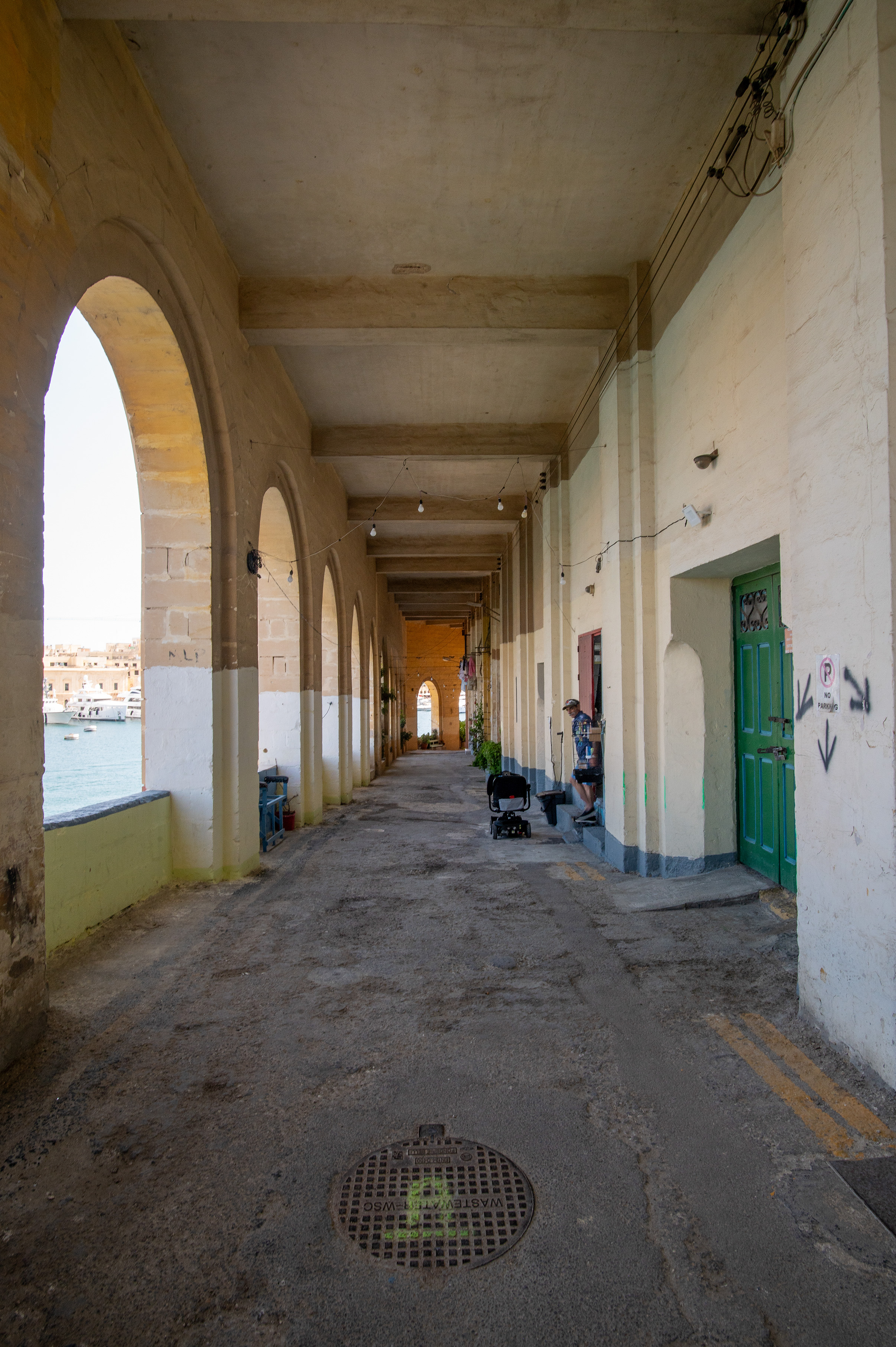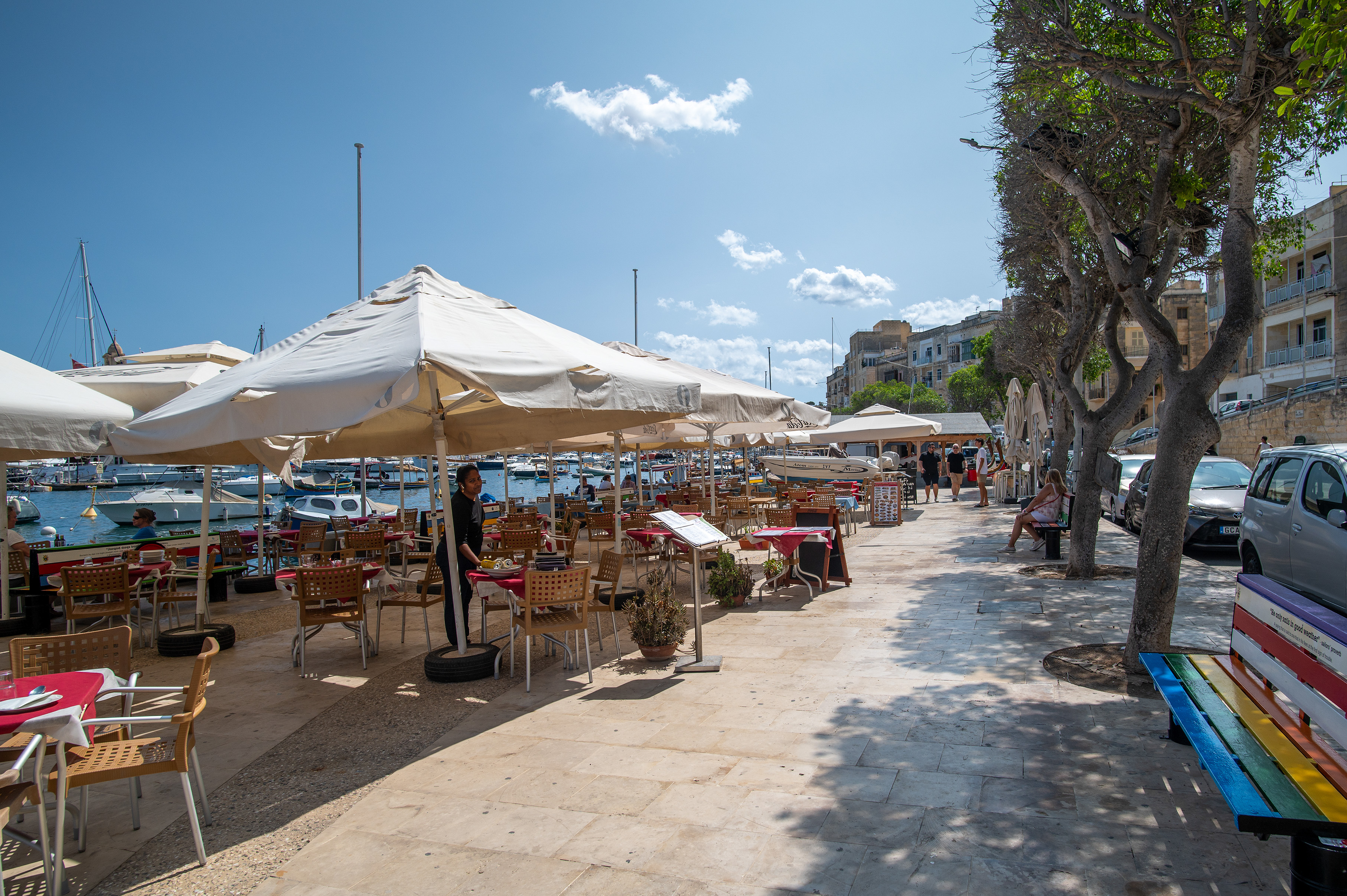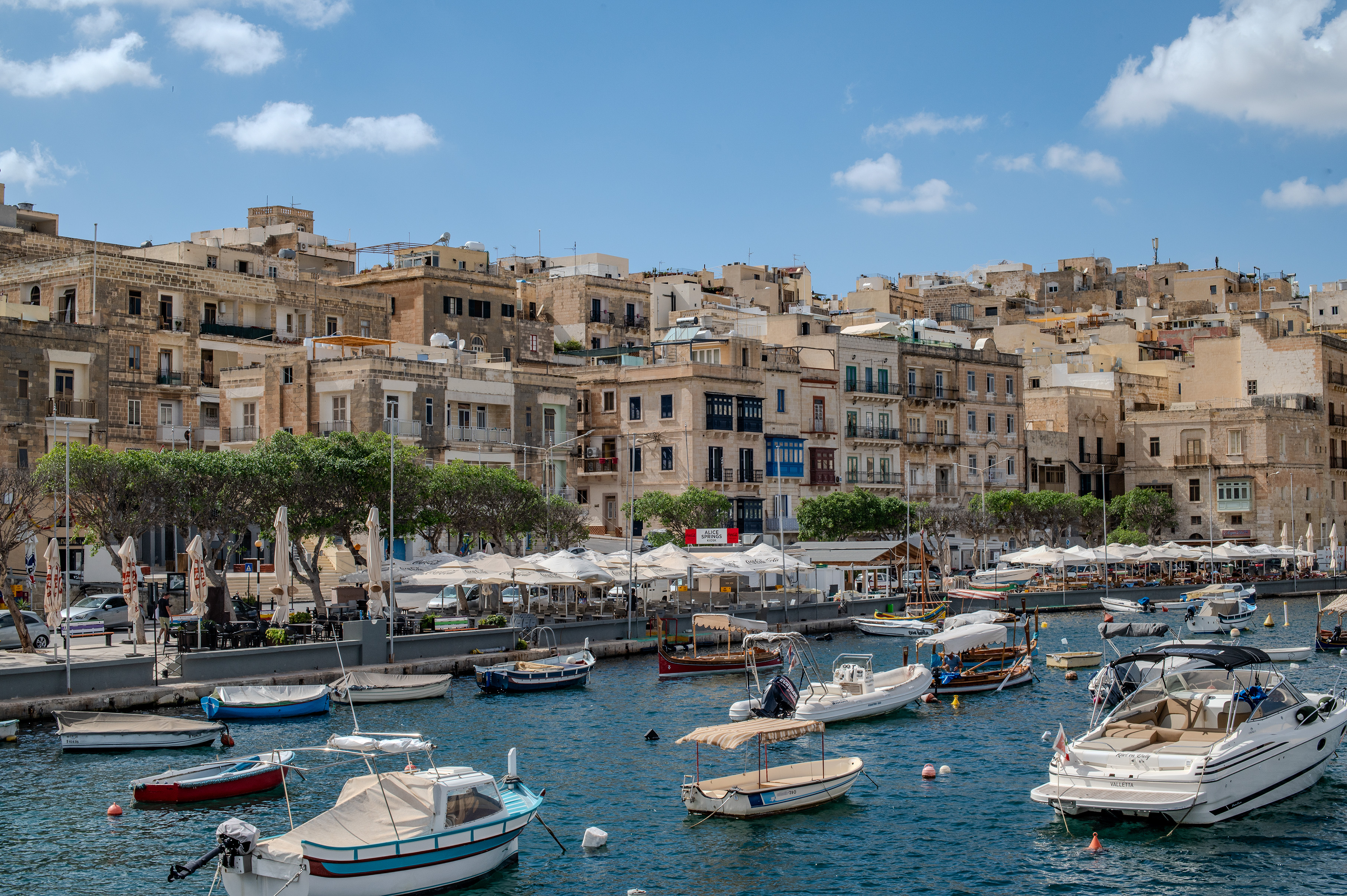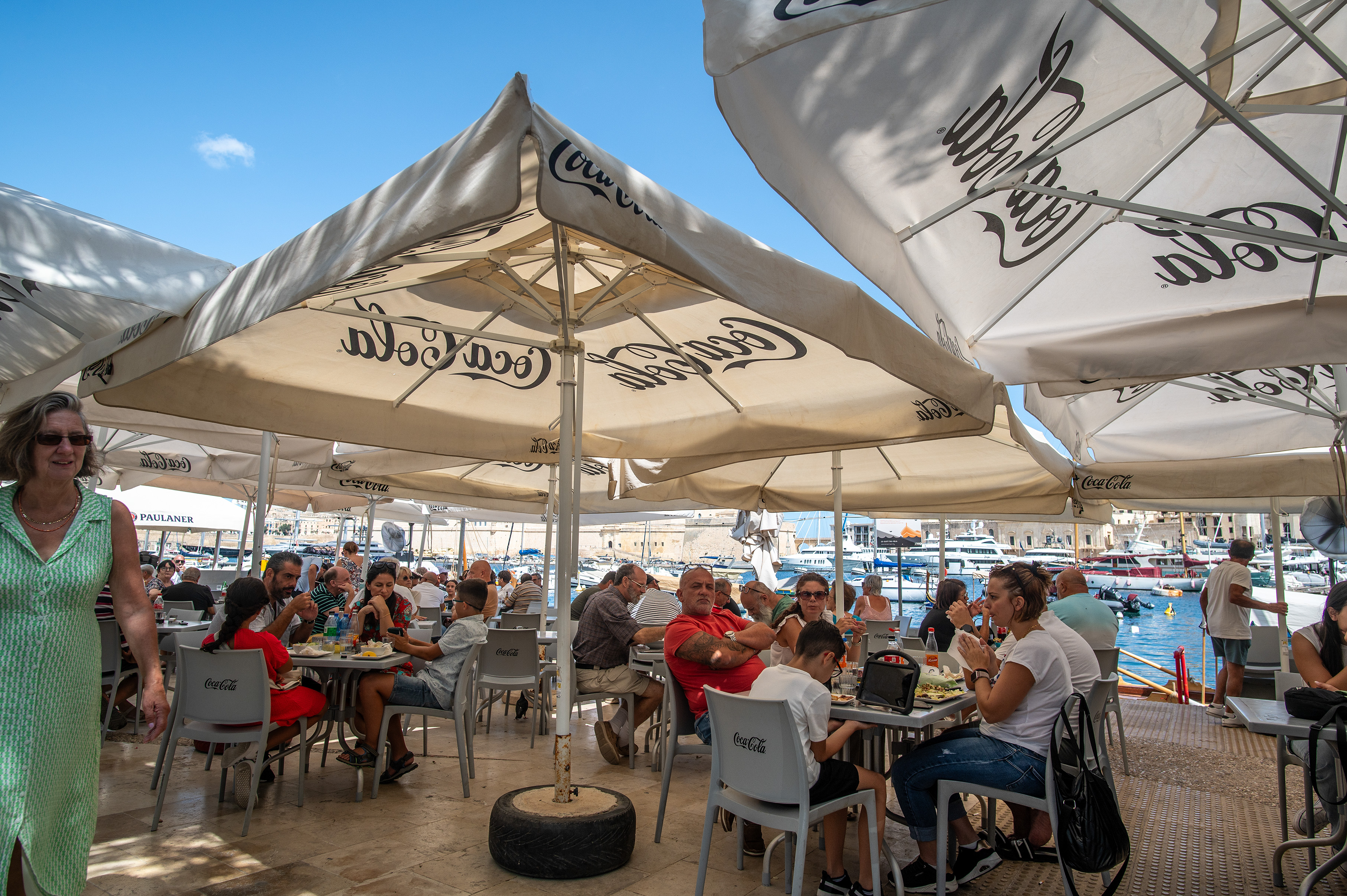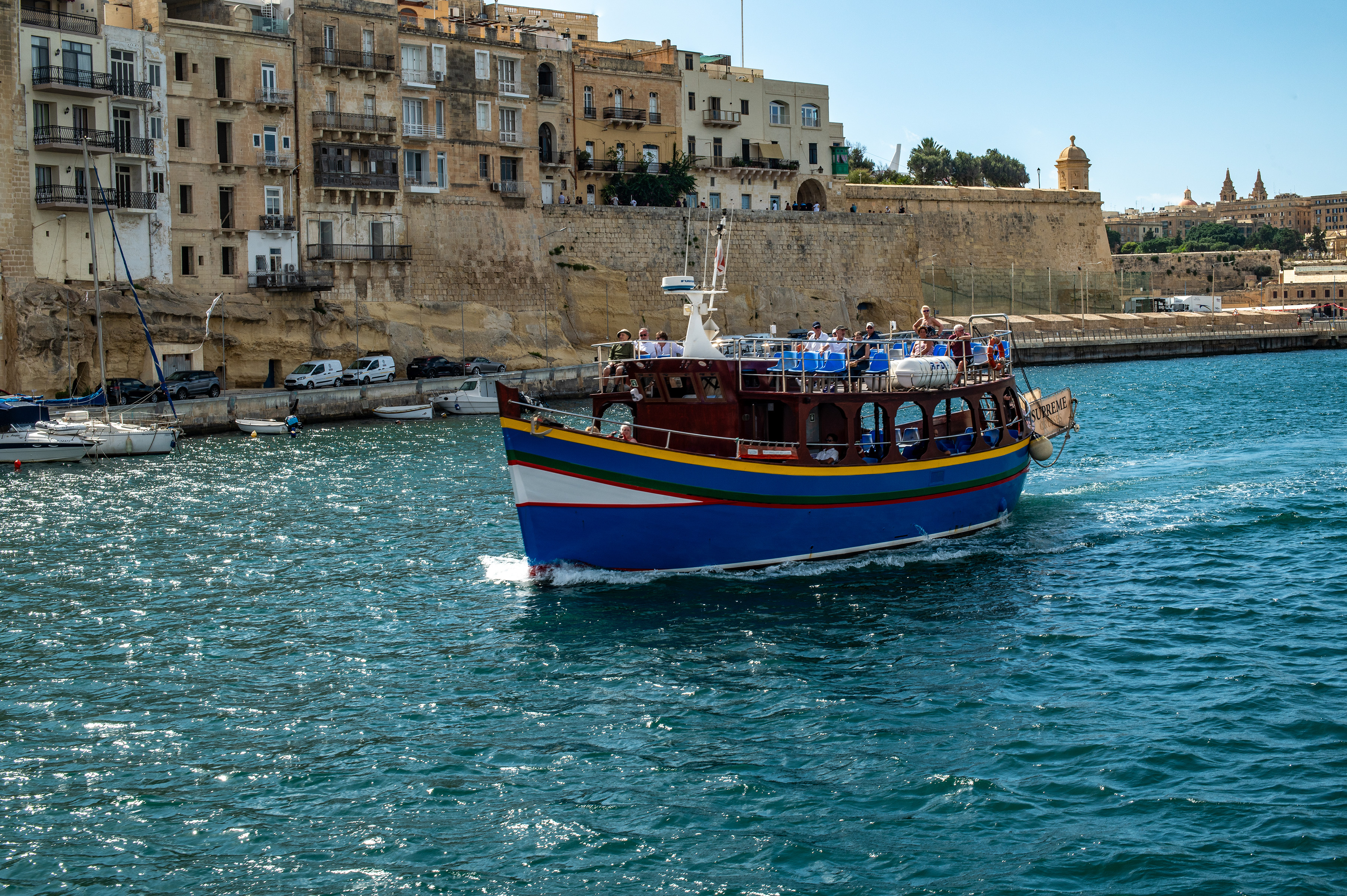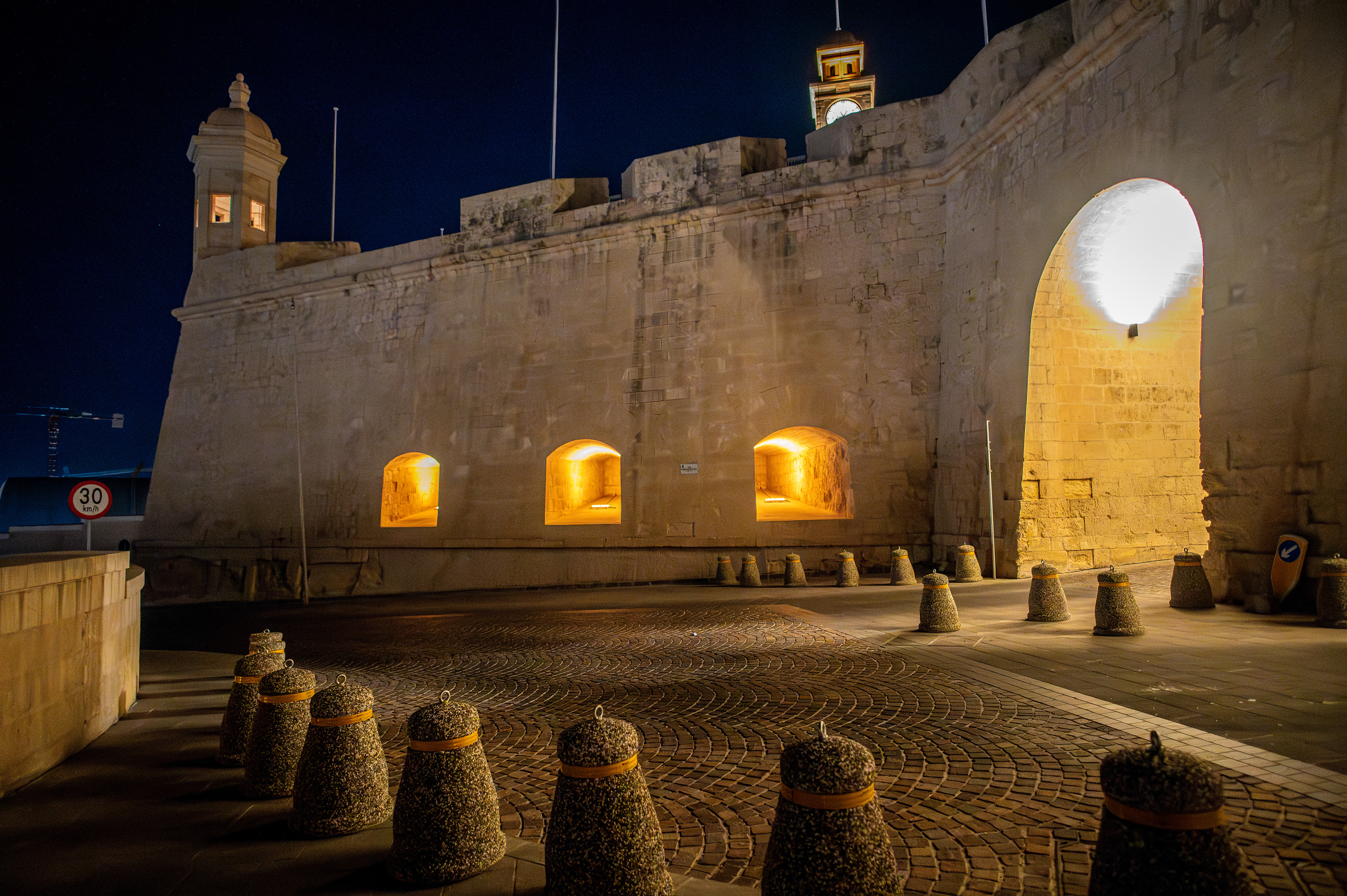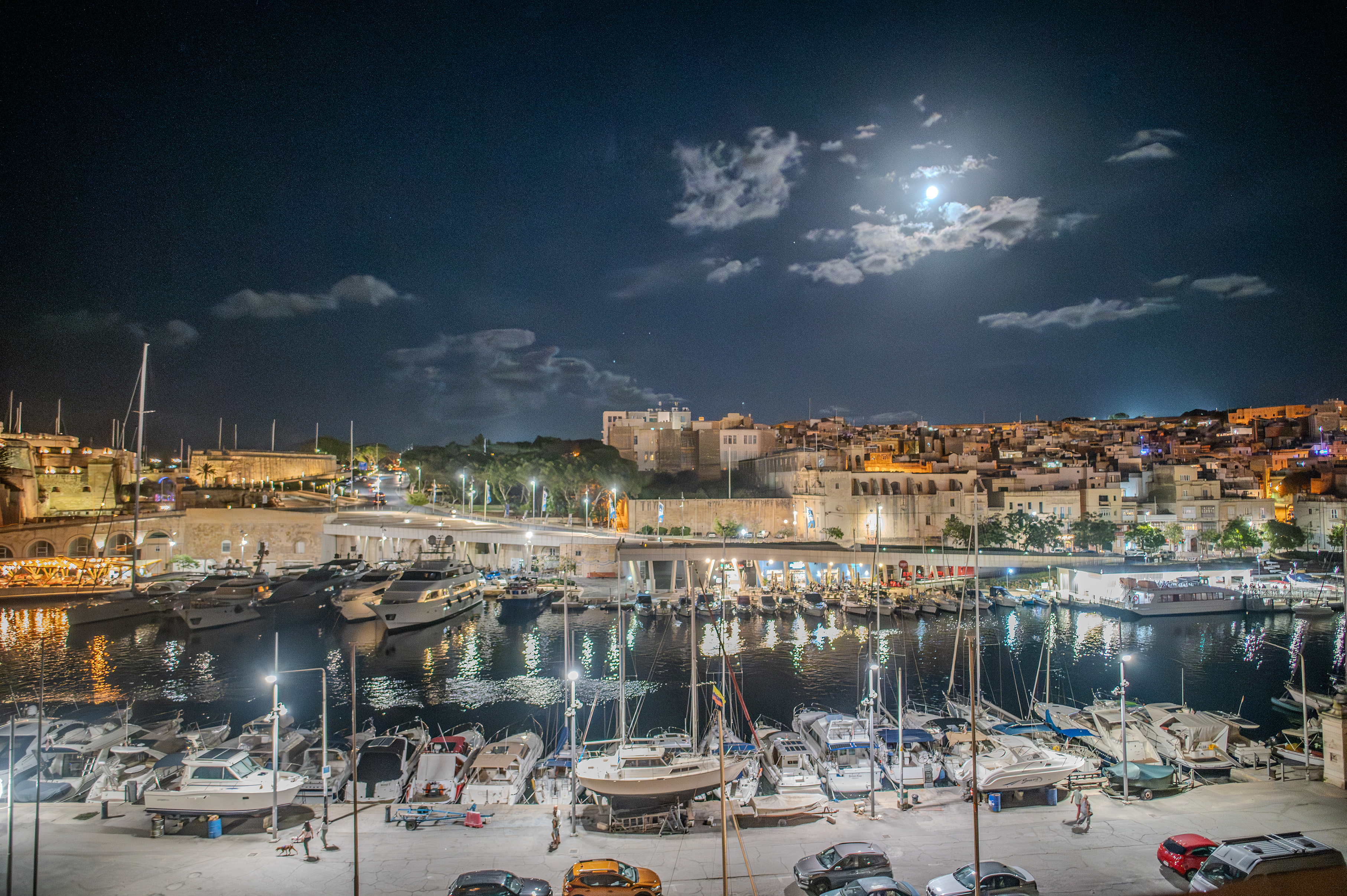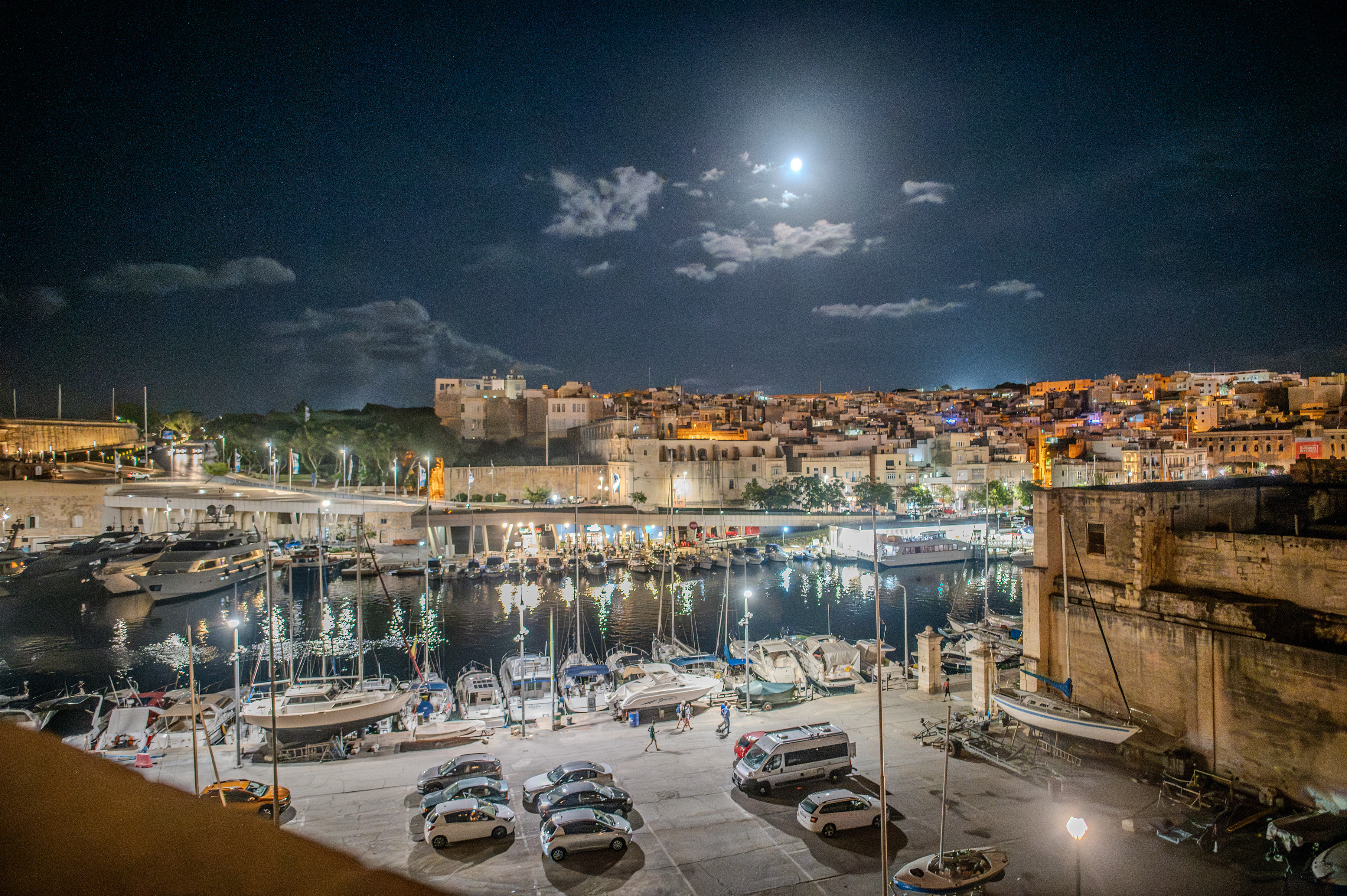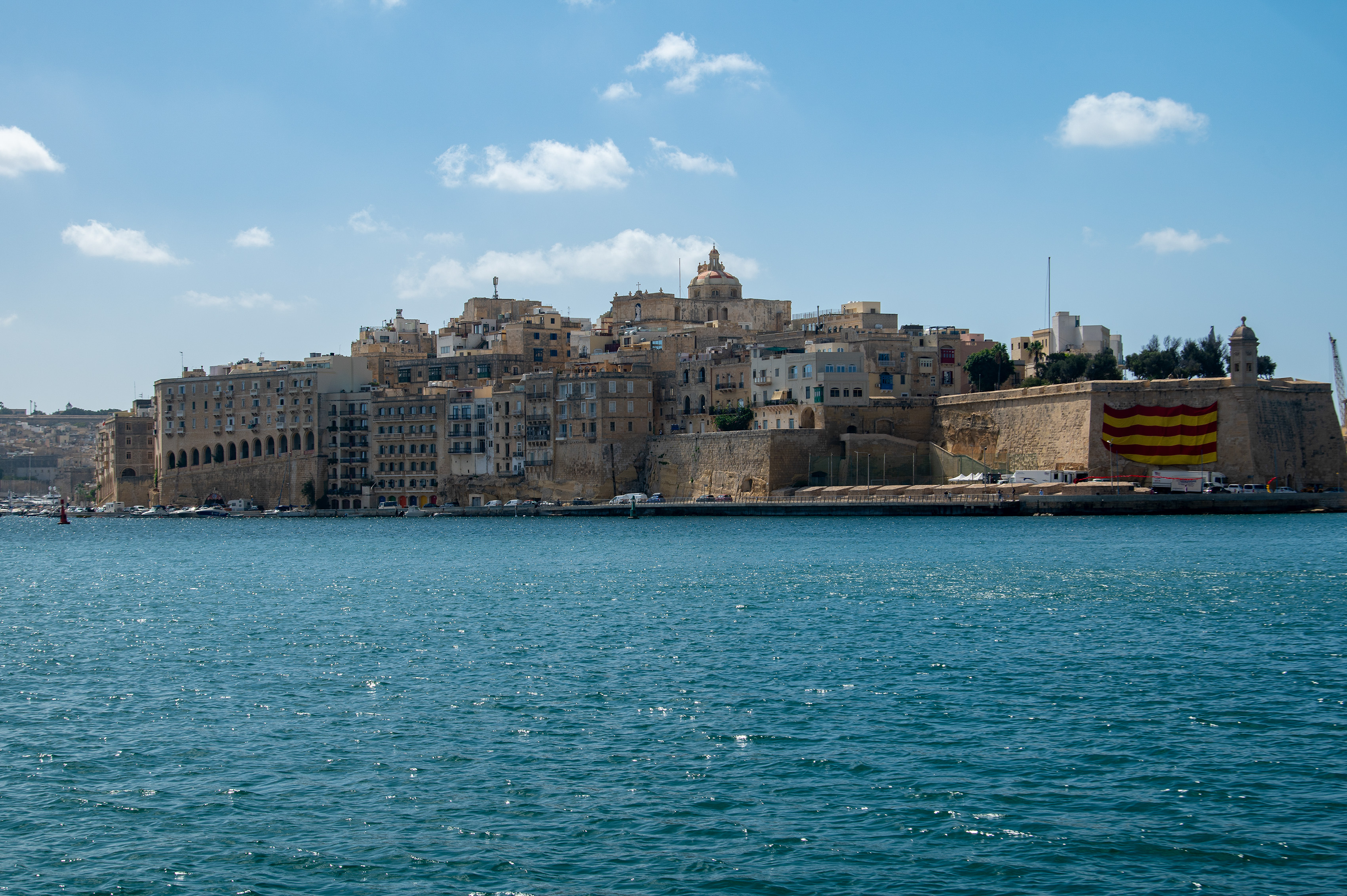
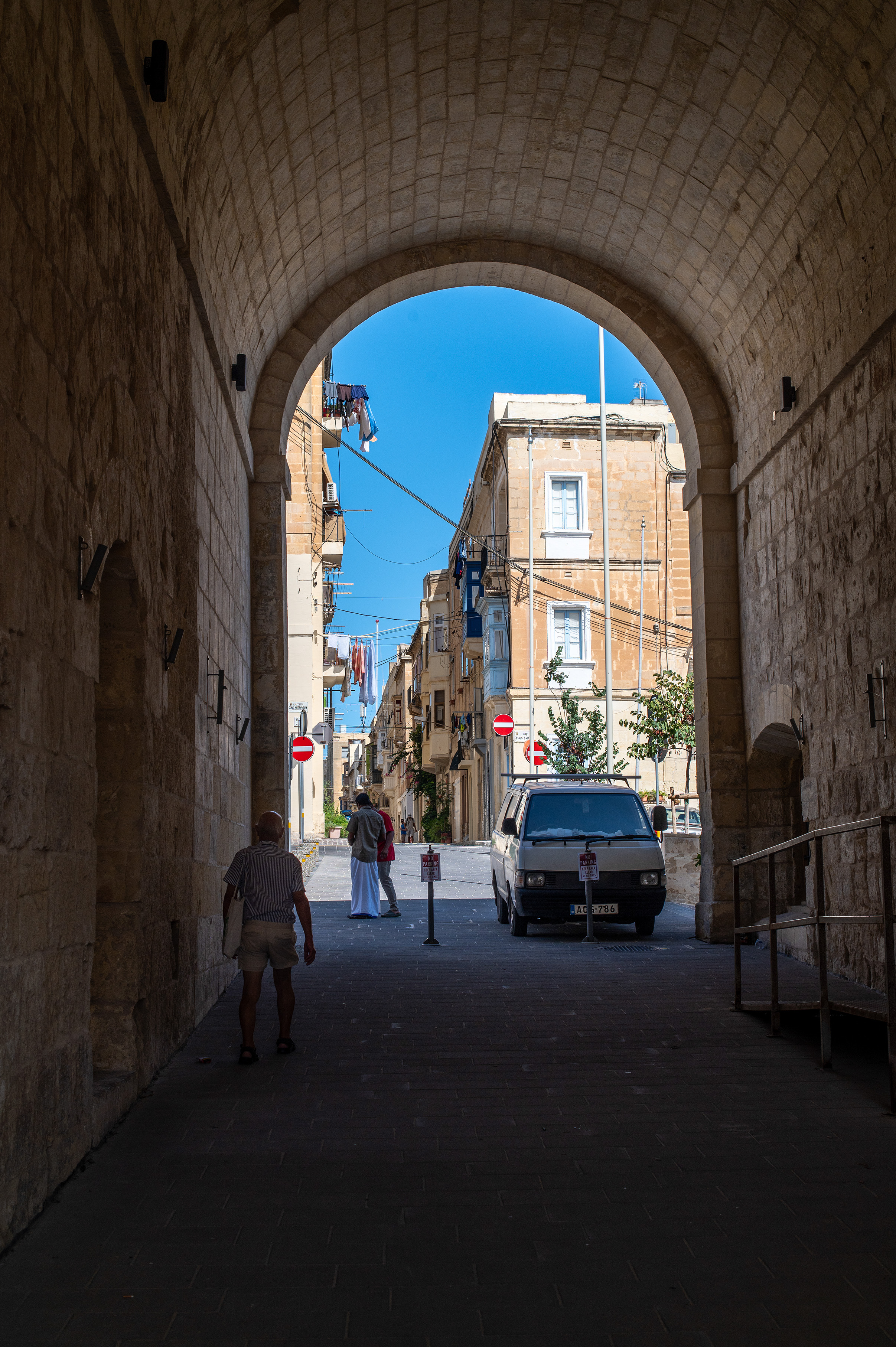
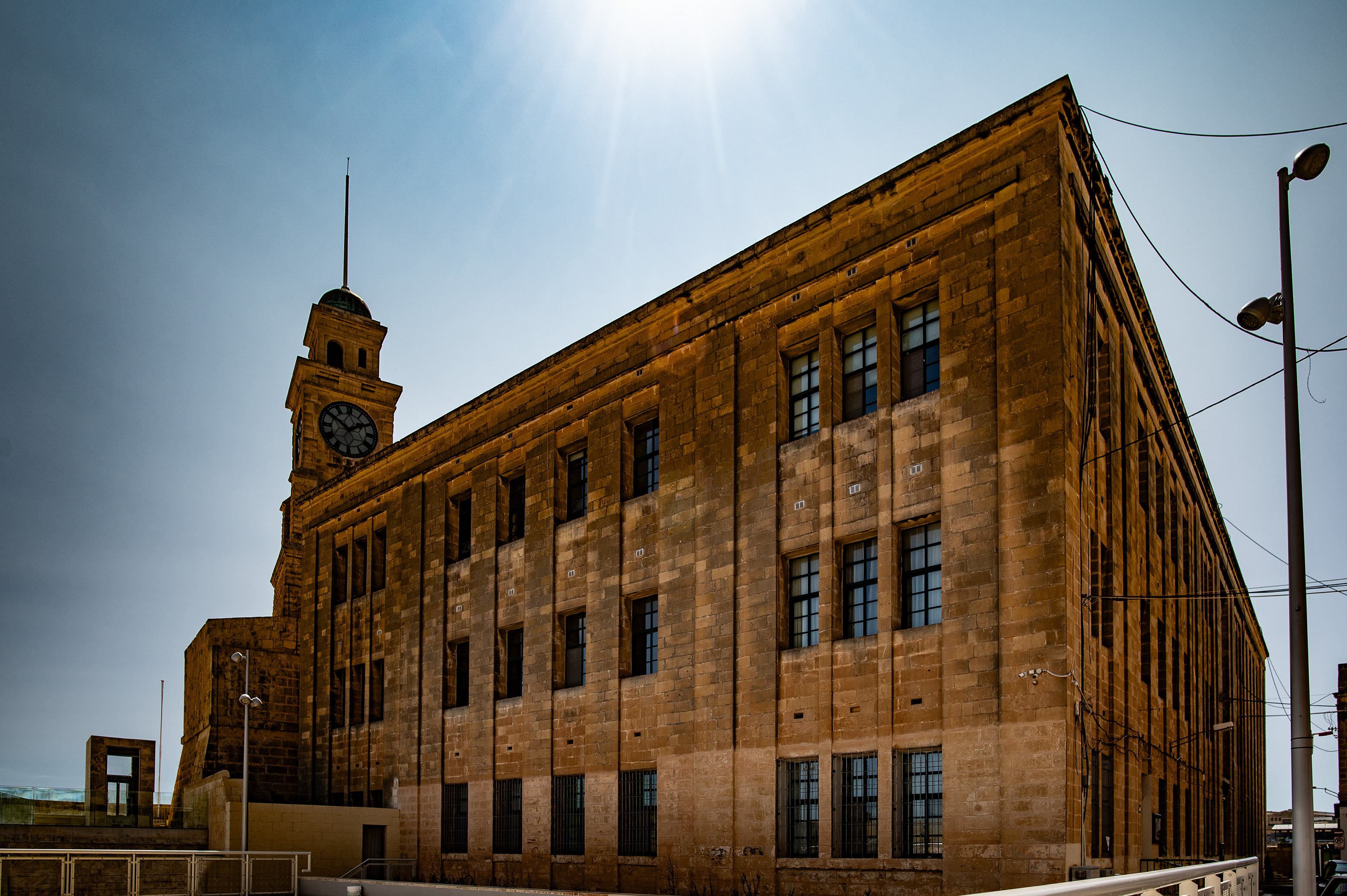
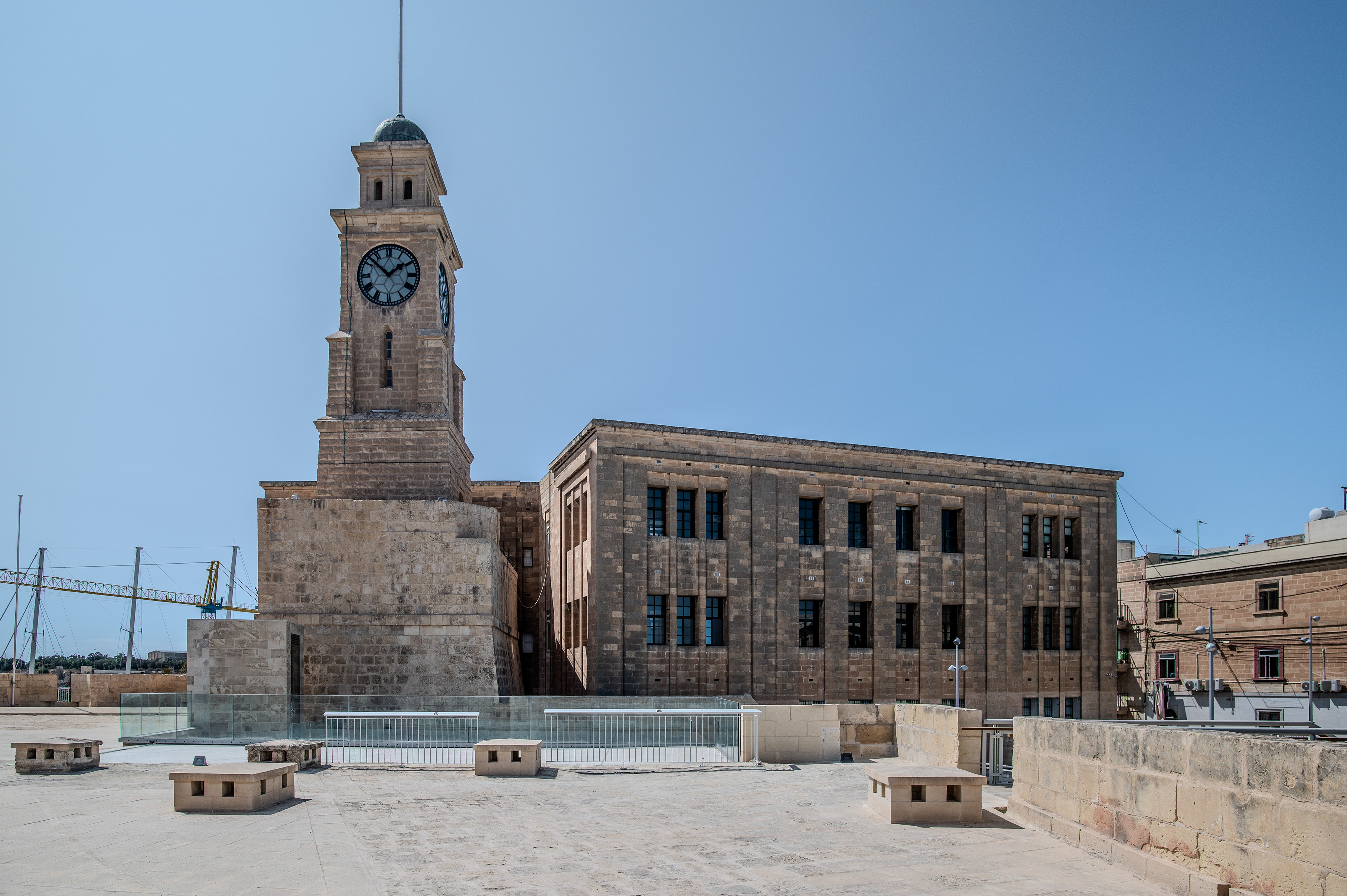

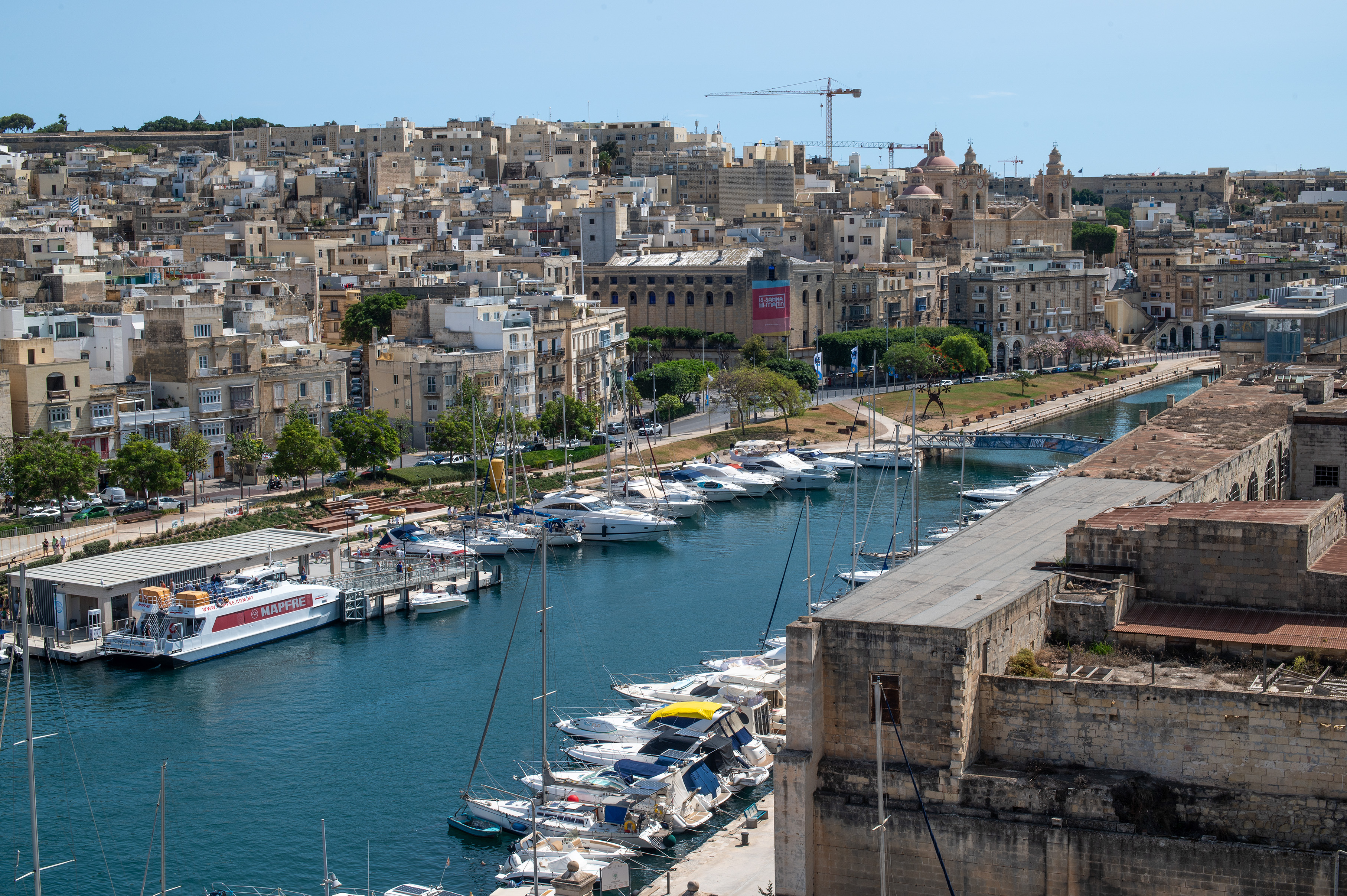
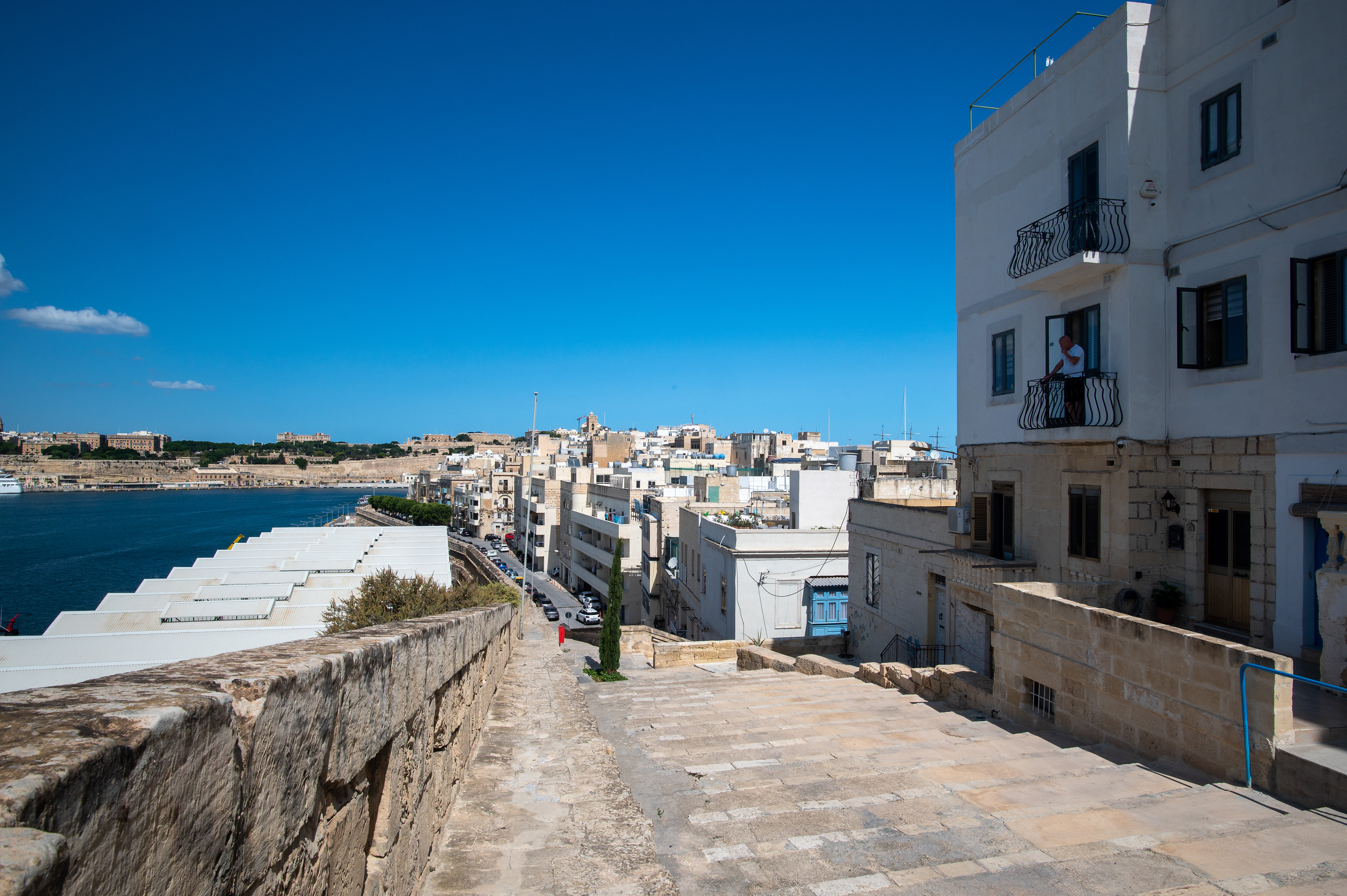
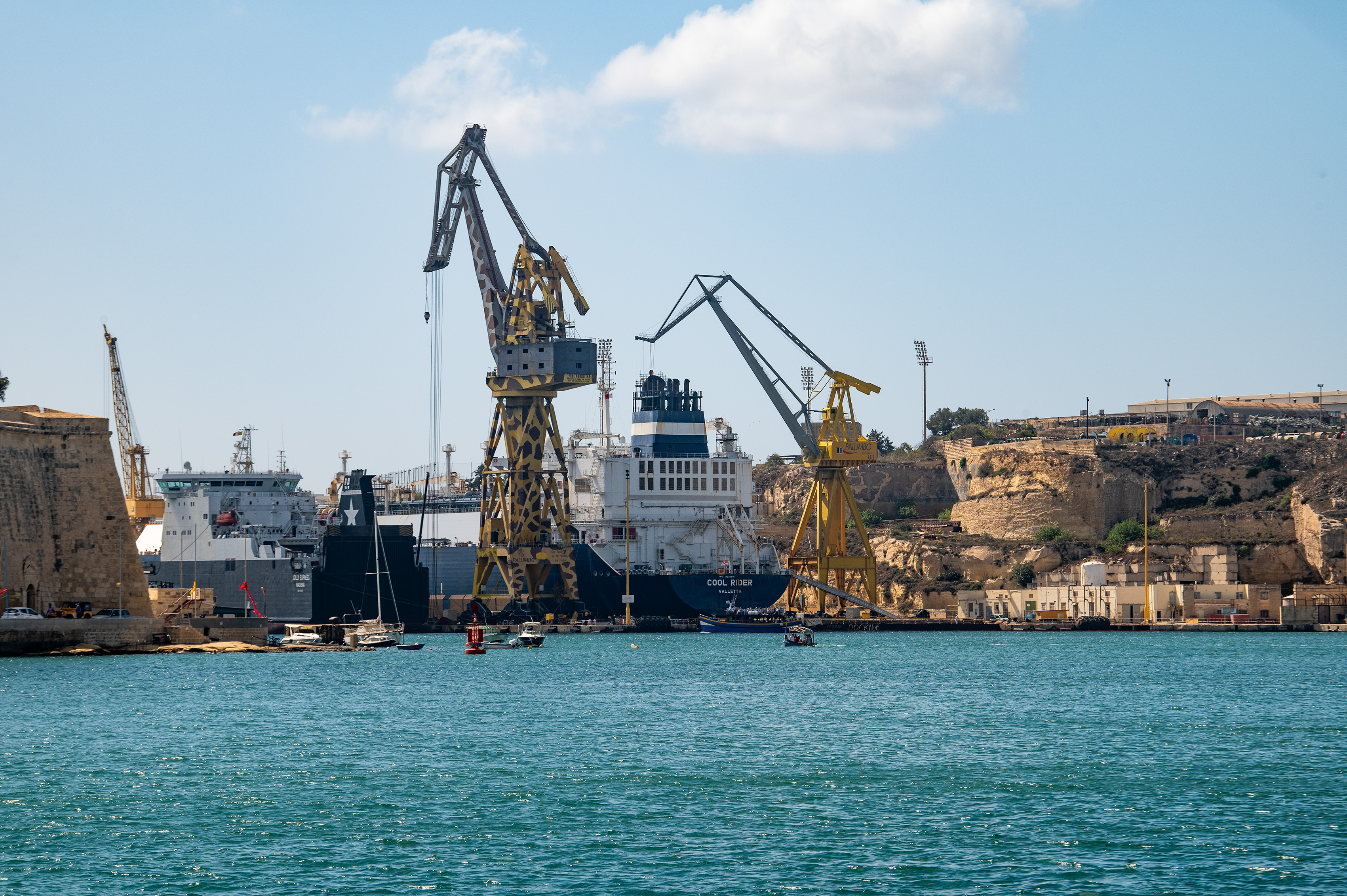
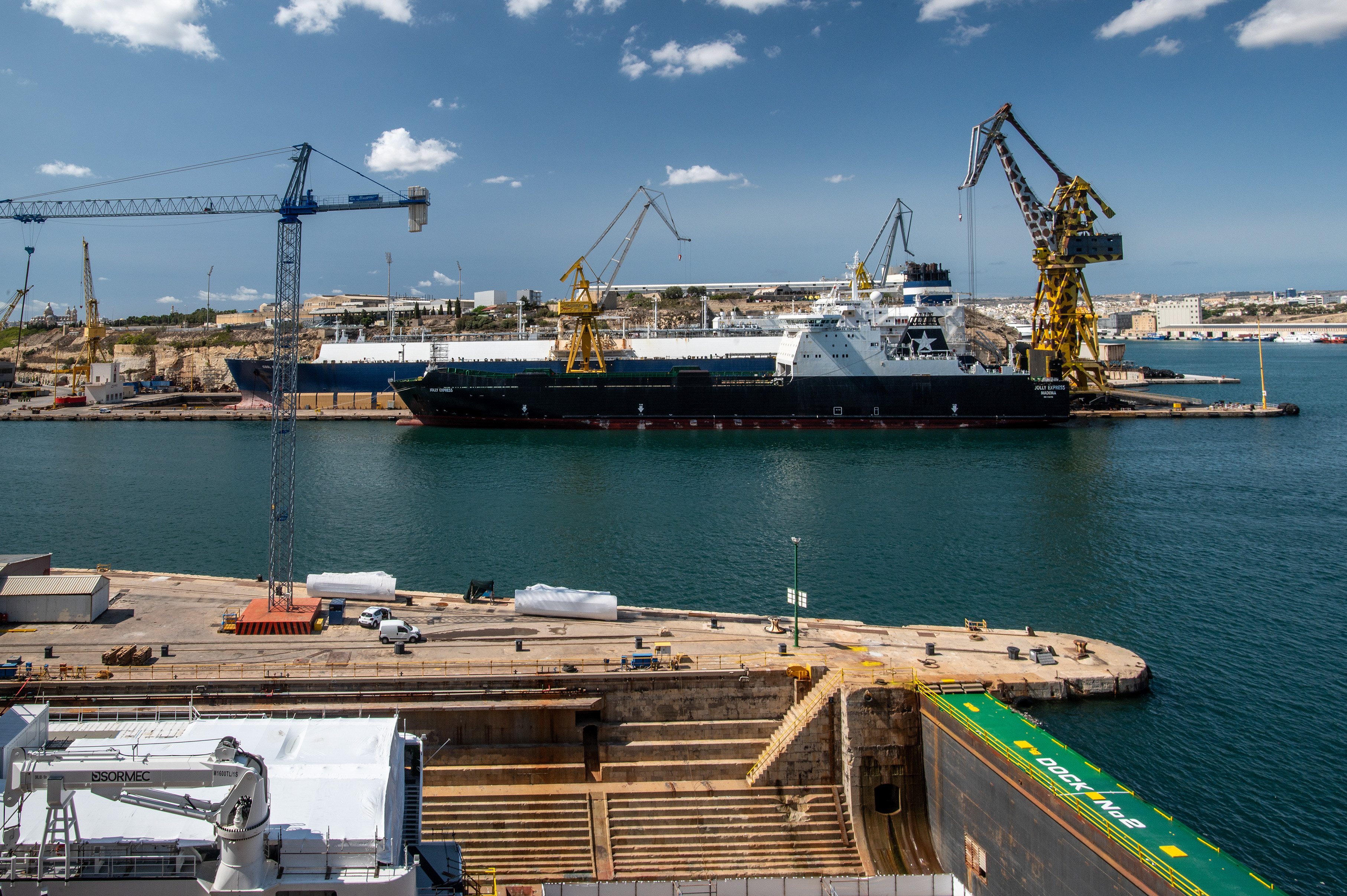
St. Michael Bastion is a historic fortification located in Bormla (Cospicua), one of Malta's Three Cities. Built during the time of the Knights of St. John, the bastion offers stunning views of the Grand Harbour and Valletta, making it a popular spot for visitors and photographers.
St Michael’s Bastion in Bormla (Cospicua) is part of the Cottonera Lines, a massive system of fortifications built by the Knights of St John in the 17th century to protect Malta’s Grand Harbour towns.
Late 17th century, as part of the Cottonera Lines commissioned by Grand Master Nicolas Cotoner.
Late 17th century, as part of the Cottonera Lines commissioned by Grand Master Nicolas Cotoner.
Unlike other bastions, St Michael’s was never upgraded during later phases of rifled muzzle-loading or breech-loading artillery, preserving much of its original character.
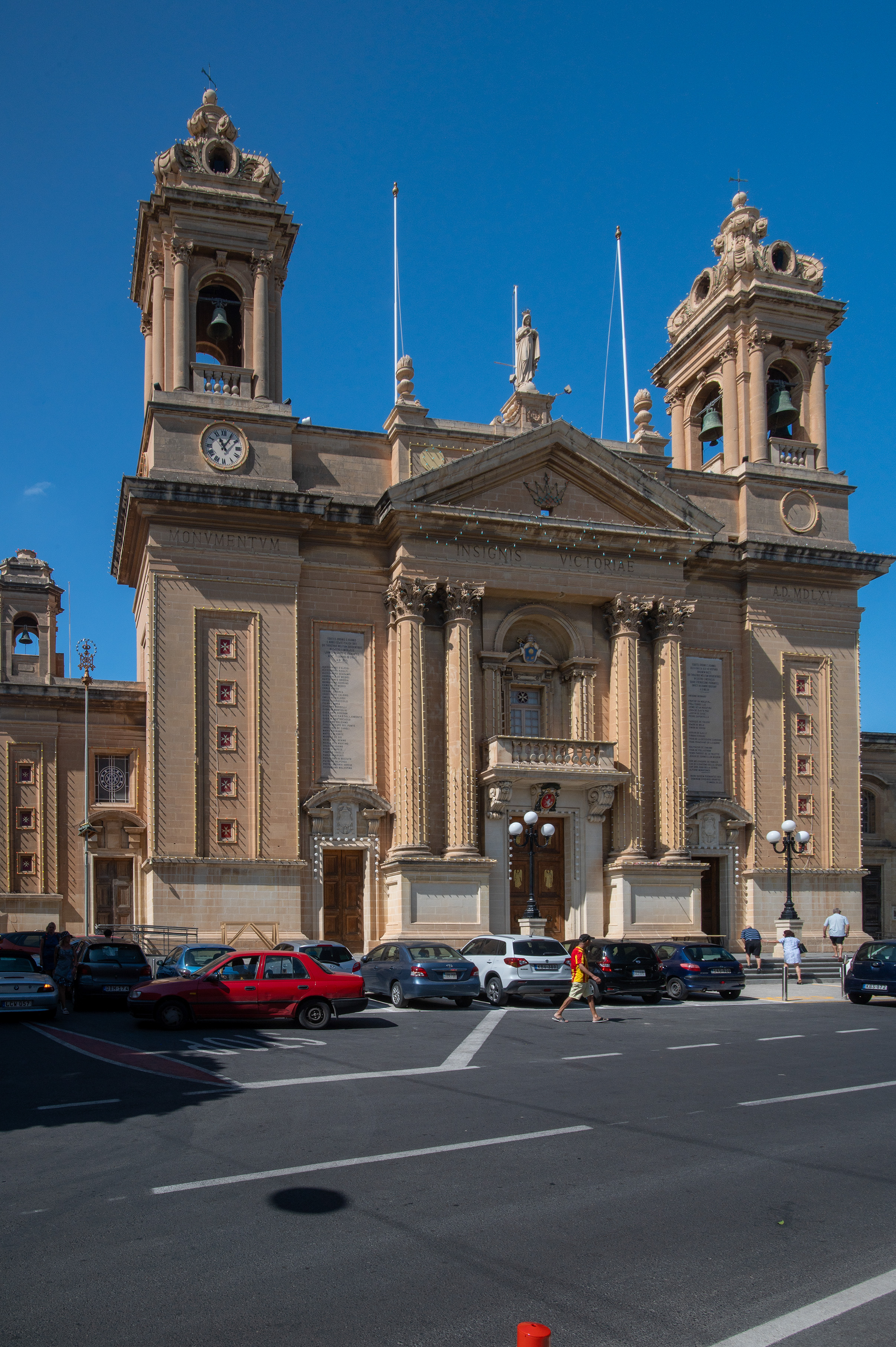
The bastion is situated close to Senglea’s Basilica of the Nativity of Mary and within walking distance of Birgu’s Inquisitor’s Palace and Maritime Museum, placing it at the heart of Malta’s historic fortified harbour.
The bastion is situated close to Senglea’s Basilica of the Nativity of Mary and within walking distance of Birgu’s Inquisitor’s Palace and Maritime Museum, placing it at the heart of Malta’s historic fortified harbour.


-Enhanced-NR.jpg)

.jpg)
.jpg)
.jpg)
.jpg)
.jpg)
.jpg)
.jpg)
-Enhanced-NR.jpg)
.jpg)