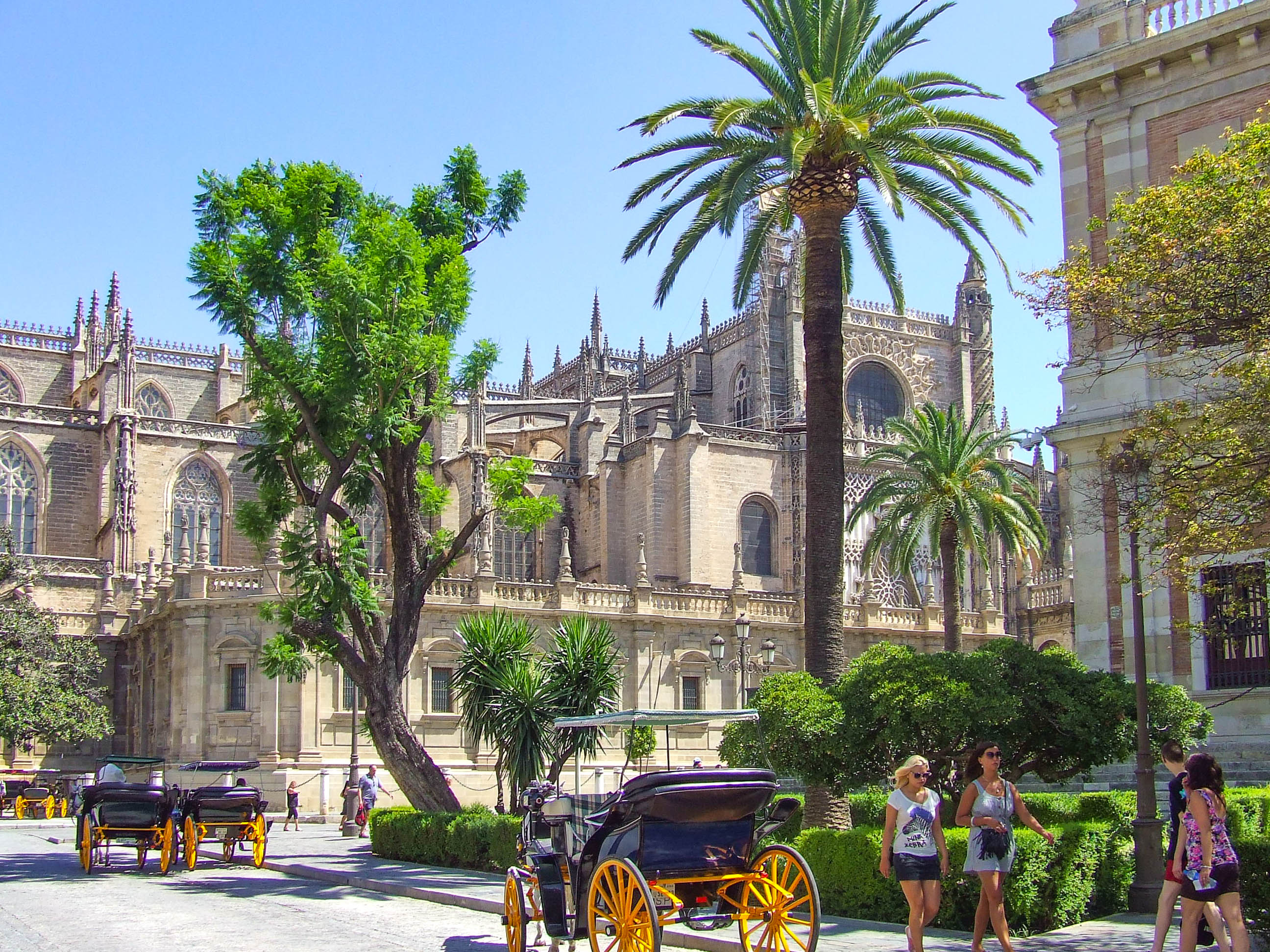
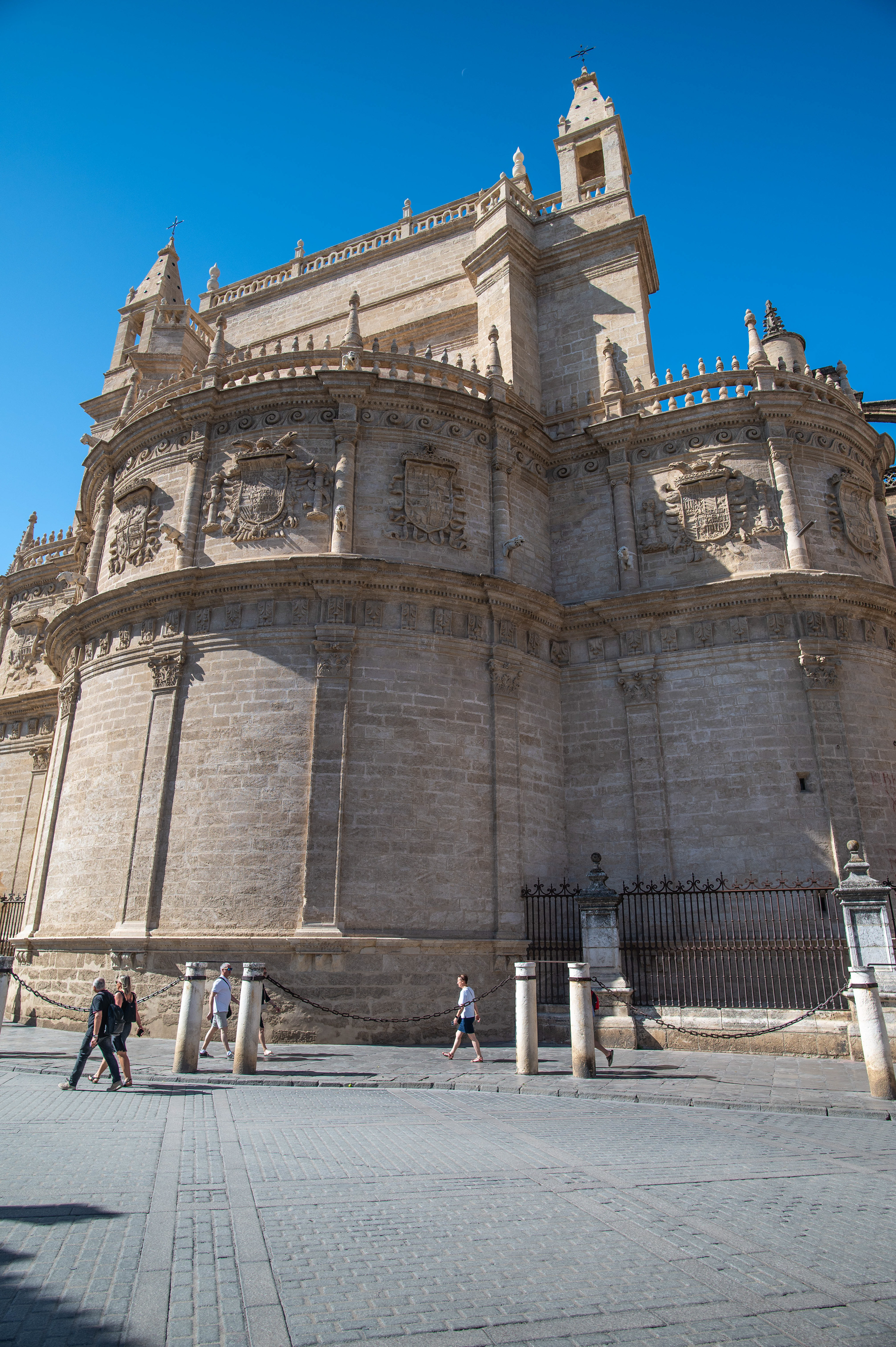
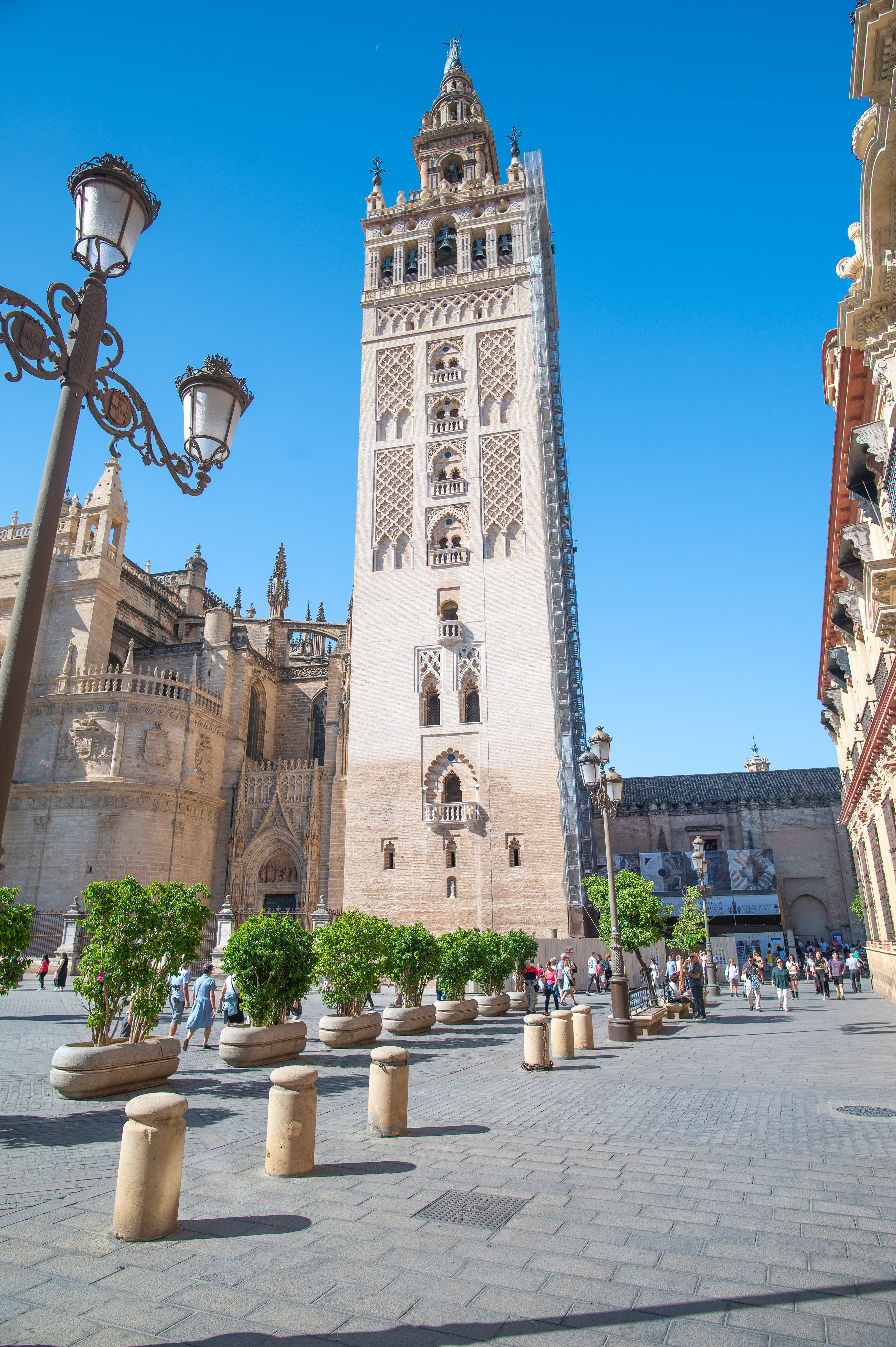
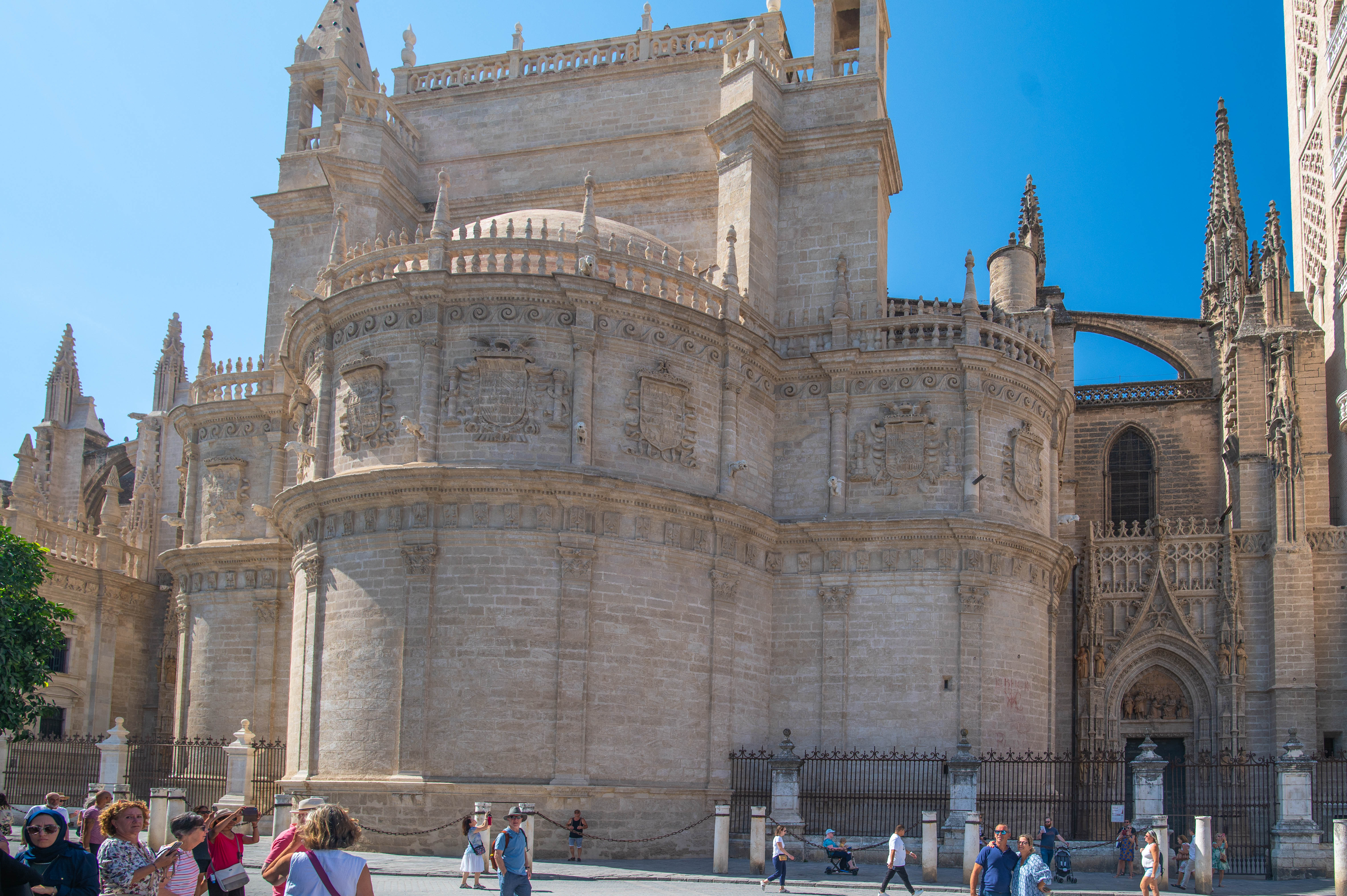
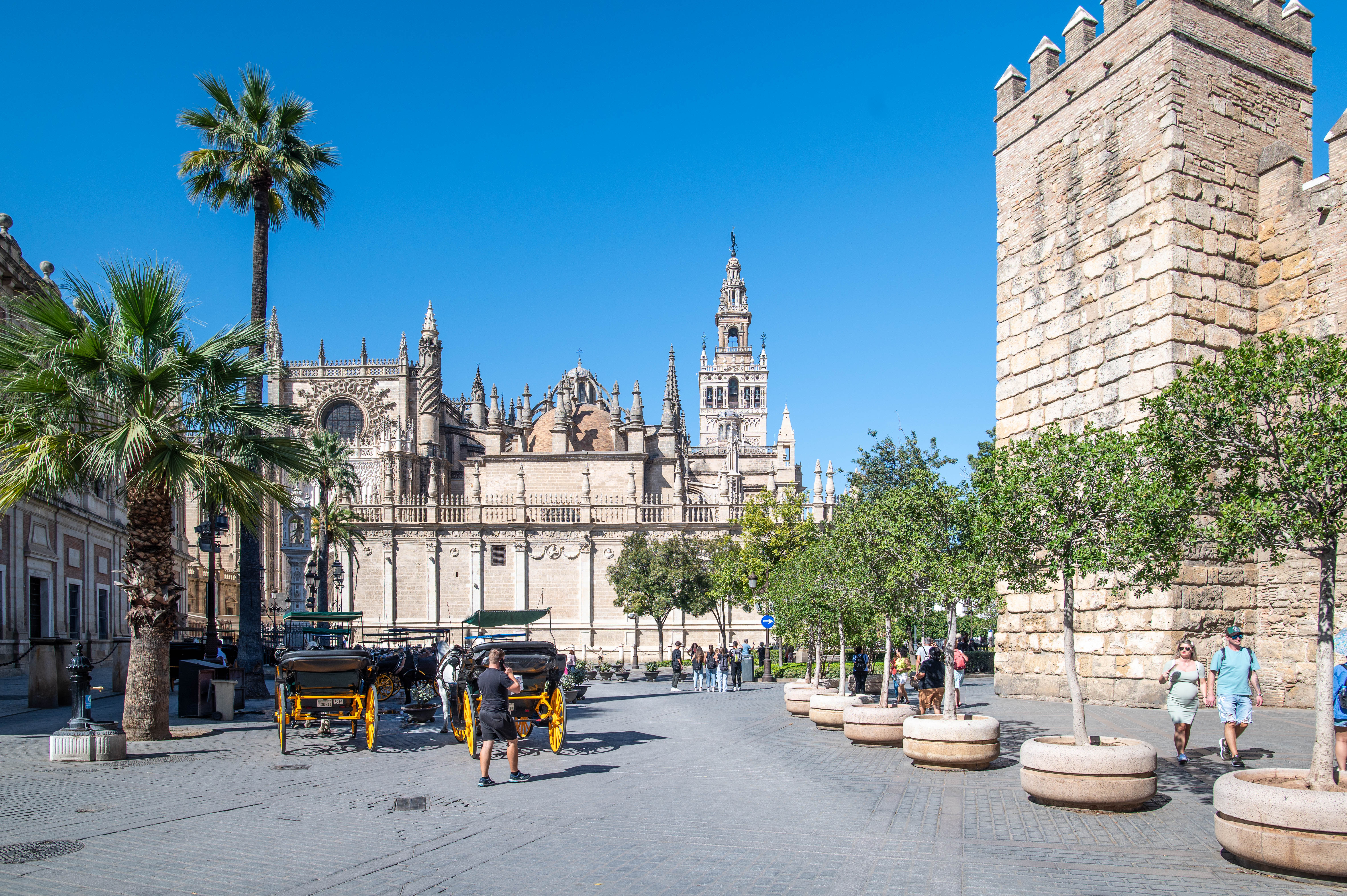
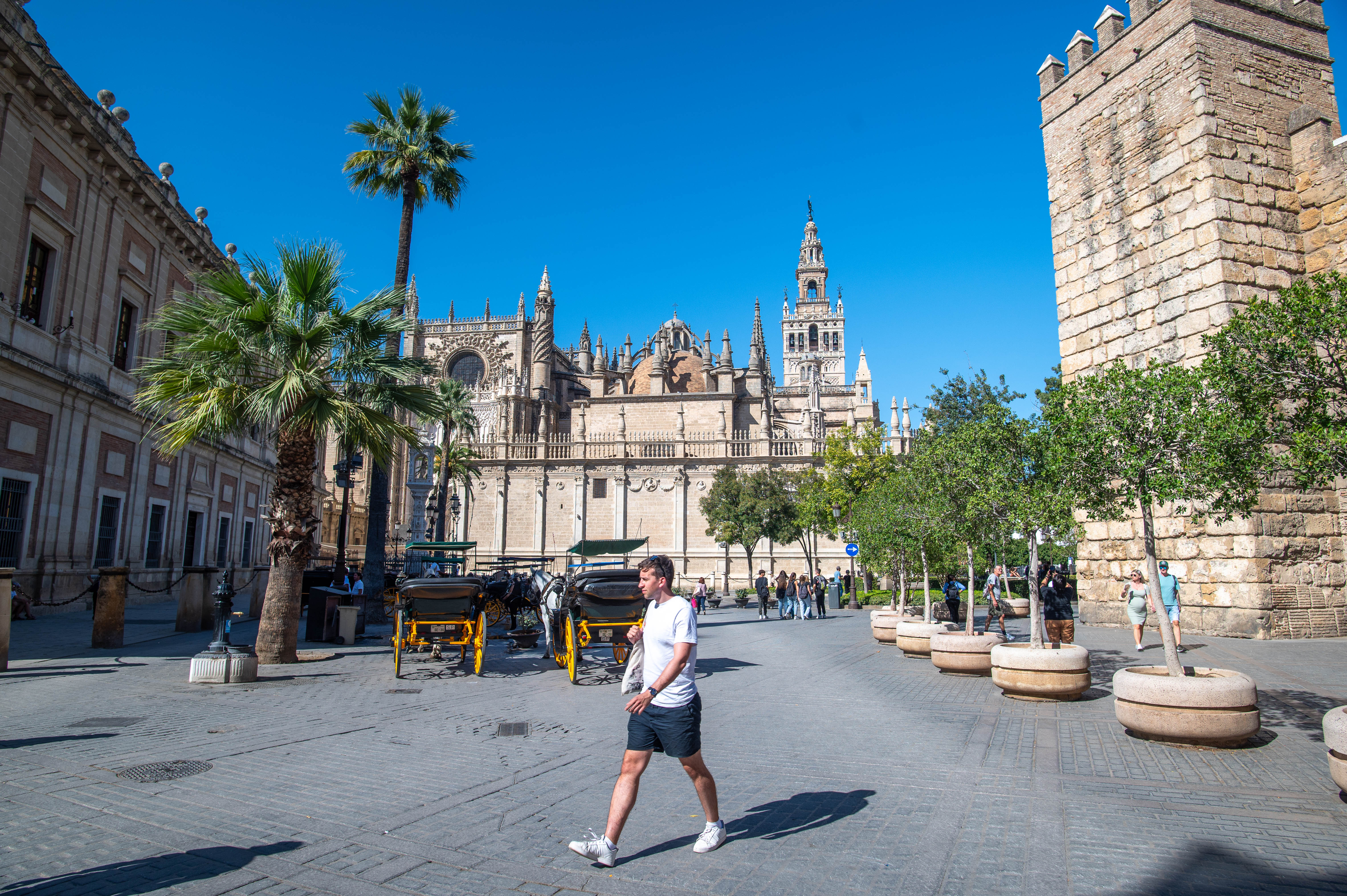
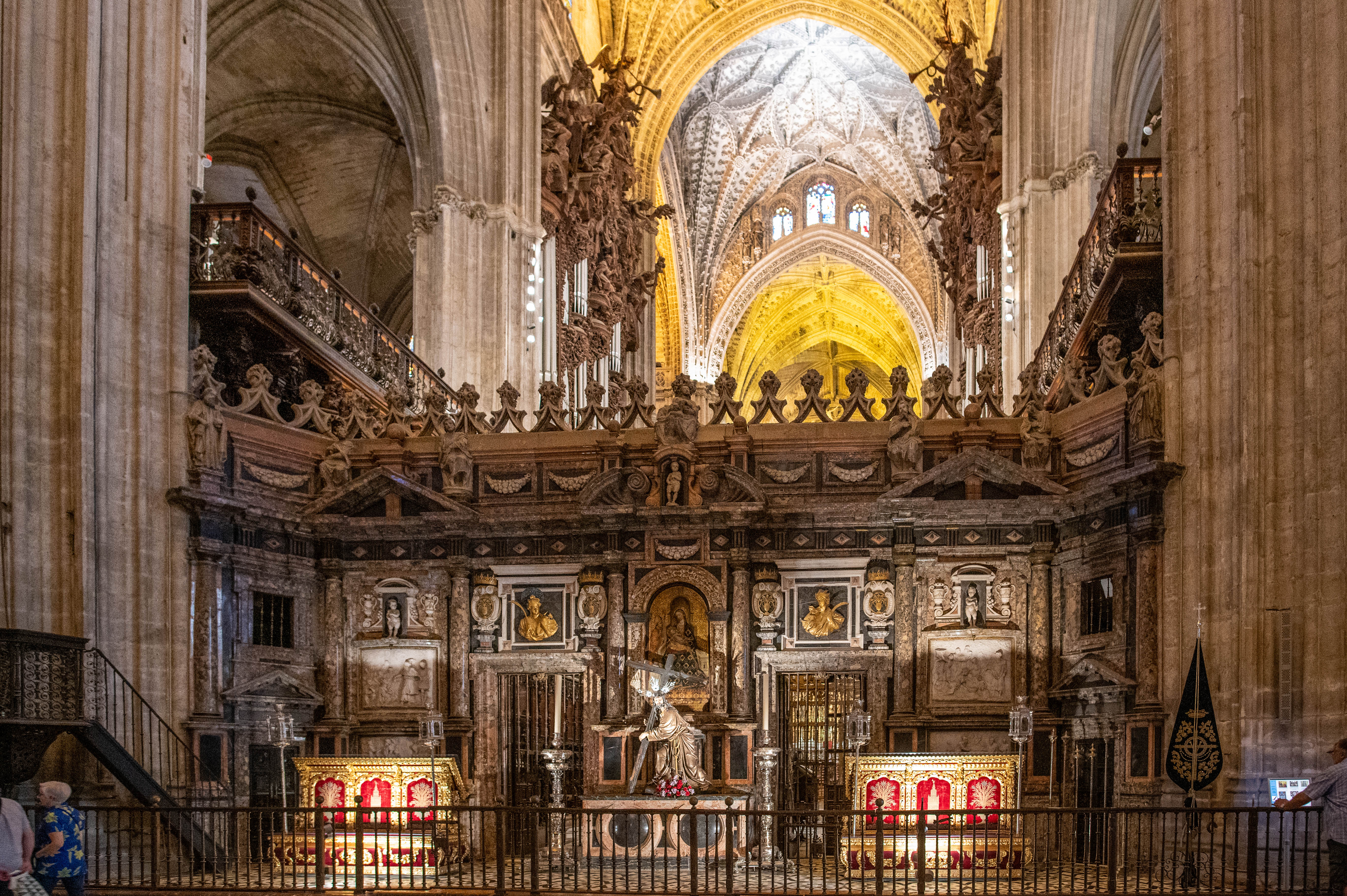
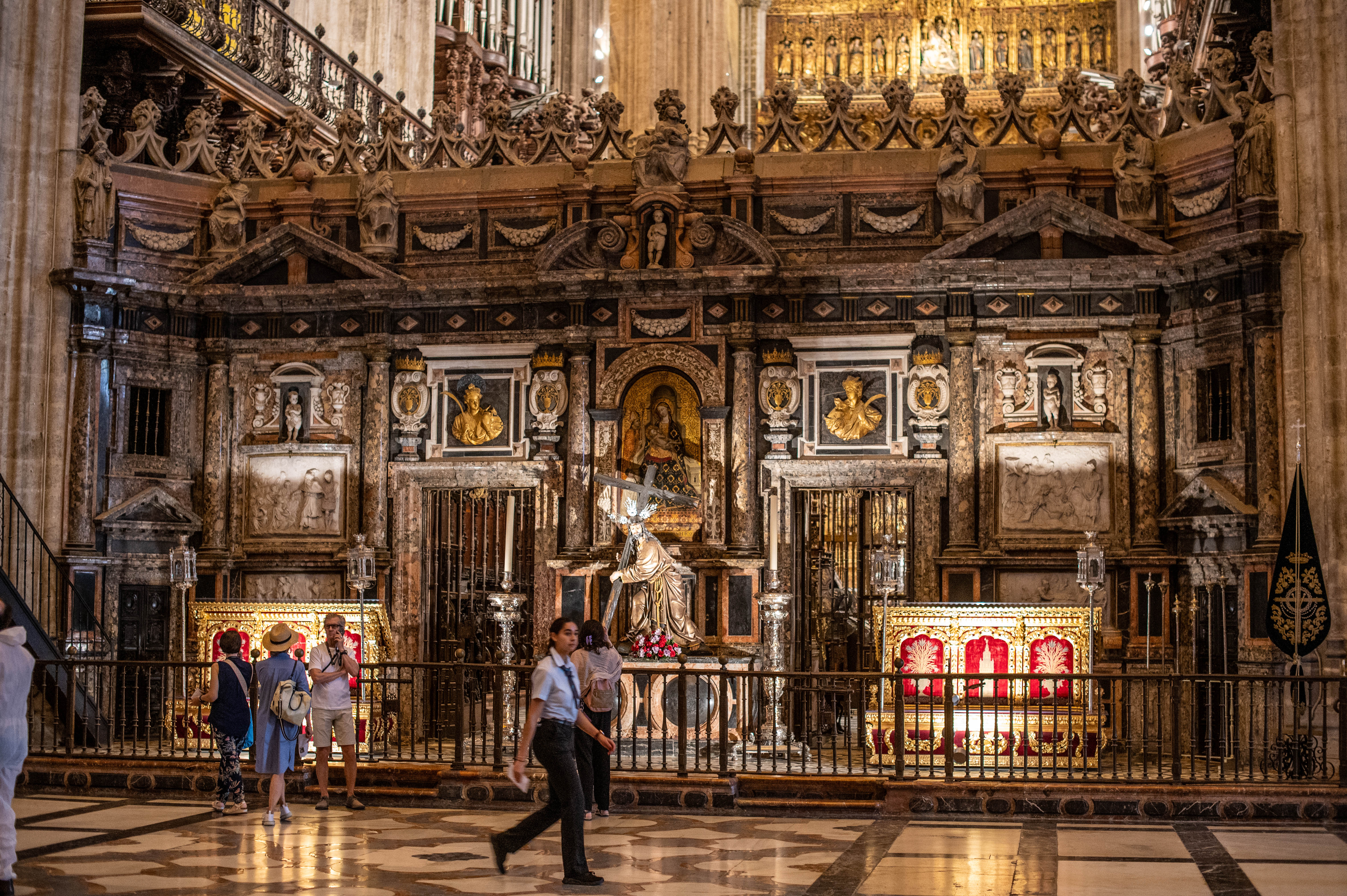
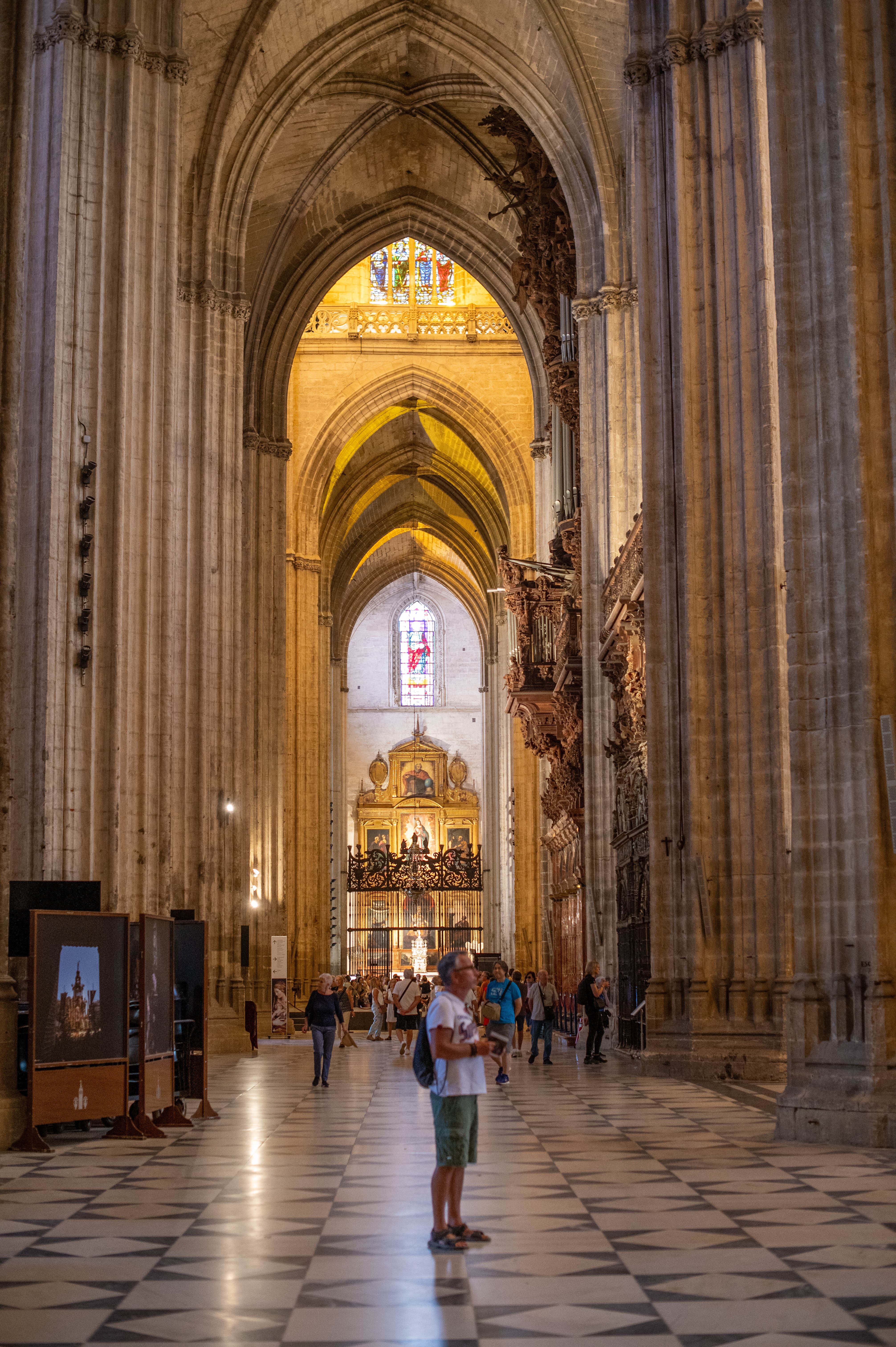
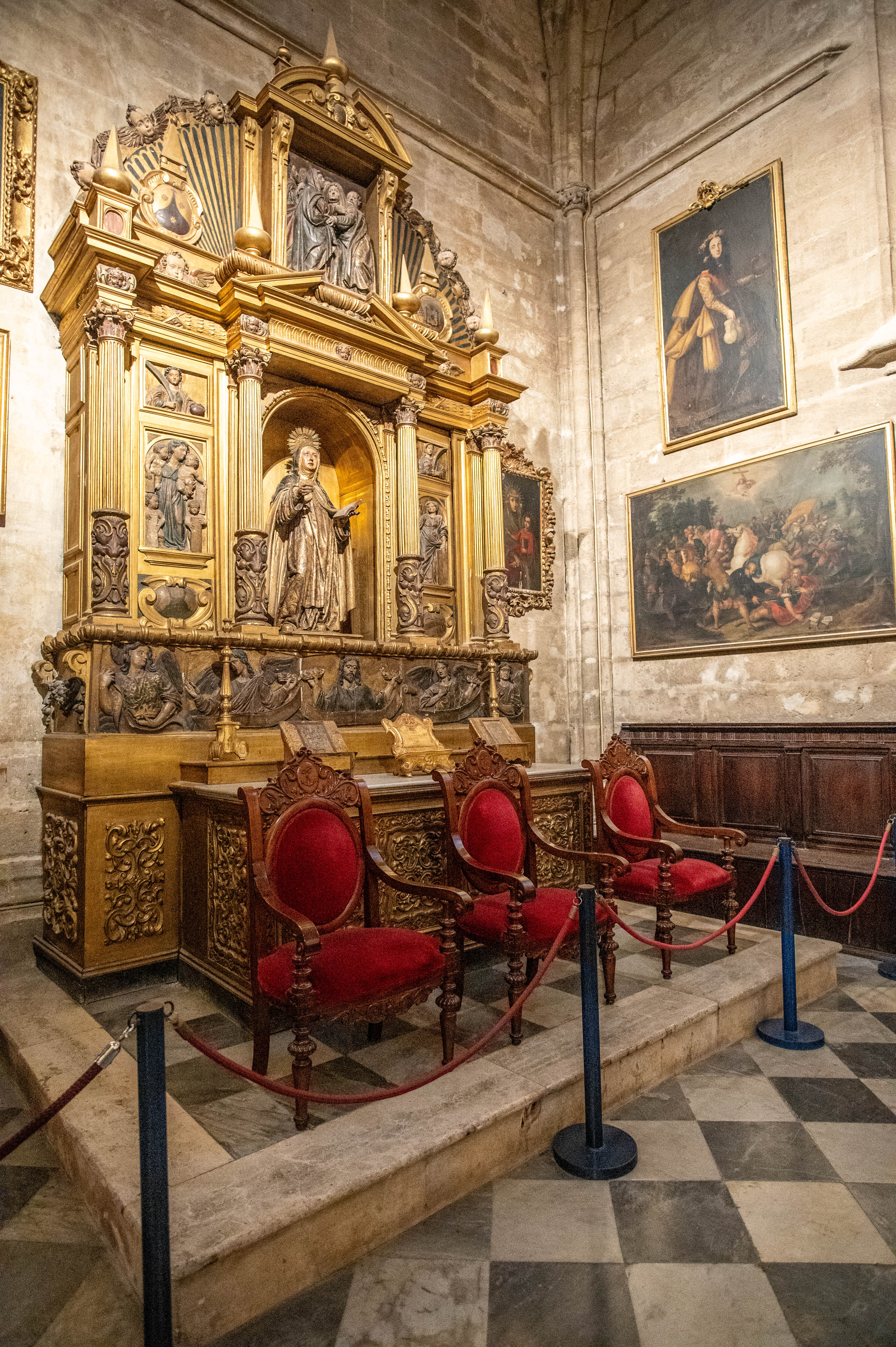
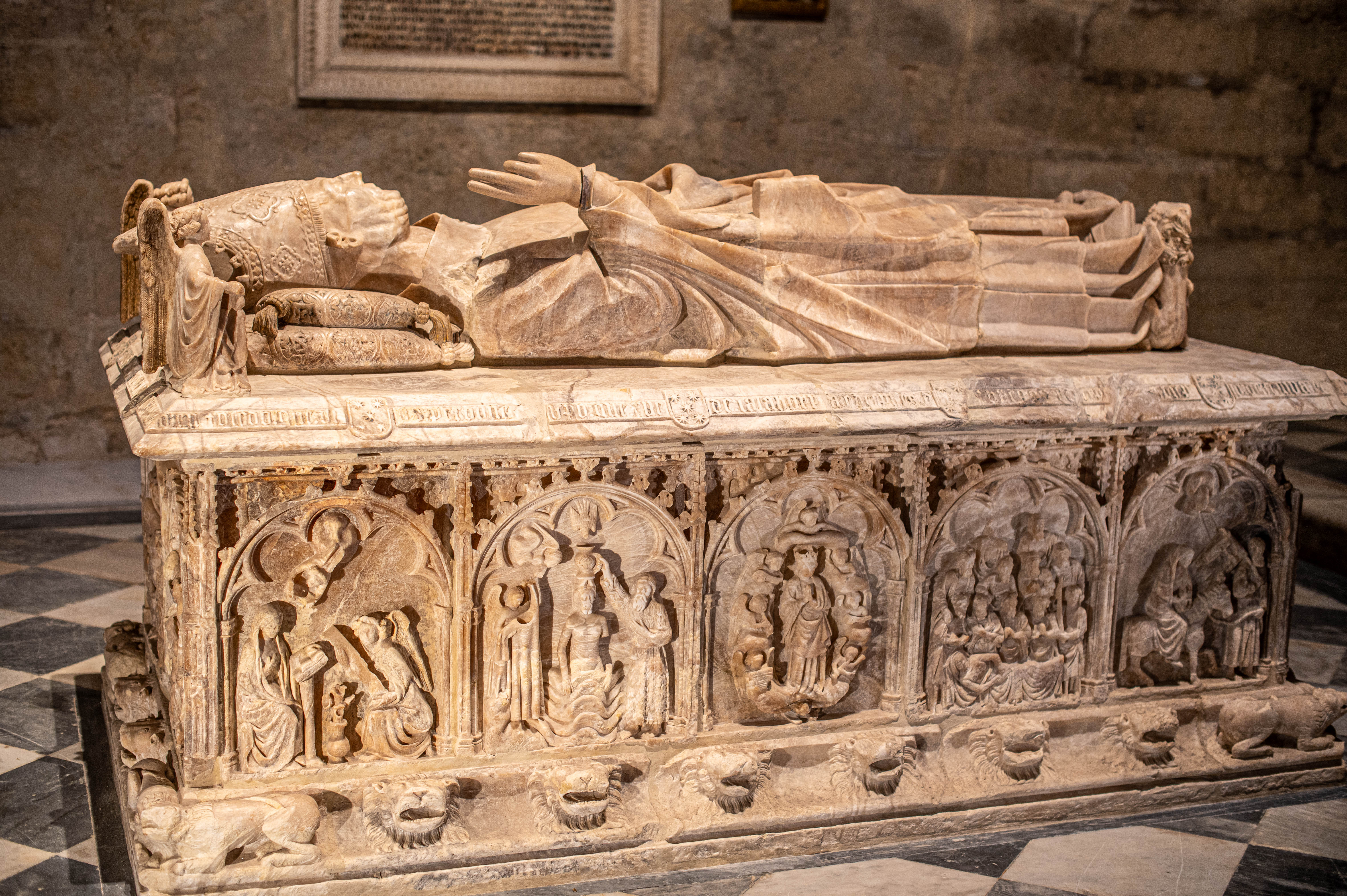
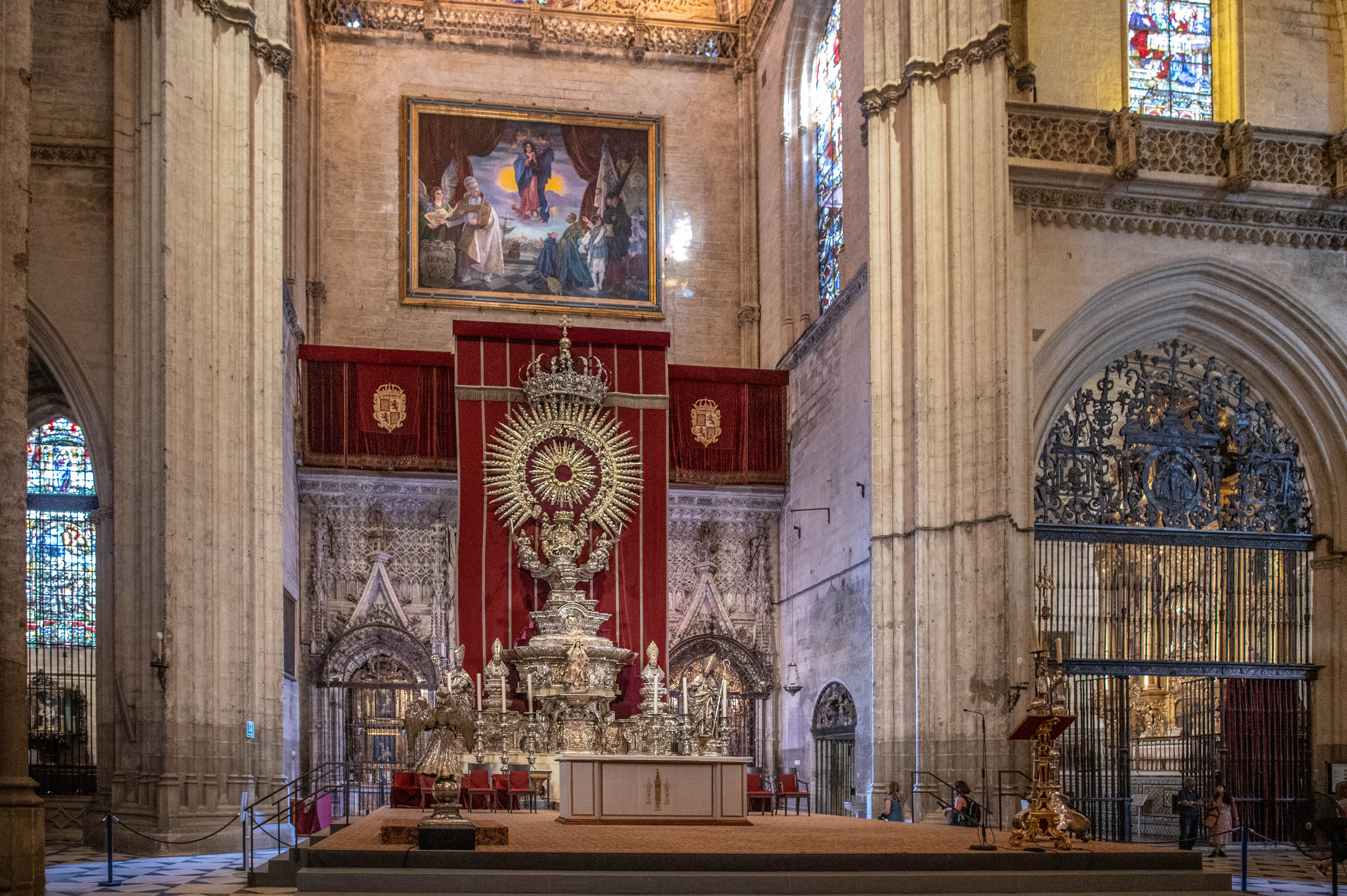
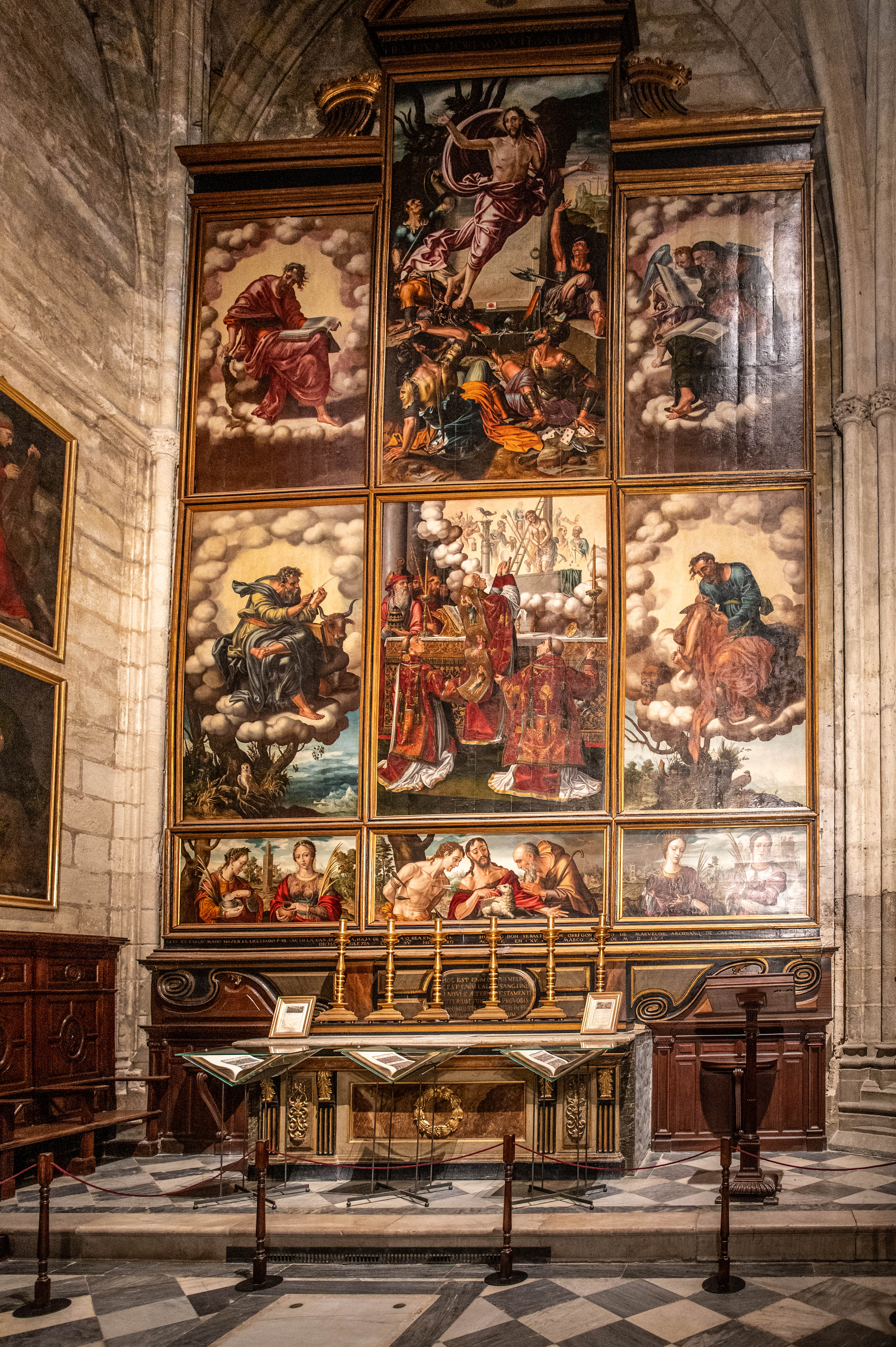
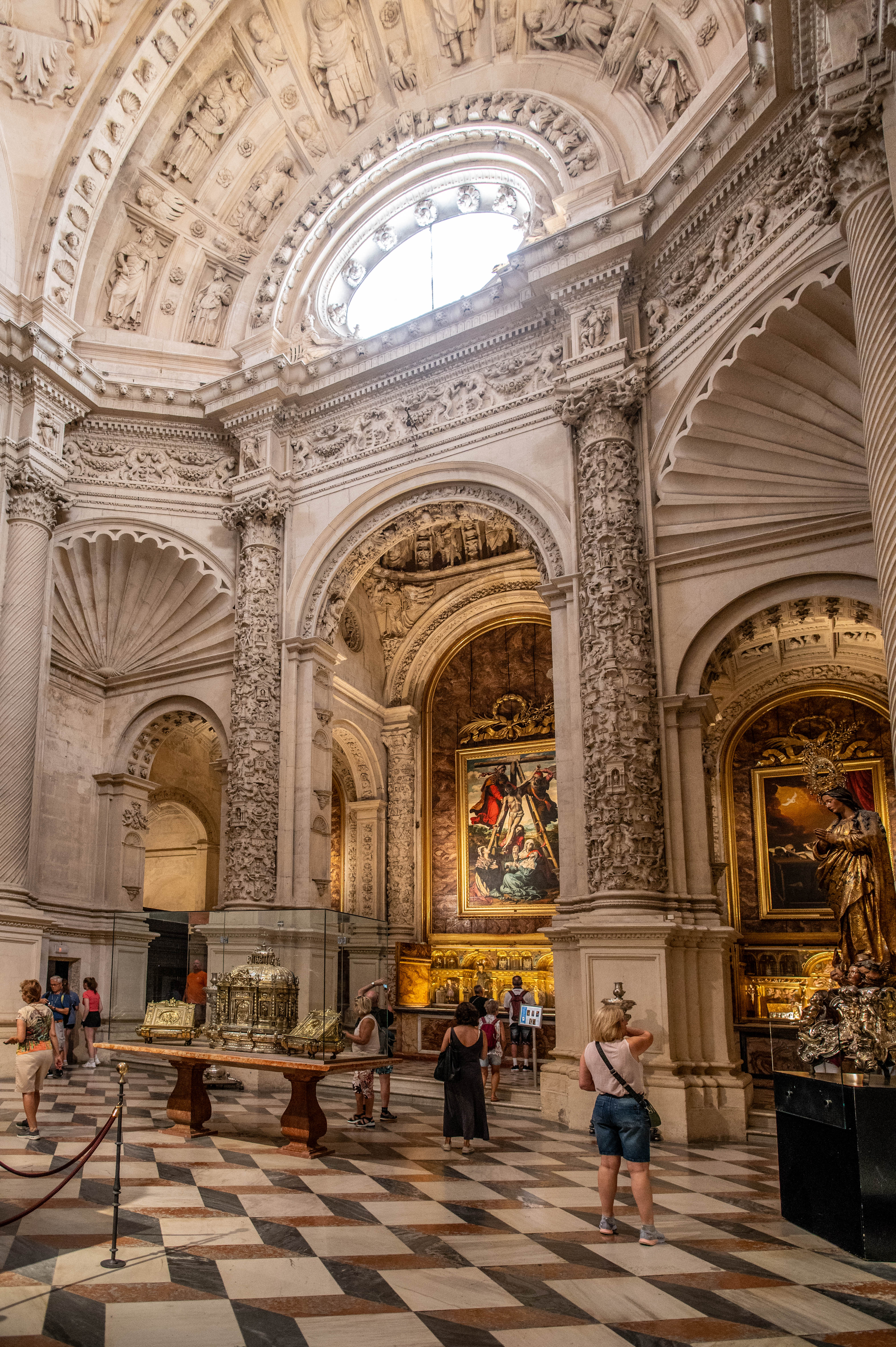
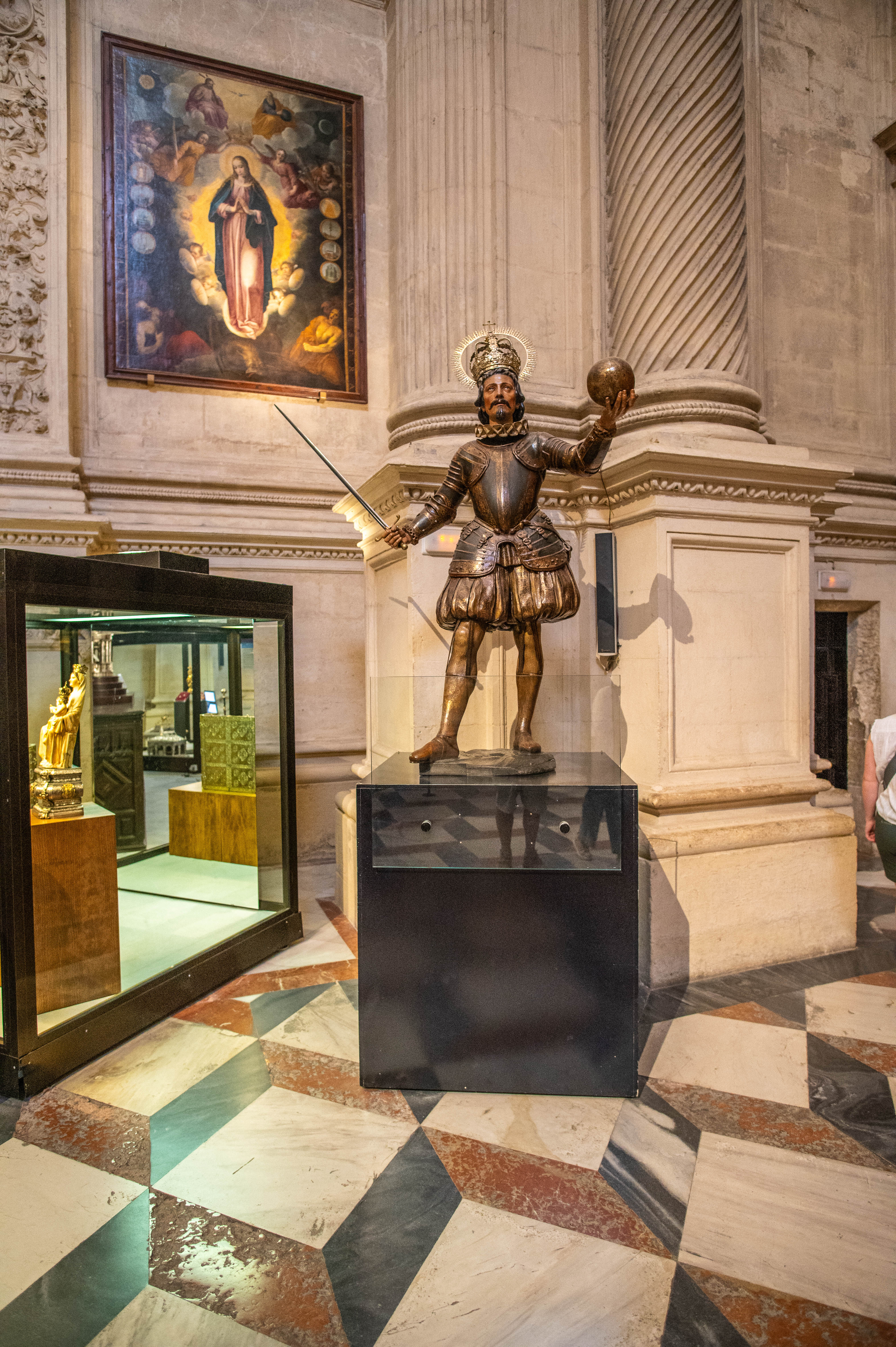
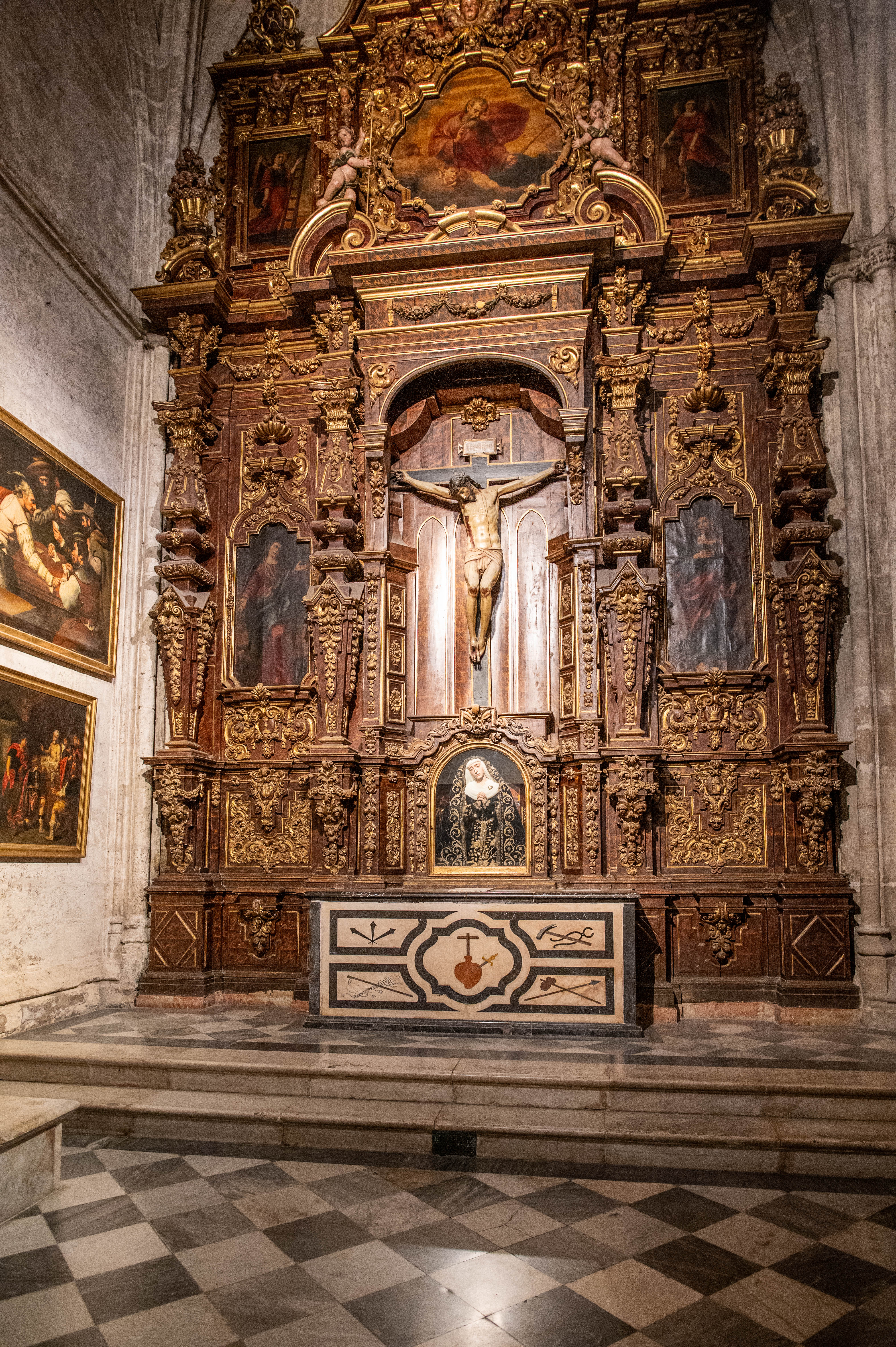
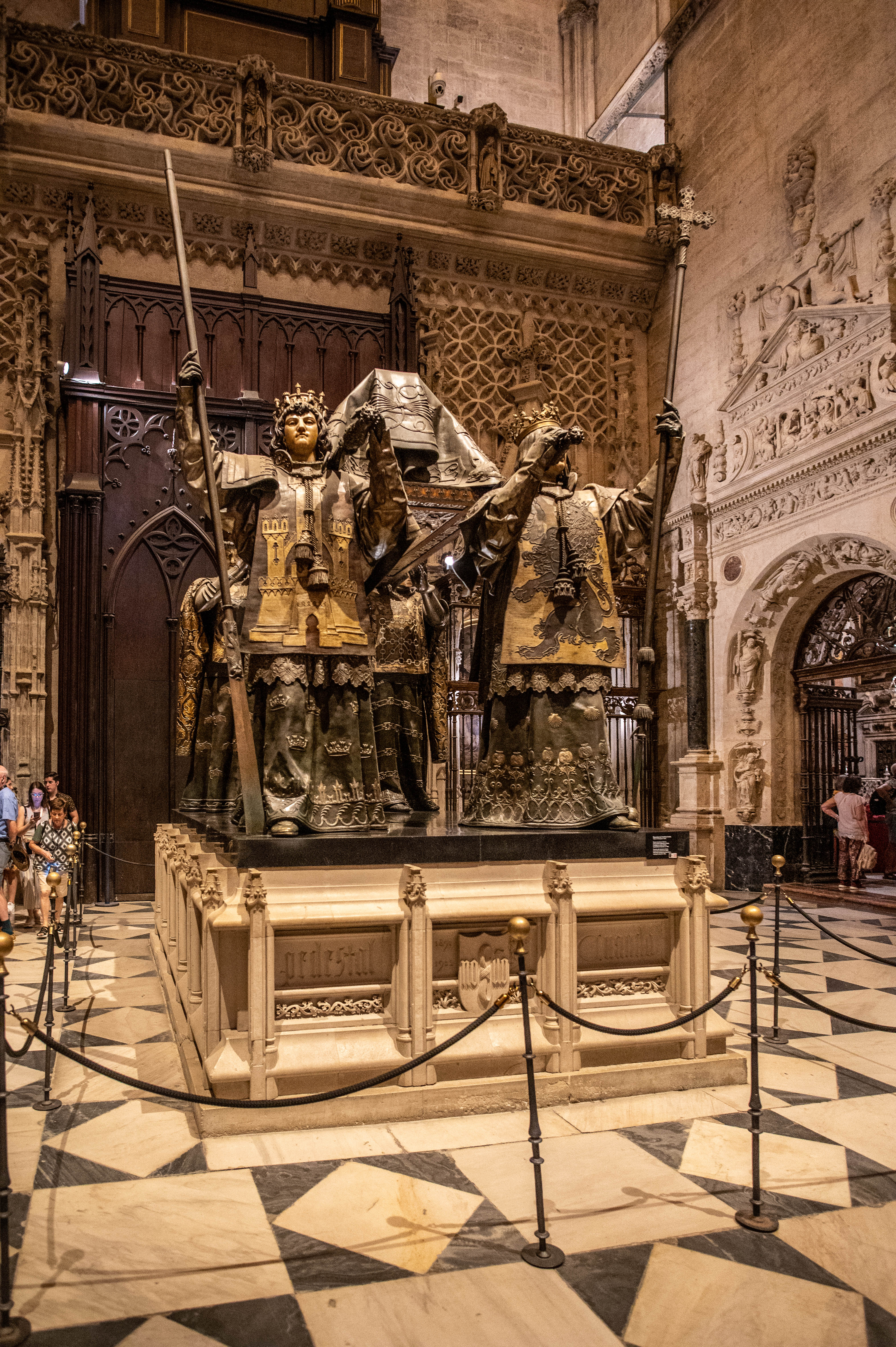

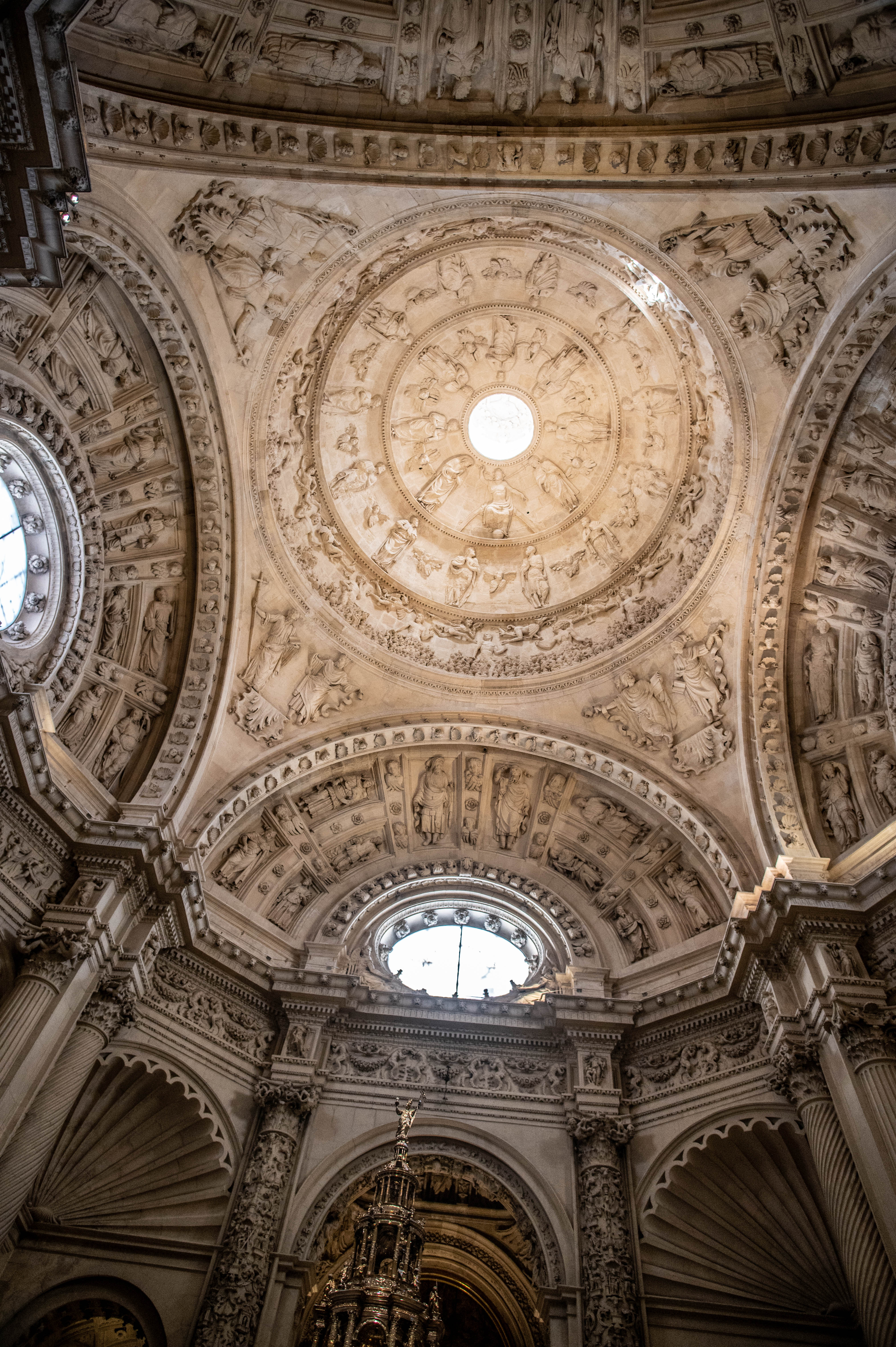
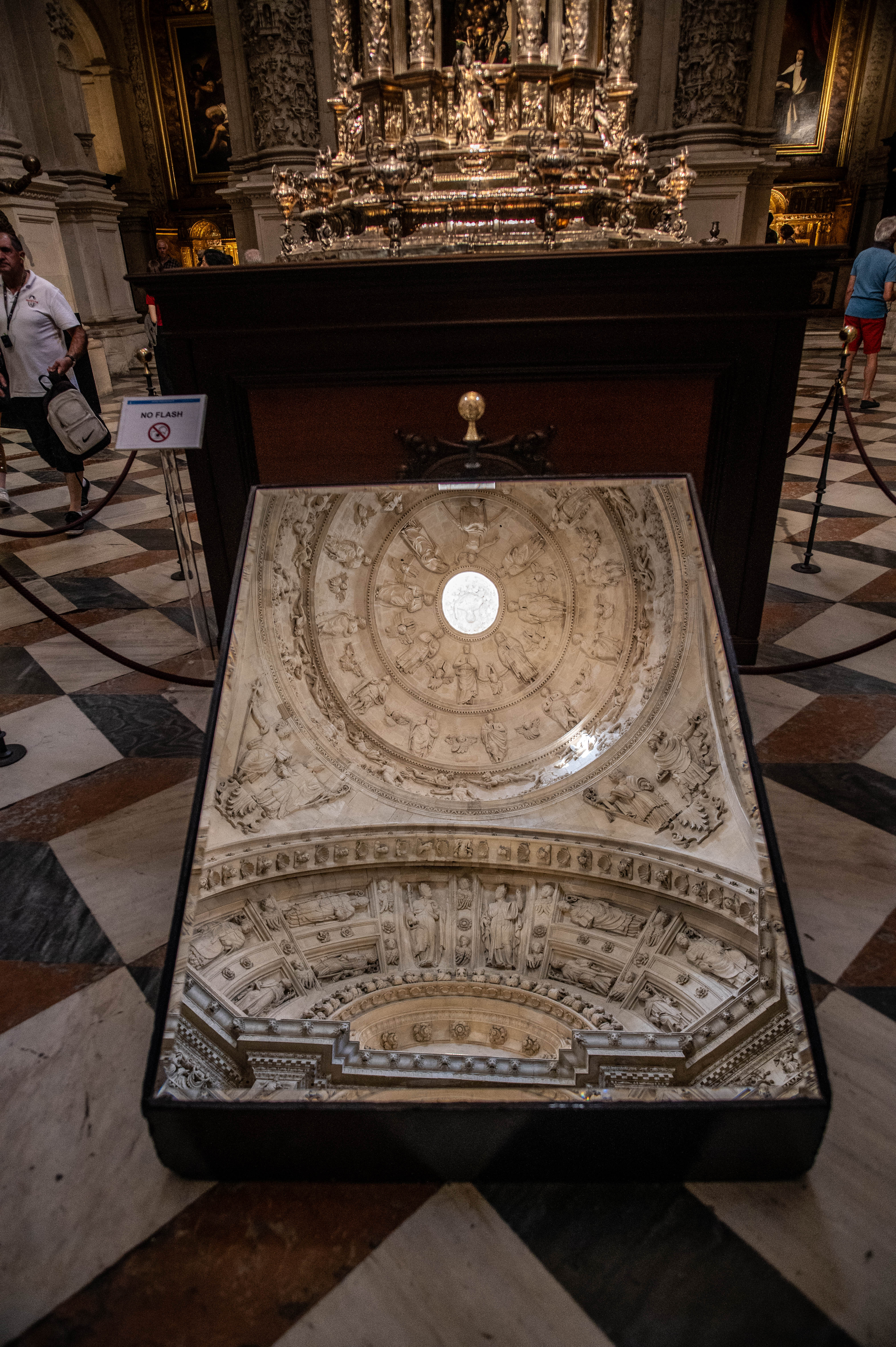
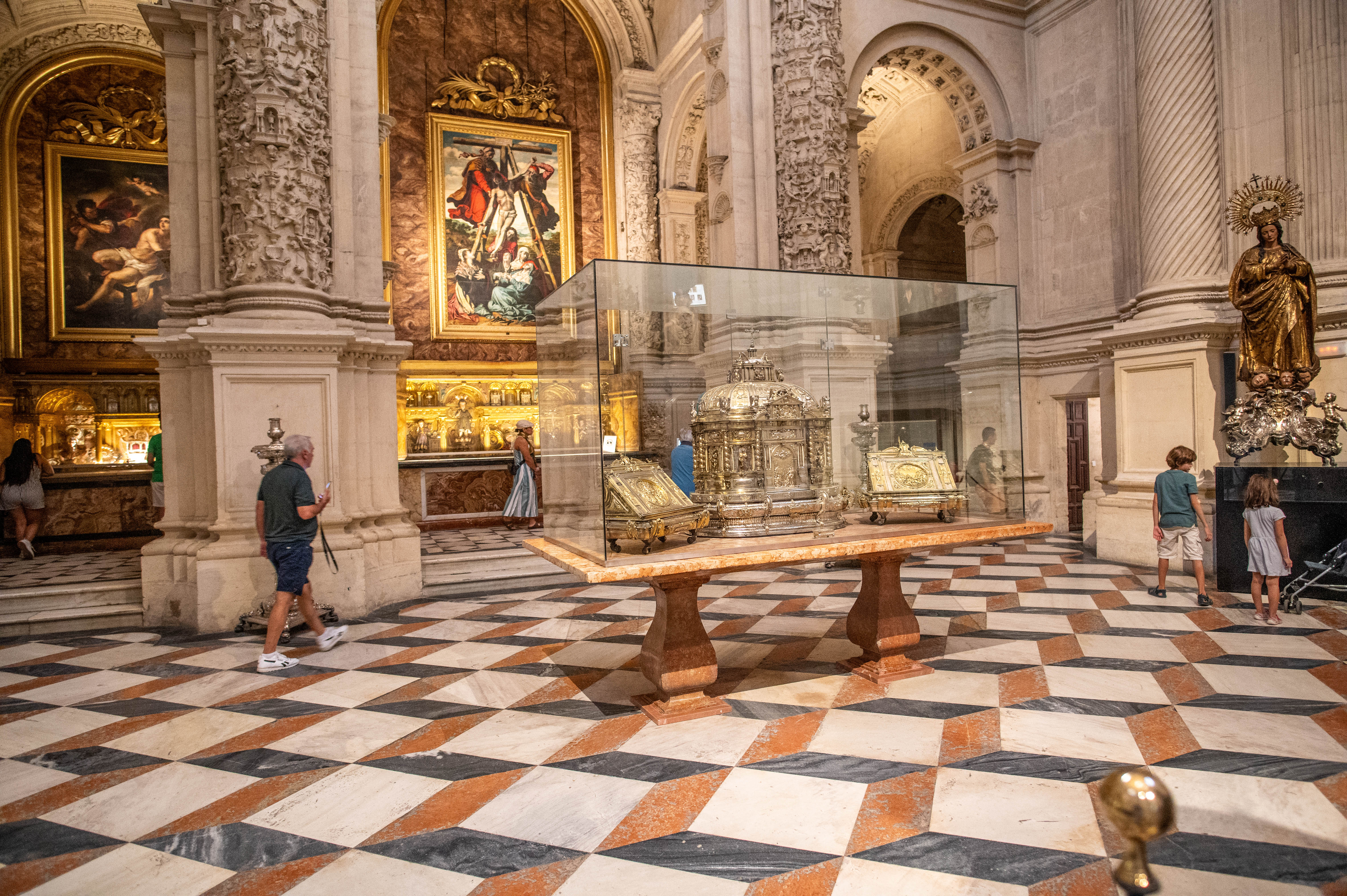
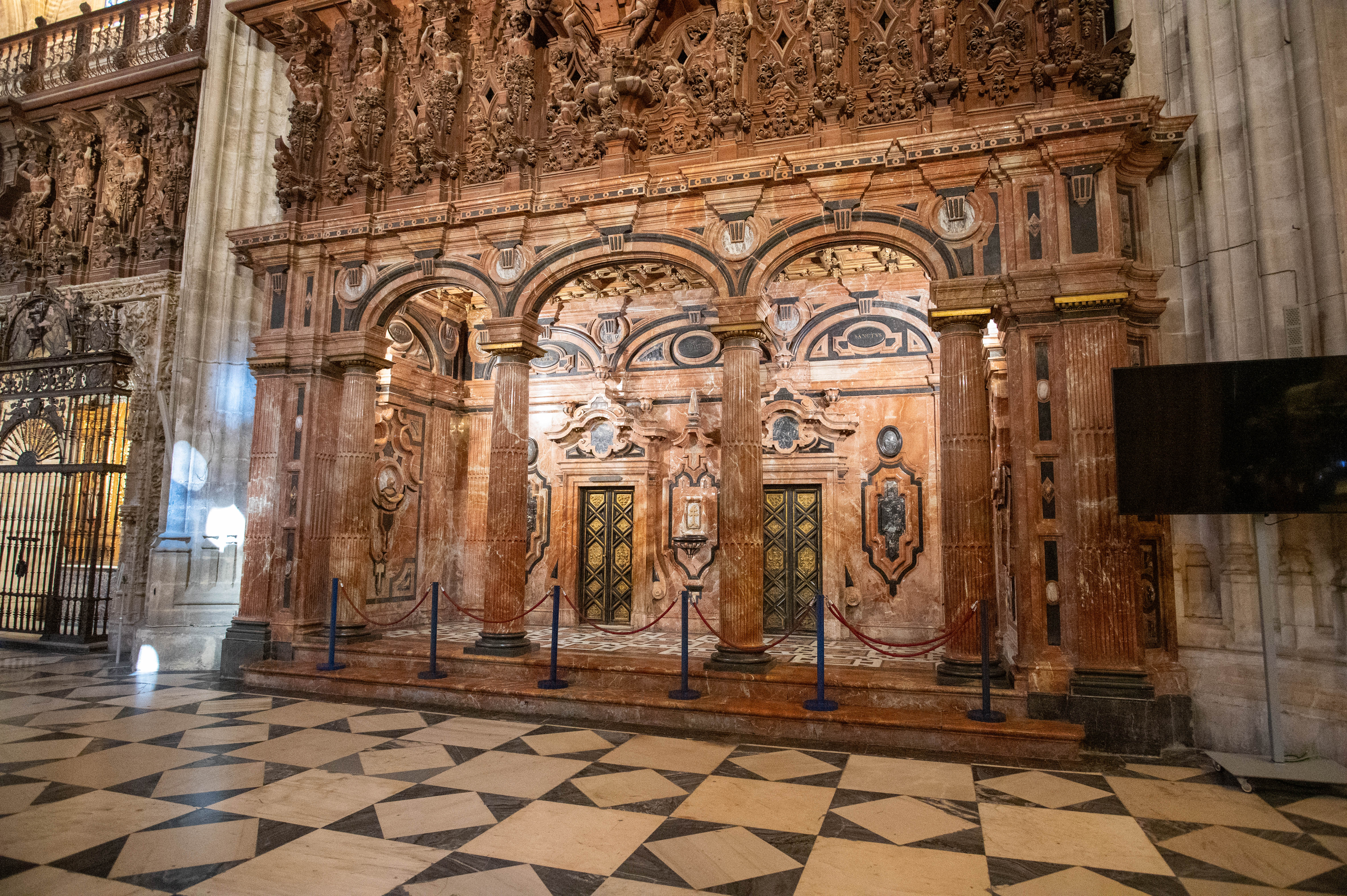

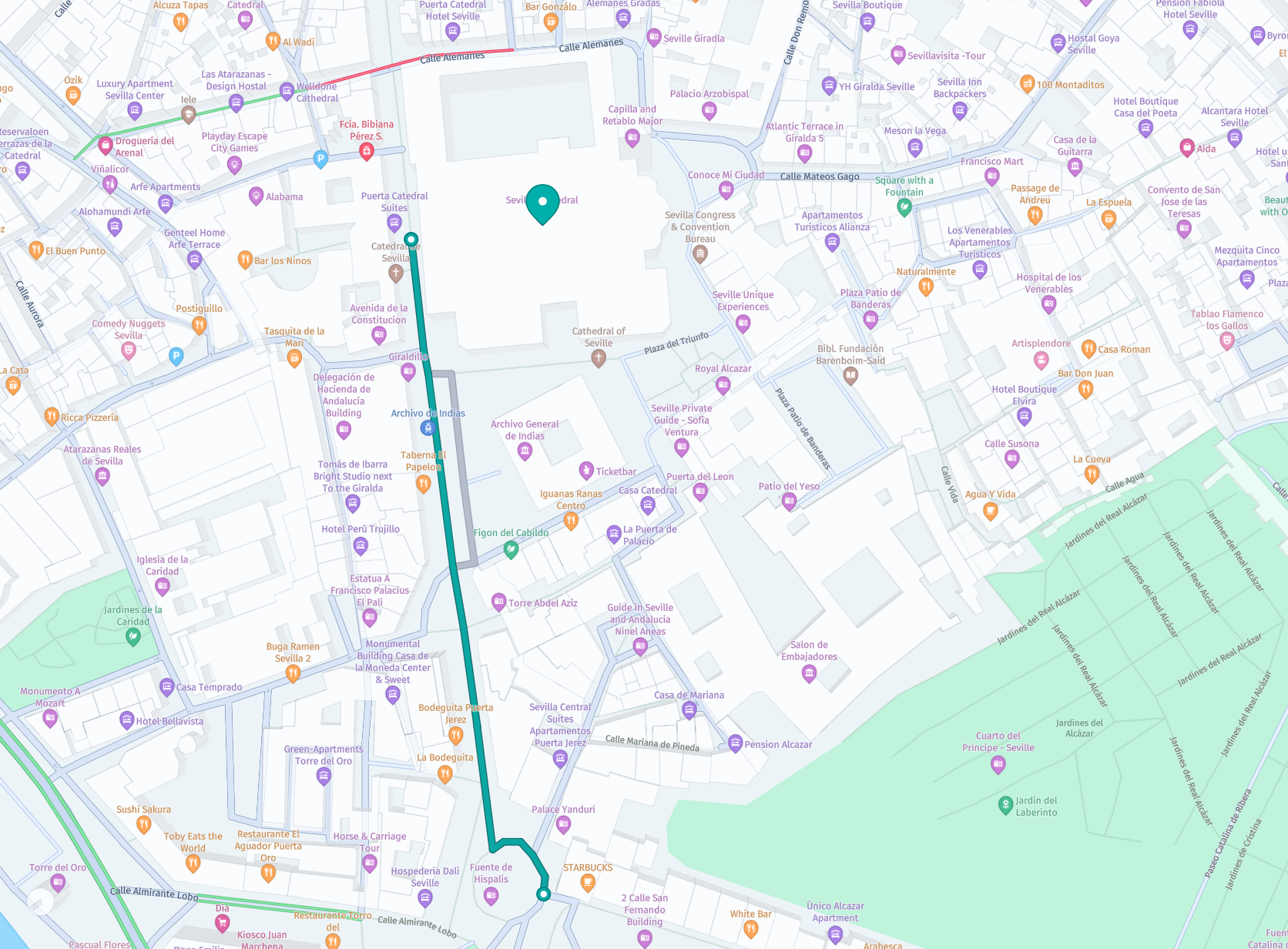
Seville Cathedral is the world’s largest Gothic cathedral, built on the site of a former Almohad mosque; its bell tower, the Giralda, began life as a minaret and the whole ensemble is a UNESCO World Heritage Site.
What it is: A monumental Gothic cathedral incorporating Almohad, Mudejar, Renaissance, and Baroque elements; famed for its scale and layered history.
Signature features: The Giralda (former mosque minaret turned bell tower) and the cathedral’s vast Gothic nave and chapels.
Heritage status: Part of the UNESCO listing that includes the Alcázar and the General Archive of the Indies.
Signature features: The Giralda (former mosque minaret turned bell tower) and the cathedral’s vast Gothic nave and chapels.
Heritage status: Part of the UNESCO listing that includes the Alcázar and the General Archive of the Indies.
History and cultural significance
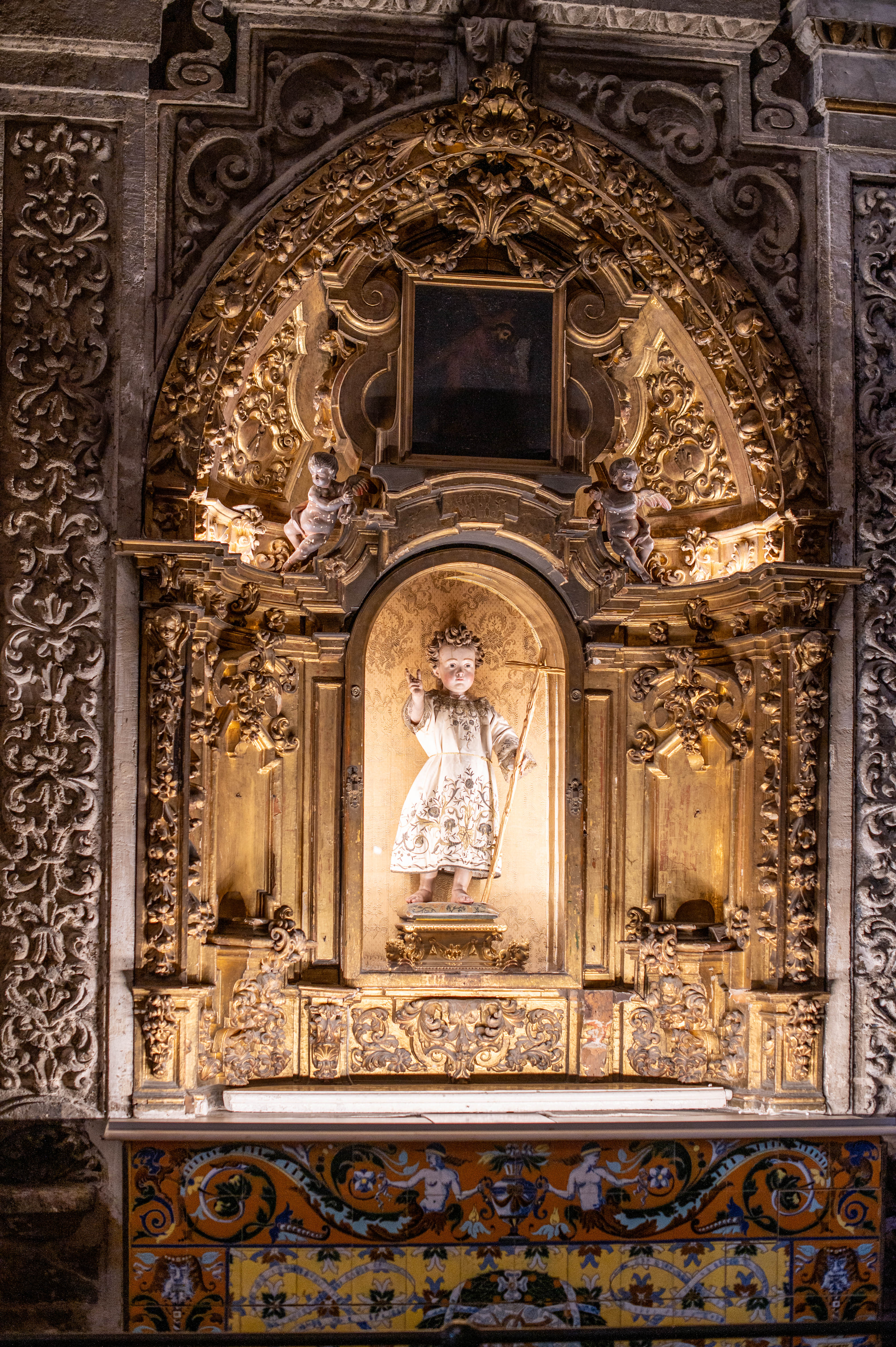
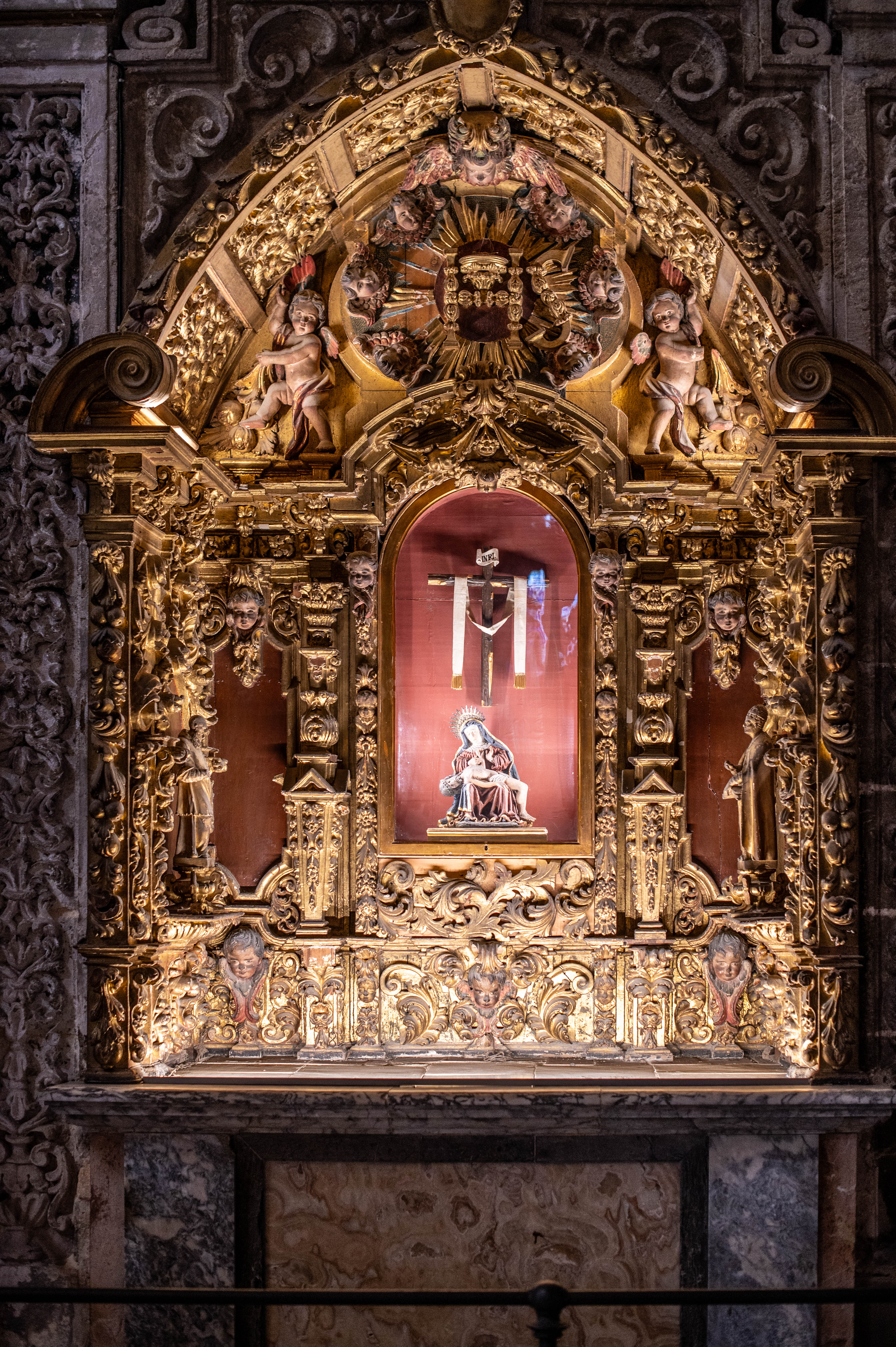
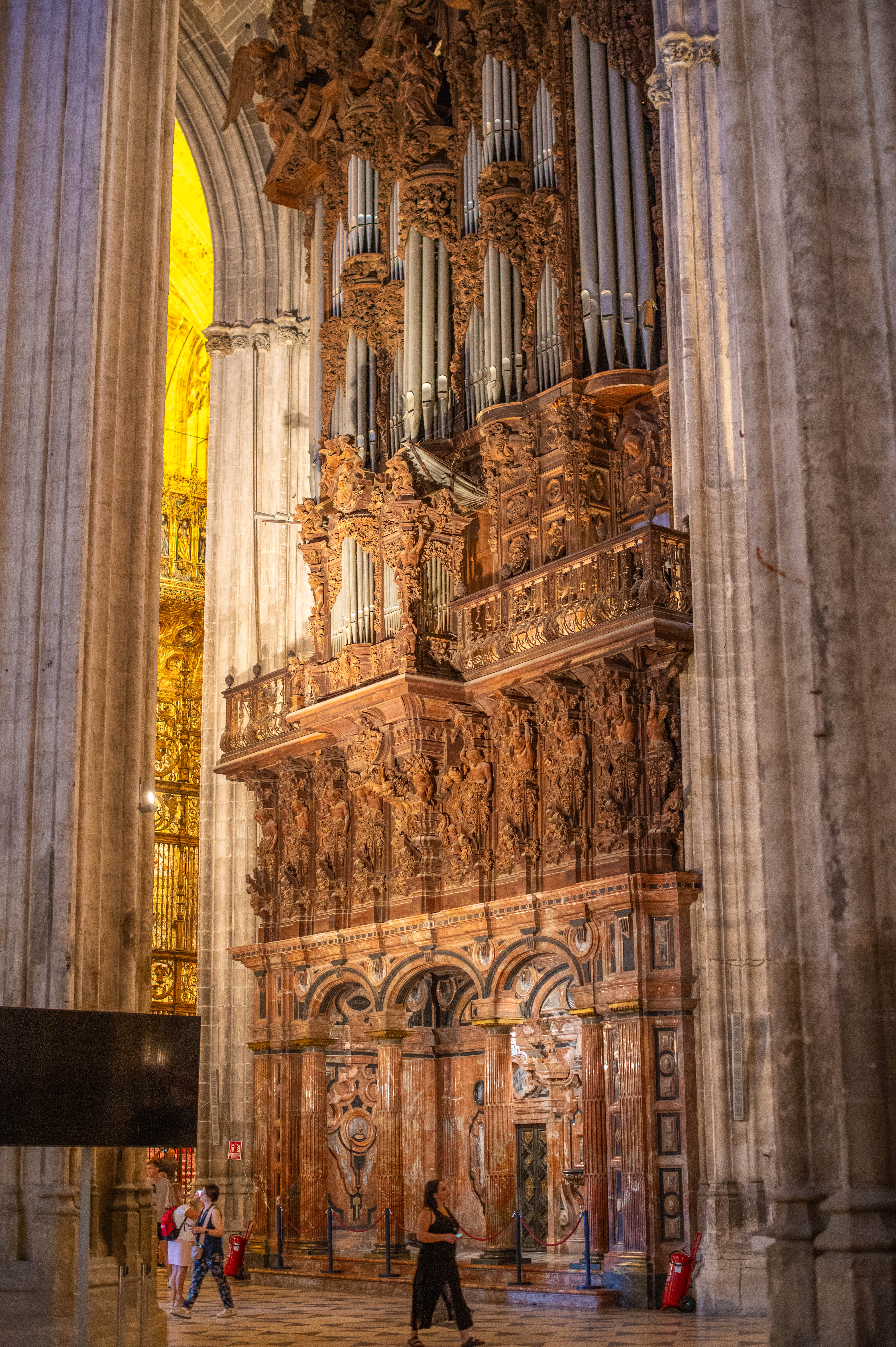
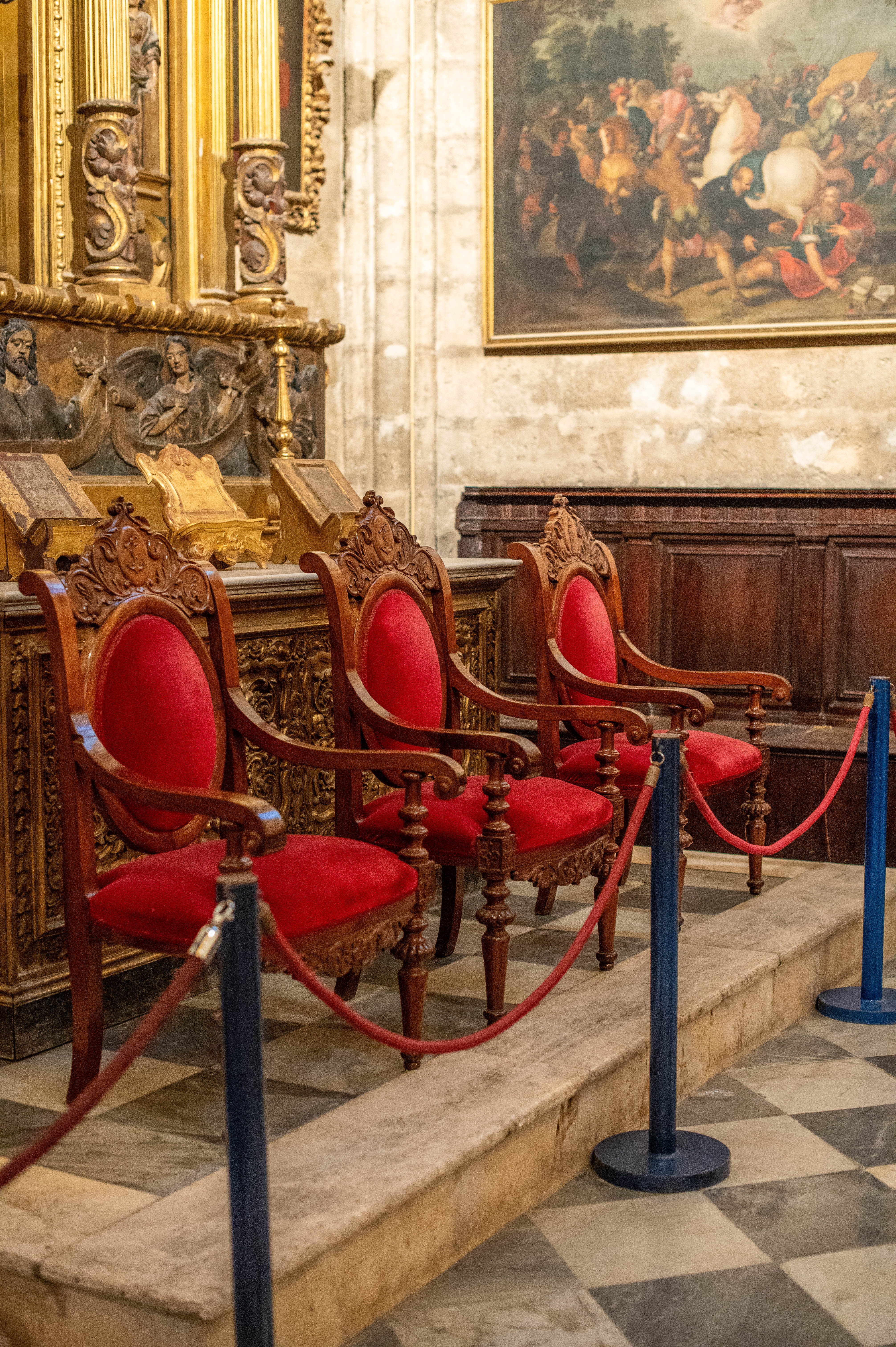
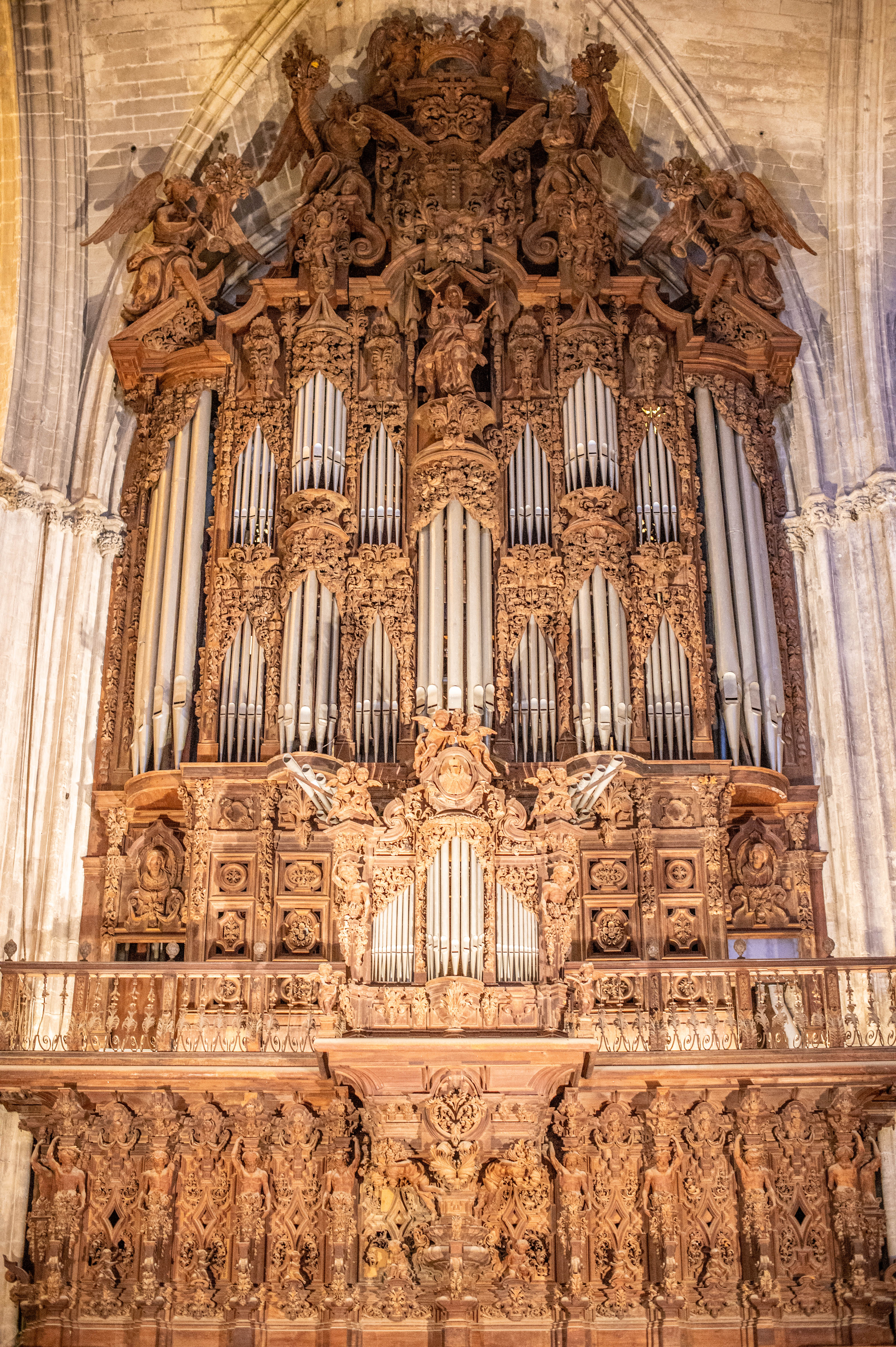
Seville Cathedral was built after the Christian reconquest on the footprint of the Great Mosque of Seville; builders reused and adapted earlier Islamic structures, producing a fusion of Christian and Islamic architectural traditions that you can still read in the fabric of the building. The Giralda was originally constructed as the mosque’s minaret under the Almohads in the 12th century and later received a Renaissance belfry when converted to a bell tower, making it a visible symbol of the city’s layered past.Why it matters: The cathedral is not only a religious centre but also a civic and artistic repository—housing major artworks, a historic organ, and important liturgical furnishings that reflect centuries of patronage and local identity.

