The United Arab Emirates (UAE) is a federation of seven emirates — Abu Dhabi, Dubai, Sharjah, Ajman, Umm Al-Quwain, Ras Al-Khaimah, and Fujairah — formed on 2 December 1971, with Abu Dhabi as the capital. Arabic is the official language and the currency is the UAE dirham (AED). The population is roughly 11–11.5 million, the majority being expatriates rather than Emirati nationals.
Politics and governance
The UAE is a federal constitutional monarchy in which each emirate is ruled by its own monarch; the seven rulers form the Federal Supreme Council, which elects the president and vice-president. Federal institutions (cabinet, Federal National Council, judiciary) handle national matters while emirates retain significant autonomy, especially over natural resources. The system is generally described as authoritarian but consultative, with limited electoral representation at the federal level.
Economy and finance
The UAE has one of the Gulf’s most diversified economies: hydrocarbons remain important, but non-oil sectors (finance, tourism, logistics, real estate, and services) now contribute a large share of GDP. Recent official and multilateral estimates put UAE GDP in the mid-hundreds of billions of USD, with strong non-oil growth and continued public investment in infrastructure and sovereign wealth funds. The country introduced a federal corporate tax in 2023 and maintains a VAT regime; fiscal and external positions are generally strong.
Society and demographics
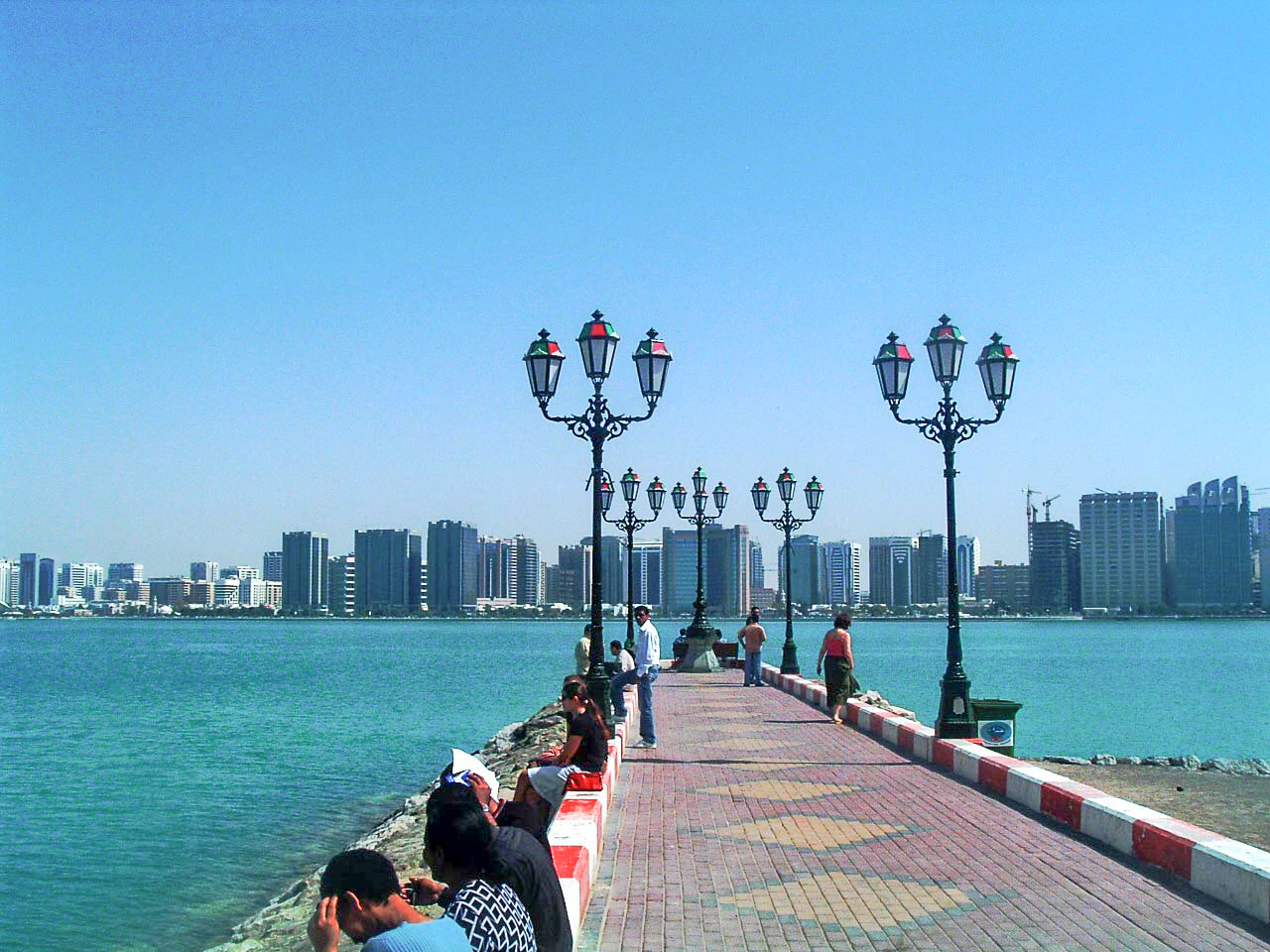
The UAE’s population is young and heavily skewed toward working-age adults; native Emiratis are a small minority while expatriates (especially from South Asia, the Philippines, and other Arab countries) make up the bulk of residents. Fertility rates for the total population are below replacement, but Emirati family sizes are larger than the national average. Urban life is concentrated in Abu Dhabi, Dubai, and Sharjah, which together host most economic activity and services.
Tourism, culture, and what to see
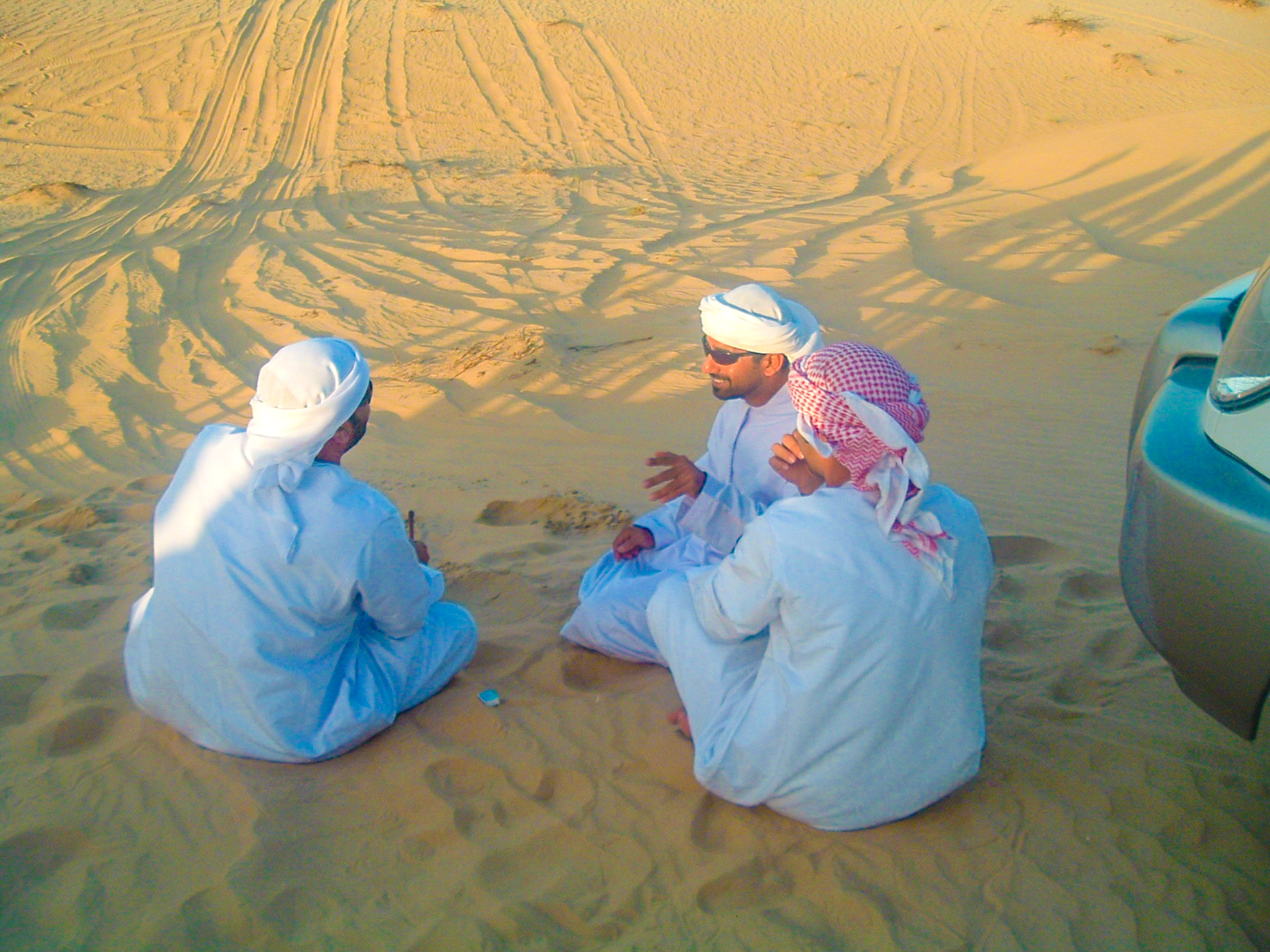
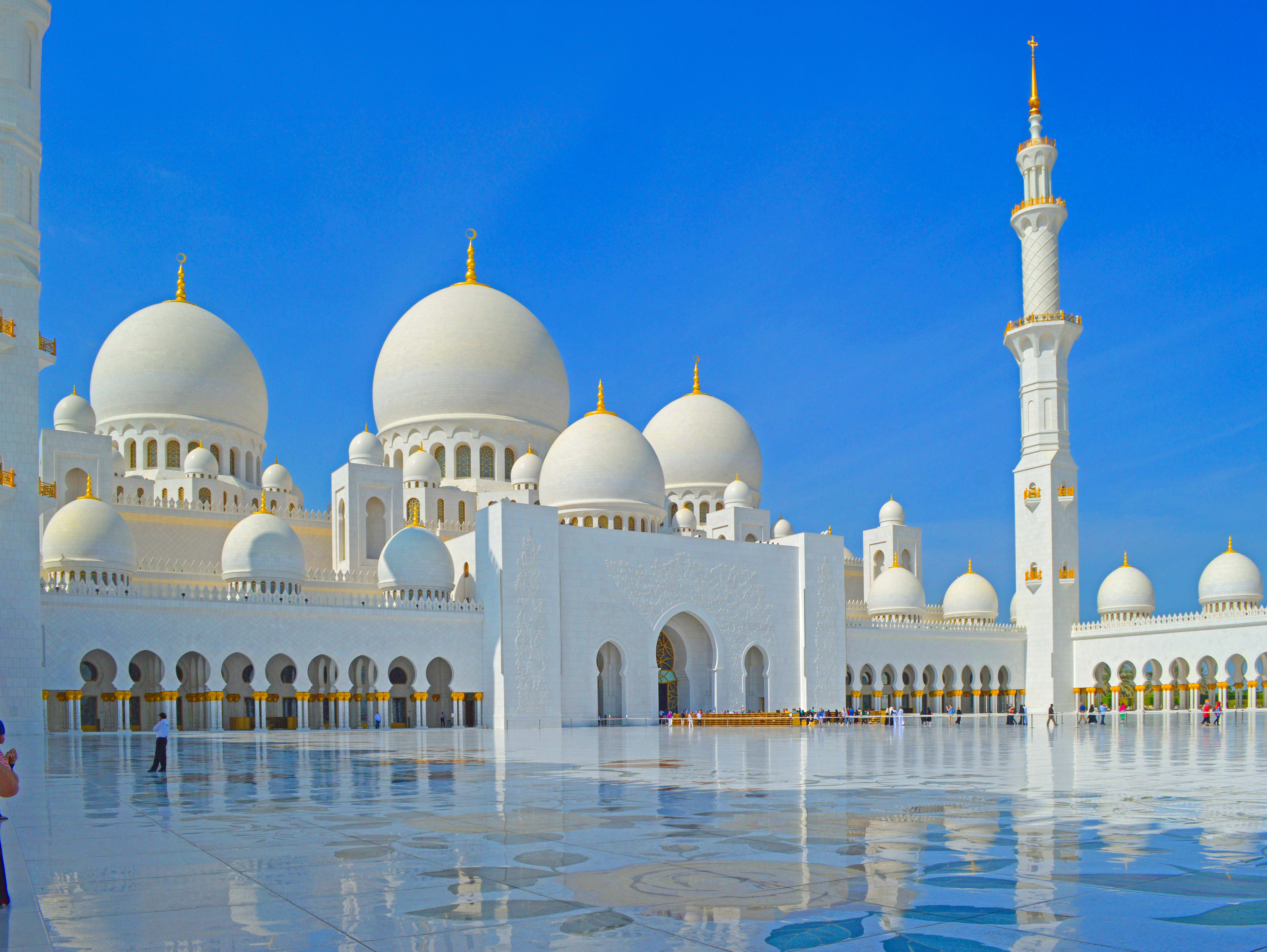
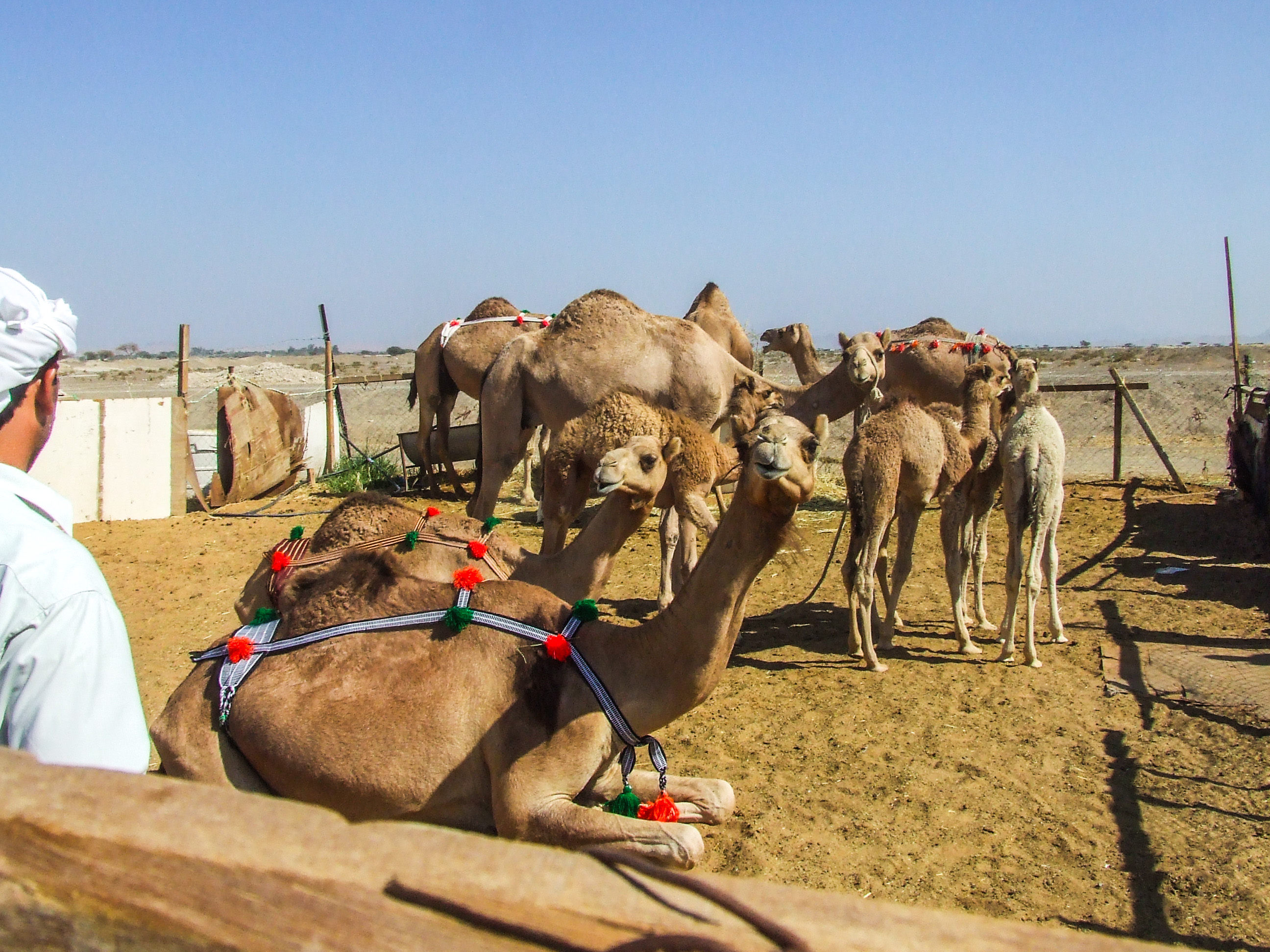
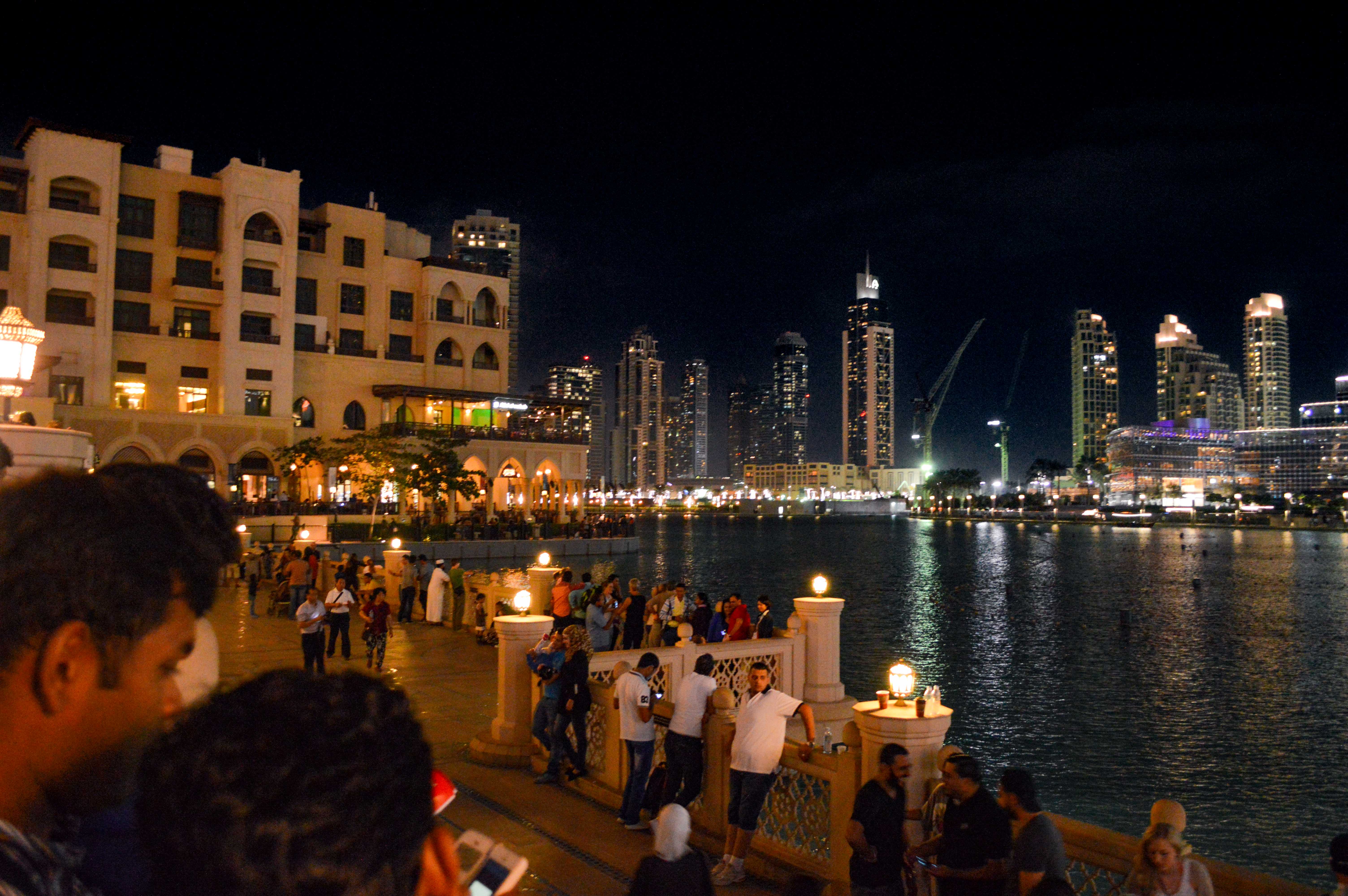
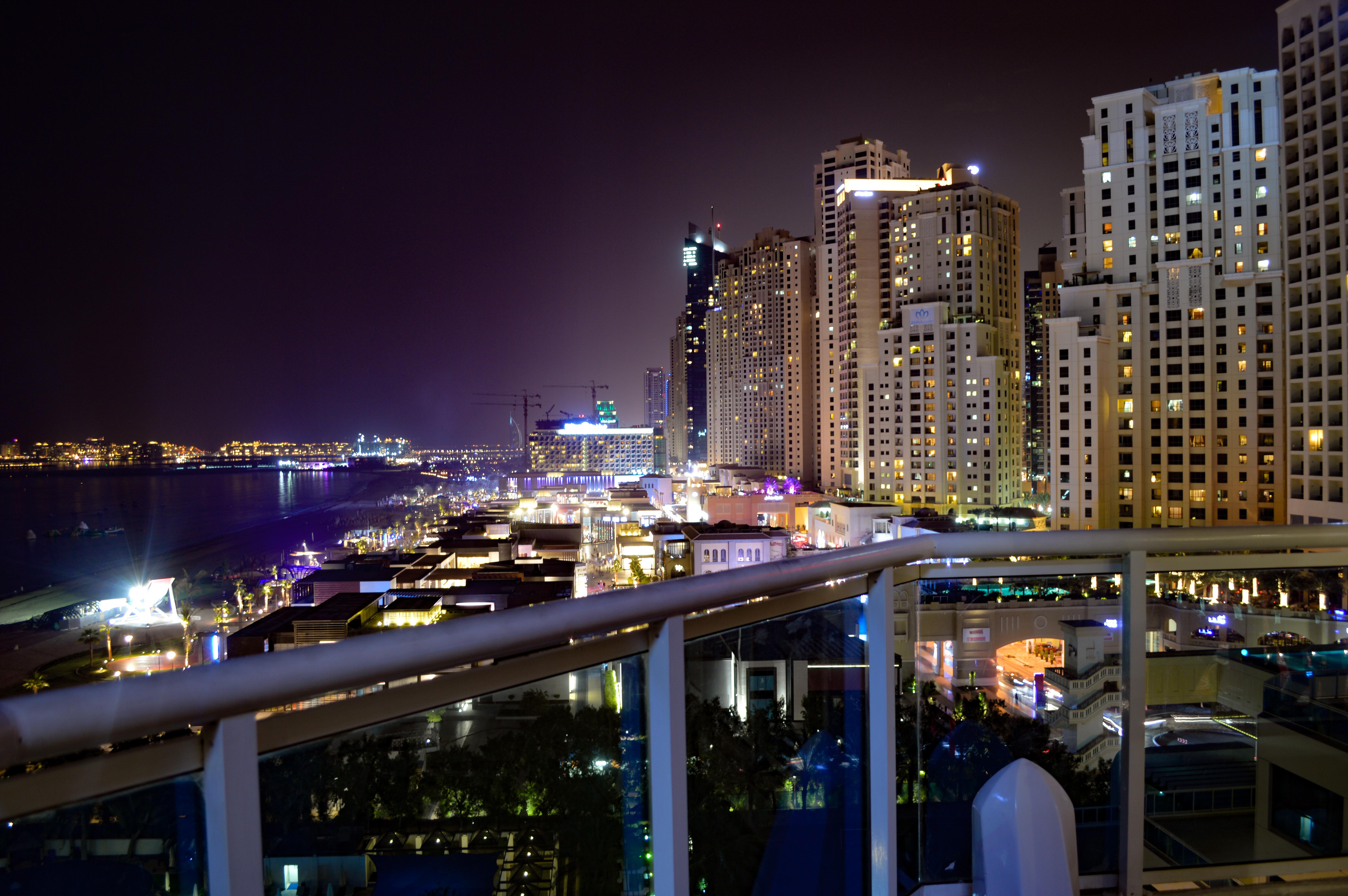
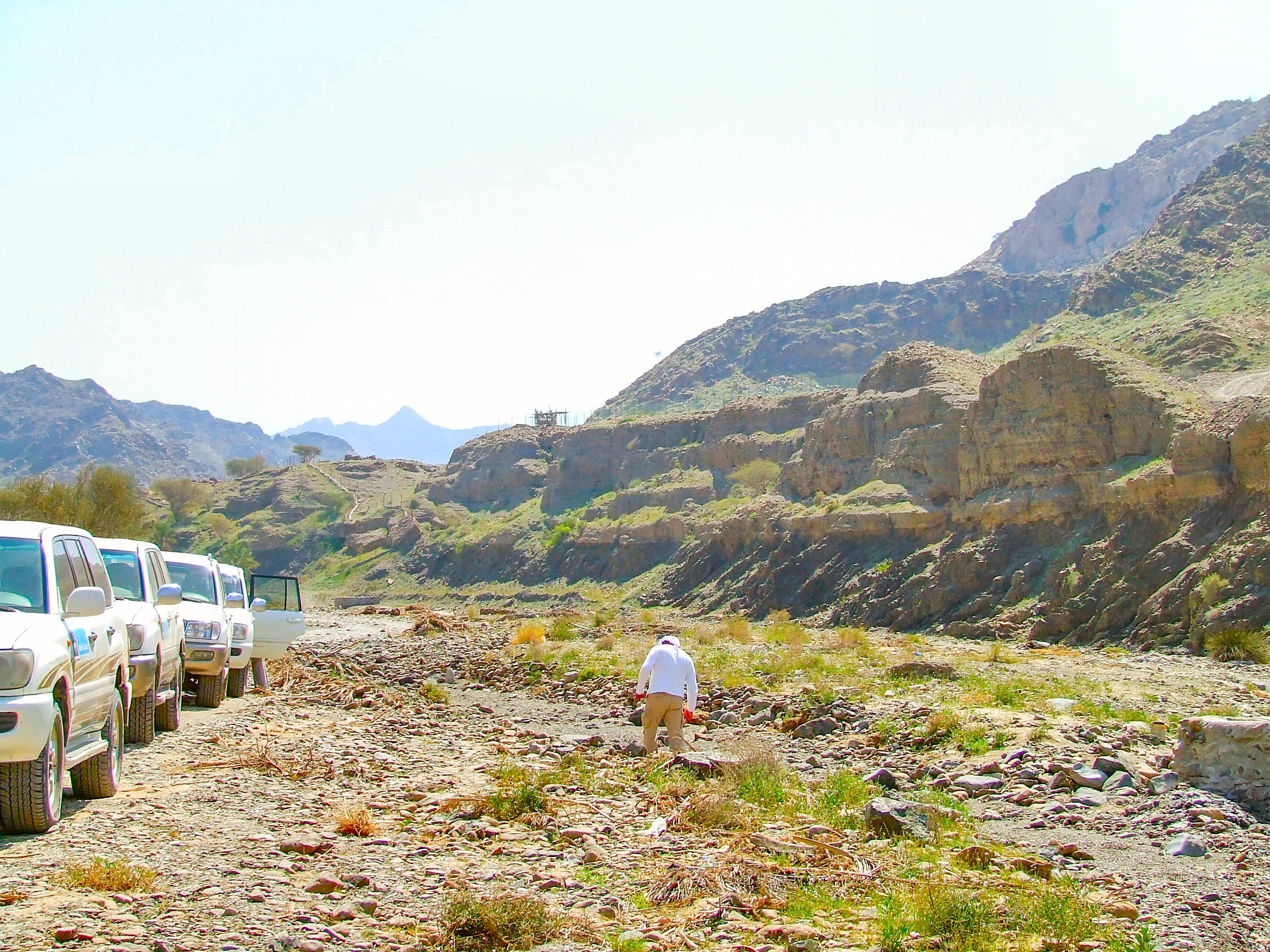
Popular draws include Burj Khalifa, Dubai Mall, Palm Jumeirah, Sheikh Zayed Grand Mosque (Abu Dhabi), Louvre Abu Dhabi, Yas Island (Ferrari World), and natural sites such as mangroves and desert landscapes. The UAE positions itself as a year-round tourism hub with luxury hospitality, major events (conferences, expos, sporting fixtures), and growing cultural institutions. Practical visitor tips: dress respectfully in public, be mindful of local laws on alcohol and public behaviour, and plan for hot summers (peak season is November–March).