







Málaga is a coastal province in southern Spain, part of the autonomous community of Andalusia; an autonomous community is Spain’s first-level political division with its own government and devolved powers under the 1978 Constitution.
What is an autonomous community?
Definition: An autonomous community (comunidad autónoma) is a first-level territorial and political division of Spain created by the 1978 Spanish Constitution to grant regions limited self-government through Statutes of Autonomy.Key features: each community has a legislature and executive, defined competencies (education, health, some transport), and varying degrees of fiscal and administrative powers; the system is a decentralized, asymmetrical model that sits between a unitary and federal arrangement.
Málaga is administered at three levels—municipalities, the provincial deputation, and the Andalusian autonomous government—so services like health and education are mainly managed by Andalusia while local planning and tourism promotion involve provincial and municipal bodies.
Geography, climate, and landscape
Terrain: narrow coastal plains rising quickly to mountain ranges (Serranía de Ronda, Alhama, Mijas); highest peak in the region near Mount Torrecilla (˜1,919 m).Climate: warm Mediterranean on the coast (mild winters, hot dry summers); more continental conditions inland with cooler winters.
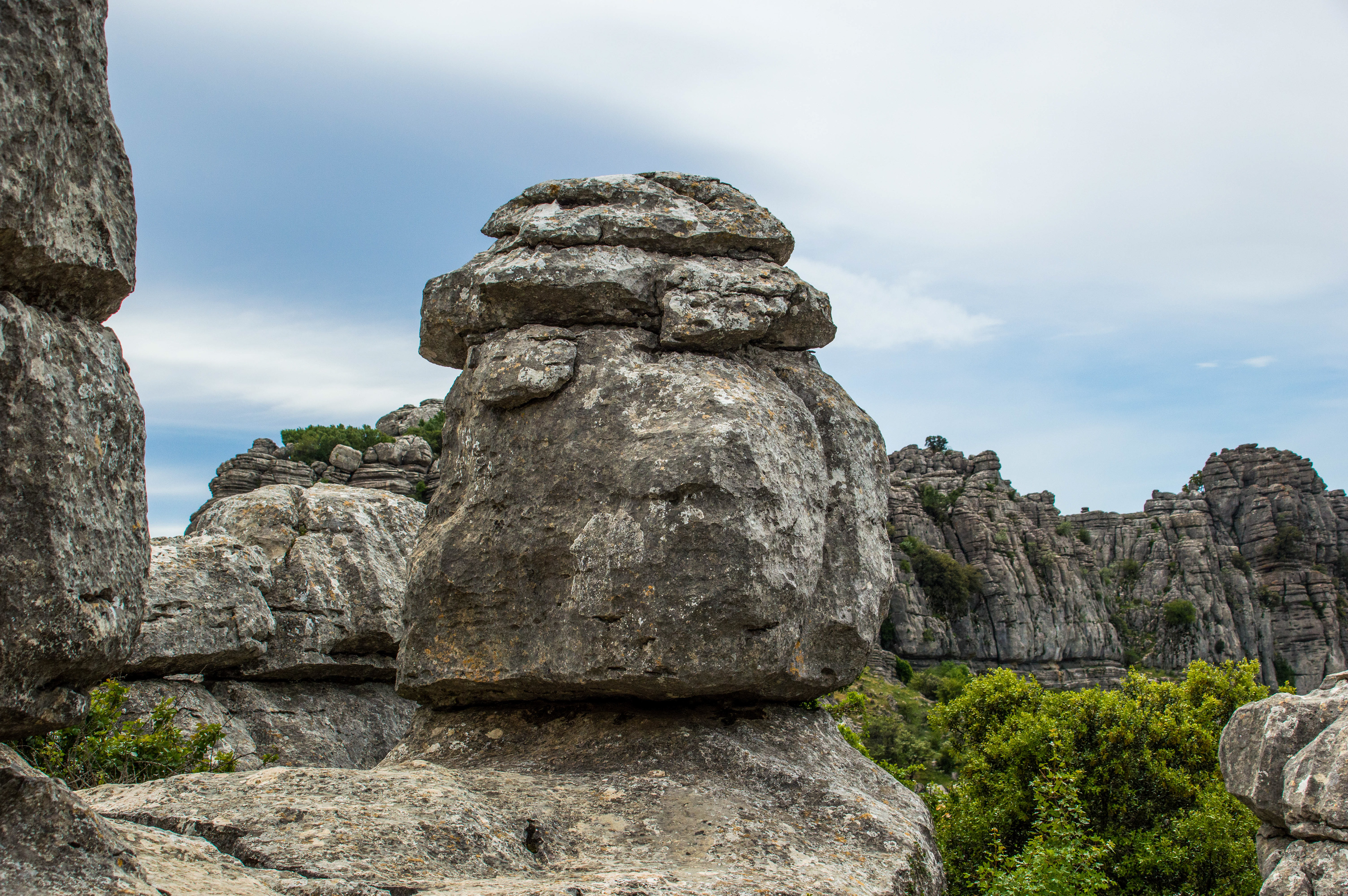
Natural highlights: El Torcal de Antequera (karst formations), El Chorro and the Caminito del Rey, the Caves of Nerja, and several protected natural parks.
Economy, tourism, and contemporary issues
Tourism dominates—Costa del Sol resorts (Marbella, Torremolinos, Fuengirola) attract millions of visitors each year.Agriculture: fruits, vegetables and increasingly subtropical crops (avocados, mangoes) in parts of the province; this expansion has raised water-stress concerns in areas such as the Axarquía.
Industry and services: textiles, electronics, leather, food processing, and a growing cultural sector in Málaga city (museums, festivals).

