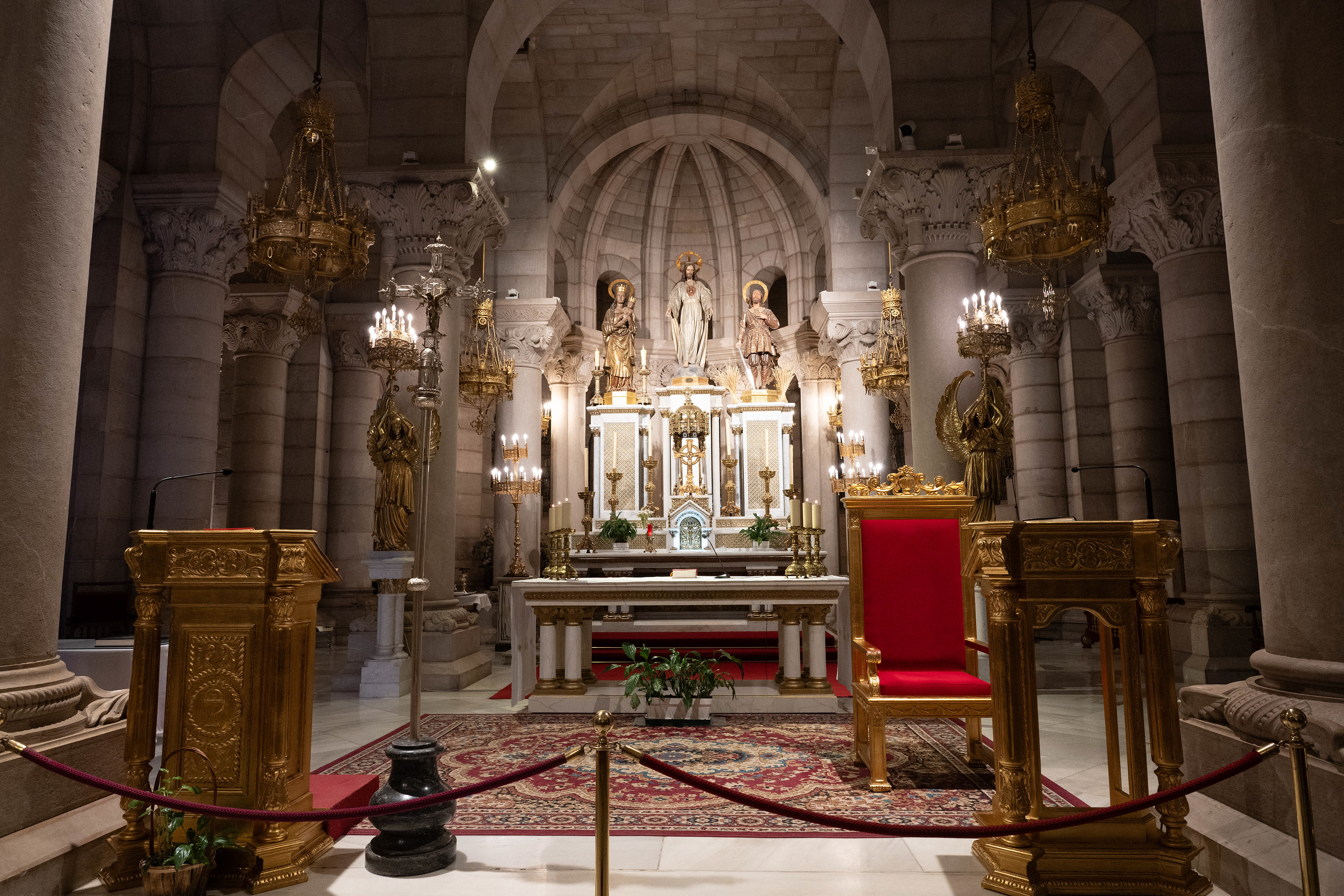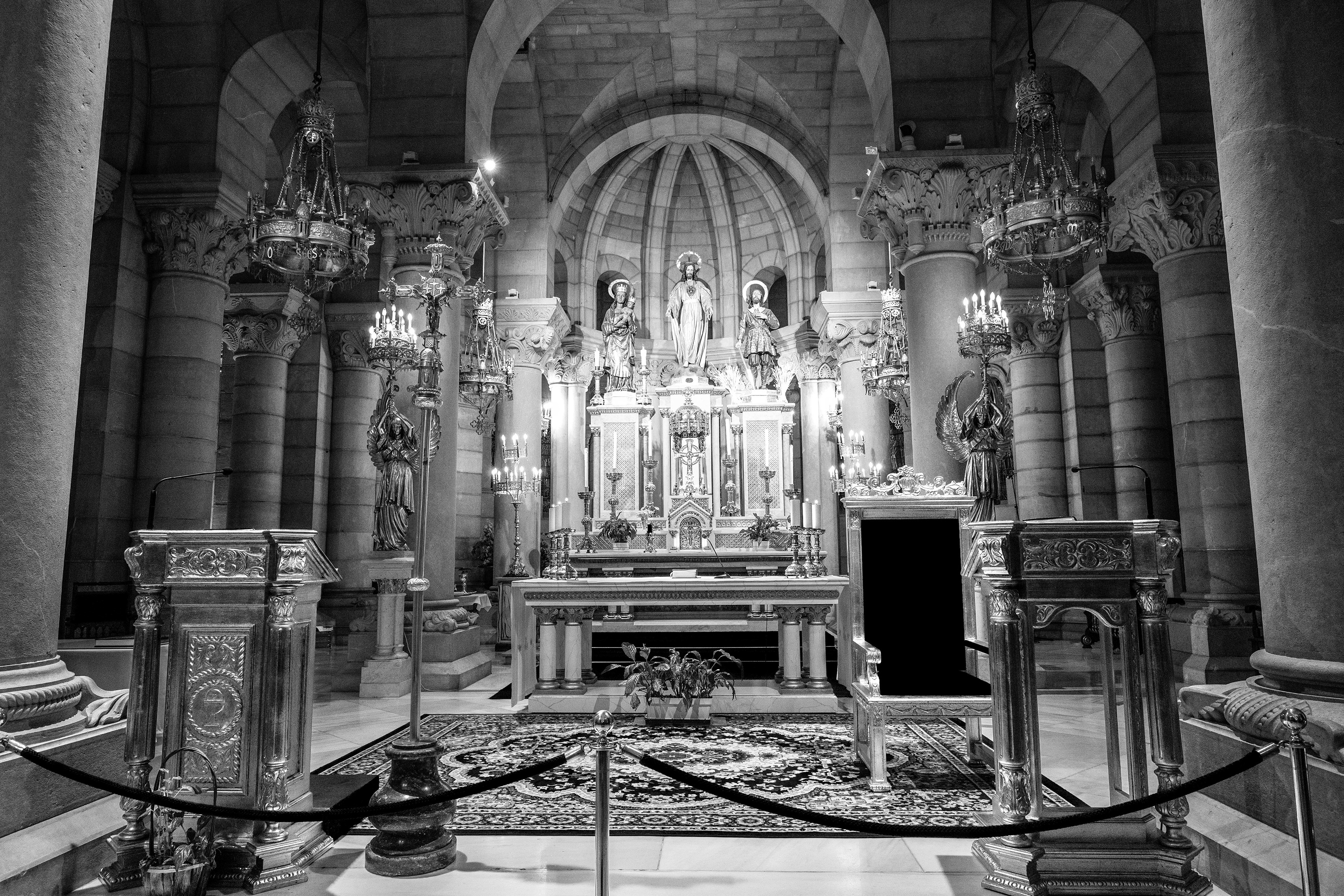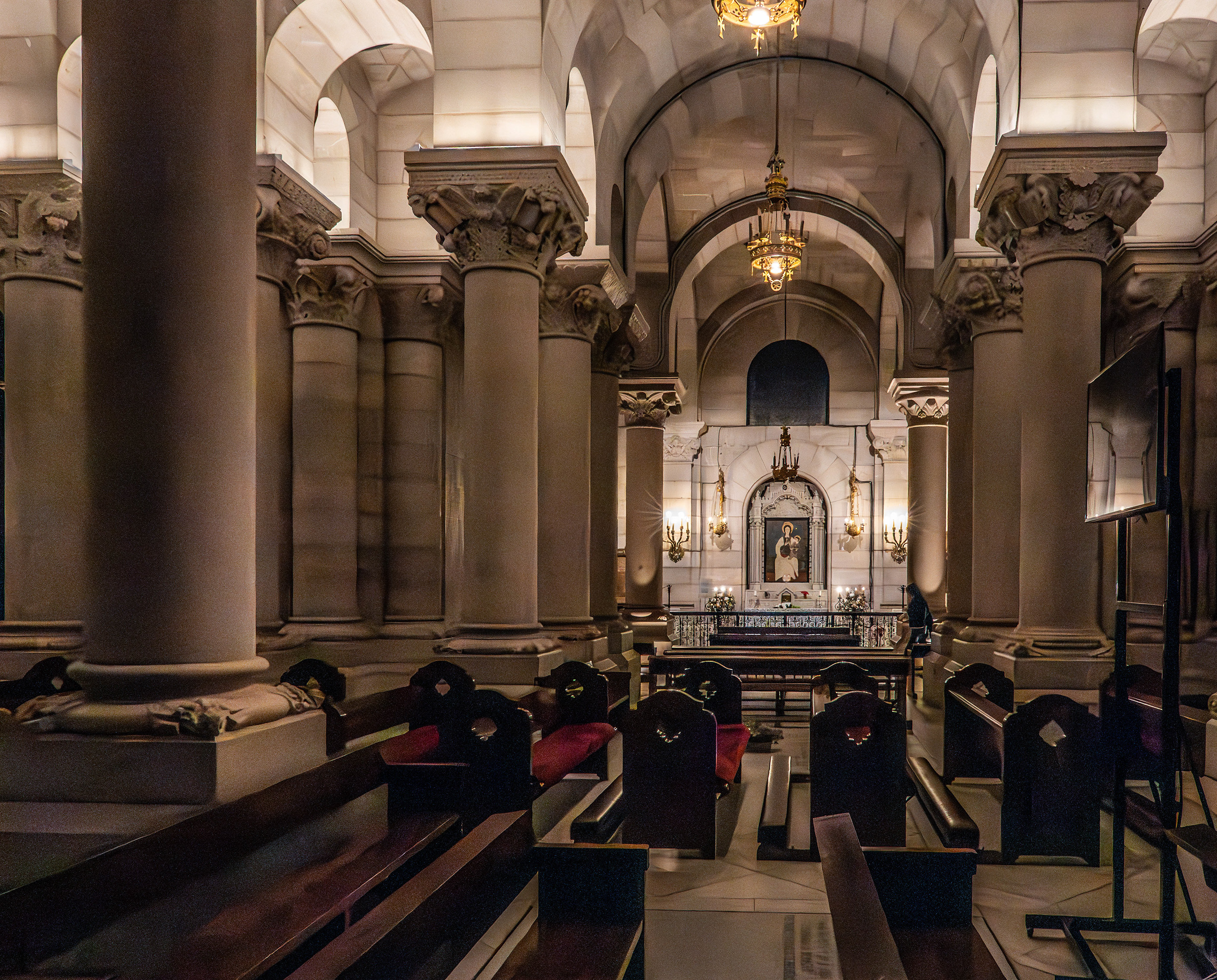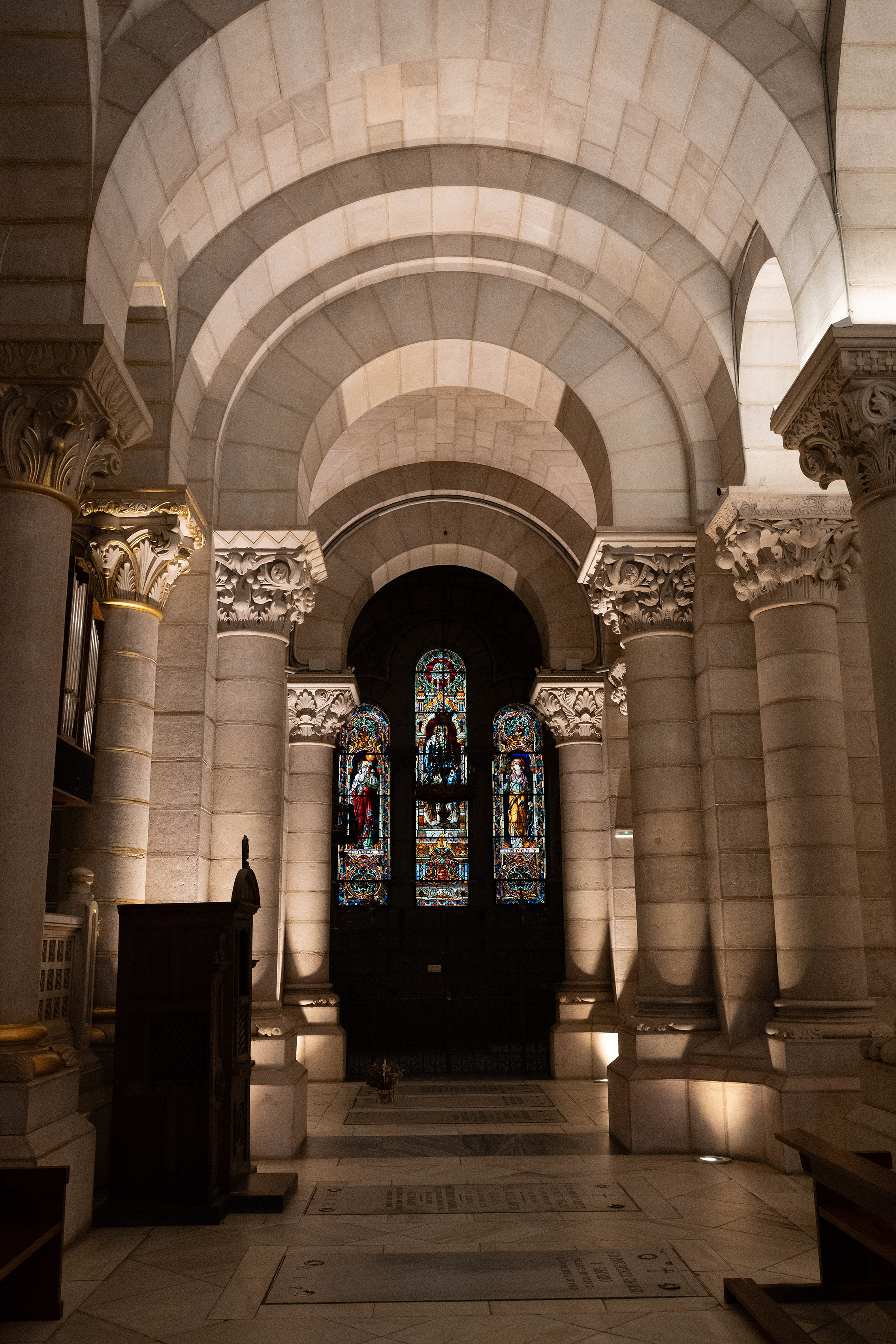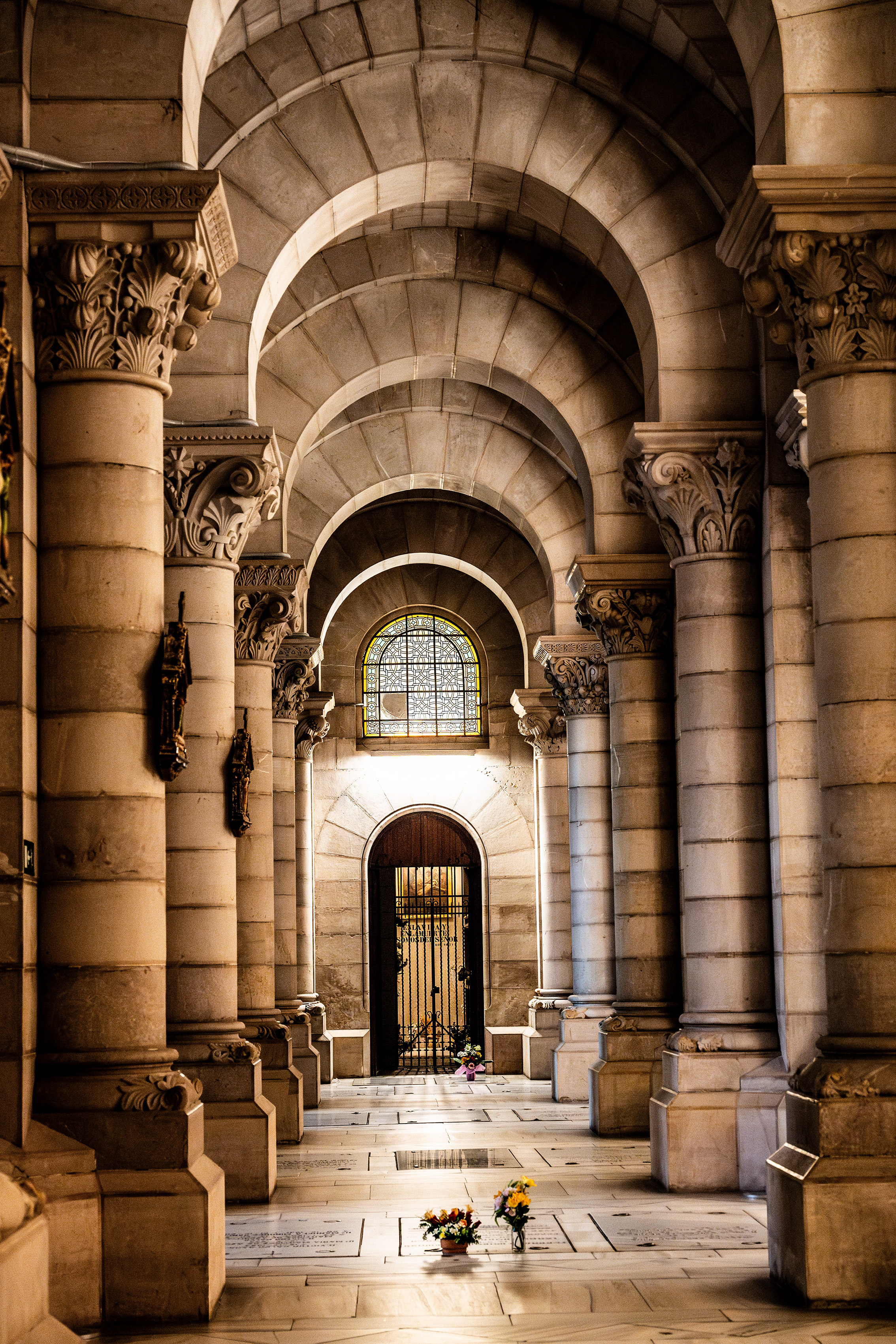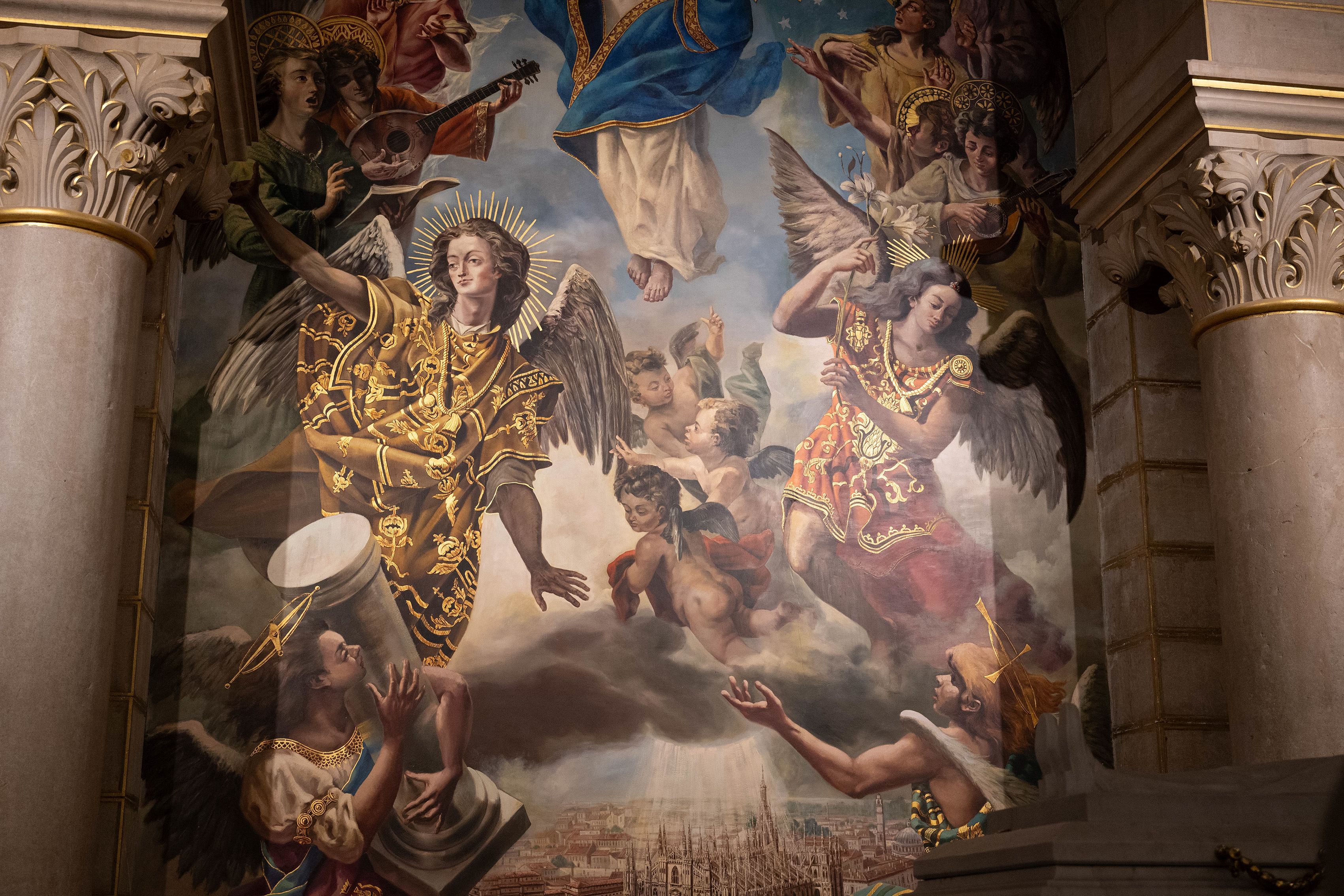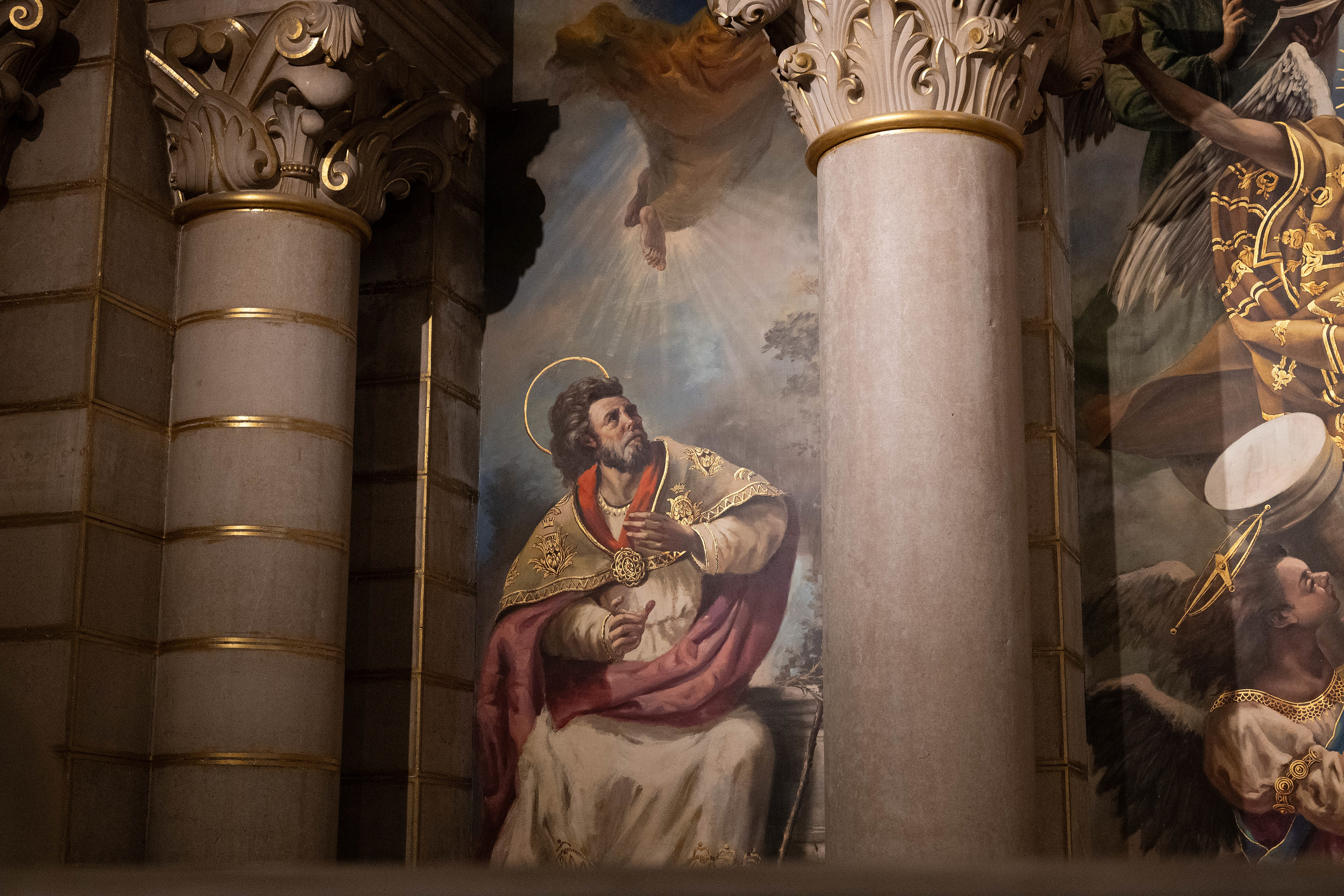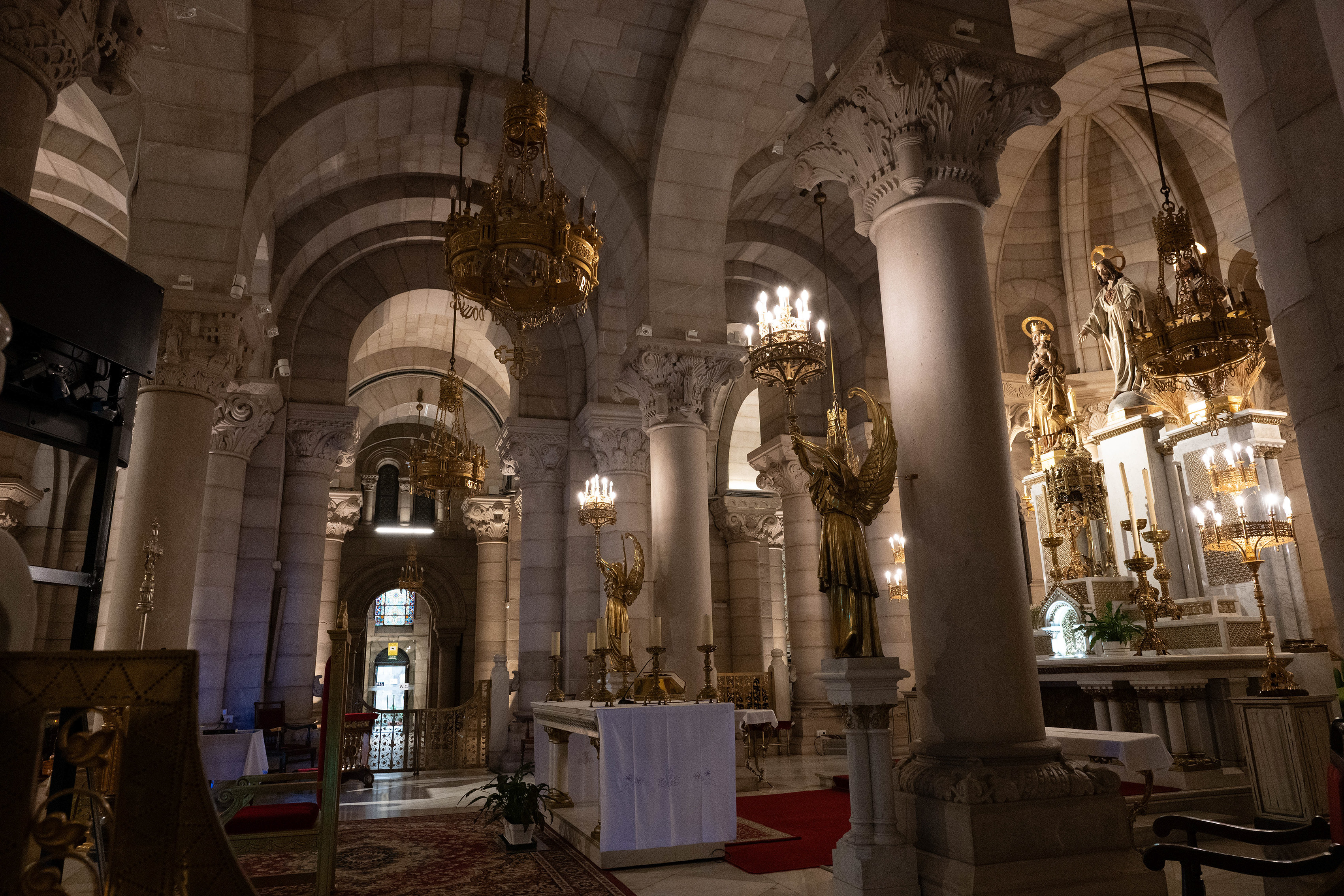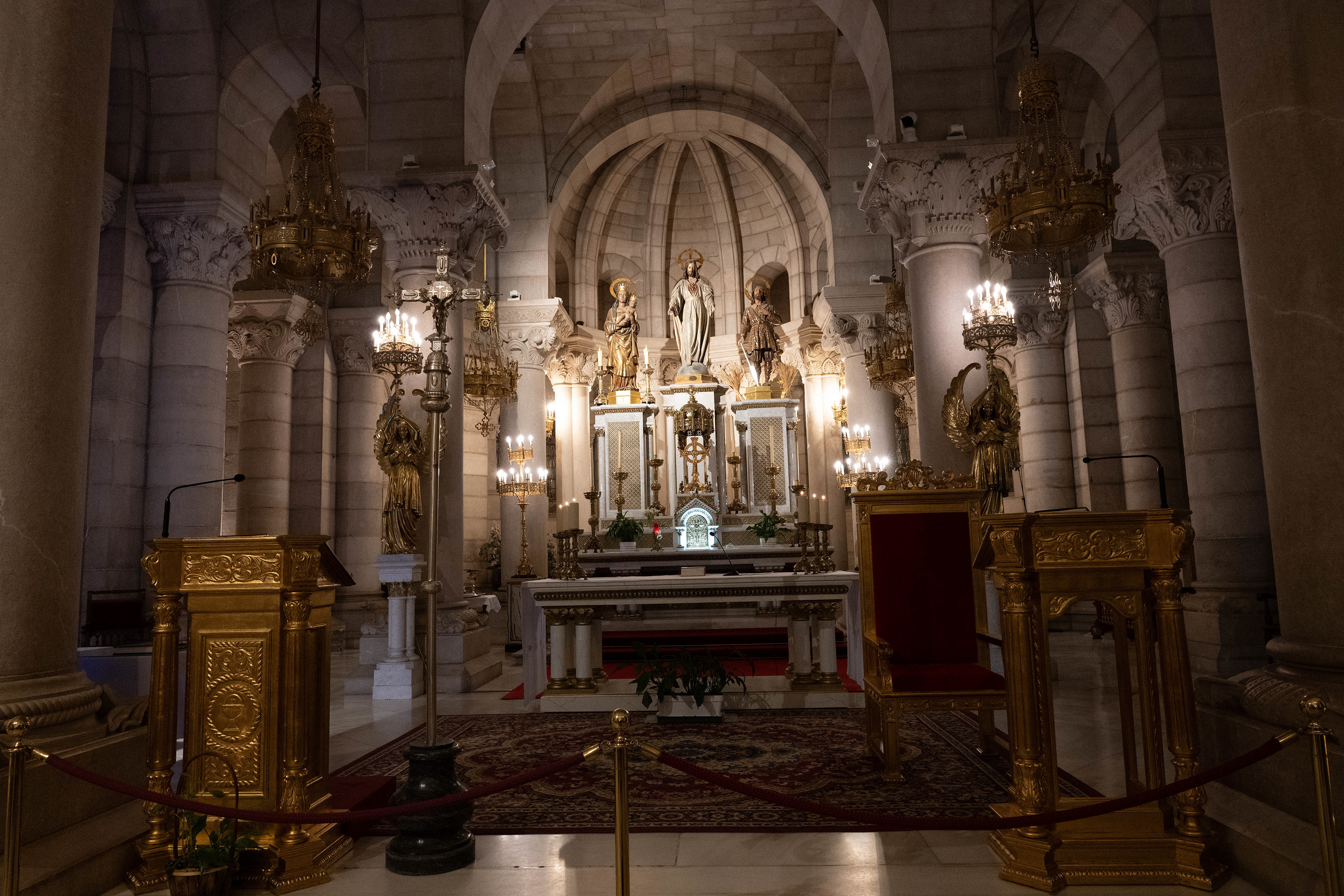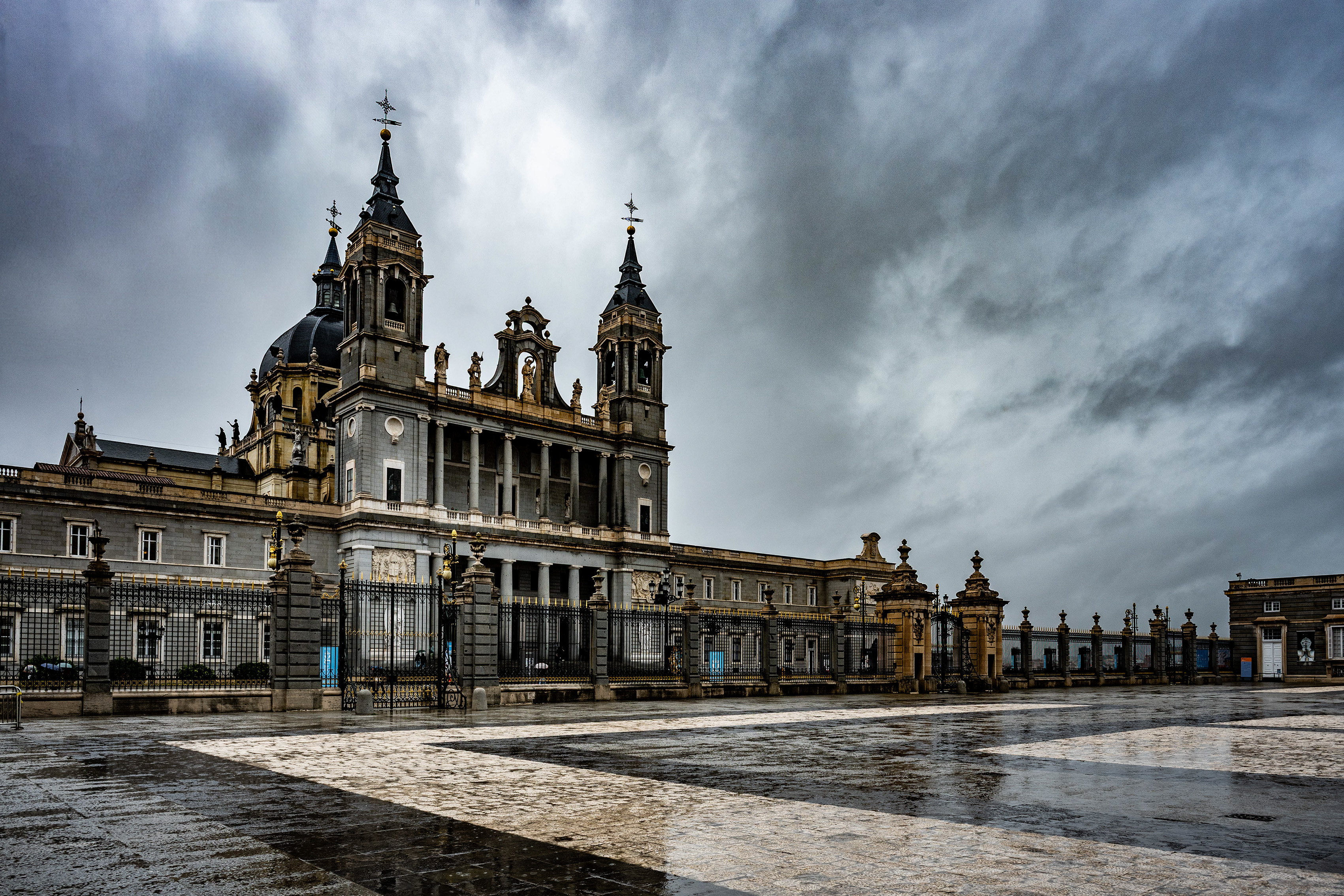

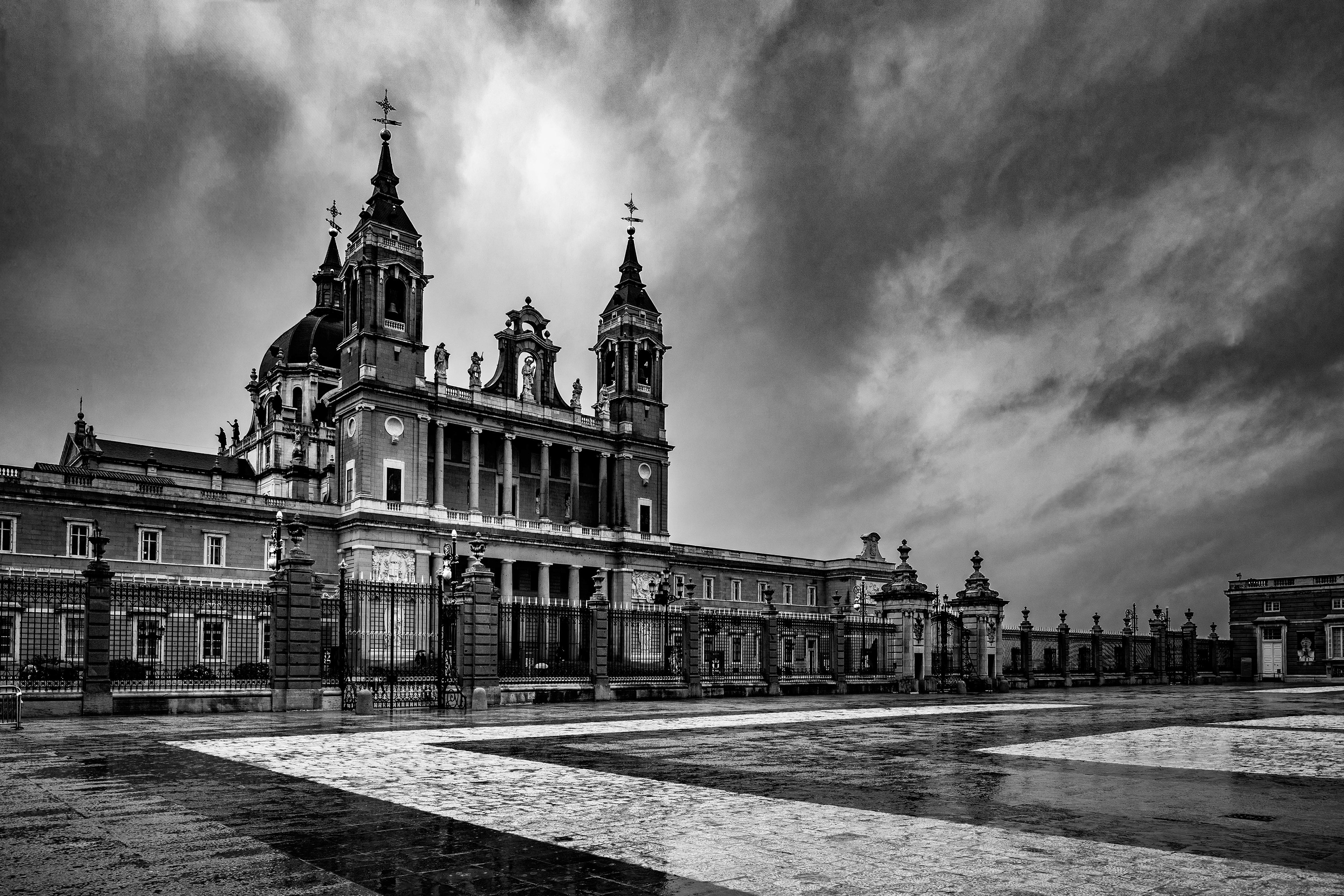
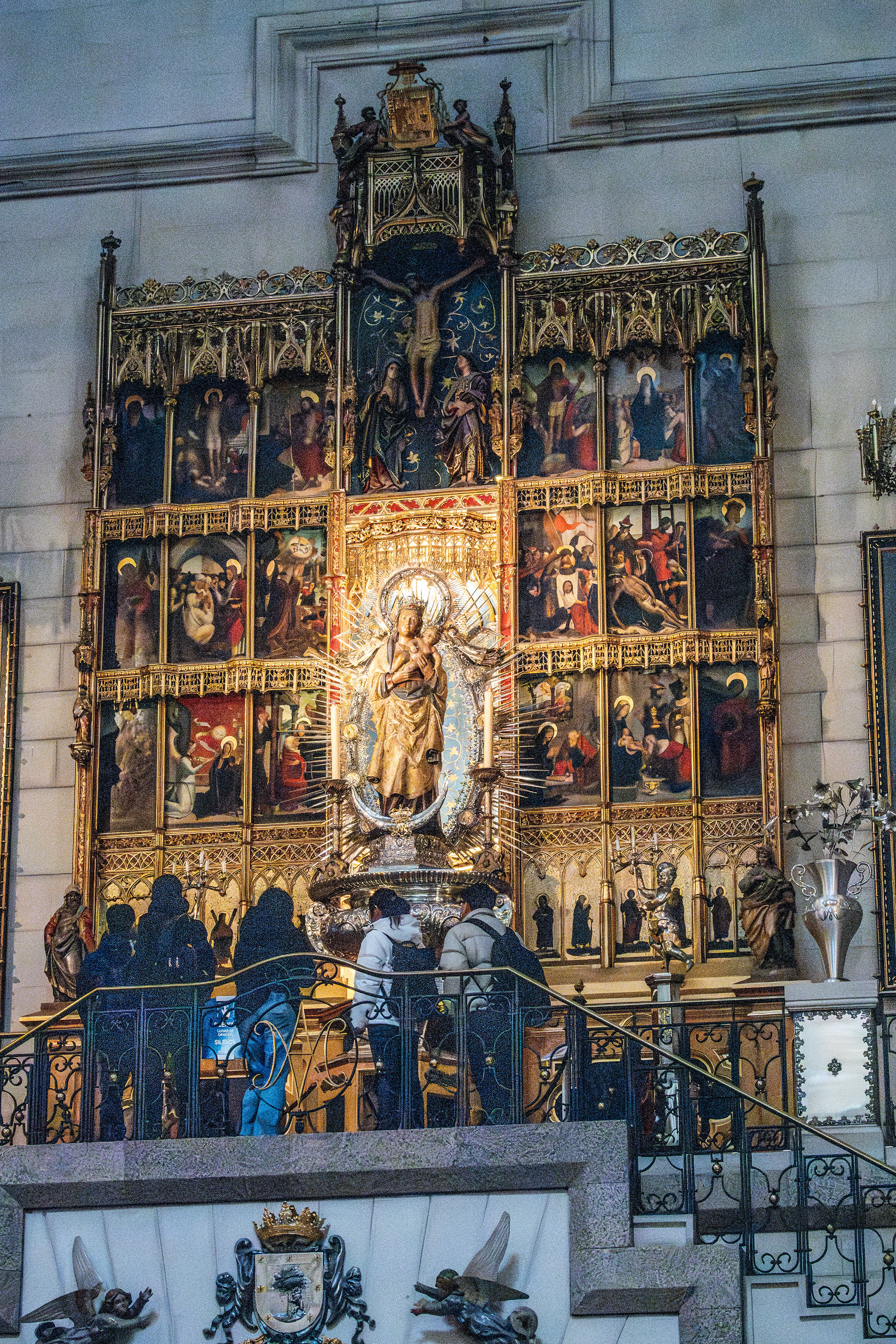

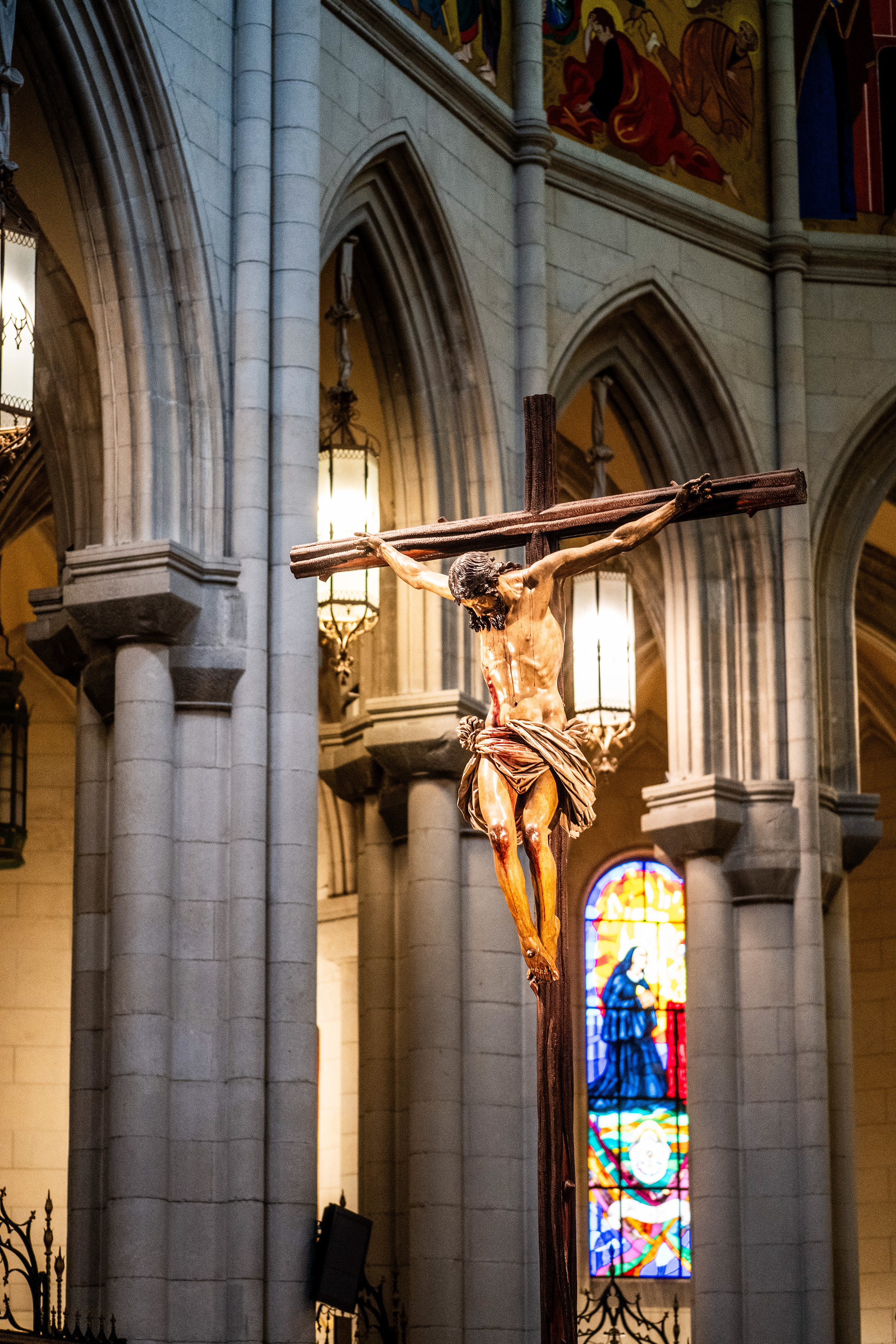
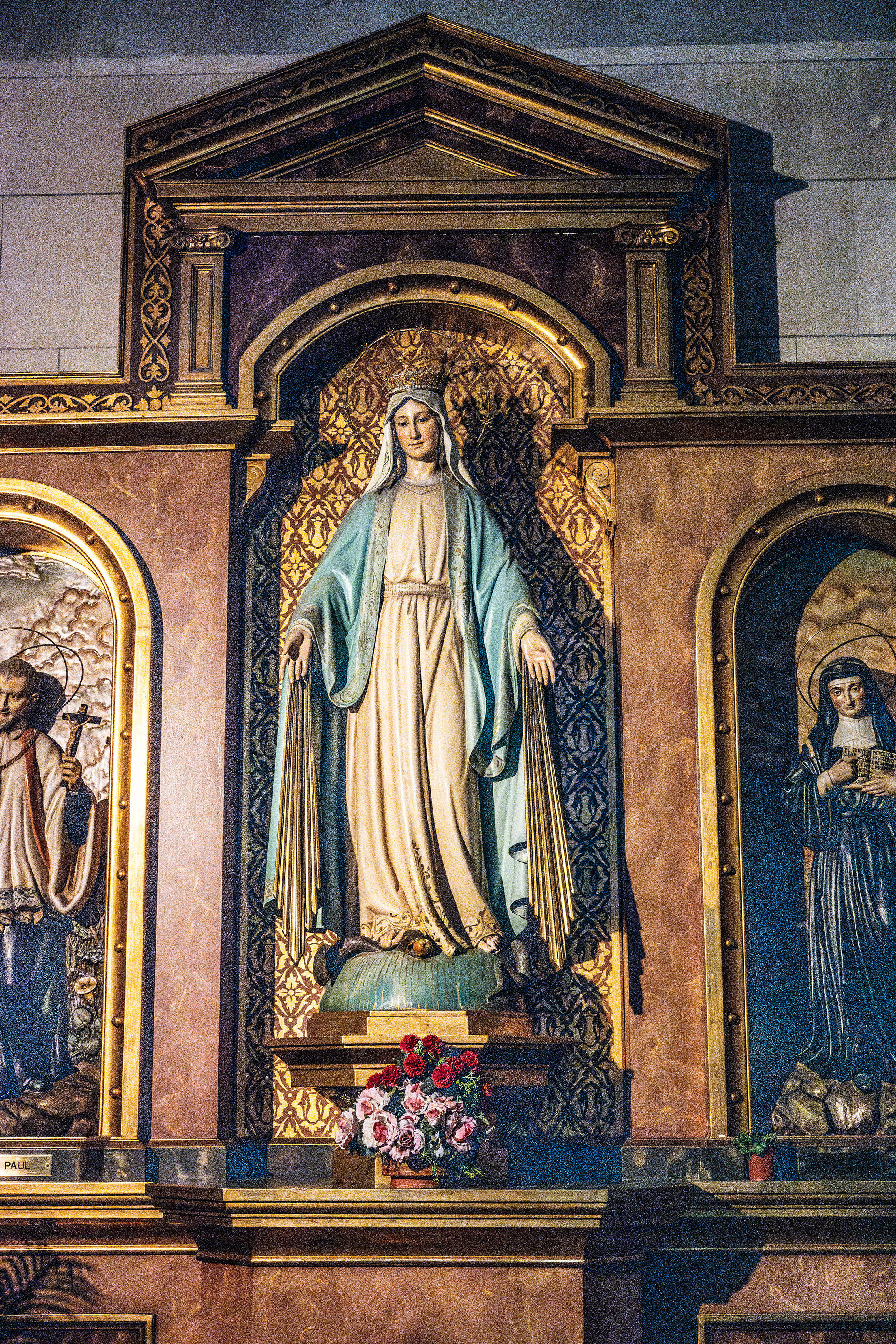
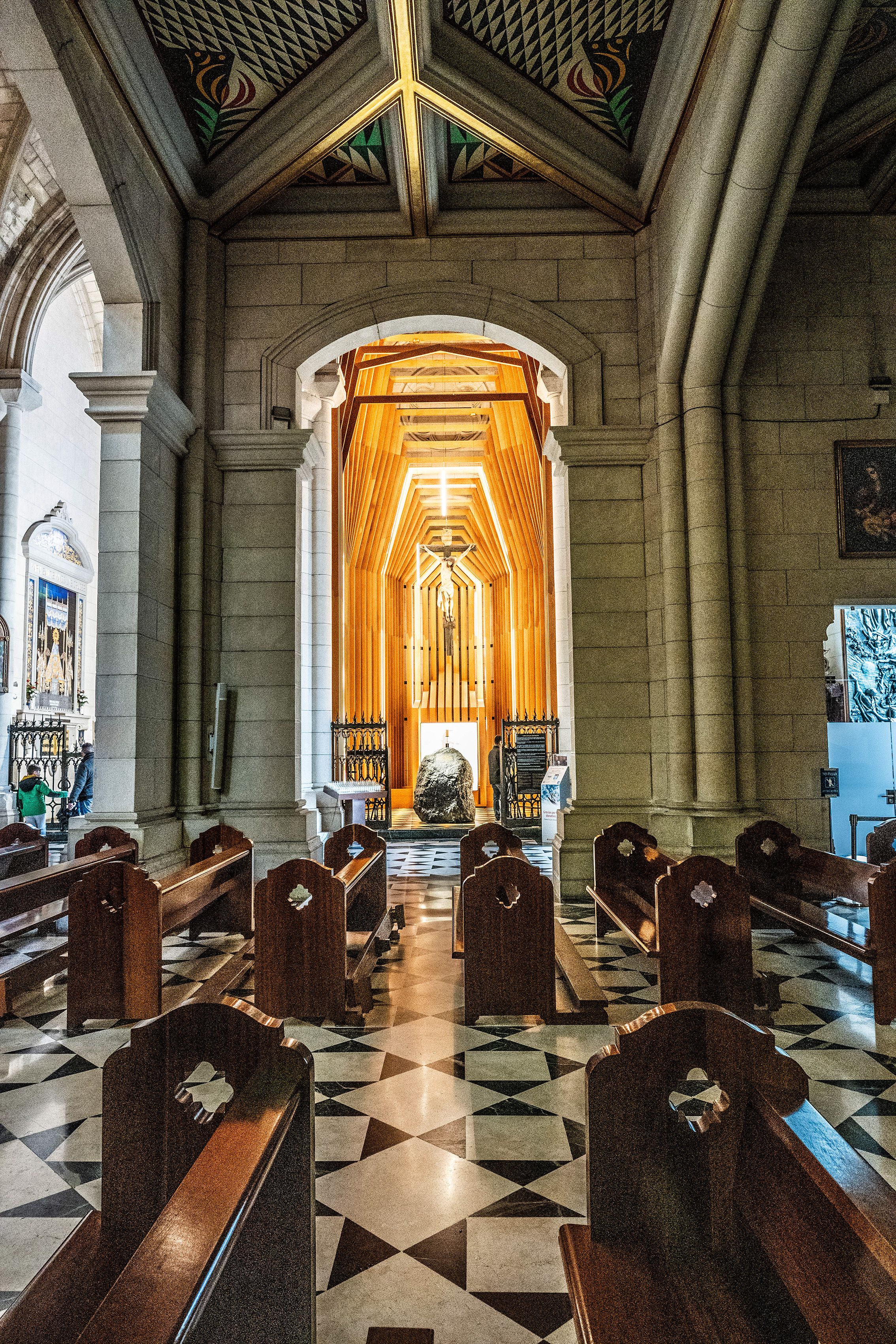
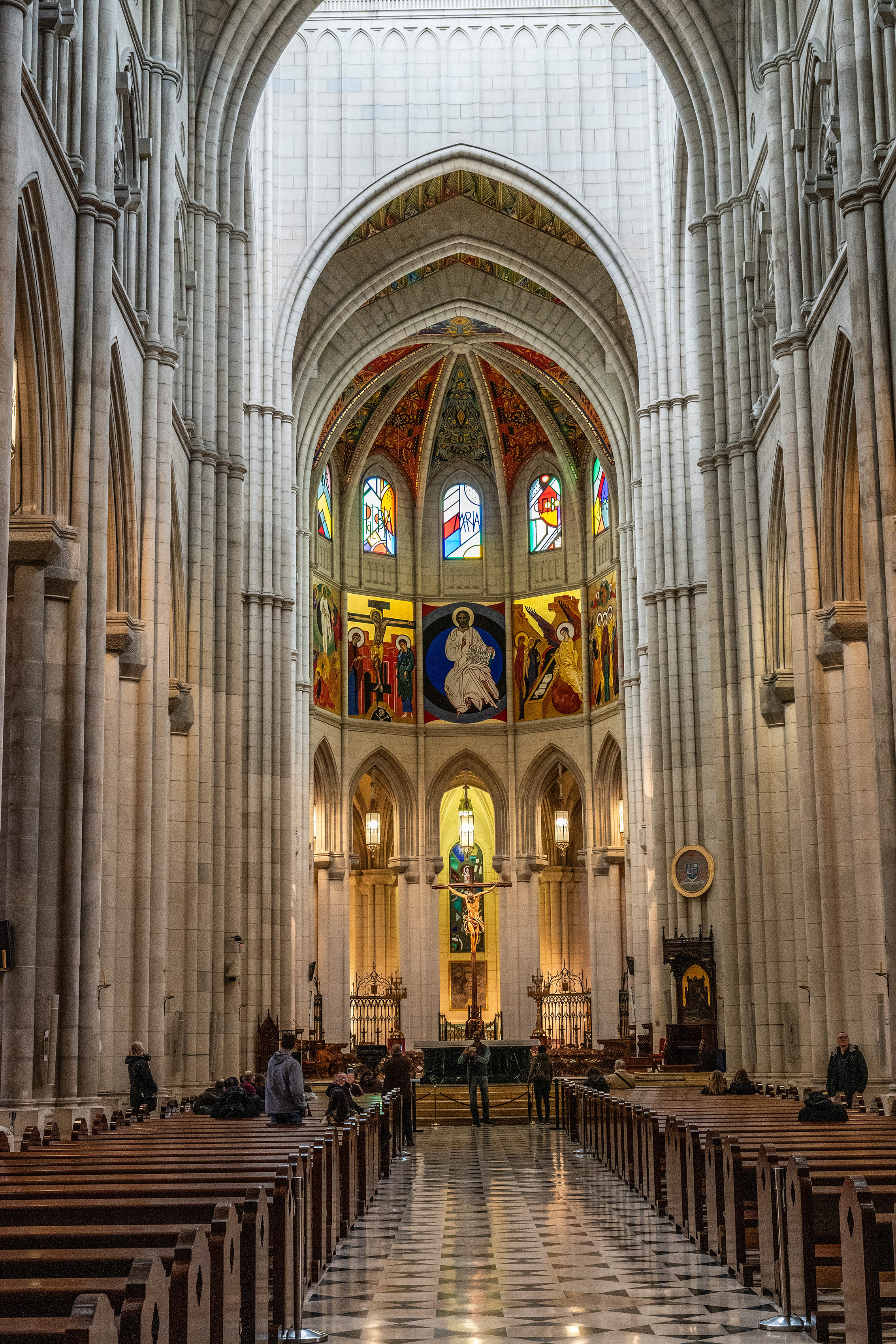


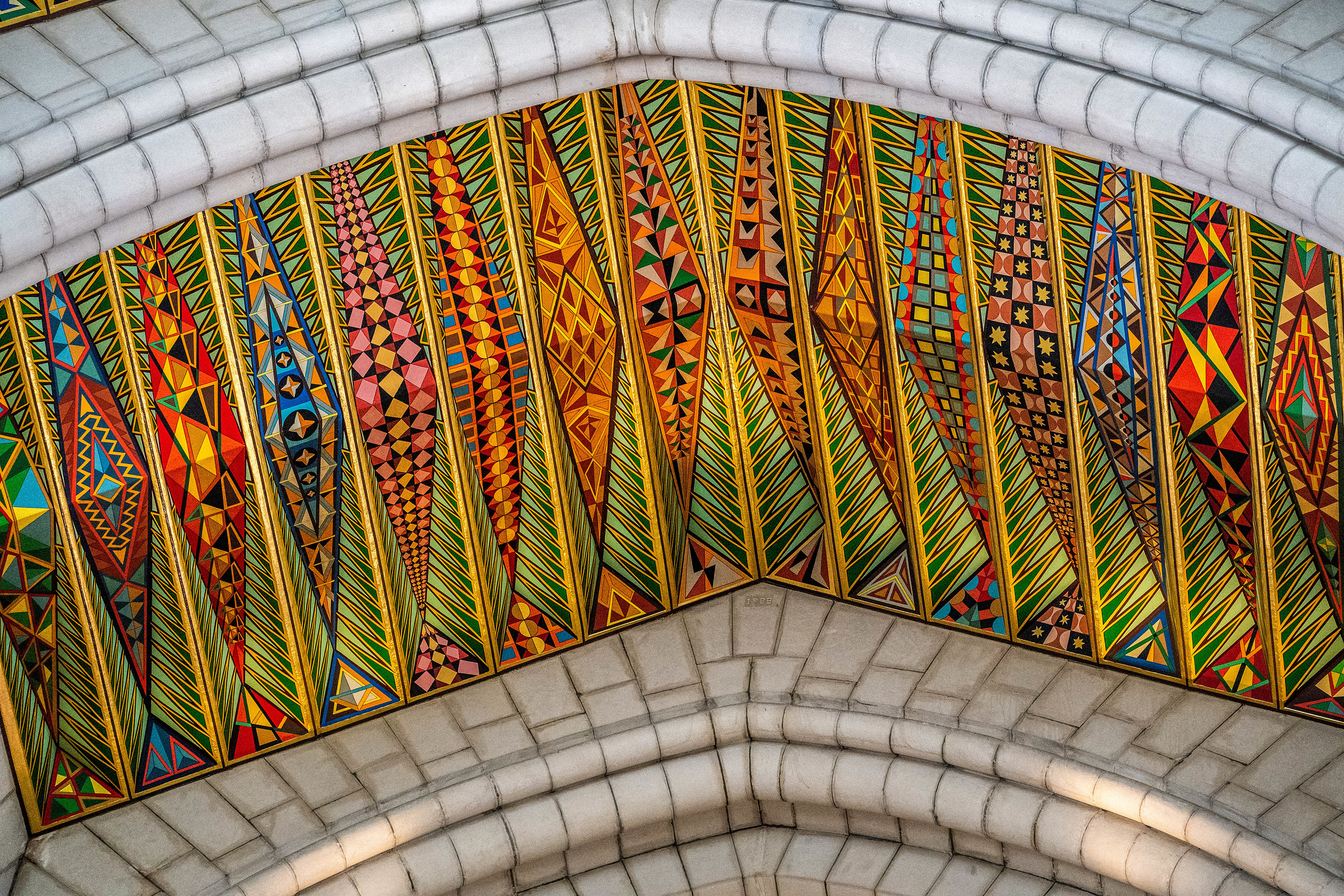
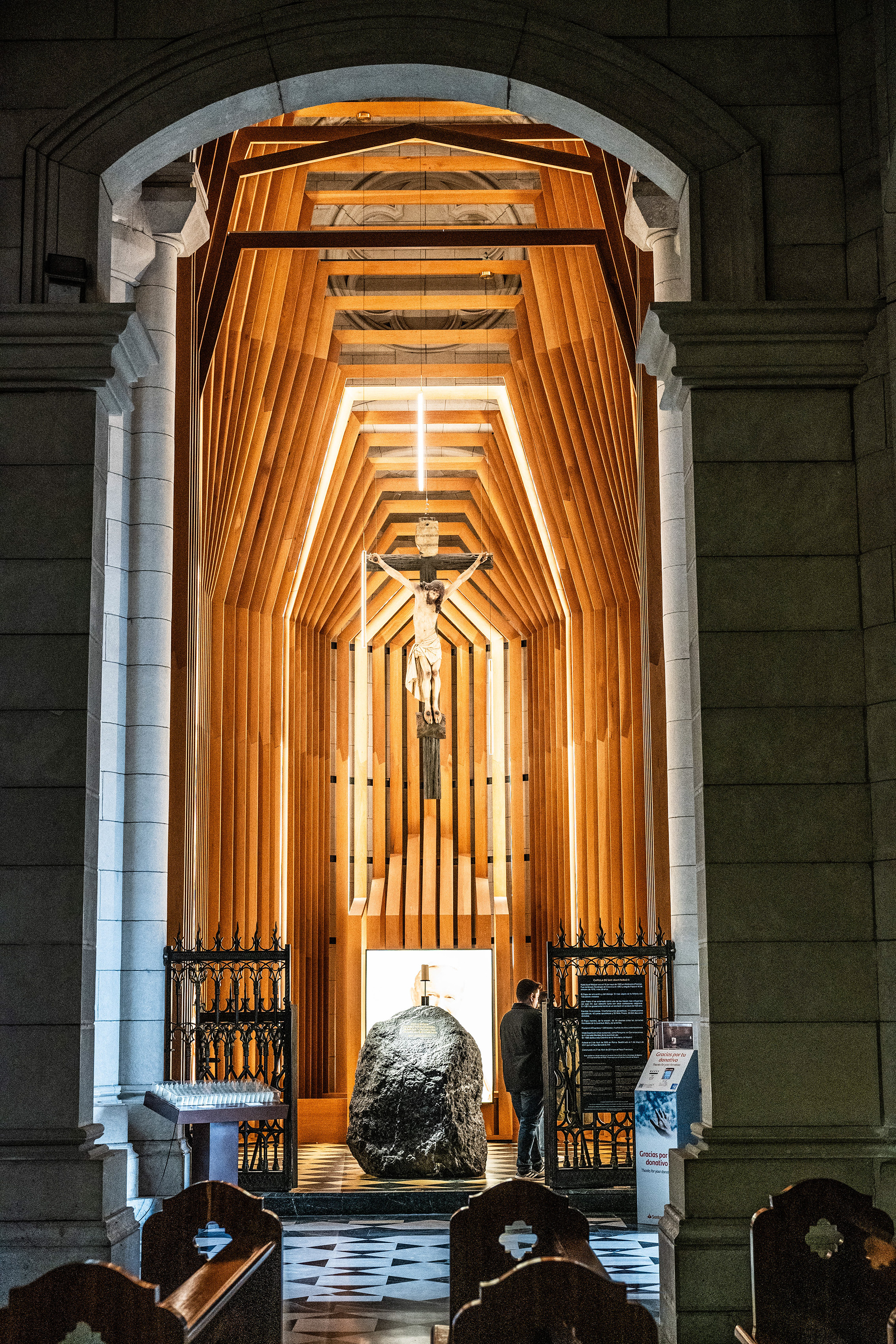
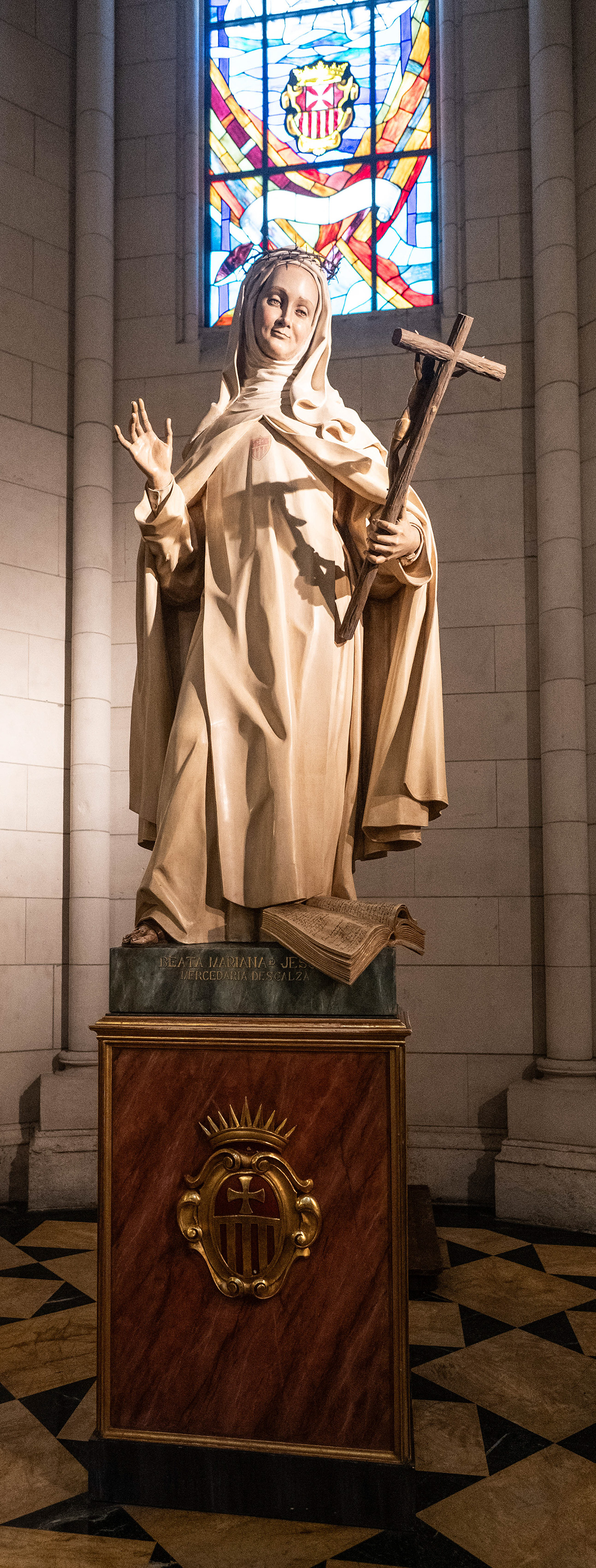
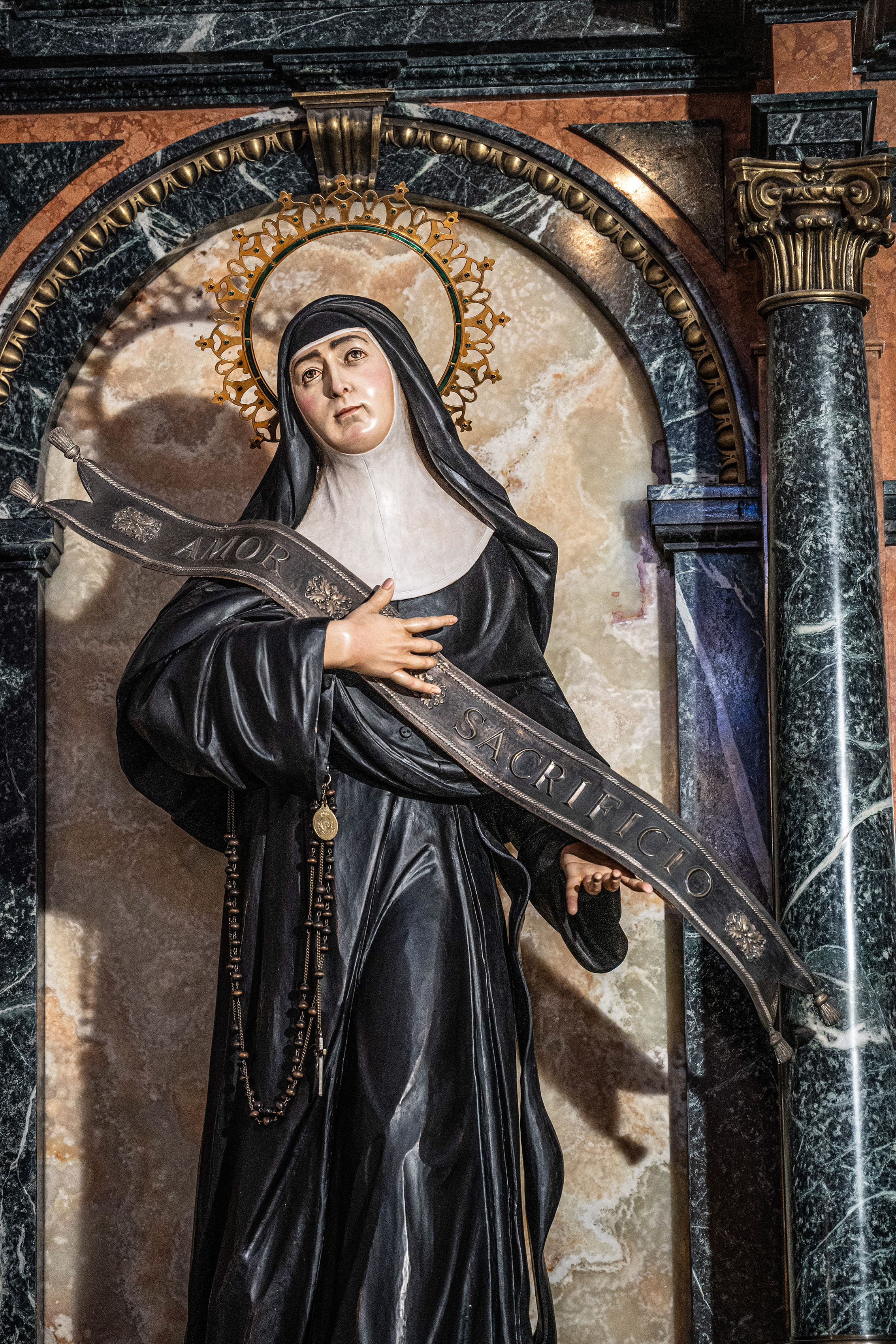
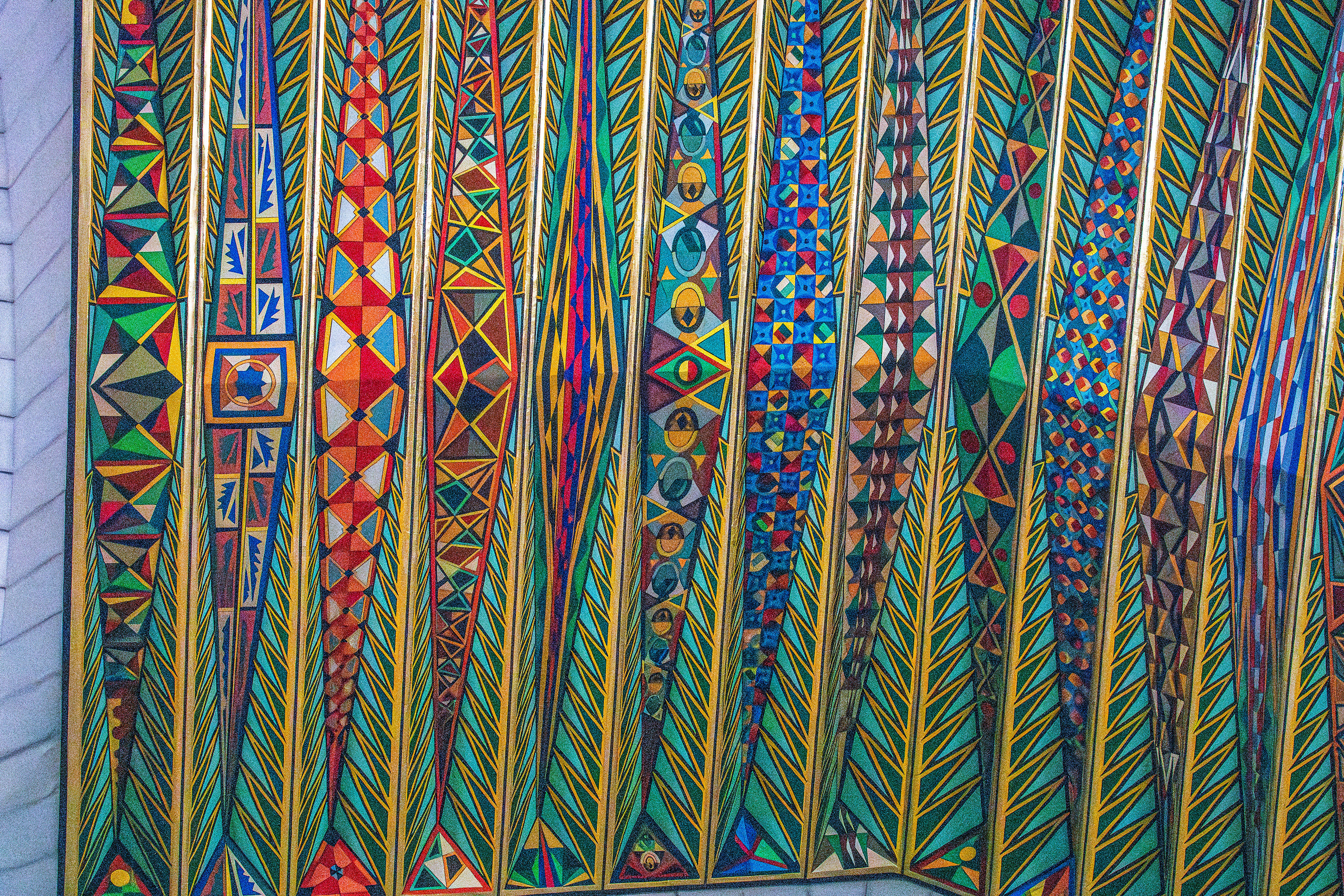
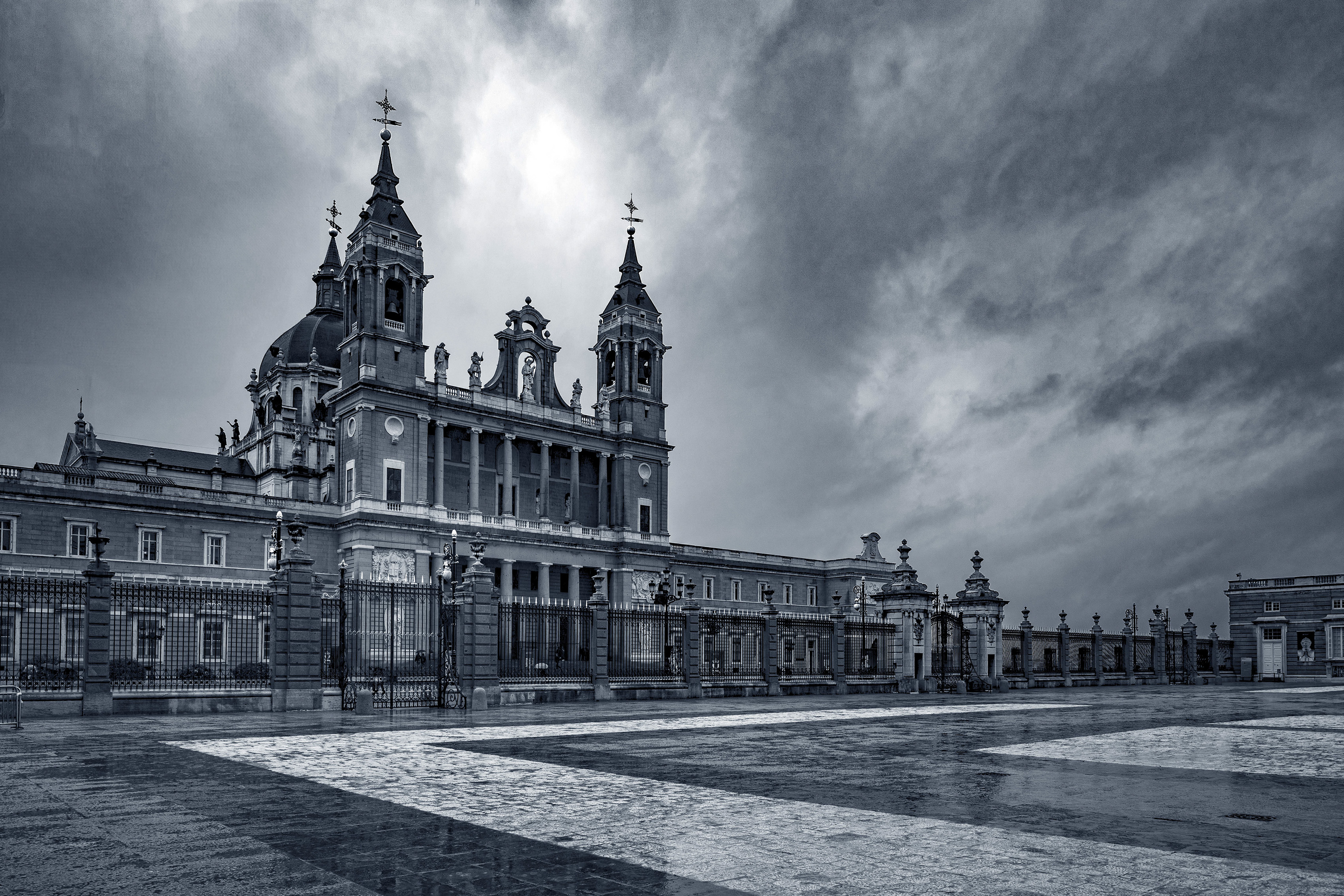

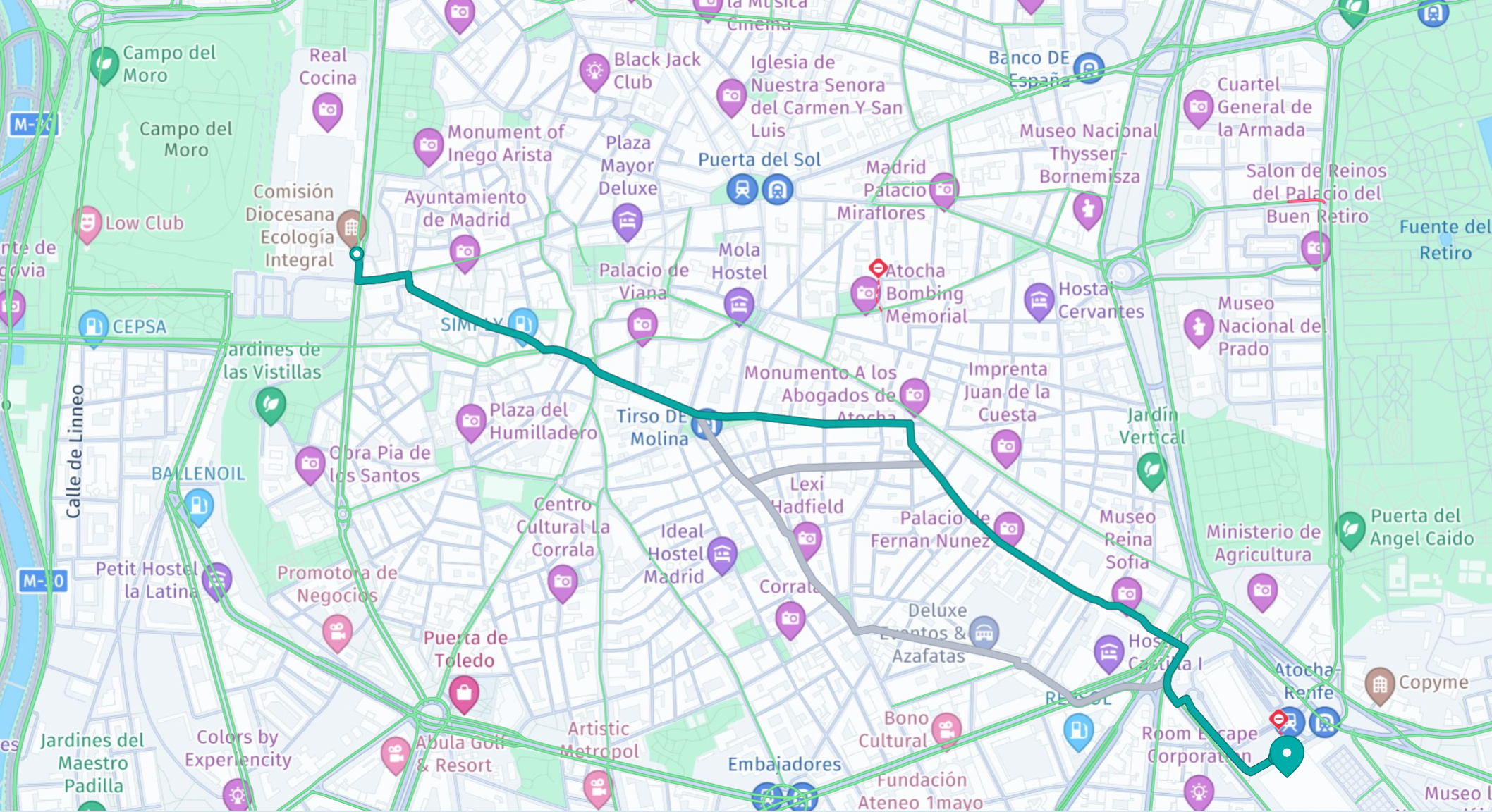
The Almudena Cathedral is Madrid’s main Catholic cathedral, seat of the Archdiocese of Madrid, and one of the city’s most symbolically important modern religious buildings. It stands directly opposite the Royal Palace, forming a unified monumental ensemble.
Historical Background
When Madrid became Spain’s capital in 1561, it still lacked a cathedral; the ecclesiastical seat remained in Toledo.Plans for a cathedral dedicated to the Virgin of Almudena circulated for centuries, but construction only began in 1883.
The original design by Francisco de Cubas envisioned a Gothic Revival cathedral inspired by French Gothic models (Reims, Chartres, León).
Work halted during the Spanish Civil War, then resumed with a redesigned exterior to harmonise with the Royal Palace.
The cathedral was finally completed and consecrated in 1993.
Why It Matters
It is Madrid’s first and only cathedral, completed remarkably late compared to other European capitals.Its architecture reflects Spain’s political and aesthetic shifts across more than a century.
Its position opposite the Royal Palace symbolises the unity of church and monarchy in Spanish history.
It remains a major site for Spainal ceremonies, tourism, and Marian devotion.