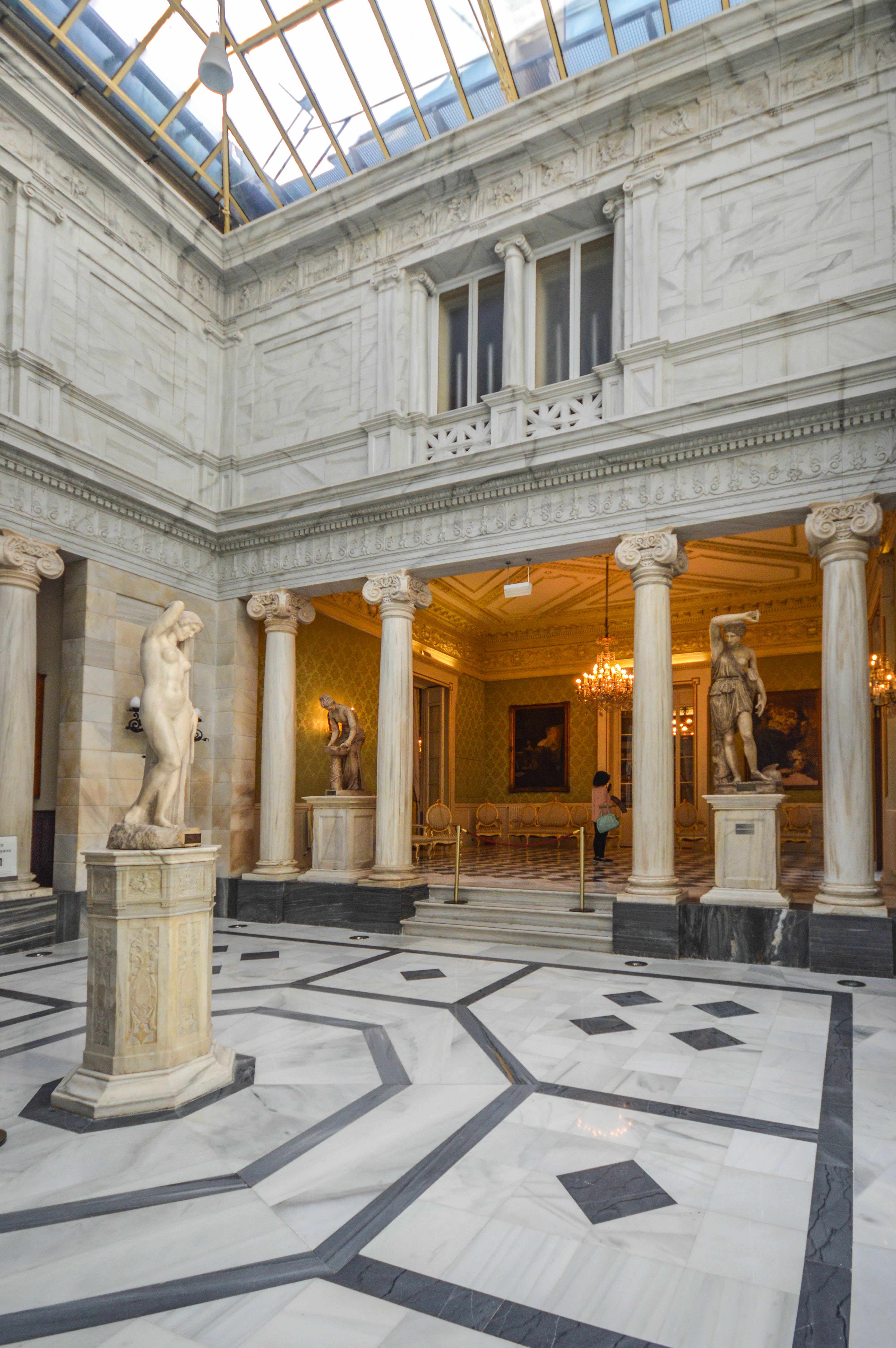
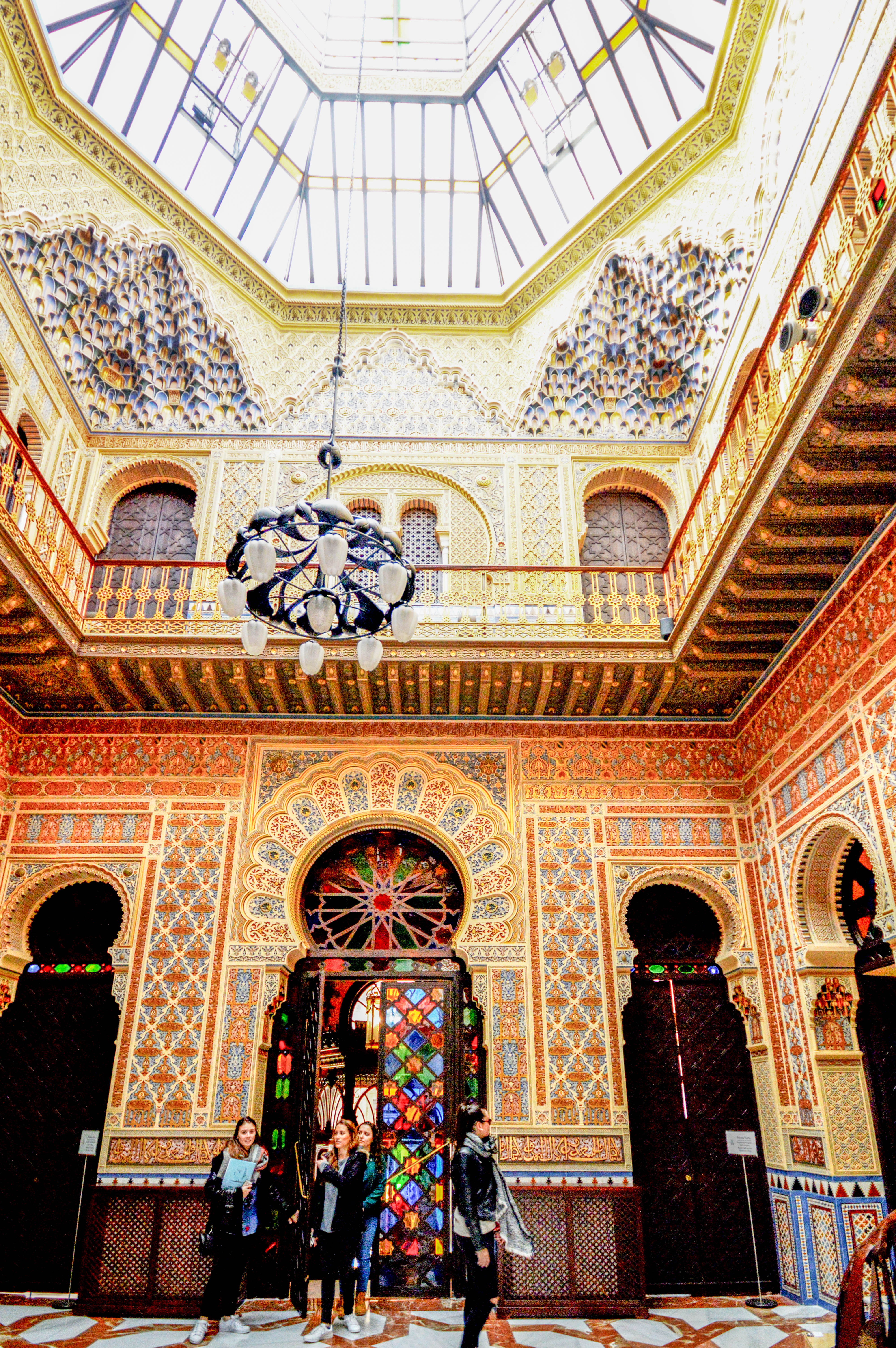
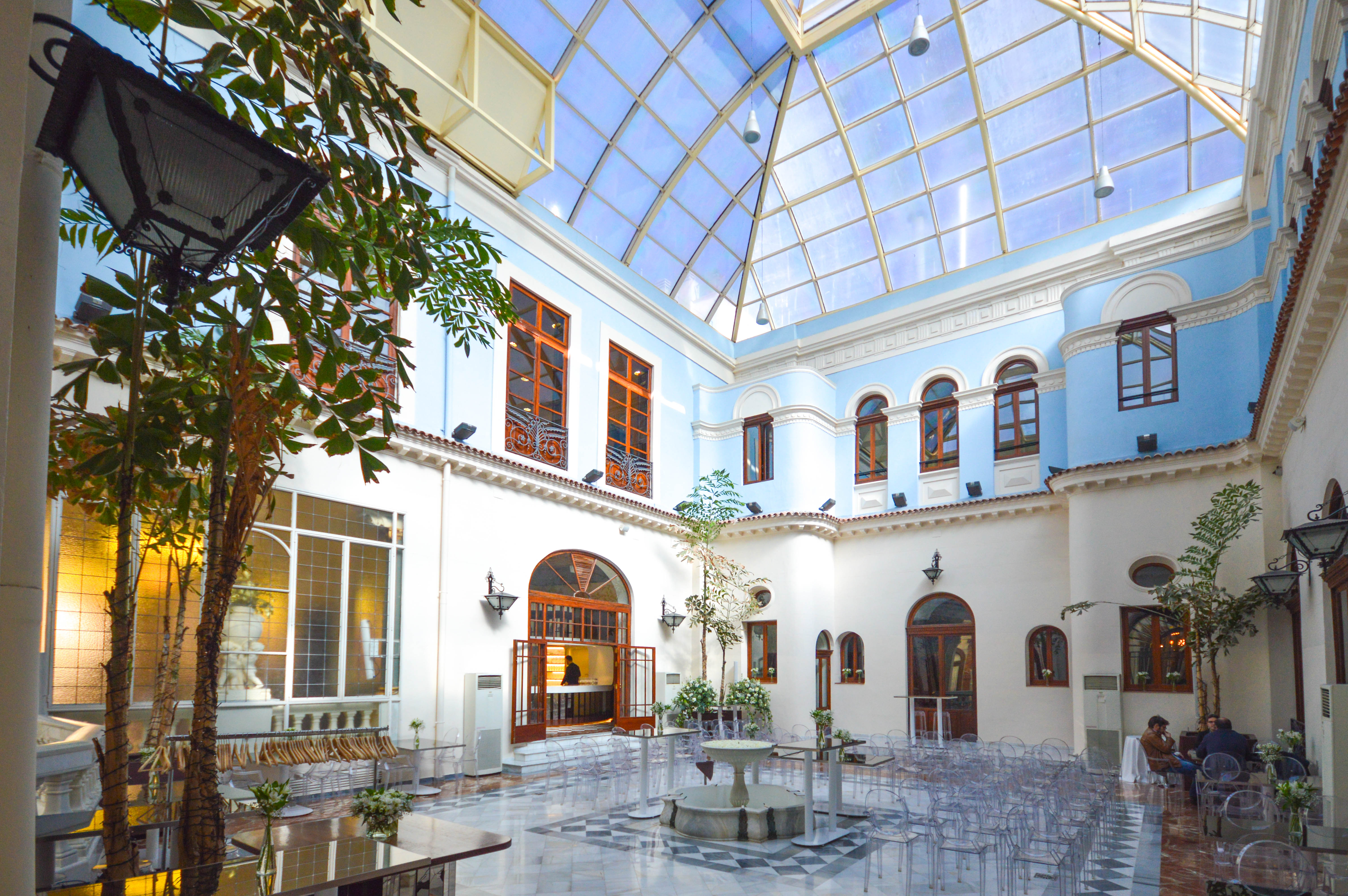
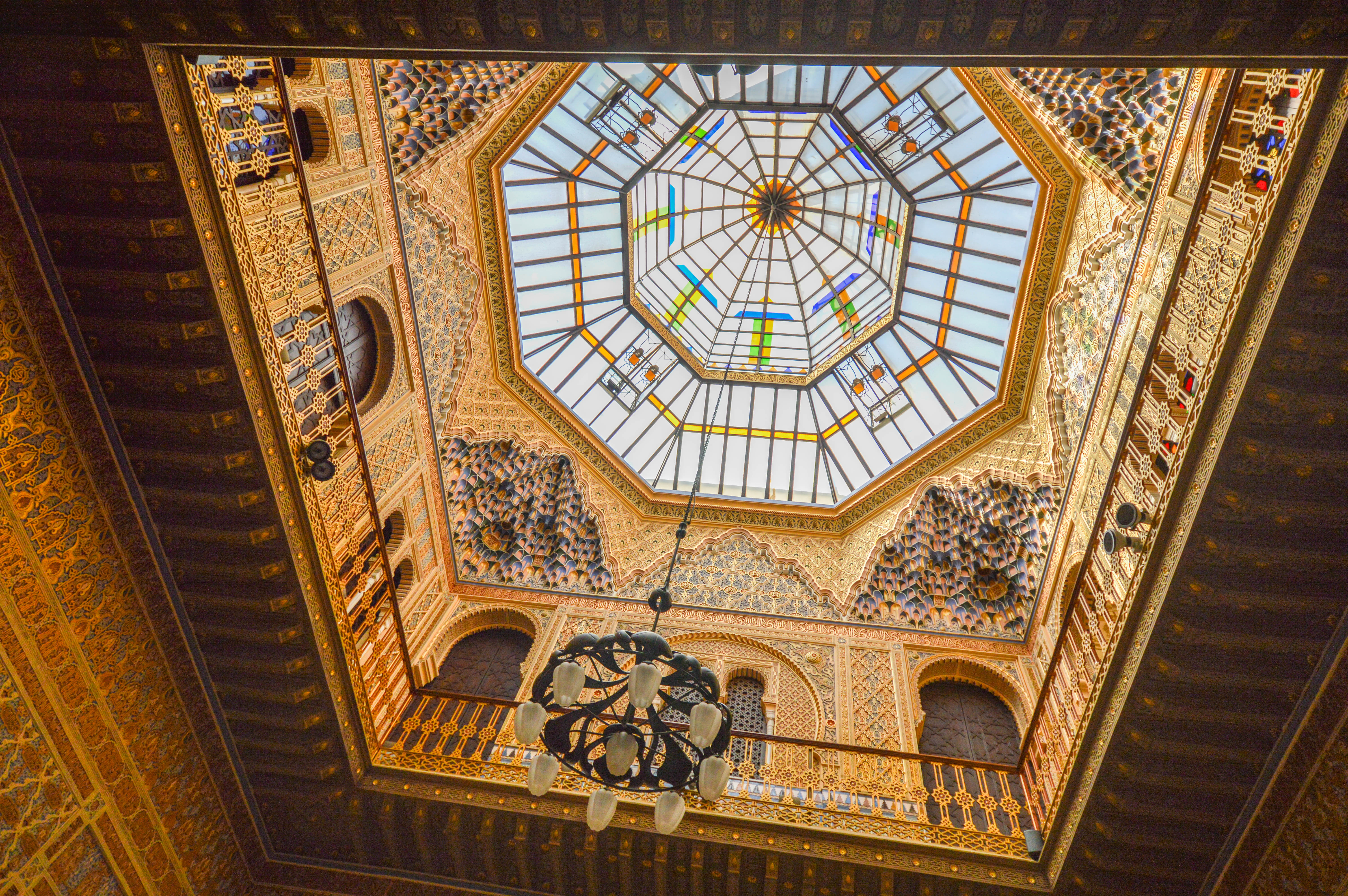
Murcia
Murcia City Overview
Murcia is the capital of the Region of Murcia in south-eastern Spain, located on the Segura River. As of 2024 the municipality has about 472,000 inhabitants, and the wider metropolitan area exceeds 670,000 people. Murcia is a university and service city with a long agricultural tradition that has earned it the nickname “Europe’s orchard.”
Brief history
Murcia was founded as Mursiyah by the Emir Abd ar-Rahman II in the early 9th century and developed as an important Moorish provincial centre. After the Christian reconquest it grew through the medieval and early modern periods; the 17th and 18th centuries left a rich legacy of Baroque churches and civic buildings.
Key sights and cultural highlights
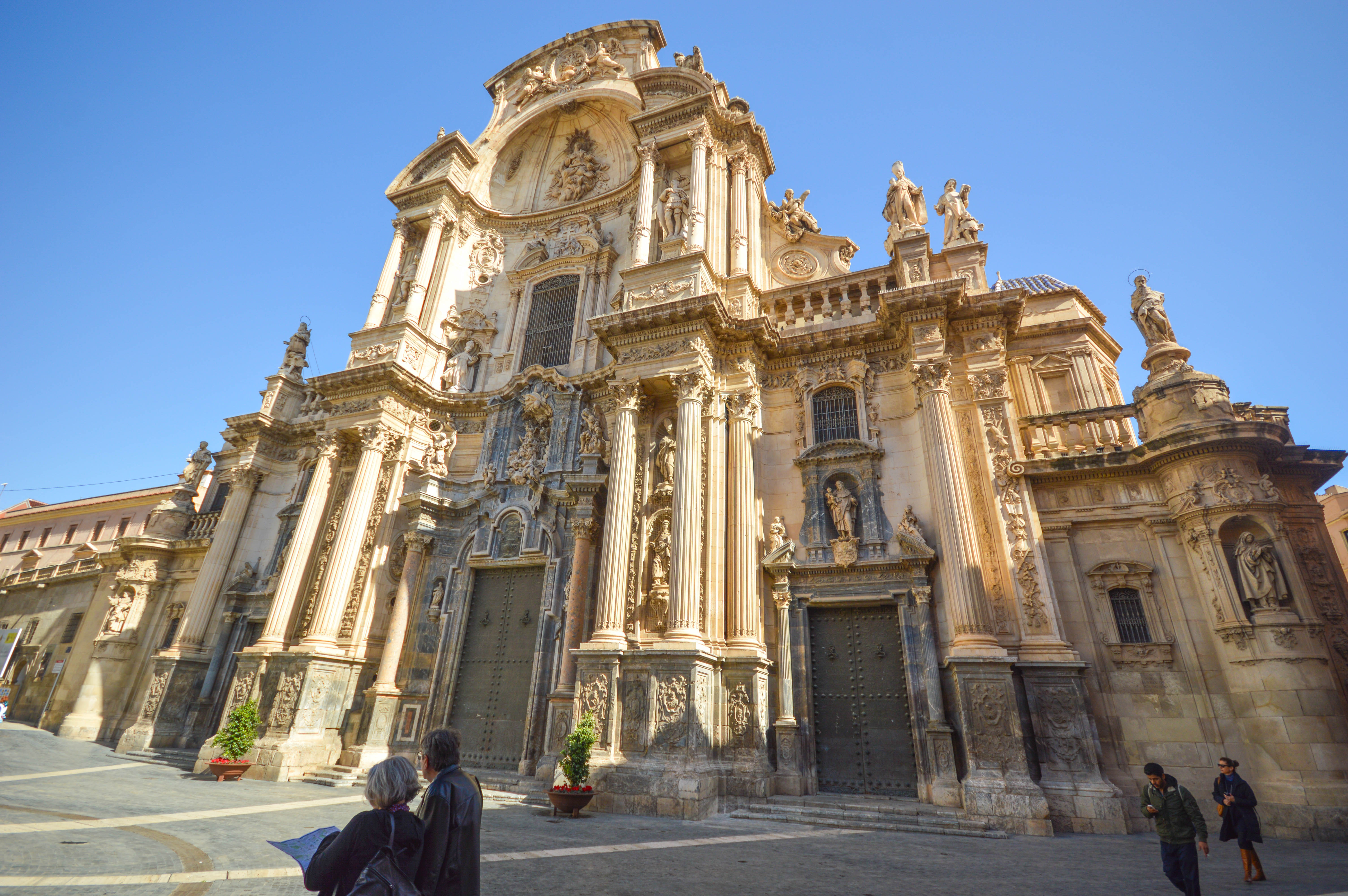
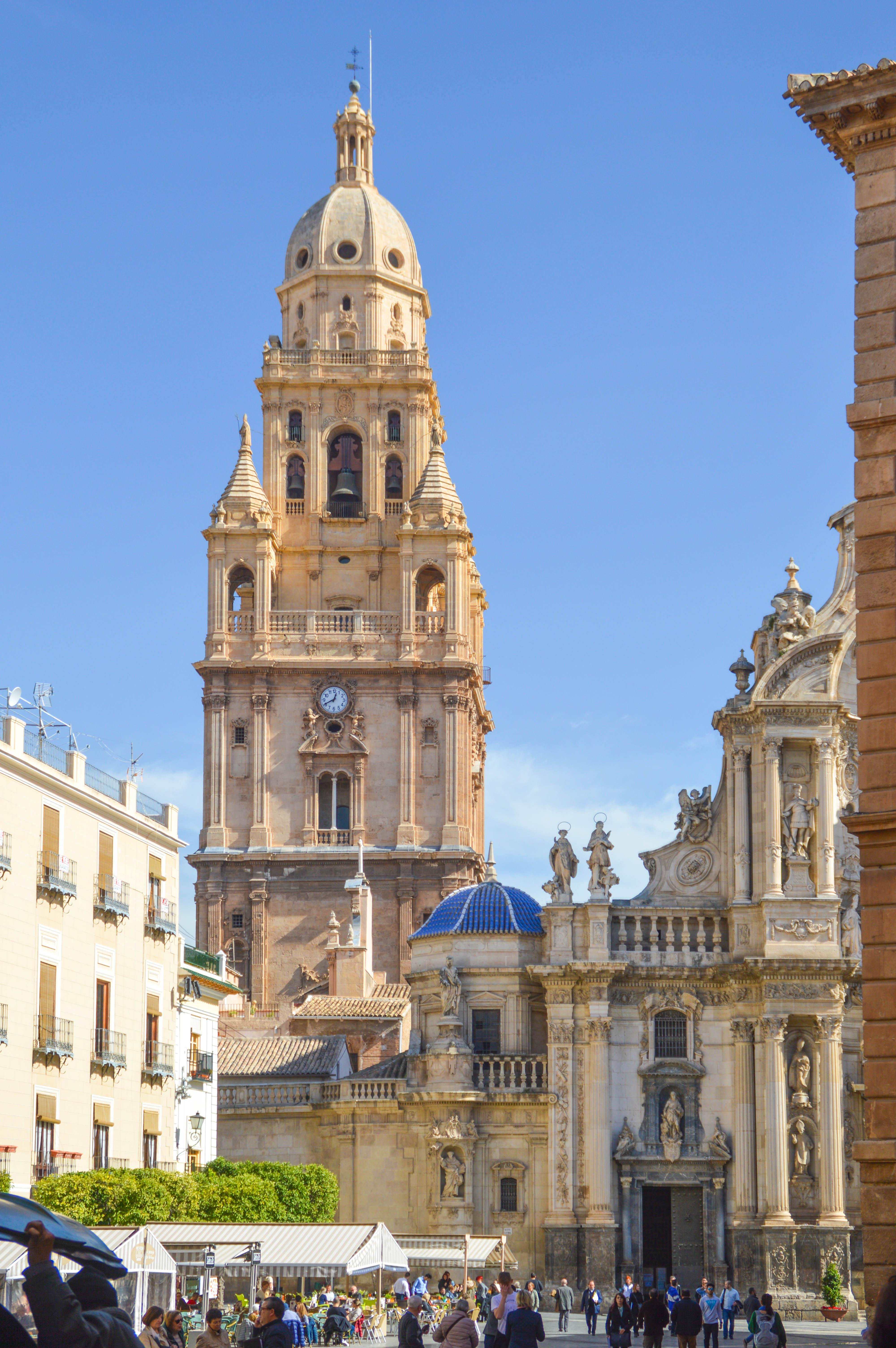
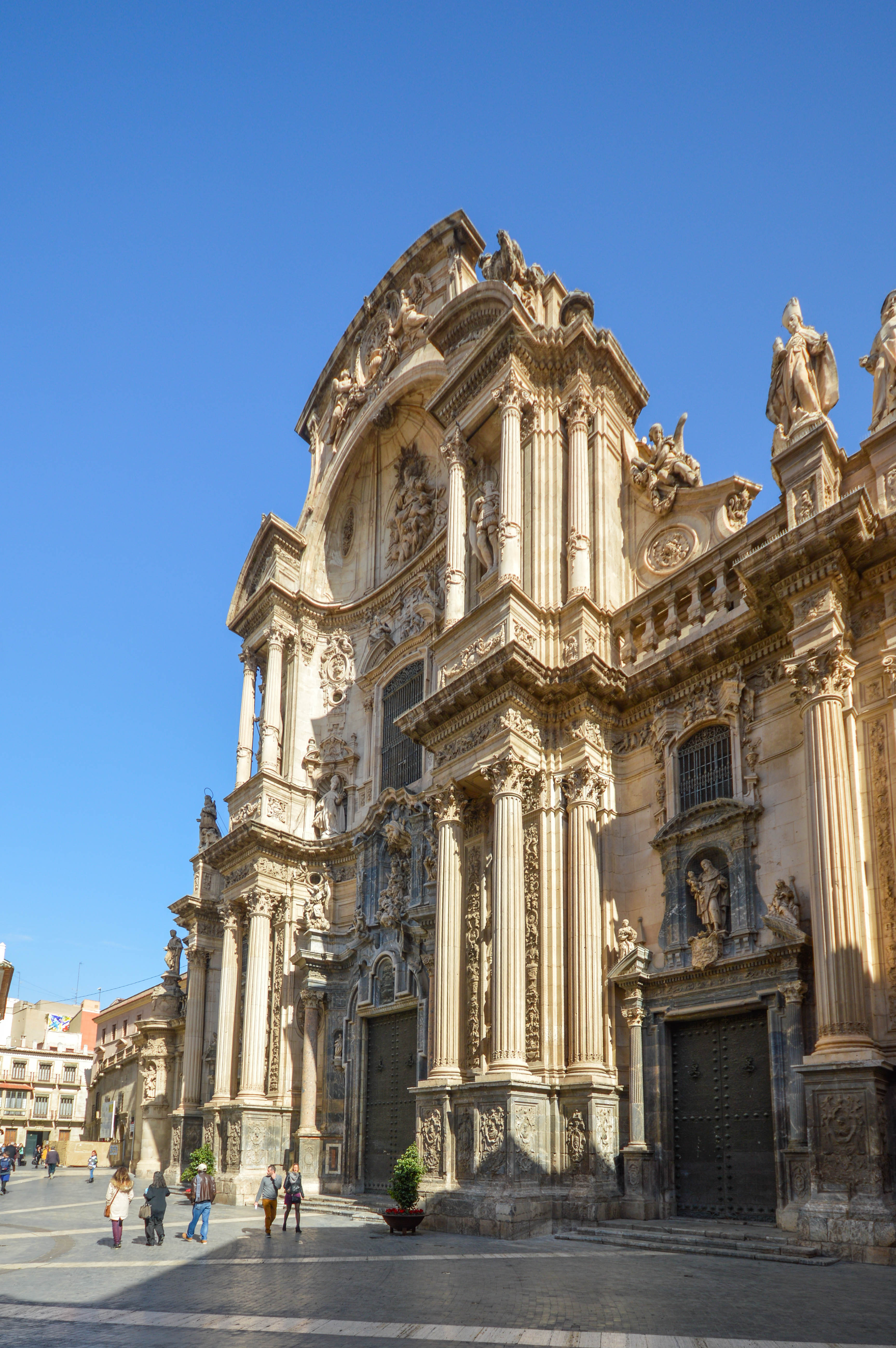
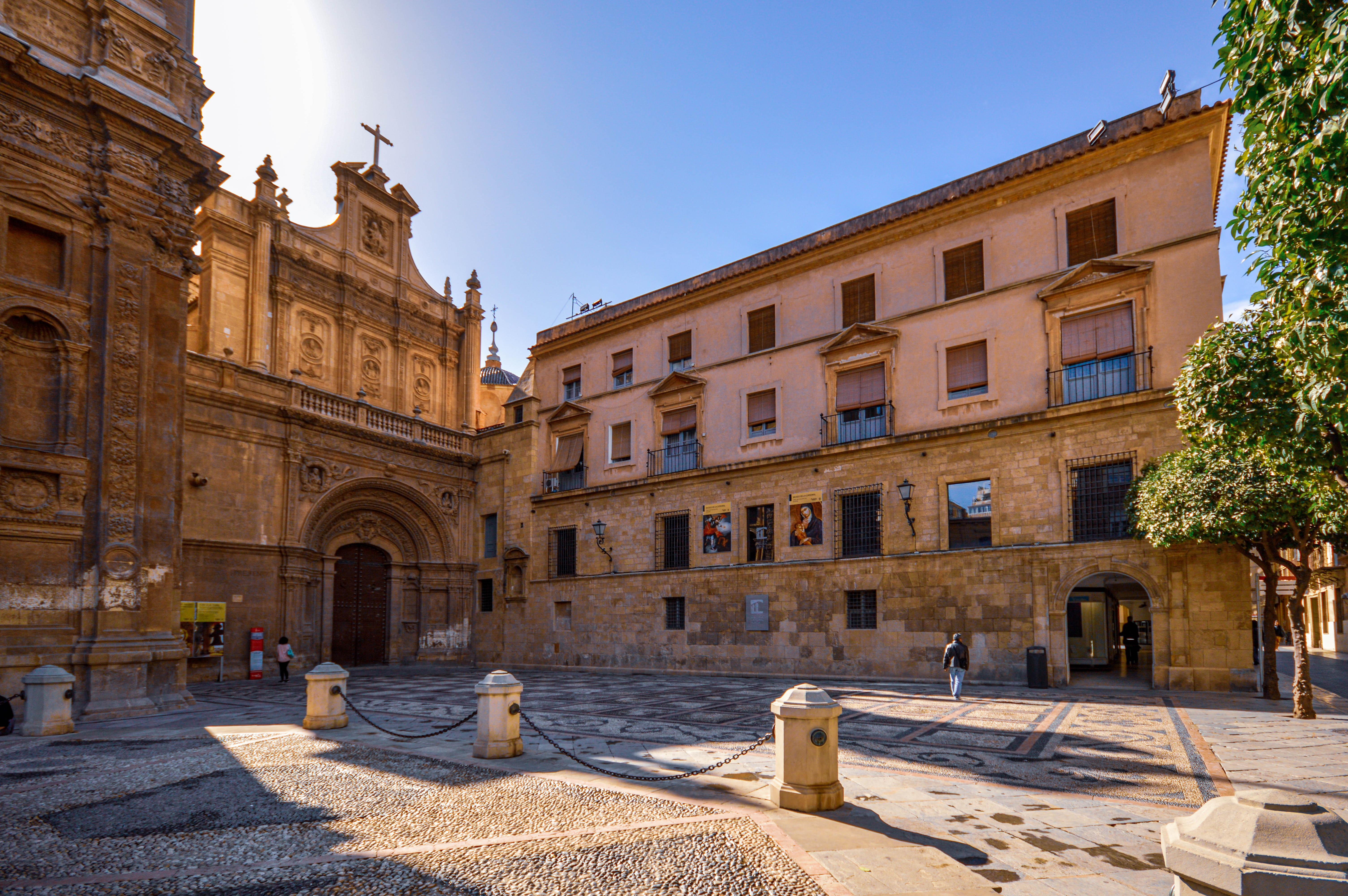
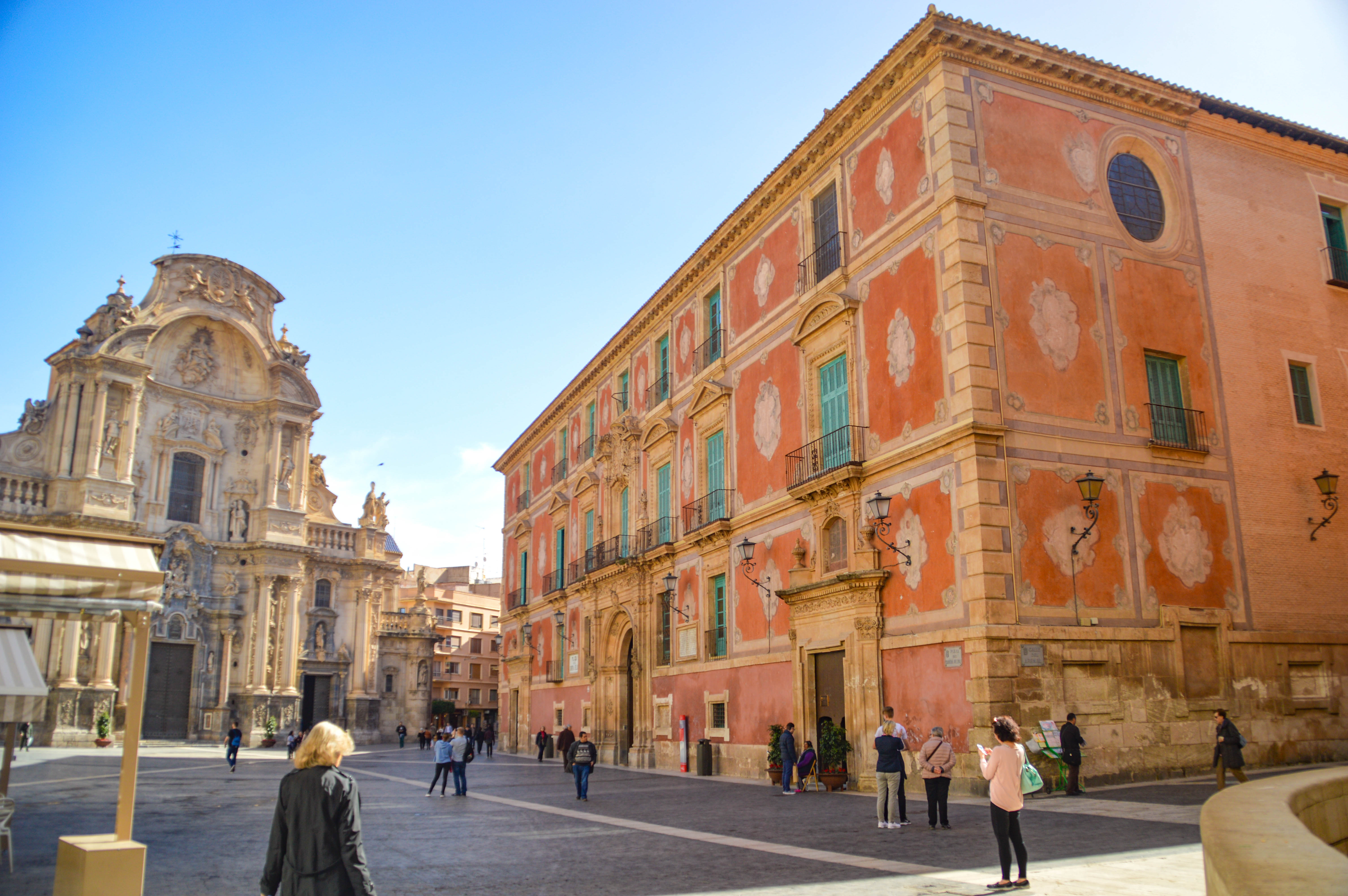
- Cathedral of Murcia with its Gothic interior and celebrated Baroque façade; the bell tower is one of the city’s defining landmarks.
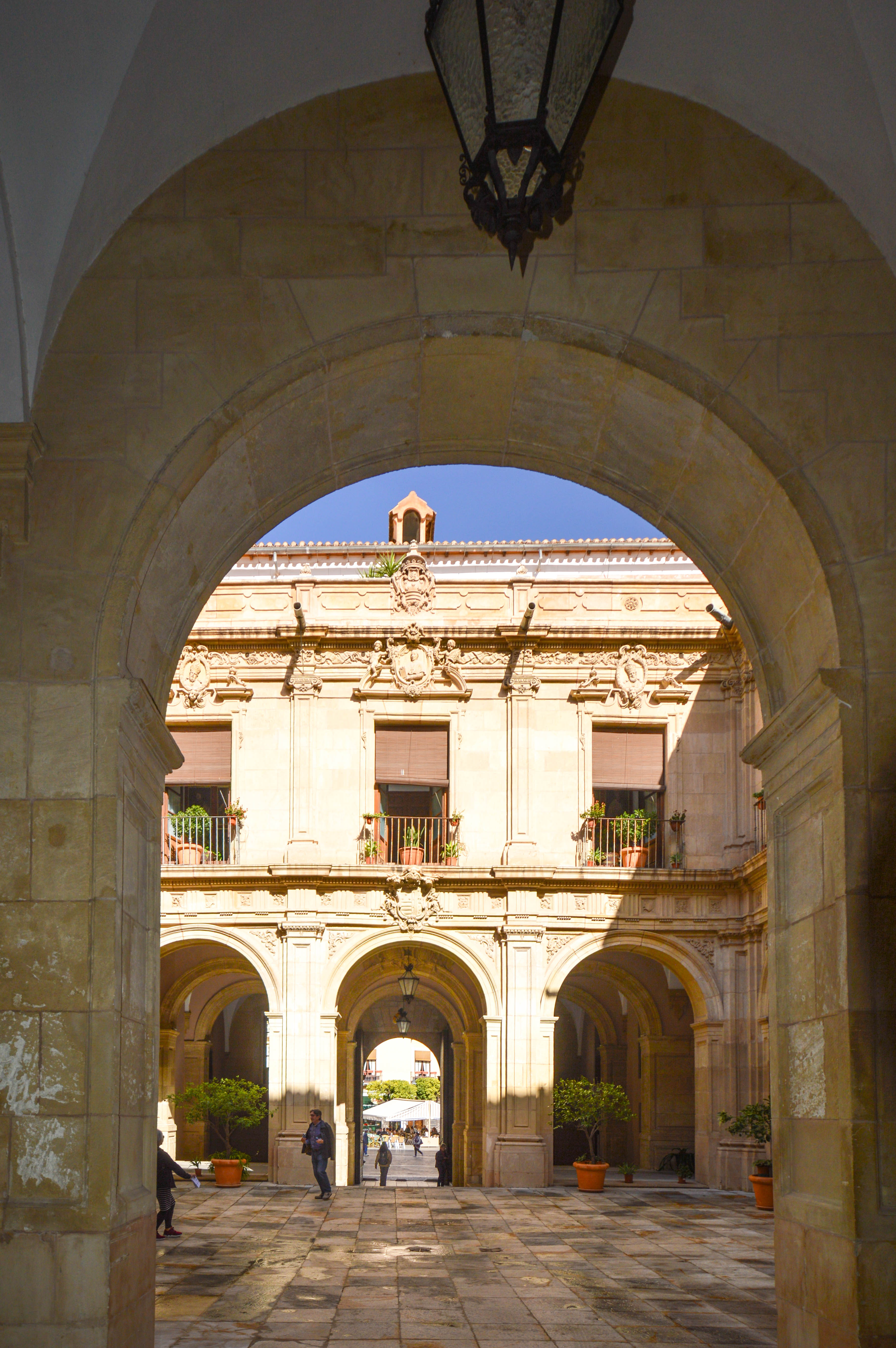
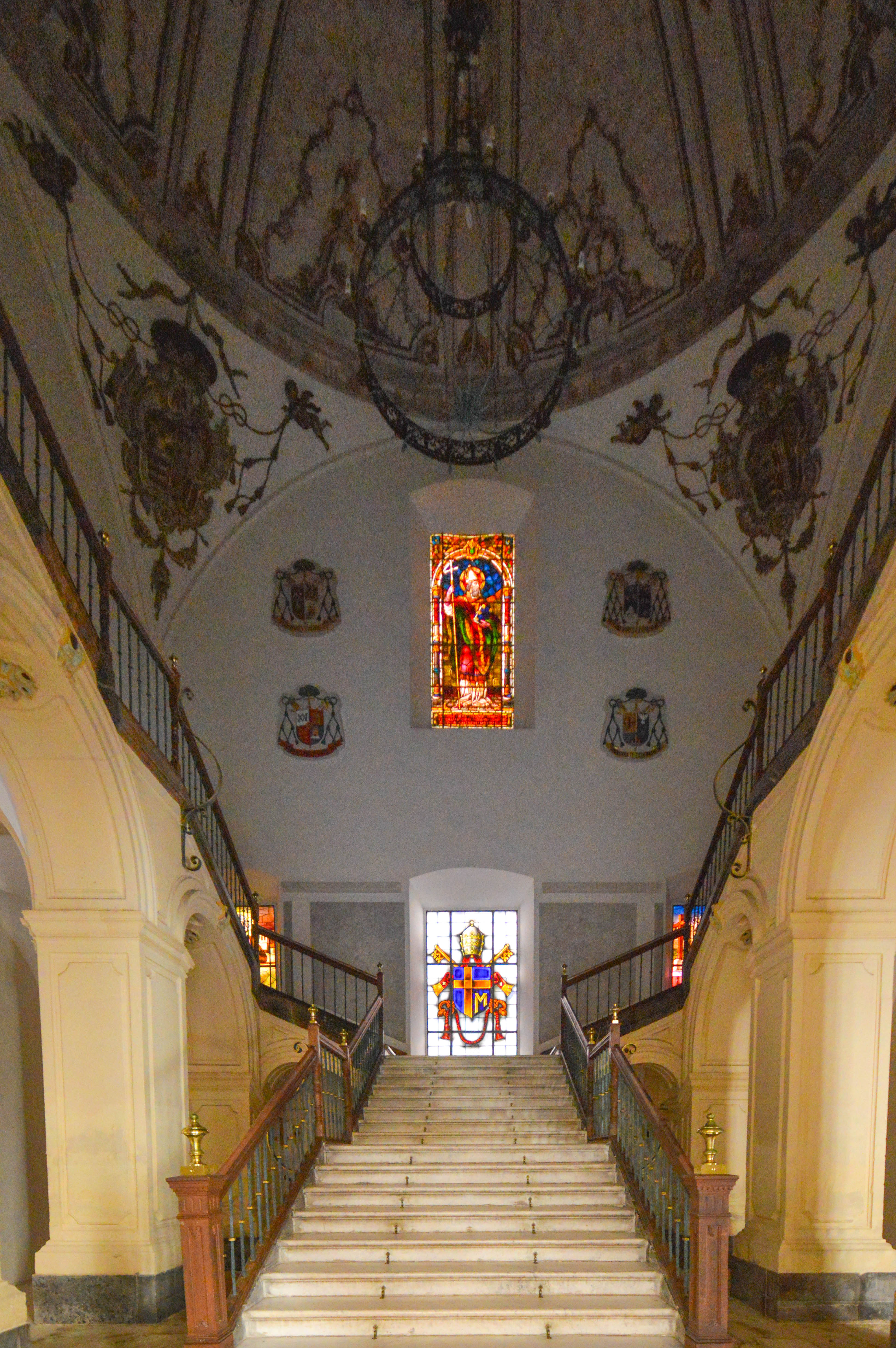
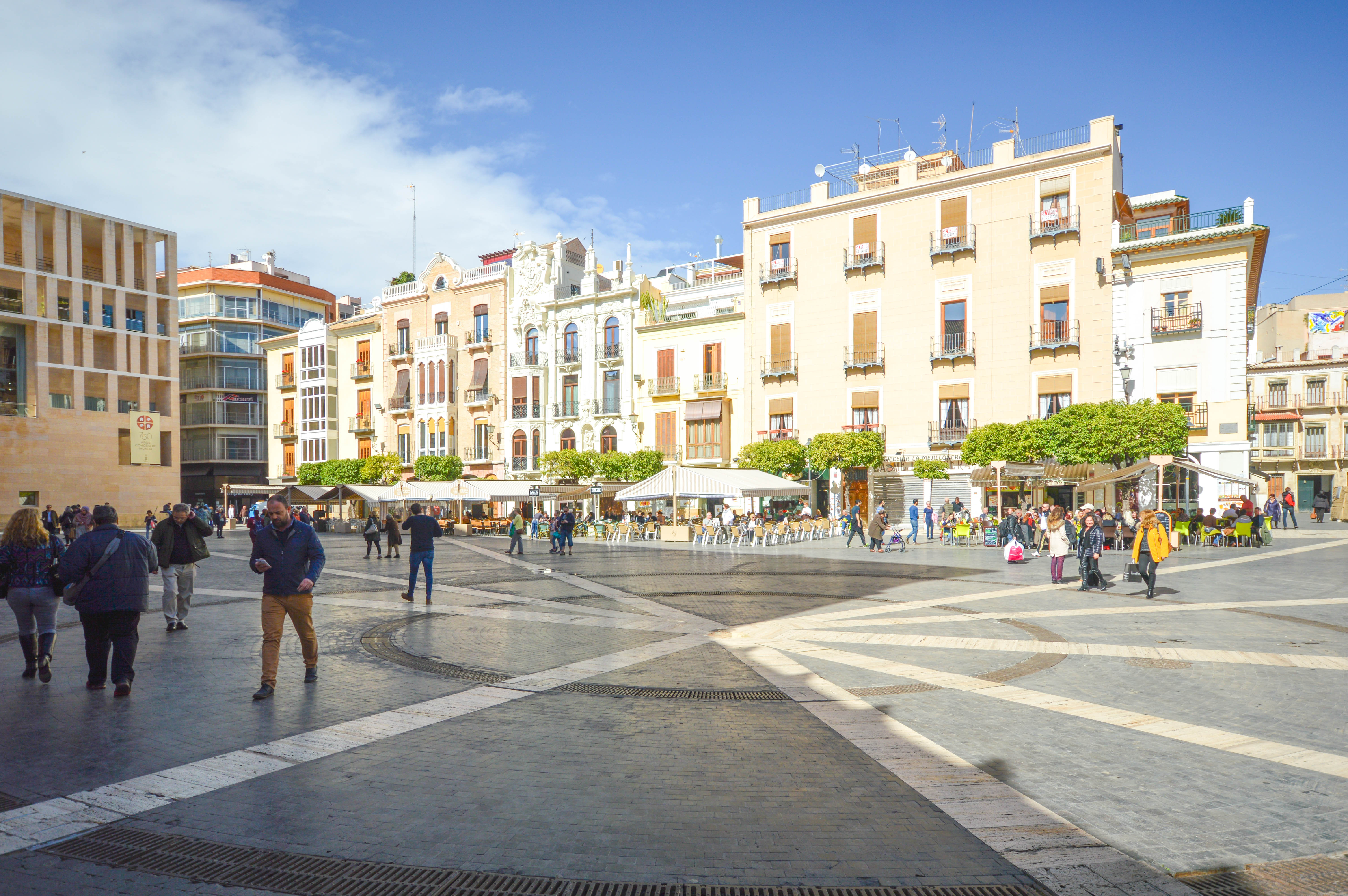
- Plaza Cardenal Belluga and the Episcopal Palace.
- Museums: Salzillo Museum (Francisco Salzillo sculptures), Archaeological Museum, Fine Arts and local history collections.
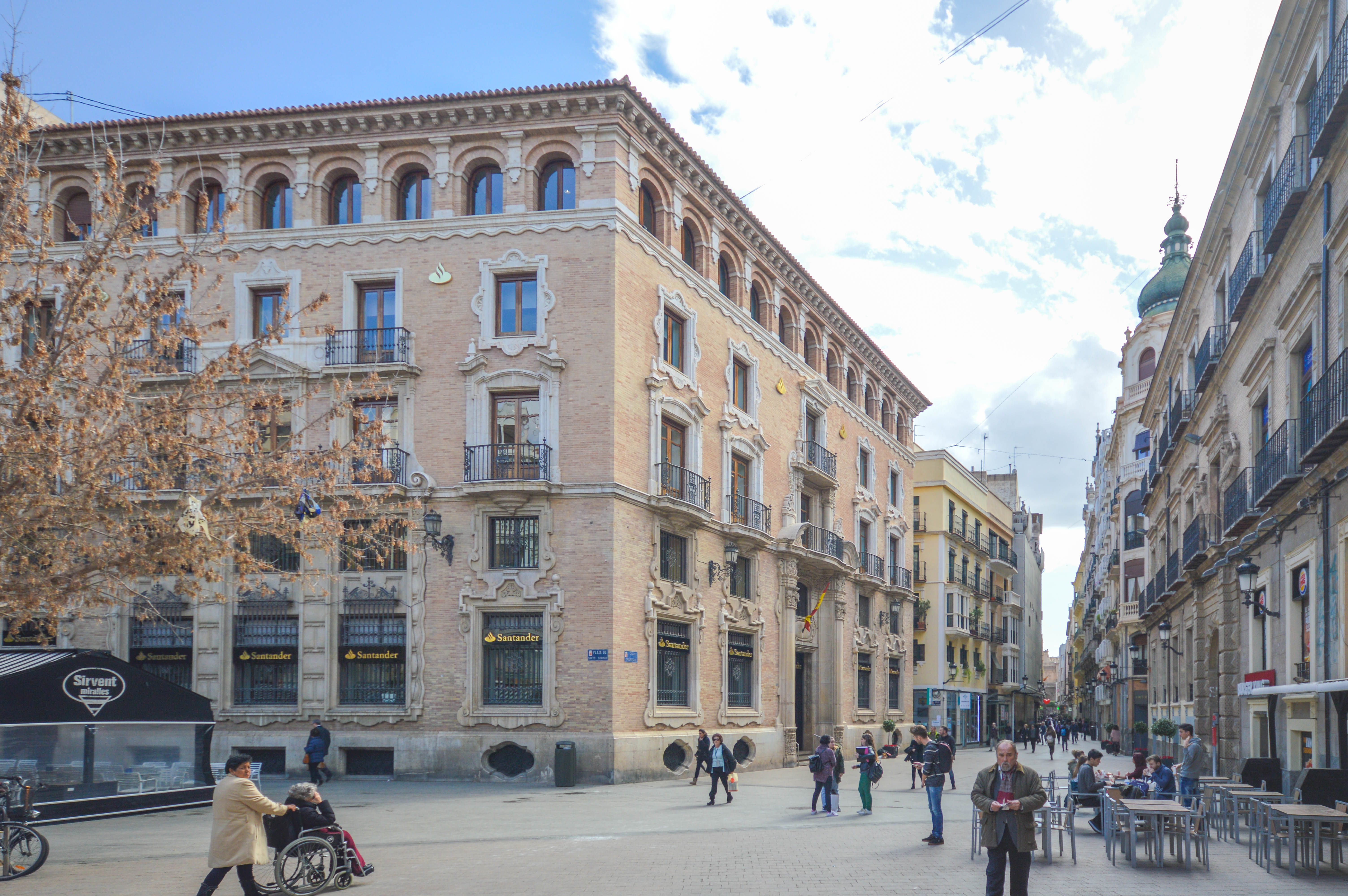
- Historic quarters: Streets named for medieval guilds (Calle Platería, Calle Trapería) and the Roman Theatre area.
Events and local culture
Murcia is known for Holy Week processions featuring Salzillo’s sculptures, the Fiestas de Primavera (Spring Festival) including the Bando de la Huerta, and the Sardine Burial parade—events that attract many visitors and showcase regional traditions.
References
www.turismoregiondemurcia.es
,
www.spain.info
,
en.wikipedia.org
, Text generated by Microsoft CoPilot