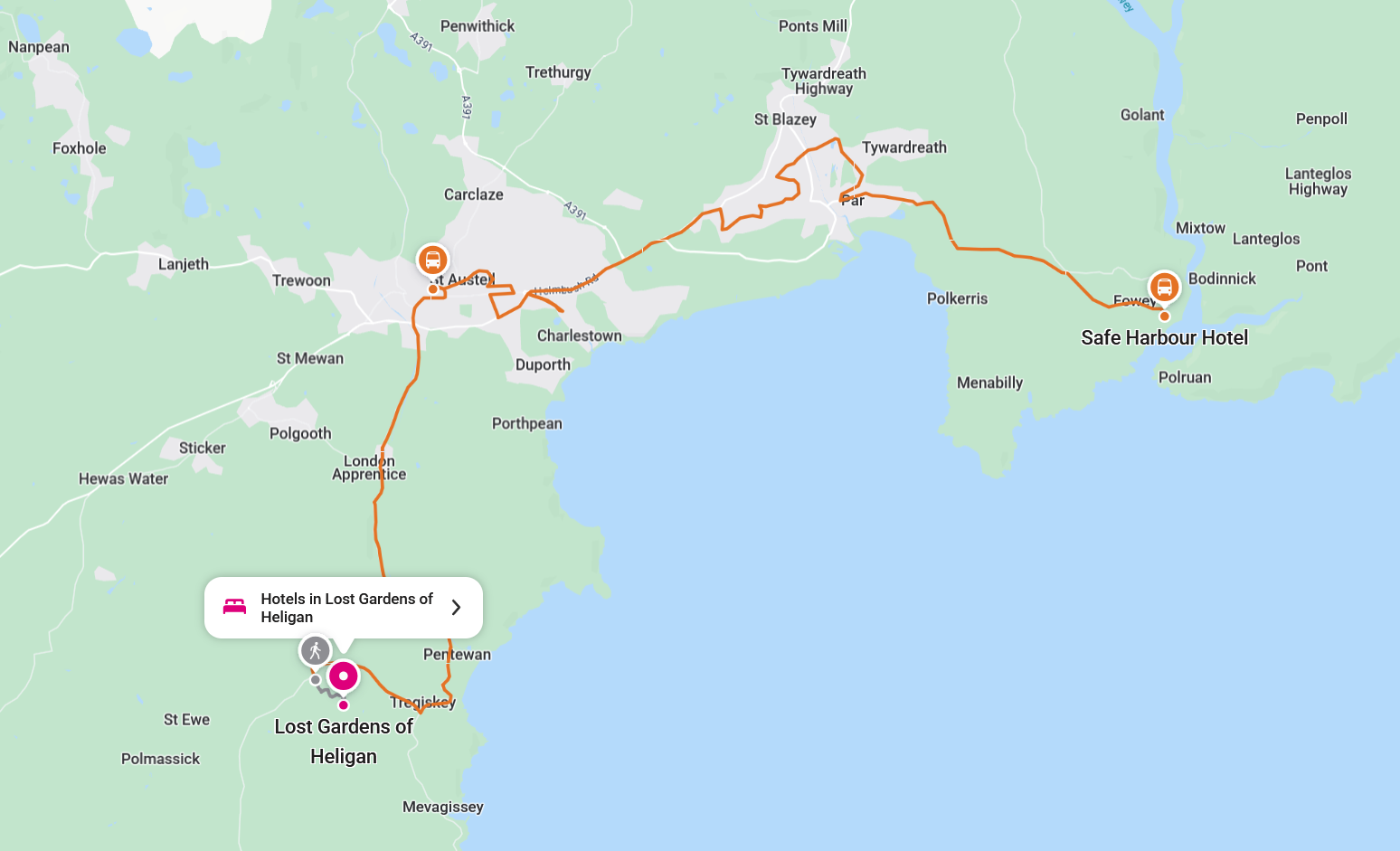
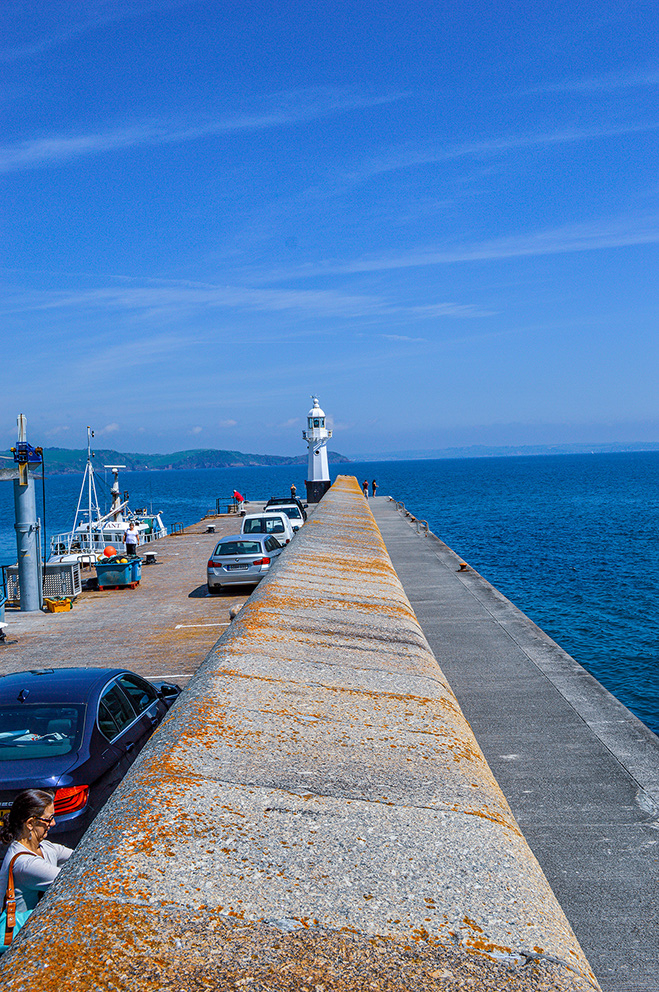
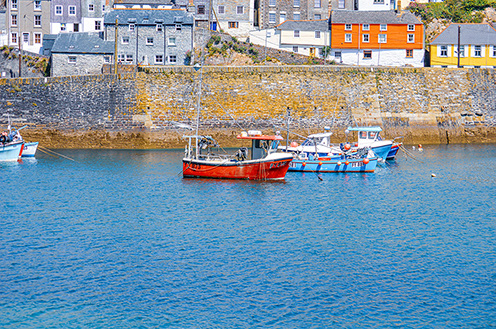
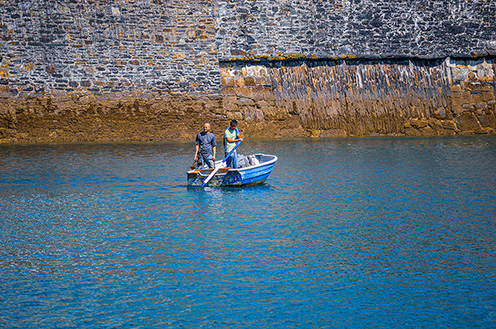
The Lost Gardens of Heligan, located near St Austell in Cornwall, are one of Britain’s most famous garden restorations, spanning over 200 acres of historic gardens, woodland, and farmland. Originally neglected after World War I, the gardens were dramatically restored starting in 1990 and now feature Victorian productiveness, subtropical jungles, pleasure grounds, and wildlife-rich valleys. The site is open daily, with seasonal events and activities, making it a must-visit for nature lovers, families, and those interested in horticultural history.
The Lost Gardens of Heligan,
Pentewan, Mevagissey, Cornwall, PL26 6EN, United Kingdom
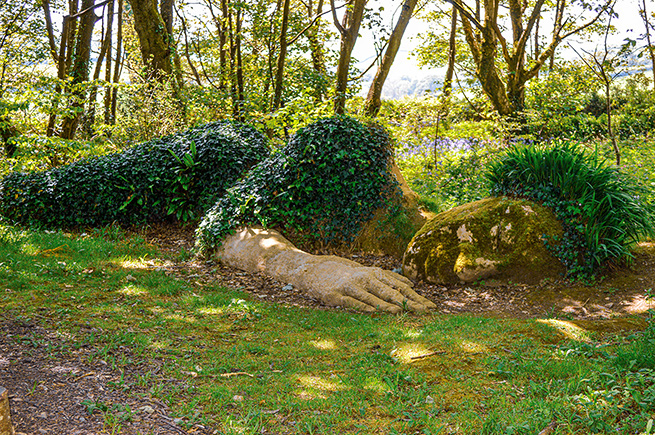
photo by Michael Gaylard,
©www.mgaylard.co.uk.
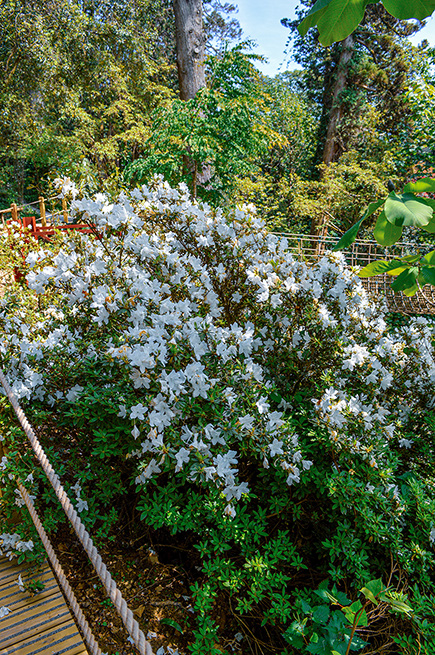
photo by Michael Gaylard,
©www.mgaylard.co.uk.
photo by Michael Gaylard,
©www.mgaylard.co.uk.

photo by Michael Gaylard,
©www.mgaylard.co.uk.
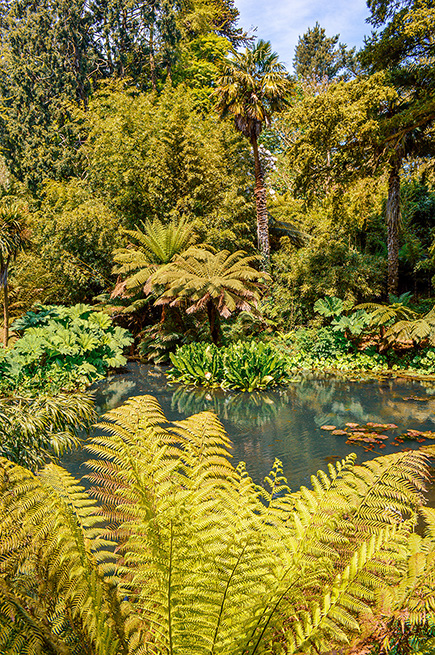
photo by Michael Gaylard,
©www.mgaylard.co.uk.

photo by Michael Gaylard,
©www.mgaylard.co.uk.

photo by Michael Gaylard,
©www.mgaylard.co.uk.
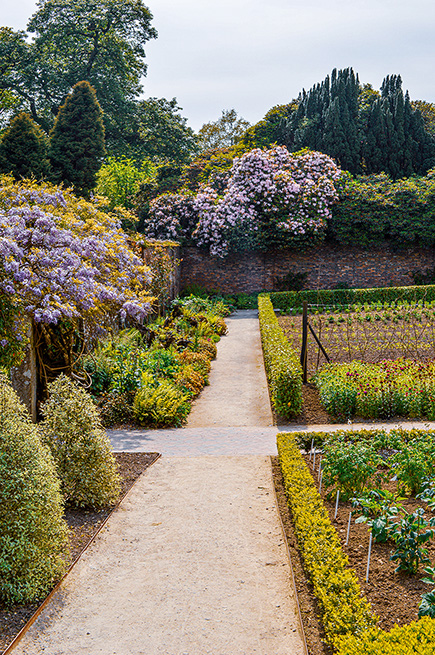
photo by Michael Gaylard,
©www.mgaylard.co.uk.
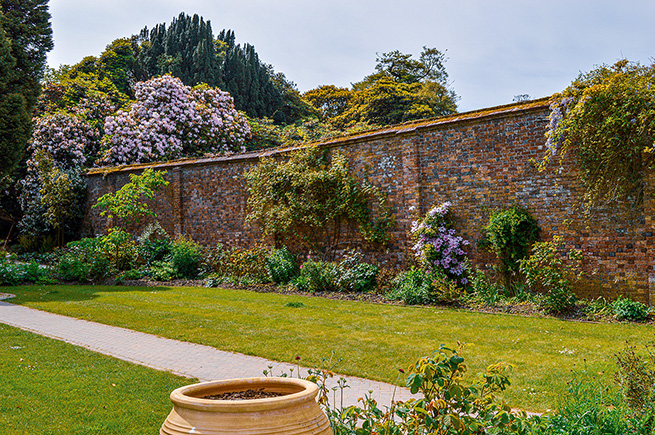
photo by Michael Gaylard,
©www.mgaylard.co.uk.
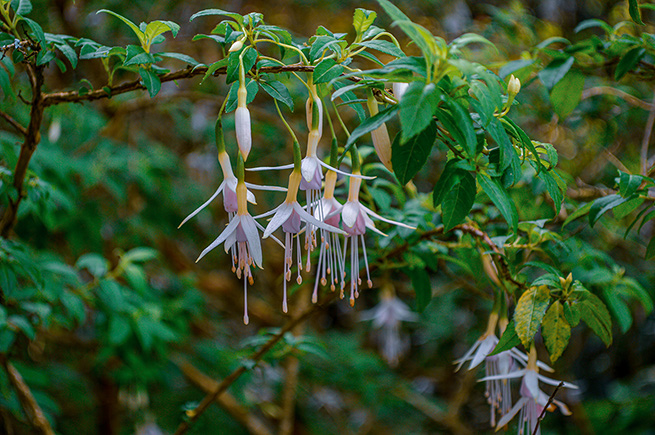
photo by Michael Gaylard,
©www.mgaylard.co.uk.
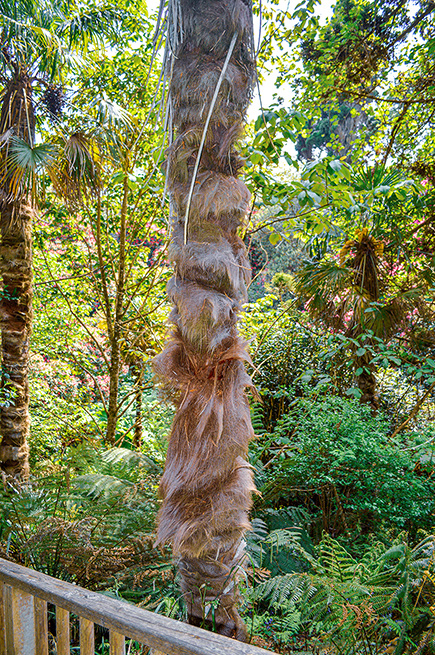
photo by Michael Gaylard,
©www.mgaylard.co.uk.

photo by Michael Gaylard,
©www.mgaylard.co.uk.
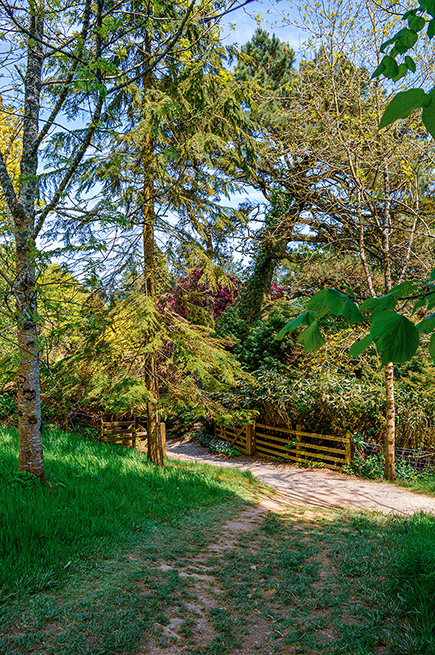
photo by Michael Gaylard,
©www.mgaylard.co.uk.
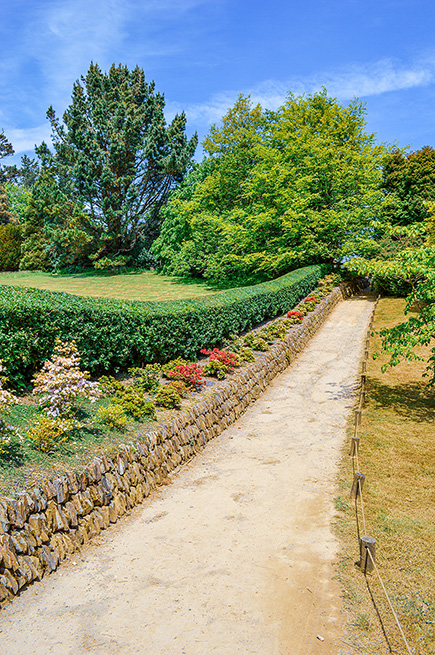
photo by Michael Gaylard,
©www.mgaylard.co.uk.
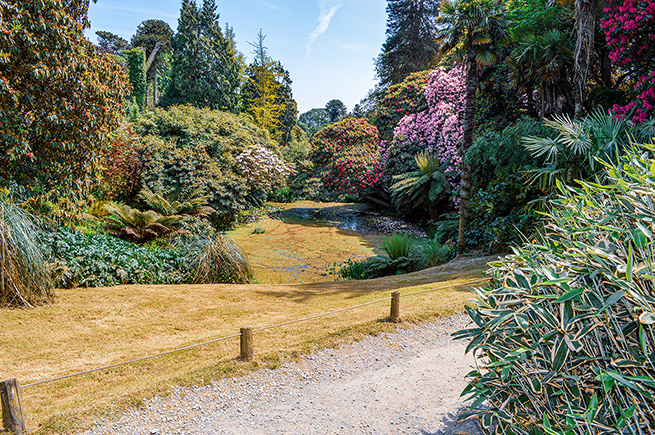
photo by Michael Gaylard,
©www.mgaylard.co.uk.
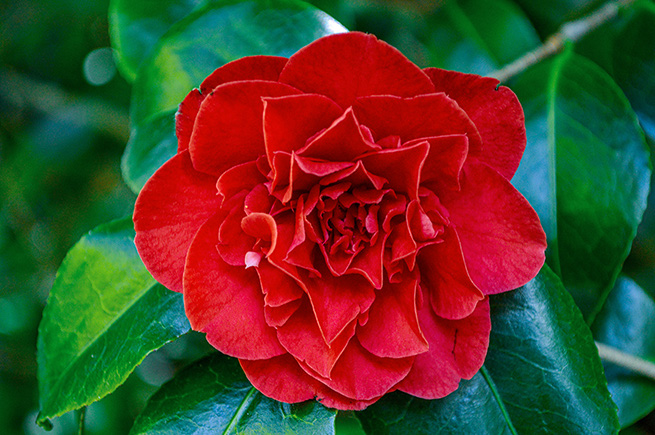
photo by Michael Gaylard,
©www.mgaylard.co.uk.
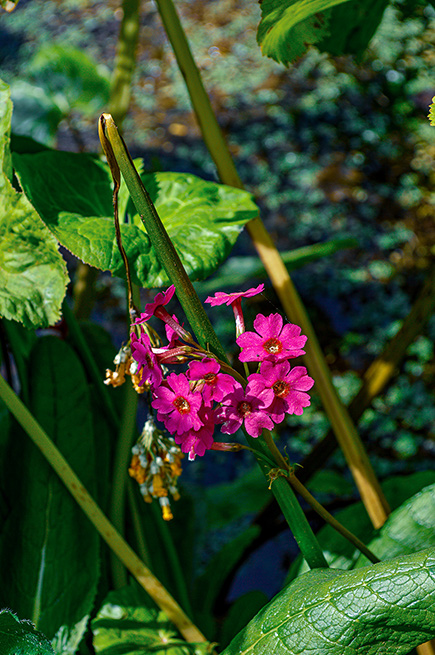
photo by Michael Gaylard,
©www.mgaylard.co.uk.
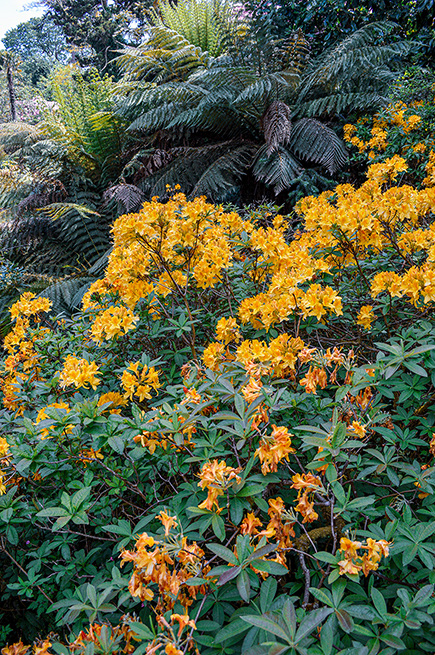
photo by Michael Gaylard,
©www.mgaylard.co.uk.

photo by Michael Gaylard,
©www.mgaylard.co.uk.
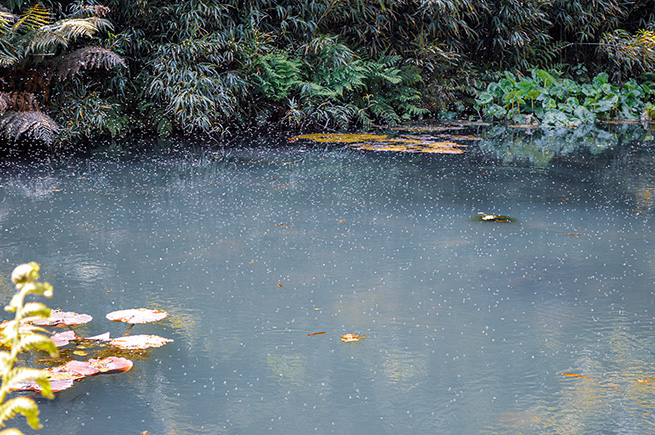
photo by Michael Gaylard,
©www.mgaylard.co.uk.
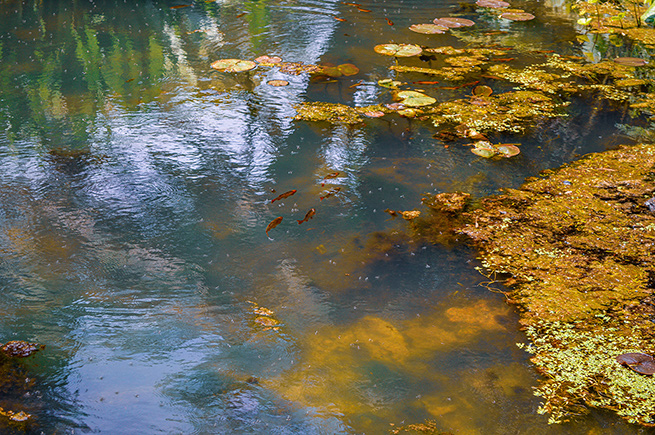
photo by Michael Gaylard,
©www.mgaylard.co.uk.
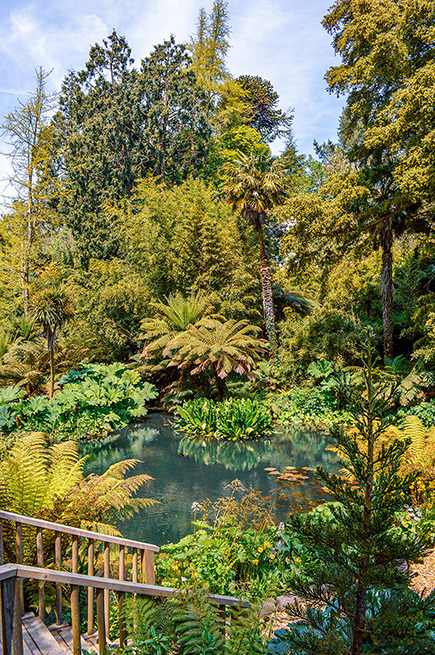
photo by Michael Gaylard,
©www.mgaylard.co.uk.
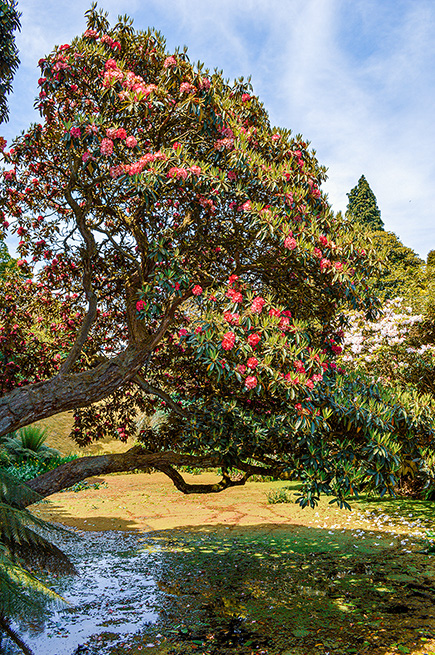
photo by Michael Gaylard,
©www.mgaylard.co.uk.

photo by Michael Gaylard,
©www.mgaylard.co.uk.
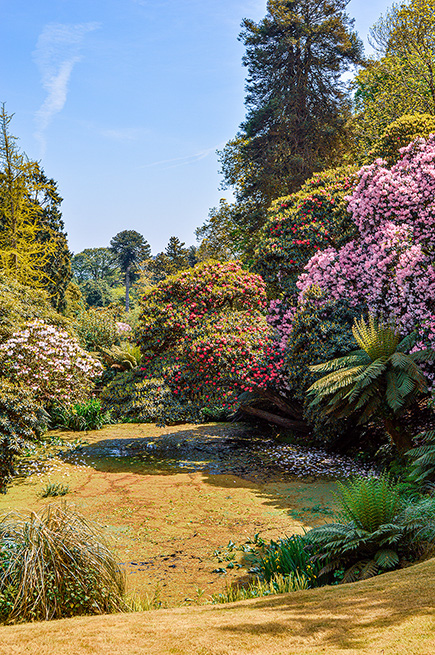
photo by Michael Gaylard,
©www.mgaylard.co.uk.
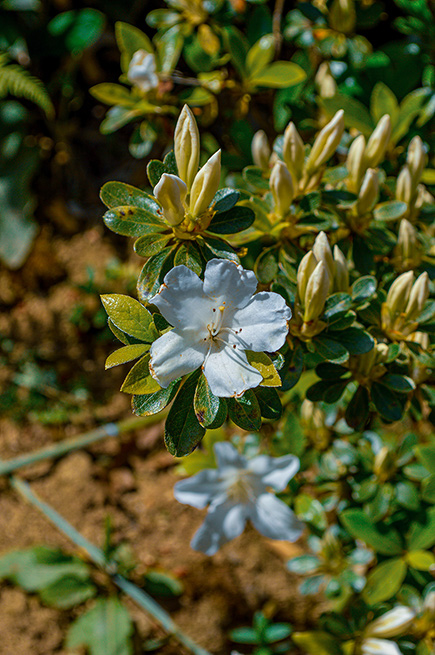
photo by Michael Gaylard,
©www.mgaylard.co.uk.

photo by Michael Gaylard,
©www.mgaylard.co.uk.
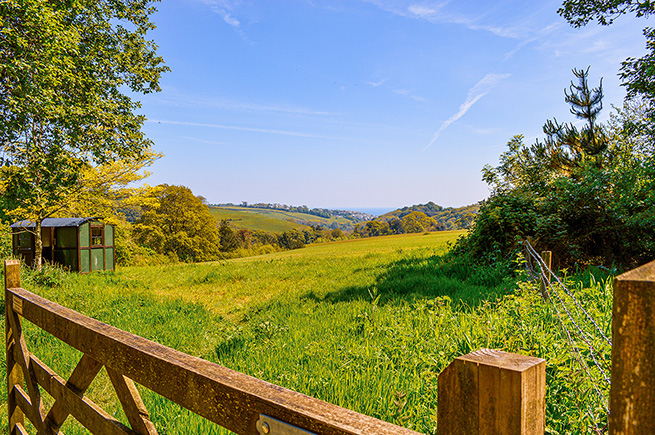
photo by Michael Gaylard,
©www.mgaylard.co.uk.
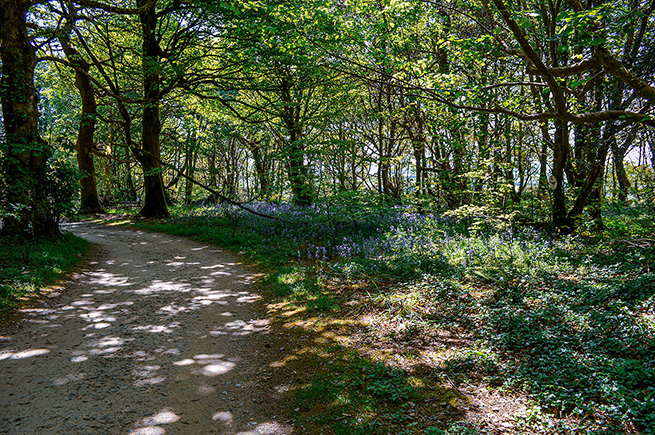
photo by Michael Gaylard,
©www.mgaylard.co.uk.
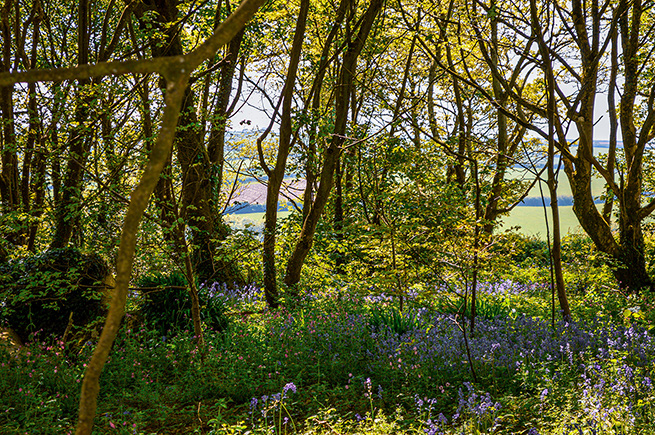
photo by Michael Gaylard,
©www.mgaylard.co.uk.
Open the full set
 Share
this page
Share
this page
Share
this page