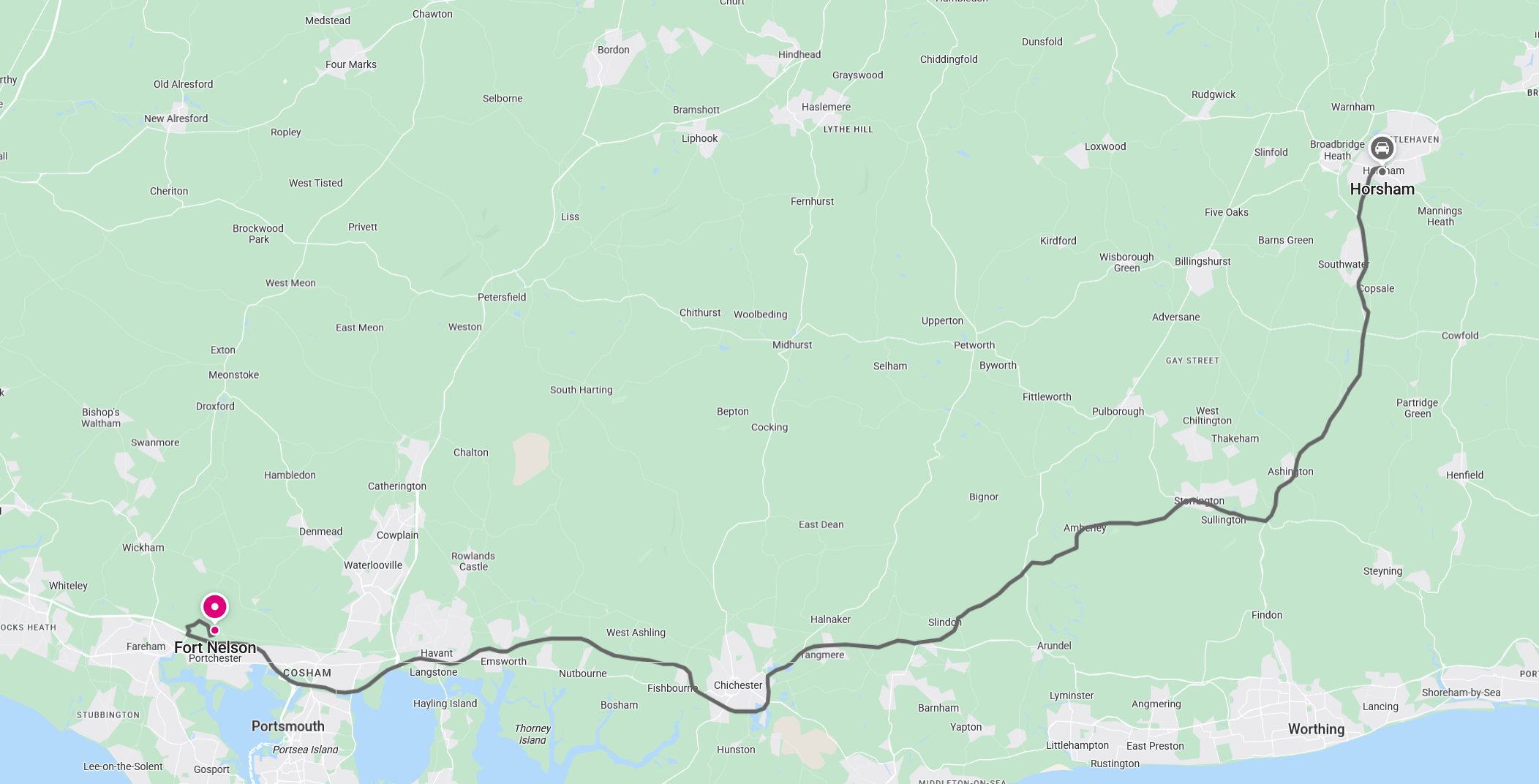
Fort Nelson is a restored Victorian fortress perched on Portsdown Hill above Portsmouth, built in the 1860s as part of a ring of fortifications to defend against a feared French invasion. Today, it houses the Royal Armouries’ national collection of artillery, with over 700 historic cannons and guns spanning 600 years, plus underground tunnels, live firing demonstrations, and panoramic views over Portsmouth Harbour, the Solent, and the Isle of Wight. The fort is free to enter and offers interactive exhibits, costumed guides, and seasonal events, making it a fascinating day out for history and military enthusiasts
Fort Nelson
Portsdown Hill Road, Fareham, Hampshire, ", " PO17 6AN, United Kingdom
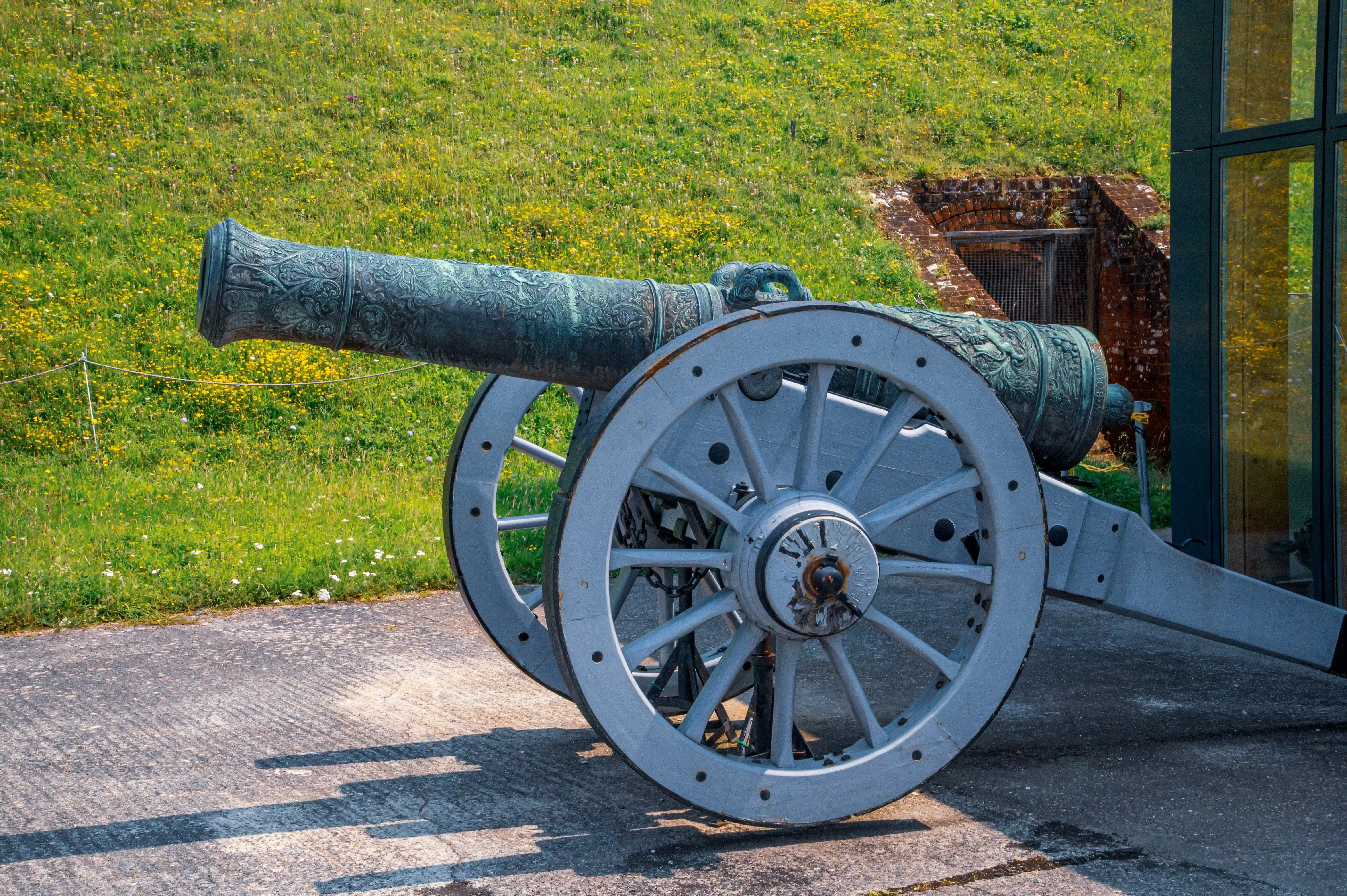
photo by Michael Gaylard,
©www.mgaylard.co.uk.
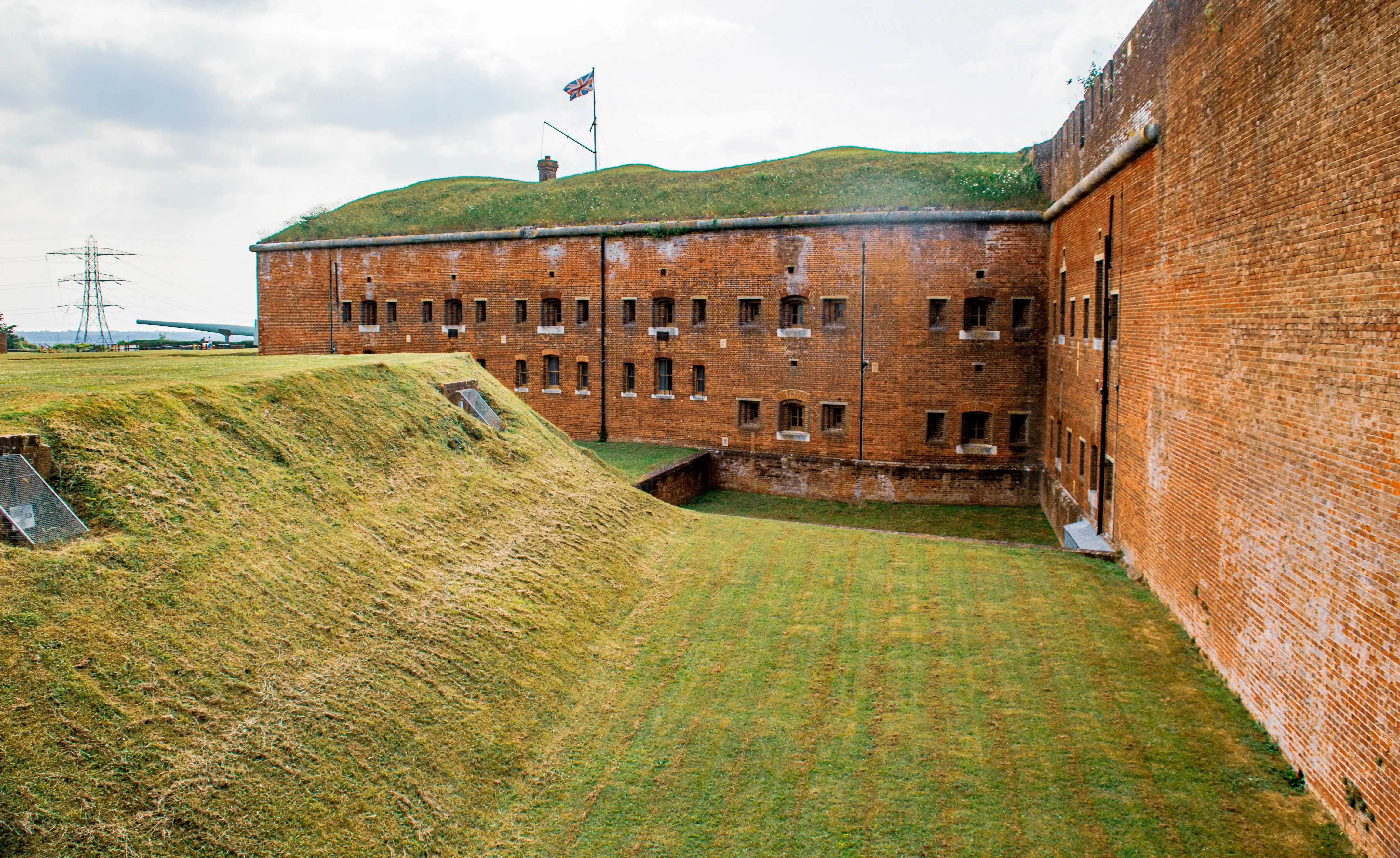
photo by Michael Gaylard,
©www.mgaylard.co.uk.
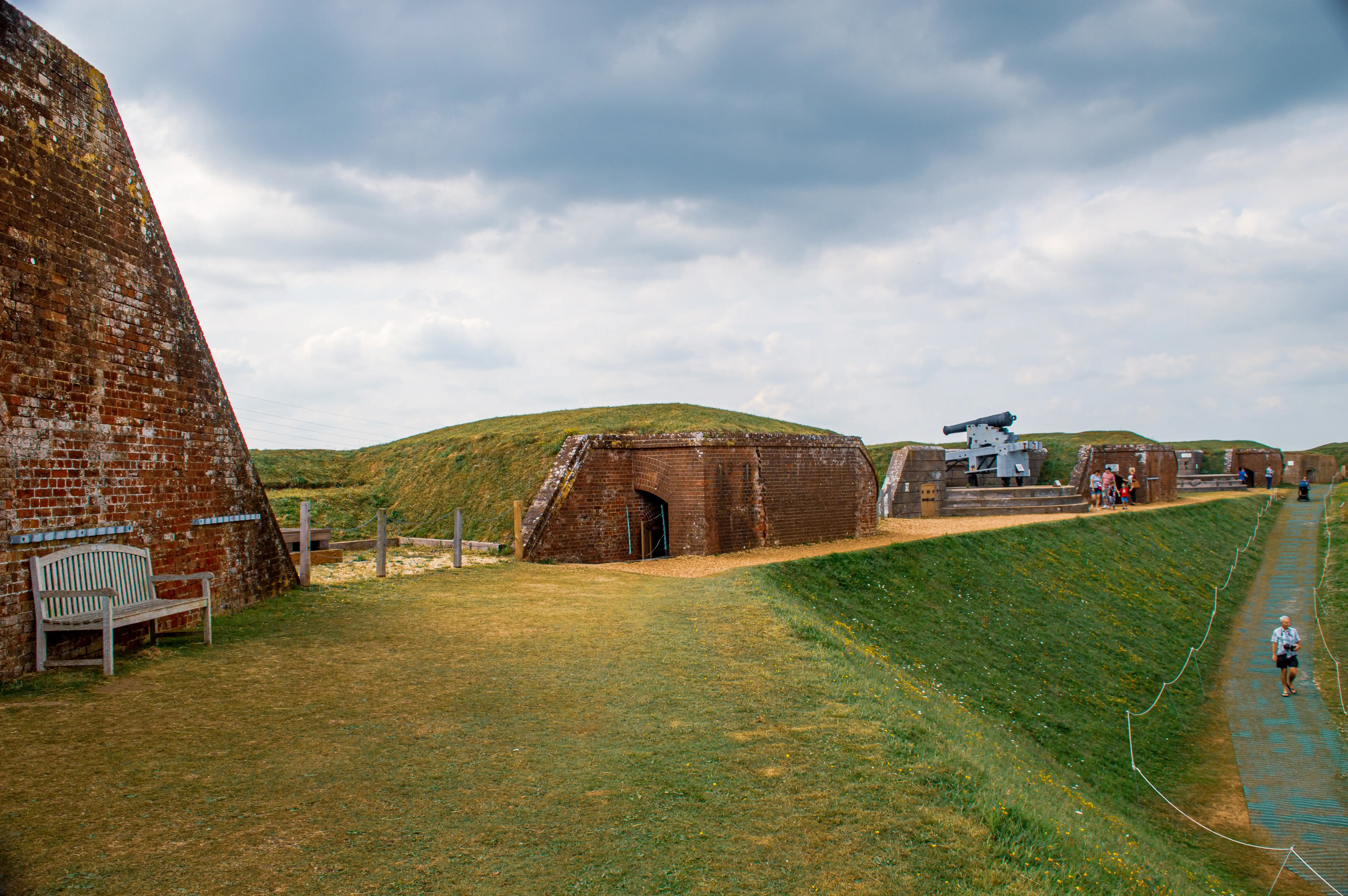
photo by Michael Gaylard,
©www.mgaylard.co.uk.
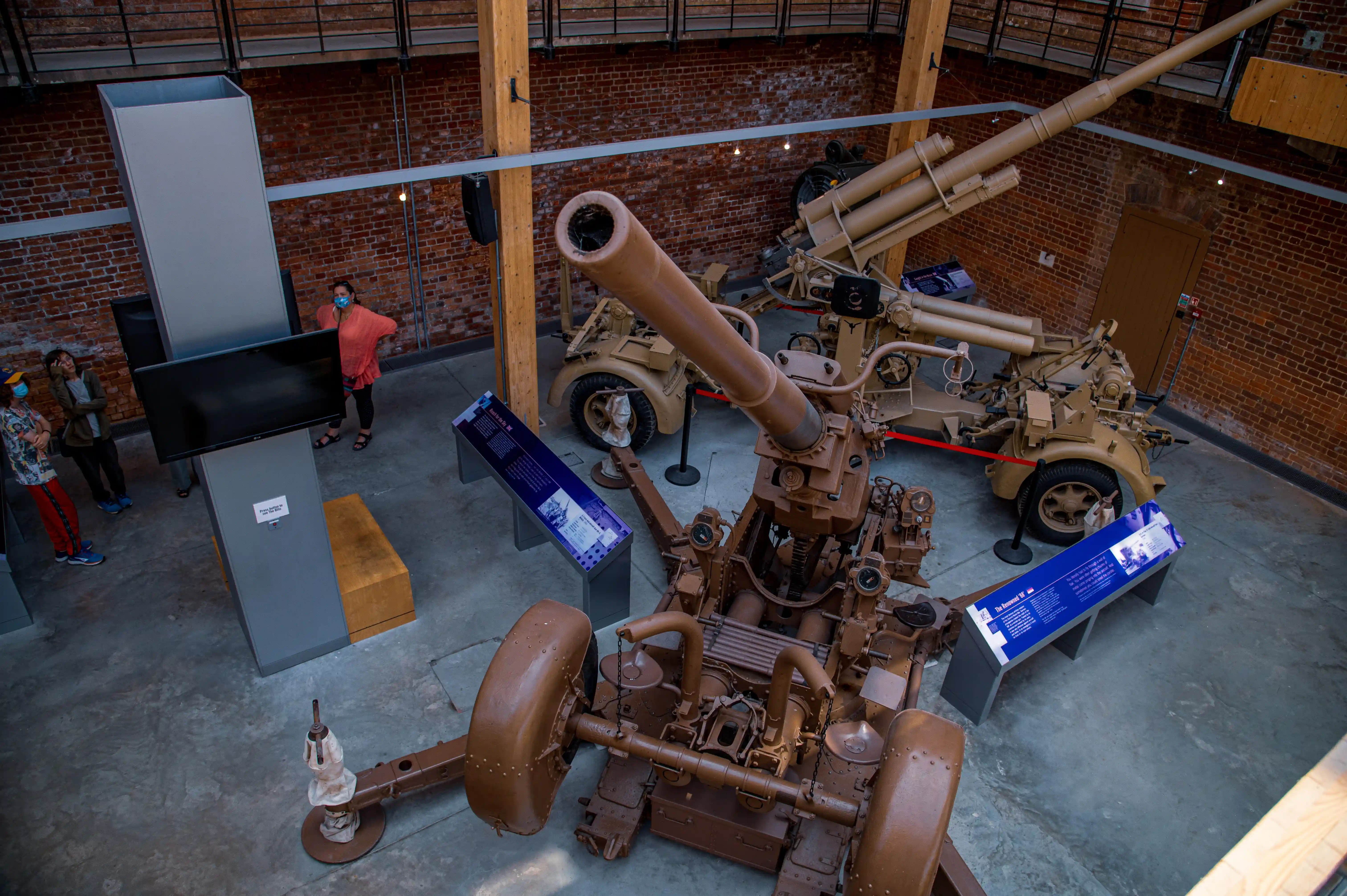
photo by Michael Gaylard,
©www.mgaylard.co.uk.
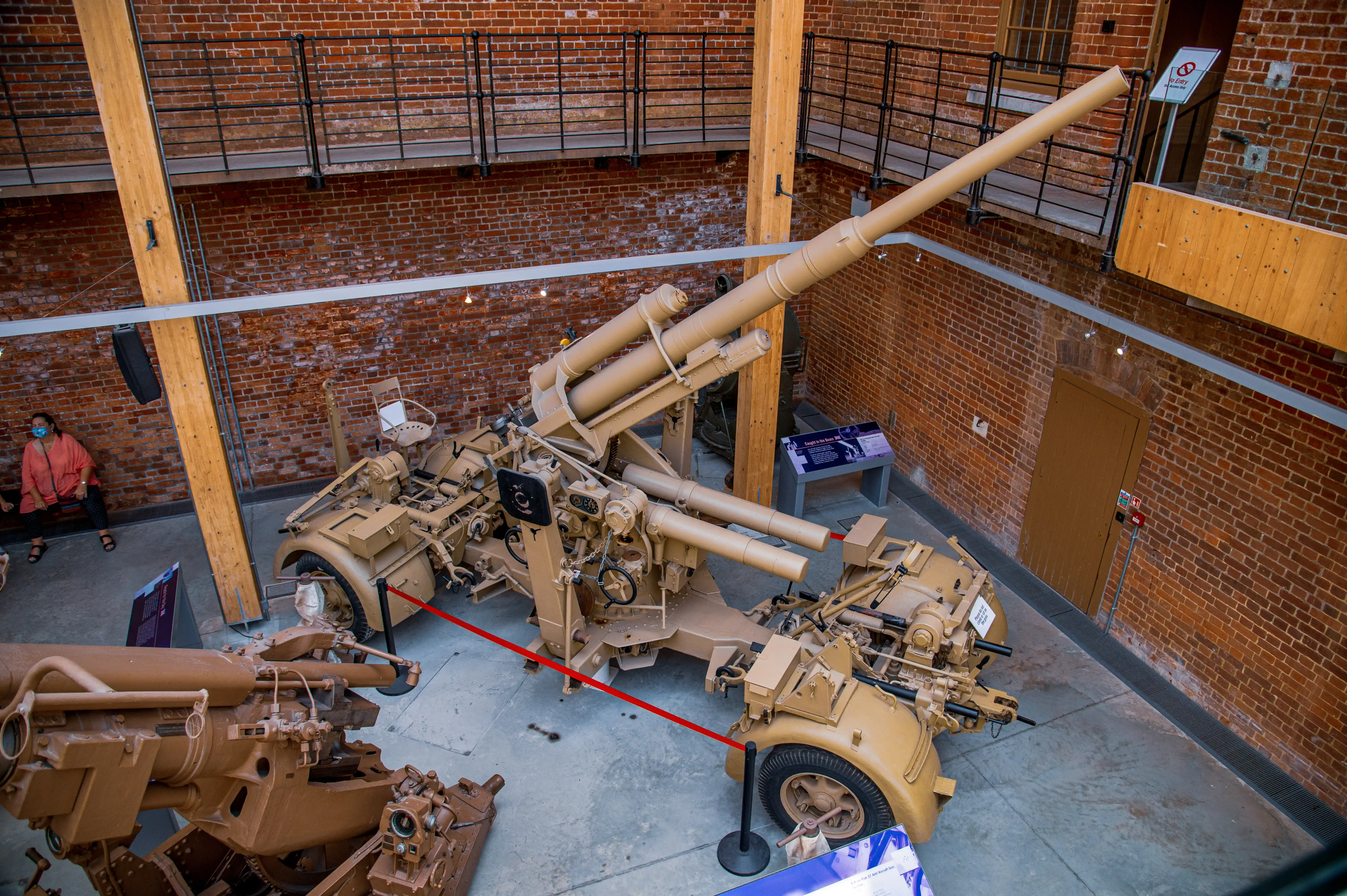
photo by Michael Gaylard,
©www.mgaylard.co.uk.
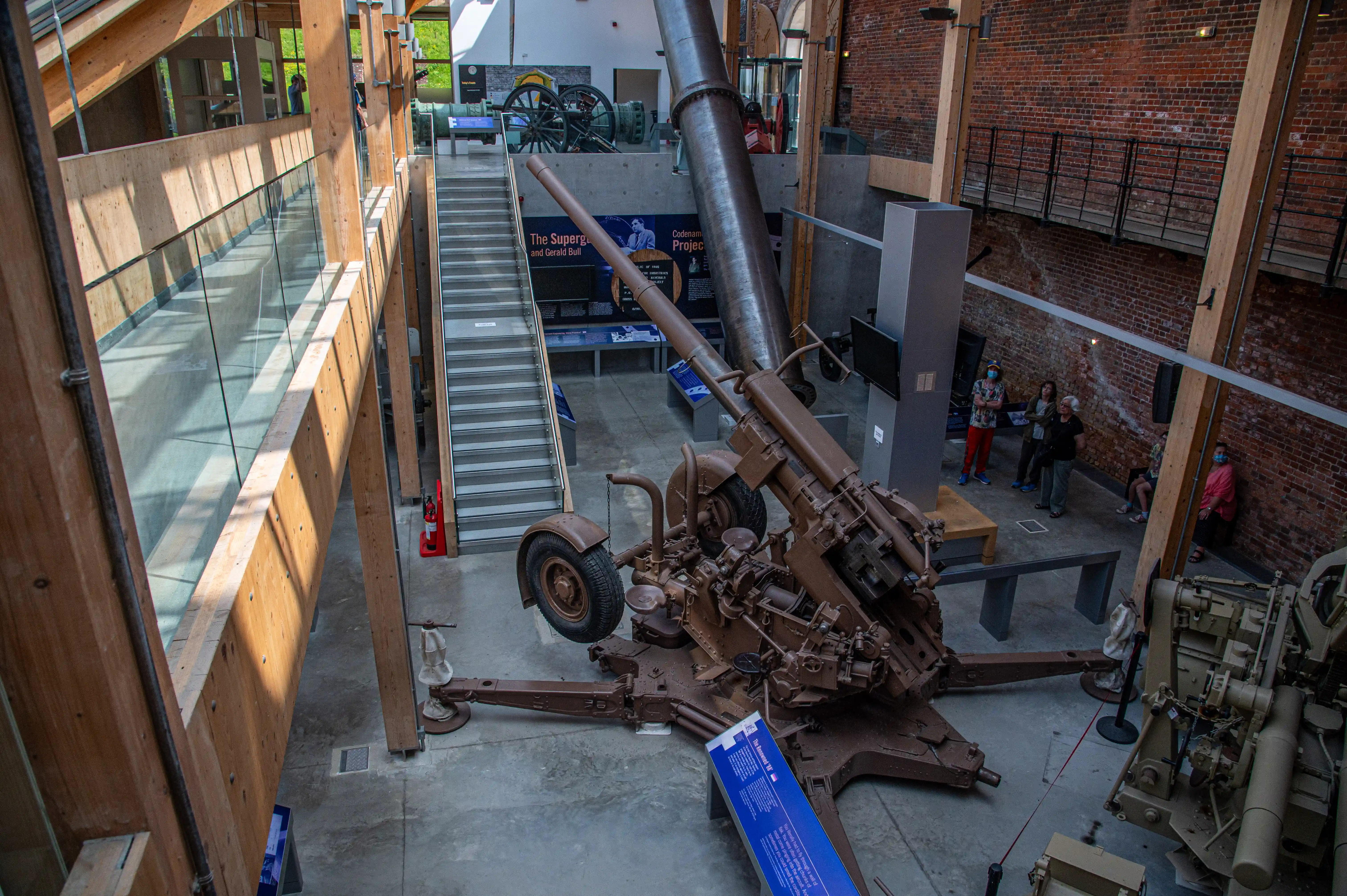
photo by Michael Gaylard,
©www.mgaylard.co.uk.
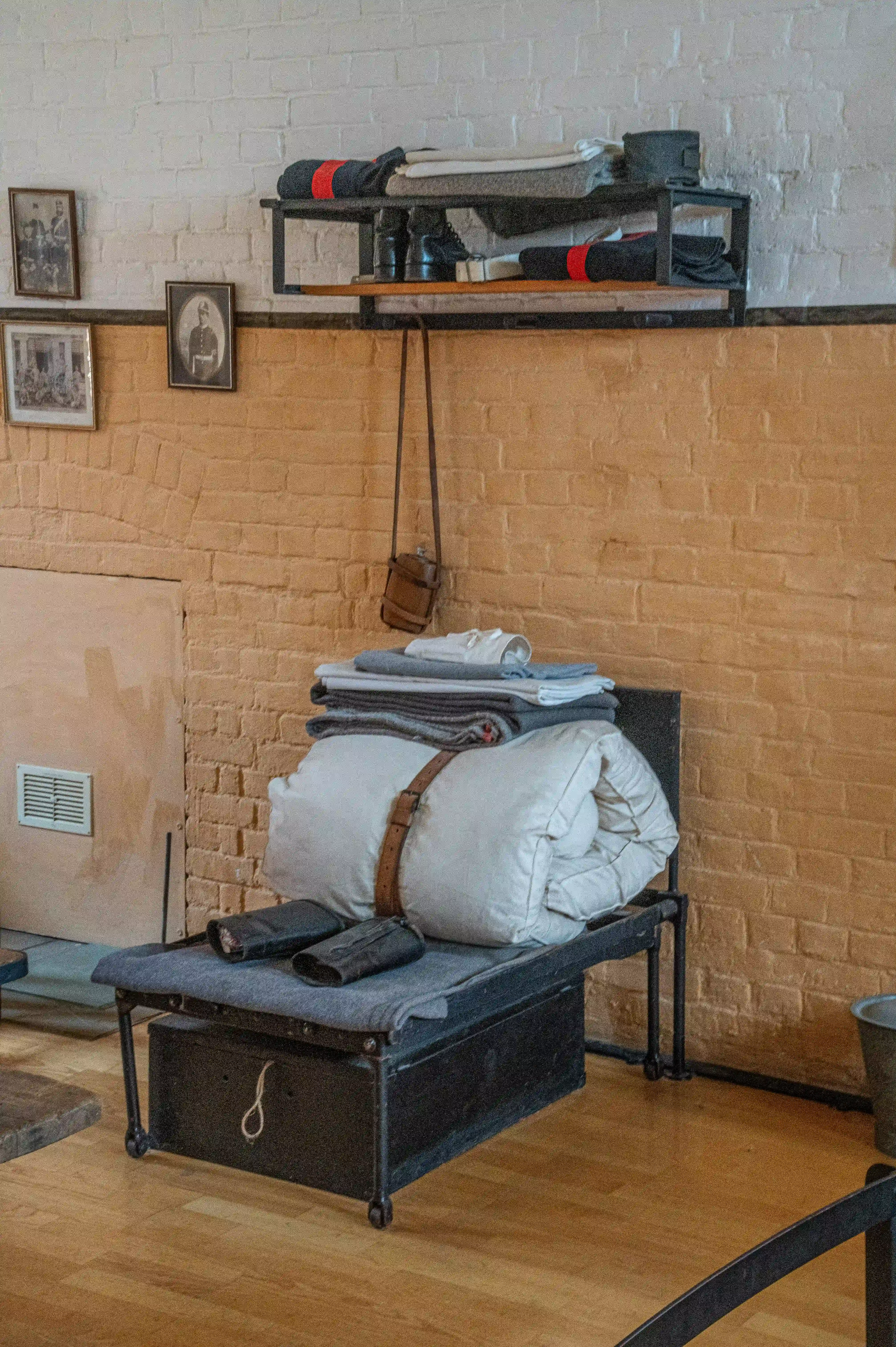
photo by Michael Gaylard,
©www.mgaylard.co.uk.
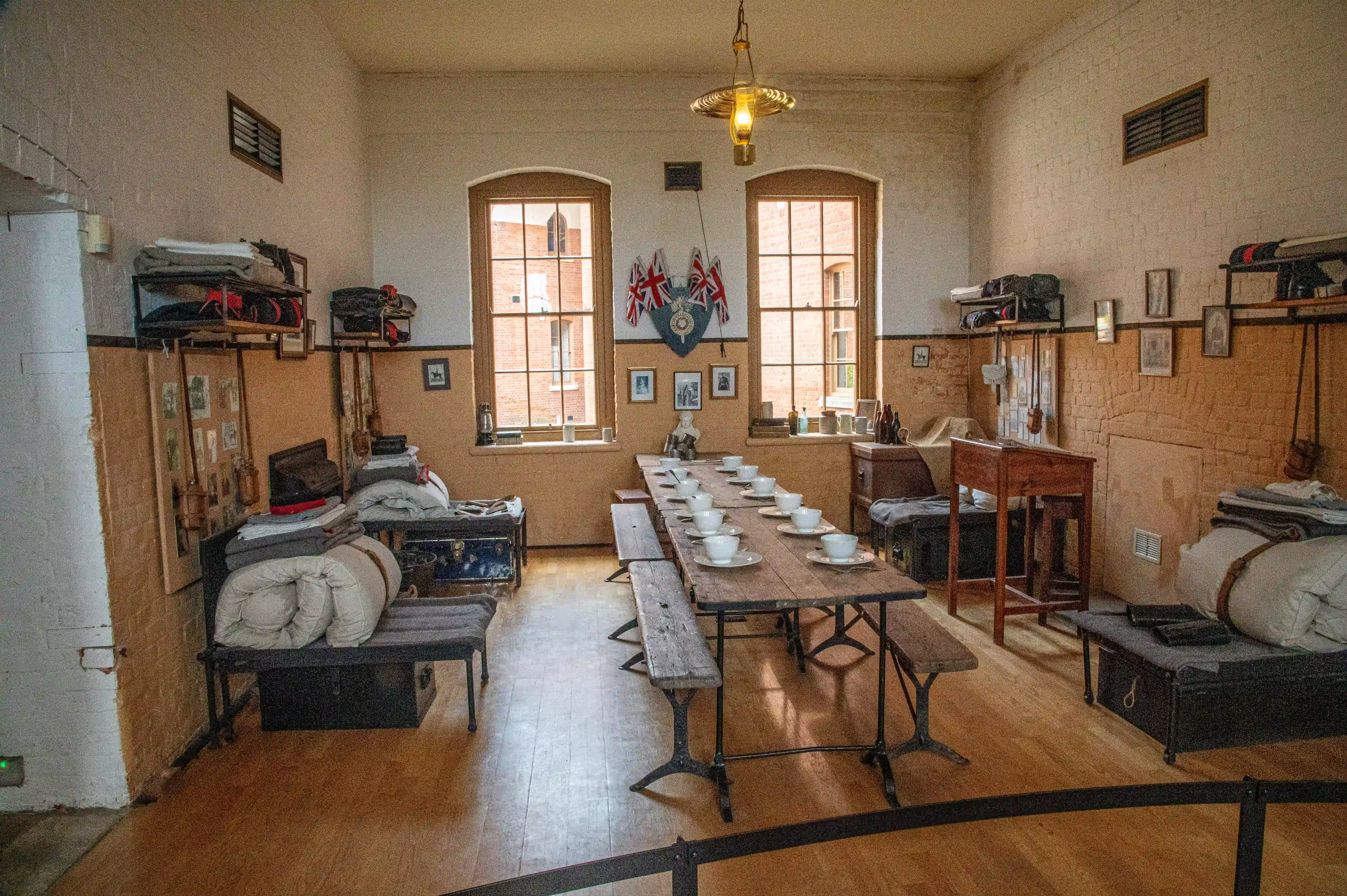
photo by Michael Gaylard,
©www.mgaylard.co.uk.
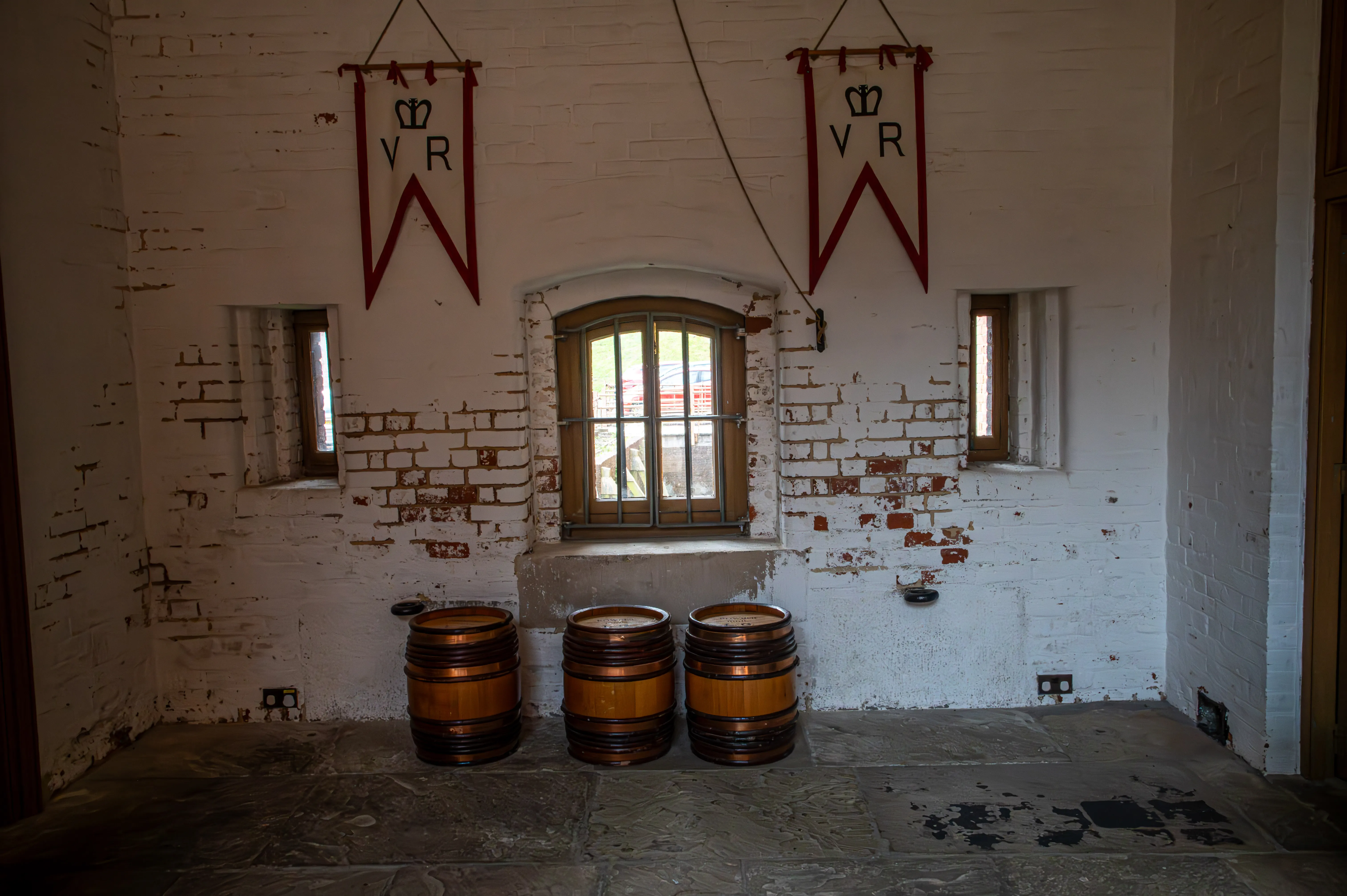
photo by Michael Gaylard,
©www.mgaylard.co.uk.
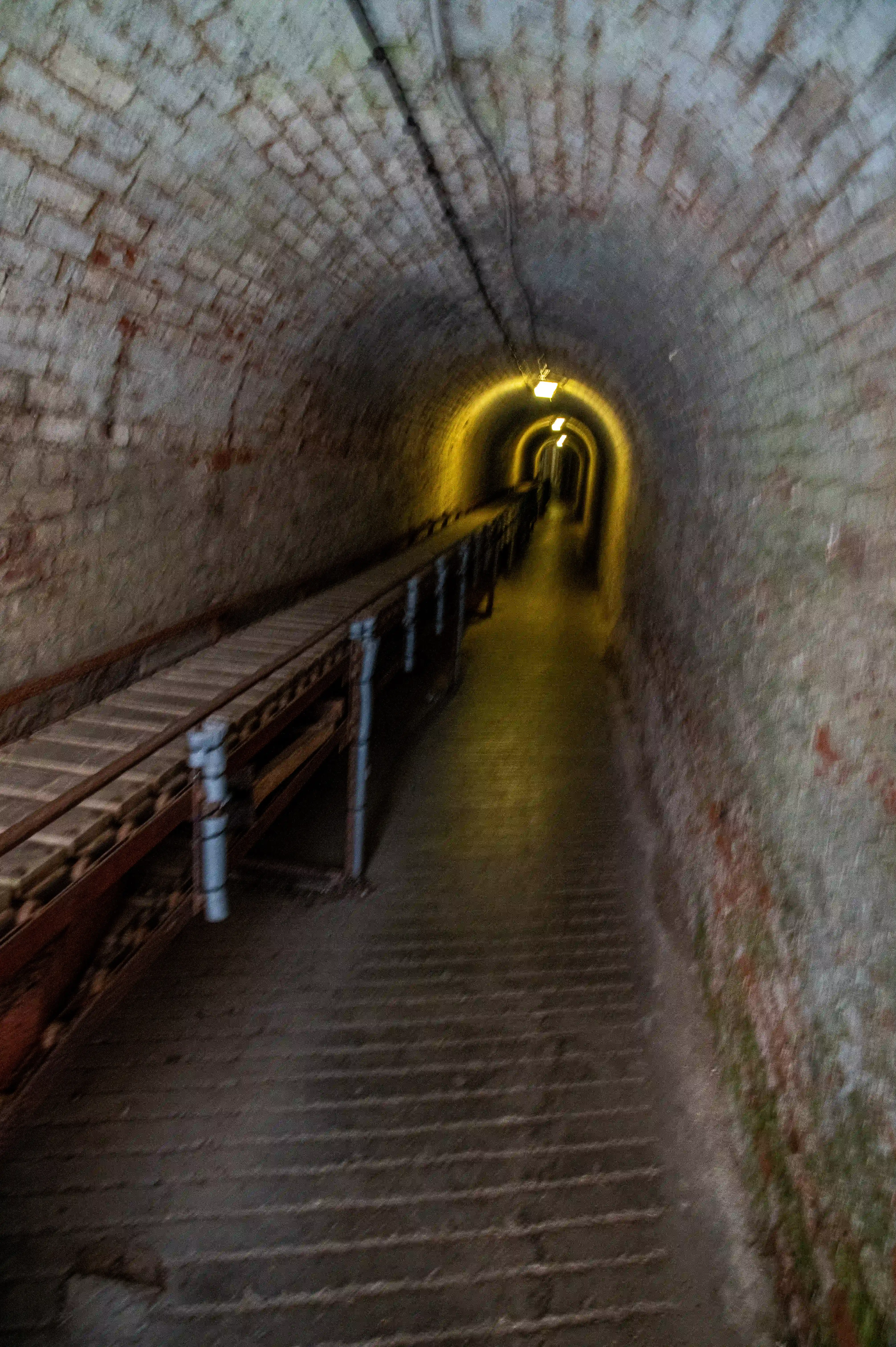
photo by Michael Gaylard,
©www.mgaylard.co.uk.
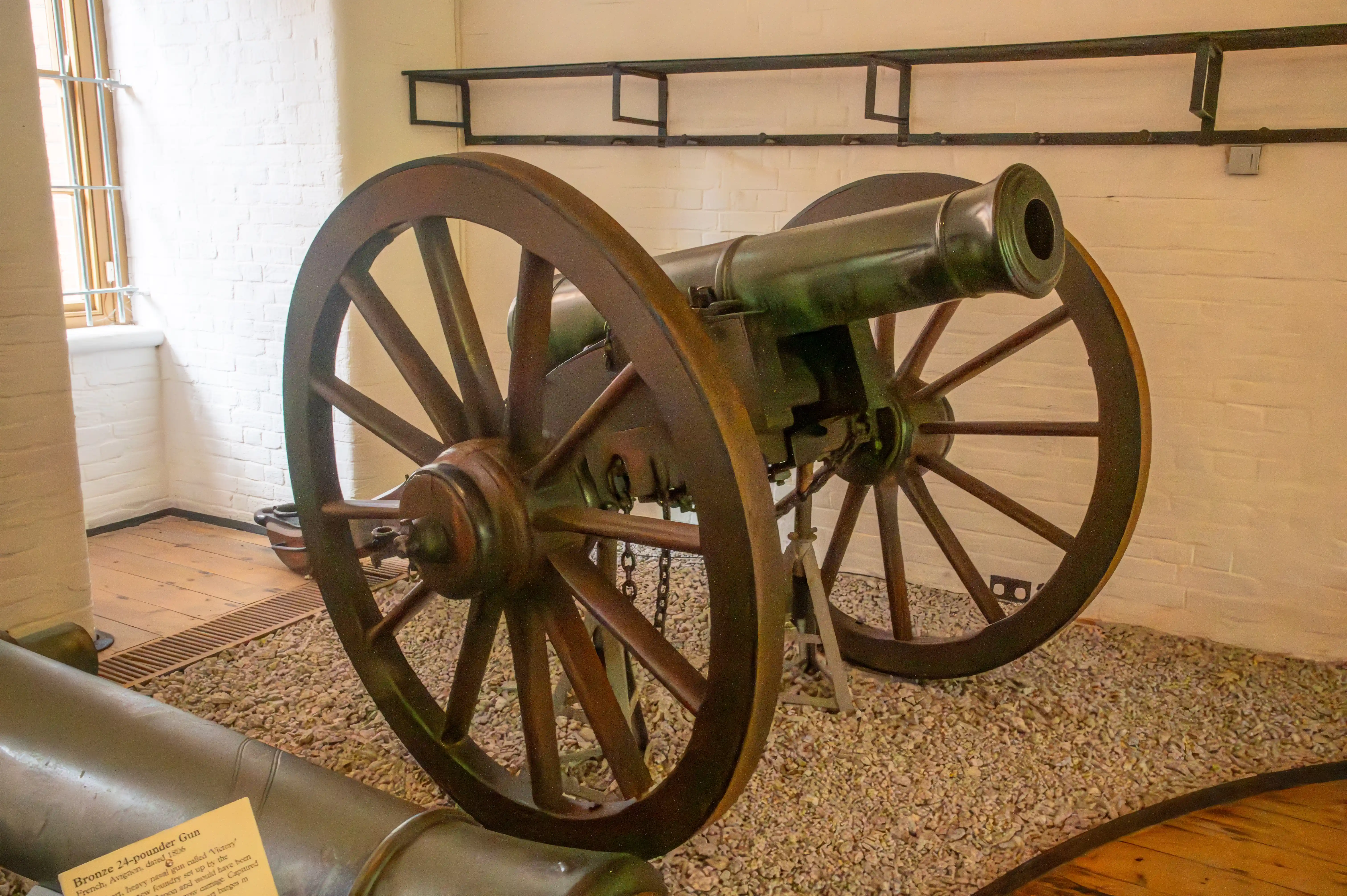
photo by Michael Gaylard,
©www.mgaylard.co.uk.
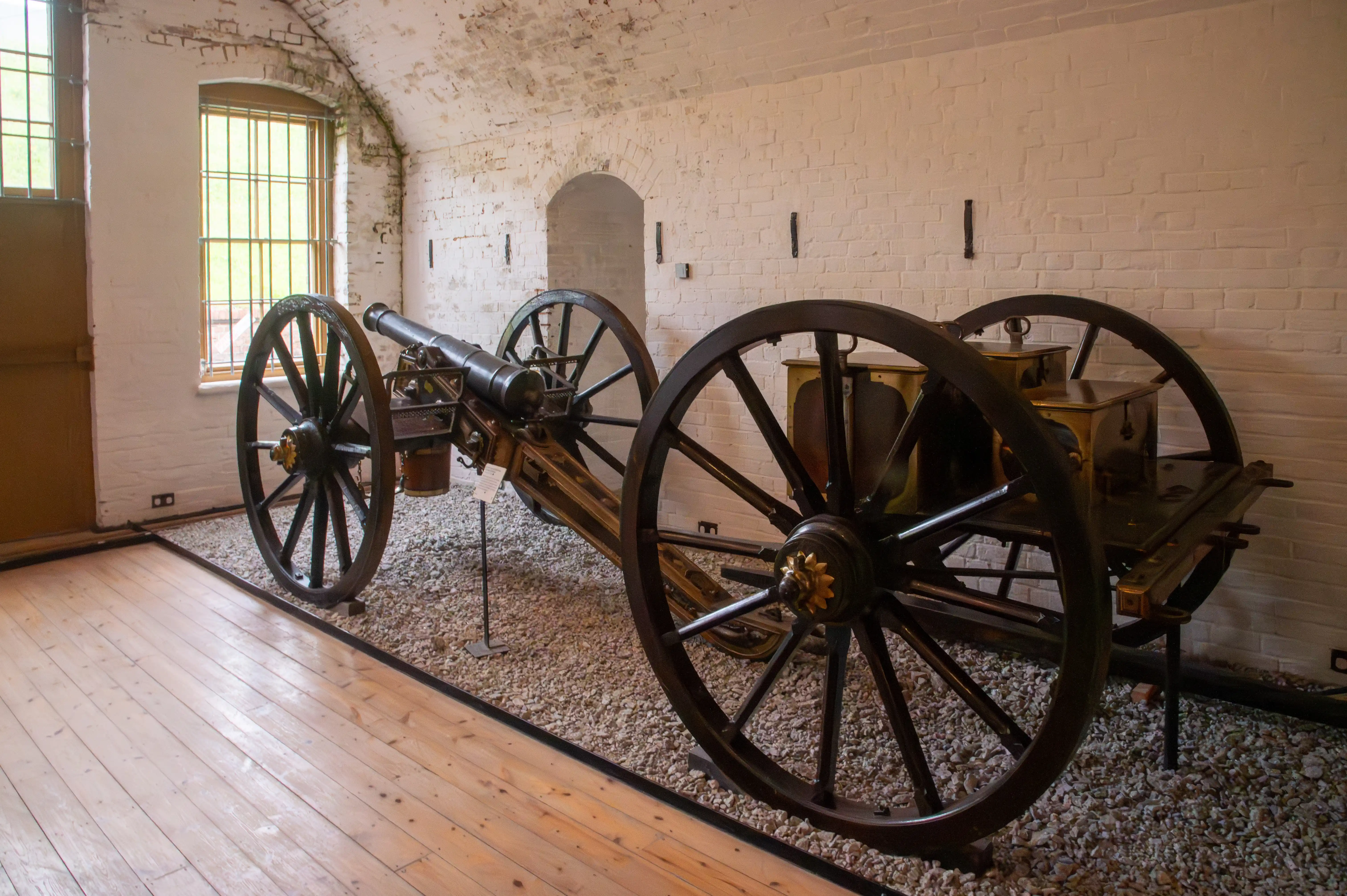
photo by Michael Gaylard,
©www.mgaylard.co.uk.
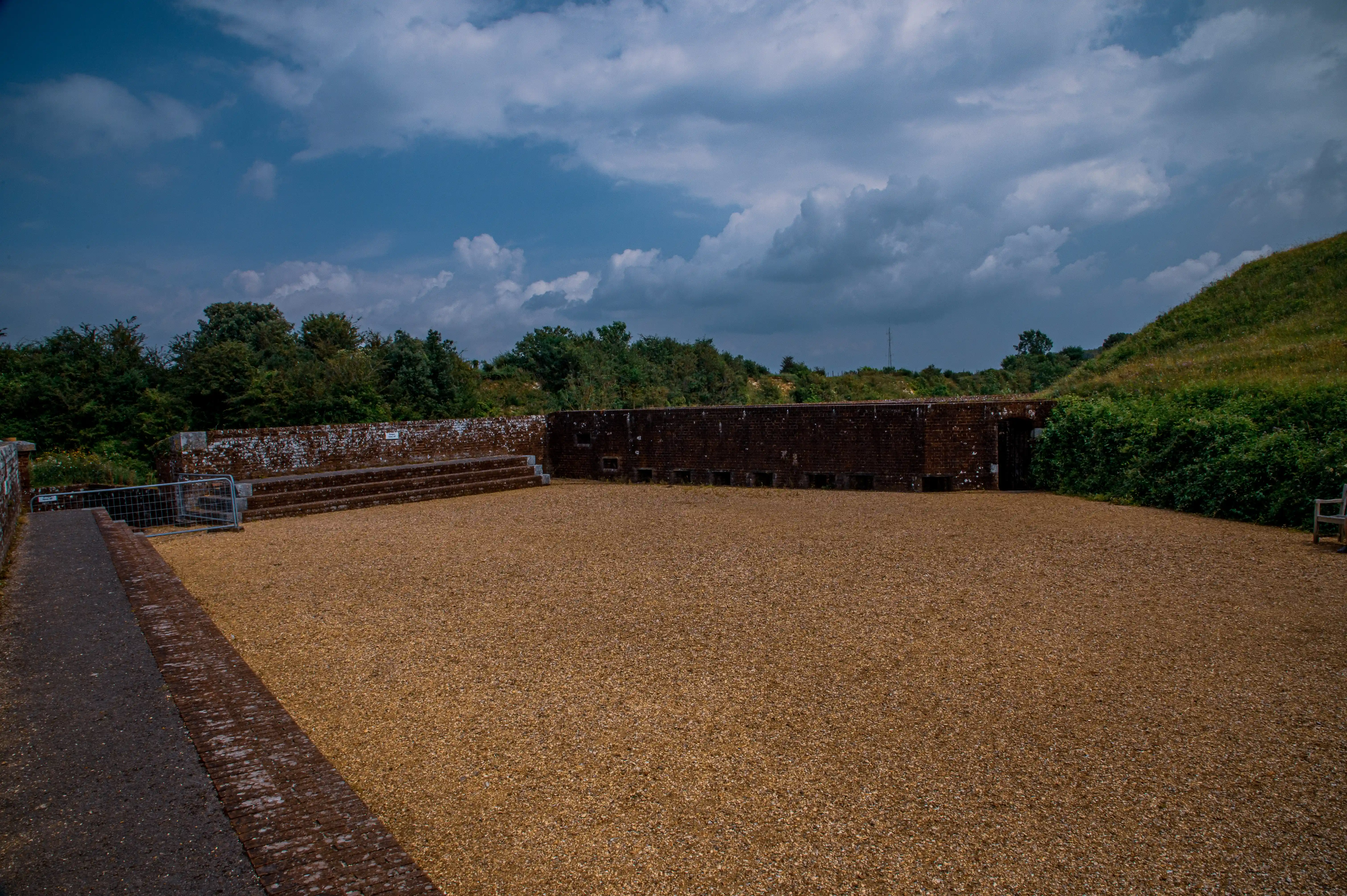
photo by Michael Gaylard,
©www.mgaylard.co.uk.
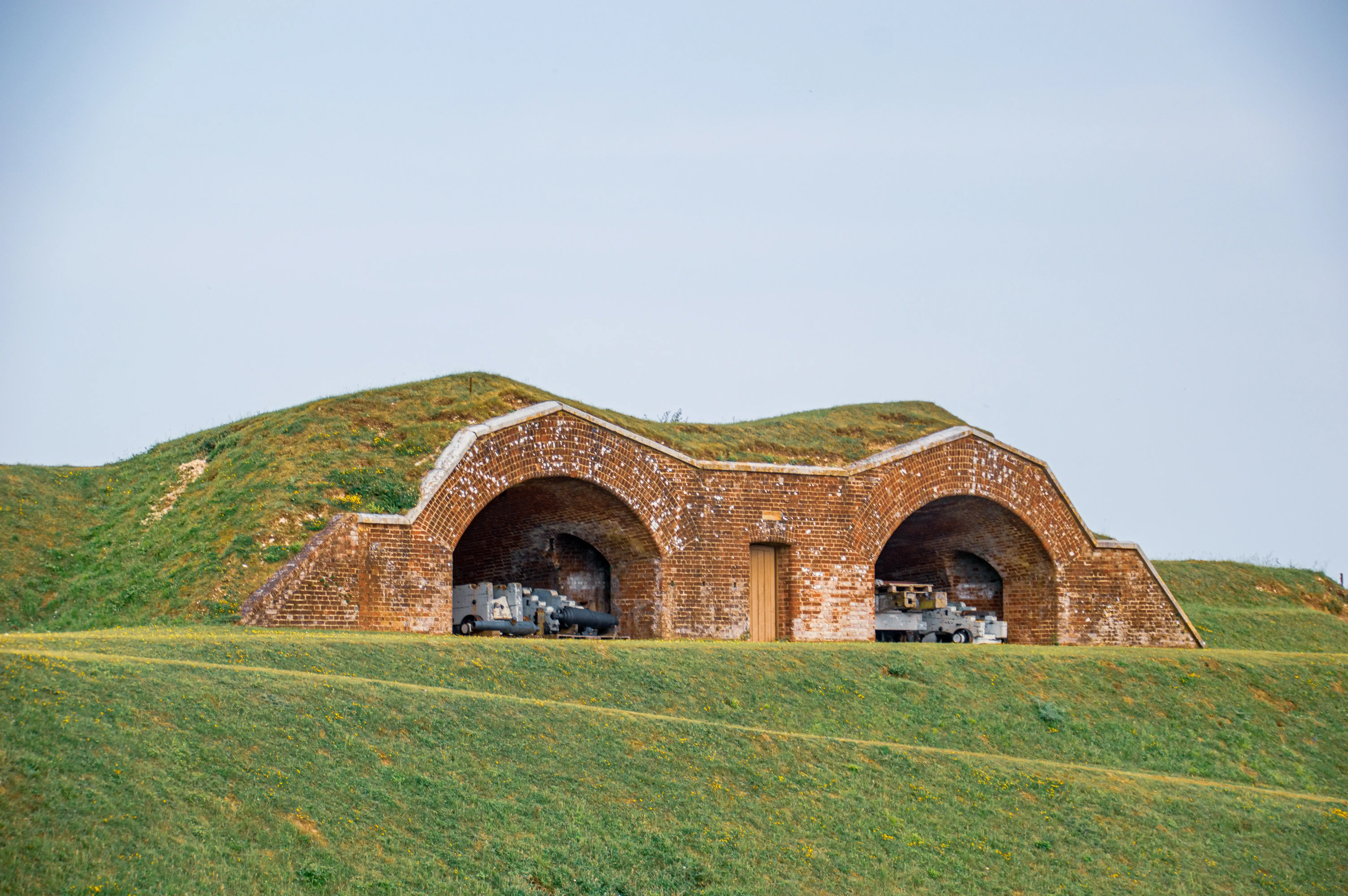
photo by Michael Gaylard,
©www.mgaylard.co.uk.
photo by Michael Gaylard,
©www.mgaylard.co.uk.
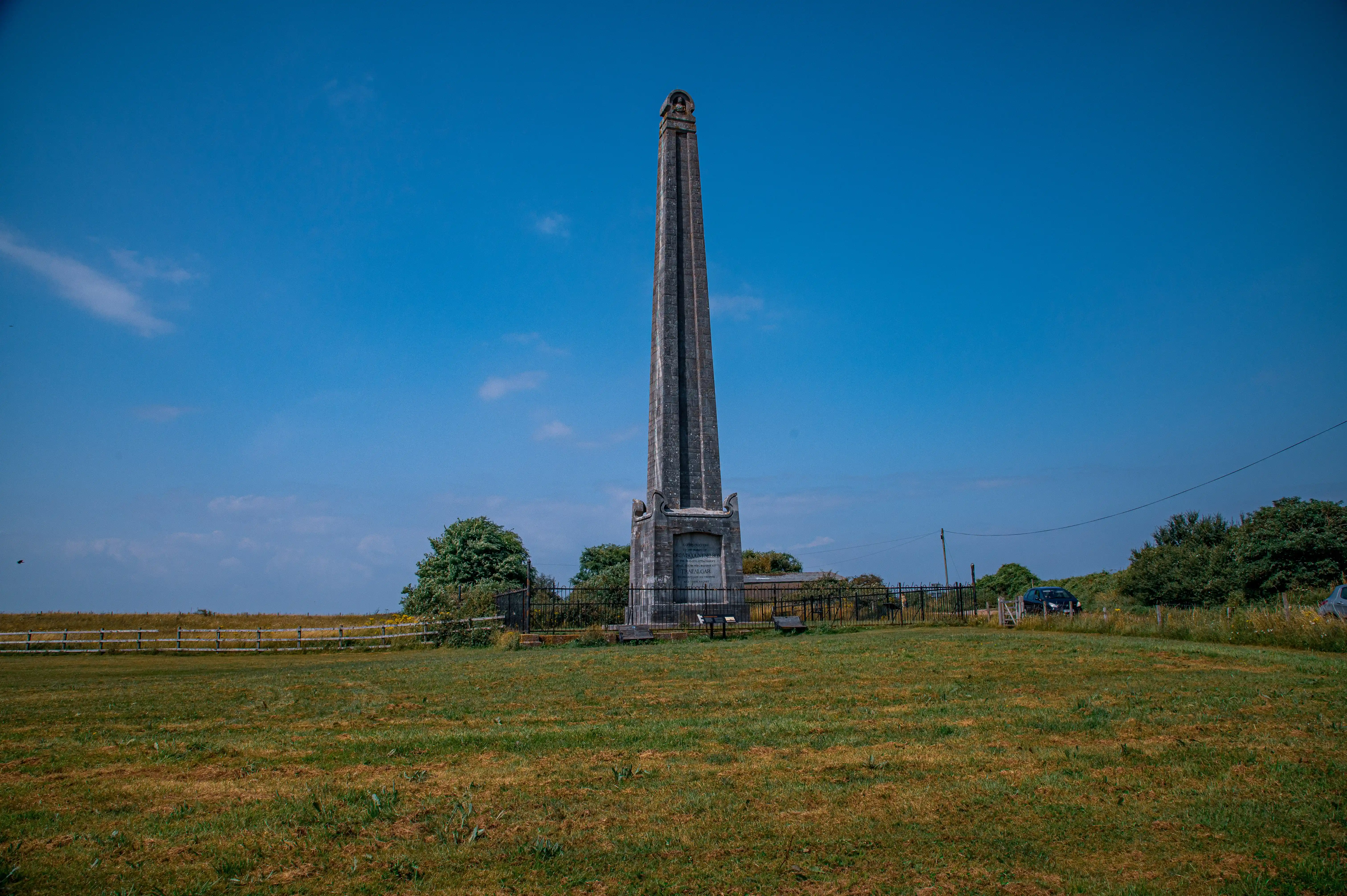
photo by Michael Gaylard,
©www.mgaylard.co.uk.
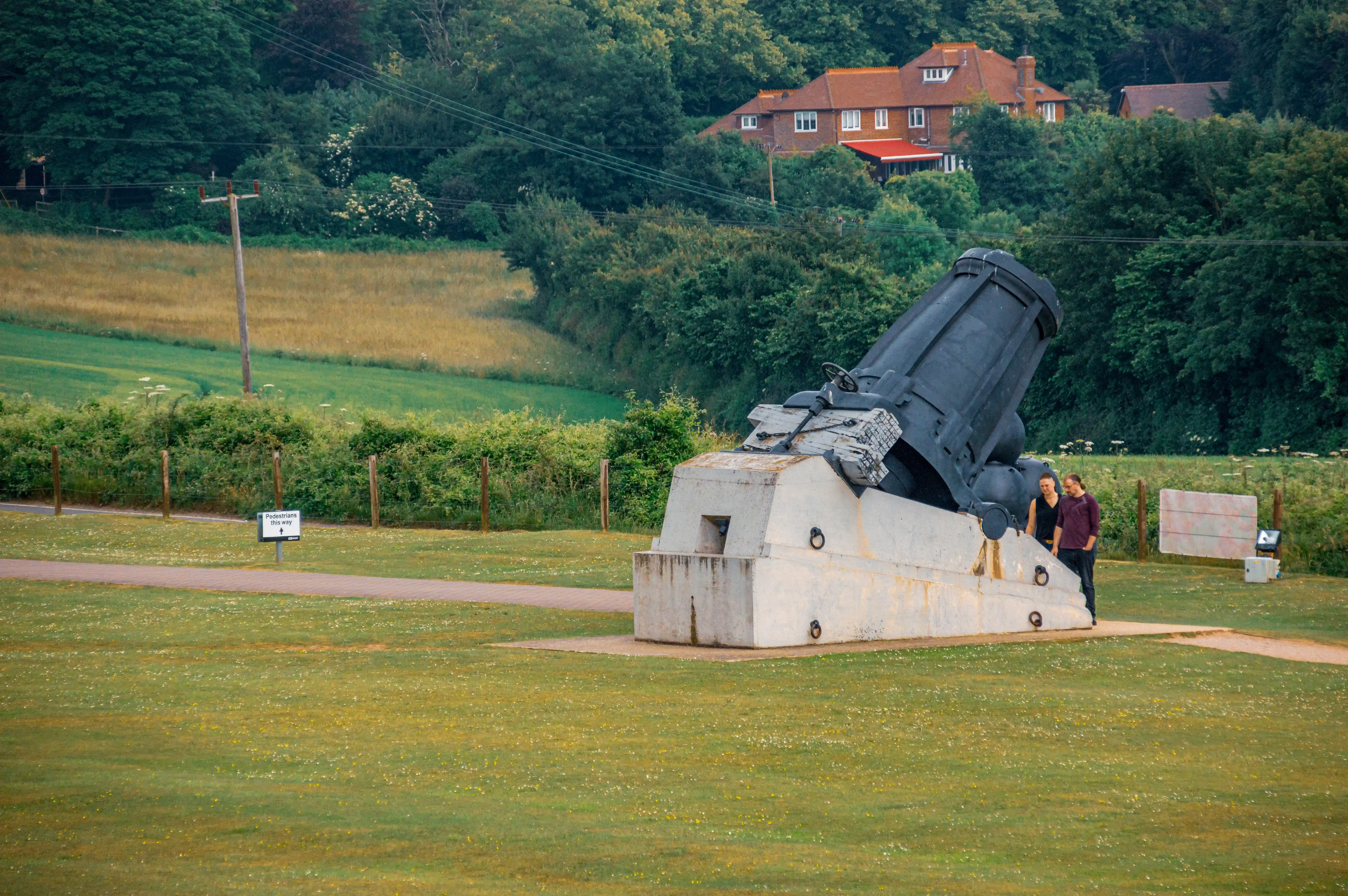
photo by Michael Gaylard,
©www.mgaylard.co.uk.
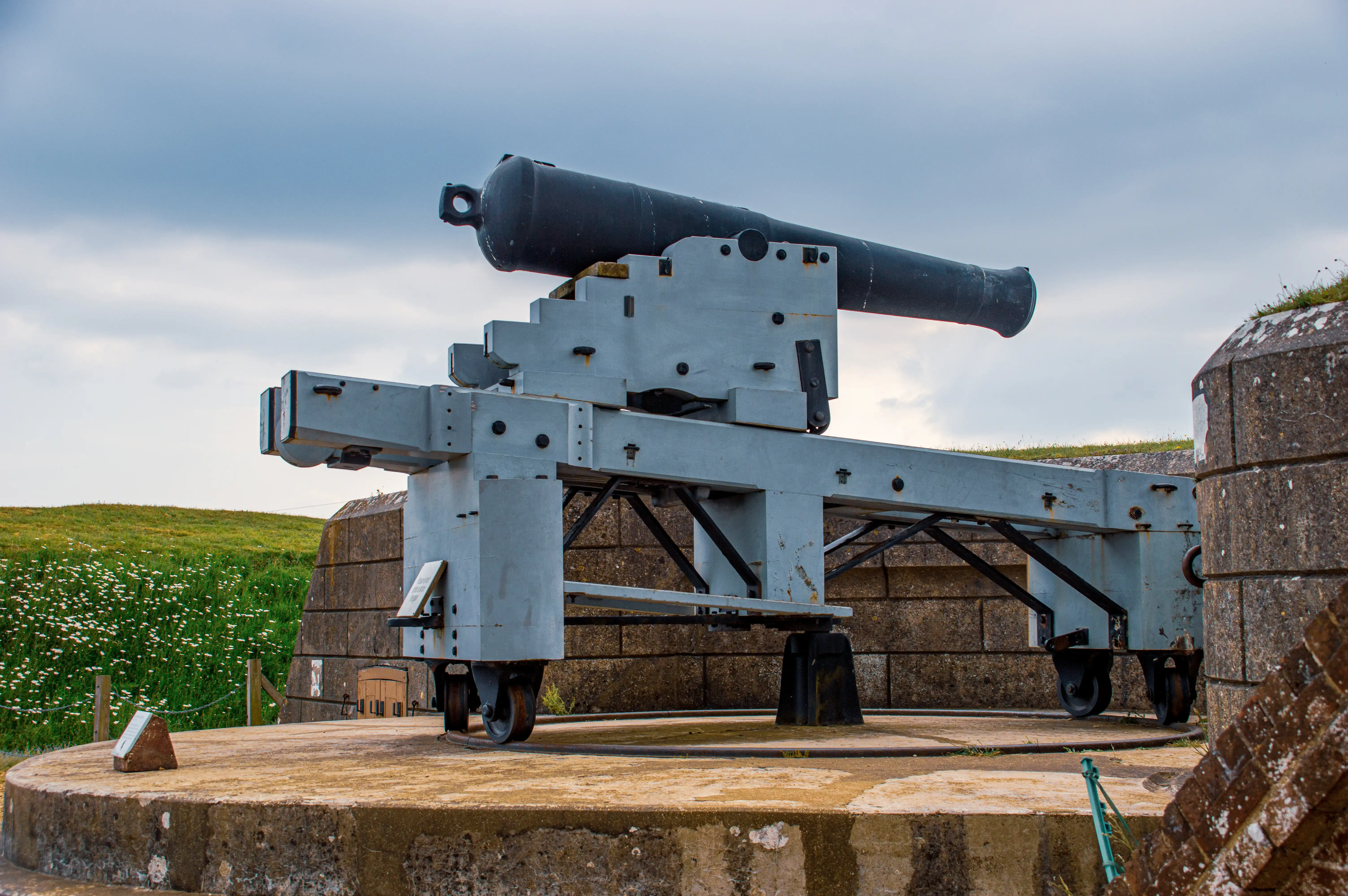
photo by Michael Gaylard,
©www.mgaylard.co.uk.
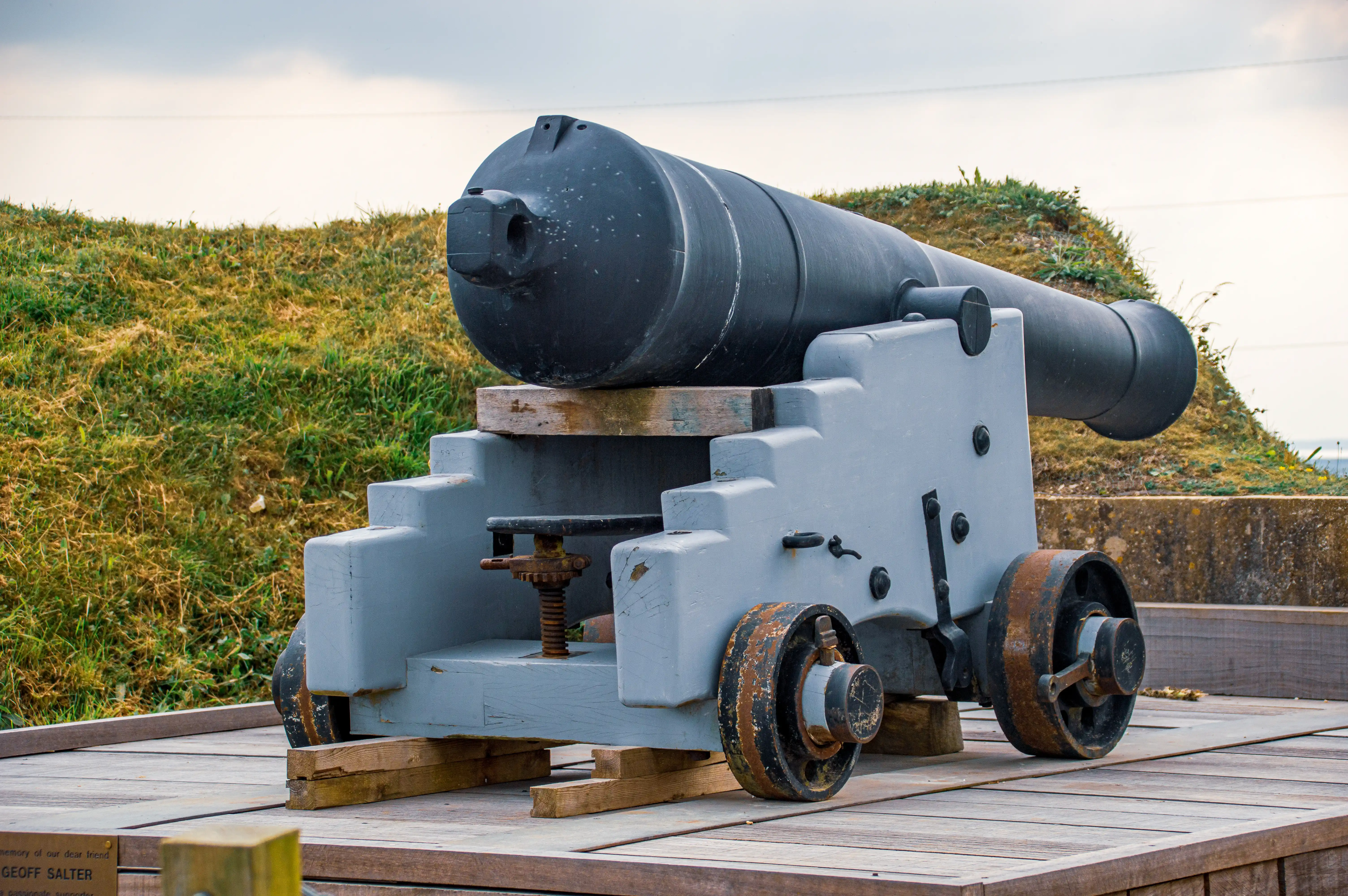
photo by Michael Gaylard,
©www.mgaylard.co.uk.
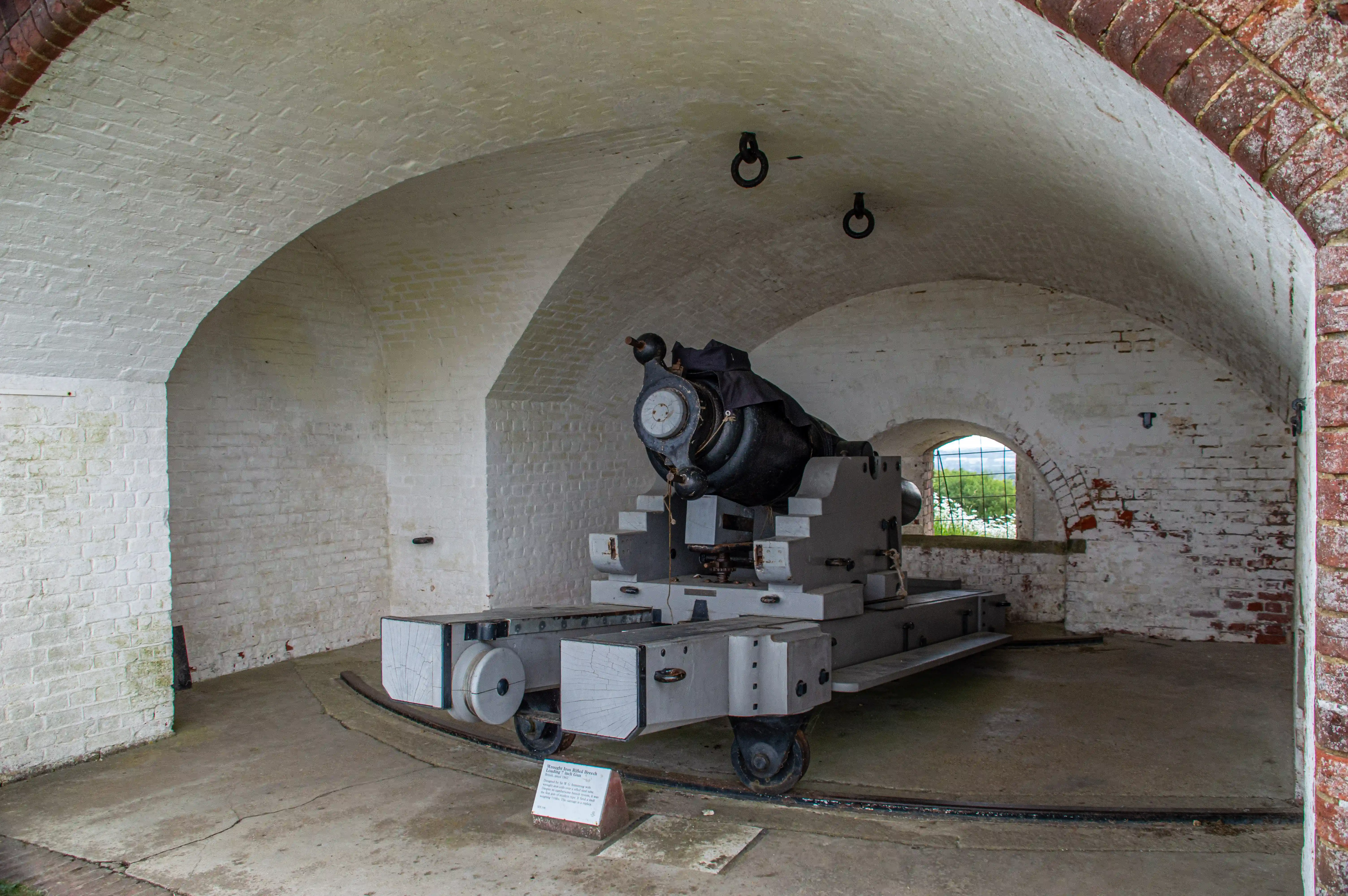
photo by Michael Gaylard,
©www.mgaylard.co.uk.
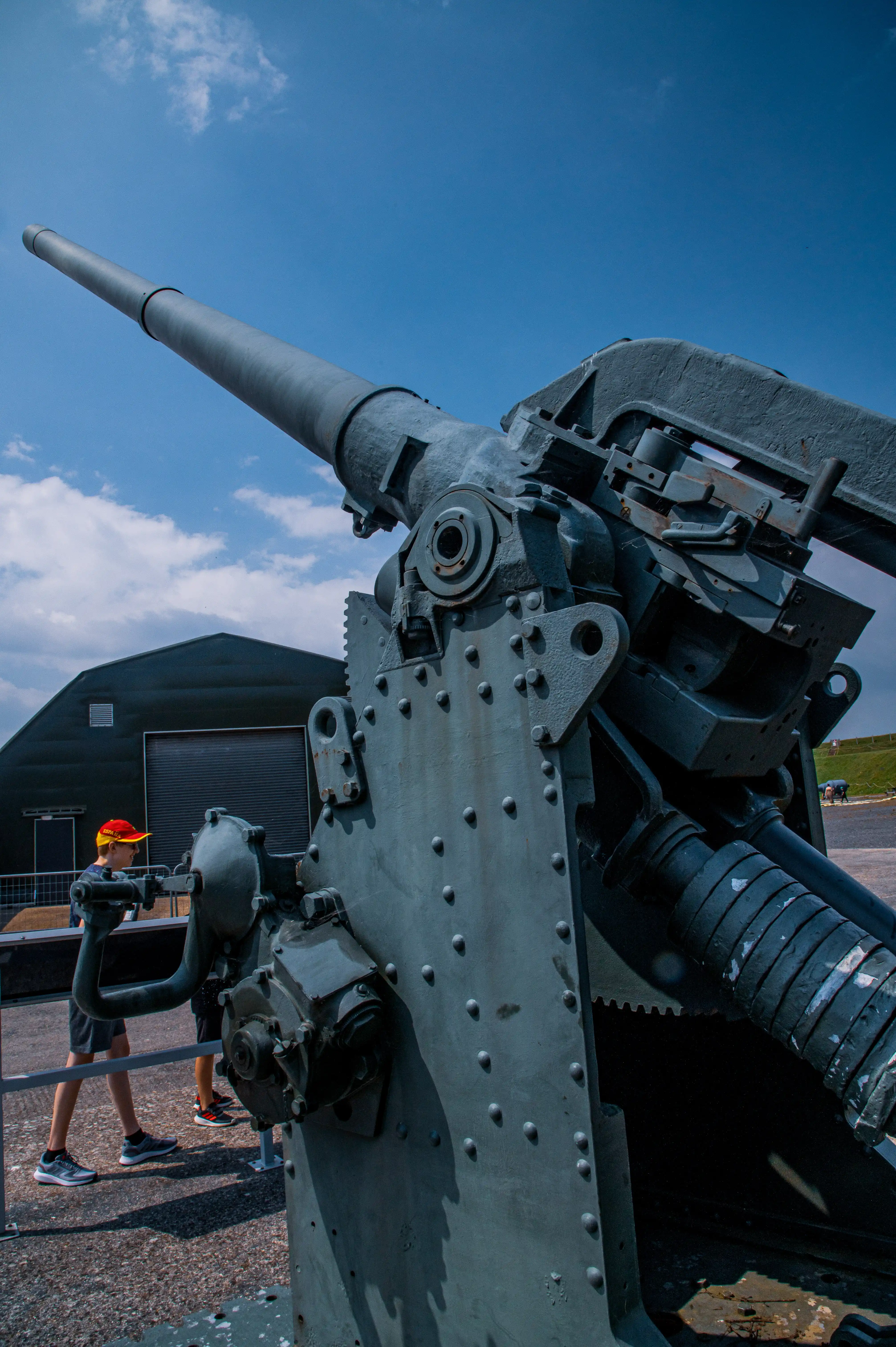
photo by Michael Gaylard,
©www.mgaylard.co.uk.
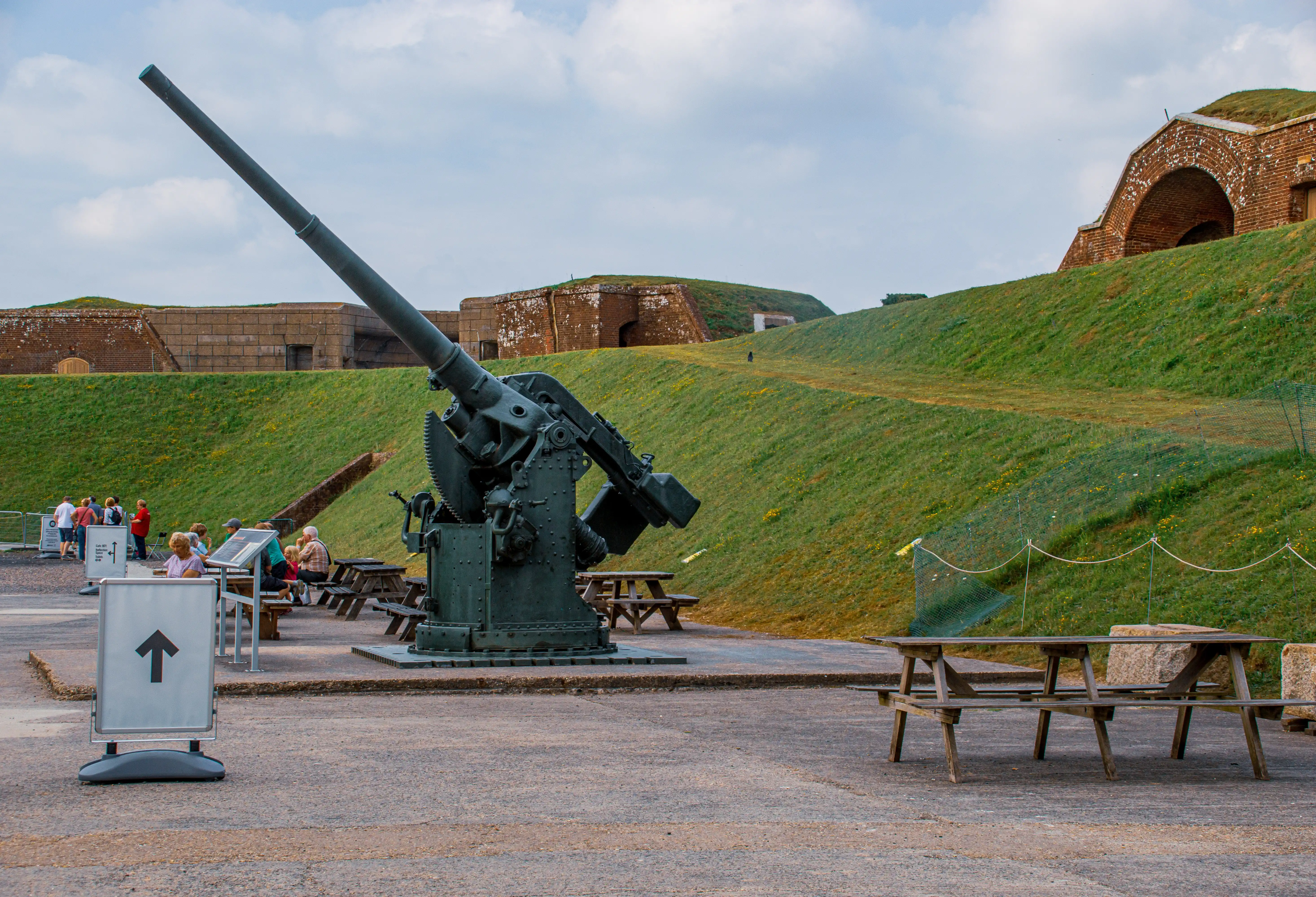
photo by Michael Gaylard,
©www.mgaylard.co.uk.
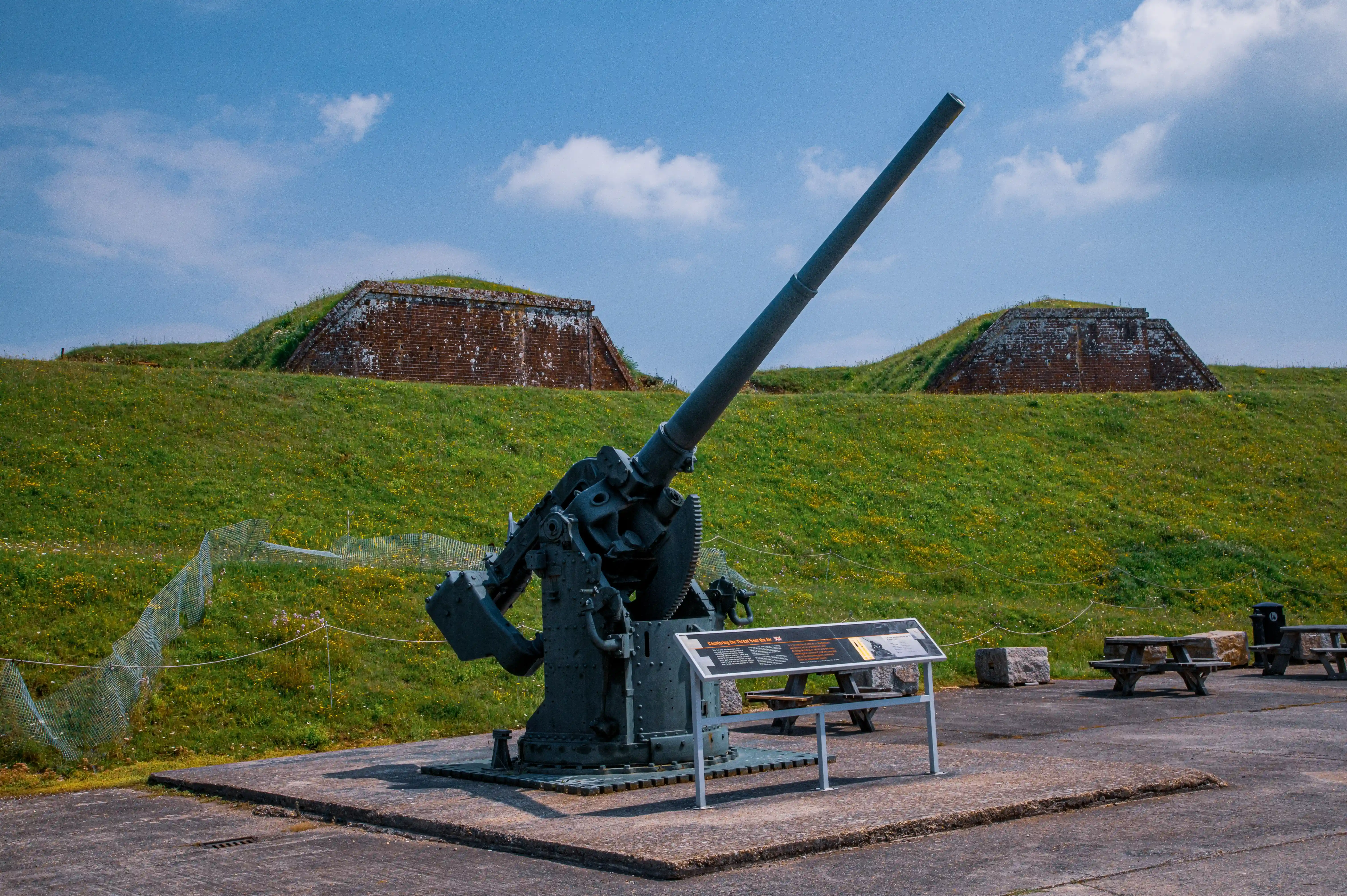
photo by Michael Gaylard,
©www.mgaylard.co.uk.
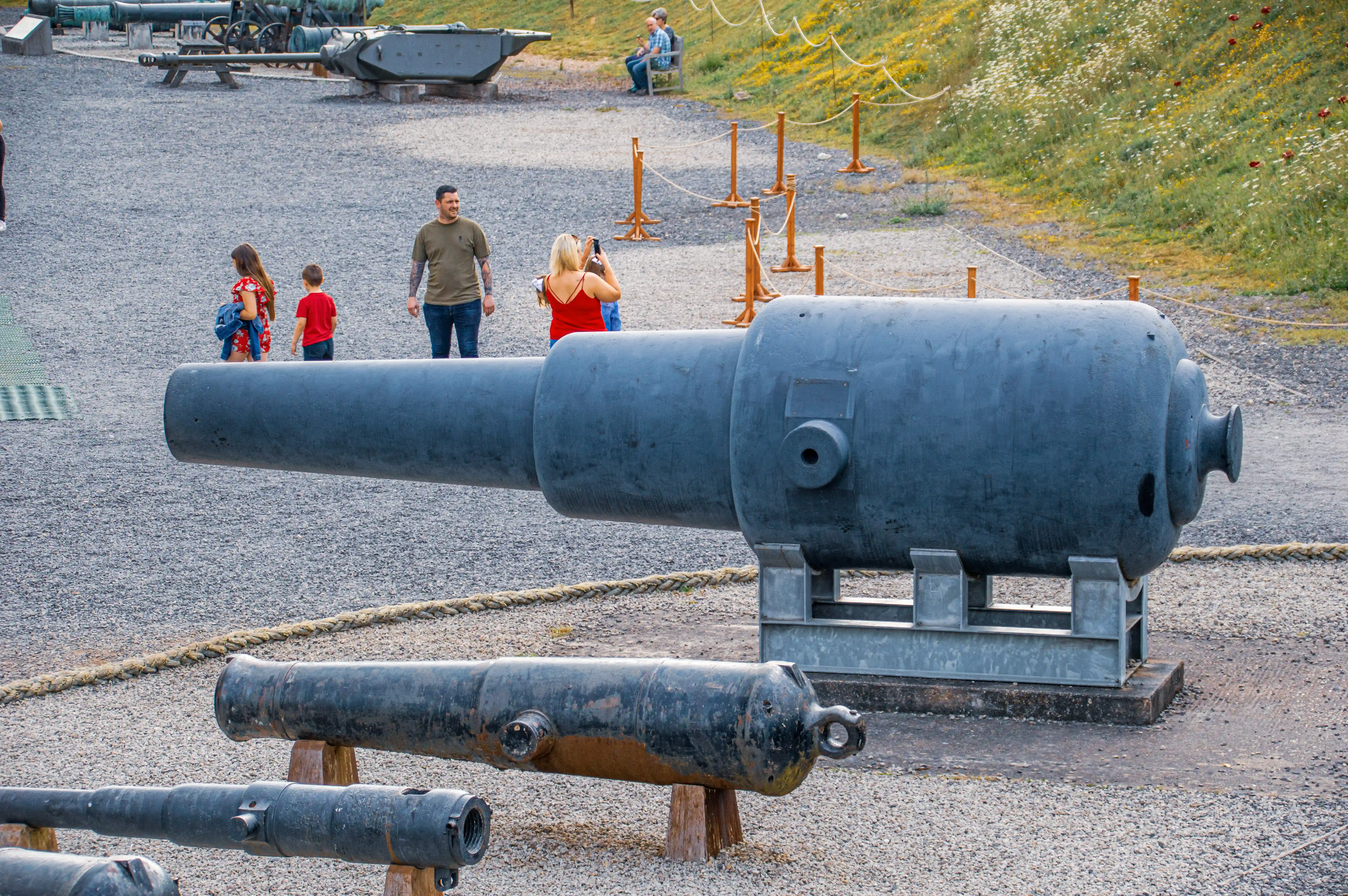
photo by Michael Gaylard,
©www.mgaylard.co.uk.
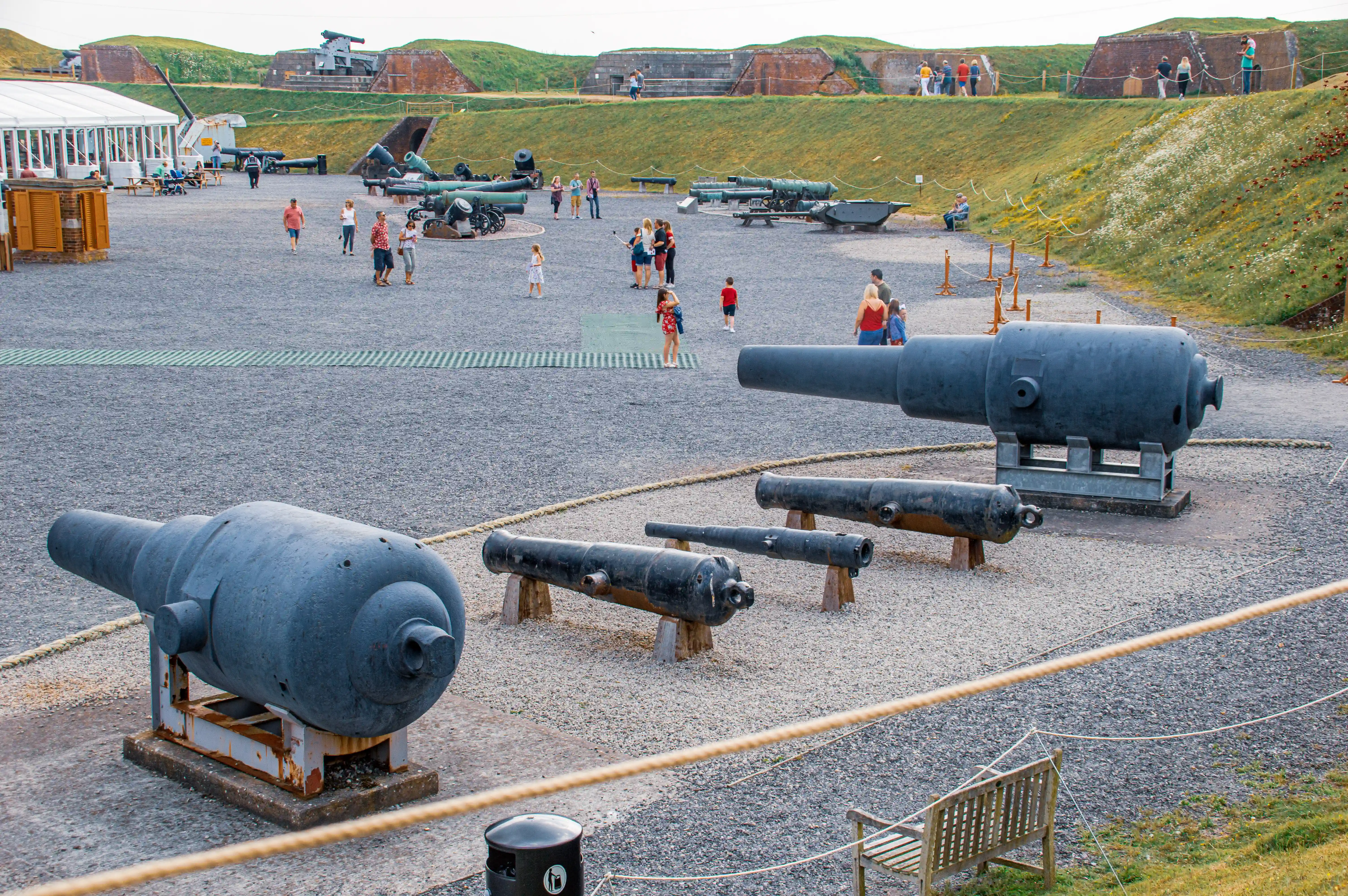
photo by Michael Gaylard,
©www.mgaylard.co.uk.
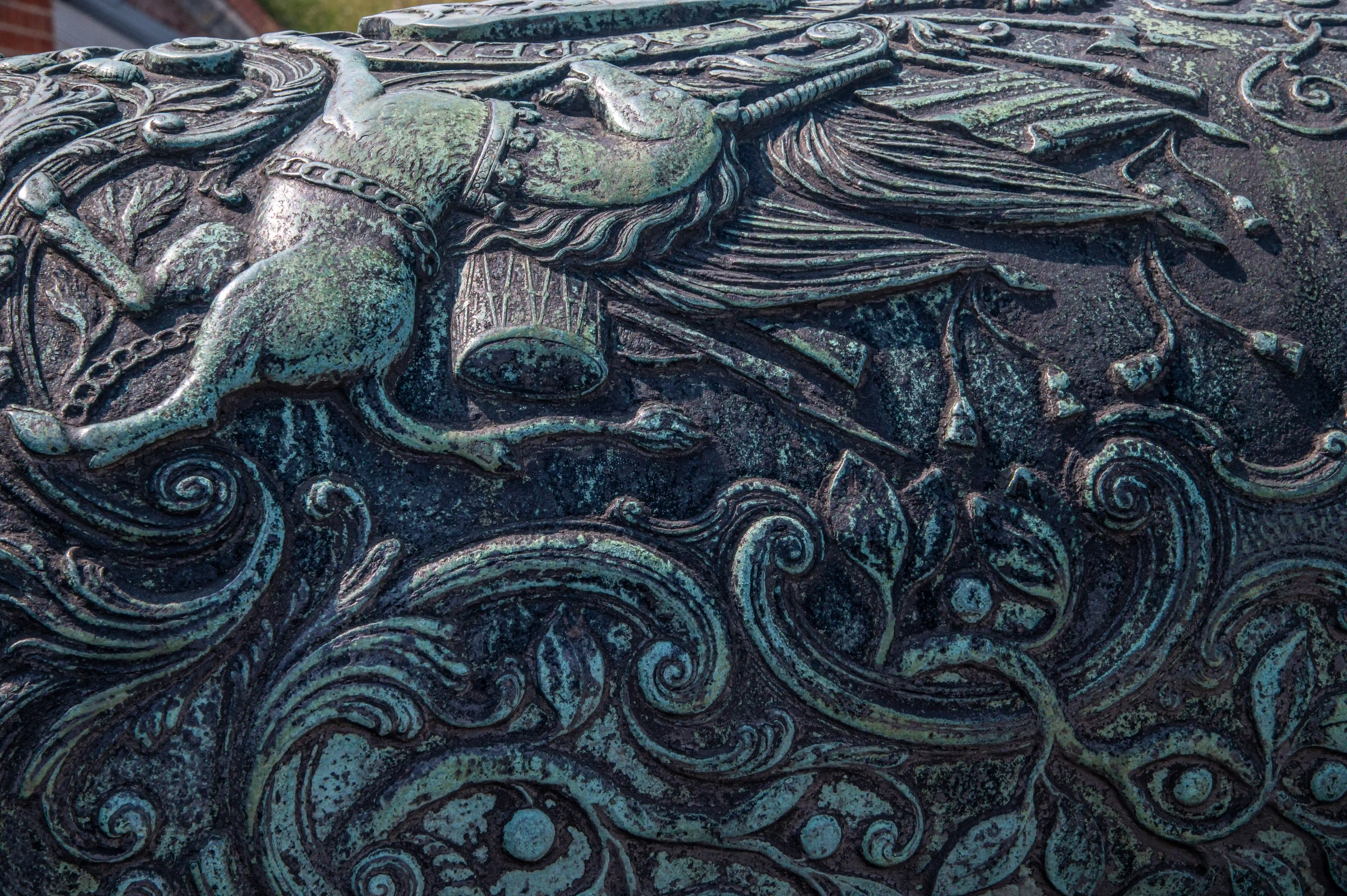
photo by Michael Gaylard,
©www.mgaylard.co.uk.
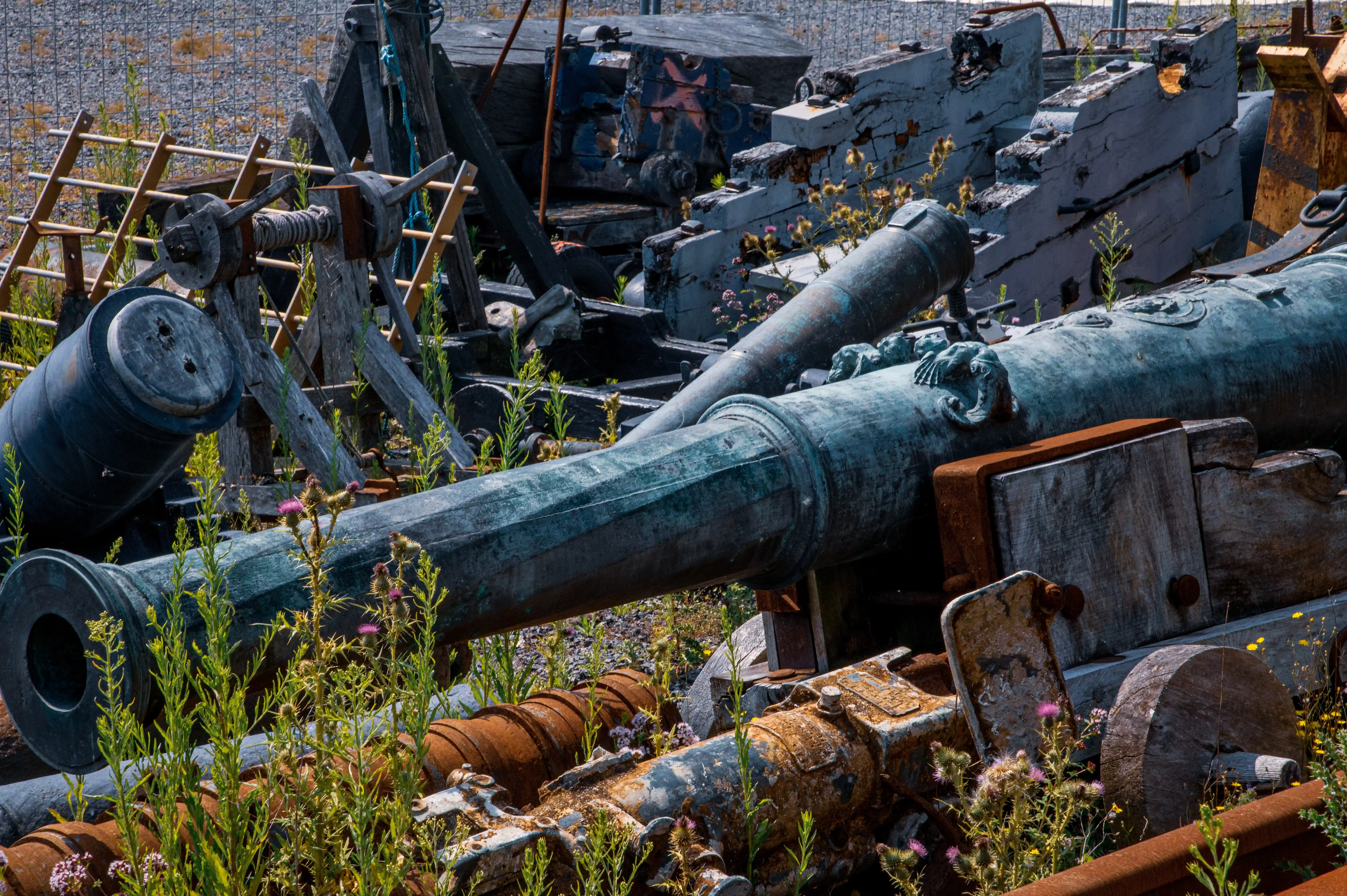
photo by Michael Gaylard,
©www.mgaylard.co.uk.
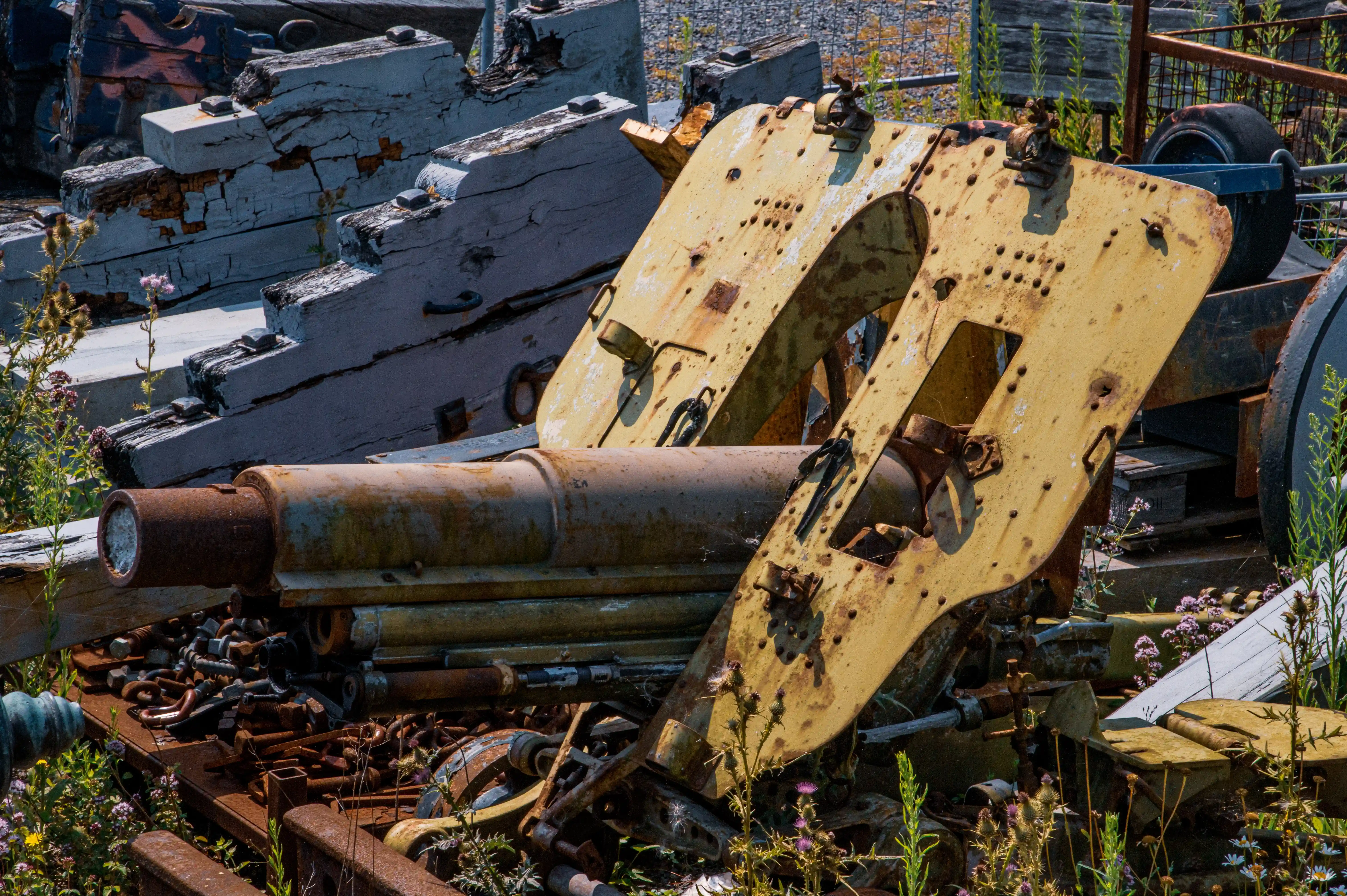
photo by Michael Gaylard,
©www.mgaylard.co.uk.
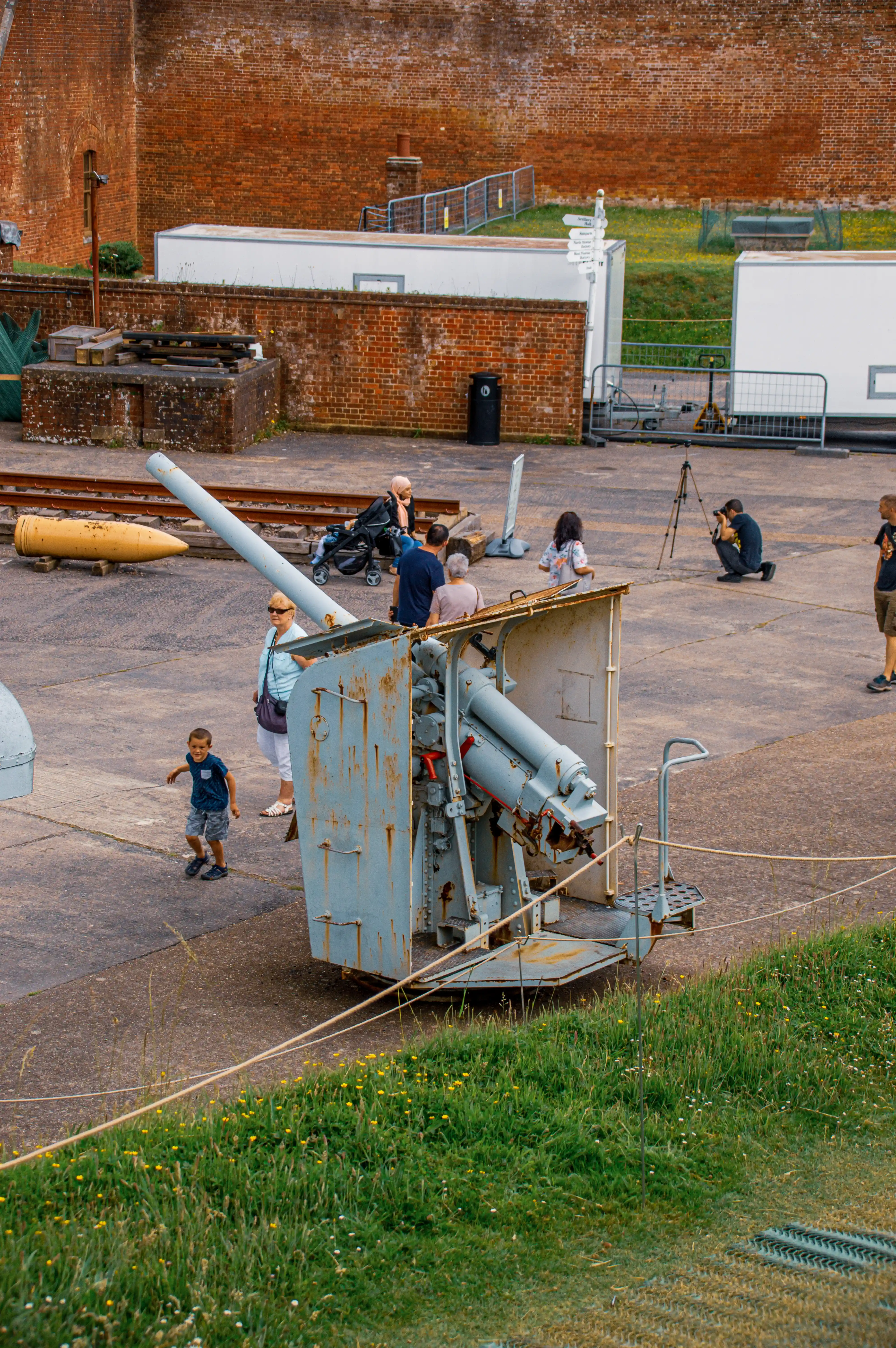
photo by Michael Gaylard,
©www.mgaylard.co.uk.
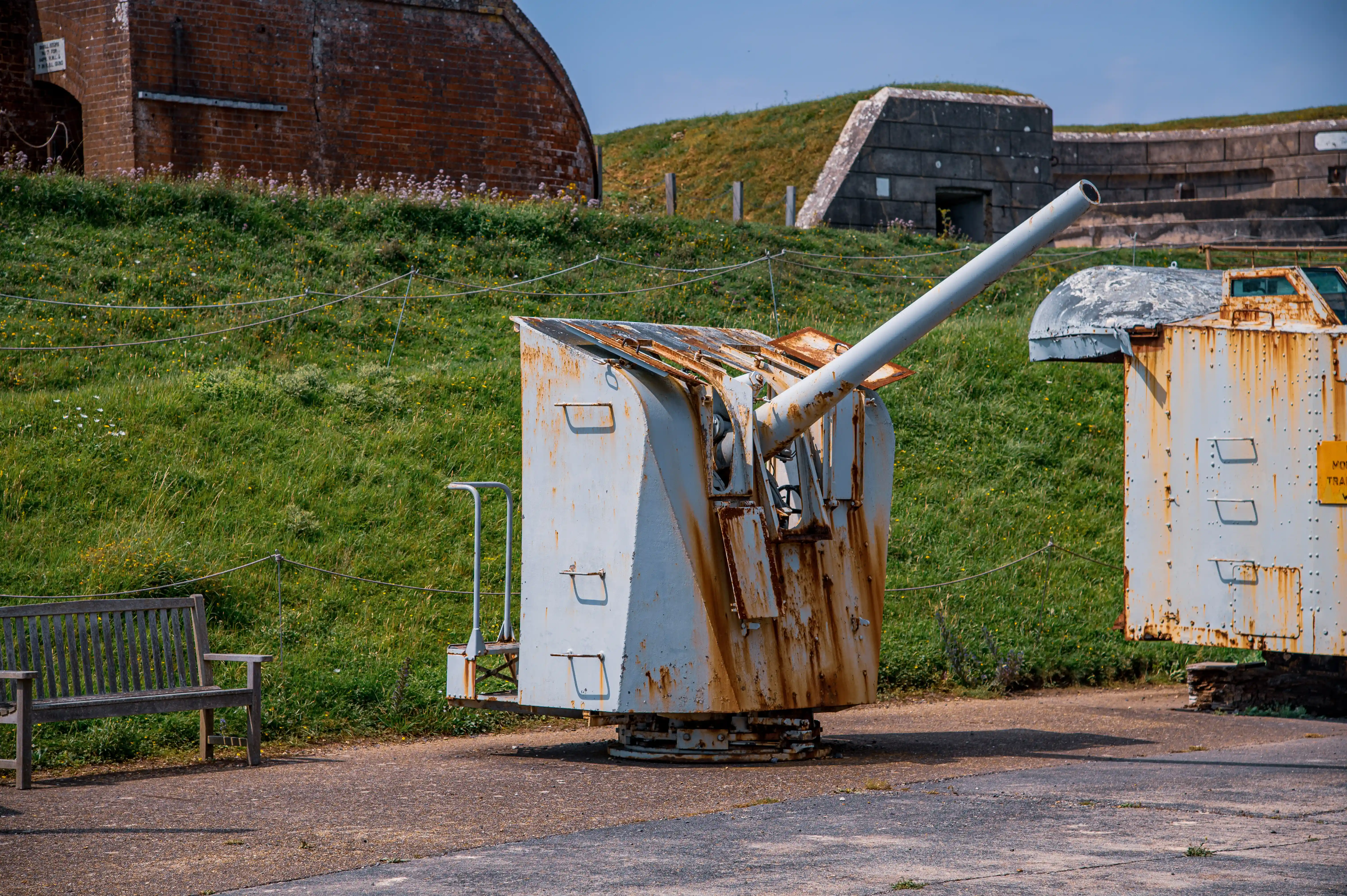
photo by Michael Gaylard,
©www.mgaylard.co.uk.
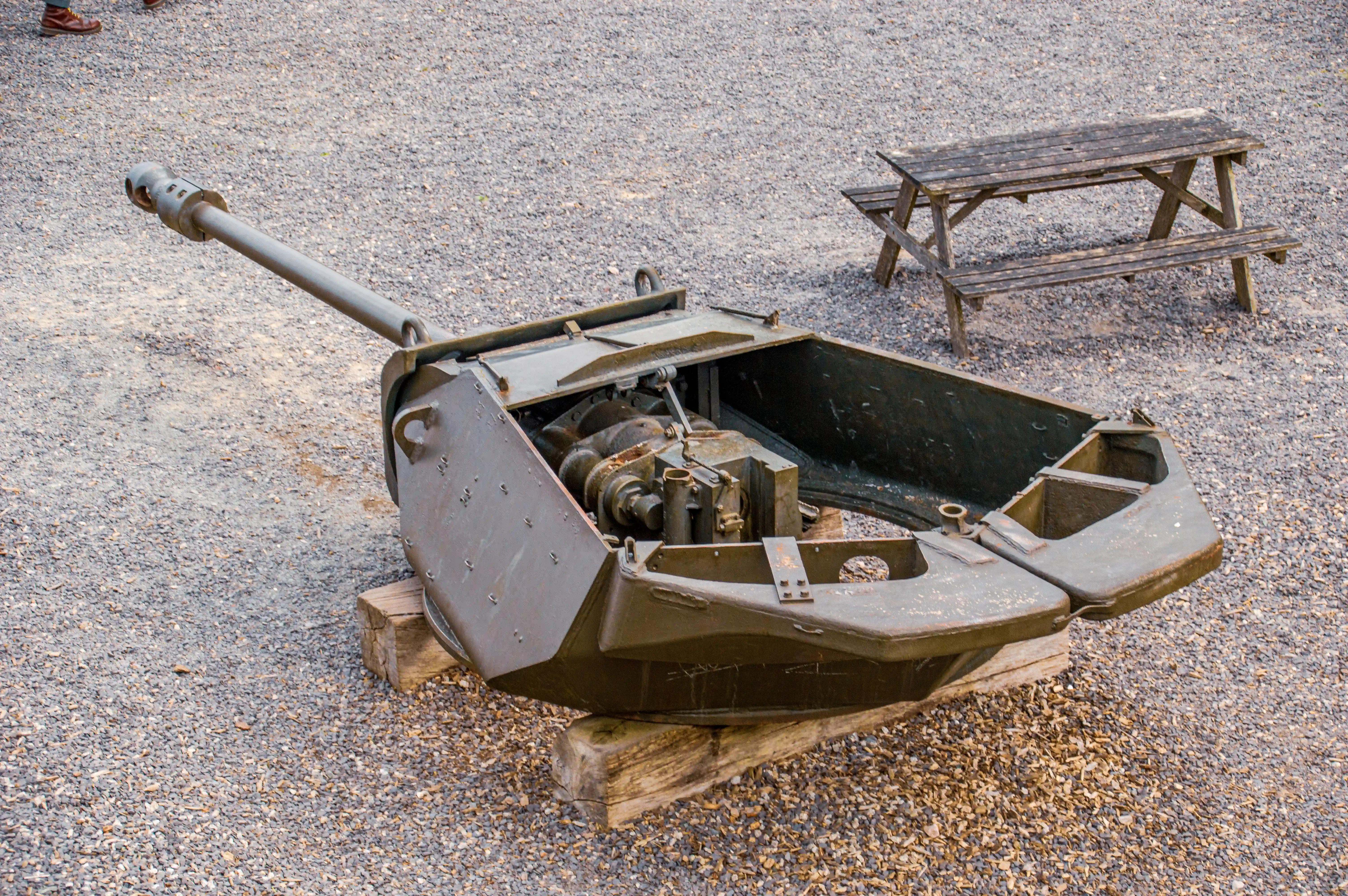
photo by Michael Gaylard,
©www.mgaylard.co.uk.
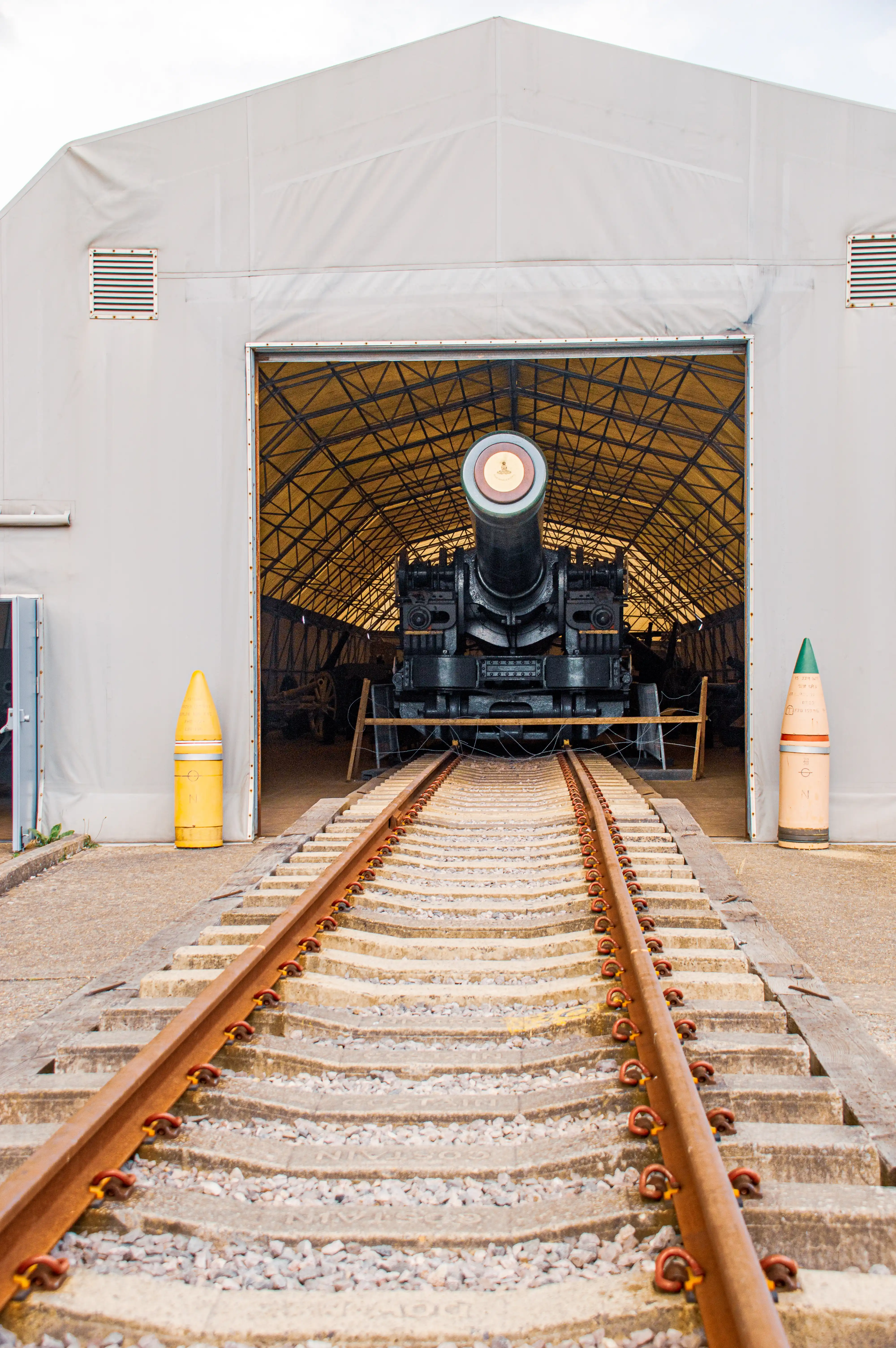
photo by Michael Gaylard,
©www.mgaylard.co.uk.
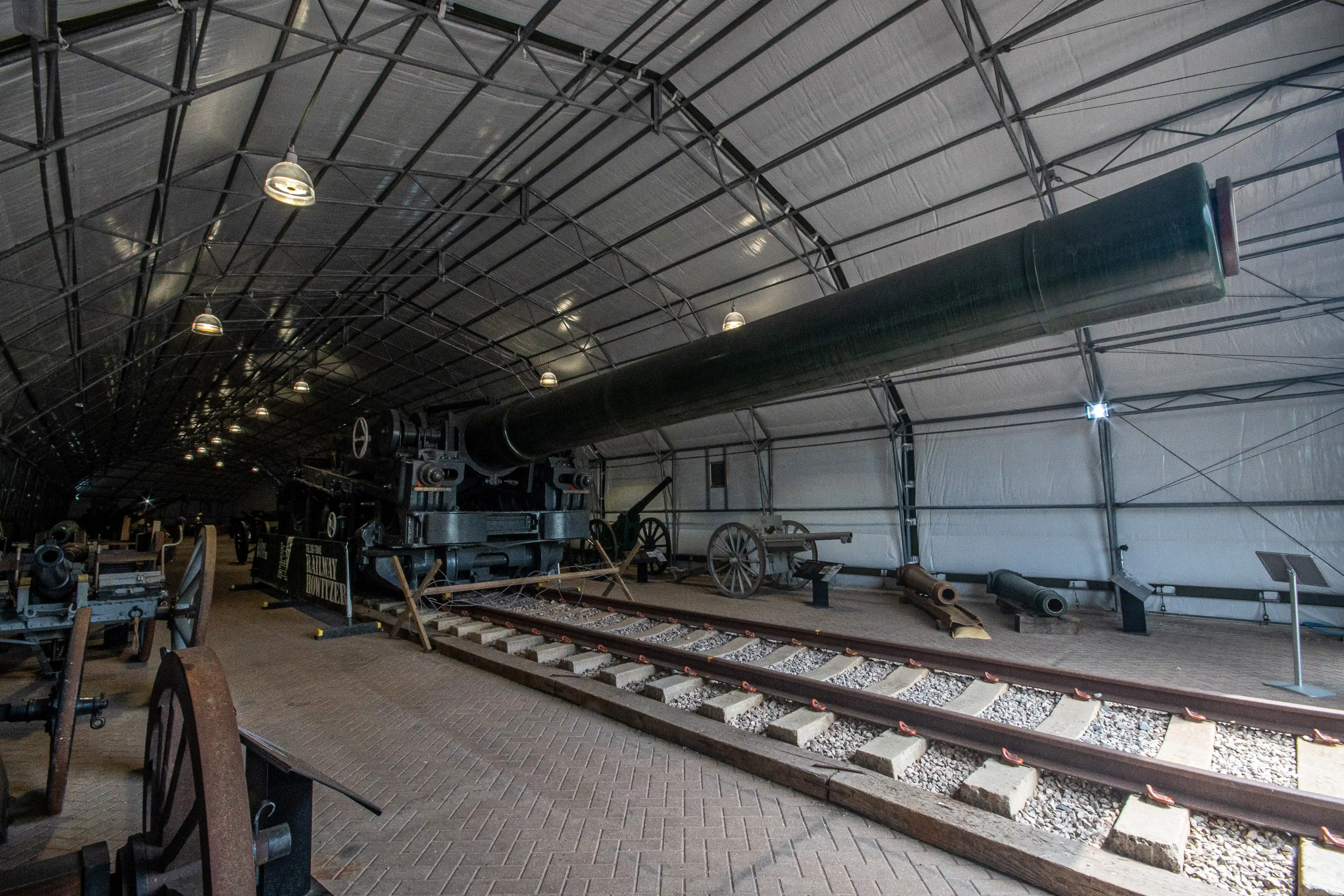
photo by Michael Gaylard,
©www.mgaylard.co.uk.
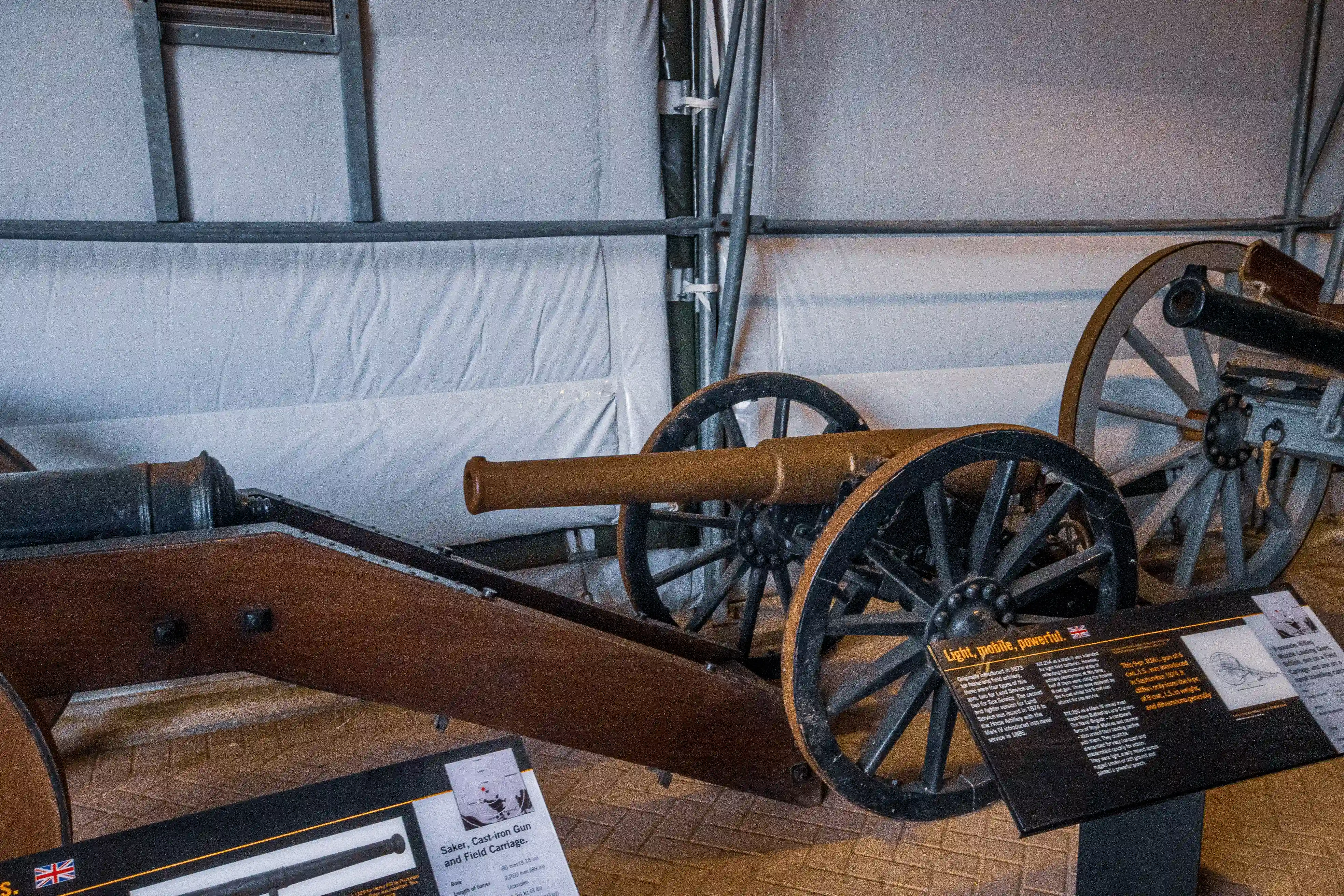
photo by Michael Gaylard,
©www.mgaylard.co.uk.
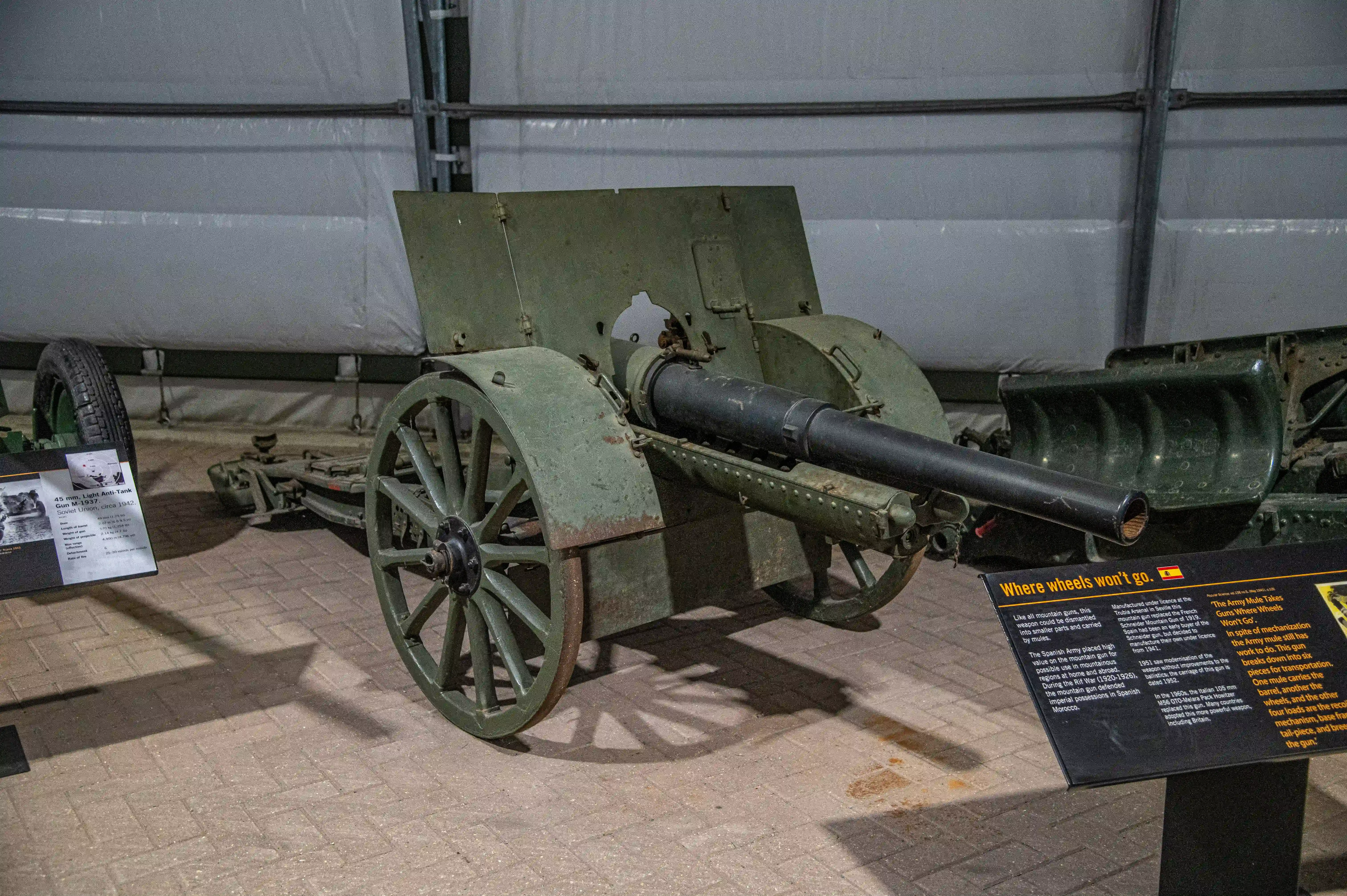
photo by Michael Gaylard,
©www.mgaylard.co.uk.
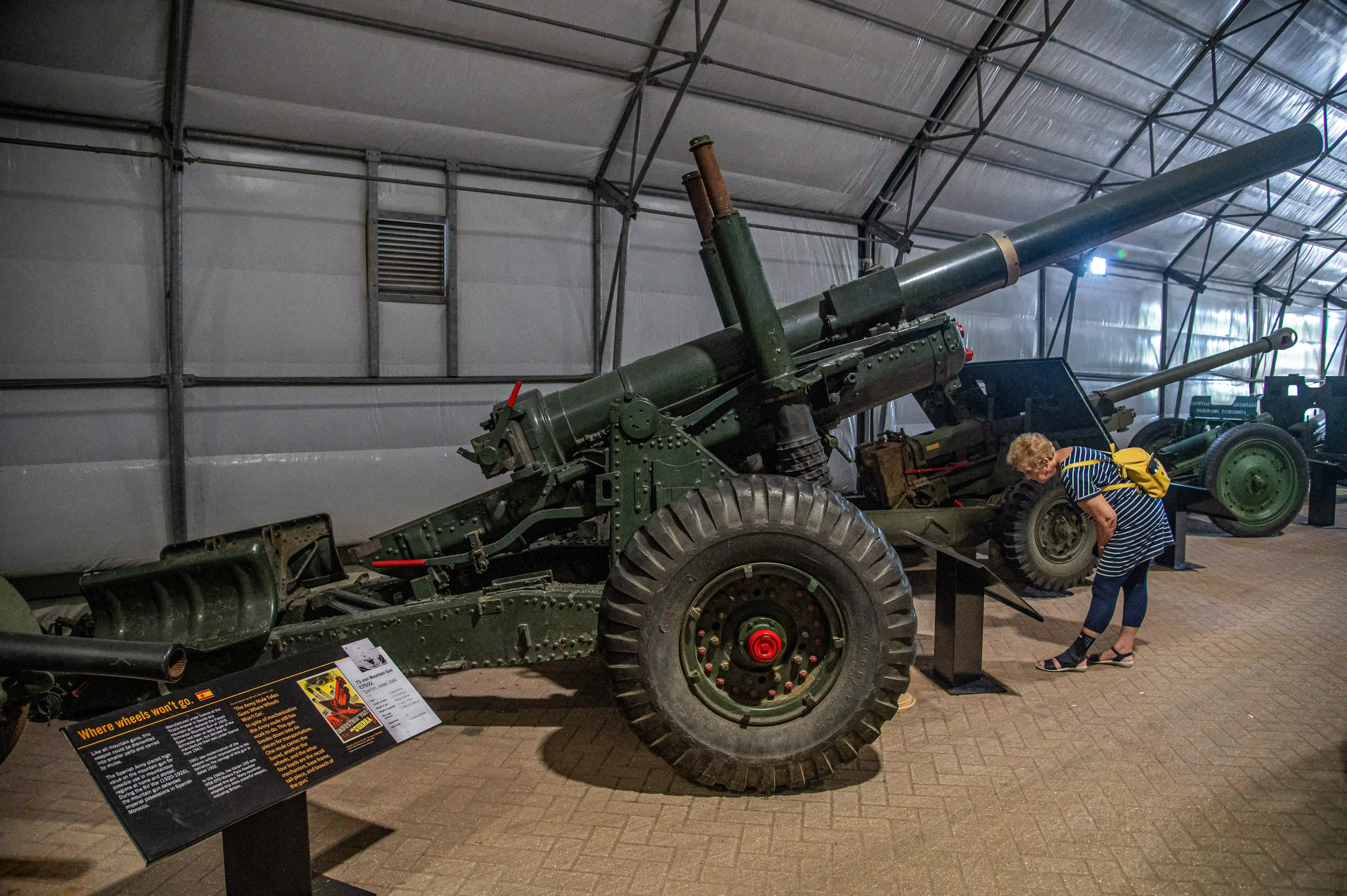
photo by Michael Gaylard,
©www.mgaylard.co.uk.
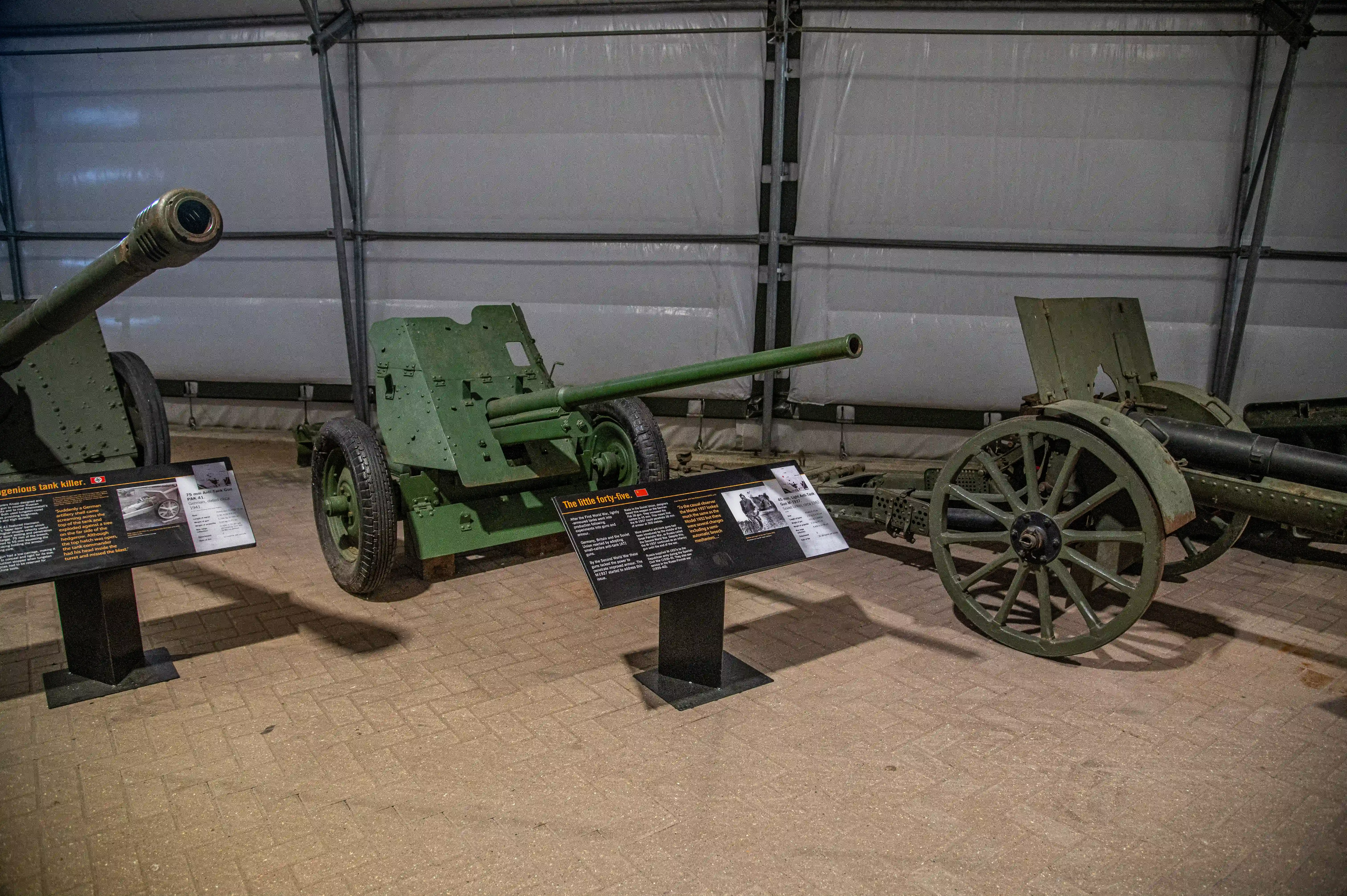
photo by Michael Gaylard,
©www.mgaylard.co.uk.
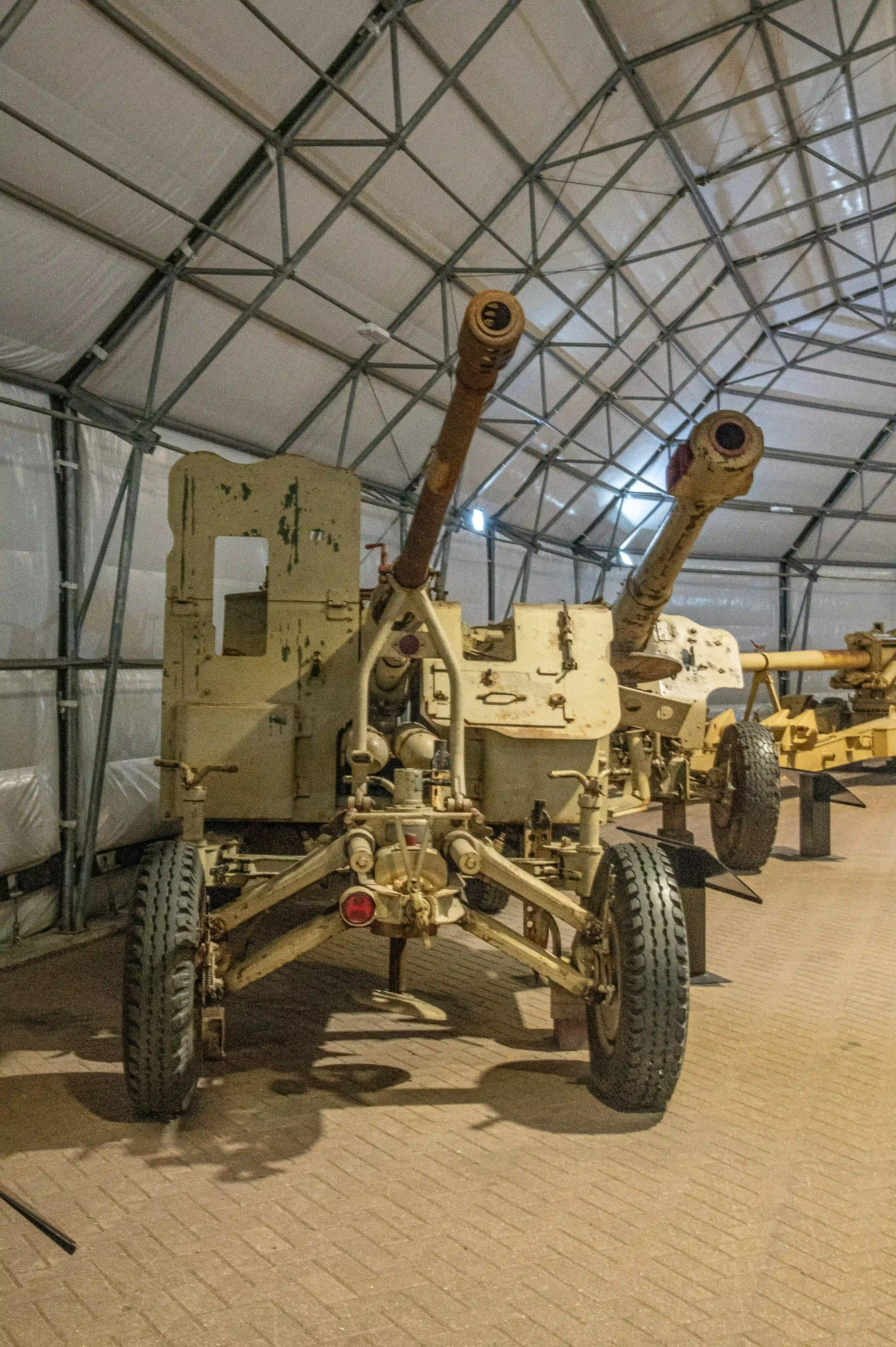
photo by Michael Gaylard,
©www.mgaylard.co.uk.
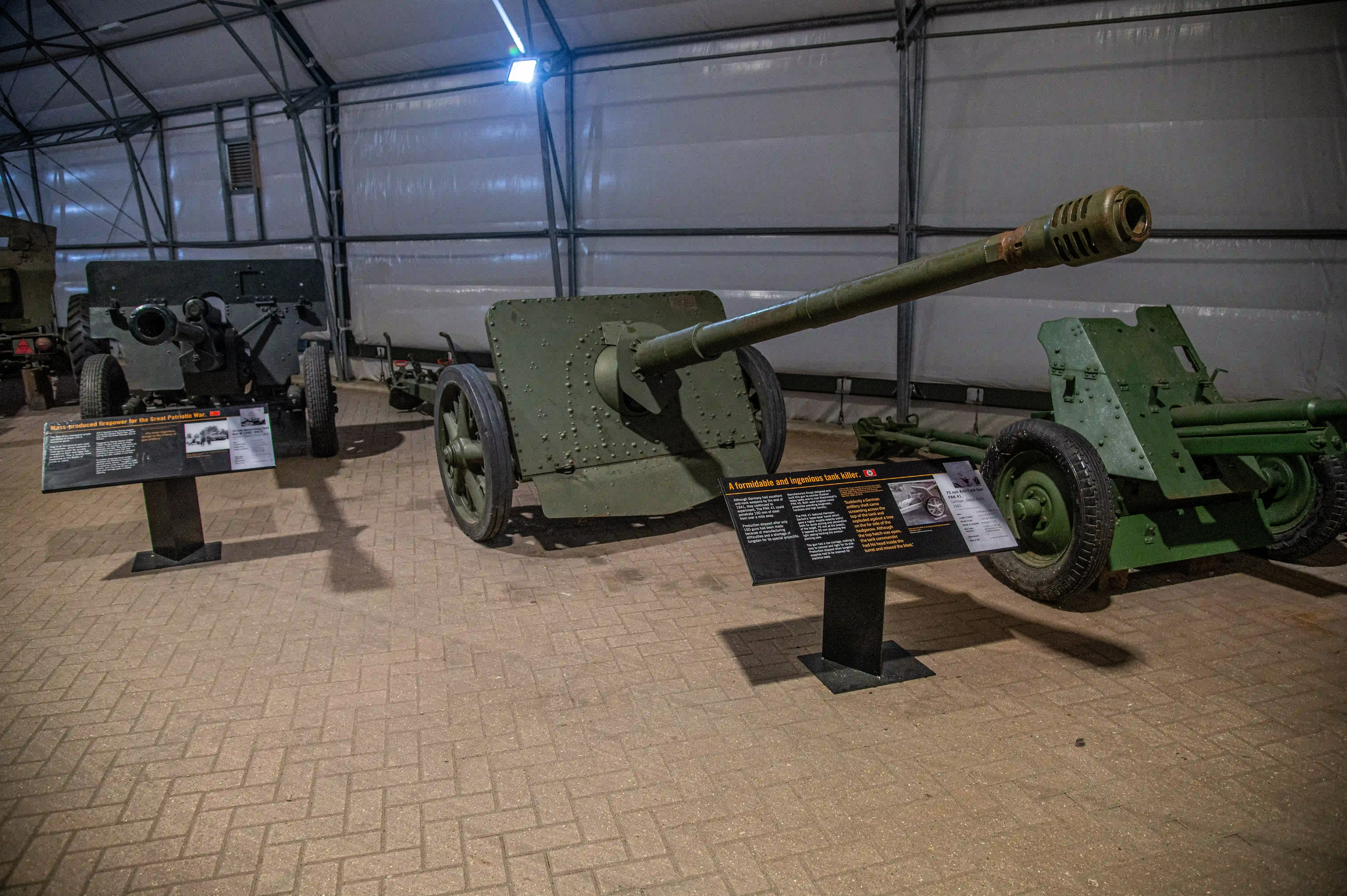
photo by Michael Gaylard,
©www.mgaylard.co.uk.
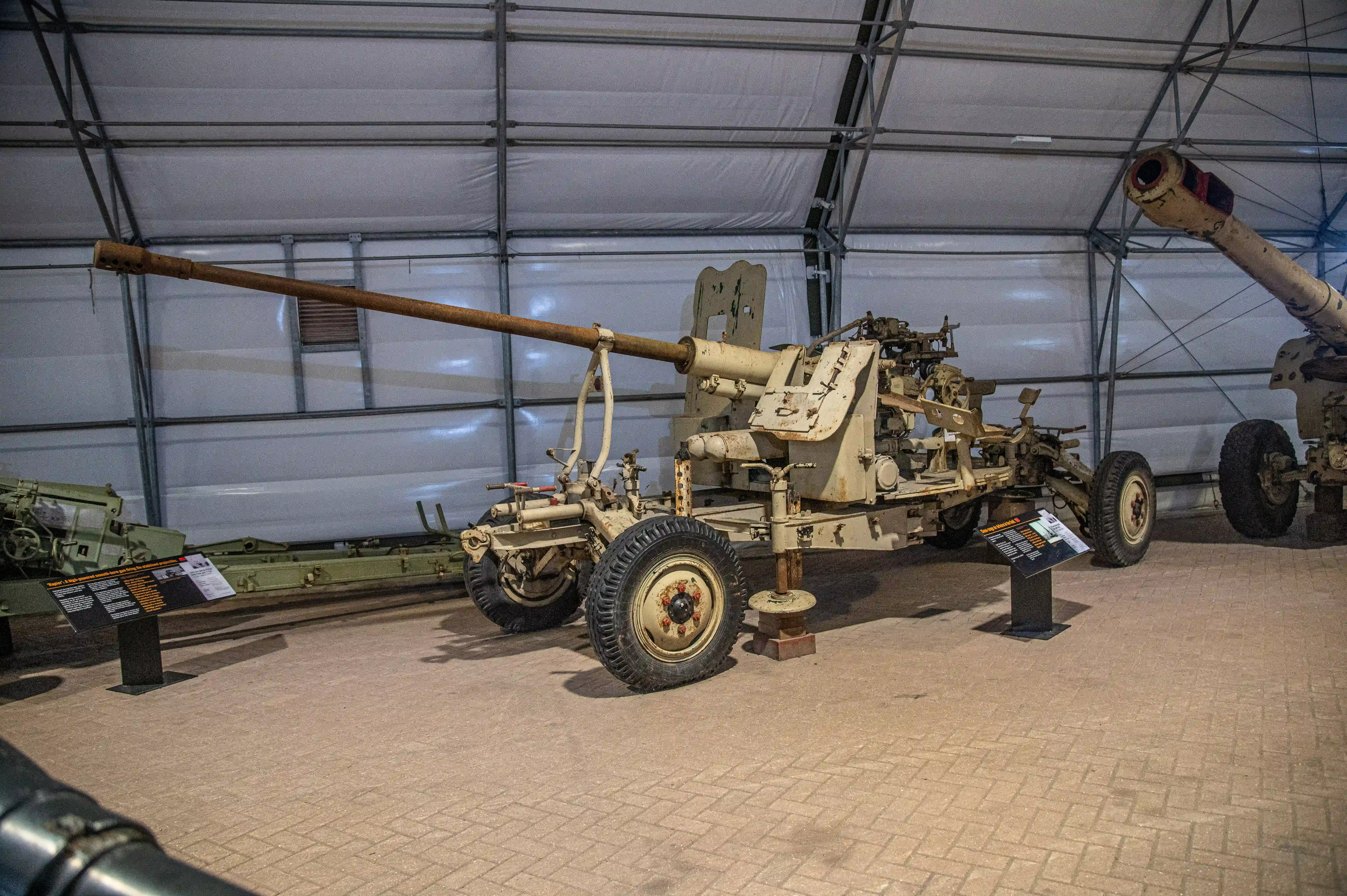
photo by Michael Gaylard,
©www.mgaylard.co.uk.
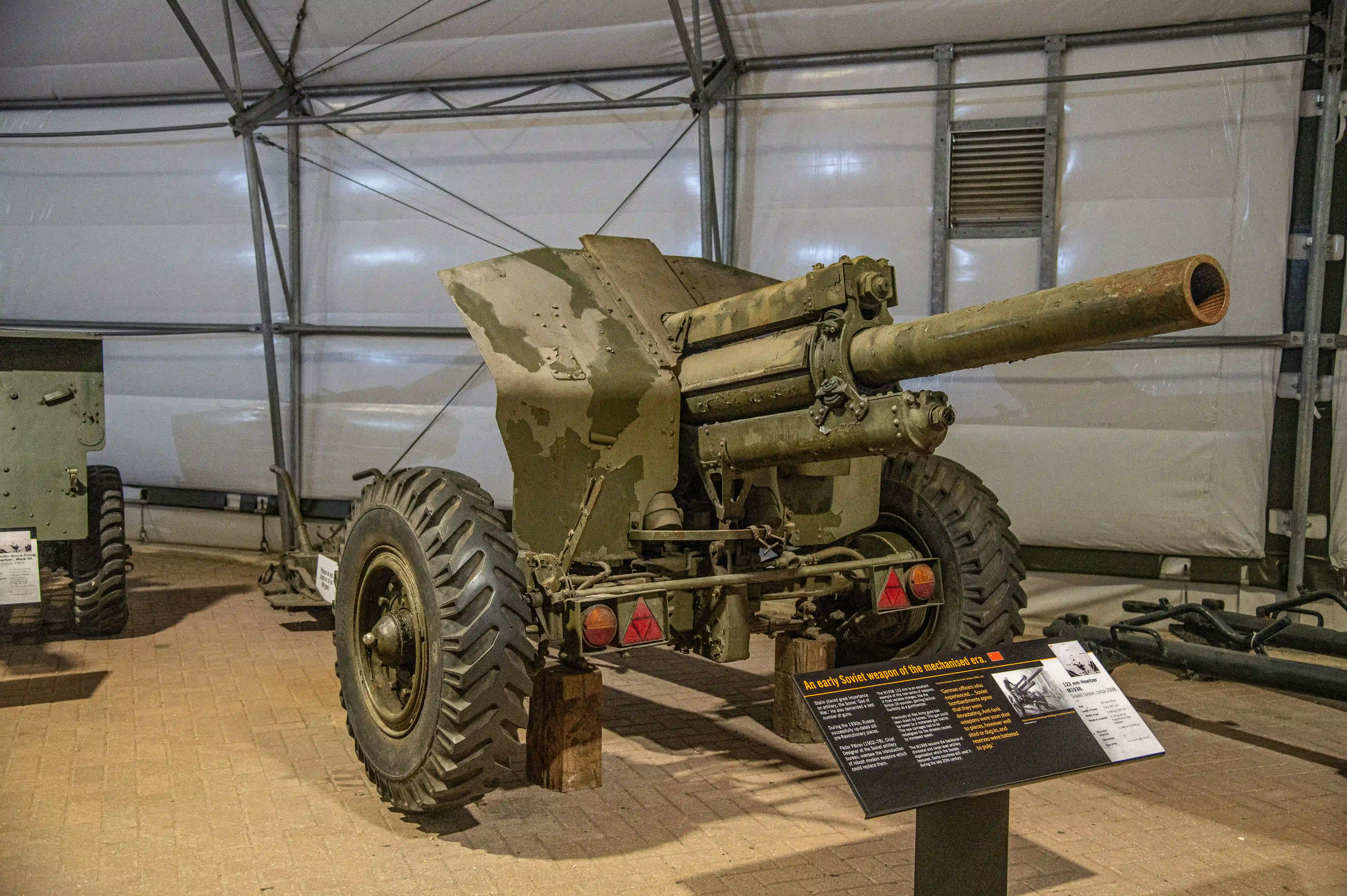
photo by Michael Gaylard,
©www.mgaylard.co.uk.
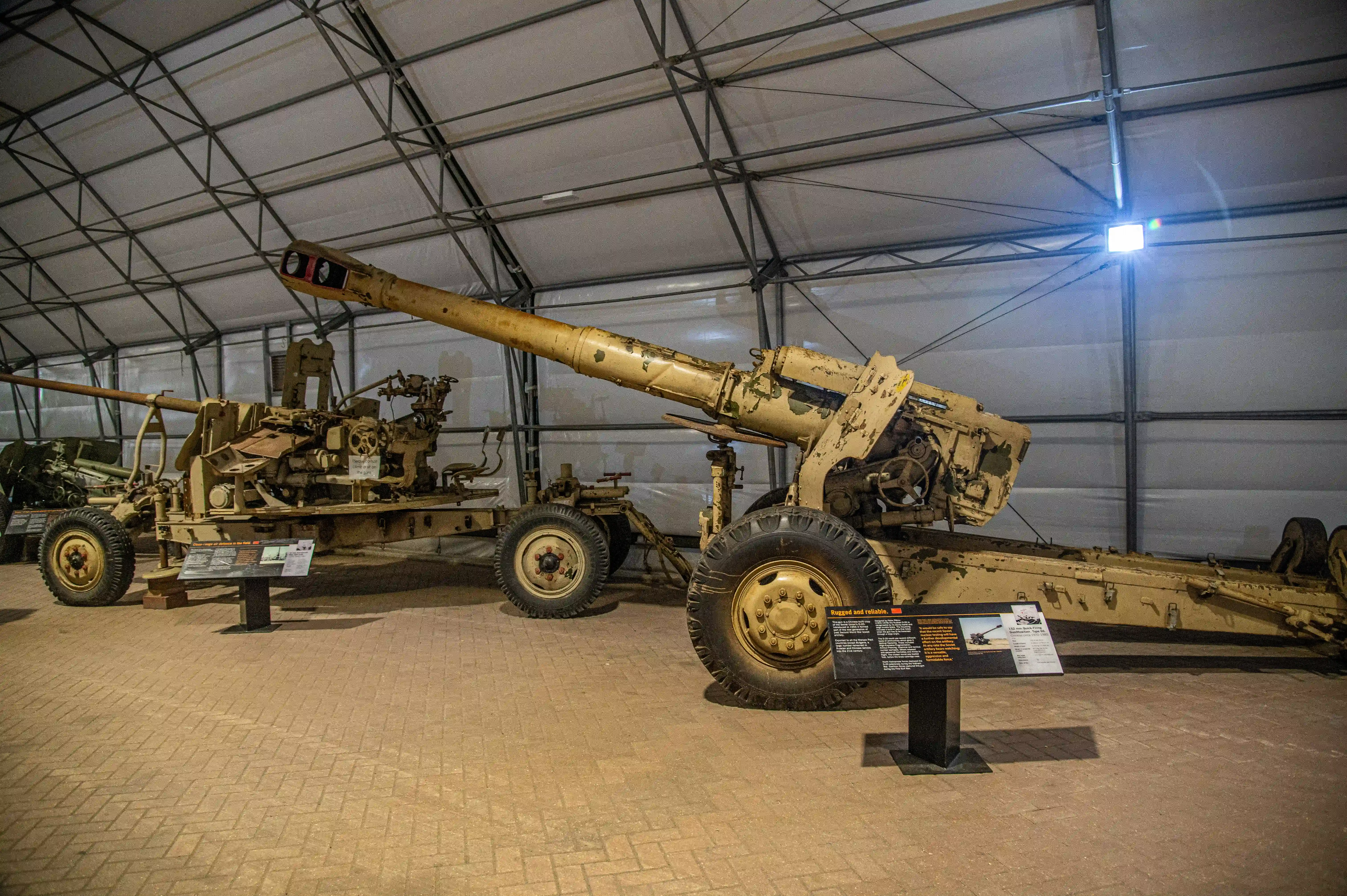
photo by Michael Gaylard,
©www.mgaylard.co.uk.
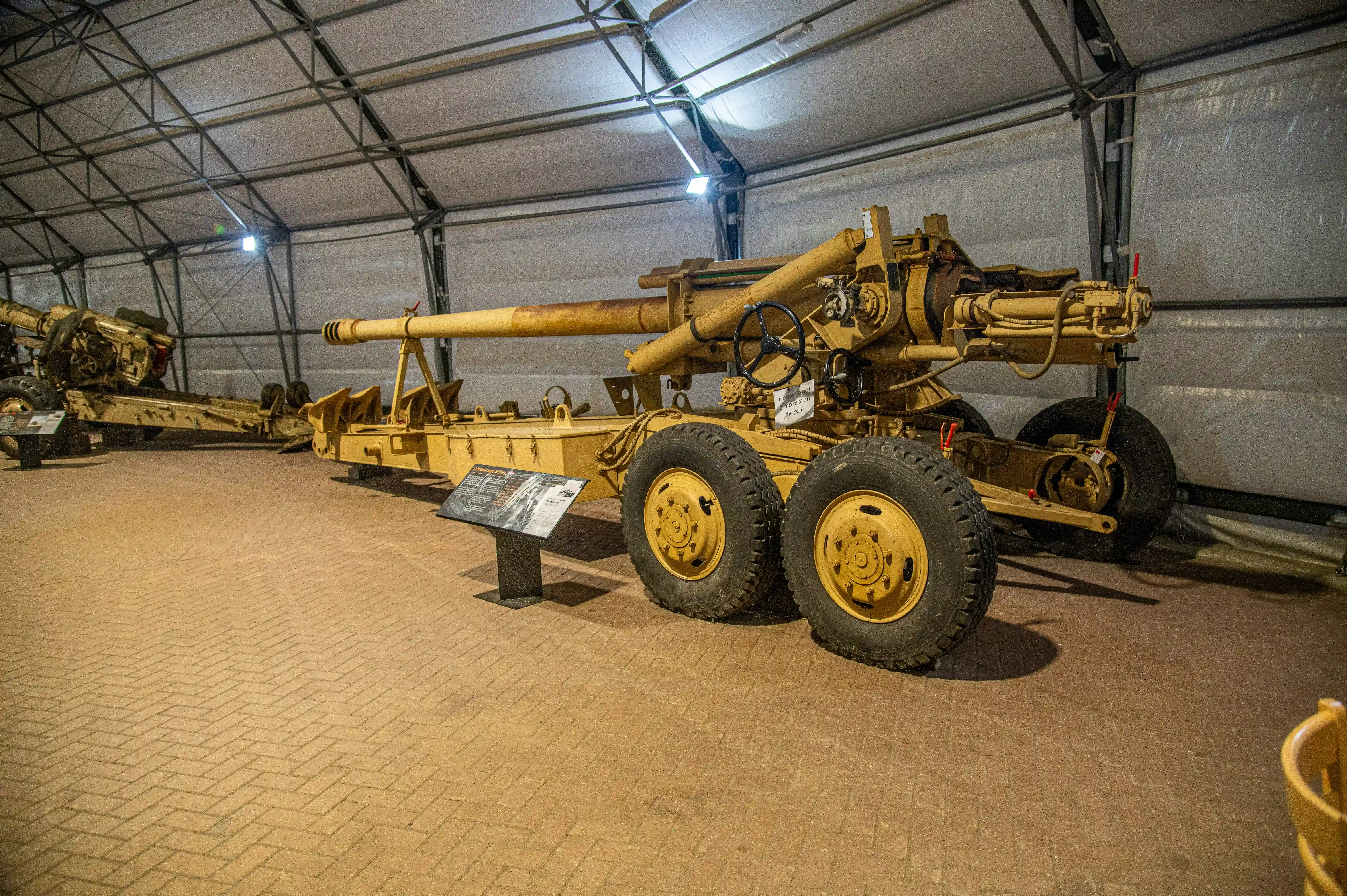
photo by Michael Gaylard,
©www.mgaylard.co.uk.
Open the full set
 Share this page
Share this page