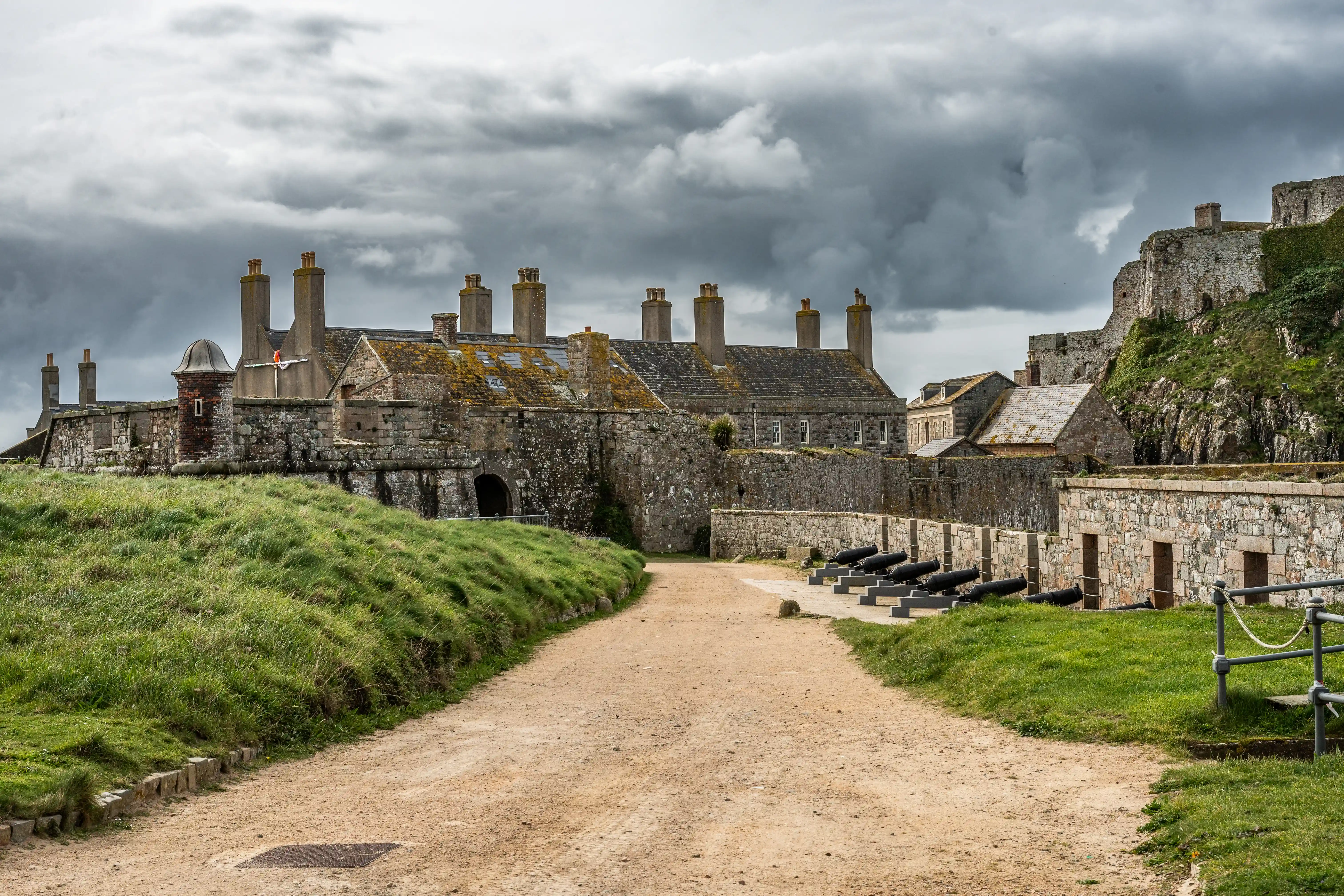
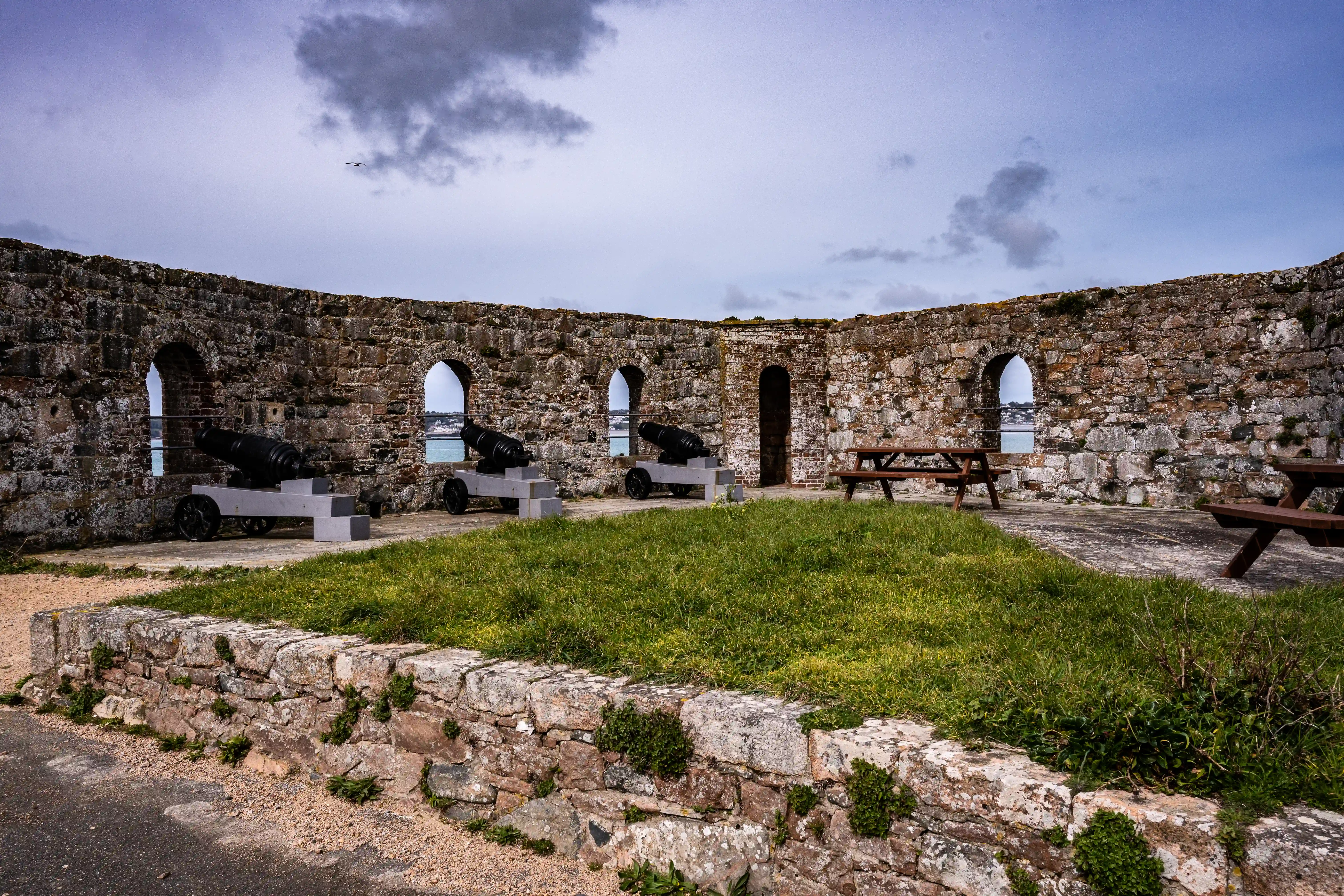
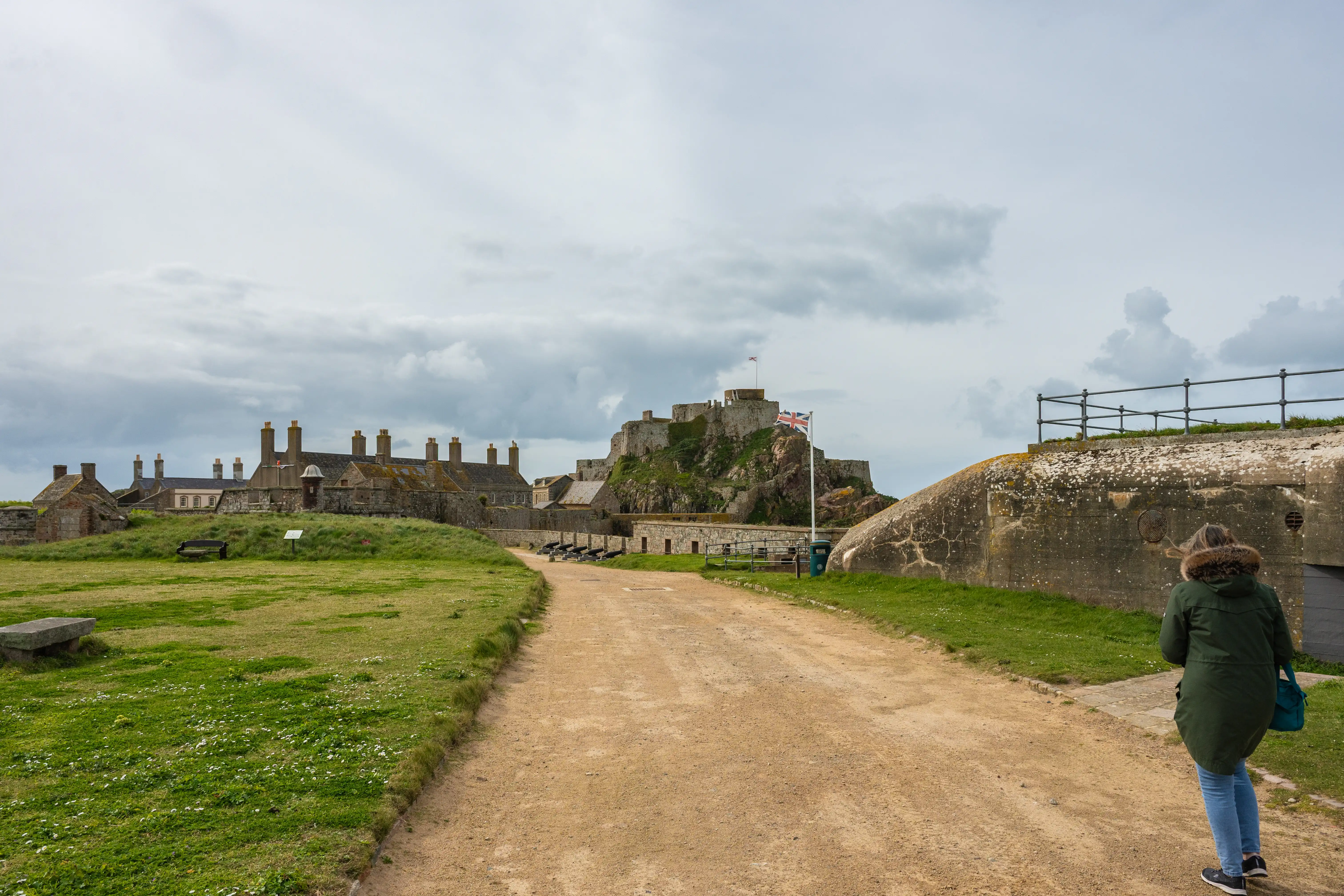
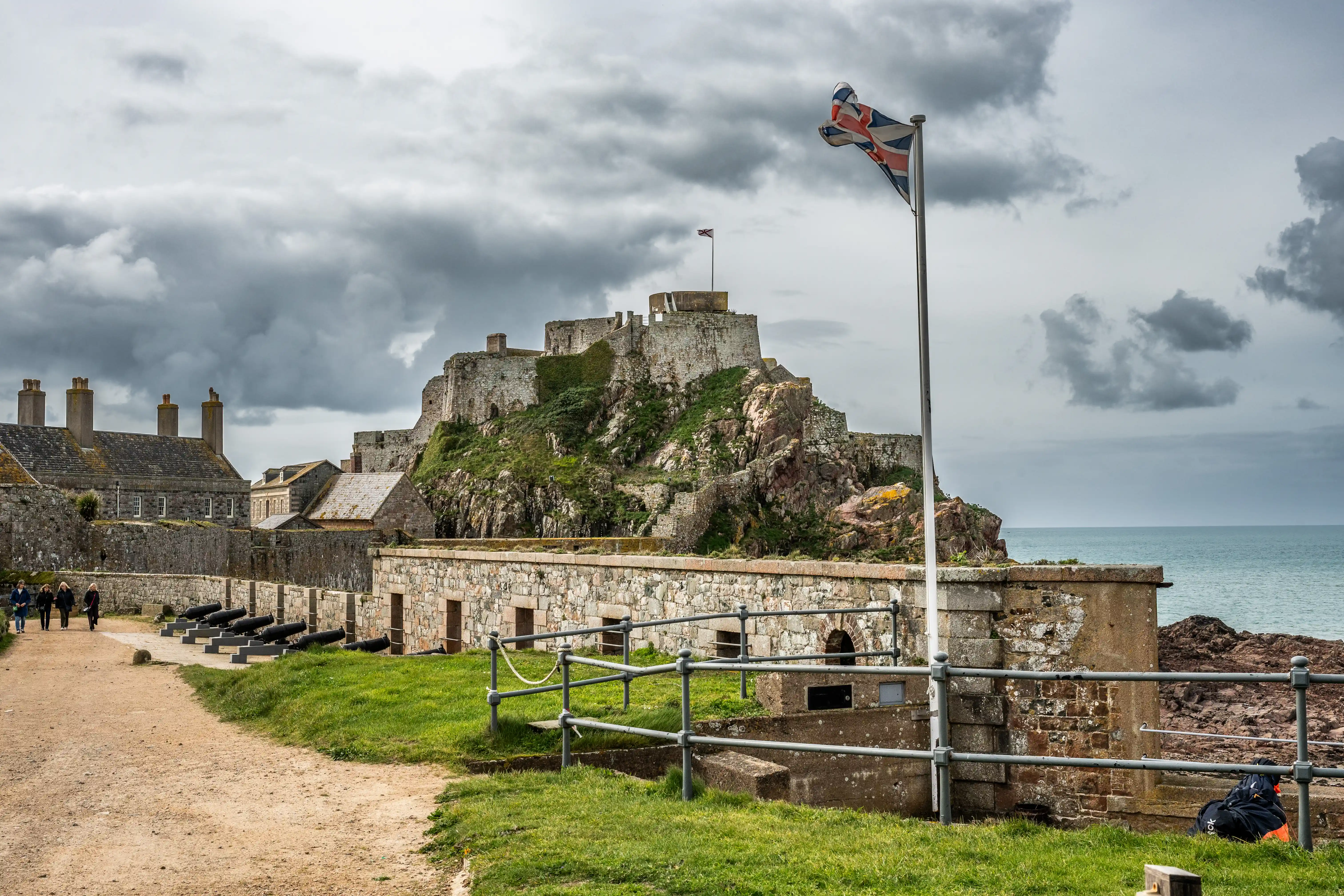
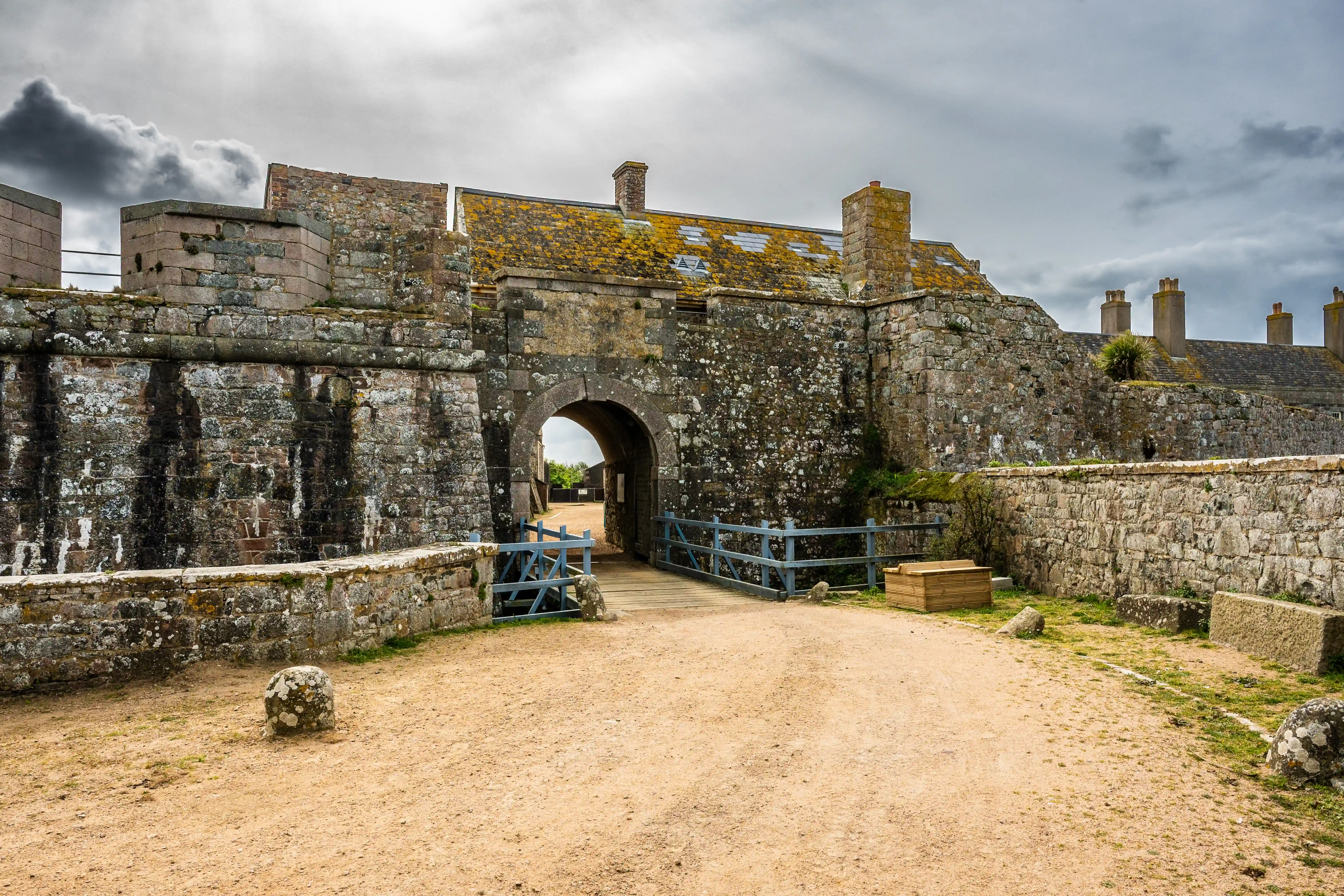
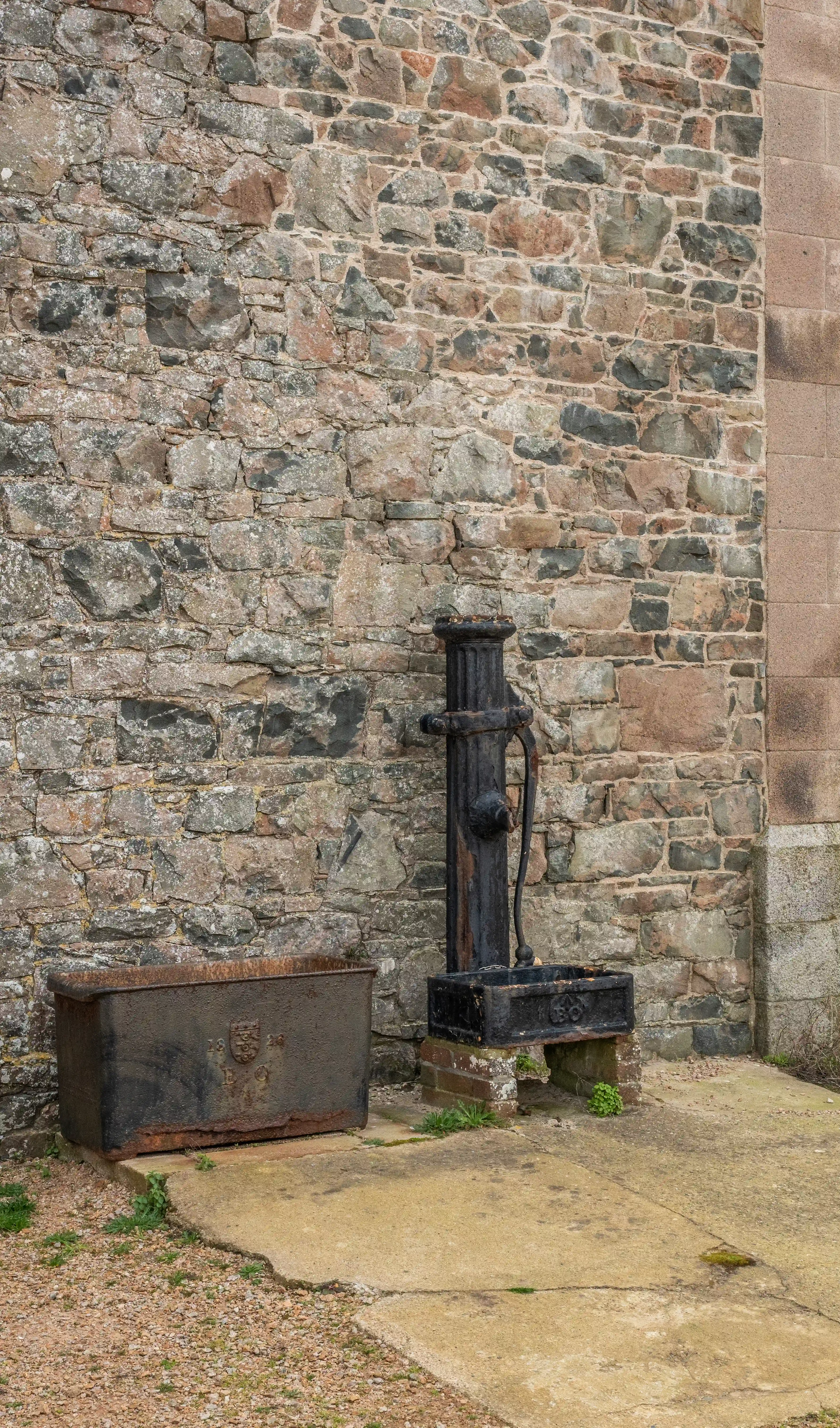
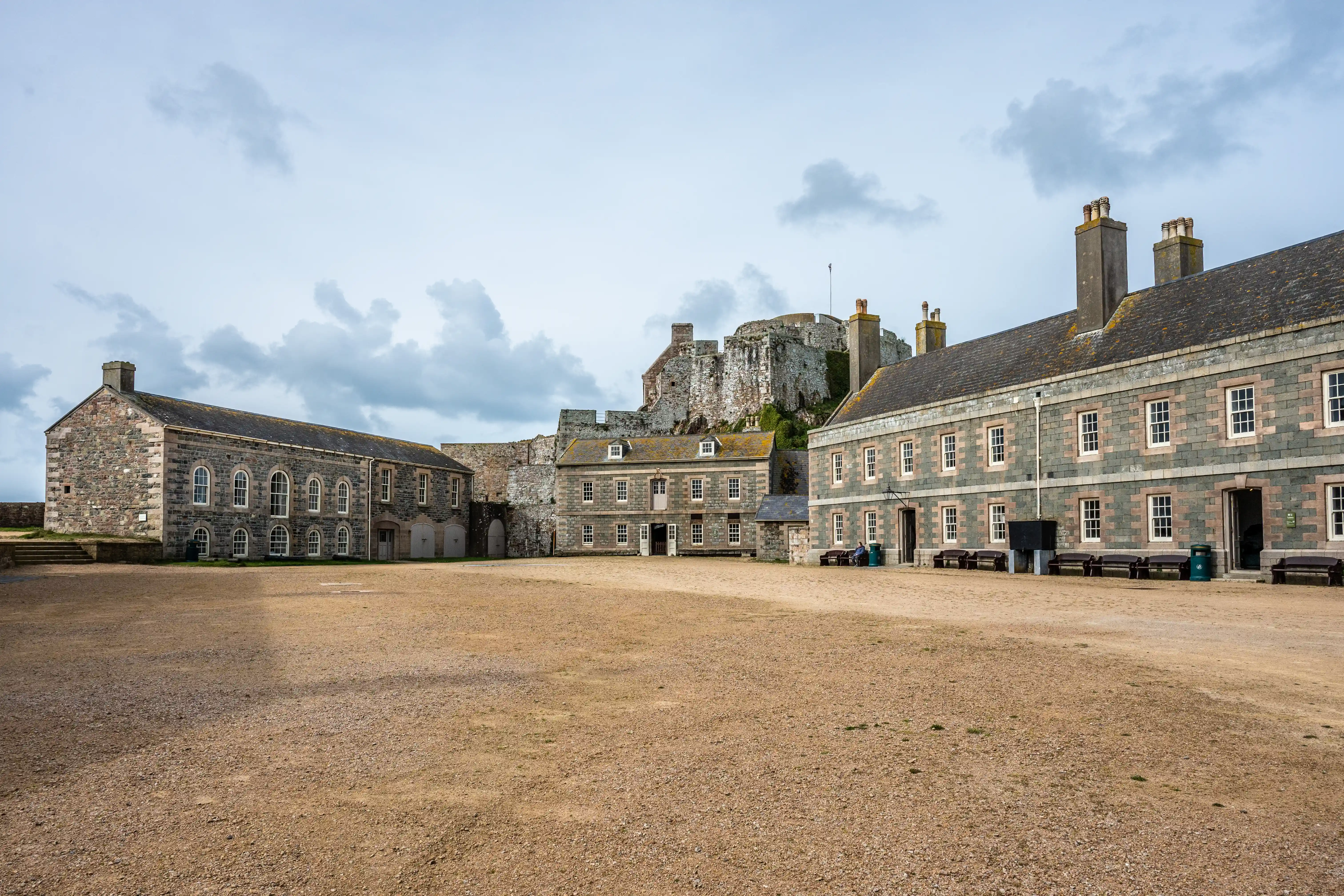


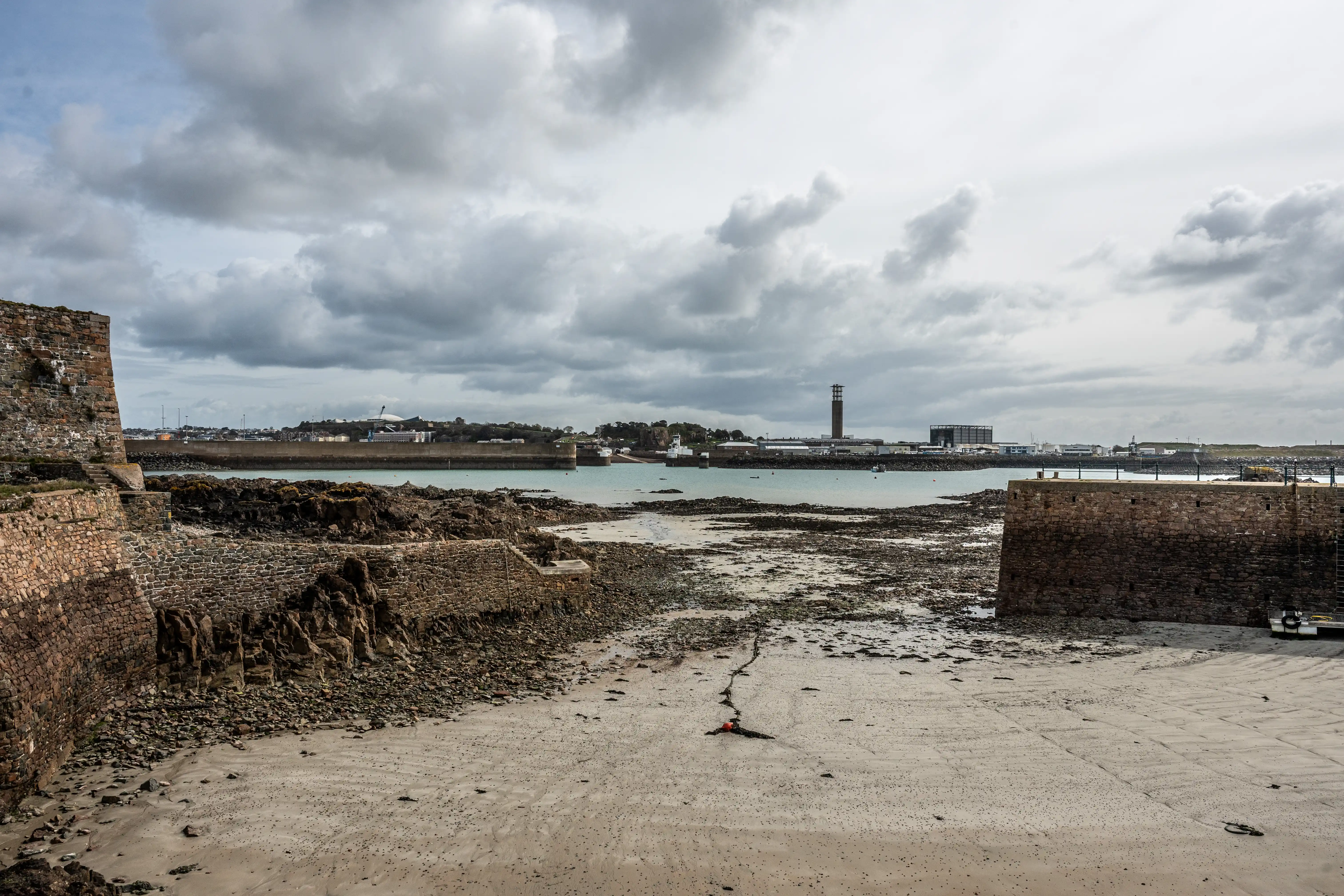
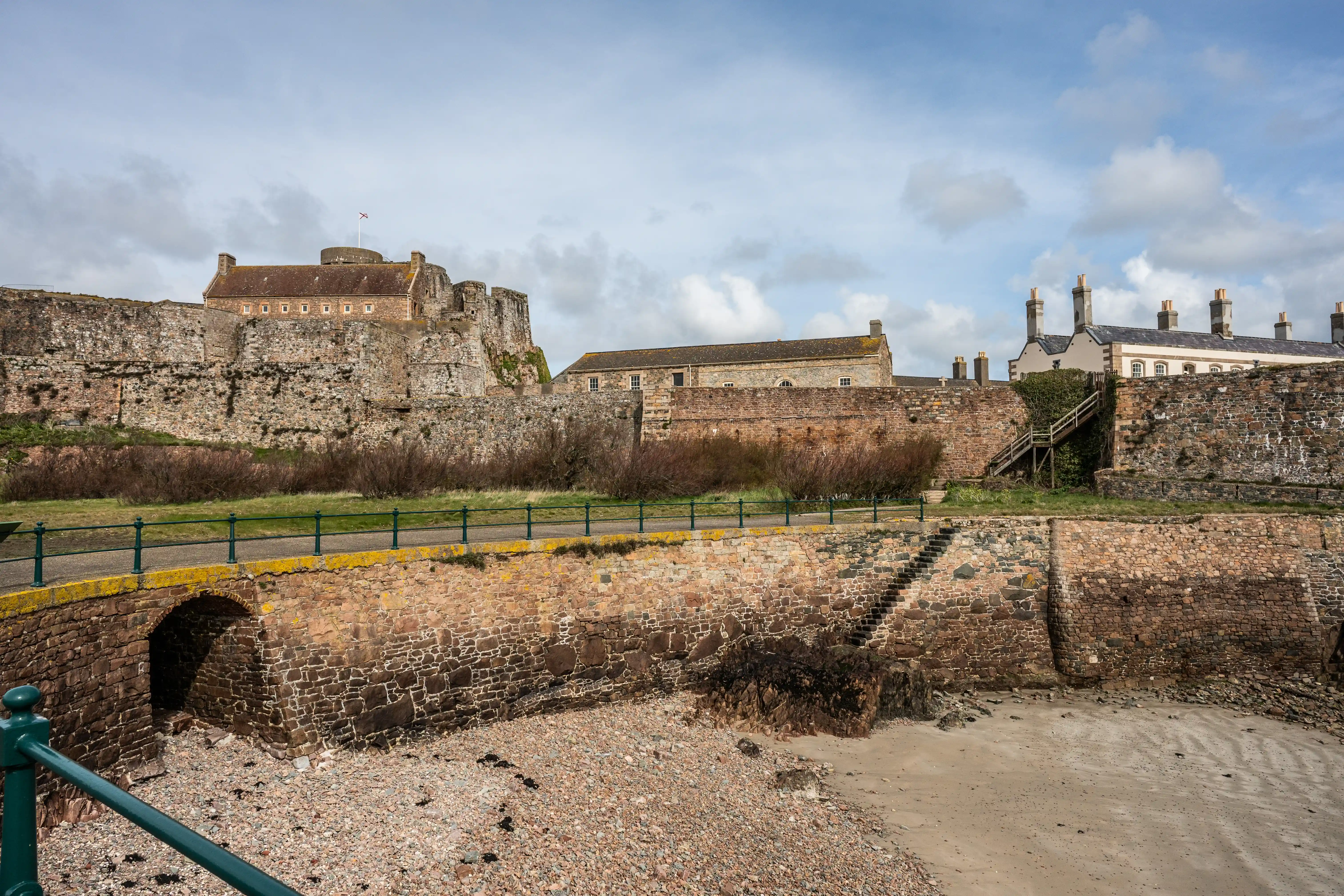
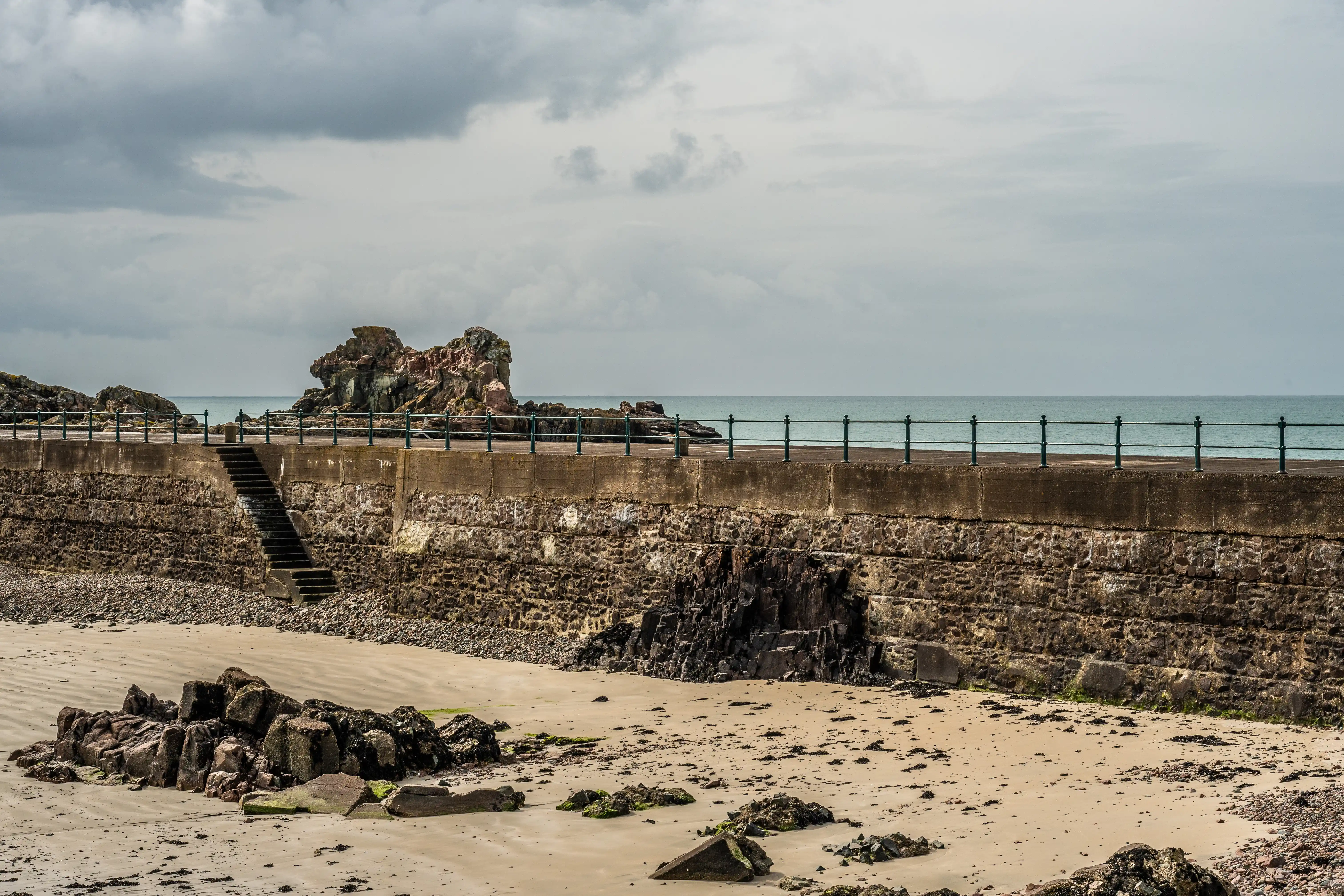

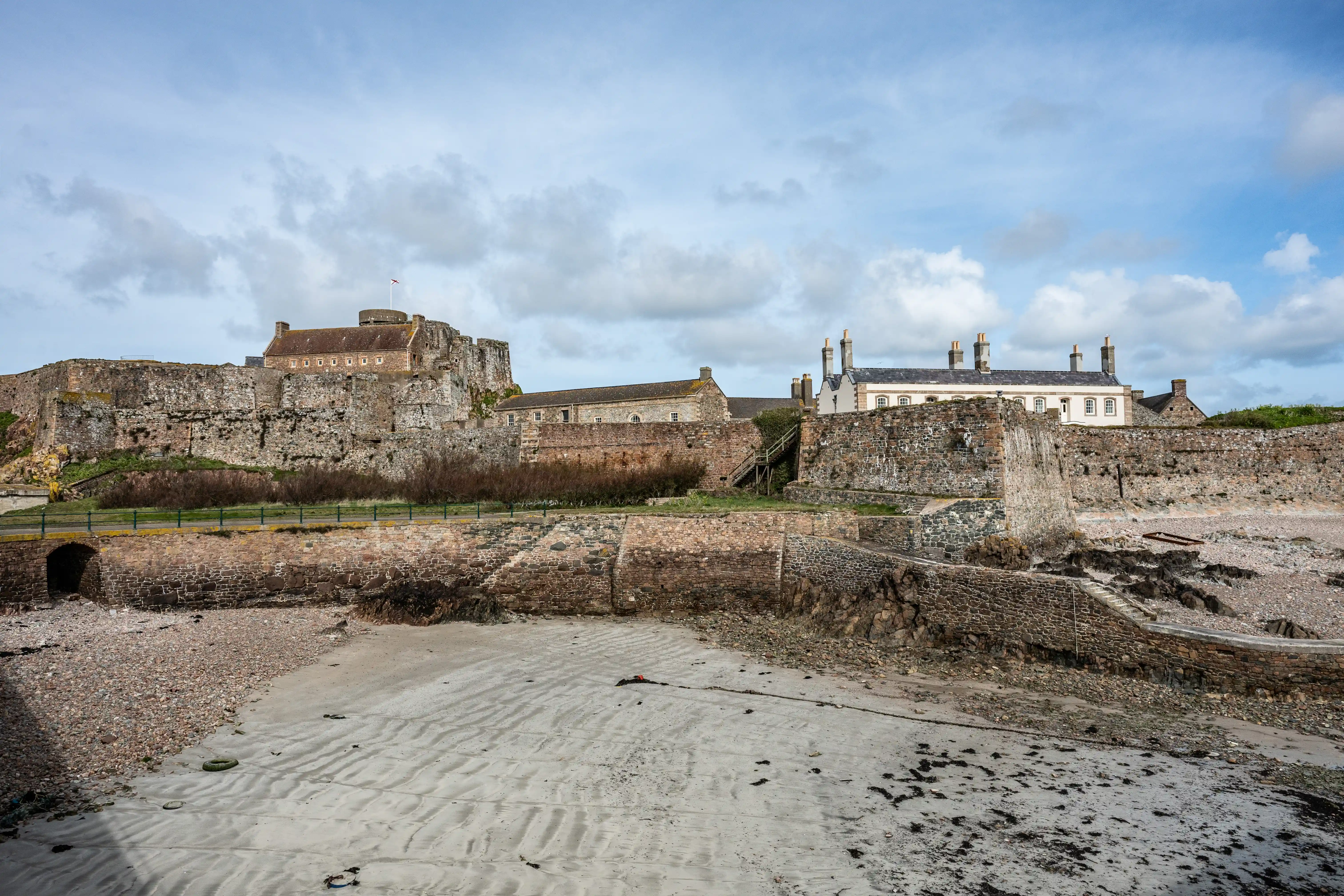
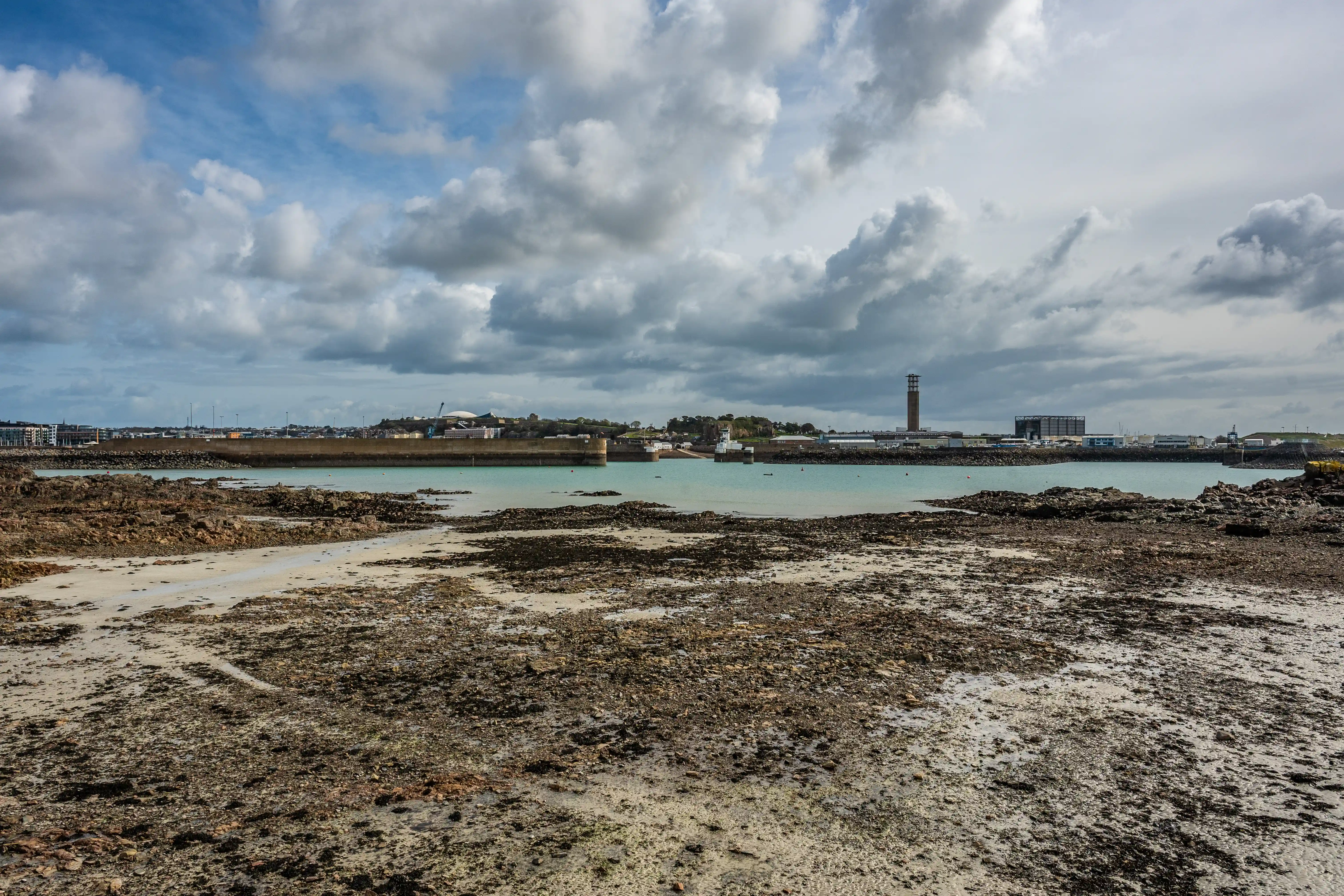
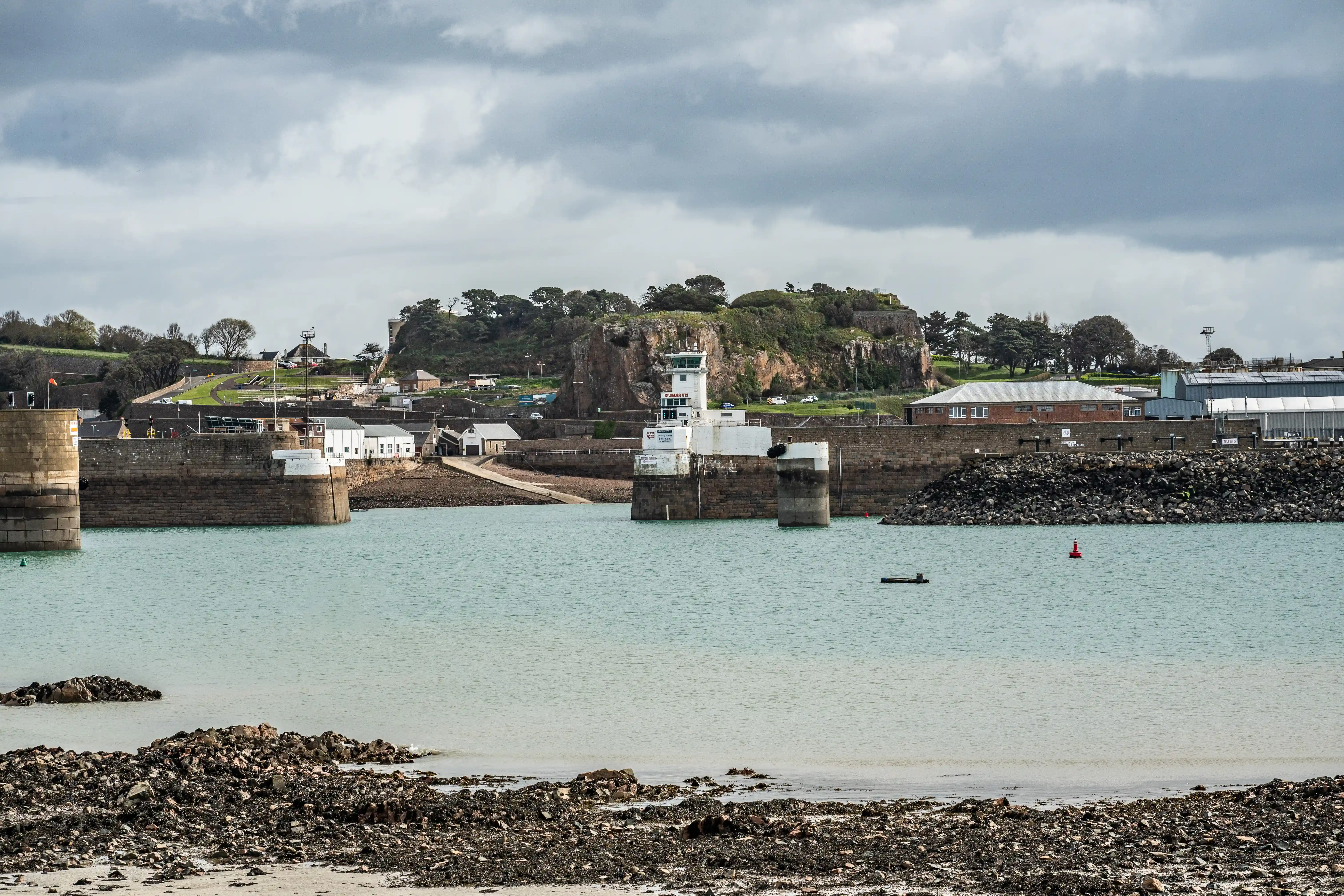


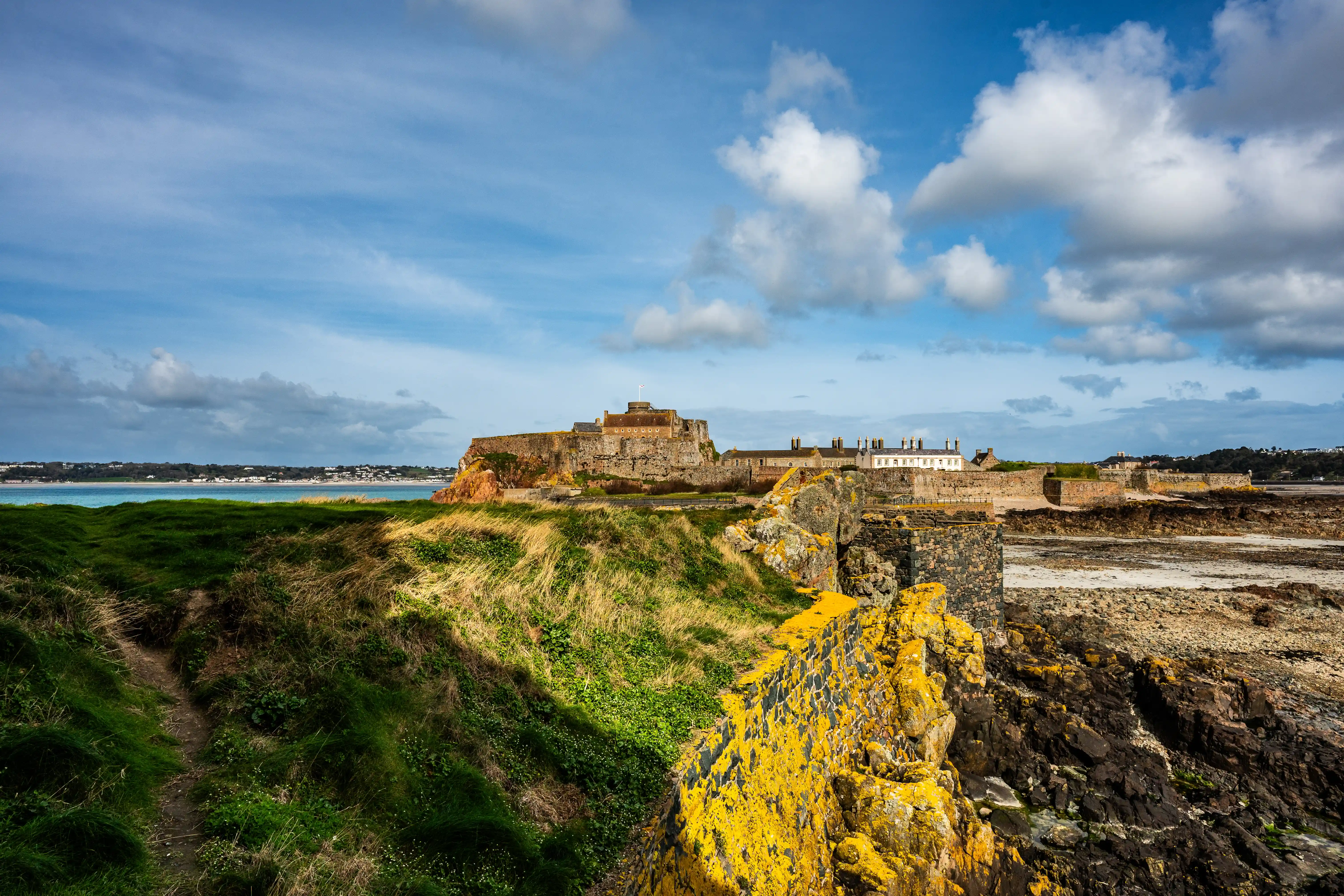

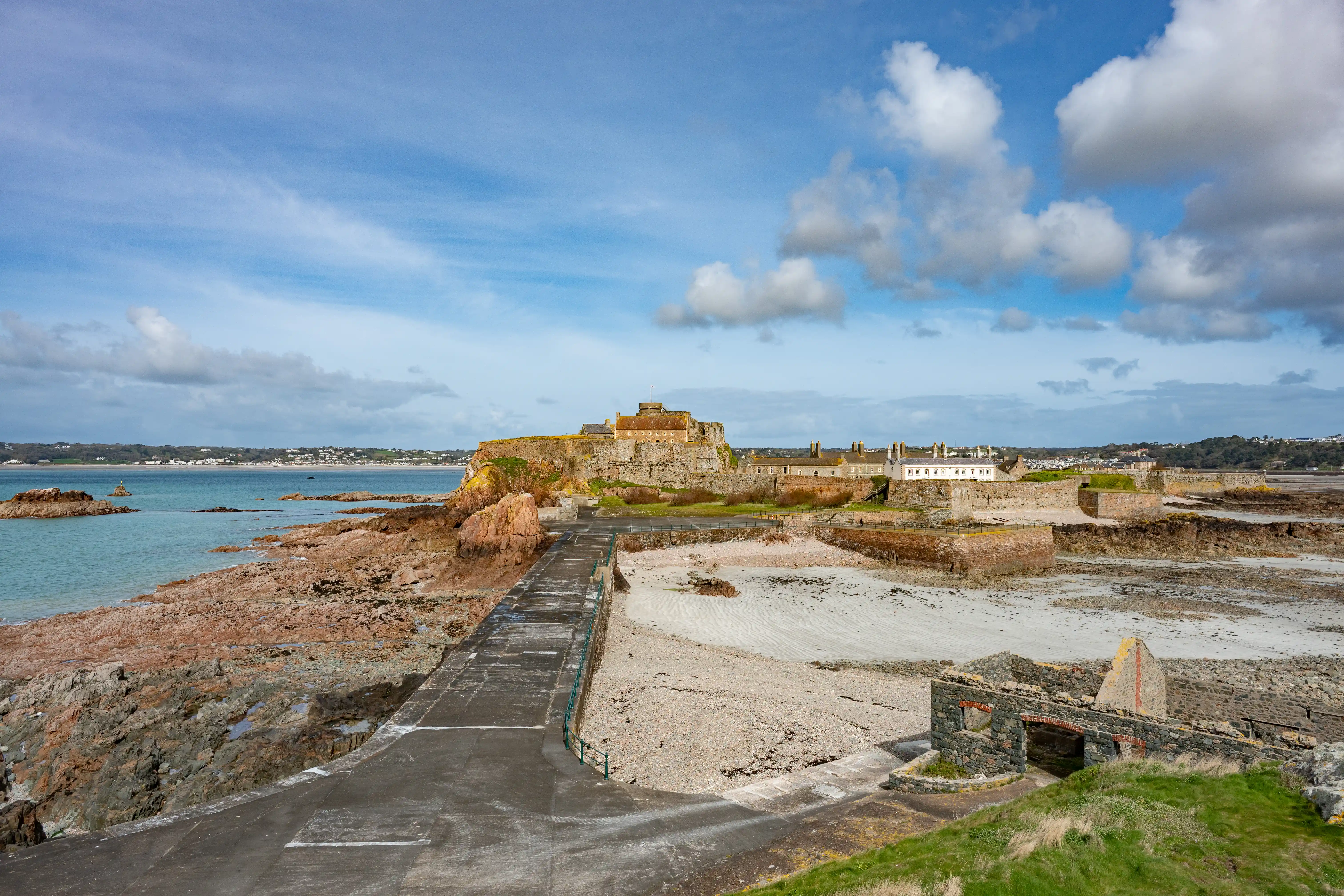
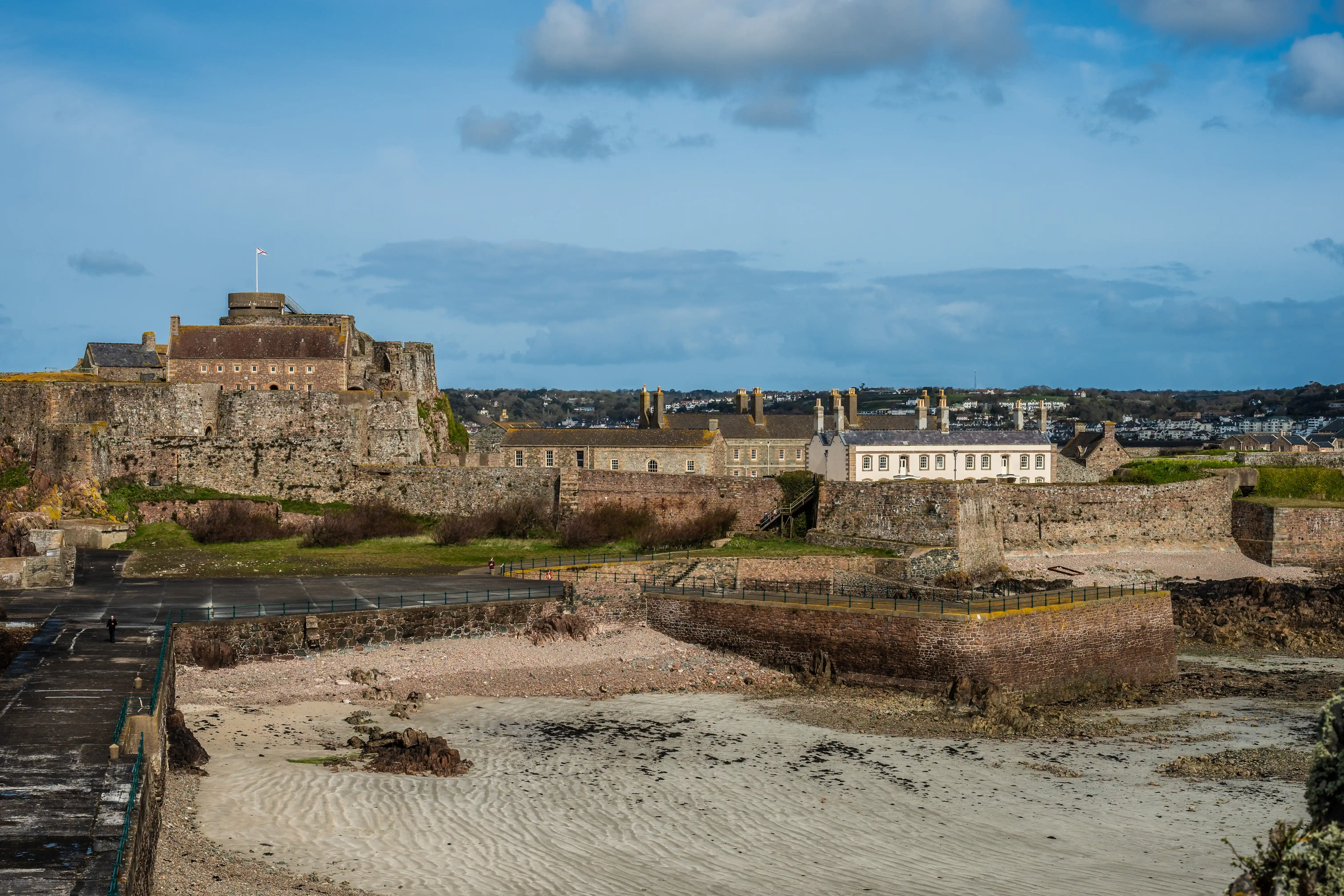
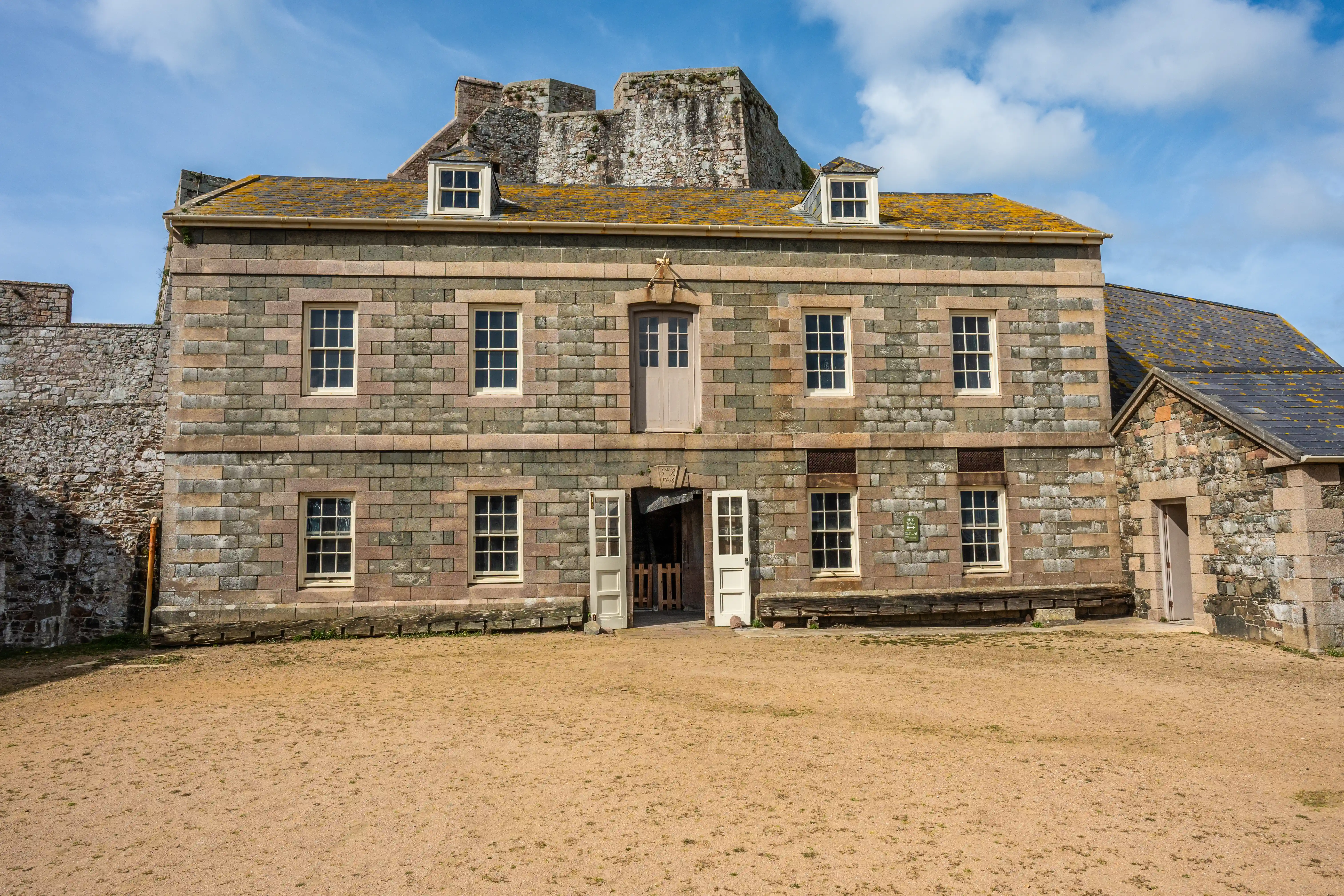
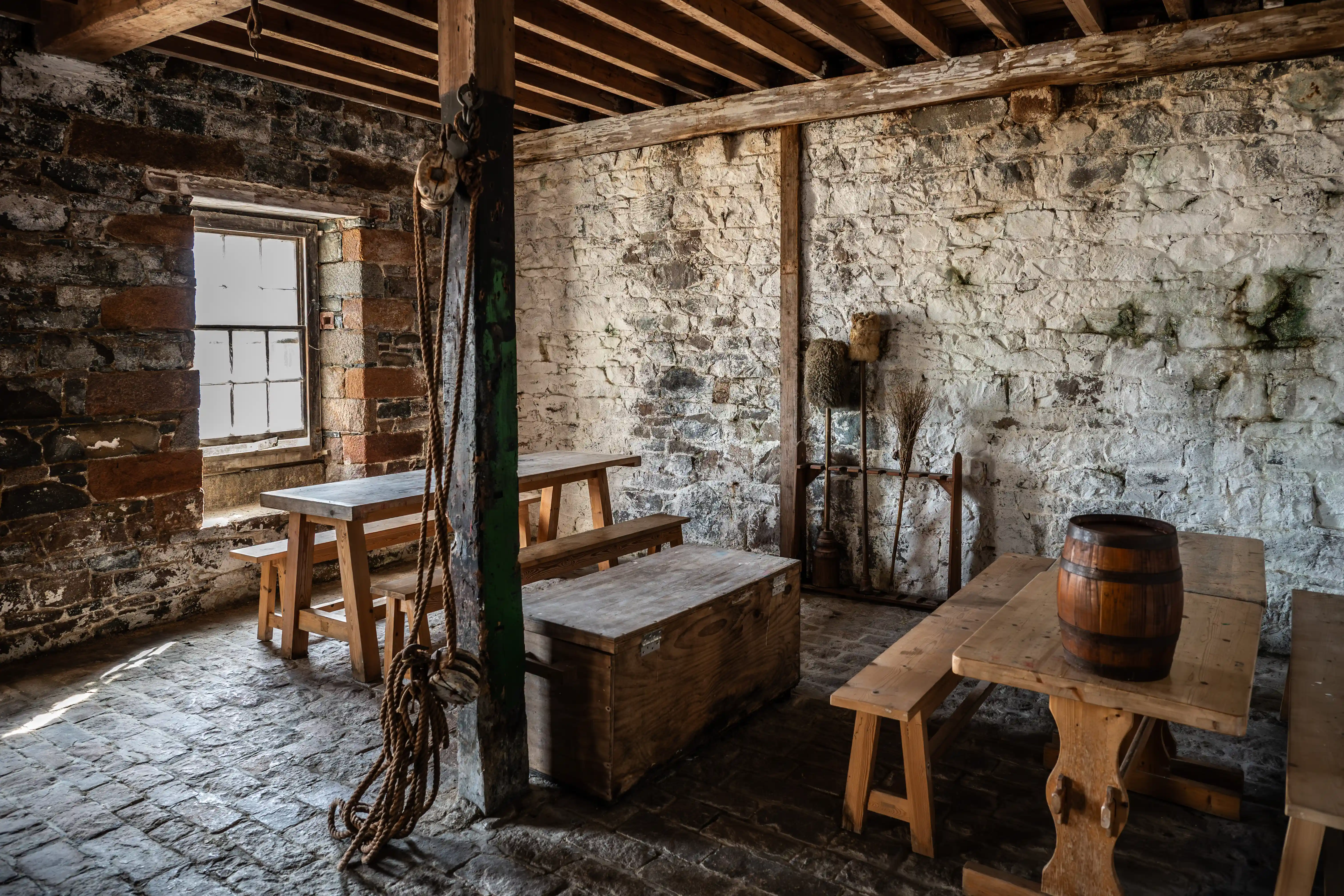
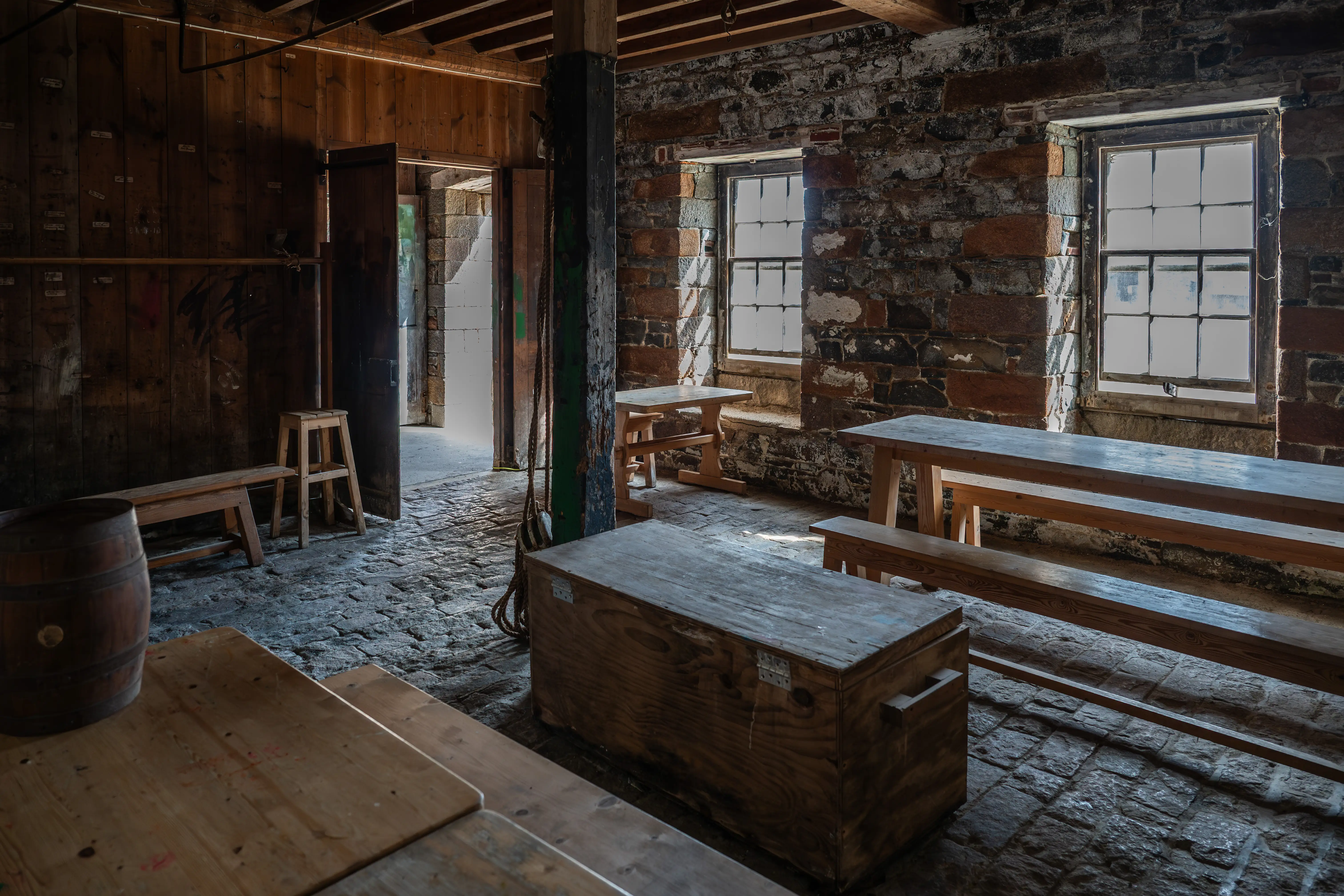
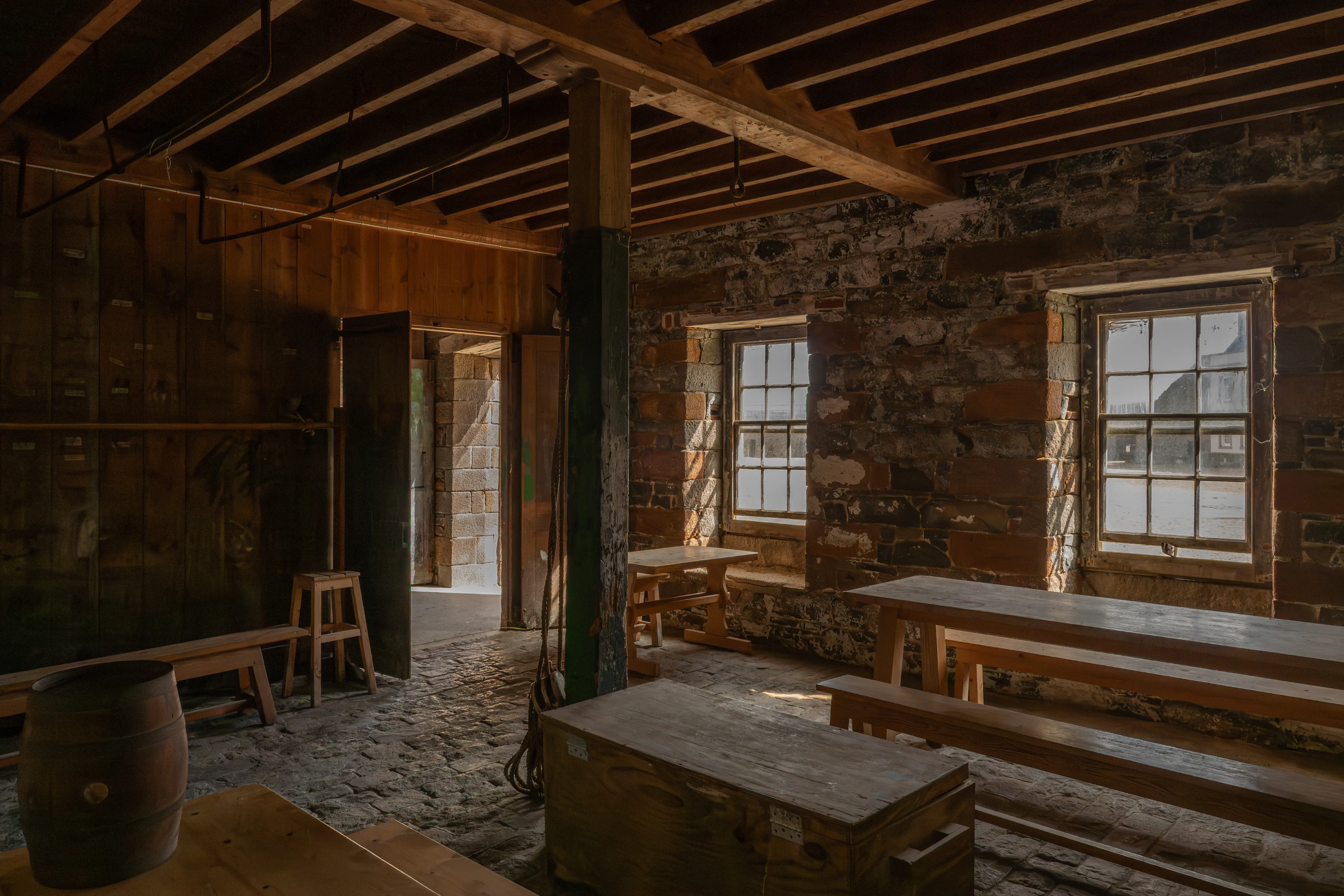
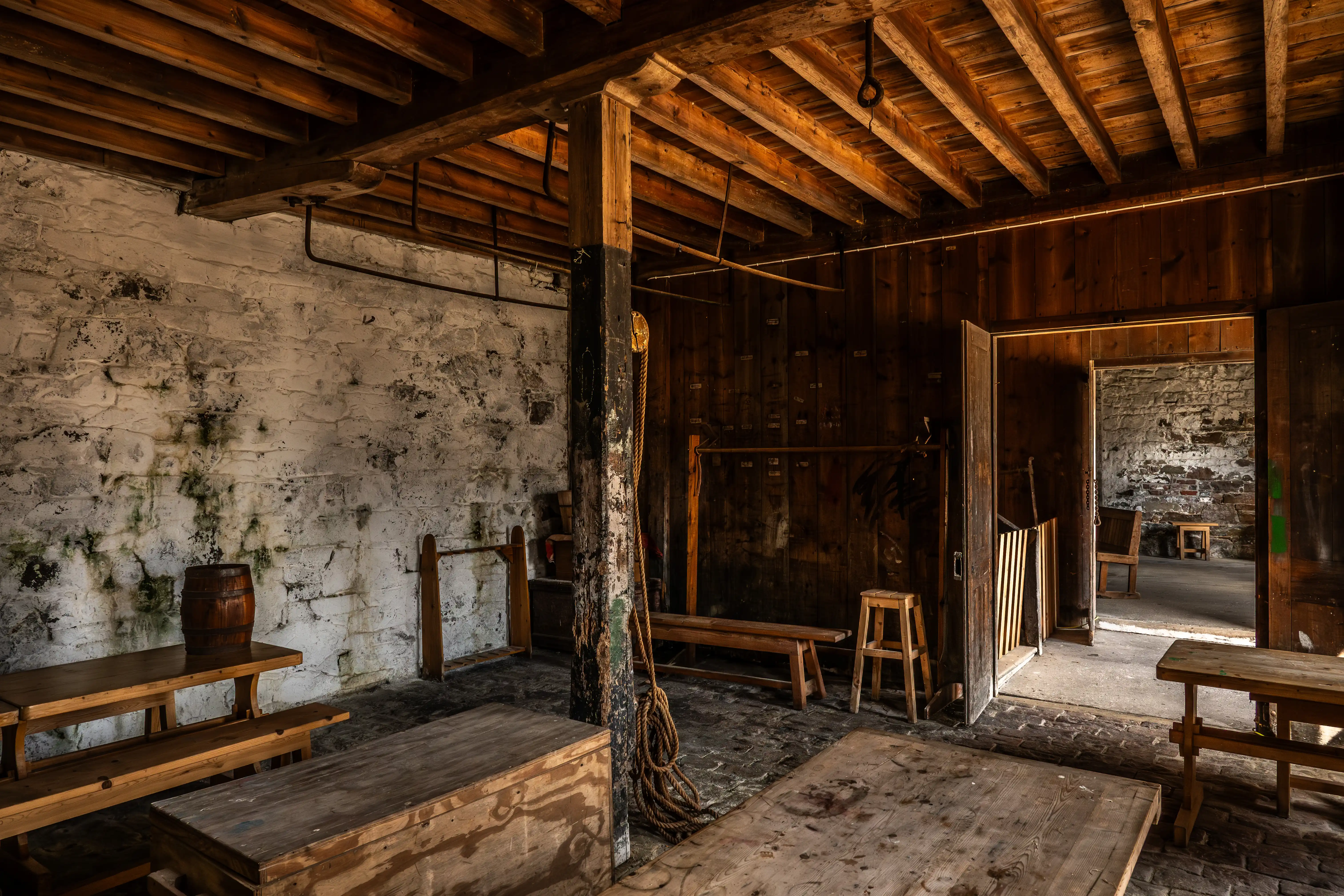
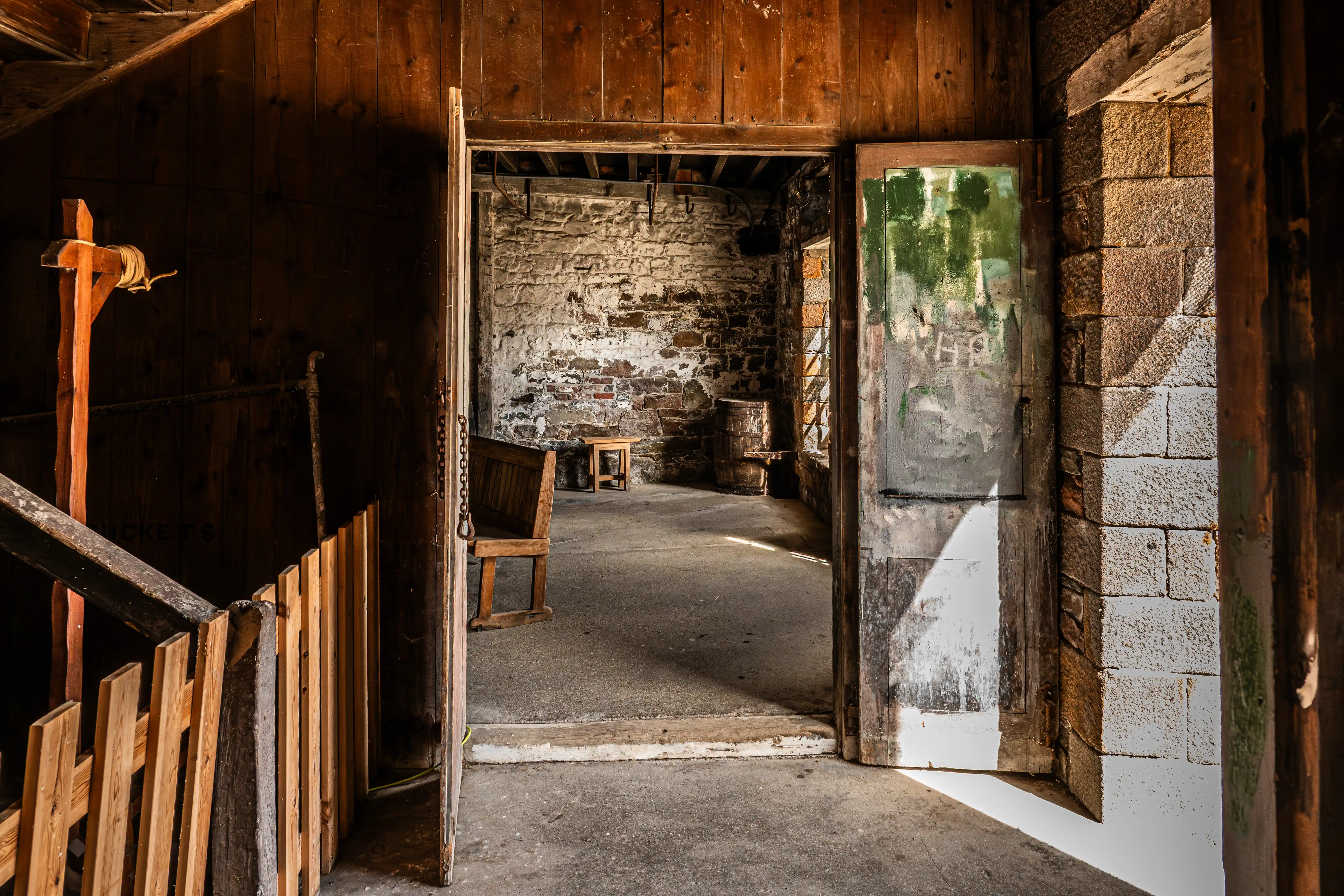




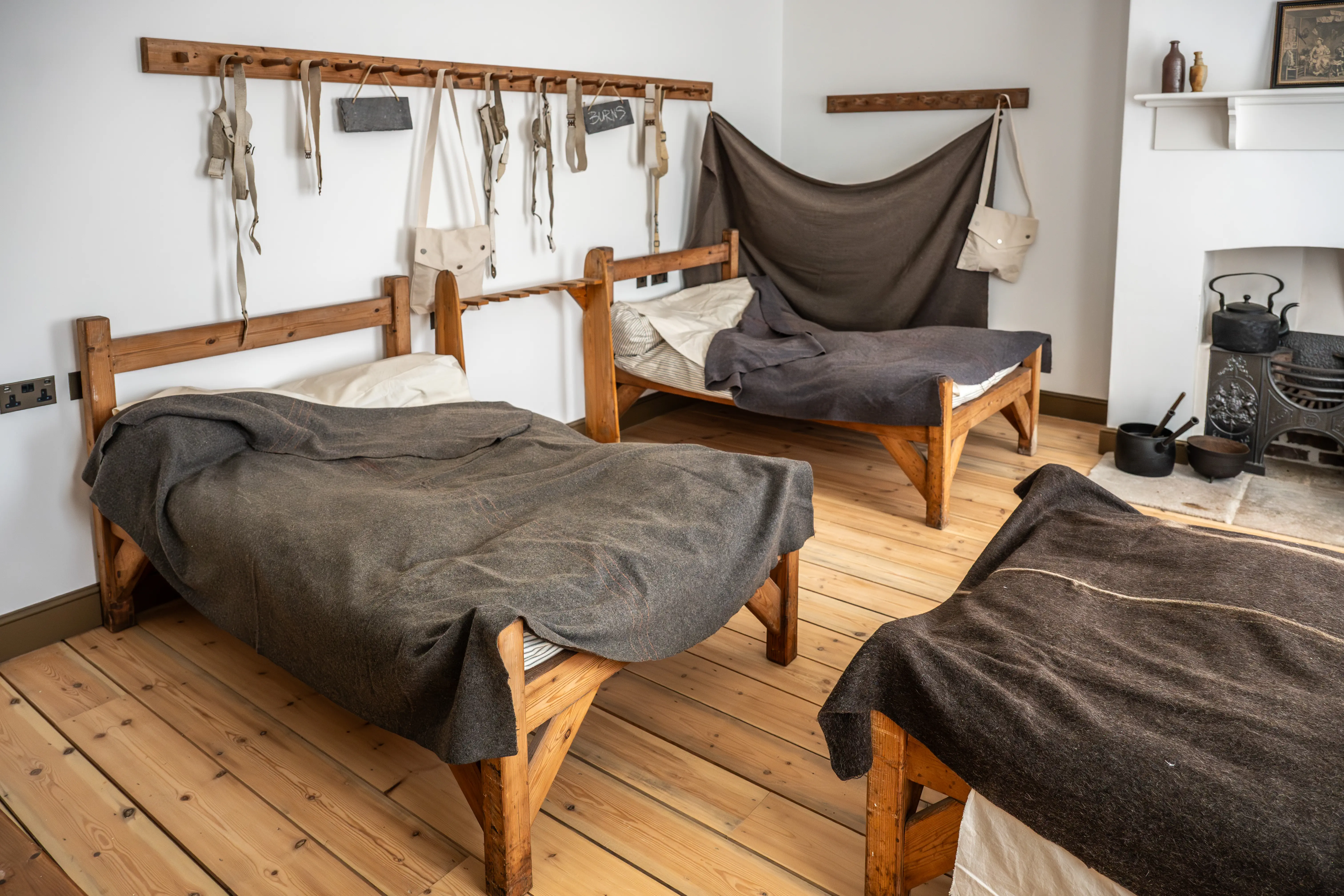
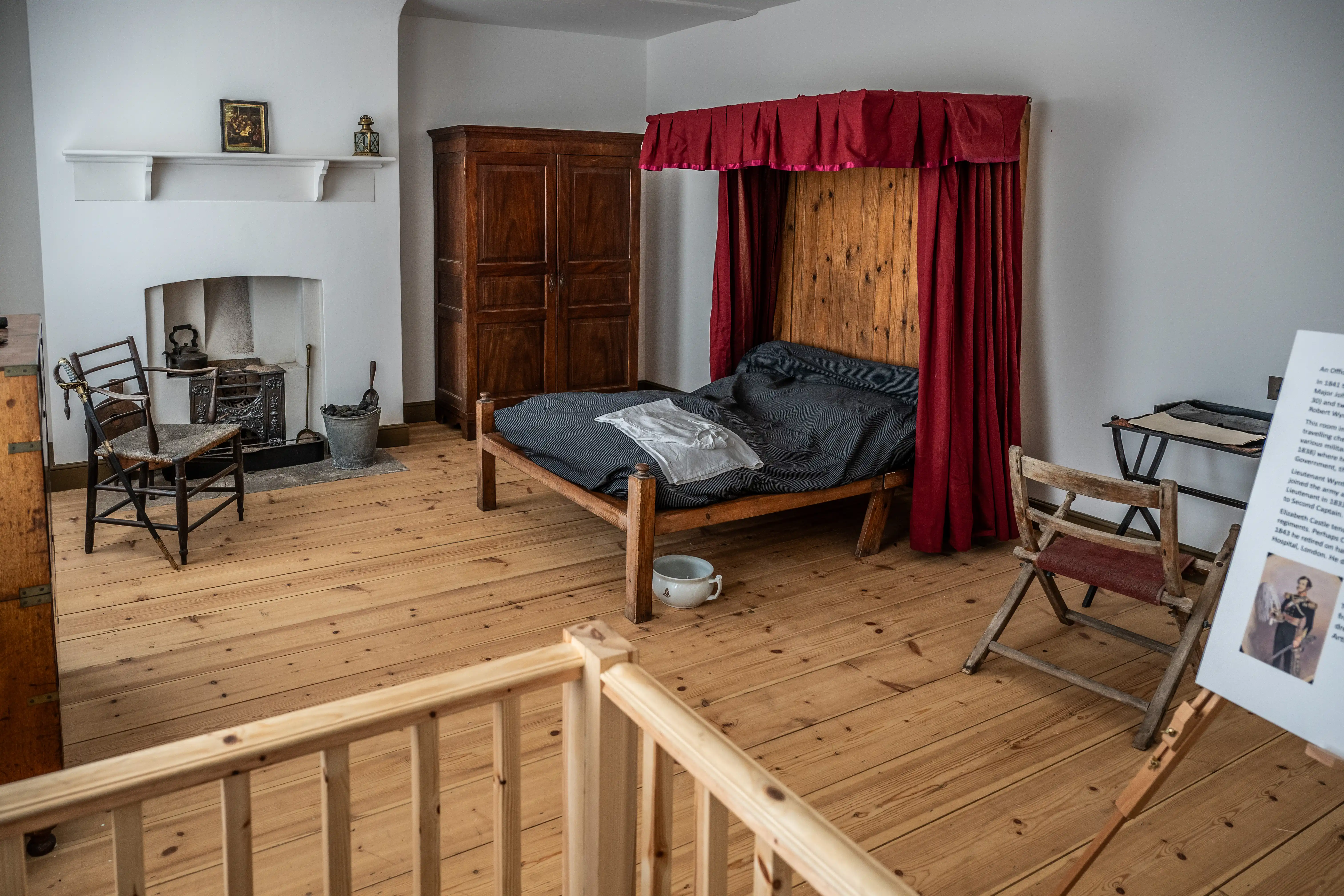
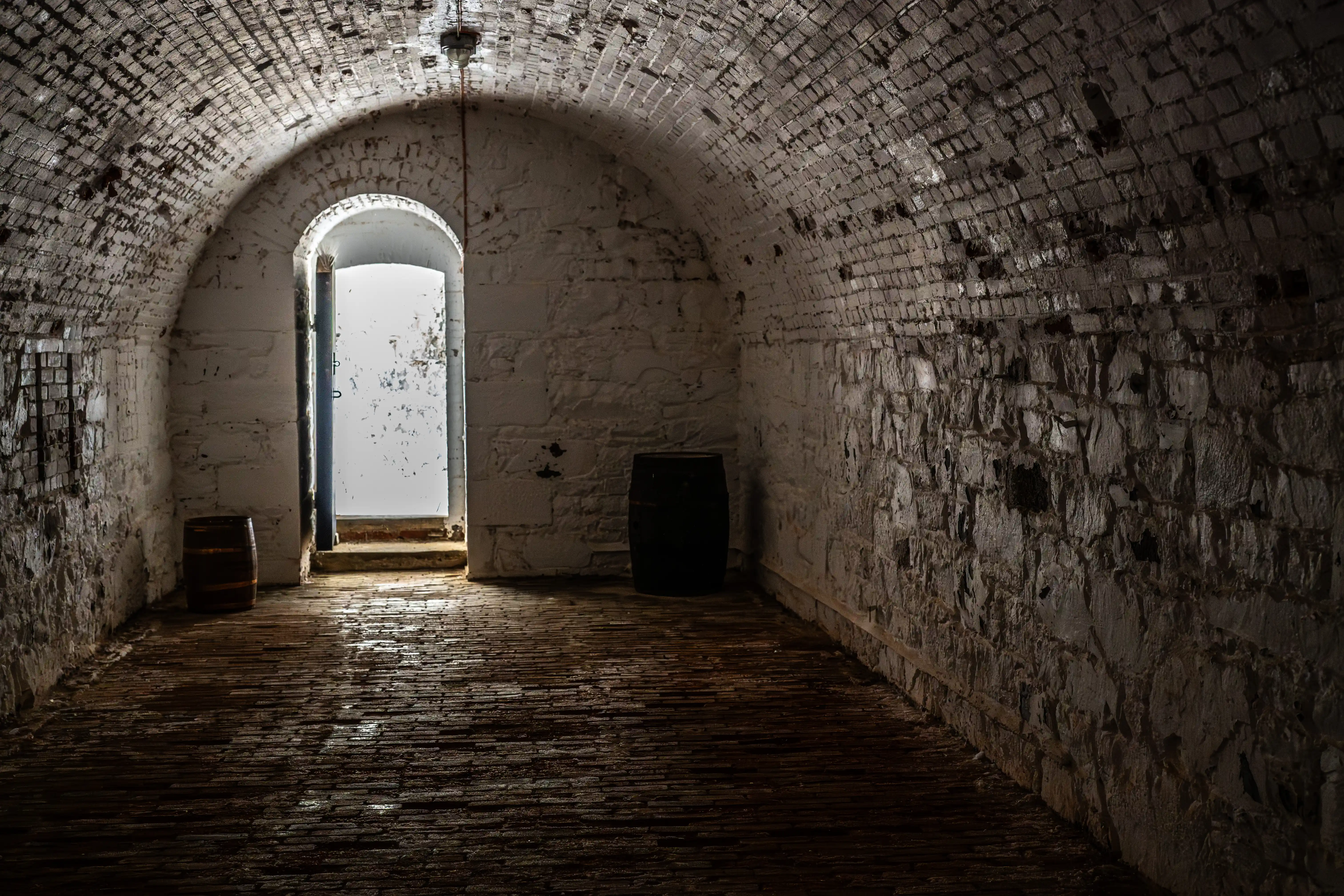
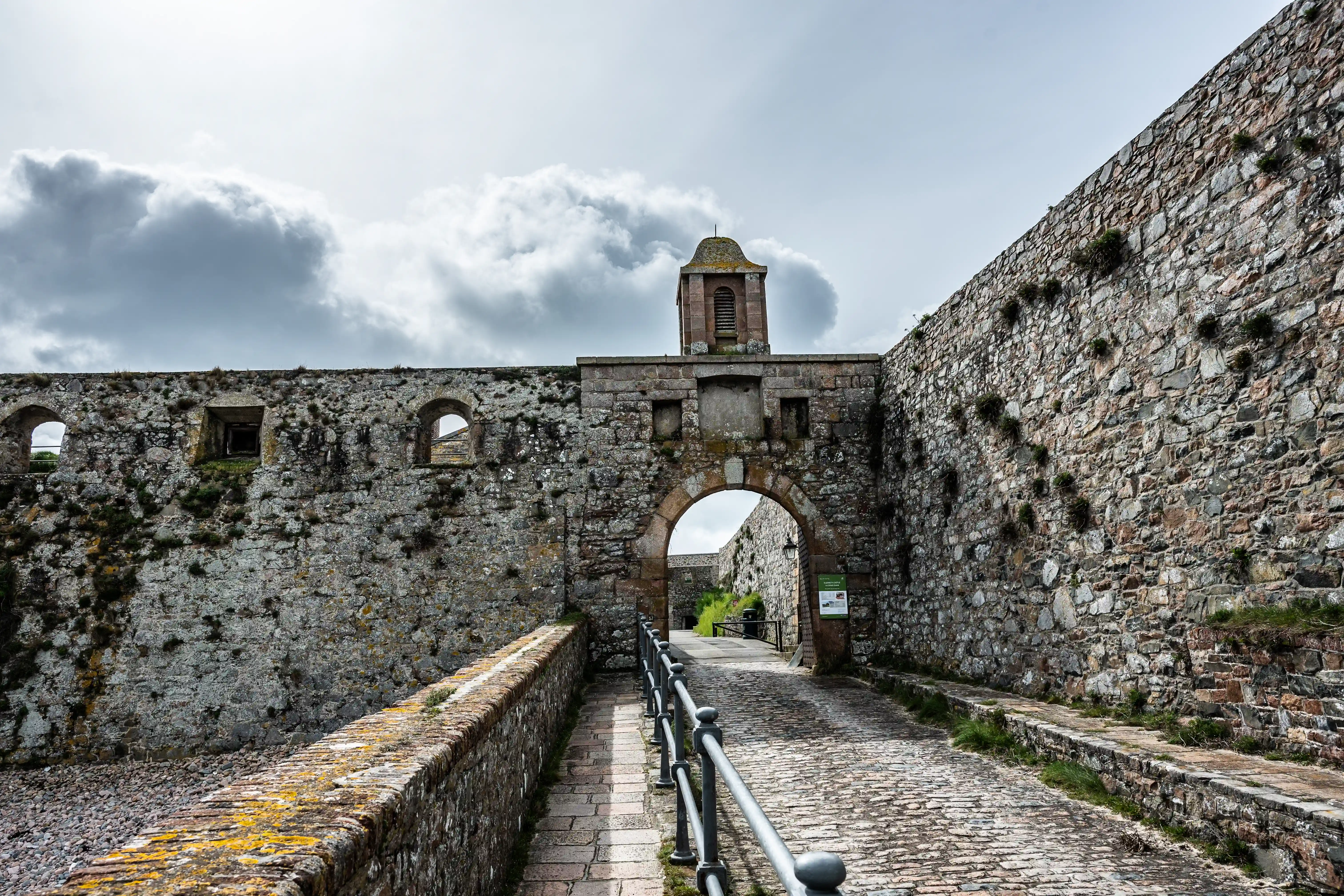

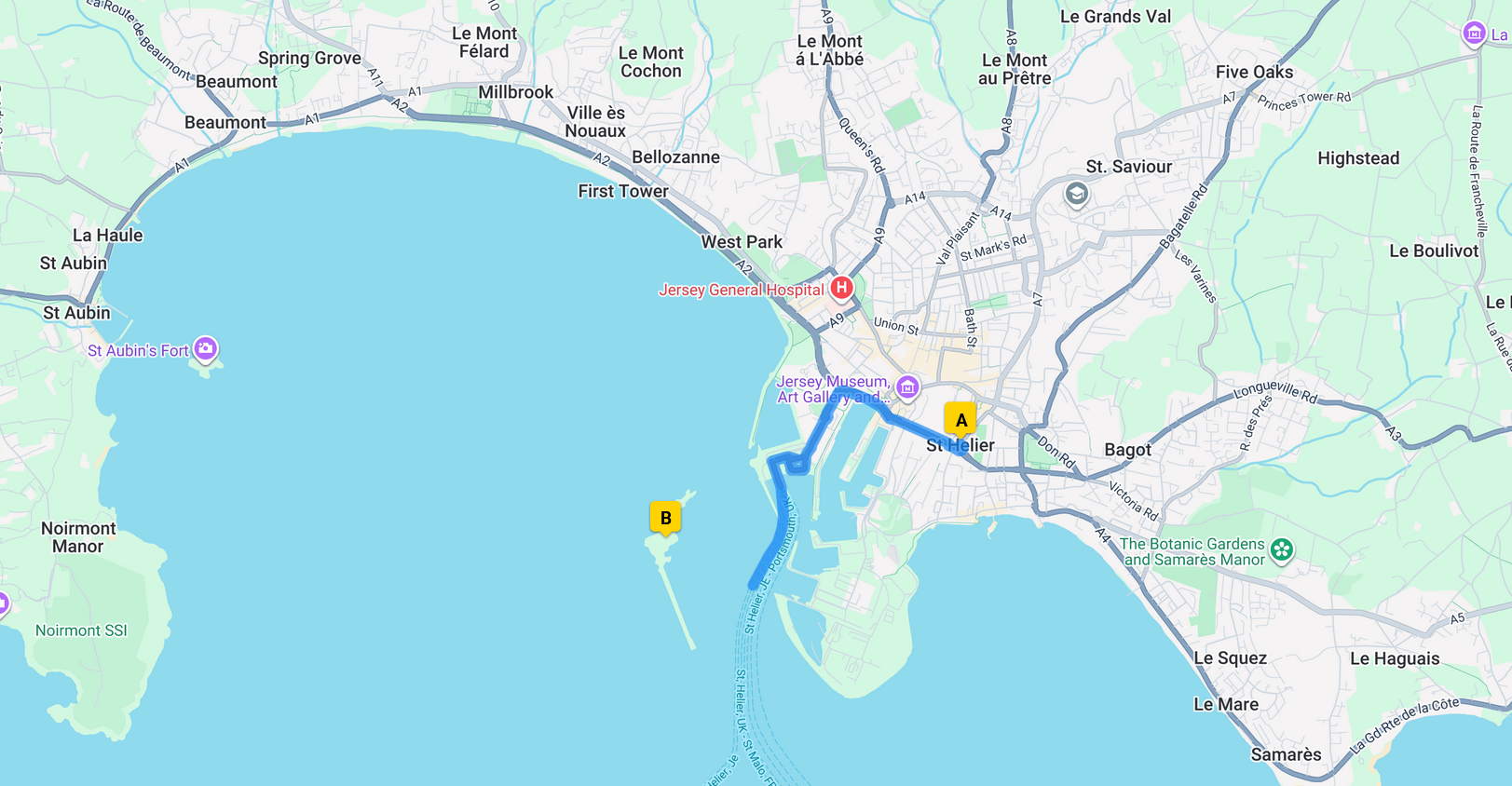
Elizabeth Castle is one of Jersey’s most iconic and historically significant landmarks, located on a tidal island just off the coast of St. Helier. Built in the 16th century, the castle has served as a fortress, royal residence, and military stronghold for over 400 years. Today, it’s a must-visit attraction that offers a fascinating journey through Jersey’s past, with dramatic views, rich history, and interactive exhibits.
A Castle Born from the Sea
Elizabeth Castle is one of Jersey’s most iconic and historically rich landmarks, a formidable fortress perched on a tidal island (known as L’Islet) in St. Aubin’s Bay, just half a mile offshore from St. Helier. Named in honor of Queen Elizabeth I, the castle’s construction began in 1594 under the direction of Flemish military engineer Paul Ivy, as the rising power of cannons rendered the island’s older stronghold, Mont Orgueil, vulnerable to attack. The castle was officially named by Sir Walter Raleigh, who served as Governor of Jersey from 1600 to 1603 and chose the name "Fort Isabella Bellissima" ("the most beautiful Elizabeth") in tribute to the Virgin Queen. Over the centuries, Elizabeth Castle became the seat of Jersey’s government and a symbol of the island’s resilience against foreign invasions and political upheavals.A Fortress of Defense and Refuge
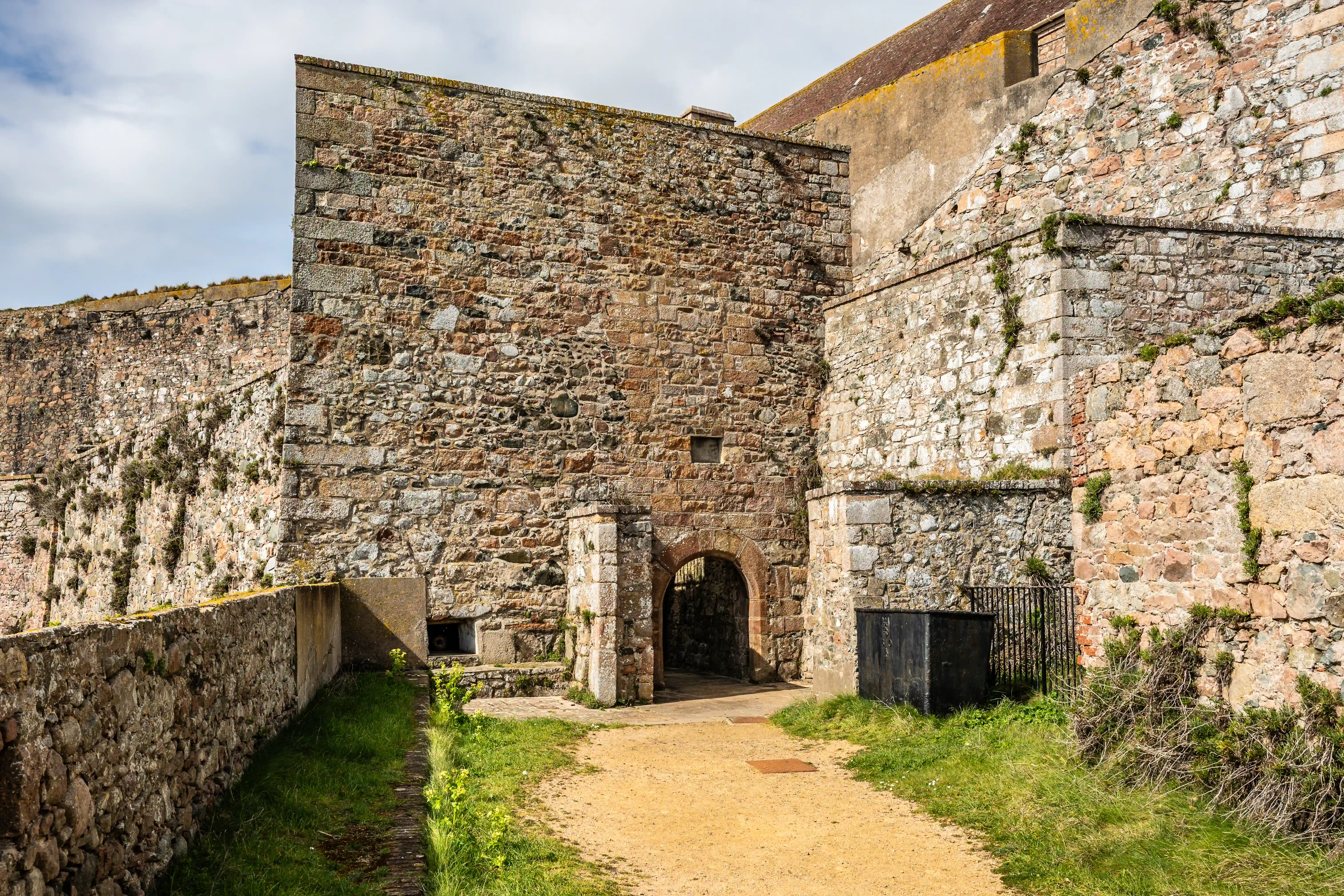
Elizabeth Castle was designed to defend Jersey from the growing threat of naval warfare in the 16th and 17th centuries. Its strategic location on a tidal island allowed it to control access to St. Helier’s harbor, while its massive walls, bastions, and gun emplacements were engineered to withstand the heaviest artillery of the time. The castle’s Upper Ward, including the Queen Elizabeth Gate, was the first part to be built, and by the early 17th century, the Governors of Jersey had moved their official residence from Mont Orgueil to Elizabeth Castle, solidifying its role as the island’s political and military heart.The castle’s defenses were tested during the English Civil War (1642–1651), when it became a refuge for Royalists fleeing the Parliamentarian forces. King Charles II sought shelter here twice (in 1646 and 1649), and it was also the sanctuary for Lord Clarendon, who began writing his famous *History of the Rebellion* while in exile at the castle. The fortress withstood sieges and repelled attacks, earning a reputation as an impregnable stronghold that protected Jersey’s independence.
A Tidal Journey Through Time
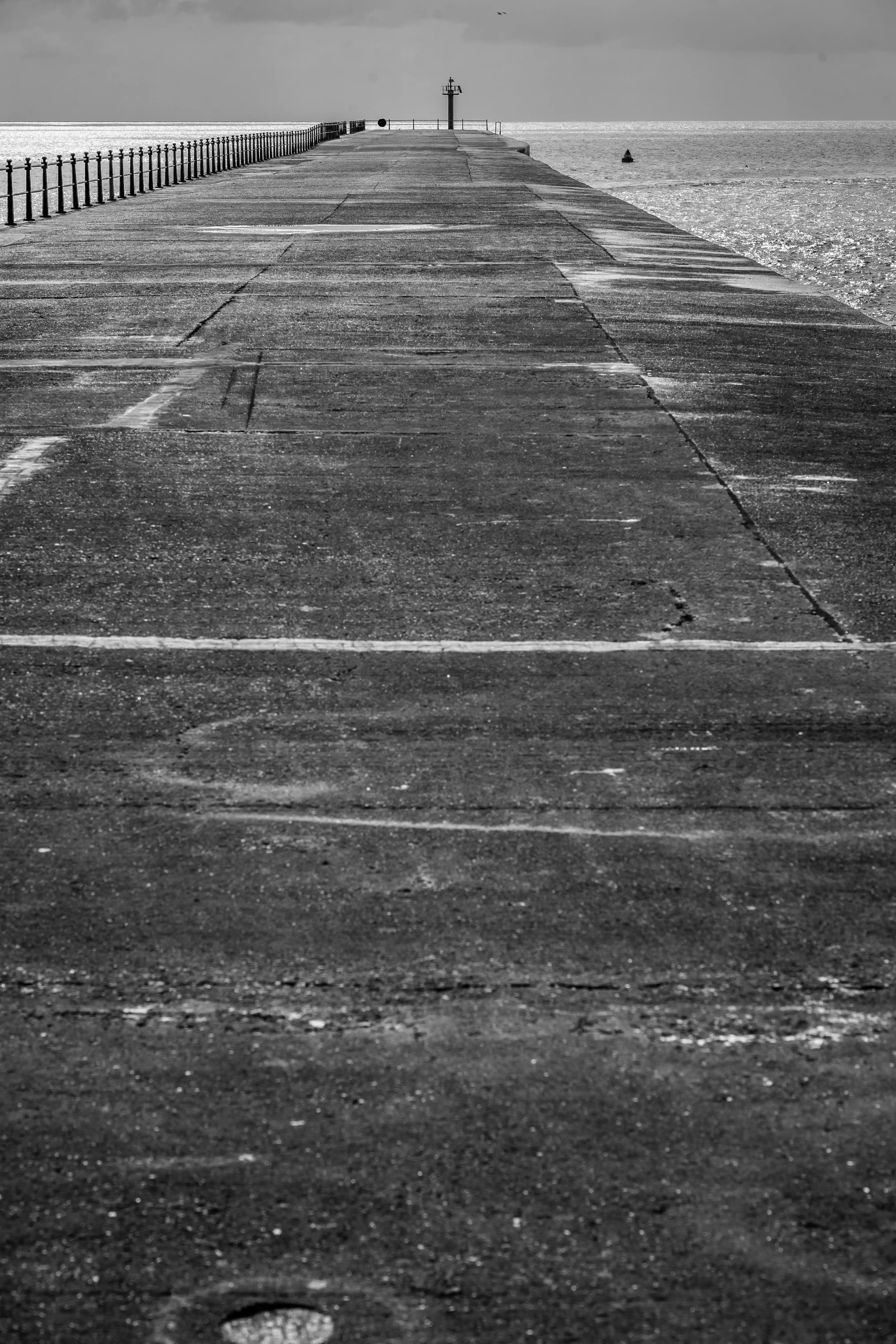
One of the most unique and memorable aspects of visiting Elizabeth Castle is the journey to get there. At low tide, visitors can walk across the causeway from St. Helier, following in the footsteps of soldiers, governors, and kings who once traversed the same path. At high tide, the castle becomes an island once more, and visitors must take an amphibious "Duke of Normandy" vehicle or a short boat trip from the harbor, adding a sense of adventure to the experience. The tidal nature of the castle’s location has shaped its history, making it both a defensive masterpiece and a symbol of Jersey’s connection to the sea.A Castle of Many Chapters
Elizabeth Castle’s history is a tapestry of conquest, intrigue, and survival, with each era leaving its mark on the fortress:- Religious Roots: Before the castle was built, L’Islet was home to the Priory of St. Helier, a monastic community founded in the 12th century. The remains of the priory were later incorporated into the castle’s Lower Ward, which was constructed between 1626 and 1636.
- Civil War Sanctuary: During the English Civil War, the castle became a Royalist stronghold. King Charles II took refuge here, and the castle’s defenses were tested as it held out against Parliamentarian forces.
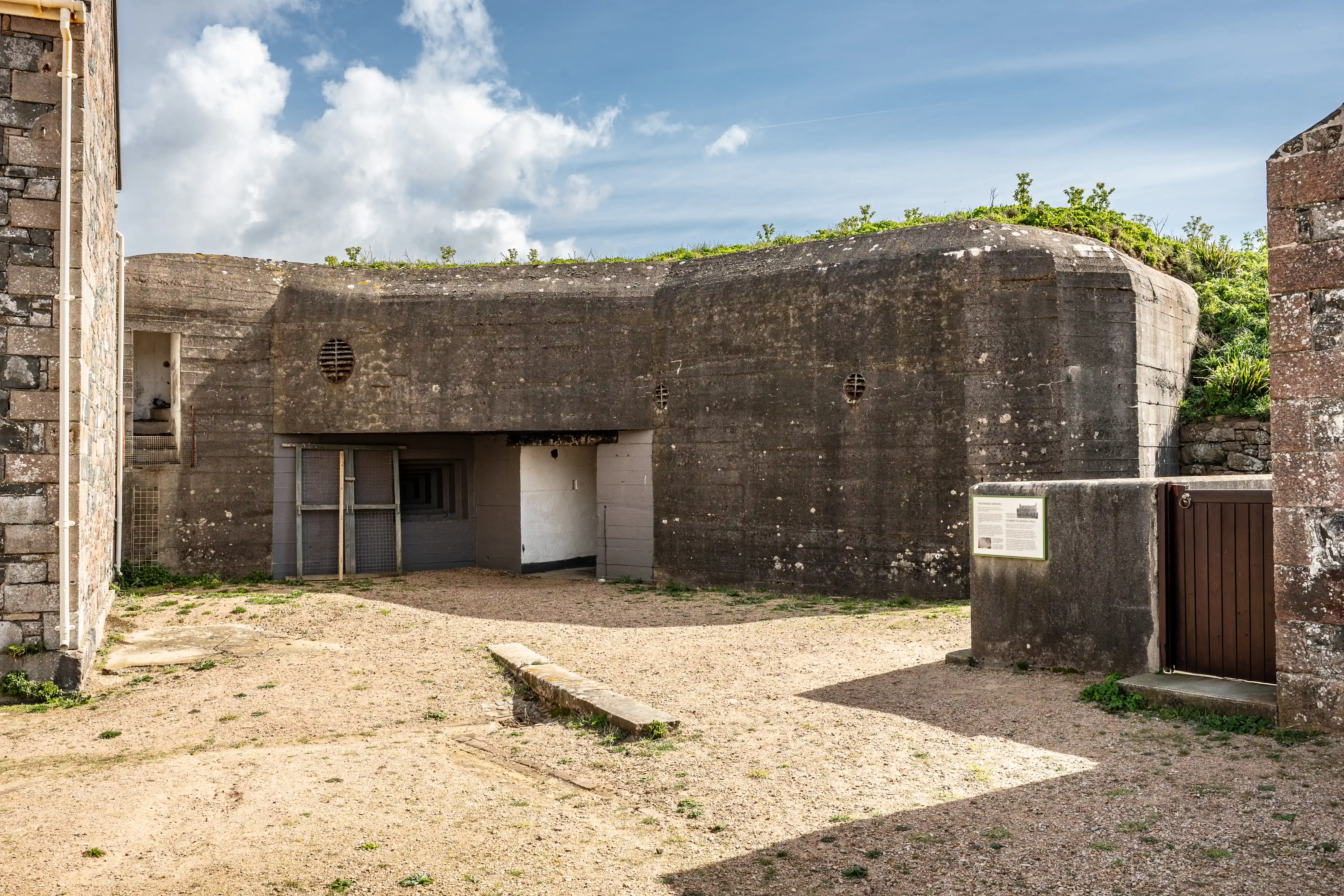
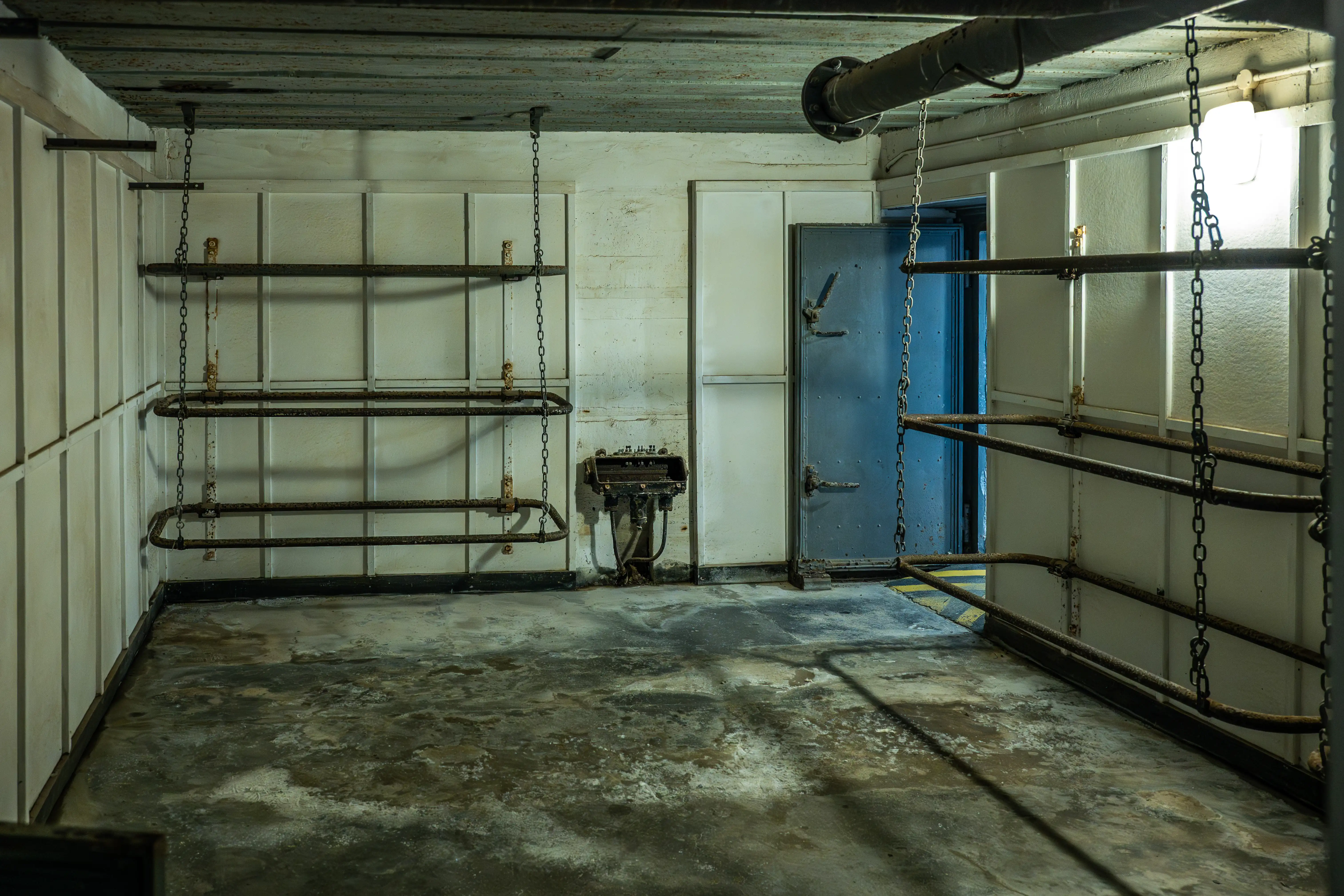
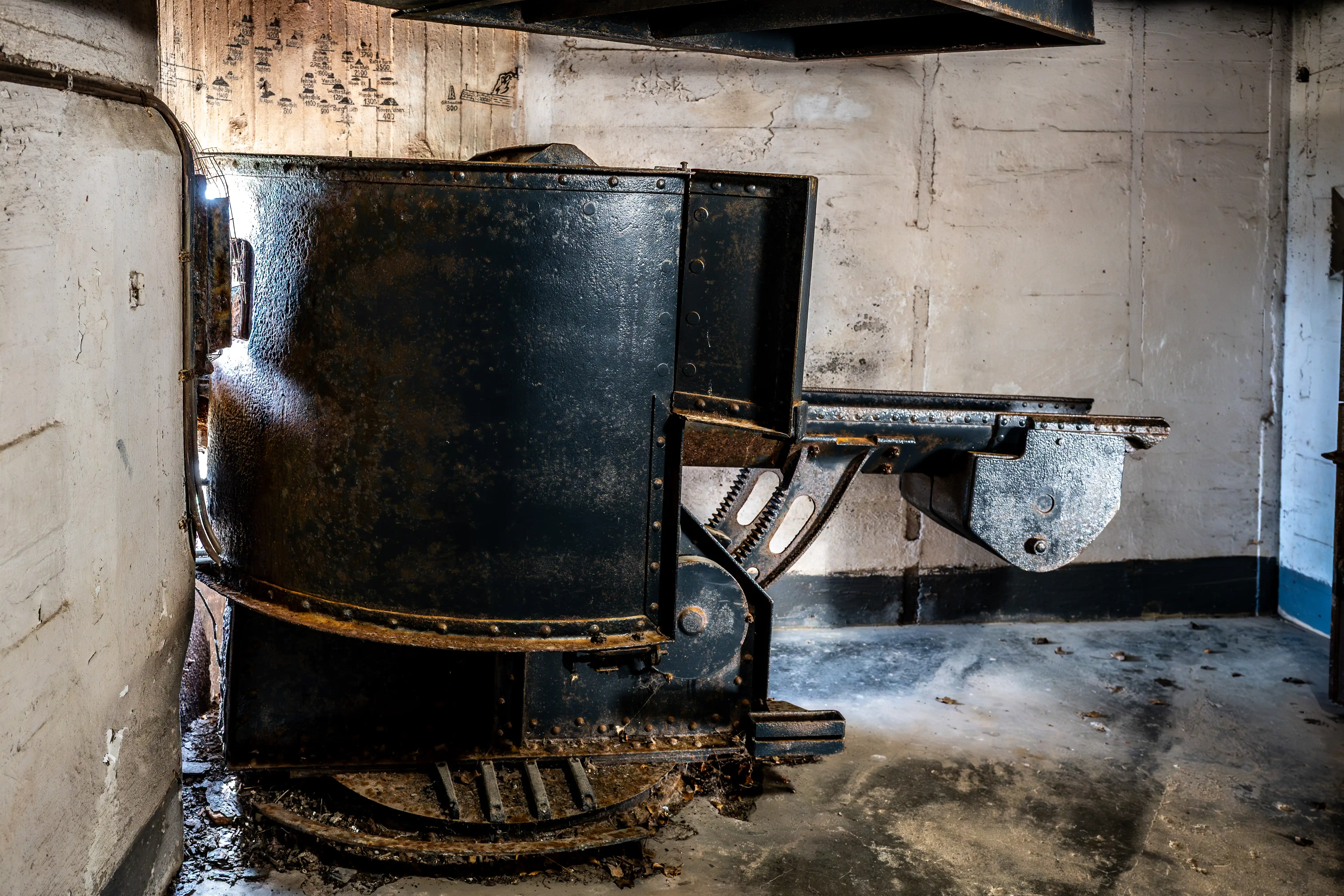
- German Occupation: In World War II, the castle was occupied by German forces, who fortified it further as part of their Atlantic Wall defenses. The scars of this period are still visible today, and the castle’s role in the occupation is explored in its exhibitions.
- Modern Restoration: Today, Jersey Heritage manages the castle as a museum and tourist attraction, with ongoing restoration projects ensuring its preservation for future generations. The castle is one of the most popular heritage sites in Jersey, drawing visitors from around the world.
Exploring the Castle Today
A visit to Elizabeth Castle is a journey through 400 years of history. The 15-acre site is packed with fascinating features, including:-
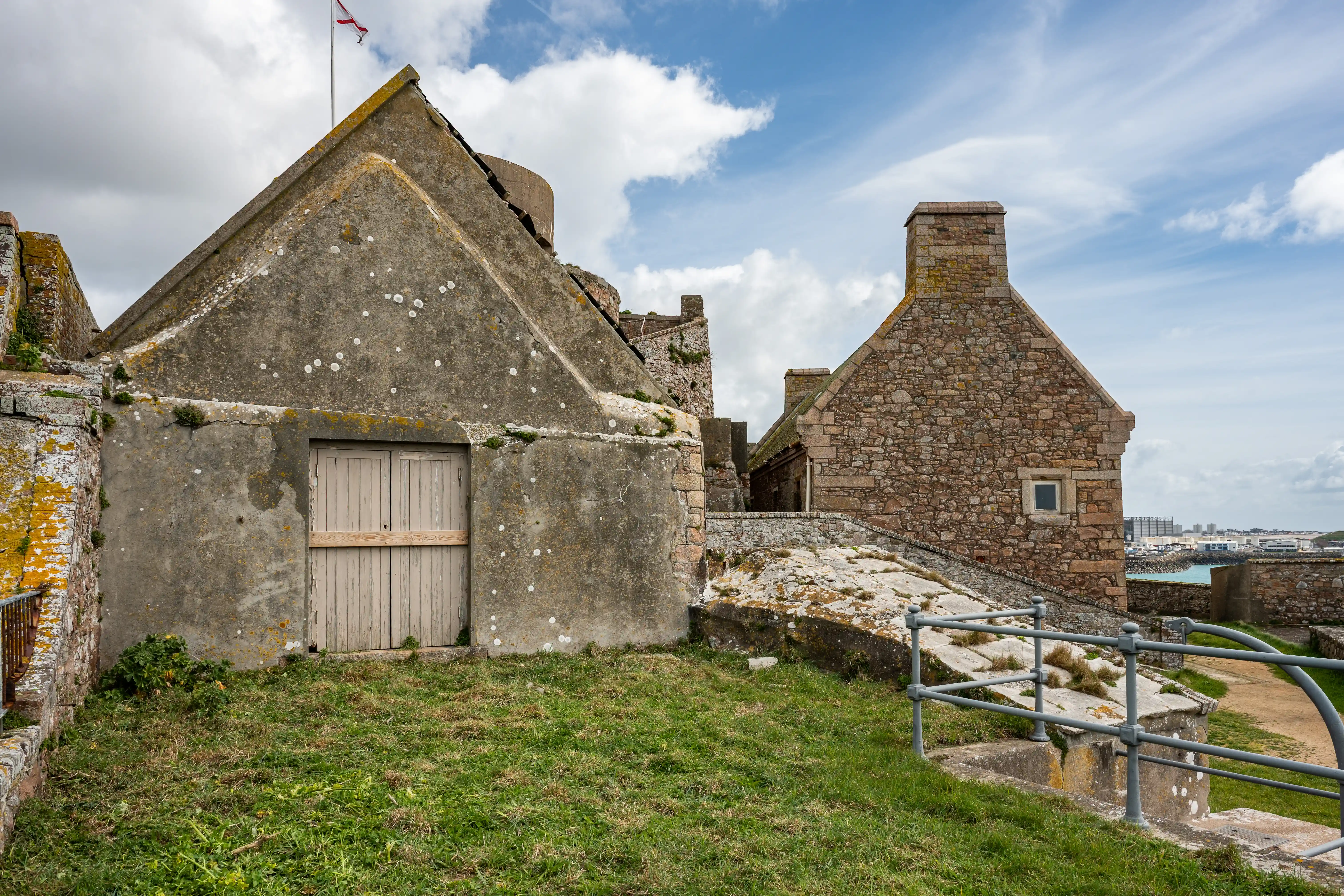
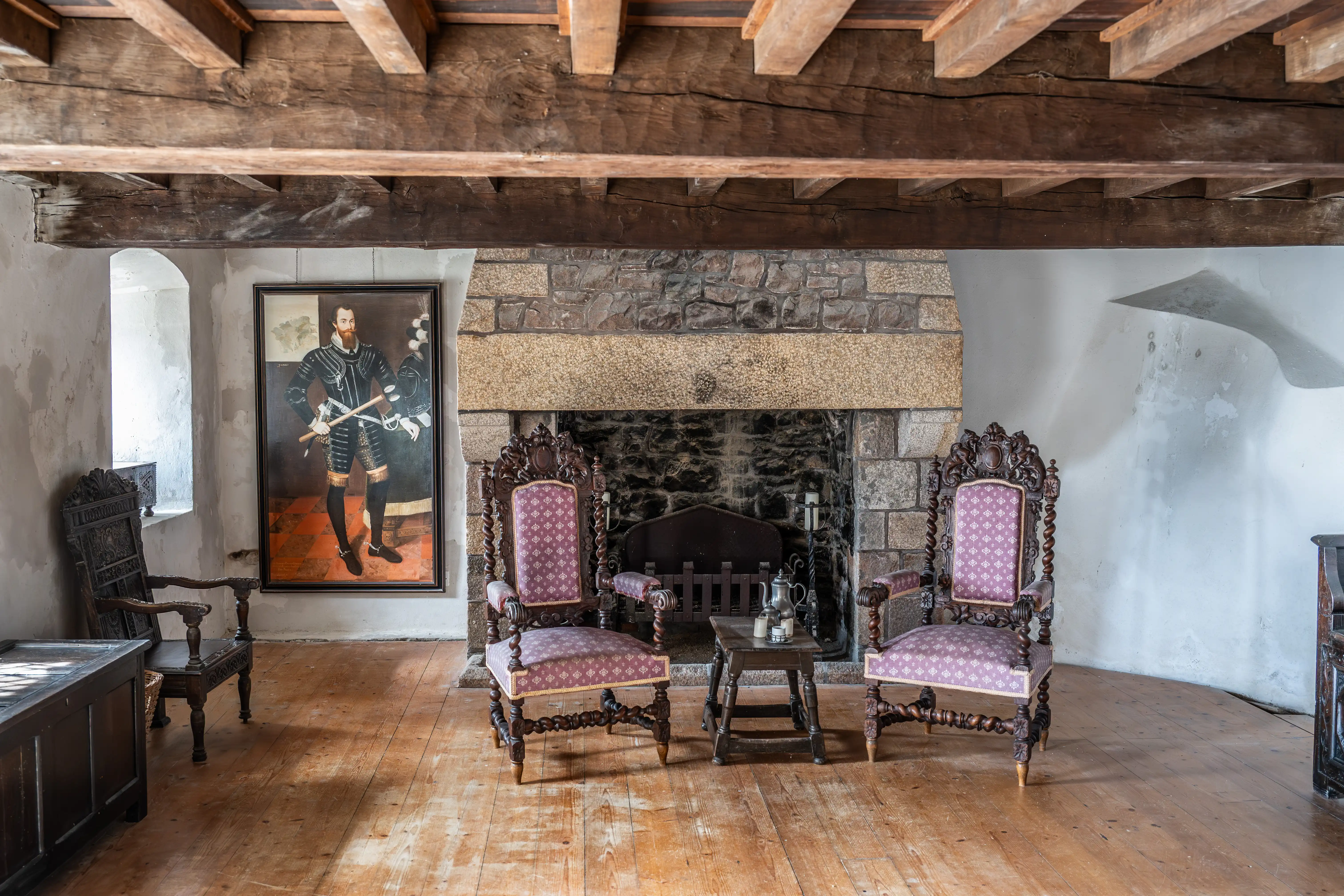
The Upper Ward: Home to the Governor’s House, barracks, and the Queen Elizabeth Gate, this area was the heart of the castle’s military operations.
The Lower Ward: Built around the remains of the Priory of St. Helier, this section includes the Parade Ground, where historical reenactments of 1781 garrison life take place, complete with musket and cannon firing demonstrations.
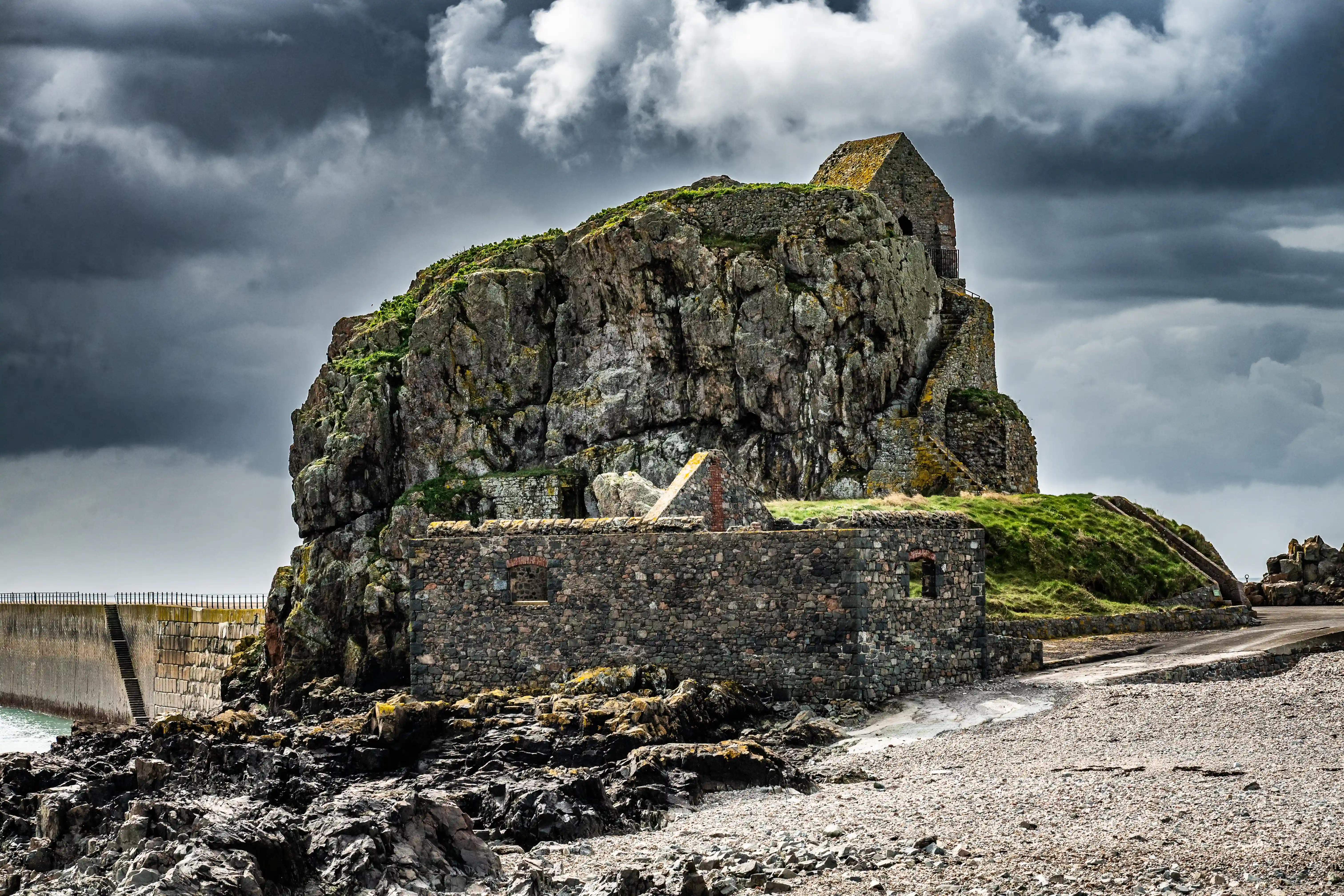
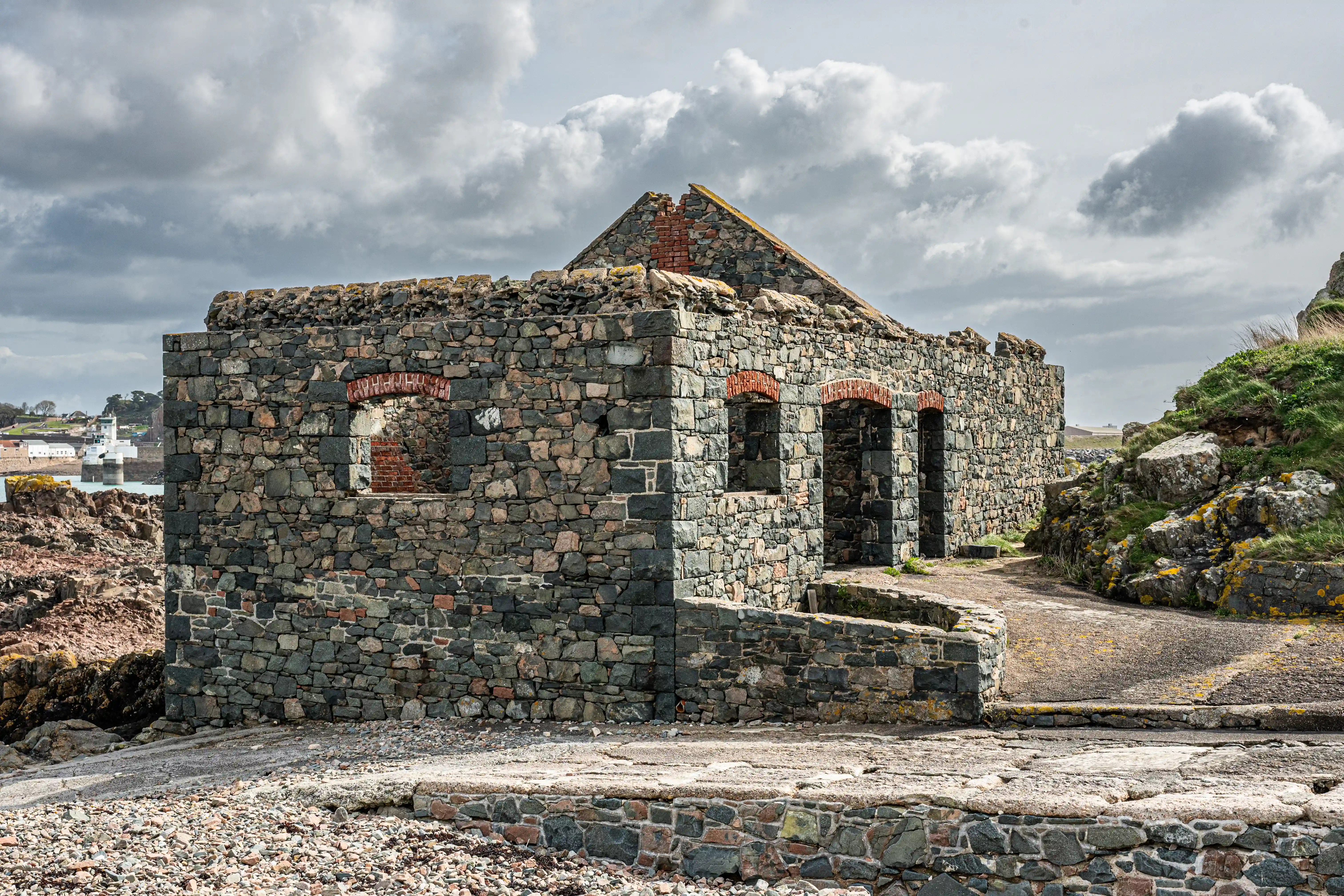
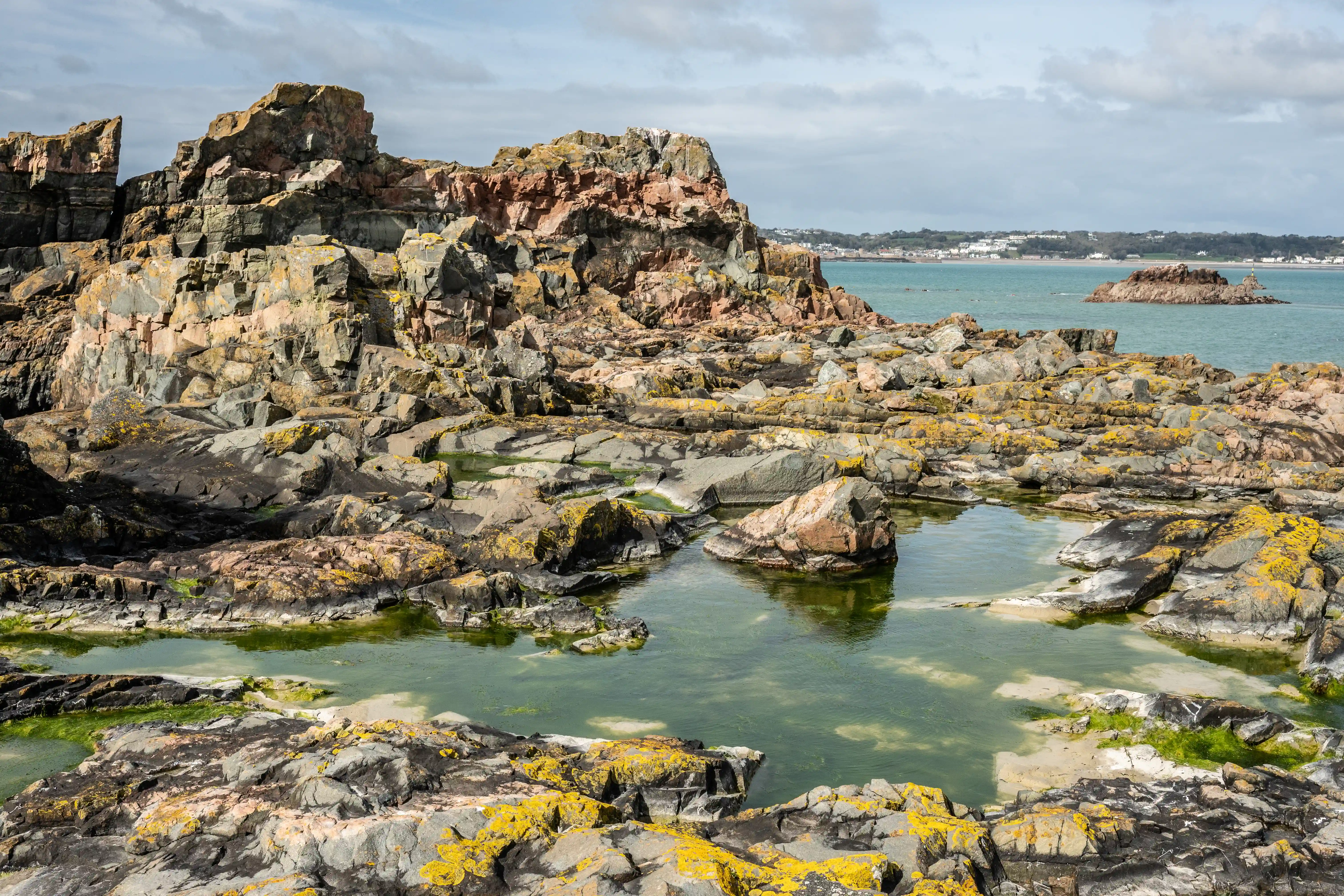
The Hermitage: A small chapel built on a rocky outcrop near the castle, offering a peaceful retreat and stunning views of the surrounding sea.
The Jersey Royal Militia Museum: Housing centuries of military memorabilia, this museum tells the story of Jersey’s defense from the Middle Ages to the modern era.
The Castle Café: A charming spot for light lunches, cakes, and local specialties, with indoor and outdoor seating and views of the castle grounds.
A Symbol of Jersey’s Identity
Elizabeth Castle is more than just a fortress—it’s a symbol of Jersey’s independence, resilience, and cultural heritage. Its imposing walls have witnessed centuries of history, from the Tudor era to World War II, and its tidal island setting makes it a unique and unforgettable destination. Whether you’re exploring its battlements, learning about its past, or simply soaking in the views of St. Aubin’s Bay, the castle offers a deeply immersive experience that connects visitors to Jersey’s soul.For those who stay overnight, the castle even offers unique accommodation in its historic apartments, allowing guests to sleep within the walls of this legendary fortress and awaken to the sound of the sea.
