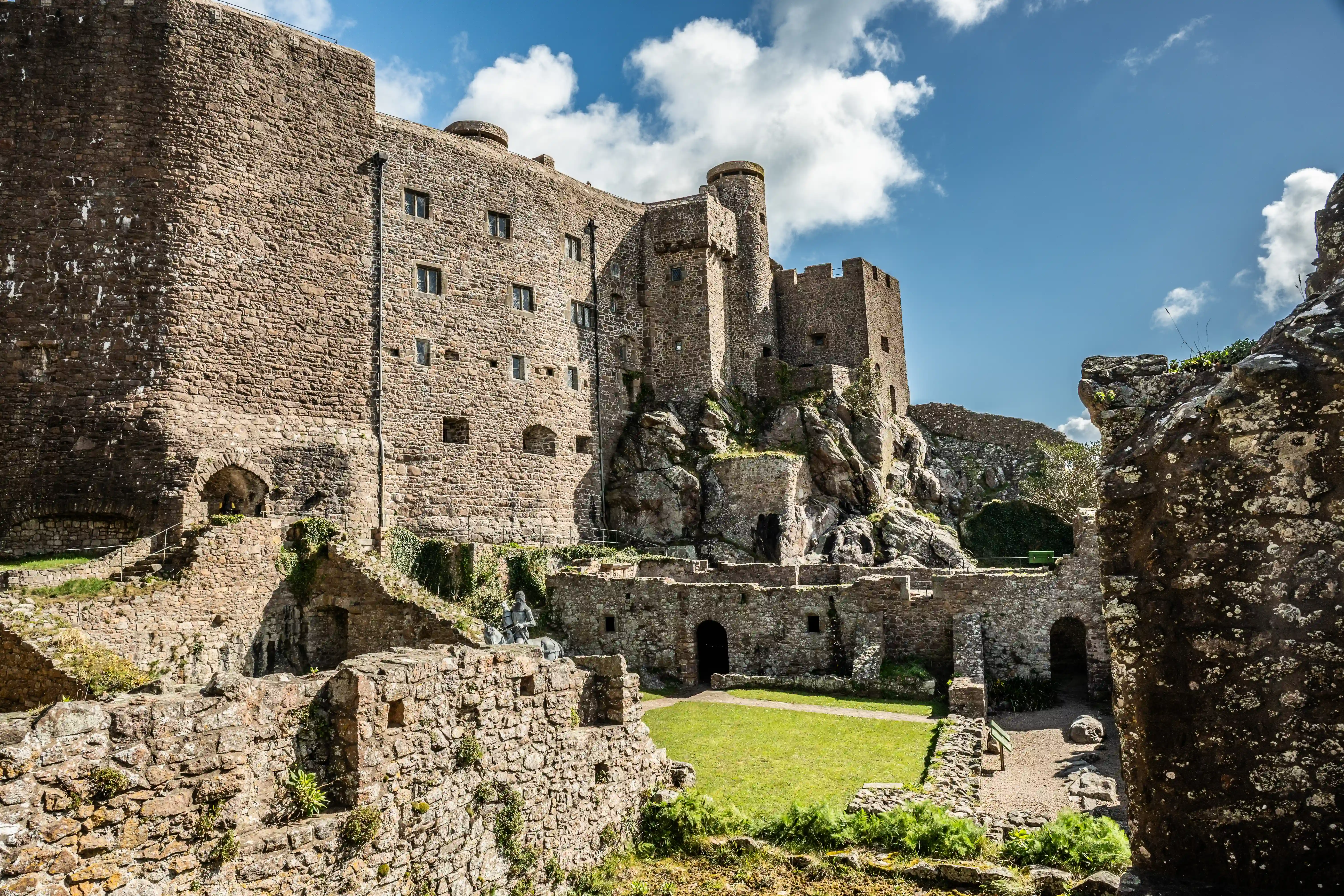
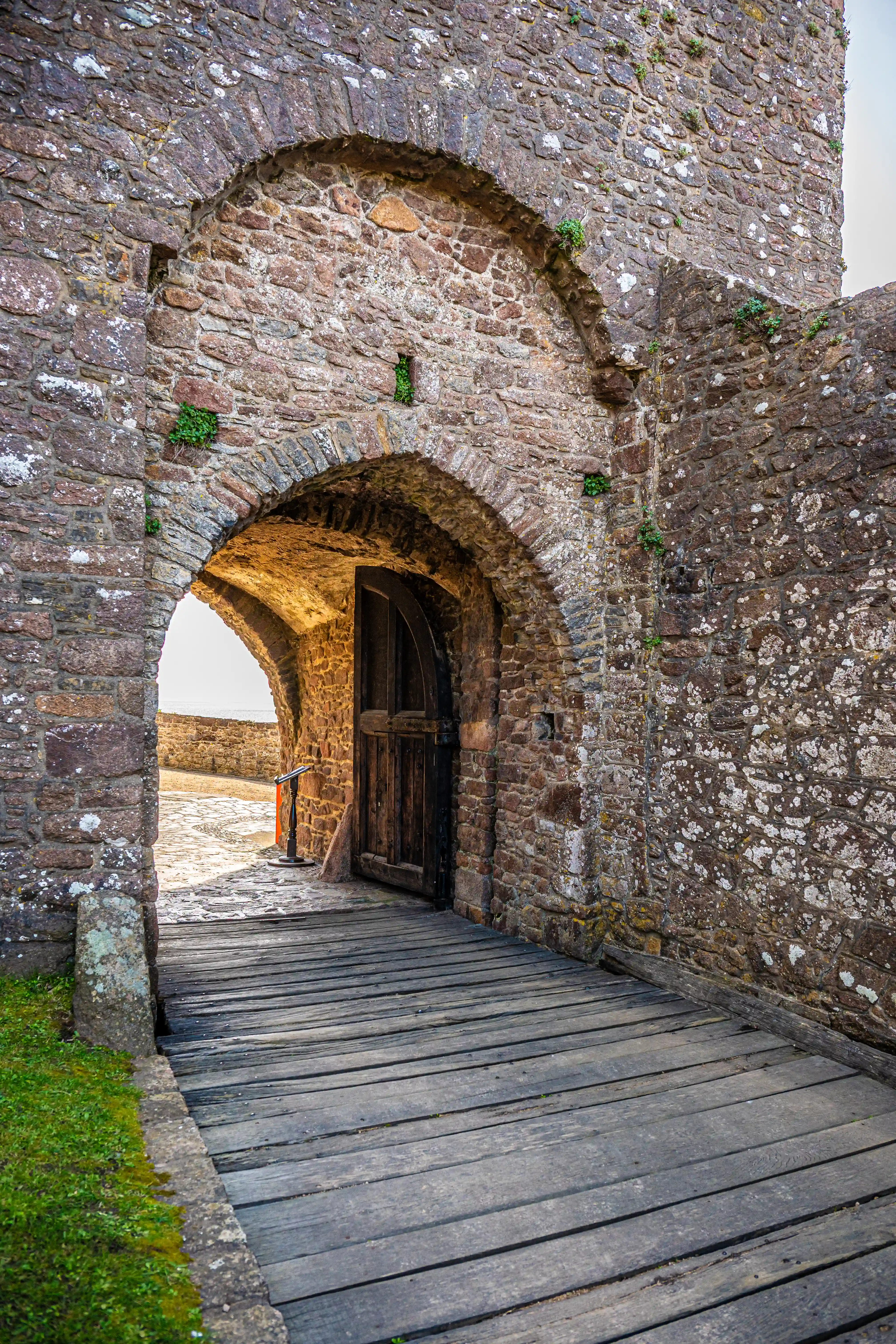
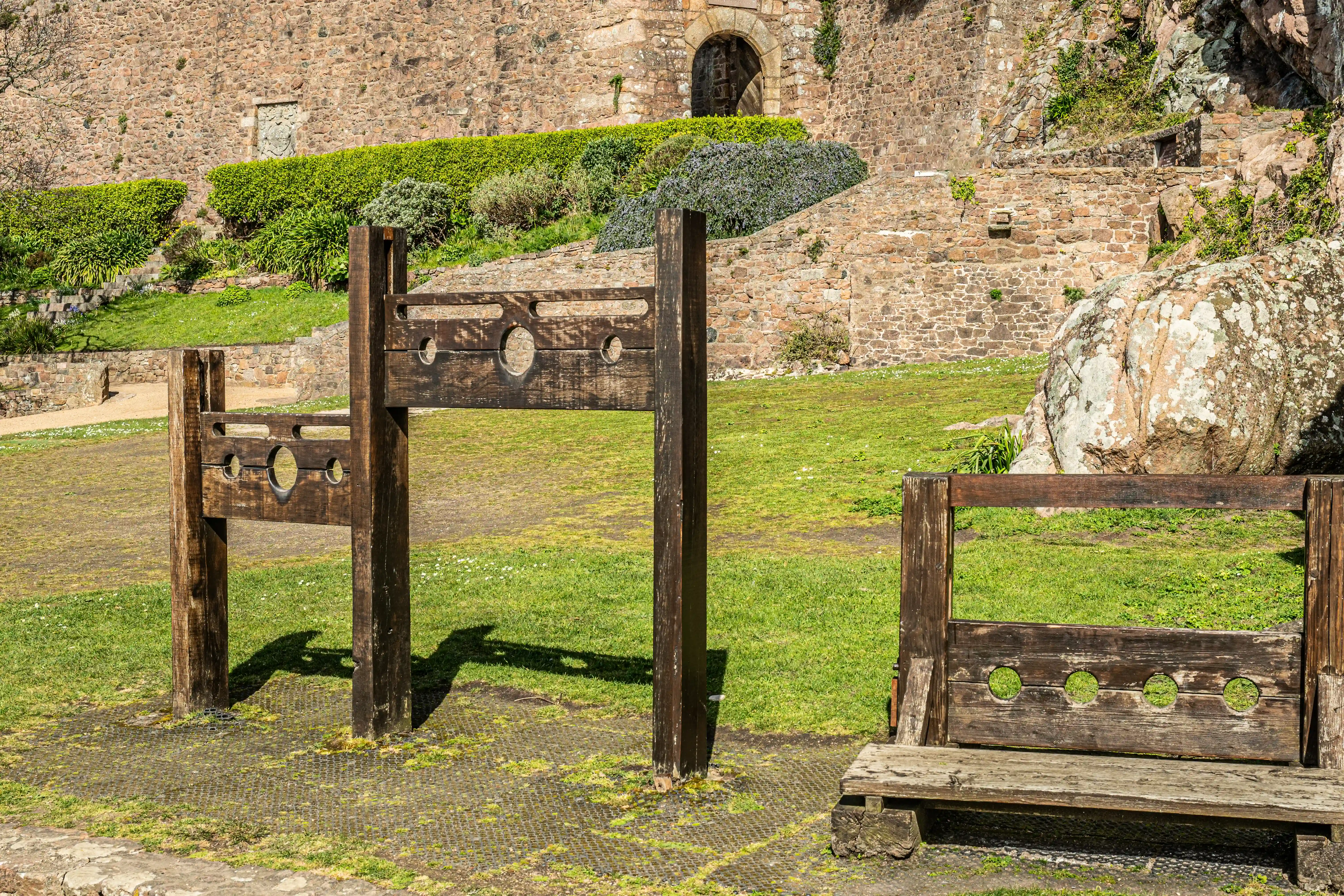
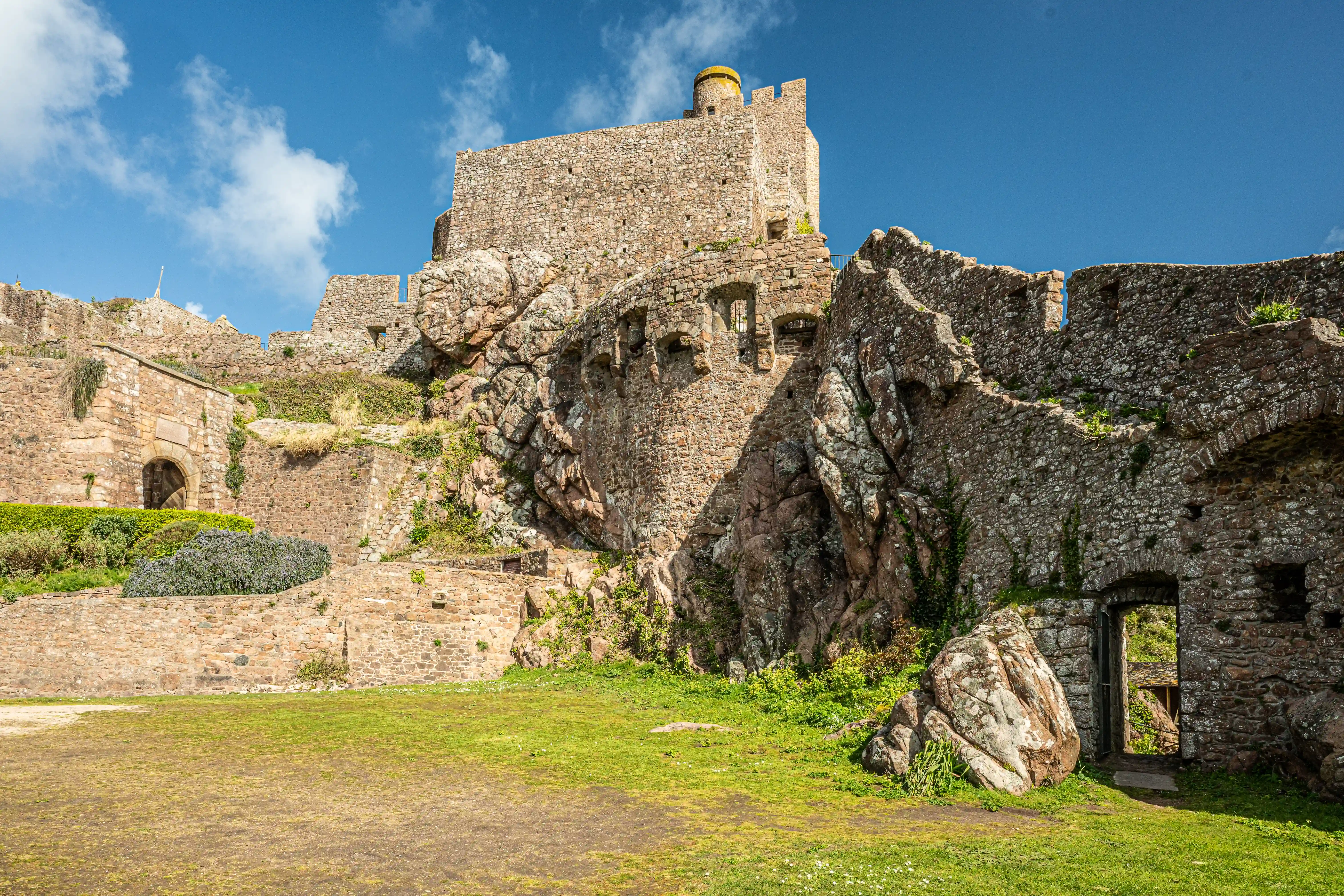


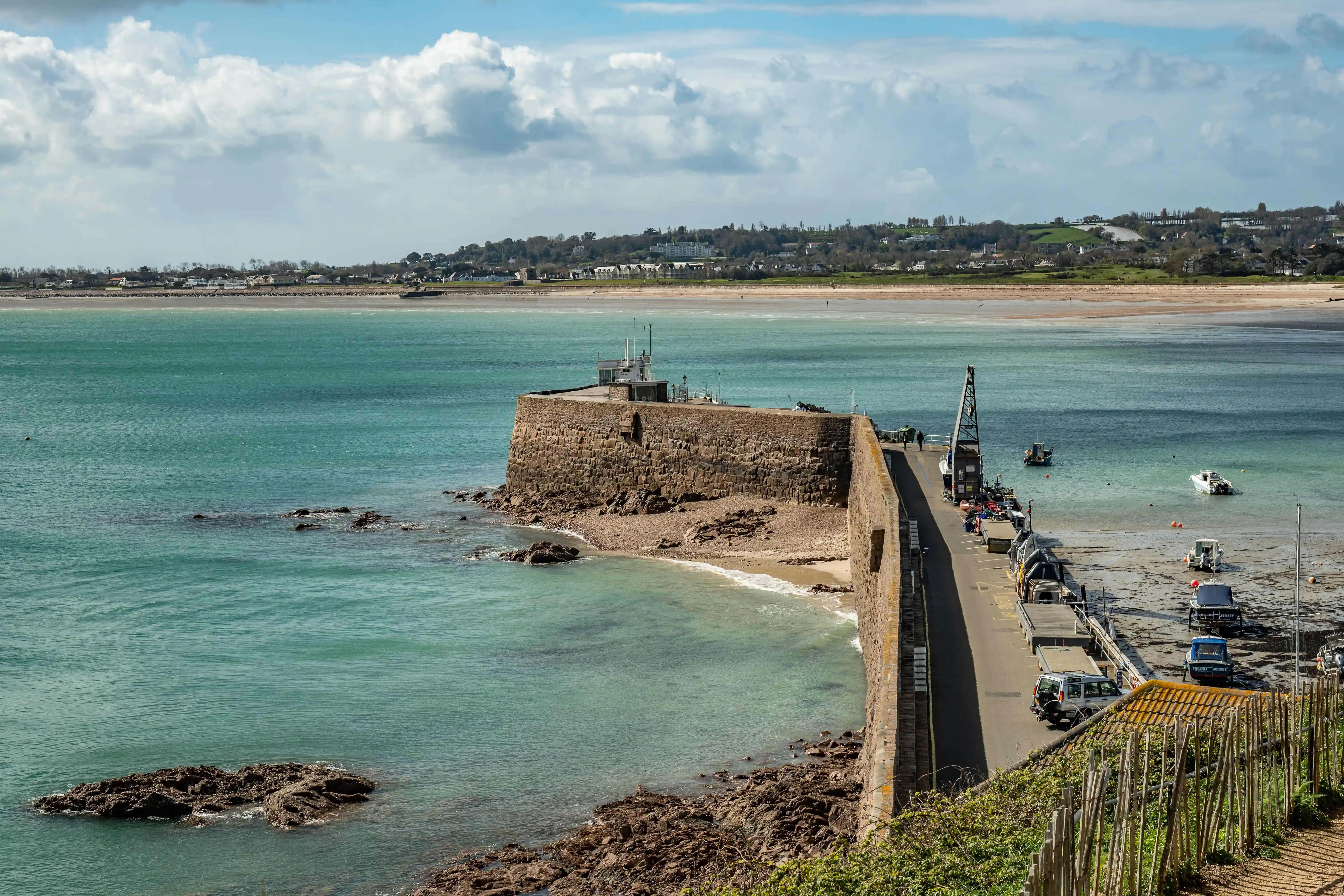


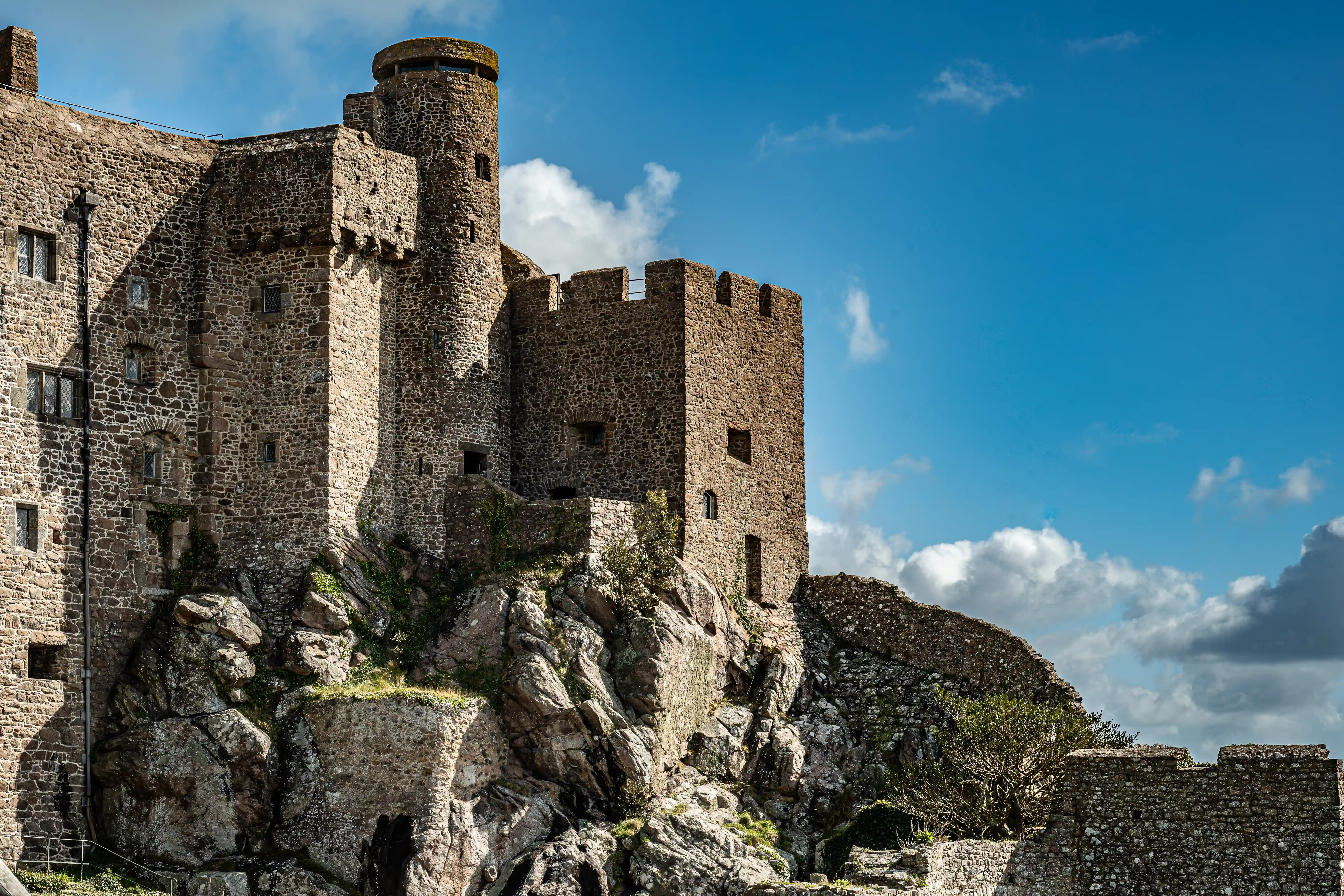




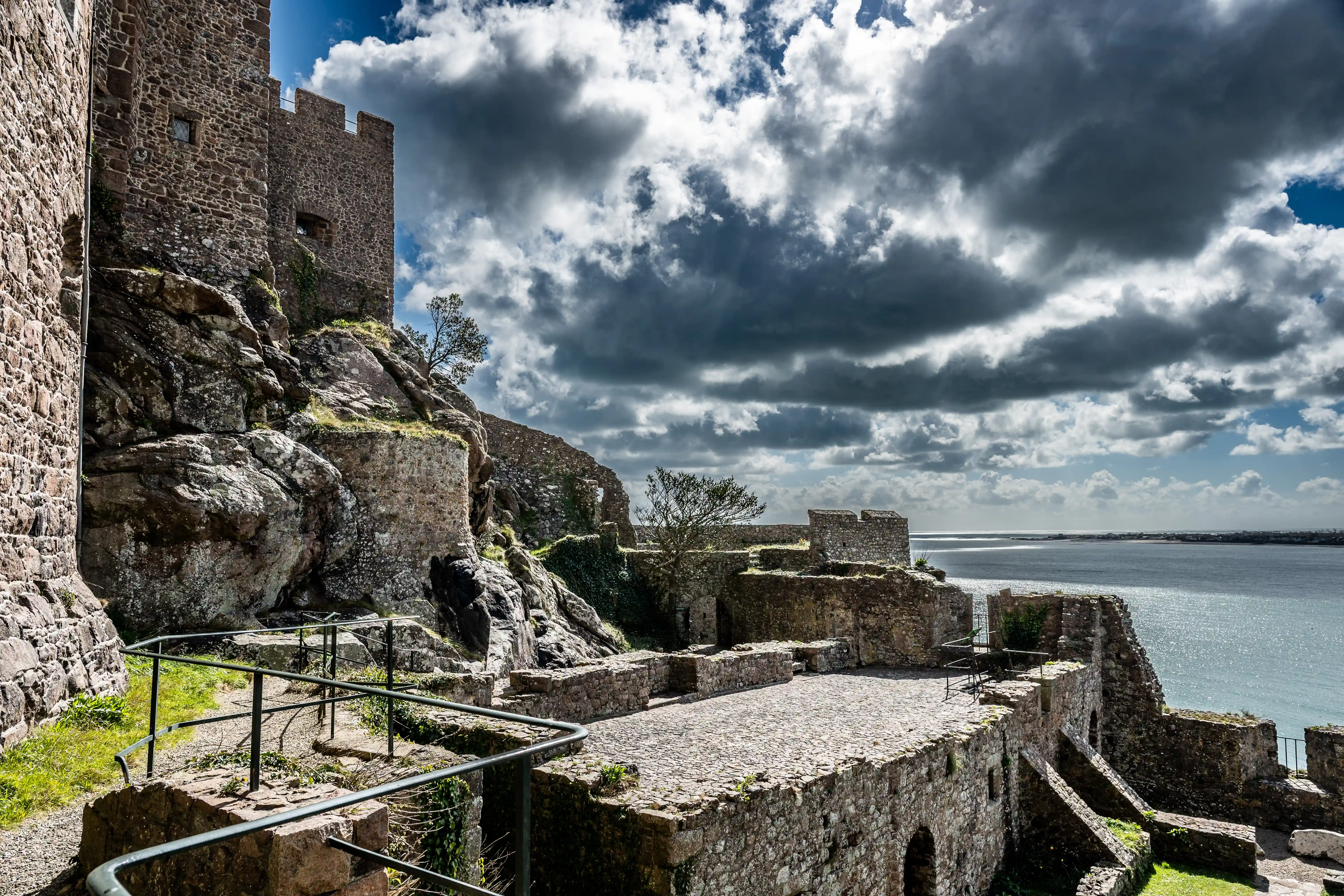
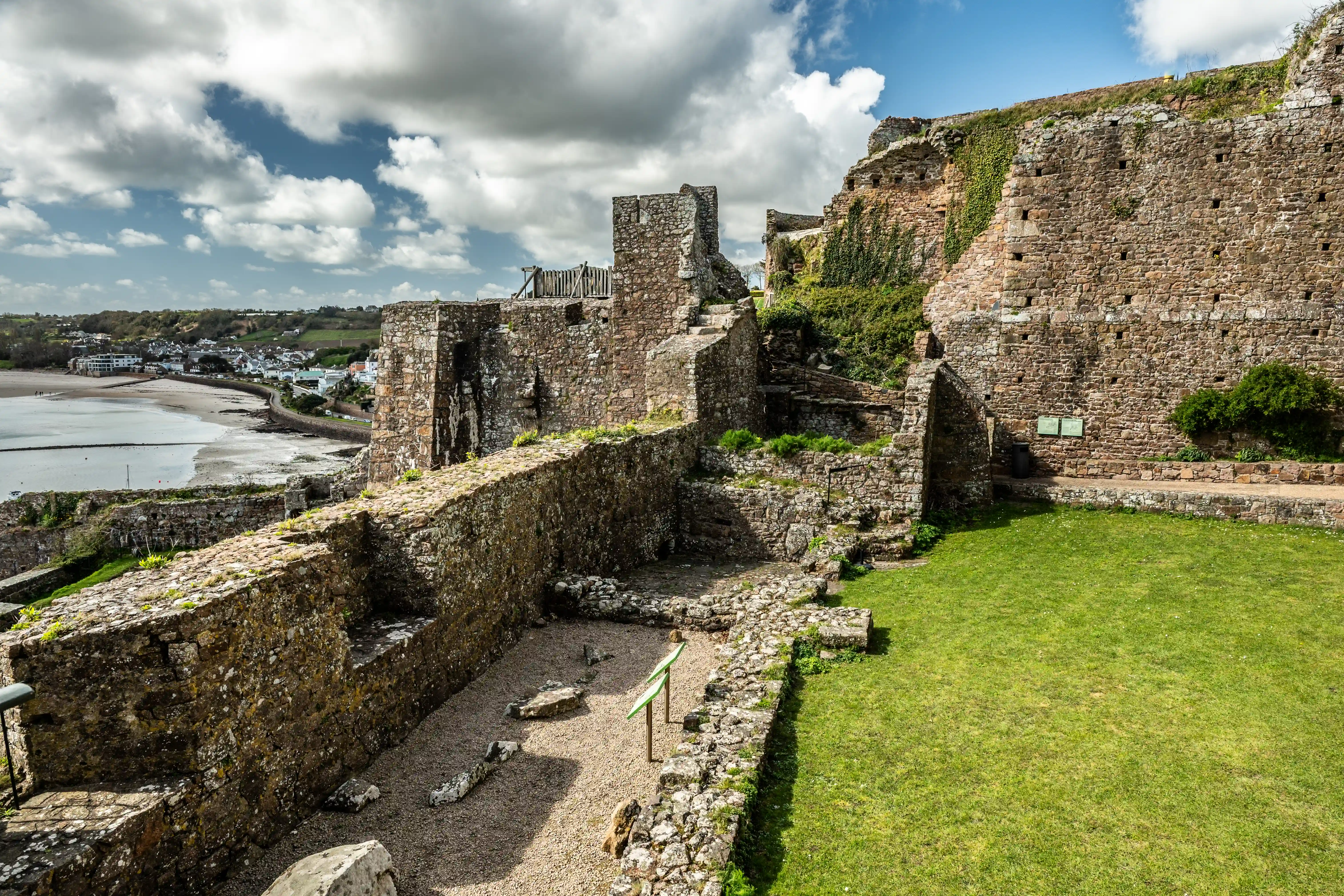


Mont Orgueil Castle (often called "Gorey Castle") is one of Jersey’s most impressive and historically significant fortresses, perched on a dramatic rocky headland overlooking the eastern coast of the island. Built in the 13th century, it has served as a defensive stronghold, royal residence, and prison for over 800 years. Today, it’s a must-visit attraction that offers breathtaking views, rich history, and a glimpse into Jersey’s medieval past.
A Fortress of Pride and Power
Mont Orgueil Castle, also known as Gorey Castle, is one of Jersey’s most iconic and historically significant landmarks, a medieval fortress that has stood watch over the island’s eastern coast for over 800 years. Its name, "Mont Orgueil" (meaning "Mount Pride" in French and Jèrriais), reflects its imposing presence and strategic importance as the primary defense of Jersey for centuries. Perched on a rocky hill overlooking the harbor of Gorey, the castle offers breathtaking views across the English Channel to the coast of France, making it a symbol of Jersey’s independence and resilience.The castle’s origins trace back to around 1204, following the division of the Duchy of Normandy, when King John of England sought to fortify Jersey against French threats. The first mention of the castle in historical records dates to 1212, and over the centuries, it was expanded and reinforced to withstand sieges and attacks. Its defenses were tested most notably in July 1373, when Bertrand du Guesclin, the Constable of France, led an assault with 2,000 men. Despite breaching the outer walls, the French were unable to penetrate the inner defenses, which were built upon a solid mass of granite rock, ensuring the castle’s survival and reputation as an impregnable stronghold.
From Medieval Stronghold to Administrative Center
Mont Orgueil’s military significance began to wane in the late 16th century with the advent of cannon and gunpowder. The castle’s vulnerability to artillery from the nearby Mont Saint Nicolas led to the construction of Elizabeth Castle in St. Helier Bay in 1594, which superseded Mont Orgueil as Jersey’s primary defense. However, Sir Walter Raleigh, who served as Governor of Jersey from 1600 to 1603, intervened to save Mont Orgueil from demolition, famously declaring, "’twere pity to cast it down". Instead, the castle was repurposed as an administrative center and prison, housing political prisoners such as William Prynne and John Lilburne, as well as regicides (those who signed the death warrant of King Charles I) in the 17th century. The castle remained in use as a prison until the late 17th century, when a new prison was built in St. Helier.During World War II, Mont Orgueil was occupied by German forces, who fortified it further as part of their Atlantic Wall defenses. The look-out posts and bunkers built during this period are still visible today, adding another layer of history to the castle’s already rich past.
A Castle of Hidden Treasures and Gruesome Tales
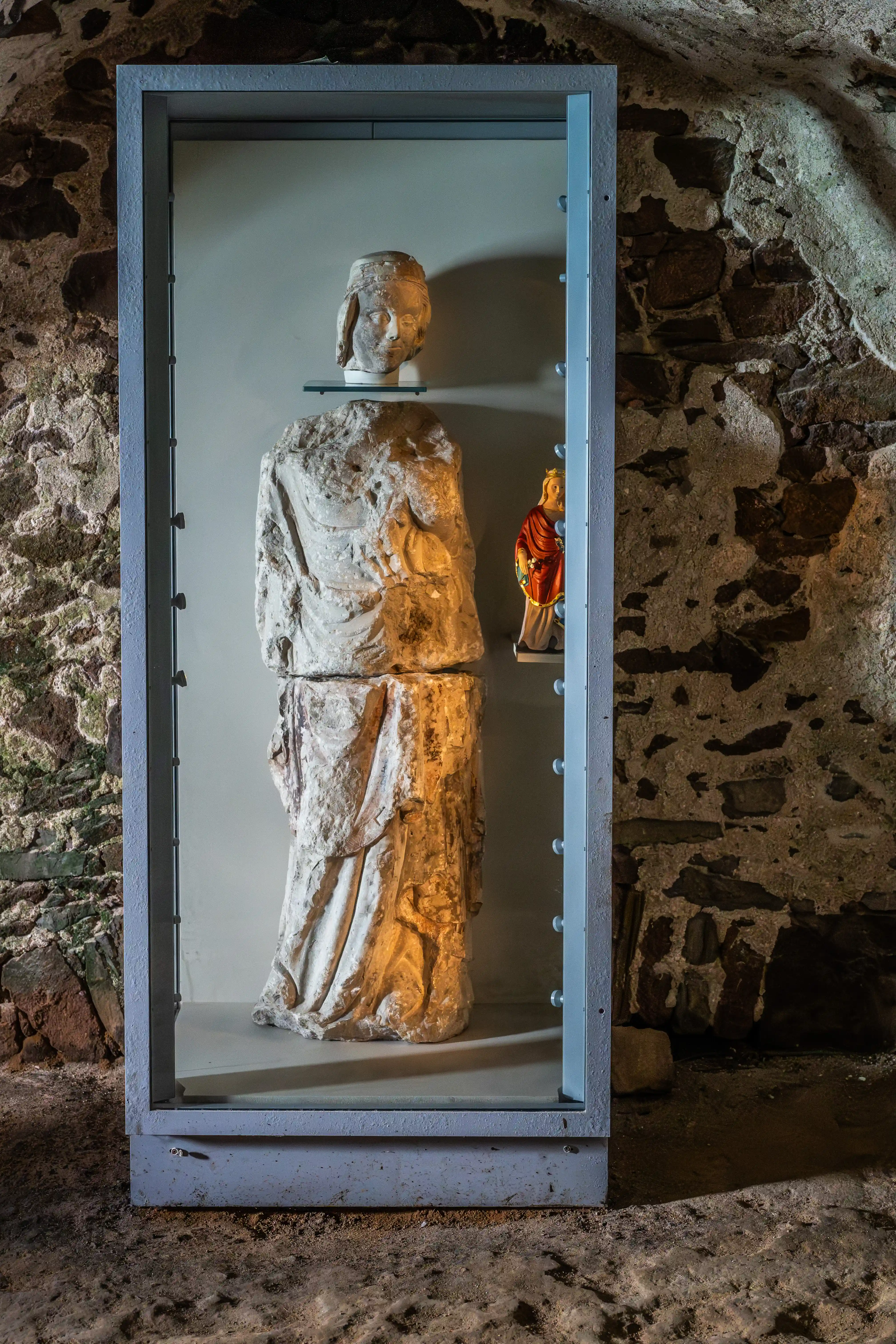
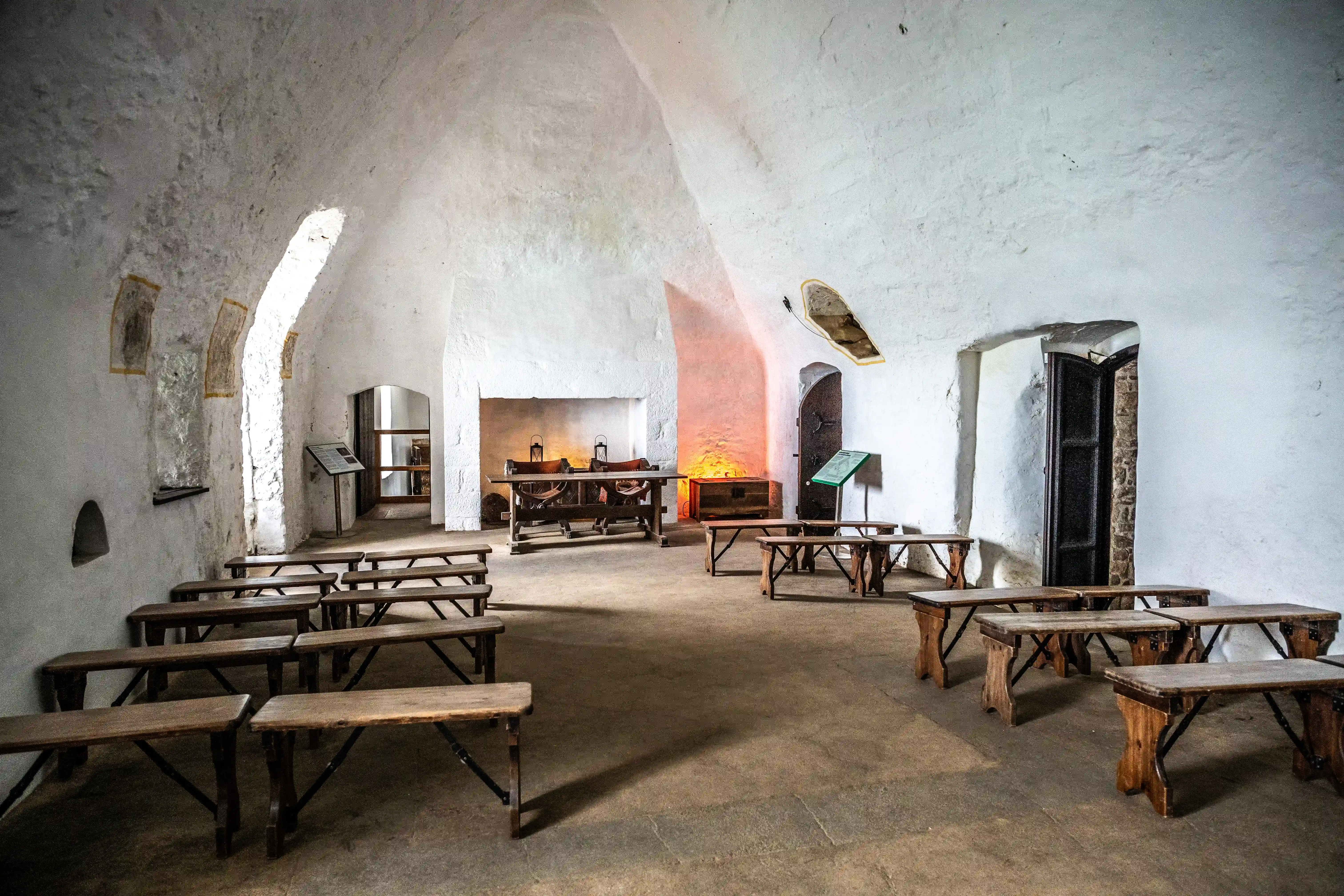
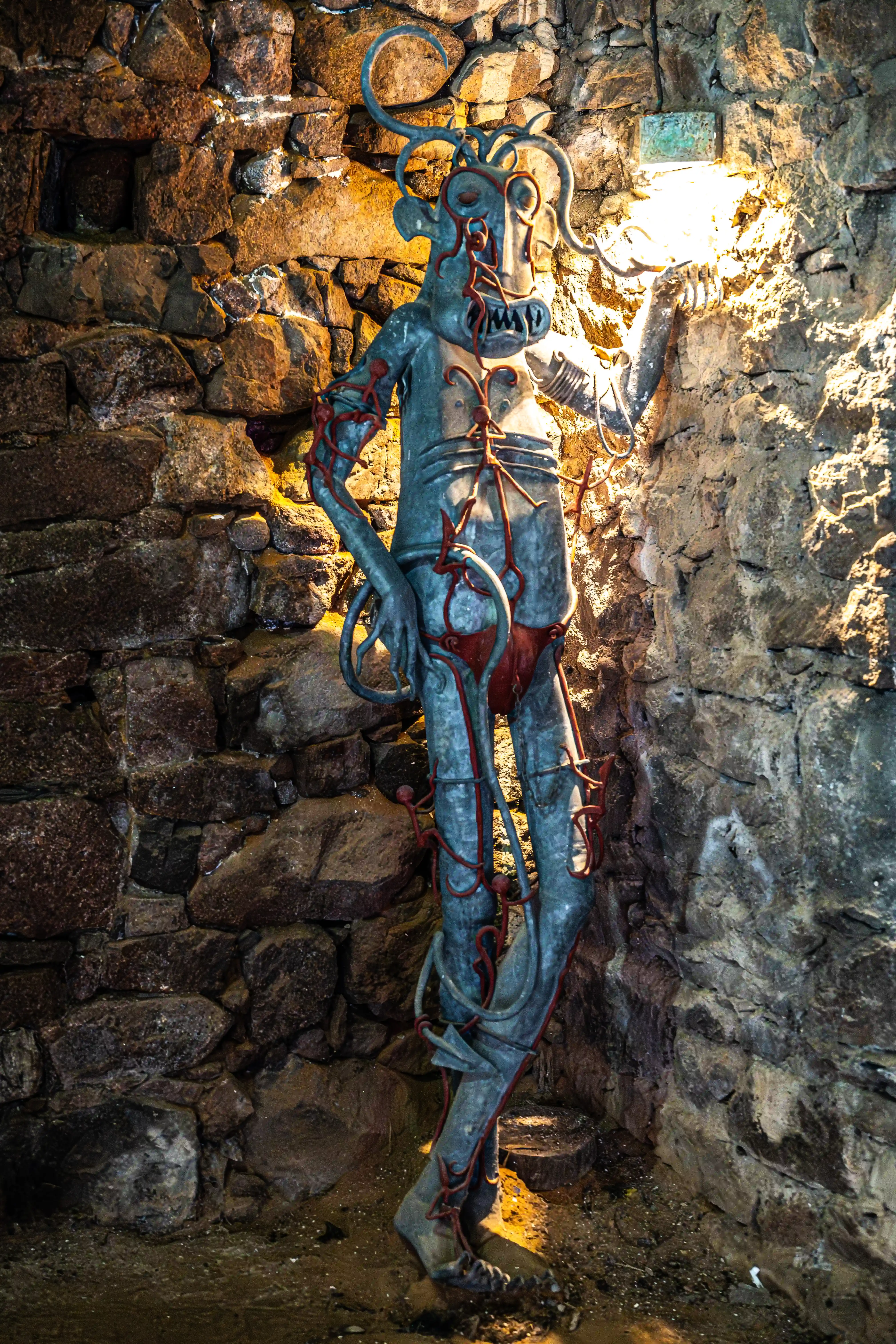
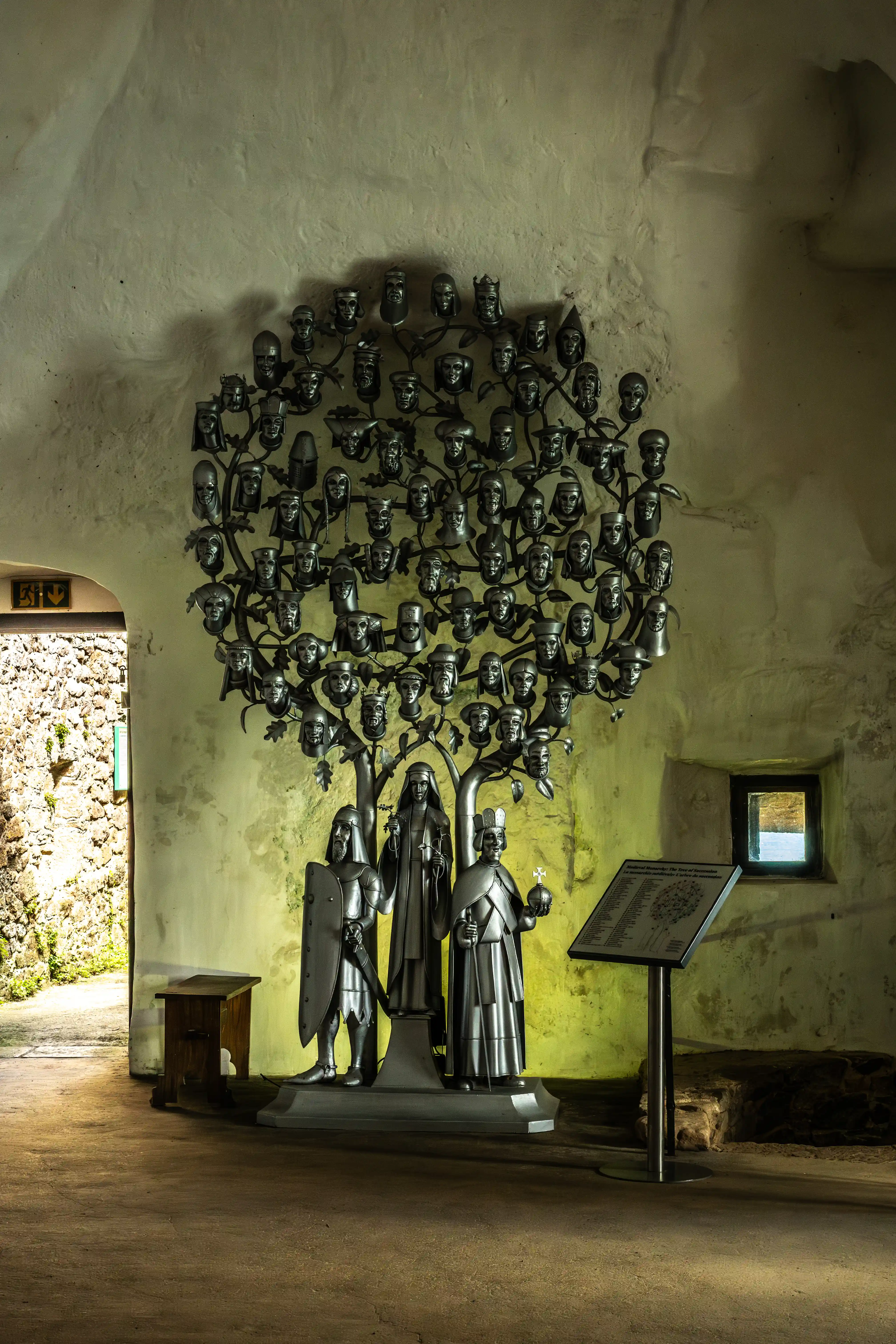
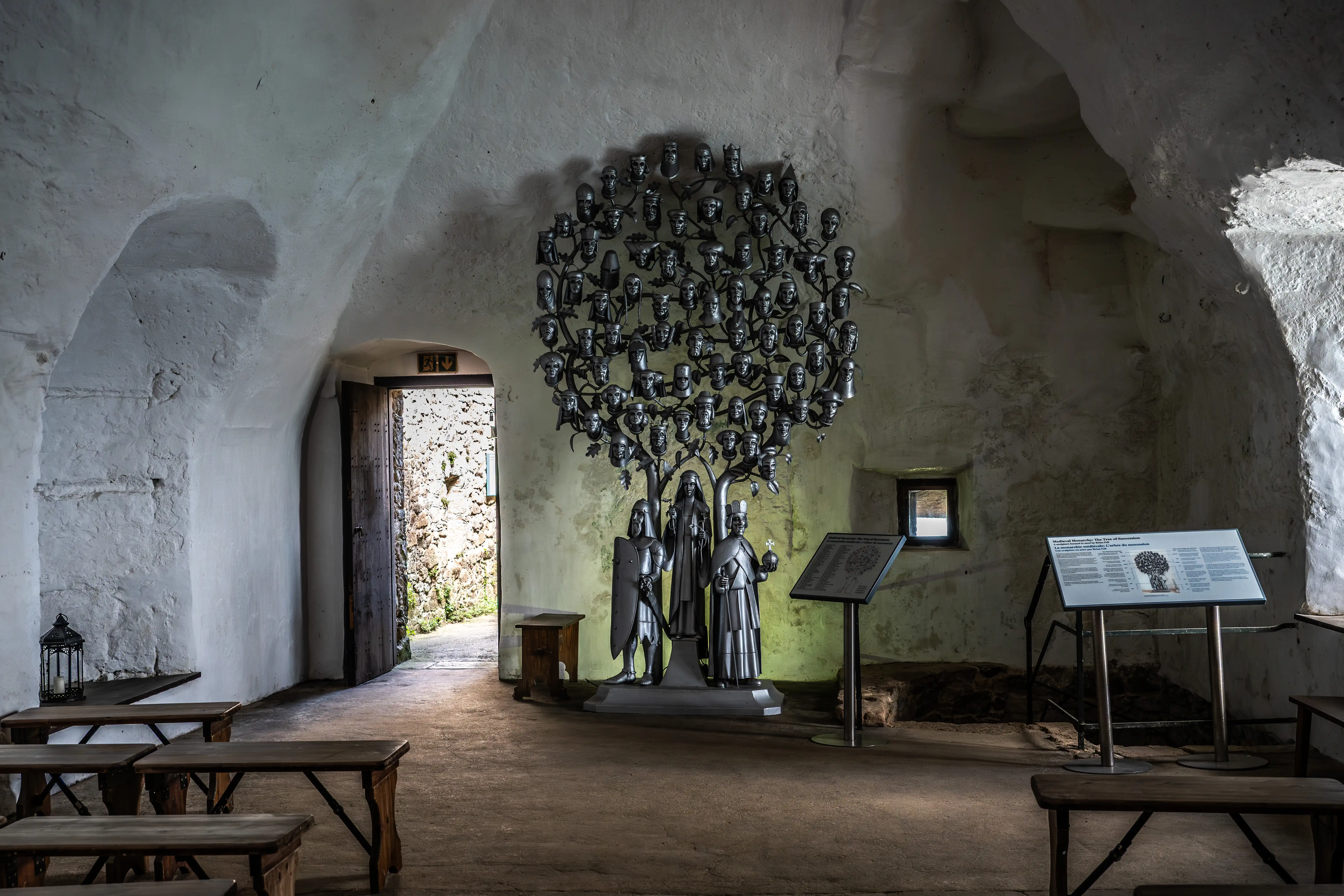
Today, Mont Orgueil is managed by Jersey Heritage and is open to the public as a museum and historic site. Visitors can explore its network of staircases, towers, and secret rooms, discovering hidden treasures and gruesome tales of castle life. Highlights of a visit include:- The Medieval Great Hall: A grand space where feasts and gatherings were once held, now home to specially commissioned artwork that brings the castle’s history to life.
- The Battlements: Offering panoramic views of the French coast and the surrounding countryside, the battlements are a perfect spot for photography and reflection.
- The Wheel of Urine: A medieval curiosity, this unique feature was used to test the loyalty of suspects by dunking them in urine—a gruesome but fascinating insight into medieval justice.
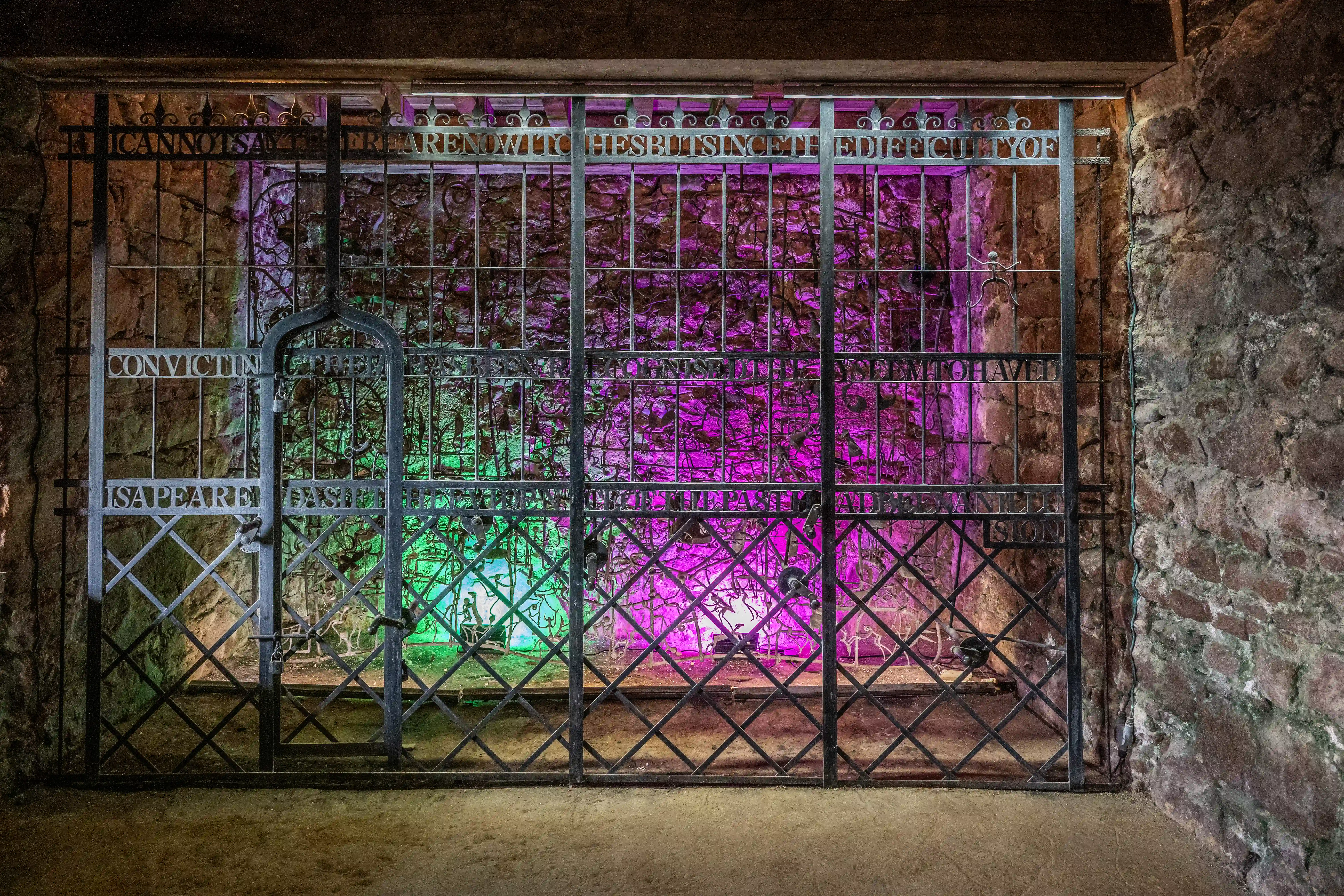
- The Witchcraft Exhibit: Located in the cellar, this exhibit explores the dark history of witch trials in Jersey, including the story of the island’s last executed witch.
- The Royal Charters Exhibition: Showcasing the historic documents that shaped Jersey’s relationship with the English Crown, this exhibition is a testament to the castle’s political significance.
