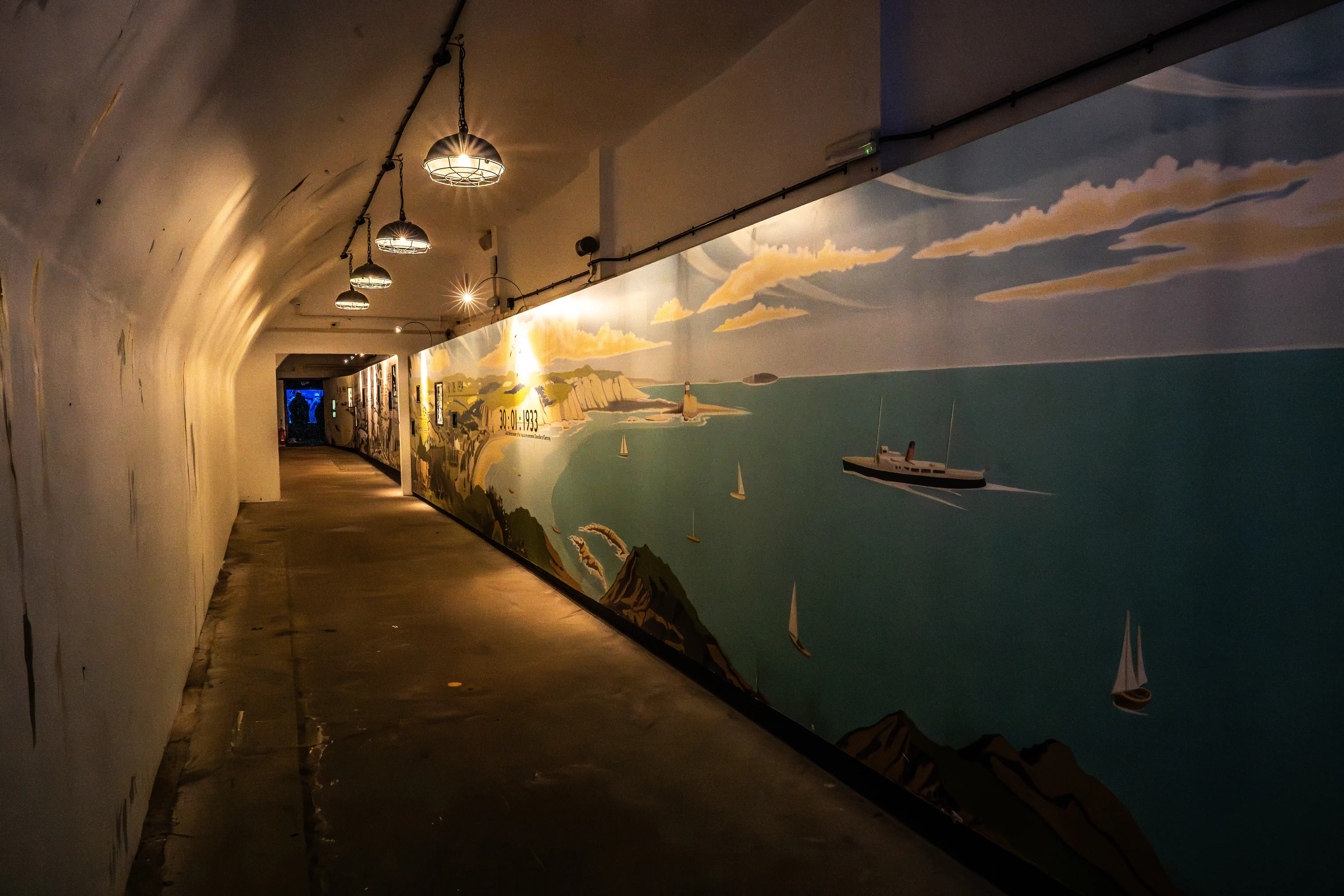
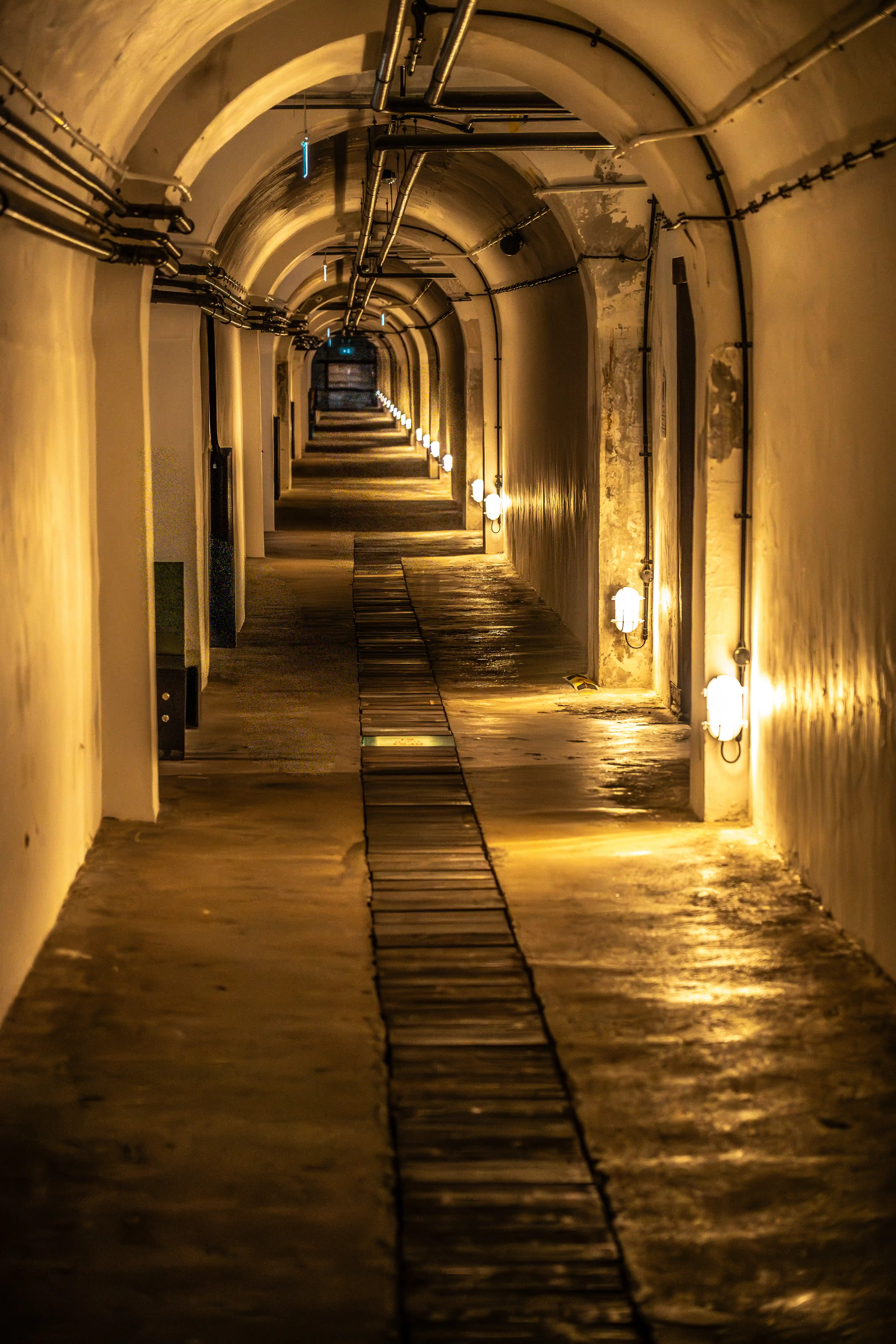
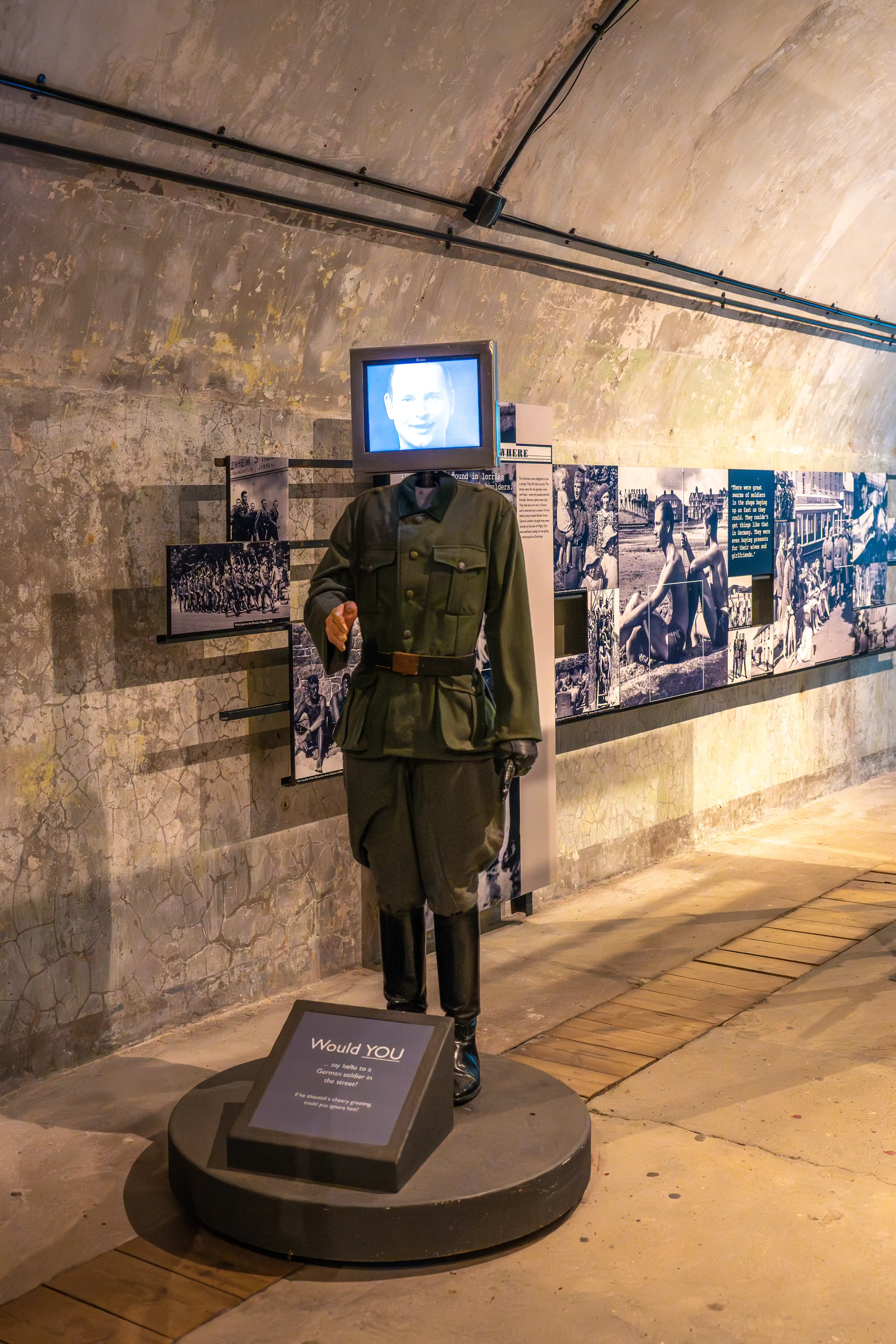

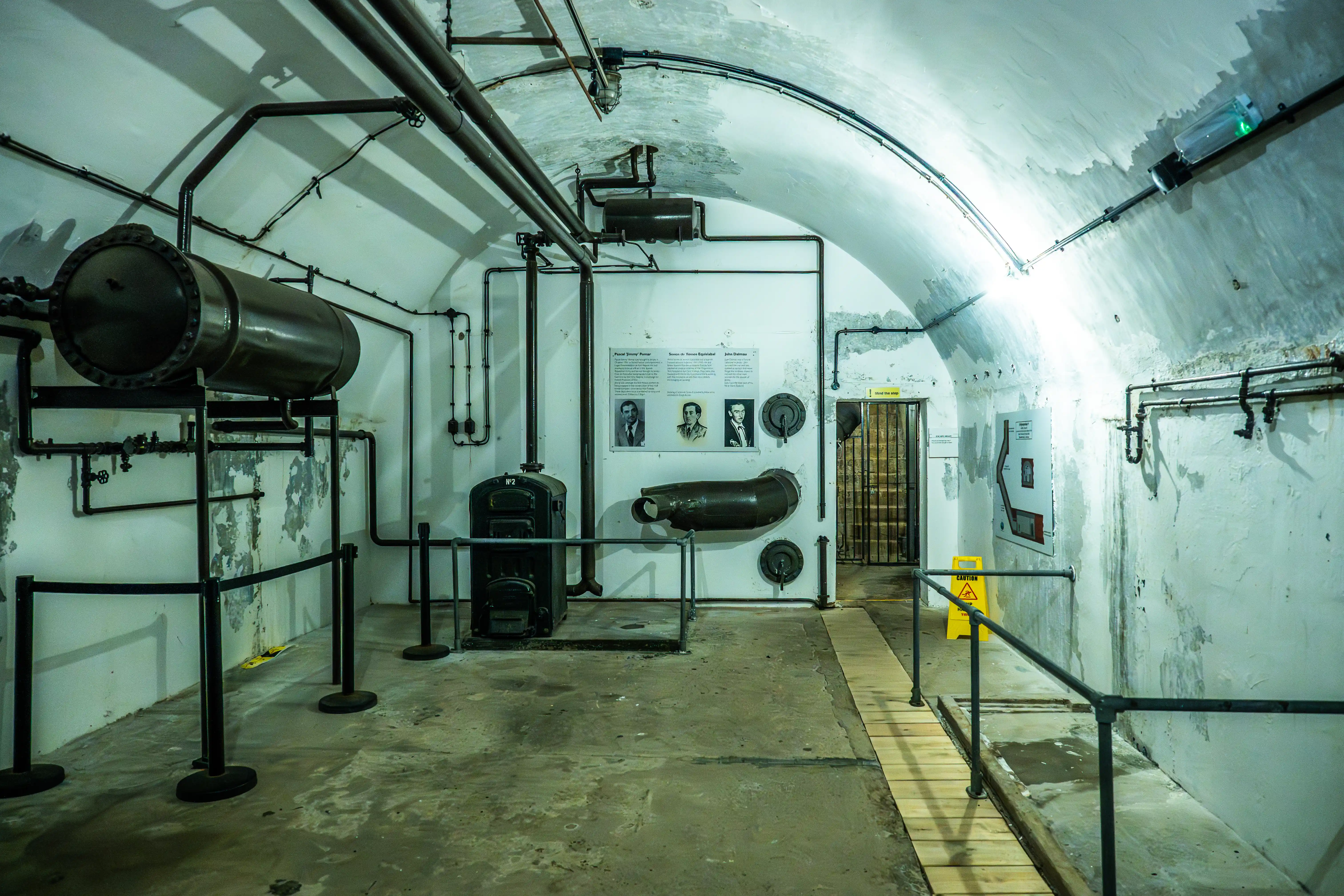

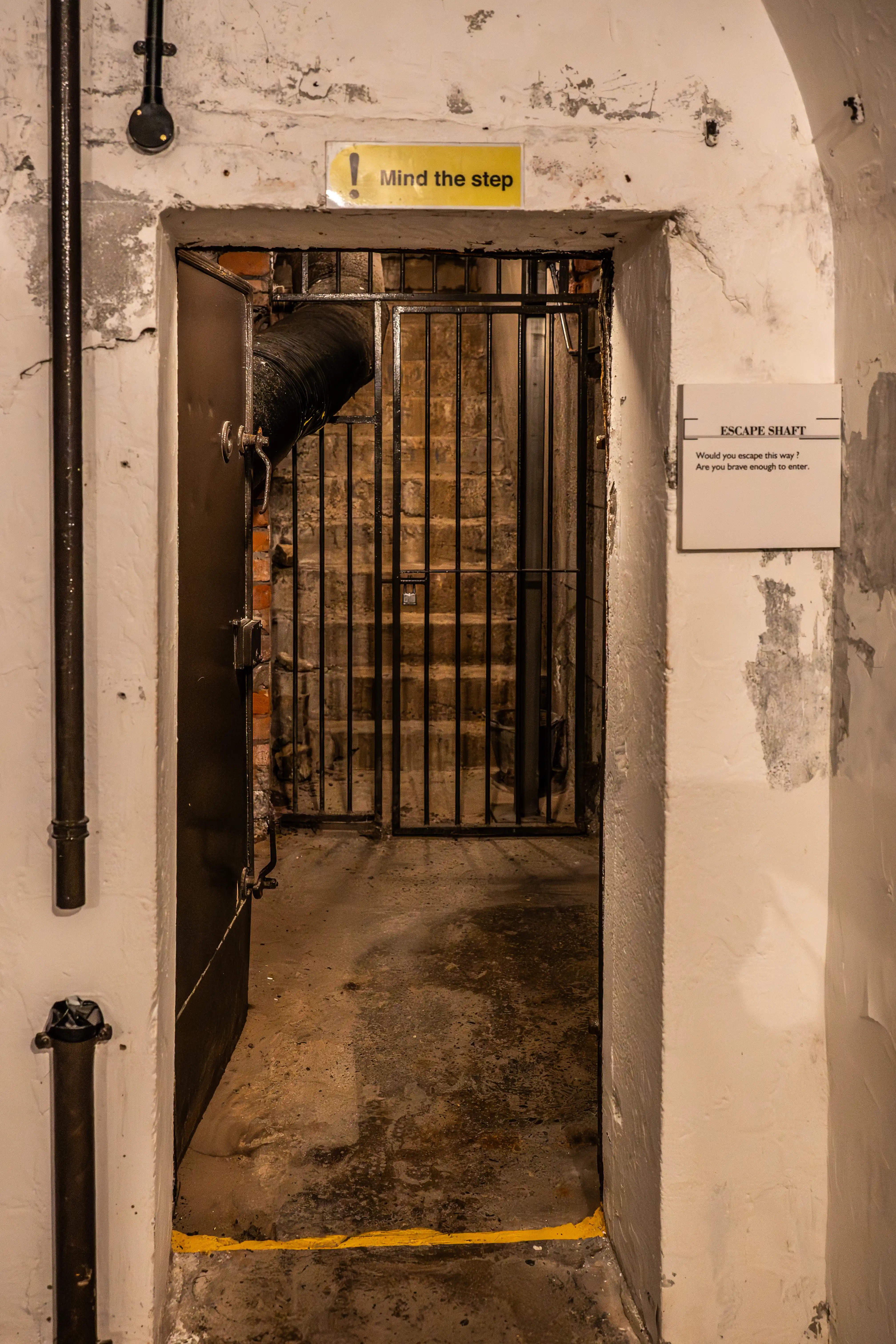
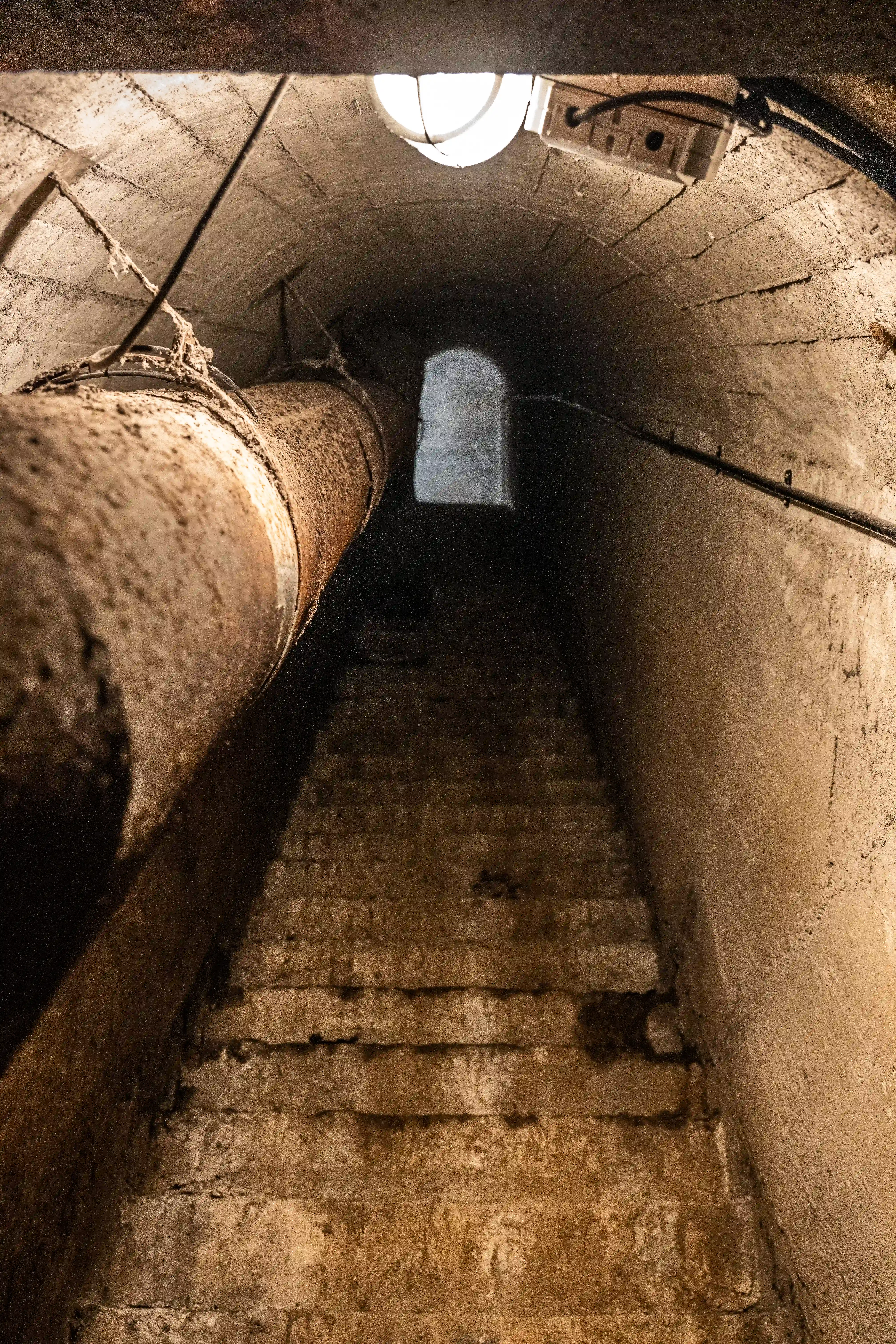

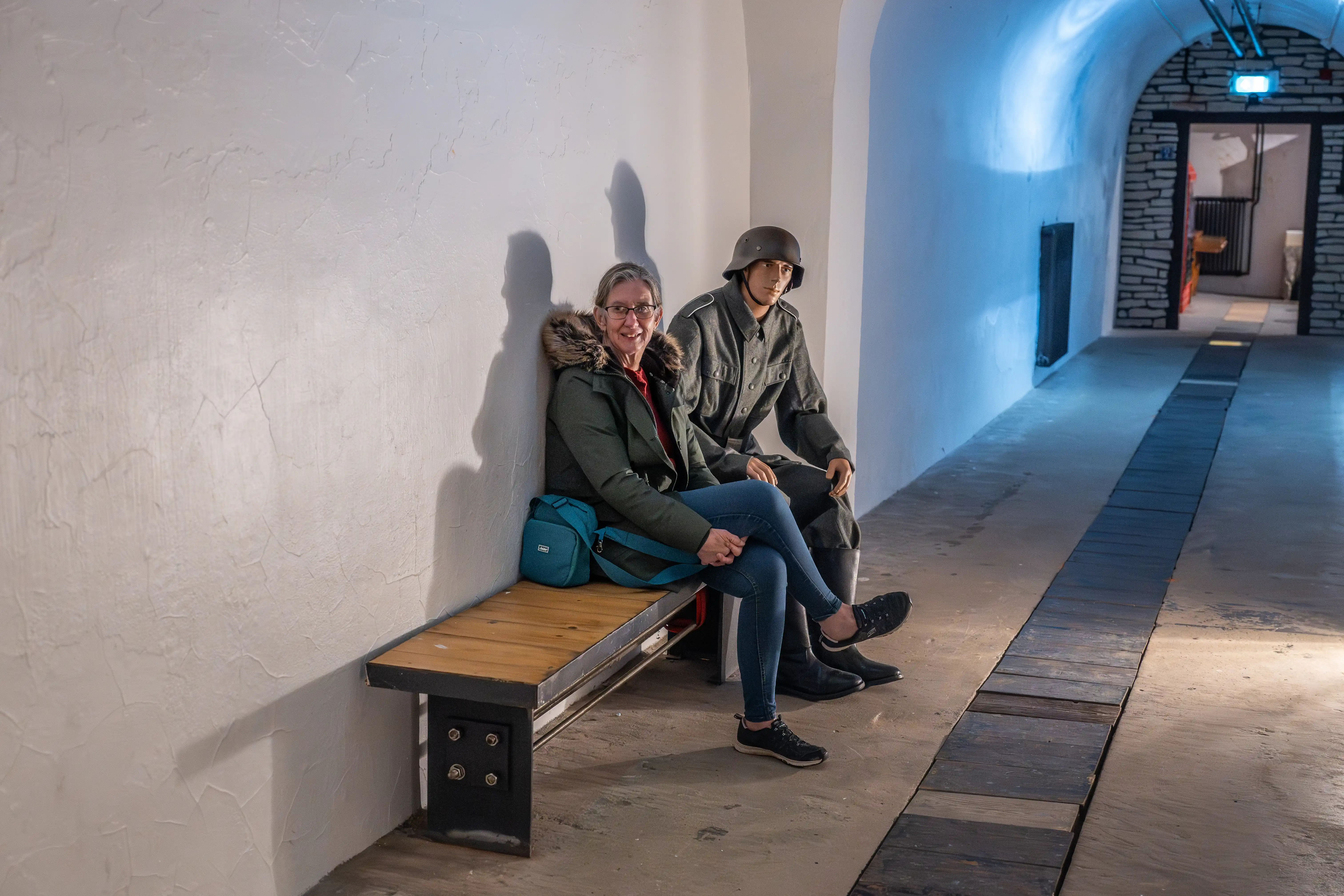

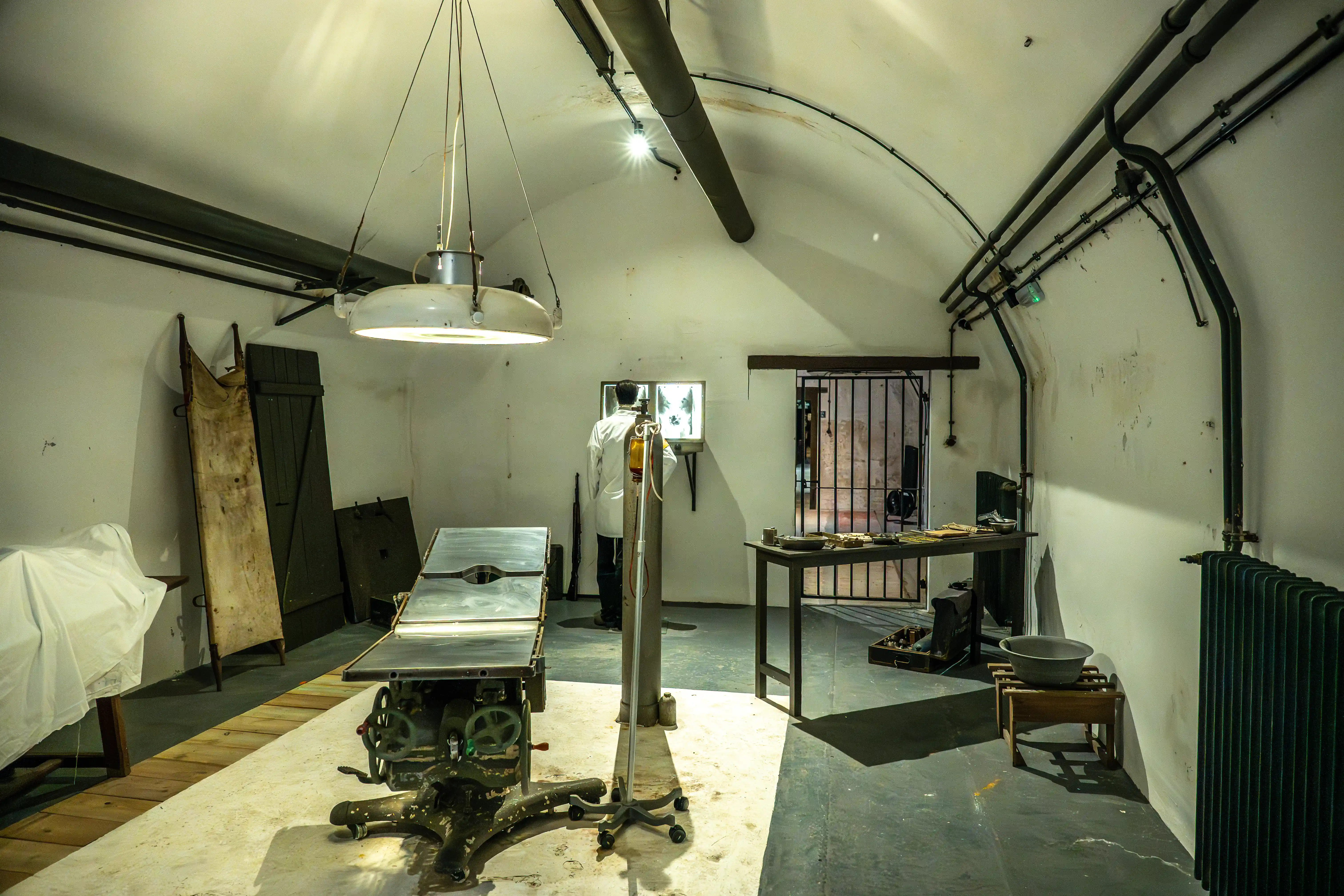

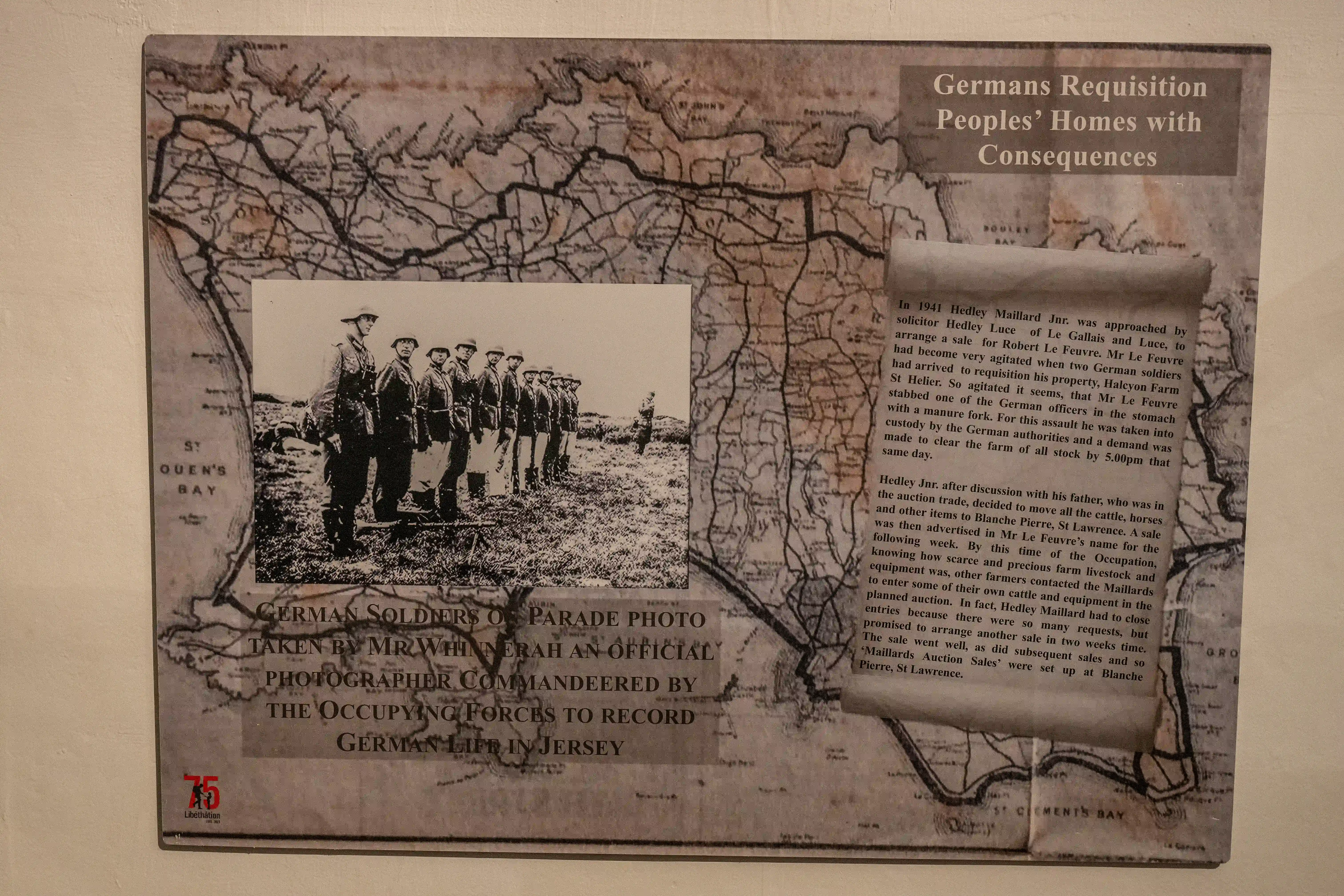
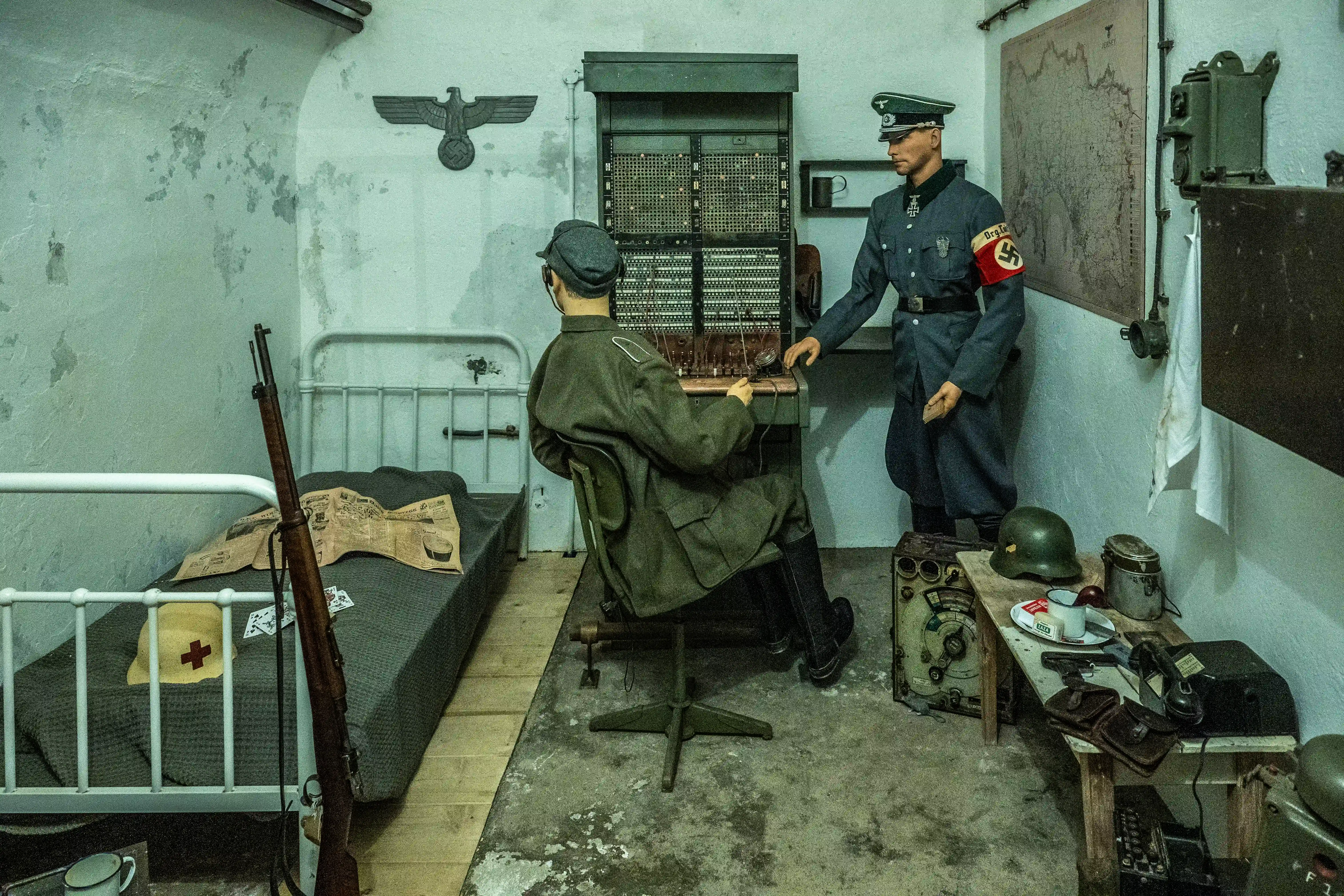
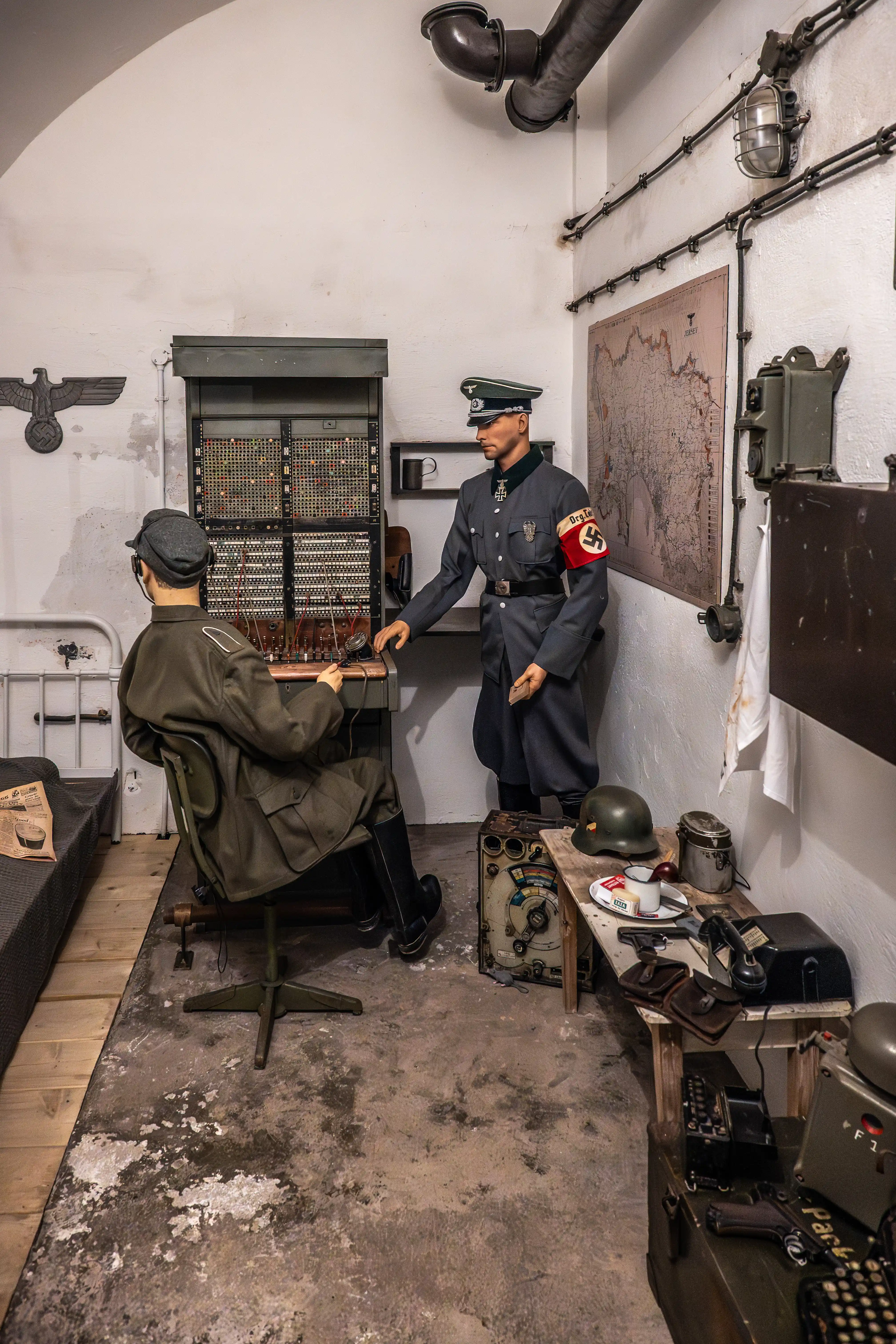
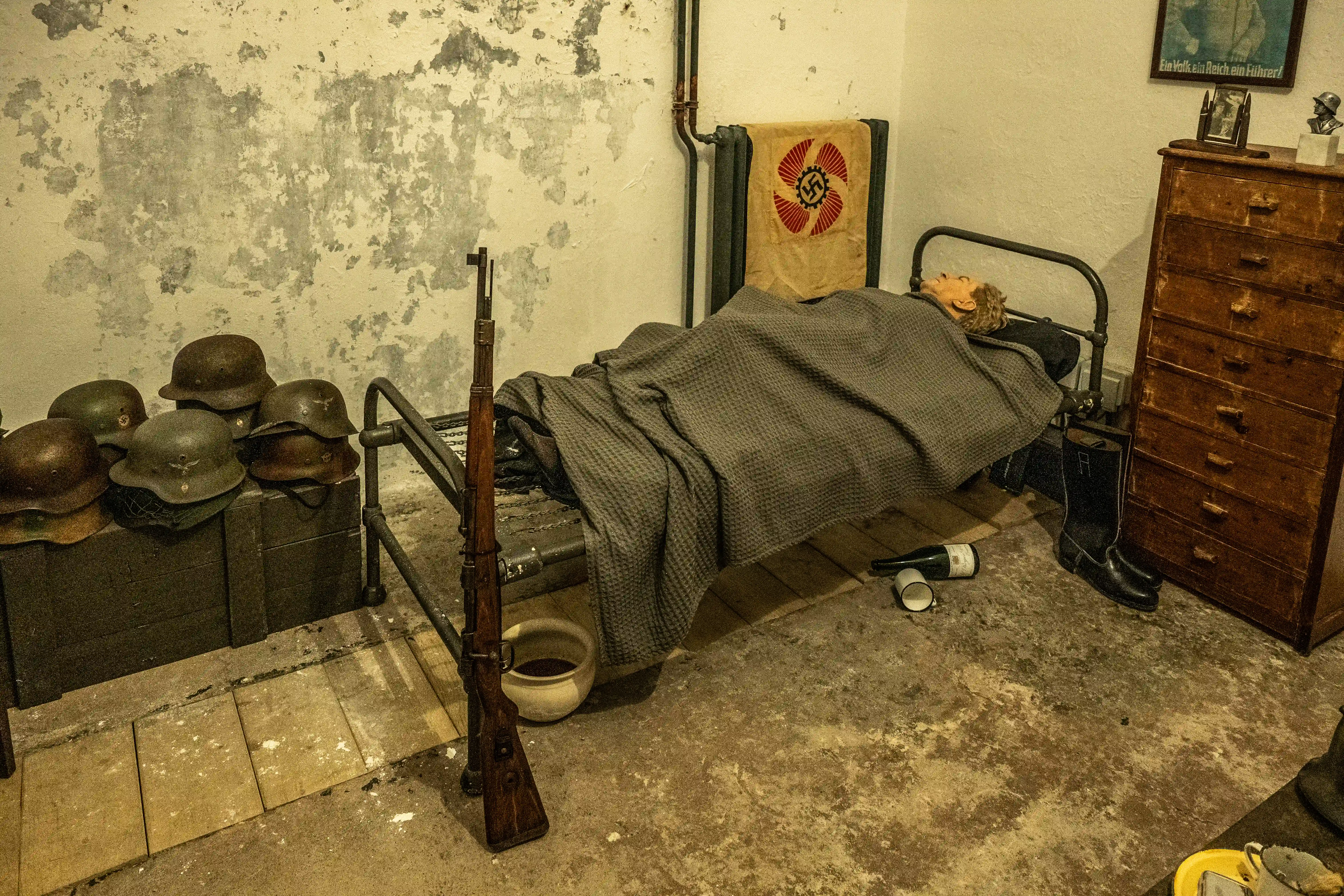




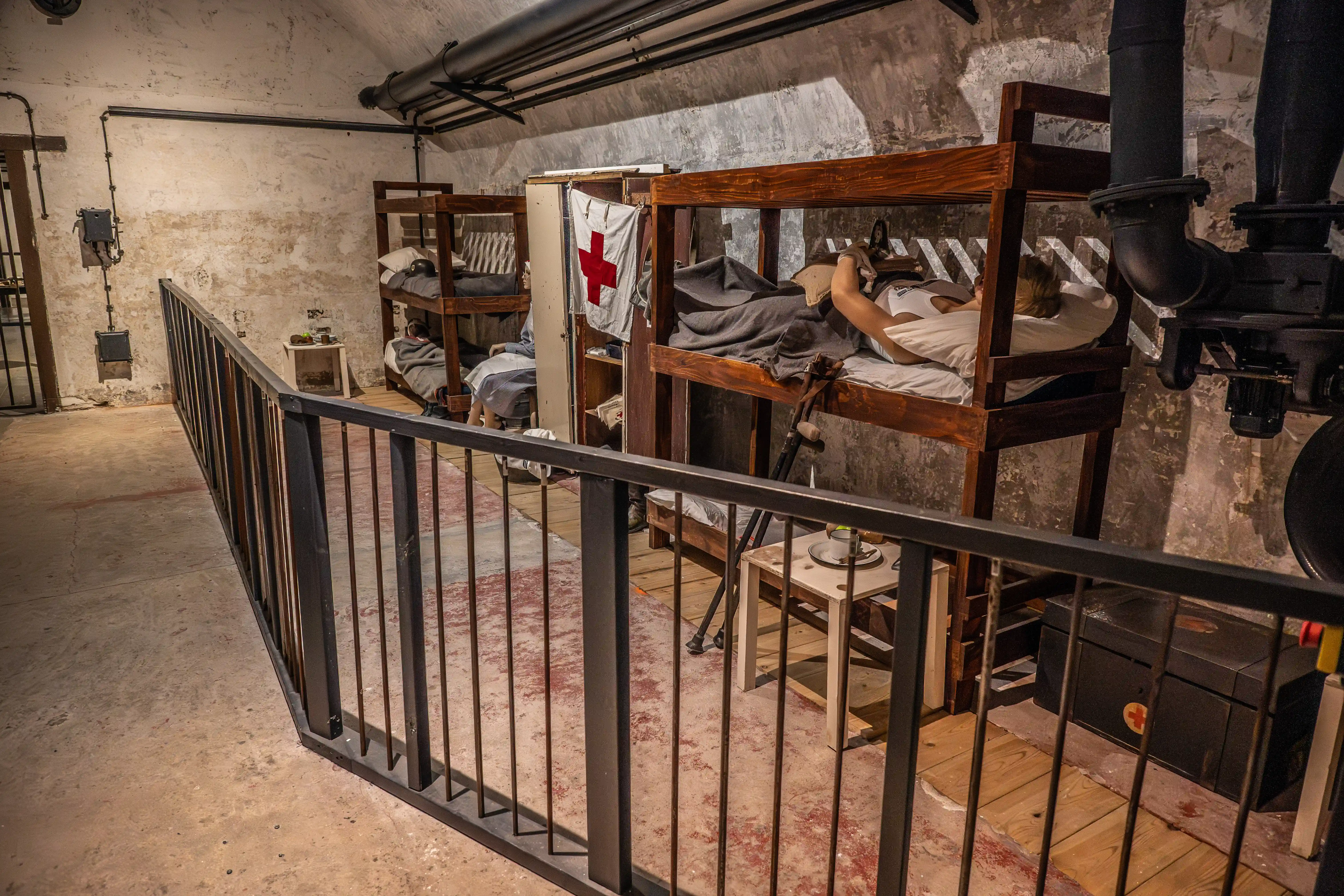


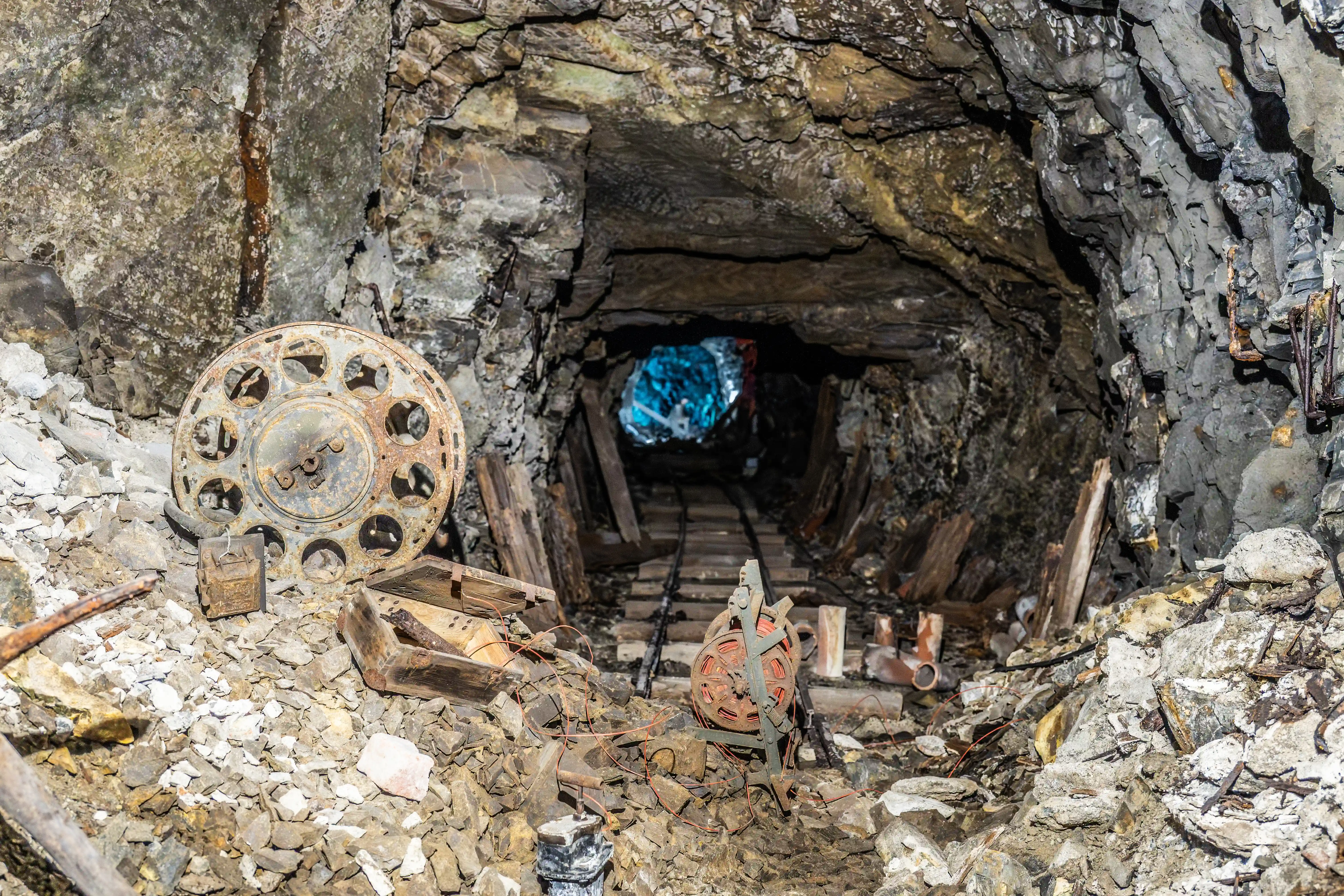


The Jersey War Tunnels (officially known as the Höhlgangsanlage 8 – H8) are a network of underground tunnels built by German forces during World War II when Jersey was occupied from 1940 to 1945. Originally constructed as a military hospital, the tunnels were designed to treat wounded soldiers in a protected underground environment. Today, they serve as a powerful museum that tells the story of Jersey’s occupation, the islanders’ resilience, and the impact of war on everyday life.
A Monument to Occupation and Resistance
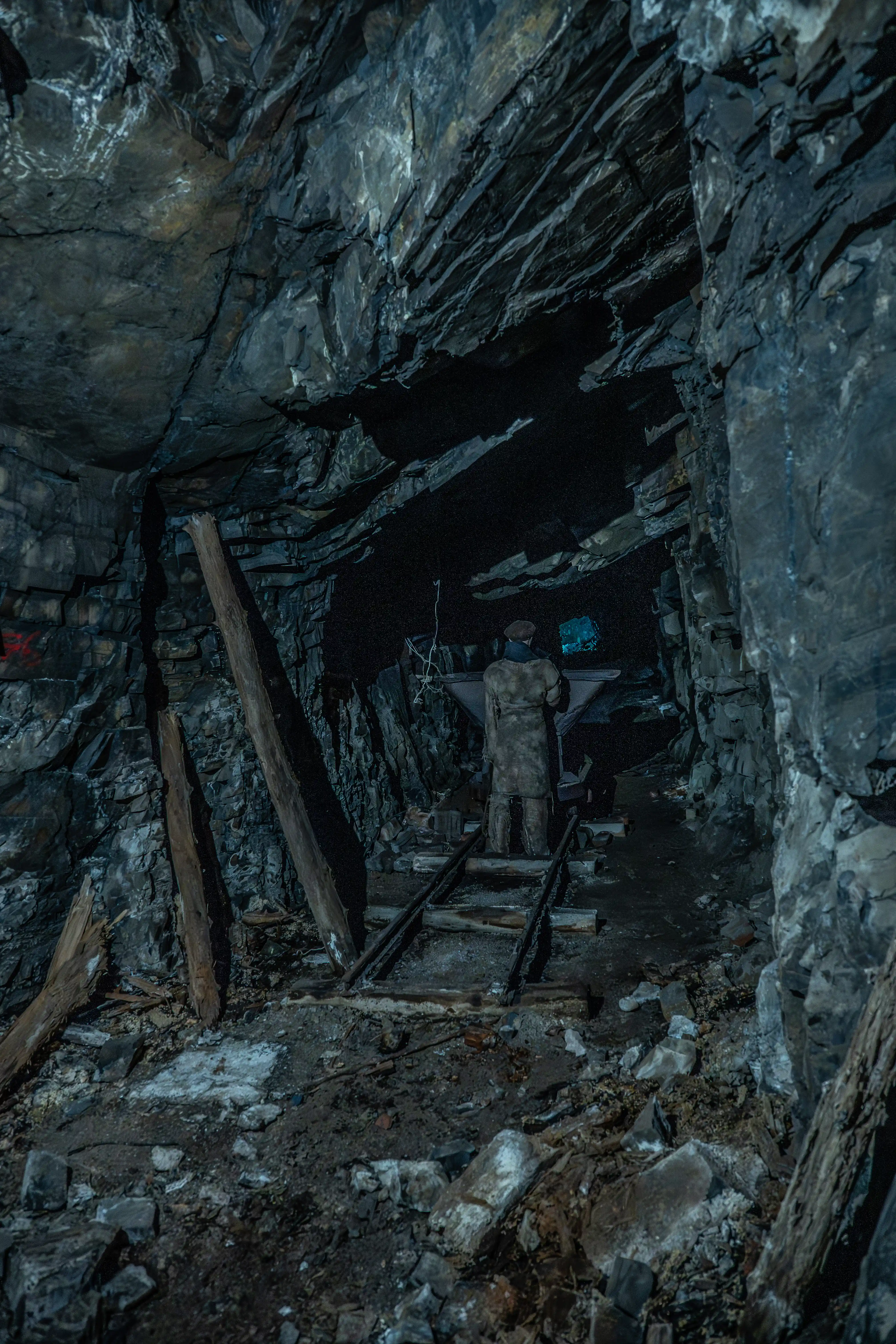
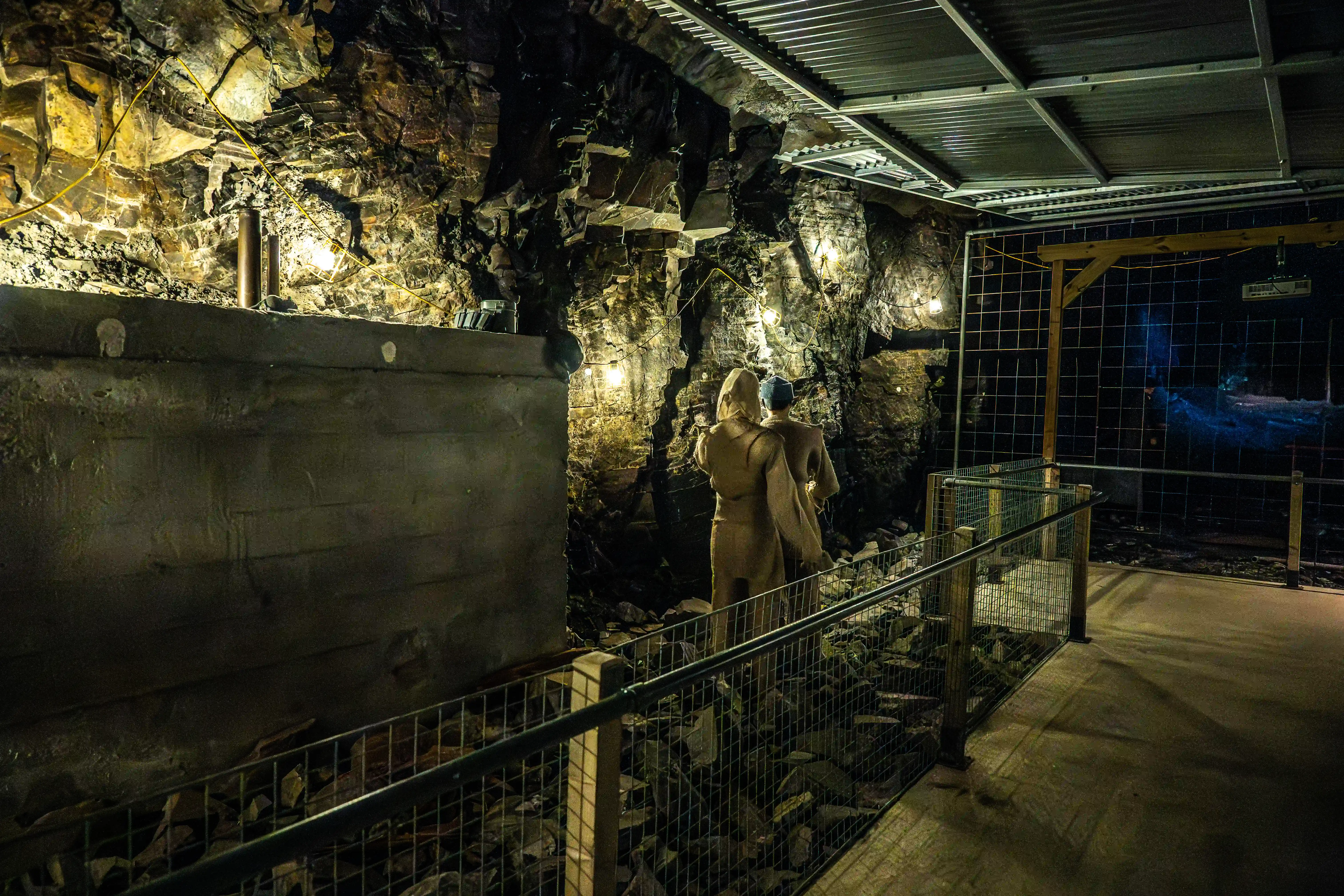
The Jersey War Tunnels (officially known as Hohlgangsanlage 8, or Ho8) are a vast underground complex that bears witness to one of the darkest chapters in Jersey’s history: the German occupation of the Channel Islands during World War II. Built between 1940 and 1945 by forced and slave laborers from across Europe and North Africa, these tunnels were originally designed as a bomb-proof shelter for German troops, capable of withstanding Allied air raids and bombardment in the event of an Allied invasion. In 1943, the tunnels were repurposed as an emergency hospital, with 500 beds, heating, and air conditioning, intended to treat wounded German soldiers. Today, they stand as a powerful and poignant memorial to the hardships, heroism, and human cost of the occupation.The tunnels are unique in the British Isles as the only underground hospital complex built by the Germans during WWII. Their construction was a brutal endeavor: thousands of laborers, including prisoners of war and civilians, were shipped to Jersey under the Organisation Todt (the Nazi engineering group) and forced to work in harsh conditions, with meager rations and long hours. Many lost their lives due to exhaustion, malnutrition, or accidents, and their sacrifice is commemorated in the tunnels today.
A Story of Survival and Liberation
The Jersey War Tunnels now house a moving and immersive exhibition that tells the story of life in Jersey under German rule. Visitors can walk through over 1,000 meters (3,280 feet) of tunnels, 50 meters (164 feet) underground, and experience the clausrophobic conditions that defined daily life for both Islanders and occupying forces. The exhibition chronicles the occupation from the German arrival in 1940 to the Island’s liberation on May 9, 1945, exploring themes of:- Resistance: The bravery of Islanders who defied the occupiers, from sabotage to espionage.
- Starvation: The acute food shortages that led to near-famine conditions in the final months of the war.
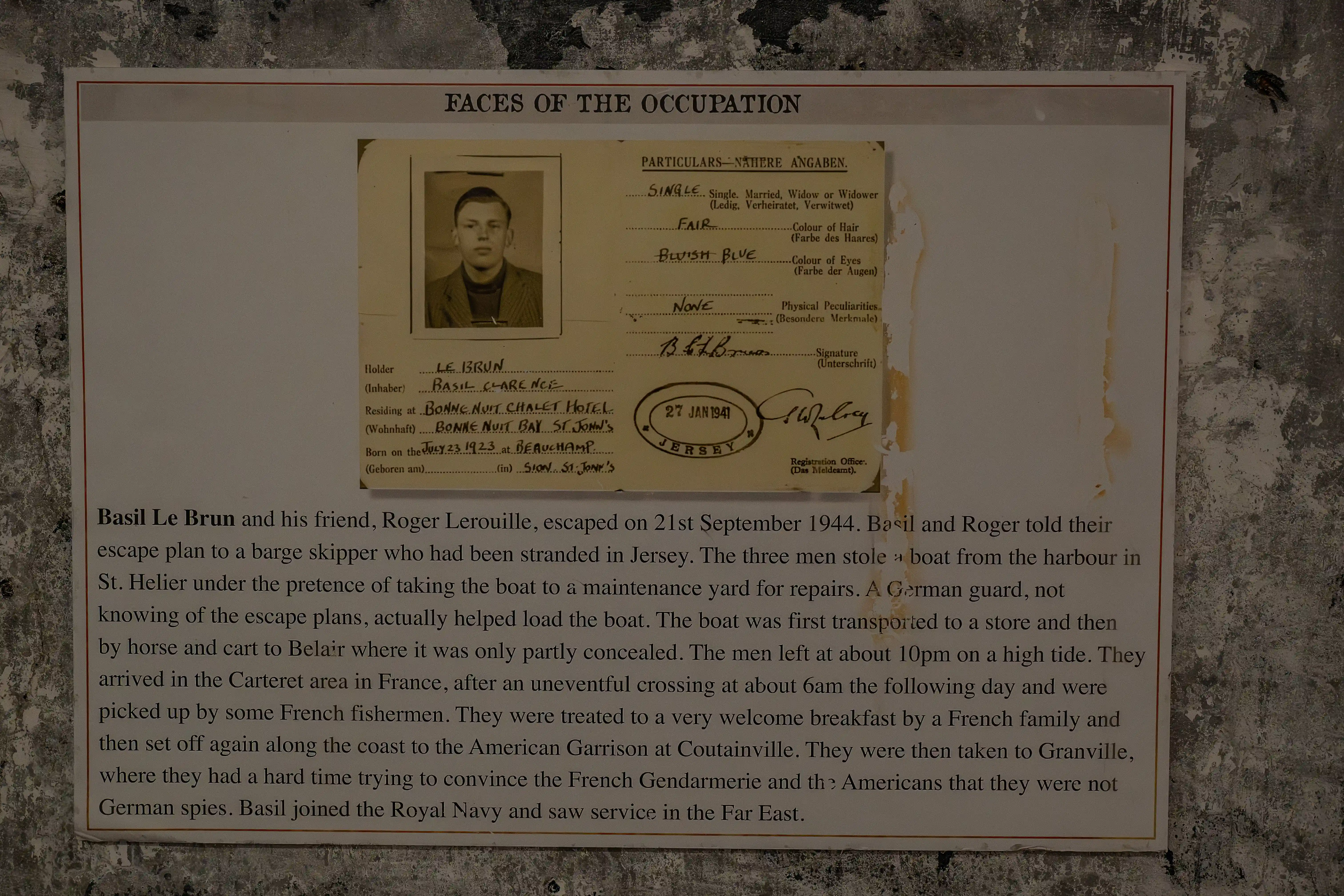
- Collaboration and Conflict: The complex relationships between Islanders and German soldiers, including stories of kindness, betrayal, and survival.
- Liberation: The emotional return of British forces and the end of five years of occupation, a moment celebrated as Jersey’s "Liberation Day".
A Memorial to the Forgotten
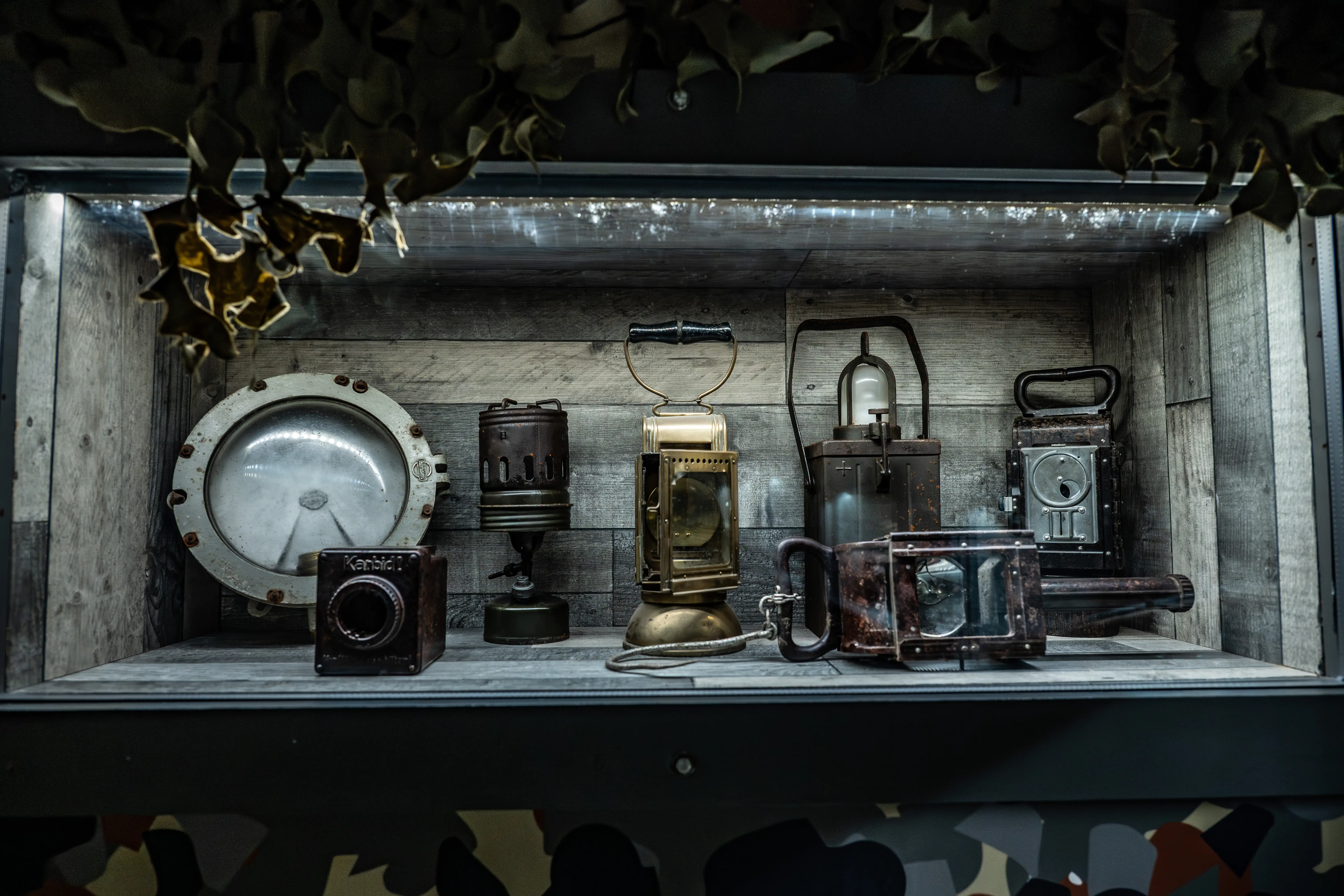
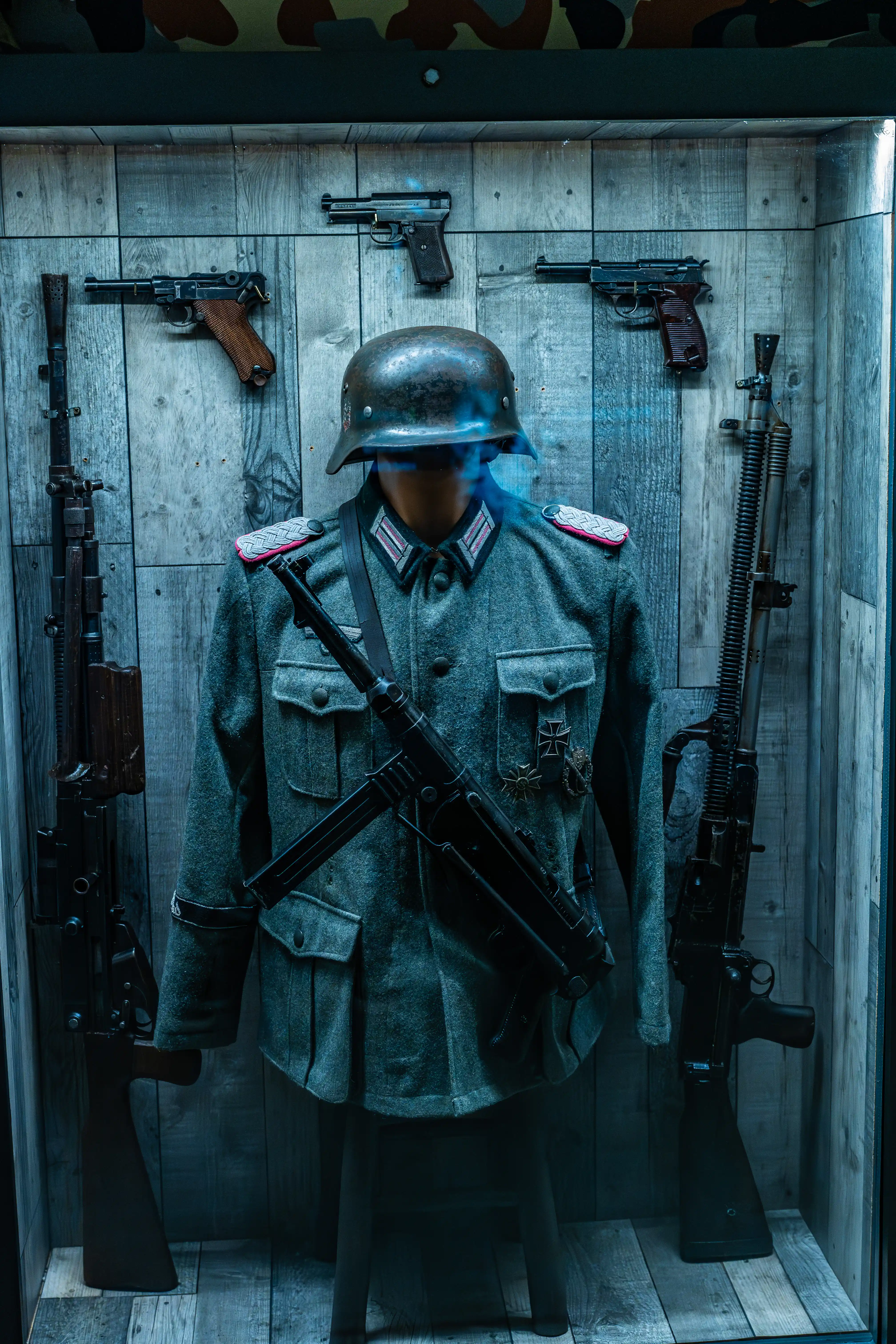
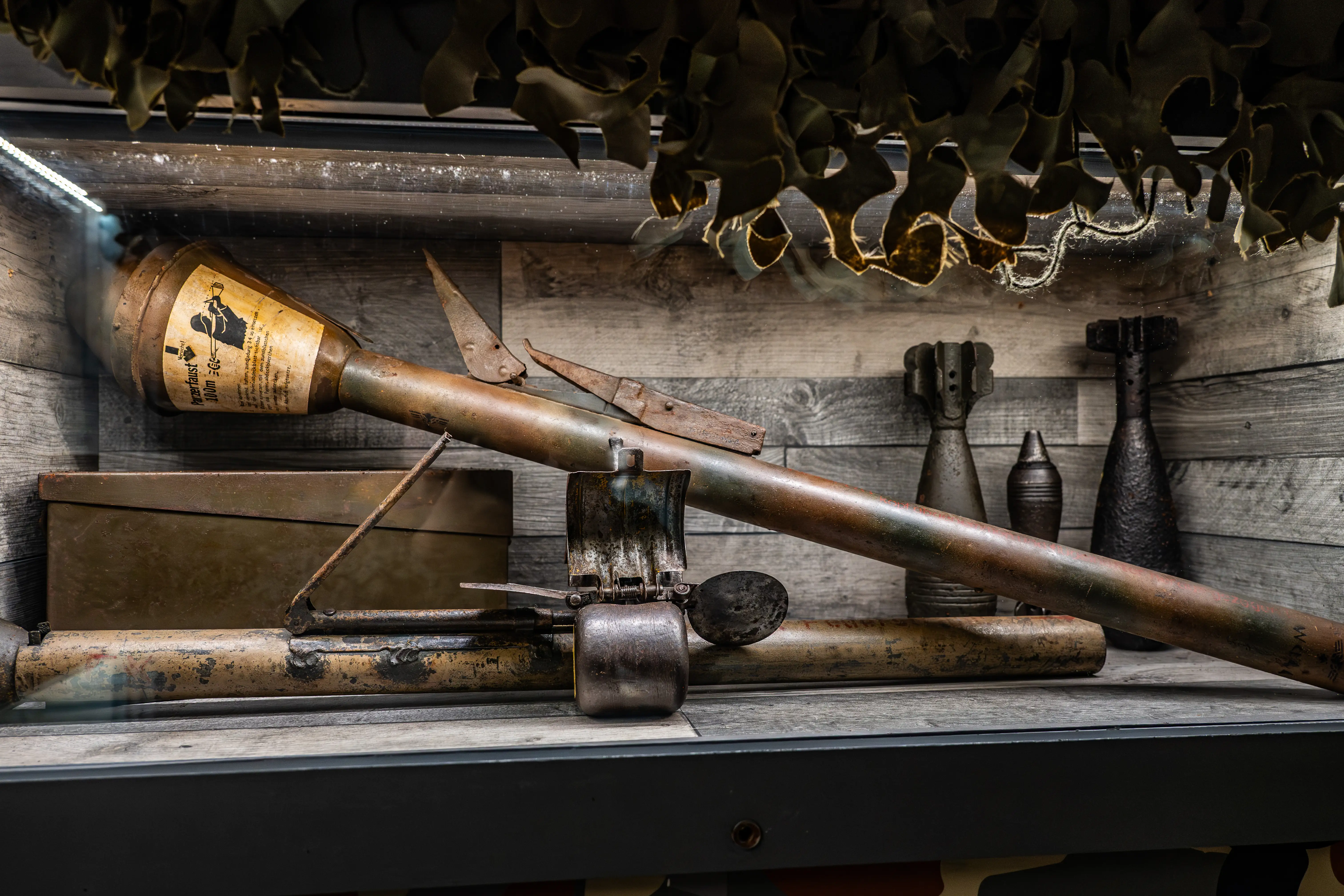
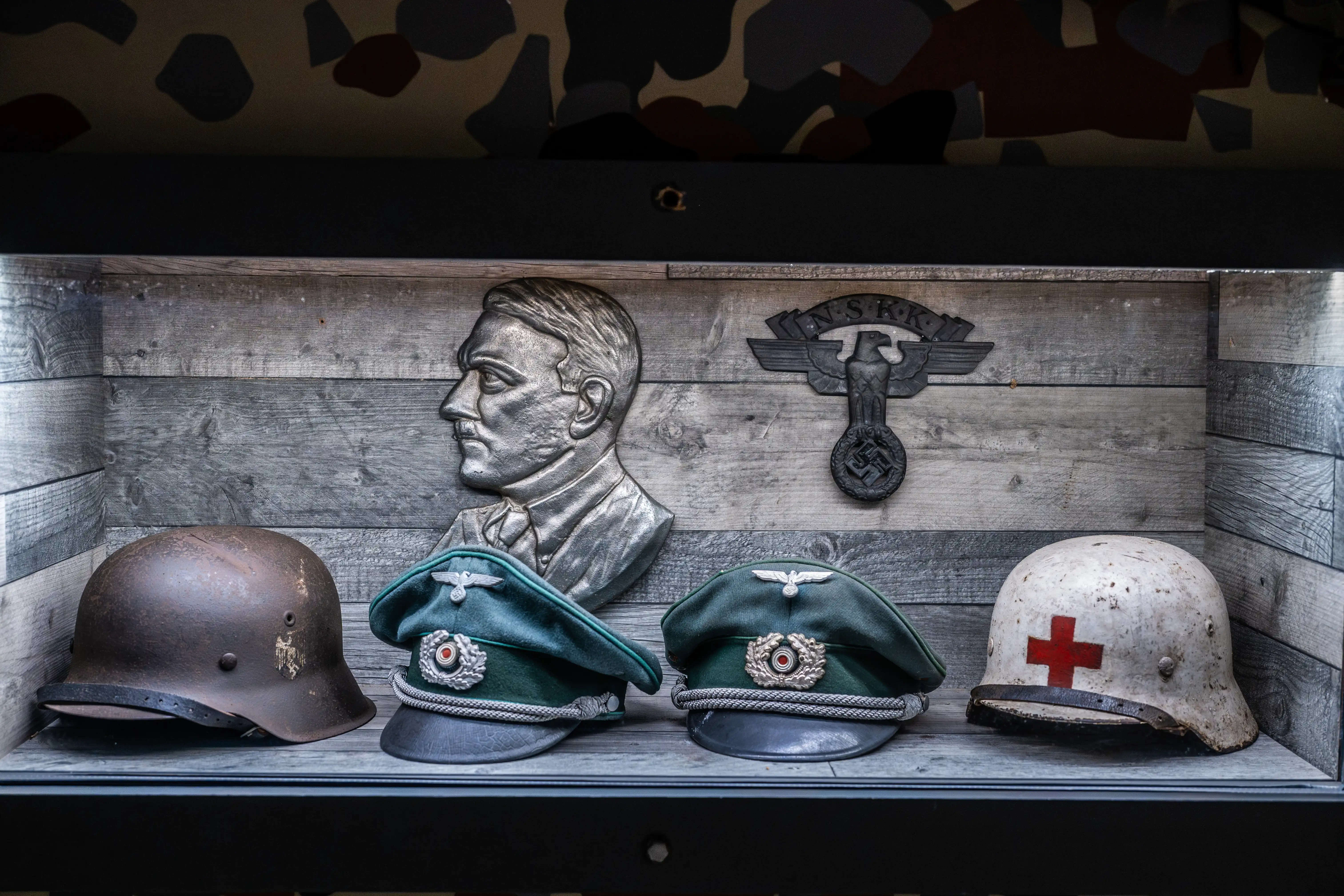
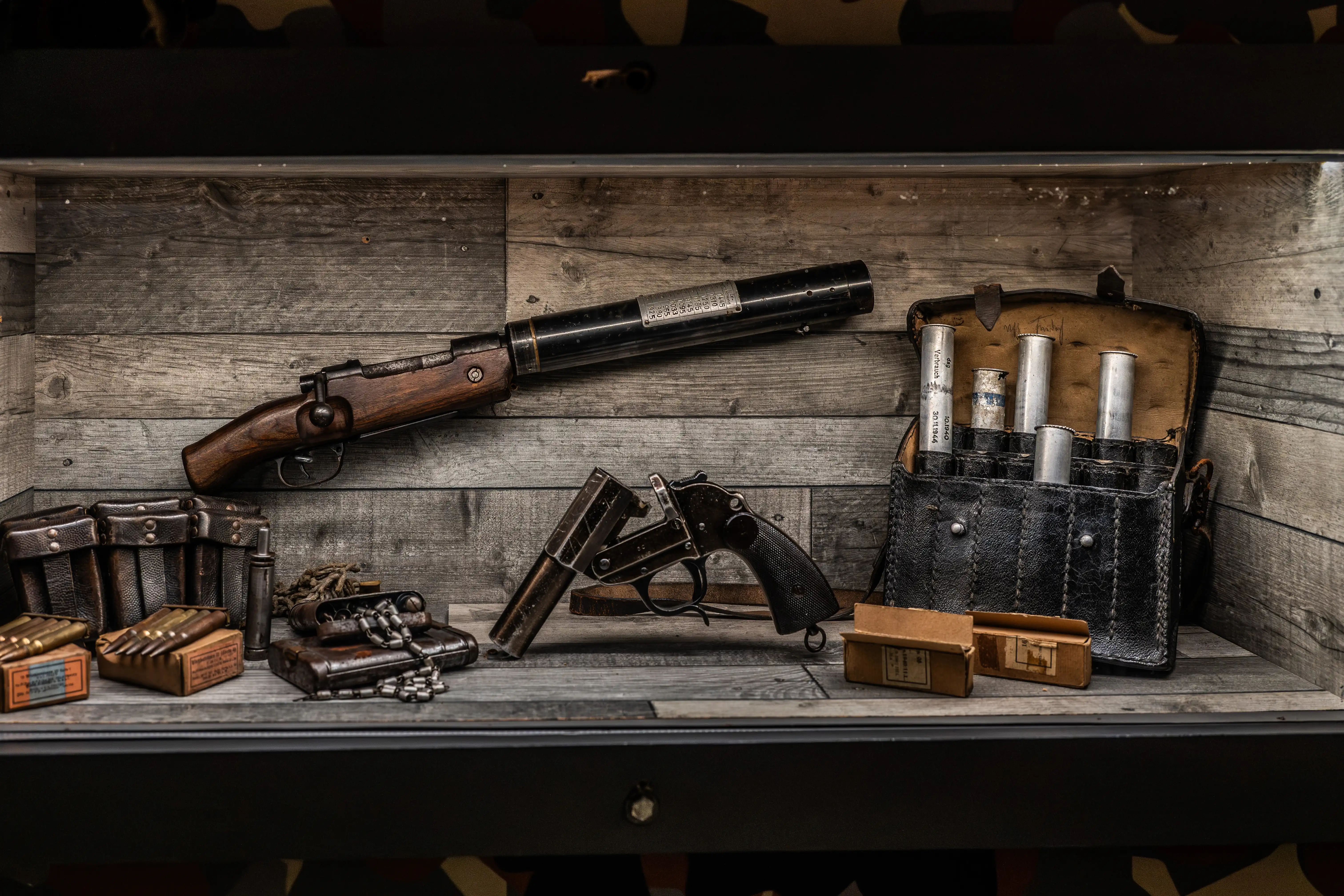
The unfinished sections of the tunnels serve as a memorial to the laborers who died during construction. Their names and stories are honored in a dedicated space, ensuring that their sacrifice is not forgotten. The tunnels also preserve artifacts from the occupation, including military equipment, medical supplies, and personal items left behind by both German soldiers and Islanders. One of the most notable exhibits is a Char B1 bis tank, which served in Jersey with the Panzer-Abteilung 213 and is now on long-term loan from The Tank Museum in Bovington.A Living Museum with Modern Additions
Today, the Jersey War Tunnels are more than just a historical site—they are a living museum that offers a range of experiences for visitors: Escape Rooms: Interactive challenges that test your problem-solving skills in a WWII-themed setting. War Trail: A self-guided walk through the wooded area surrounding the tunnels, with interpretive signs sharing the history of the occupation. Garden of Reflection: A peaceful space for contemplation and remembrance, honoring those who suffered and died during the war. Visitor Centre and Café: A modern facility with a gift shop, café, and sun terrace, offering a place to relax and reflect after exploring the tunnels.The tunnels are open year-round, with guided tours available for those who want a deeper understanding of the site’s history. The exhibition is designed to be accessible, with ramps and lifts providing wheelchair access to most areas. Visitors are advised to book online in advance, especially during peak seasons, as the tunnels can be busy.
