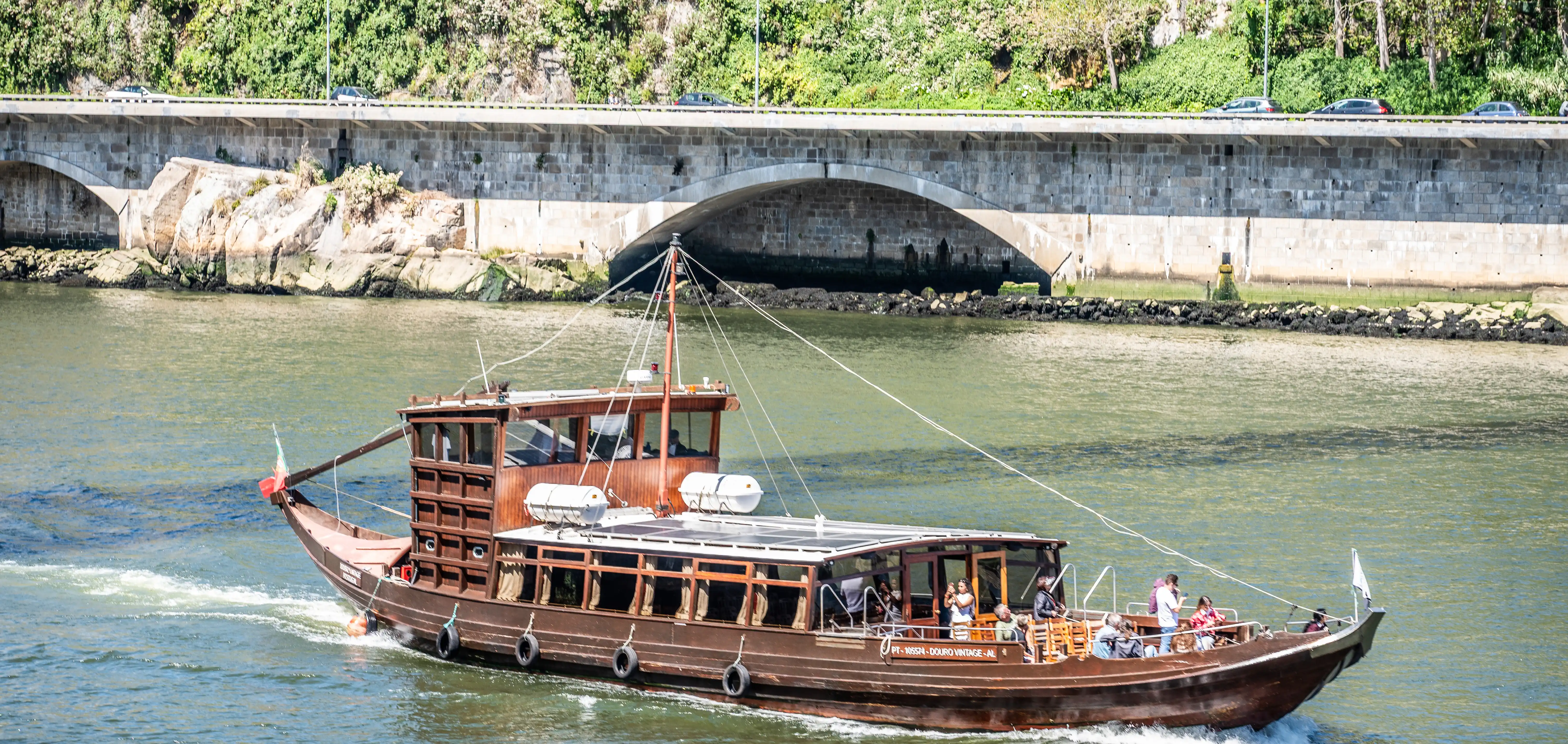
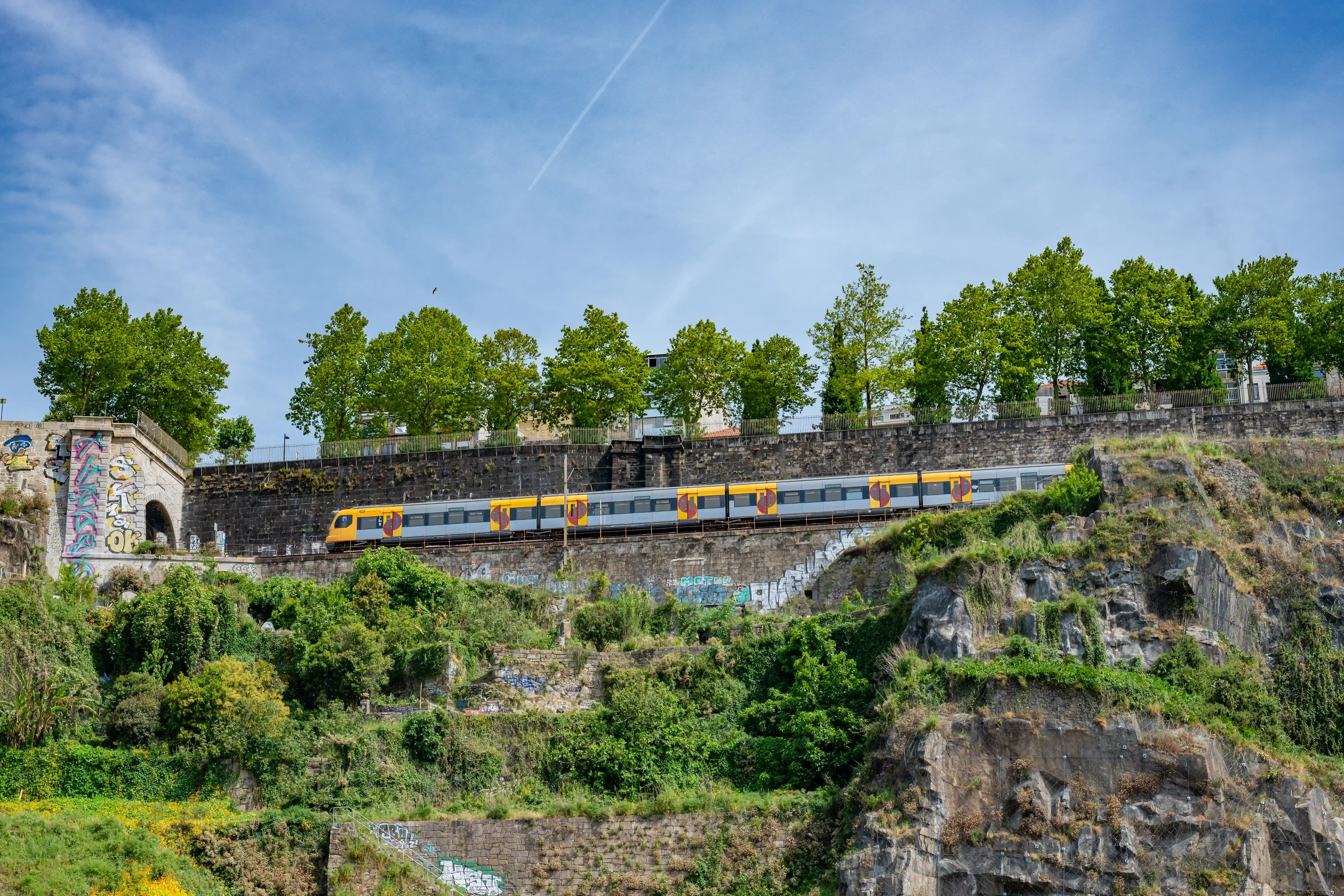
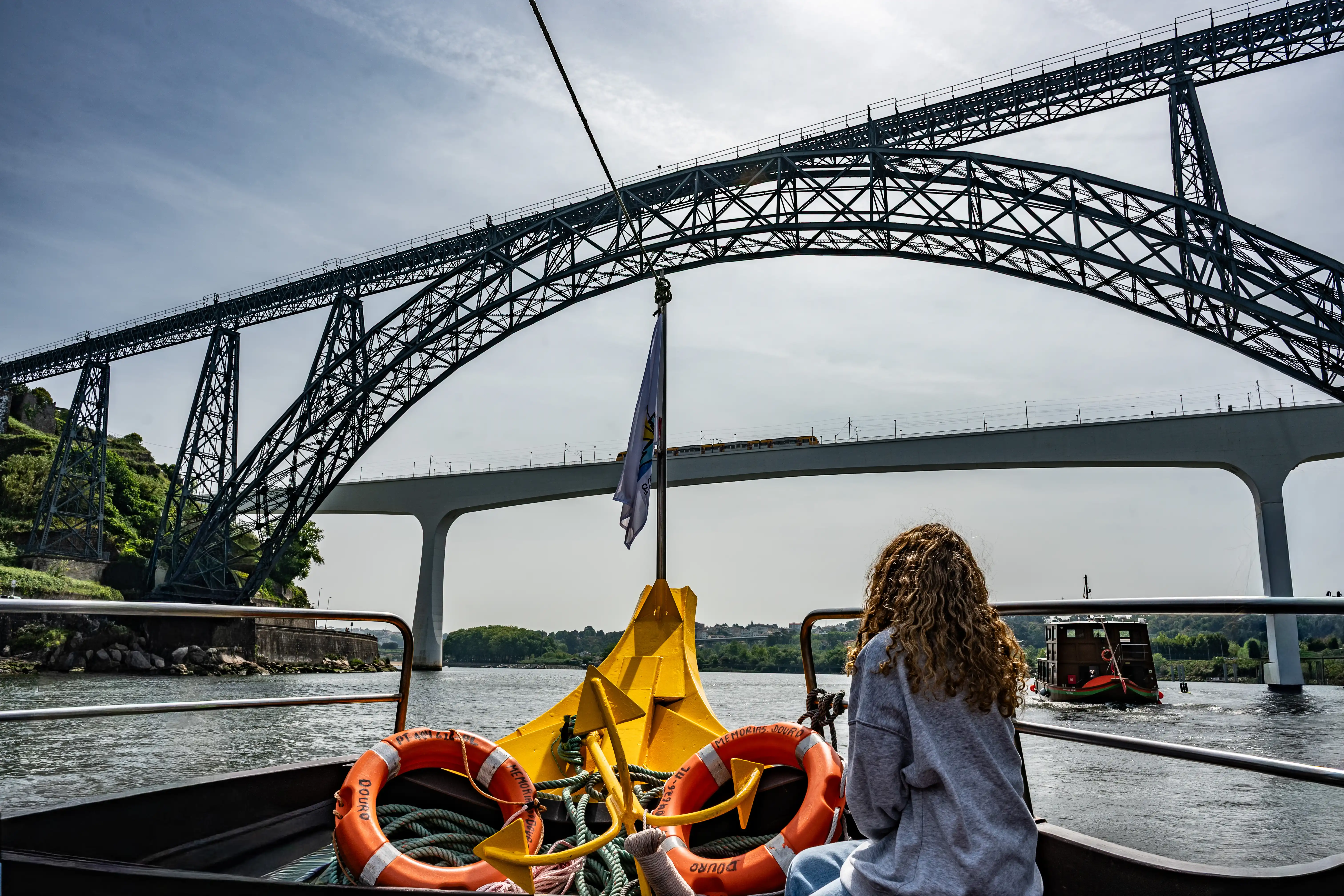
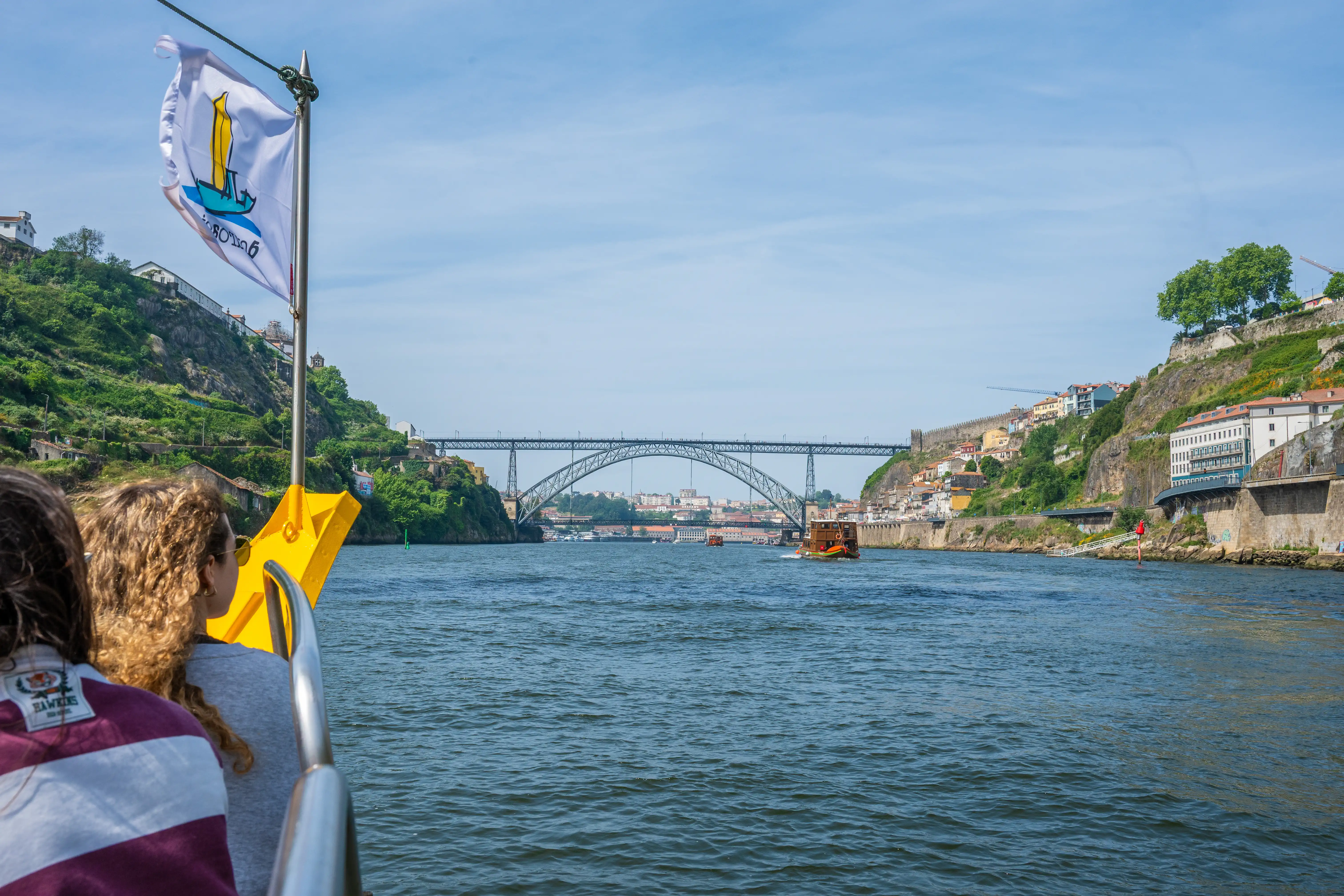

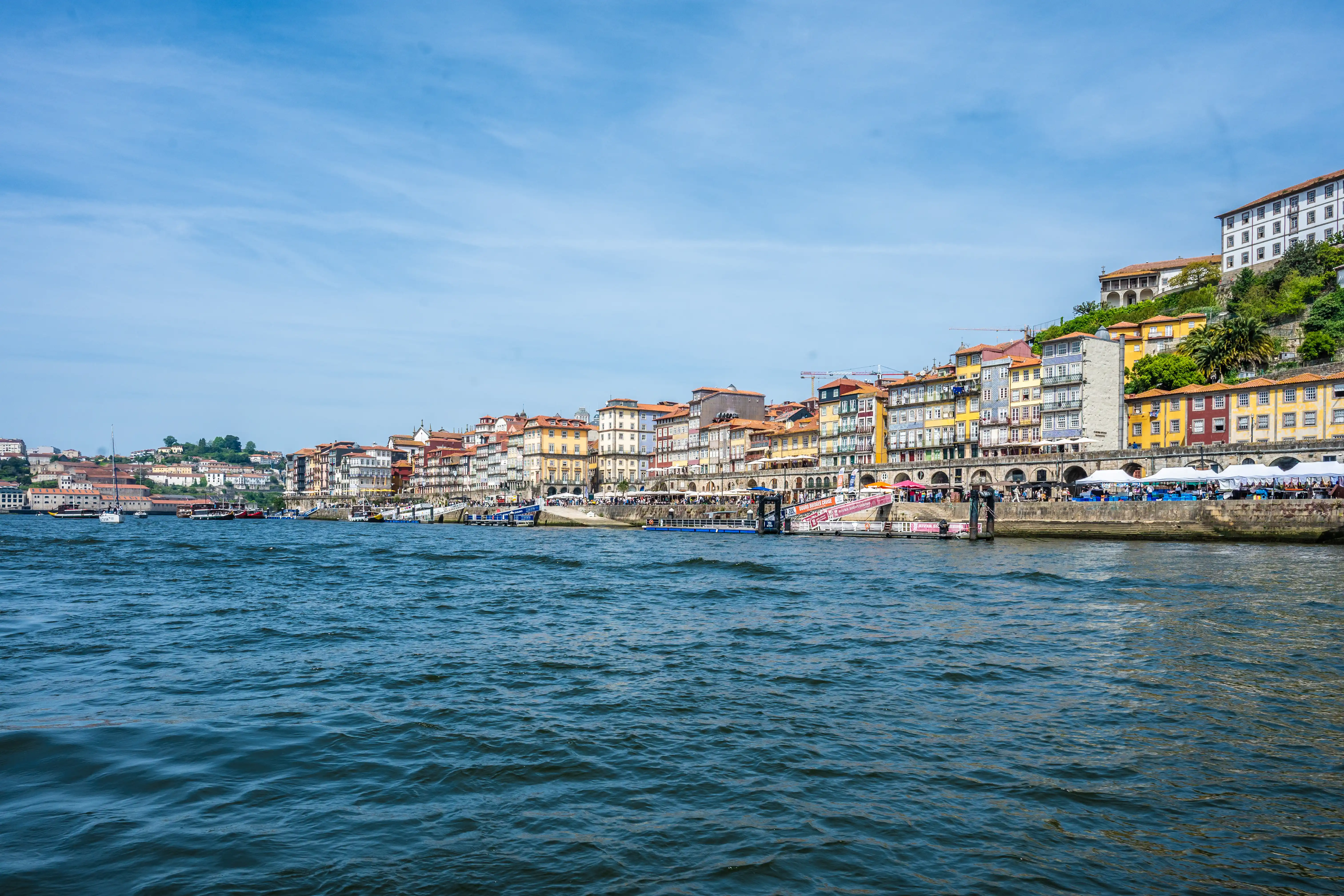
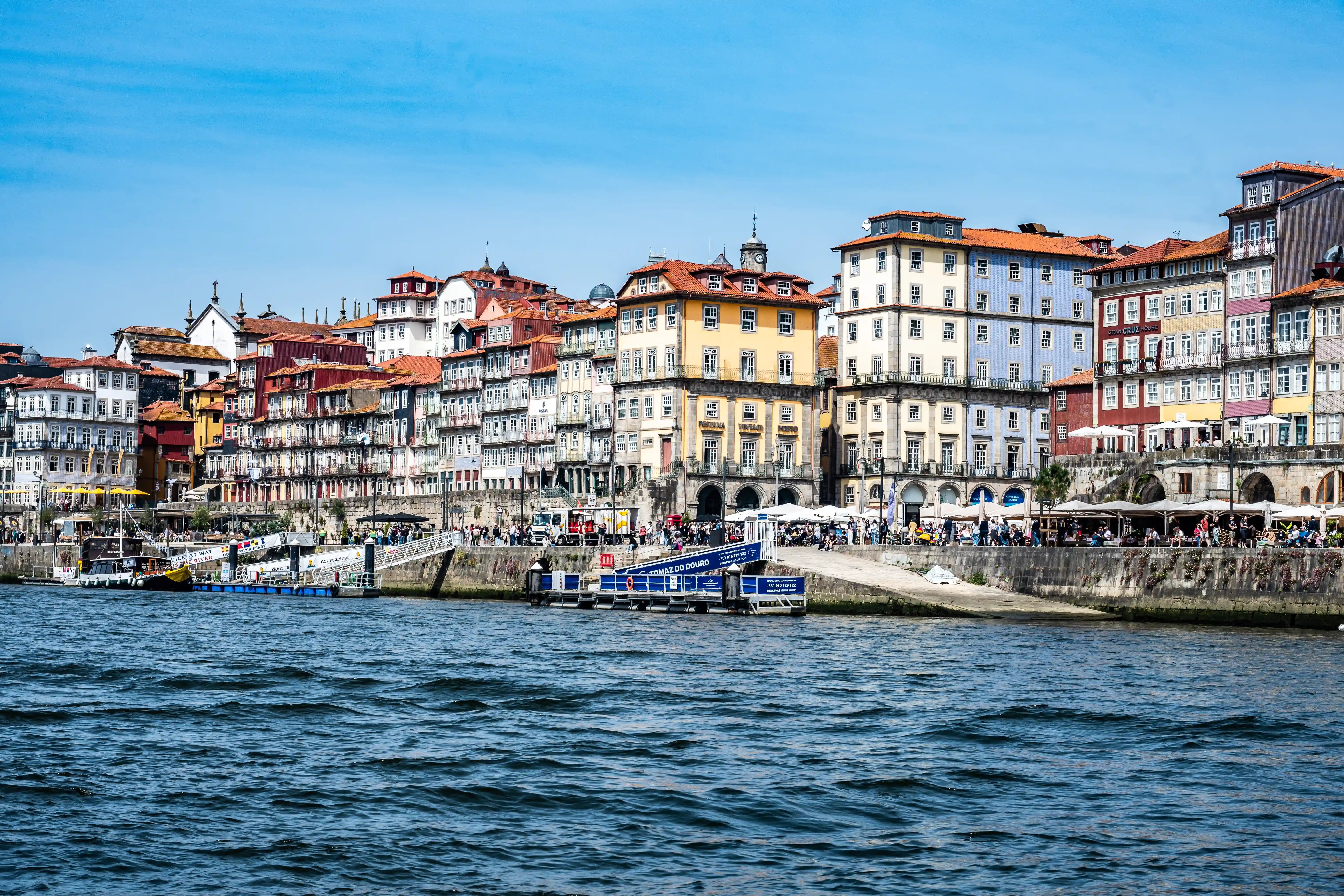
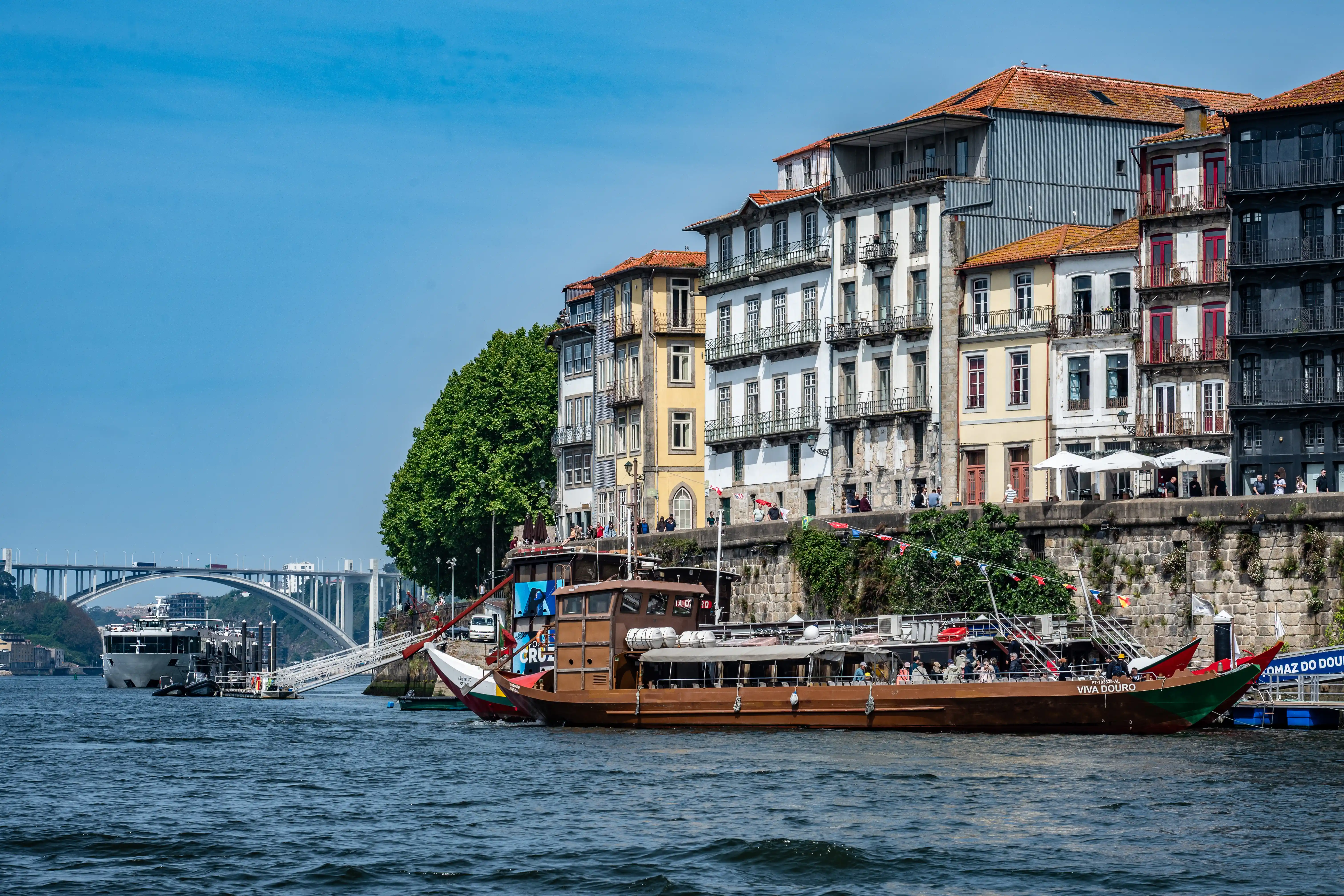
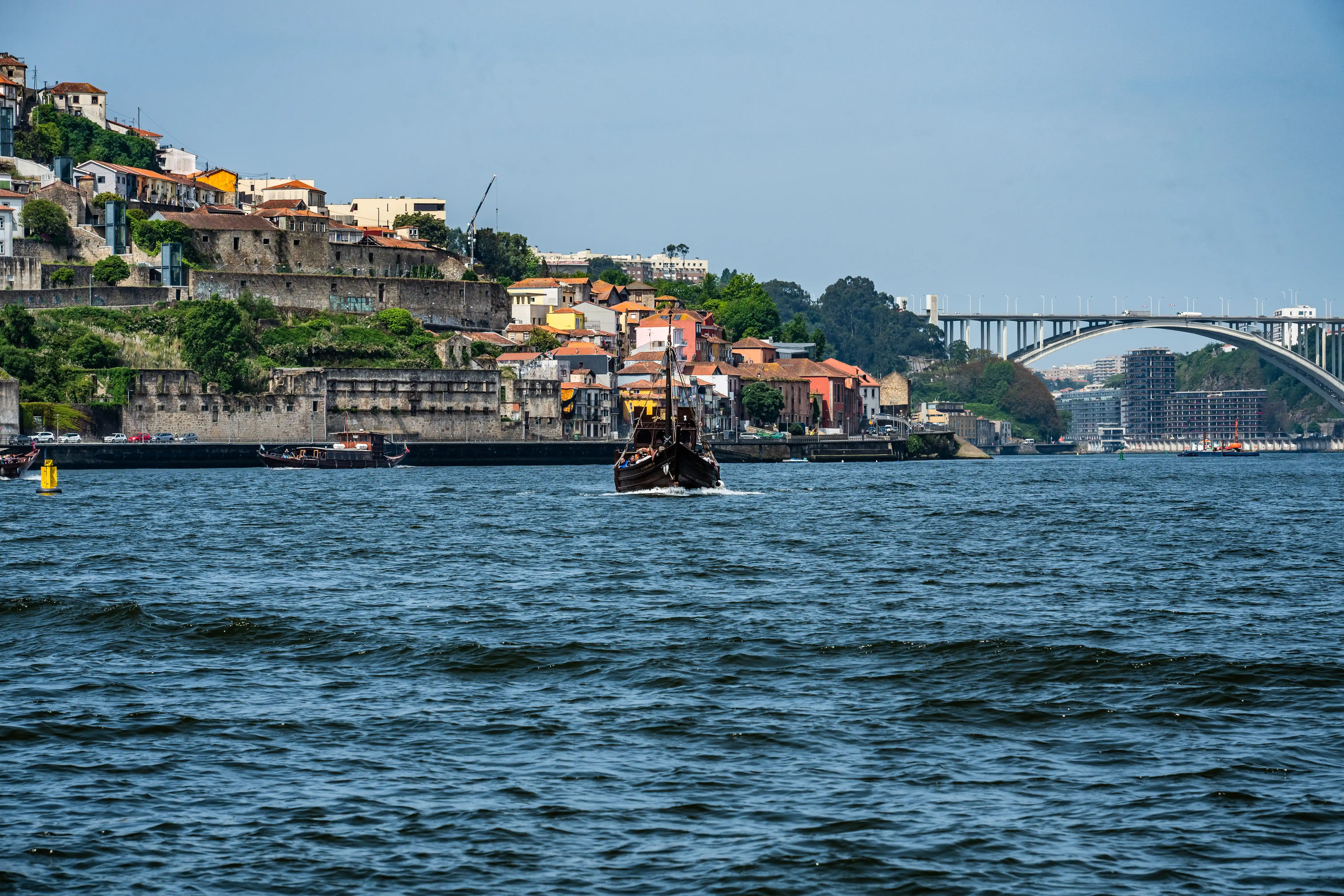
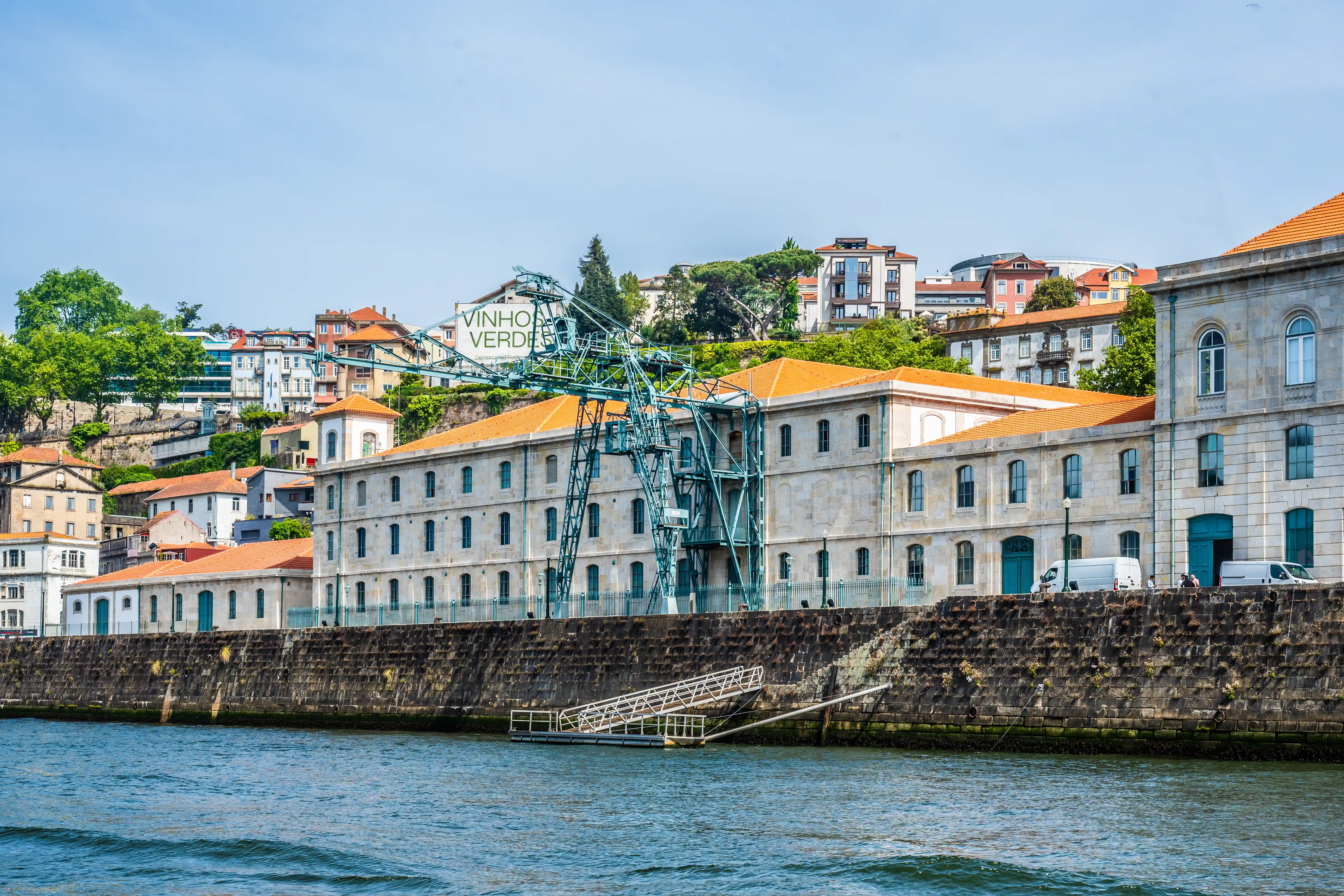
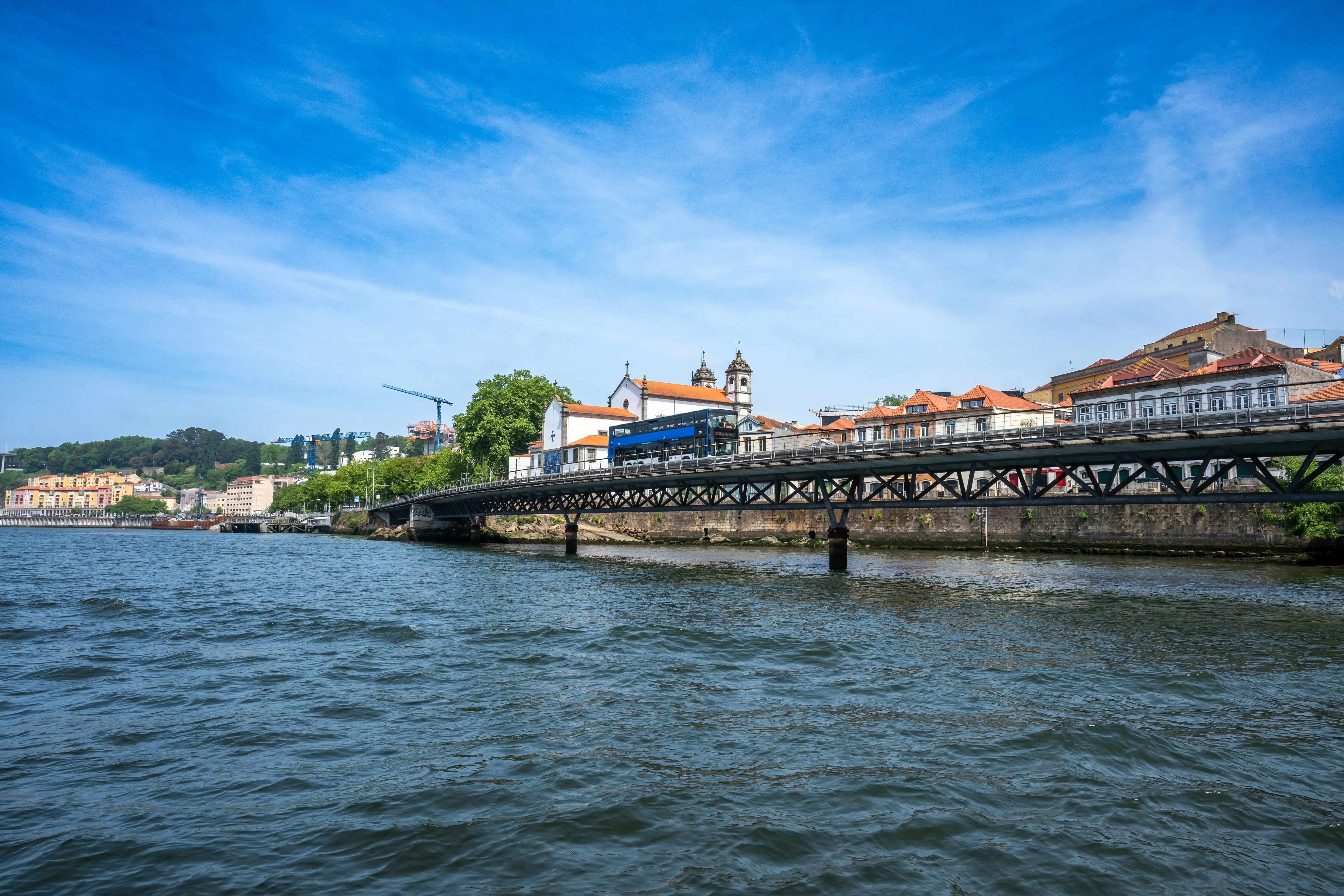
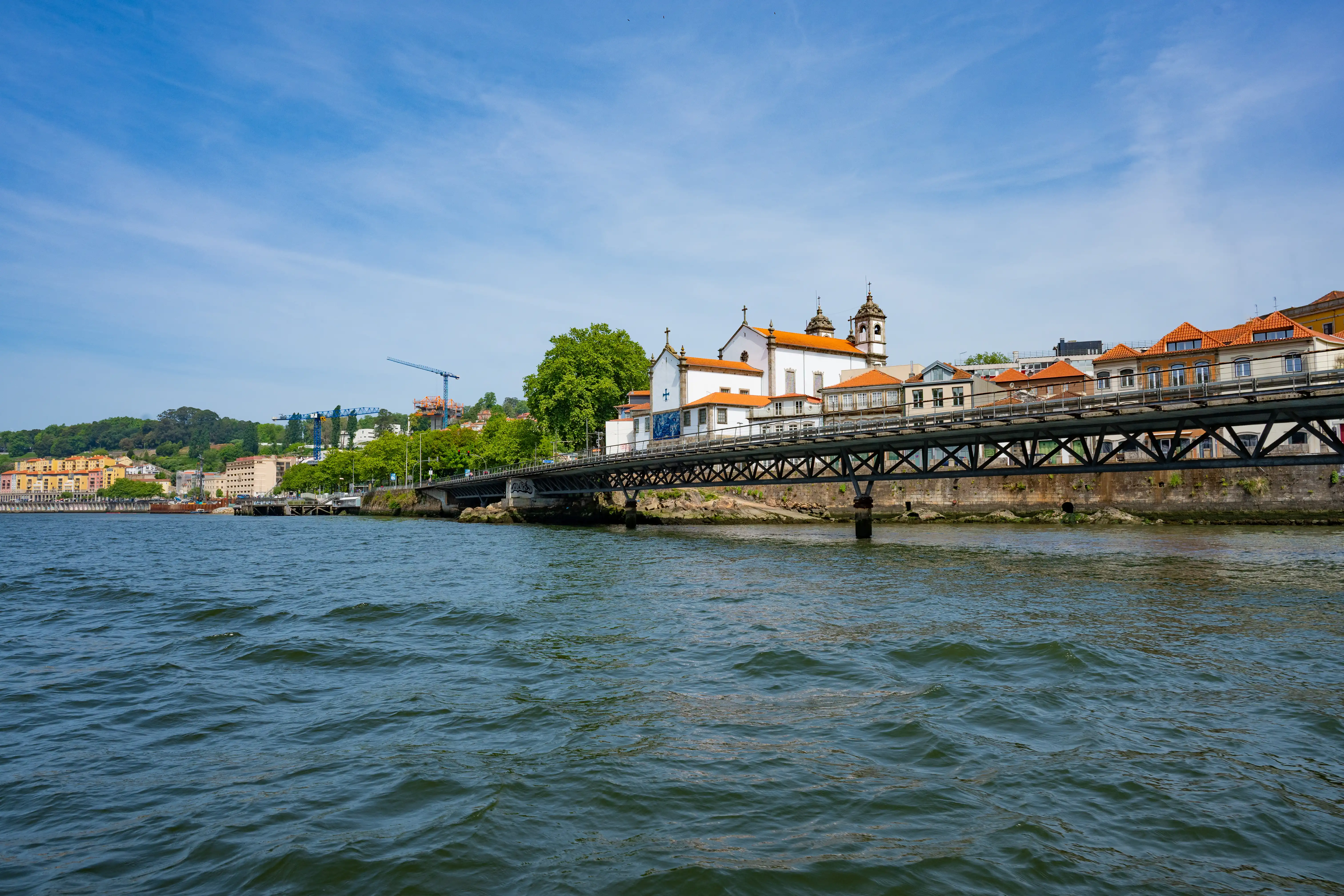
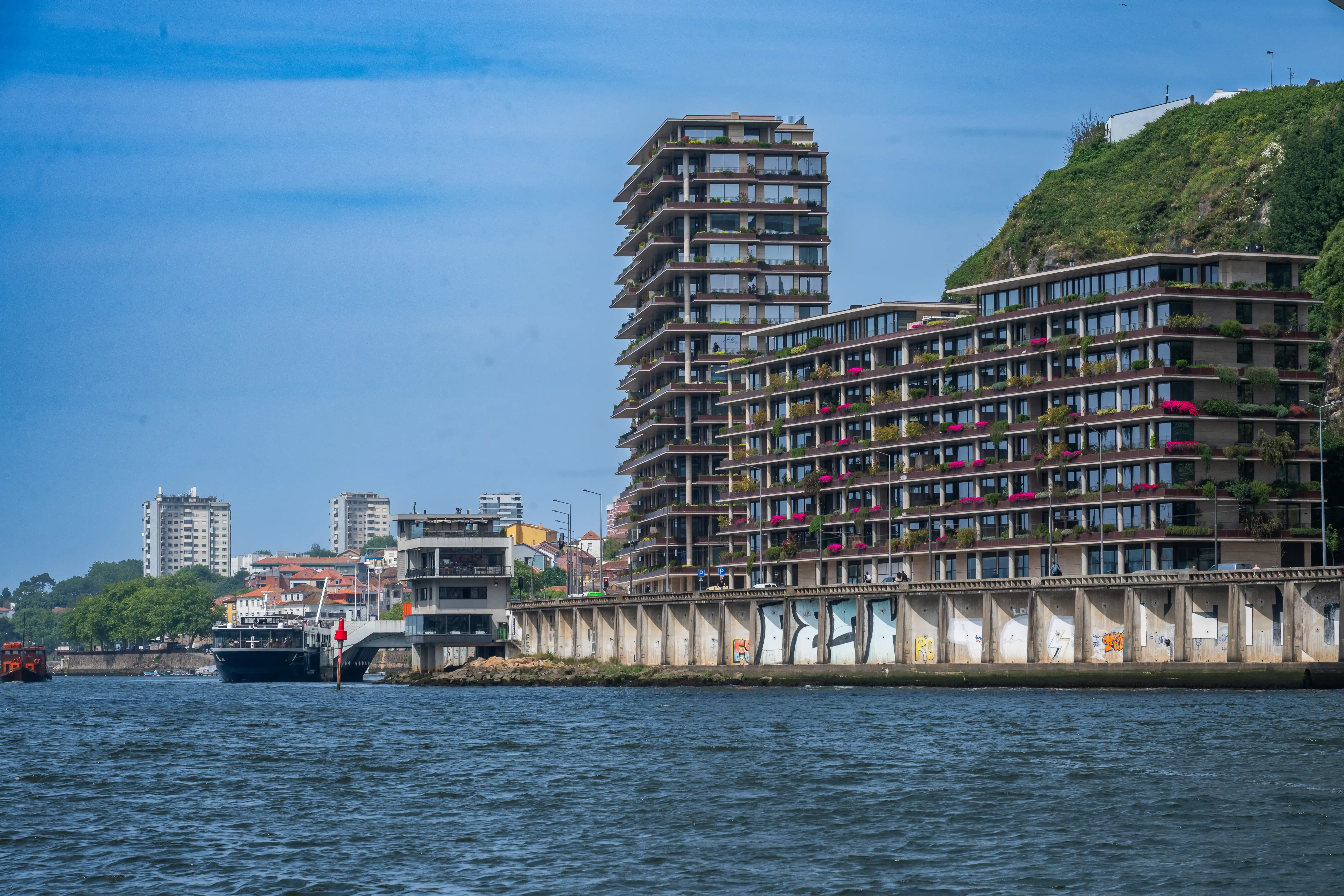
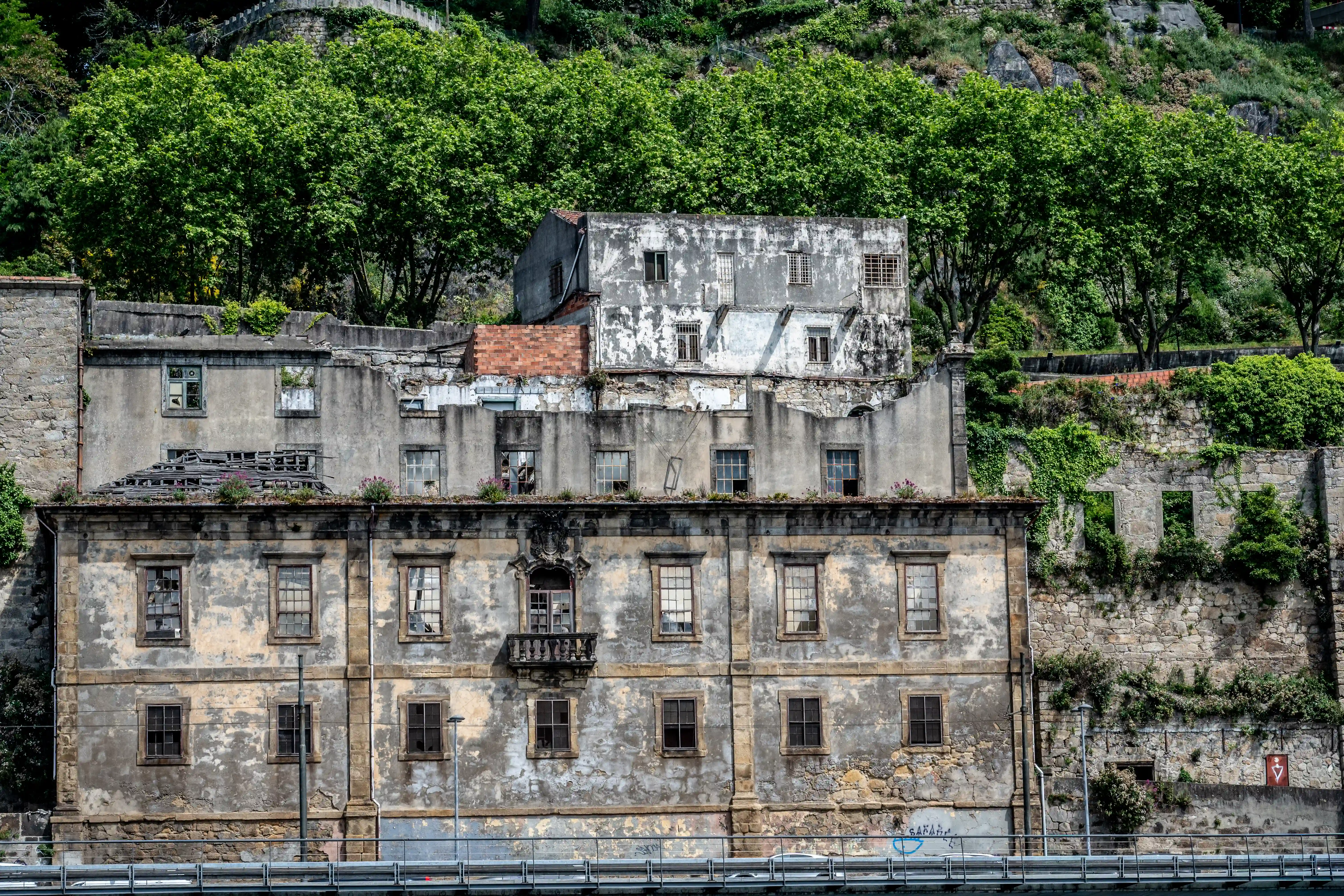
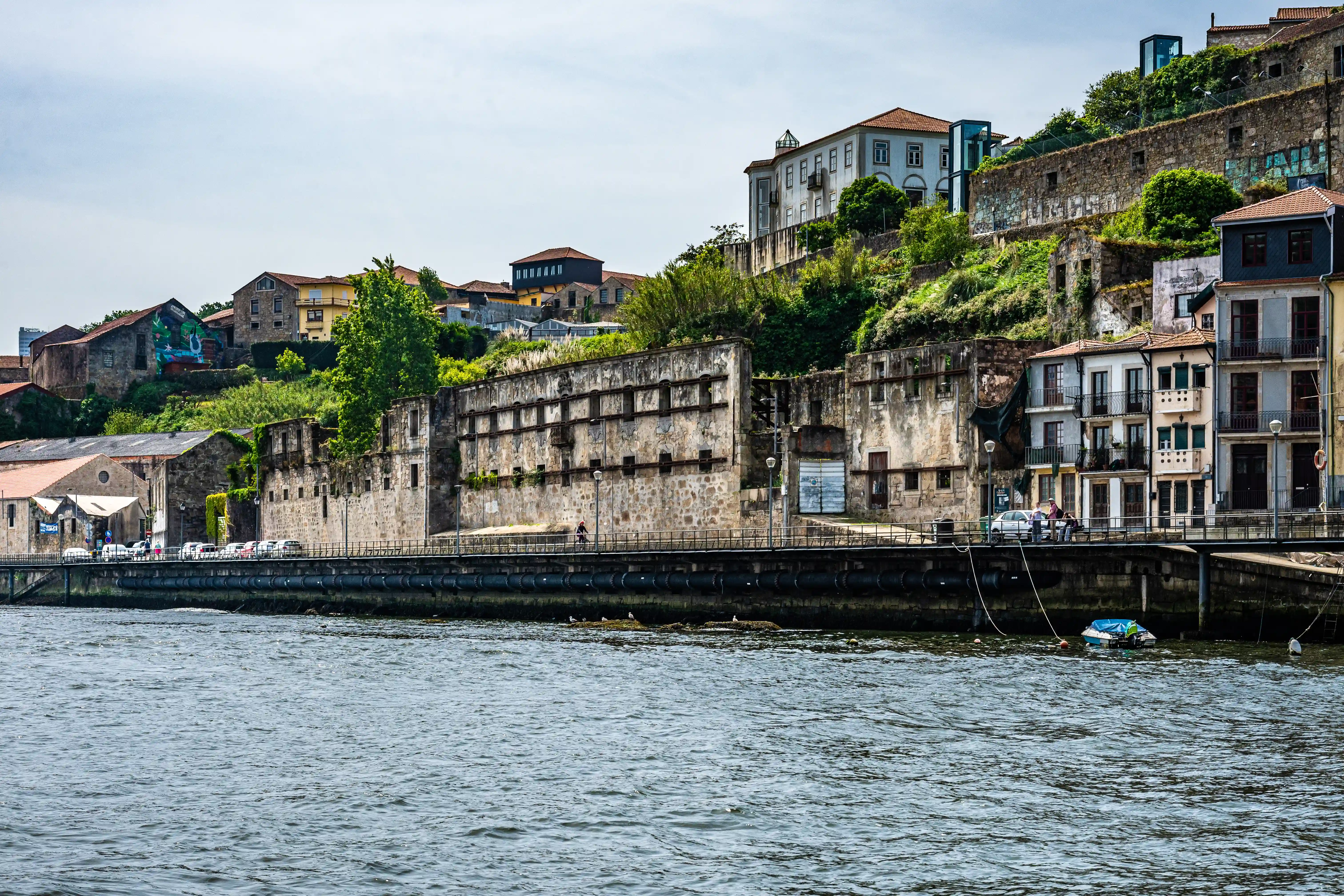
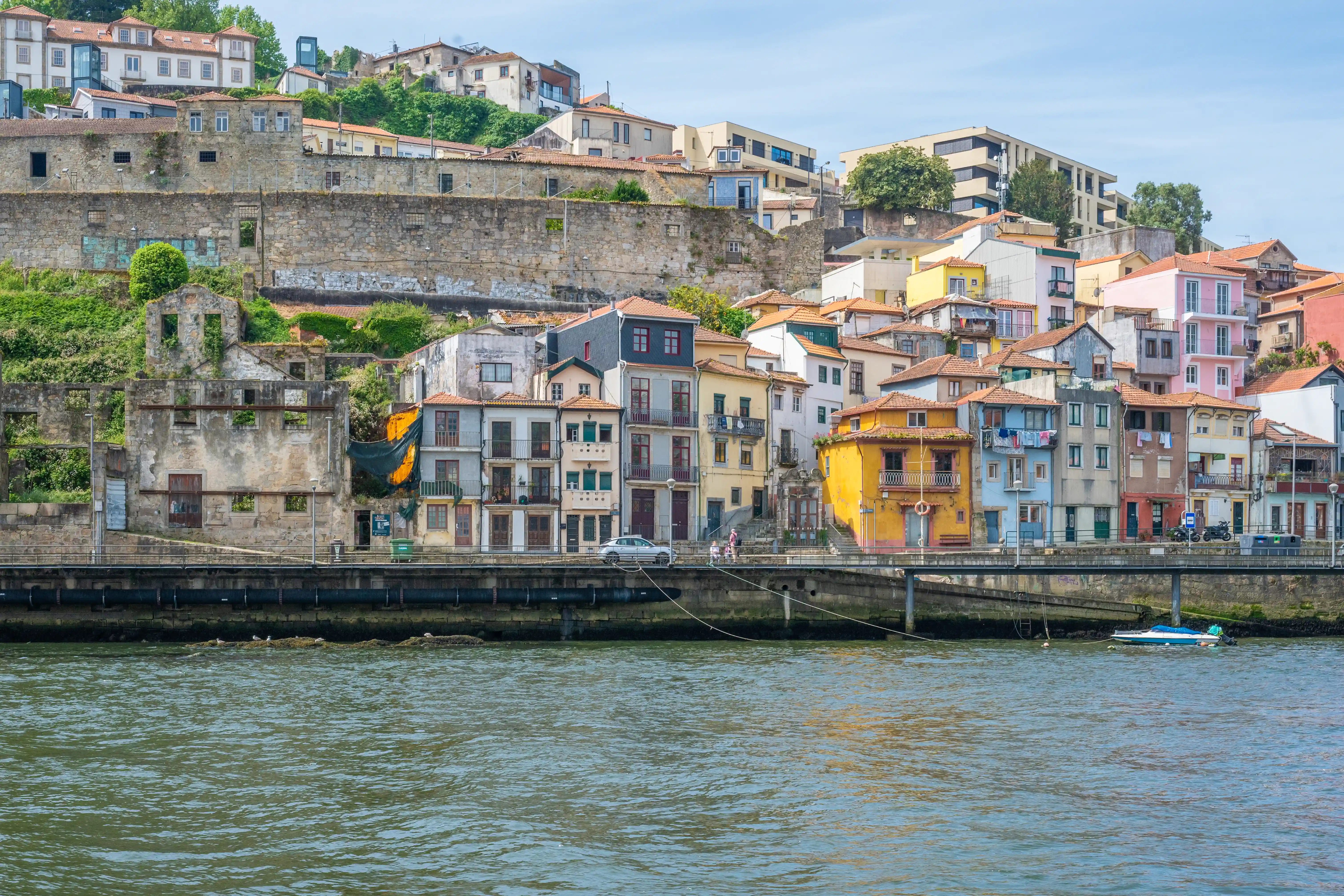
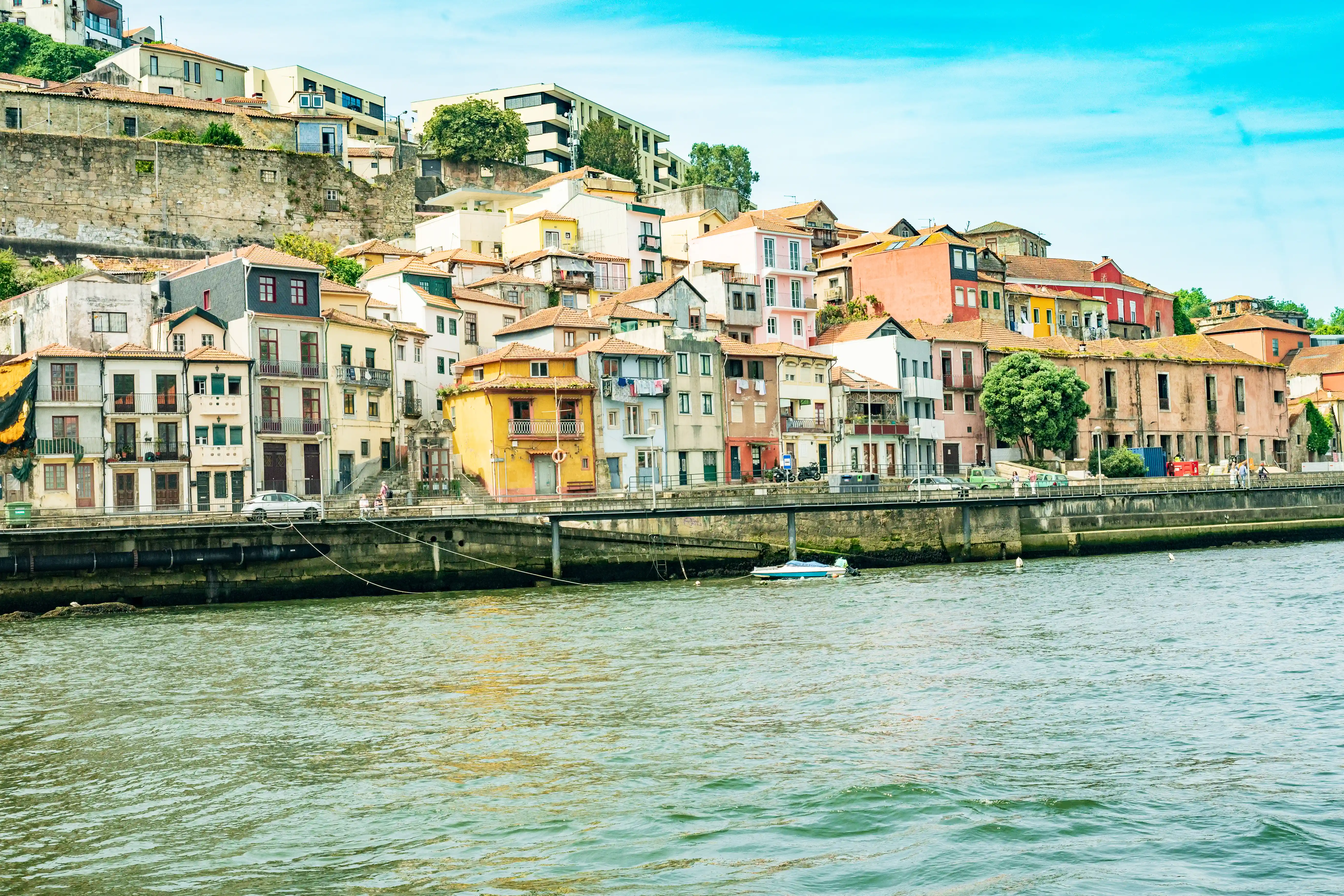
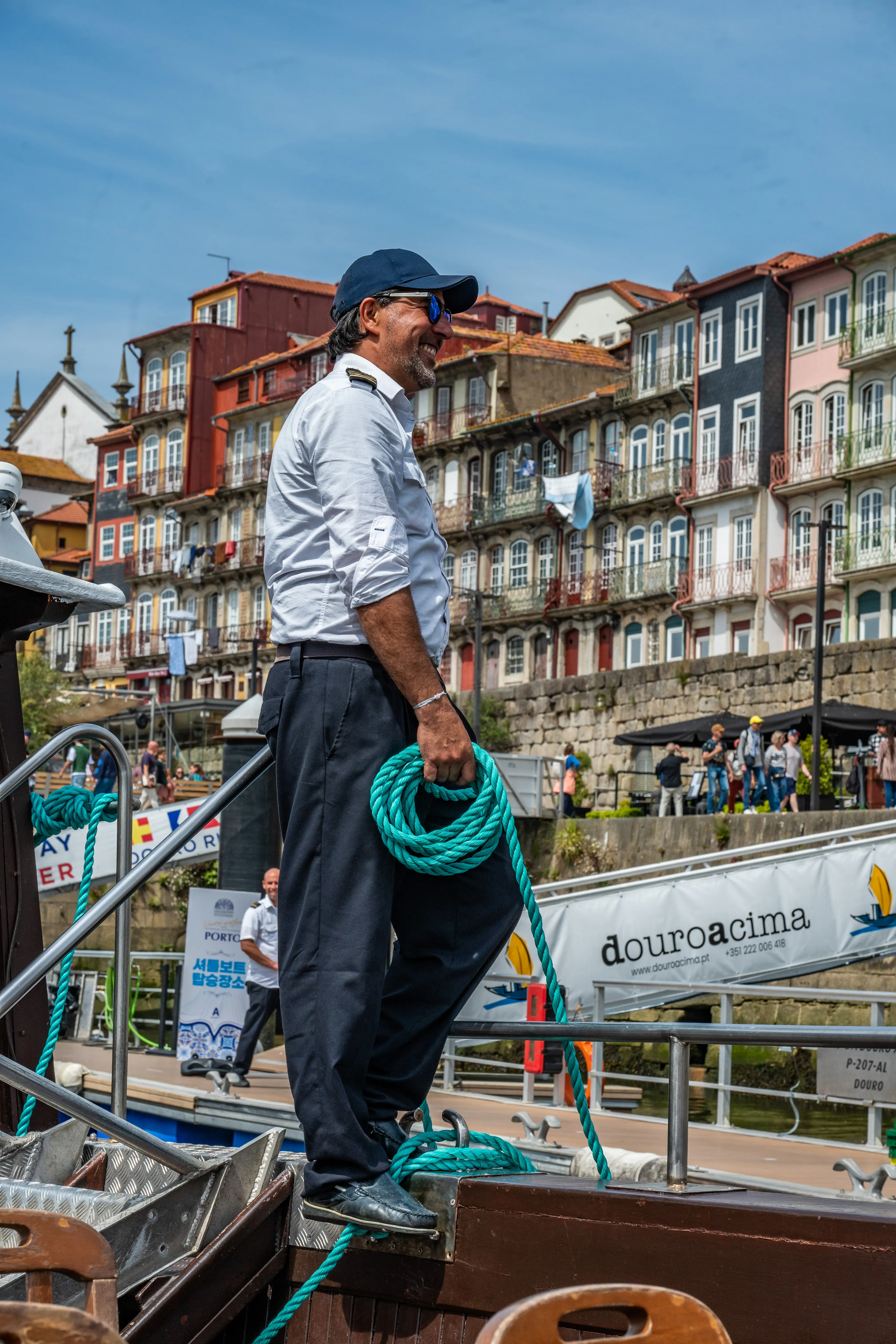
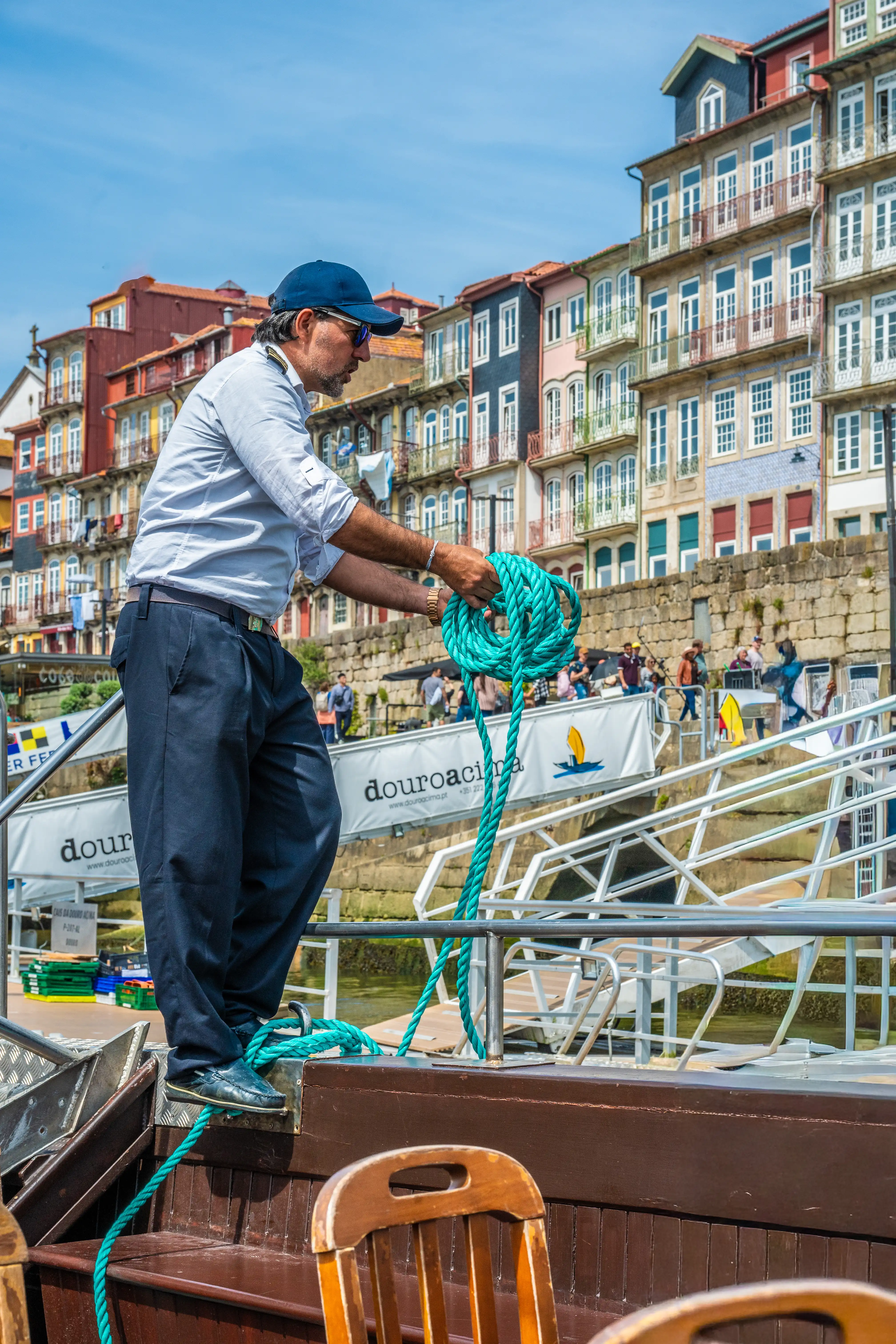

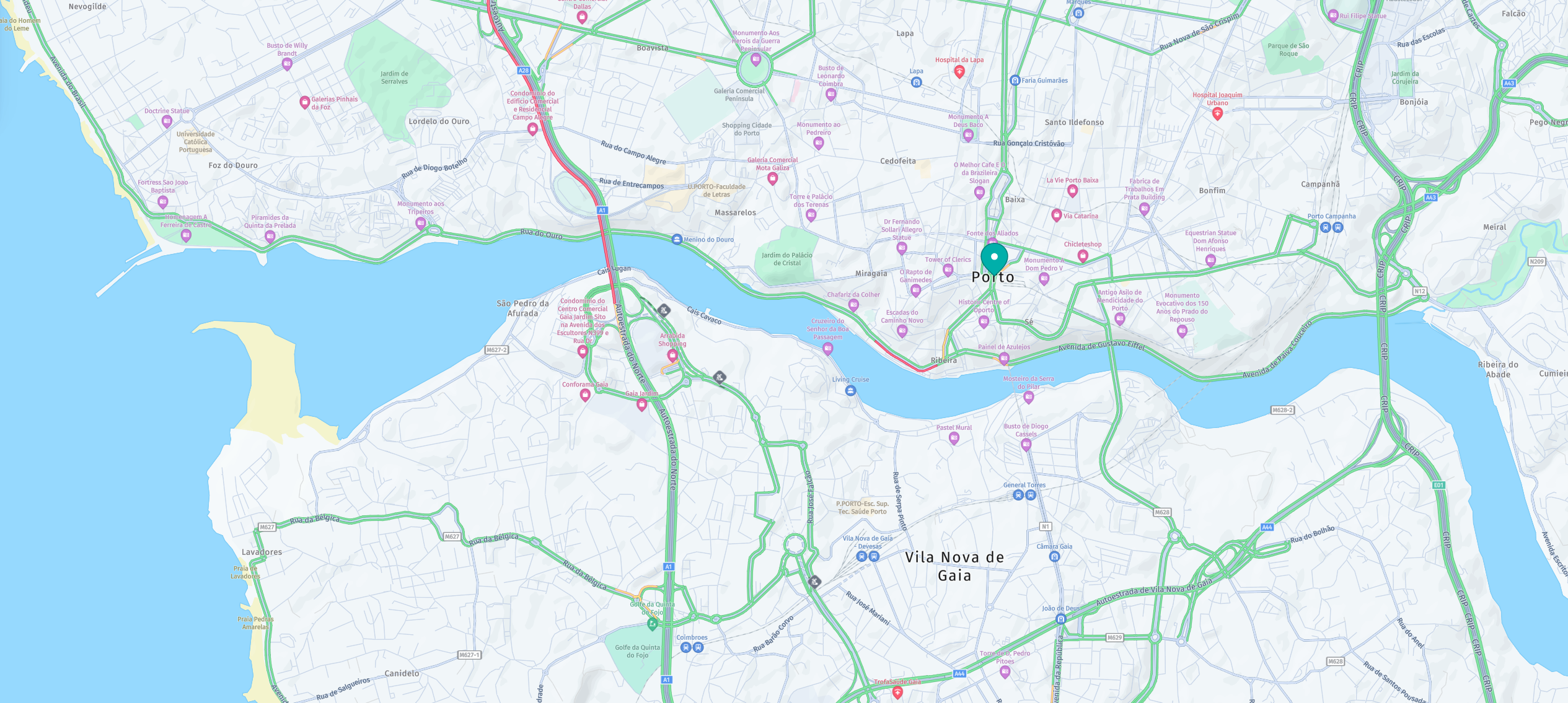
The Douro River has been a vital part of Porto’s history for centuries. It played a key role in the development of the city as a center of trade and commerce, particularly in the Port wine industry. The river’s strategic location made it a hub for transporting goods, including wine from the Douro Valley, which was historically transported downstream in traditional rabelo boats. The Douro River also served as a natural boundary between Porto and Vila Nova de Gaia, with the two cities developing distinct identities on either side of the river. The construction of iconic bridges, such as the Dom Luís I Bridge, further connected the two cities and facilitated their growth
A River Steeped in History and Legend
The Douro River (Rio Douro in Portuguese) is one of Europe’s most historic and scenic waterways, flowing 624 miles (1,005 km) from its source in the Sierra de Urbión mountains of northern Spain through the heart of Portugal before emptying into the Atlantic Ocean at Porto. Known as the "River of Gold" (*Rio de Ouro*), the Douro has been the lifeblood of Portugal for millennia, shaping its culture, economy, and landscape. Its name derives from the Celtic *Dubrus*, meaning "water", but its true treasure lies in the fertile valleys, terraced vineyards, and timeless traditions that line its banks.The Douro’s history is as rich as its waters. It was a vital trade route for the Romans, who planted the first vineyards along its slopes over 2,000 years ago. By the Middle Ages, the river was a key artery for Portuguese exploration, carrying wine, olive oil, and gold to the coastal cities of Porto and Vila Nova de Gaia. The 18th and 19th centuries saw the rise of the Port wine trade, with Barcos Rabelos (traditional wooden cargo boats) navigating the river’s treacherous currents to transport barrels of wine from the Alto Douro vineyards to the cellars of Gaia. Today, the Douro remains a symbol of Portugal’s heritage, its waters and vineyards producing some of the world’s finest wines.
A Landscape of Terraced Vineyards and Dramatic Beauty
The Douro Valley (*Vale do Douro*) is one of the most breathtaking landscapes in Europe, a UNESCO World Heritage Site (since 2001) renowned for its terraced vineyards, steep cliffs, and winding river. The vineyards, carved into the hillsides by generations of farmers, are a testament to human ingenuity and the region’s winemaking tradition. The schist soil, sun-drenched slopes, and unique microclimate create the perfect conditions for growing Portuguese grape varieties like Touriga Nacional, Touriga Franca, and Tinta Roriz, which are used to produce Port wine, Douro DOC wines, and Moscatel.The river itself is a spectacle of natural beauty. Its deep gorges, dramatic bends, and tranquil stretches have inspired poets, artists, and travelers for centuries. The Douro’s waters range from calm and reflective in the upper reaches to wild and turbulent in the lower gorges, where the river cuts through the rocks with raw power. The Pinhão and Régua regions are particularly famous for their scenic beauty, with vineyard-covered hills rising steeply from the riverbanks.
The Heart of Port Wine Country
The Douro River is synonymous with Port wine, the fortified wine that has made Portugal famous around the world. The story of Port wine begins in the 17th century, when British merchants began importing wine from the Douro Valley to England. To preserve the wine during the long sea voyage, they added brandy to the fermenting grape must, creating a sweet, rich, and long-lasting wine that became known as Port. The traditional method of treading grapes by foot in lagares (granite troughs) is still practiced in some quintas (wine estates), and the harvest season (September to October) is a vibrant time to visit, with festivals, tastings, and celebrations throughout the valley.The wine estates (*quintas*) along the Douro are must-visit destinations for wine lovers. Many offer tours, tastings, and lodging, allowing visitors to immerse themselves in the world of Port and Douro wines. Some of the most famous quintas include:
- Quinta do Crasto: Known for its stunning views and award-winning wines.
- Quinta da Pacheca: A historic estate with a wine hotel and restaurant.
- Quinta do Vallado: One of the oldest and most prestigious Port wine producers.
- Quinta do Tedo: A boutique winery offering personalized tours and tastings.
Cultural Gems Along the Douro
The Douro River is not just a natural wonder—it’s also a cultural treasure trove. The towns and cities along its banks are rich in history, architecture, and tradition:- Porto: The second-largest city in Portugal, Porto is the gateway to the Douro Valley. Its historic center (a UNESCO World Heritage Site) is a labyrinth of narrow streets, colorful houses, and Baroque churches, and its Ribeira district is one of the most picturesque areas in Europe. Don’t miss the Livraria Lello (one of the world’s most beautiful bookshops), the Clérigos Tower, and the São Francisco Church.
- Vila Nova de Gaia: Located across the river from Porto, Gaia is the heart of the Port wine trade. Its historic cellars (or *caves*) offer tours and tastings, and the Cais de Gaia promenade is a lively spot for dining, shopping, and enjoying the views of Porto’s skyline.
- Pinhão: The heart of the Douro Valley, Pinhão is a charming town surrounded by vineyards. Its 19th-century train station is famous for its azulejo (tile) murals depicting scenes of rural life, and the town’s riverfront is lined with restaurants and wine bars.
- Régua (Peso da Régua): A picturesque town known for its wine and thermal springs, Régua is home to the Douro Museum, which explores the history, culture, and winemaking traditions of the region.
A River of Festivals and Traditions
The Douro Valley is a land of festivals and traditions, where ancient customs and modern celebrations coexist. Some of the most vibrant events include:- Festa de São João (Porto): Celebrated on June 23–24, this lively festival features street parties, fireworks, and the famous "hammering" tradition, where revelers gently tap each other on the head with plastic hammers for good luck.
- Festa da Vindima (Grape Harvest Festival): Held in September and October, this celebration of the harvest includes grape treading, wine tastings, and folk music in the vineyards of the Douro.
- Festa de São Pedro (Pinhão): A traditional festival in June that celebrates the patron saint of Pinhão with processions, music, and dancing.
