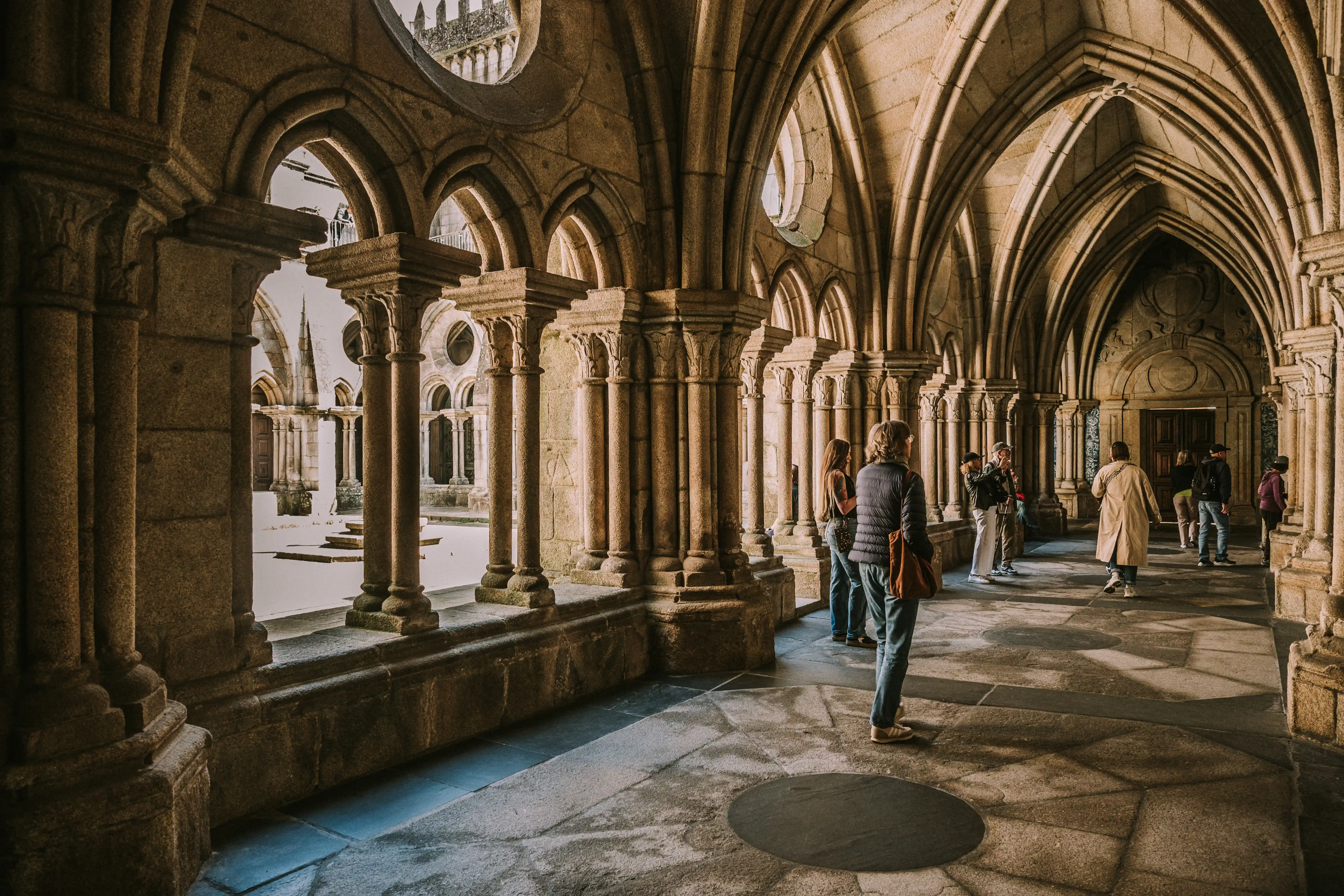

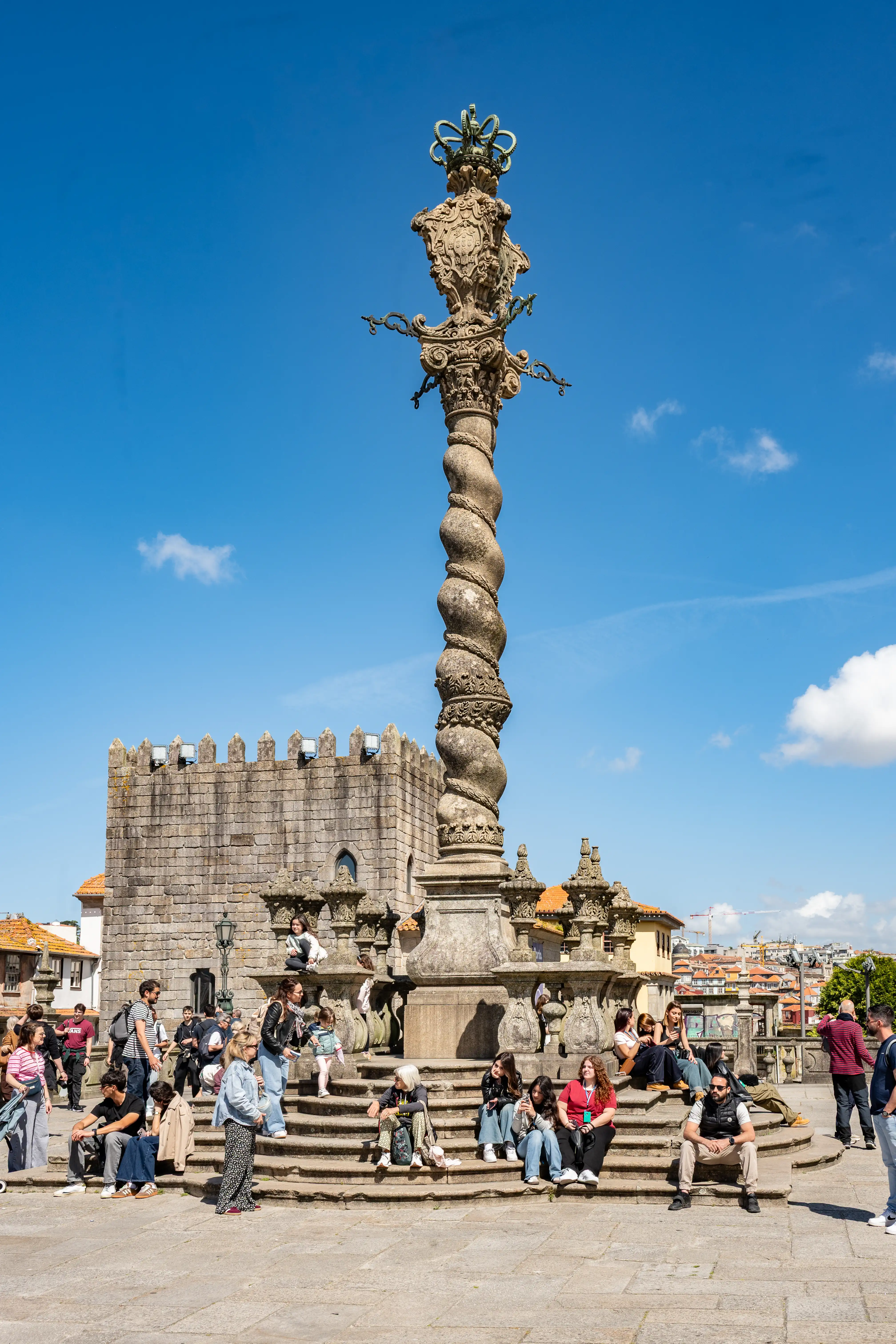
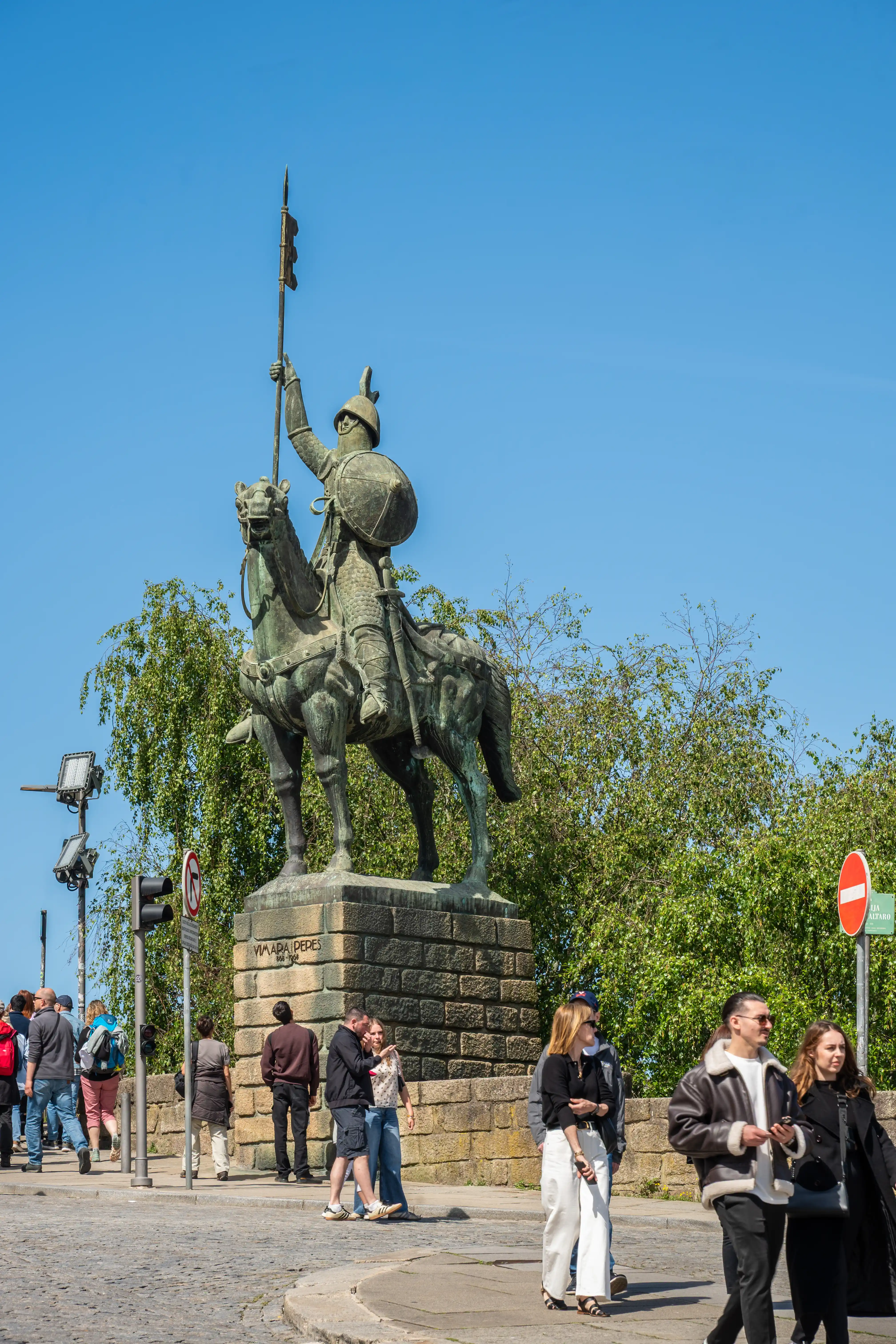
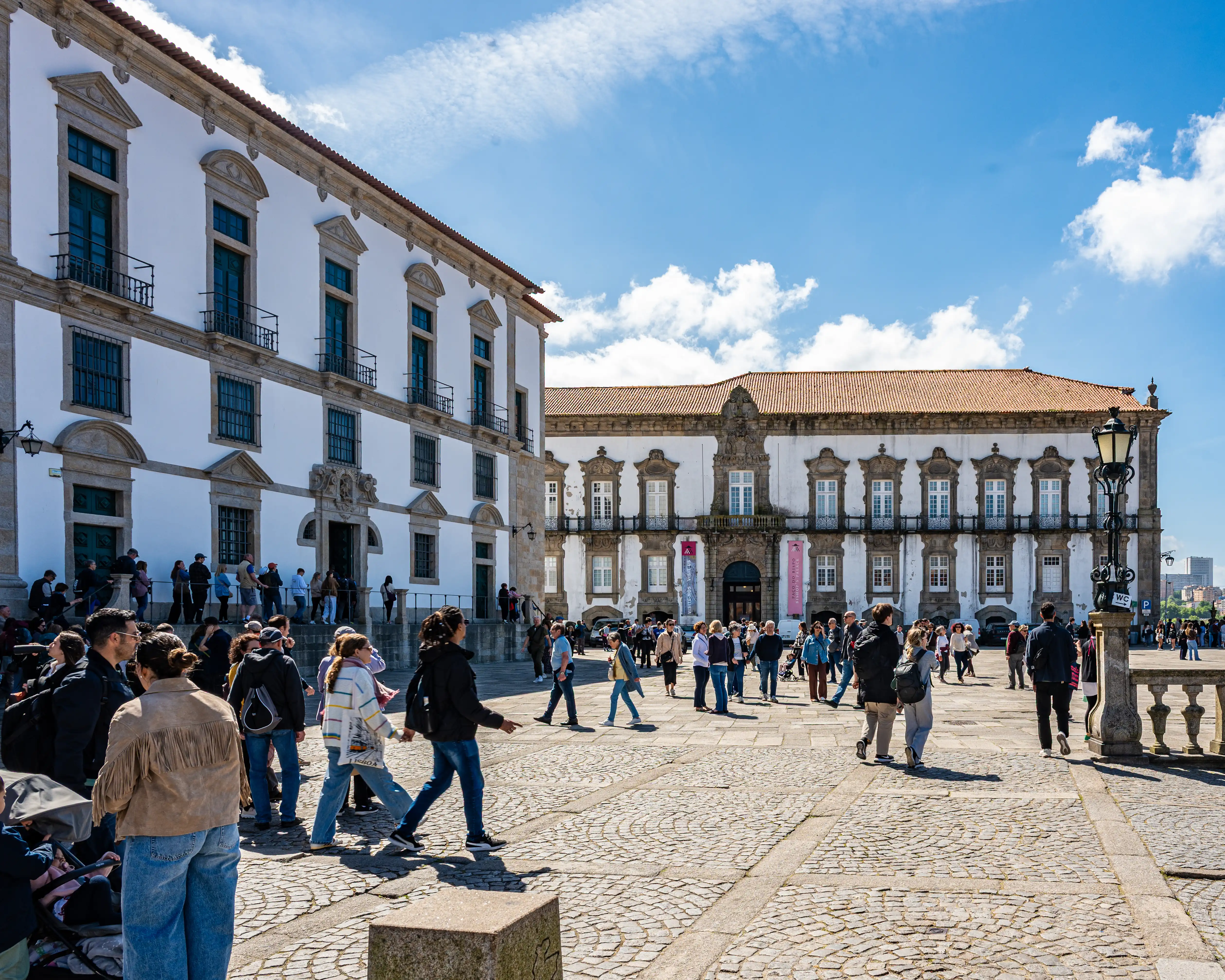


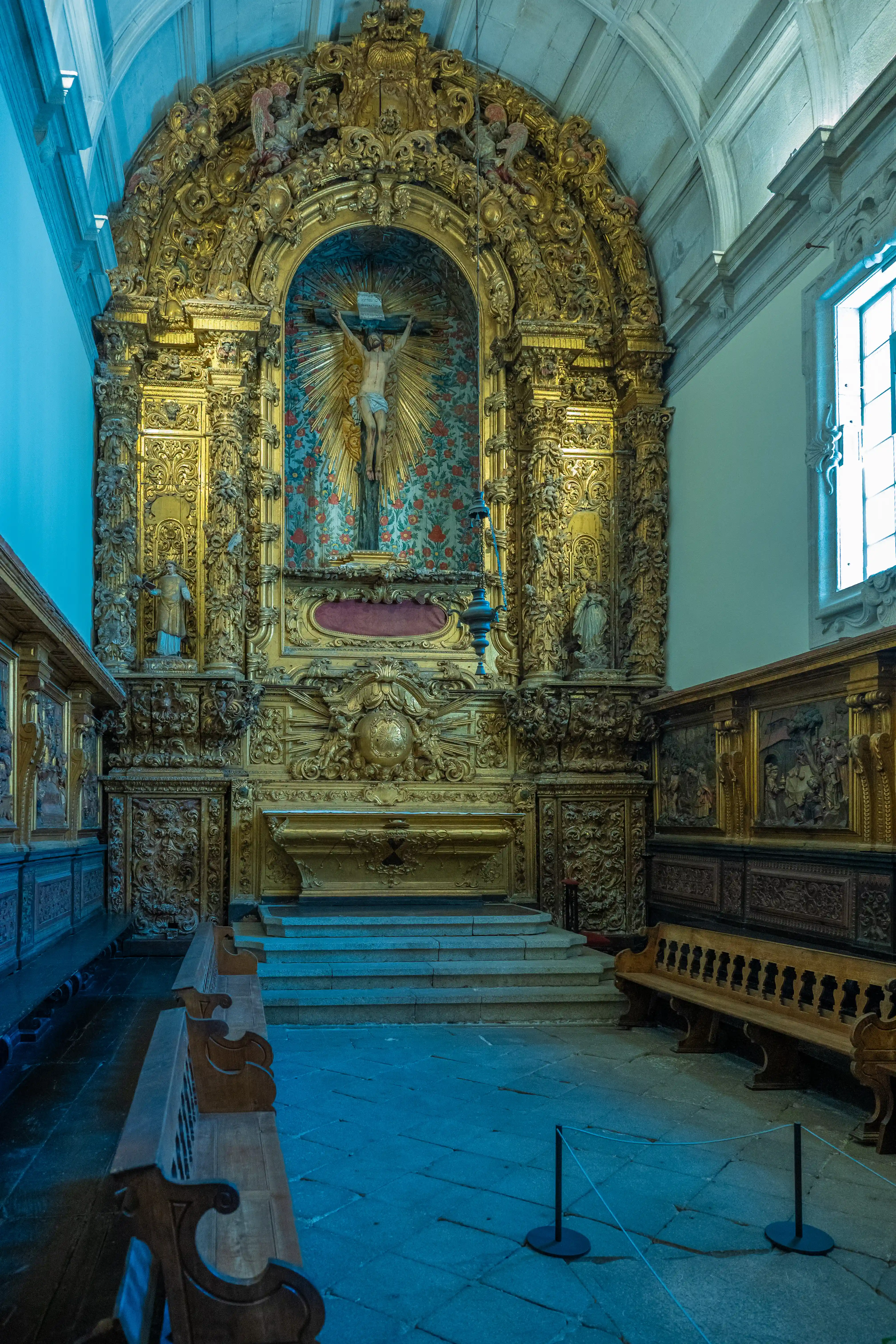

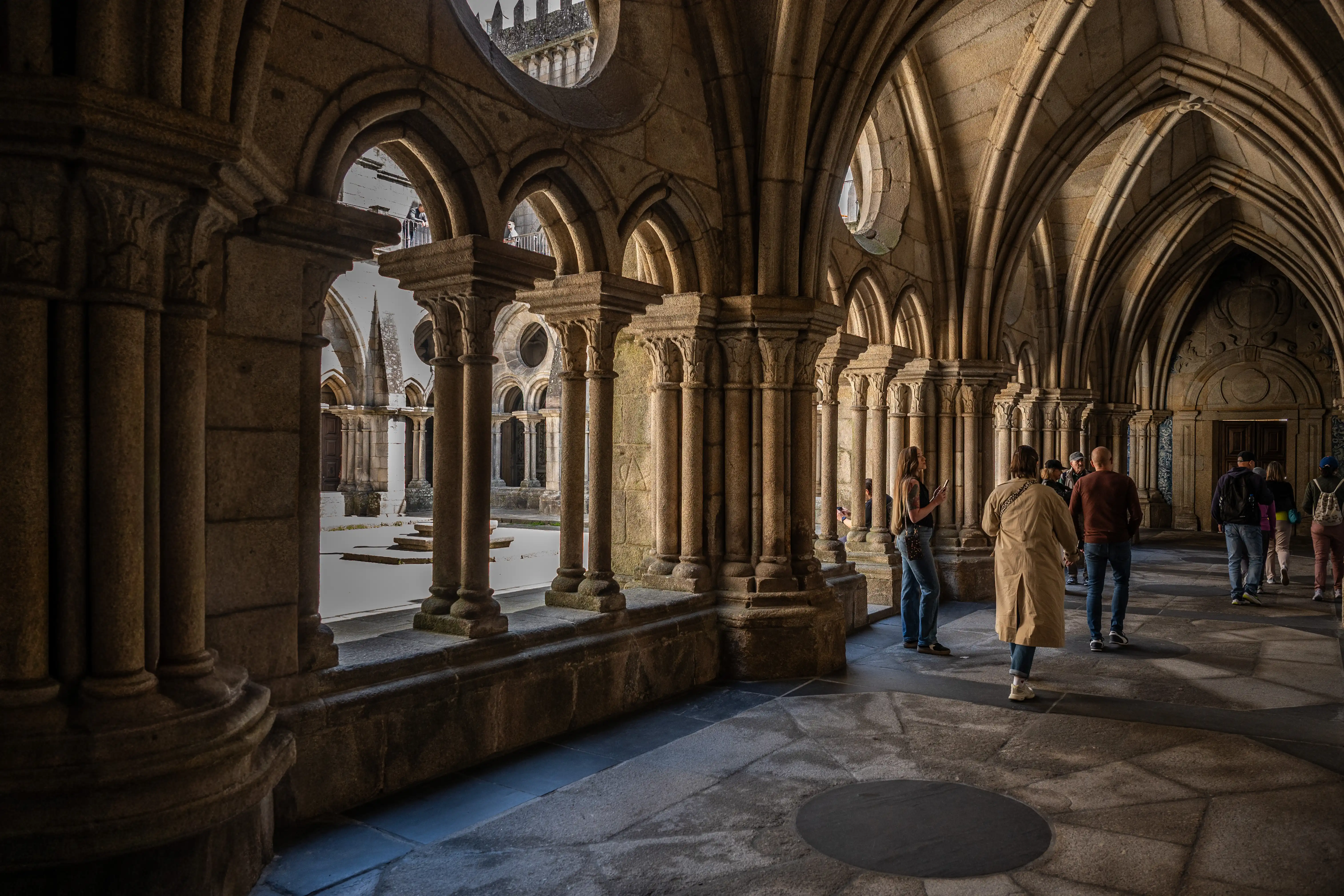


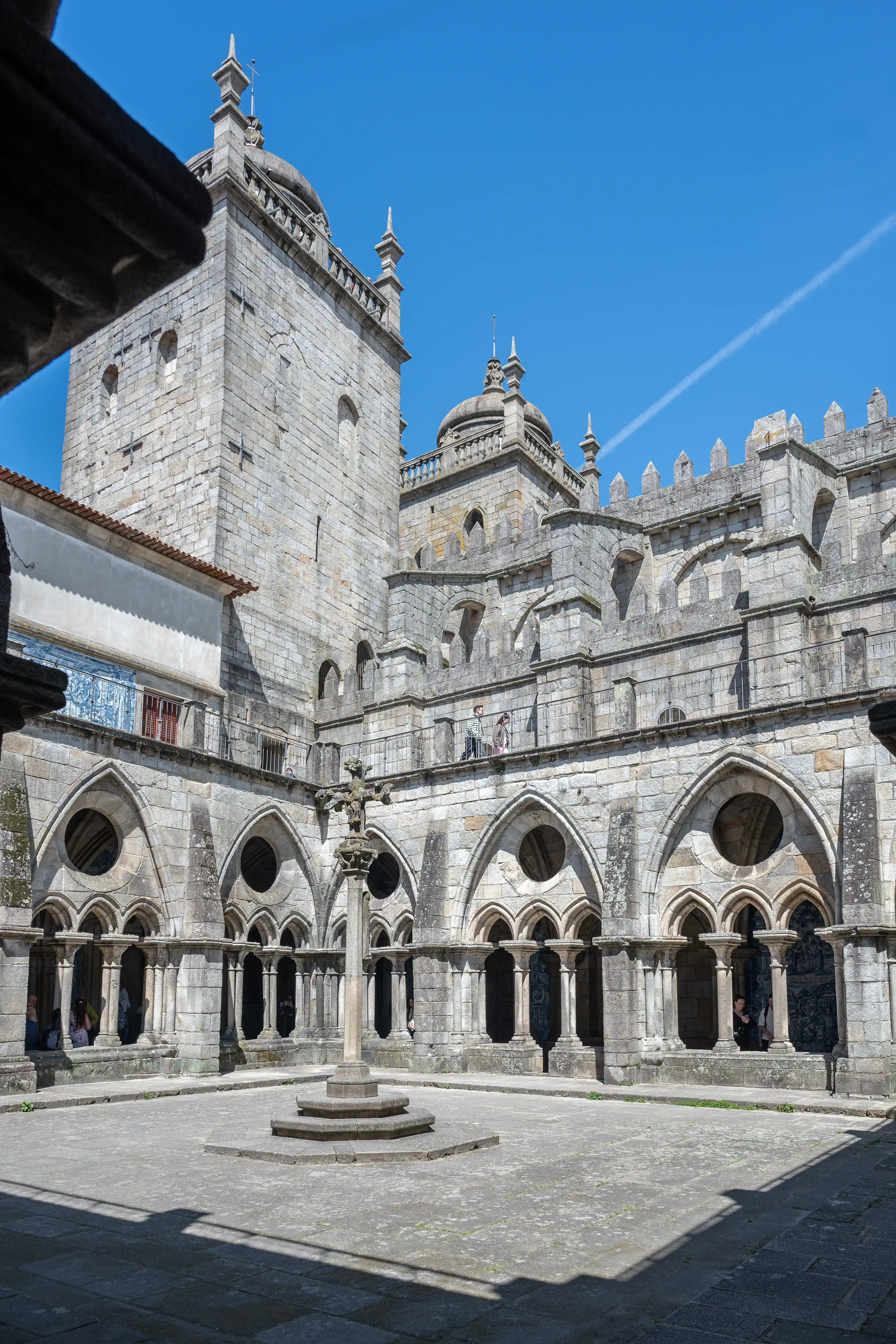
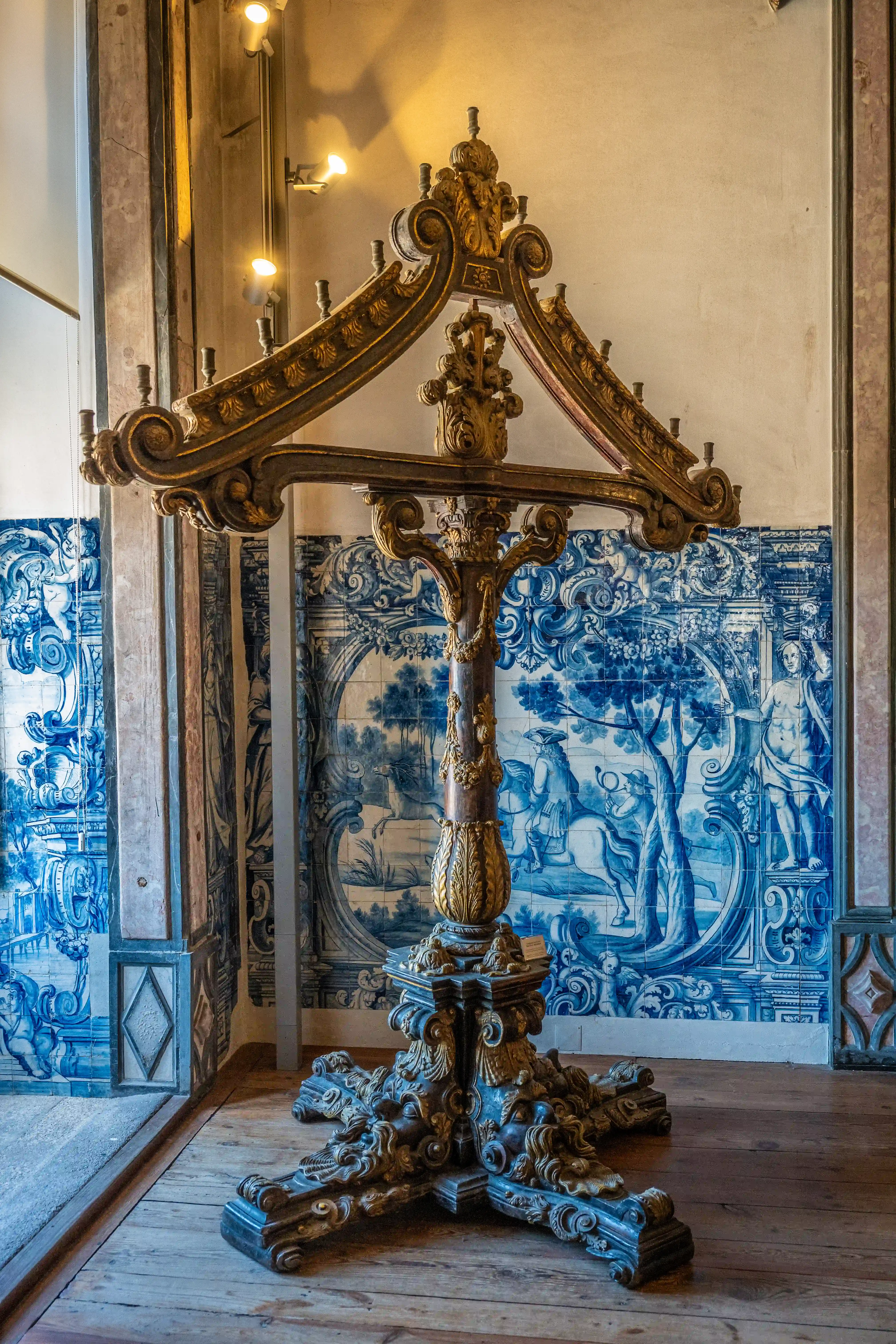

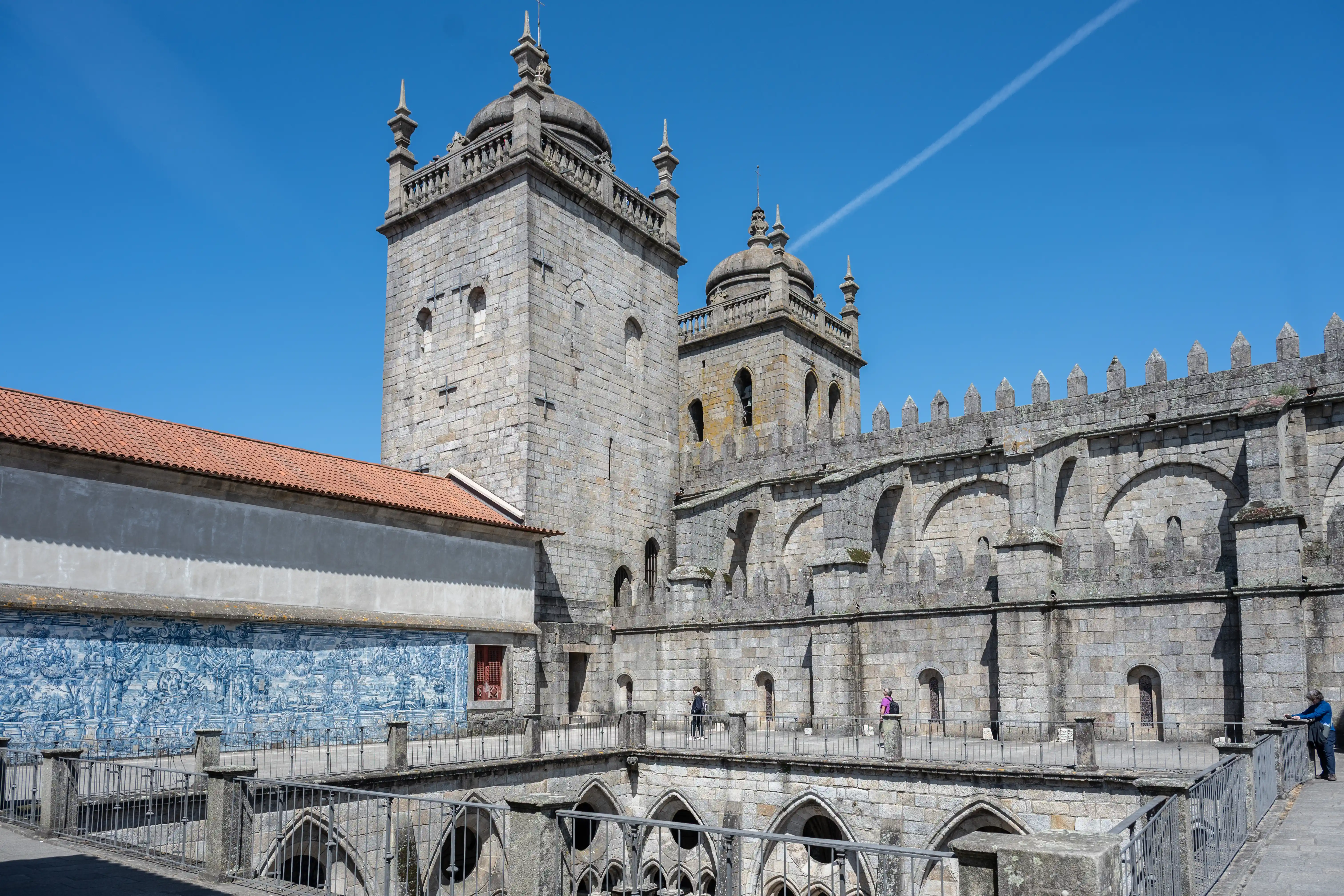

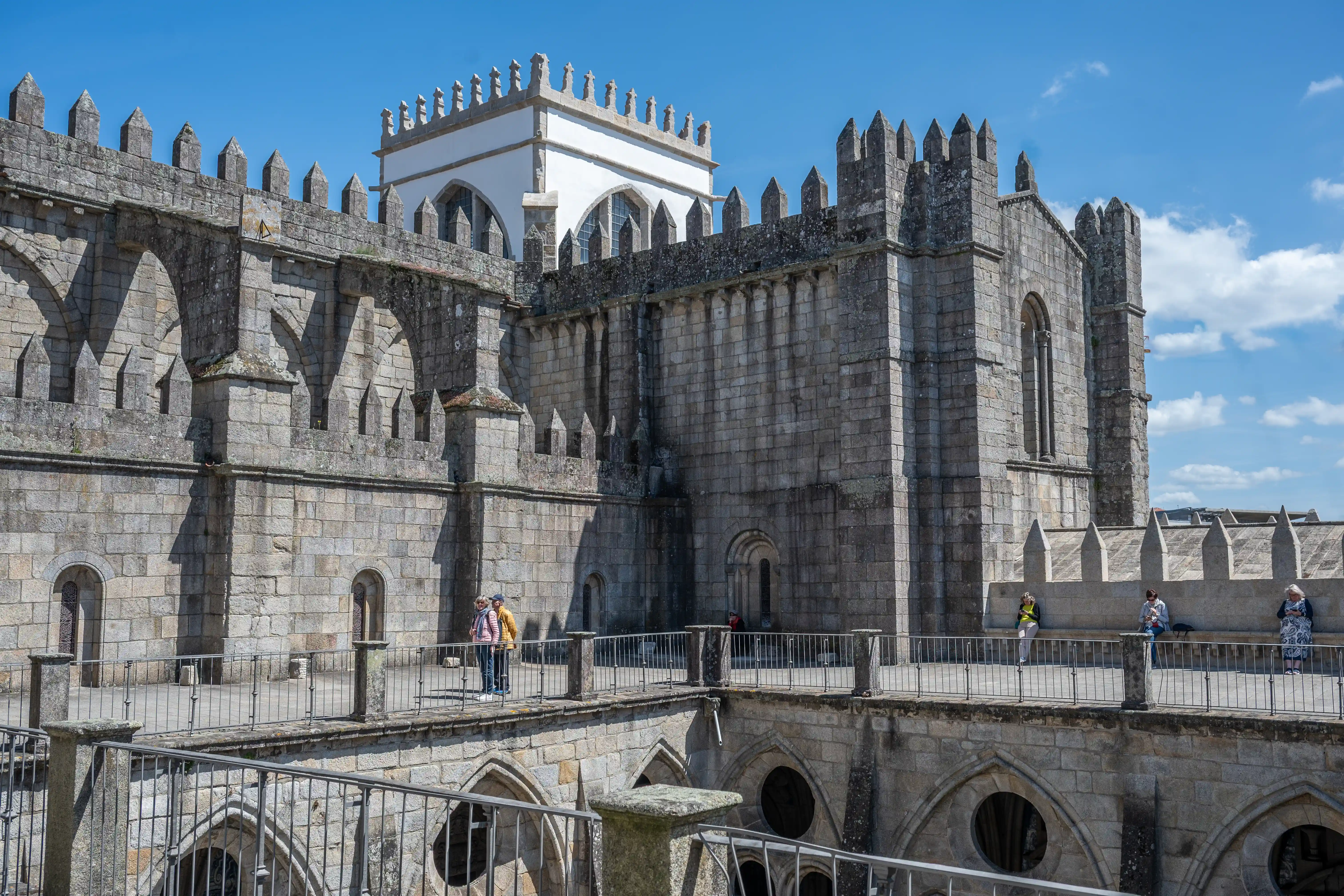
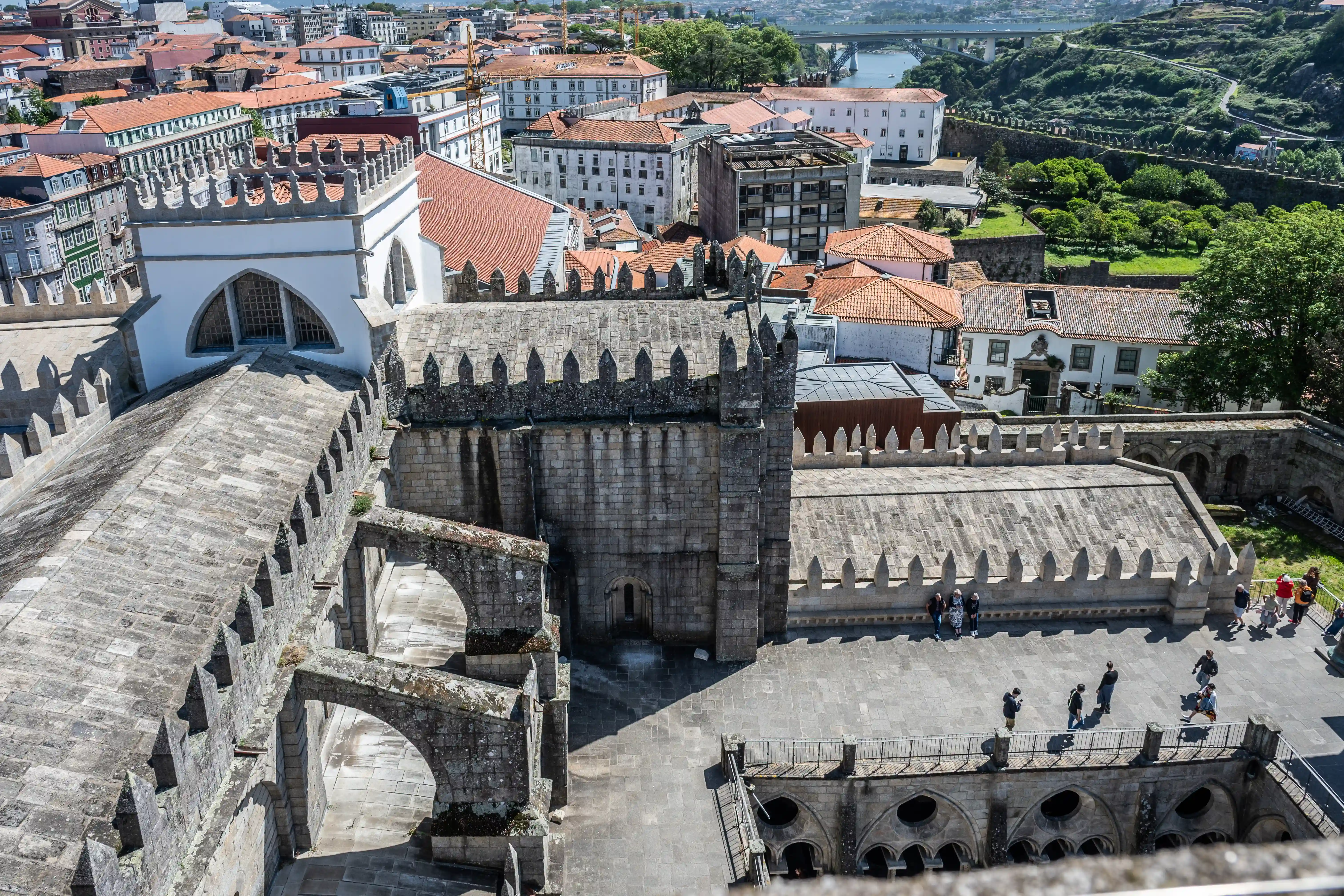


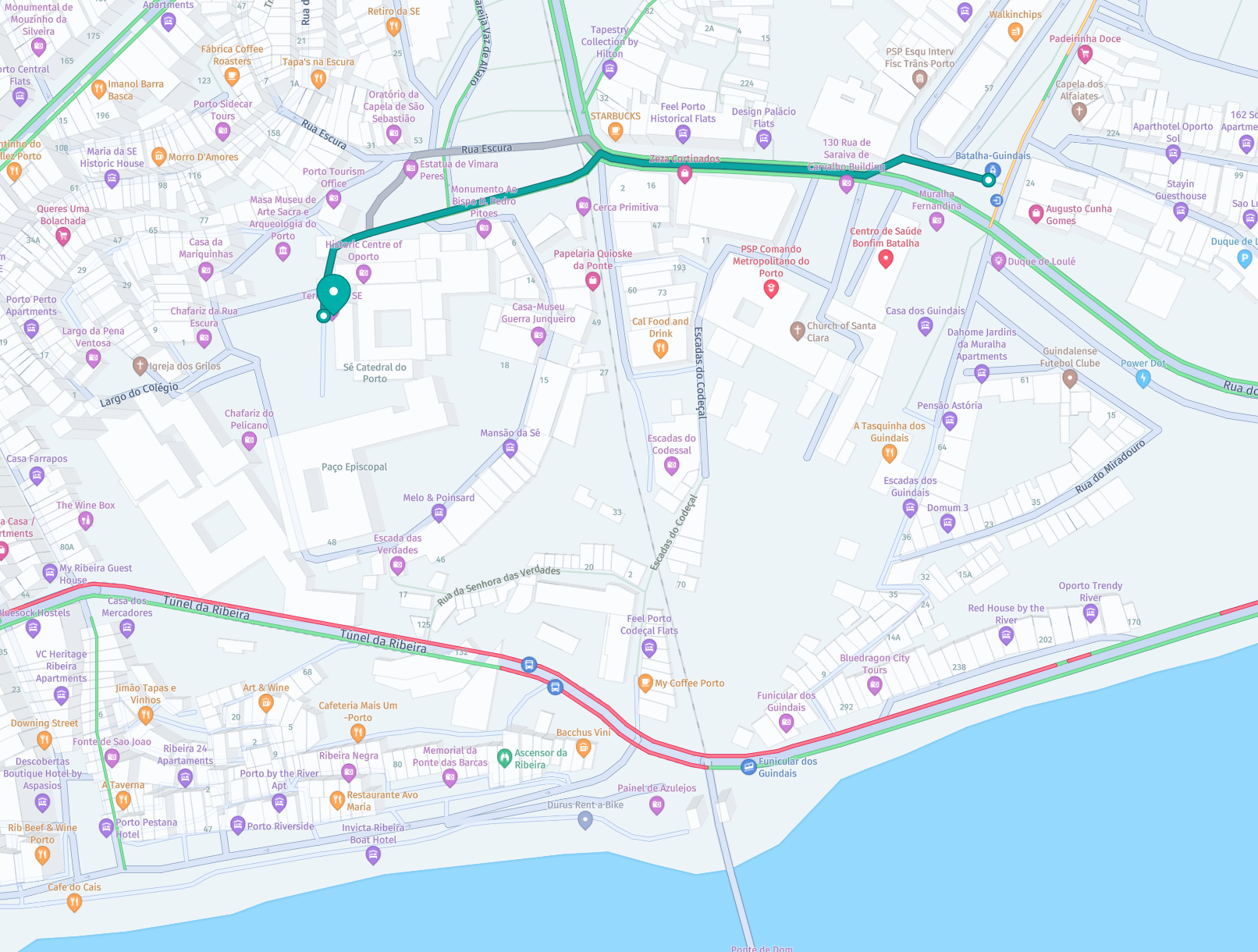
Construction of Sé do Porto began in the 12th century, under the orders of Bishop Hugo, and it was consecrated in 1112. The cathedral was built on the site of an earlier Romanesque church and has since undergone numerous renovations and expansions, reflecting the architectural and artistic styles of different periods. The cathedral played a central role in the religious and cultural life of Porto, serving as the seat of the Diocese of Porto and a place of worship, pilgrimage, and community gatherings. Its Romanesque, Gothic, and Baroque elements symbolize the city’s rich history and the evolution of its architectural heritage
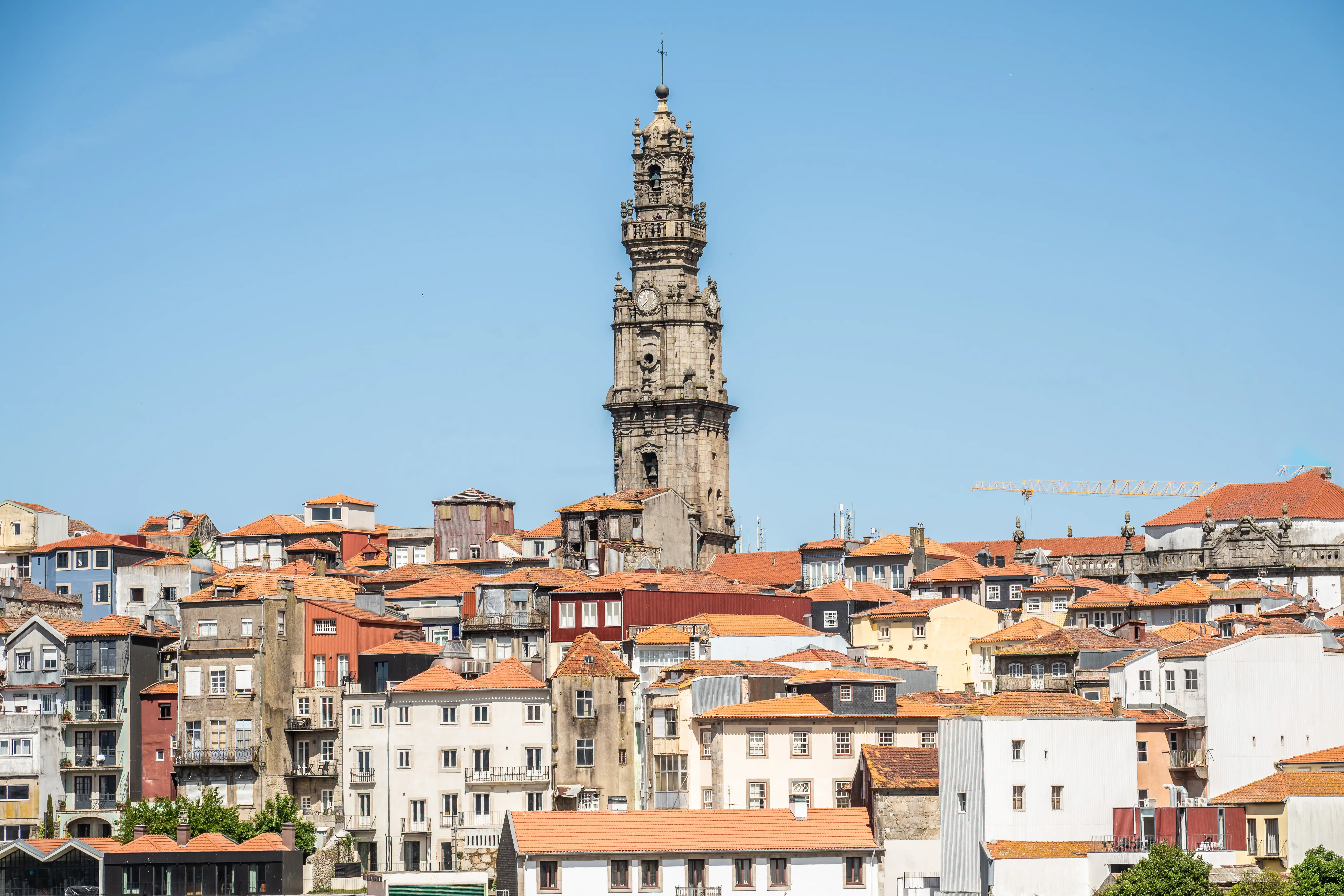
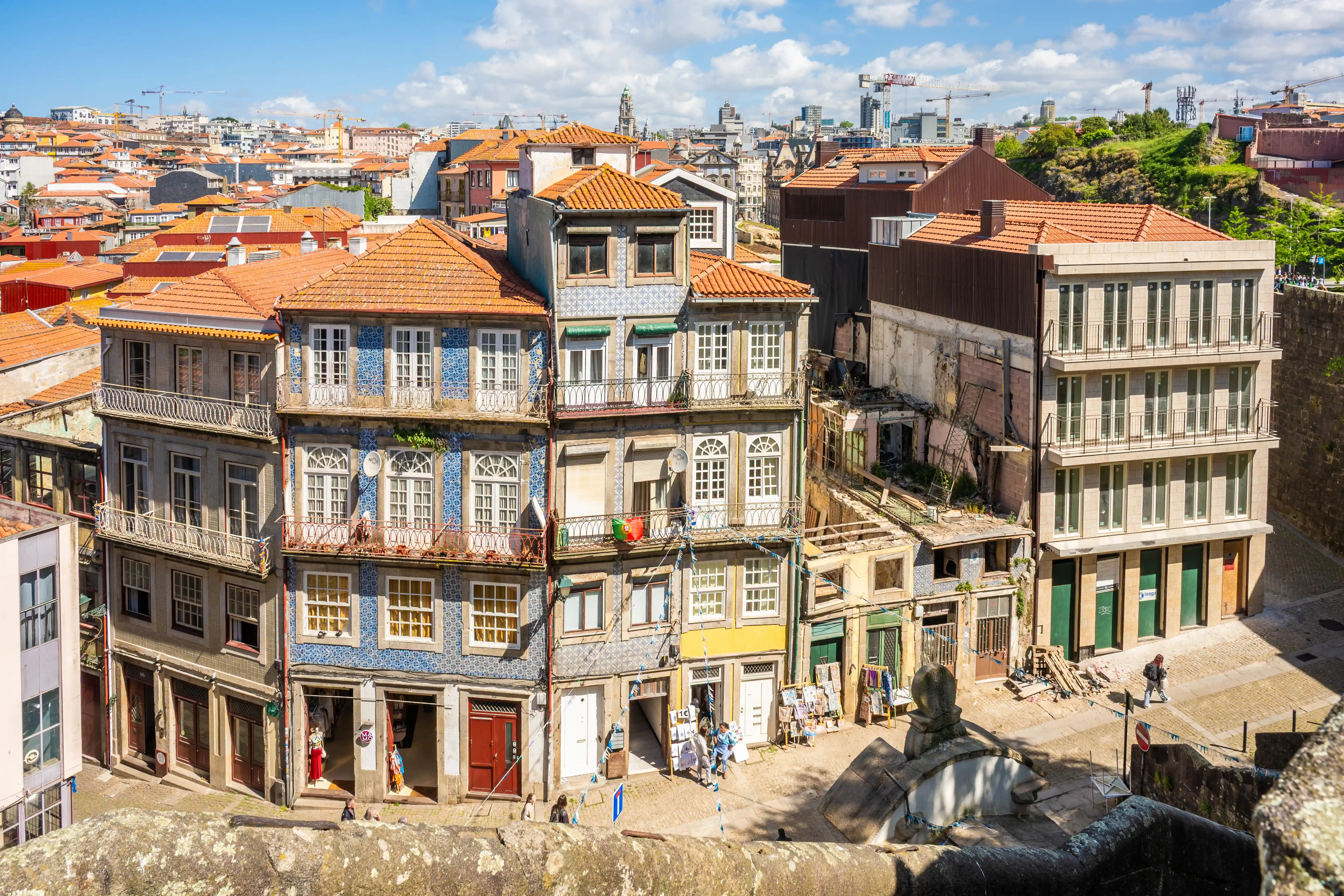
Today, Sé do Porto remains an active place of worship and a major tourist attraction. It serves as the spiritual heart of Porto, hosting religious services, ceremonies, and cultural events. The cathedral’s twin towers, rose window, and cloister attract visitors from around the world, offering a unique blend of history, architecture, and spirituality. The panoramic views from the tower provide a stunning perspective of Porto’s historic center, making Sé do Porto a must-visit destination for anyone exploring the city.
