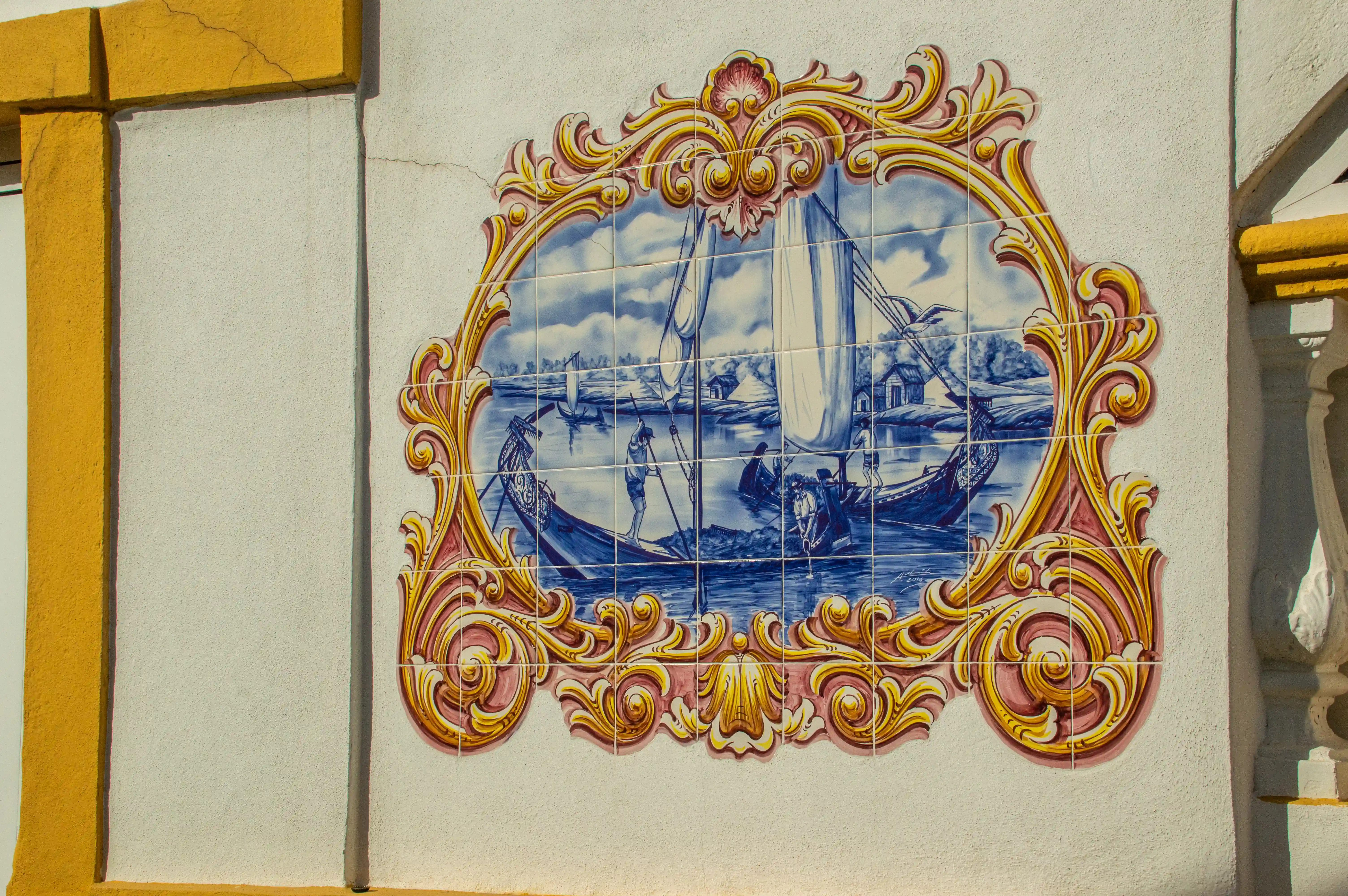
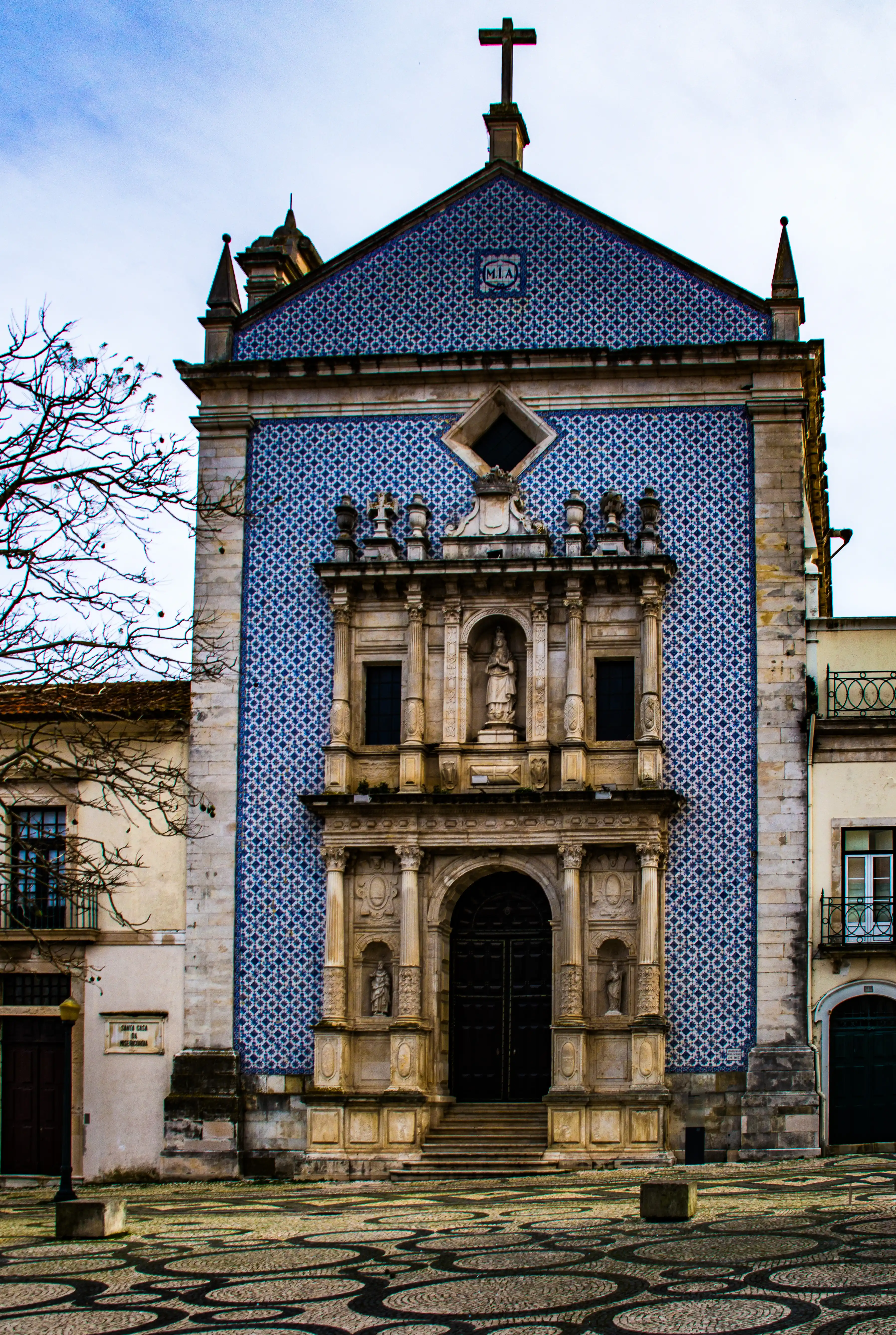

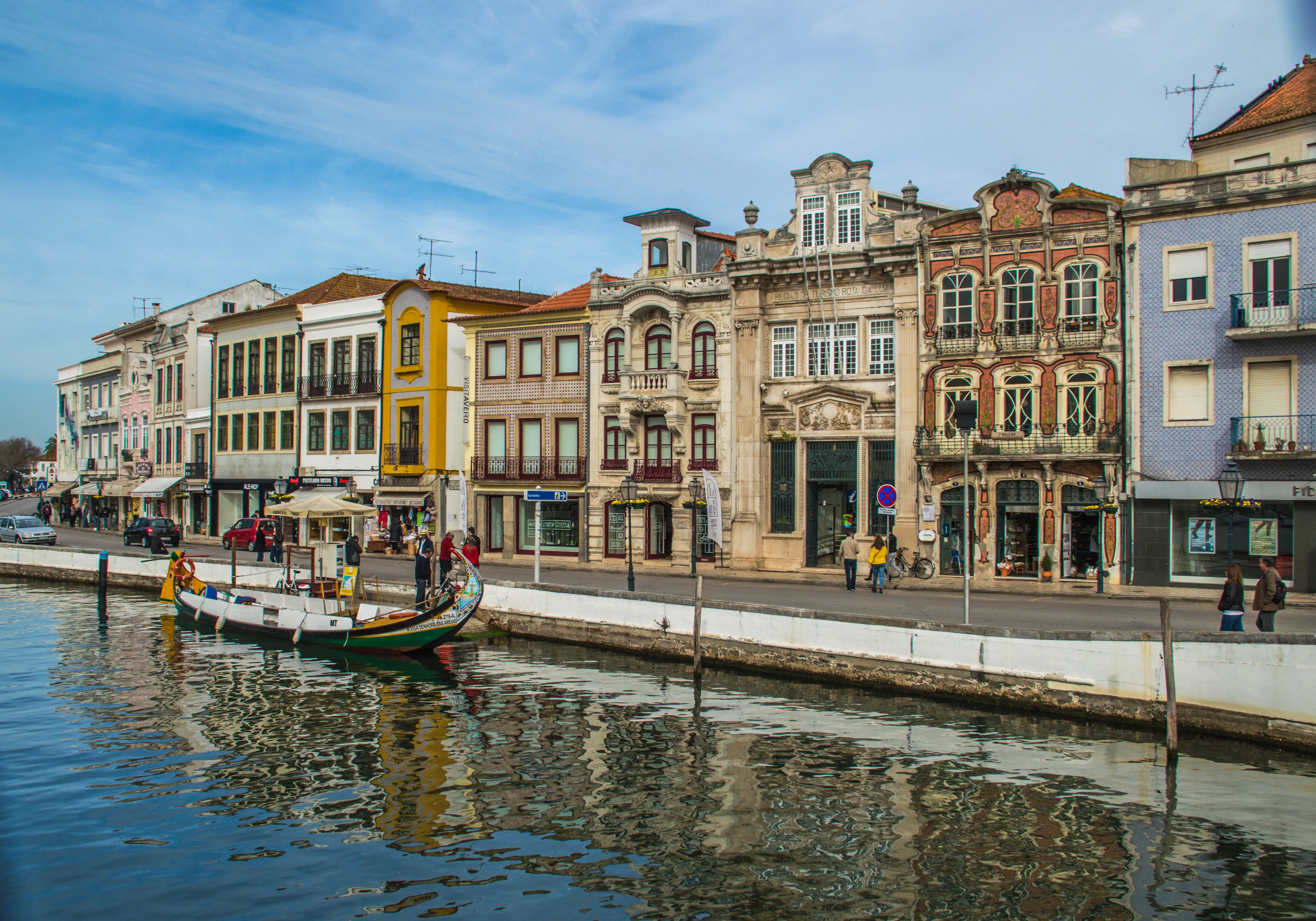
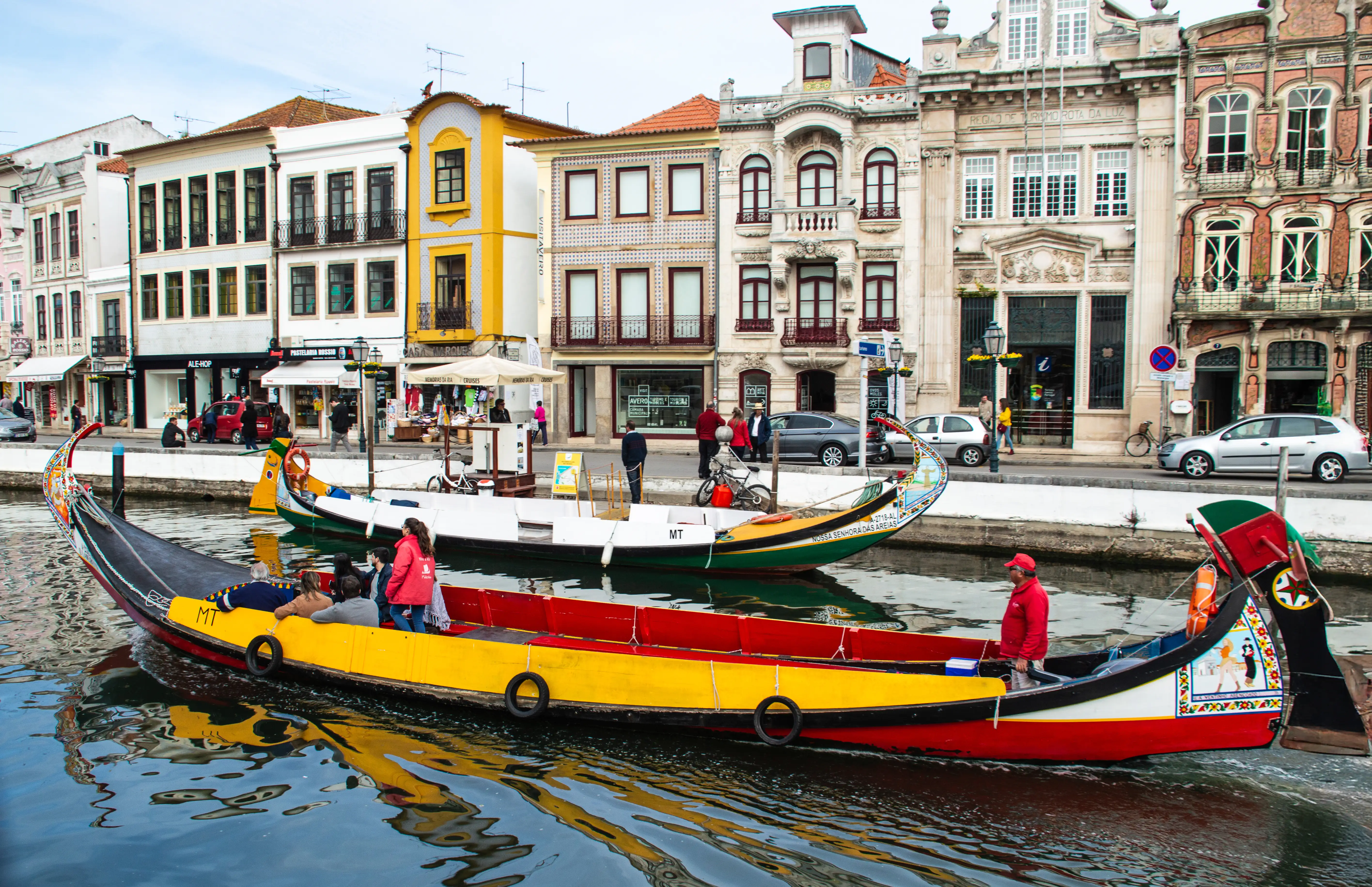
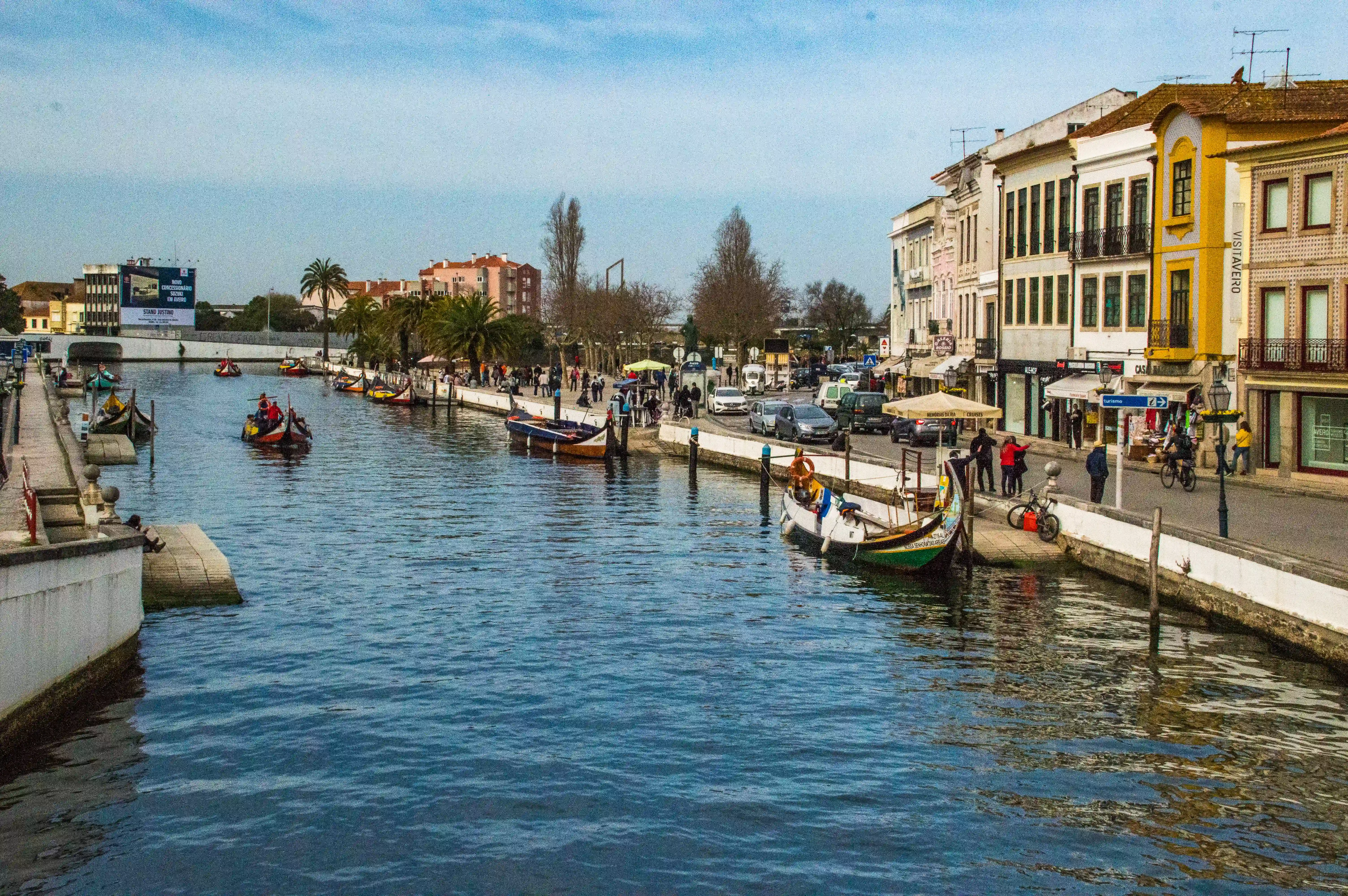
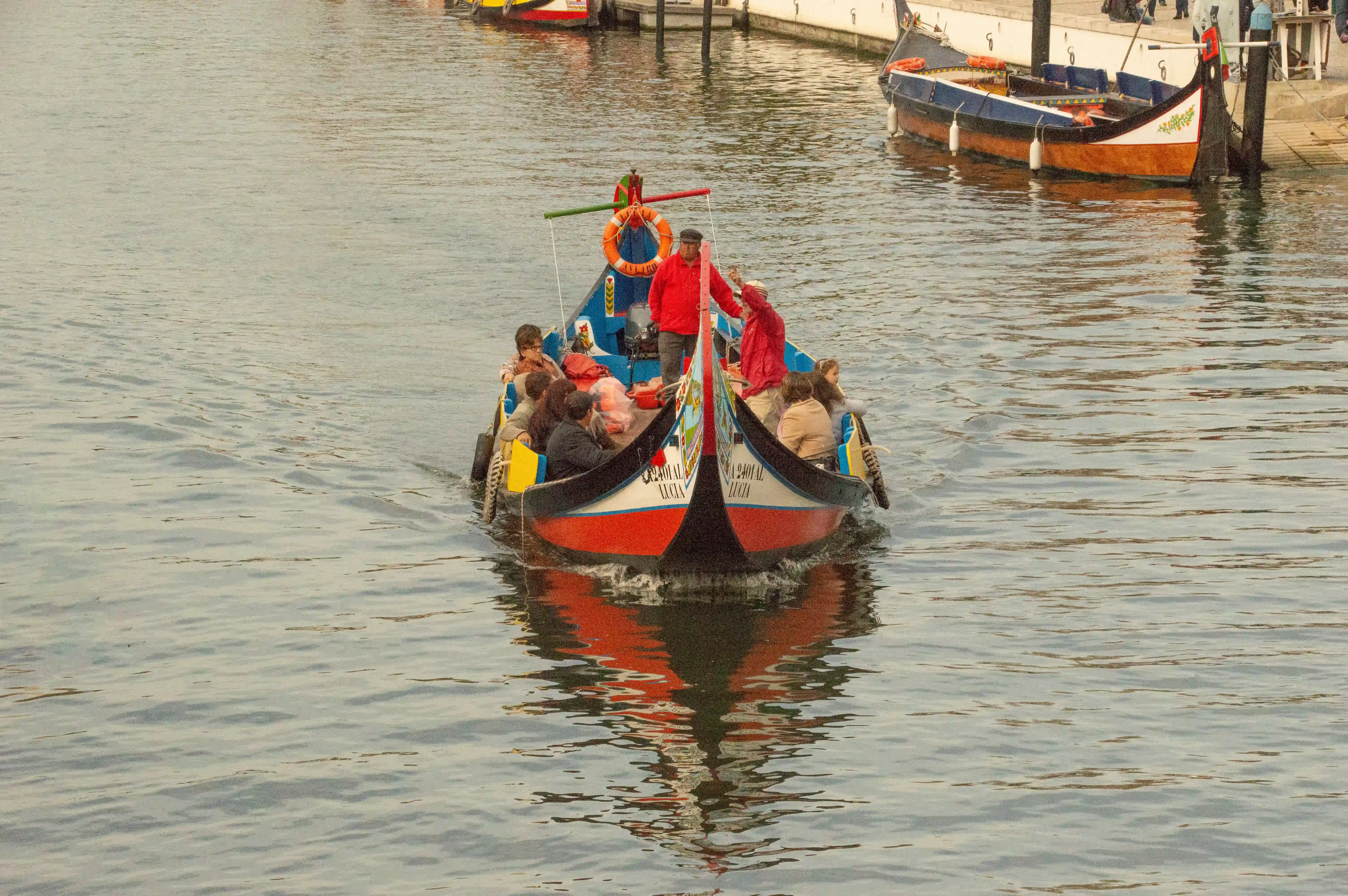
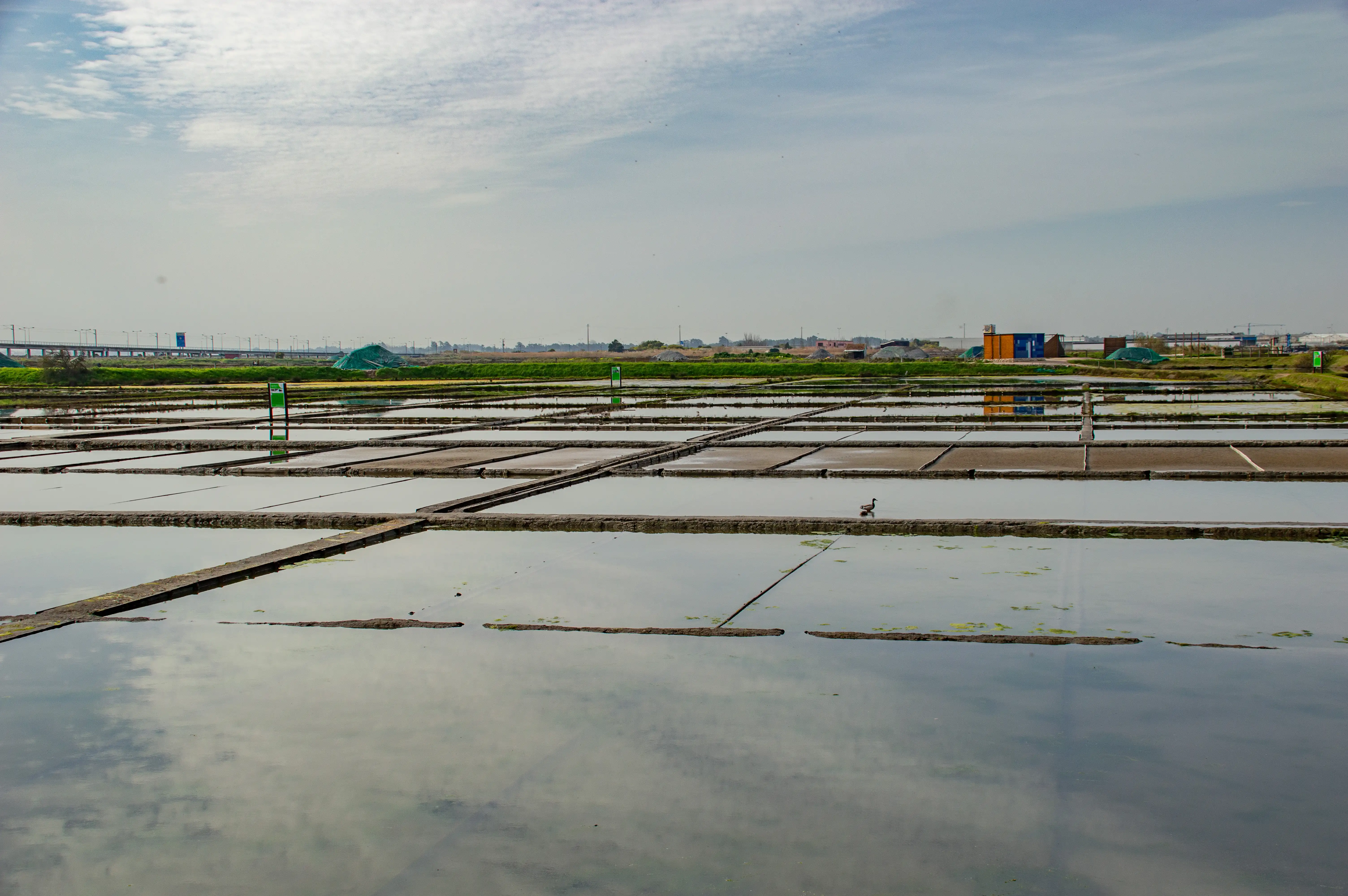
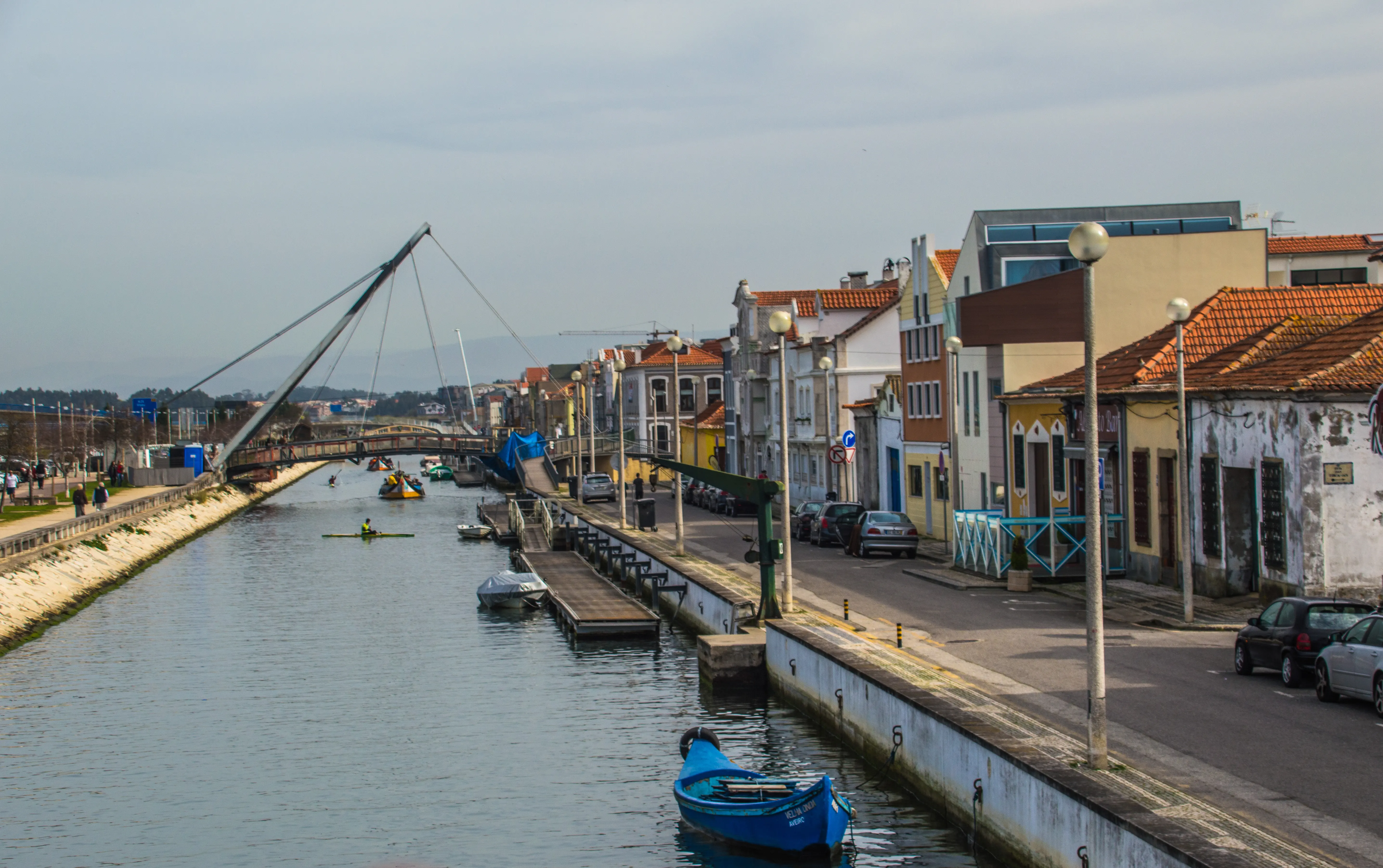
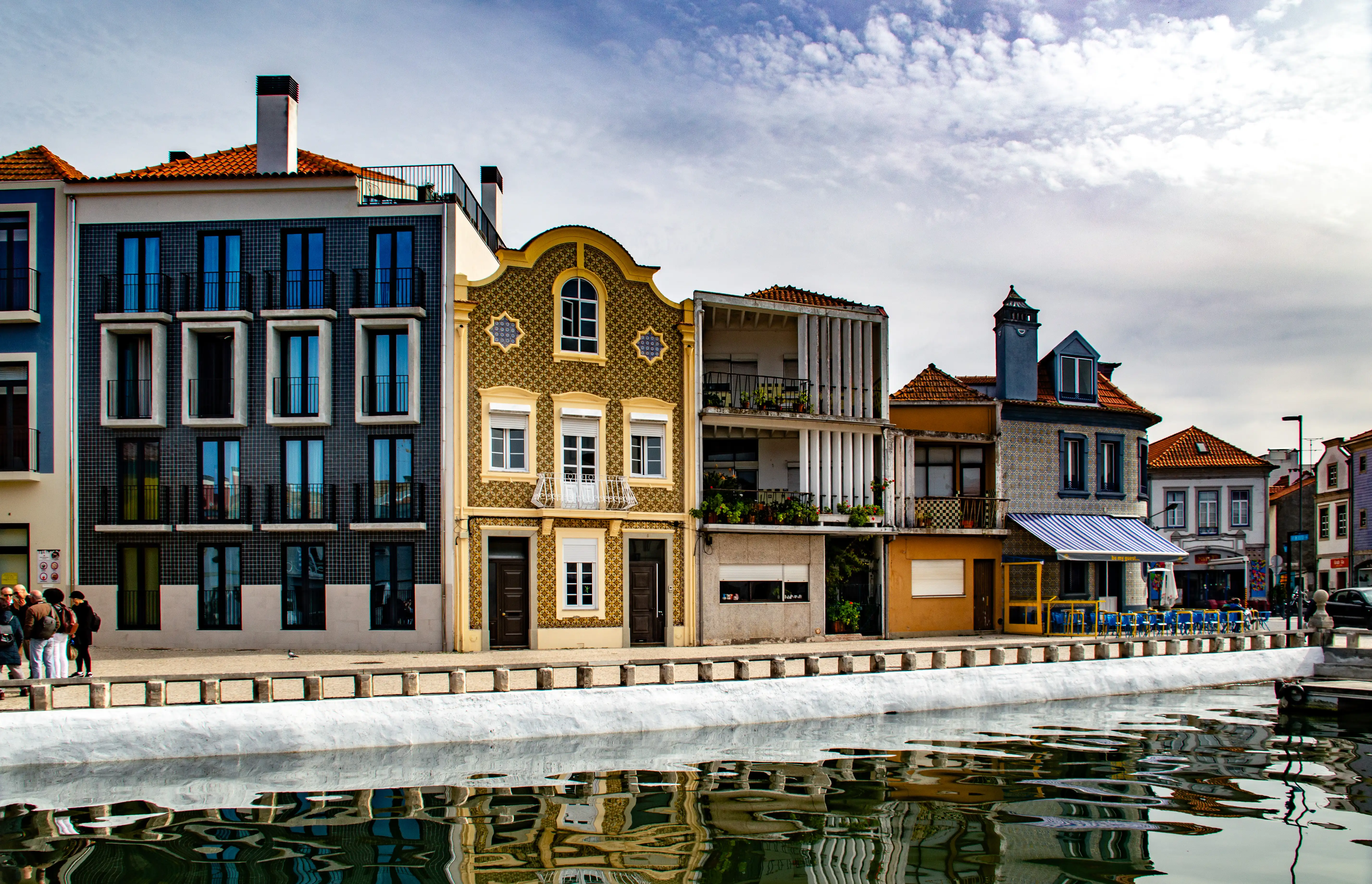
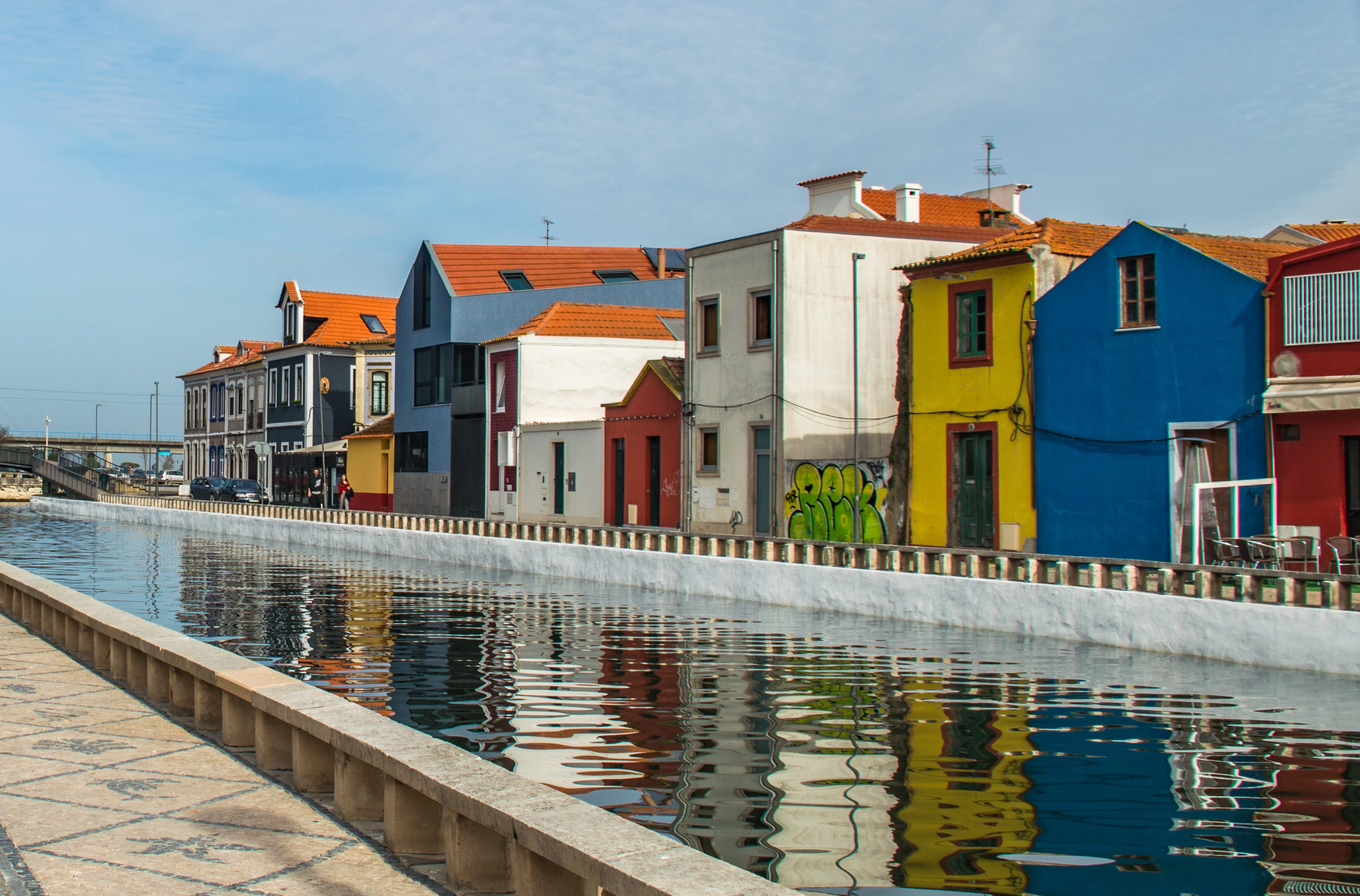
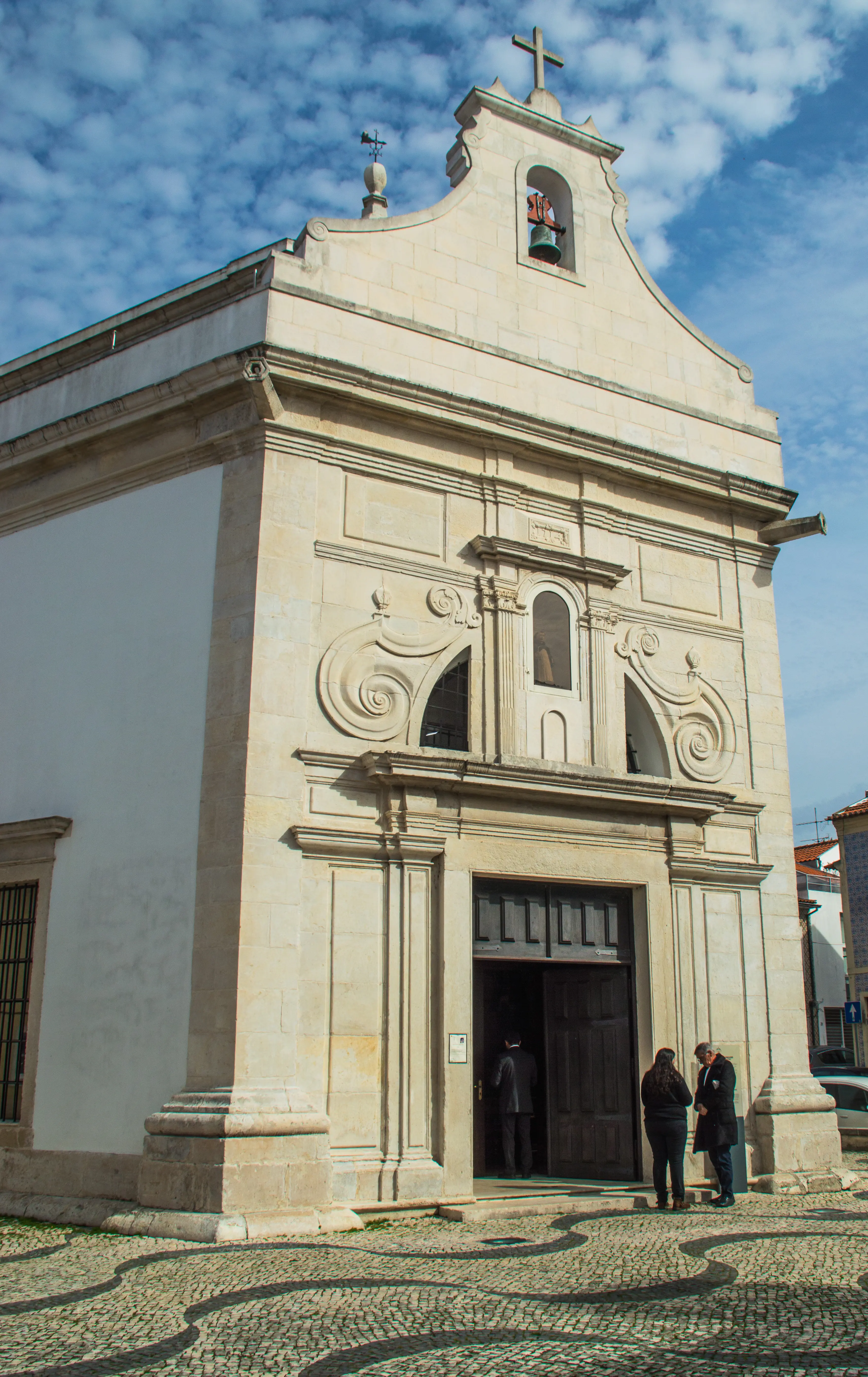
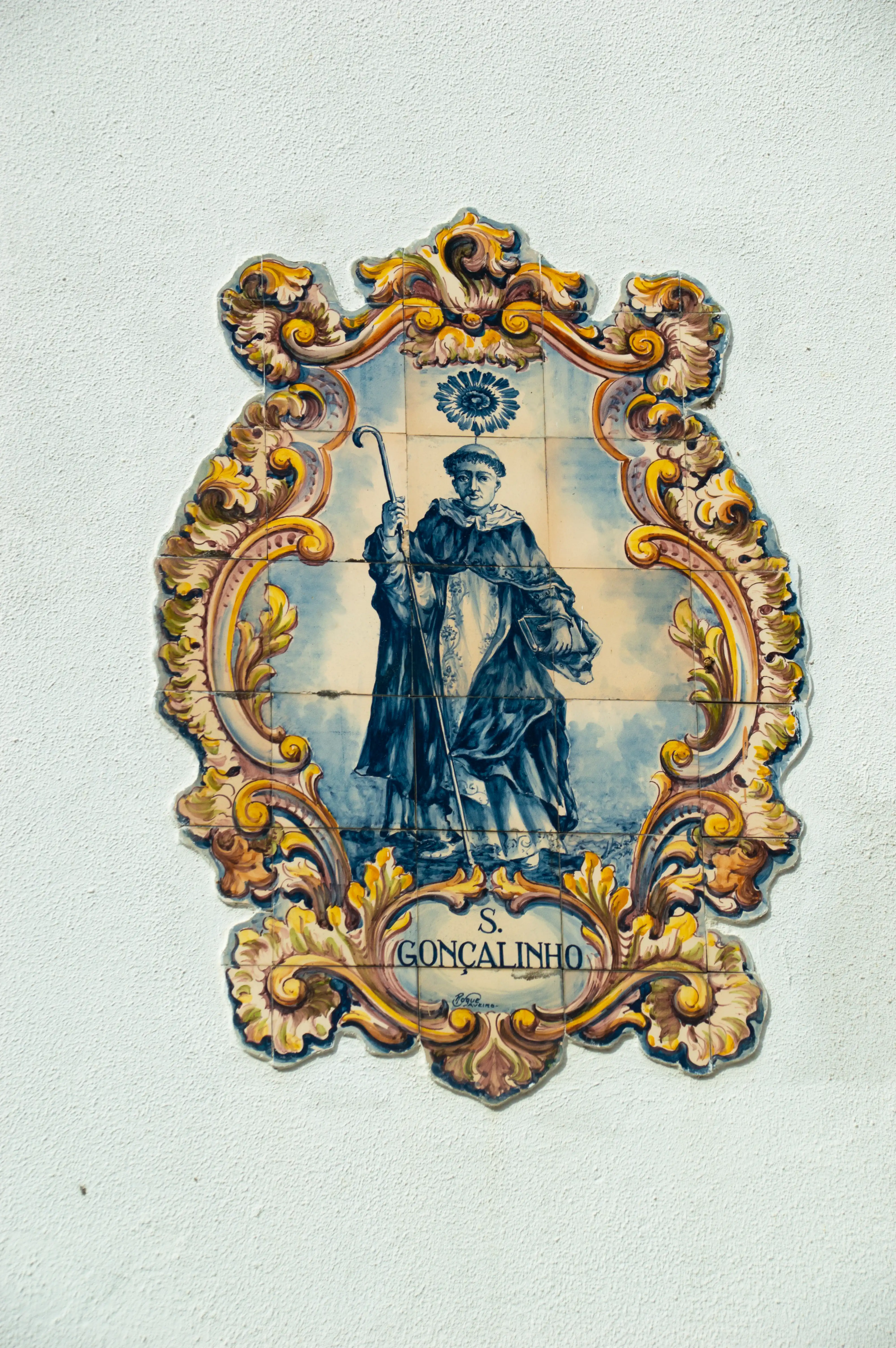
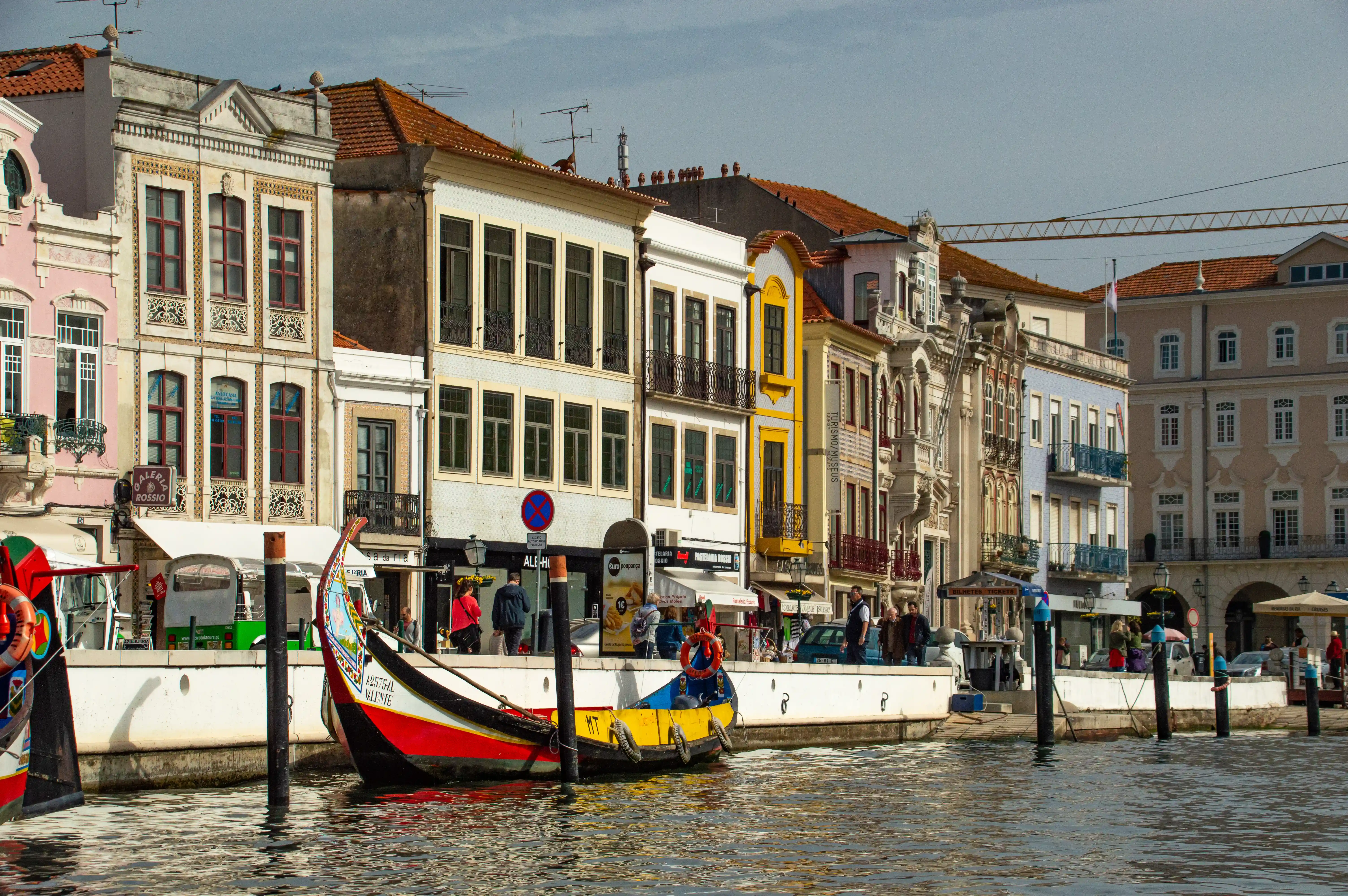
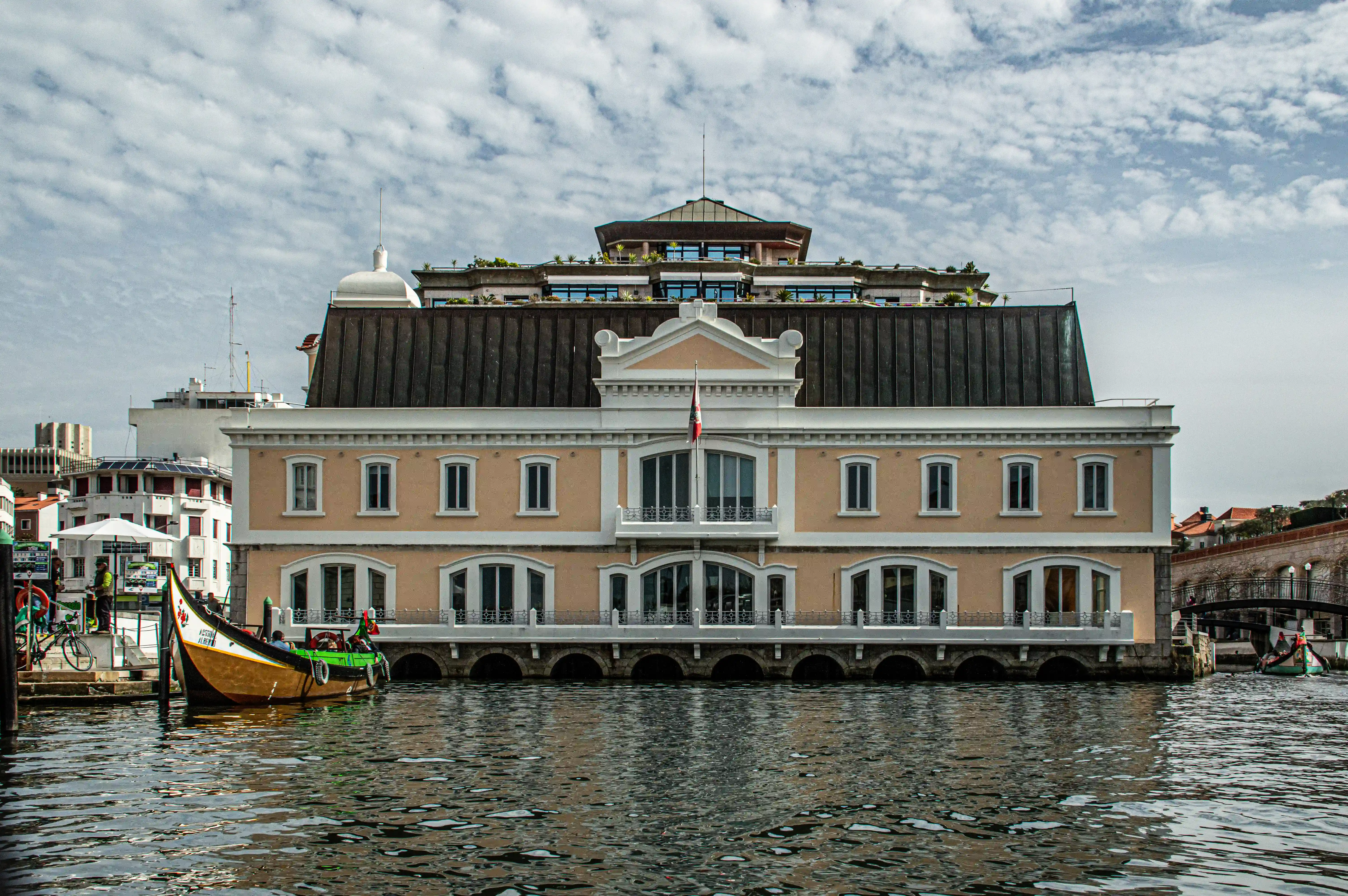

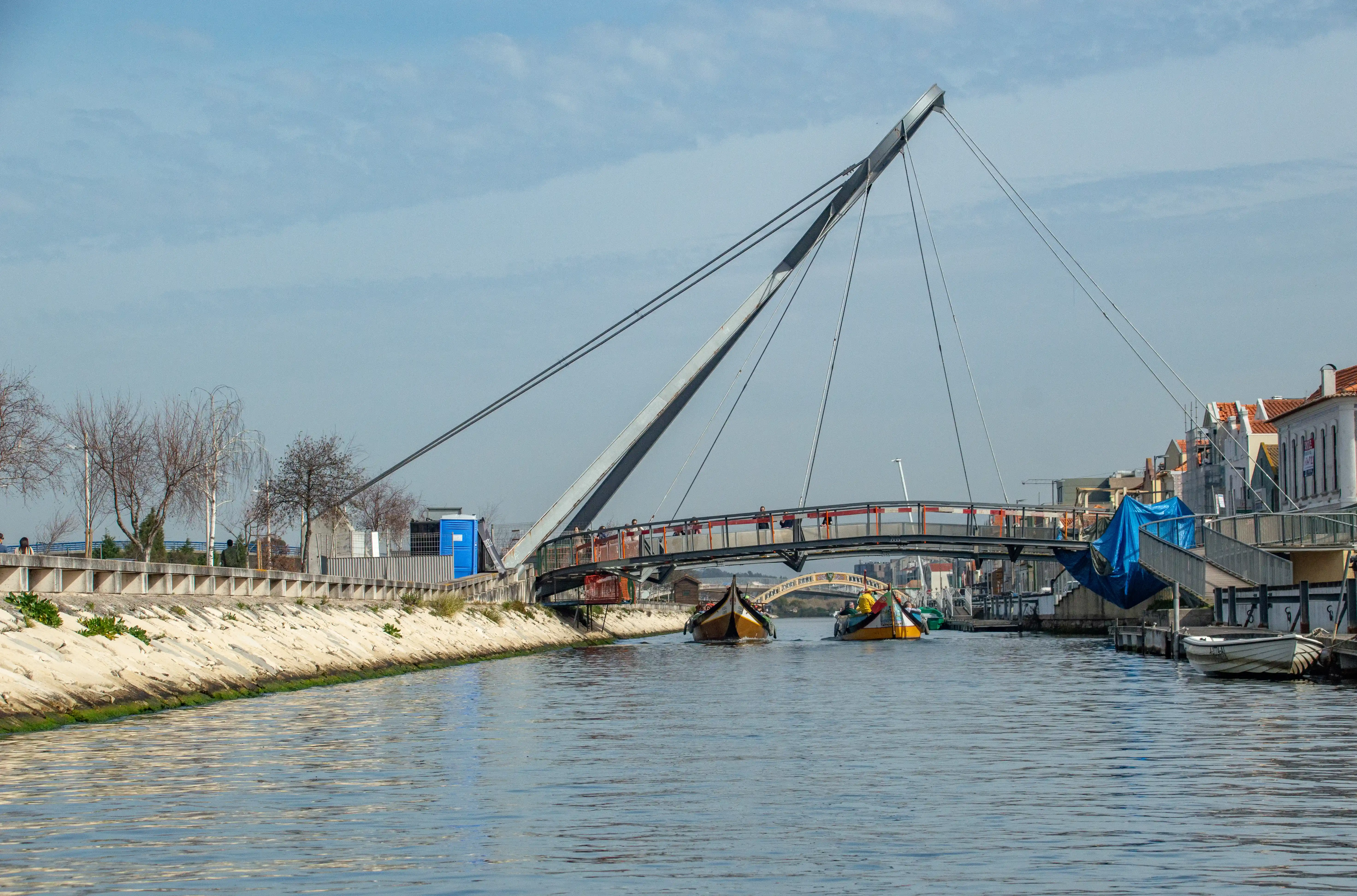
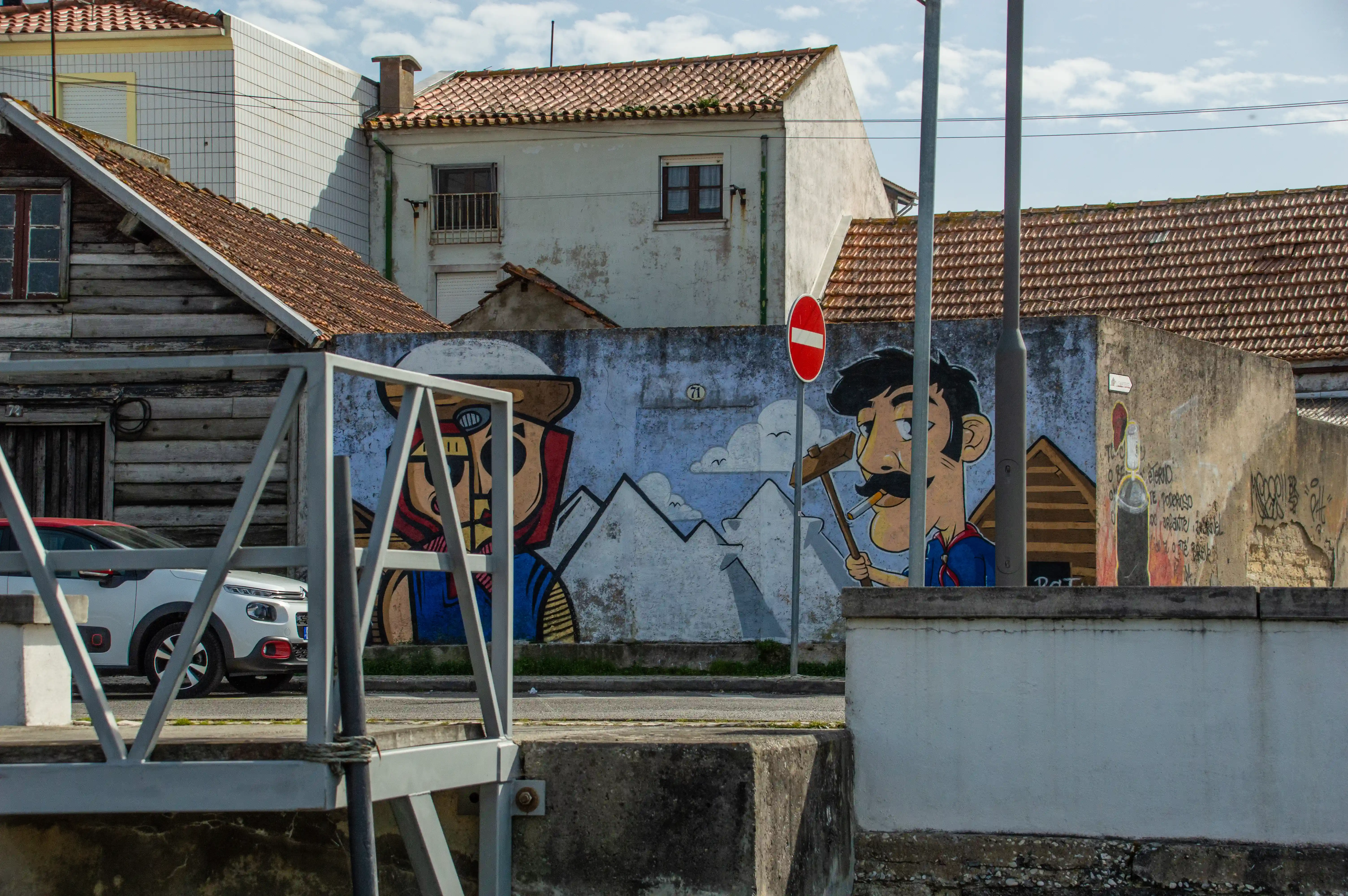
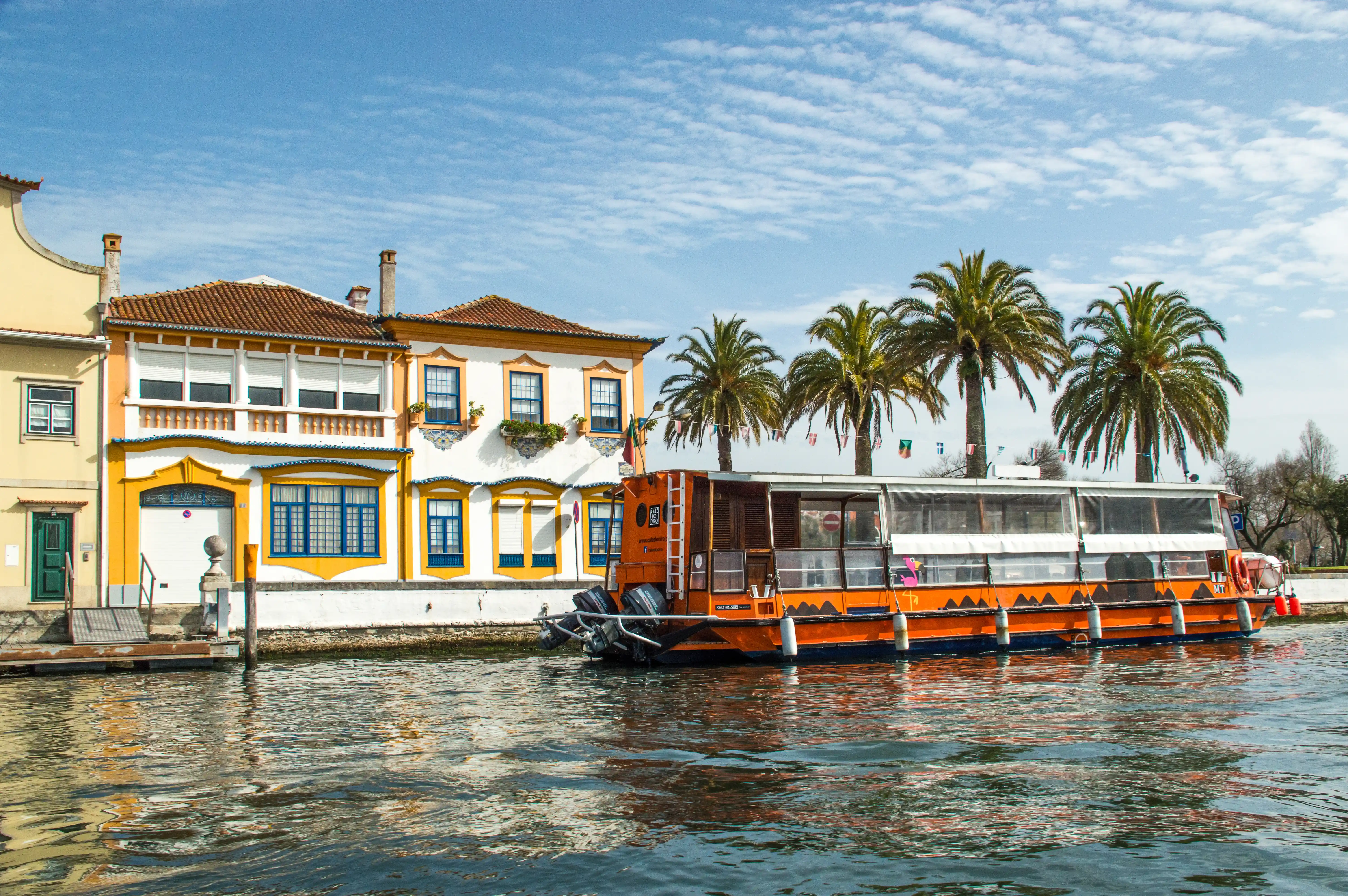
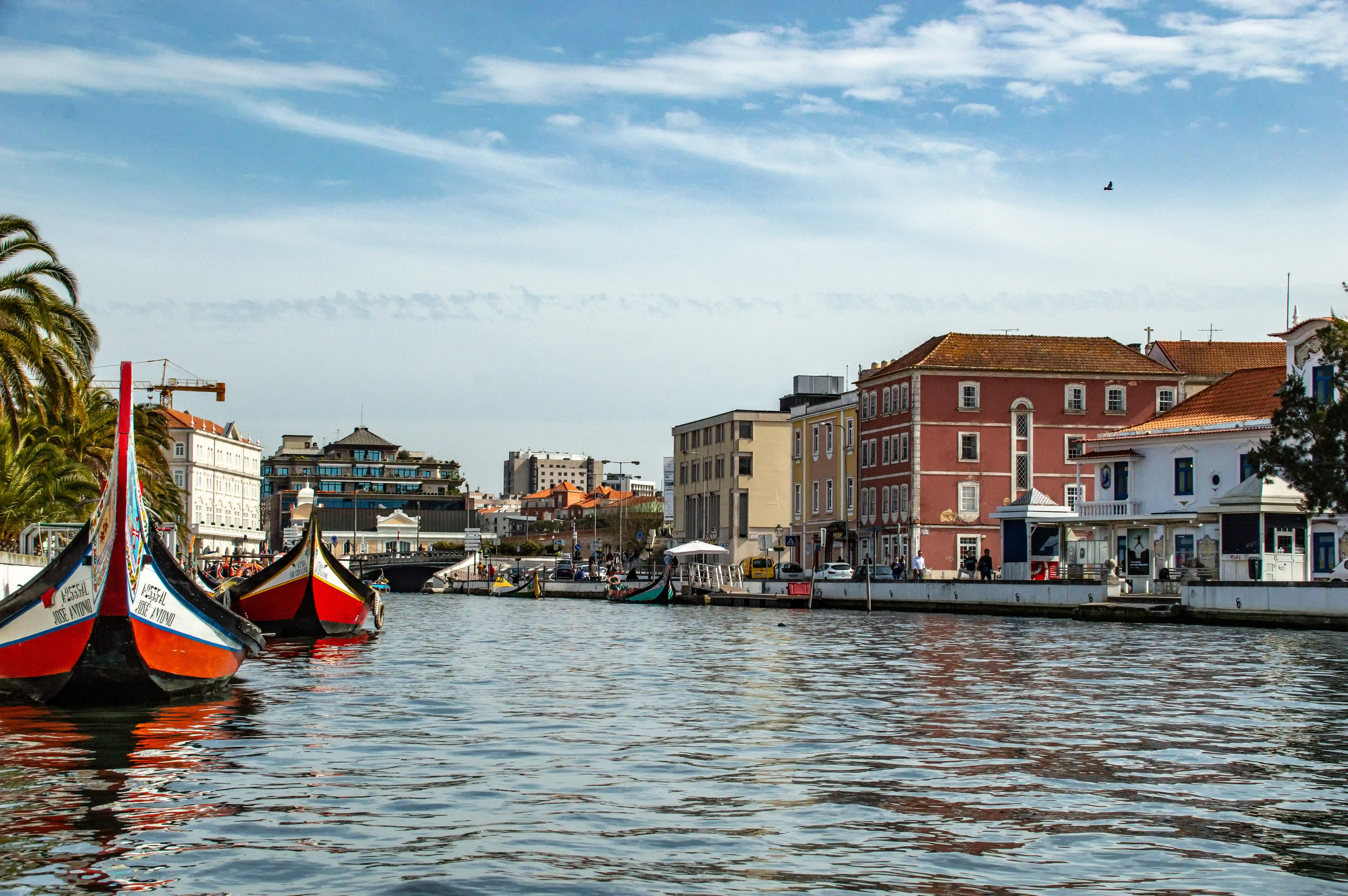





Aveiro’s history dates back to the Roman era, when it was an important center for salt production and trade. The city’s name is derived from the Latin *Aviarium*, meaning "bird’s nest," reflecting its location in a region rich in avian life. During the Middle Ages, Aveiro became a significant port and a center for cod fishing and trade. The city’s canals and waterways were developed during this period, earning it the nickname "Venice of Portugal." In the 16th century, Aveiro became a royal city under King João I, and its Art Nouveau architecture flourished in the late 19th and early 20th centuries, leaving a lasting mark on the city’s skyline. Today, Aveiro’s historic and cultural heritage continues to attract visitors from around the world.
Aveiro
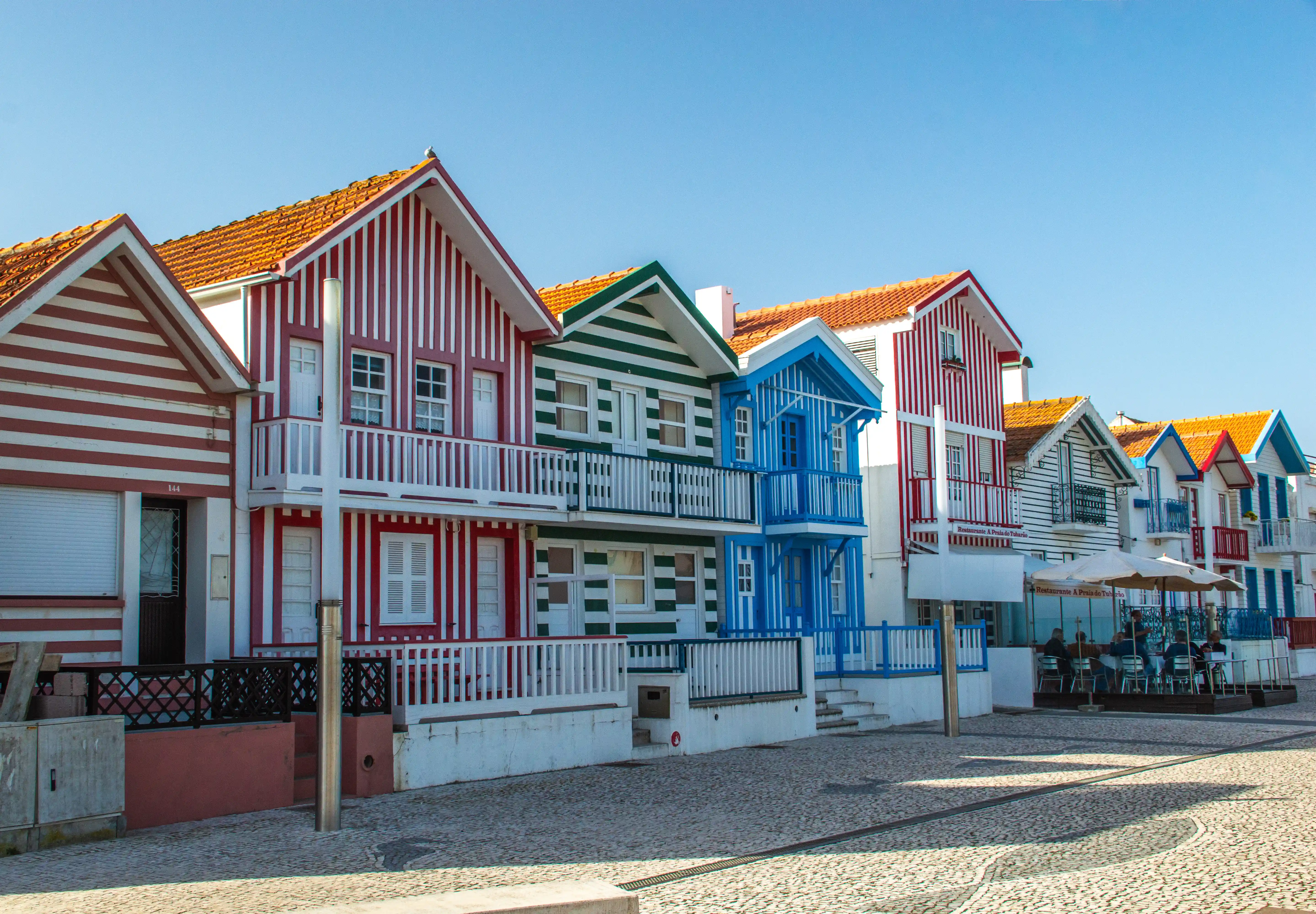
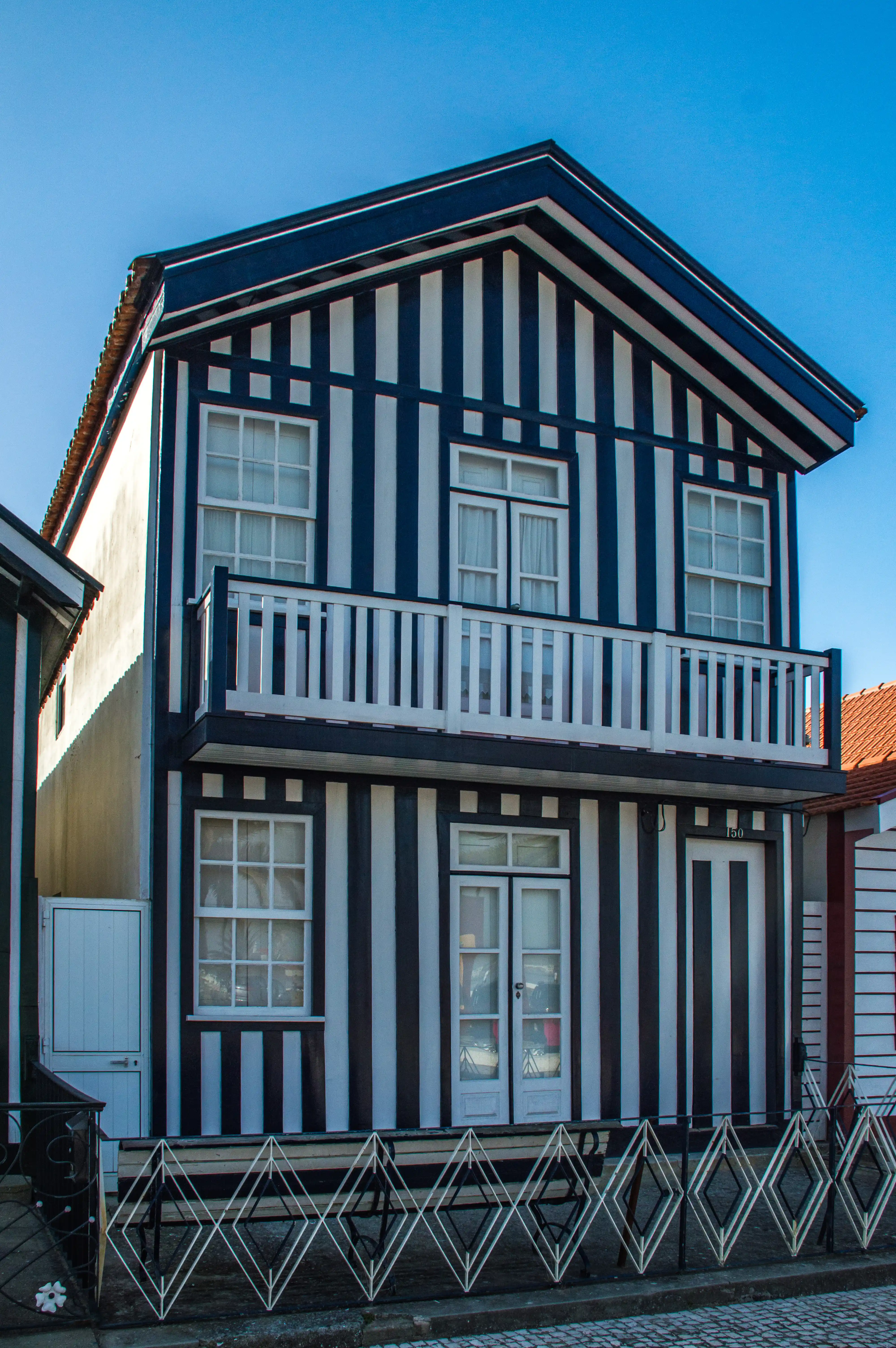
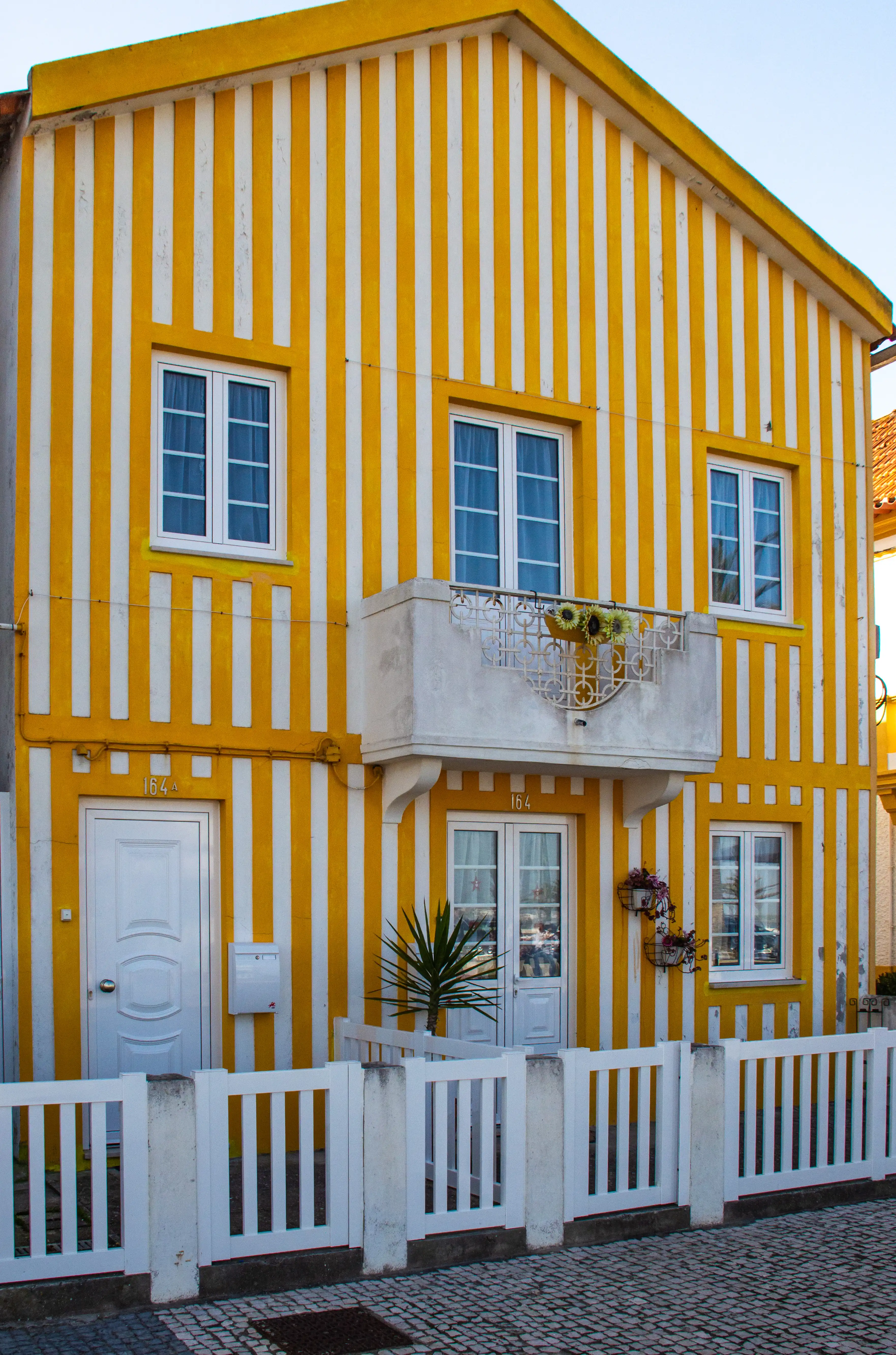
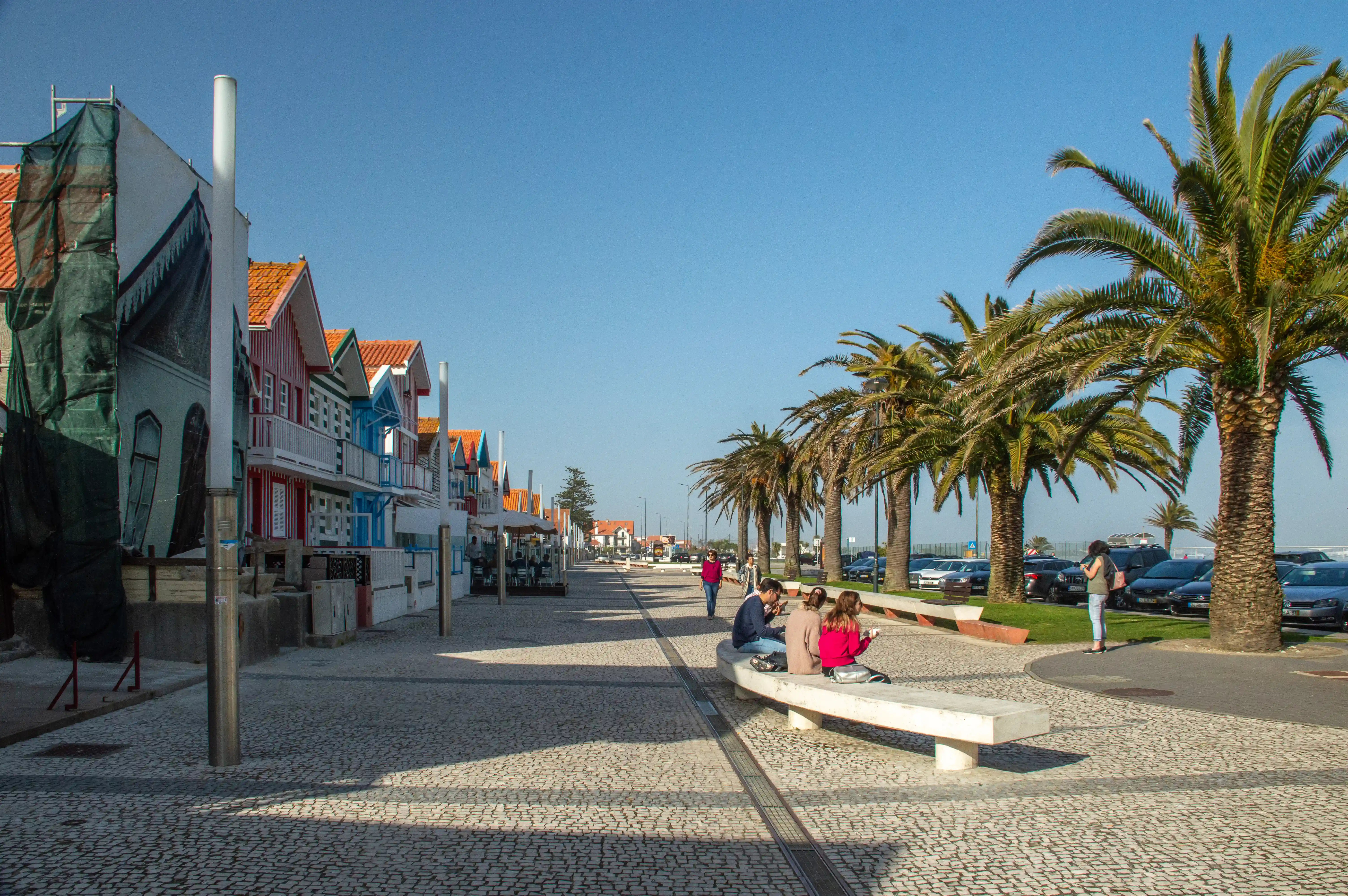
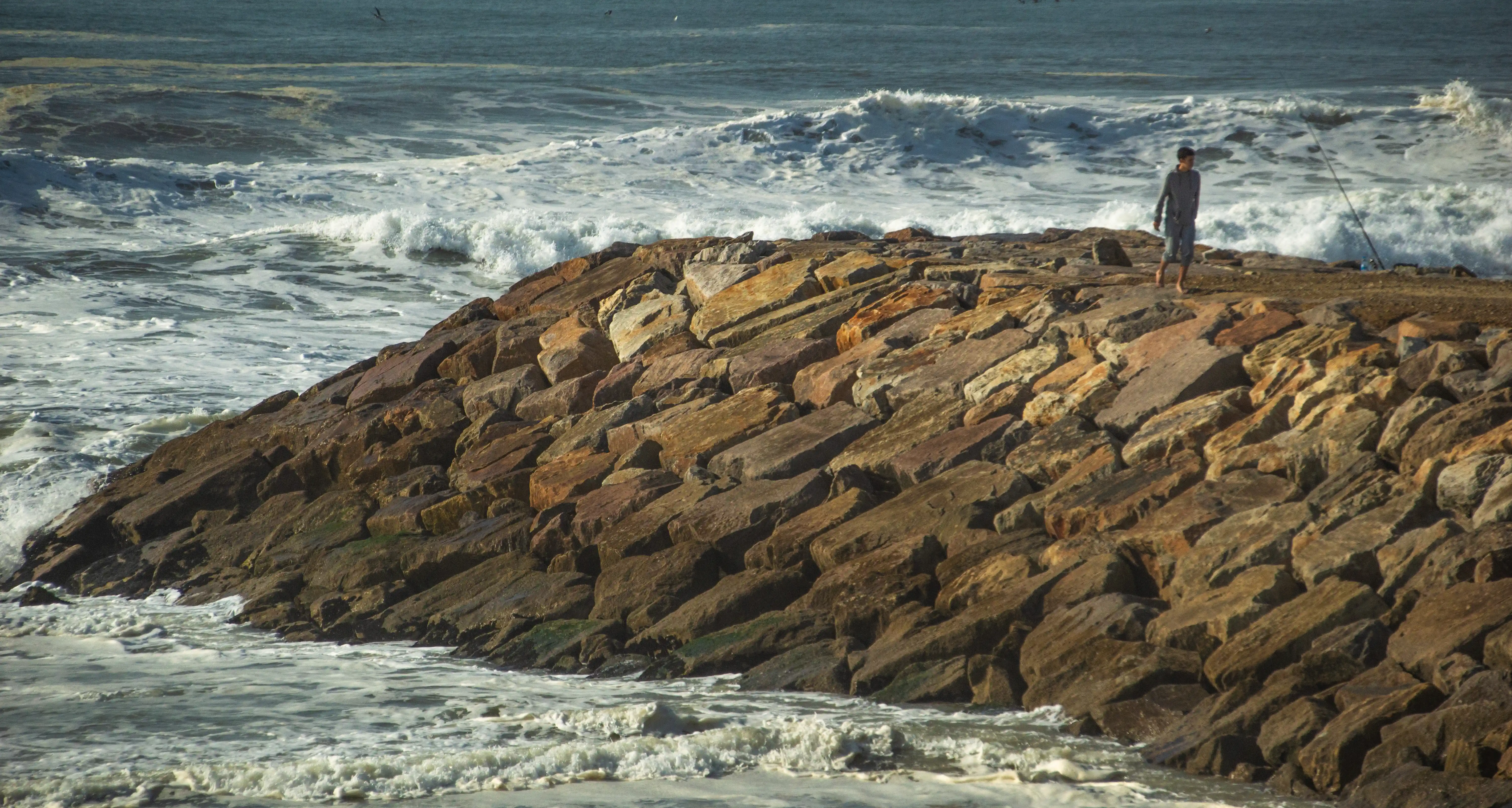
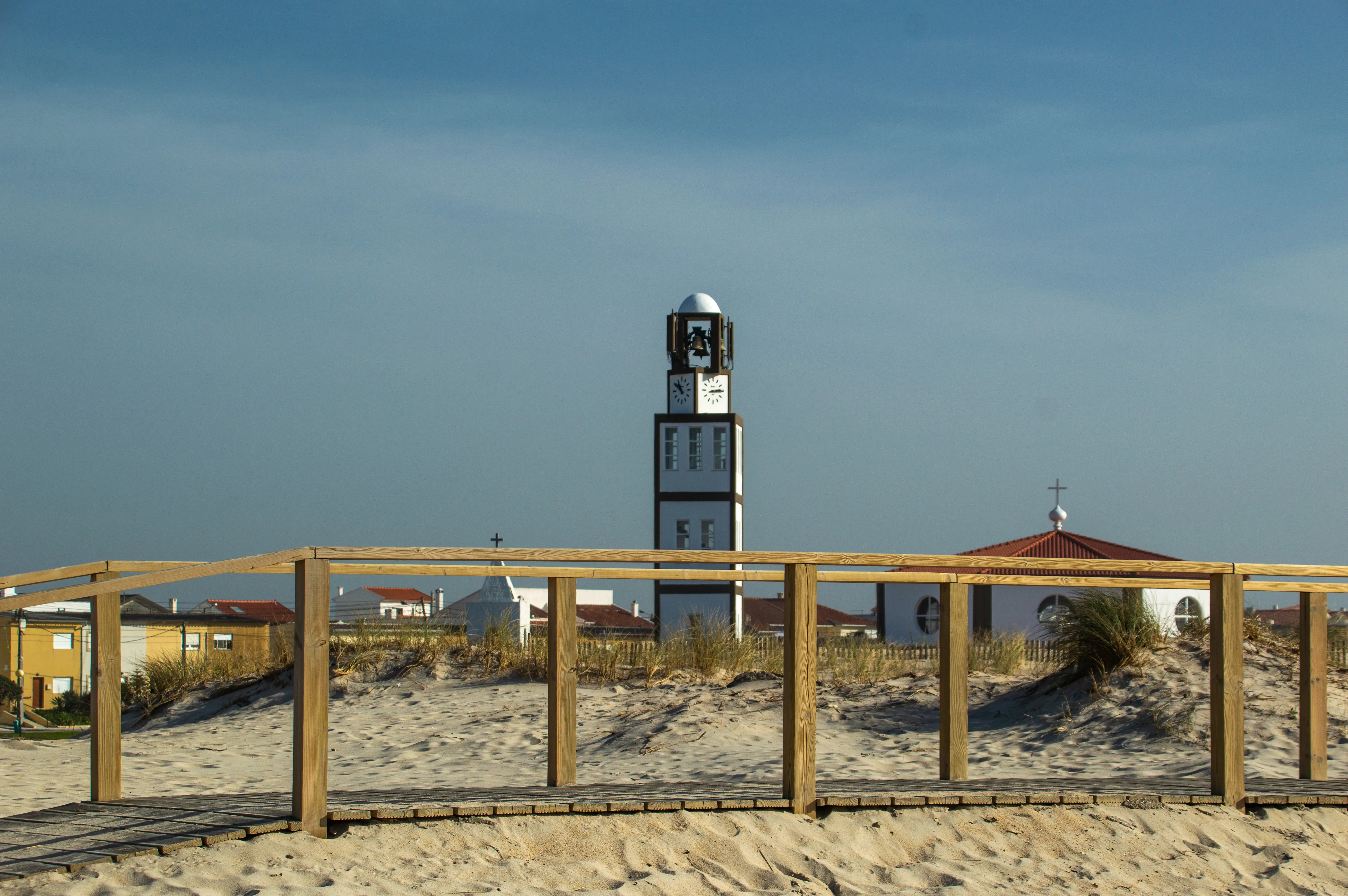
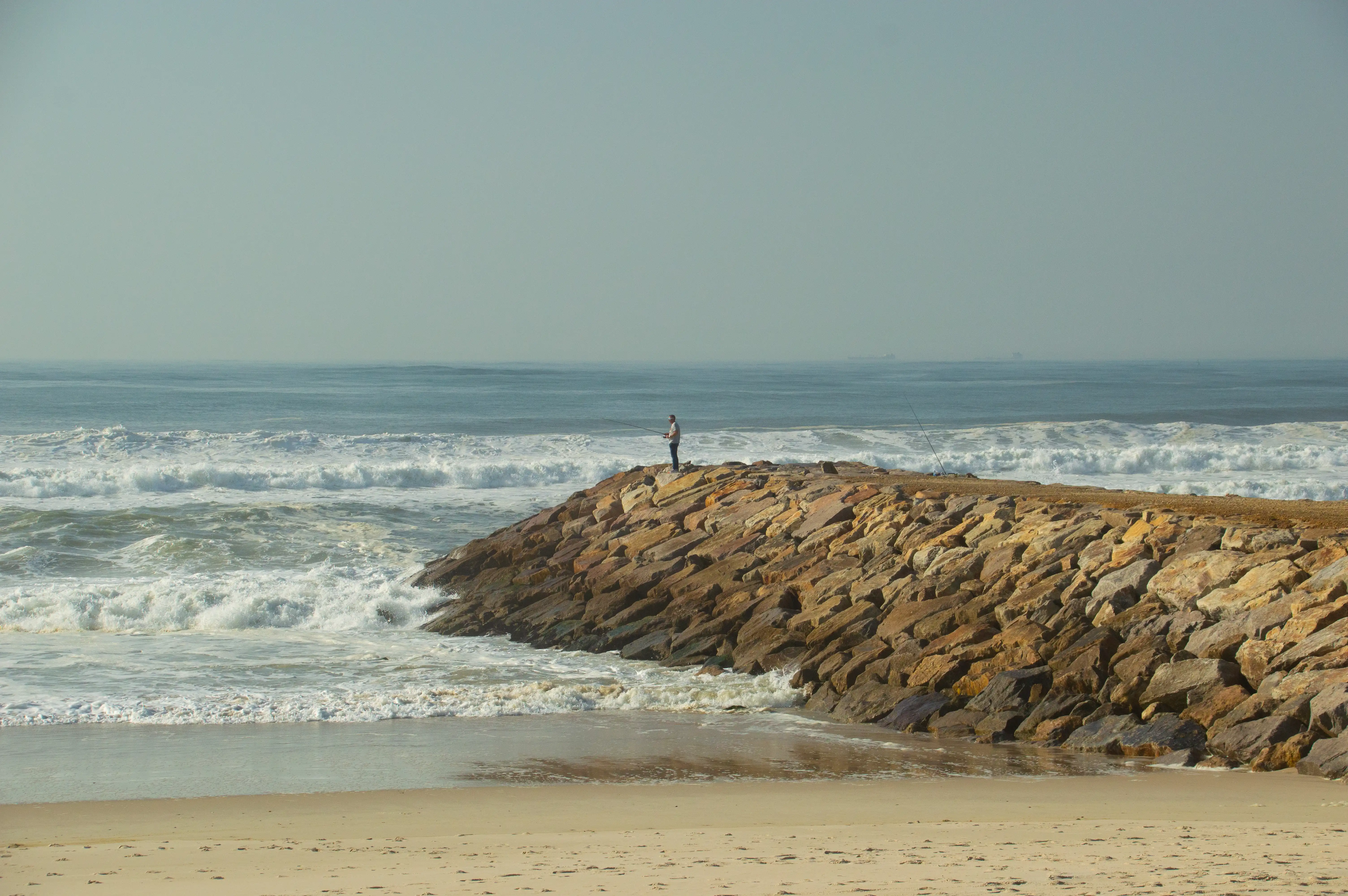
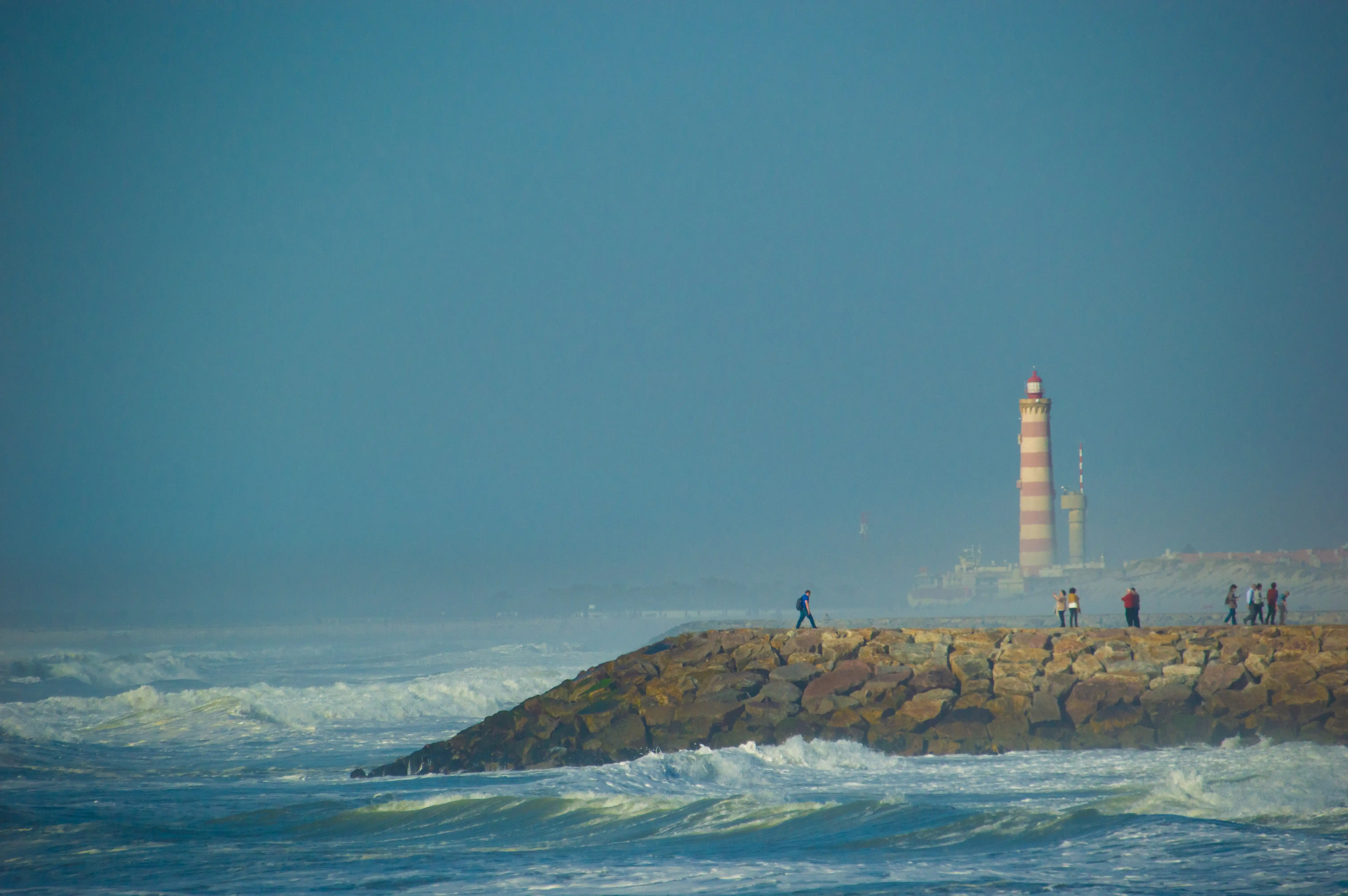
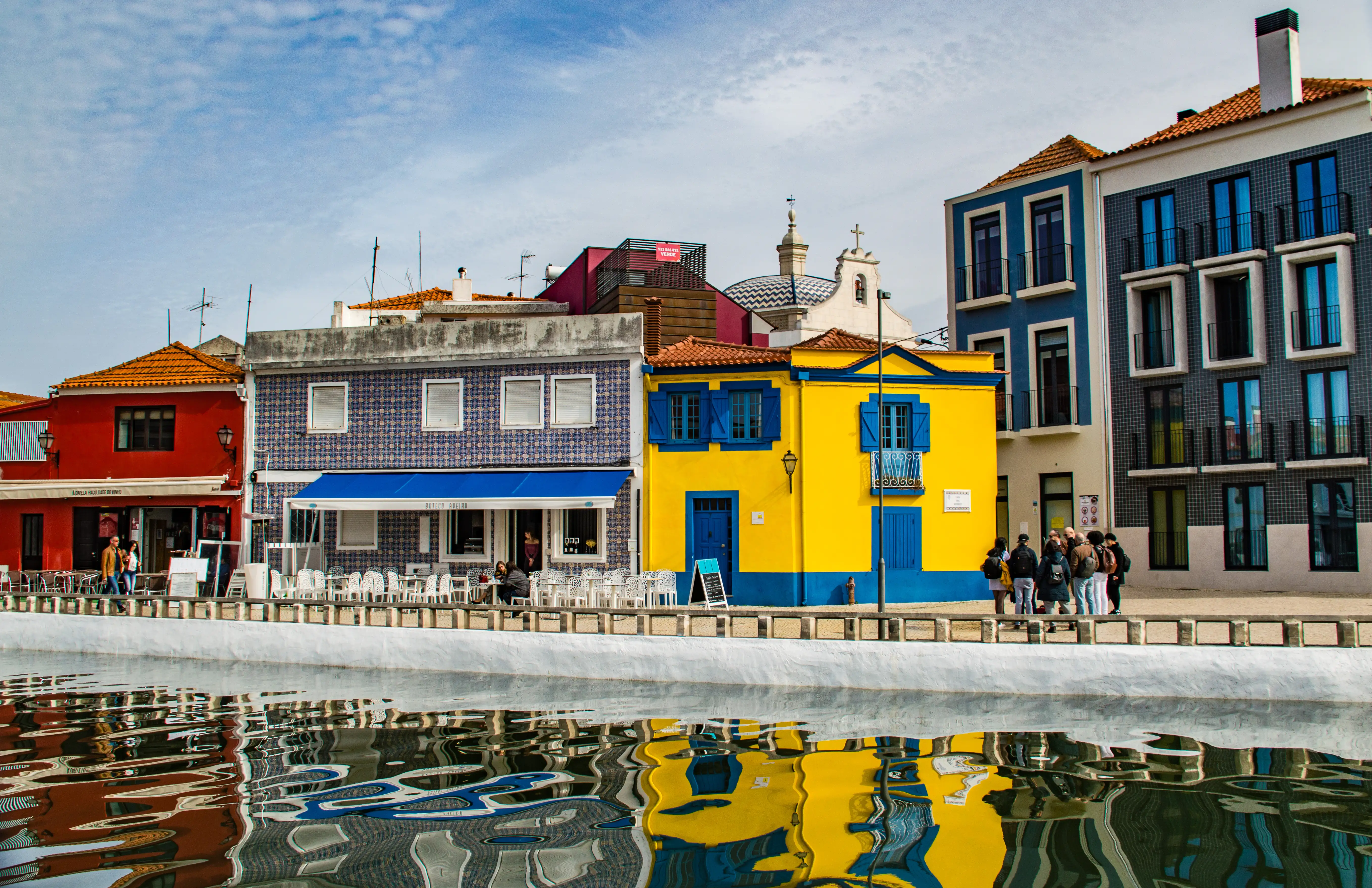
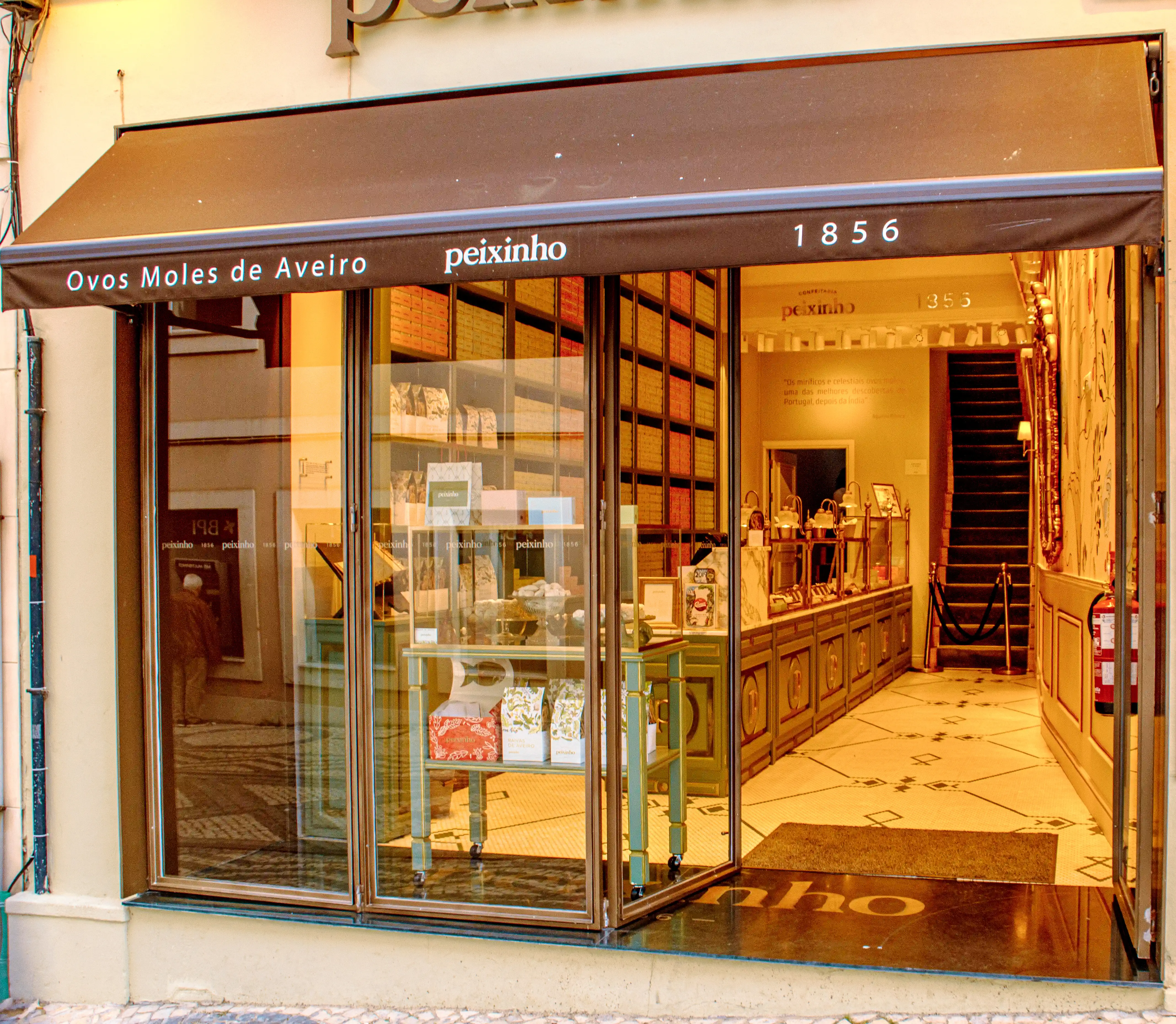
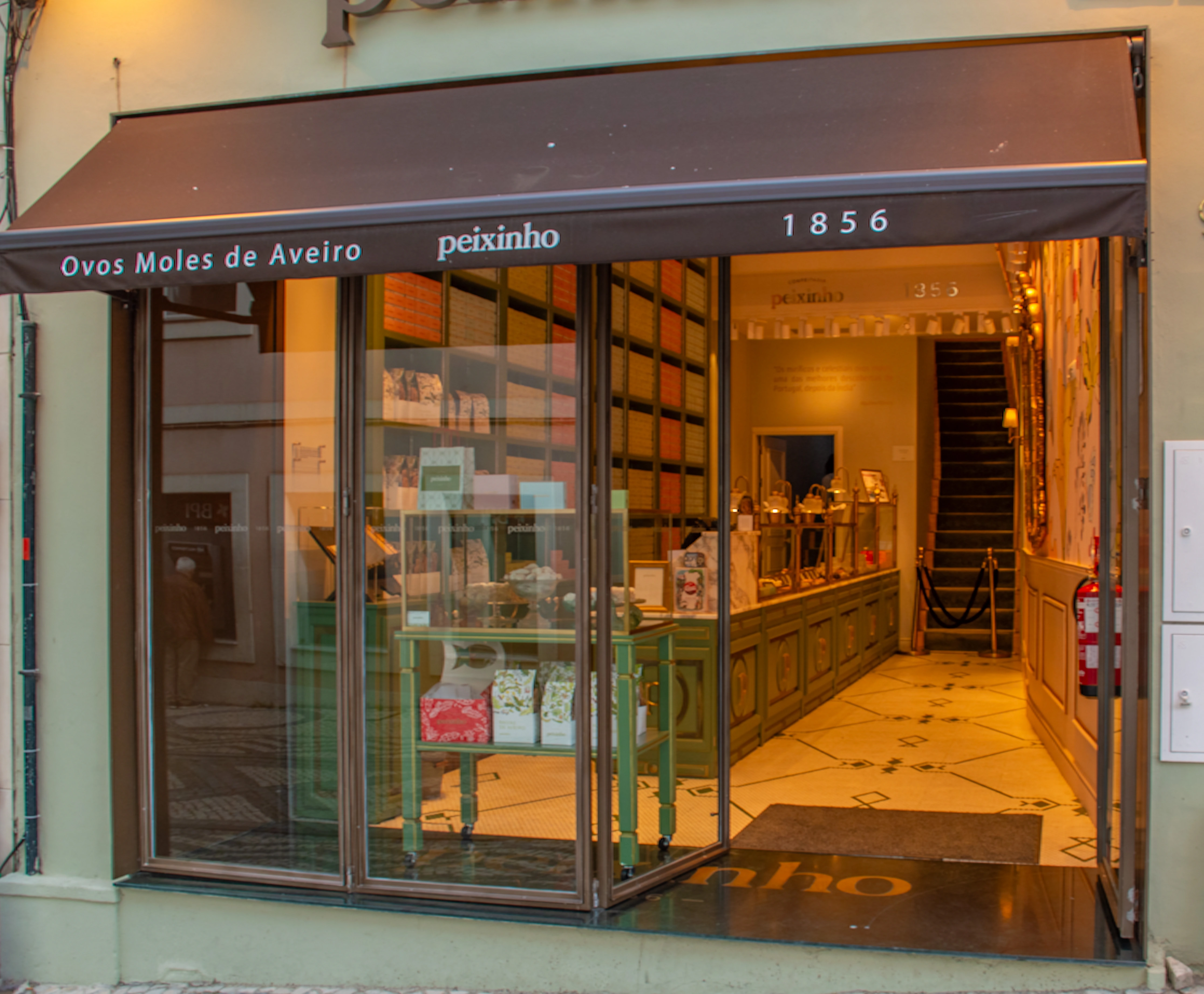
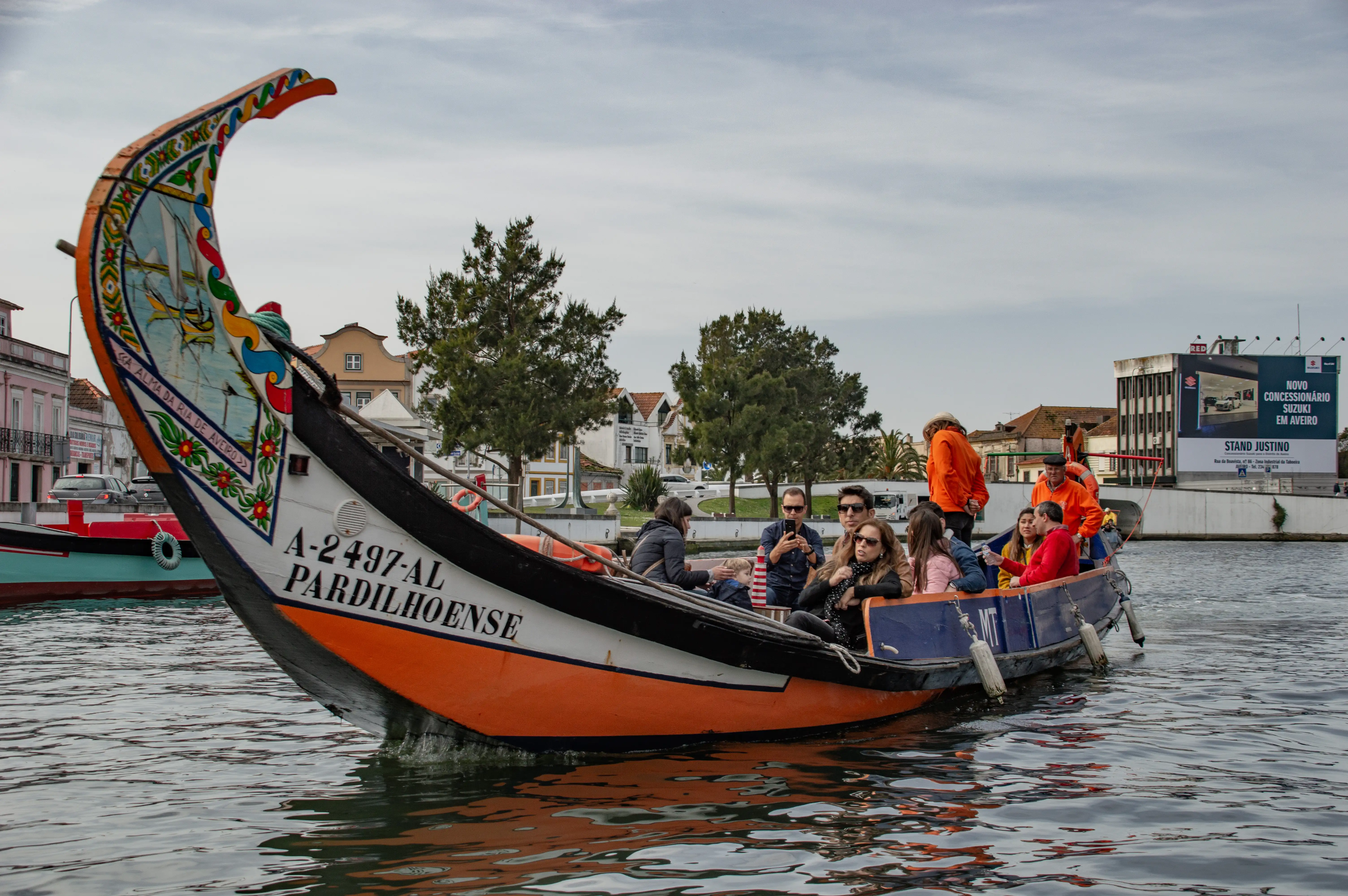
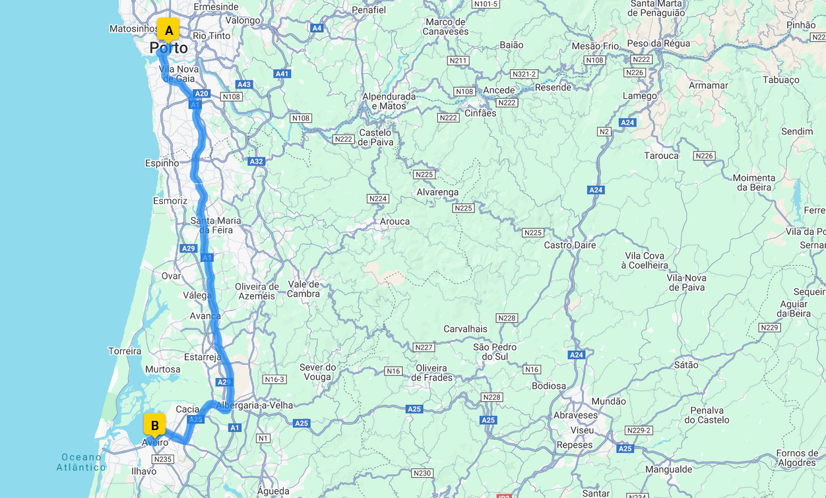
Today, Aveiro is a vibrant and picturesque city that blends its rich history with modern charm. Its canals, *moliceiro* boats, and Art Nouveau architecture make it a popular destination for tourists seeking a unique and scenic experience. The city’s cultural landmarks, such as the Museu de Aveiro and the Convent of Jesus, offer insights into its history and artistic heritage. Aveiro’s culinary traditions, including *ovos moles* and fresh seafood, provide a taste of the region’s flavors. With its proximity to stunning beaches like Costa Nova and Barra, Aveiro is also a gateway to the natural beauty of the Ria de Aveiro and the Atlantic coast.