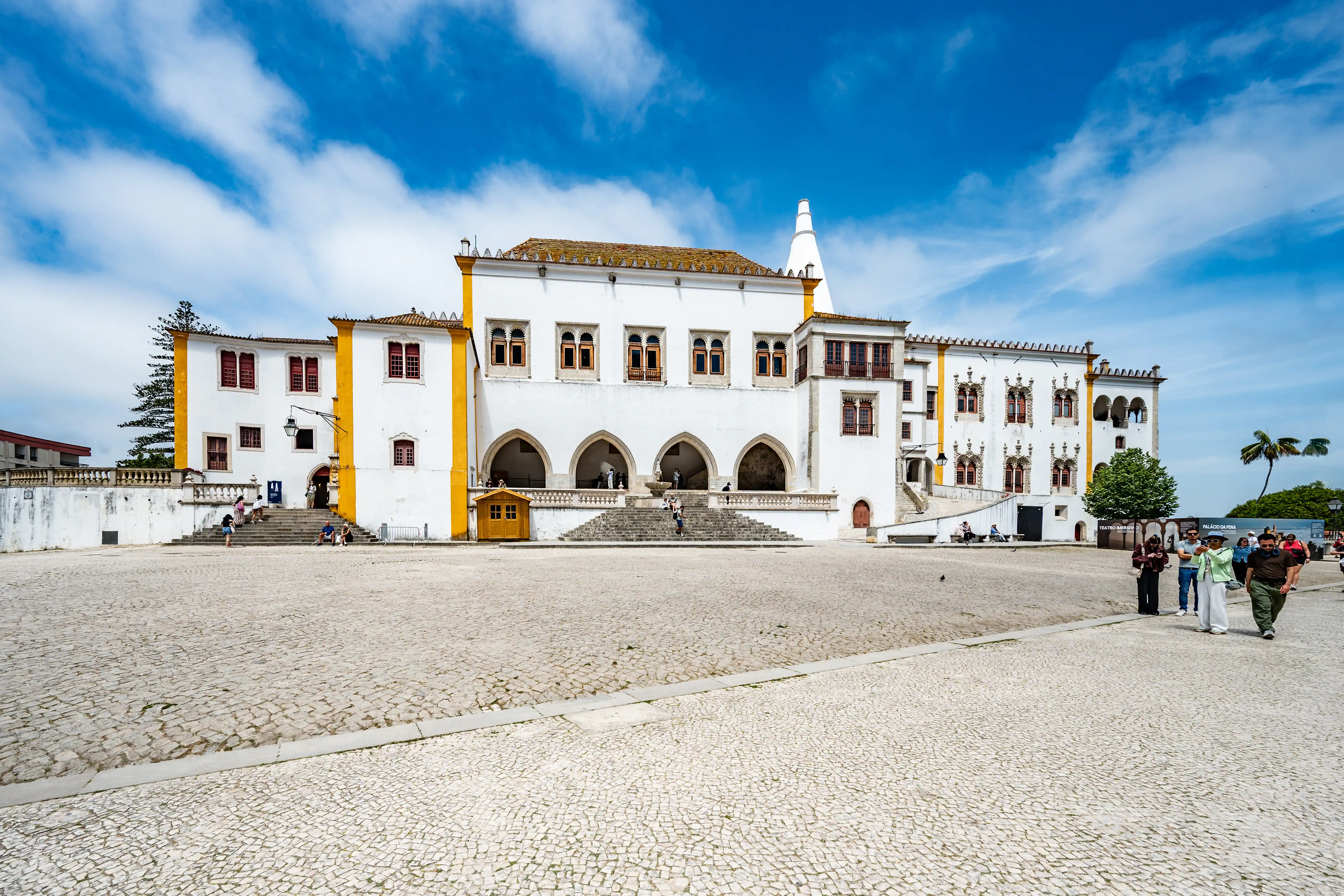
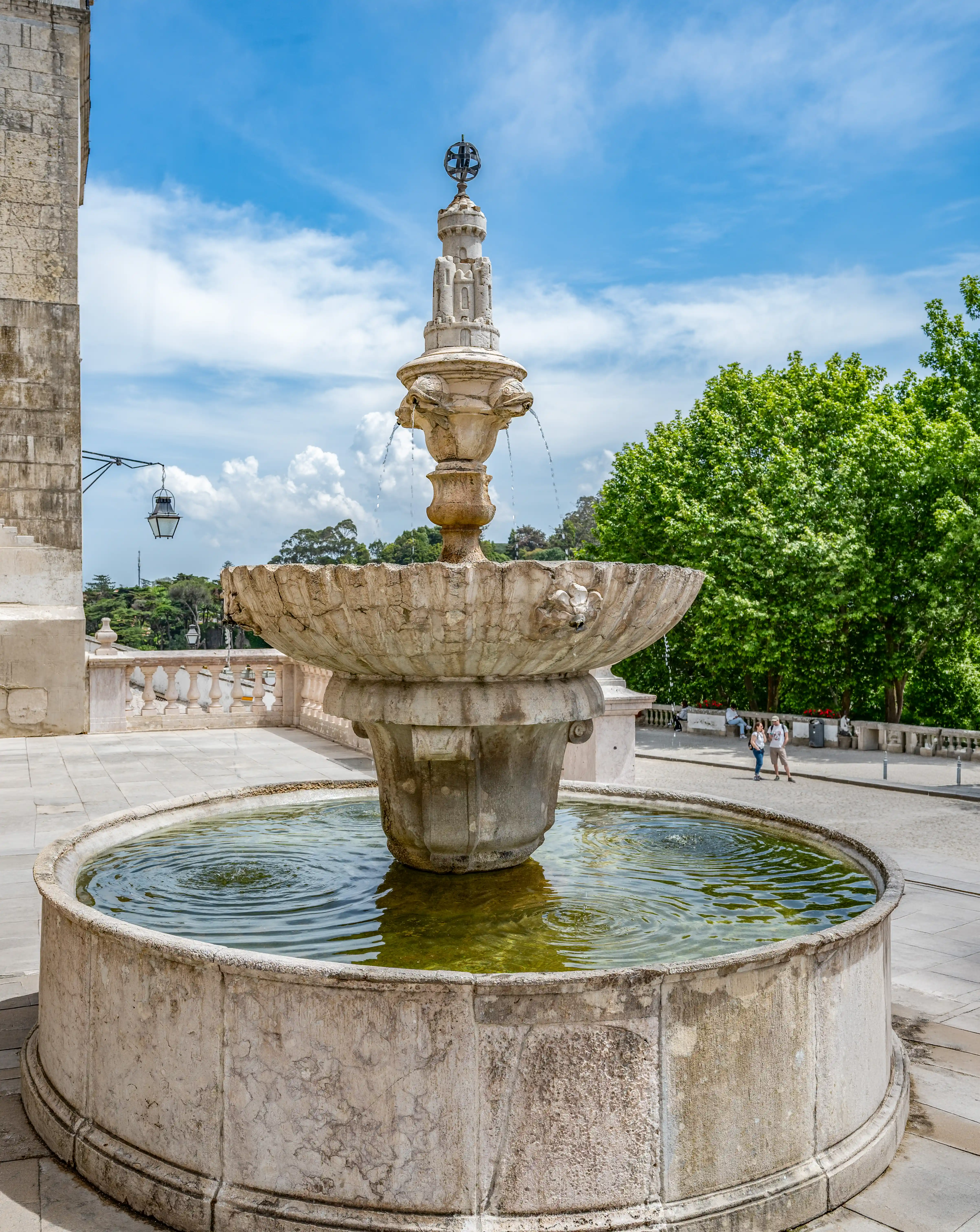
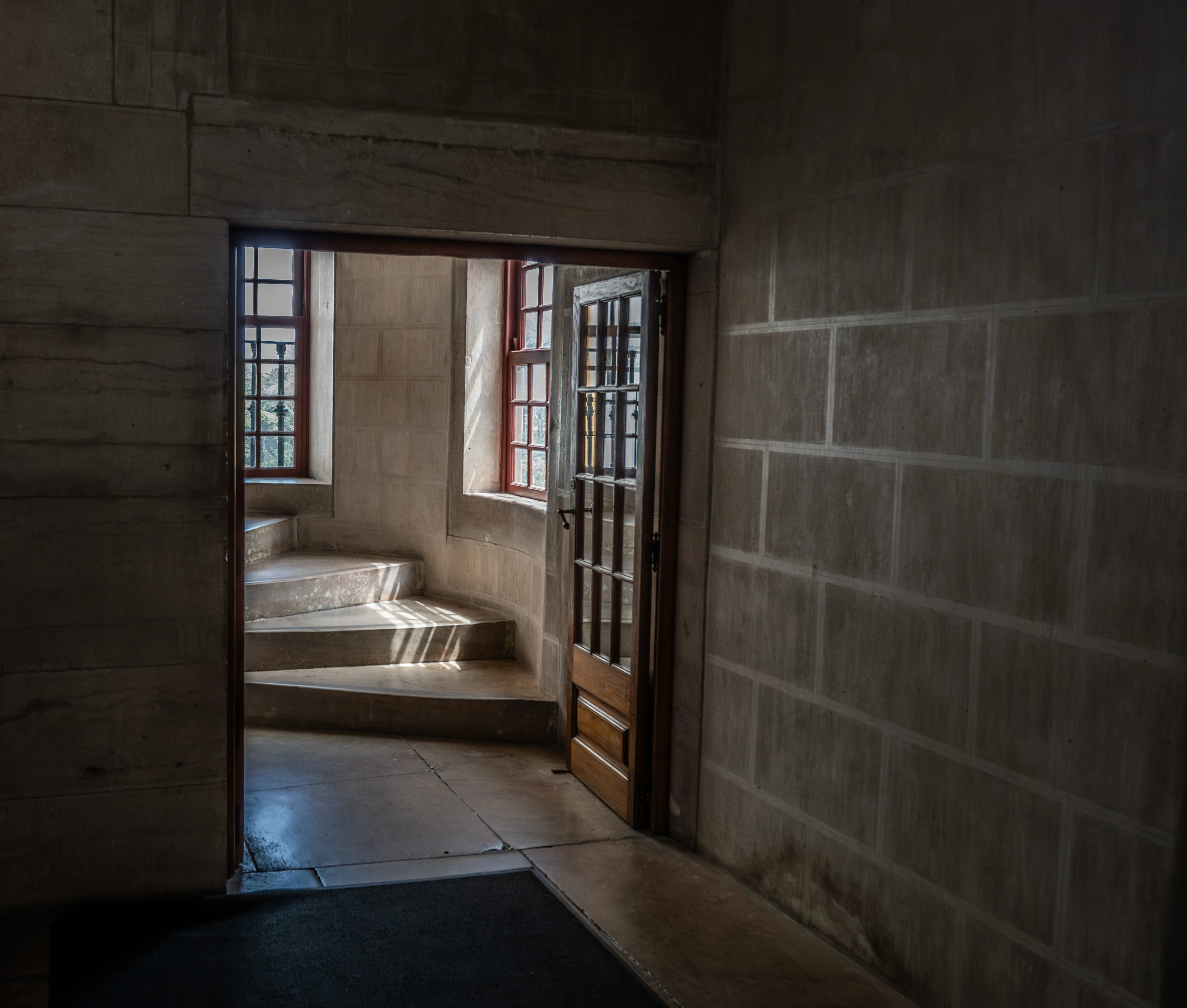
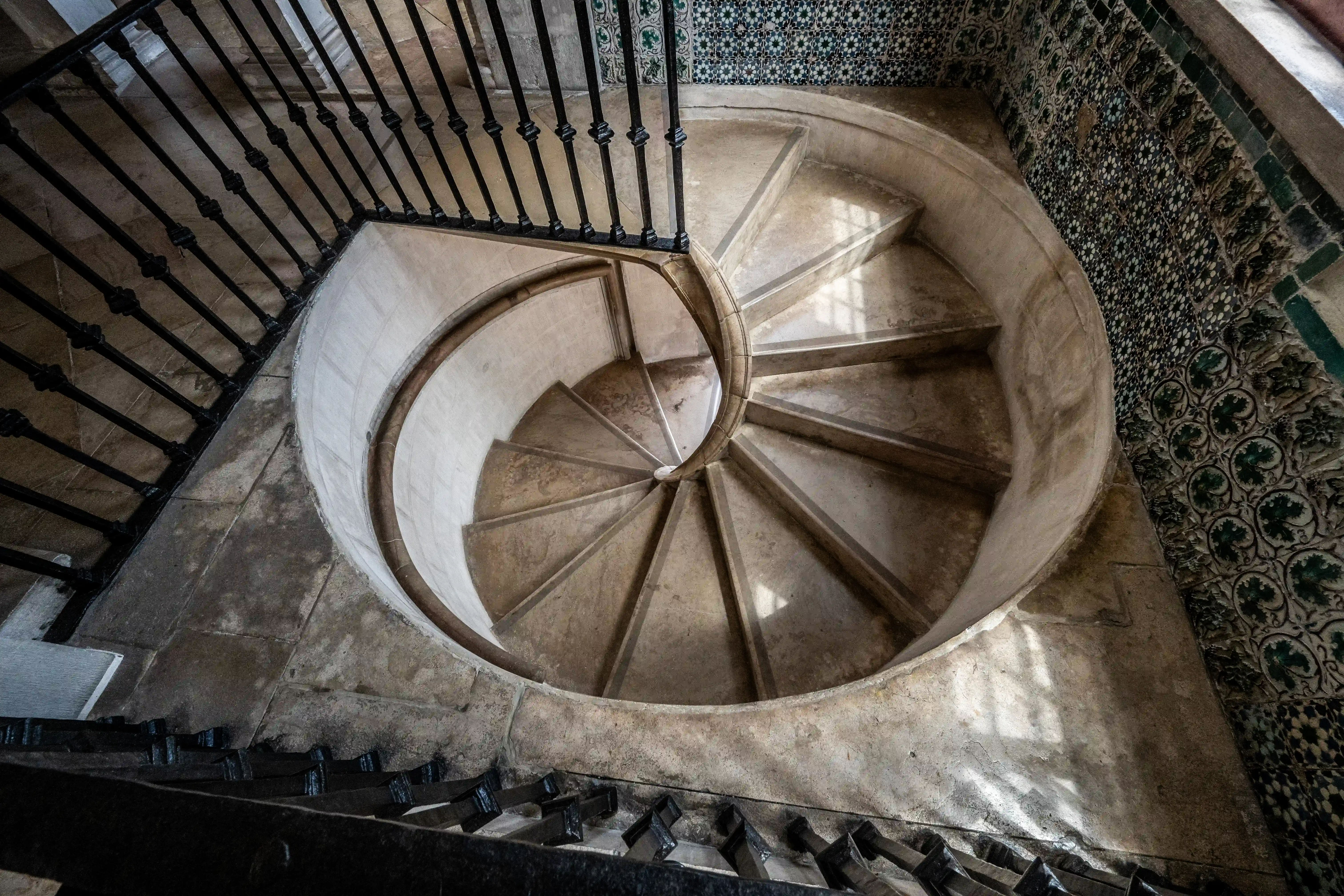
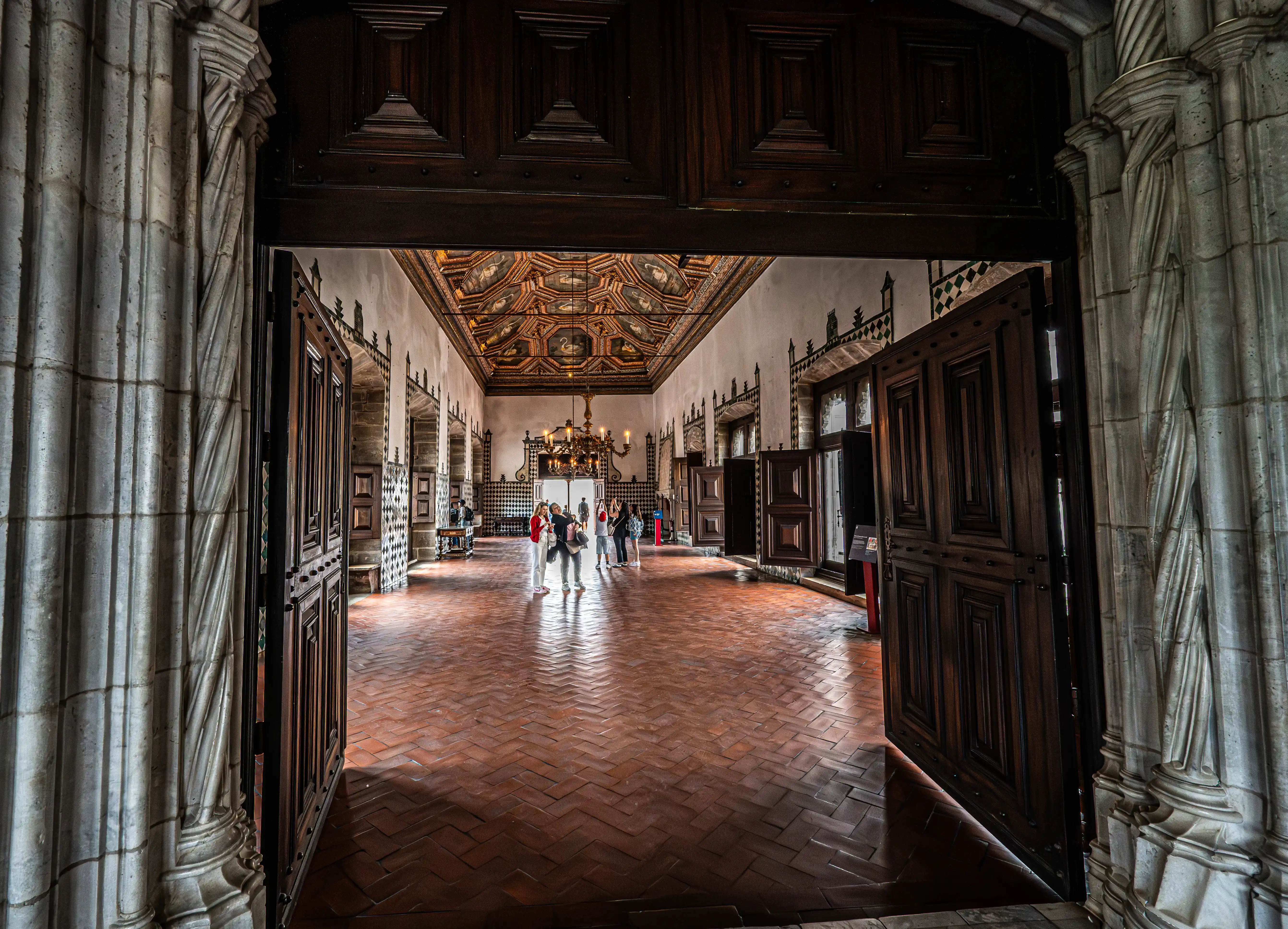
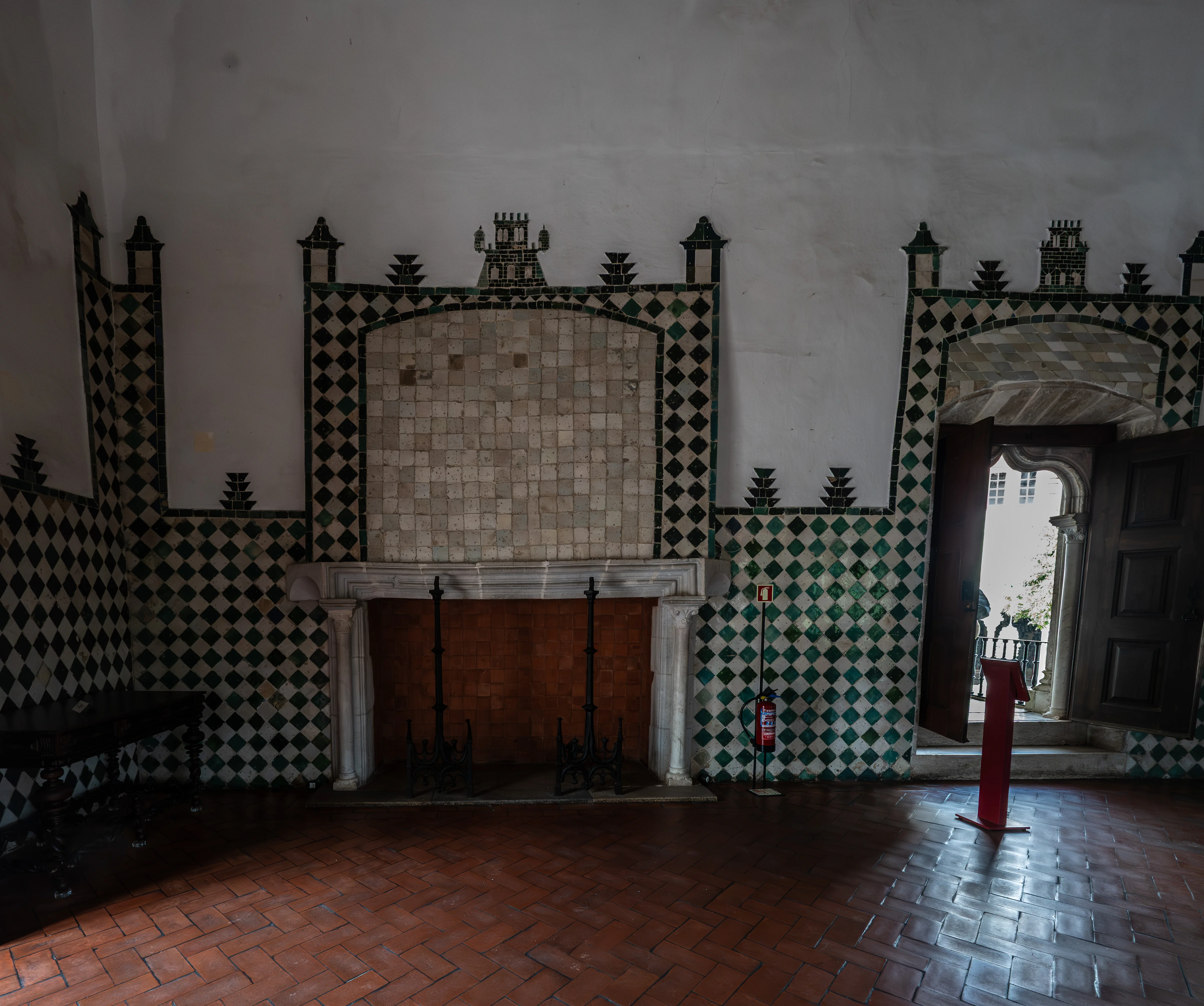
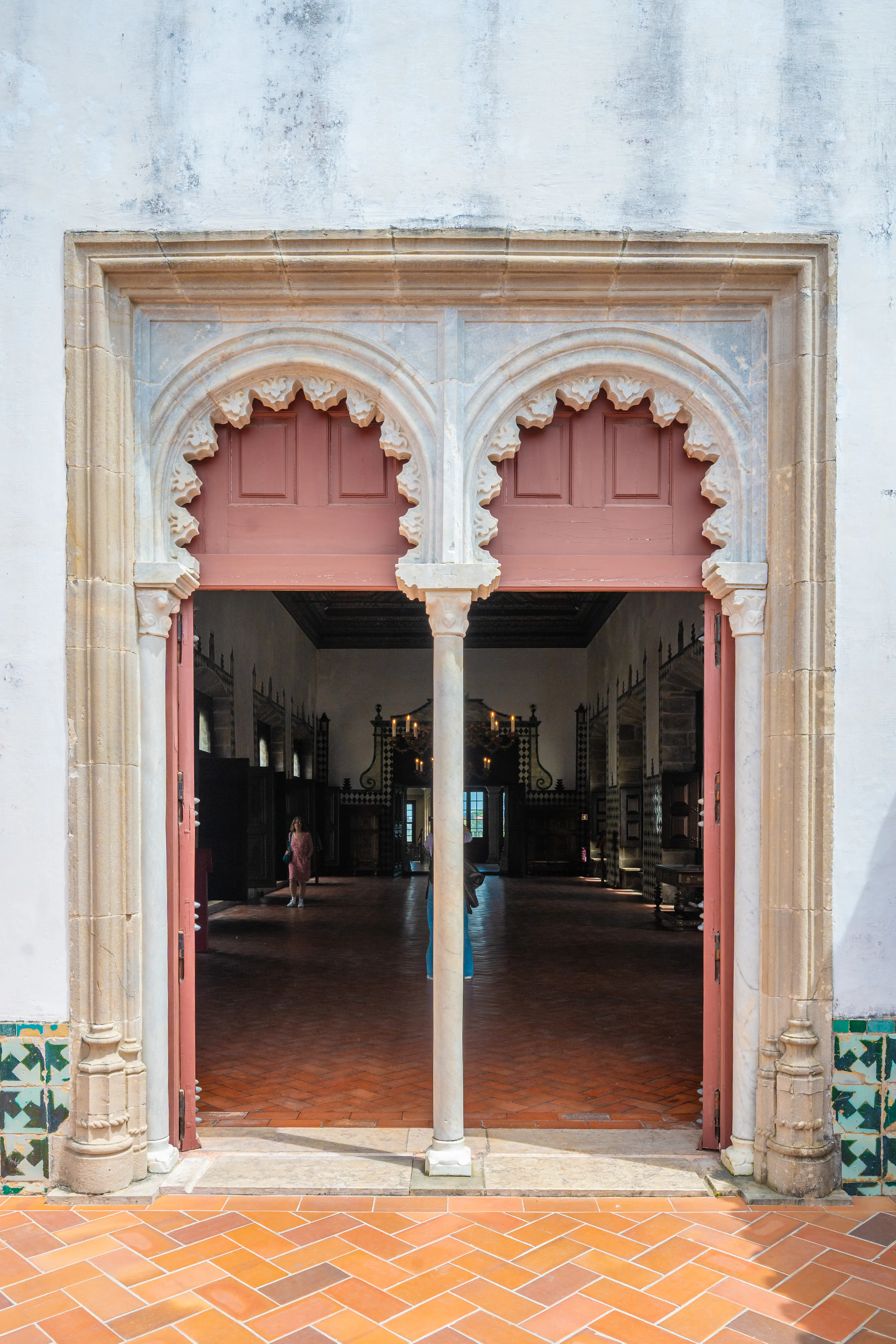
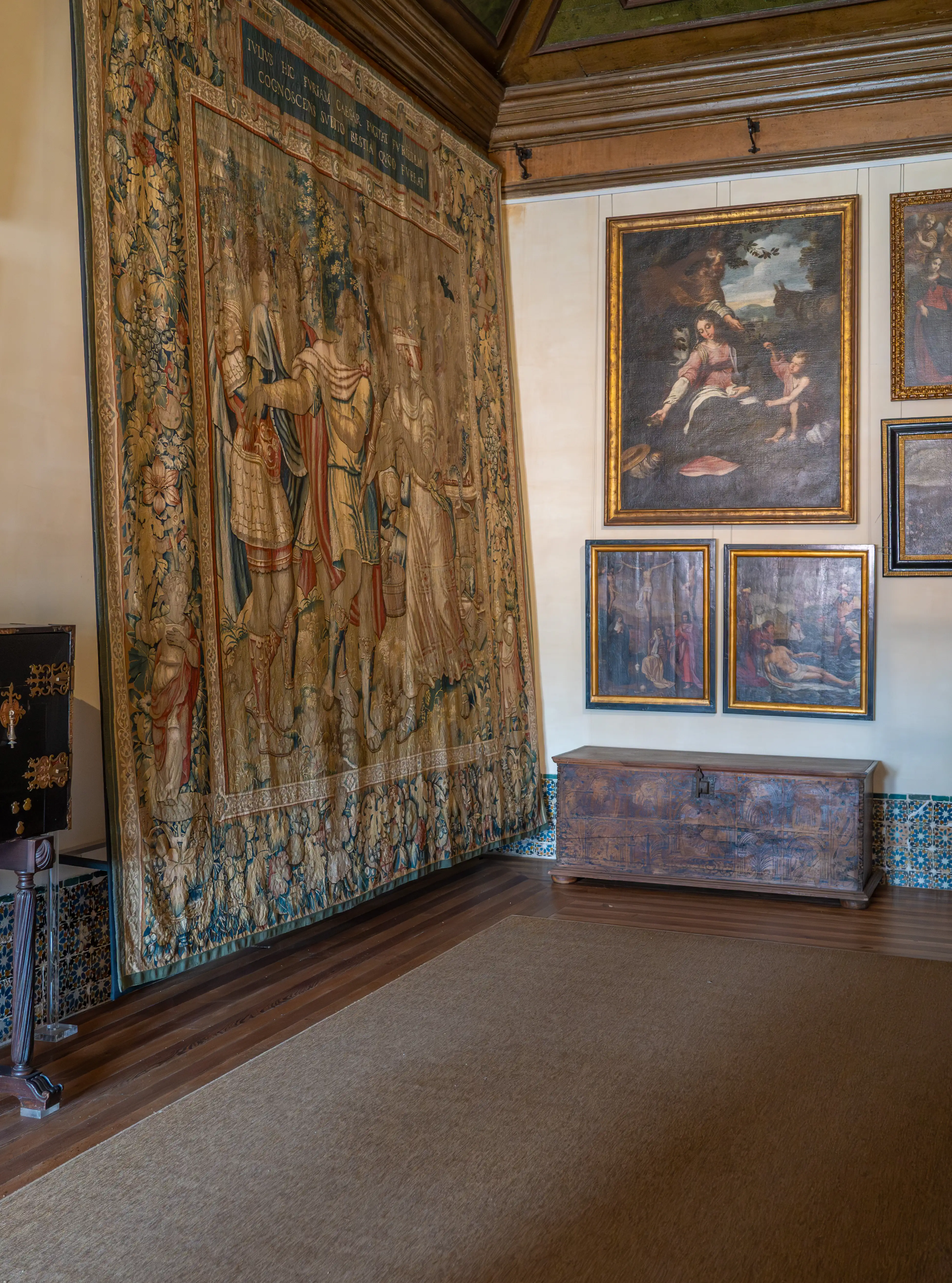
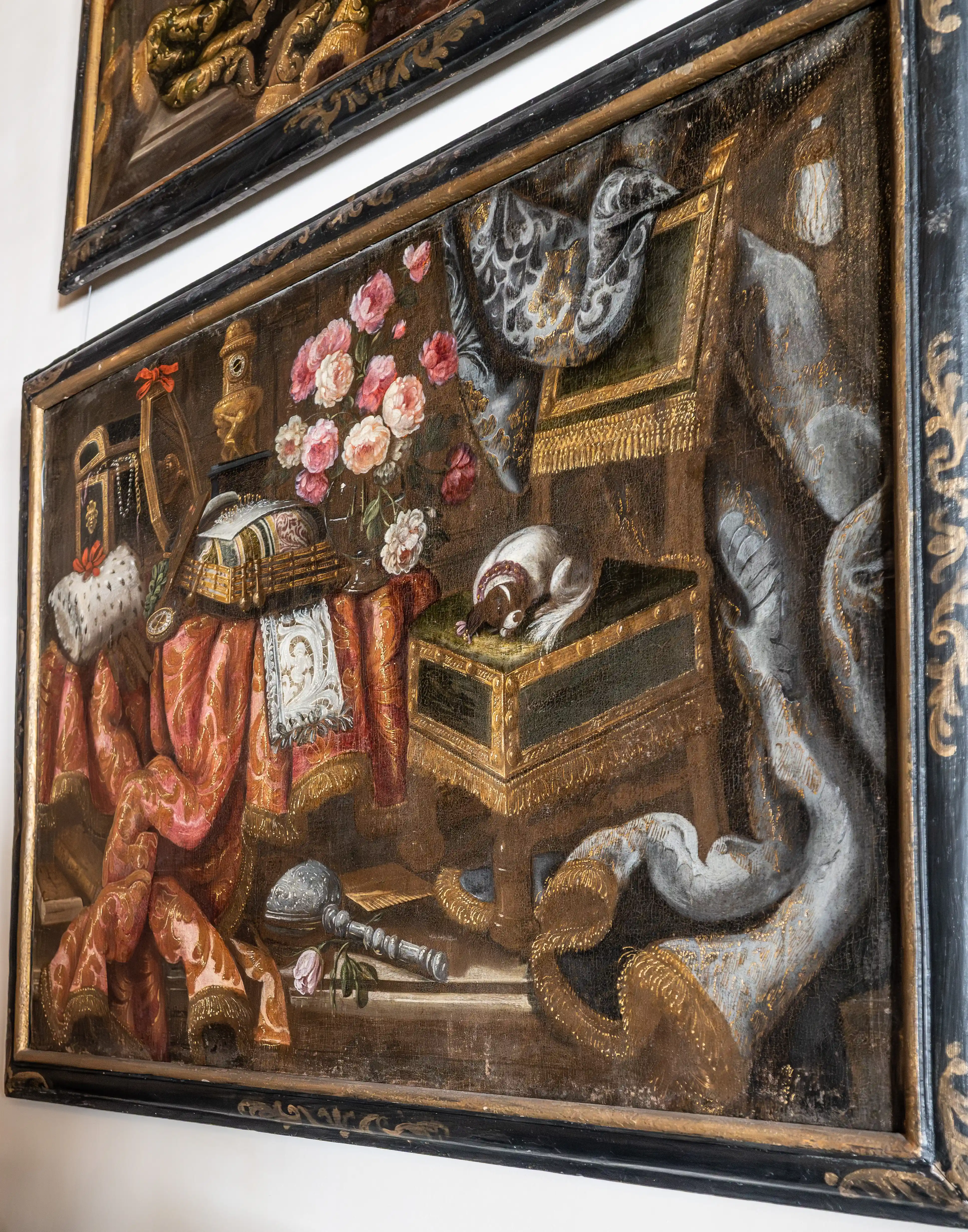
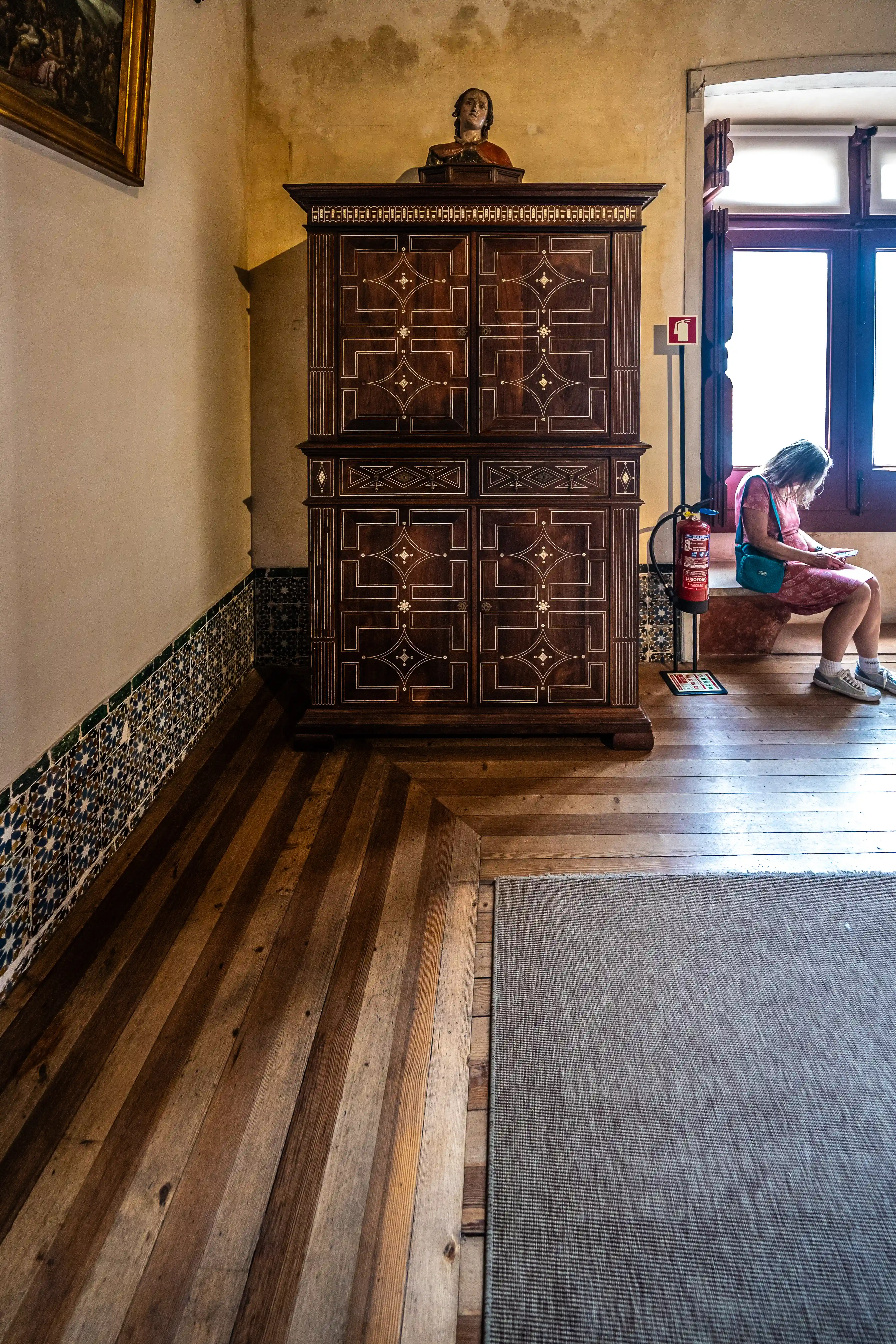
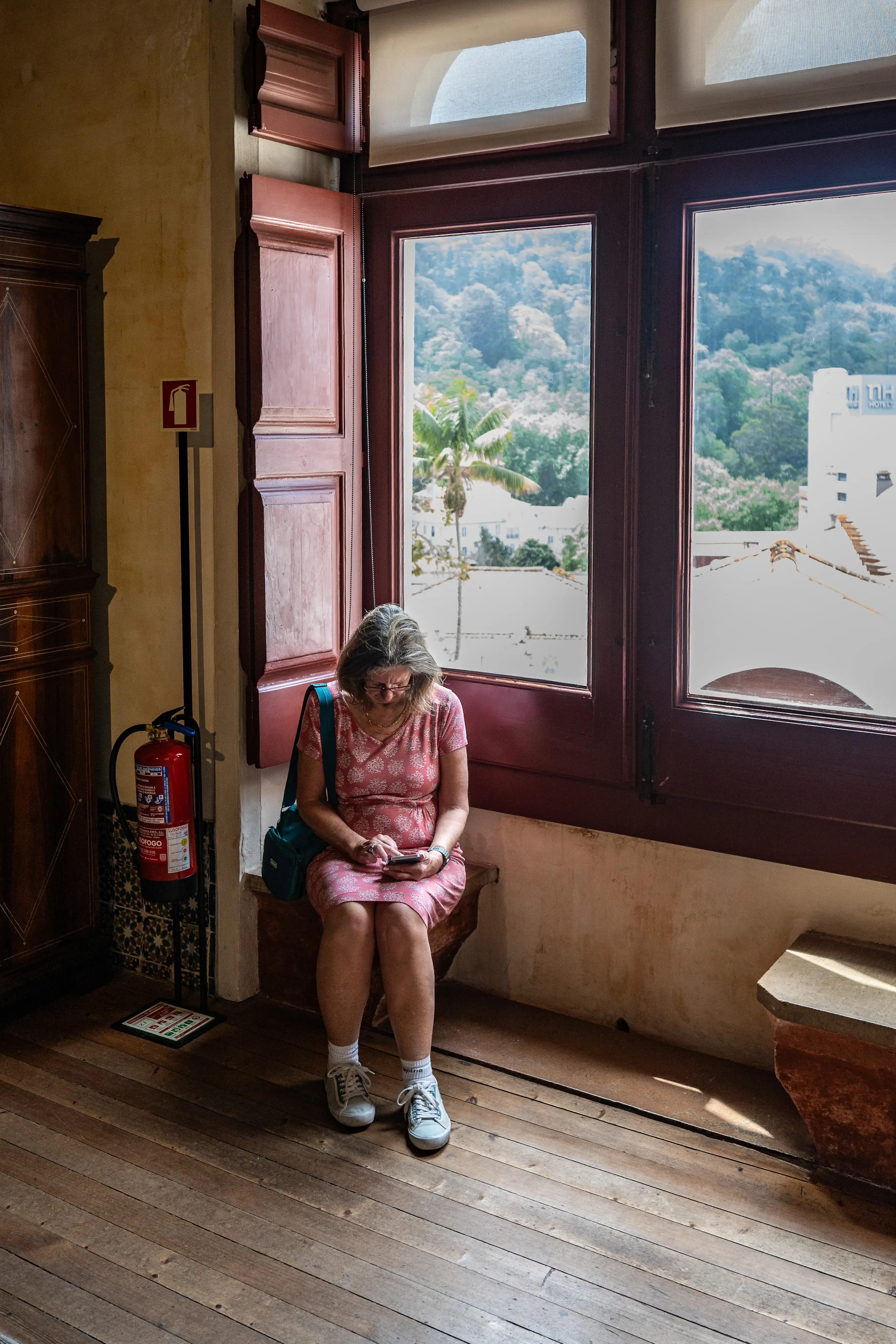
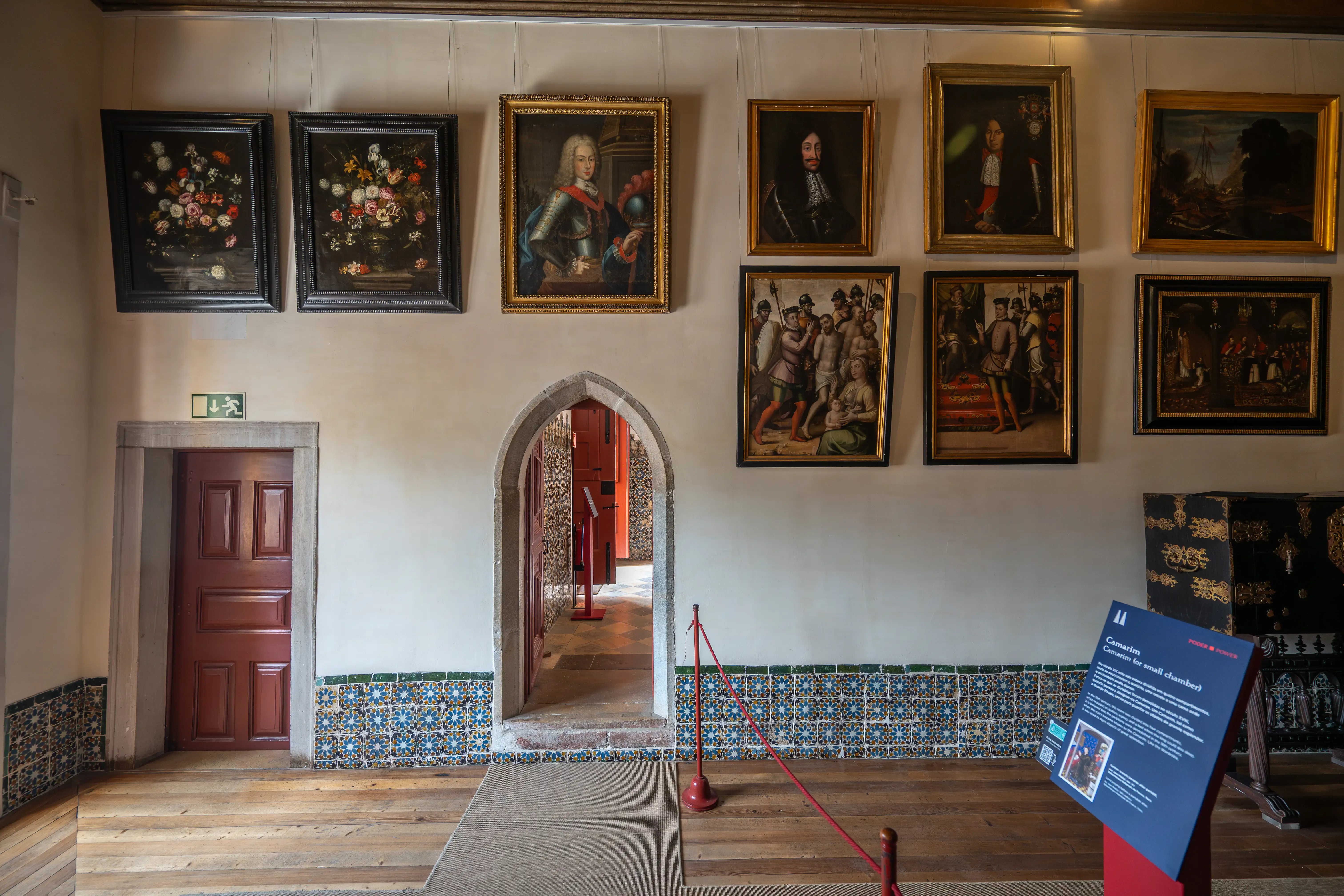
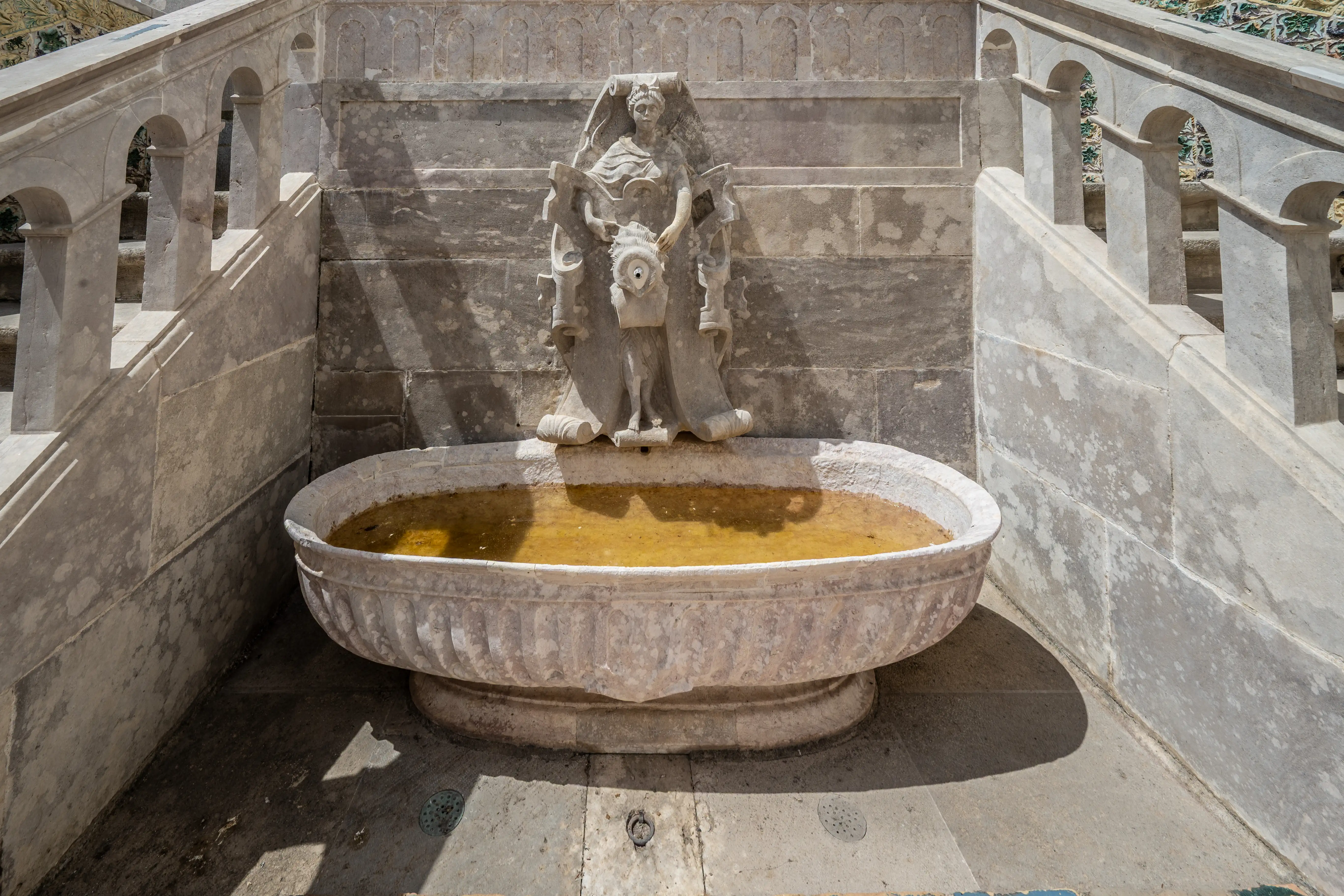
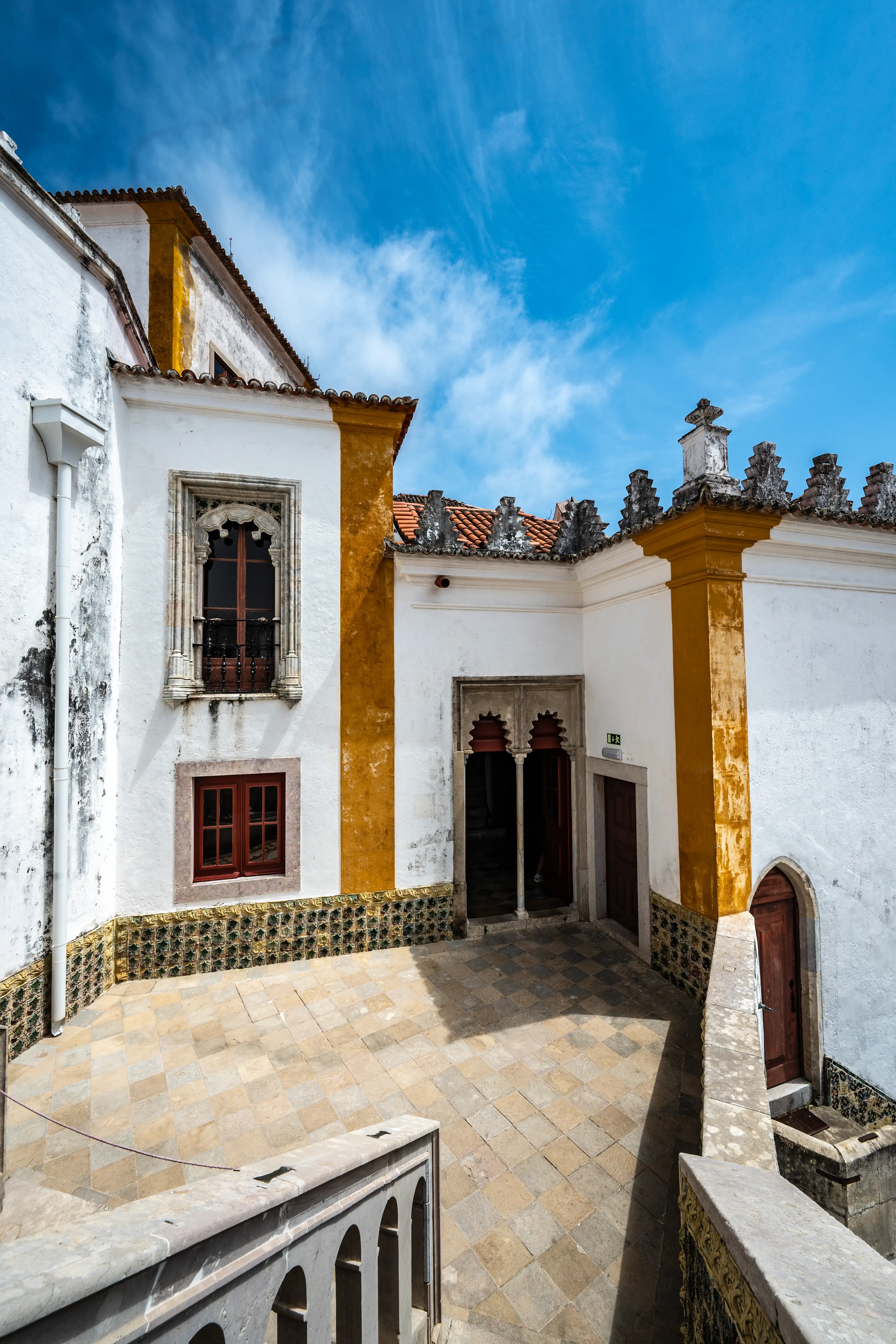
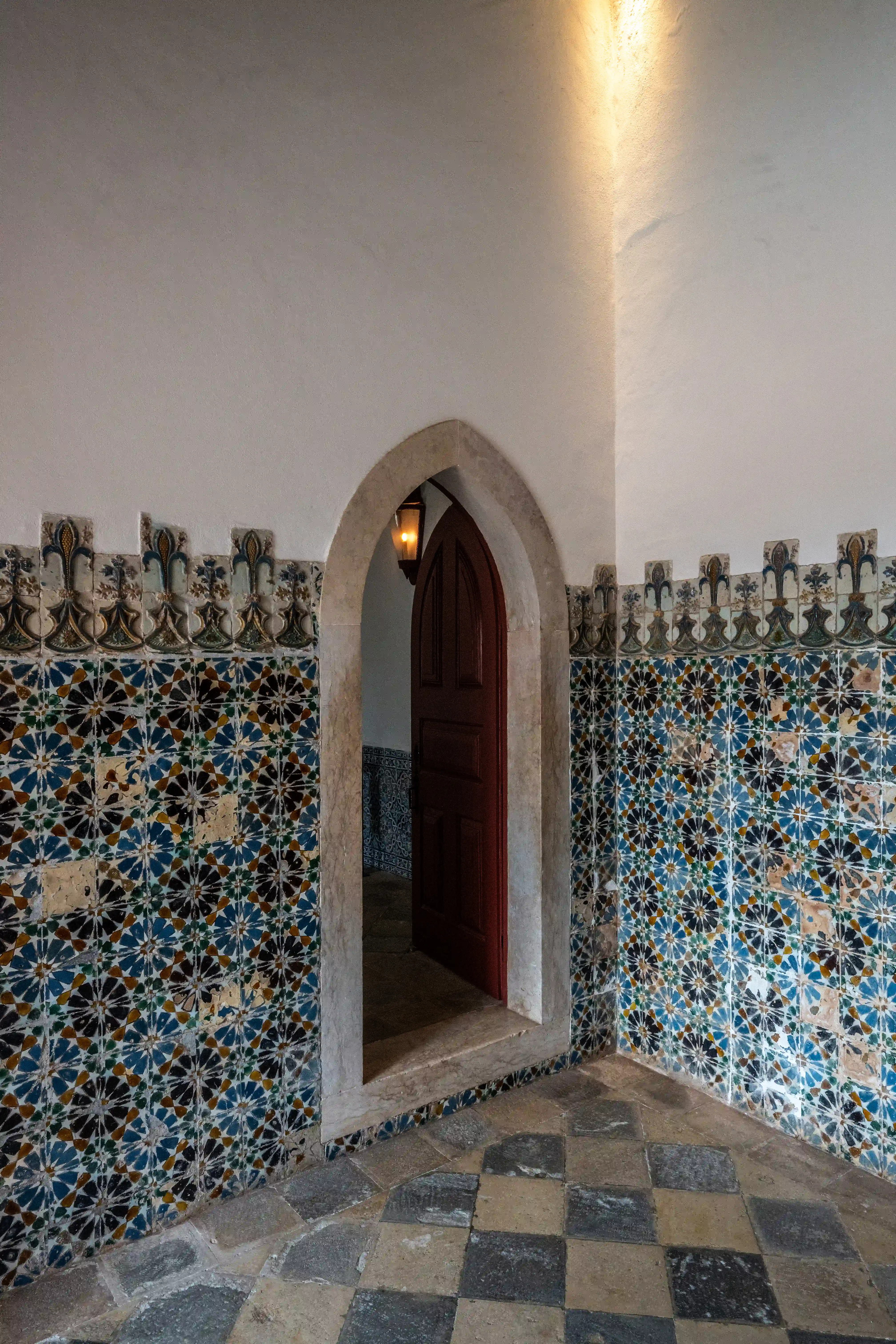
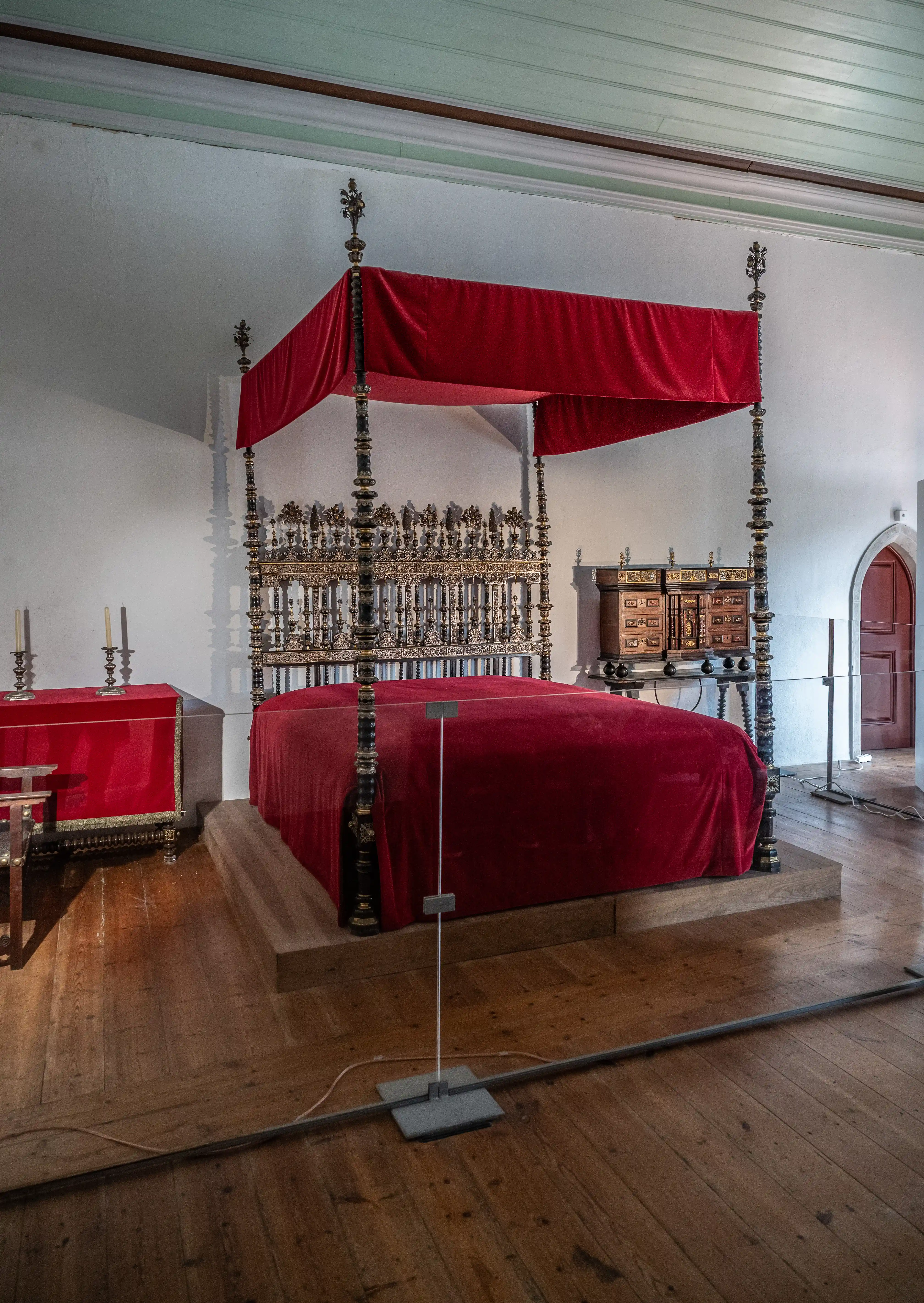
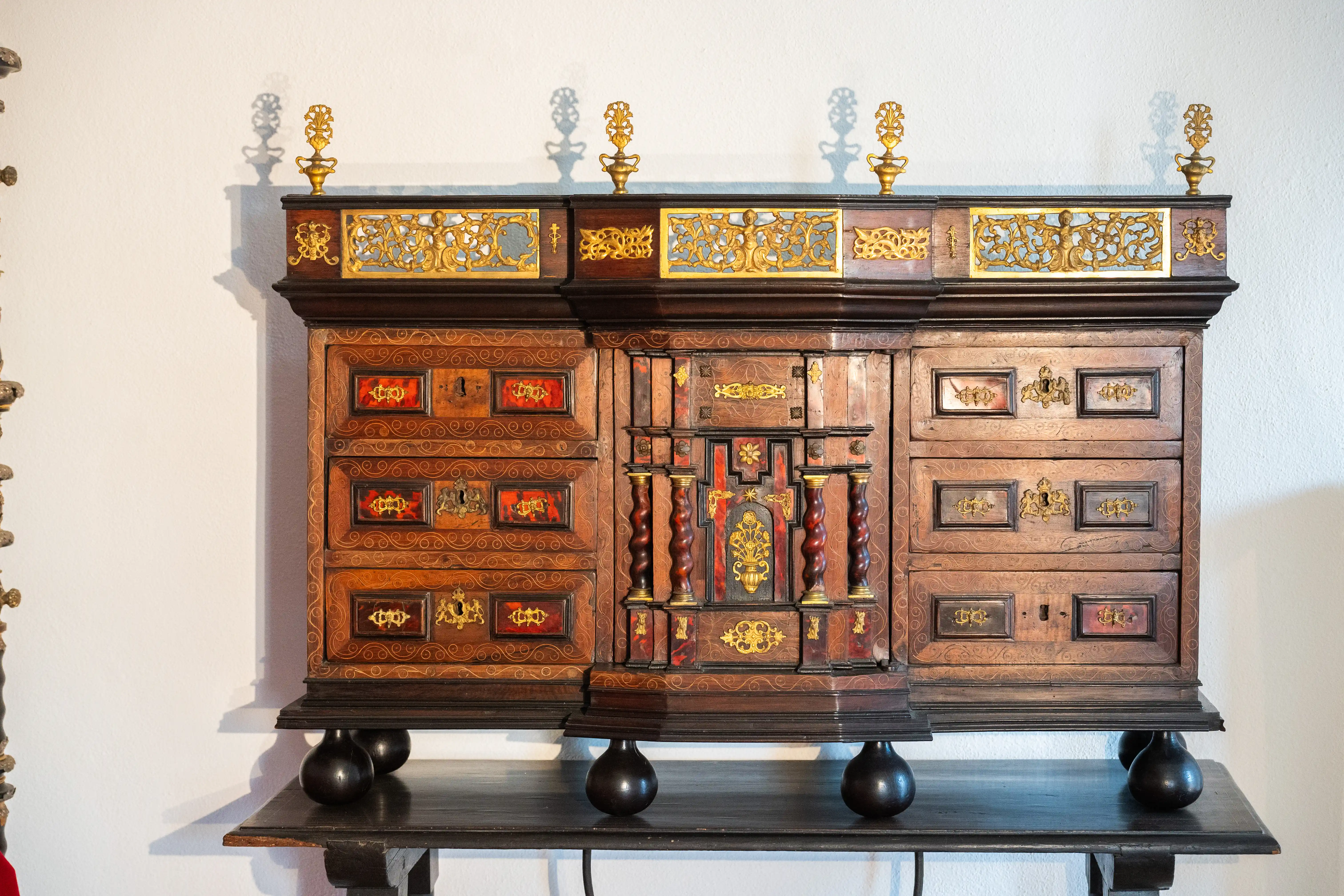
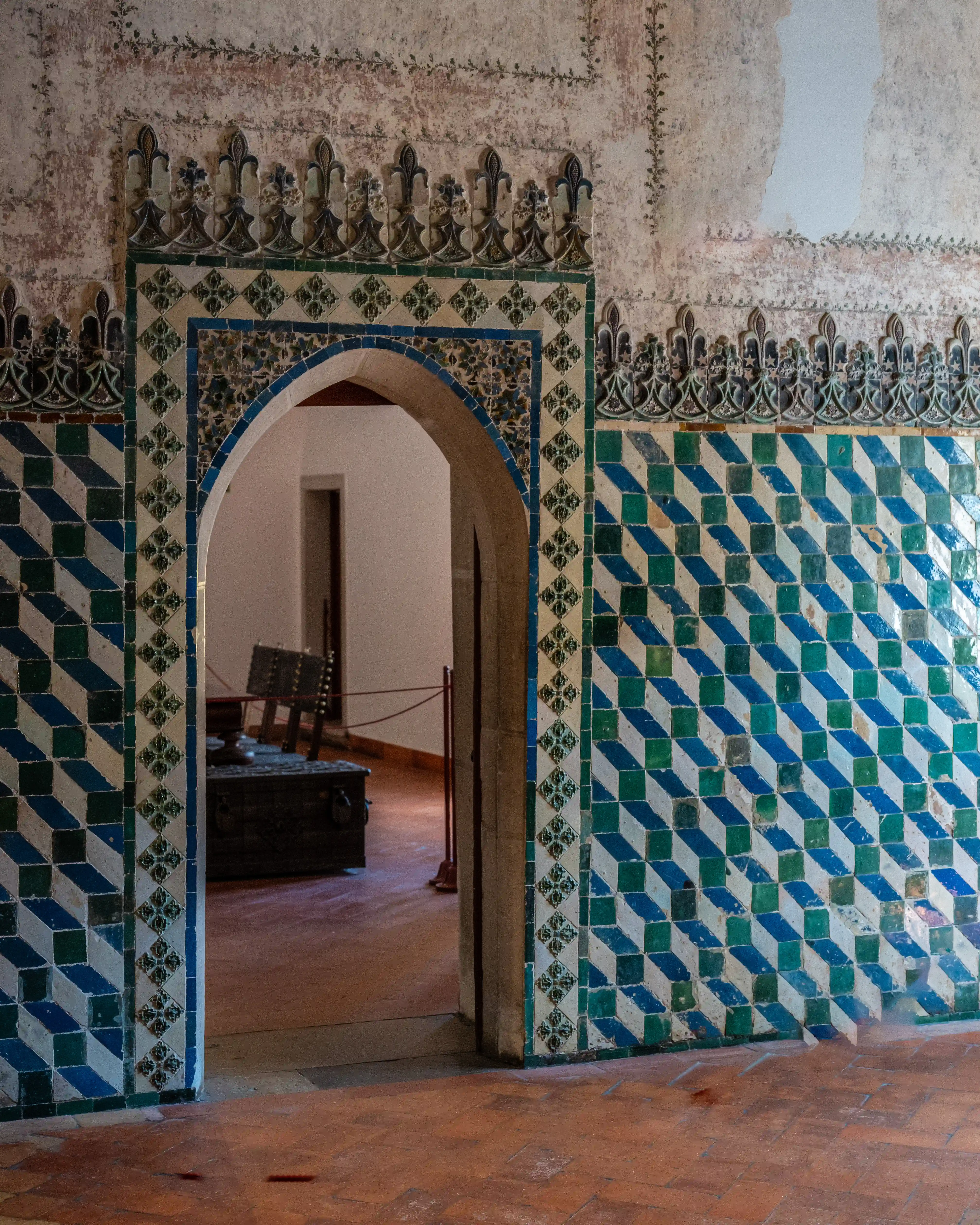
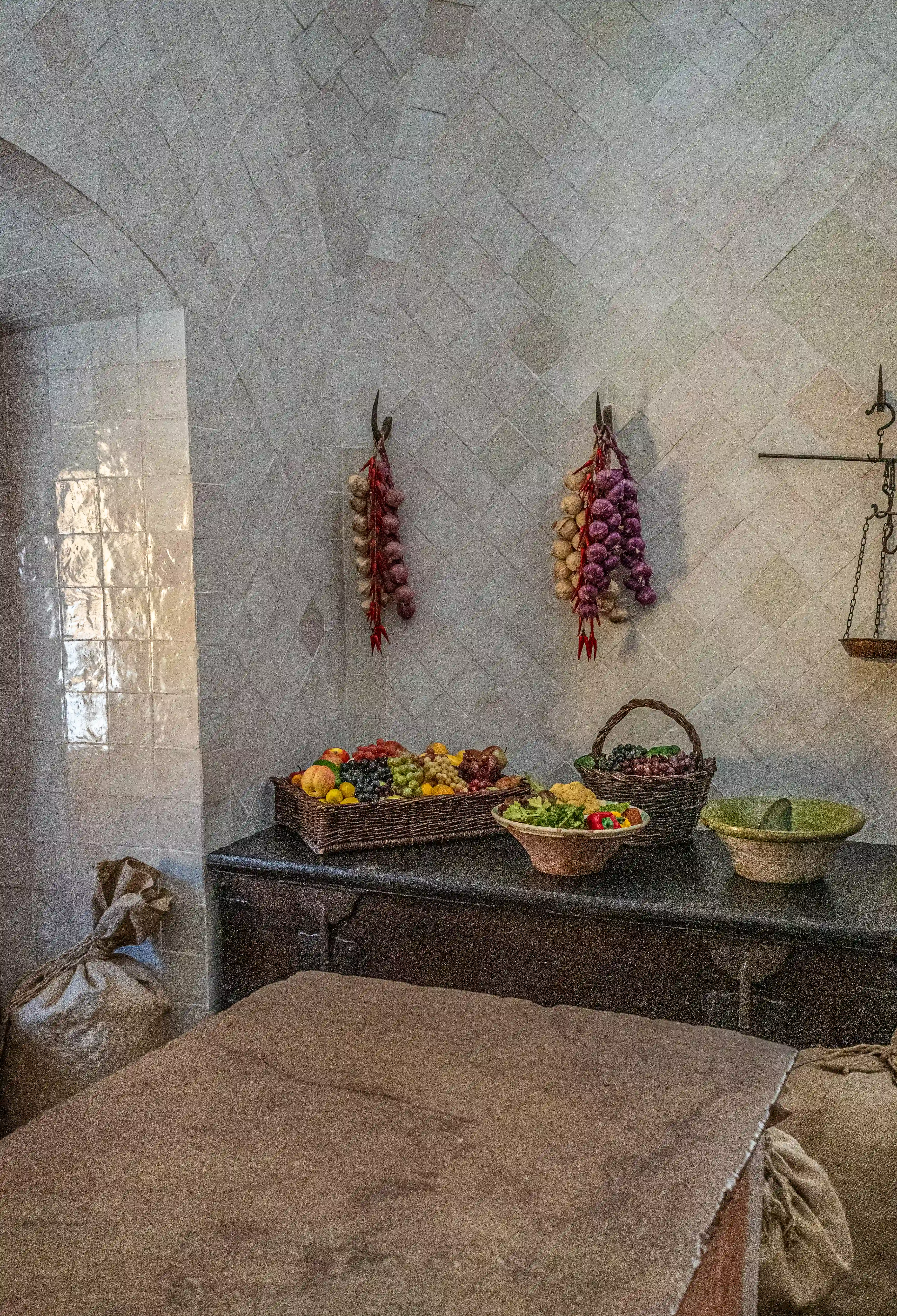
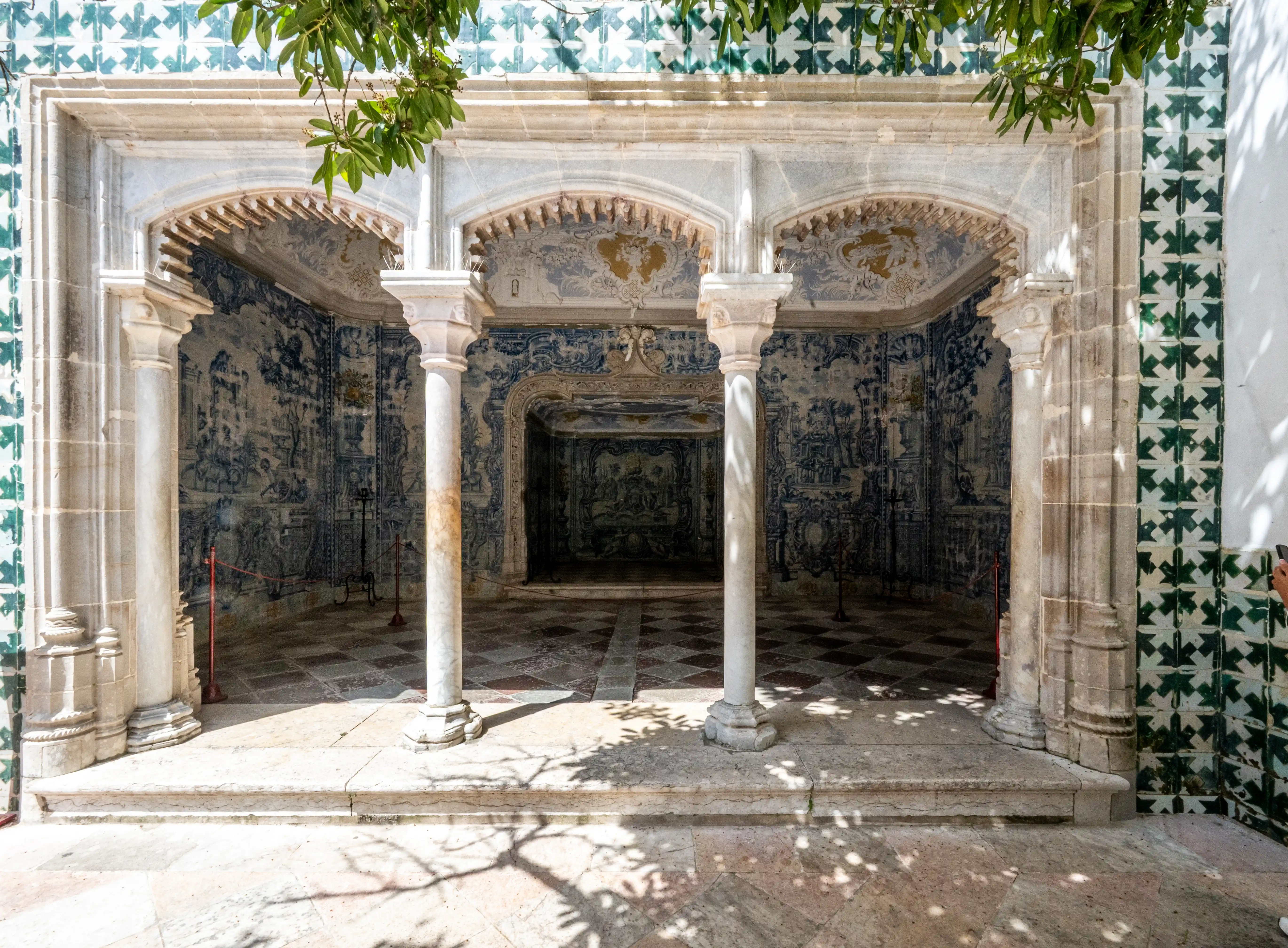
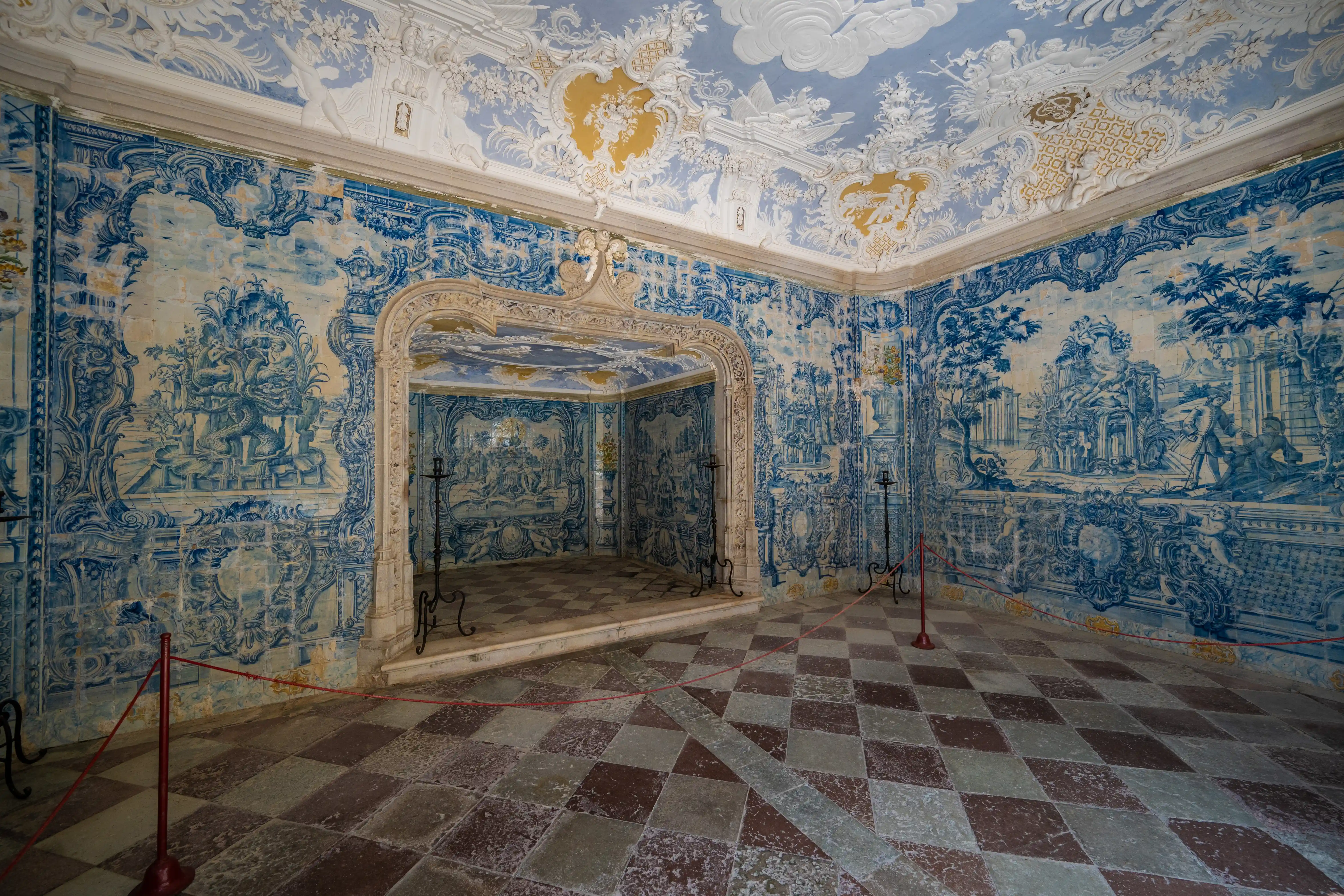
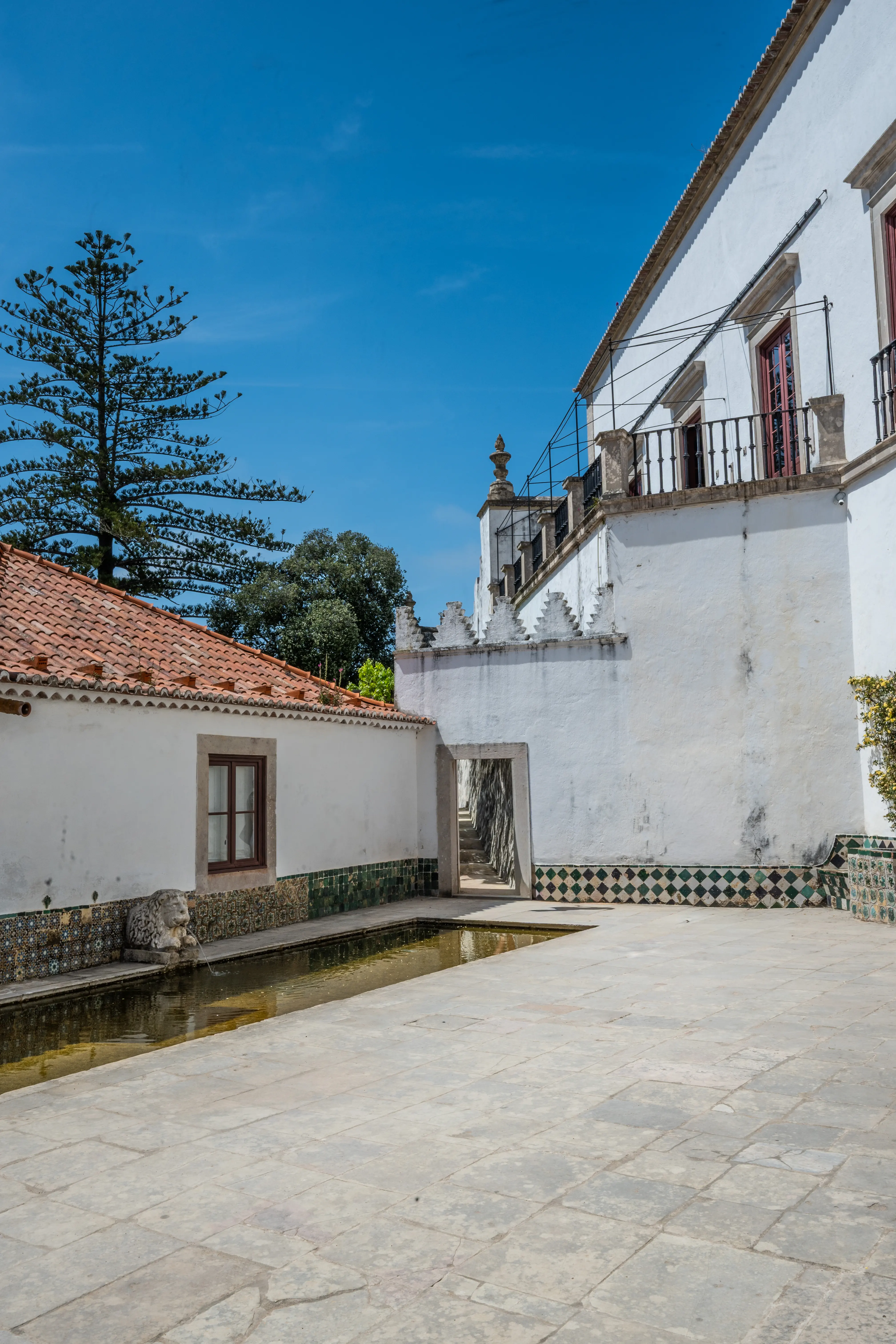
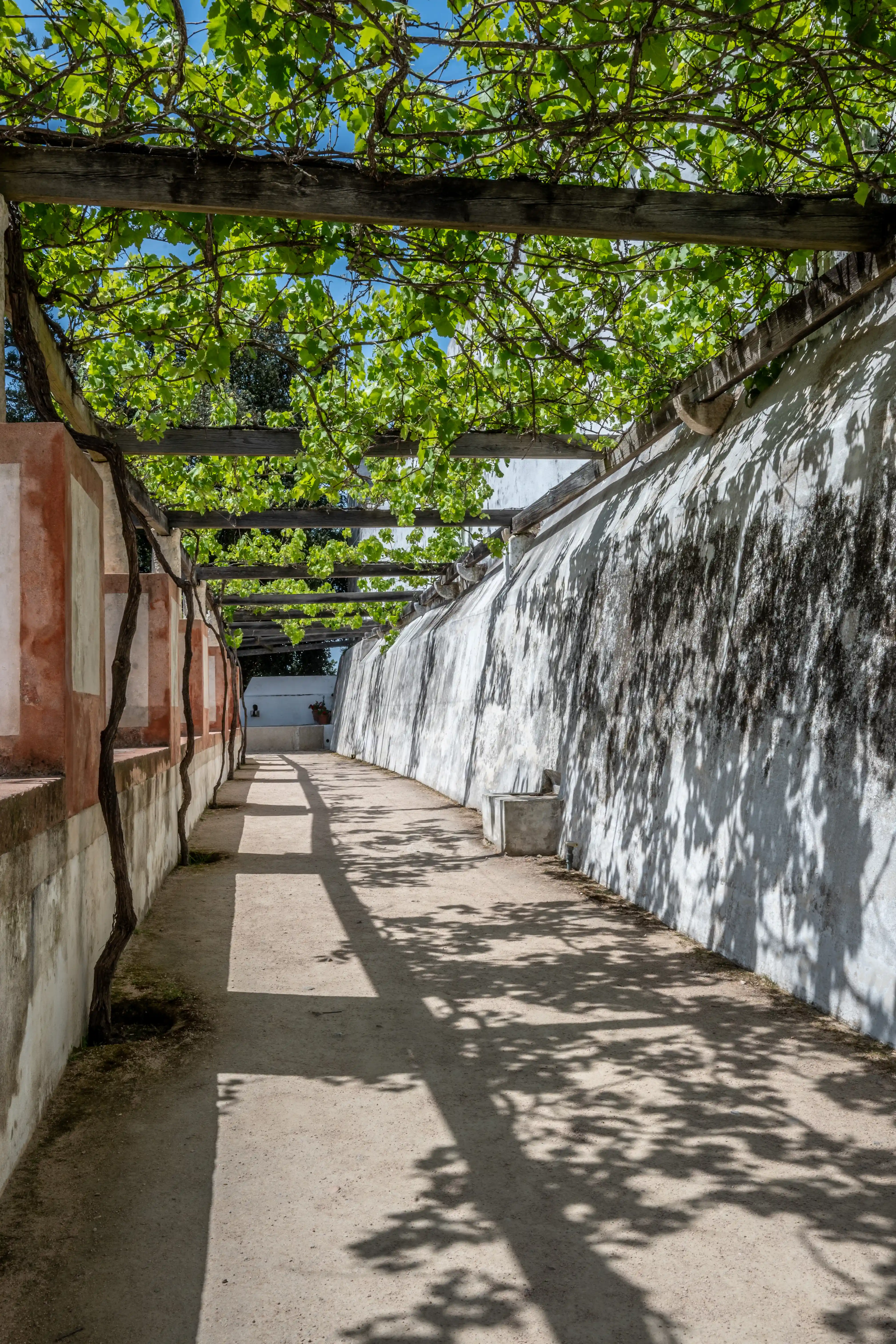
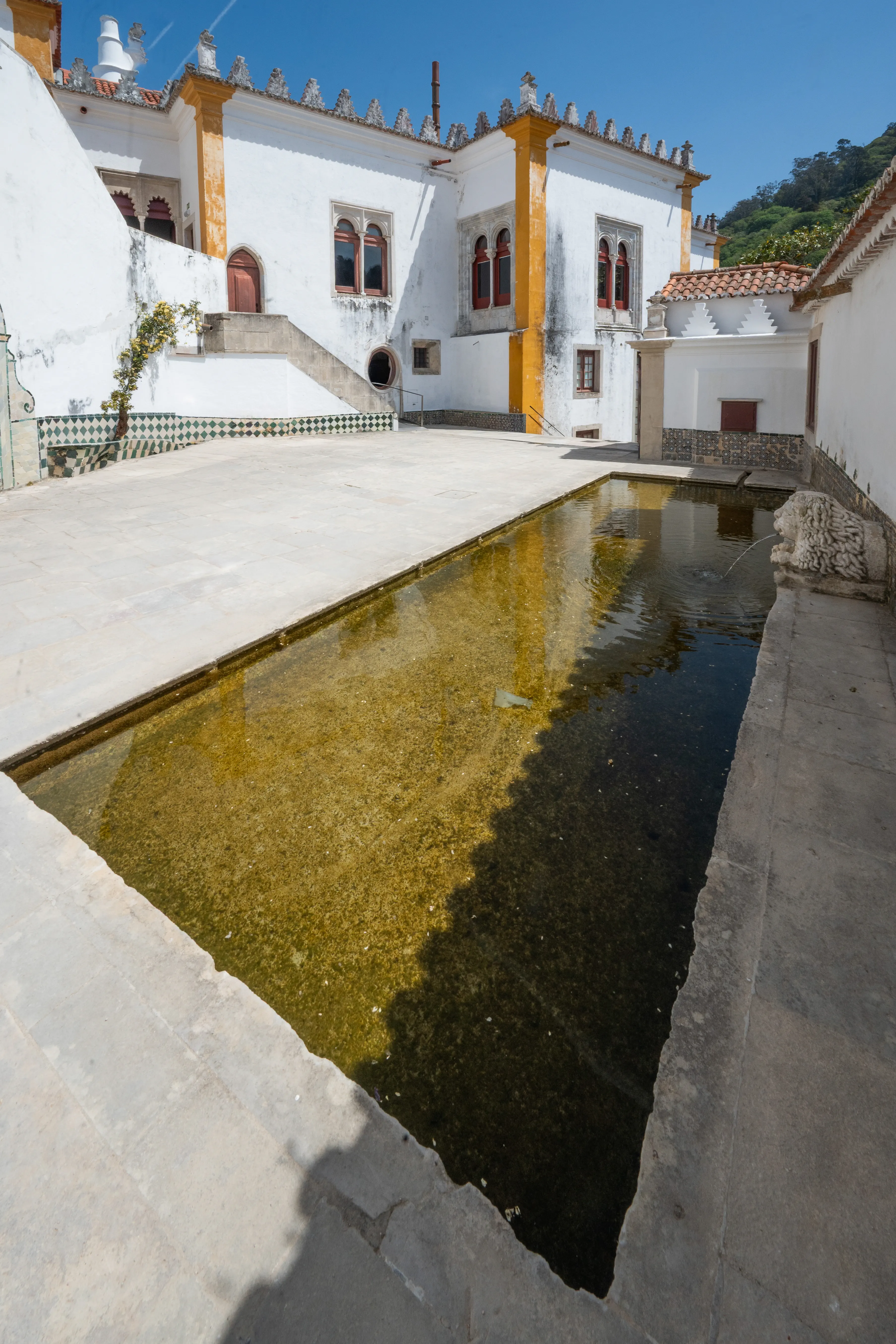
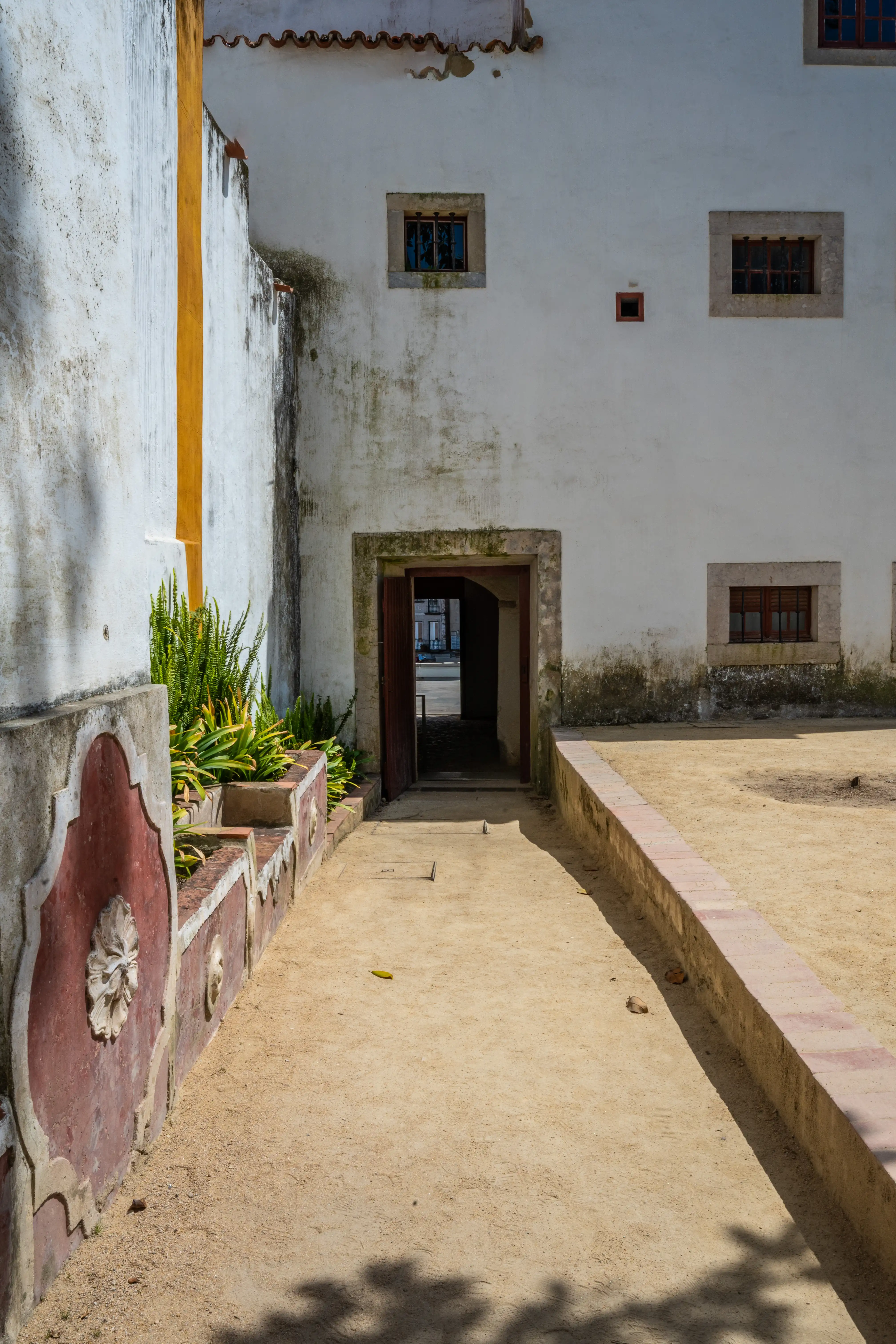
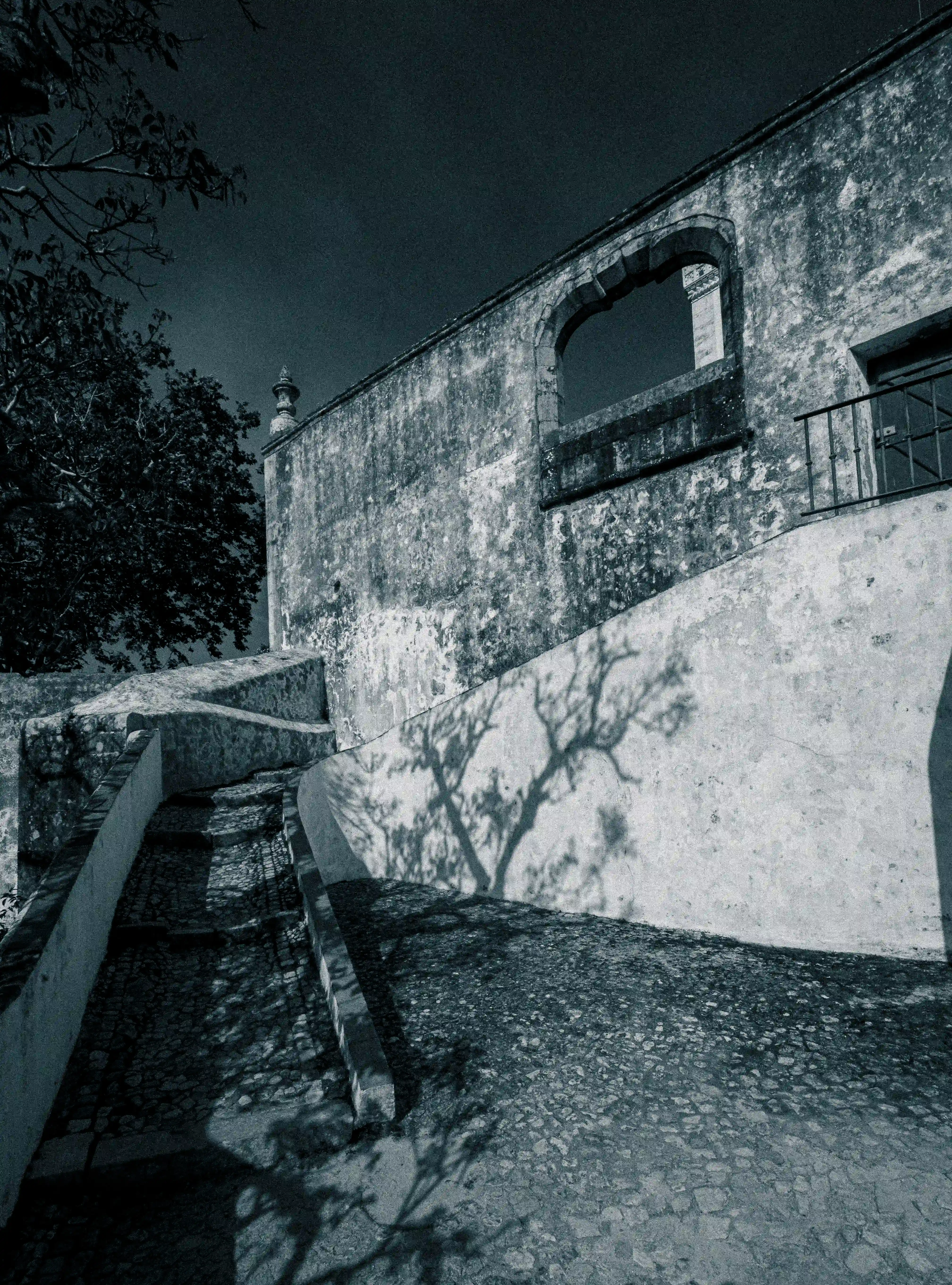
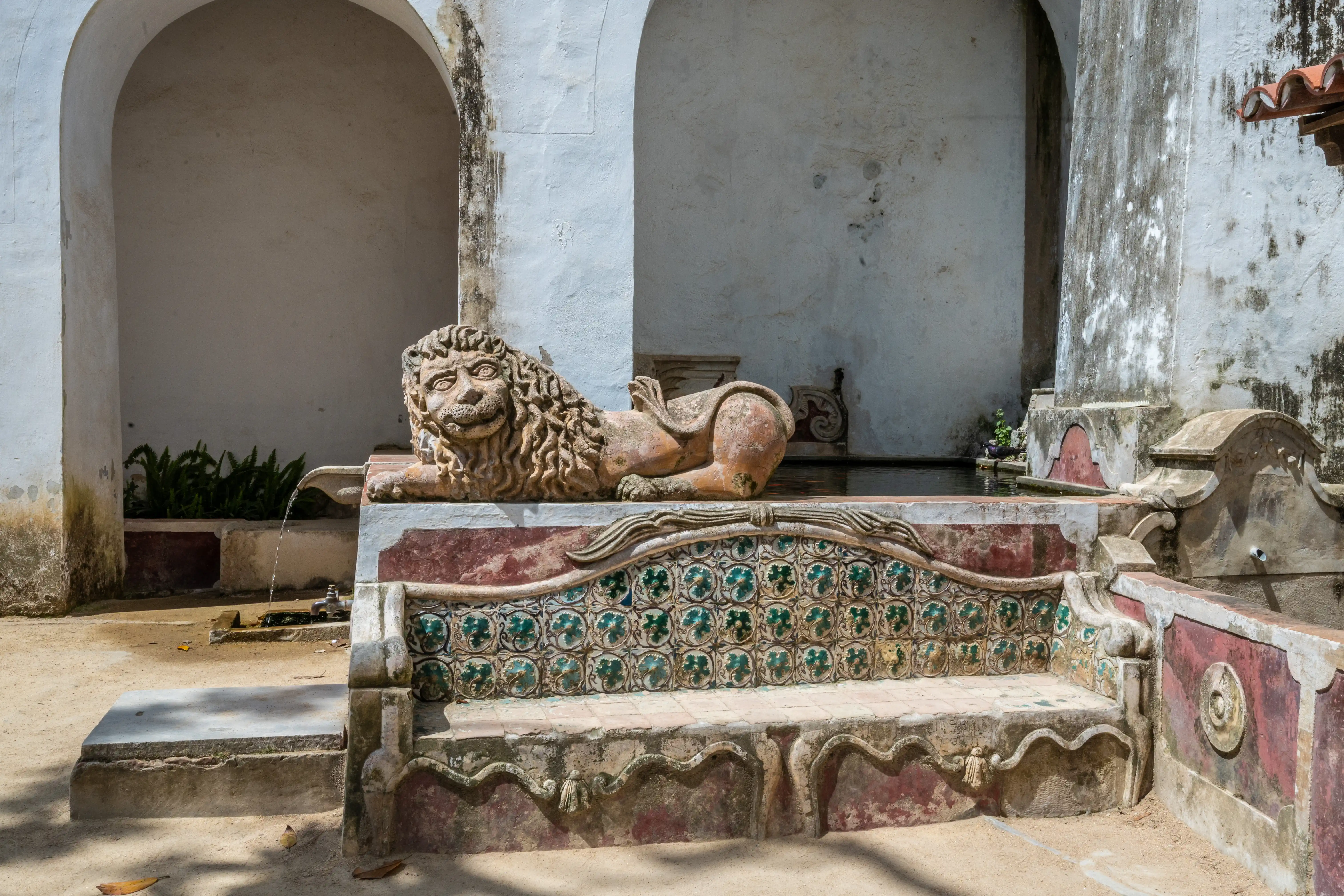
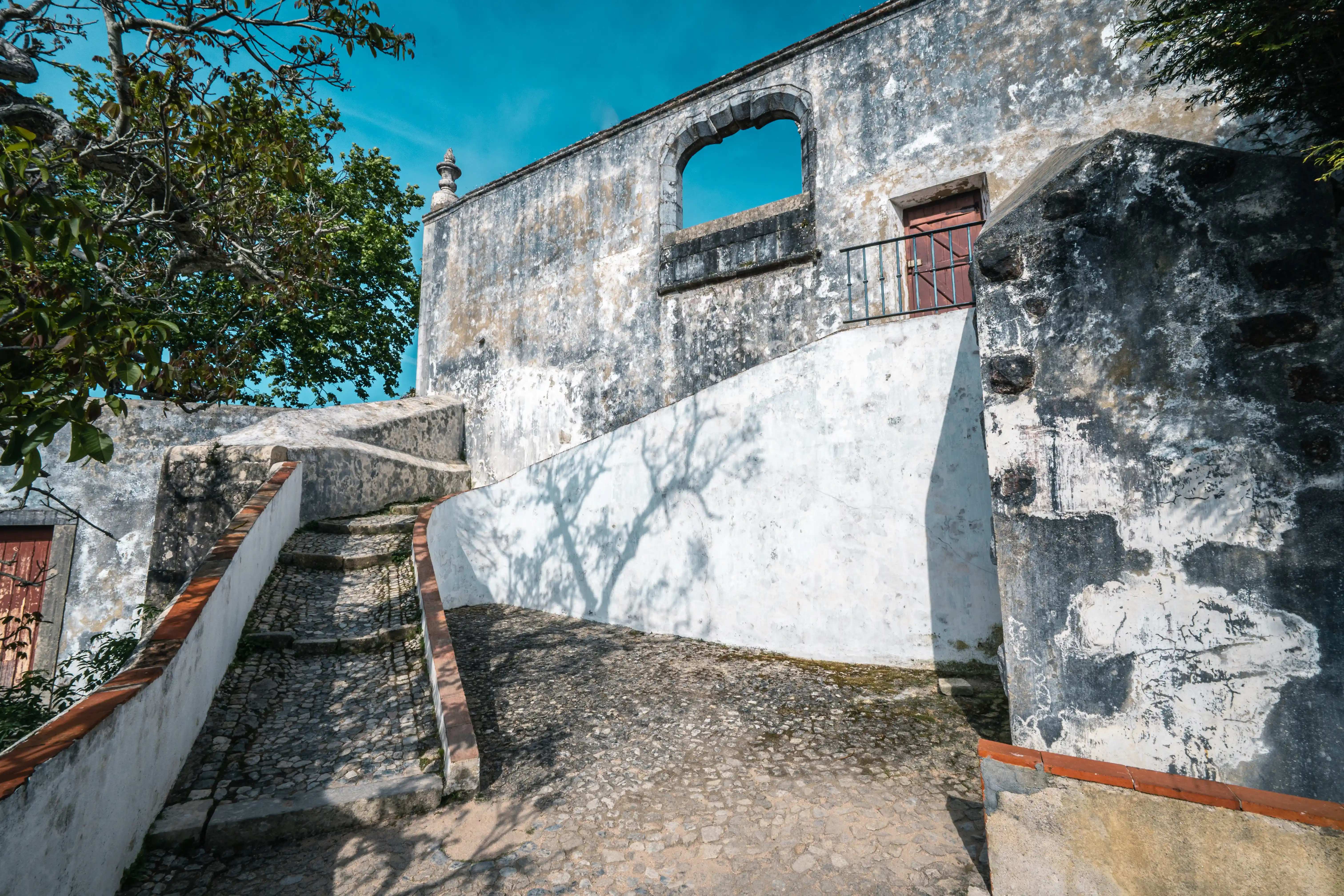
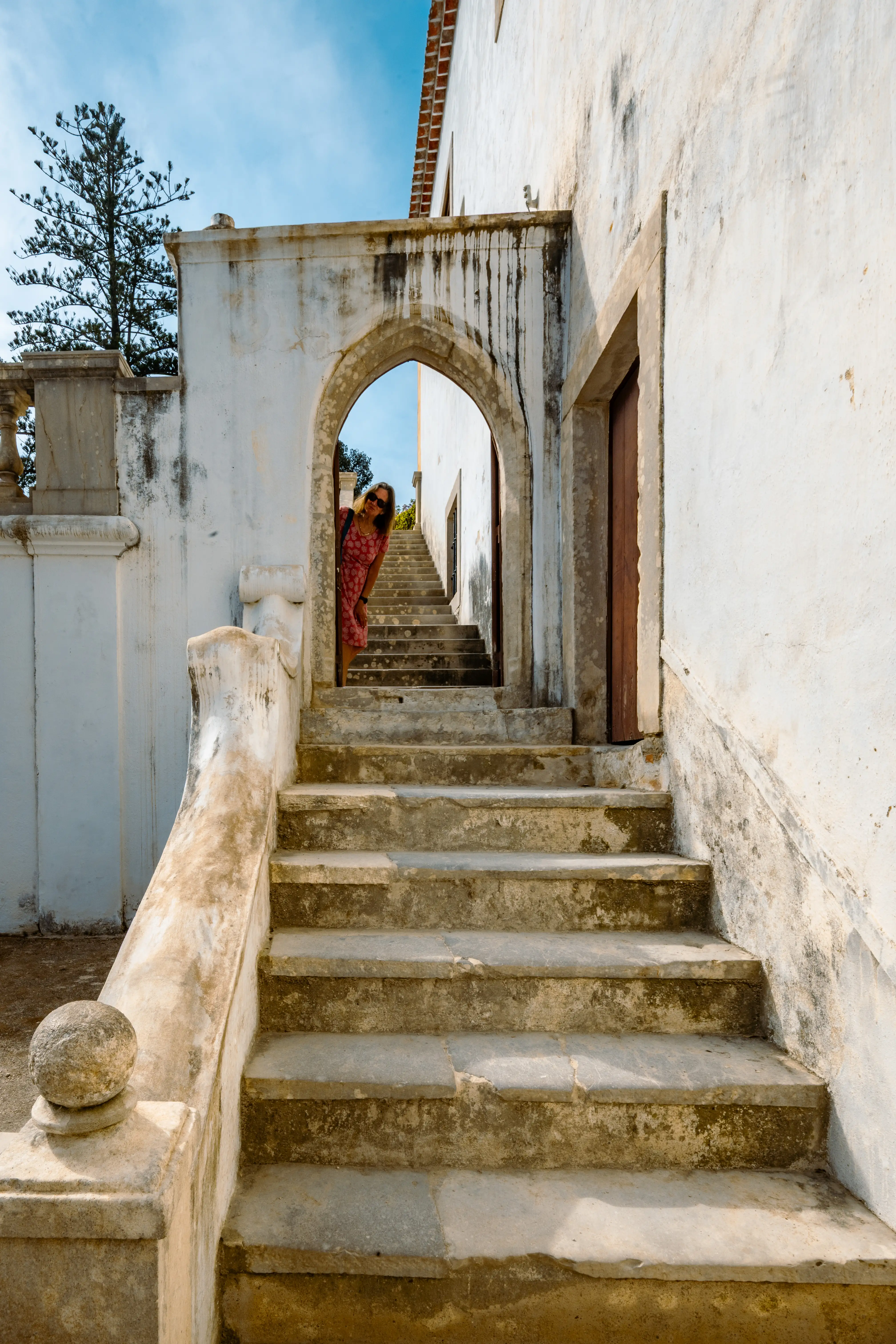
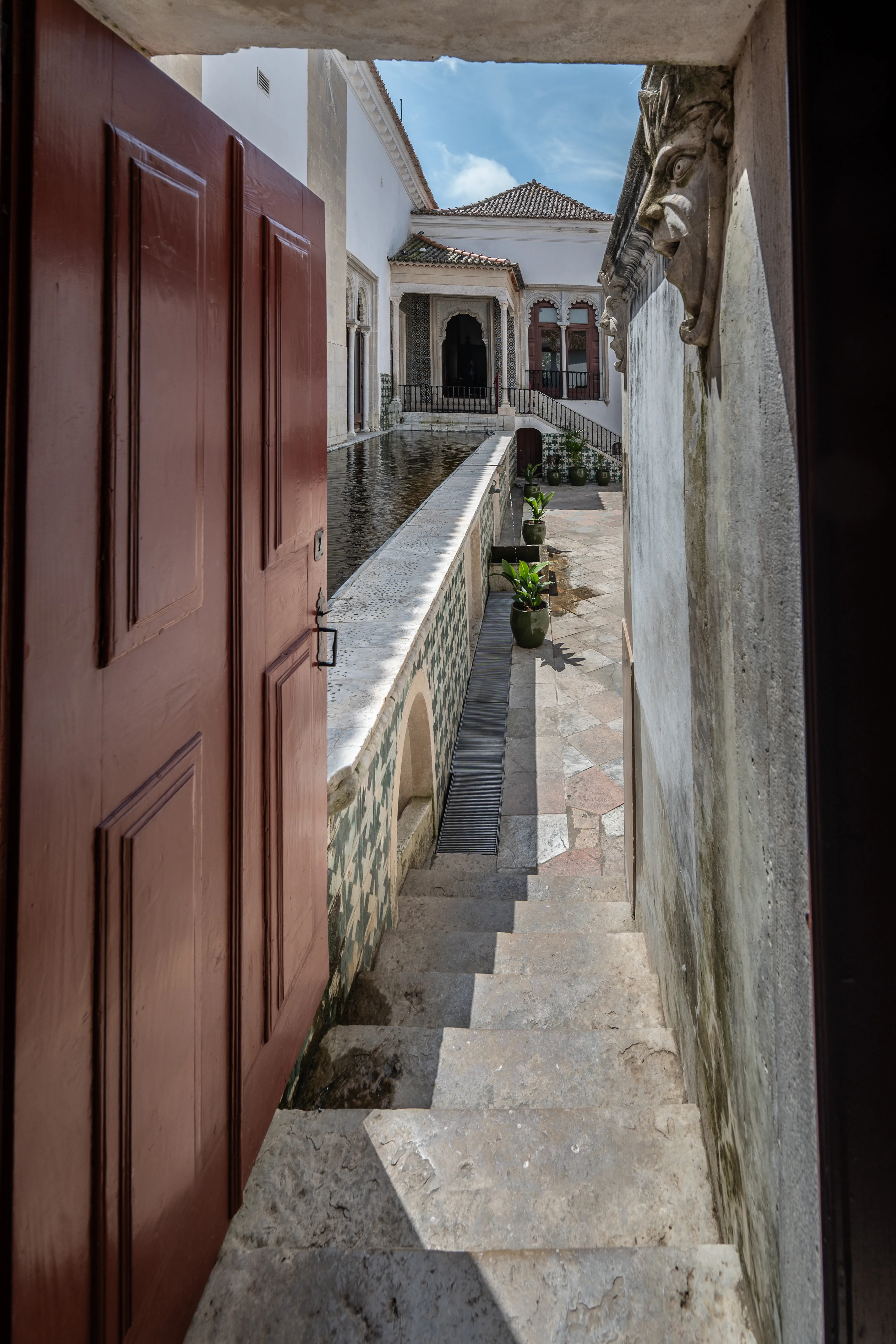

The Palácio Nacional de Sintra has a rich history dating back to the Moorish era, with significant expansions and renovations carried out during the reigns of Portuguese kings such as Dom João I and Dom Manuel I. The palace was a favored summer retreat for the royal family, who sought refuge from the heat of Lisbon in the cooler climate of Sintra. Its architecture reflects a blend of styles, including Gothic, Manueline, Moorish, and Renaissance, showcasing the evolution of Portuguese royal tastes and the influence of different cultures over the centuries. The palace is a symbol of Portugal’s royal heritage and the cultural significance of Sintra.
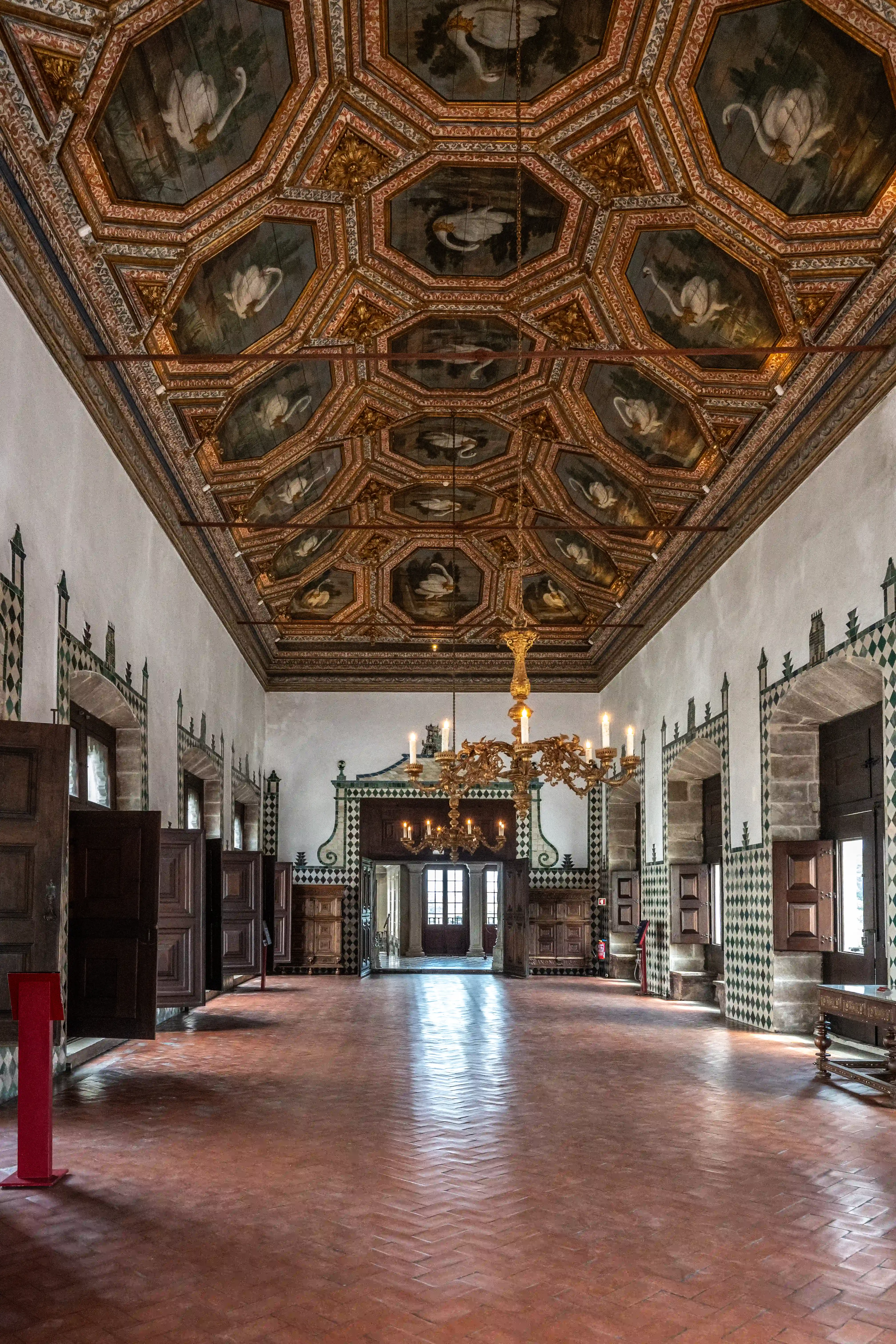
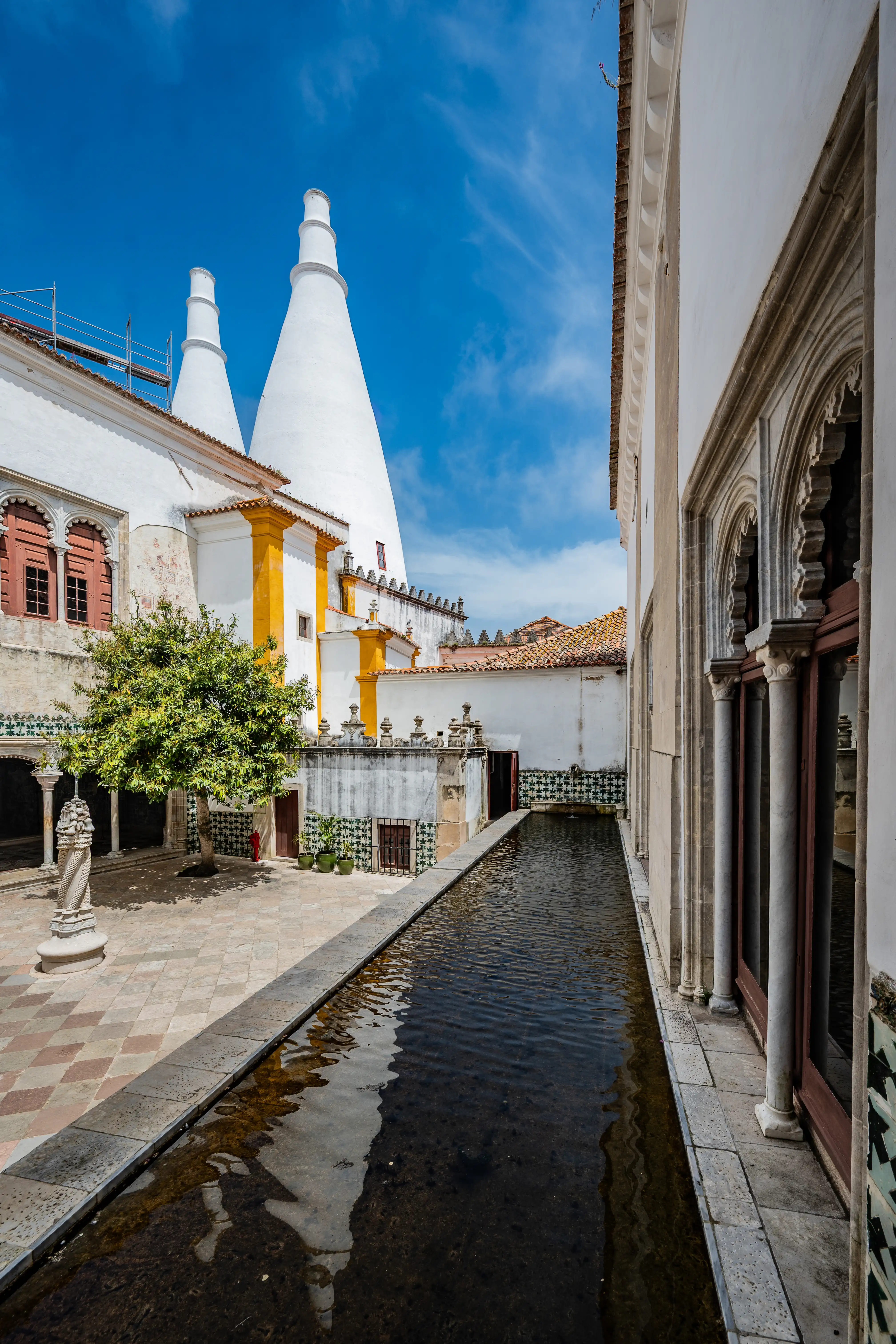
The Palácio Nacional de Sintra (Palácio da Vila) is Portugal’s oldest surviving royal palace, continuously inhabited from the 15th to the 19th century, and today forms part of the UNESCO Cultural Landscape of Sintra. It is instantly recognisable by its twin conical chimneys and richly decorated rooms such as the Swan Room, Magpie Room, and Coat of Arms Room.
Early Portuguese phase: The earliest surviving structure is the Royal Chapel, probably built under King Dinis I (1279–1325). It features a tiled floor laid like a carpet, painted faux-tile walls, and a Moorish latticework ceiling.
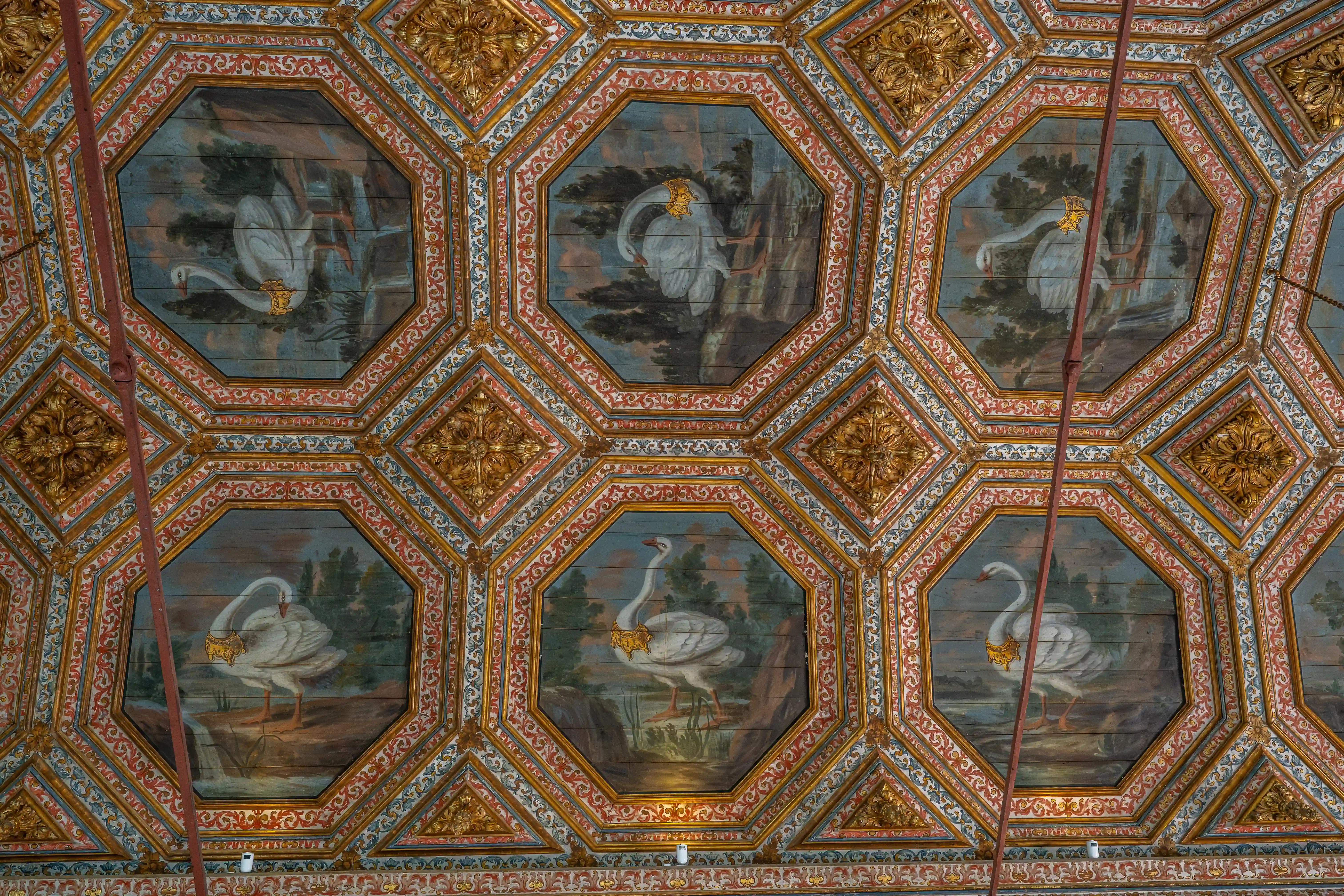
João I’s expansion (15th century): King João I rebuilt much of the palace, adding the Swan Room and Magpie Room, and establishing the kitchens with their iconic chimneys.
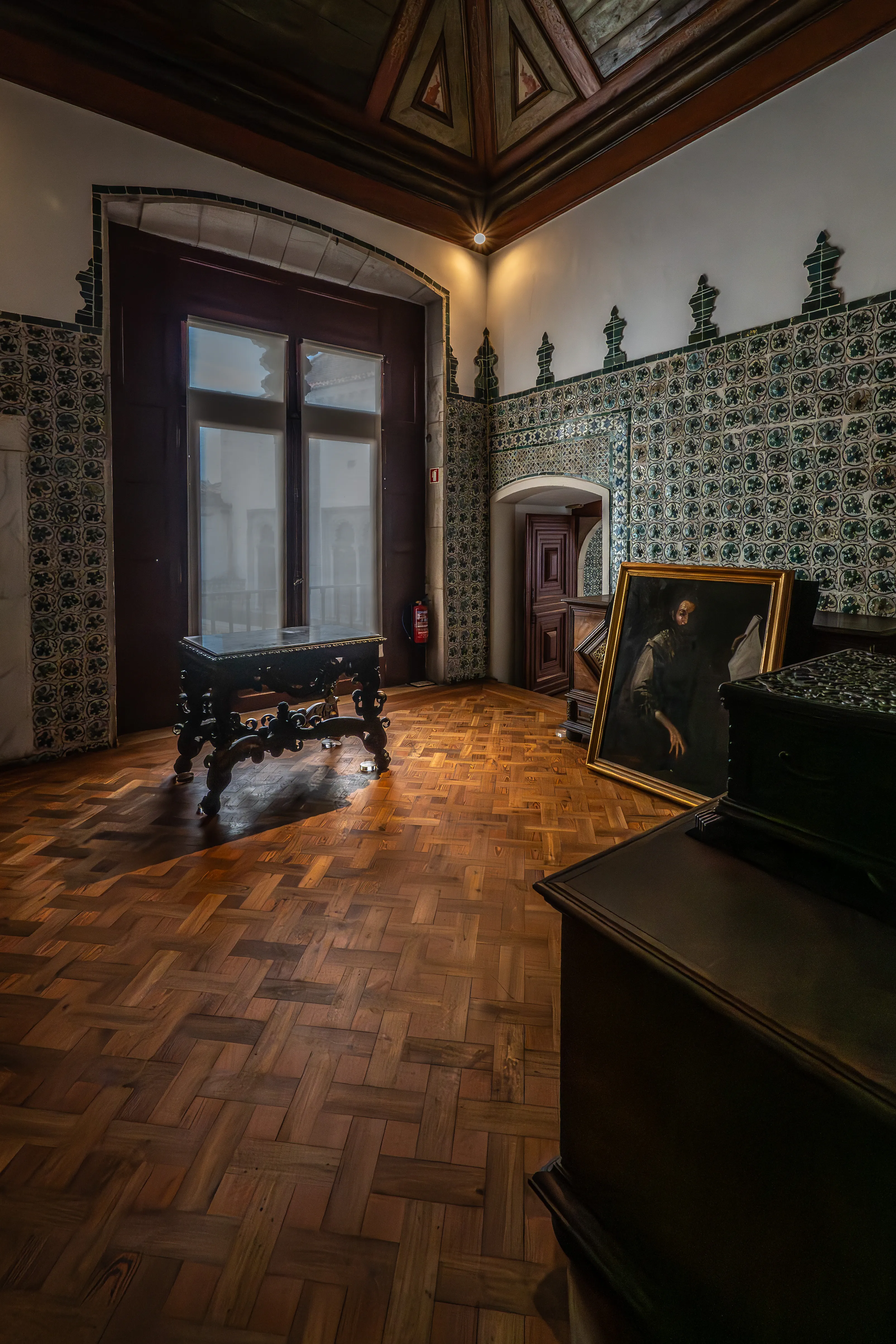
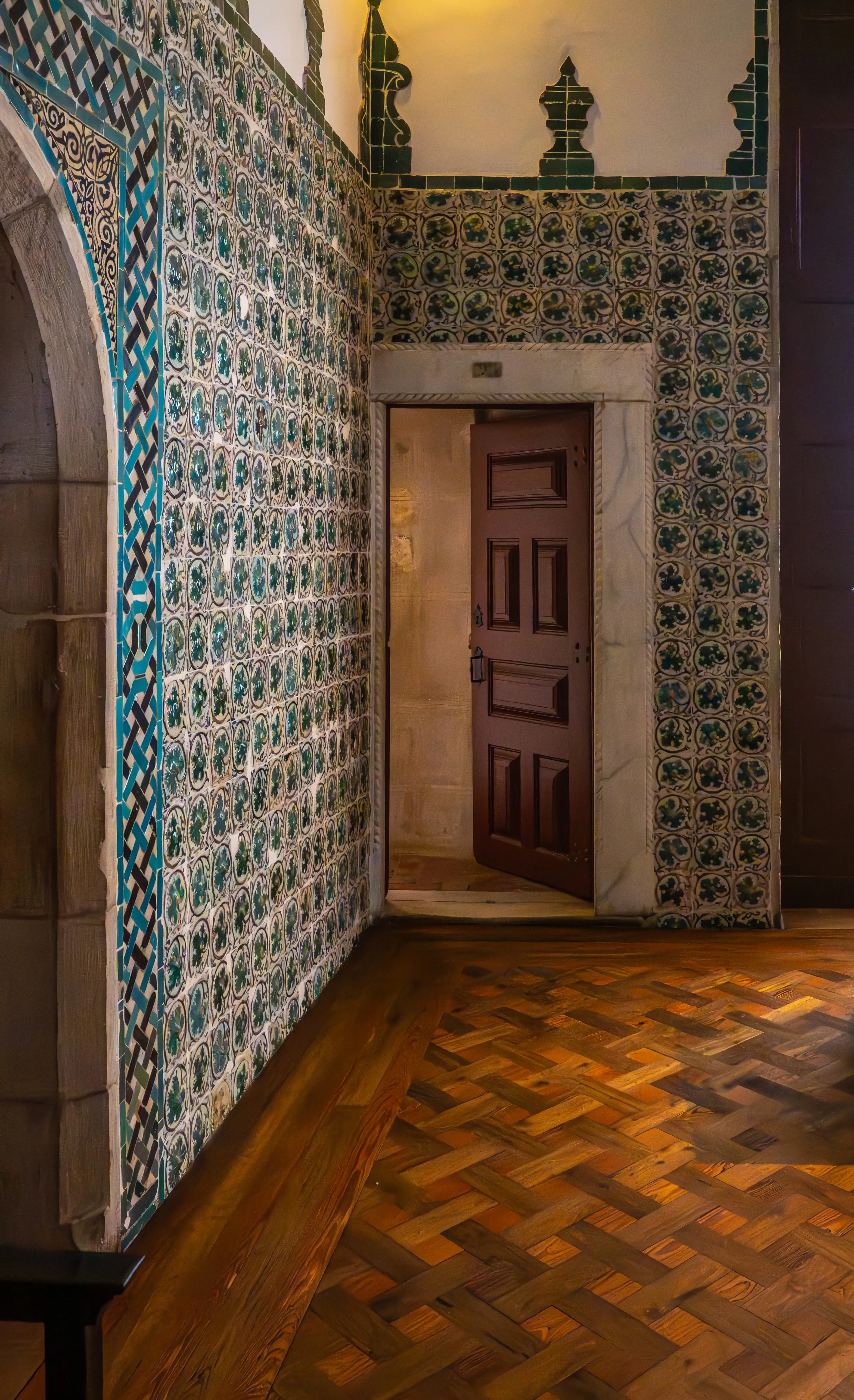
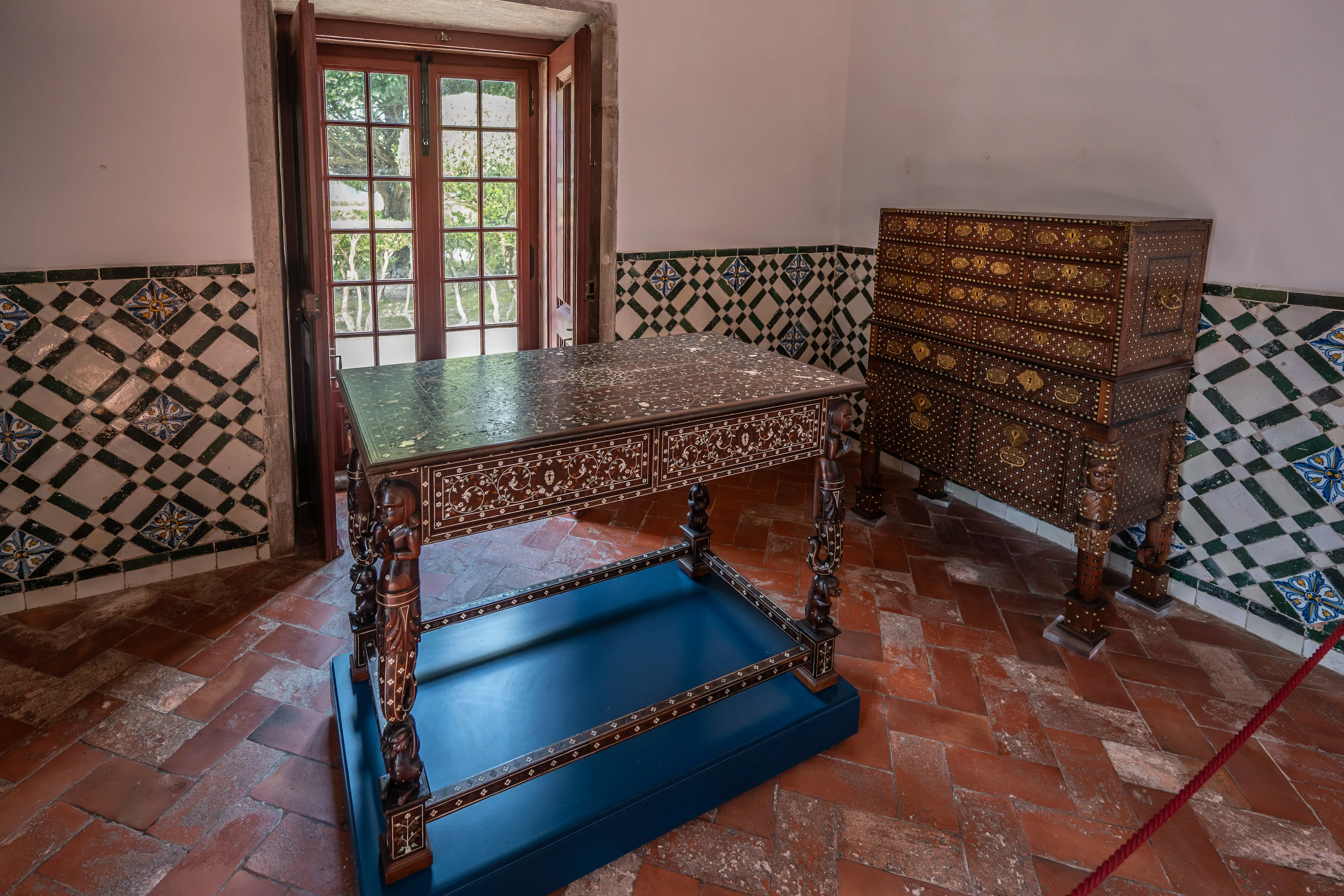
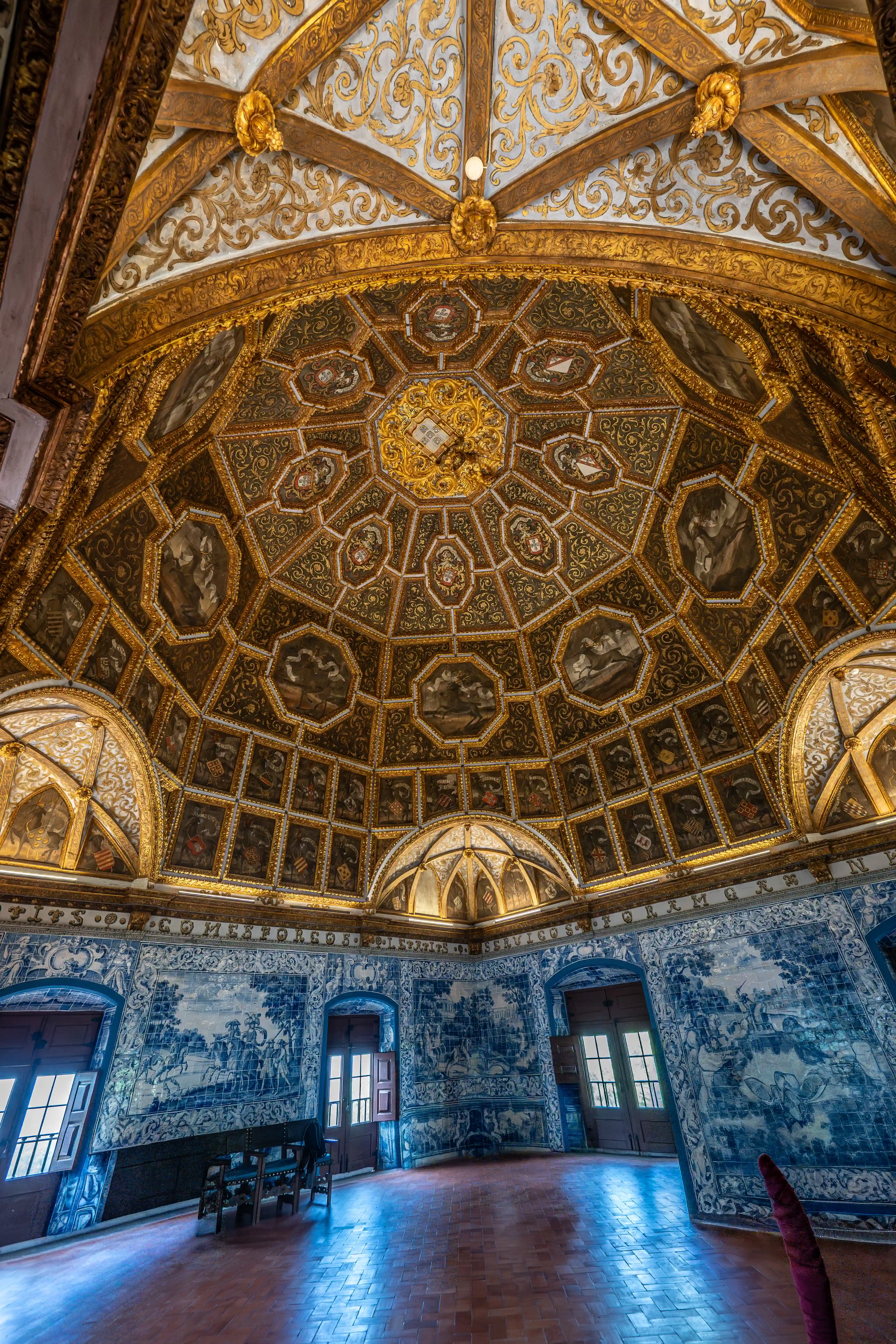
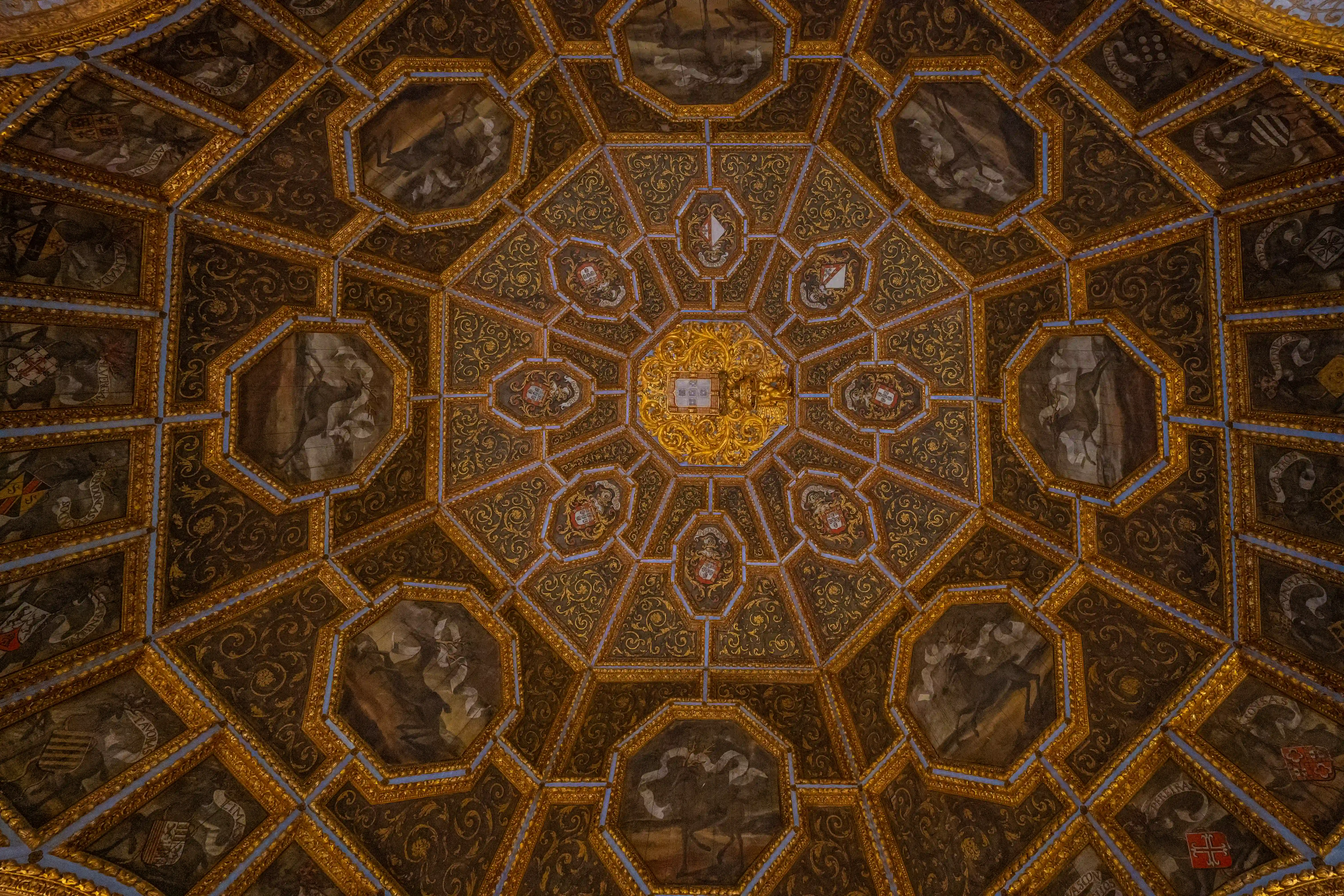
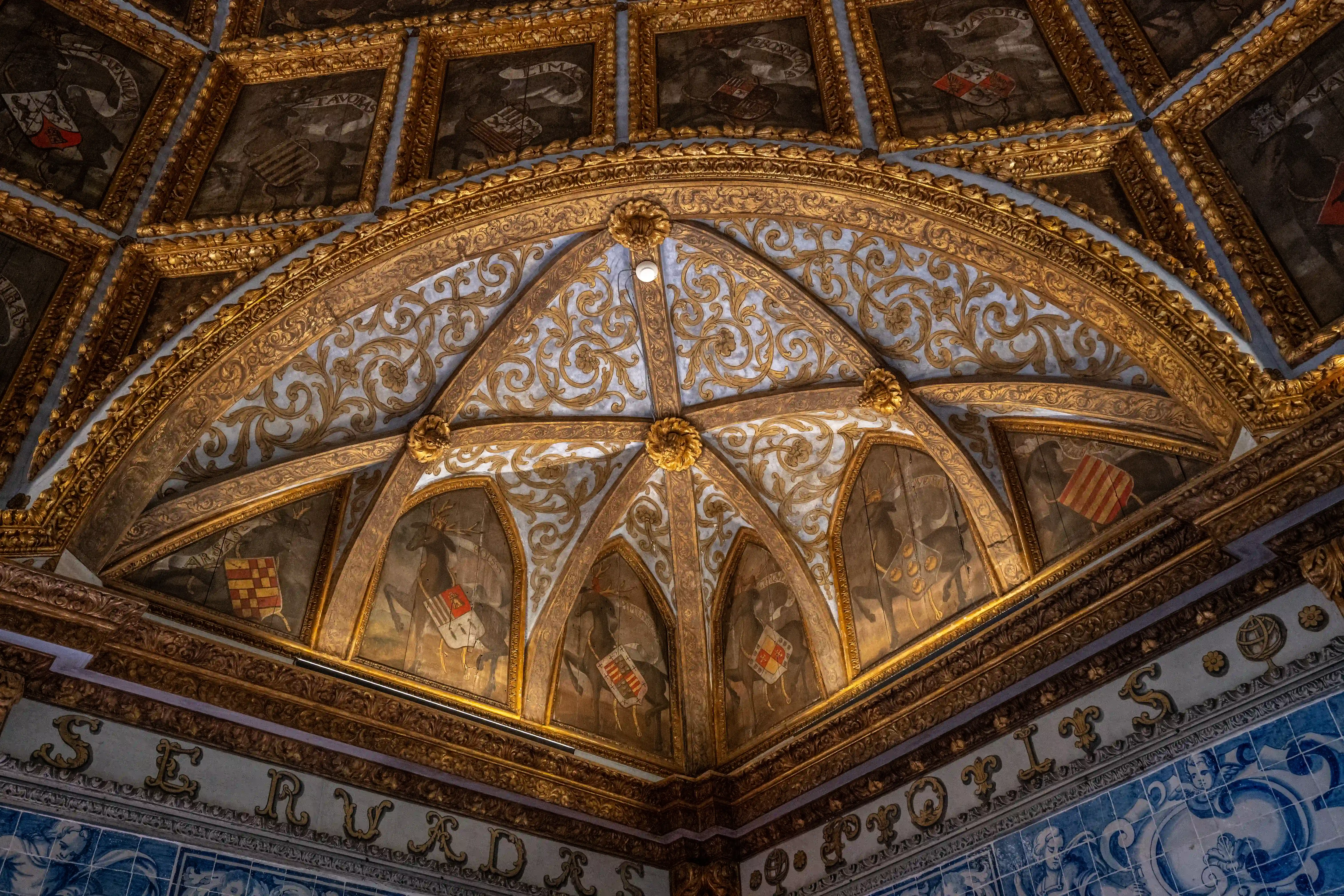
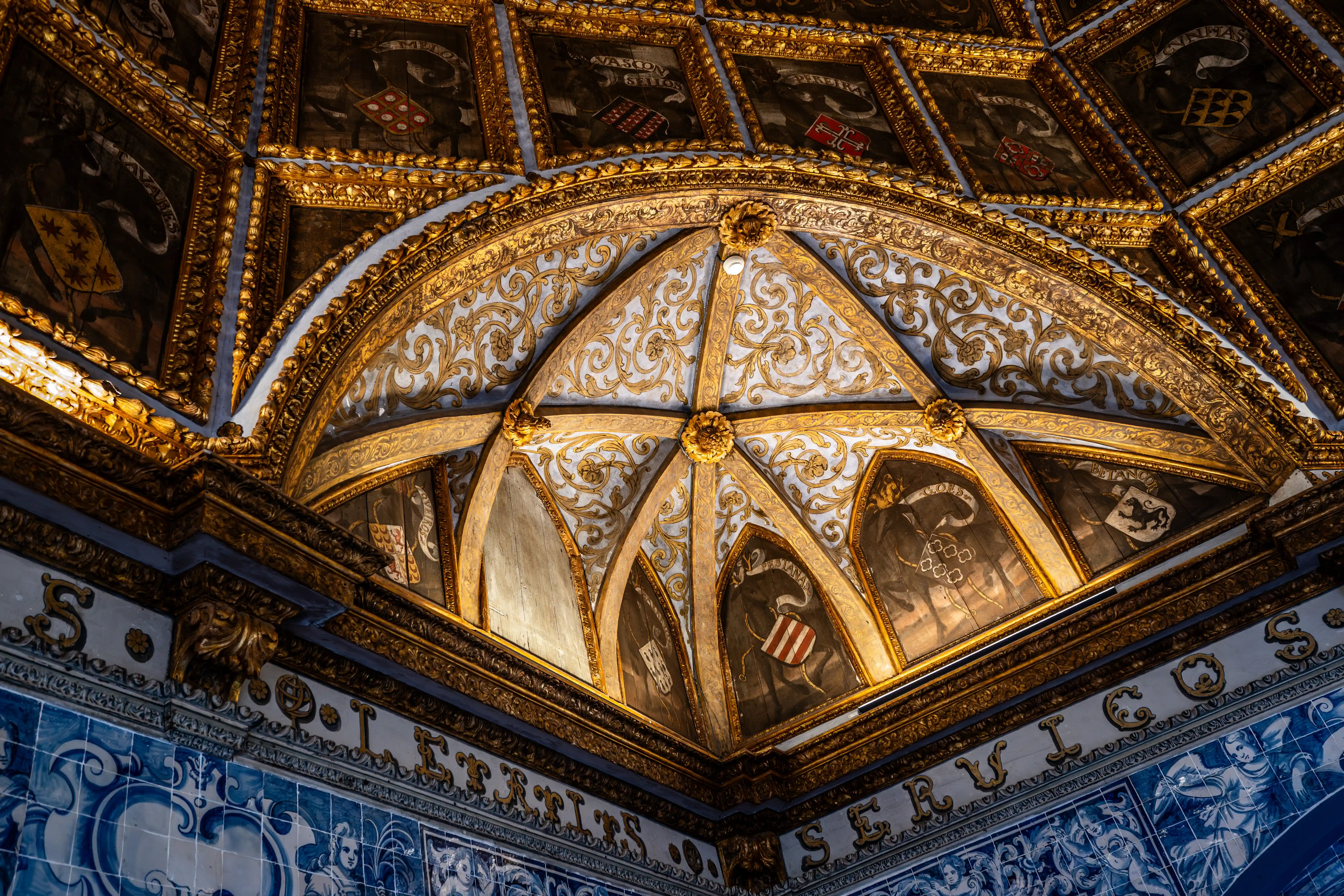
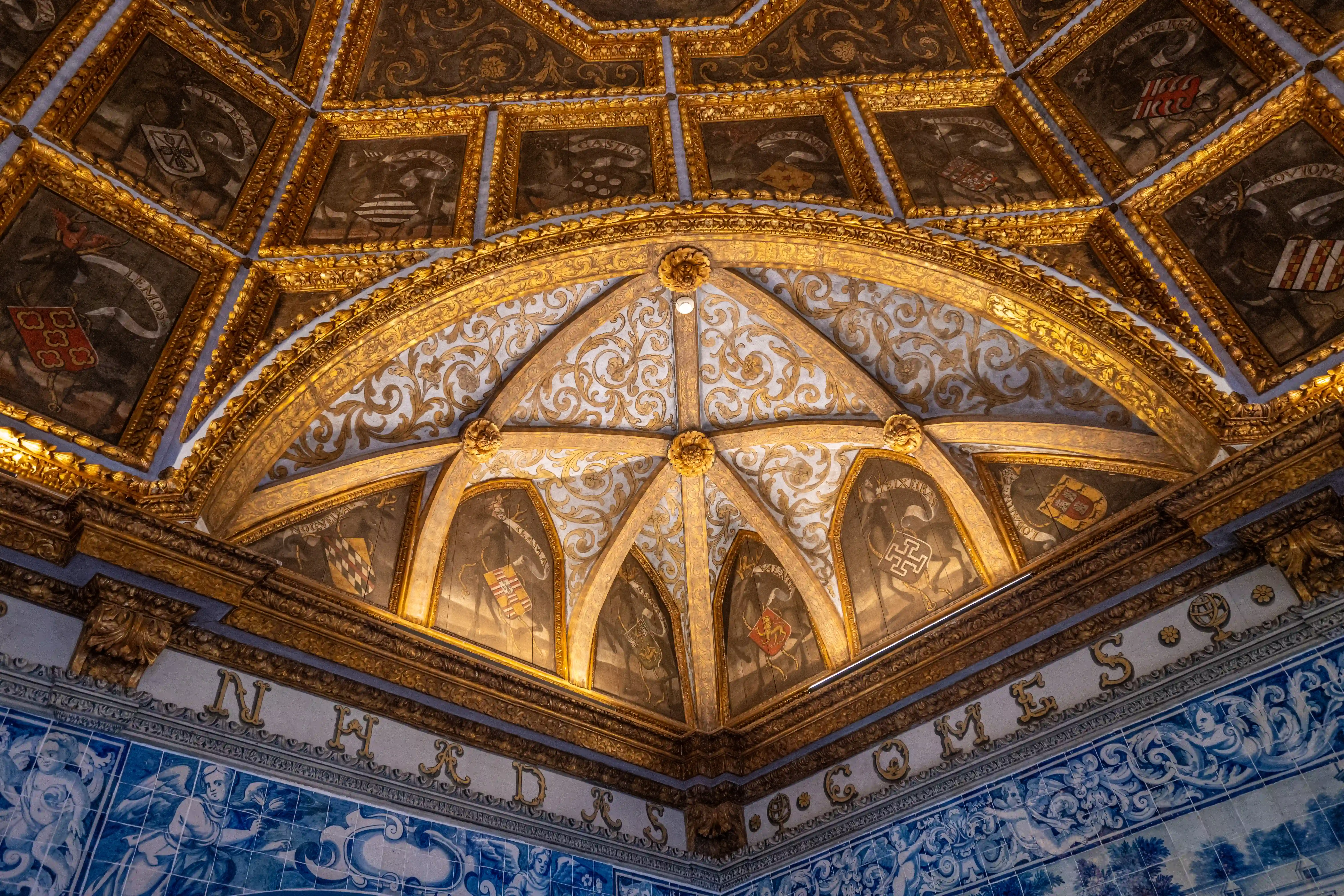
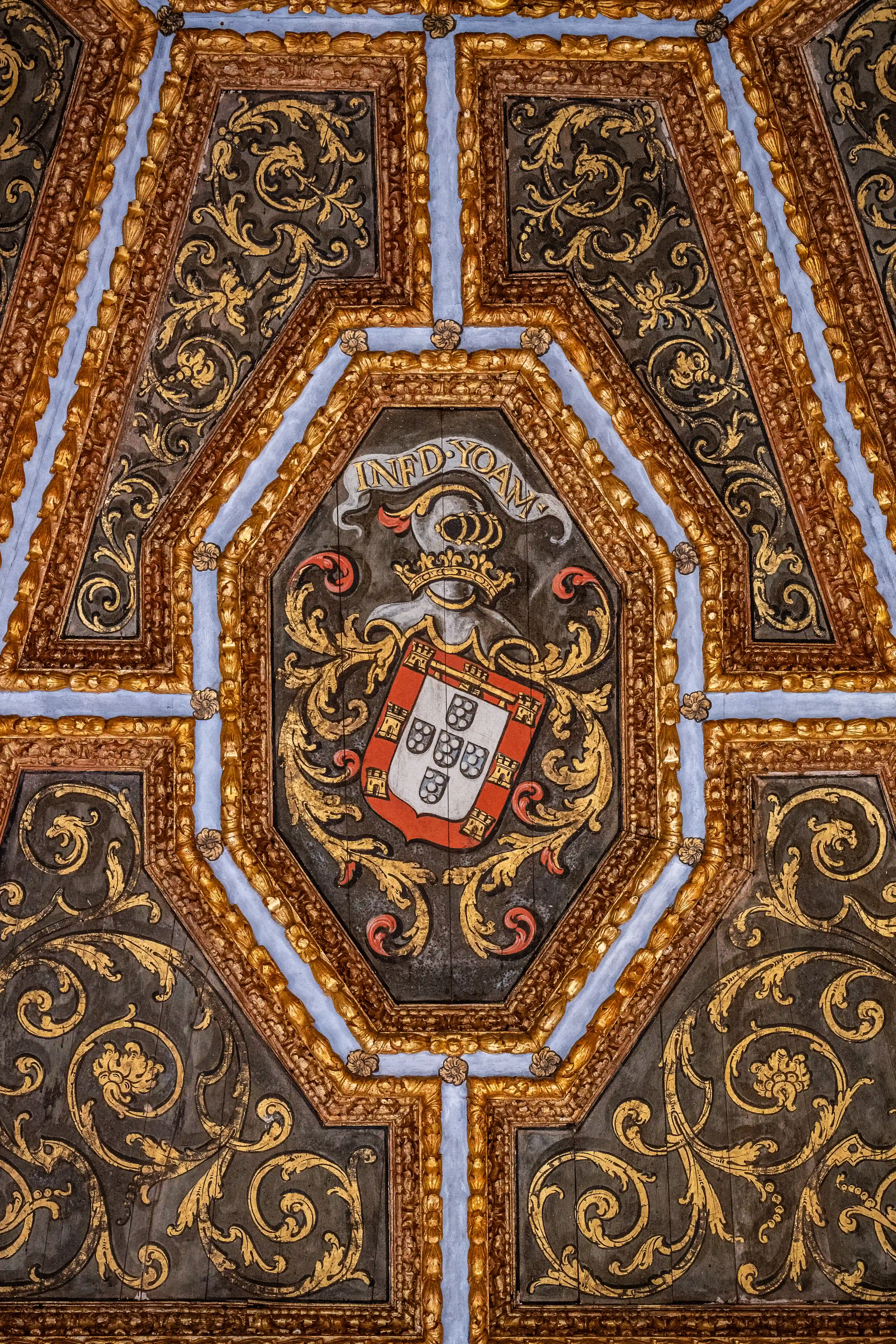
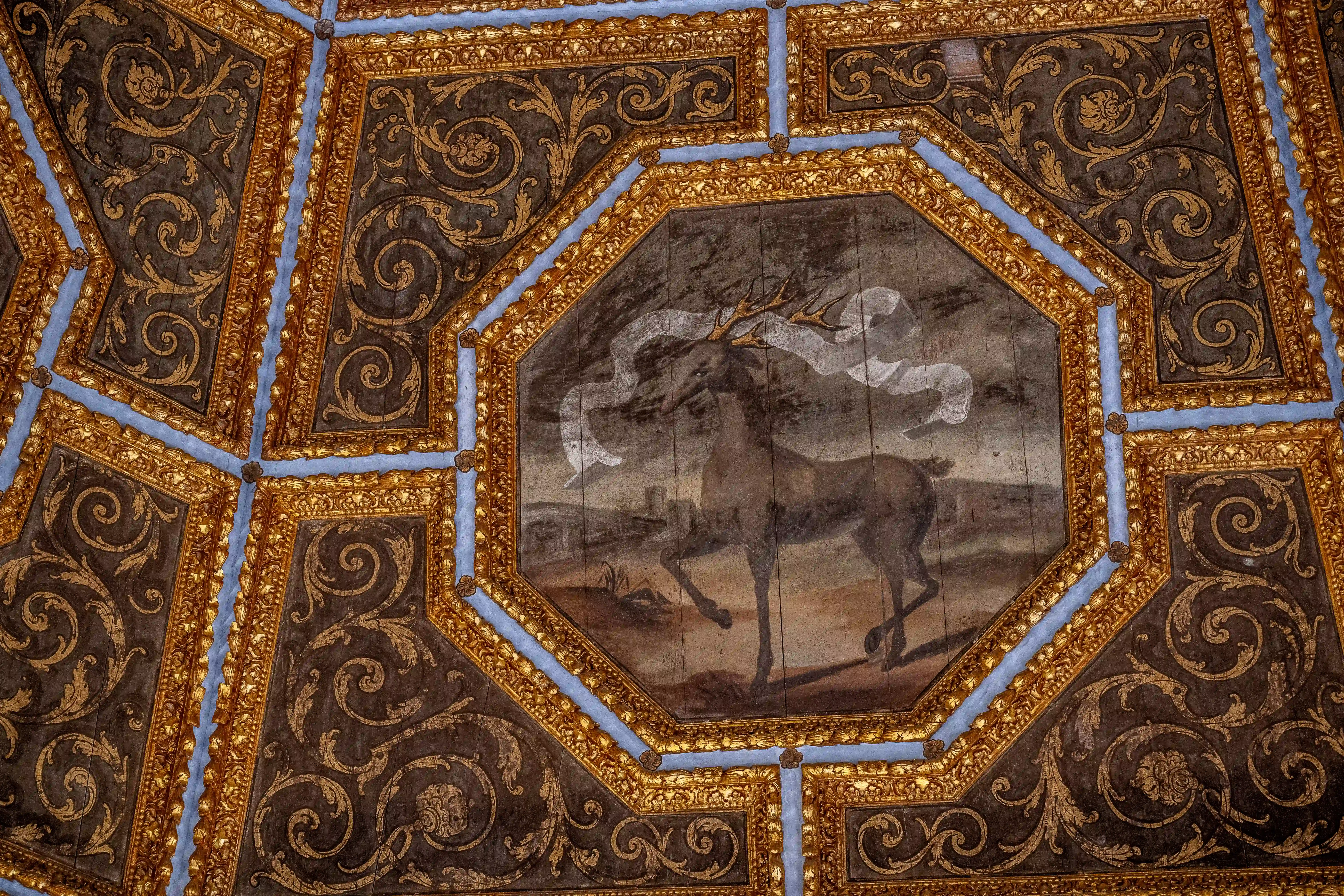
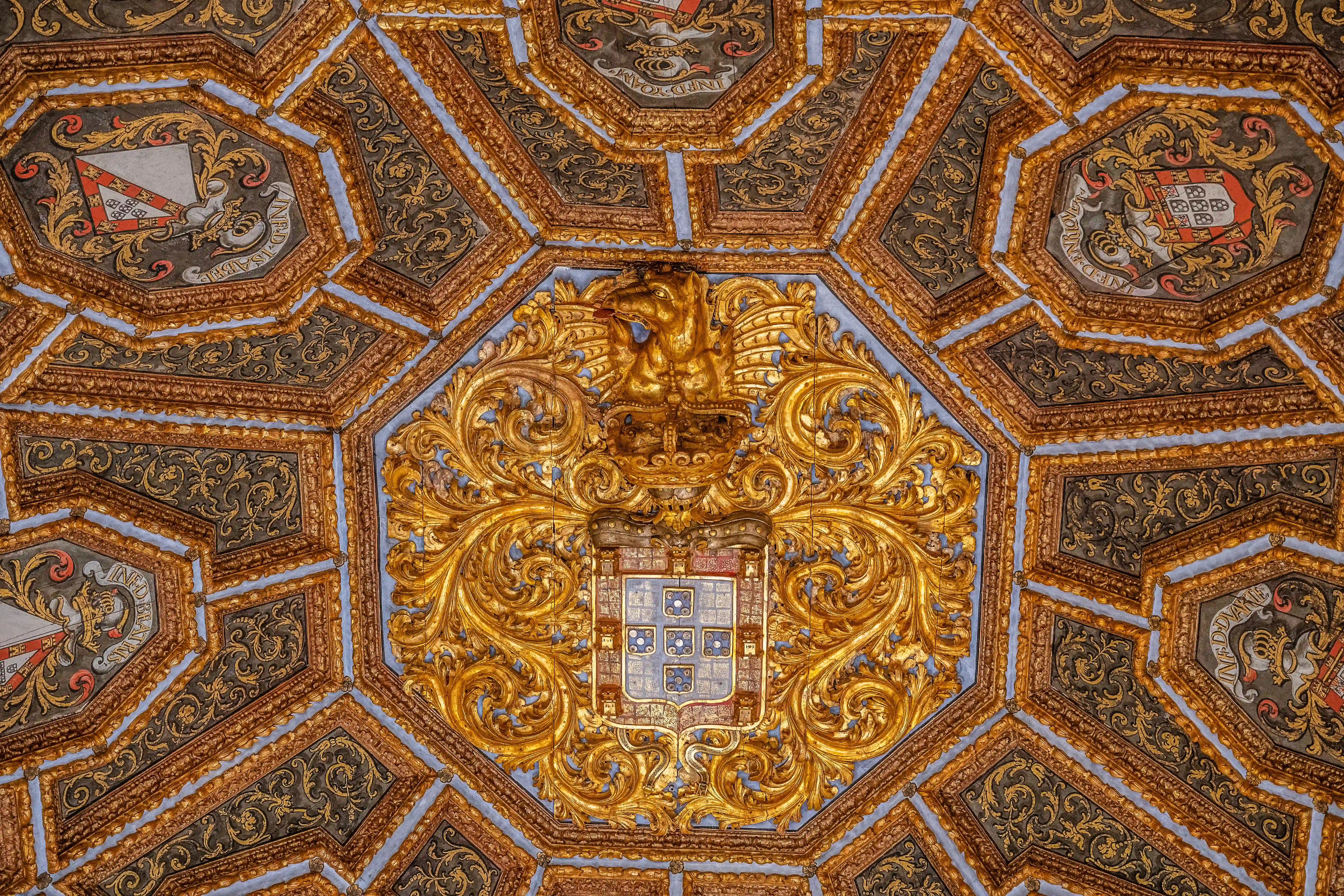
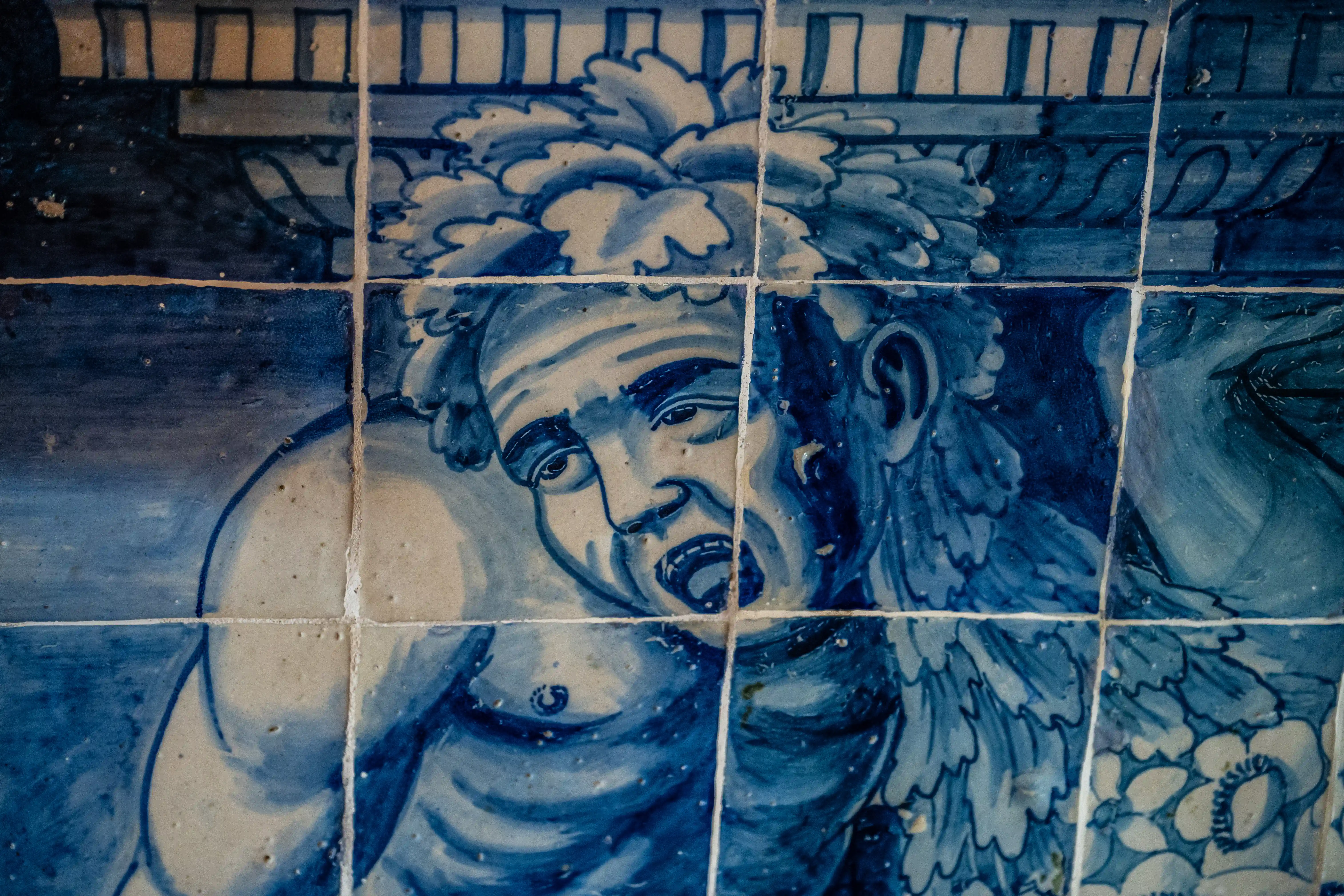
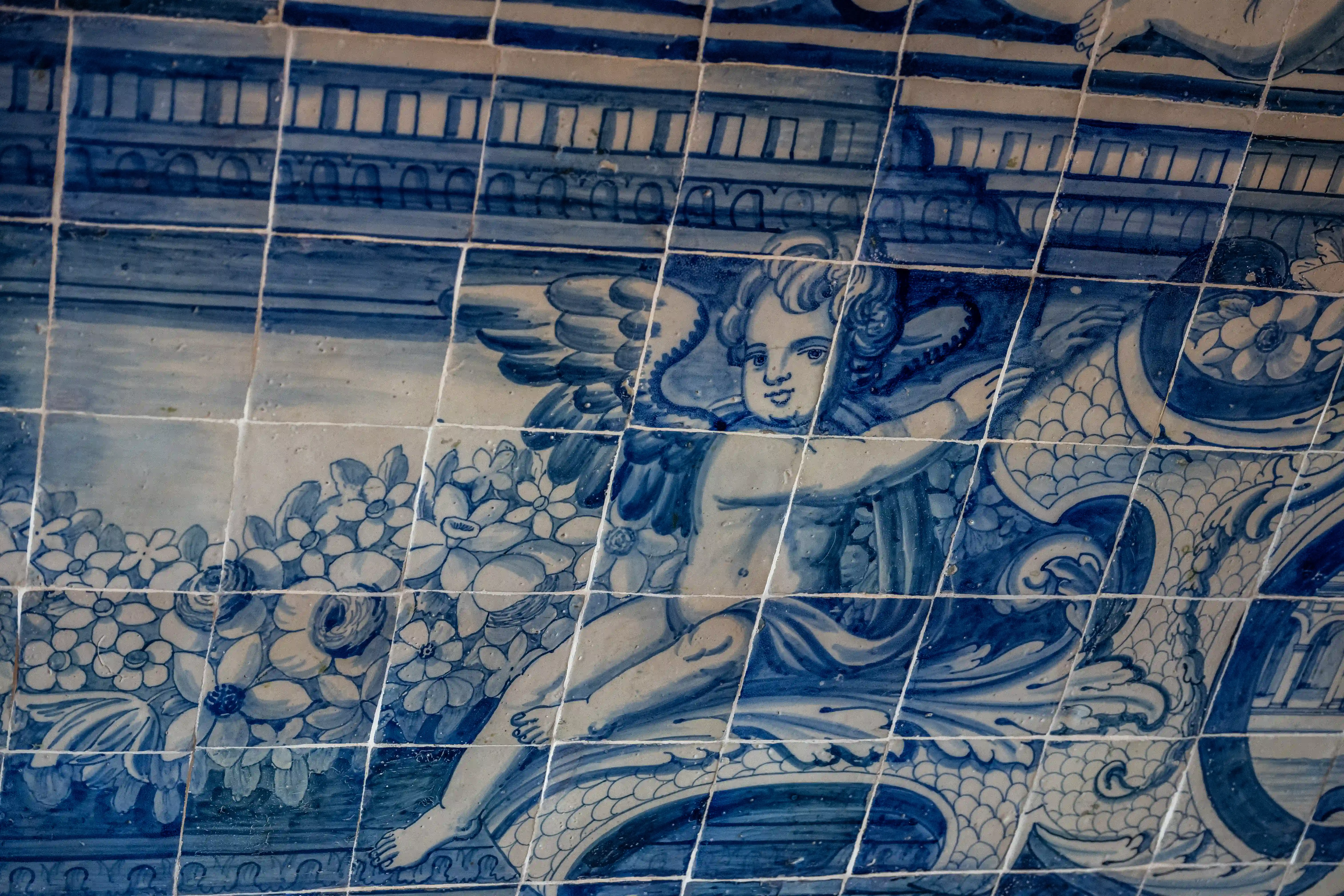
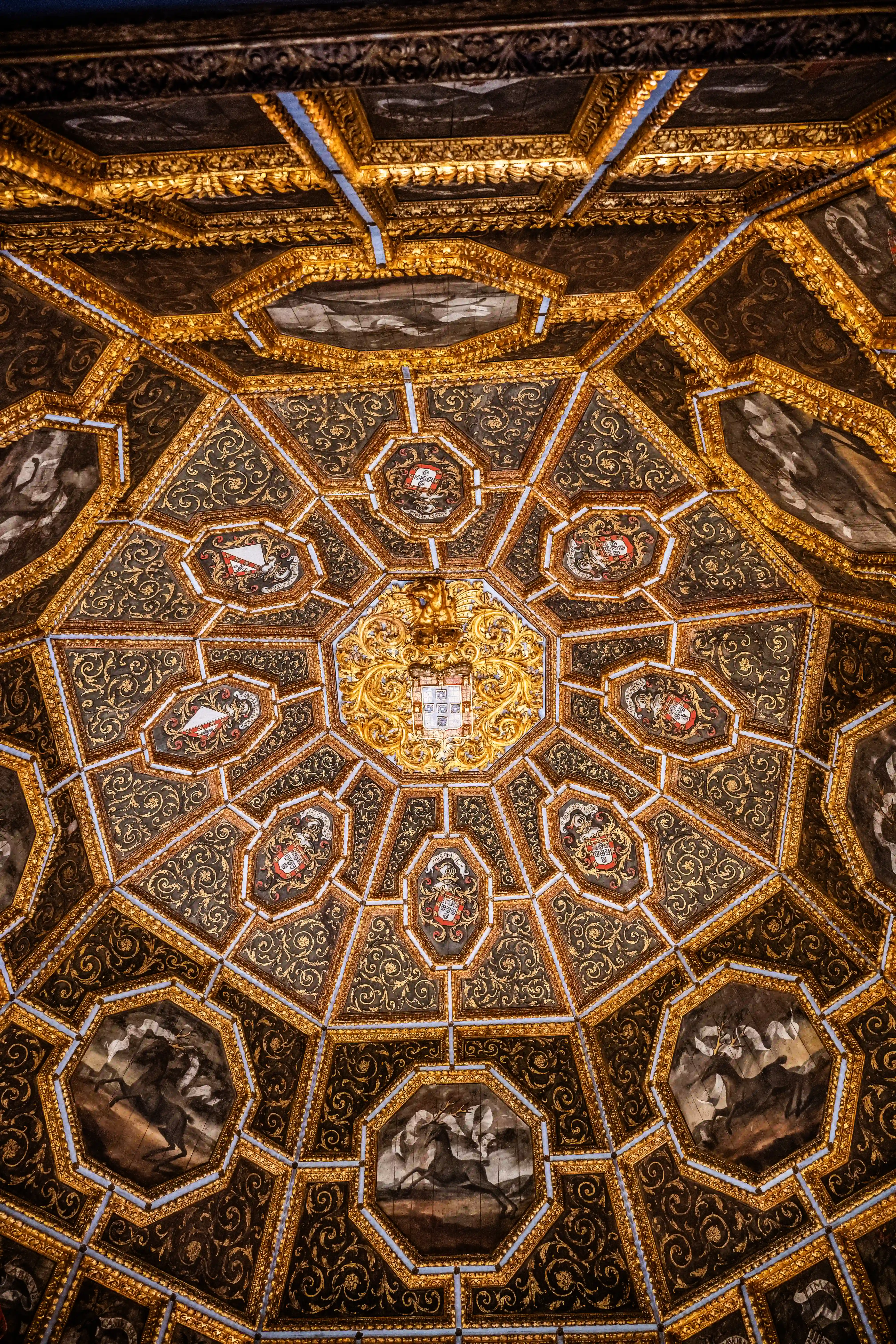
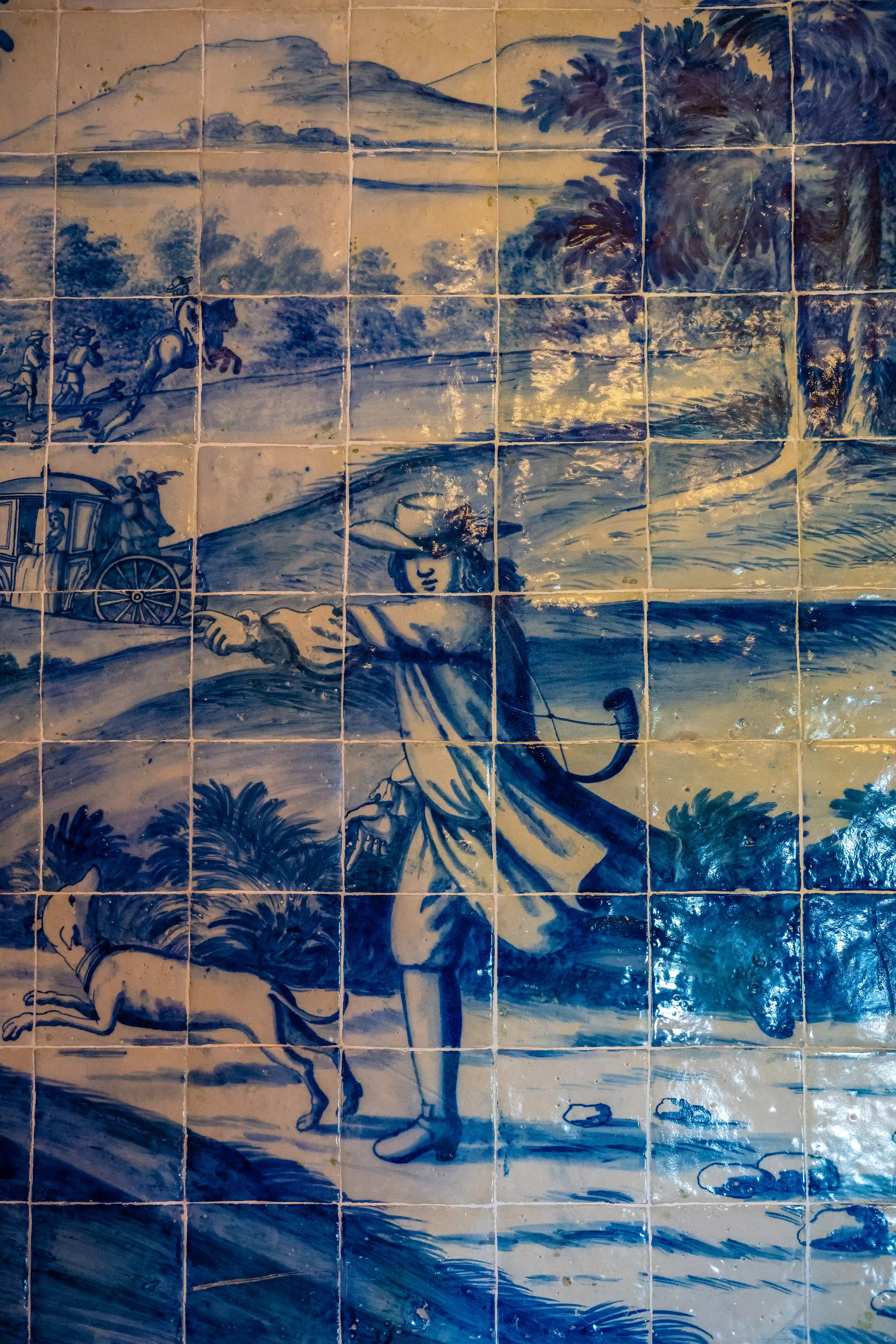
Manuel I’s transformation (early 16th century): King Manuel I created the Coat of Arms Room, with a gilded dome displaying the arms of 72 noble families, and introduced Hispano-Moresque tilework.
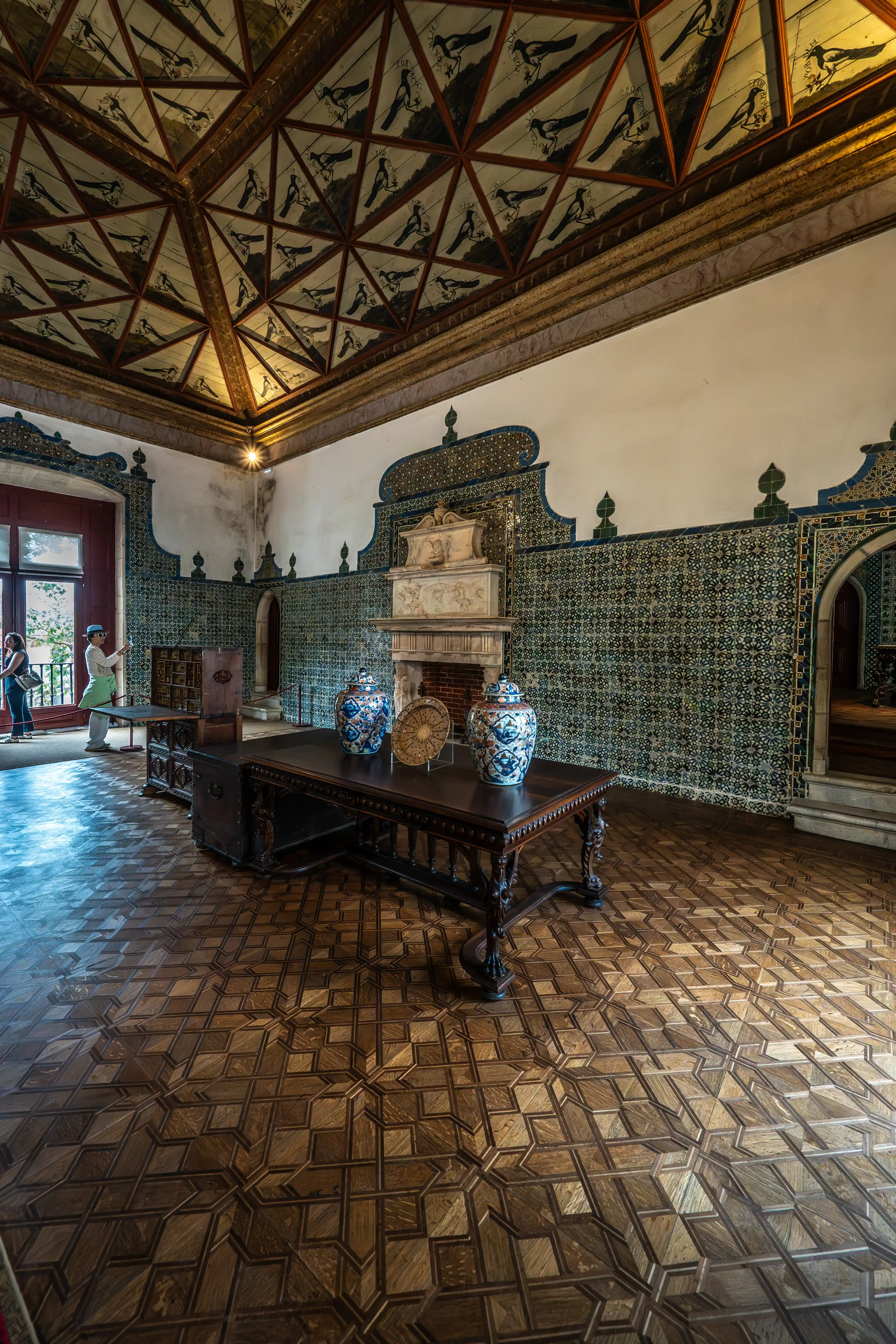
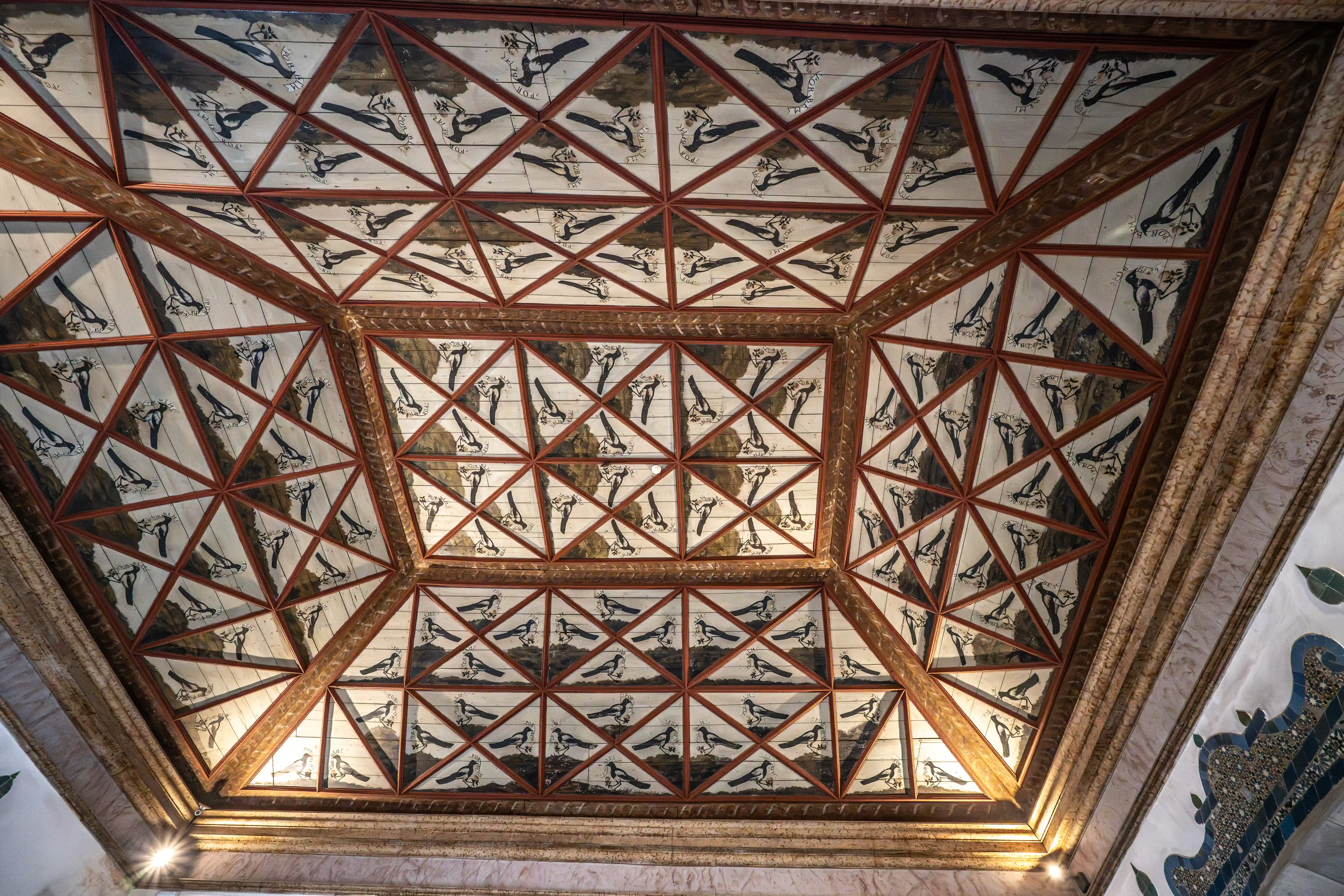
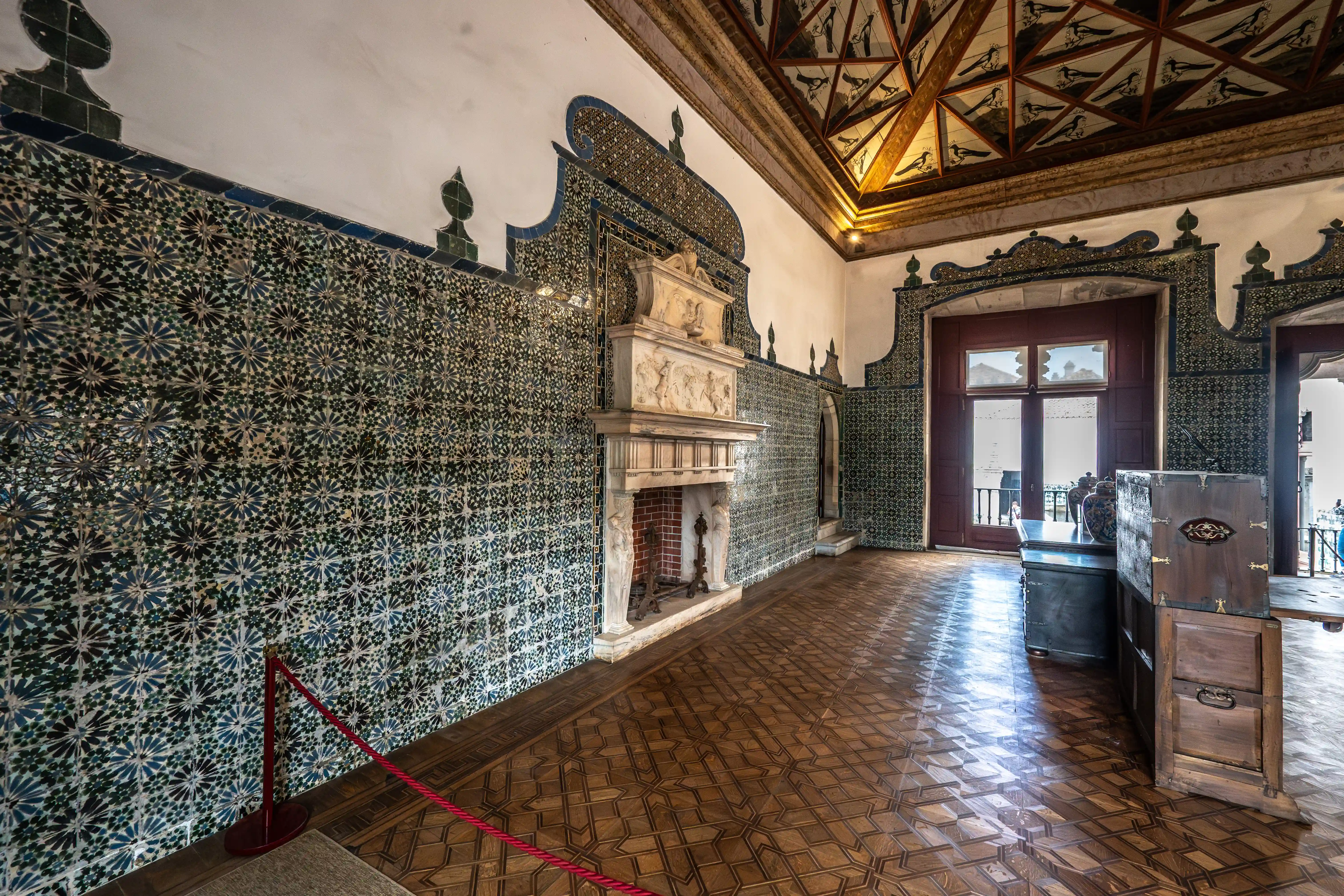
Sala das Pegas (Magpie Room): Decorated with 136 magpies holding scrolls reading *por bem* (“for honour”), a witty royal response to gossip.
Sala dos Brasões (Coat of Arms Room): Octagonal dome with heraldic shields of Manuel I and Portugal’s nobility.
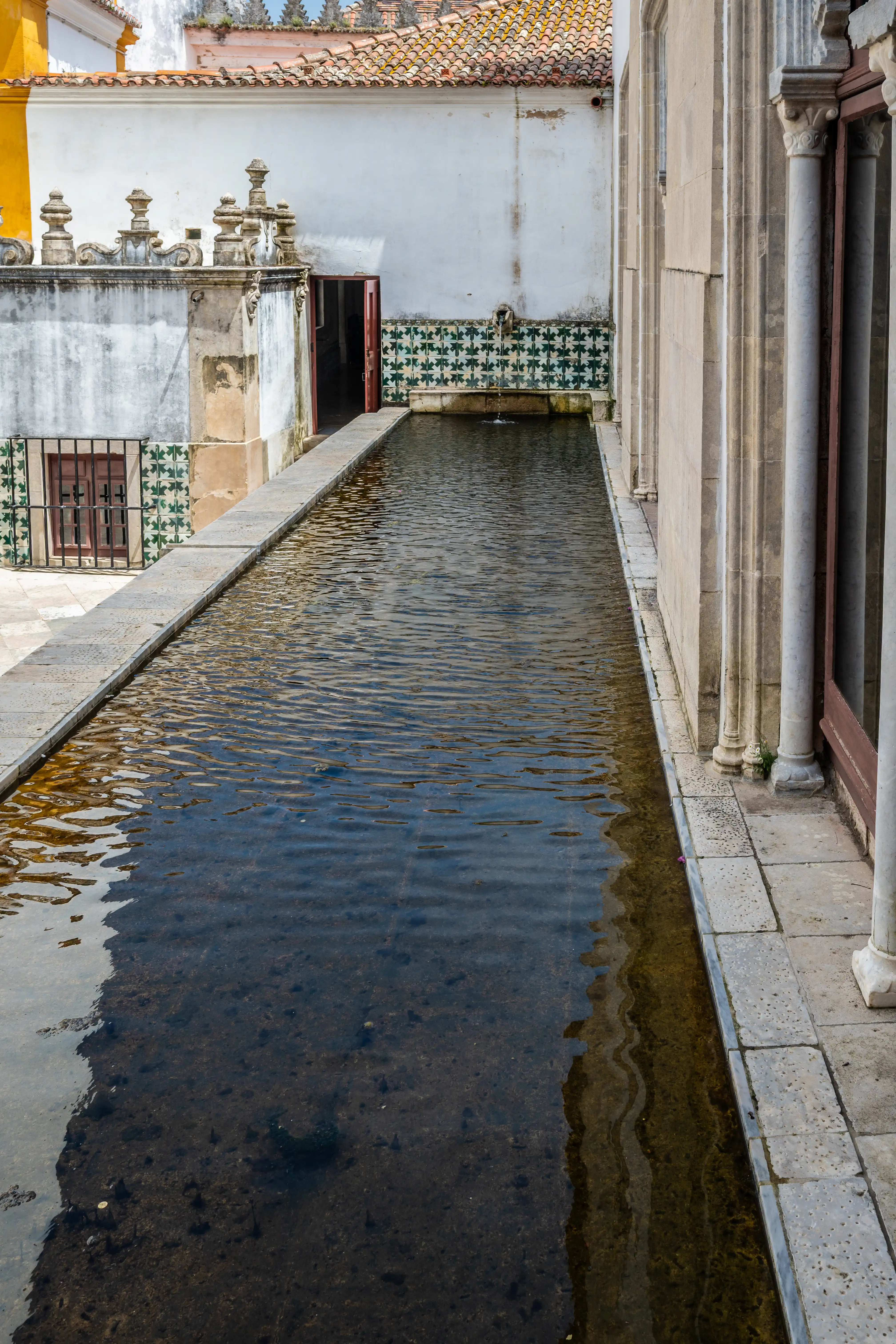
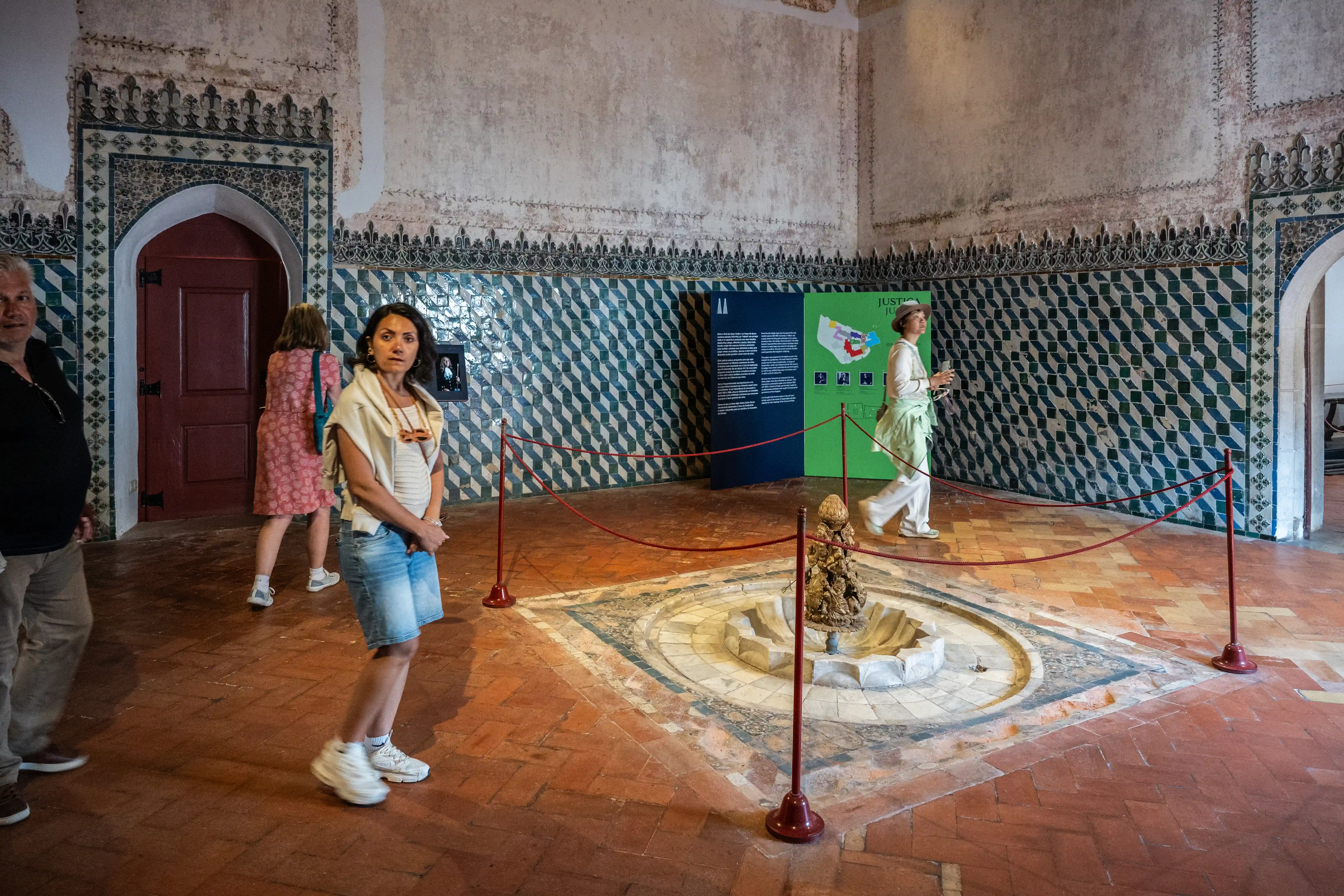
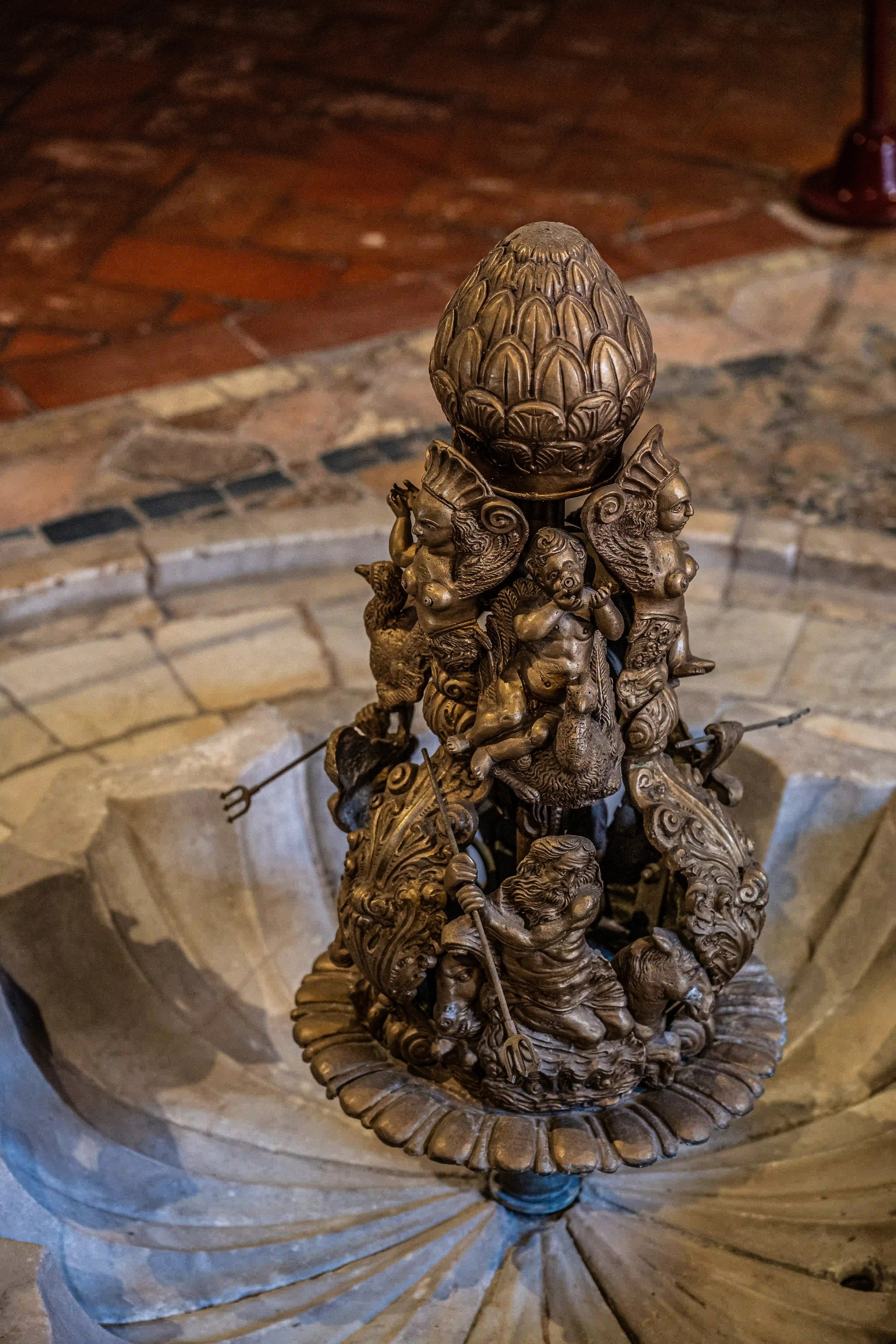
Arab Room: Moorish-inspired chamber with a central fountain.
Medieval Kitchens: Vast vaulted spaces beneath the two chimneys, built to feed hundreds at court.
Historical background
Moorish origins: The site was first mentioned by the Arab geographer al-Bakri in the 10th century. It served as the residence of Moorish governors until Sintra was conquered by King Afonso Henriques in 1147.Early Portuguese phase: The earliest surviving structure is the Royal Chapel, probably built under King Dinis I (1279–1325). It features a tiled floor laid like a carpet, painted faux-tile walls, and a Moorish latticework ceiling.
João I’s expansion (15th century): King João I rebuilt much of the palace, adding the Swan Room and Magpie Room, and establishing the kitchens with their iconic chimneys.
Manuel I’s transformation (early 16th century): King Manuel I created the Coat of Arms Room, with a gilded dome displaying the arms of 72 noble families, and introduced Hispano-Moresque tilework.
Key rooms and features
Sala dos Cisnes (Swan Room): Ceiling painted with swans, symbolising Infanta Isabel’s age at marriage.Sala das Pegas (Magpie Room): Decorated with 136 magpies holding scrolls reading *por bem* (“for honour”), a witty royal response to gossip.
Sala dos Brasões (Coat of Arms Room): Octagonal dome with heraldic shields of Manuel I and Portugal’s nobility.
Arab Room: Moorish-inspired chamber with a central fountain.
Medieval Kitchens: Vast vaulted spaces beneath the two chimneys, built to feed hundreds at court.
