HOME Foundation House Museum

César Manrique

César Manrique was a remarkable Spanish artist, sculptor, and environmental activist from Lanzarote, one of the Canary Islands. He is best known for his unique architectural projects that harmoniously blend art and nature. Manrique's work includes iconic attractions like the Mirador del Río, Jameos del Agua, and the Cactus Garden.

Fundación César Manrique

Ctra. de Tahíche a ArrecifeTahícheLanzarote,   Spain

The Fundación César Manrique is a cultural center and museum located in the former home of the renowned artist and architect César Manrique, in Tahíche, Lanzarote, Spain. The foundation showcases Manrique's artwork, architectural designs, and his vision for harmonizing art and nature. The site includes a museum, exhibition spaces, and a beautiful volcanic garden.
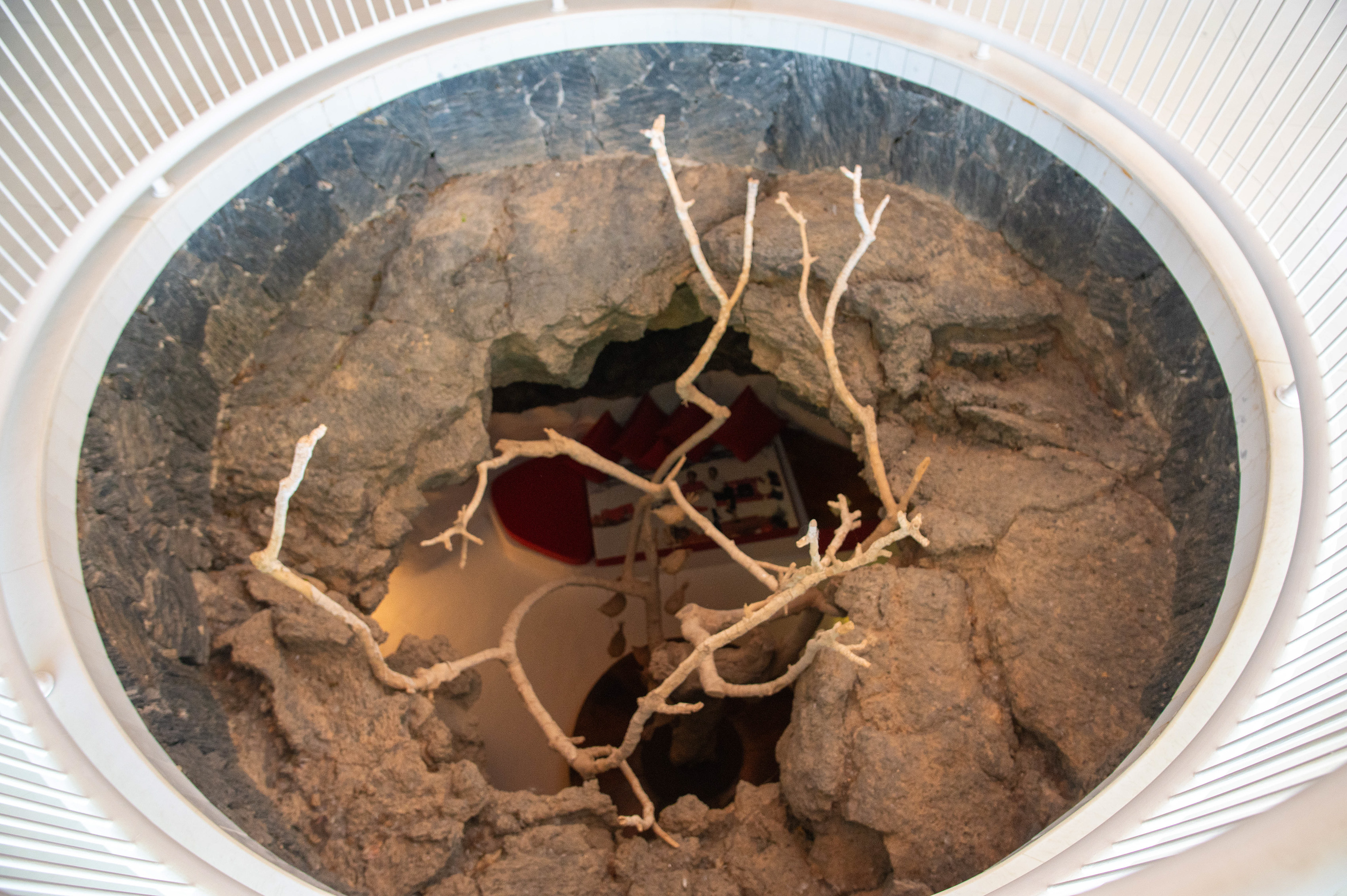
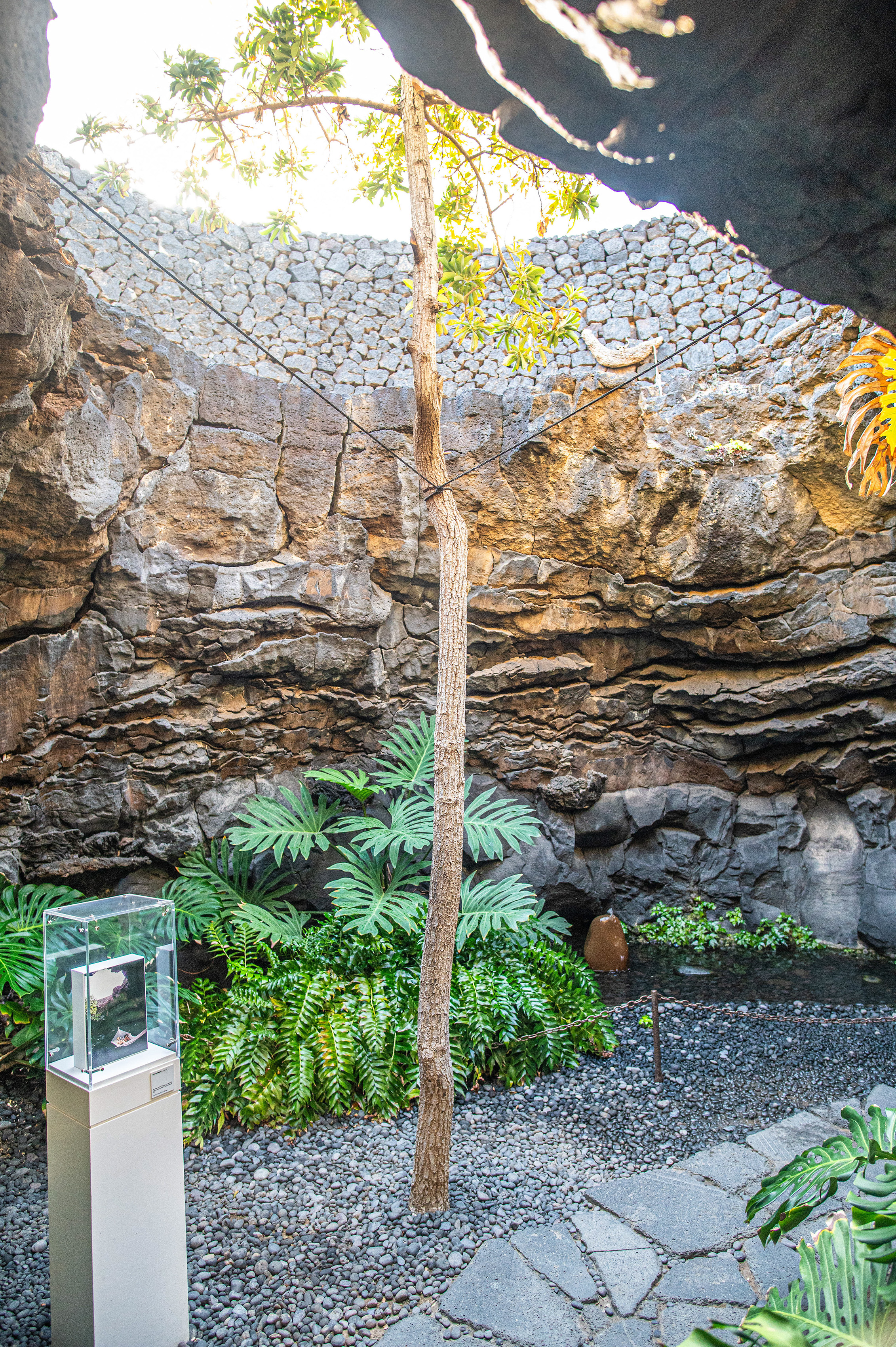
Tree growing up from the volanic bedrock
Tree growing up from the volanic bedrock ‐ photo by ,
©www.mgaylard.co.uk.
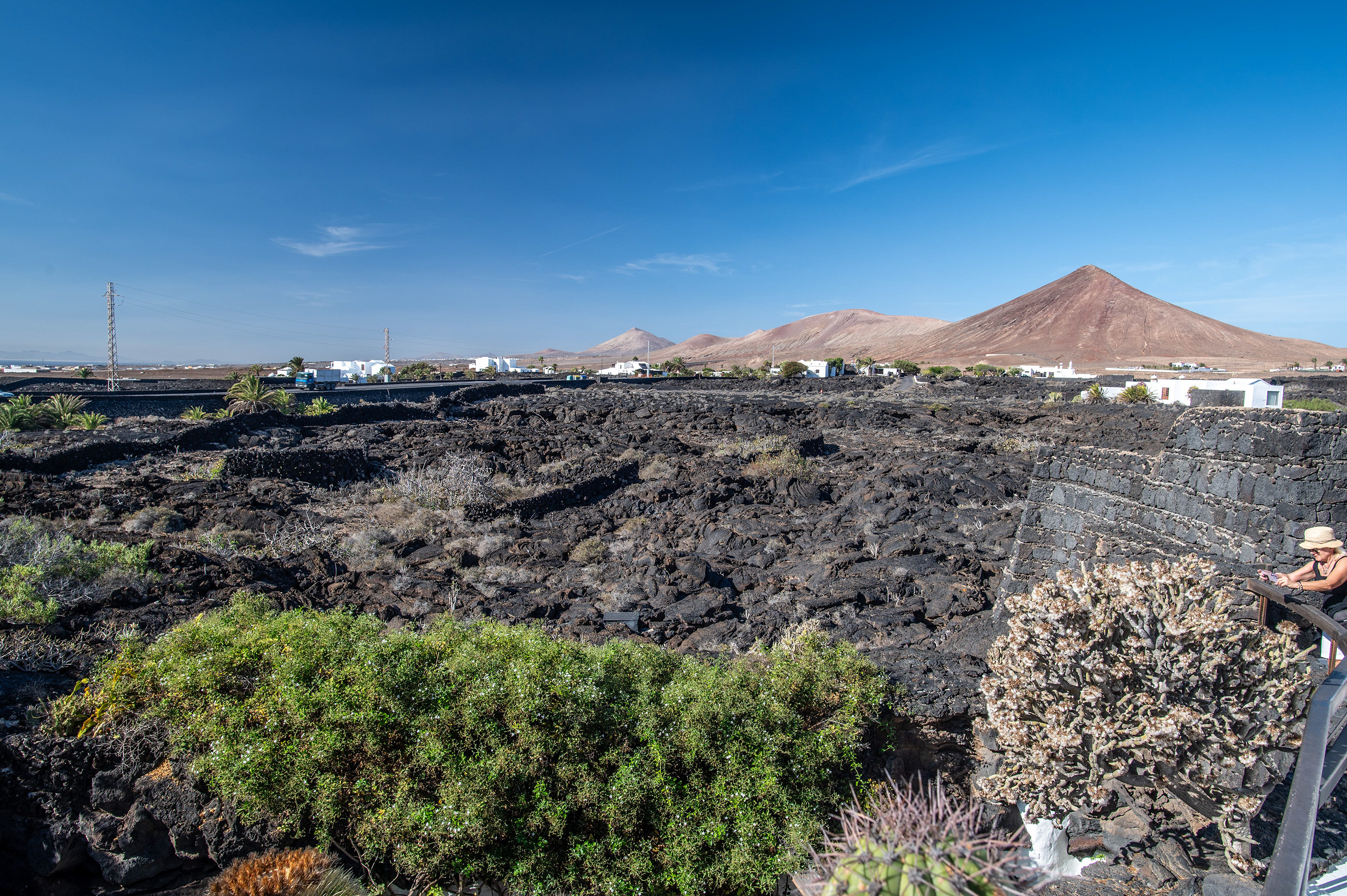
Montaña Maneje
volcanic cone ‐ photo by ,
©www.mgaylard.co.uk.
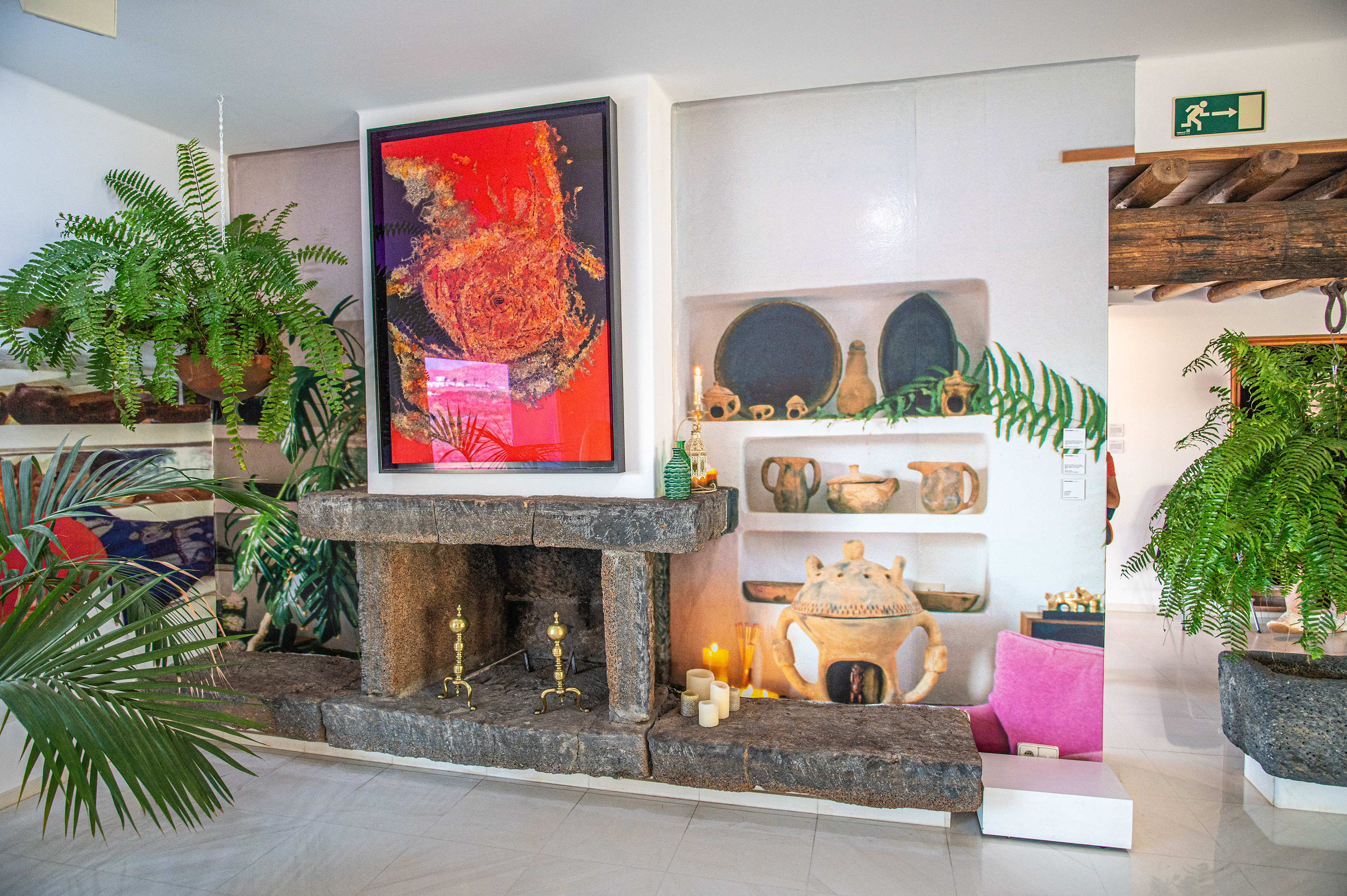
a large, vibrant abstract painting featuring bold red, orange, and black
a large, vibrant abstract painting featuring bold red, orange, and black ‐ photo by ,
©www.mgaylard.co.uk.
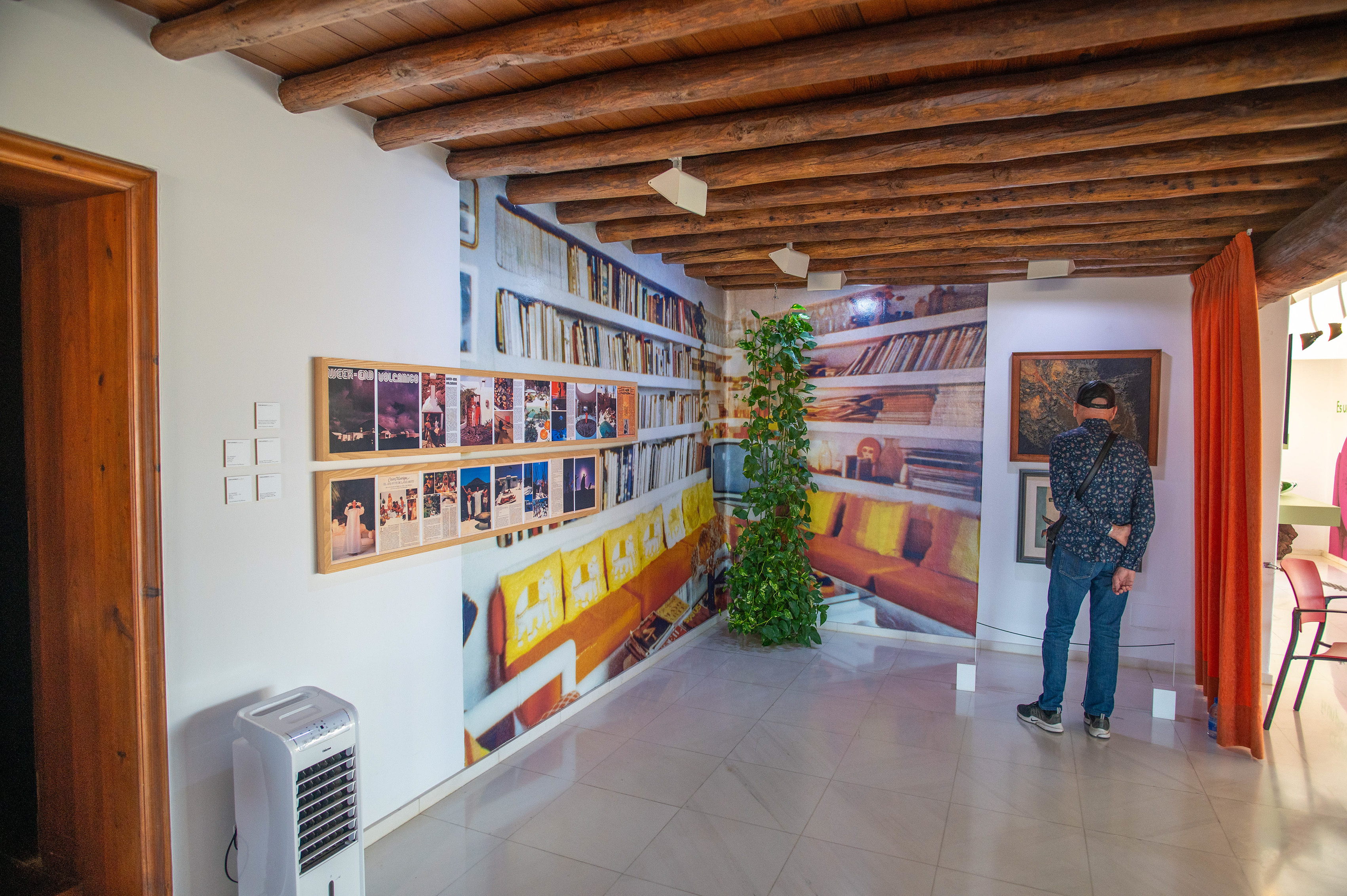
an art gallery or exhibition space
an art gallery or exhibition space ‐ photo by ,
©www.mgaylard.co.uk.
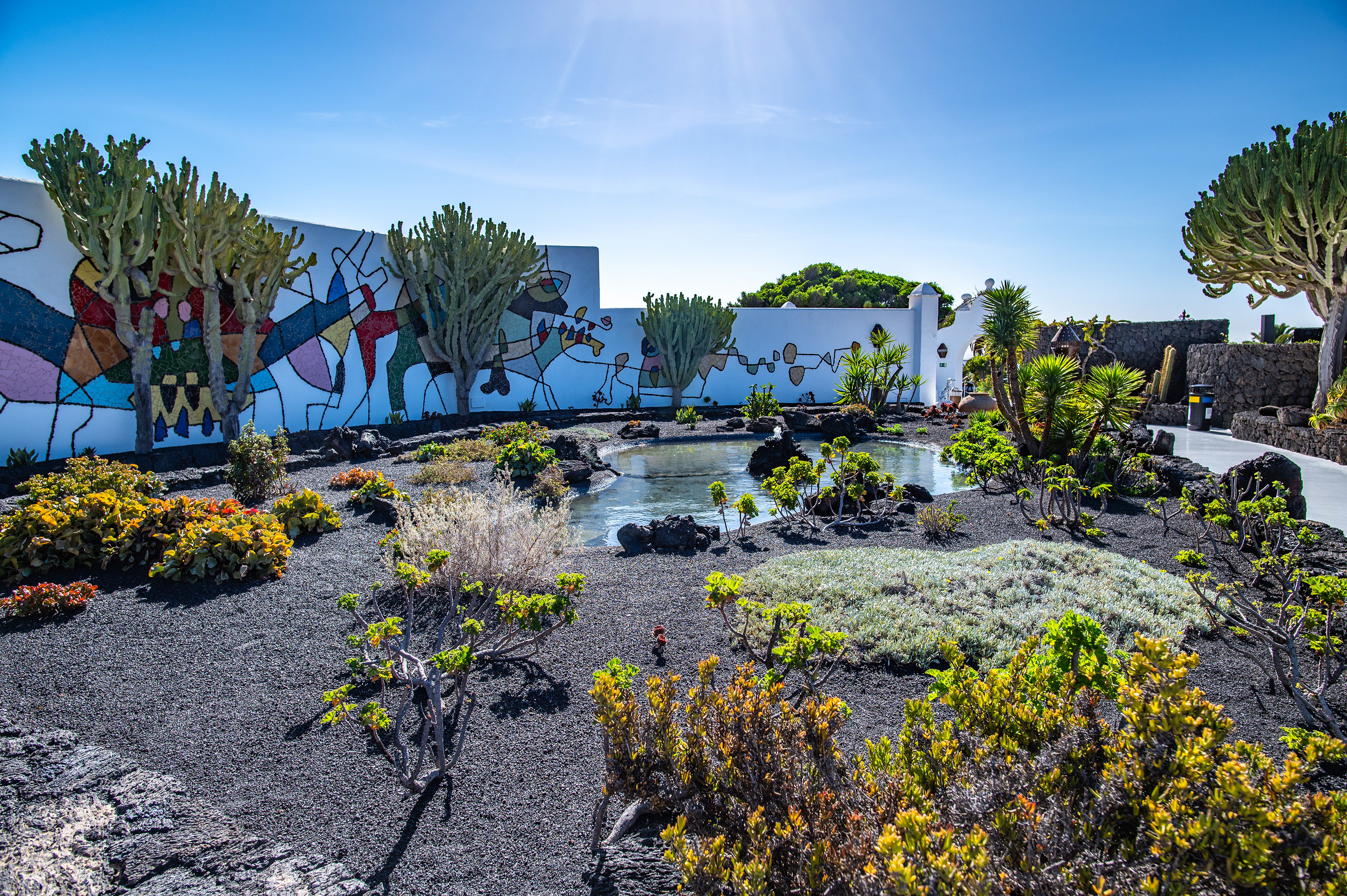
a naturalistic setting with a stone wall and various plants
The Tree At The Top? This Is It From Below ‐ photo by ,
©www.mgaylard.co.uk.
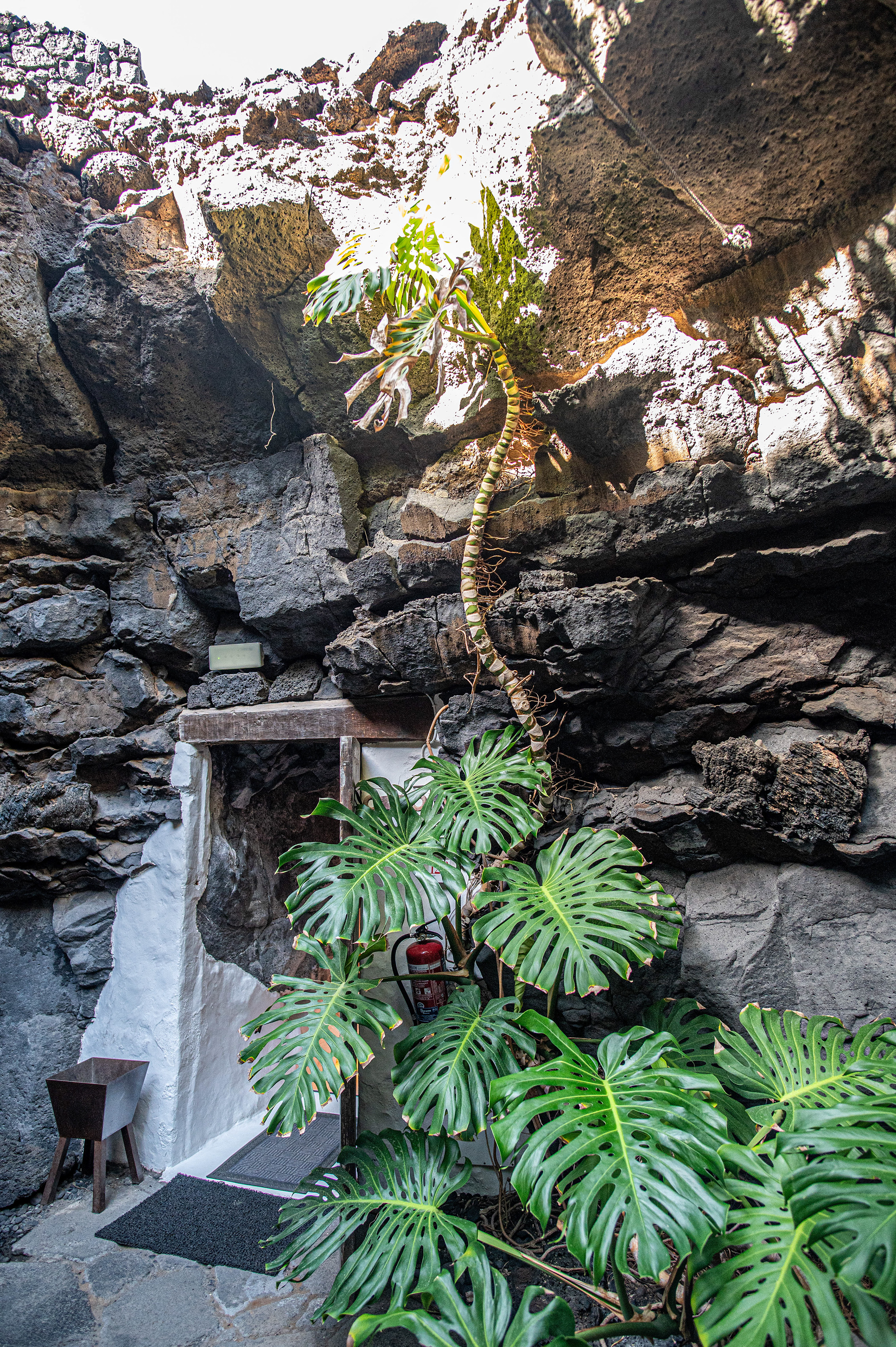
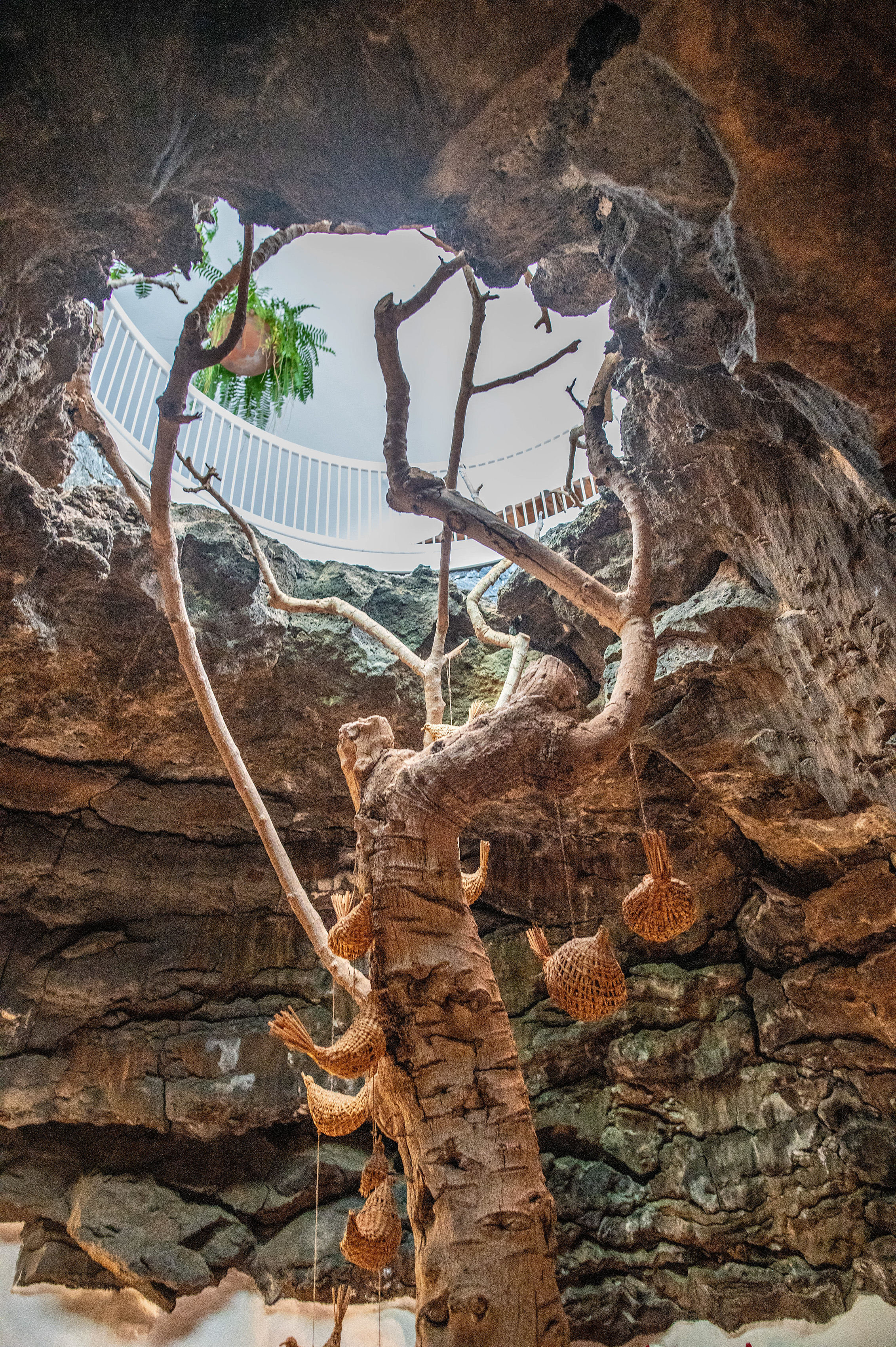
The Tree At The Top? This Is It From Below
The Tree At The Top? This Is It From Below ‐ photo by ,
©www.mgaylard.co.uk.
View of cmf ‐ photo by ,
©www.mgaylard.co.uk.
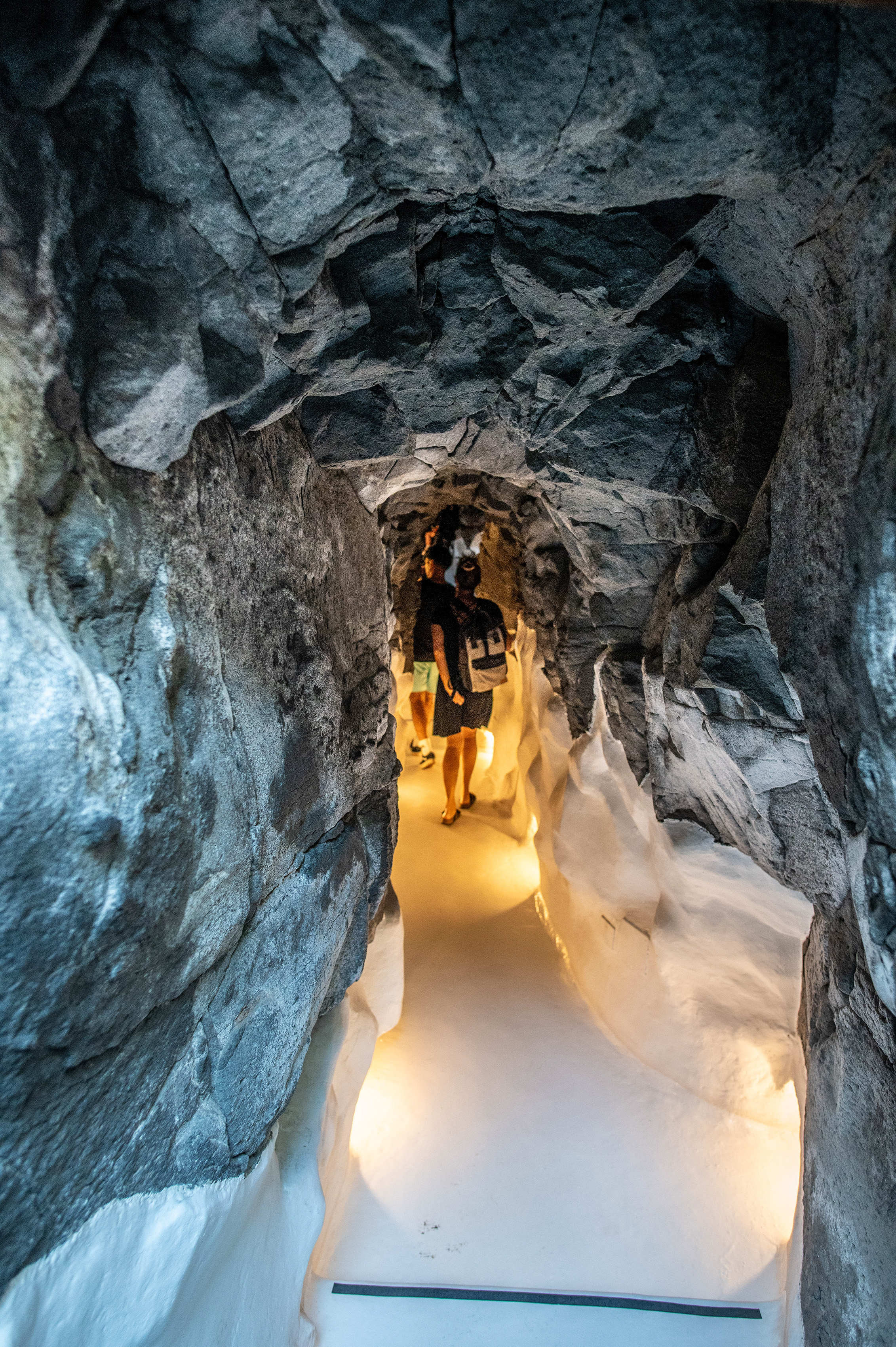
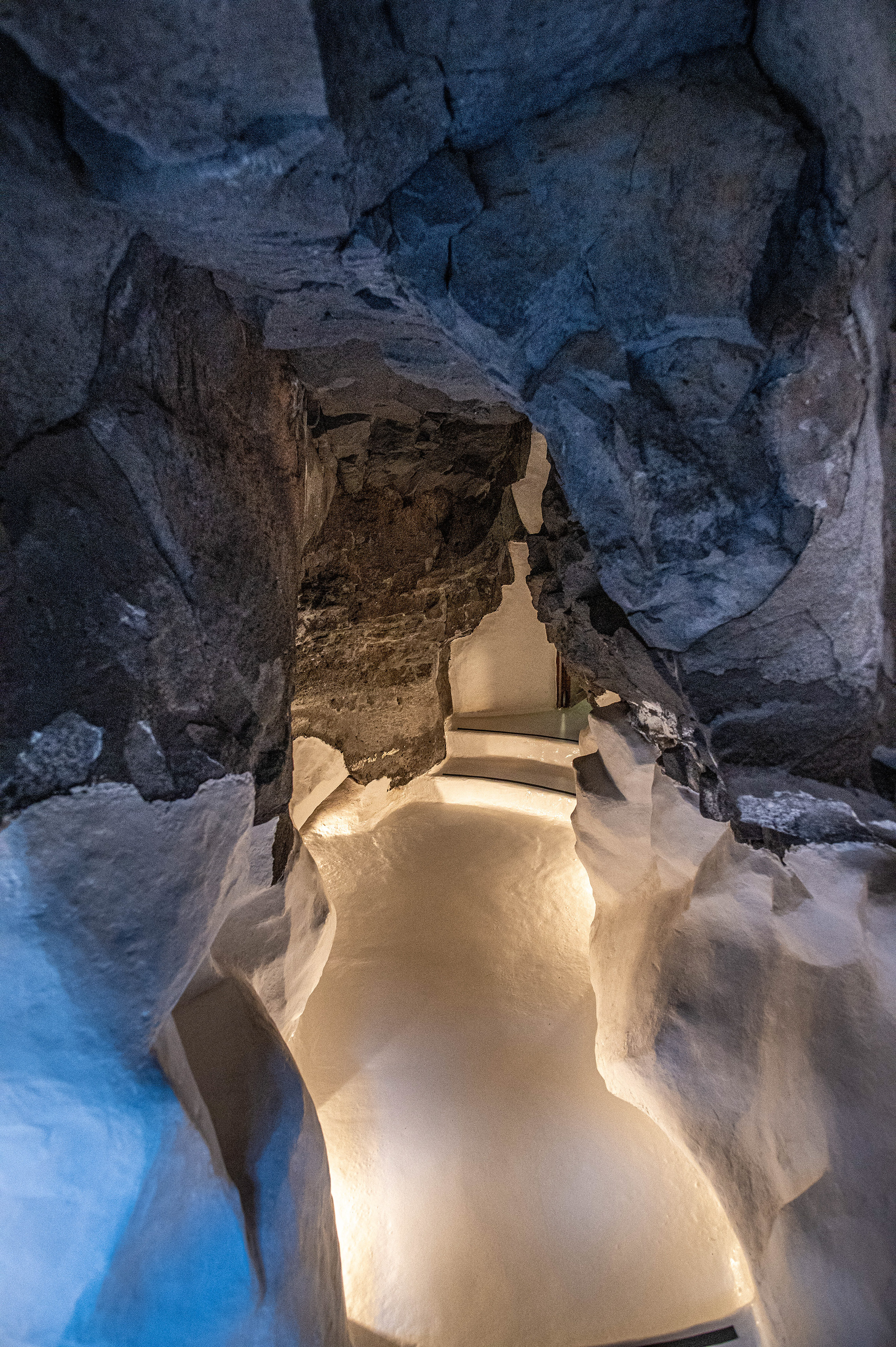
well-lit tunnel within a rocky cavern
well-lit tunnel within a rocky cavern ‐ photo by ,
©www.mgaylard.co.uk.
winding staircase descending into a rocky, cave-like structure
winding staircase descending into a rocky, cave-like structure ‐ photo by ,
©www.mgaylard.co.uk.
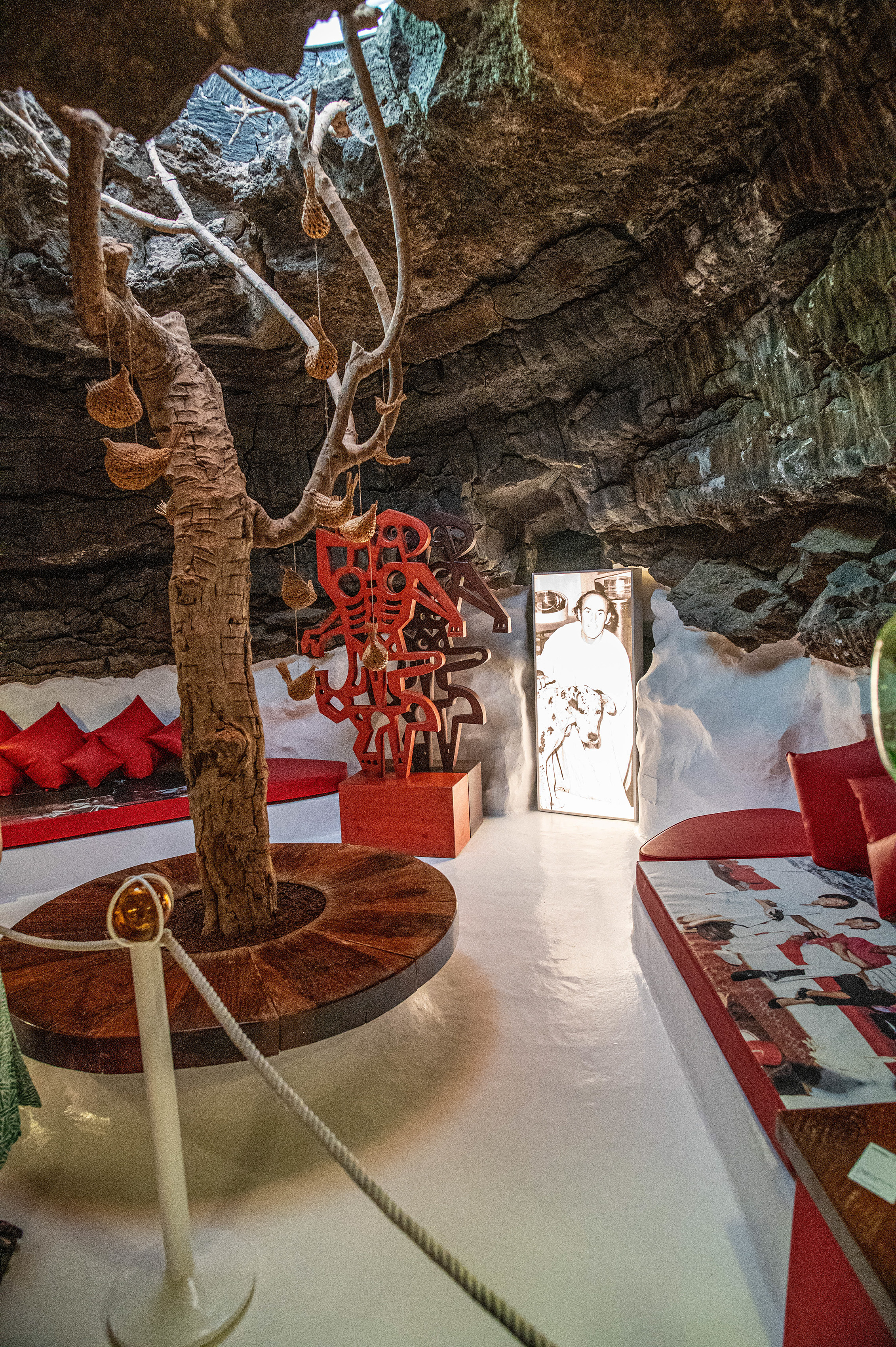
an interior space with a unique, artistic design
an interior space with a unique, artistic design ‐ photo by ,
©www.mgaylard.co.uk.
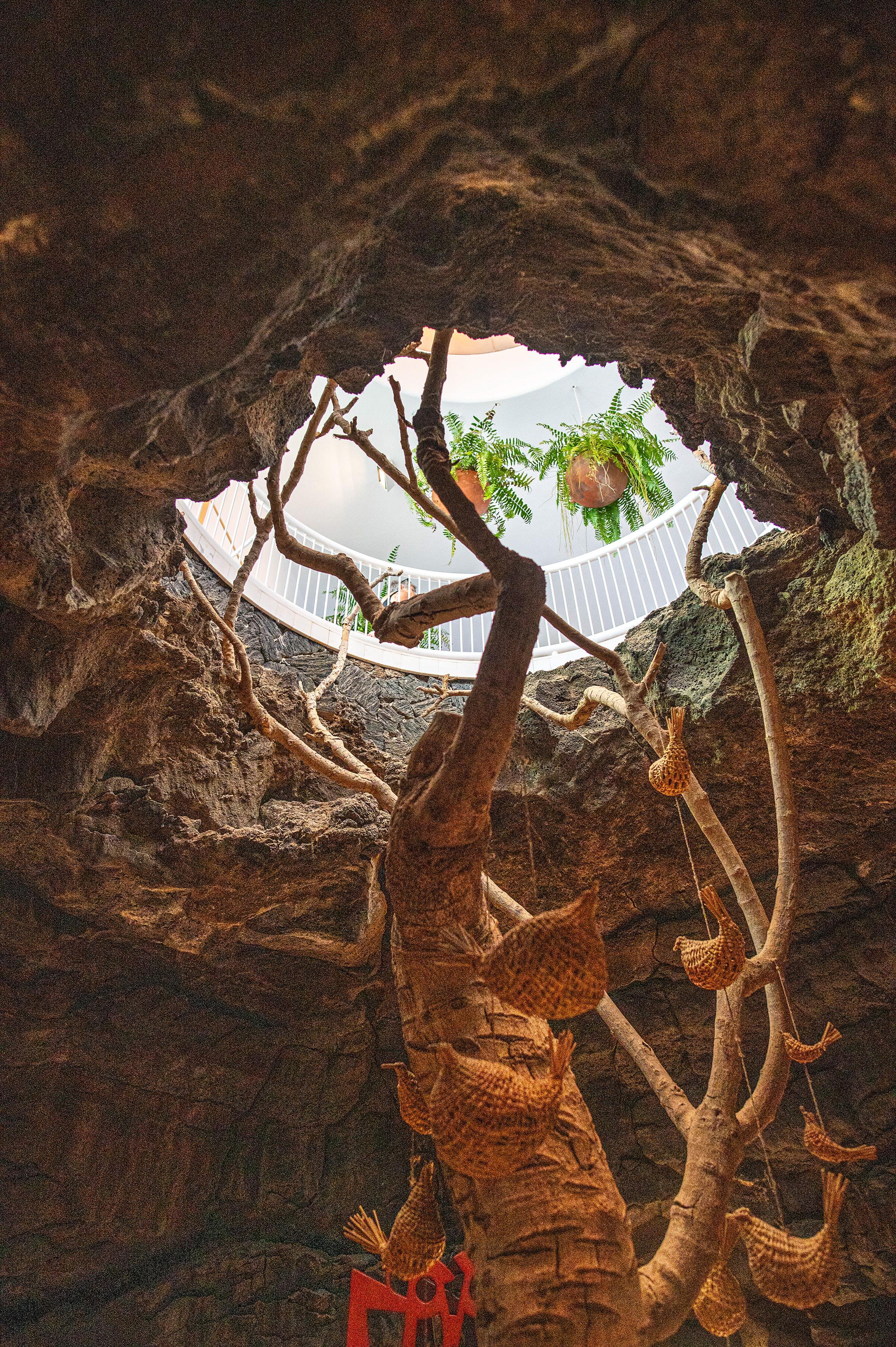
a large tree with multiple branches extending upwards towards a circular opening in the ceiling
a large tree with multiple branches extending upwards towards a circular opening in the ceiling ‐ photo by ,
©www.mgaylard.co.uk.
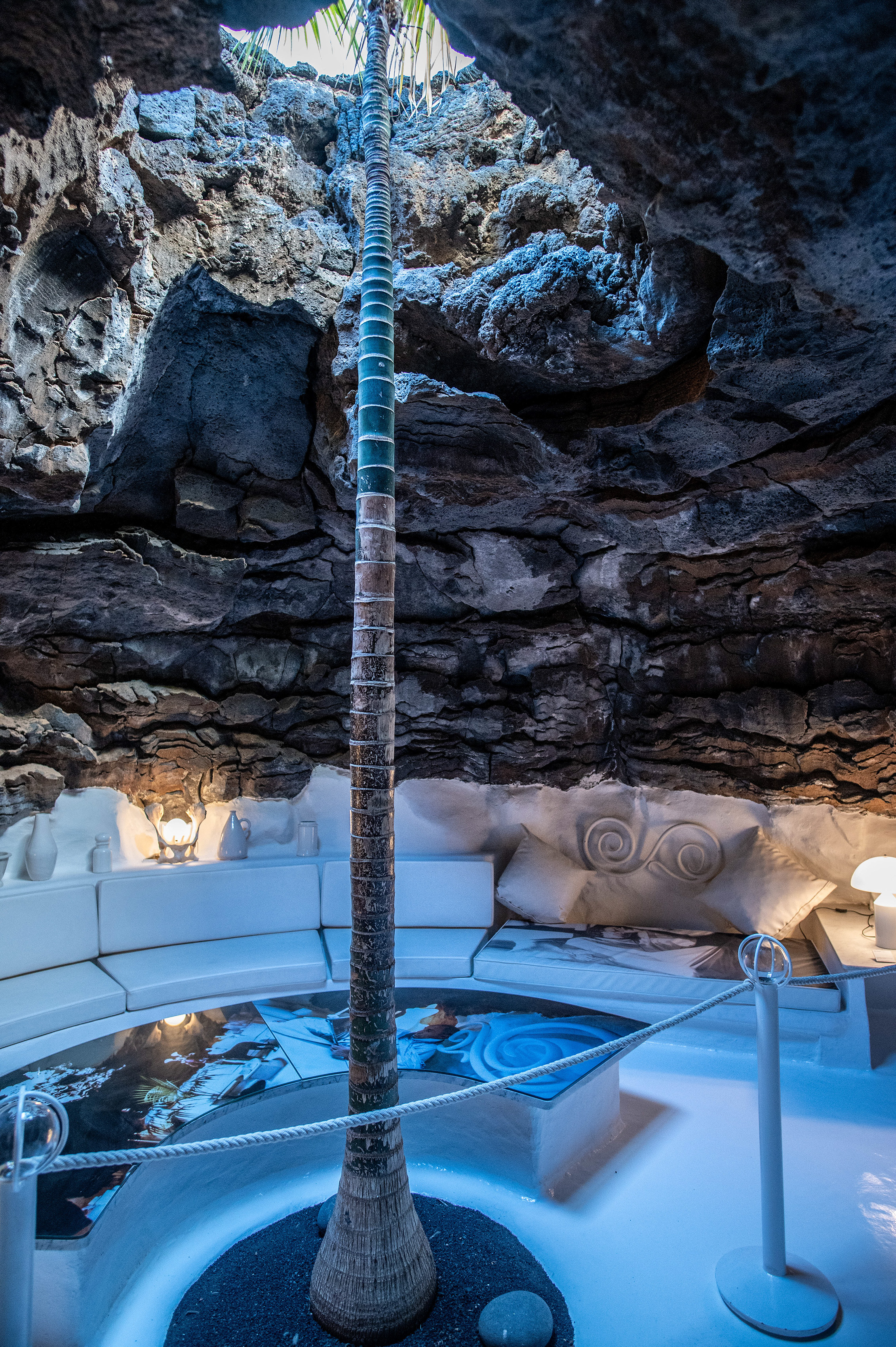
Indoor Tree
Indoor Tree ‐ photo by ,
©www.mgaylard.co.uk.
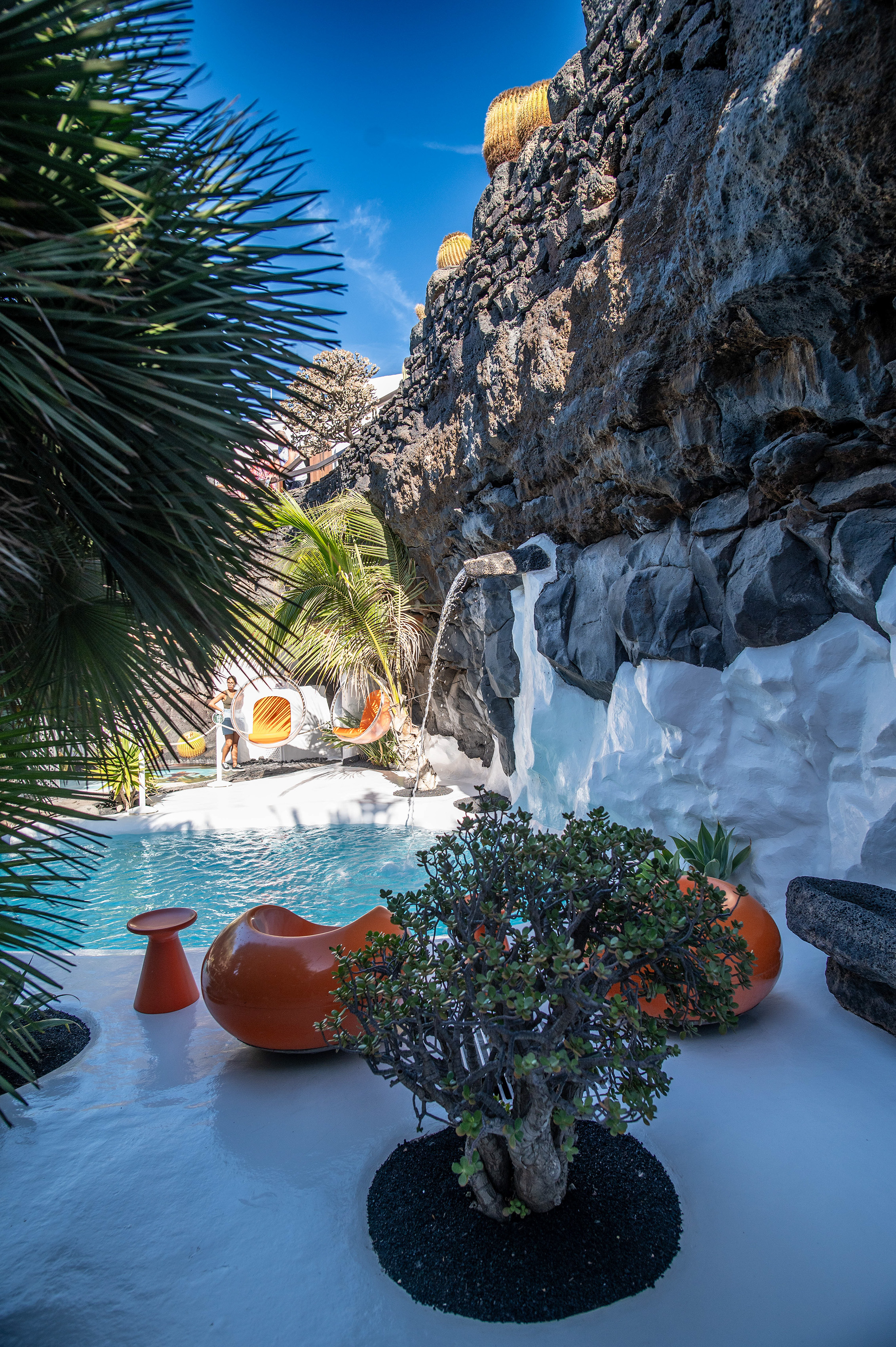
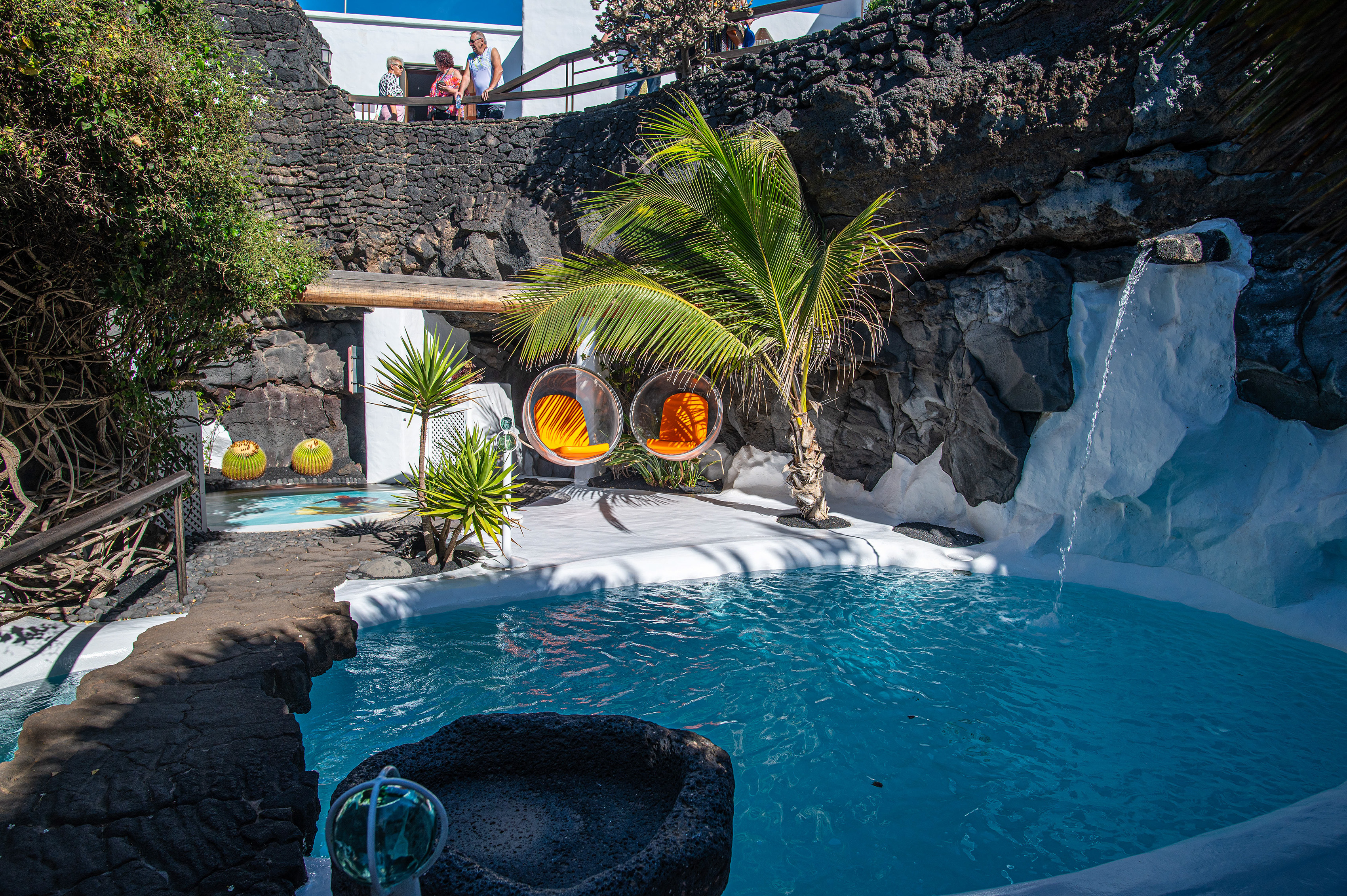
outdoor setting featuring a swimming pool with a rocky waterfall
outdoor setting featuring a swimming pool with a rocky waterfall ‐ photo by ,
©www.mgaylard.co.uk.
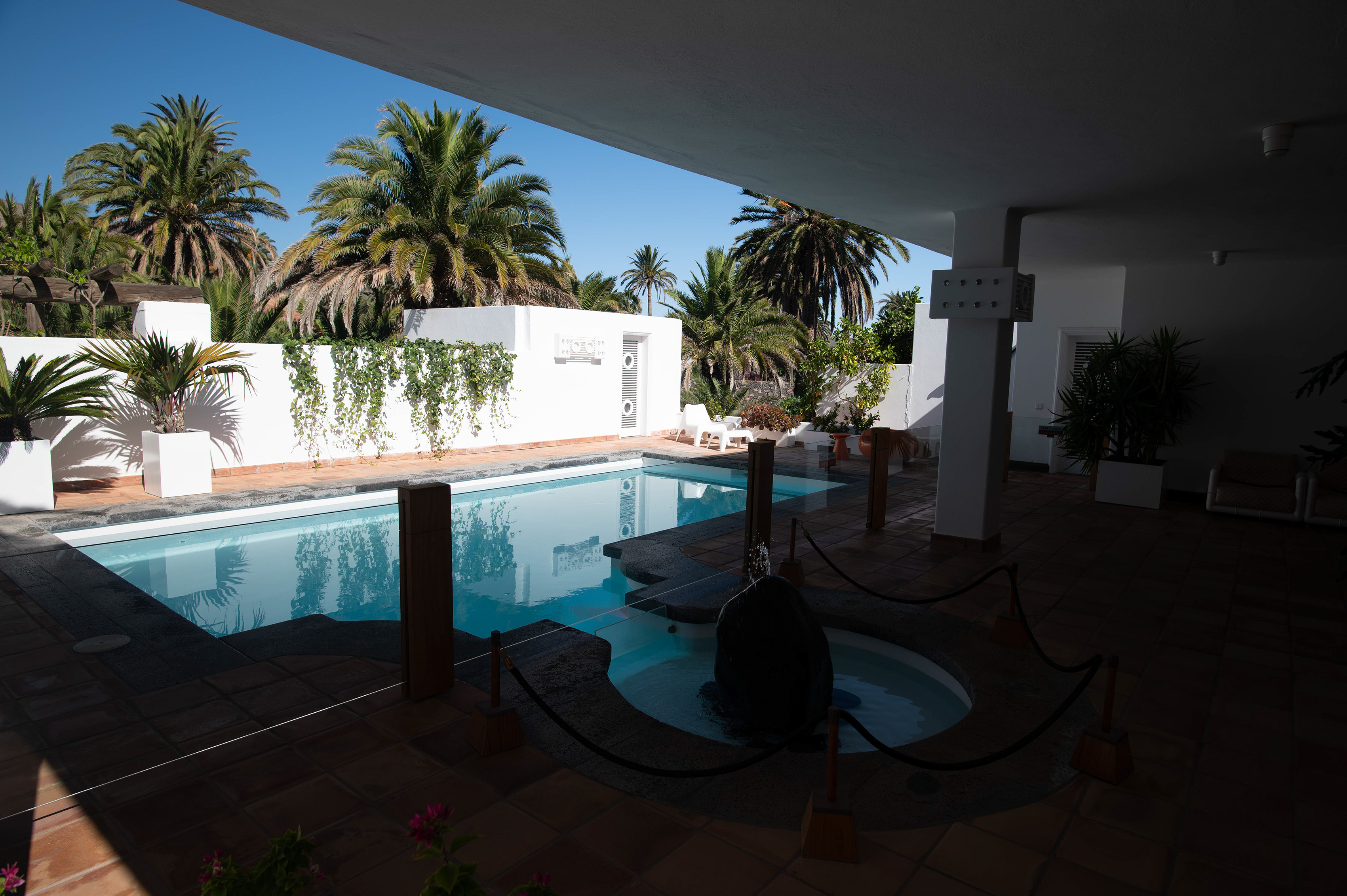
tropical pool area with clear blue water
tropical pool area with clear blue water ‐ photo by ,
©www.mgaylard.co.uk.
View of cmf ‐ photo by ,
©www.mgaylard.co.uk.
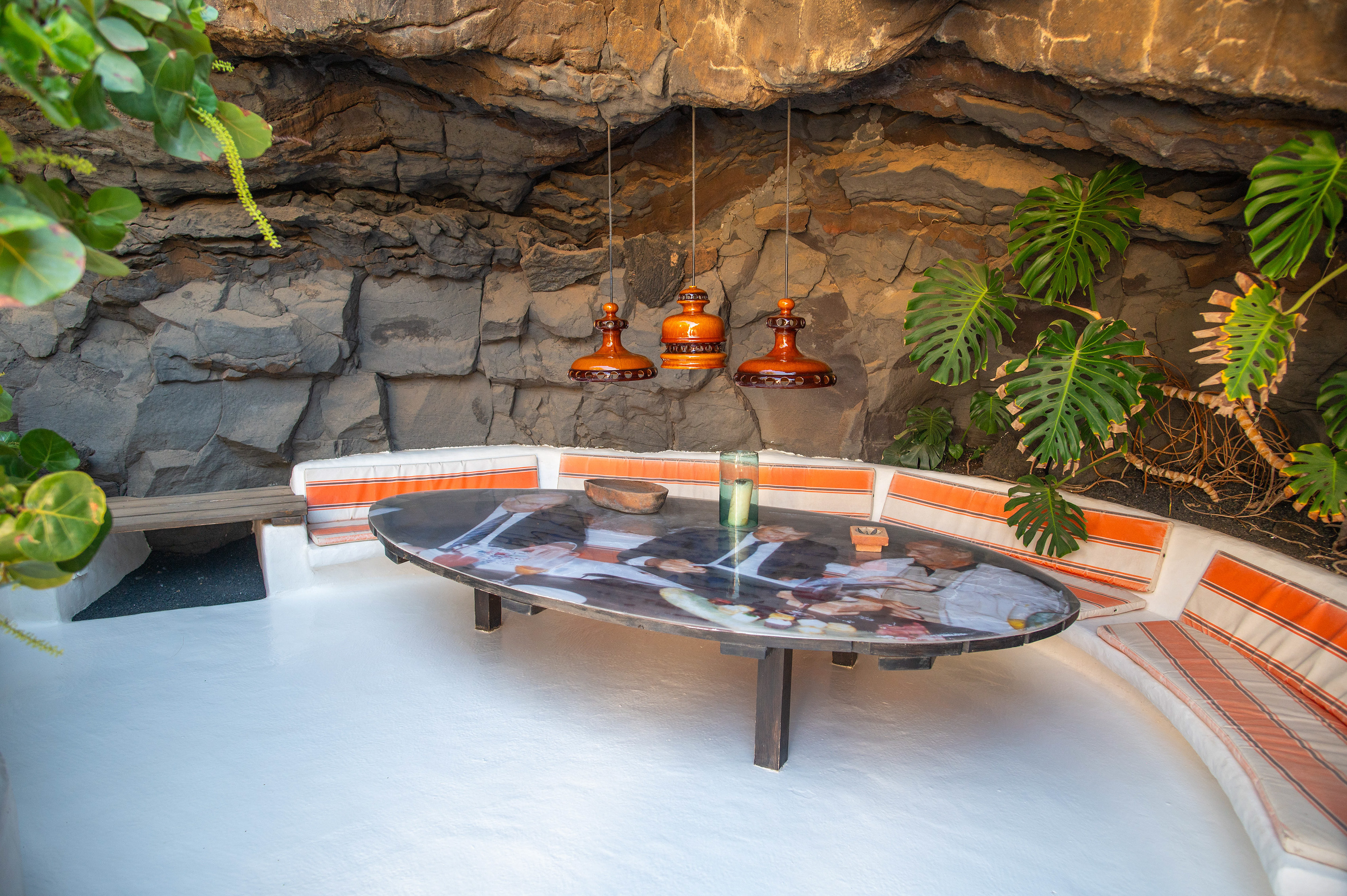
a curved bench and a round table
a curved bench and a round table ‐ photo by ,
©www.mgaylard.co.uk.
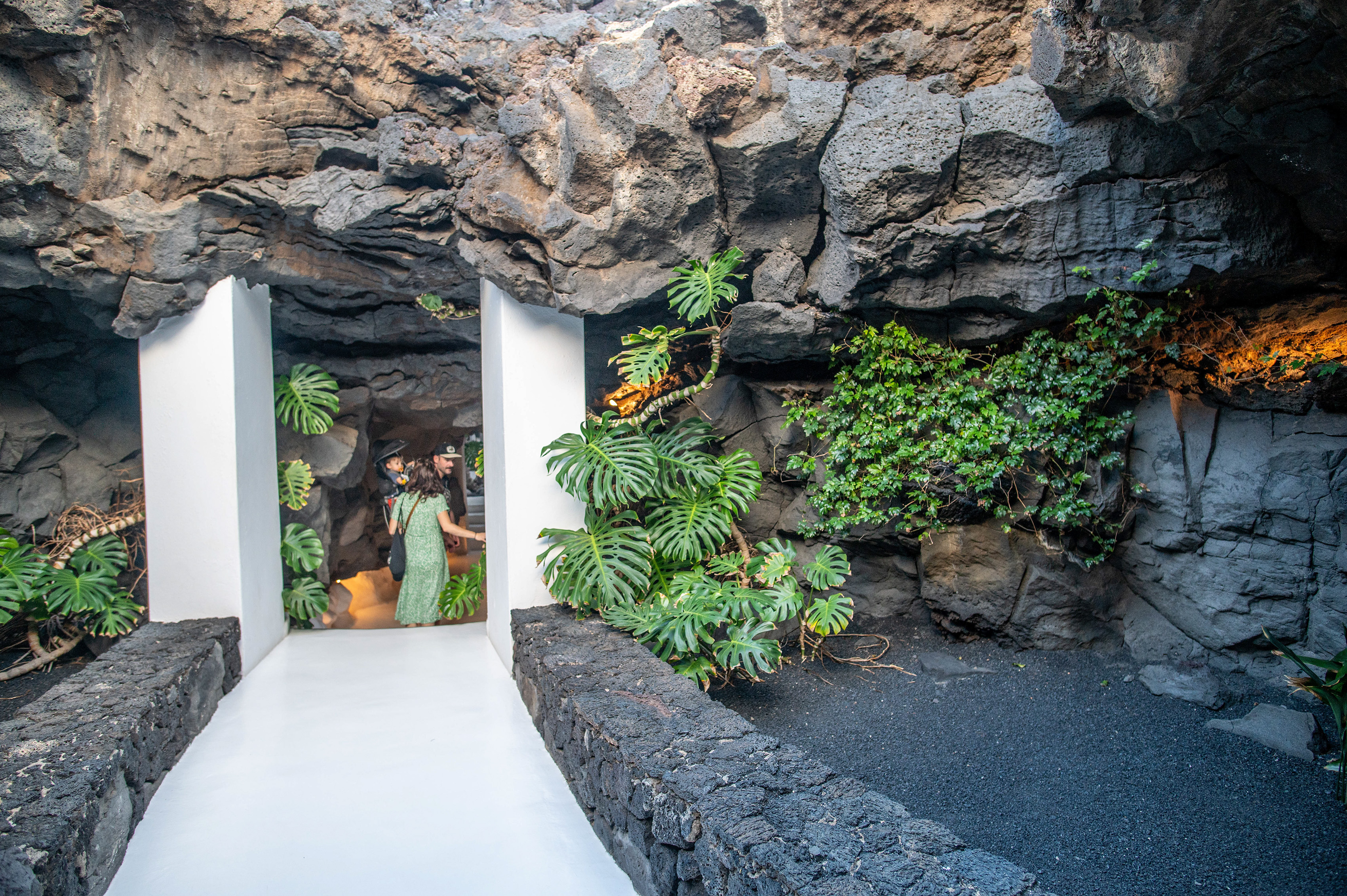
a cave-like structure adorned with lush greenery
a cave-like structure adorned with lush greenery ‐ photo by ,
©www.mgaylard.co.uk.
cacti and other desert plants
cacti and other desert plants ‐ photo by ,
©www.mgaylard.co.uk.
Open the full set flickr button this page

Fundación César Manrique

The Fundación César Manrique is a cultural institution on Lanzarote dedicated to preserving and promoting the work and legacy of the artist and architect César Manrique (1919–1992). It occupies Manrique’s former home and studio, an iconic building that fuses architecture with the island’s volcanic landscape.

What you can see there


Volcano House (Tahíche) — Manrique’s principal home and the Foundation’s main site, built into a lava flow and organized around natural volcanic bubbles connected by tunnels; includes gardens, pool, studio and exhibition rooms.
Palm Grove House (Haría) House Museum — the artist’s other house-museum with period rooms and displays of his paintings and sculptures.
Permanent collection and temporary exhibitions — works by Manrique alongside pieces by contemporary and historic artists; the Foundation also hosts cultural activities and educational programmes.
Volcano House (Tahíche) — overview
Volcano House (Taro de Tahíche) is César Manrique’s former home and the main site of the Fundación César Manrique, built directly into a hardened lava flow and open to the public as a museum and cultural space.
Architecture and design
Built into lava bubbles. The lower level is organized around five natural volcanic bubbles (cavities) that Manrique connected with tunnels; these volcanic rooms house living spaces, exhibition rooms and the artist’s studio. Dialogue with the landscape. The house sits on a 30,000 m² plot where black basalt, volcanic ash and traditional low wind-screens contrast with lush planting, pools and terraces—an intentional fusion of art, architecture and Lanzarote’s volcanic environment.
History and significance
When and why. Manrique developed the house after returning from New York in the late 1960s; he lived there from about 1968 to 1988 and later established the Foundation to preserve his work and environmental vision. Cultural role. The Volcano House is both a personal residence-turned-museum and a manifesto for Manrique’s belief that development should respect nature—its design influenced many of Lanzarote’s best-known cultural sites.
What you can see inside
- Lava rooms: the volcanic bubbles contain the main living and exhibition spaces, including Manrique’s former studio now used for rotating displays. - Gardens and pool: terraces, a swimming pool and carefully composed planting contrast with the surrounding lava field. - Permanent collection: works by Manrique alongside pieces from his personal collection and contemporary artists.

References

fcmanrique.orgwww.lanzarote.comfcmanrique.org (Tahiche)canaryislandsinfo.co.uk , Text generated by Microsoft CoPilot , Text generated by Mistral AI , generated by Google's Gemini AI

Casa-Museo de César Manrique

Calle Elvira SánchezHaríaLanzarote,   Spain

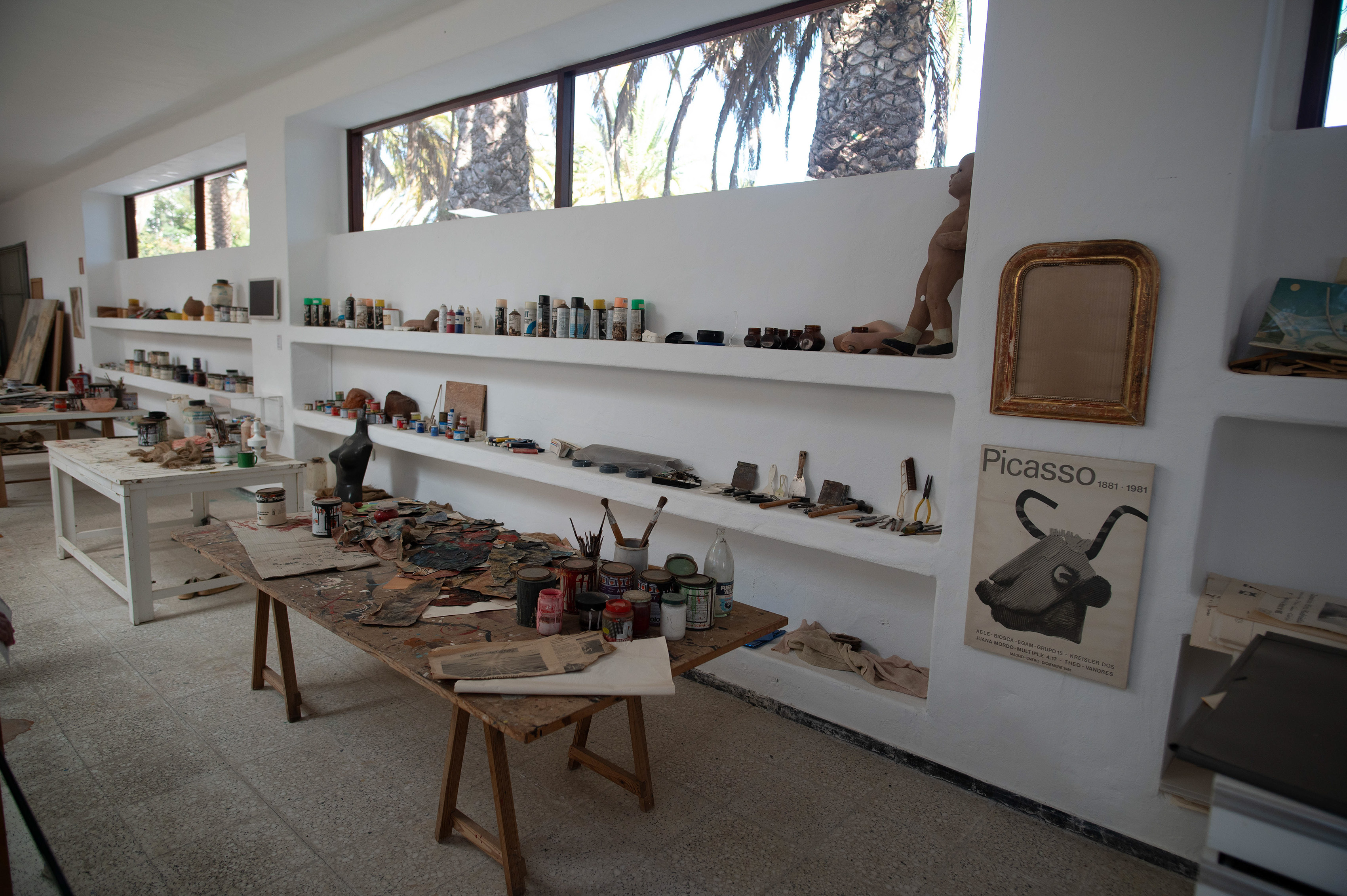
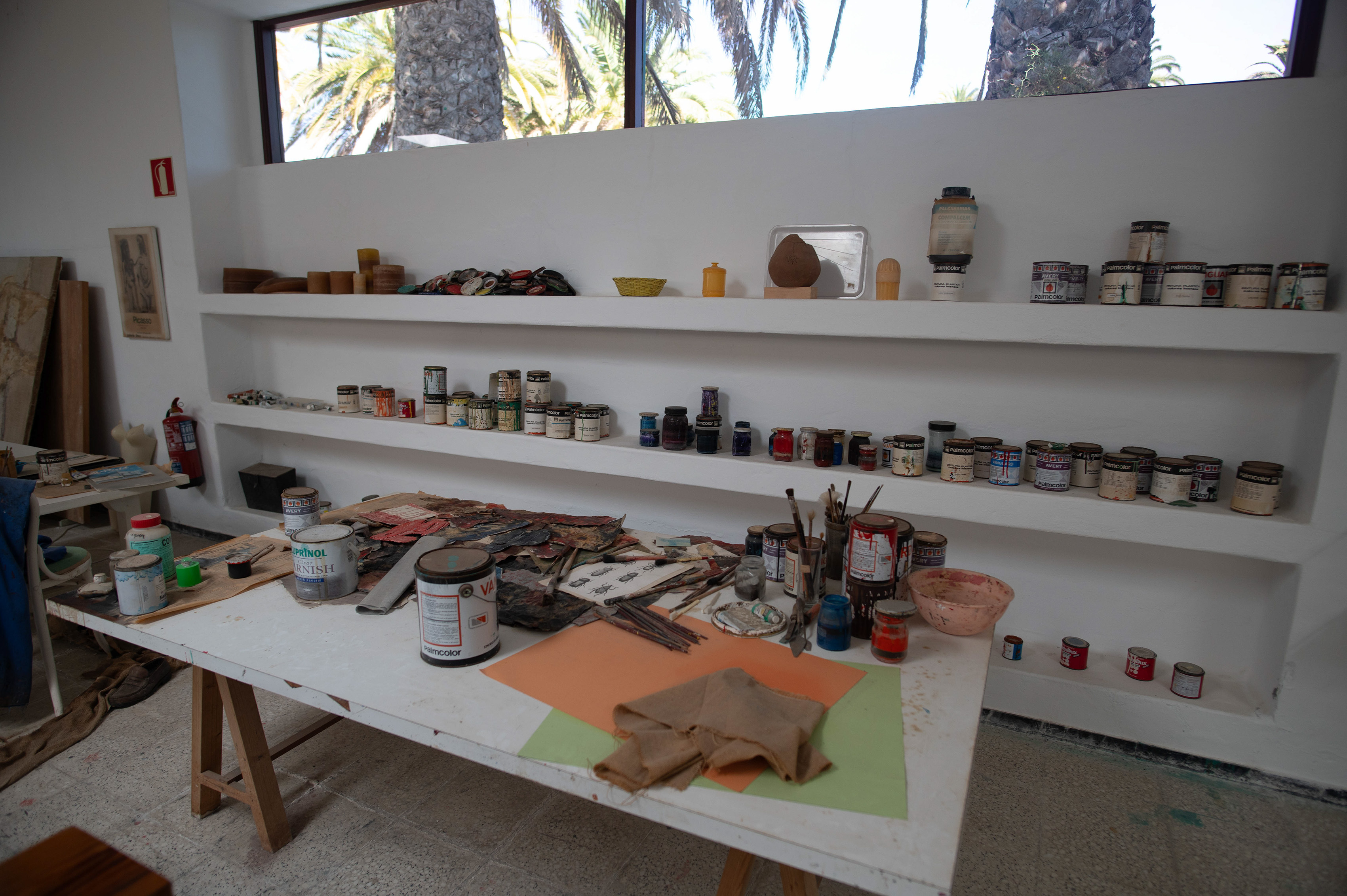
The Casa-Museo de César Manrique is the former home and studio of the renowned Lanzarote artist and architect César Manrique. Located in Haría, Lanzarote, the house is now a museum showcasing Manrique's artwork, personal collections, and his innovative integration of architecture with the natural volcanic landscape.
View of cmc ‐ photo by ,
©www.mgaylard.co.uk.
View of cmc ‐ photo by ,
©www.mgaylard.co.uk.
View of cmc ‐ photo by ,
©www.mgaylard.co.uk.
View of cmc ‐ photo by ,
©www.mgaylard.co.uk.
View of cmc ‐ photo by ,
©www.mgaylard.co.uk.
View of cmc ‐ photo by ,
©www.mgaylard.co.uk.
View of cmc ‐ photo by ,
©www.mgaylard.co.uk.
View of cmc ‐ photo by ,
©www.mgaylard.co.uk.
View of cmc ‐ photo by ,
©www.mgaylard.co.uk.
View of cmc ‐ photo by ,
©www.mgaylard.co.uk.
Open the full set flickr button this page

Casa-Museo de César Manrique

Casa-Museo de César Manrique in Haría is the artist’s house-museum where Manrique spent his final years; it preserves his personal rooms, studio, and many works, set within a peaceful palm grove that reflects his close relationship with Lanzarote’s landscape.

What you can see

Artist’s studio: tools, workbench and the space where Manrique created many pieces.
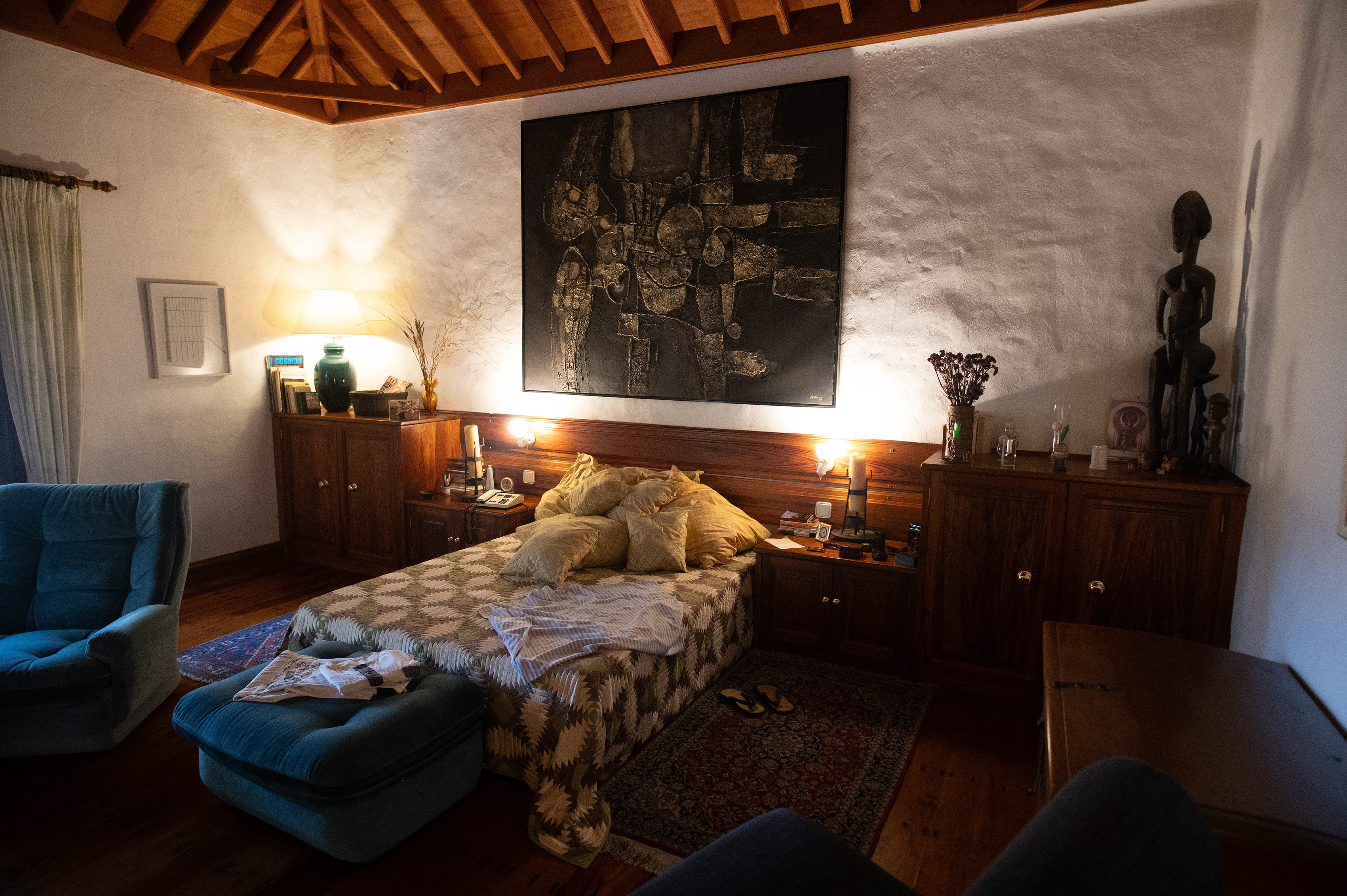
Period rooms and terraces: interiors preserved to show how he lived, with original furnishings and displays of paintings and sculptures.
Gardens and palm grove: quiet outdoor spaces that illustrate Manrique’s integration of architecture and nature.

References

www.lanzarote.comfcmanrique.org , Text generated by Microsoft CoPilot
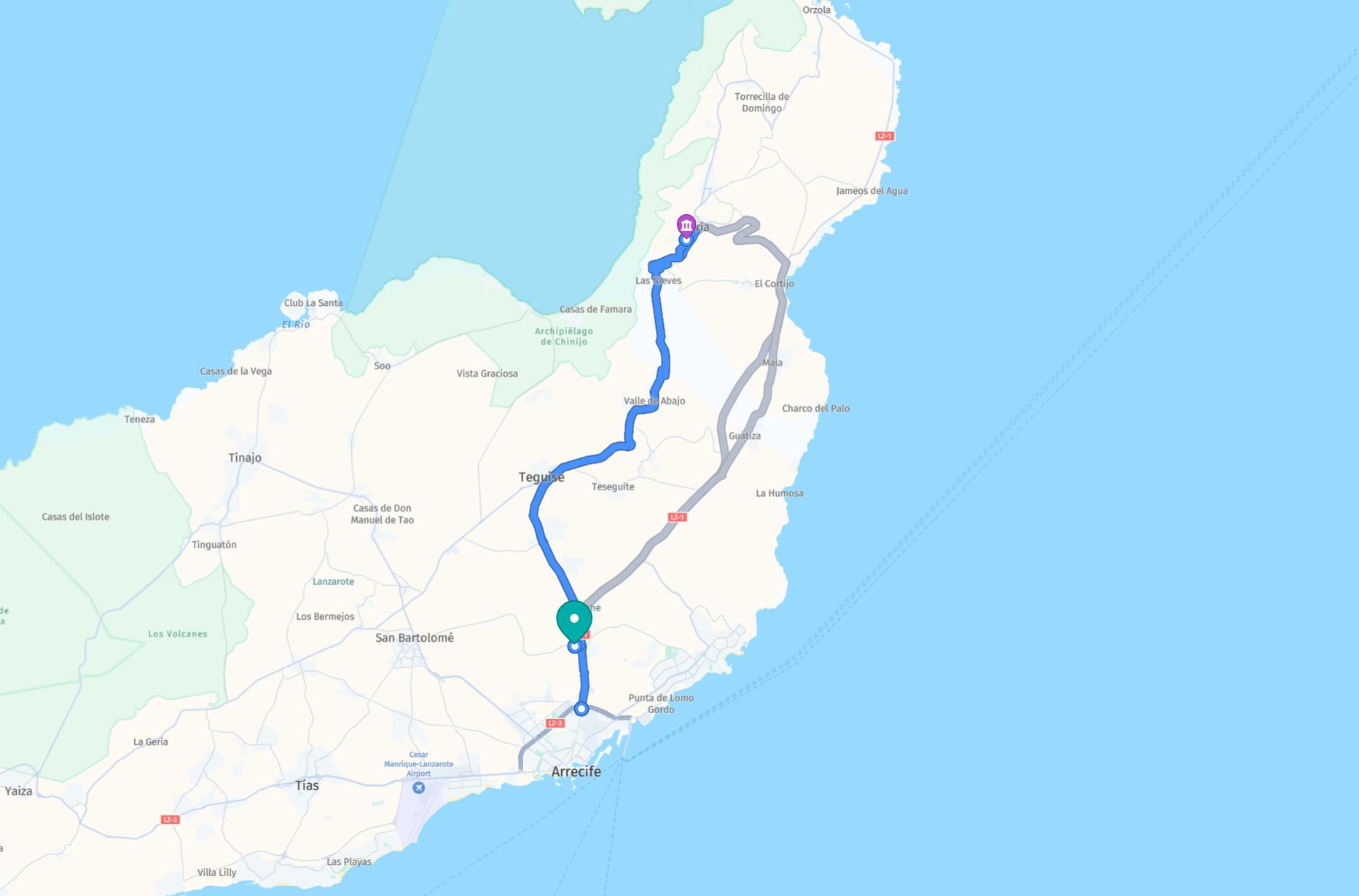
map of cmf

About César Manrique

César Manrique Cabrera (24 April 1919 – 25 September 1992)[1] was a Spanish artist, sculptor and nature activist from Lanzarote, known particularly for the architectural projects in which he was involved as artistic director in his island.

Manrique was born in Arrecife, Lanzarote, one of the Canary Islands. His father Gumersindo Manrique, originally from Fuerteventura, built the family house in Caleta de Famara. Manrique himself once said this house and its surroundings has impressed him greatly. He fought in the Spanish Civil War as a volunteer in the artillery unit on Franco's side. He attended the University of La Laguna to study architecture, but after two years he quit his studies.

He moved to Madrid in 1945 and received a scholarship for the Art School of San Fernando, where he graduated as a teacher of art and painting. Between 1964 and 1966 he lived in New York City, where a grant from Nelson Rockefeller allowed him to rent his own studio. He painted many works in New York, which were exhibited in the prestigious "Catherine Viviano" gallery

Manrique returned to Lanzarote in 1966. Upon his return, he intended to start an artist's colony on the island. Pepín Ramírez, a childhood friend of Manrique as well as the president of the island helped Manrique realize this idea. César Manrique went on to reflect the unique landscape and colour palette of Lanzarote in his art and the architecture on the island. Beside continuing his personal art career, Manrique gained a lot of attention with his commitment to protect Lanzarote from what he regarded as pernicious tourist developments. Manrique was not against tourism on the island. On the contrary, he thought (high-quality) tourism should be the economic engine of the island

en.wikipedia.org
To the top
Powered by w3.css. The images are all stored on link to www.gaylard.co.uk Photostream on Flickr   This website is hosted by link to 123Reg Web Hosting