HOME

Plaza de España

Plaza de España

MadridCommunity of Madrid,   Spain

Plaza de España is one of the most famous and central squares in Madrid, Spain. It is known for its impressive monuments, including the Monument to Miguel de Cervantes and the iconic Edificio España and Torre de Madrid skyscrapers. The plaza is a popular meeting point and a hub for both locals and tourists, offering green spaces, fountains, and cultural events.
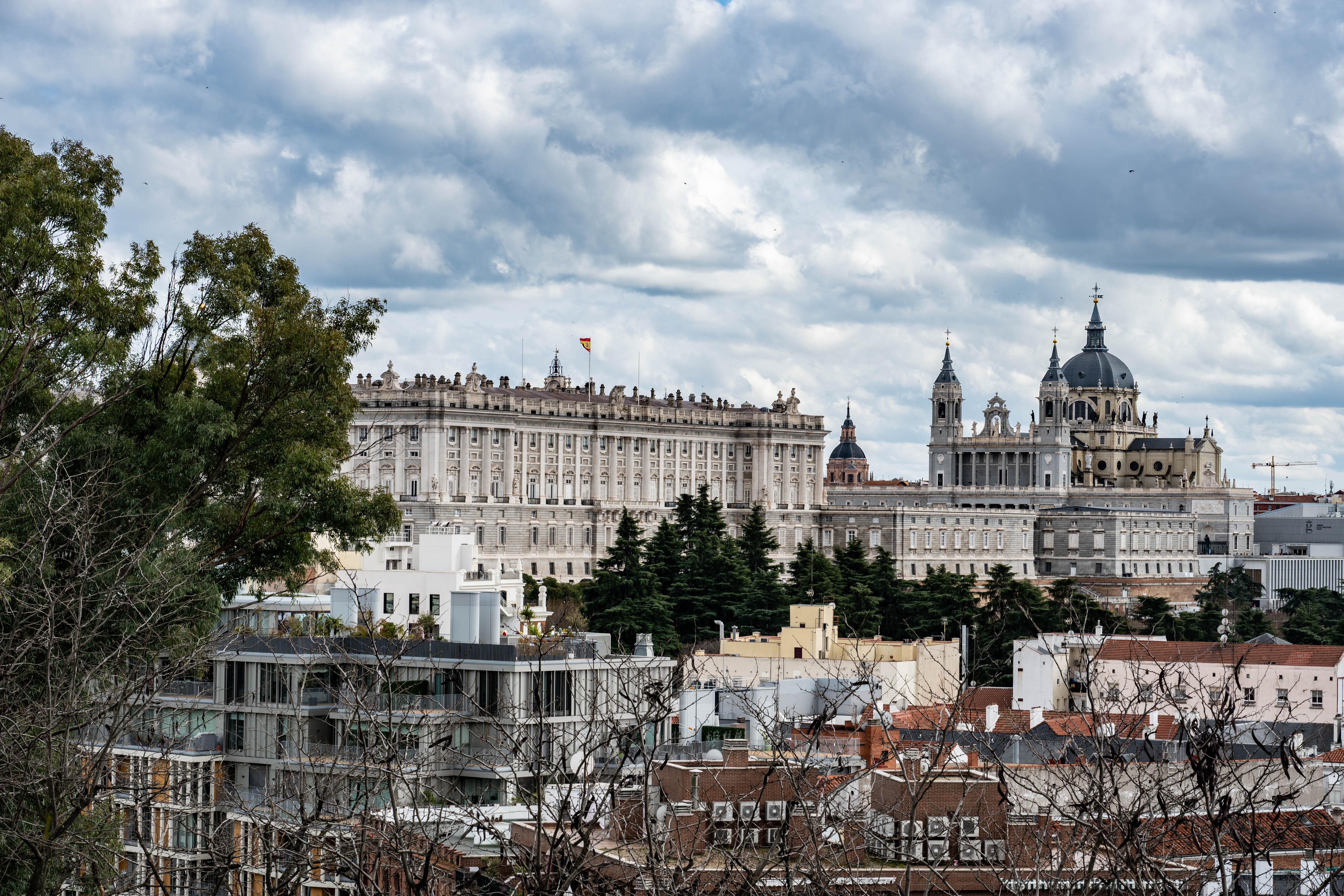
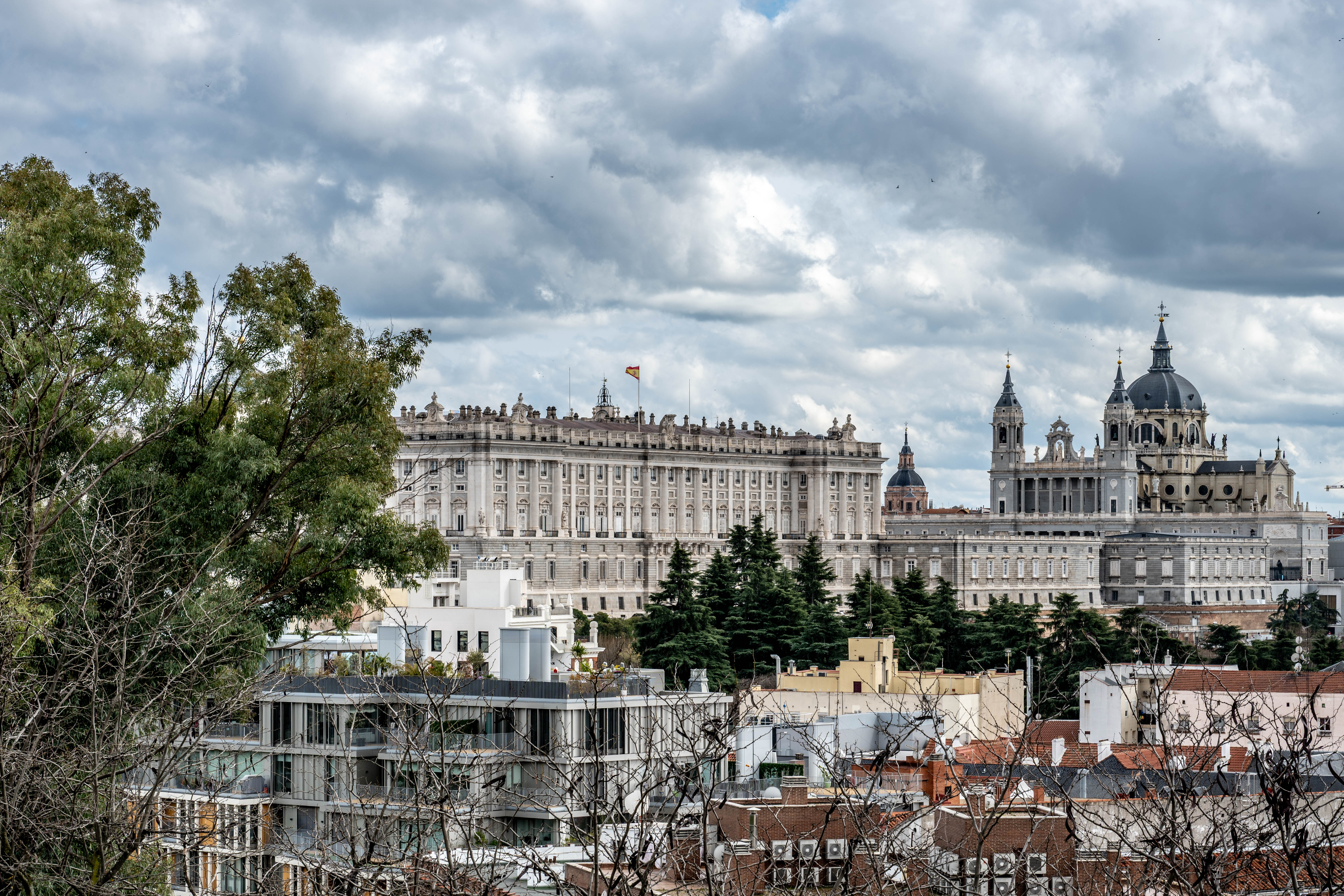
The Royal Palace of Madrid and The Cathedral
The Royal Palace of Madrid and The Cathedral ‐ photo by ,
©www.mgaylard.co.uk.
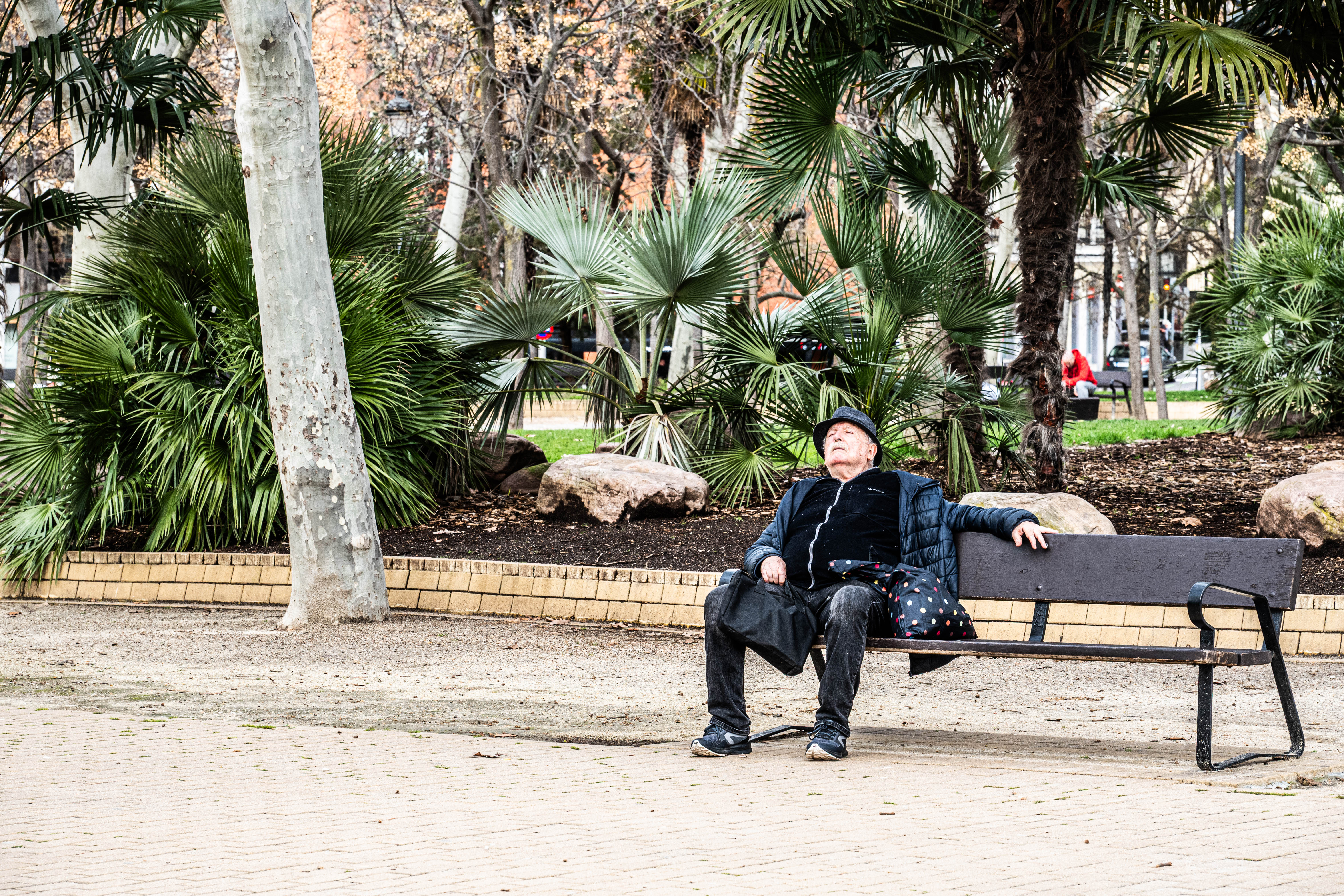
elderly man sitting on a bench in a park
elderly man sitting on a bench in a park ‐ photo by ,
©www.mgaylard.co.uk.
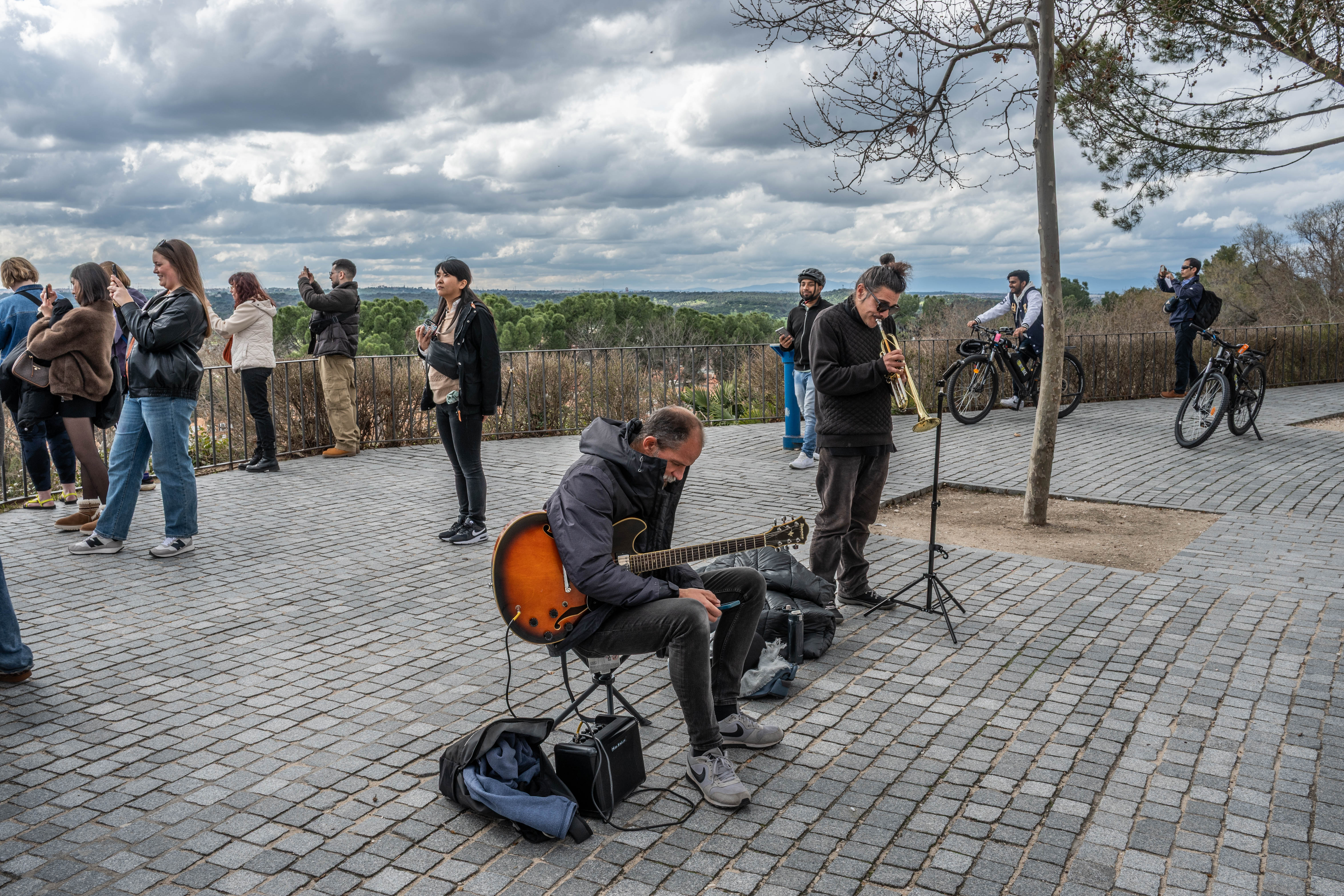
street performance scene with a guitarist and a trumpeter playing music
street performance scene with a guitarist and a trumpeter playing music ‐ photo by ,
©www.mgaylard.co.uk.
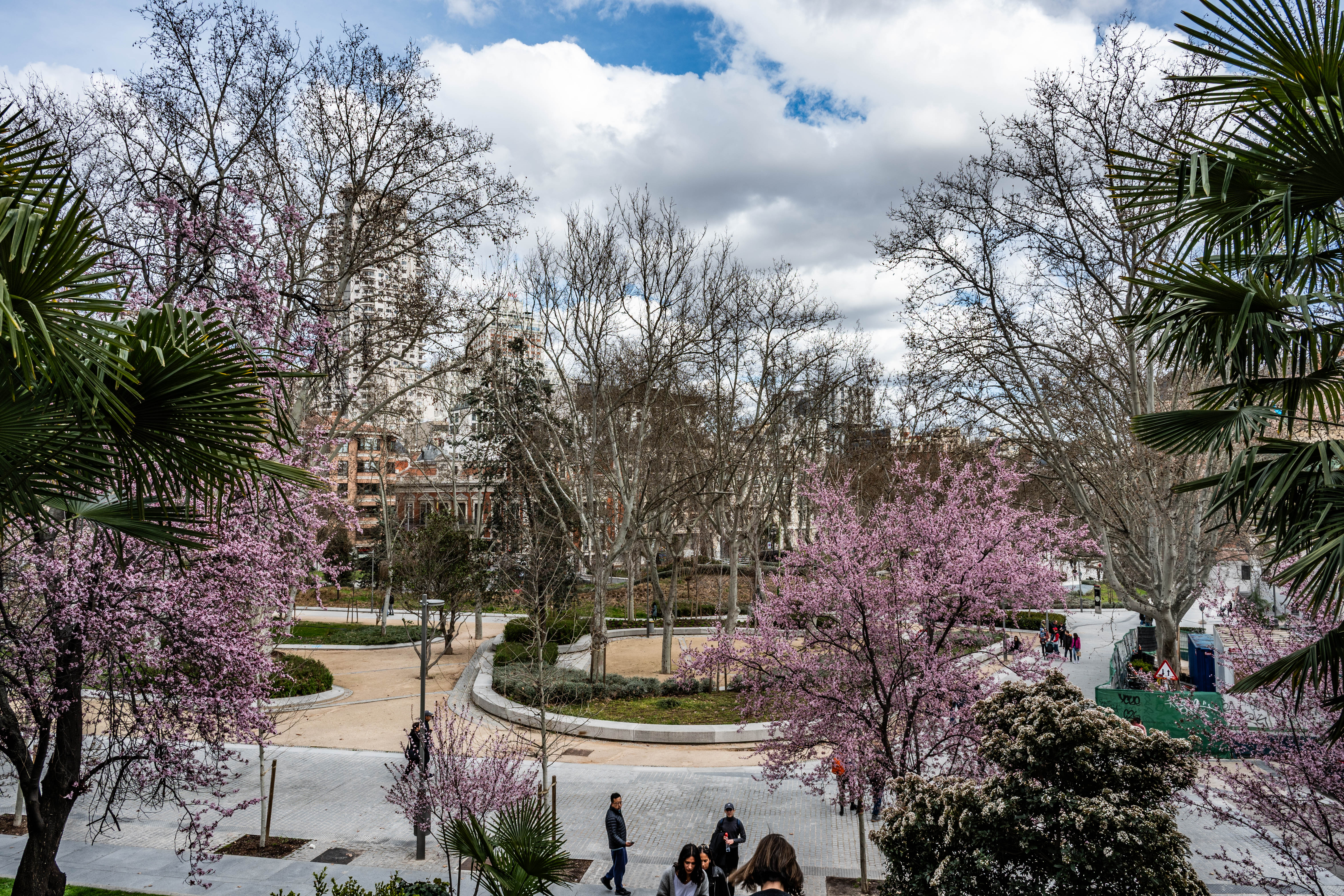
urban park scene with blooming cherry blossom trees
urban park scene with blooming cherry blossom trees ‐ photo by ,
©www.mgaylard.co.uk.
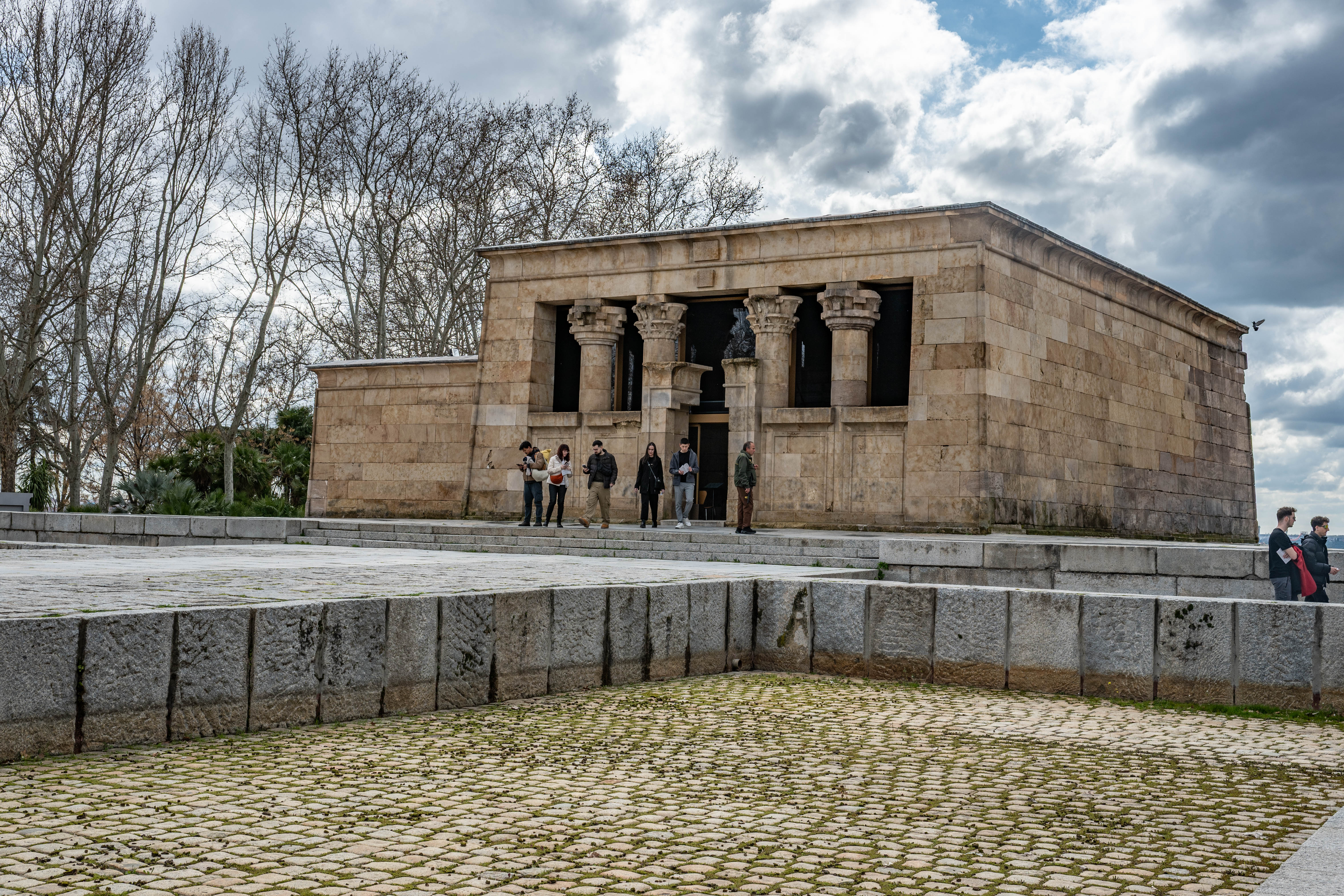
Temple of Debod
The Temple of Debod is an authentic ancient Egyptian temple dating from the 2nd century BCE ‐ photo by ,
©www.mgaylard.co.uk.
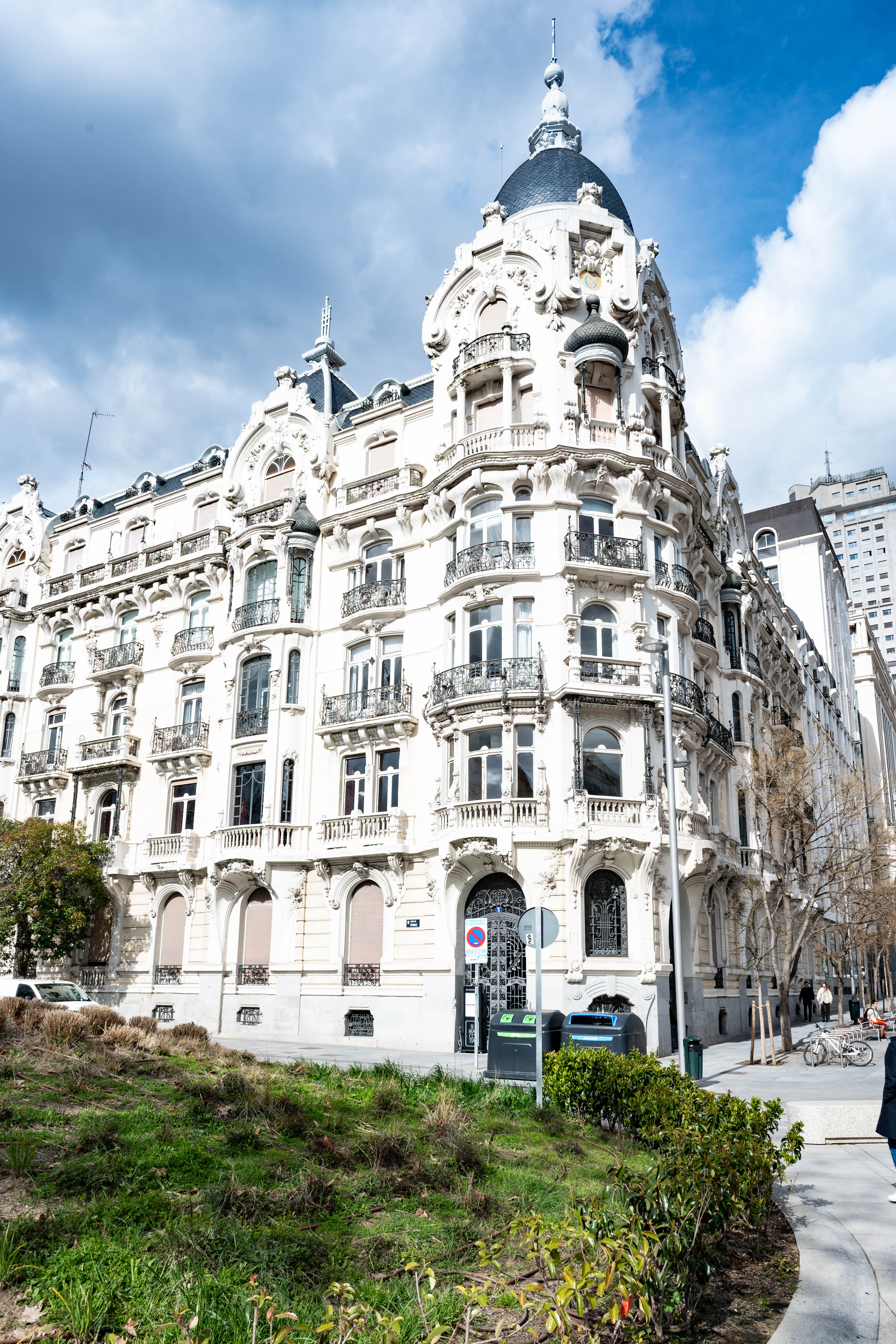
Casa Gallardo is one of Madrid’s finest surviving Modernist (Art Nouveau) buildings
Casa Gallardo is one of Madrid’s finest surviving Modernist (Art Nouveau) buildings ‐ photo by ,
©www.mgaylard.co.uk.
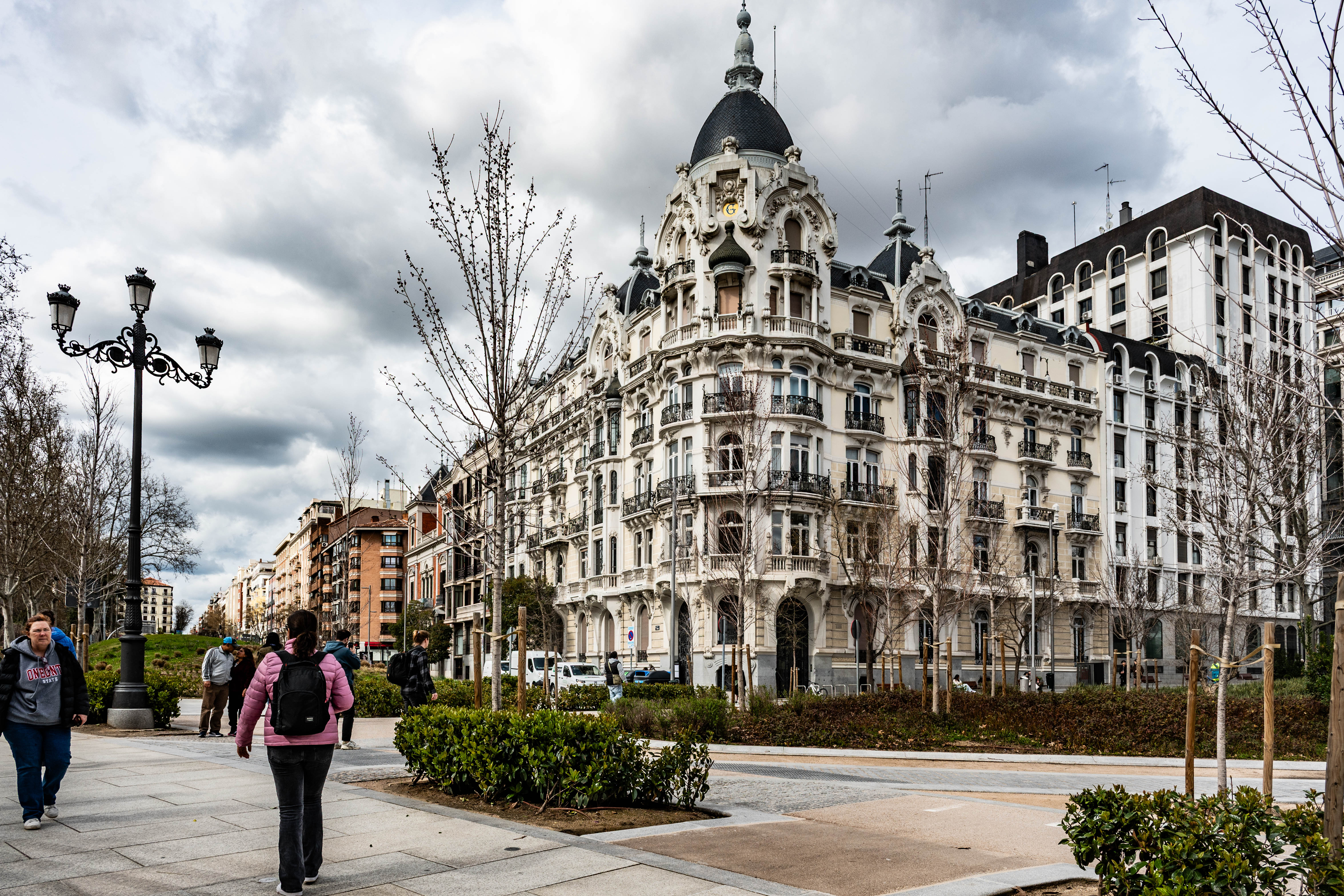
Casa Gallardo
Casa Gallardo ‐ photo by ,
©www.mgaylard.co.uk.
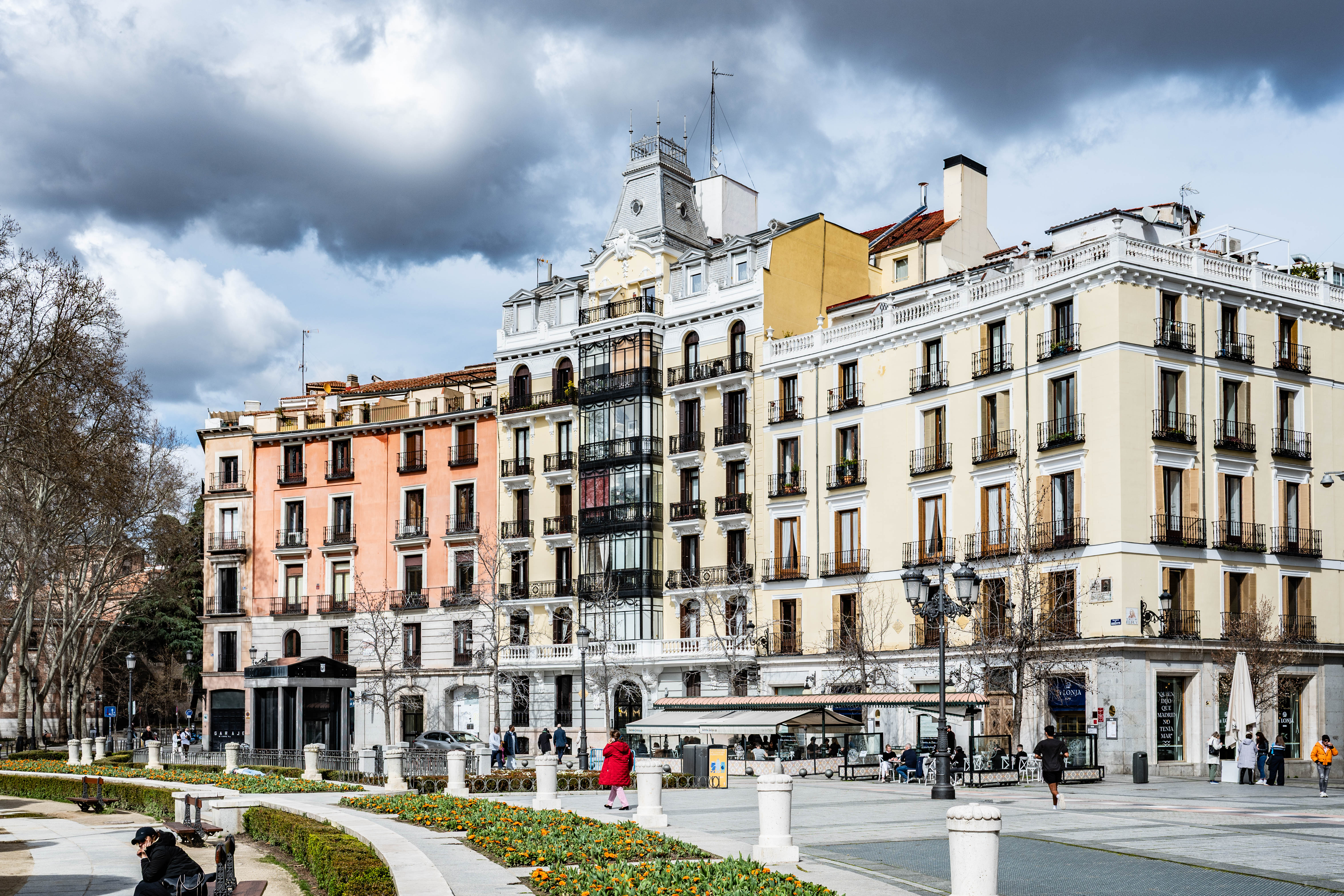
Calle de Lepanto is a short historic street in the Palacio neighbourhood of central Madrid, connecting Plaza de Ramales with Plaza de Oriente. It is named after the Battle of Lepanto (1571) and lies just steps from the Royal Palace.
Calle de Lepanto ‐ photo by ,
©www.mgaylard.co.uk.
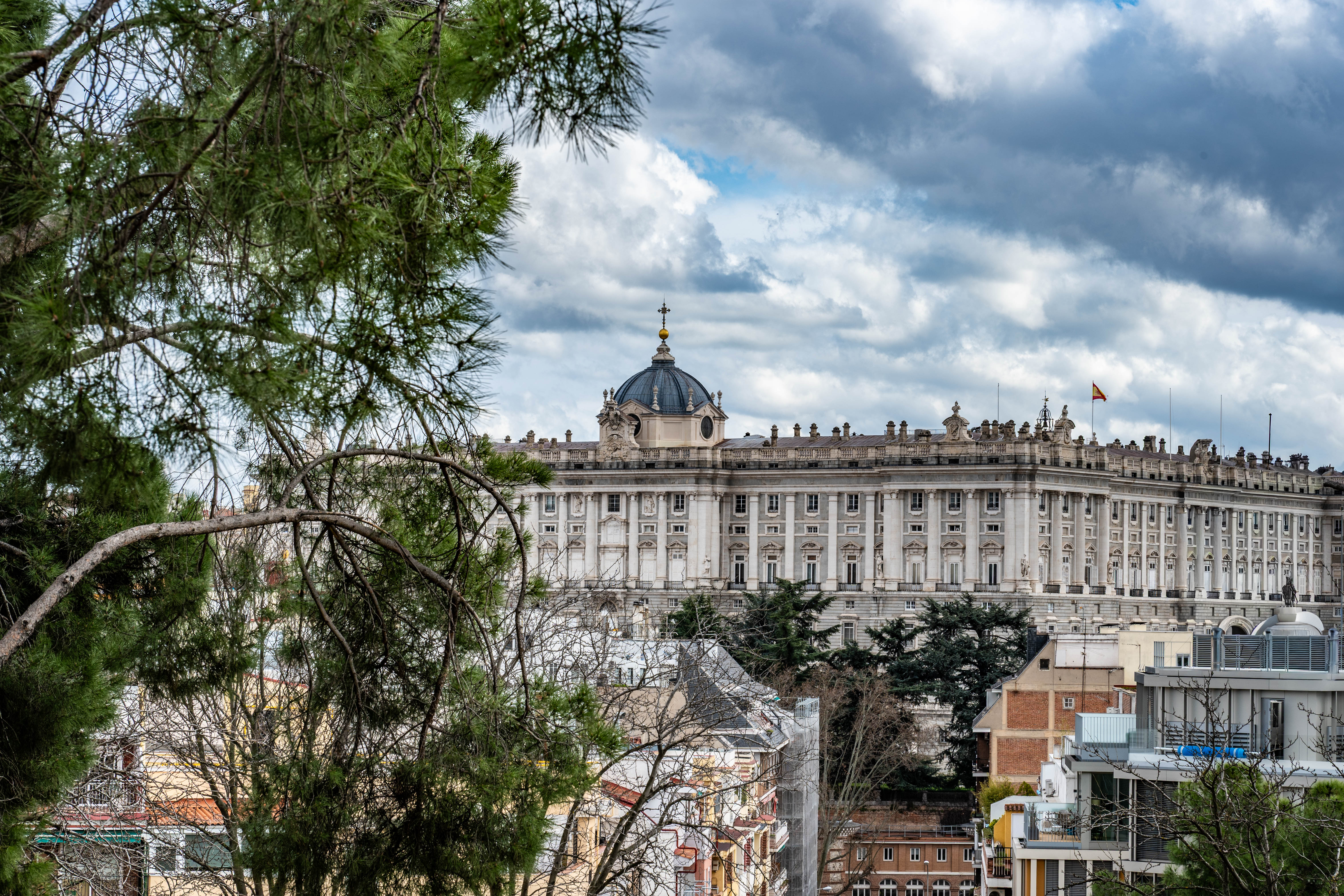
Royal Palace of Madrid
Royal Palace of Madrid ‐ photo by ,
©www.mgaylard.co.uk.
the Royal Palace of Madrid
the Royal Palace of Madrid ‐ photo by ,
©www.mgaylard.co.uk.
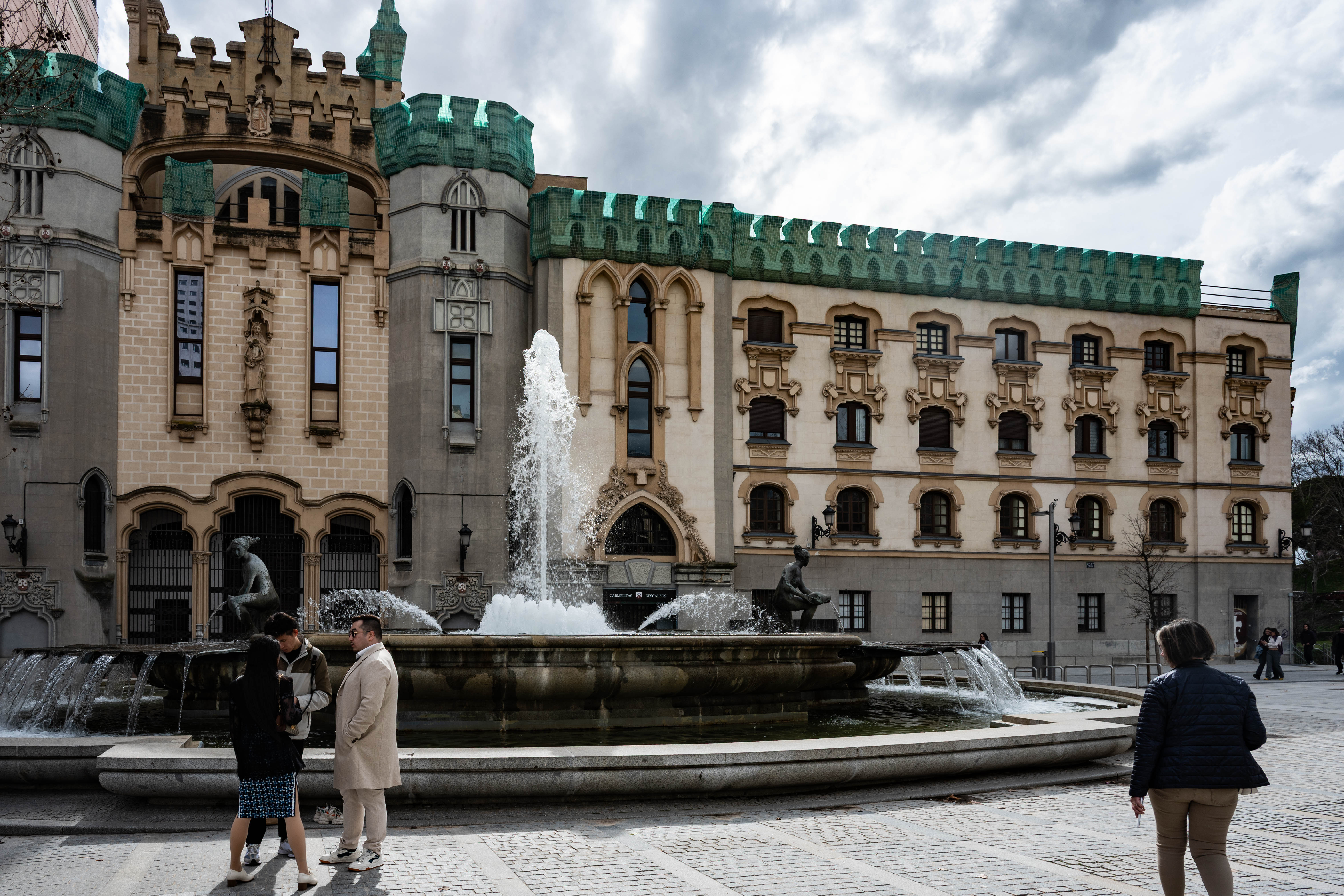
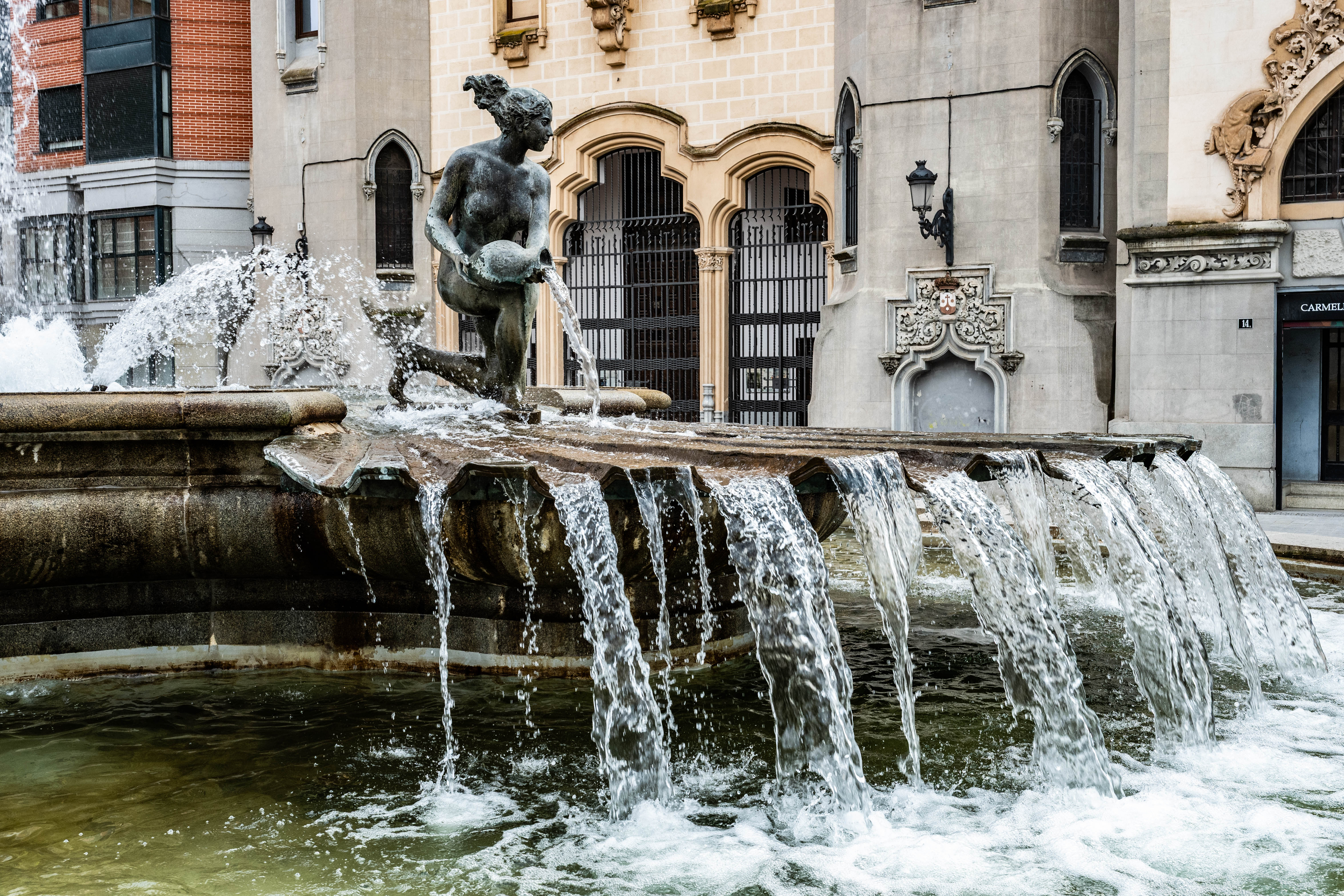
Fuente del Nacimiento del Agua
The Fuente del Nacimiento del Agua, also known as the Fuente de la Concha, is a 1969 monumental fountain located in Plaza de España, Madrid.  ‐ photo by ,
©www.mgaylard.co.uk.
Fuente del Nacimiento del Agua
The fountain was built in 1969 as part of the major redesign of Plaza de España following the 1941 General Urban Plan and the 1946 law guiding Madrid’s post-war urban reconfiguration. ‐ photo by ,
©www.mgaylard.co.uk.
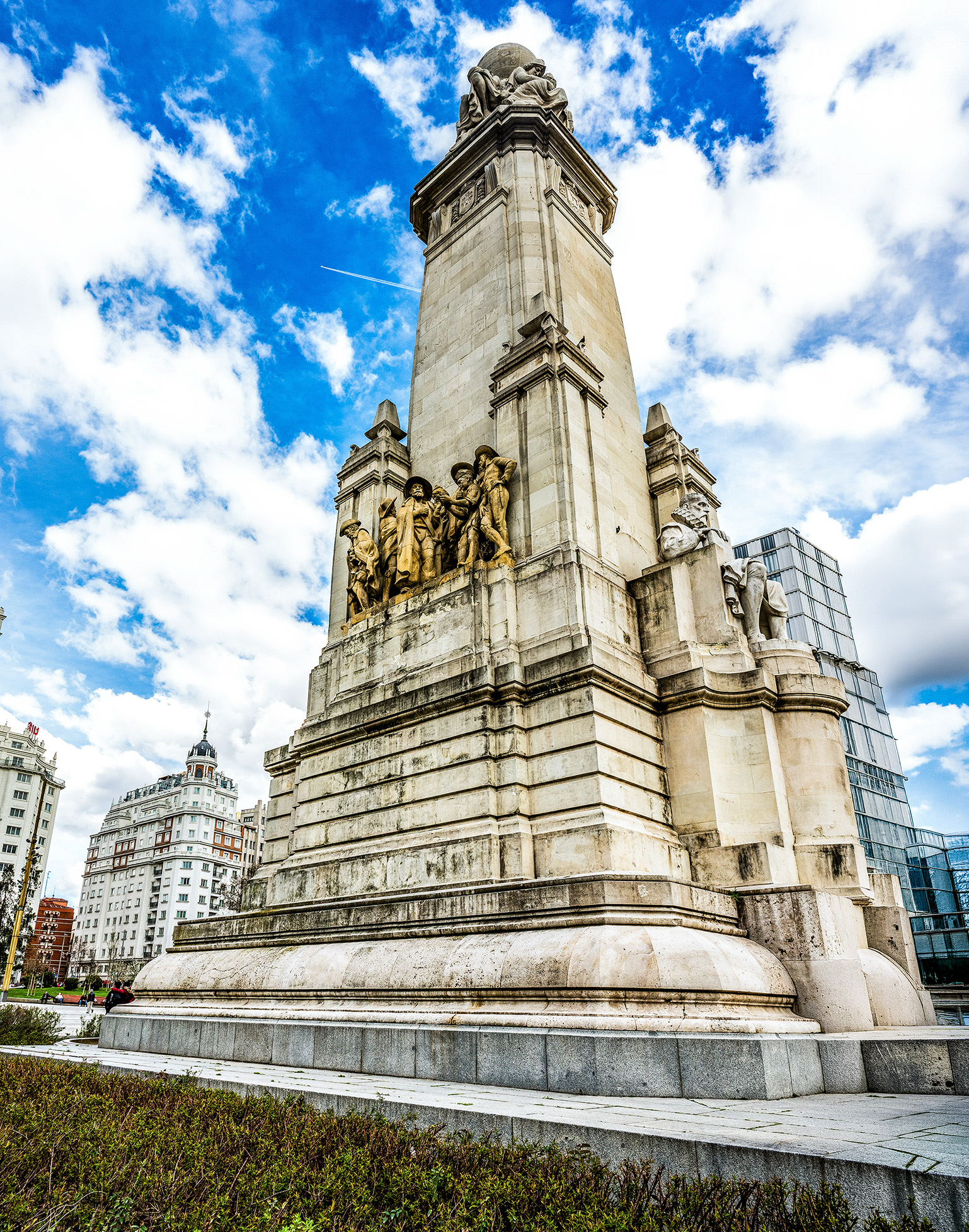
a large monument with intricate sculptures
Monumento Cervantes ‐ photo by ,
©www.mgaylard.co.uk.
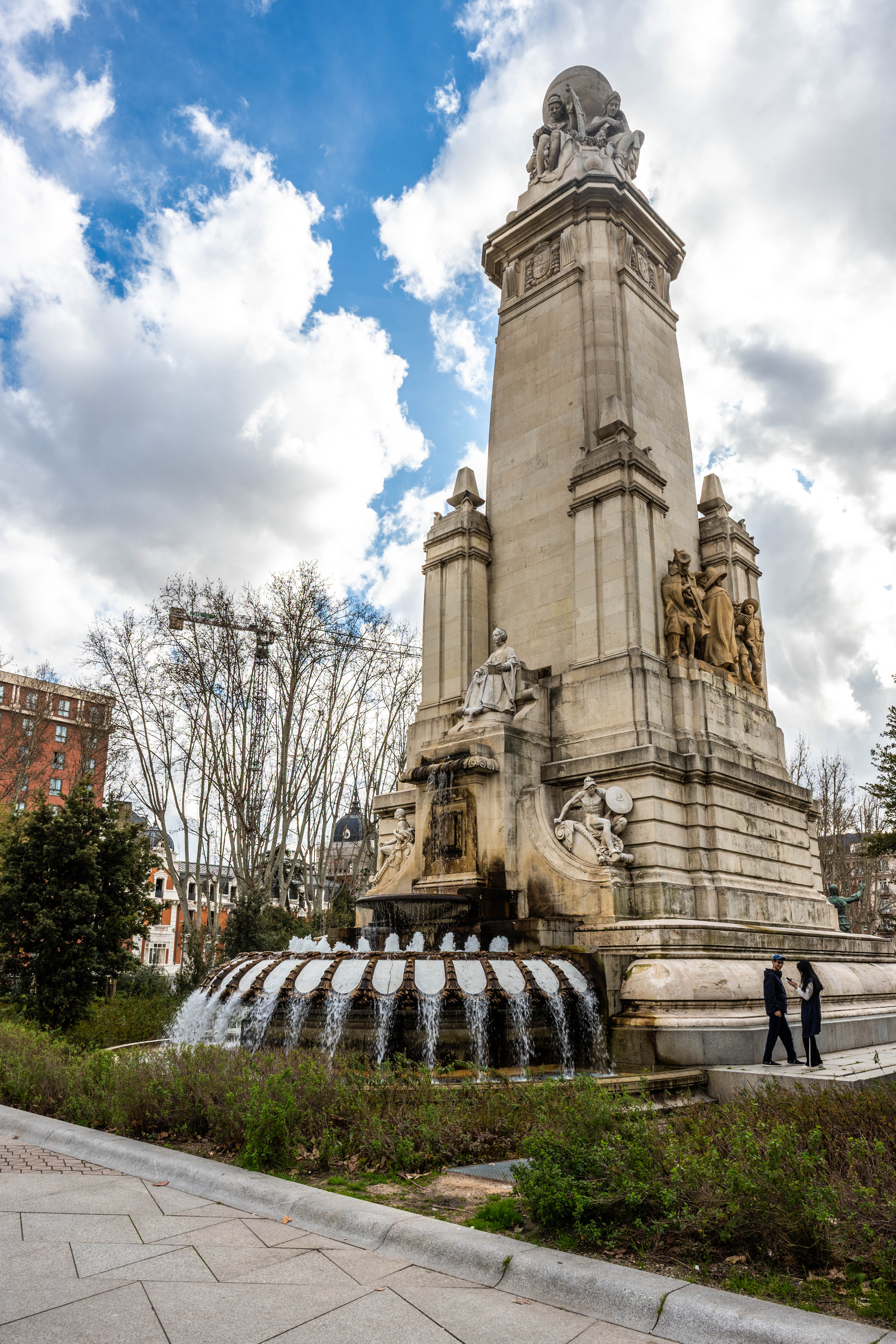
Monumento Cervantes
Monumento Cervantes ‐ photo by ,
©www.mgaylard.co.uk.
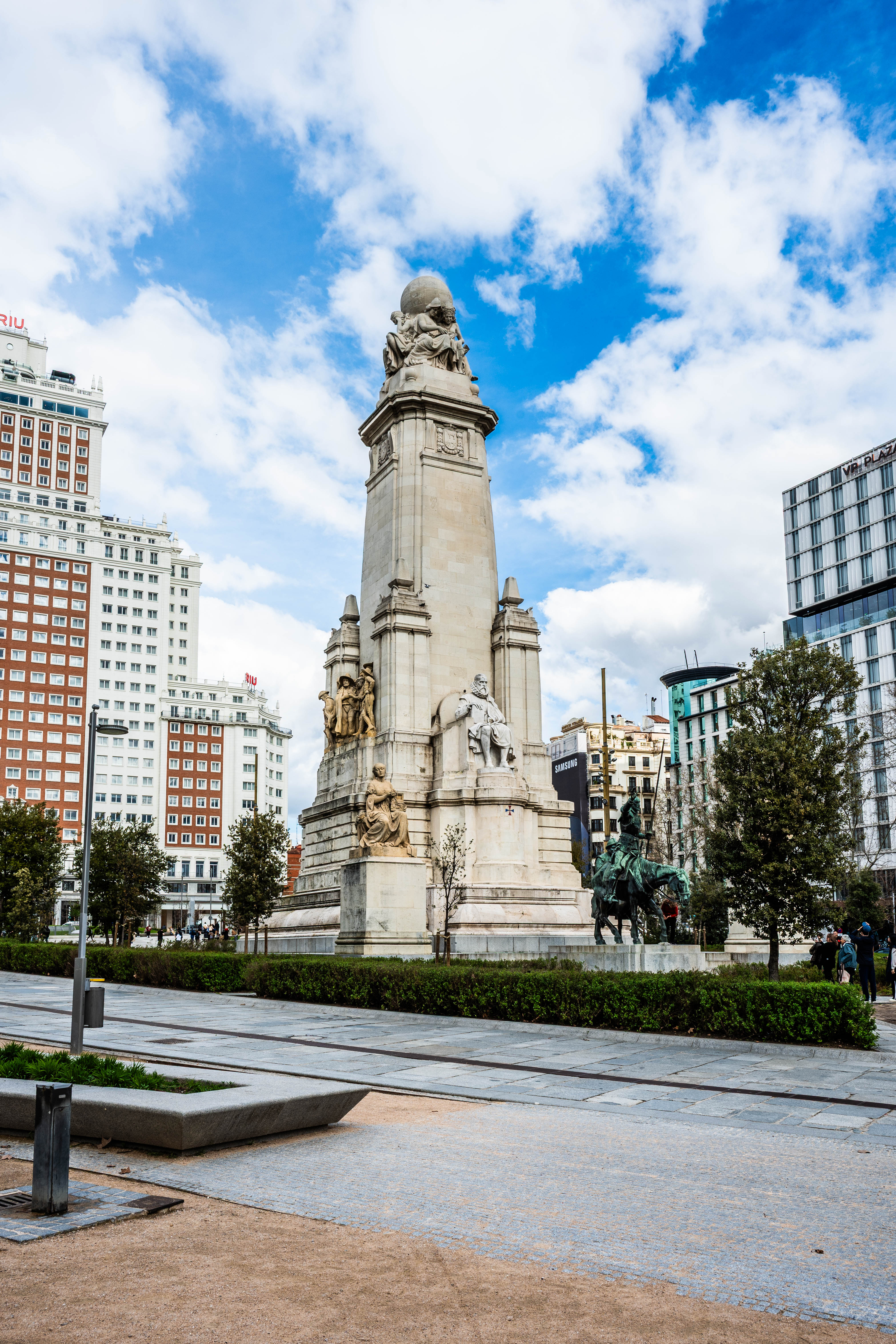
Monumento Cervantes
Monumento Cervantes ‐ photo by ,
©www.mgaylard.co.uk.
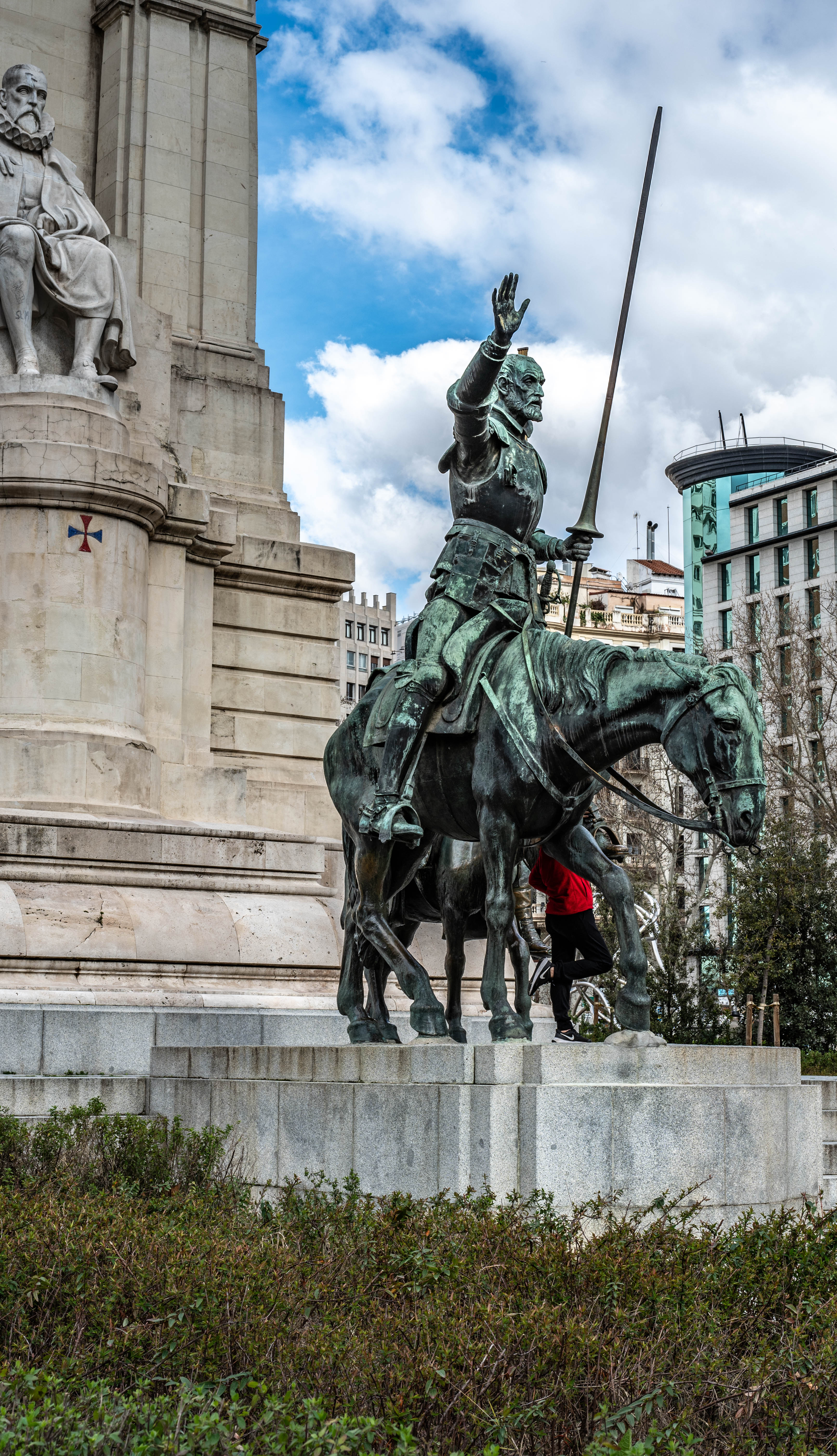
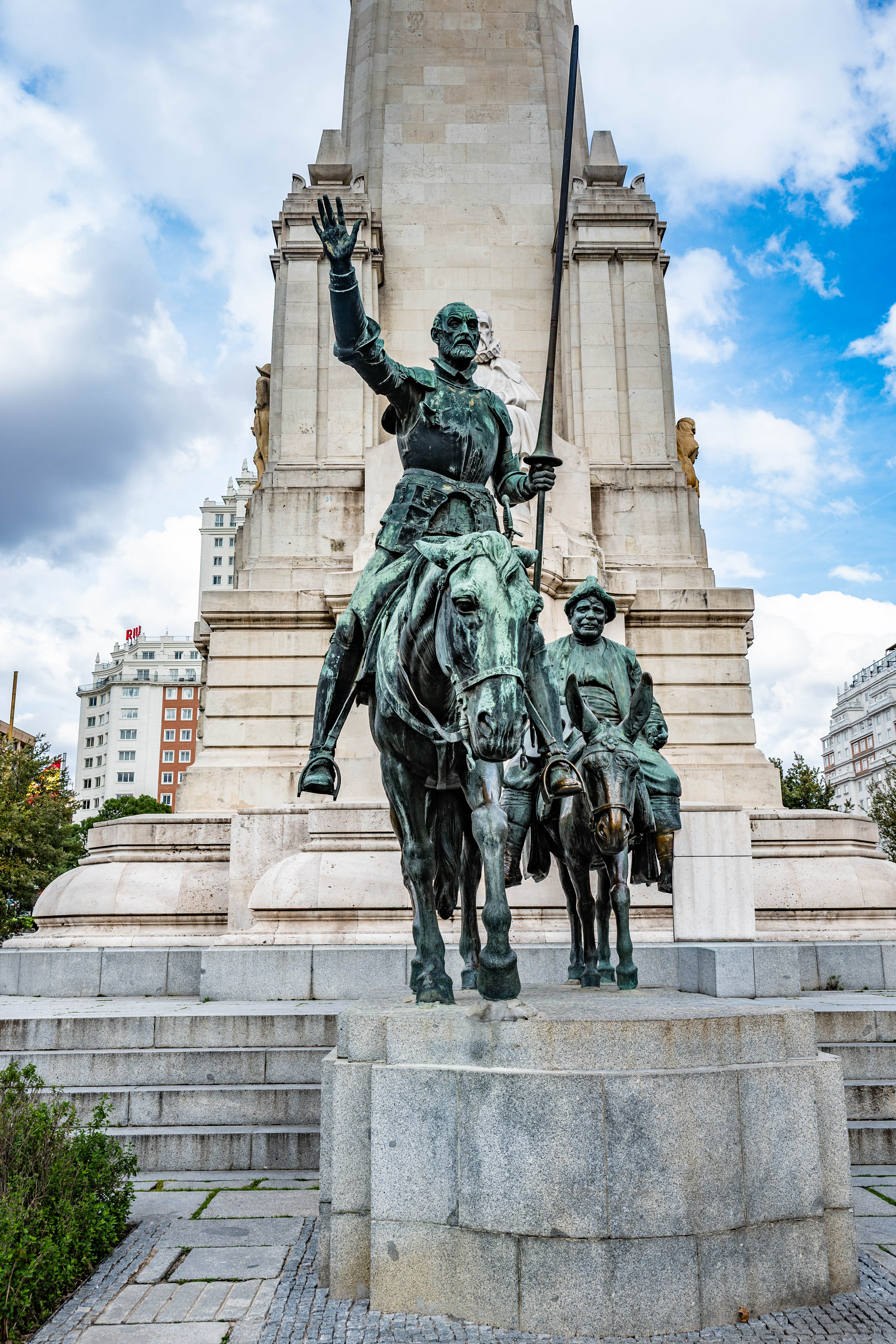
Monumento Cervantes
Don Quixote ‐ photo by ,
©www.mgaylard.co.uk.
Monumento Cervantes
Don Quixote ‐ photo by ,
©www.mgaylard.co.uk.
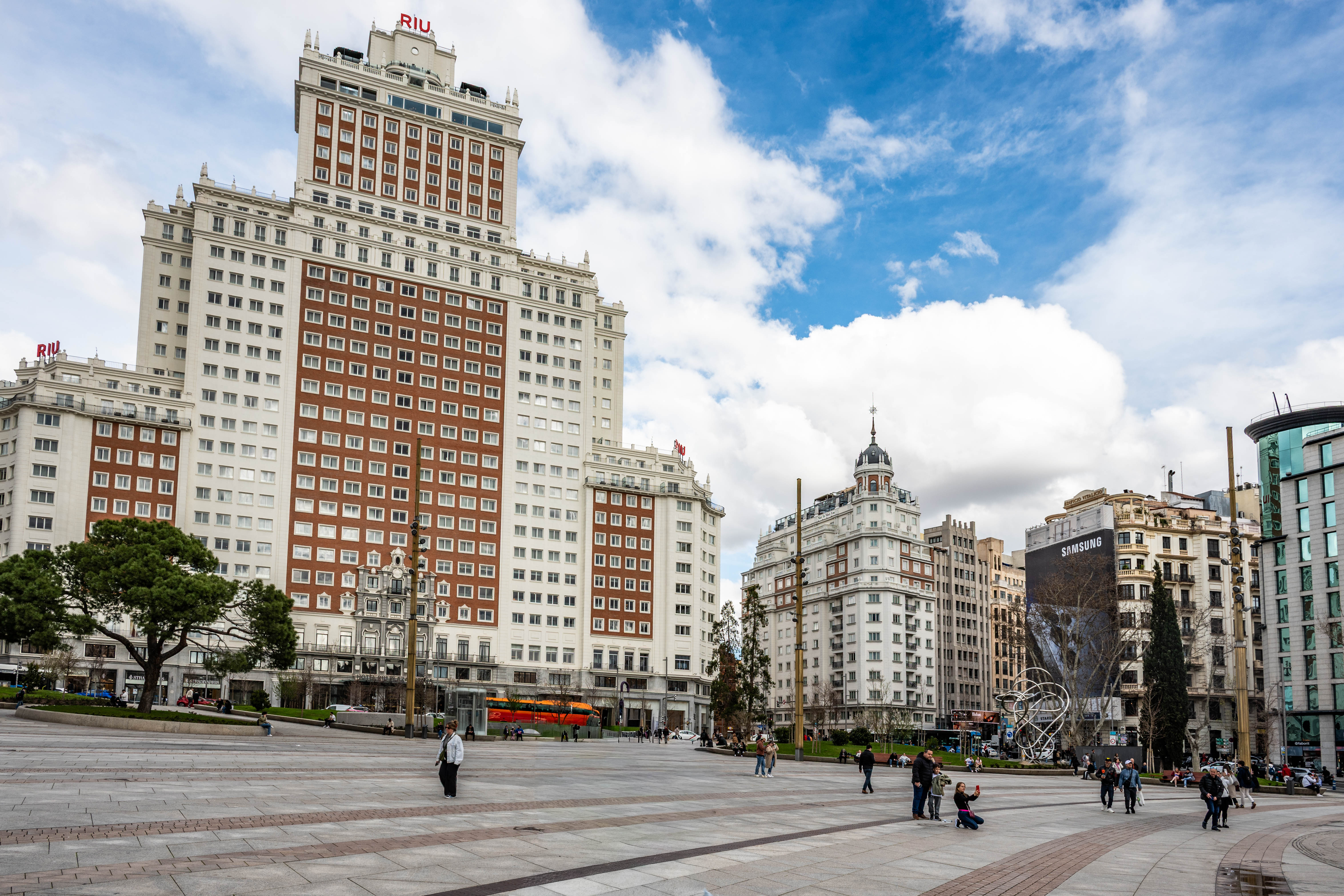
a bustling urban square
a bustling urban square ‐ photo by ,
©www.mgaylard.co.uk.
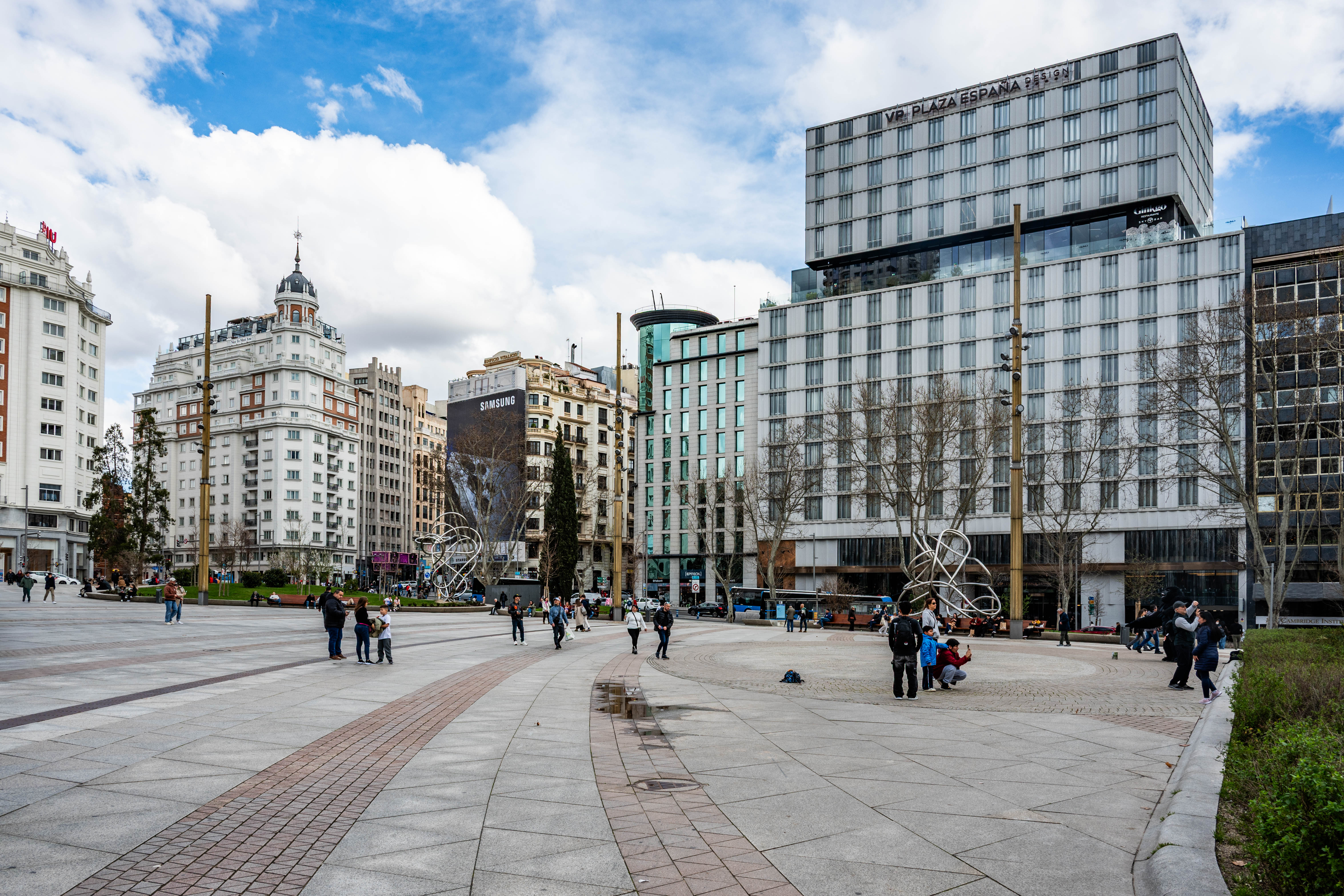
a bustling urban plaza
a bustling urban plaza ‐ photo by ,
©www.mgaylard.co.uk.
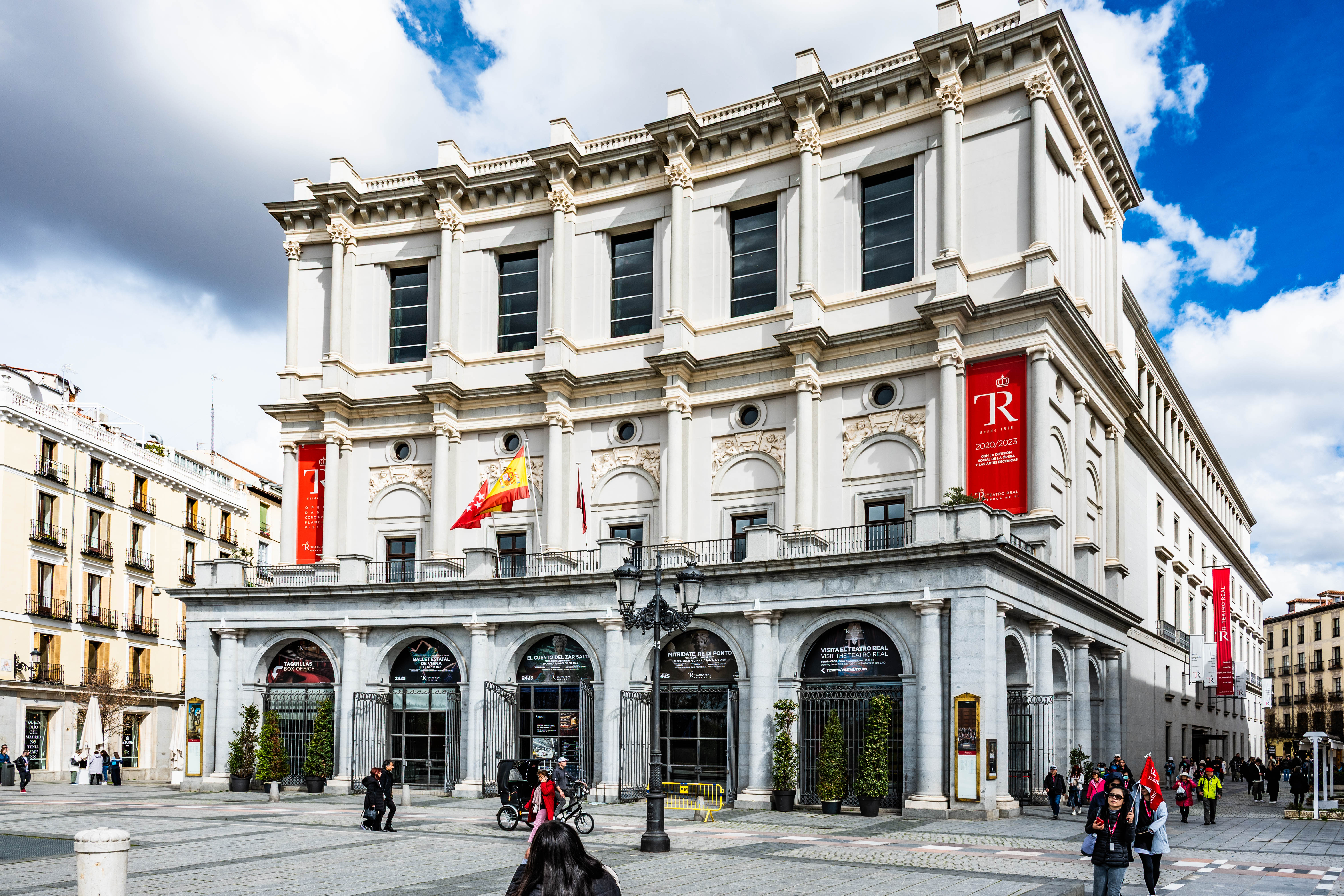
Teatro Real
Teatro Real ‐ photo by ,
©www.mgaylard.co.uk.
Open the full set flickr button this page

Plaza de España

Plaza de España is one of Madrid’s largest and most iconic squares, located at the western end of Gran Vía and framed by major landmarks such as the Torre de Madrid, Edificio España, and the Cervantes Monument. It reopened in November 2021 after a major renovation that transformed it into a pedestrian-friendly green space.

Historical Development

Early 20th Century Origins
The project to create Plaza de España began in 1911, replacing fields and a former convent-turned-barracks. It was conceived as a monumental civic space honouring Spanish cultural identity.
Mid-20th Century Modernisation
The arrival of skyscrapers such as the Torre de Madrid (1950s) and Edificio España marked a new era of modernisation and architectural ambition.
21st Century Renovation
After years of planning, the square underwent a major redesign and reopened to pedestrians on 22 November 2021. The renovation expanded green areas, improved accessibility, and created new pedestrian links to the Royal Palace, Sabatini Gardens, and Temple of Debod.

Key Monuments and Features

Cervantes Monument
The central feature of the square, created for the 1915–1916 commemorations of Cervantes. Designed by Rafael Martínez Zapatero with sculptor Pedro Muguruza Otaño.- Includes statues of Don Quixote and Sancho Panza, with a reflecting pool forming one of Madrid’s most photographed views.
Surrounding Architecture
Torre de Madrid (left of the monument)
Edificio España (right), now home to the Hotel Riu
Casa Gallardo, a major Modernist landmark nearby
References

en.wikipedia.orgwww.spain-sothebysrealty.com , Text generated by Microsoft CoPilot

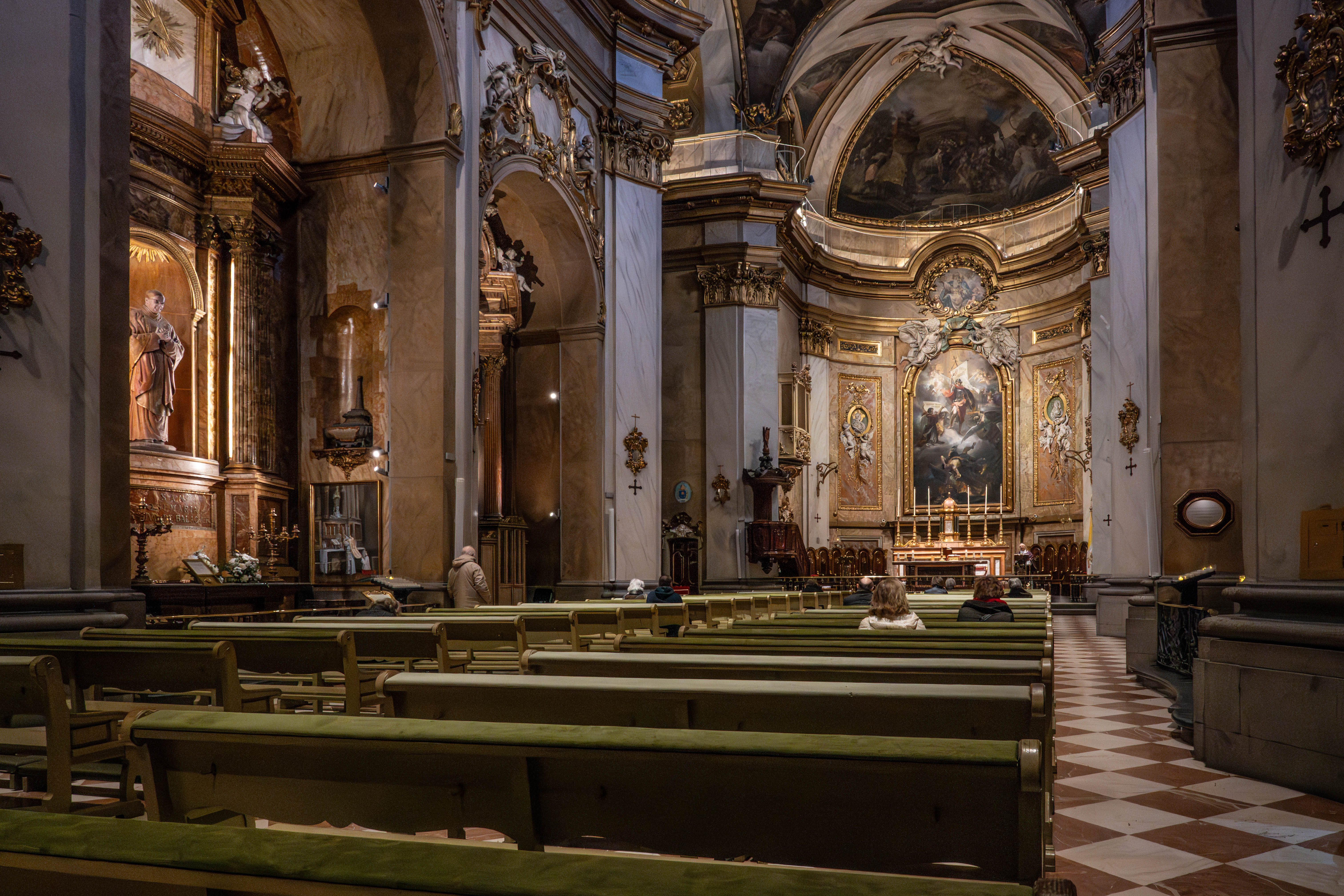
Iglesia Catedral de las Fuerzas Armadas

Calle de Príncipe de Vergara, 144MadridCommunity of Madrid,   Spain

The Iglesia Catedral de las Fuerzas Armadas, also known as the Catedral de las Fuerzas Armadas, is a military cathedral located in Madrid, Spain. It serves as a spiritual and ceremonial center for the Spanish Armed Forces and is known for its modern architecture and significant role in military traditions.
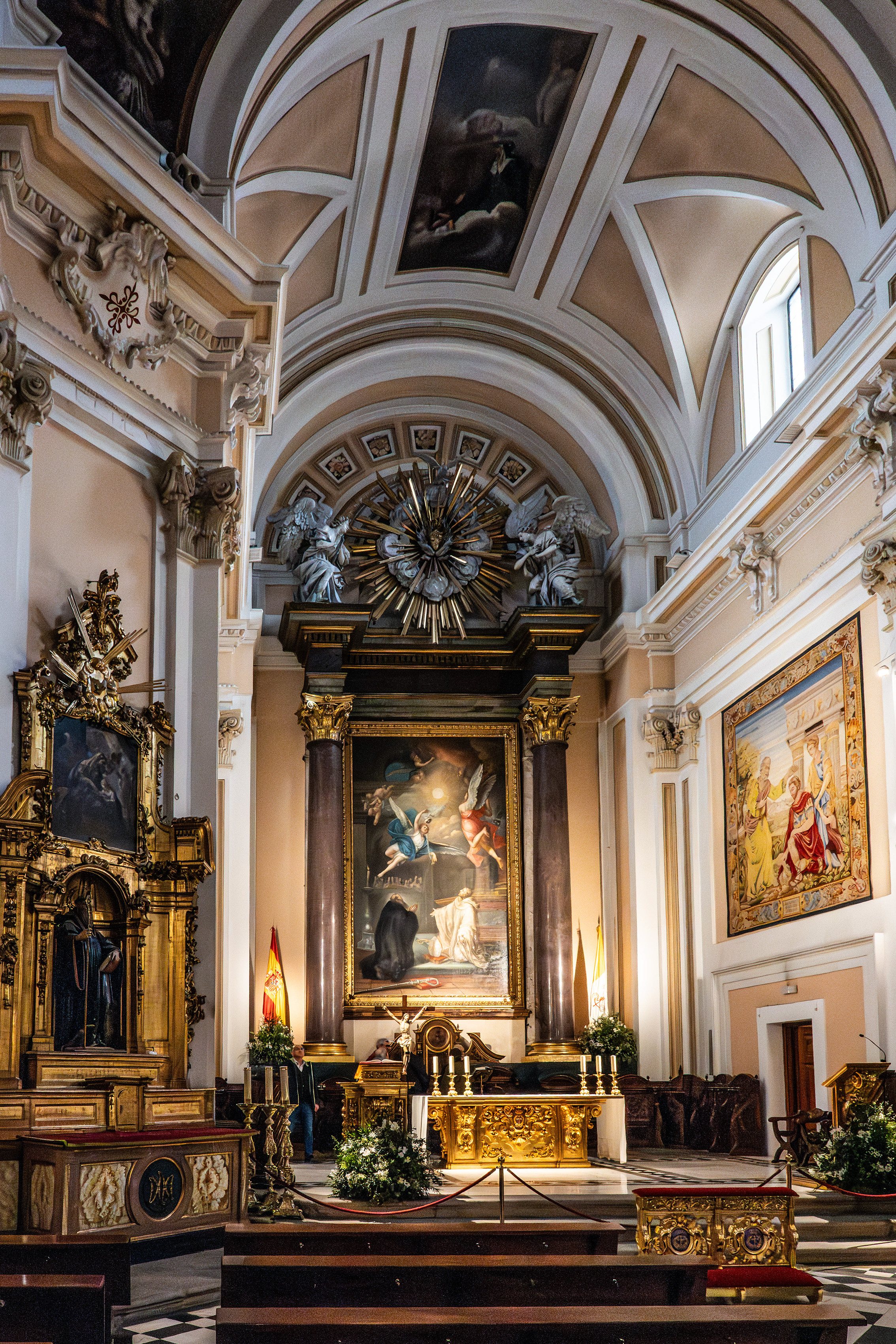
ornate altar, adorned with gold accents
ornate altar, adorned with gold accents ‐ photo by ,
©www.mgaylard.co.uk.
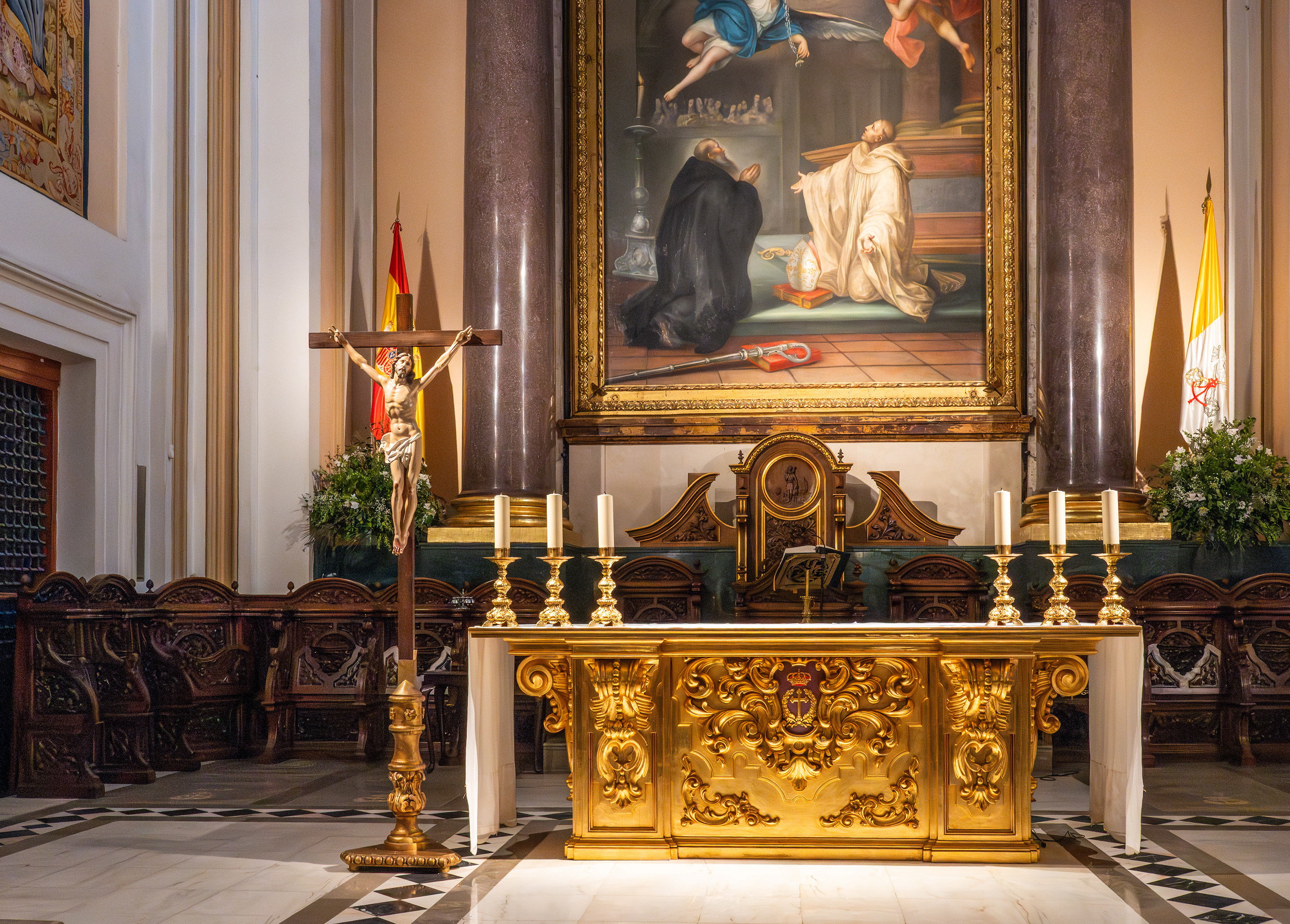
ornate altar, which features a large painting
ornate altar, which features a large painting ‐ photo by ,
©www.mgaylard.co.uk.
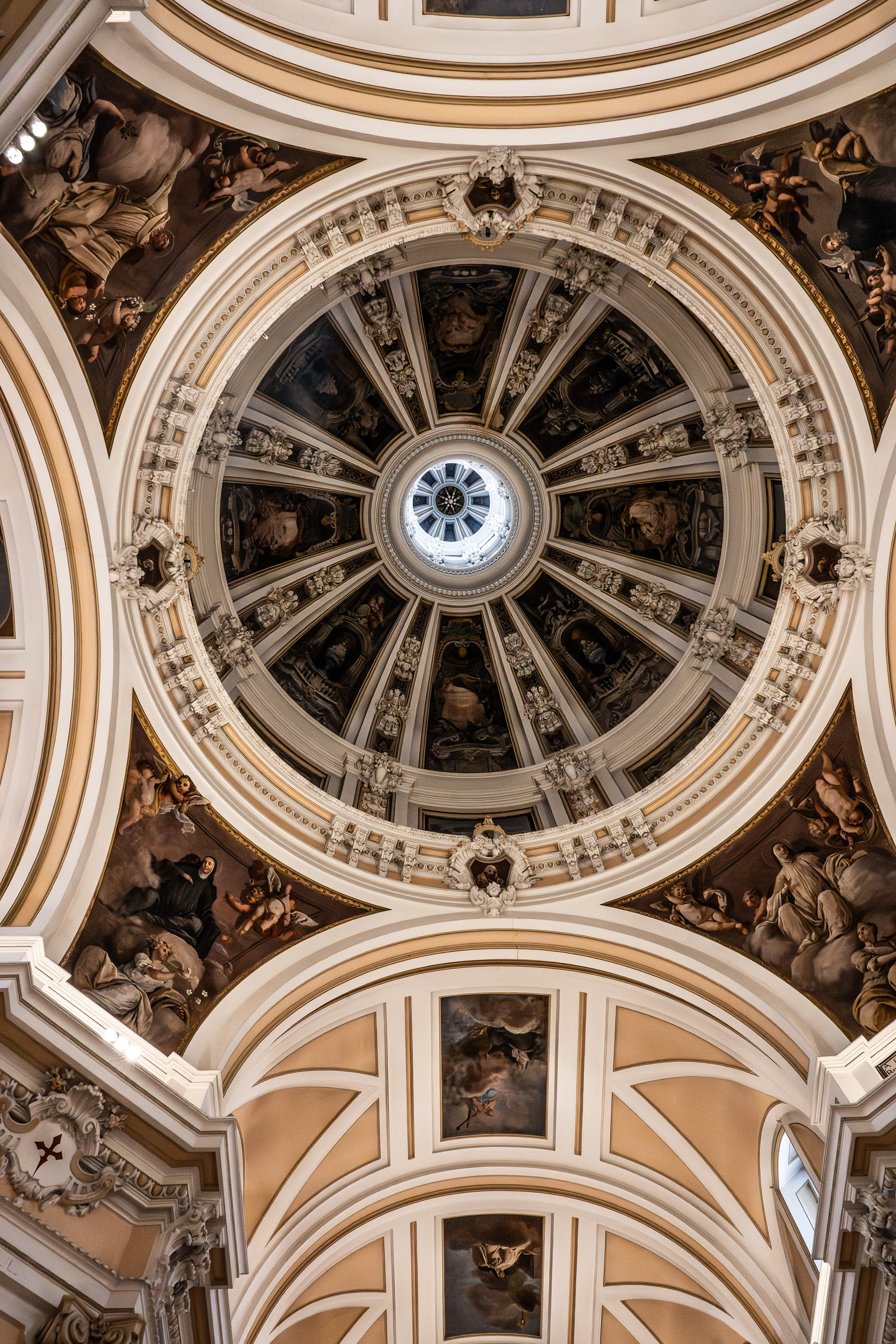
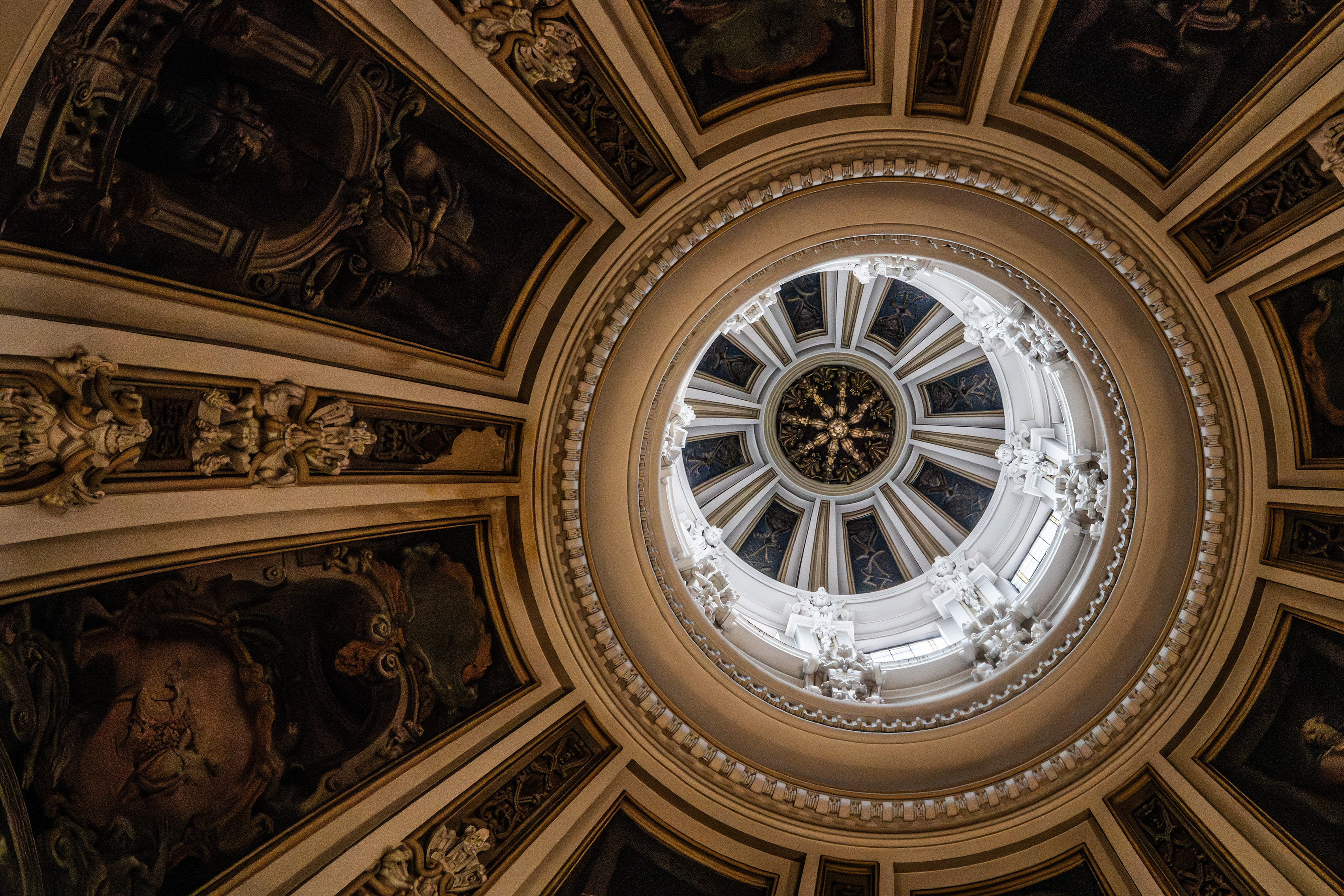
interior of a dome ceiling
interior of a dome ceiling ‐ photo by ,
©www.mgaylard.co.uk.
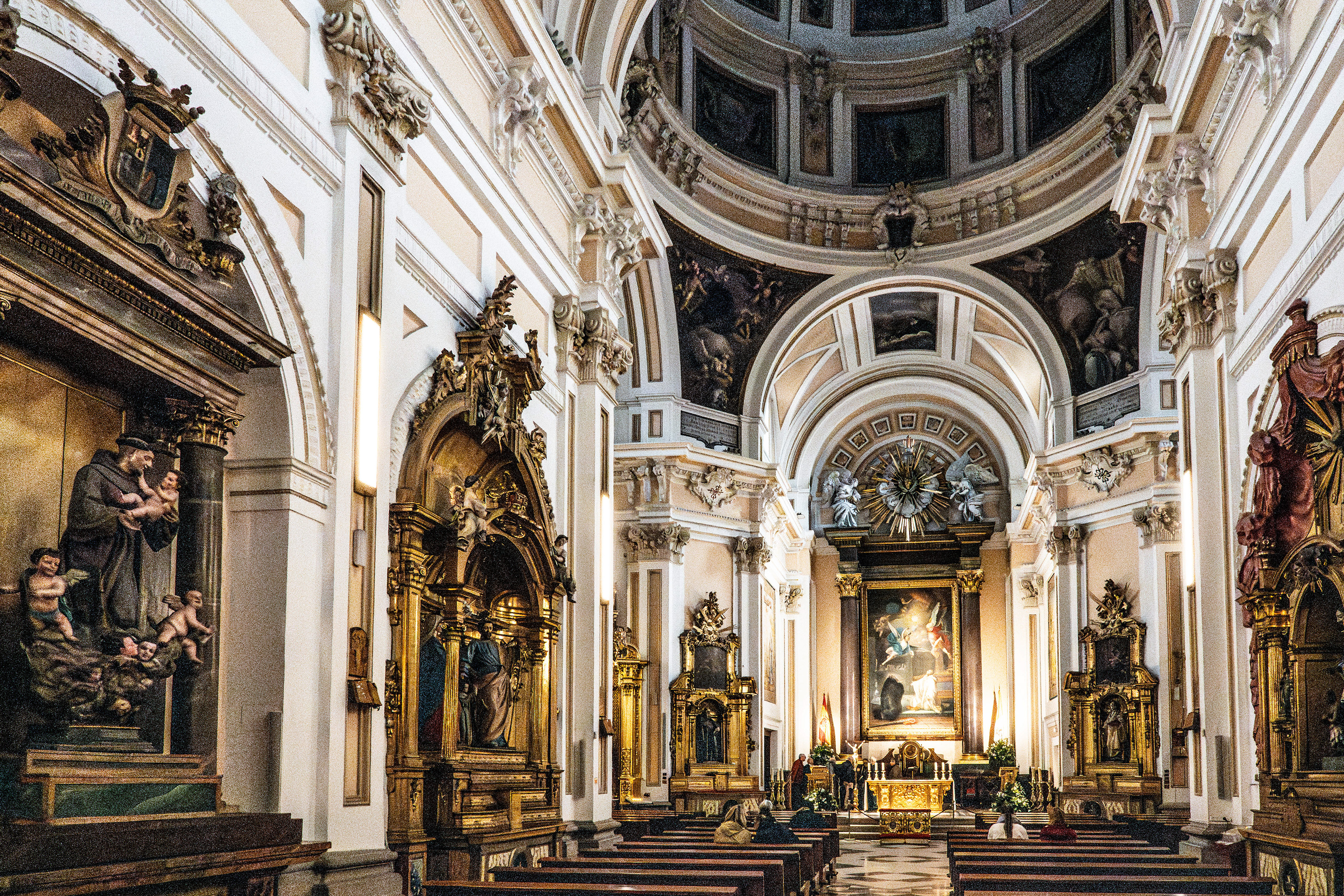
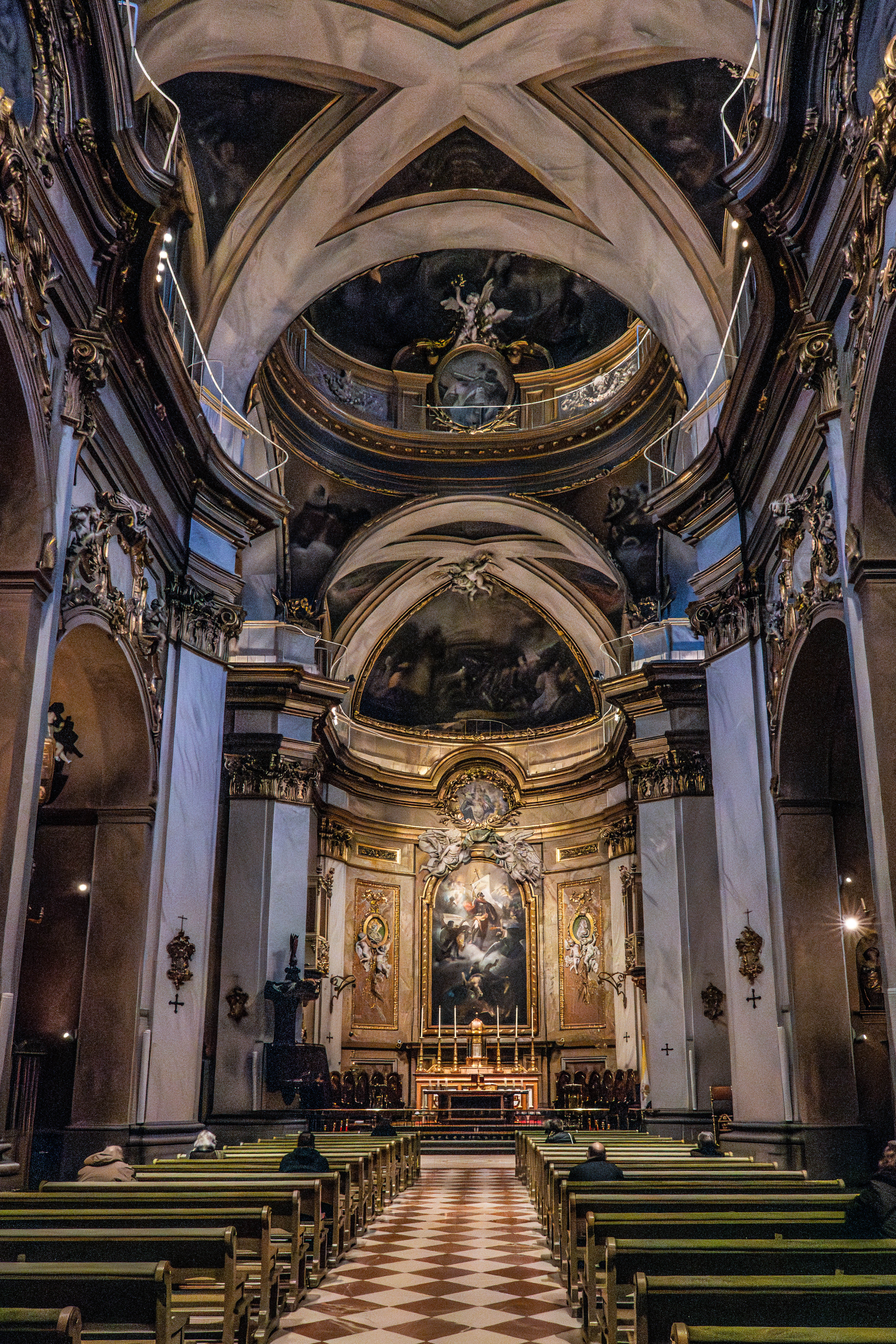
interior of a richly decorated church
interior of the richly decorated Cathedral Church of the Armed Forces ‐ photo by ,
©www.mgaylard.co.uk.
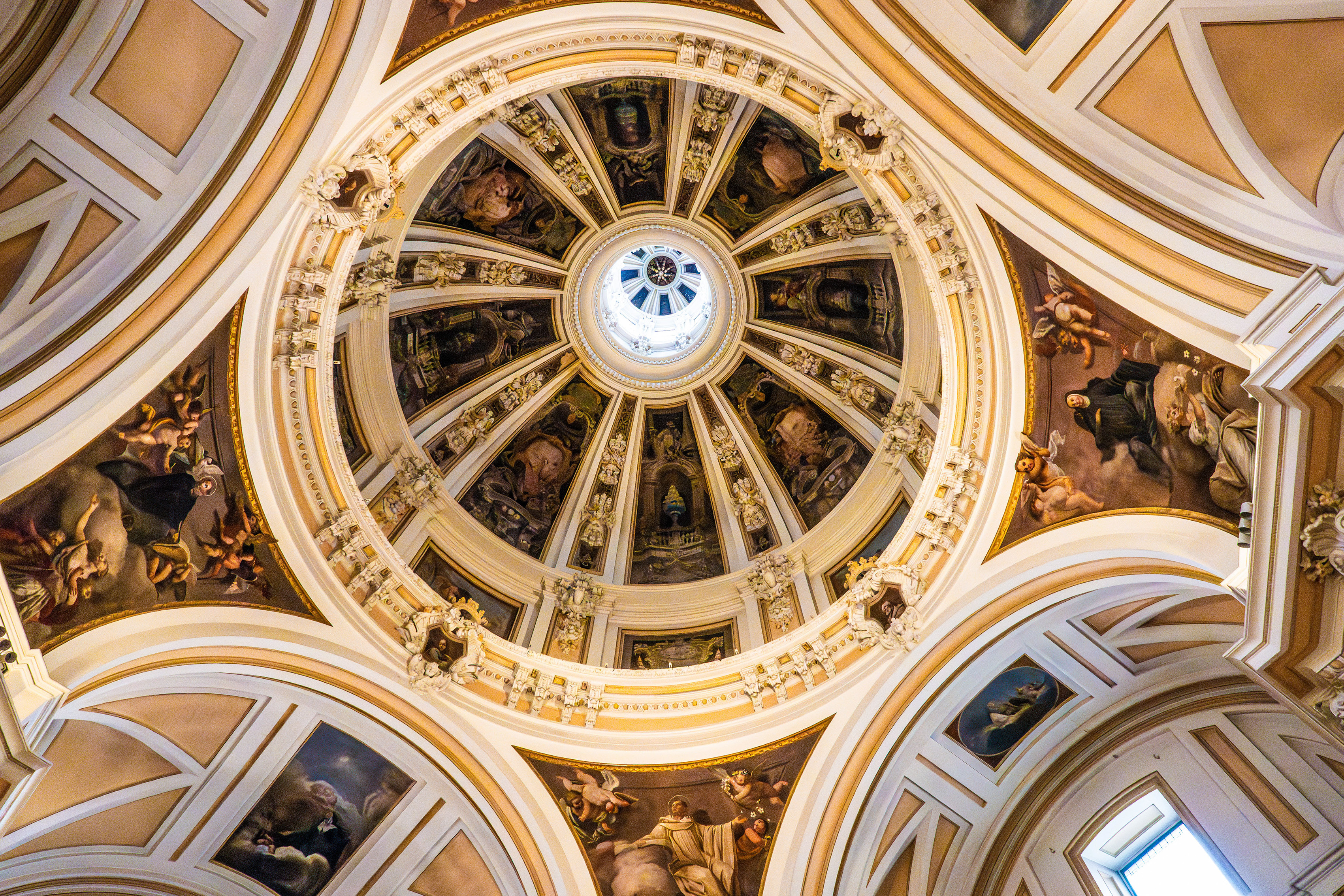
intricate frescoes and detailed stucco work
intricate frescoes and detailed stucco work ‐ photo by ,
©www.mgaylard.co.uk.
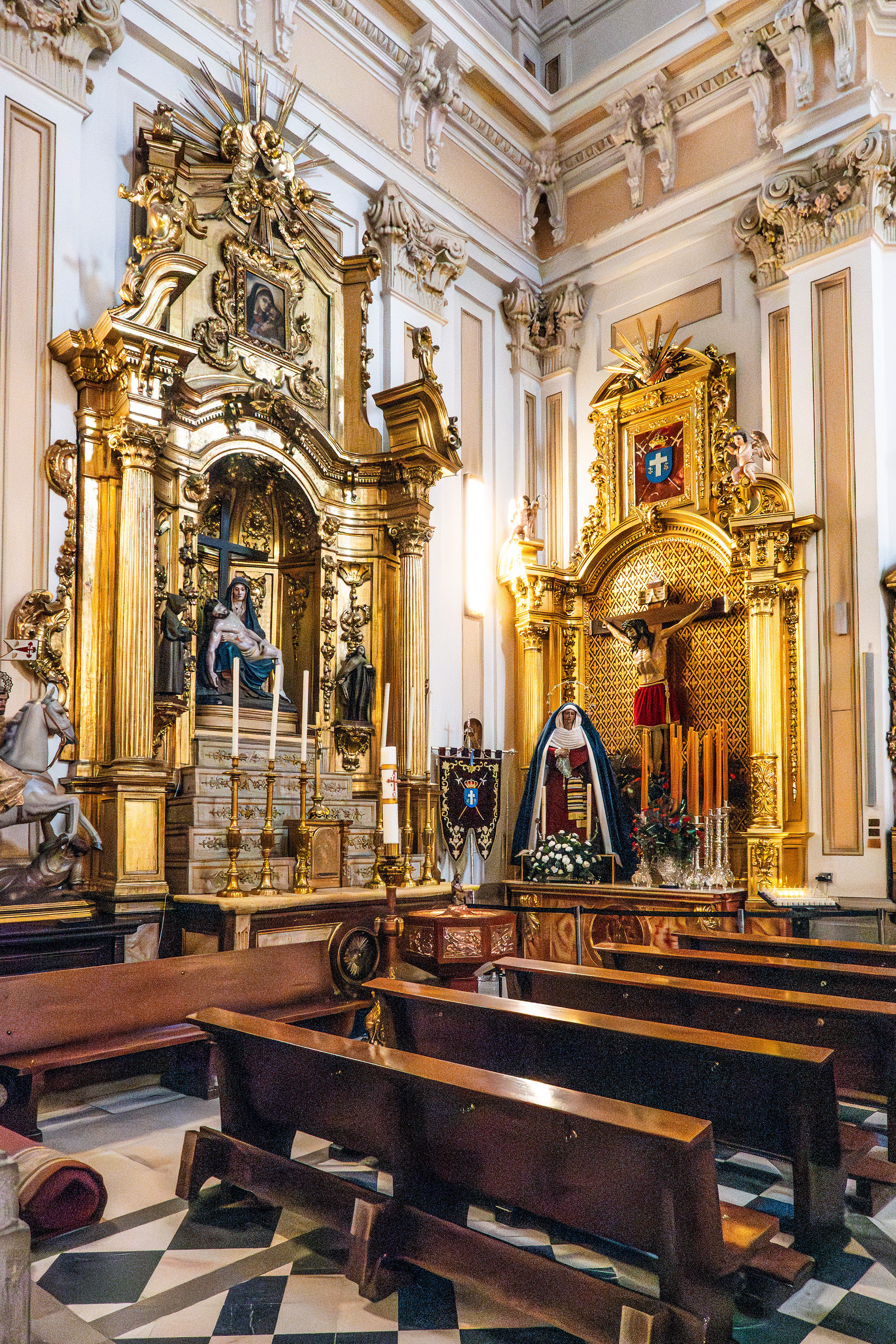
Flanking the altar are two flags with religious symbols and a crucifix with a figure of Jesus Christ
Flanking the altar are two flags with religious symbols and a crucifix with a figure of Jesus Christ ‐ photo by ,
©www.mgaylard.co.uk.
The image depicts an ornate ceiling with intricate artwork and architectural details, including frescoes, sculptures, and a central dome with a skylight.
ornate ceiling ‐ photo by ,
©www.mgaylard.co.uk.

Espana

The Iglesia Cathedral de las Fuerzas Armadas, commonly known as the Iglesia del Sacramento or the Military Cathedral, is a Roman Catholic church in central Madrid that serves as the cathedral of Spain’s Armed Forces.

History

Founding and construction — The building originated as the church of the Bernardine (Bernardas) convent founded in 1615; construction of the present church began in 1671 and was completed in 1744. Cathedral status — After acquisition by Spain’s Ministry of Defence, it was designated the Cathedral of the Armed Forces (Catedral Castrense) in the 1980s and has served as the seat of the Military Archbishopric (Arzobispado Castrense) since then.

Architecture and Art

Architectural style — The church is a single-nave, Baroque building with a prominent dome and lantern; its façade shows a sober granite, Herrerian-influenced appearance typical of Madrid’s 17th–18th century ecclesiastical architecture. Interior decoration — The vaults and dome are richly painted with frescoes by members of the González Velázquez family; notable paintings by Luca Giordano and several neoclassical altarpieces are also housed inside. Notable works — The church preserves important devotional images and relics, including a revered Crucifix associated with the Sevillian school and other 17th–18th century works.

Religious Role and Administration

Function — It functions as the principal church for Spain’s military chaplaincy, hosting liturgies and ceremonies for the Armed Forces and housing offices of the Military Archbishopric. Ownership and management — The property is owned by the Spanish Ministry of Defence and administered in coordiSpain with the Arzobispado Castrense; the cathedral is served by a rector who is a military chaplain.

References

en.wikipedia.orgwww.arzobispadocastrense.comwww.tripadvisor.com , Text generated by Microsoft CoPilot

Basílica Pontificia de San Miguel

Calle de San Justo, 4MadrdCommunity of Madrid,   Spain

The Pontifical Basilica of Saint Michael is a significant religious landmark in Madrid, Spain. Known for its architectural beauty and historical importance, the basilica serves as a center for religious and cultural activities in the city.
looking towards the altar
looking towards the altar ‐ photo by ,
©www.mgaylard.co.uk.
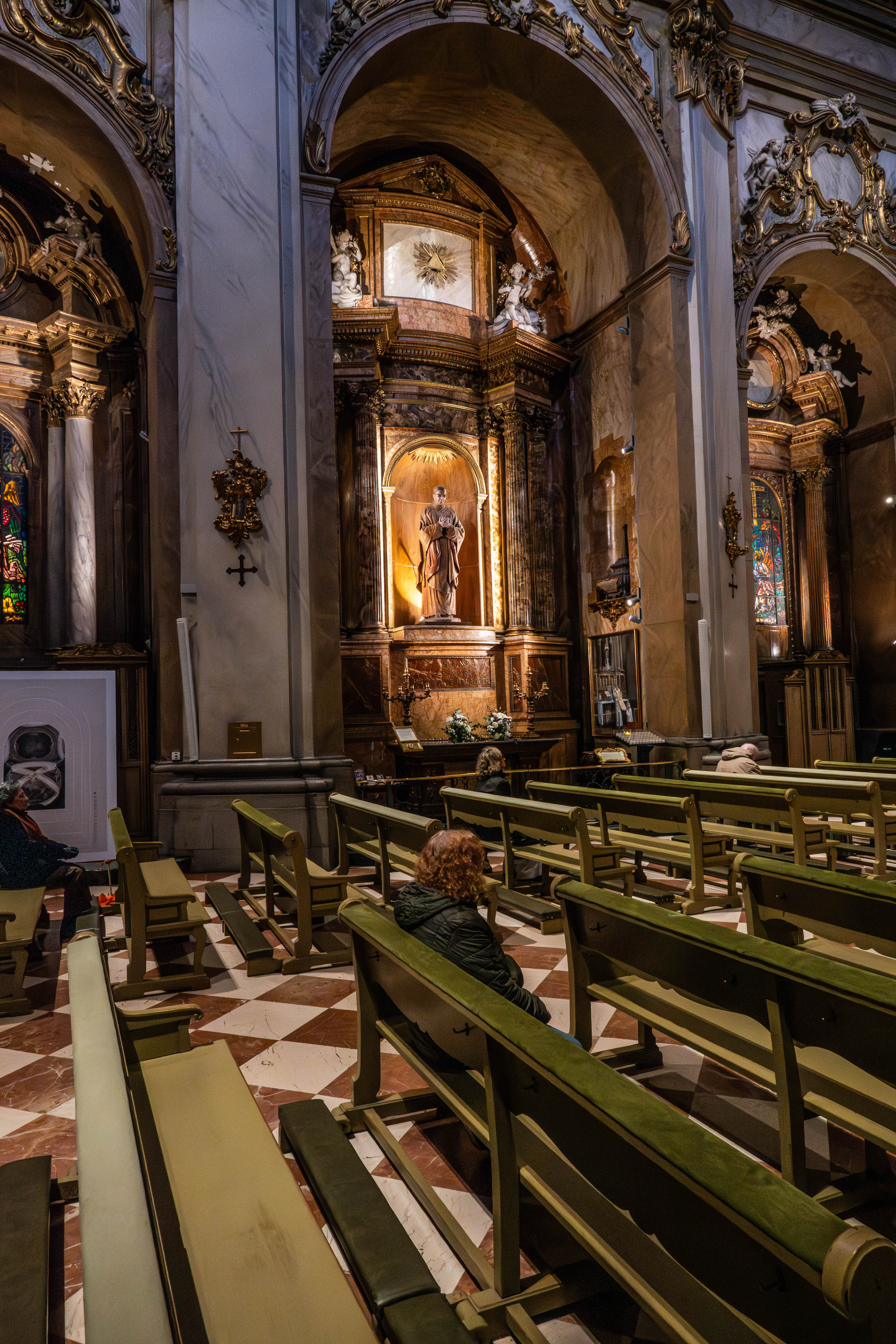
ornate altar with a statue of a saint
ornate altar with a statue of a saint ‐ photo by ,
©www.mgaylard.co.uk.
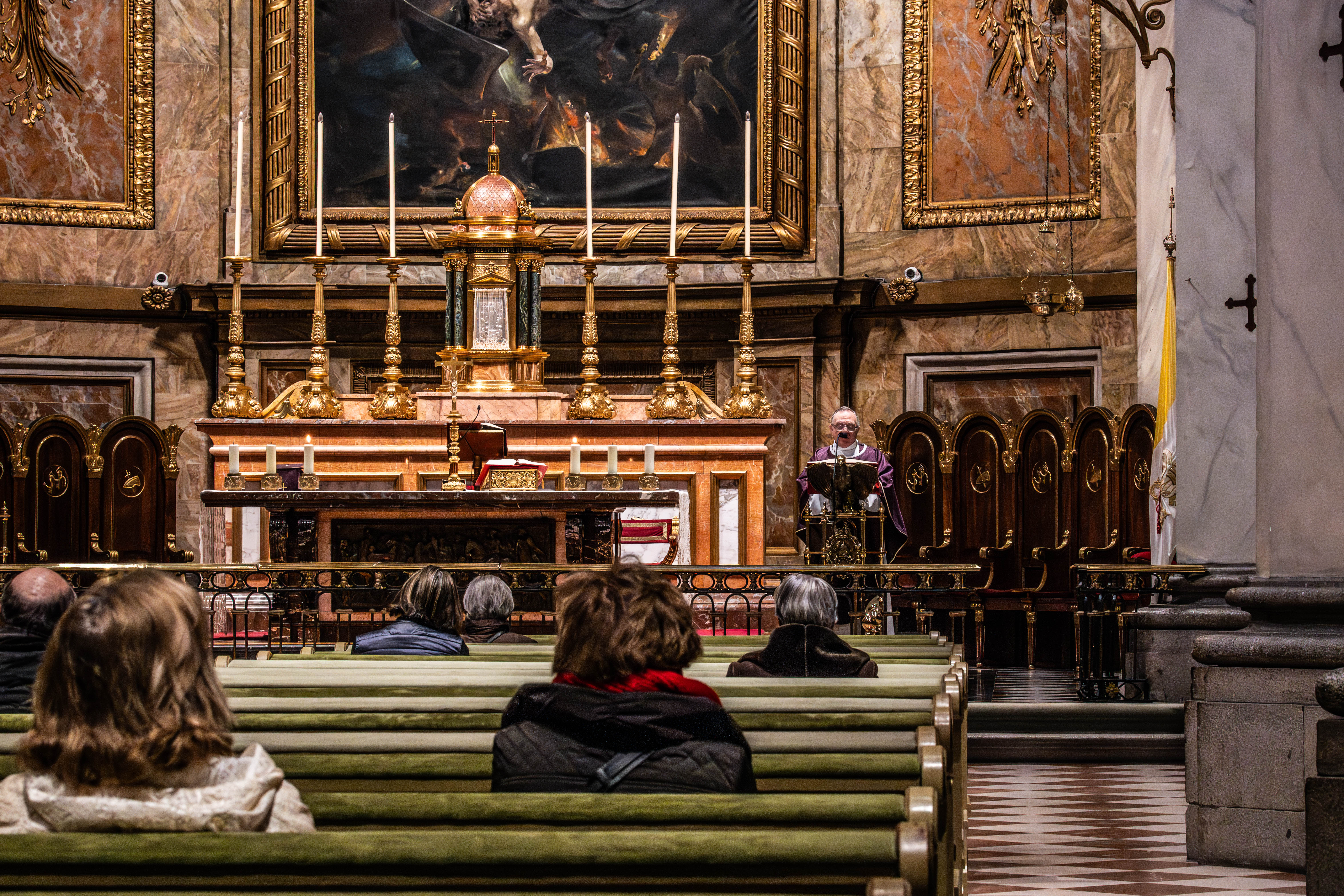
The image depicts an interior of a church where a religious service is taking place. The altar is elaborately decorated with candles, religious artifacts, and a large painting above it. A priest stands at a podium to the right of the altar, addressing a small congregation seated in the pews. The church features ornate wooden and marble elements, contributing to a solemn and reverent atmosphere.
The image depicts an interior of a church where a religious service is taking place. ‐ photo by ,
©www.mgaylard.co.uk.
serene and reverent
serene and reverent ‐ photo by ,
©www.mgaylard.co.uk.

basilica

The Pontifical Basilica of Saint Michael (Spanish: Basílica Pontificia de San Miguel) is a Baroque minor basilica in central Madrid, located on Calle de San Justo in the Hapsburg (Austrias) quarter. It is noted for its unusually convex façade, compact Latin-cross plan, and its role as a prominent site for sacred music and liturgical events.

Architecture and exterior

The basilica is an important example of Spanish Baroque with Italian influences. Its most distinctive external feature is the convex, bowed façade crowned by twin towers with spires and a convex pediment — a rare treatment in Madrid Baroque and one reason the building is singled out in the city’s architectural heritage. The façade includes allegorical statues (Charity, Faith, Hope, Fortitude) and sculptural panels by Roberto Michel and Nicolás Caresana. The building was declared a national historic-artistic monument in the mid-1980s.

Interior and artworks

The interior follows a Latin-cross layout with a central nave and a decorated dome. The cupola is frescoed (1745) by Bartolomé Rusca, depicting the apotheosis of Saints Justus and Pastor. Notable sculptures include the Cristo de la Fe y del Perdón by Luis Salvador Carmona, an 18th-century devotional image that plays a central role in Madrid’s Holy Week processions. The basilica’s acoustics and organ make it a frequent venue for sacred music and cultural programming.

References

en.wikipedia.orgwww.esmadrid.comacademia-lab.com , Text generated by Microsoft CoPilot
To the top
Powered by w3.css. The images are all stored on link to www.gaylard.co.uk Photostream on Flickr   This website is hosted by link to 123Reg Web Hosting