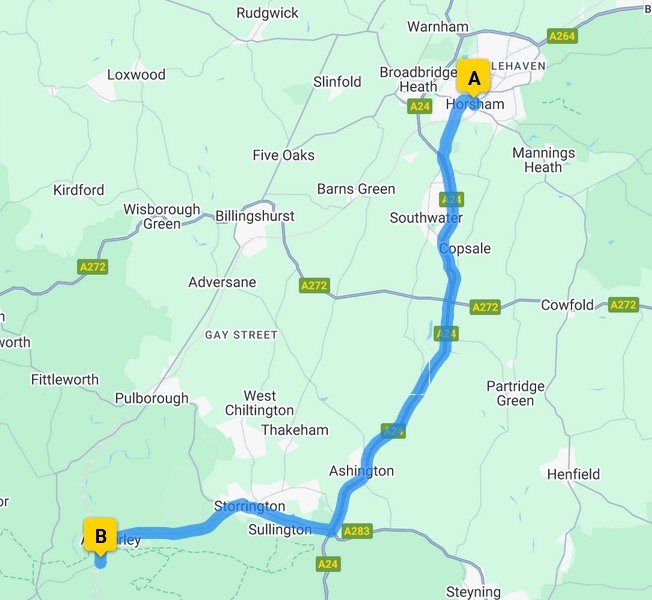
New Barn Road,
Amberley,
West Sussex,
BN18 9LT,
United Kingdom
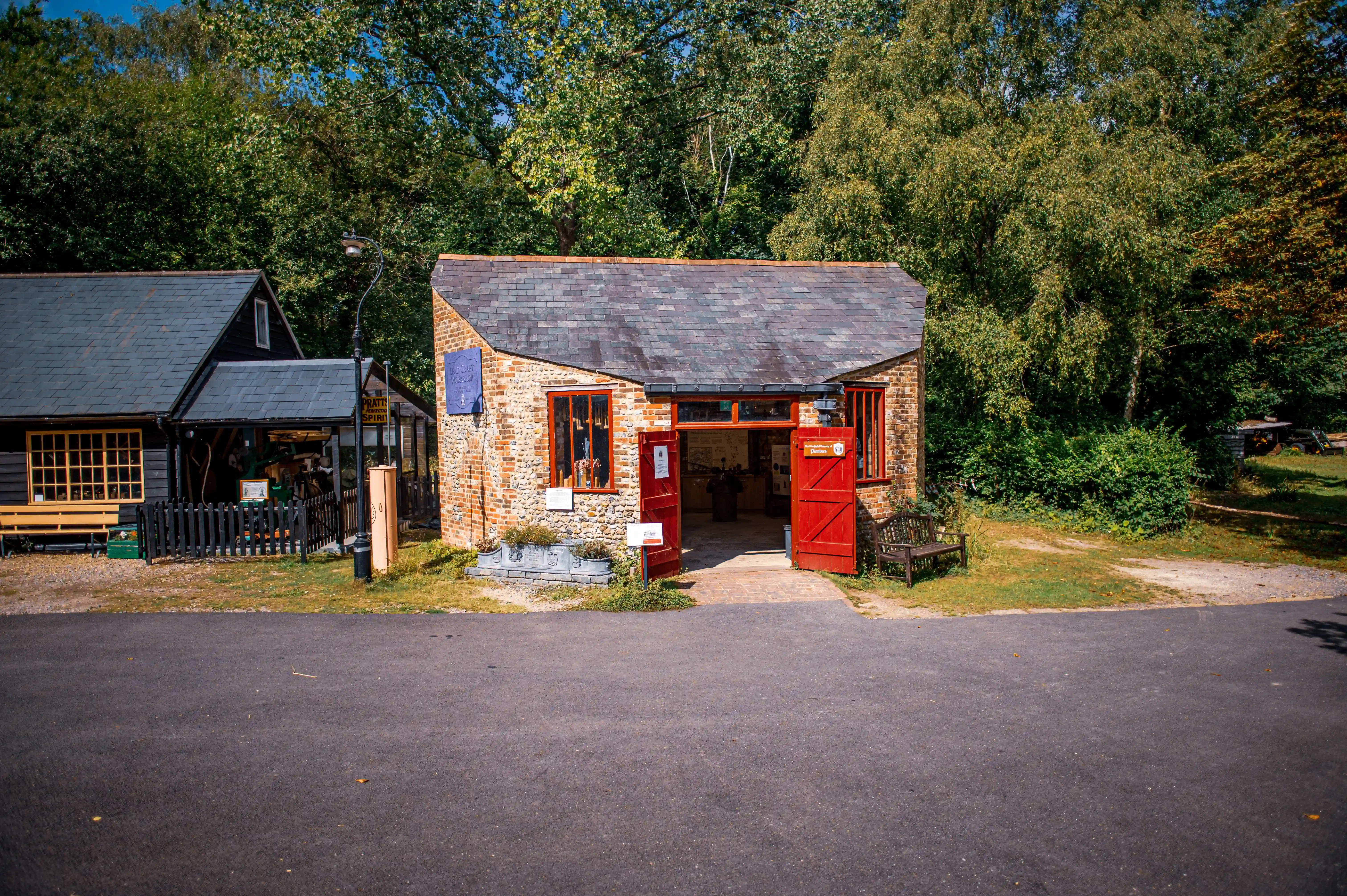
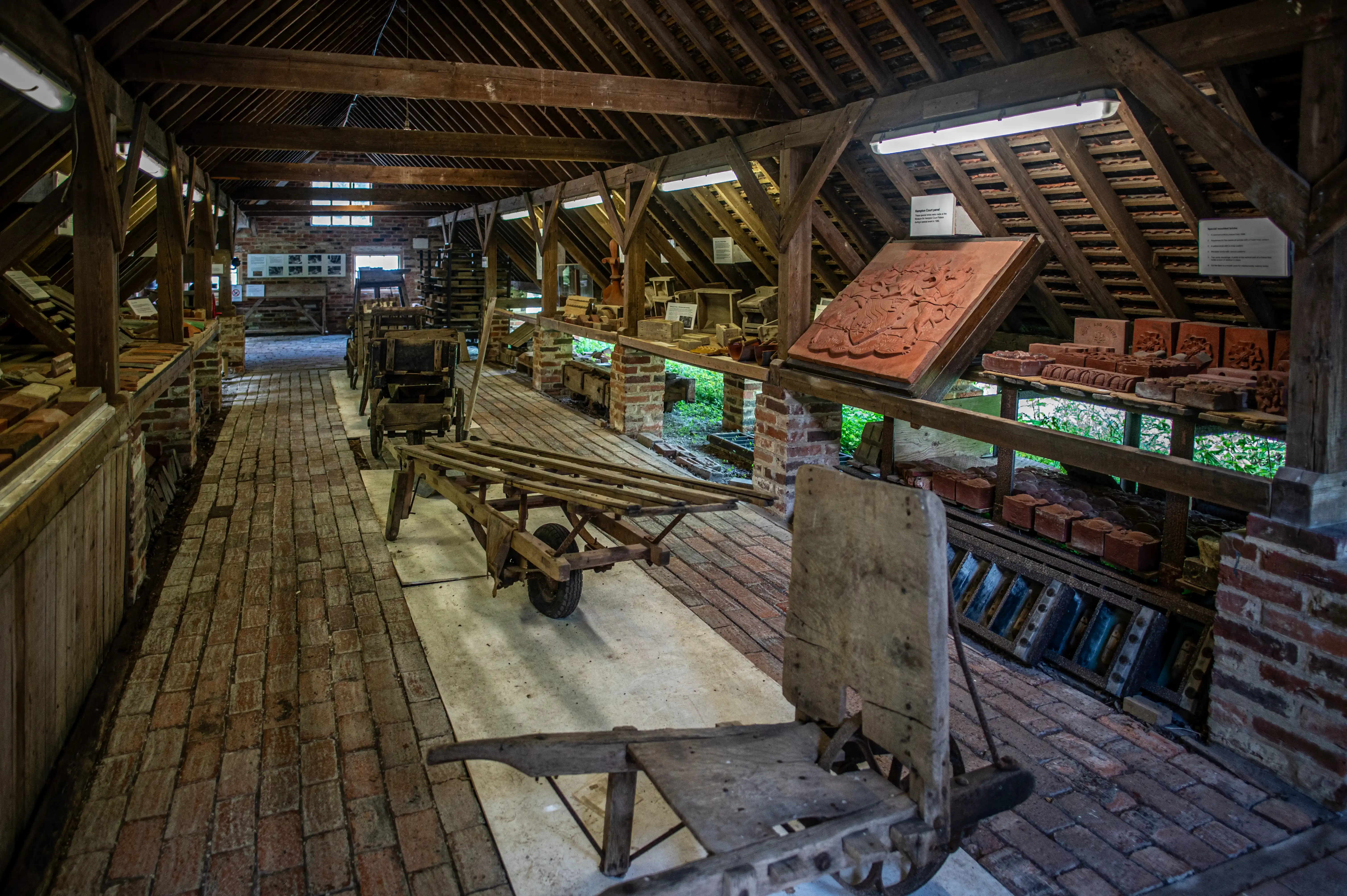
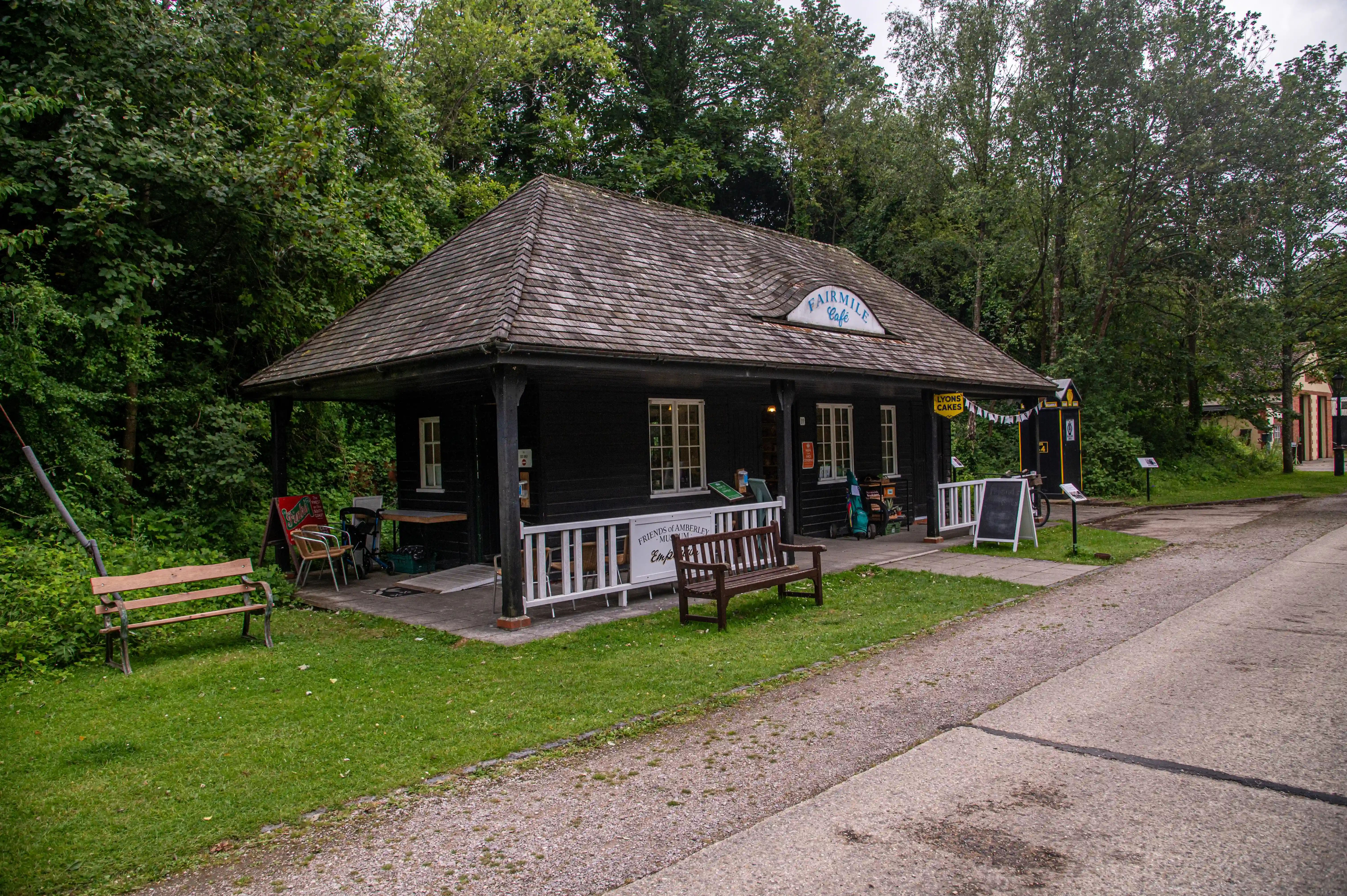
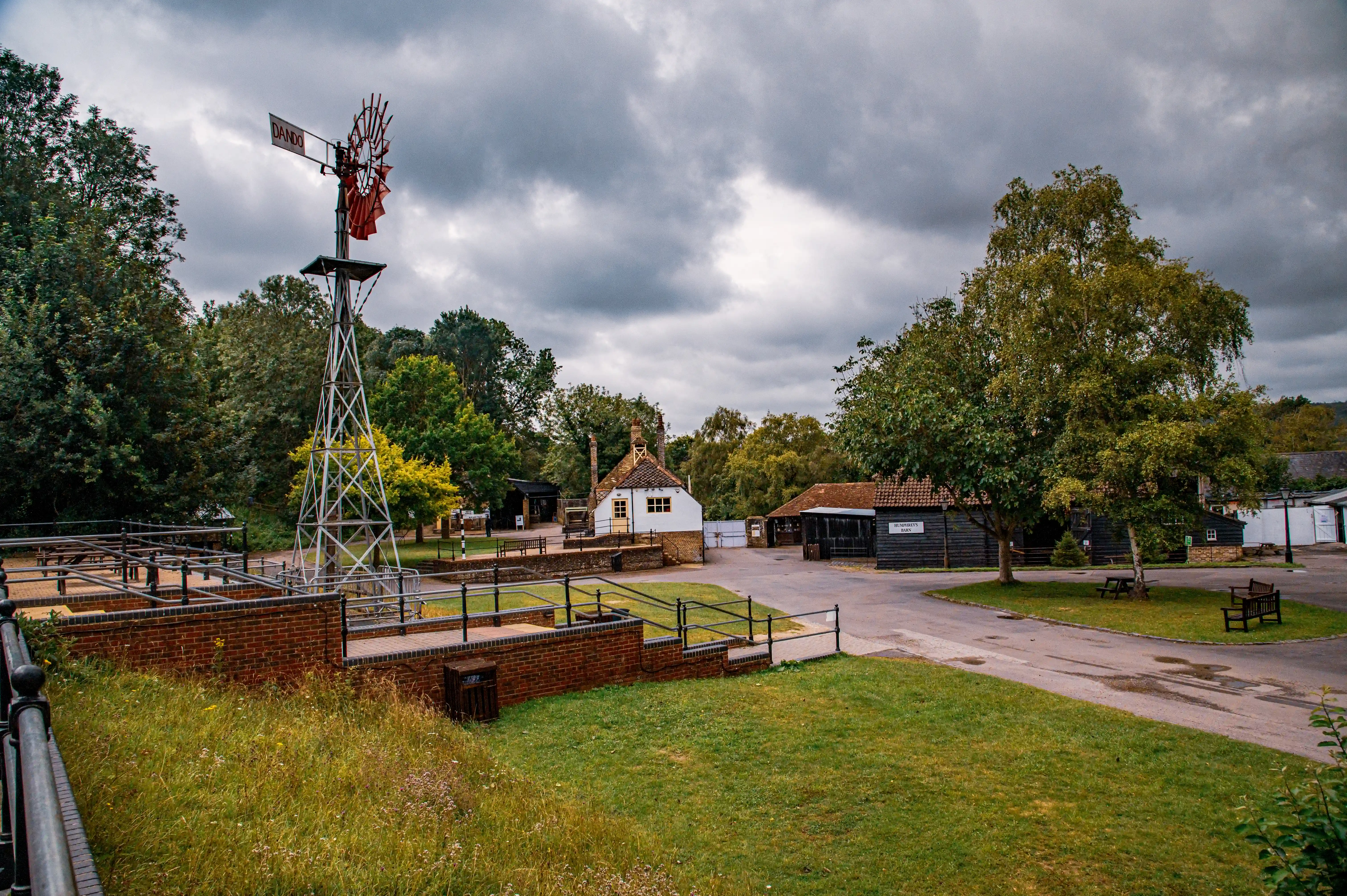
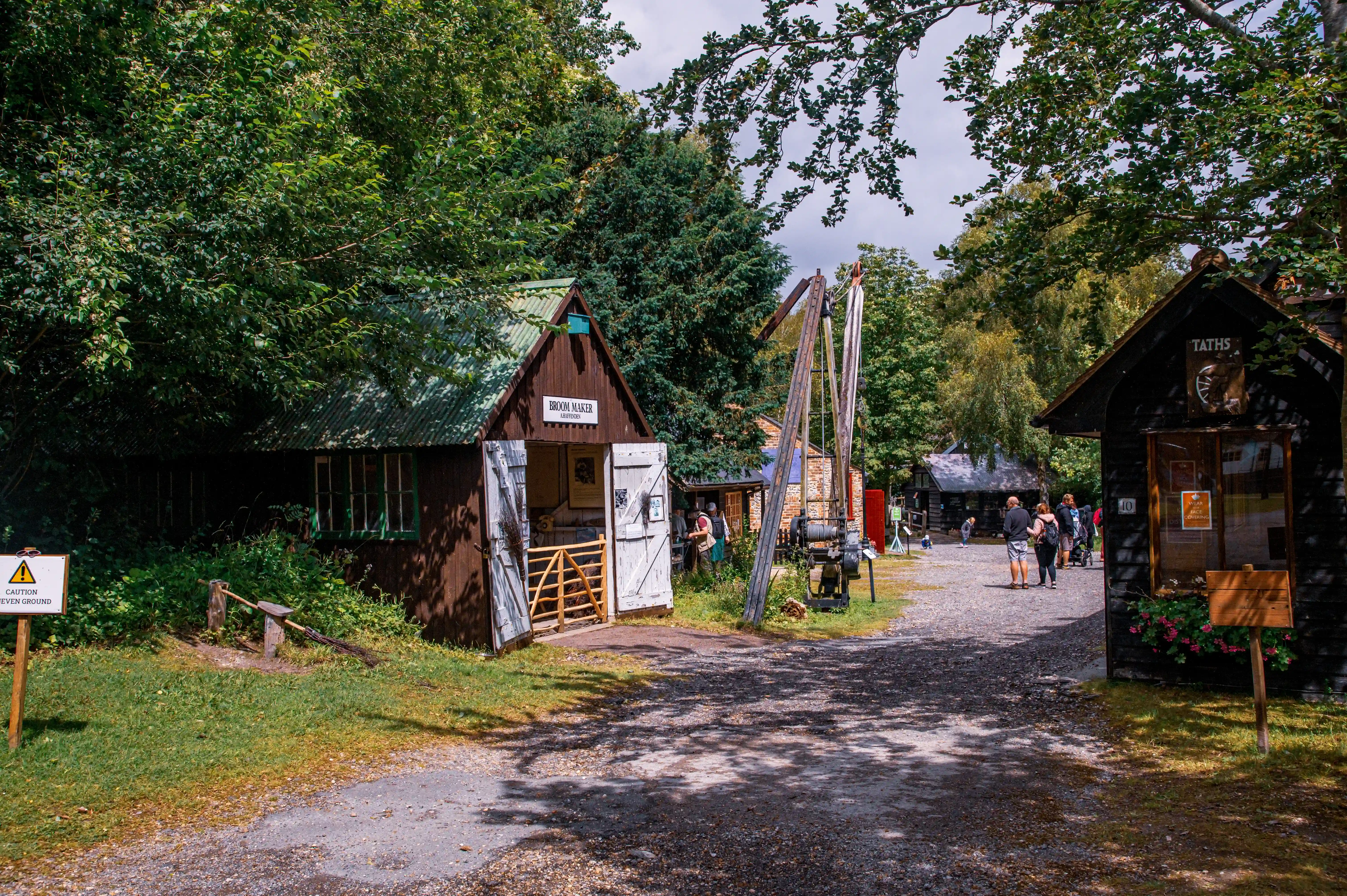
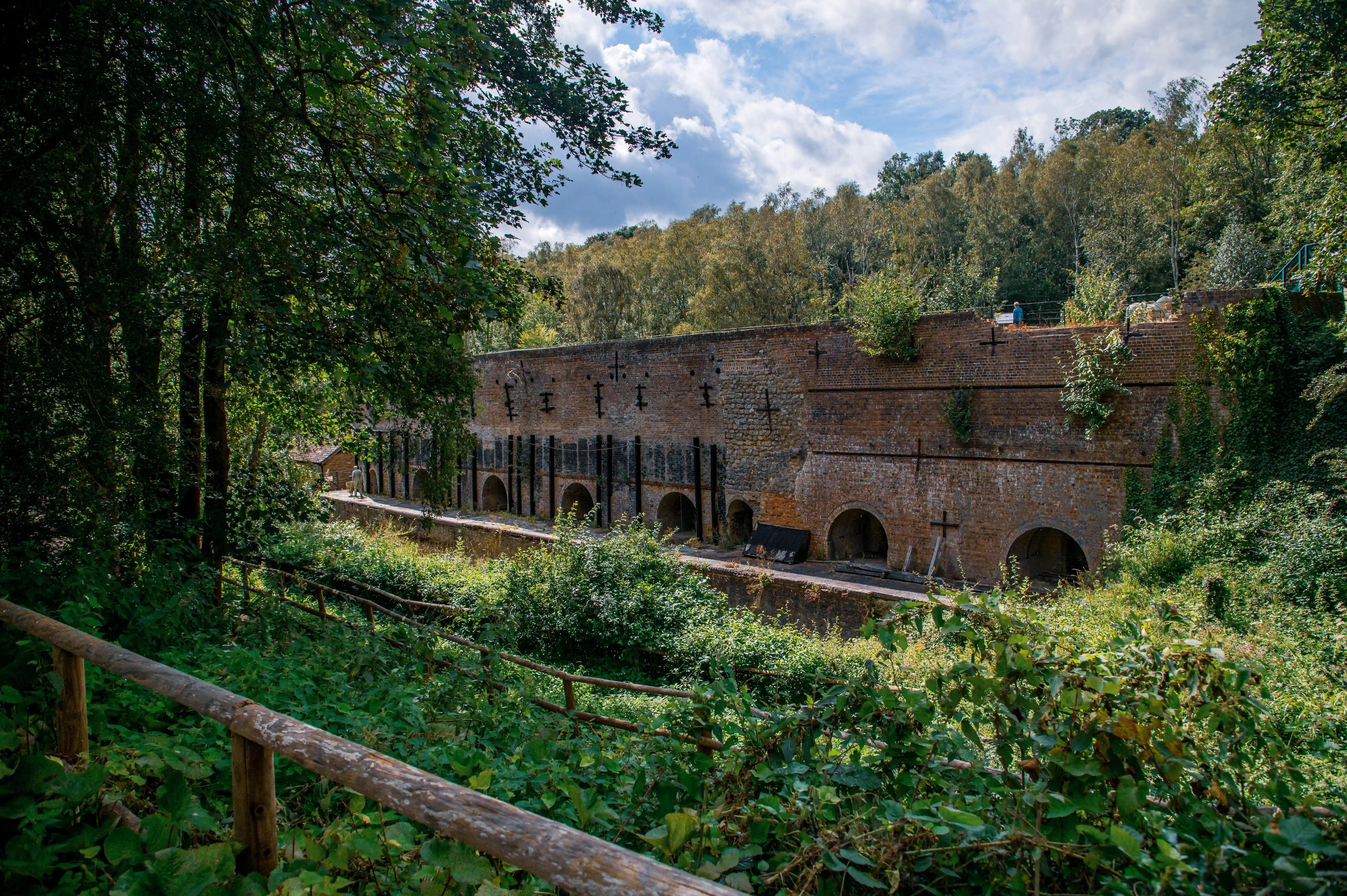
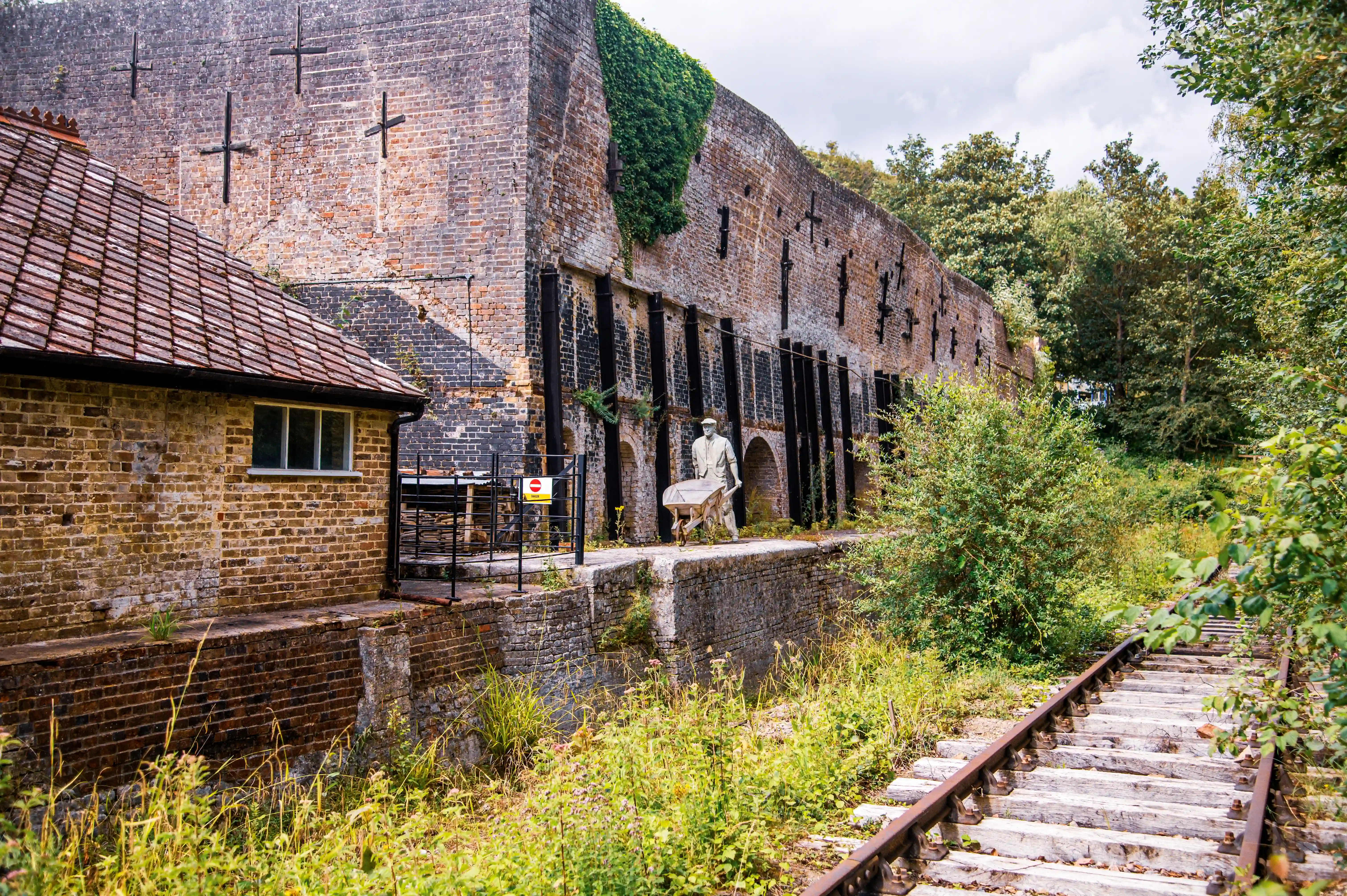
Amberley Open Air Museum is a unique and immersive heritage attraction located in the village of Amberley, West Sussex, England. Spread across 36 acres of beautiful countryside, the museum is dedicated to preserving and showcasing the history of rural life, traditional crafts, and industrial heritage in the South East of England. With over 40 historic buildings relocated and restored on-site, the museum offers visitors a journey through time, allowing them to explore and experience the way of life, work, and leisure of past generations.
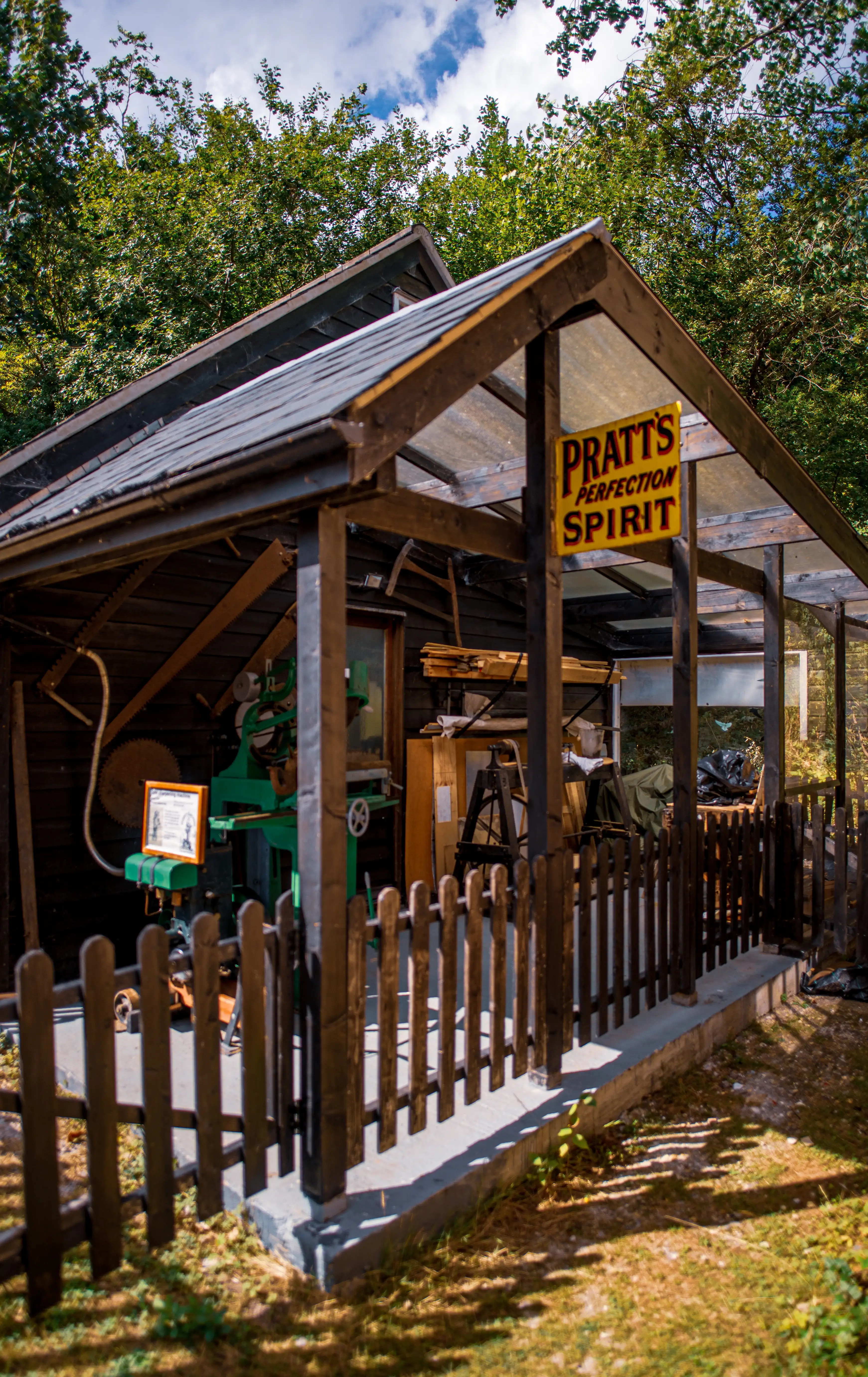
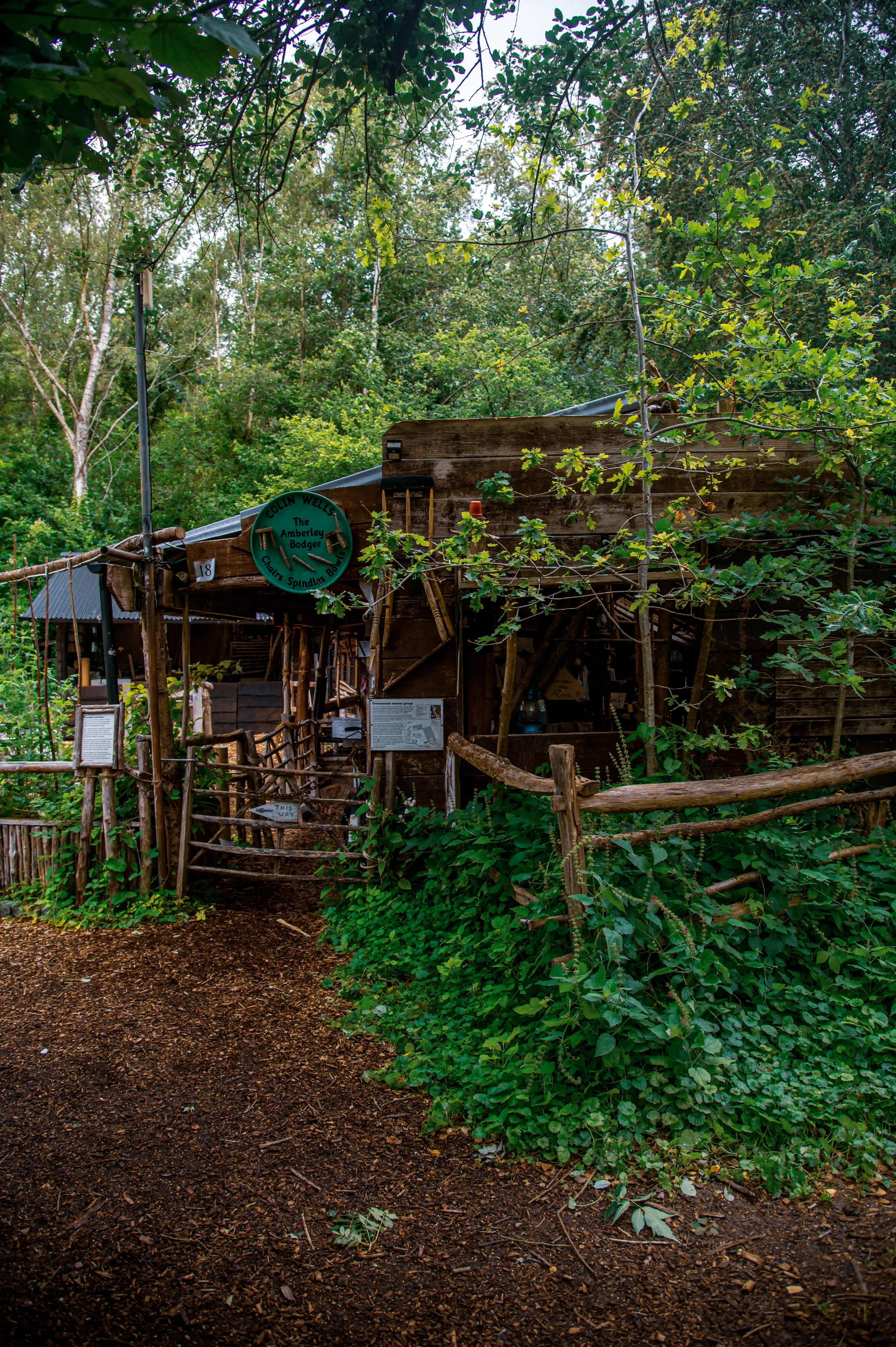
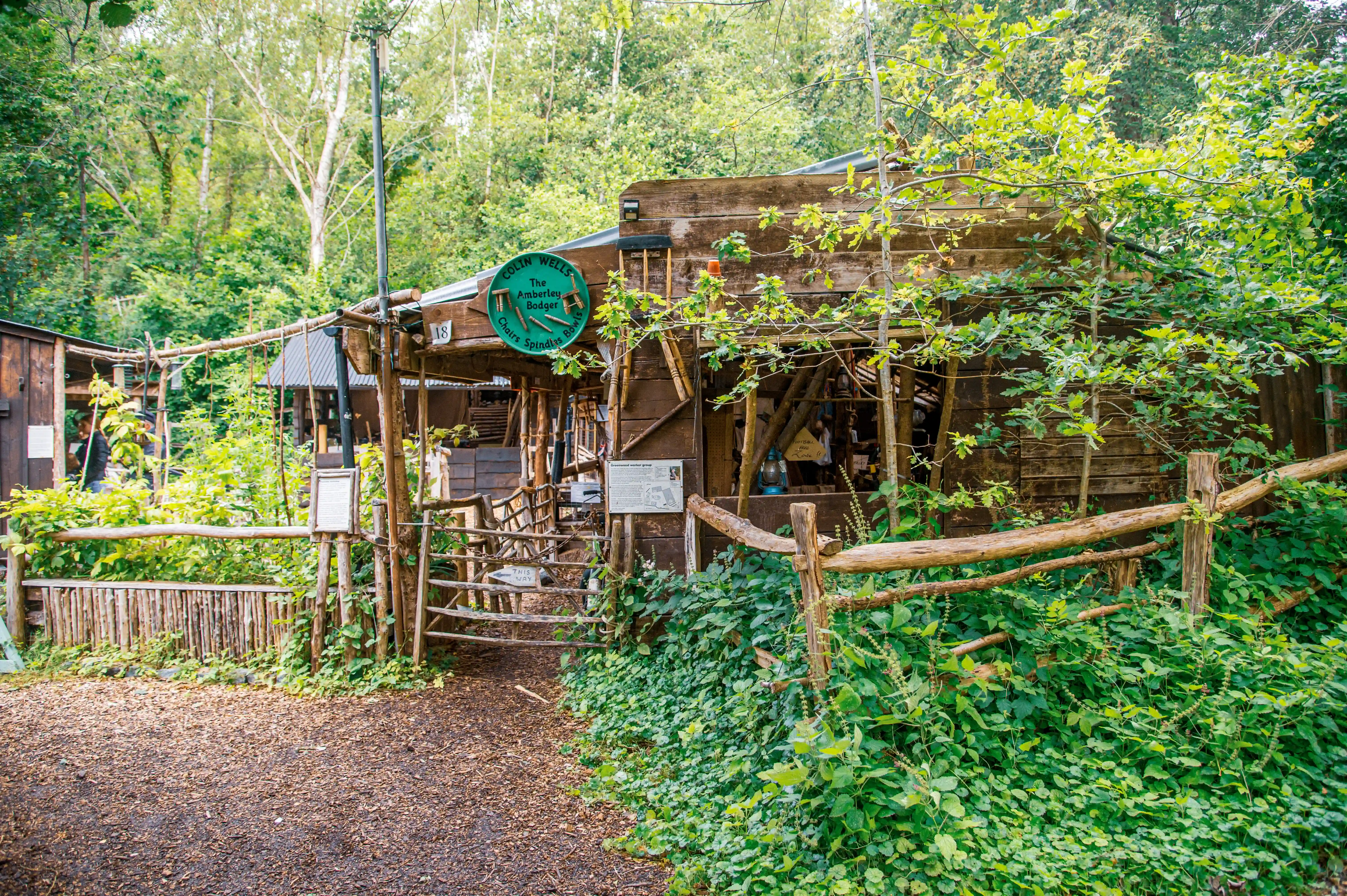
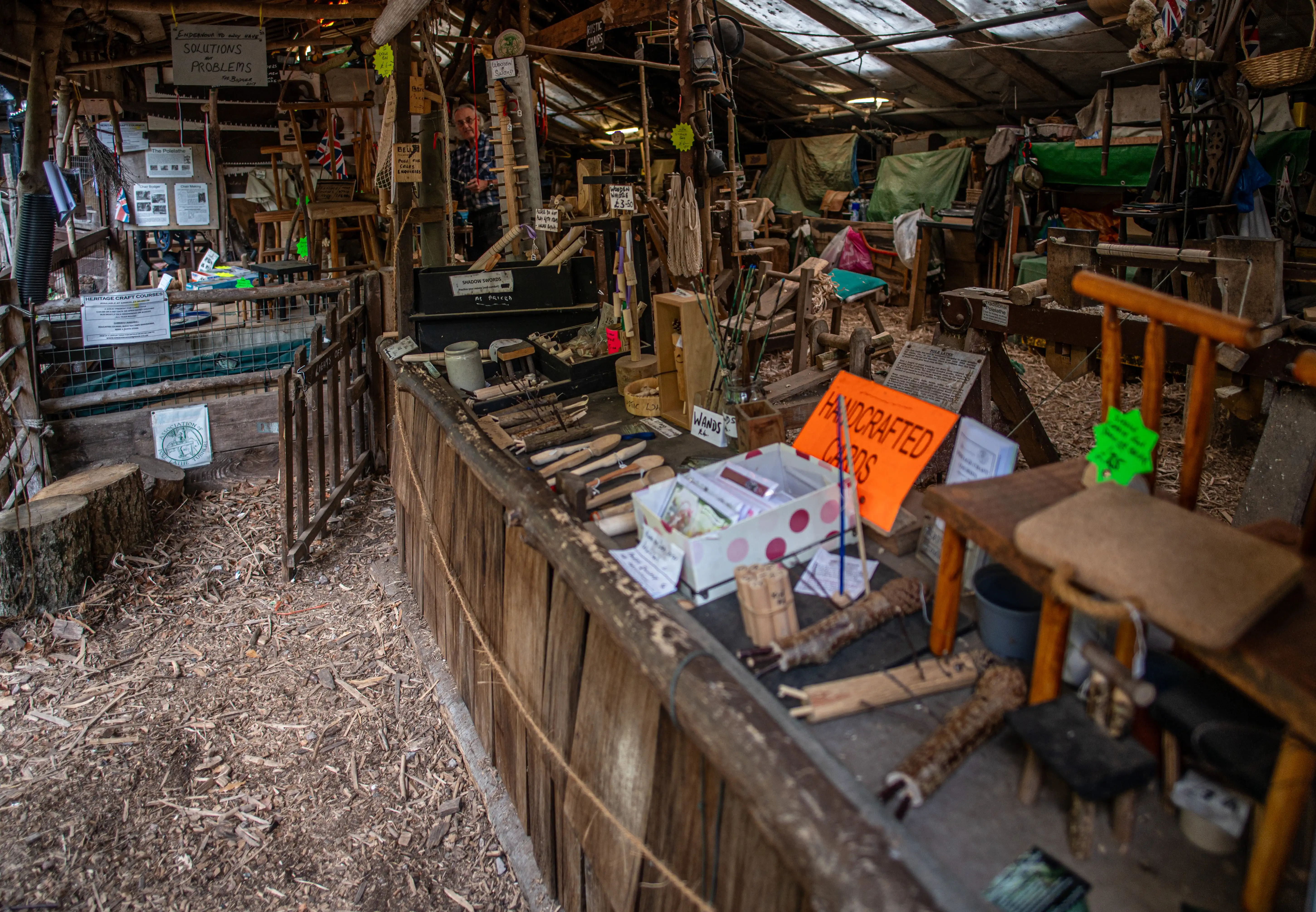
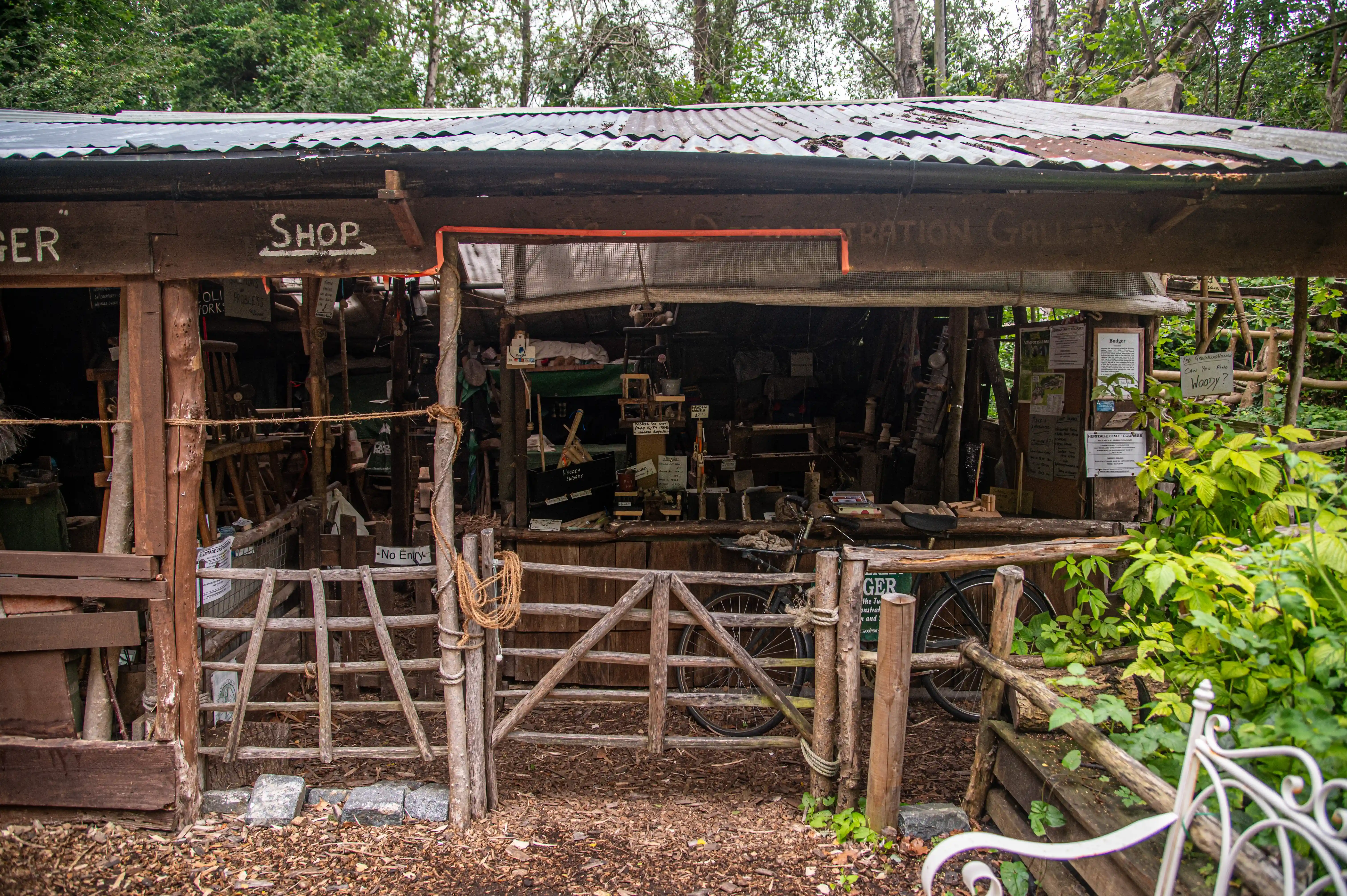
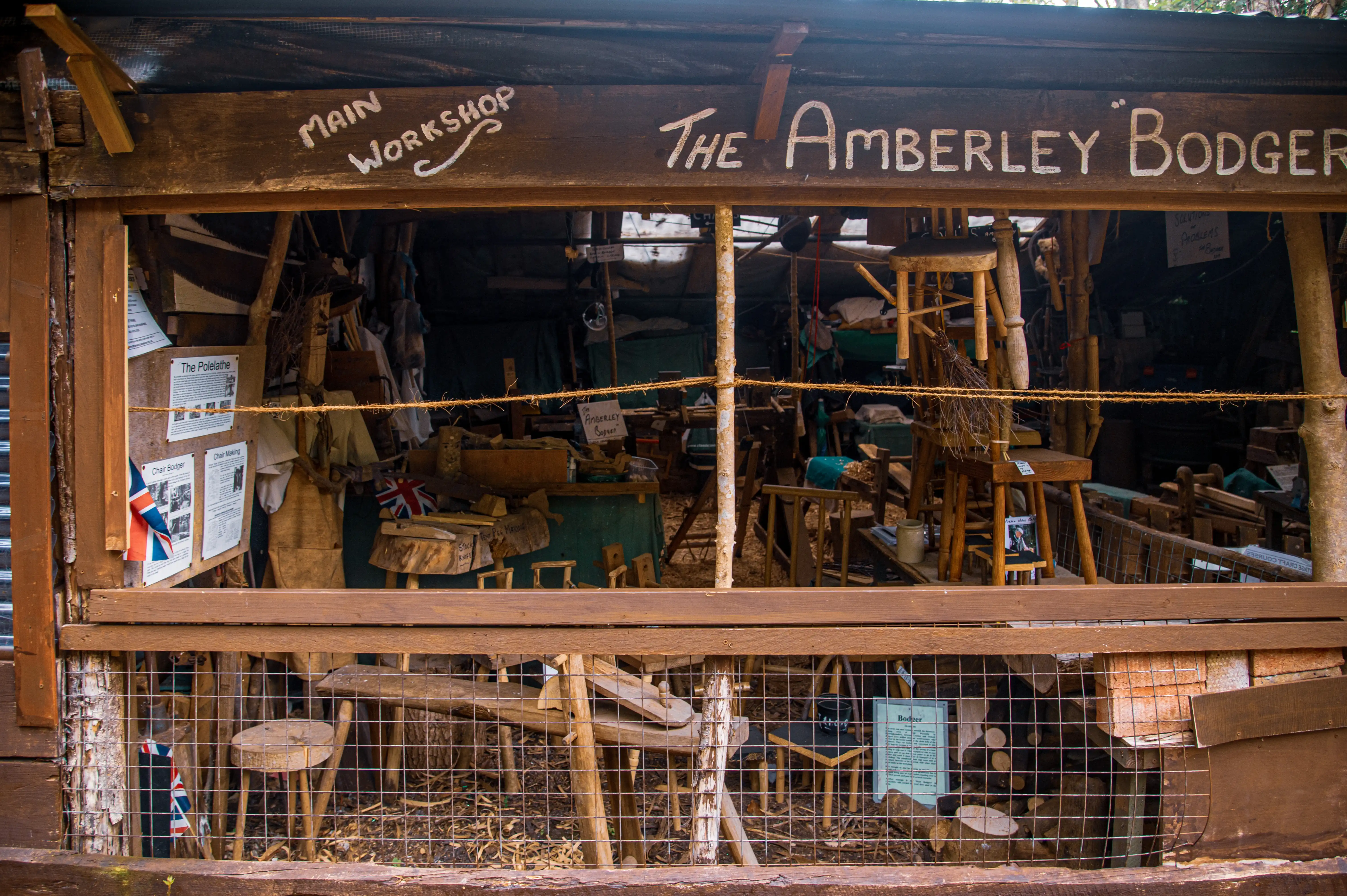
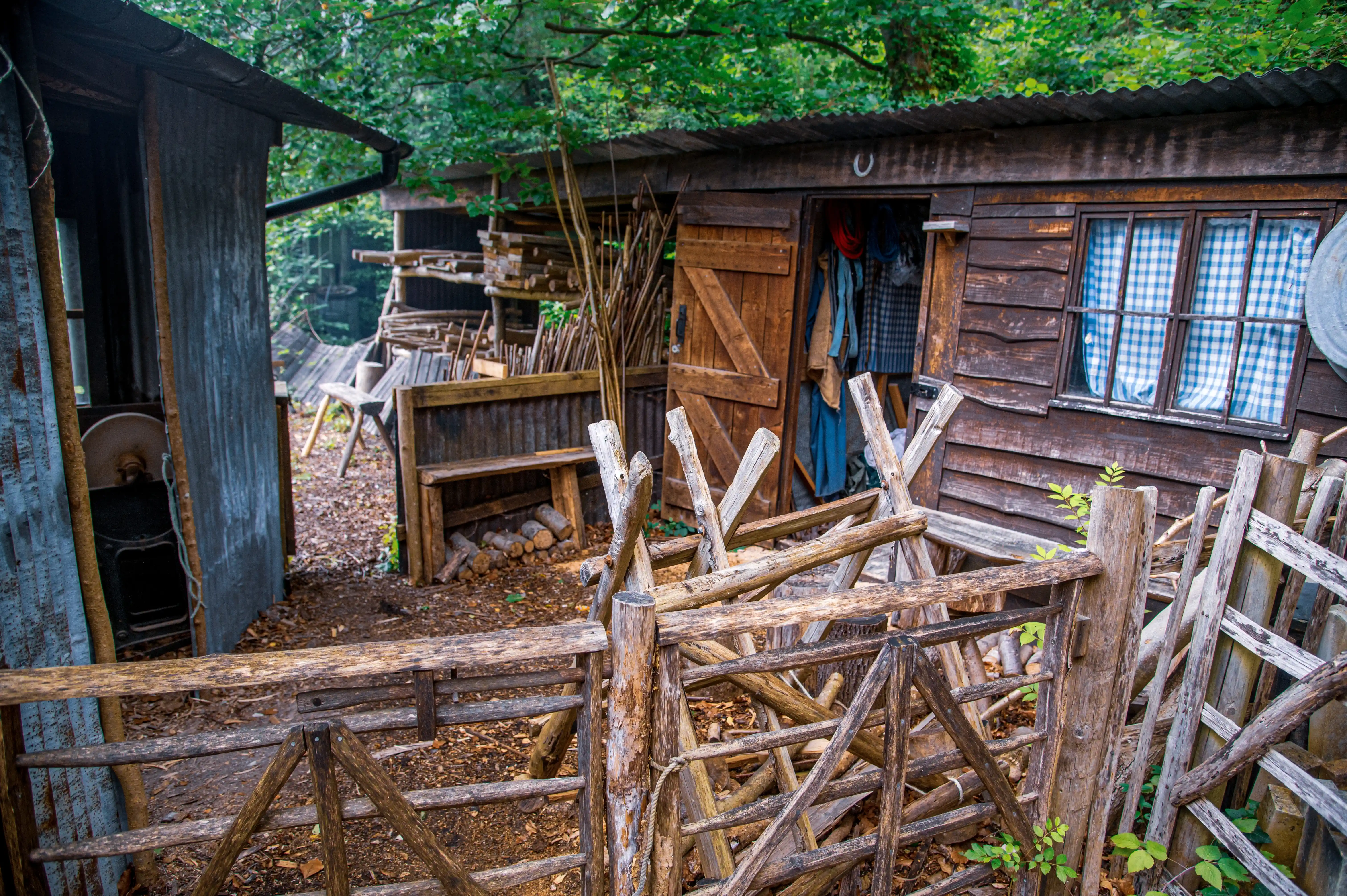
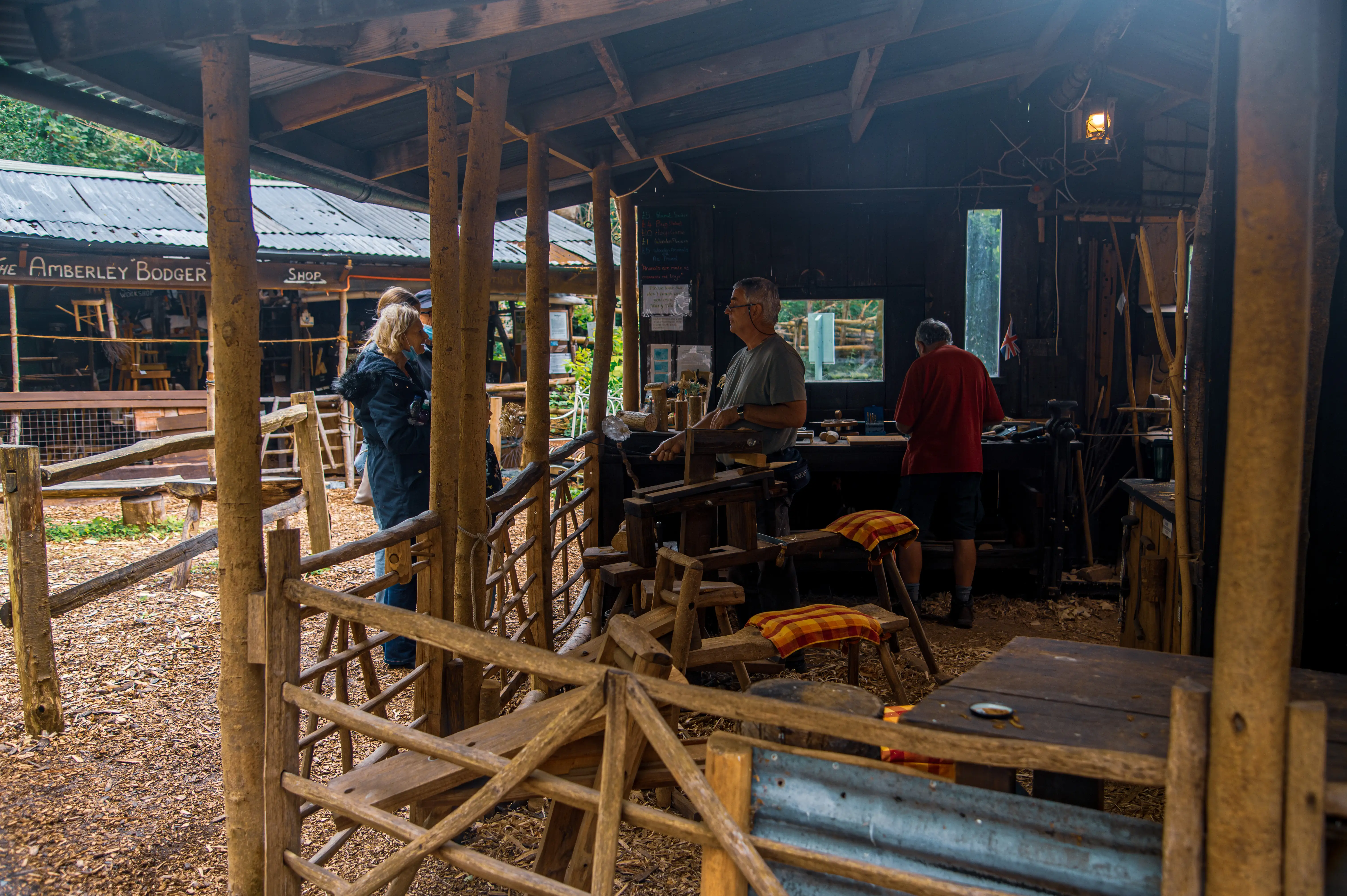
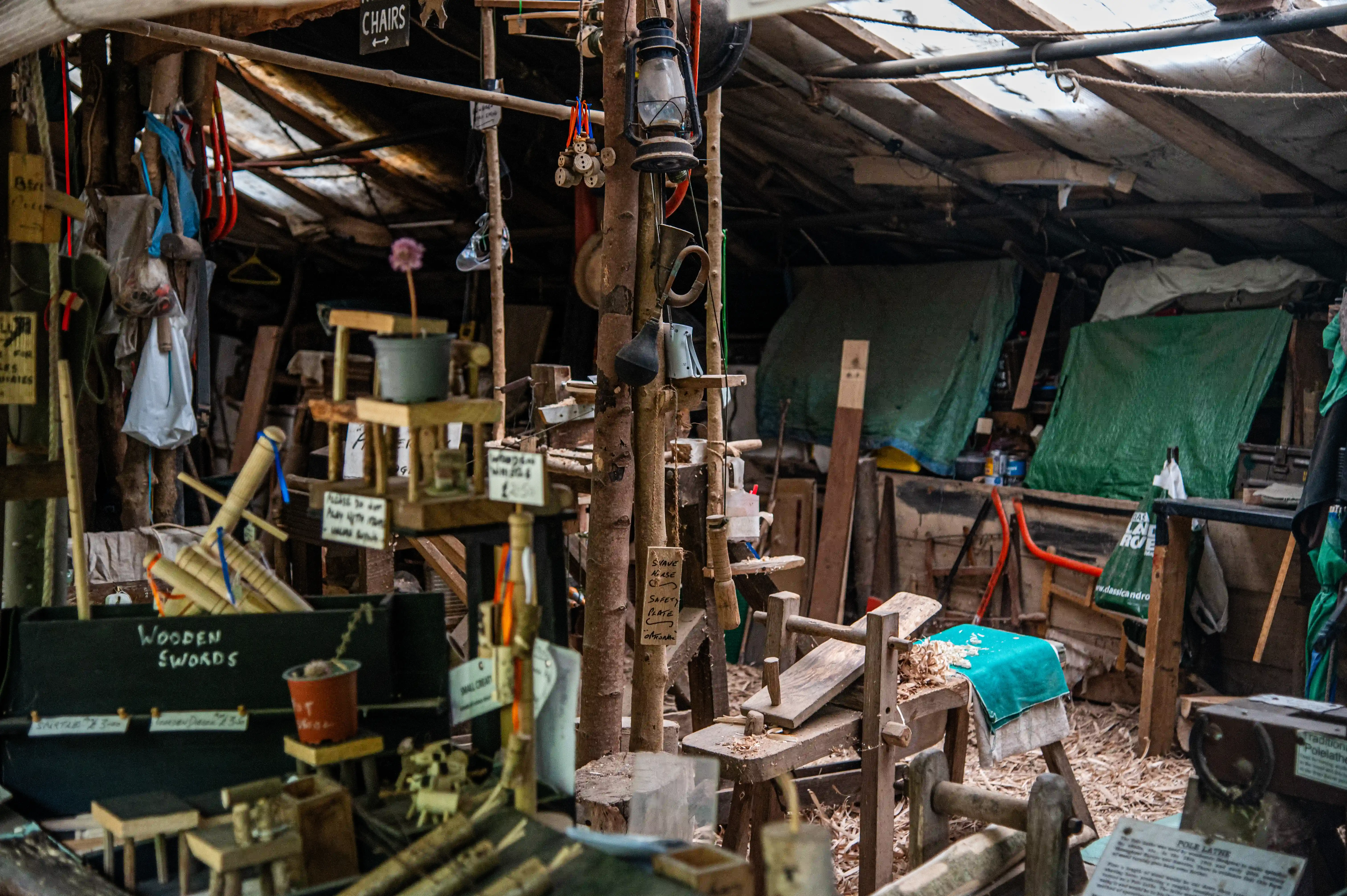
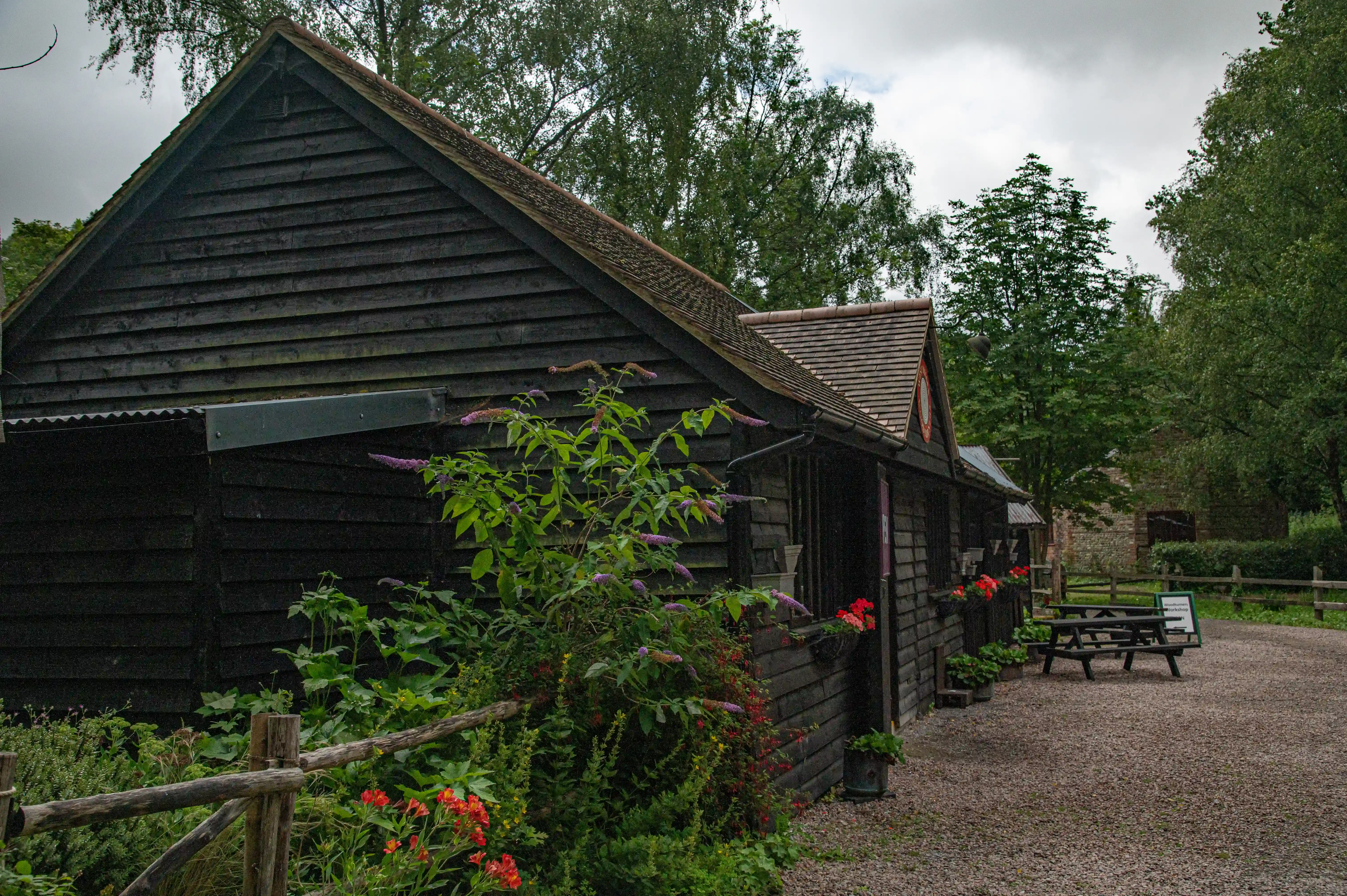
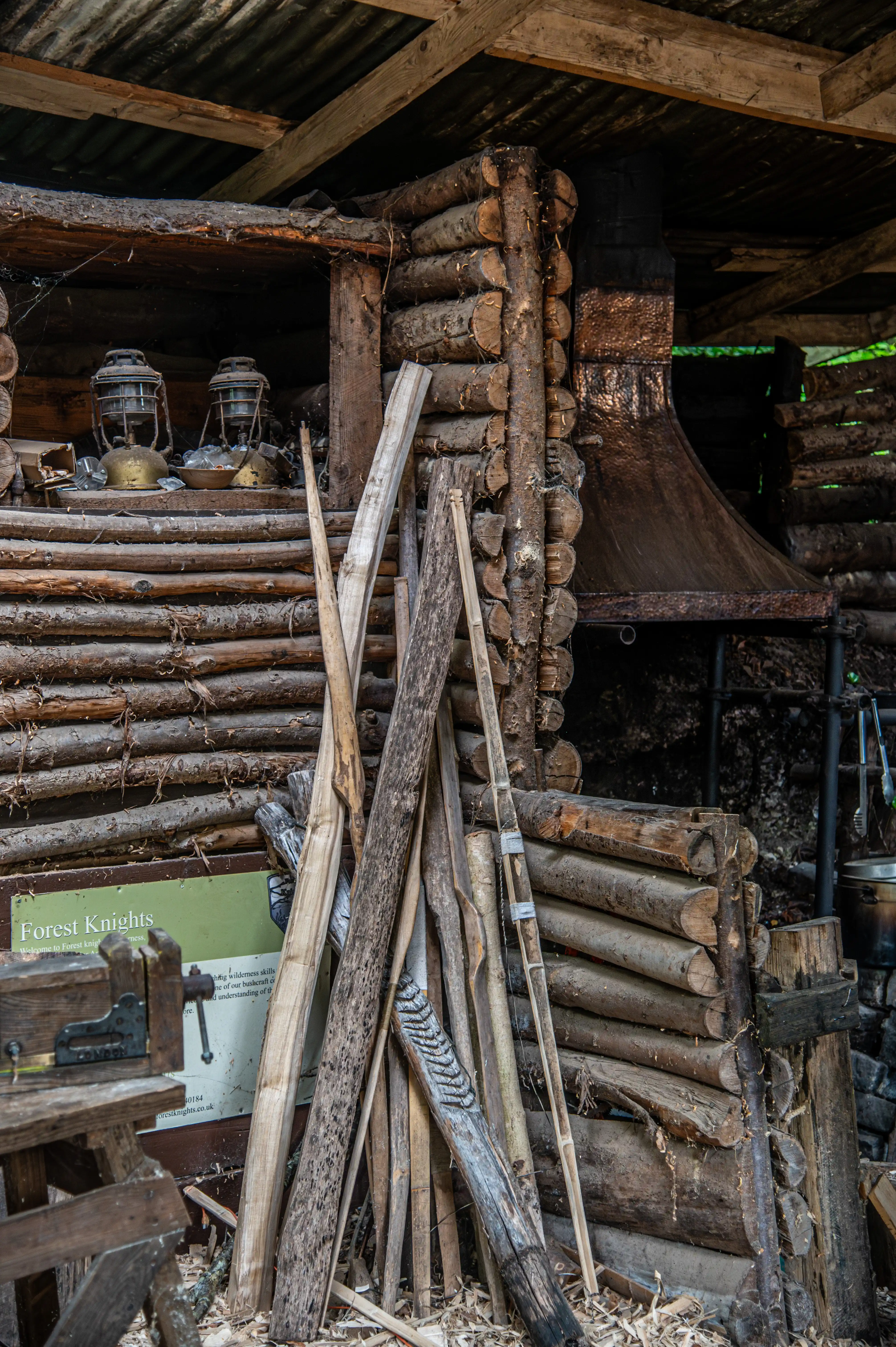
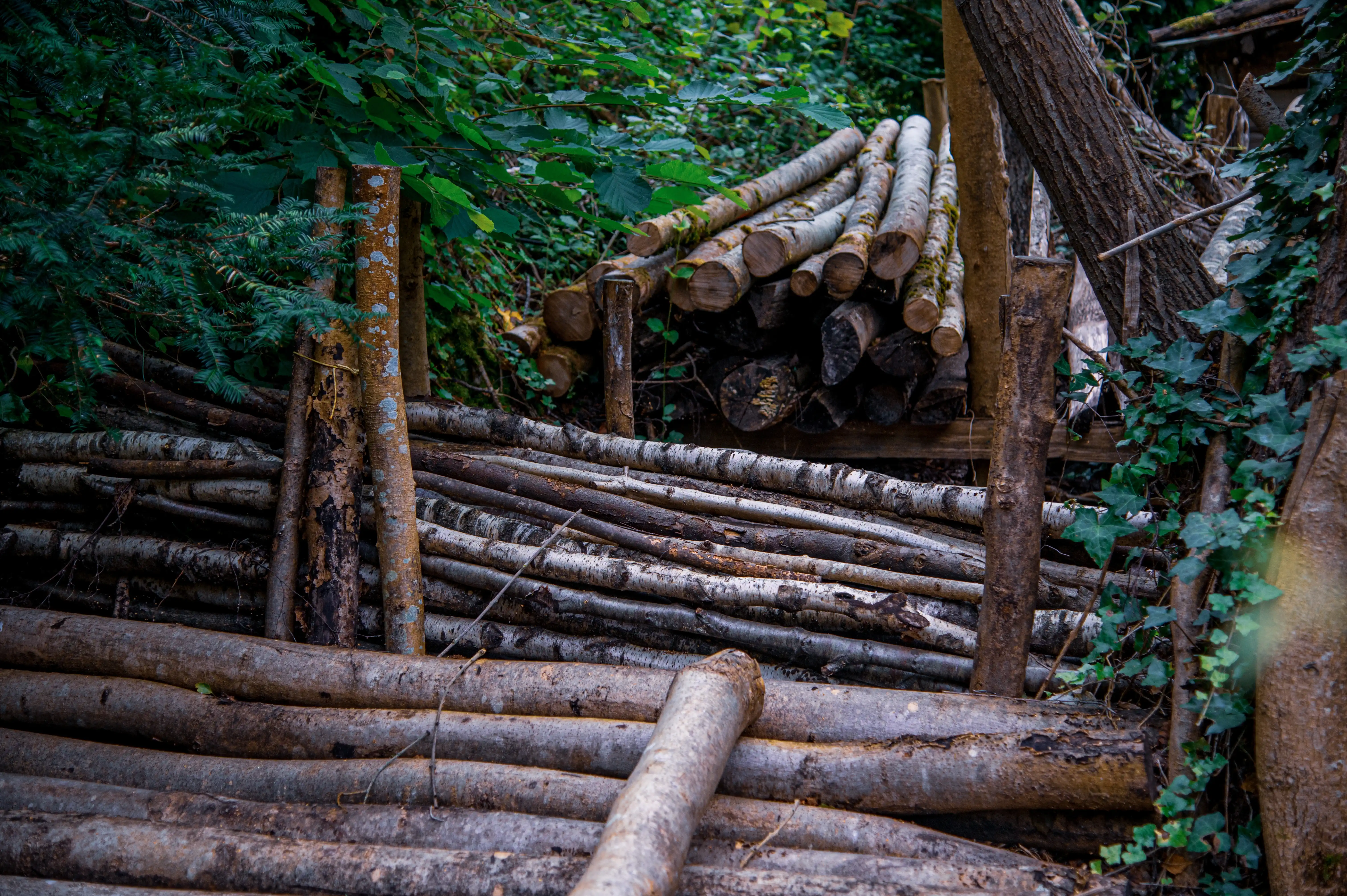
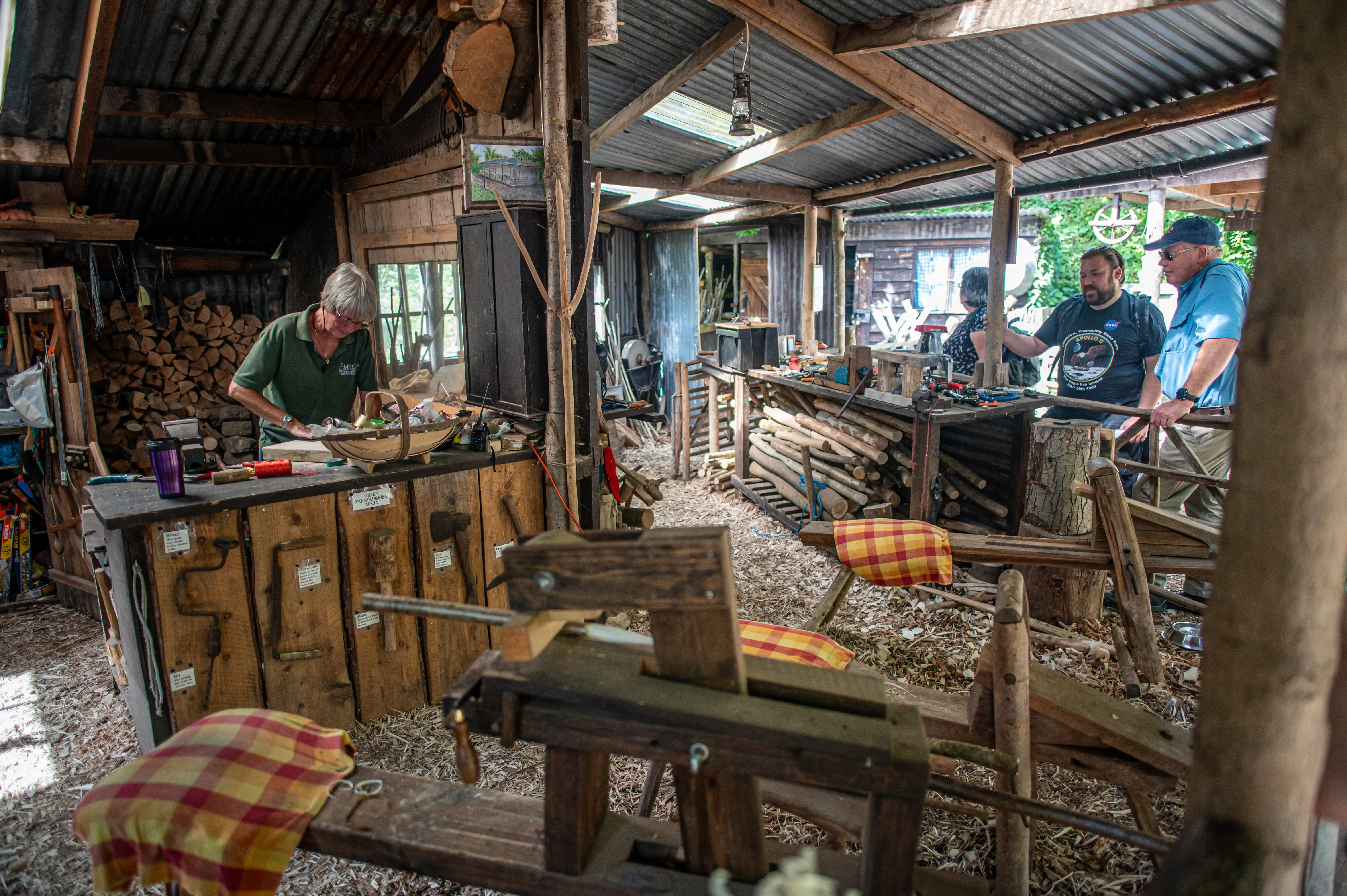
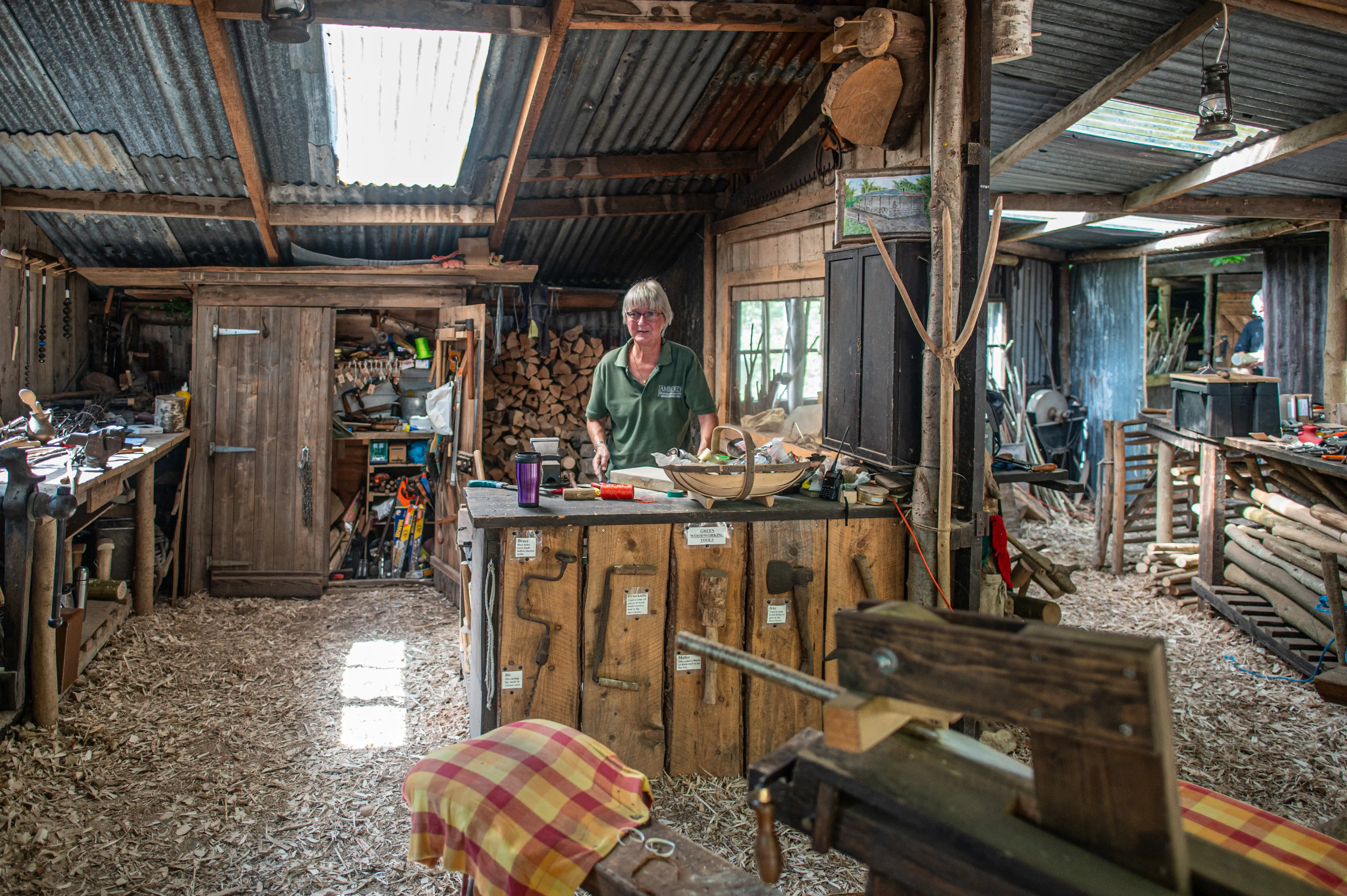
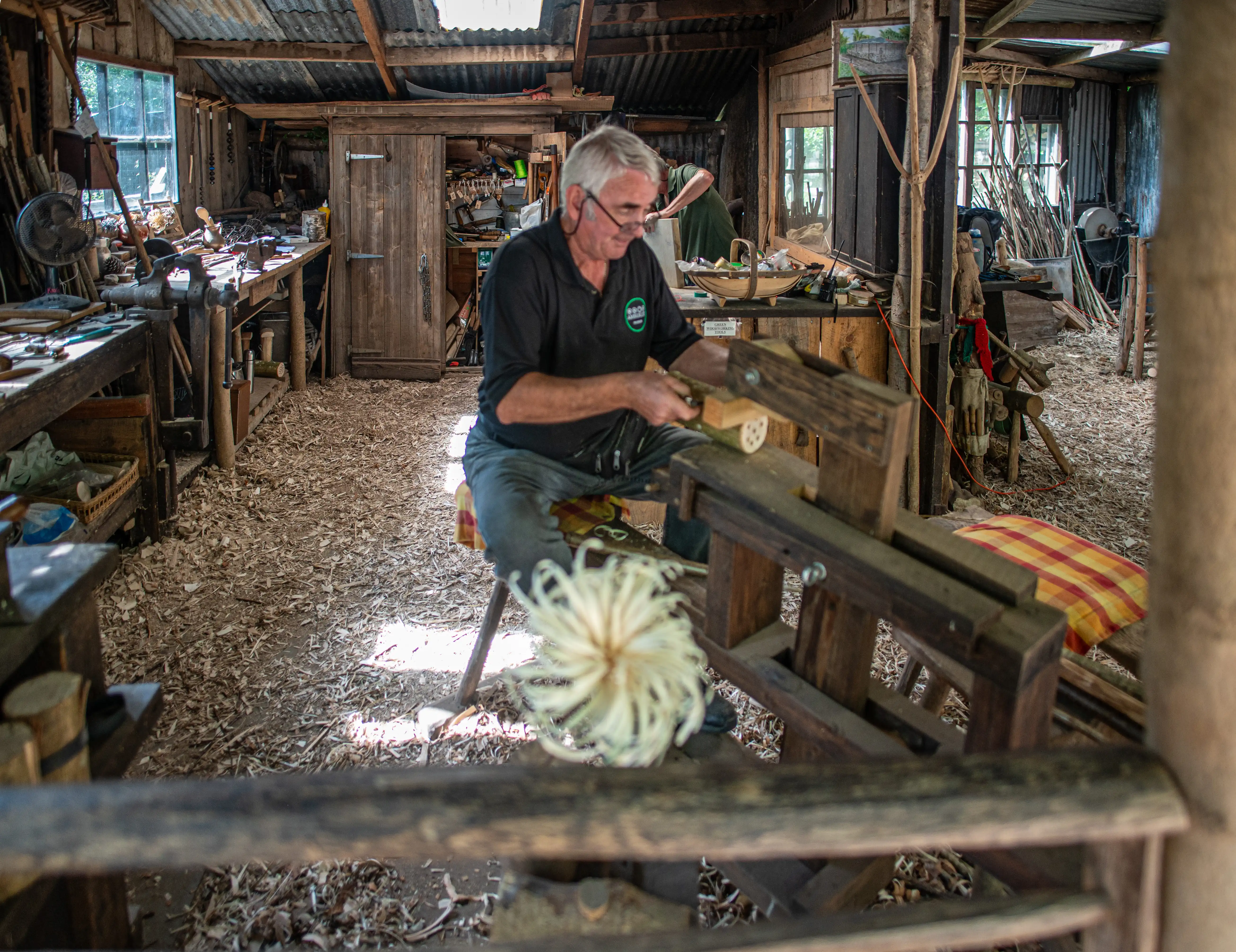
A bodger was a traditional chair-maker in 19th-century England, particularly in the Chiltern Hills and other wooded areas. Bodgers were itinerant craftsmen who worked in the woodlands, using pole lathes (a simple, foot-powered lathe) to turn beech or ash wood into chair legs, spindles, and other components. They typically lived in temporary shelters or huts in the woods, moving from place to place as they exhausted local timber supplies.
The term "bodger" is derived from the Old English word bodger, meaning "a maker of wooden objects," and their work was a key part of the rural chair-making industry, supplying parts to chair factories or assembling complete chairs themselves. Bodgers were known for their self-sufficient, nomadic lifestyle and their skill in greenwood working (shaping unseasoned wood)en.wikipedia.org.
Amberley Open Air Museum was established in 1979 by a group of local enthusiasts who were passionate about preserving the heritage of rural life in the South East of England. The museum was created as a response to the rapid modernization and loss of traditional buildings and crafts in the region. The founders sought to rescue and restore historic buildings that were at risk of demolition, relocating them to the museum site to create a living history experience for visitors.
The museum’s 36-acre site was chosen for its beautiful countryside setting, which provides an authentic backdrop for the historic buildings and exhibits. Over the years, the museum has grown significantly, with over 40 buildings now on display, each carefully restored to reflect its original use and historical context.
Amberley Open Air Museum is more than just a collection of buildings—it is a living, breathing celebration of the rural and industrial heritage of the South East. The museum aims to educate and inspire visitors by showcasing the traditions, skills, and way of life of past generations, ensuring that this rich heritage is preserved for future generations to enjoy.
Historic Buildings
Relocated and Restored Buildings – The museum features over 40 historic buildings that have been relocated and restored on-site. These buildings span centuries of history and represent a wide range of rural and industrial uses, including:
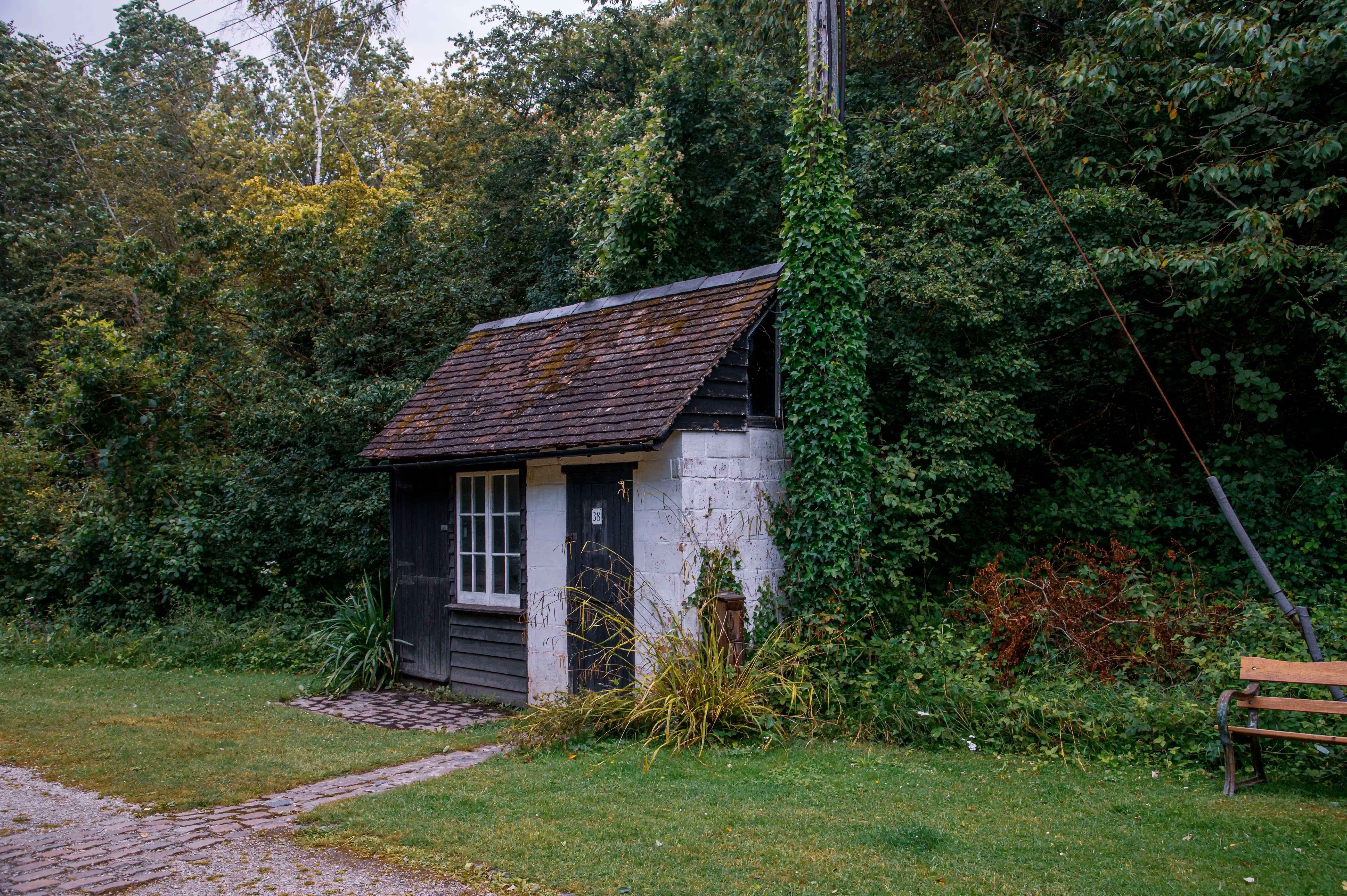
Cottages and Homes – Traditional cottages and homes from the 18th and 19th centuries, showcasing the living conditions and architectural styles of rural life.
Farm Buildings – Barns, stables, and farmhouses that highlight the agricultural heritage of the region, including livestock management, crop storage, and farming techniques.
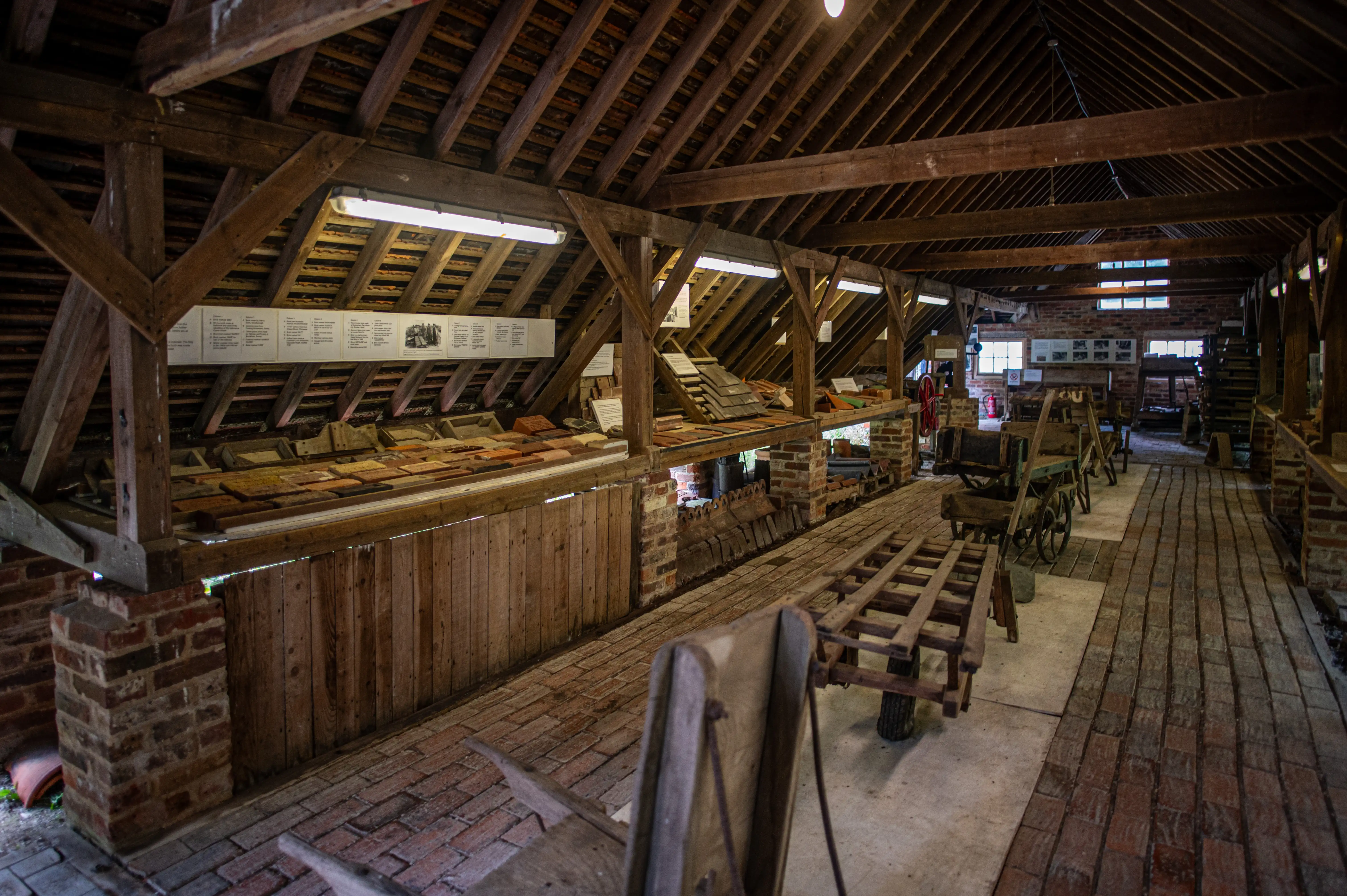
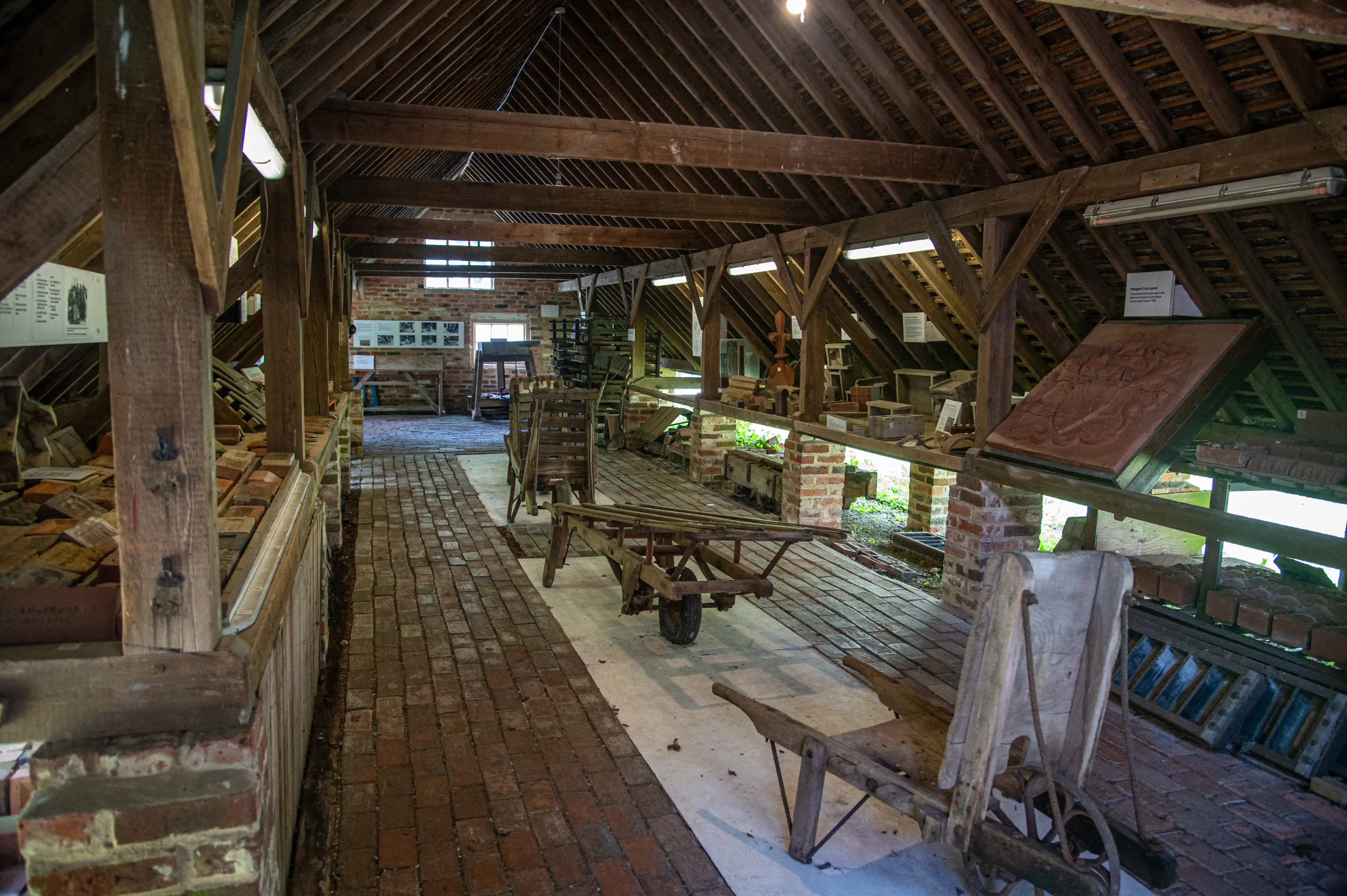
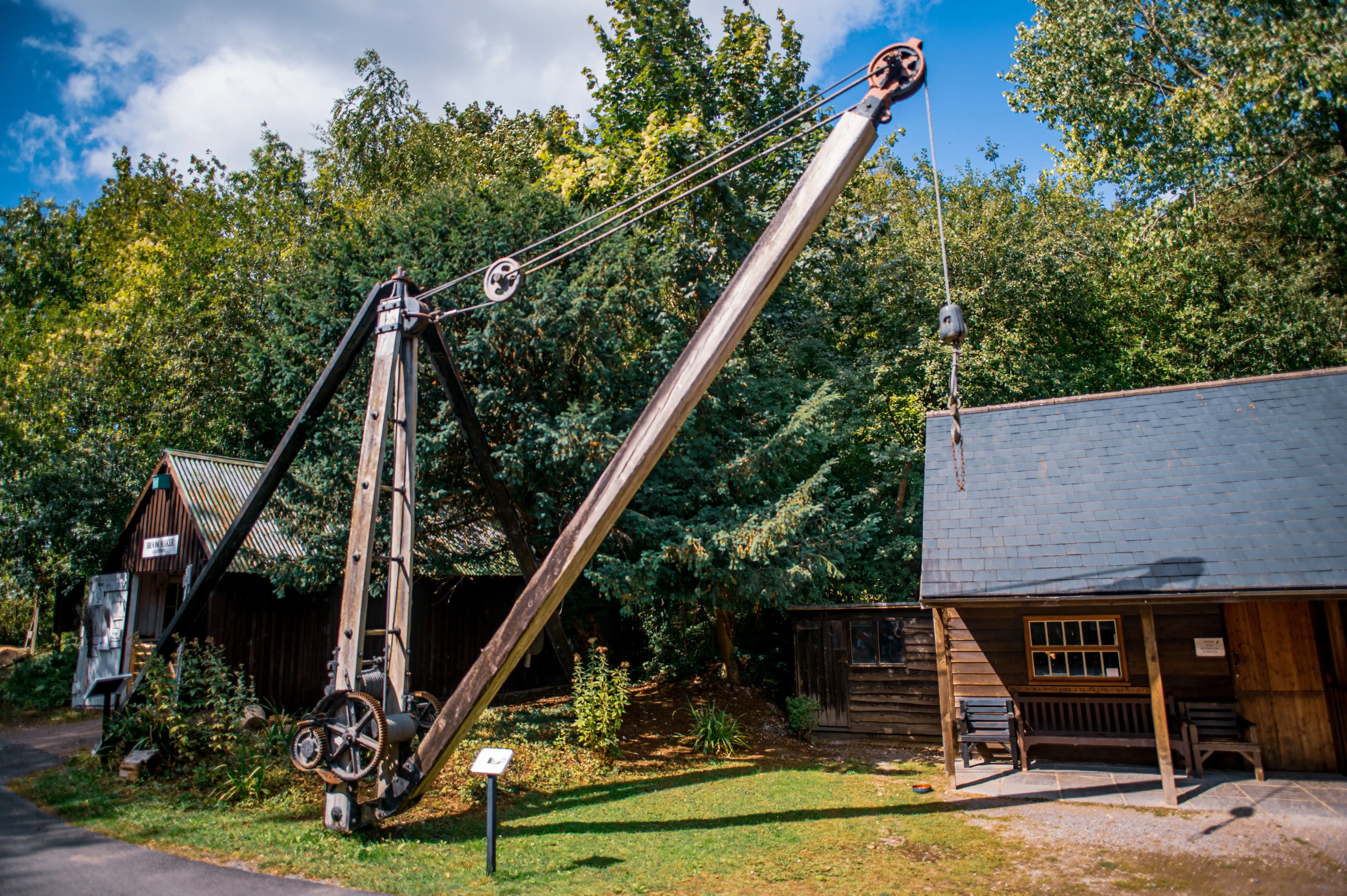
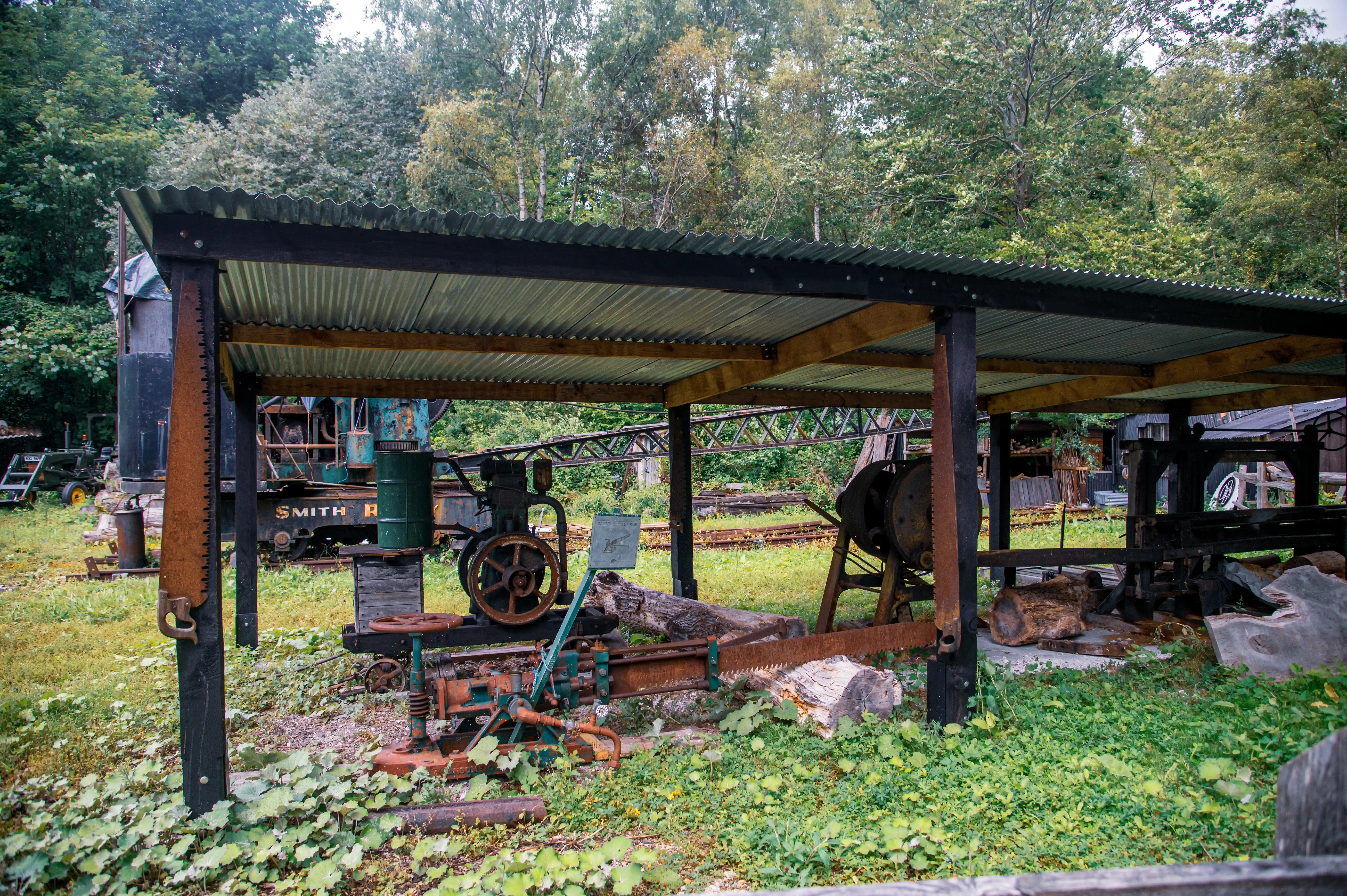
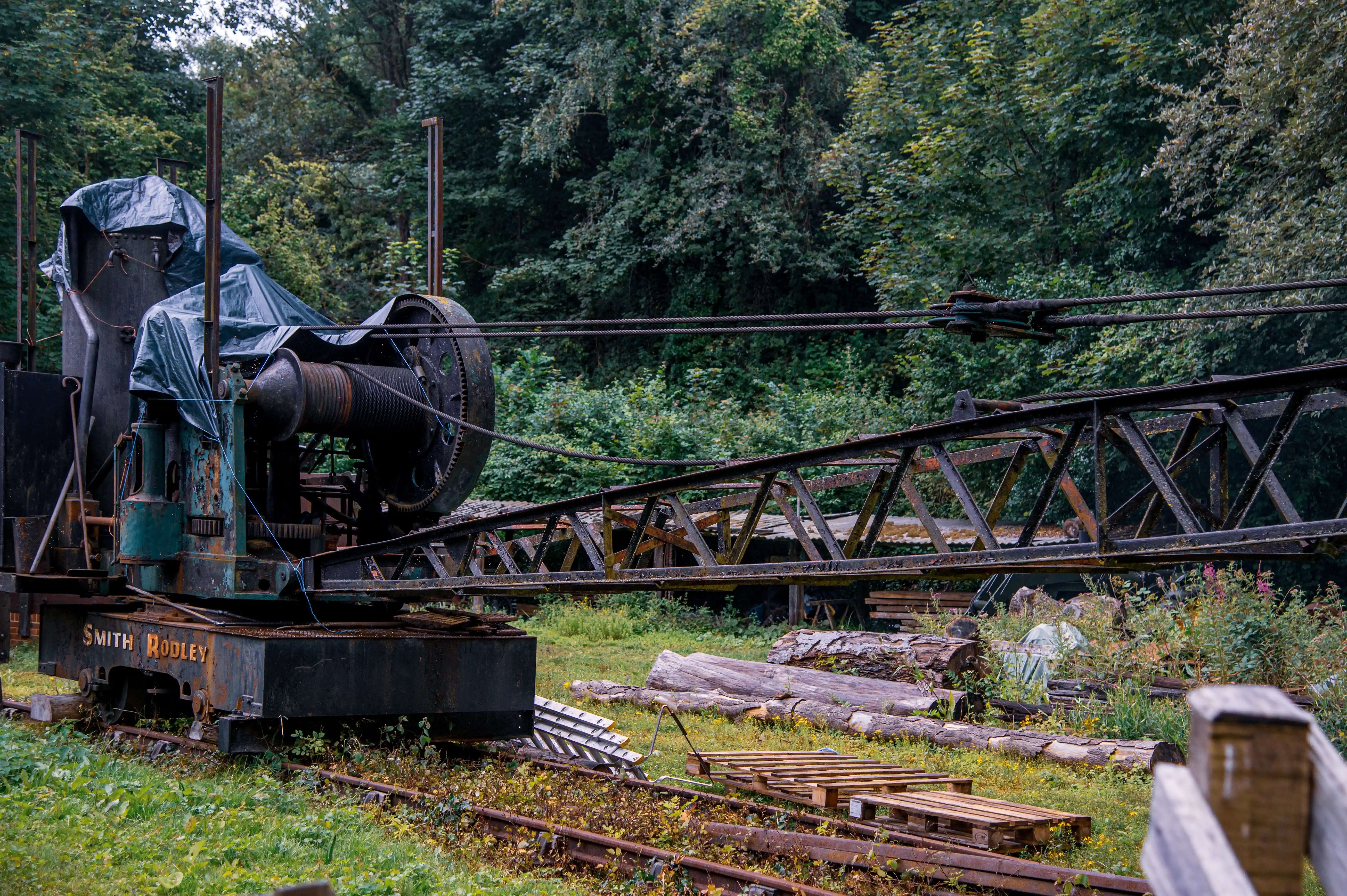
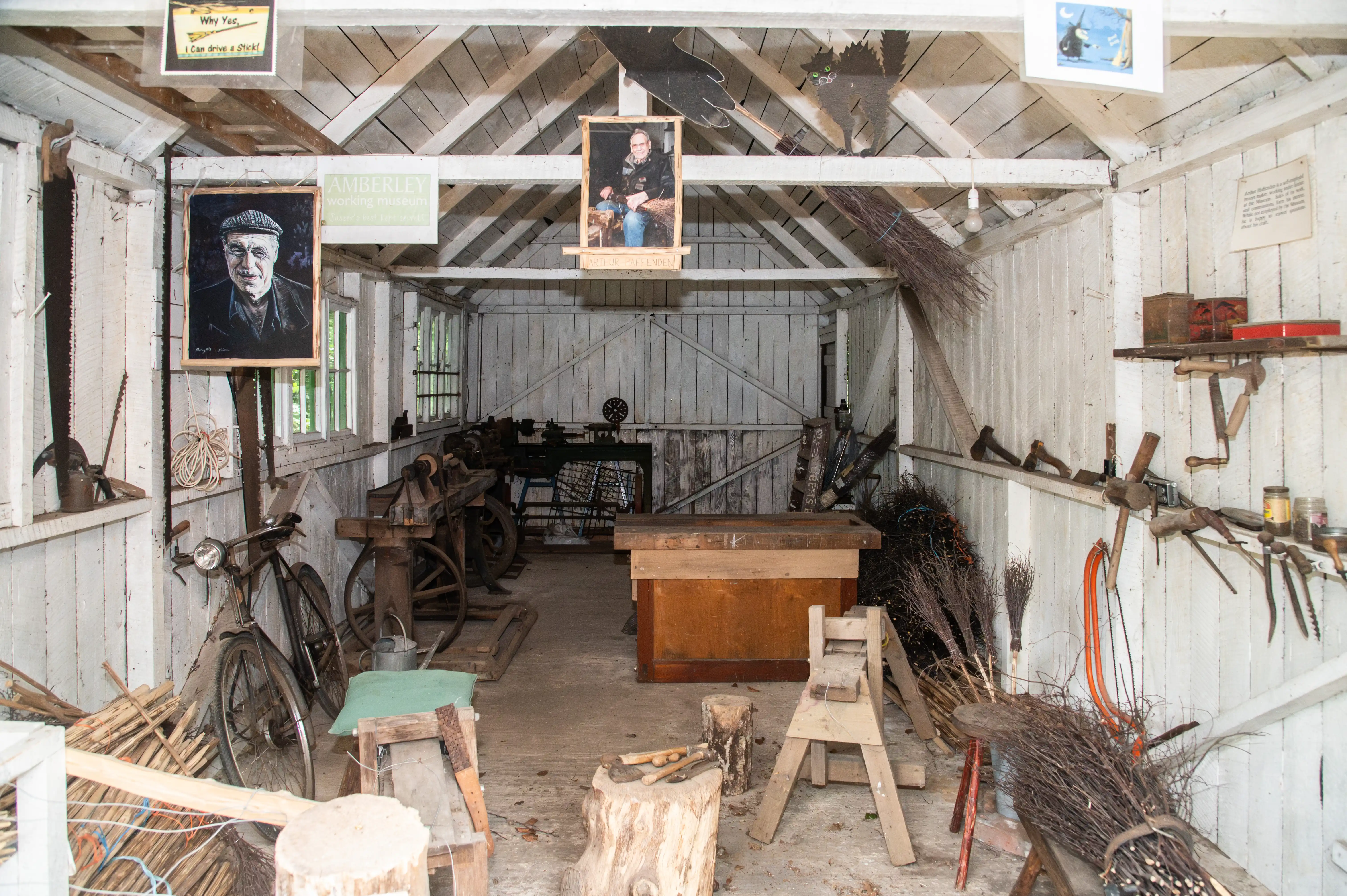
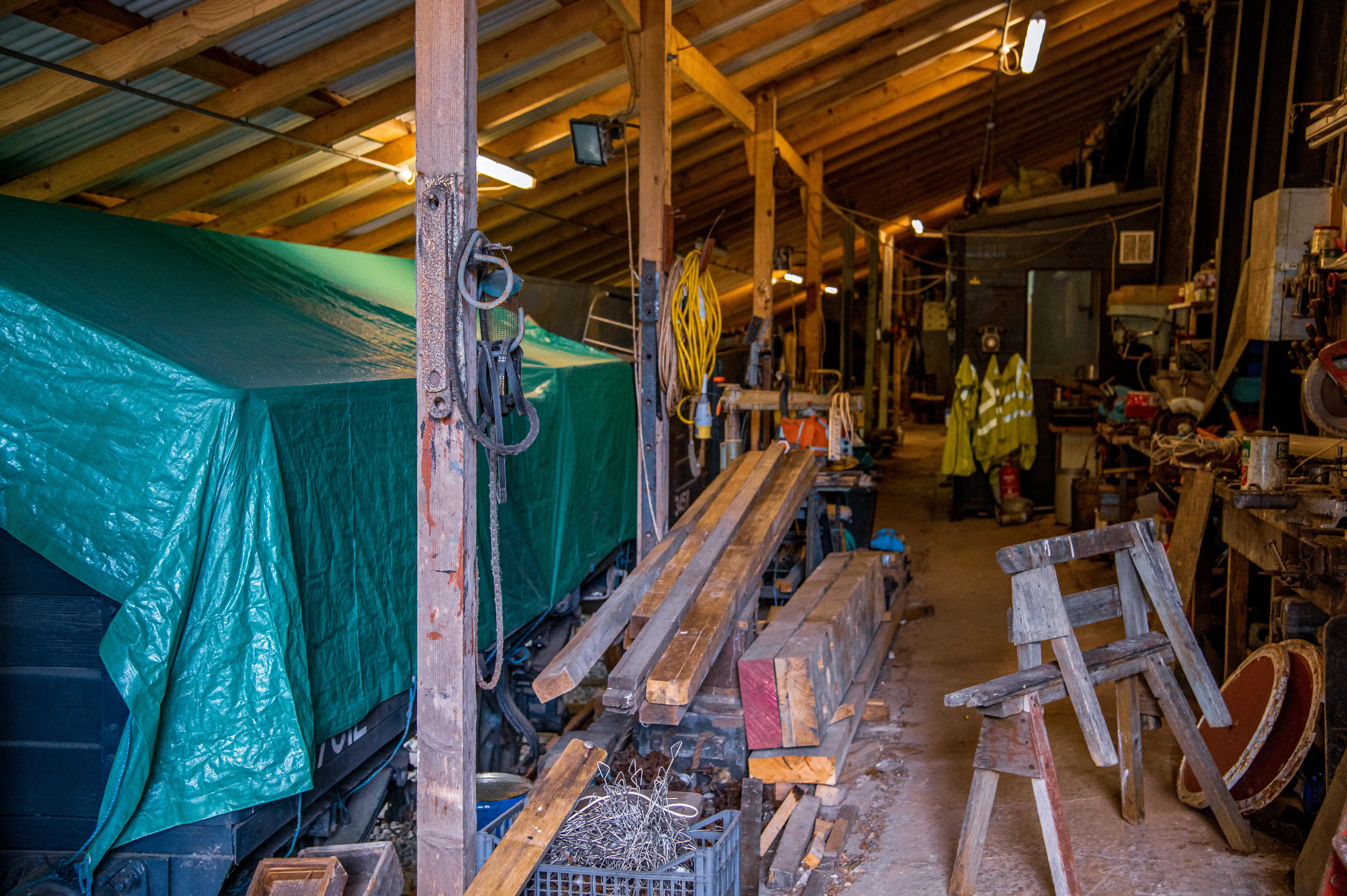
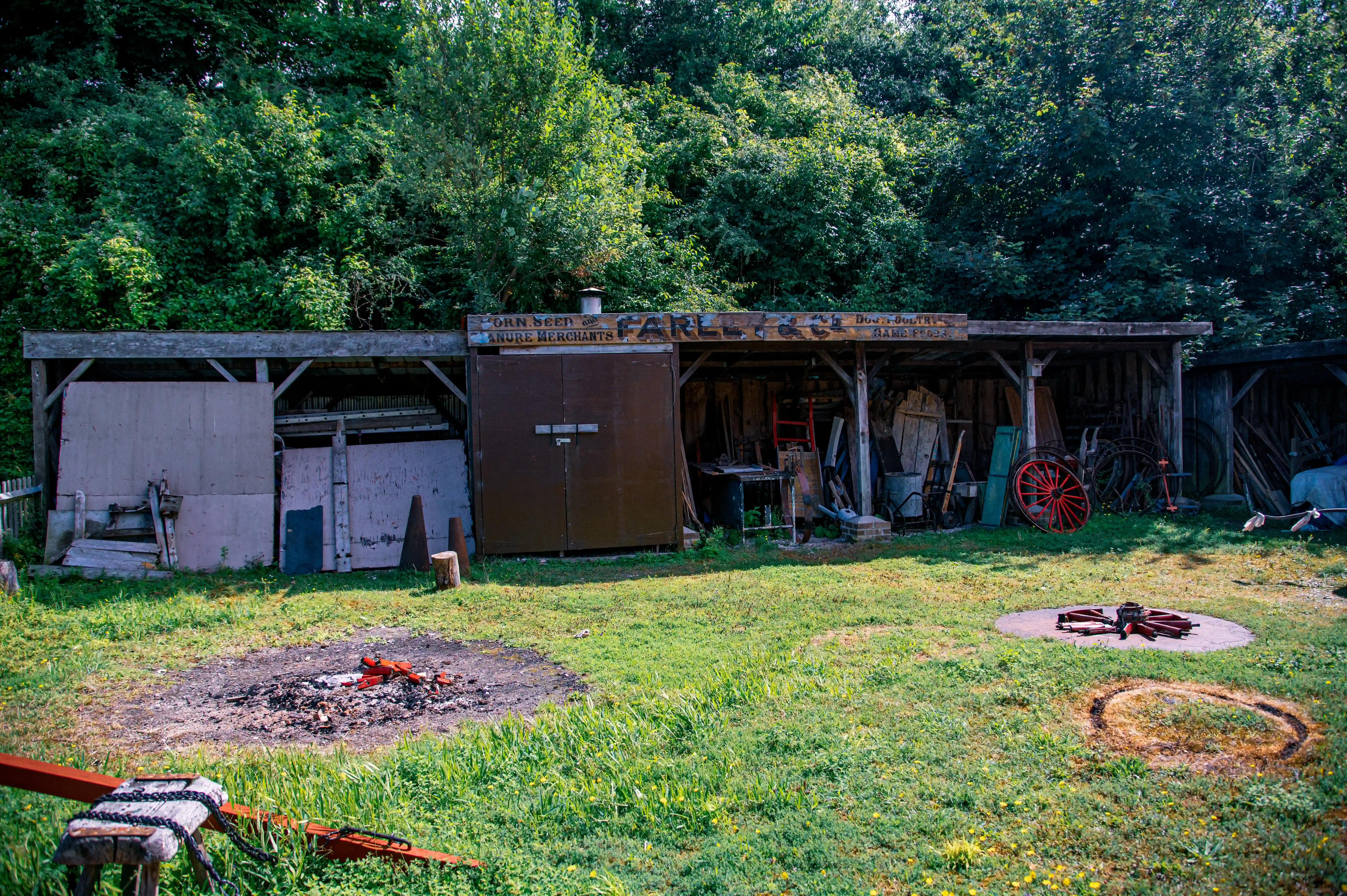
Workshops and Industrial Buildings – Blacksmith forges, wheelwright workshops, and other industrial buildings that demonstrate the traditional crafts and industries of the South East.
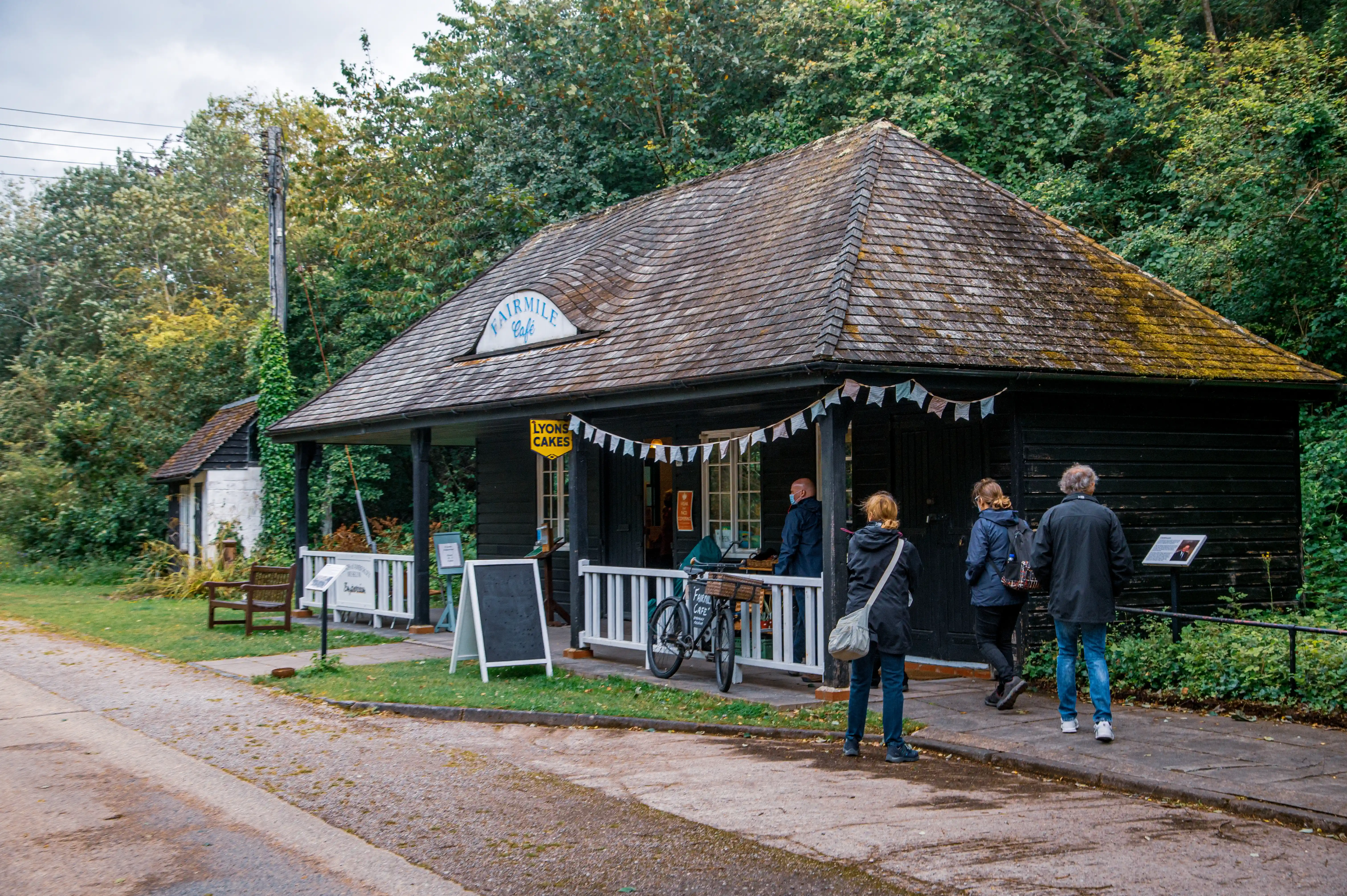
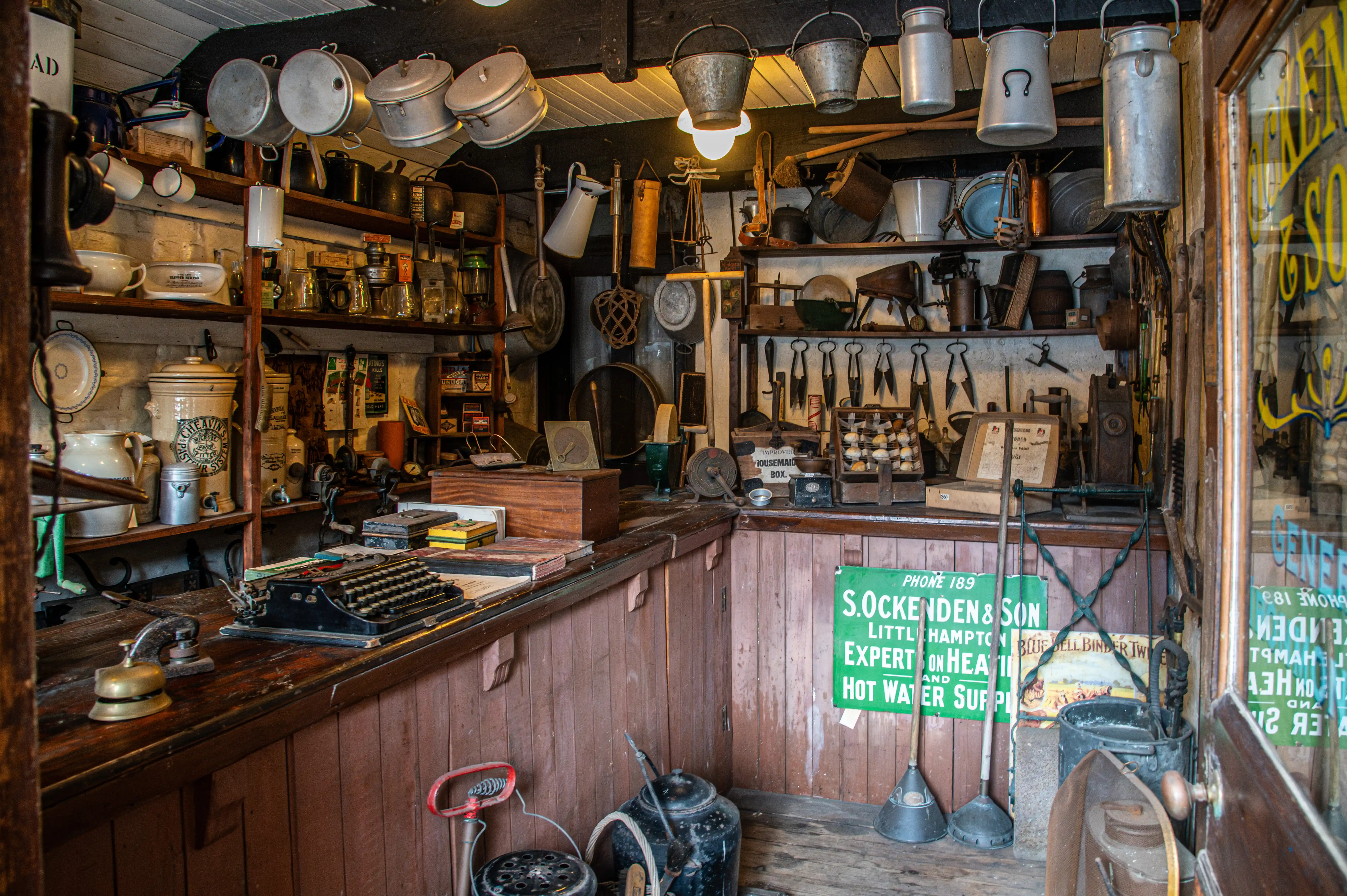
Shops and Commercial Buildings – Historic shops, inns, and commercial buildings that provide a glimpse into the economic and social life of past communities.
Public Buildings – Schools, chapels, and other public buildings that reflect the community and cultural life of the region.
Building Highlights – Some of the notable buildings at the museum include:
The Market Hall – A reconstruction of a traditional market hall, showcasing the vibrant trade and commerce of rural communities.
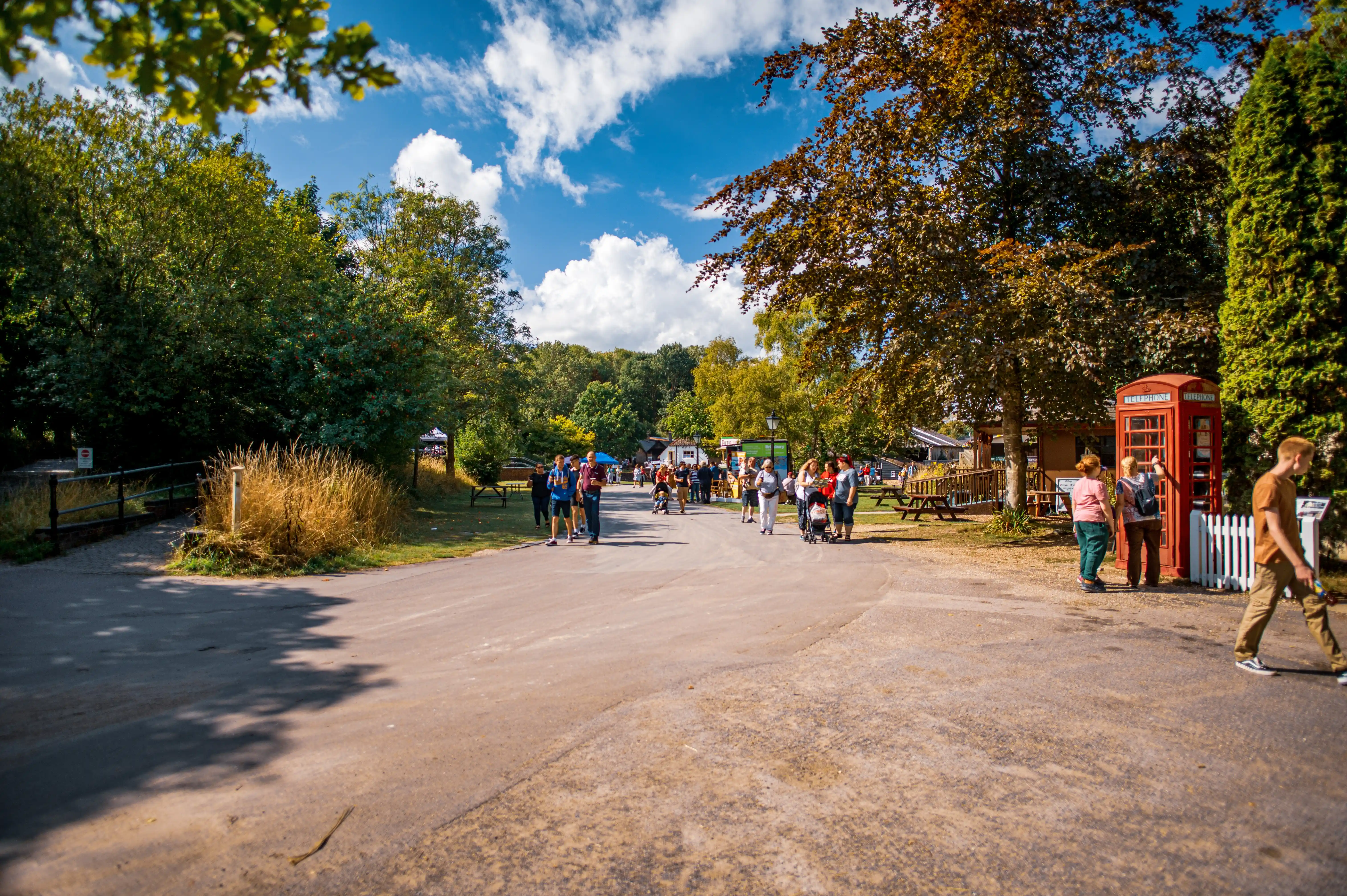
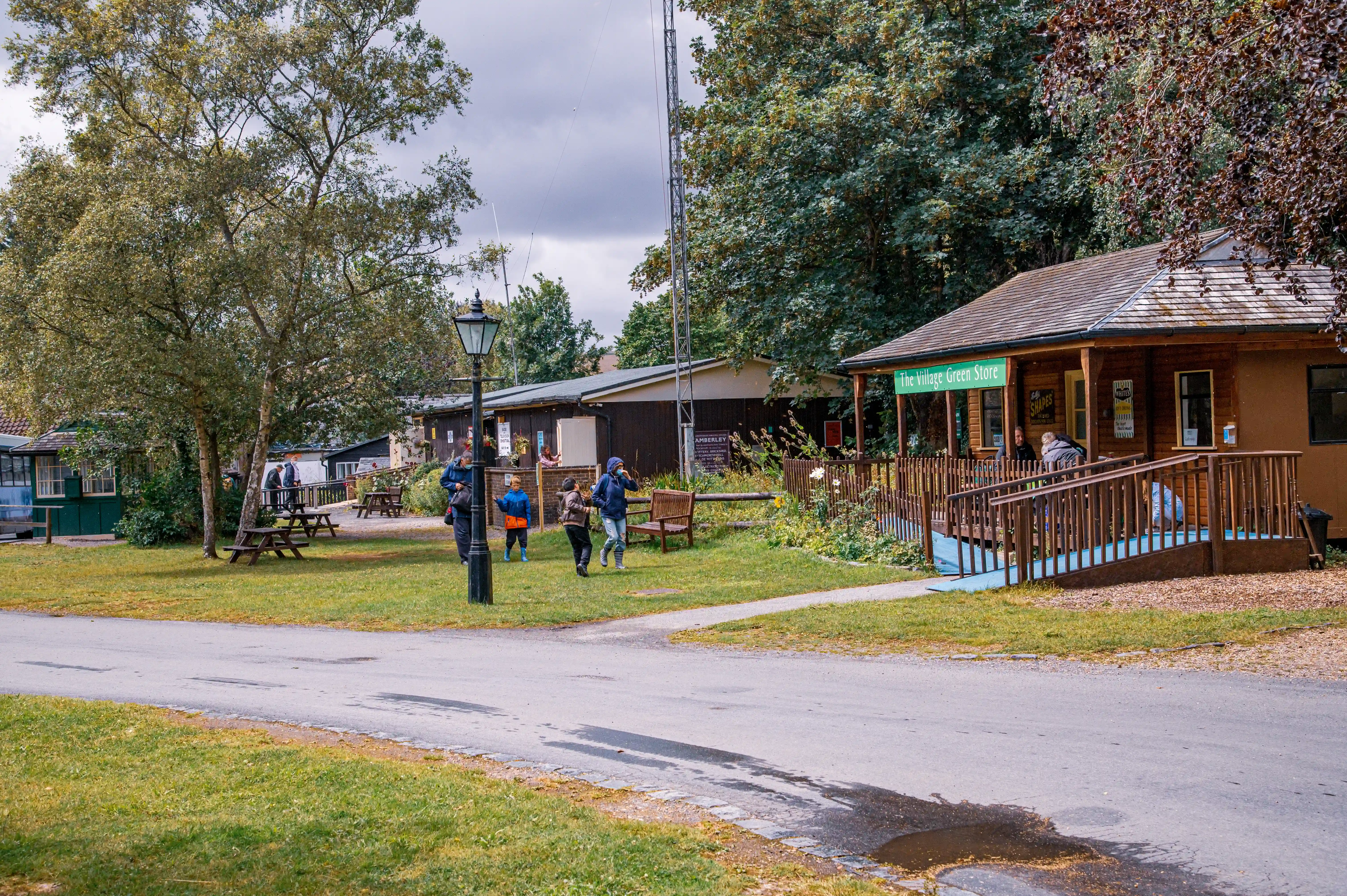
The Village Green – A central green space surrounded by historic buildings, providing a focal point for the museum and a place for visitors to gather and relax.
The Blacksmith’s Forge – A working forge where visitors can watch demonstrations of traditional blacksmithing techniques.
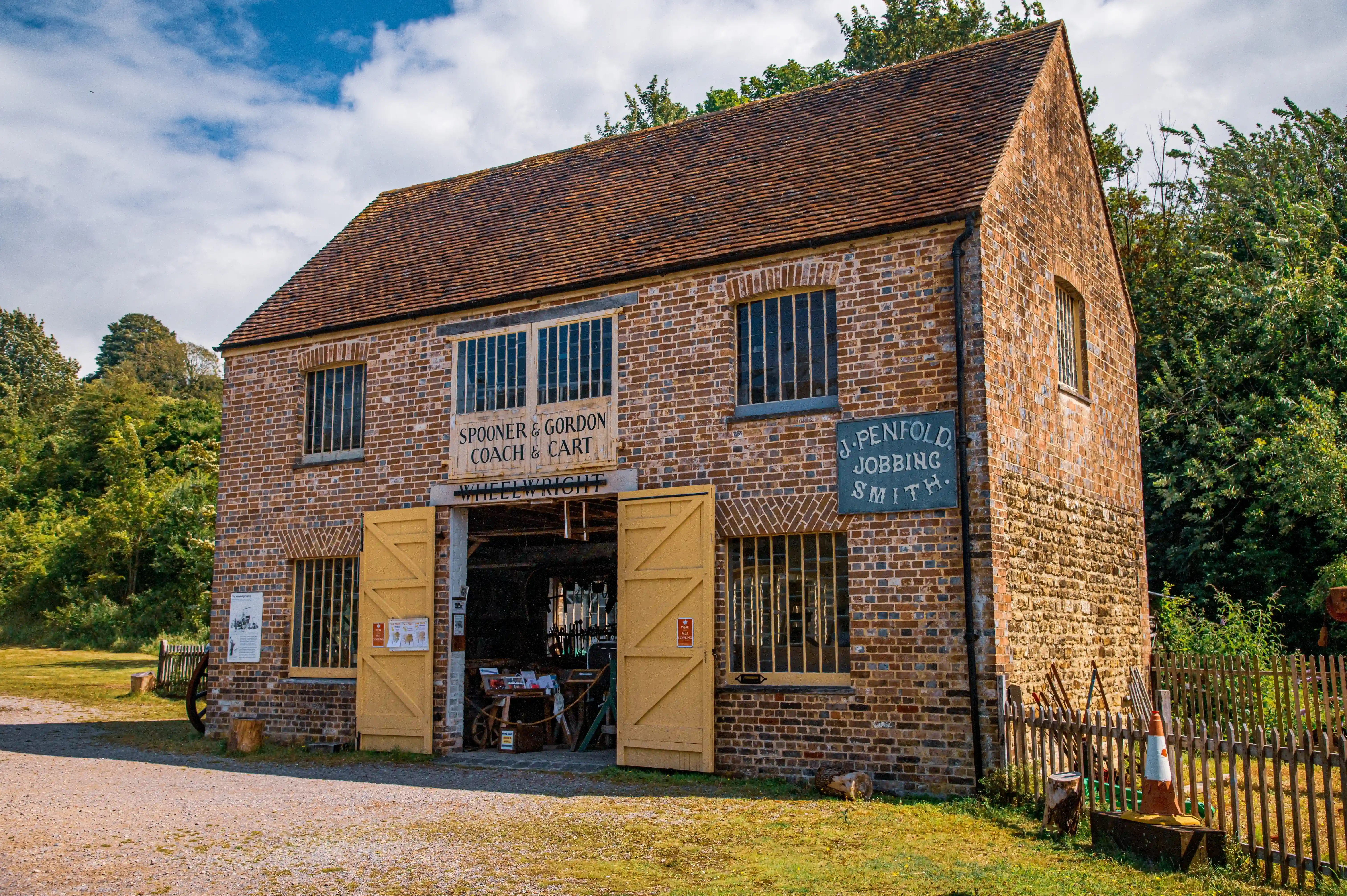
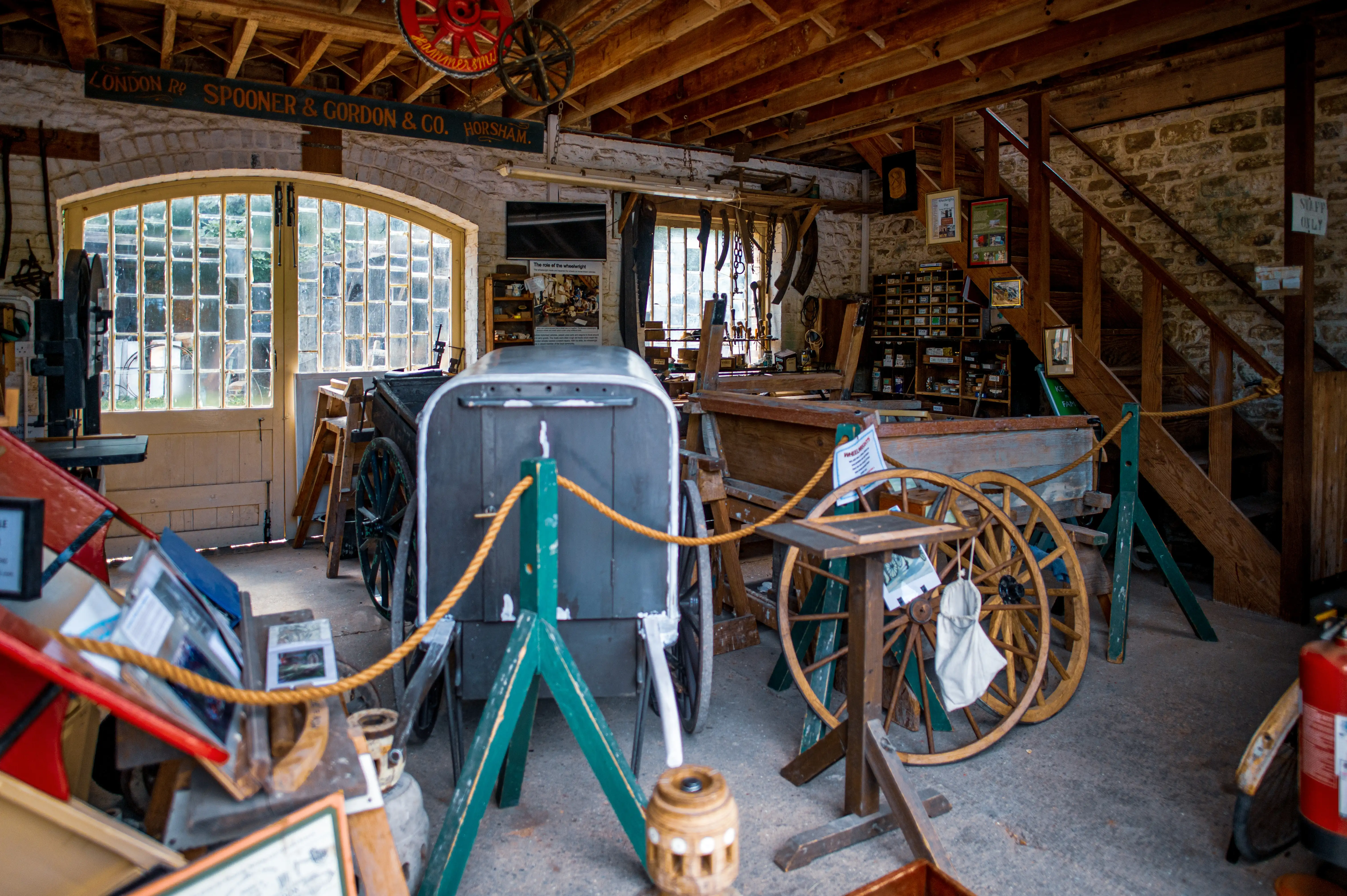
The Wheelwright’s Workshop – A restored workshop that demonstrates the traditional craft of wheelwrighting, essential for agricultural and transport vehicles.
The Print Shop – A 19th-century print shop that showcases the history of printing and publishing in rural communities.
Vintage Vehicles
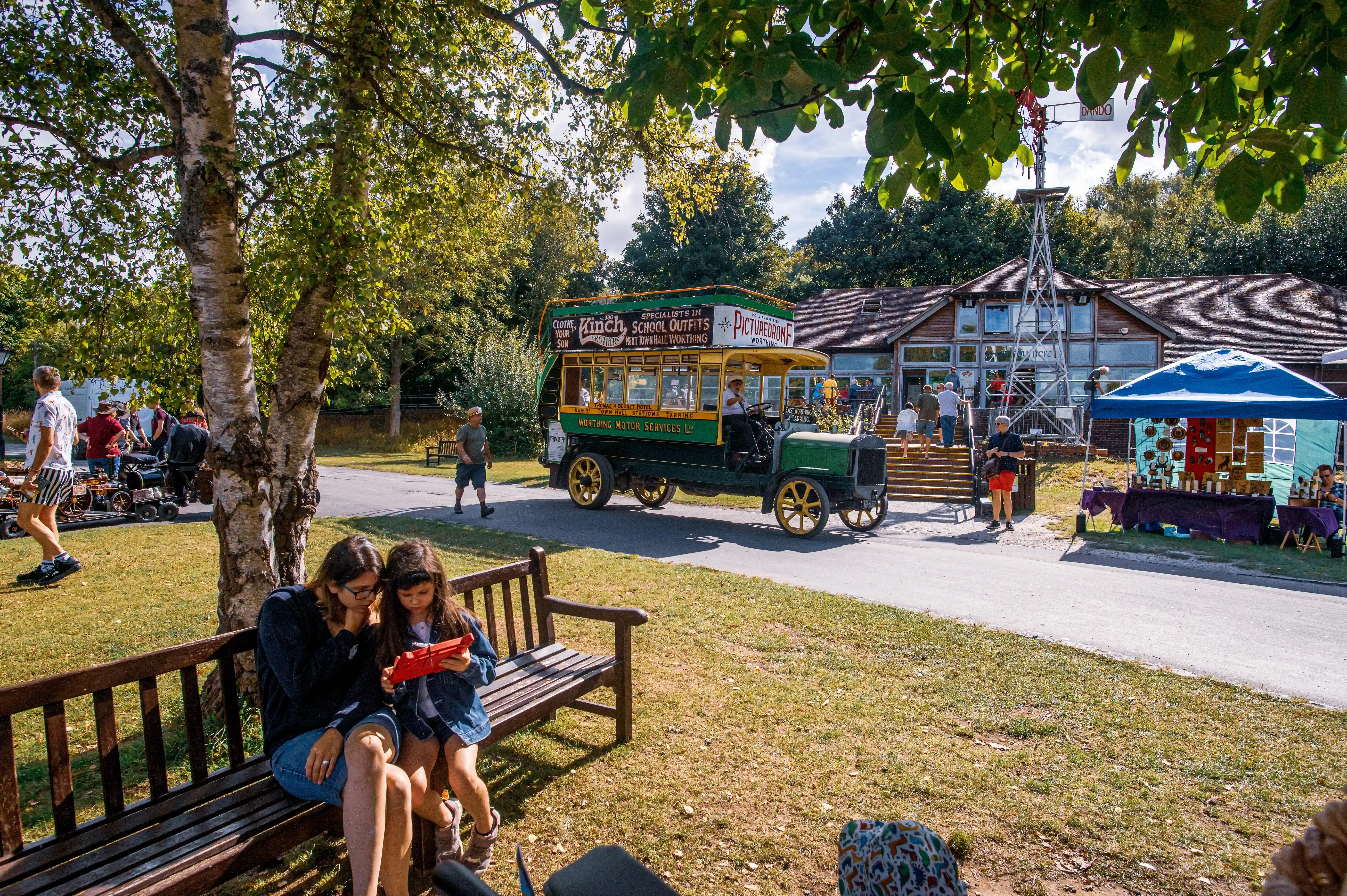
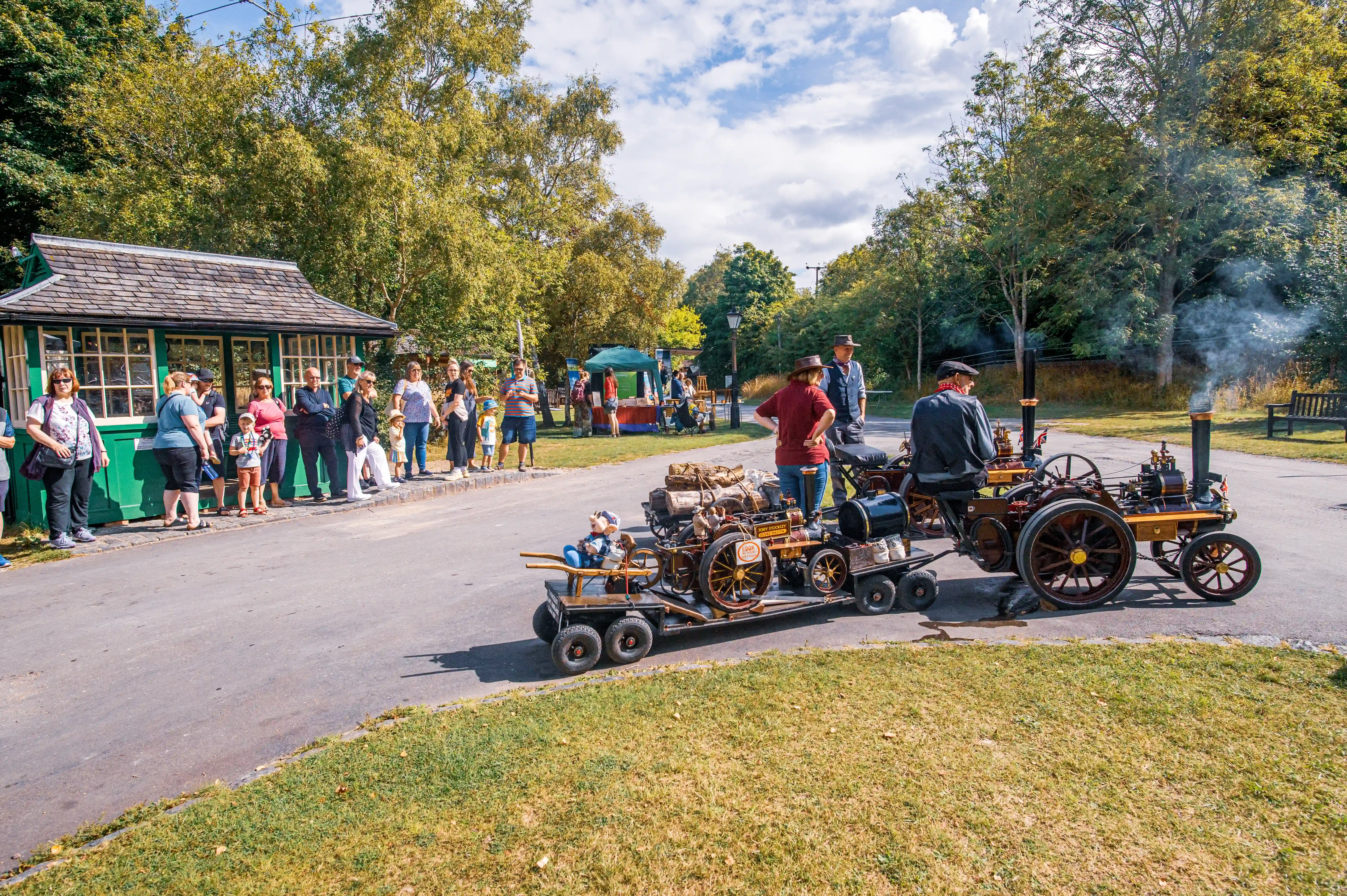
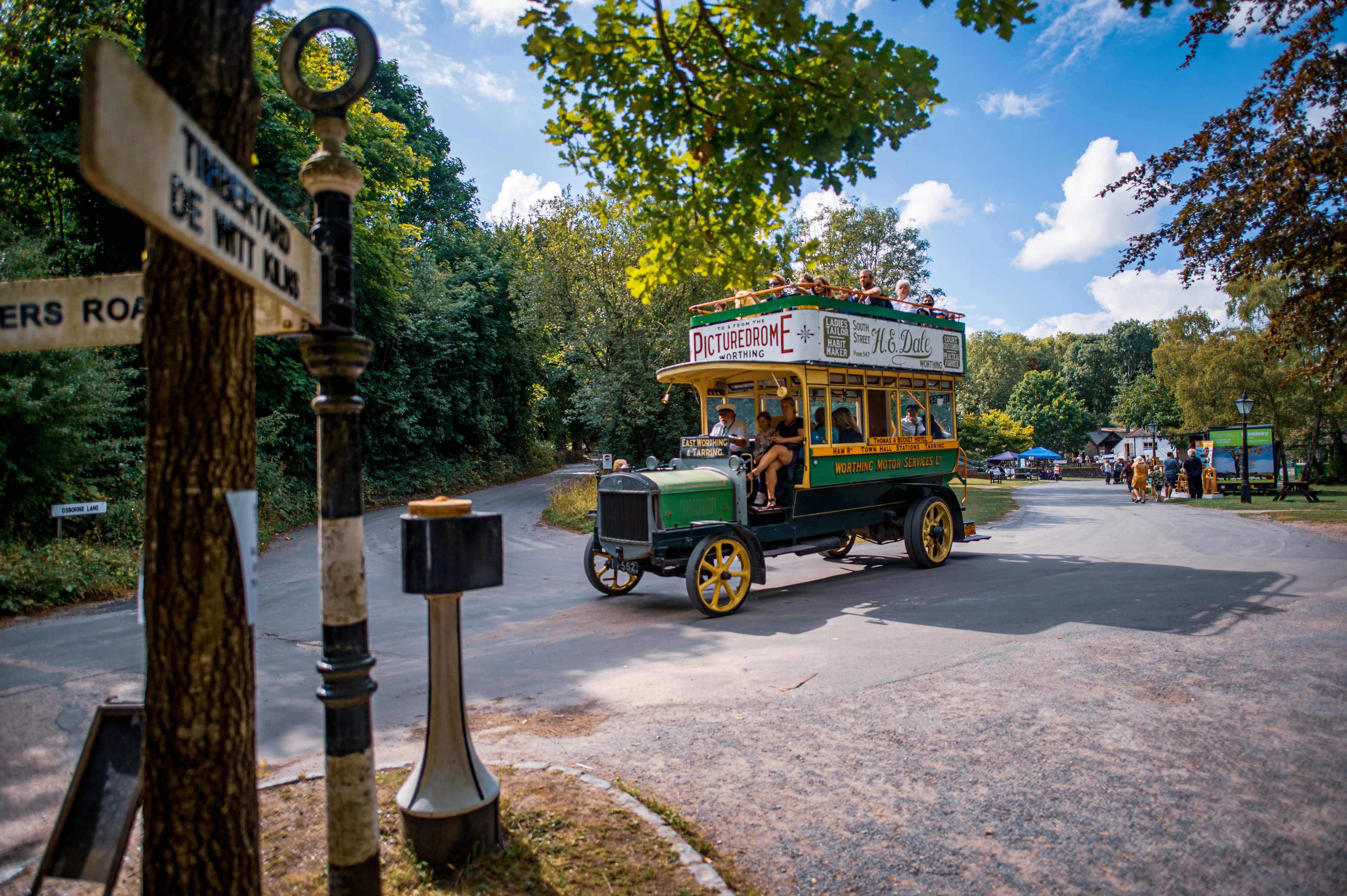
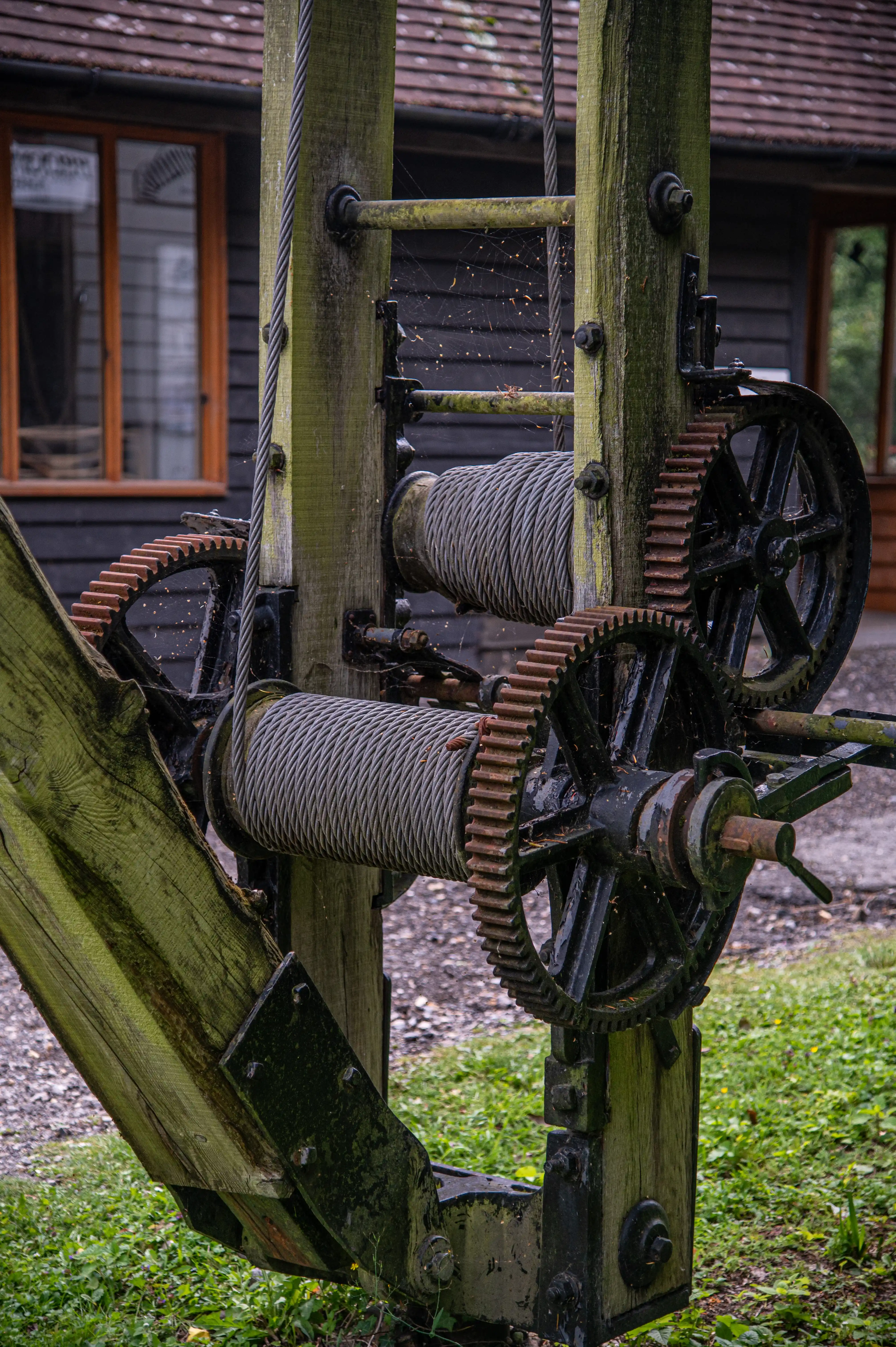
Collection of Vintage Vehicles – The museum houses a collection of vintage vehicles, including cars, buses, tractors, and bicycles, that represent the transportation history of the region. These vehicles are carefully restored and often displayed in action during special events.
Notable Vehicles – Some of the notable vehicles in the collection include:
Vintage Cars – A collection of classic cars from the early 20th century, showcasing the evolution of automotive design and technology.
Historic Buses – Restored buses that once served rural communities, providing a glimpse into the history of public transportation.
Tractors and Agricultural Vehicles – Vintage tractors and farm vehicles that highlight the mechanization of agriculture and its impact on rural life.
Bicycles – A collection of historic bicycles, showcasing the evolution of cycling as a mode of transport and leisure.
Traditional Crafts and Demonstrations
Working Demonstrations – The museum offers working demonstrations of traditional crafts and skills, allowing visitors to see history come to life. These demonstrations often include:
Blacksmithing – Demonstrations of traditional blacksmithing techniques, including forging, shaping, and joining metal.
Wheelwrighting – Demonstrations of the craft of wheelwrighting, essential for building and repairing wooden wheels for carts and wagons.
Printing – Demonstrations of traditional printing techniques, using historic printing presses and tools.
Woodworking – Demonstrations of traditional woodworking skills, including carpentry, joinery, and furniture making.
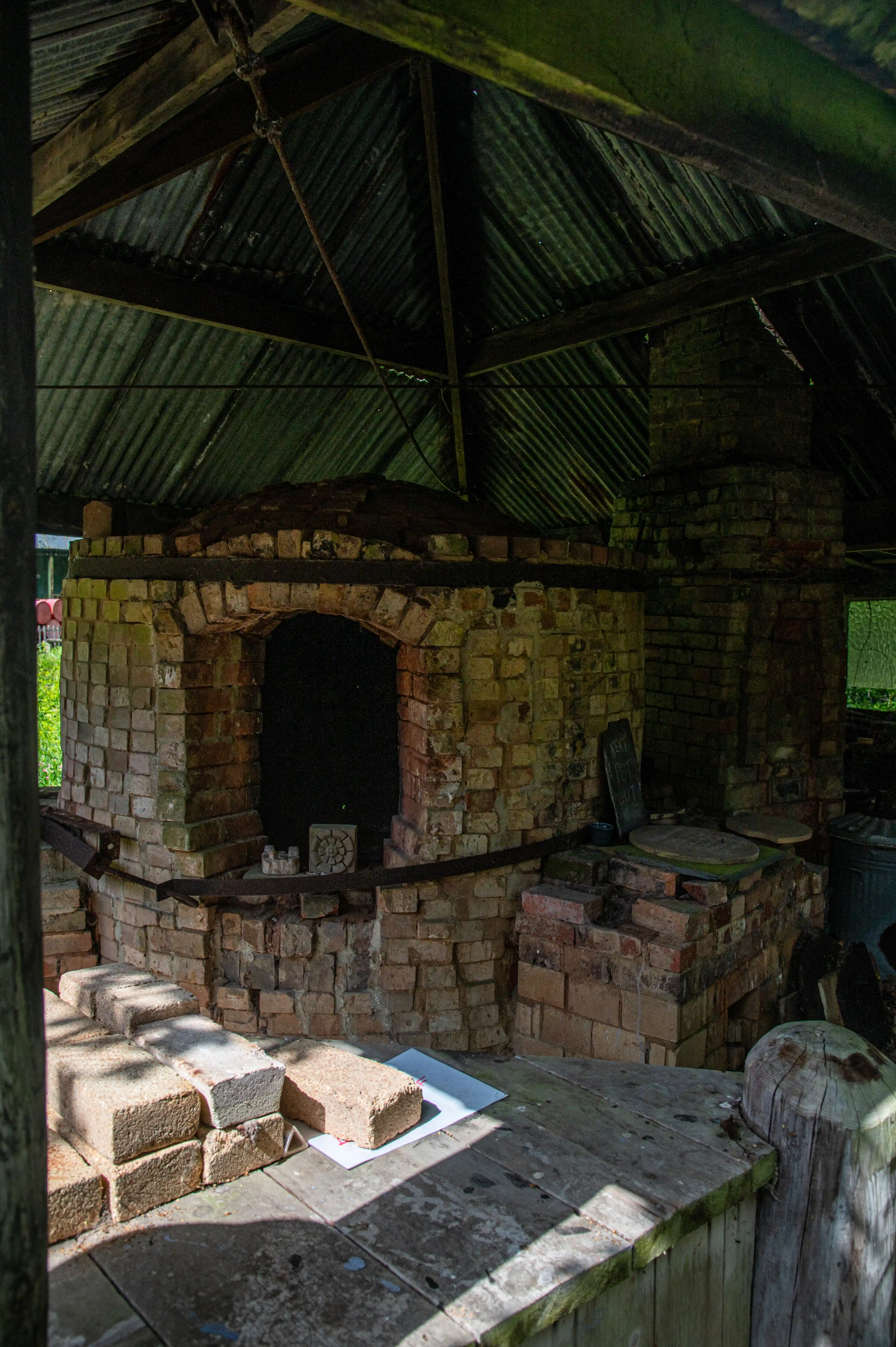
Pottery – Demonstrations of traditional pottery techniques, including throwing, firing, and glazing.
Hands-On Activities – Visitors can participate in hands-on activities, such as craft workshops, traditional games, and interactive exhibits, providing a fun and educational experience for all ages.
Exhibits and Collections
Rural Life Exhibits – Exhibits that explore the daily life, work, and leisure of rural communities in the South East of England. These exhibits often feature artifacts, photographs, and personal stories that bring the past to life.
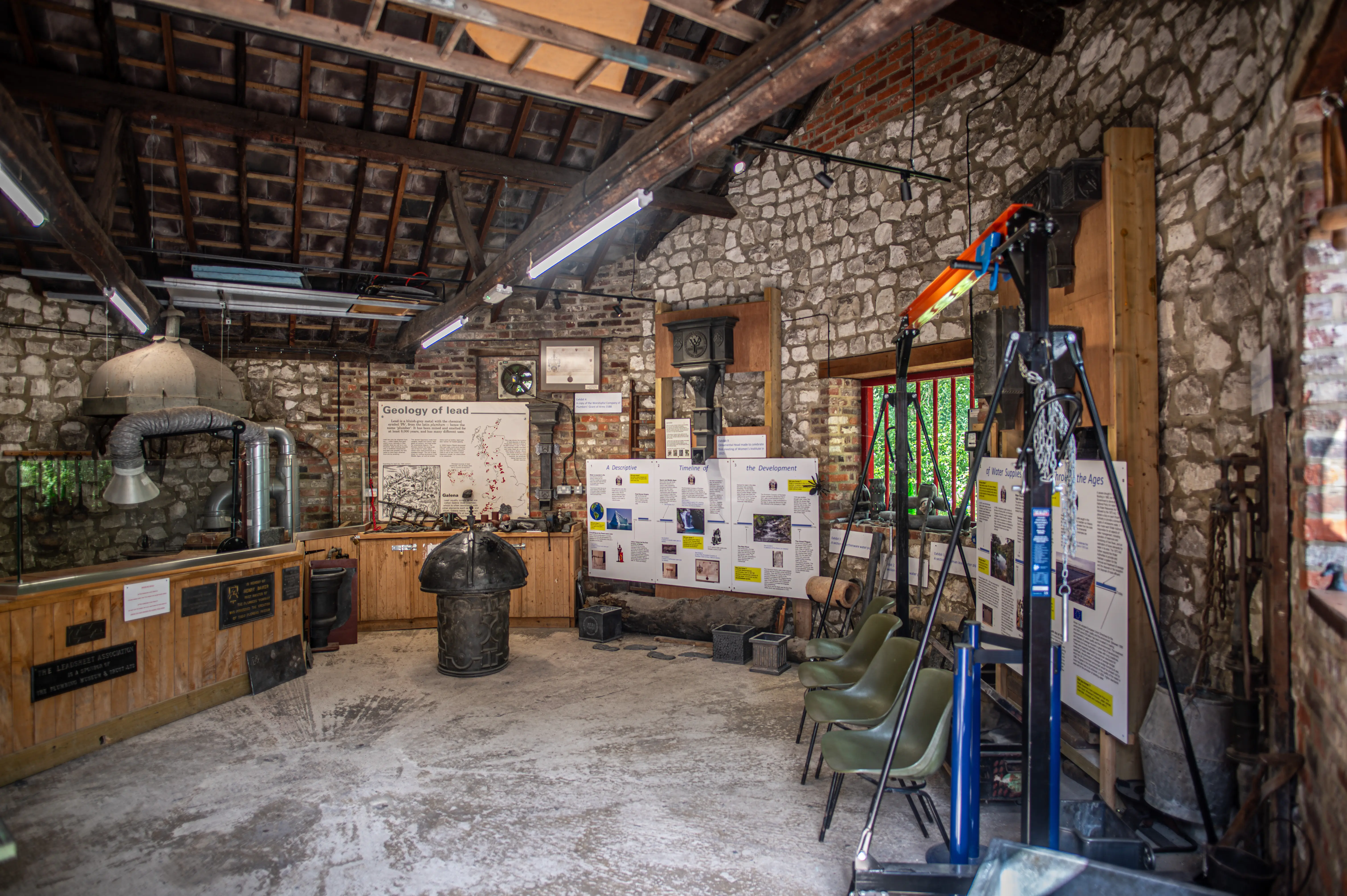
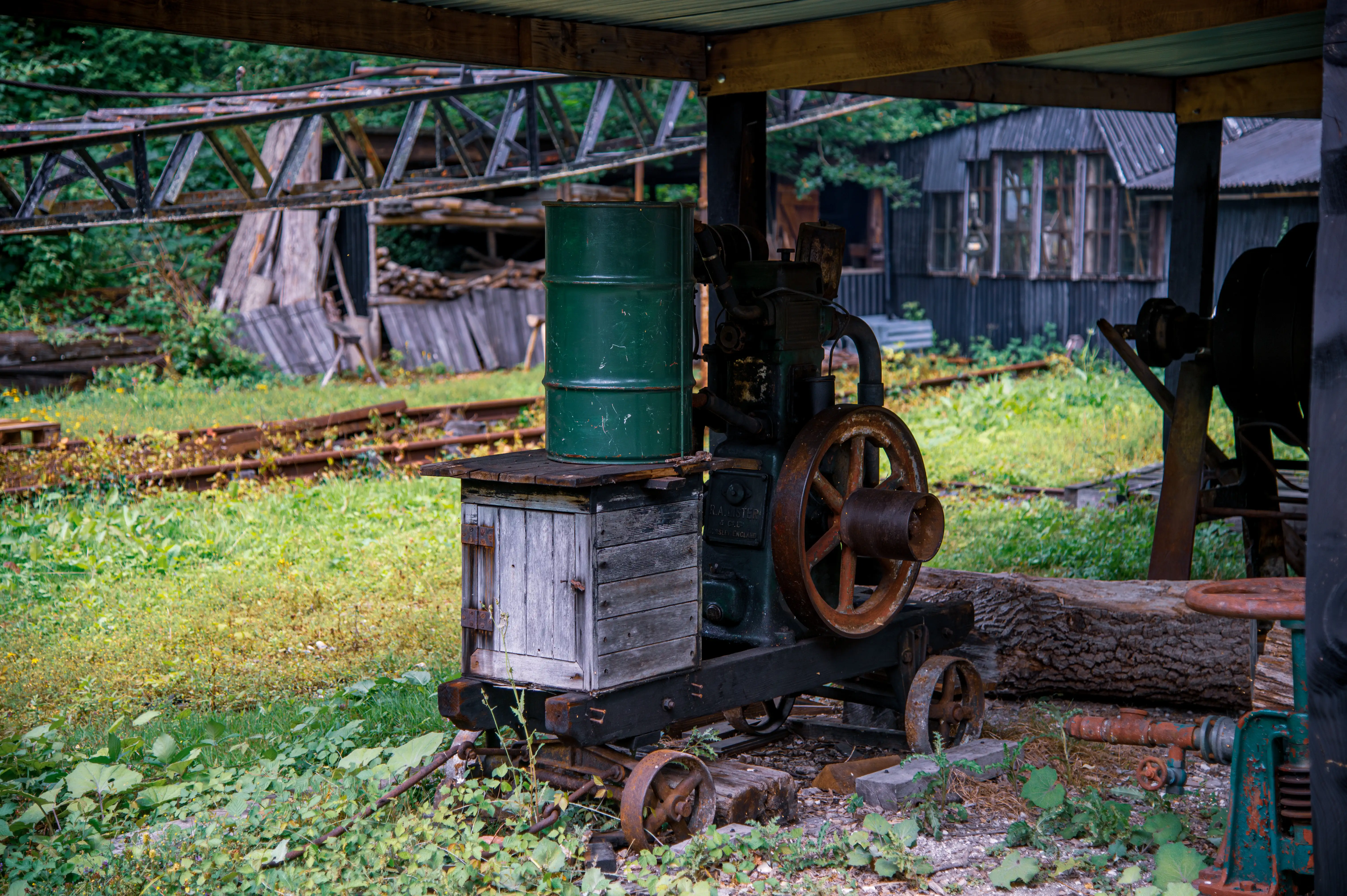
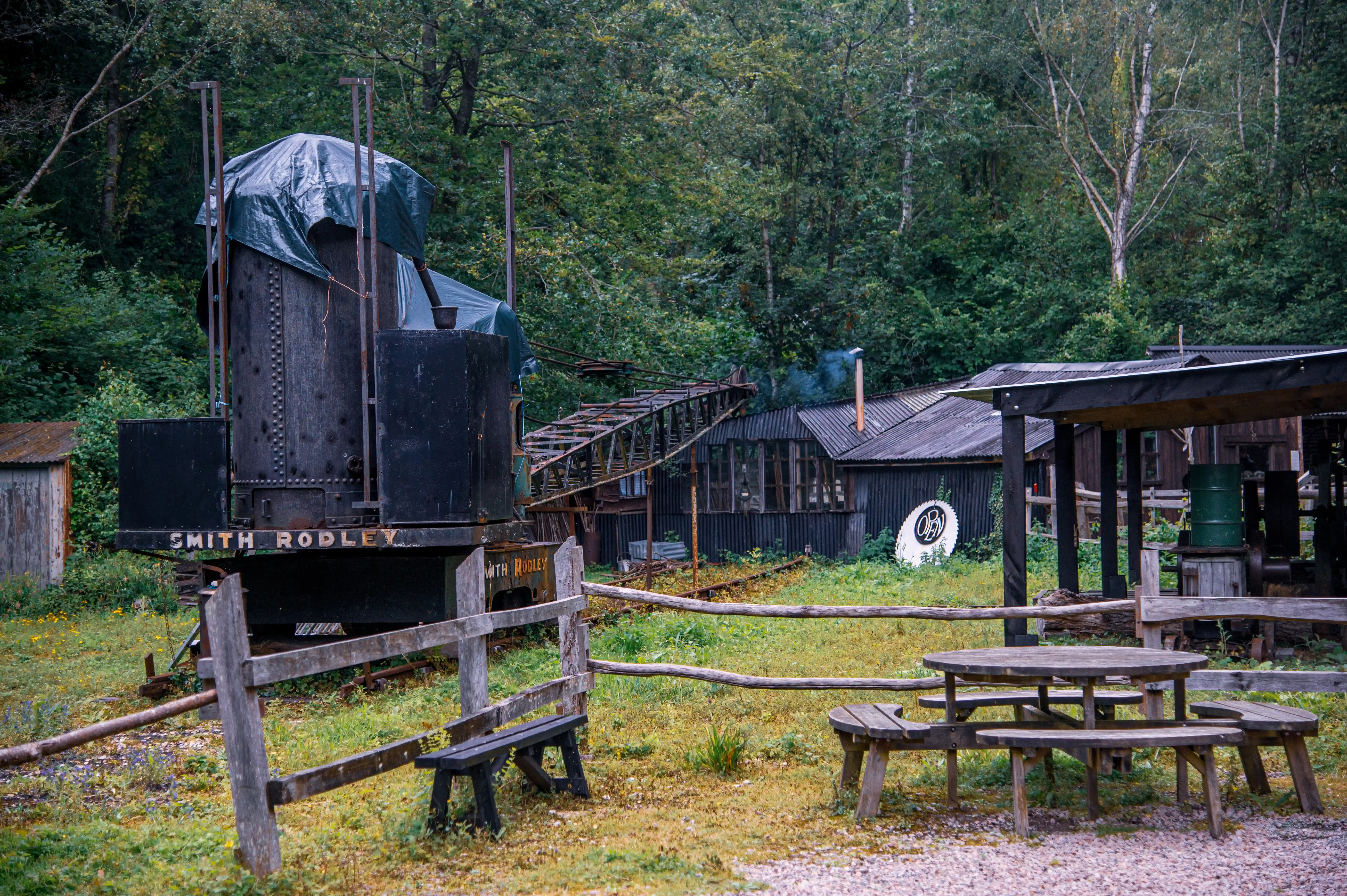
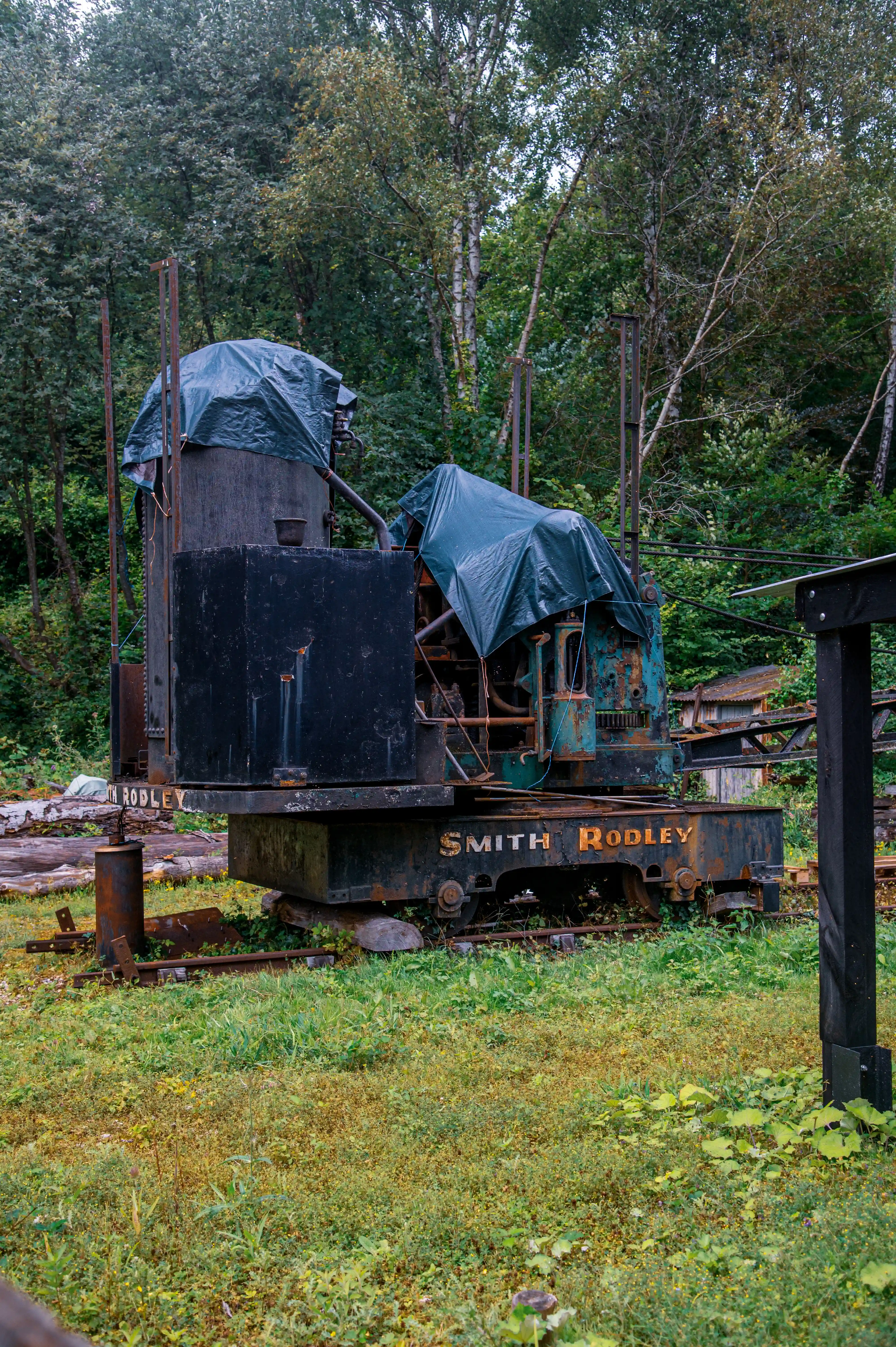
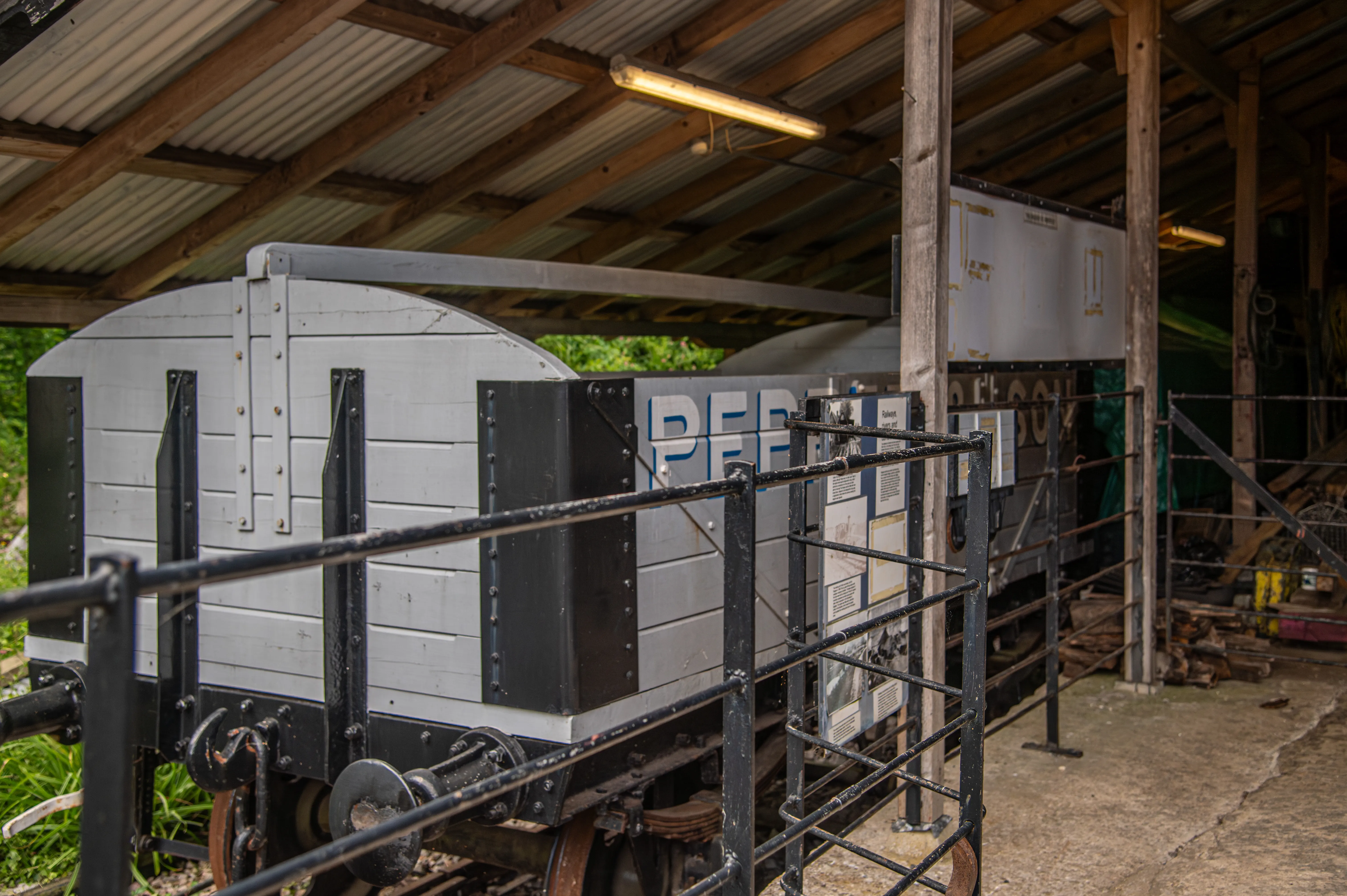
Industrial Heritage Exhibits – Exhibits that highlight the industrial heritage of the region, including the development of traditional crafts, the impact of mechanization, and the growth of local industries.
Social History Exhibits – Exhibits that explore the social history of the region, including the impact of economic changes, the role of women and children, and the development of communities.