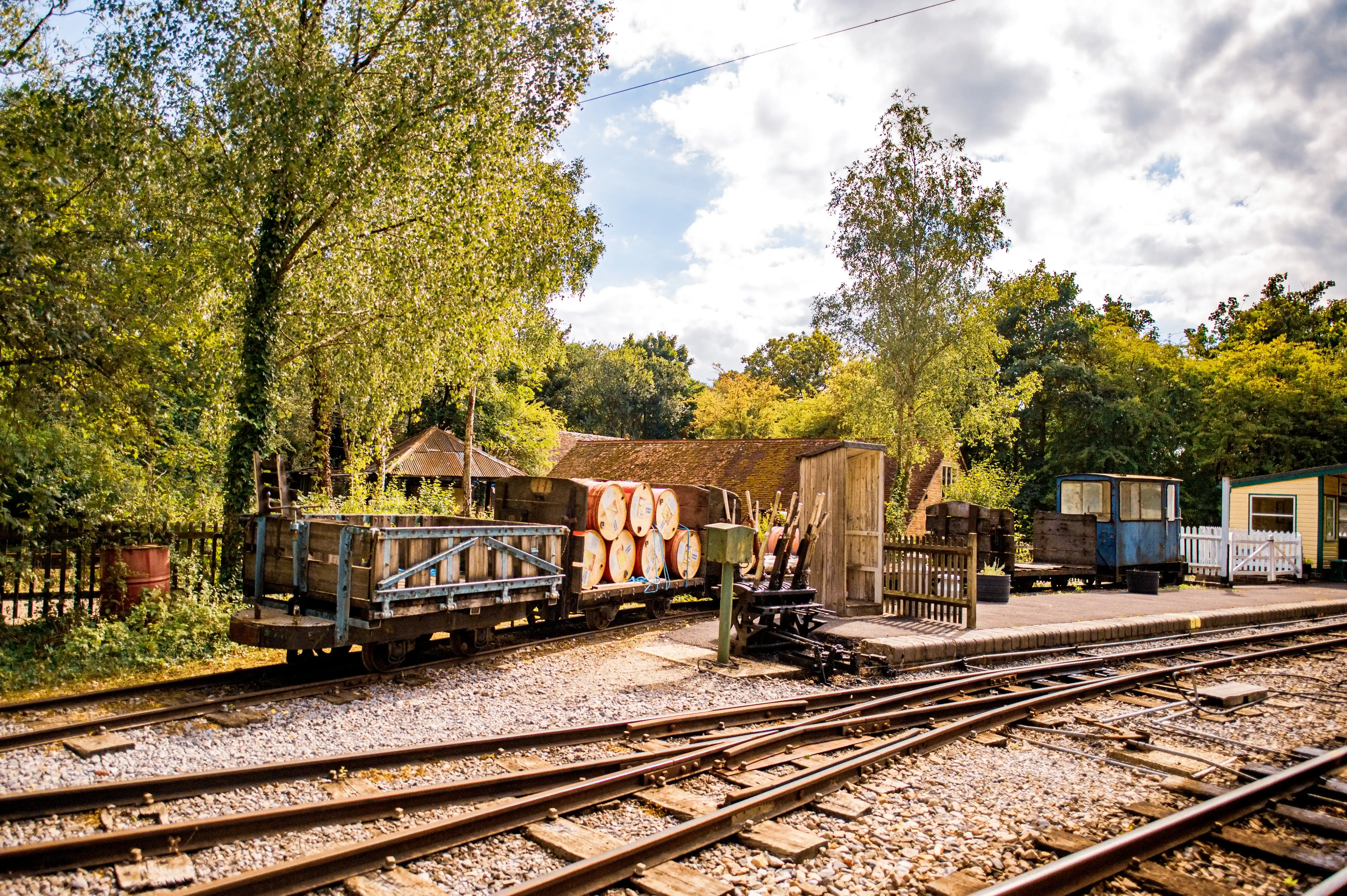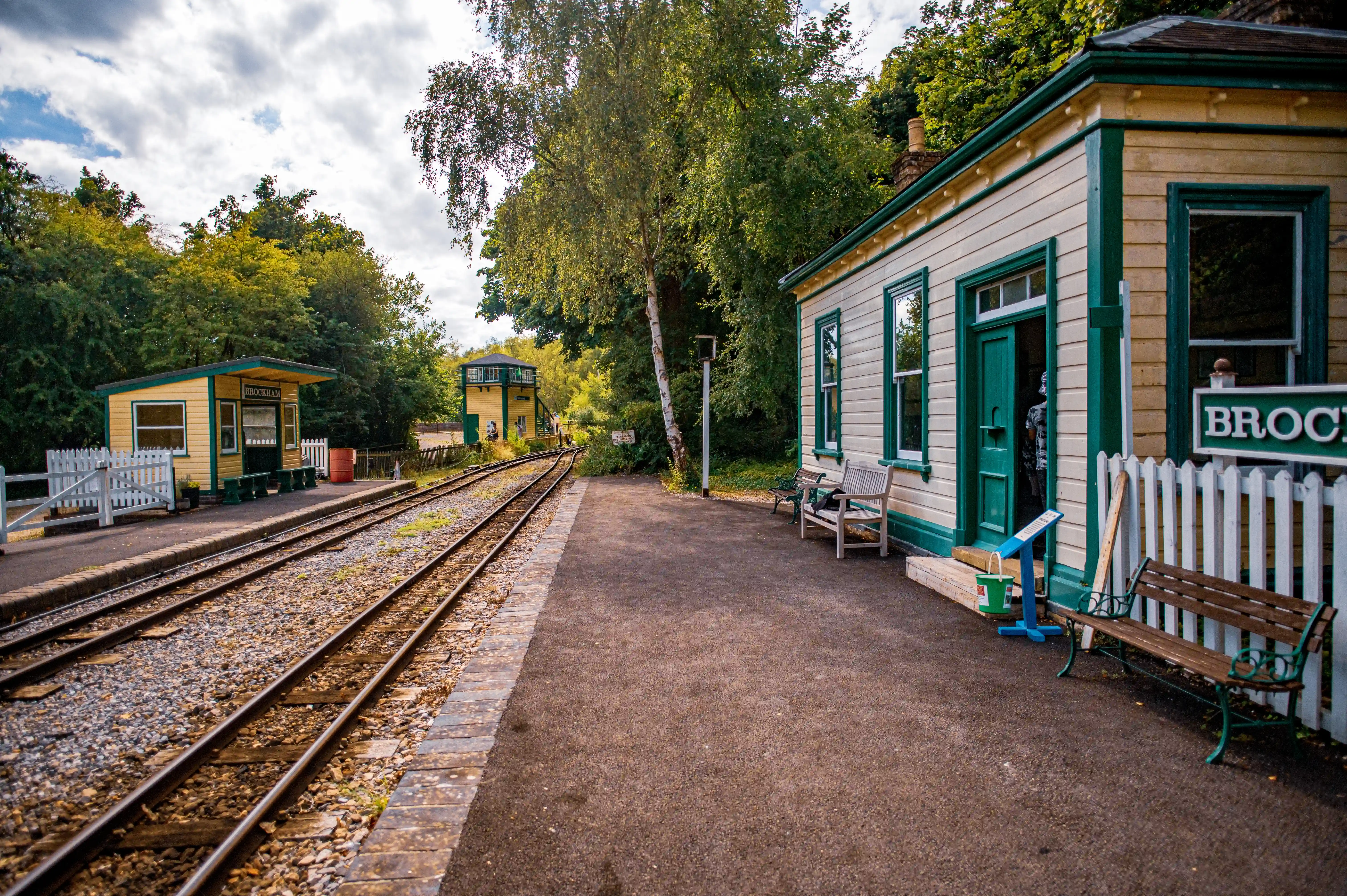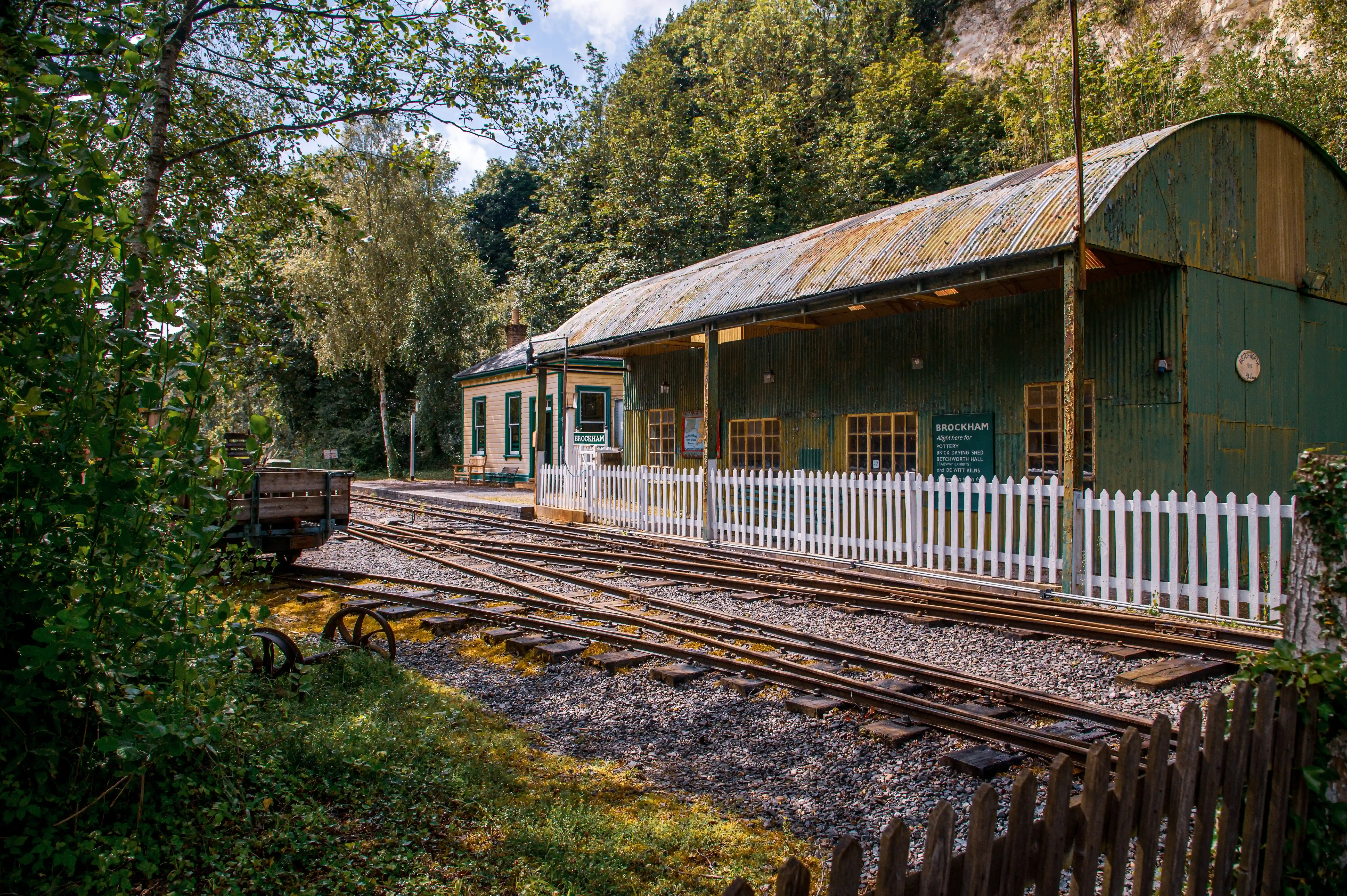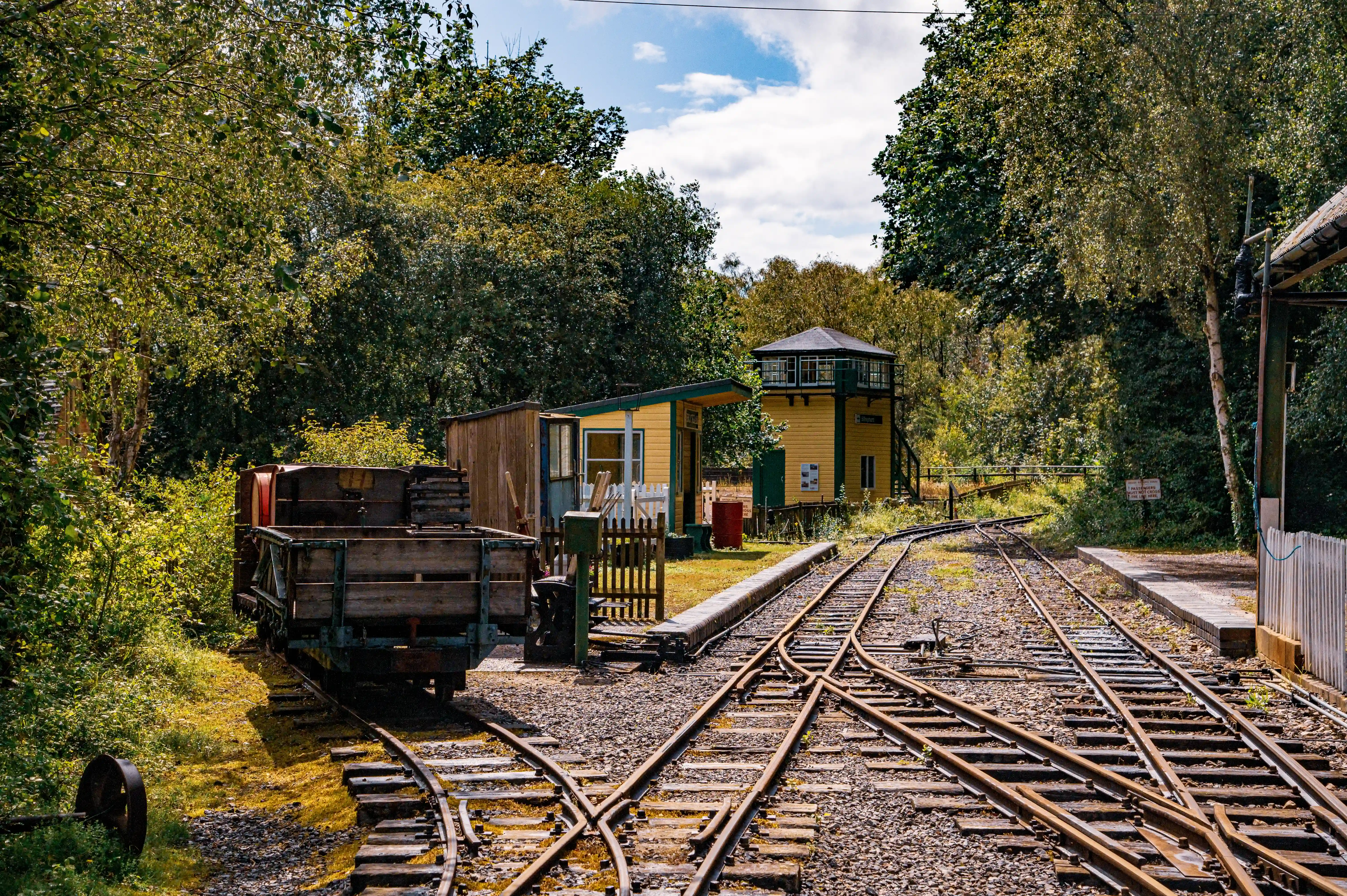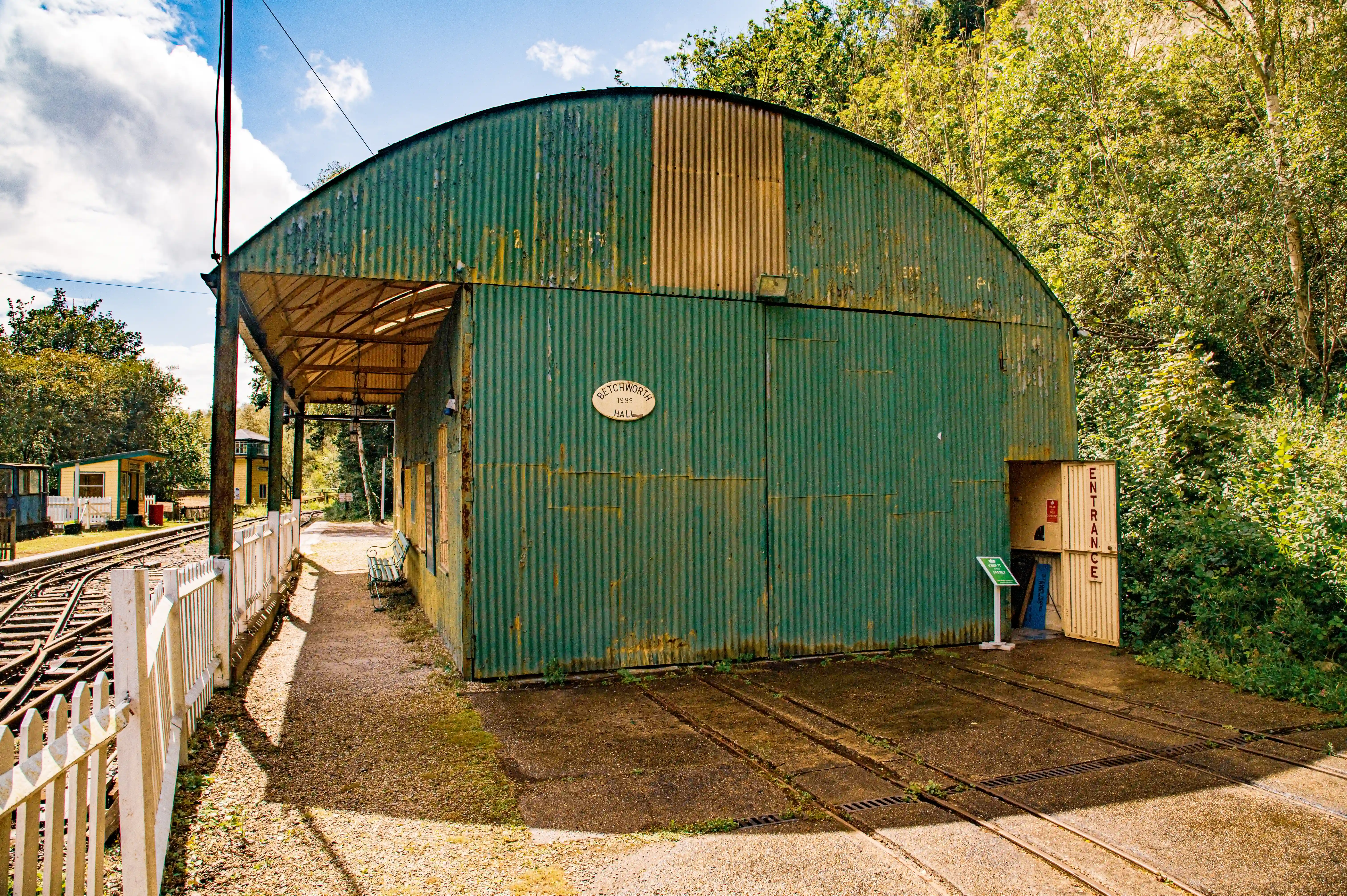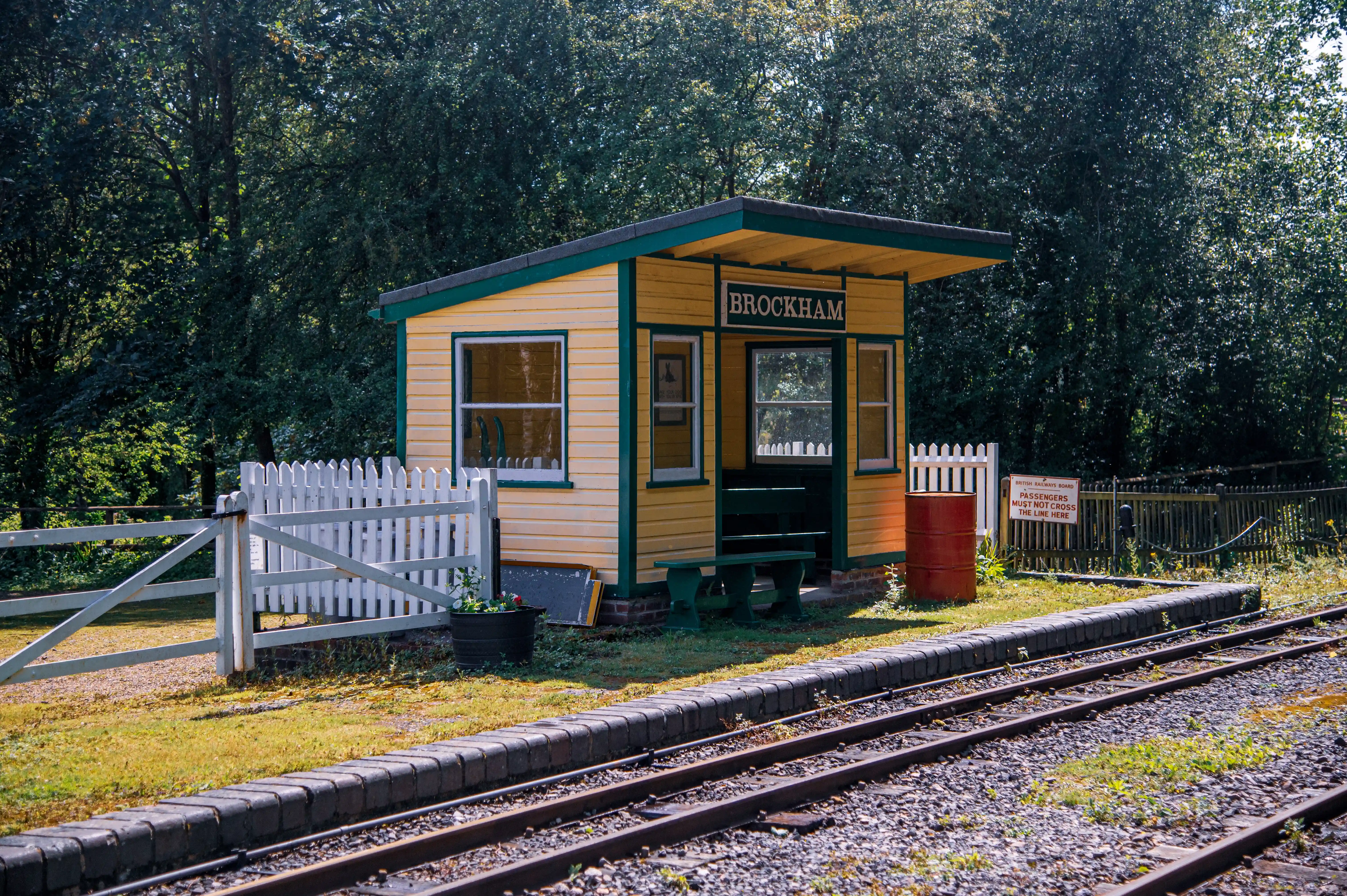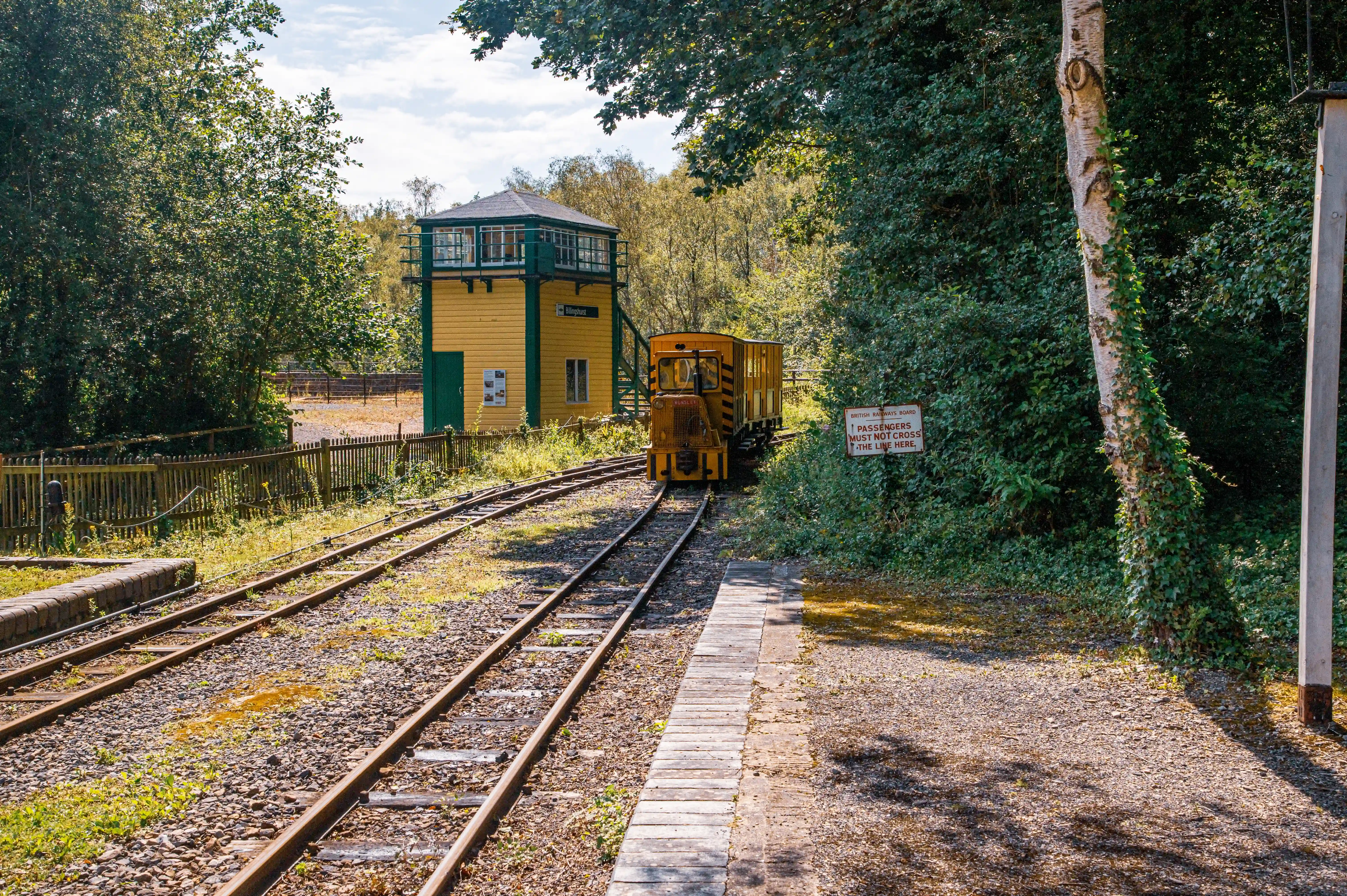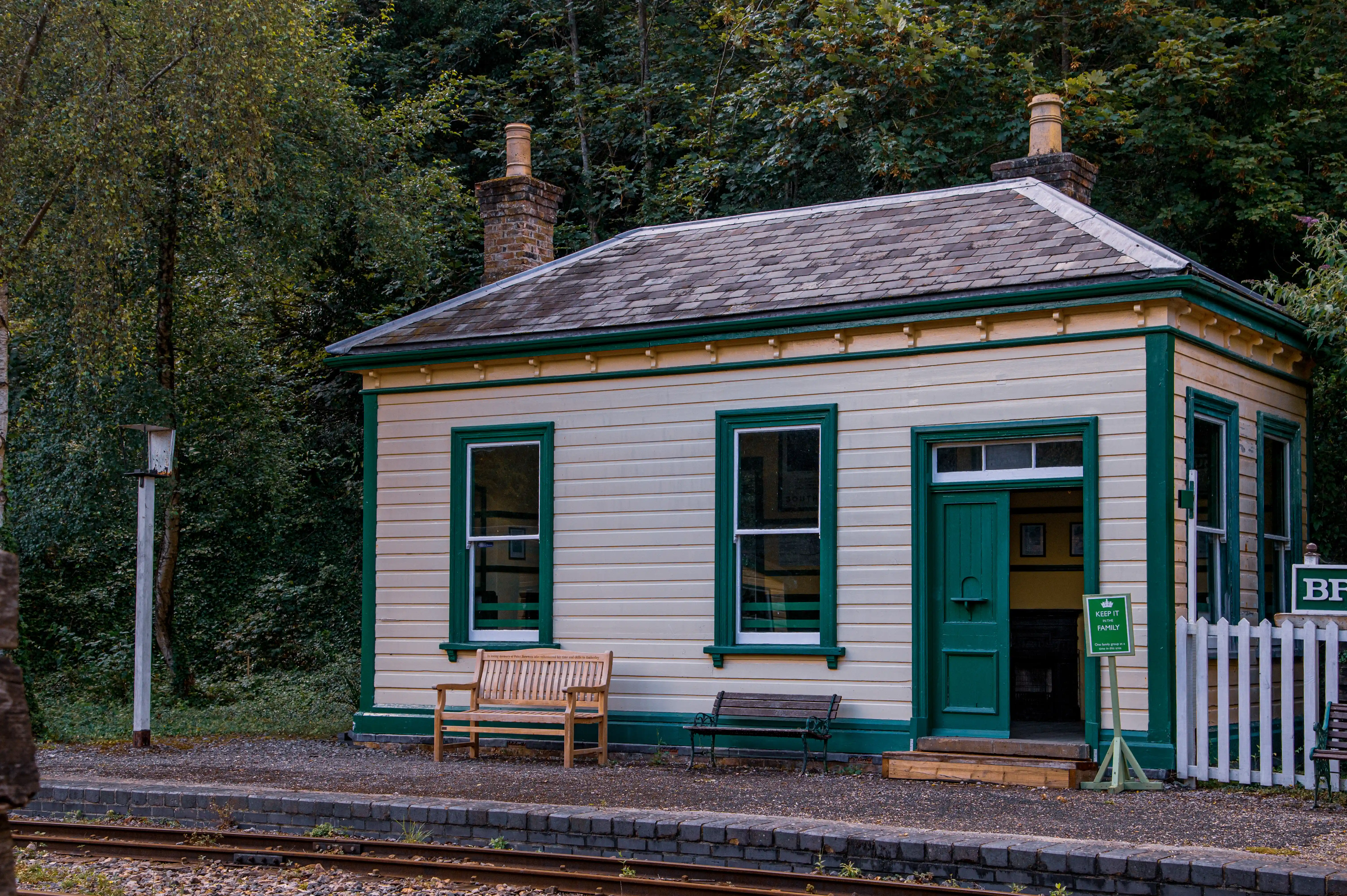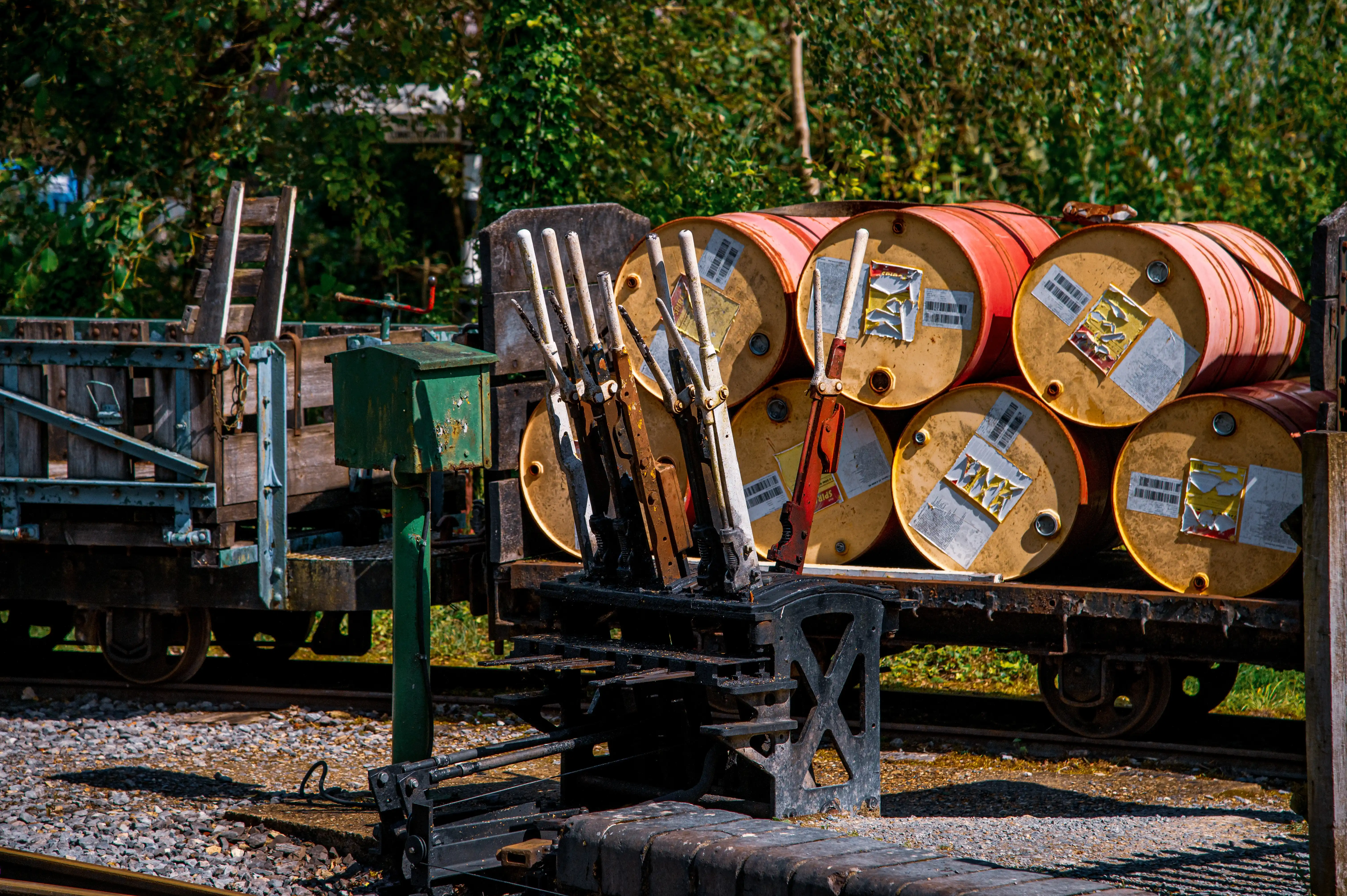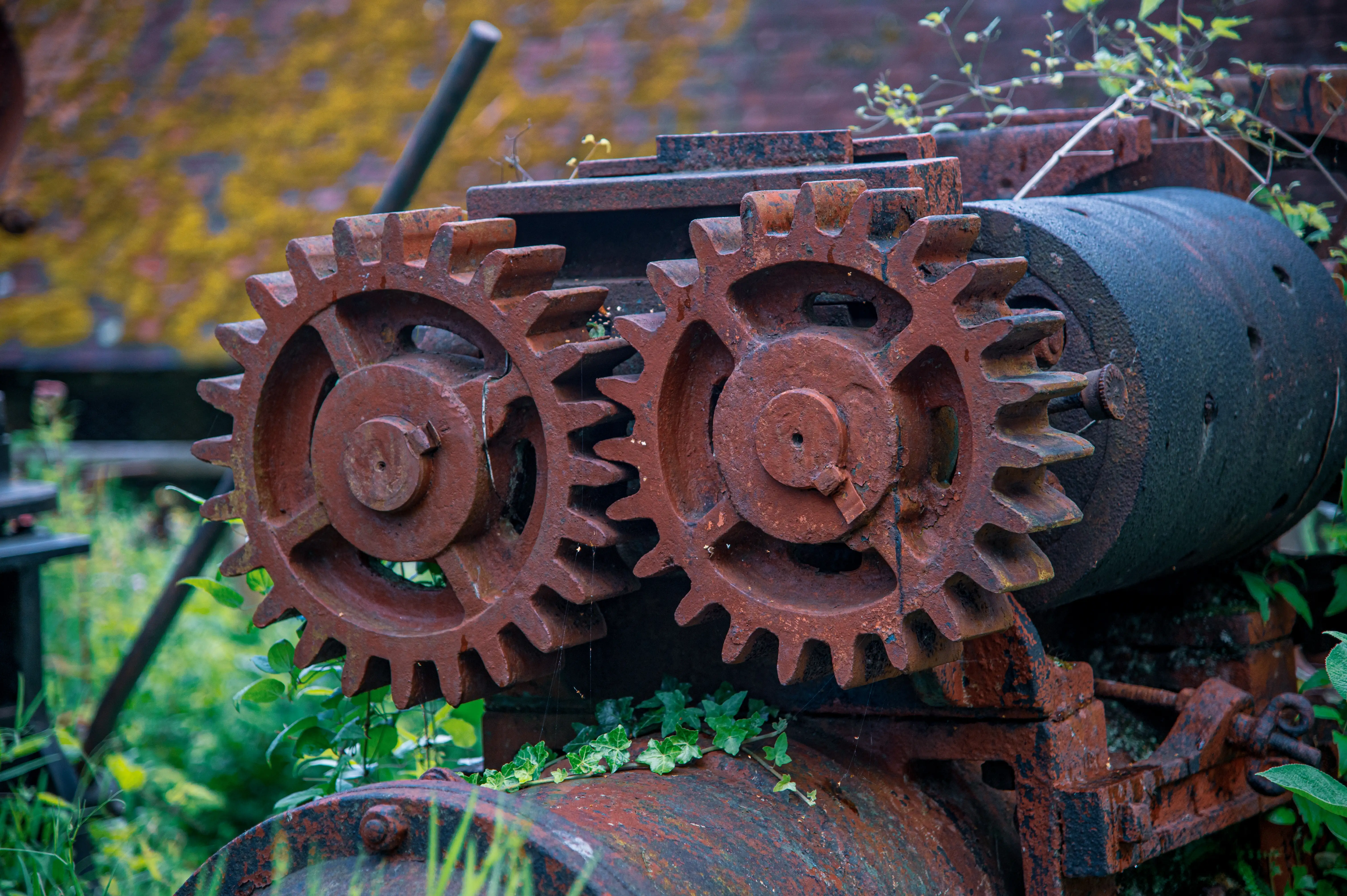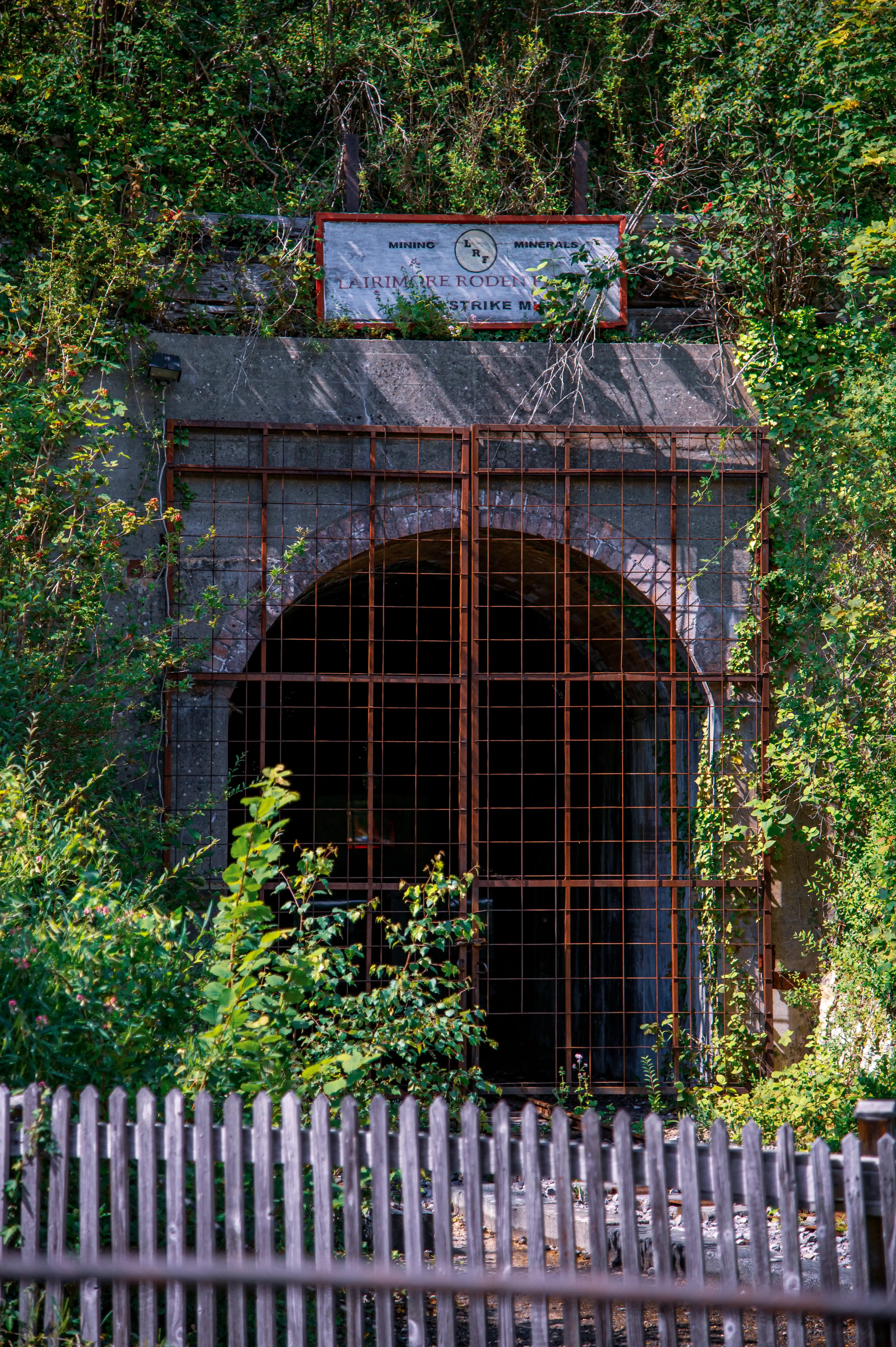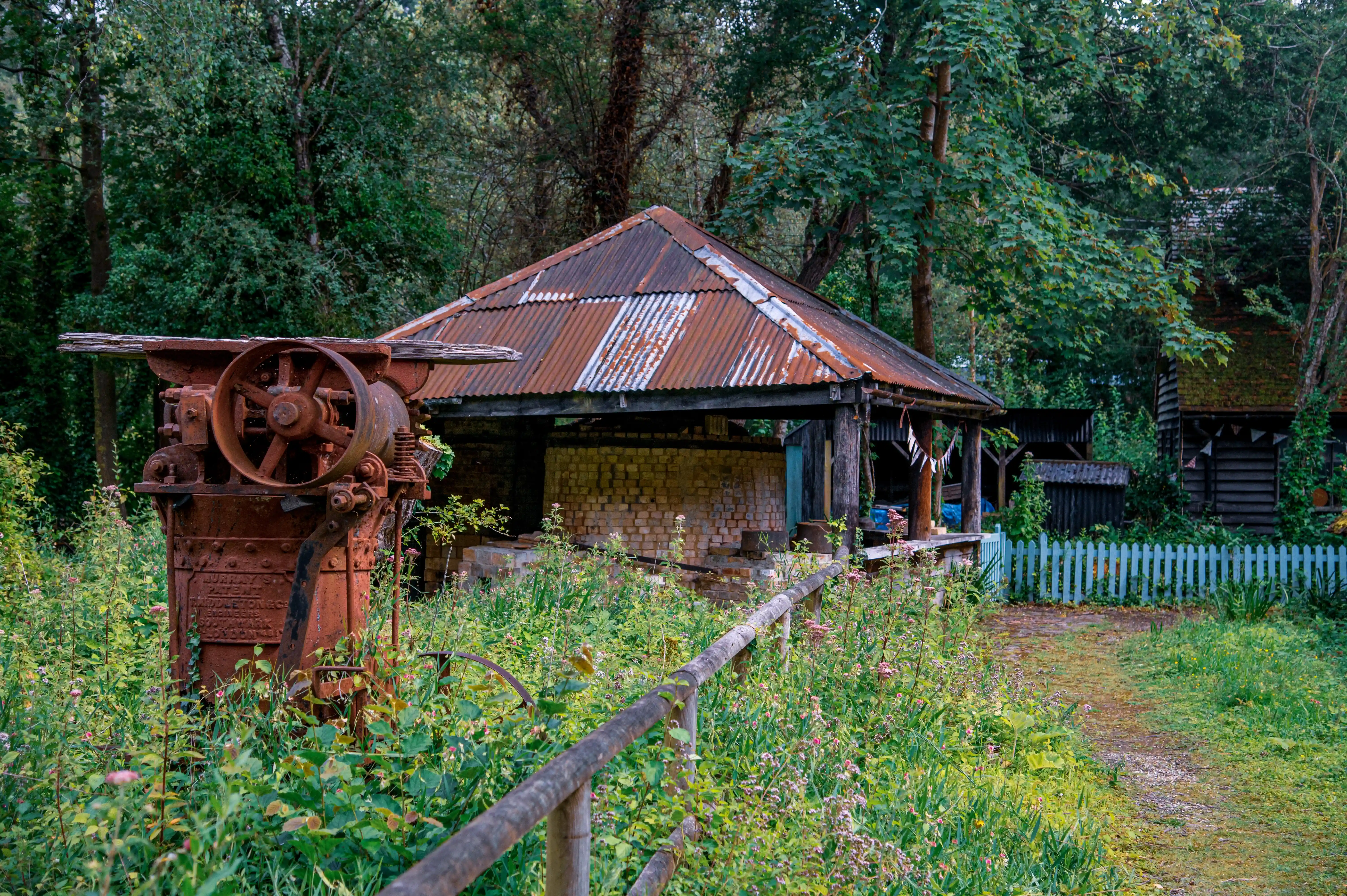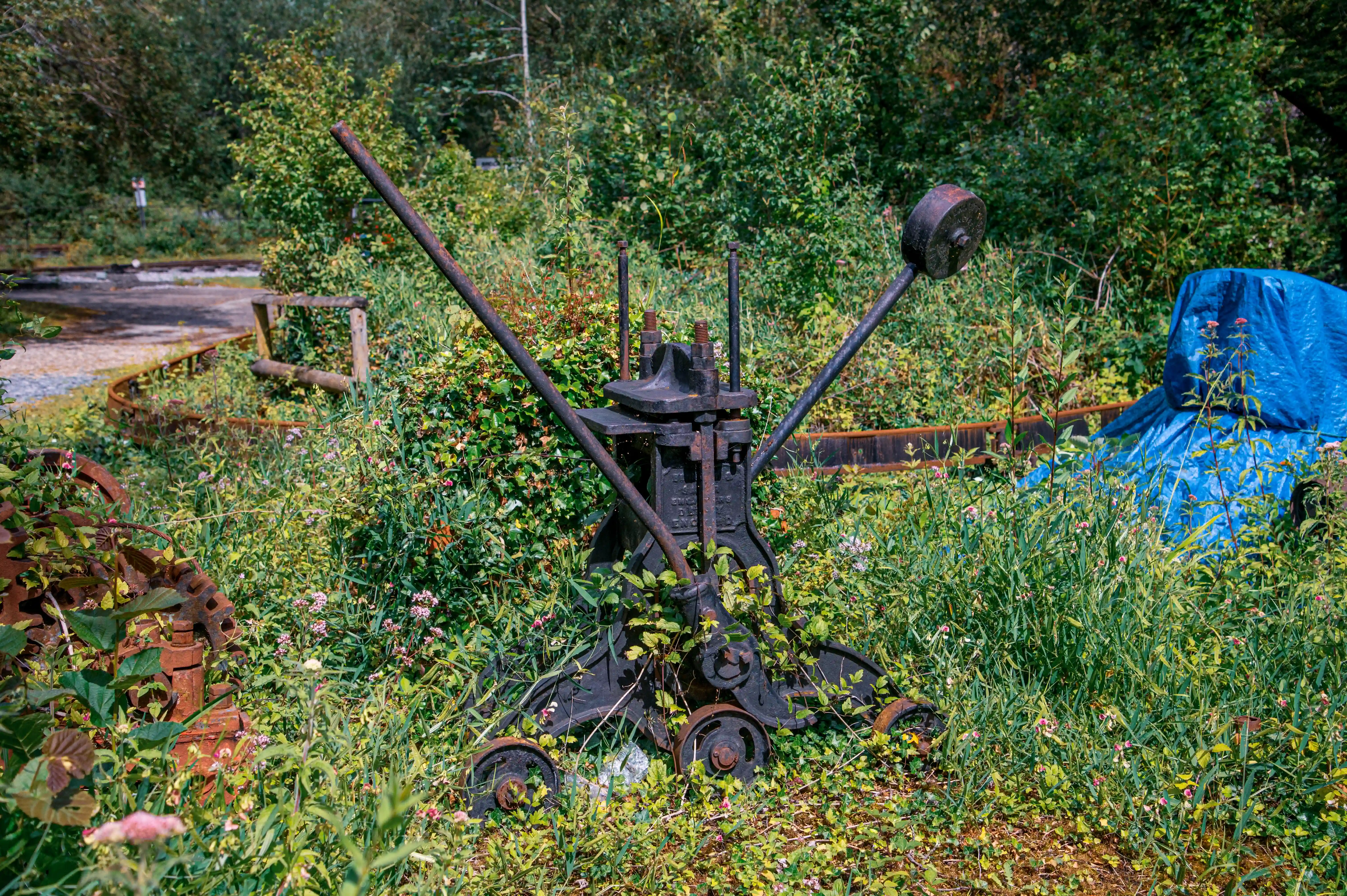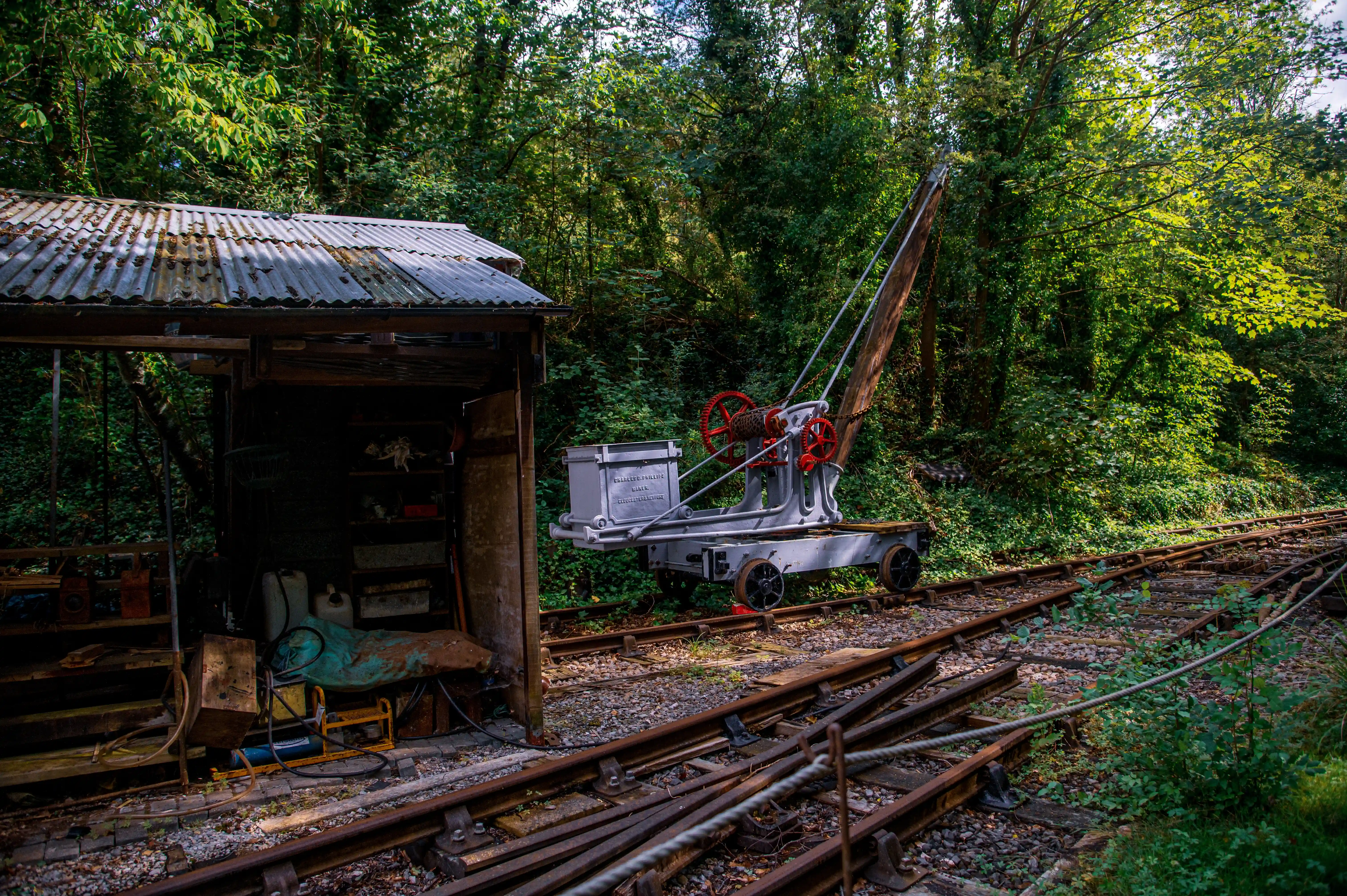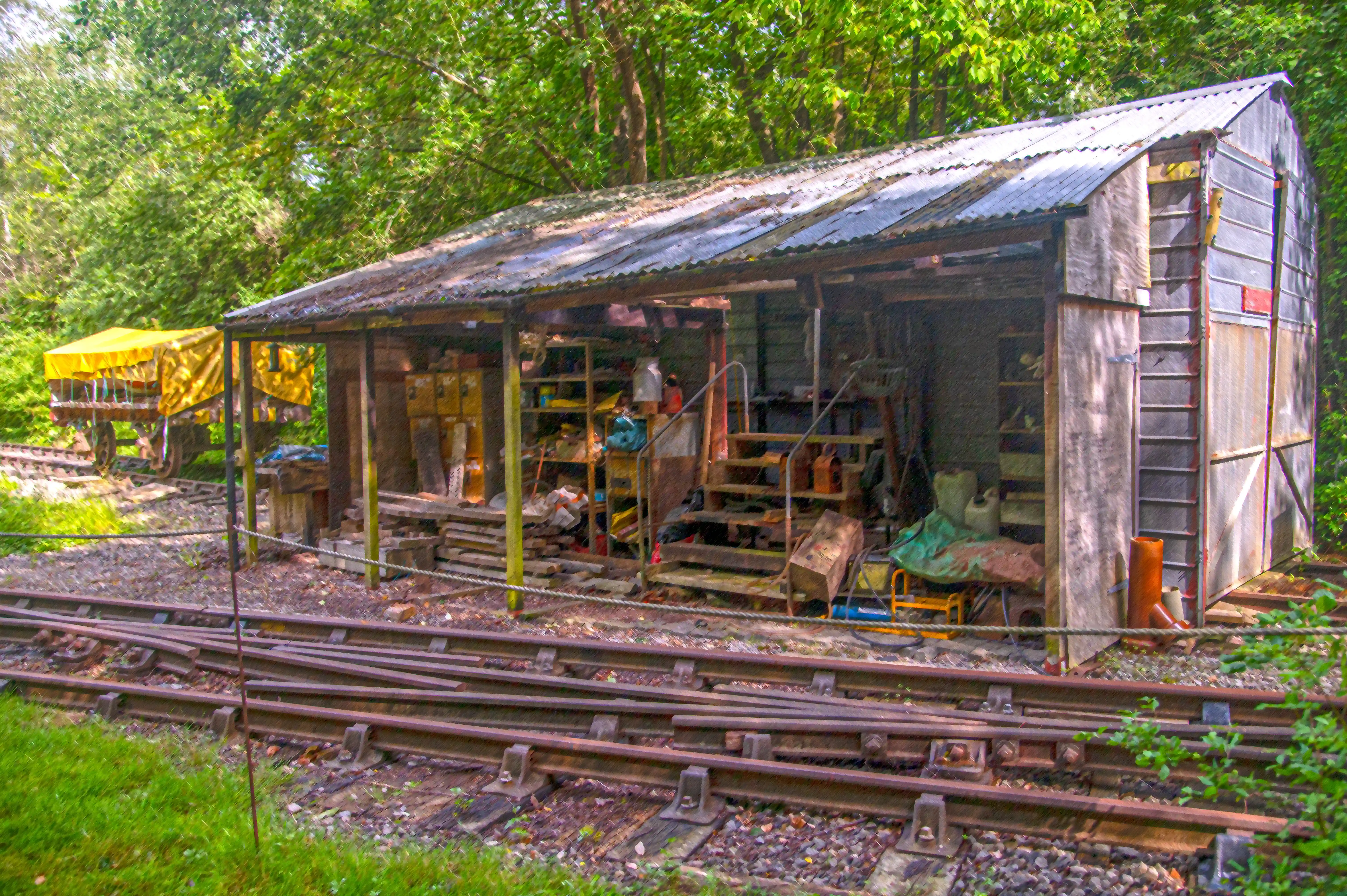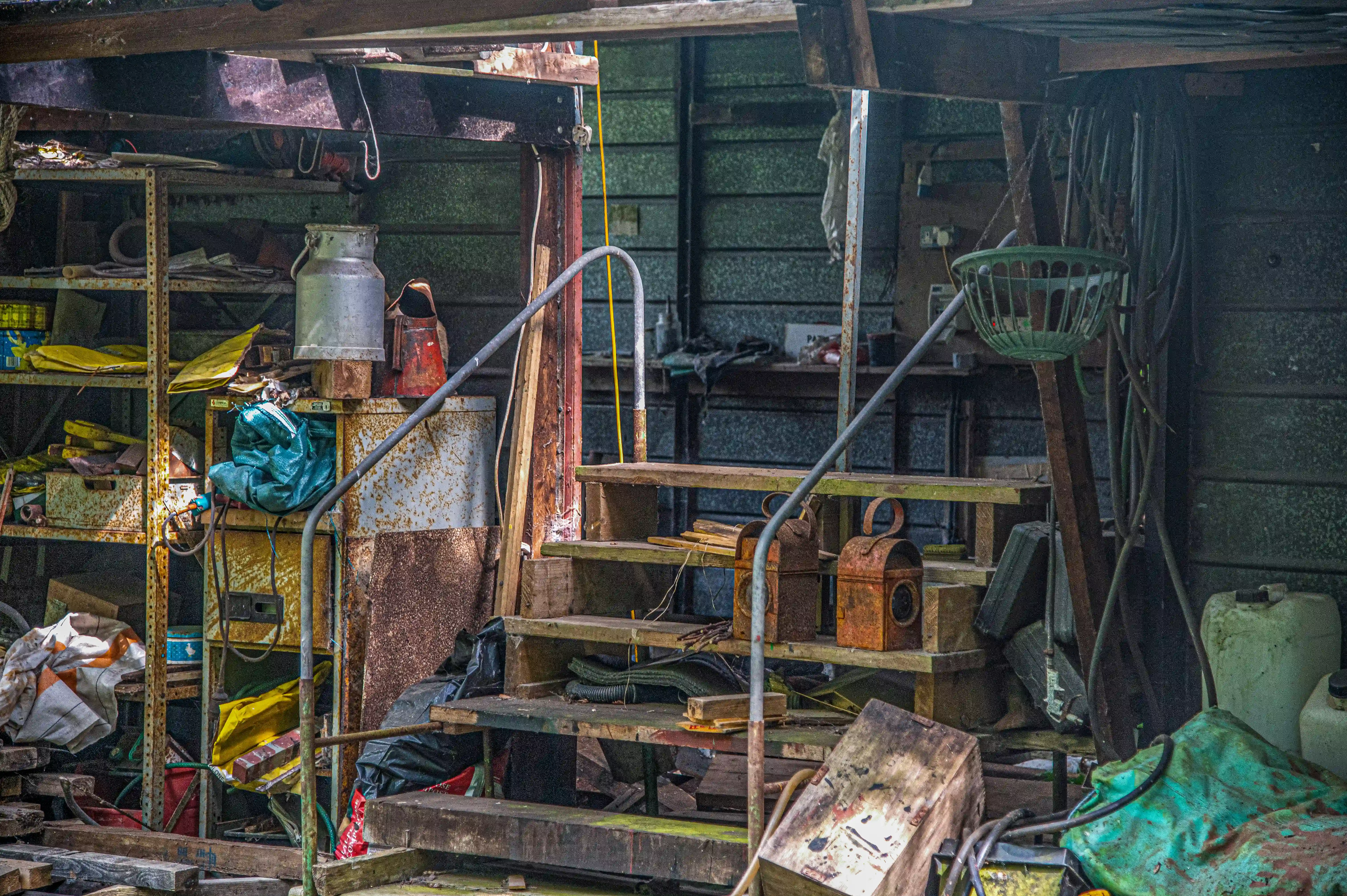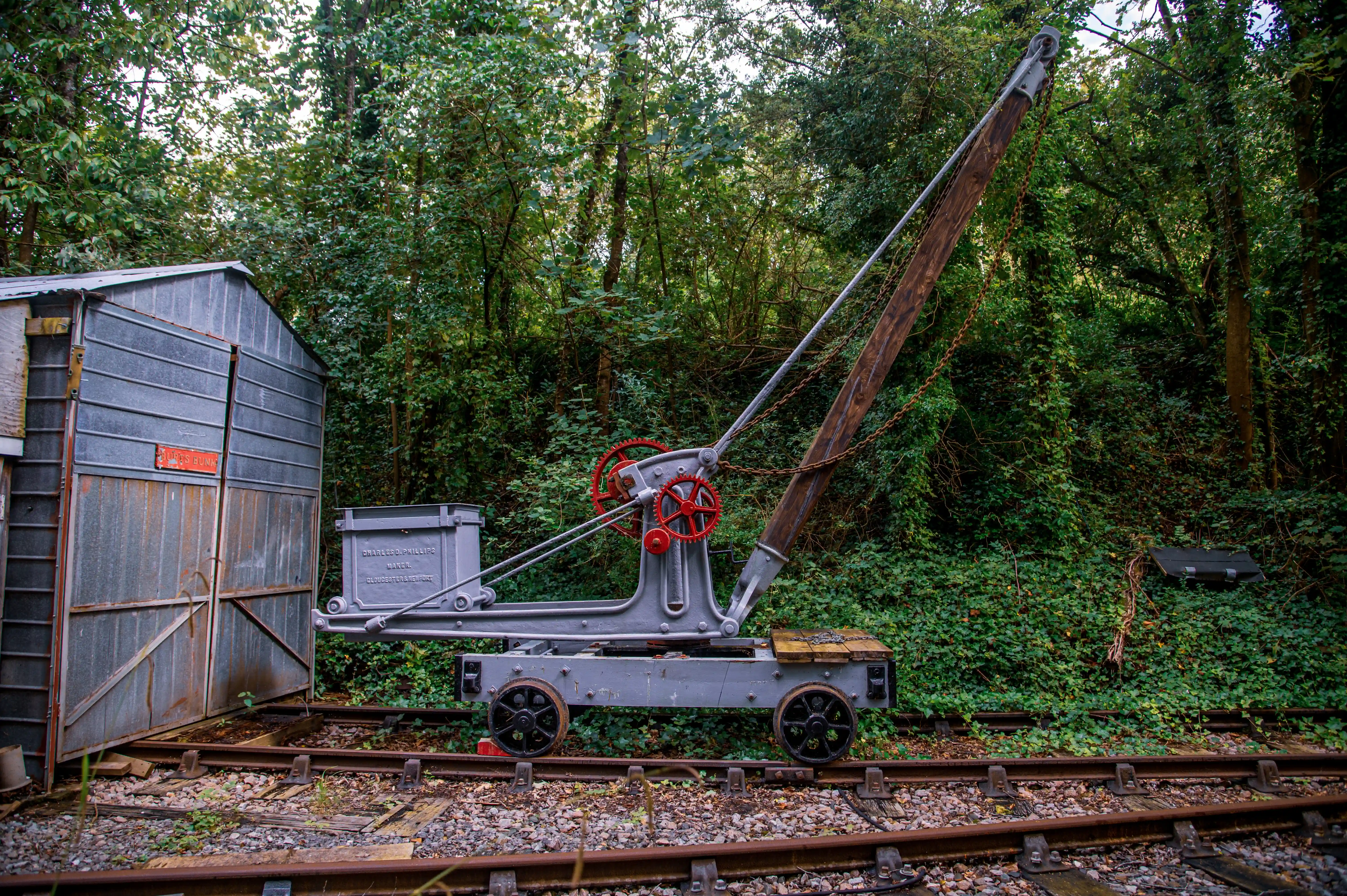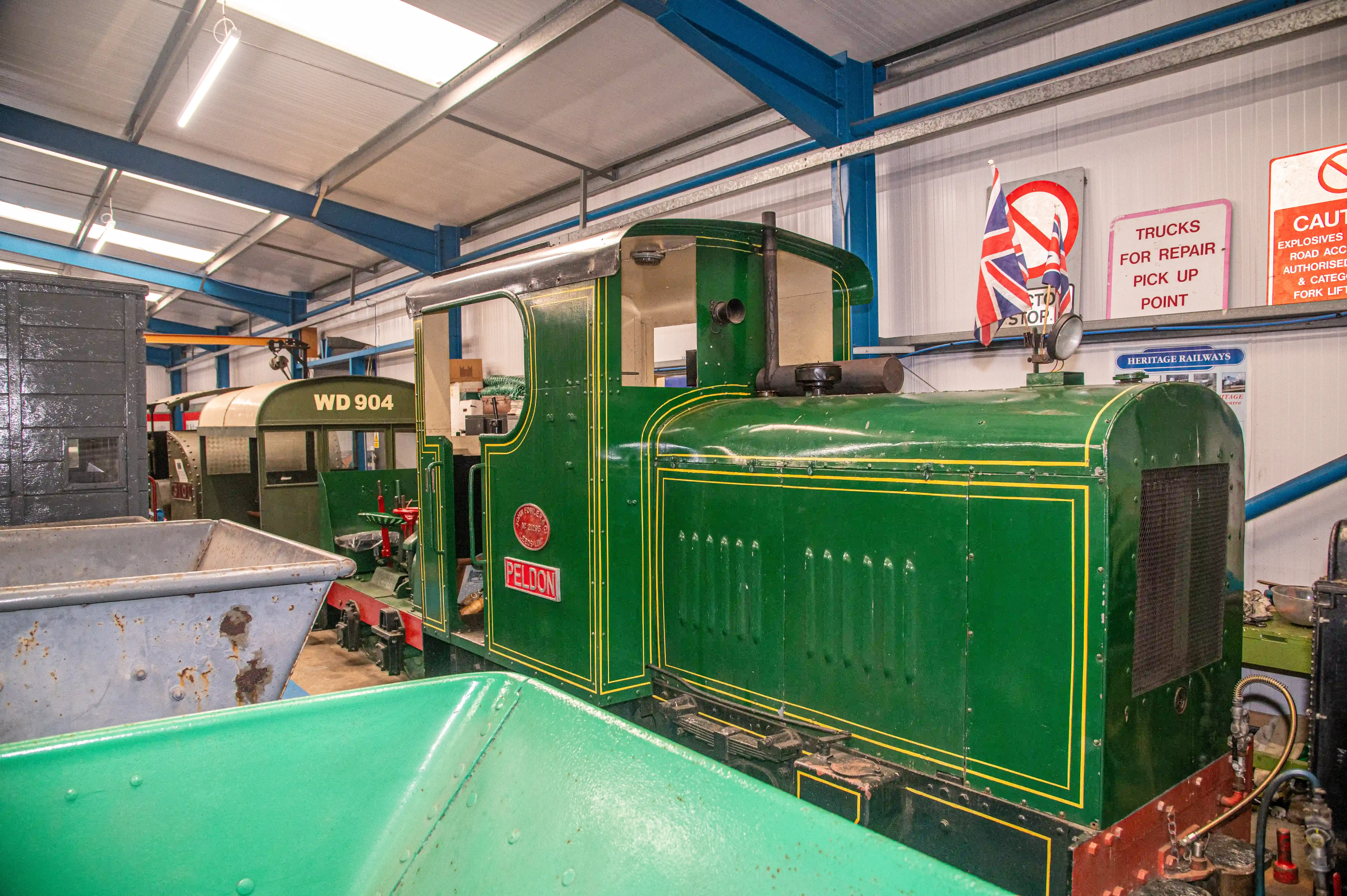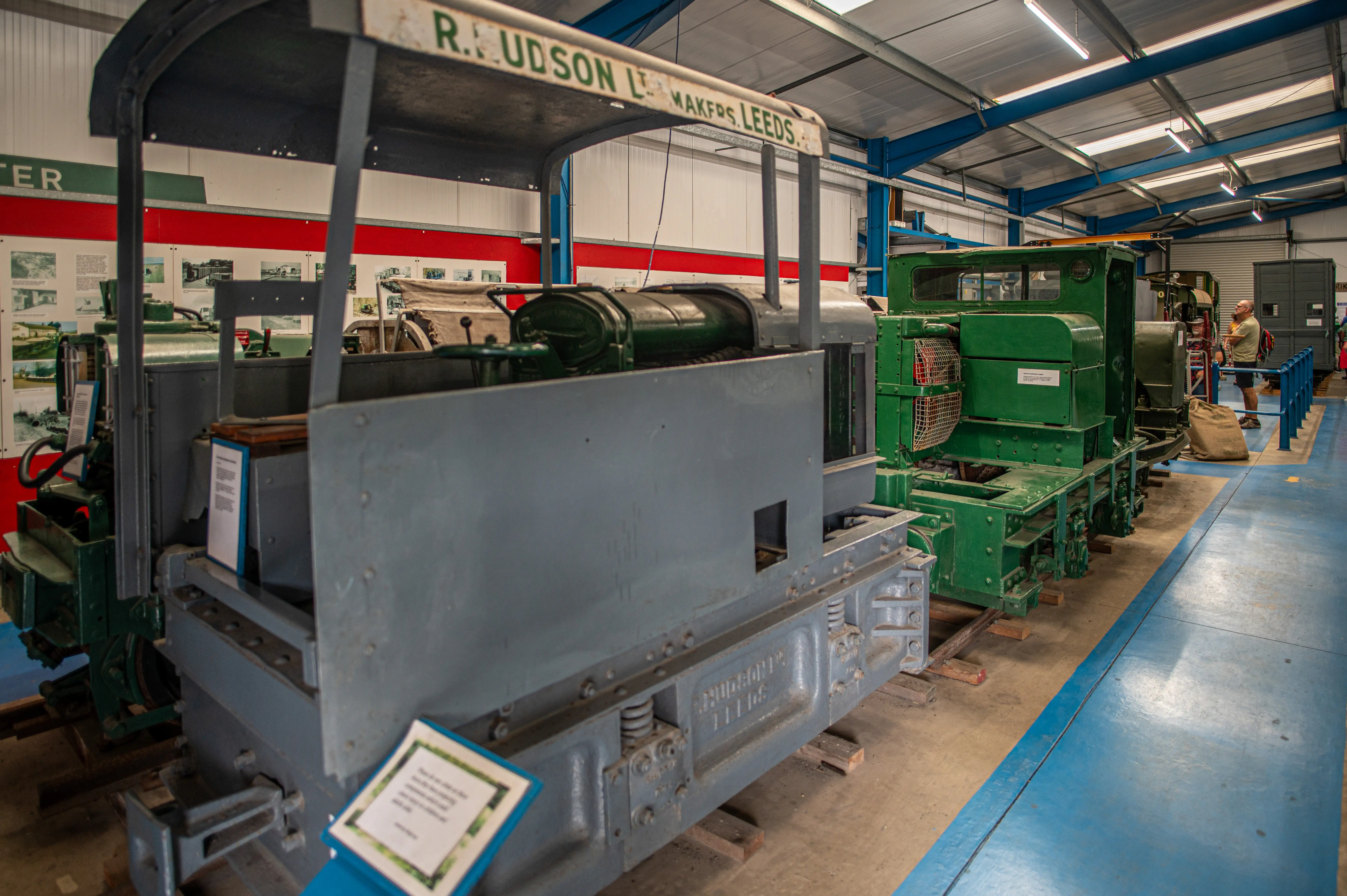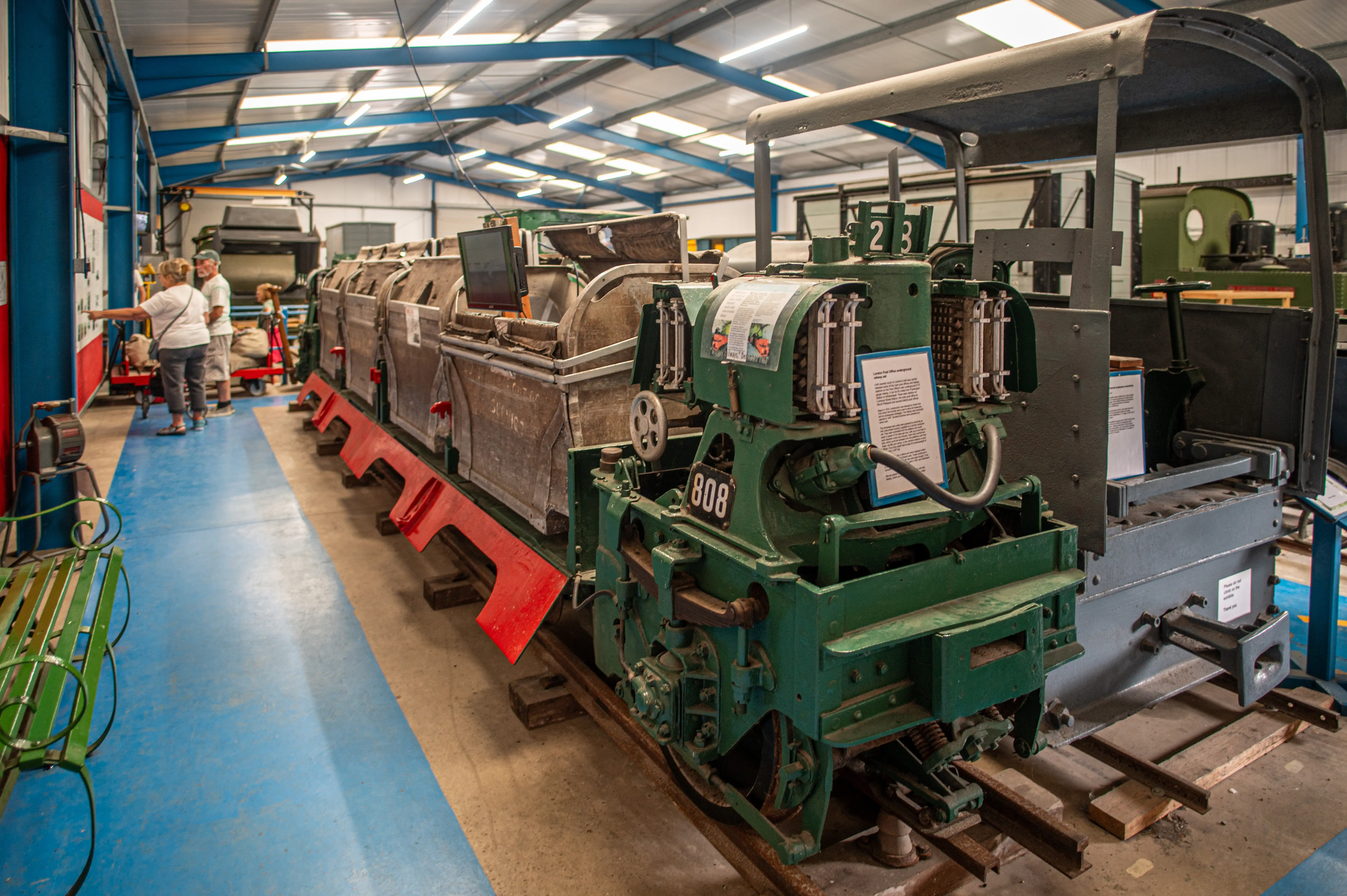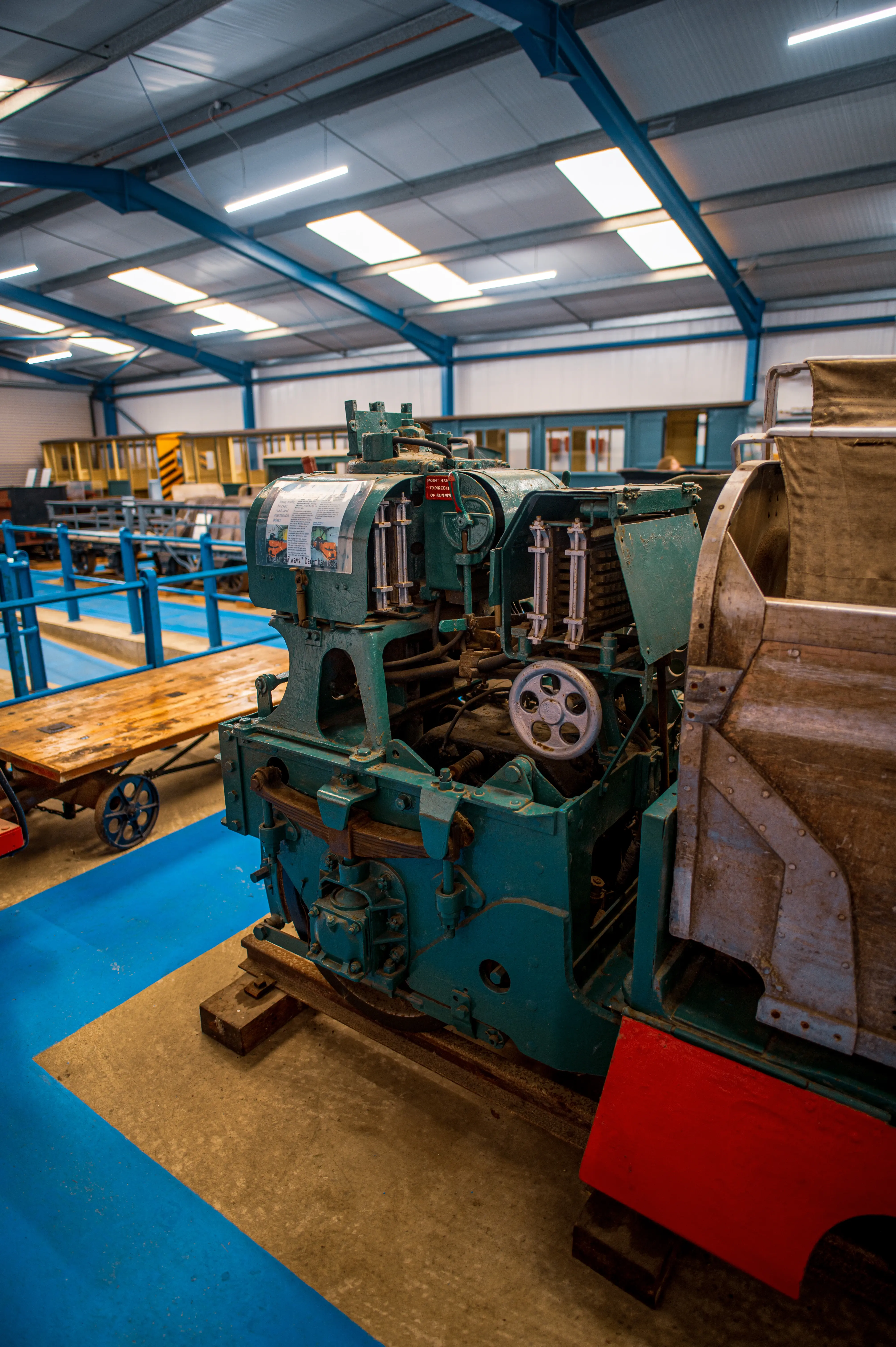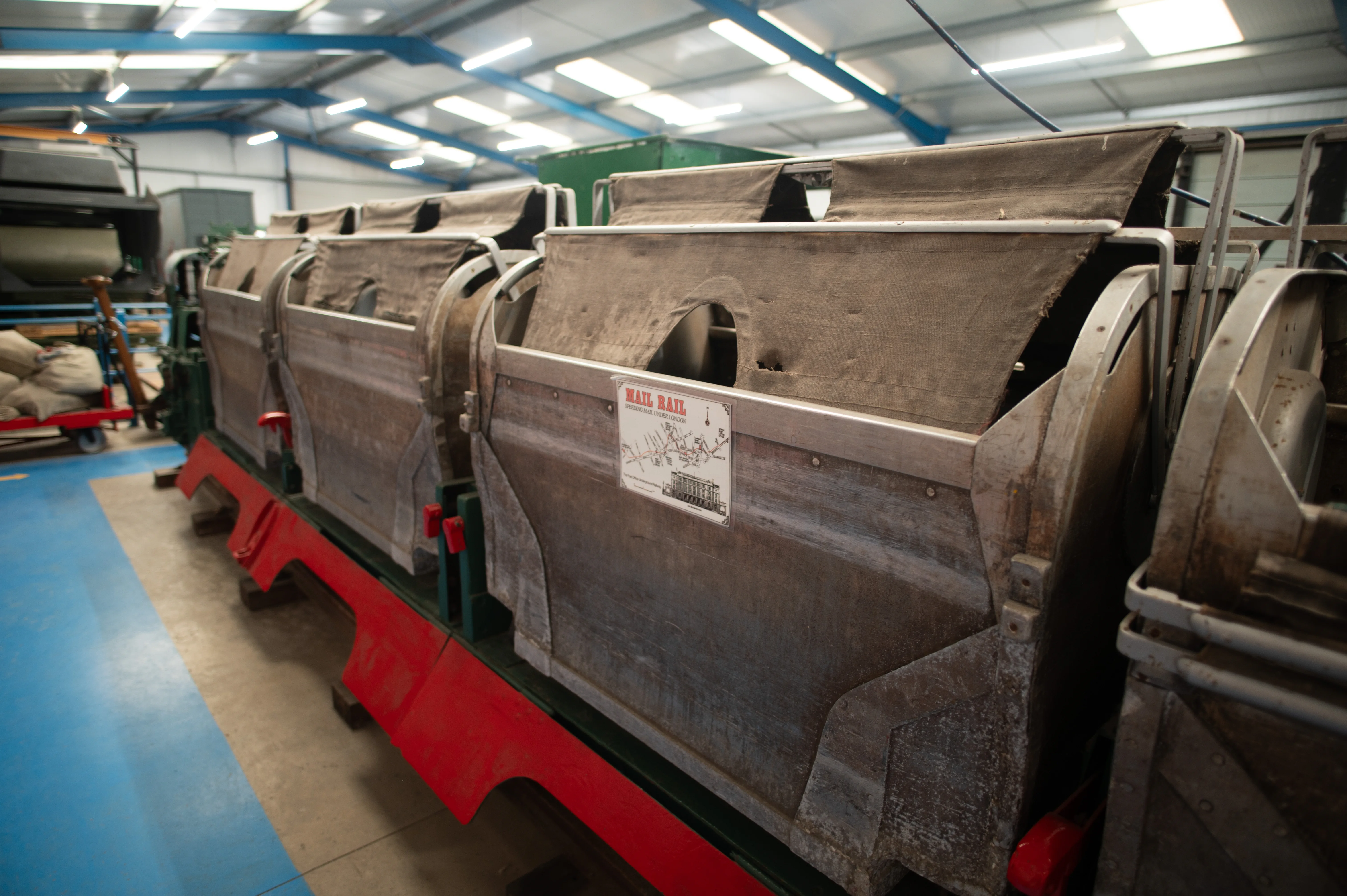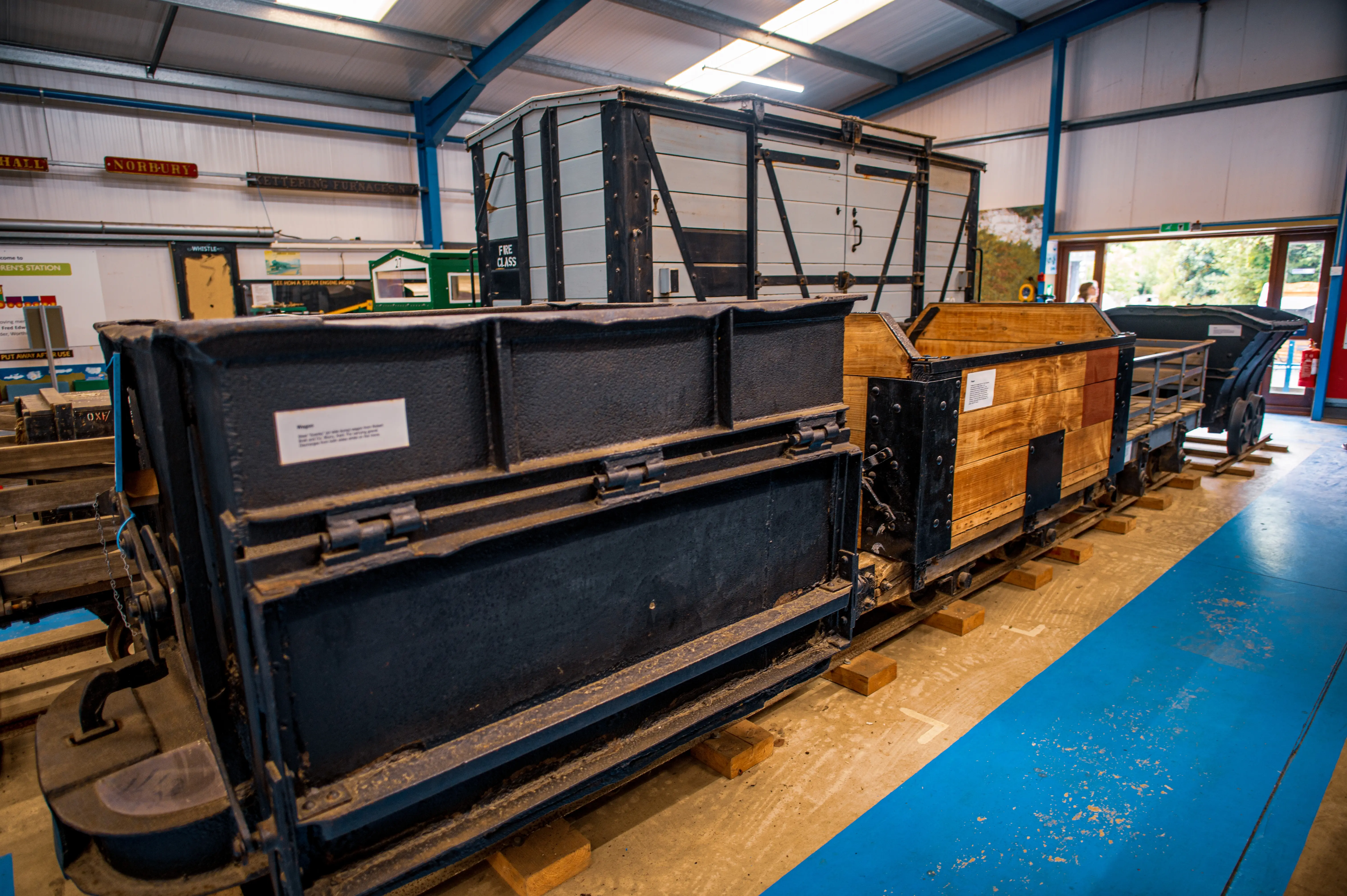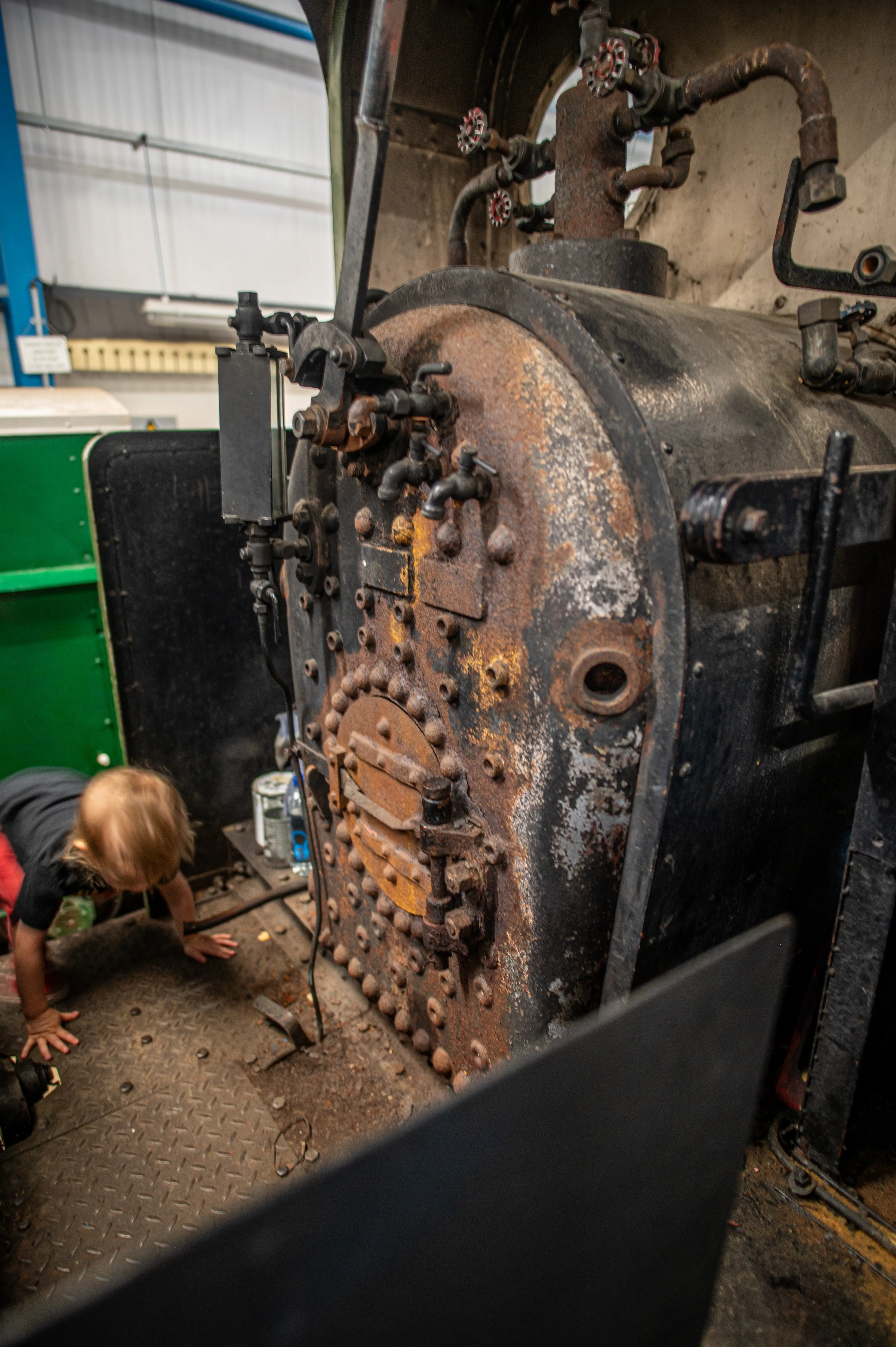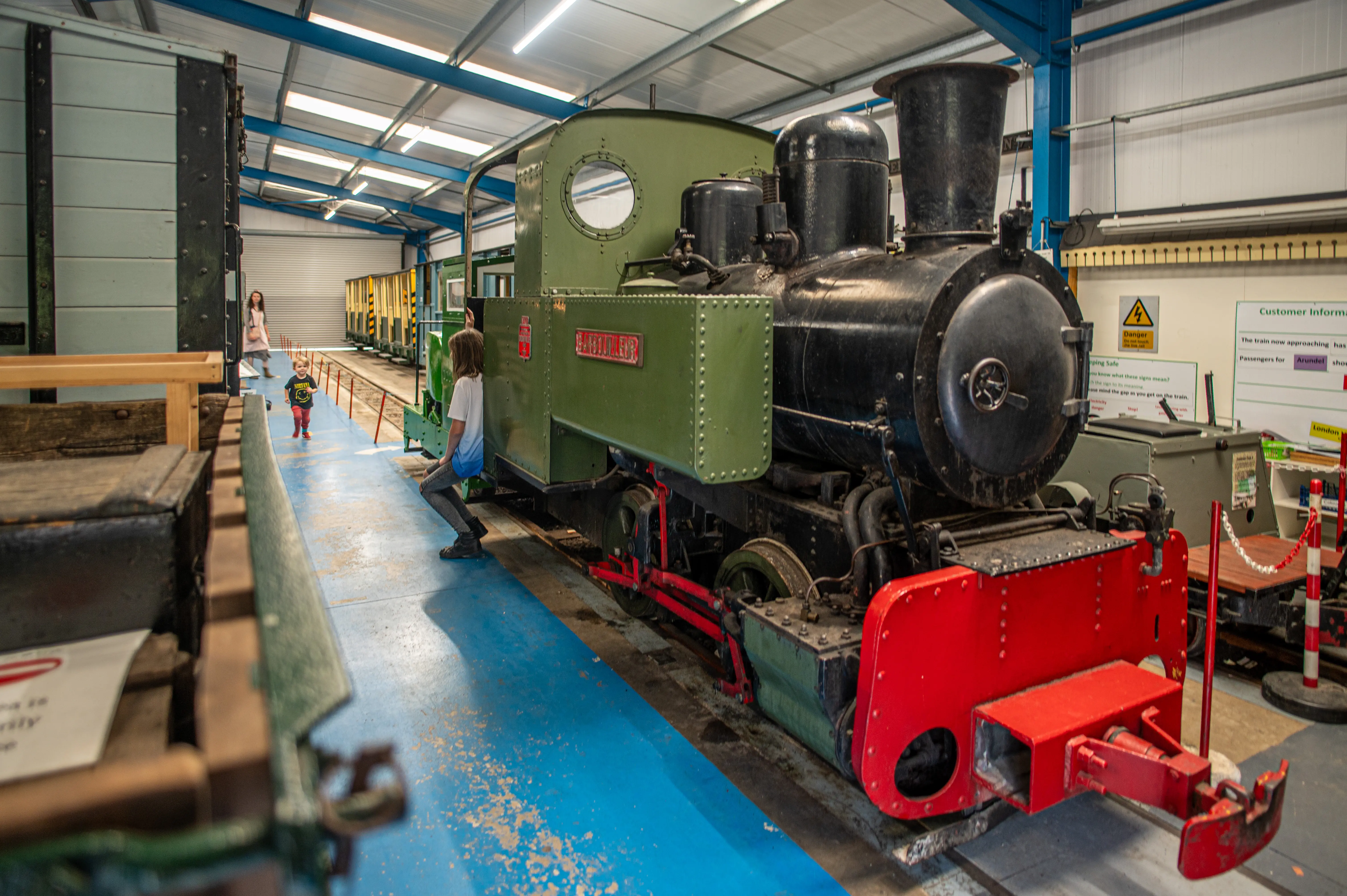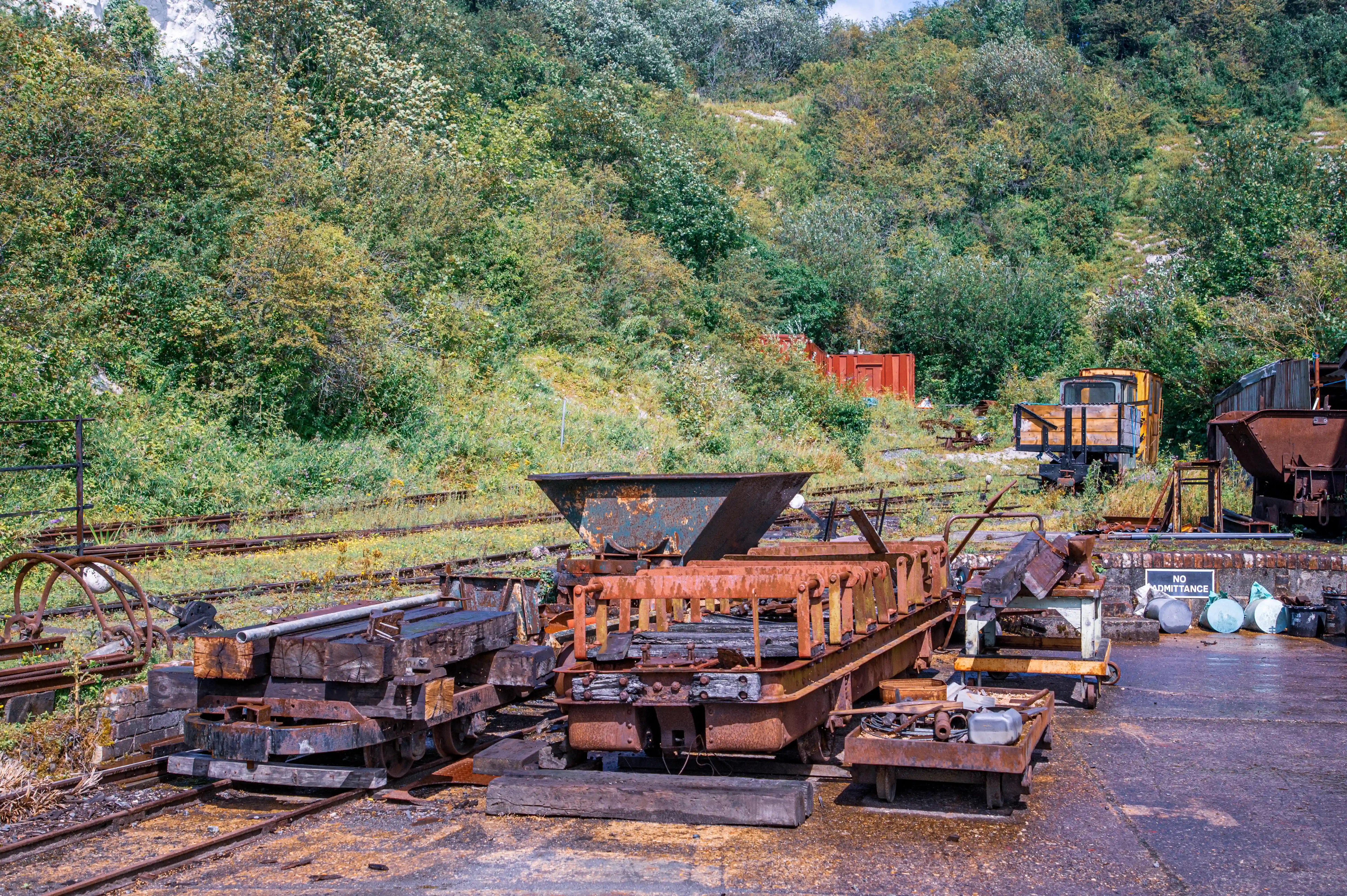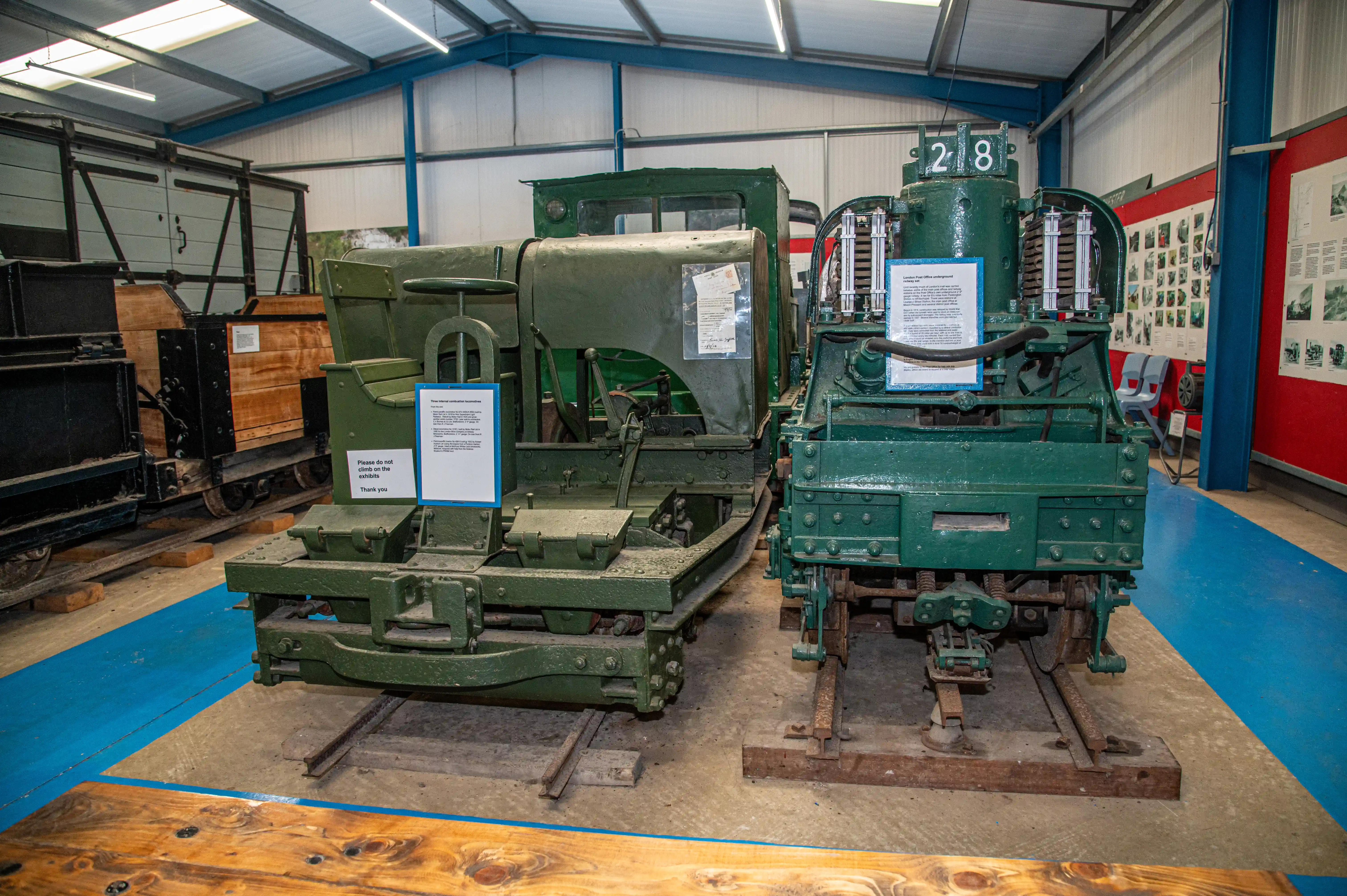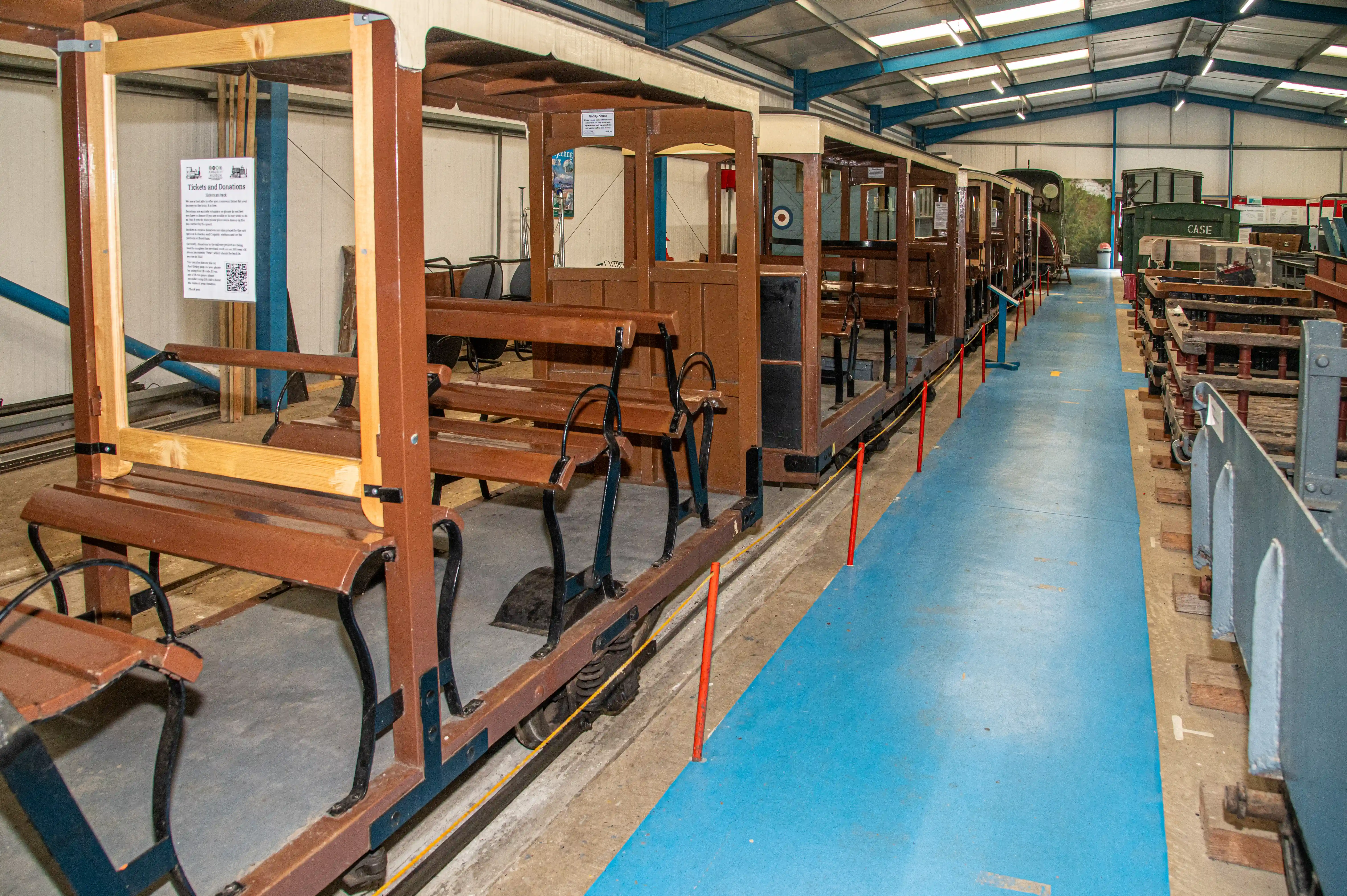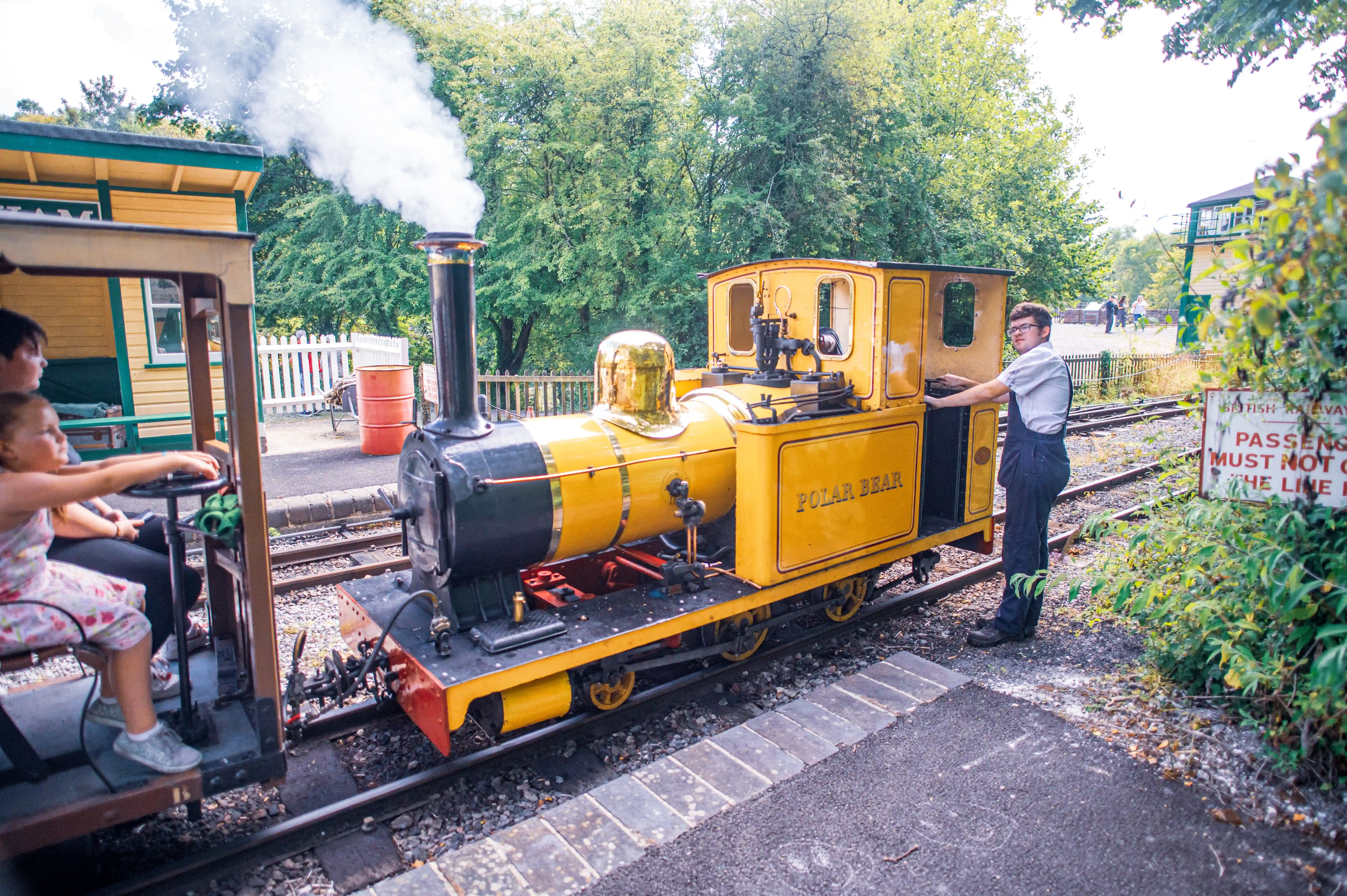
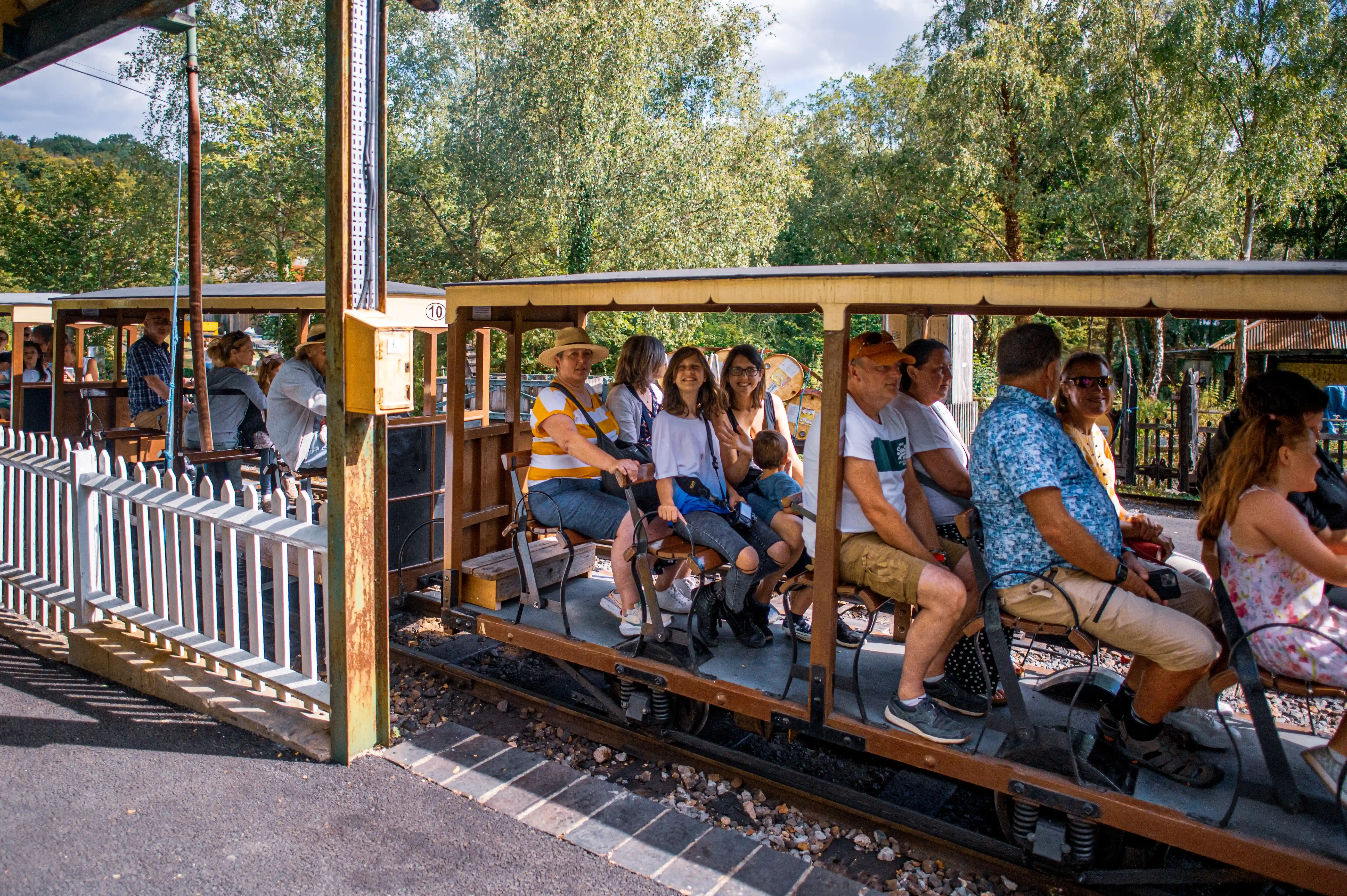
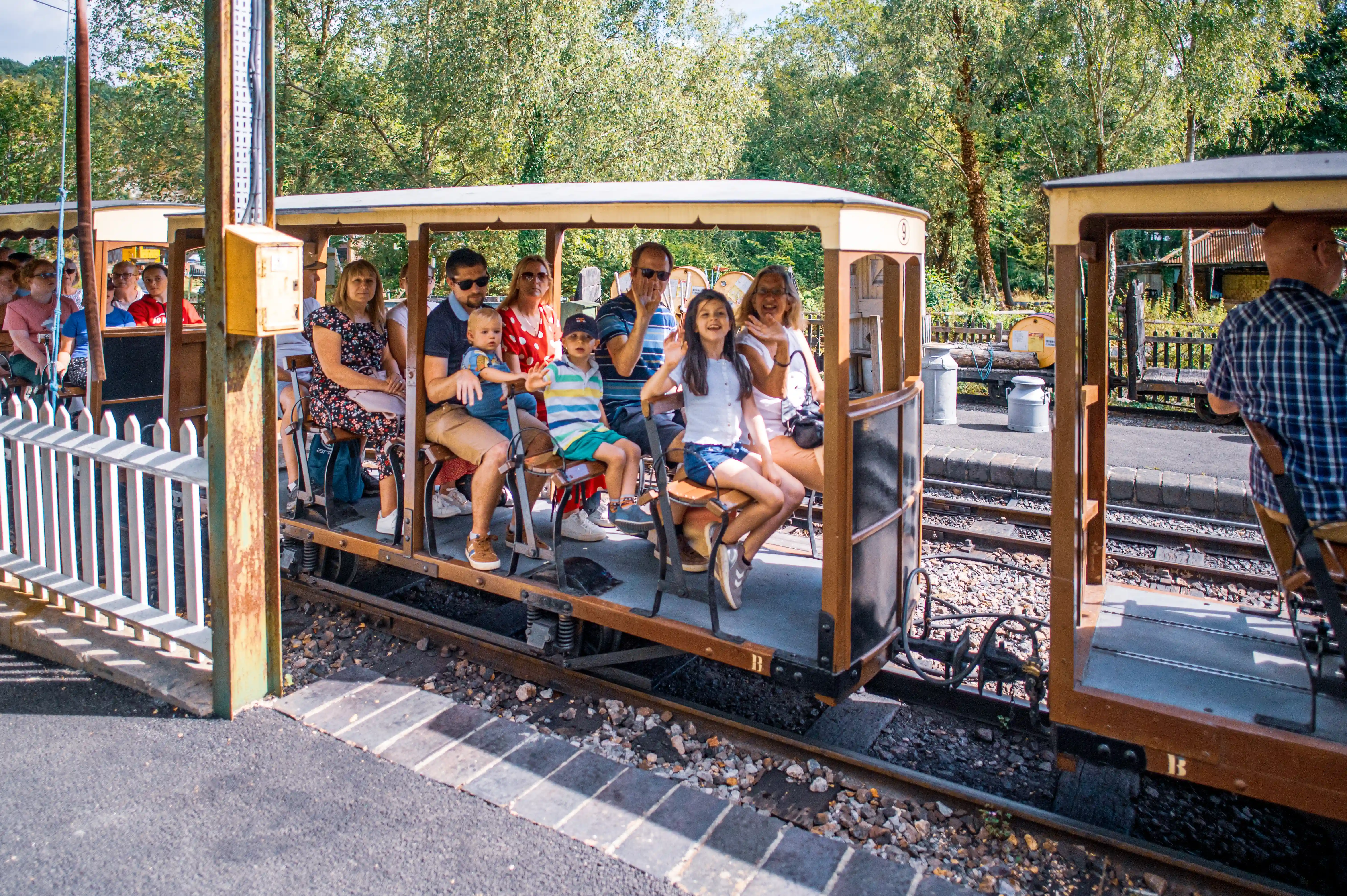
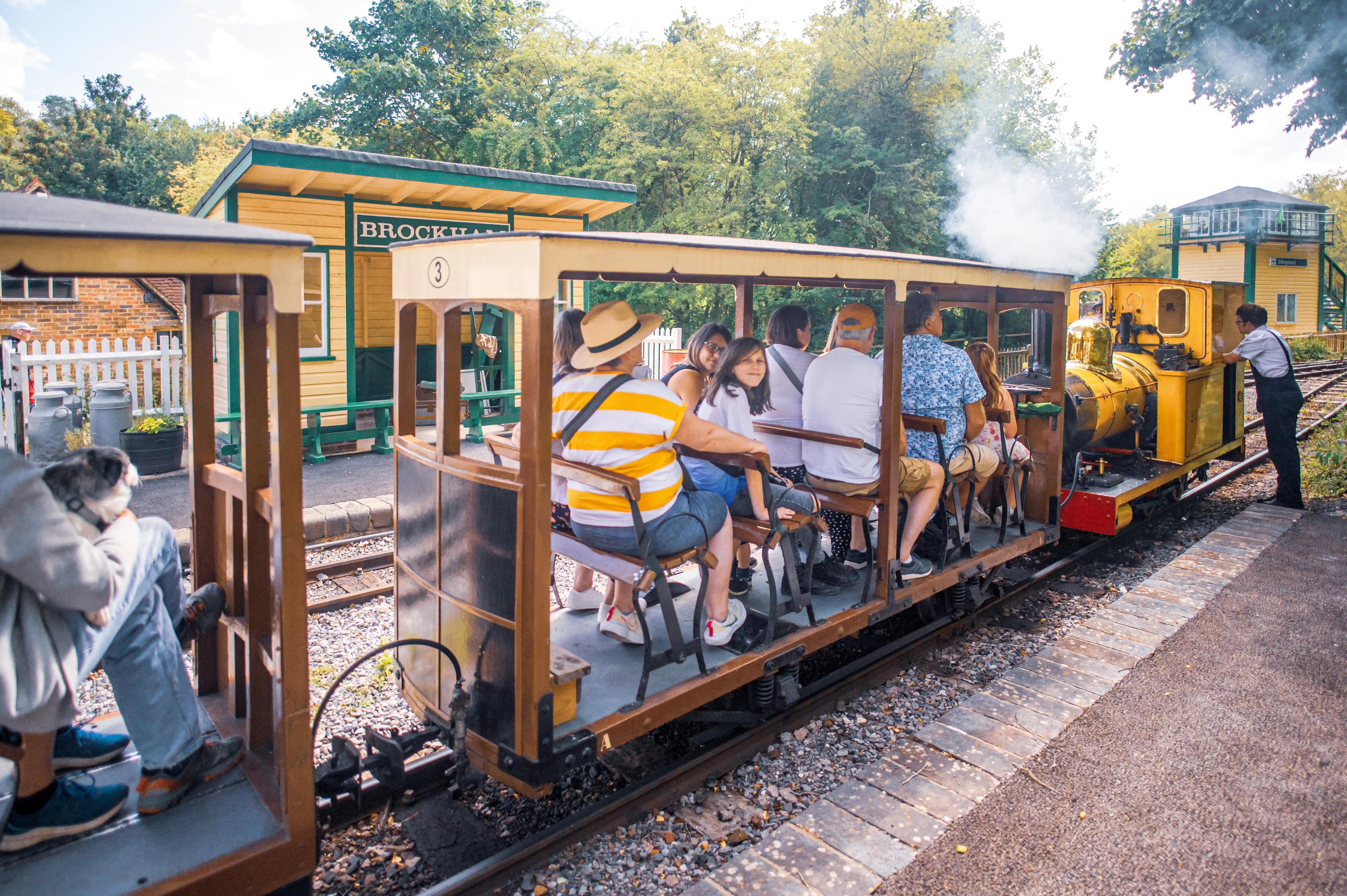
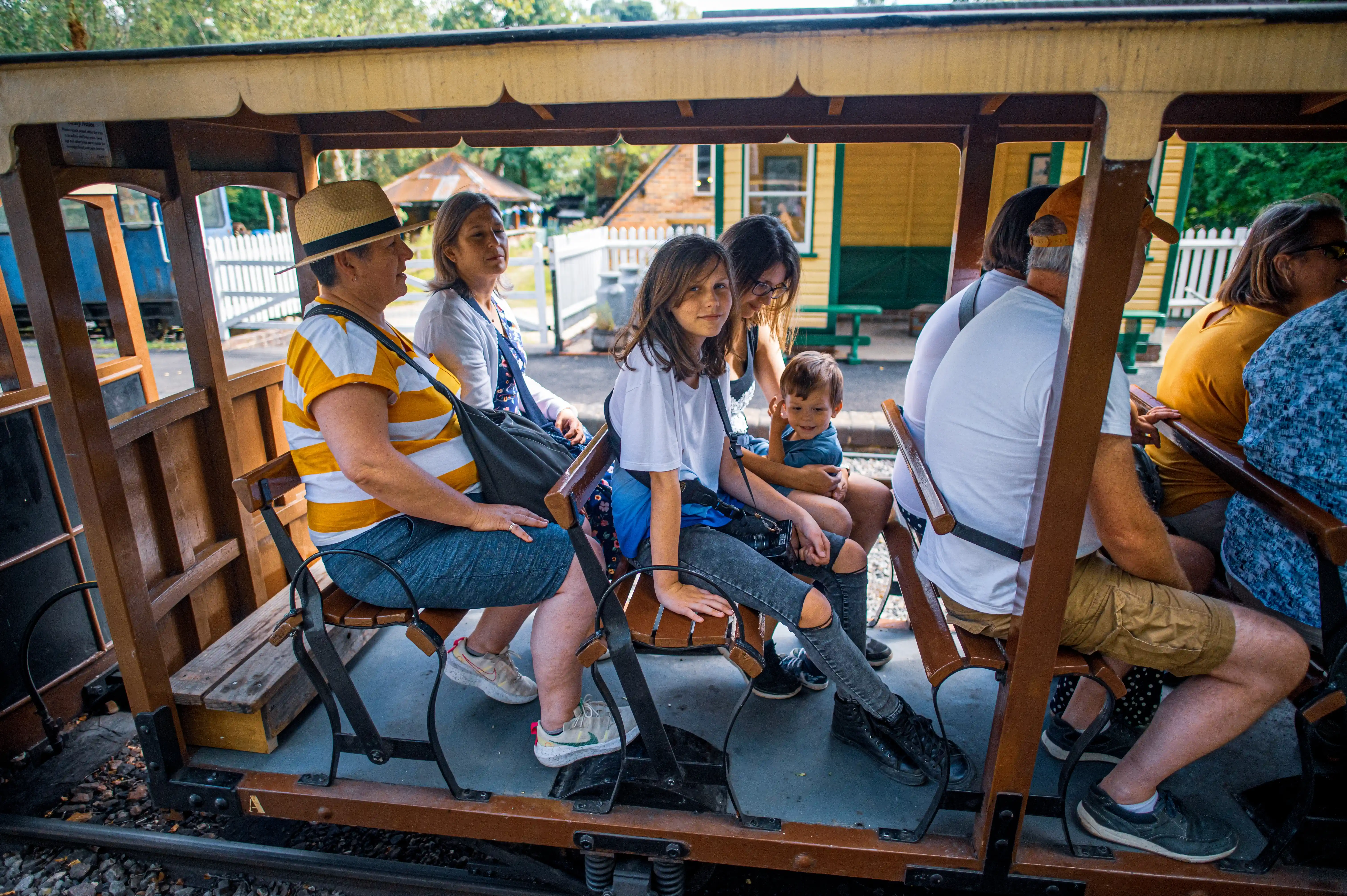
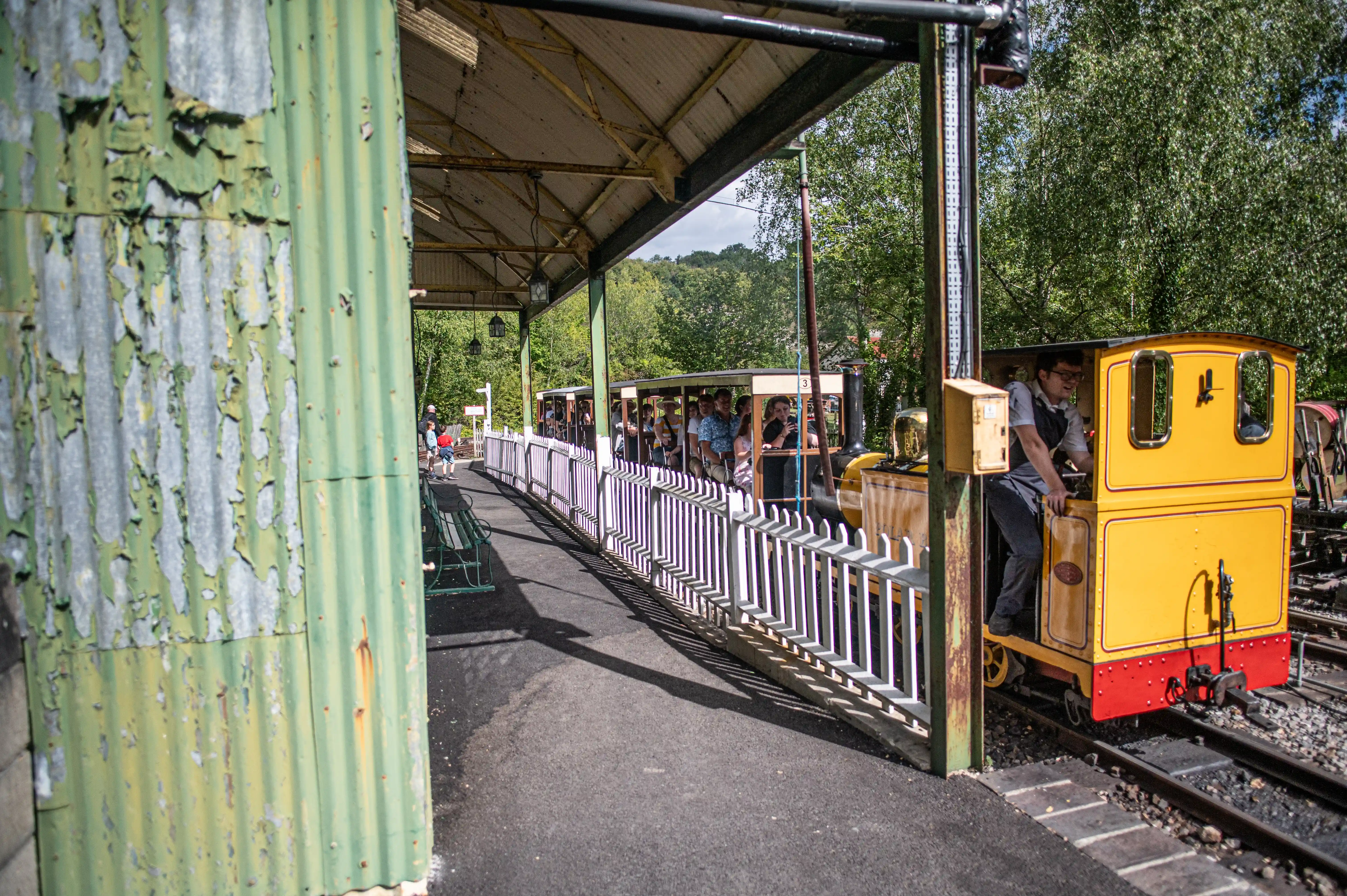
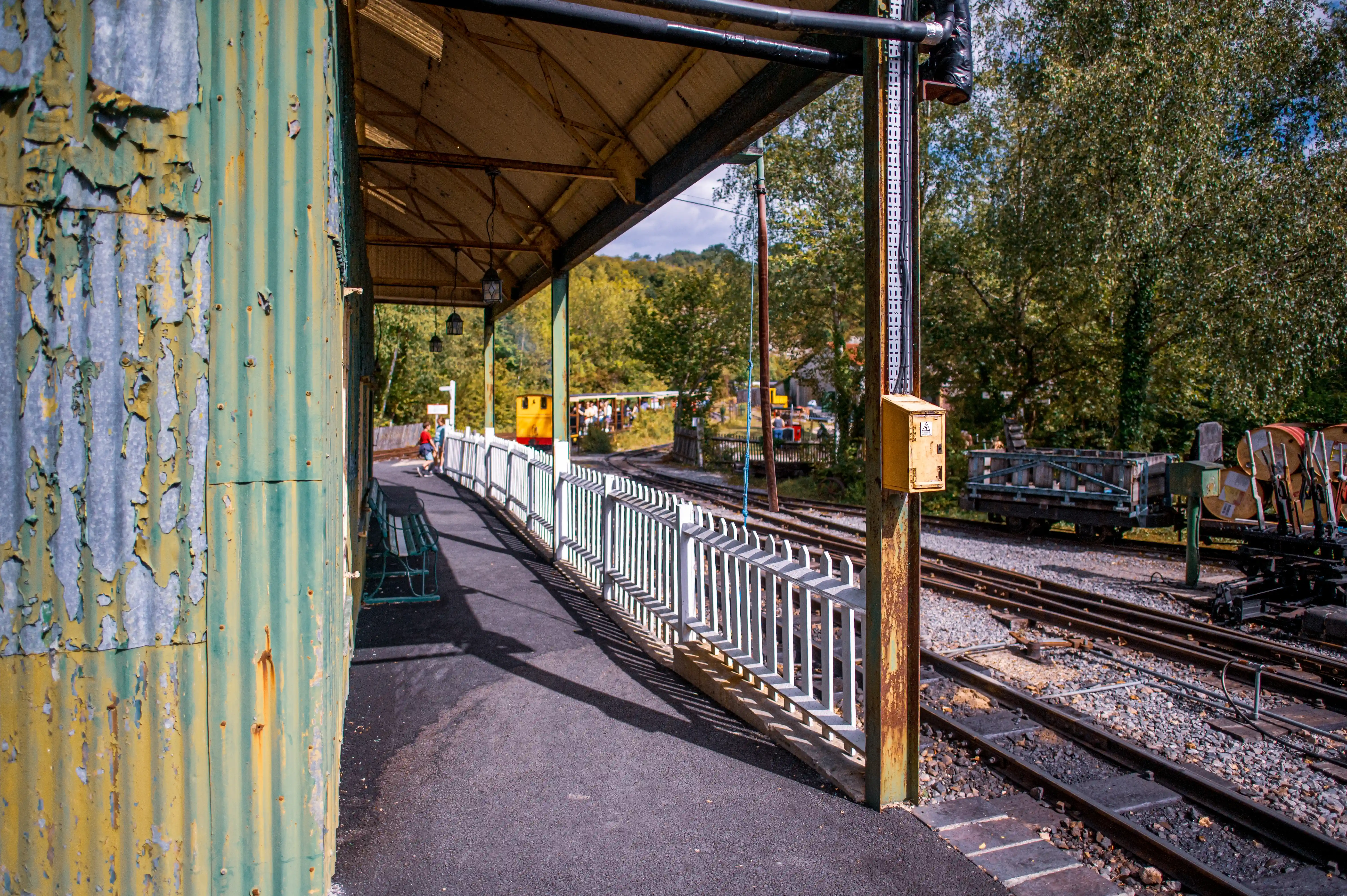

The Industrial Narrow-Gauge Railway at Amberley Open Air Museum represents the vital role that narrow-gauge railways played in British industrial history. Narrow-gauge railways, with their 2 ft (610 mm) gauge tracks, were widely used in the 19th and early 20th centuries to transport materials, goods, and workers in industrial settings such as quarries, mines, and factories. Their narrower gauge allowed them to navigate tight spaces, sharp curves, and rough terrains, making them ideal for industrial applications where standard-gauge railways were impractical.
These railways were critical to the success of many industries, including mining, quarrying, and manufacturing, as they enabled the efficient movement of raw materials and finished products. The locomotives and wagons used on these railways were designed for durability and versatility, often custom-built to meet the specific needs of the industries they served.
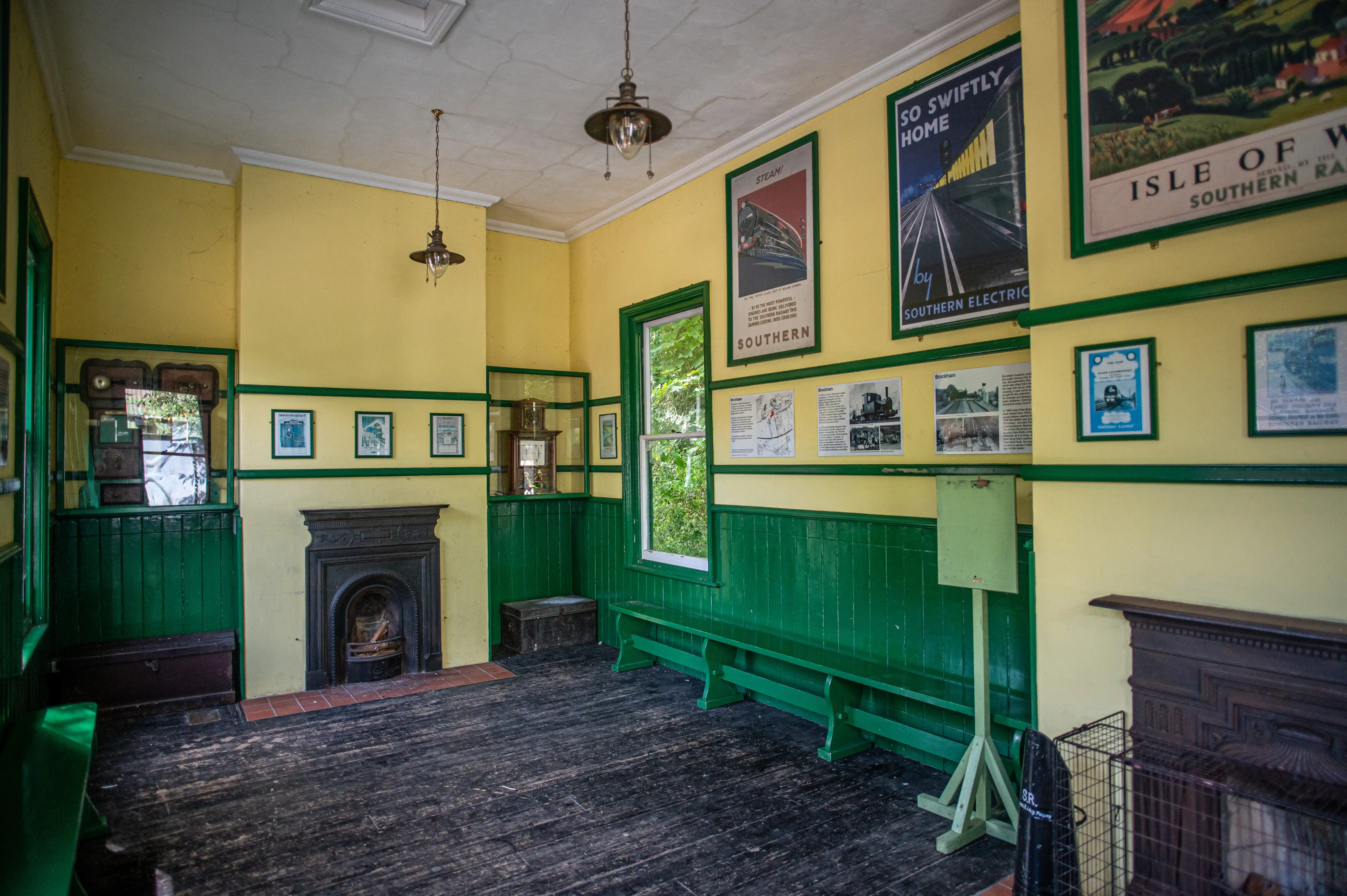
The Industrial Narrow-Gauge Railway at Amberley Museum was relocated and restored as part of the museum’s mission to preserve and showcase the industrial heritage of the South East of England. The railway now operates as a heritage attraction, offering visitors a unique opportunity to experience the sights, sounds, and stories of industrial narrow-gauge railways. It serves as a living testament to the ingenuity and hard work of the engineers, workers, and industries that relied on these railways to power their operations.