HOME Places Things Home ABOUT CONTACT

Jaen

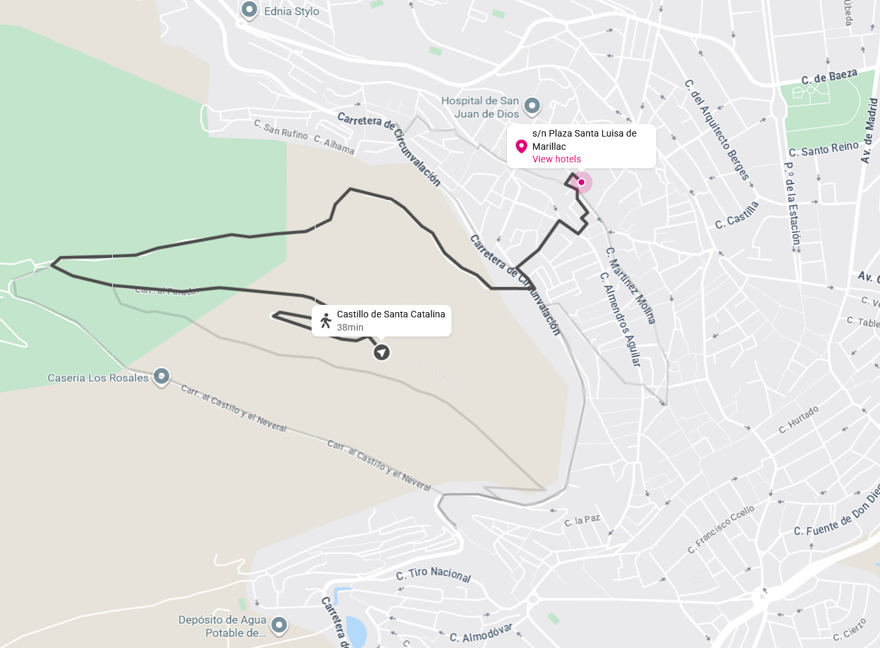
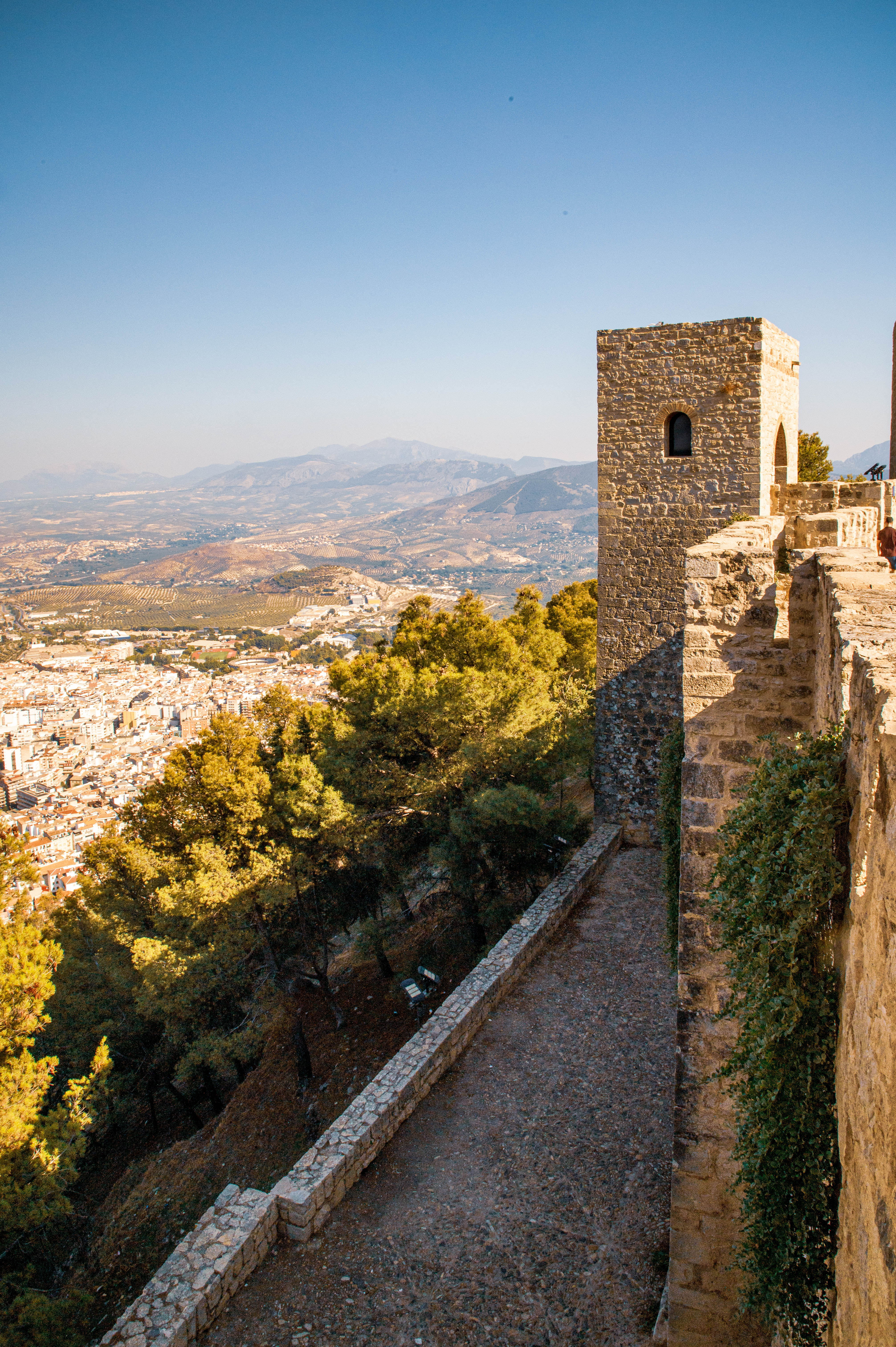
Castillo de Santa Catalina

Cerro de Santa CatalinaJaénAndalusia,   Spain

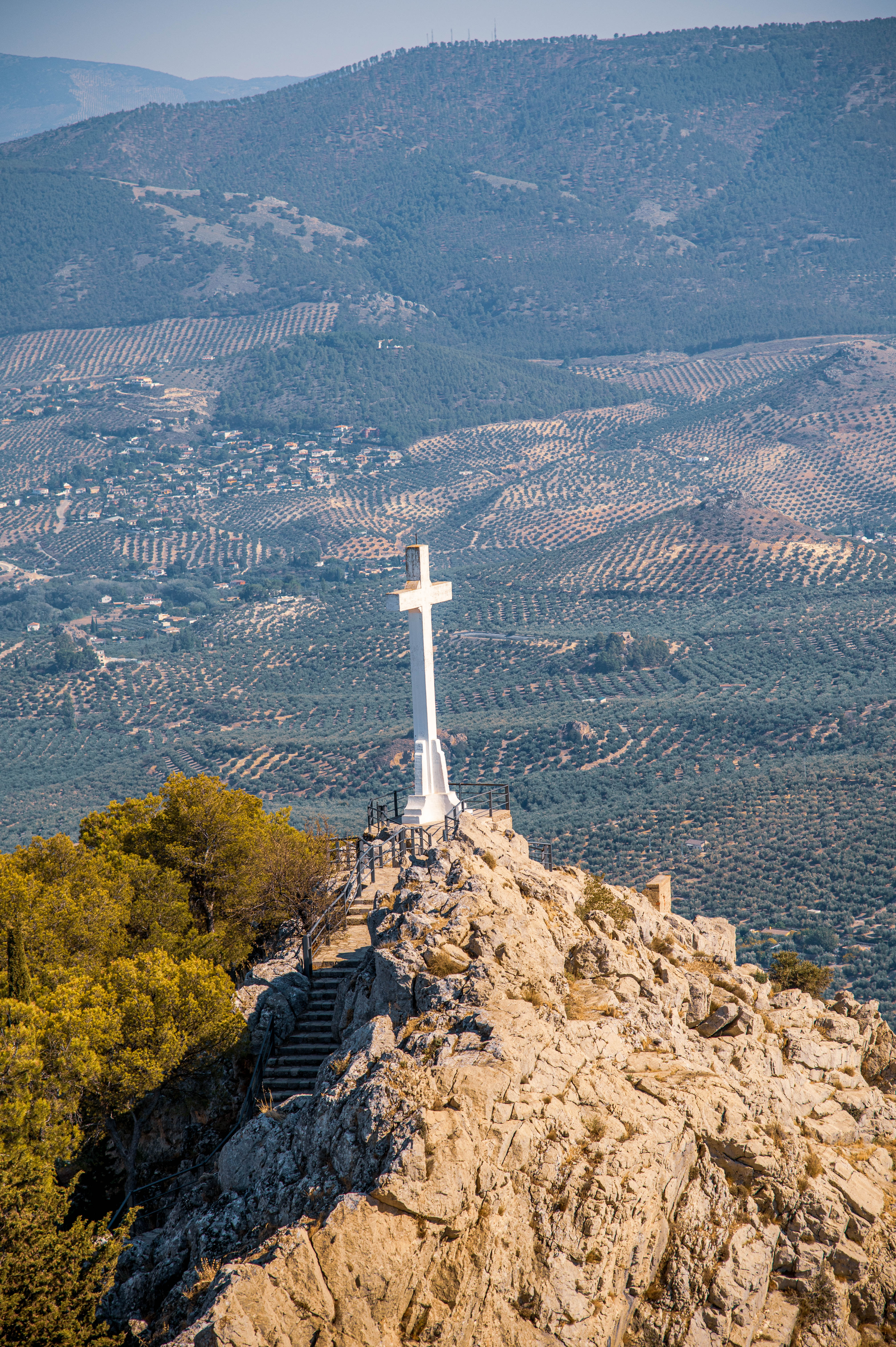
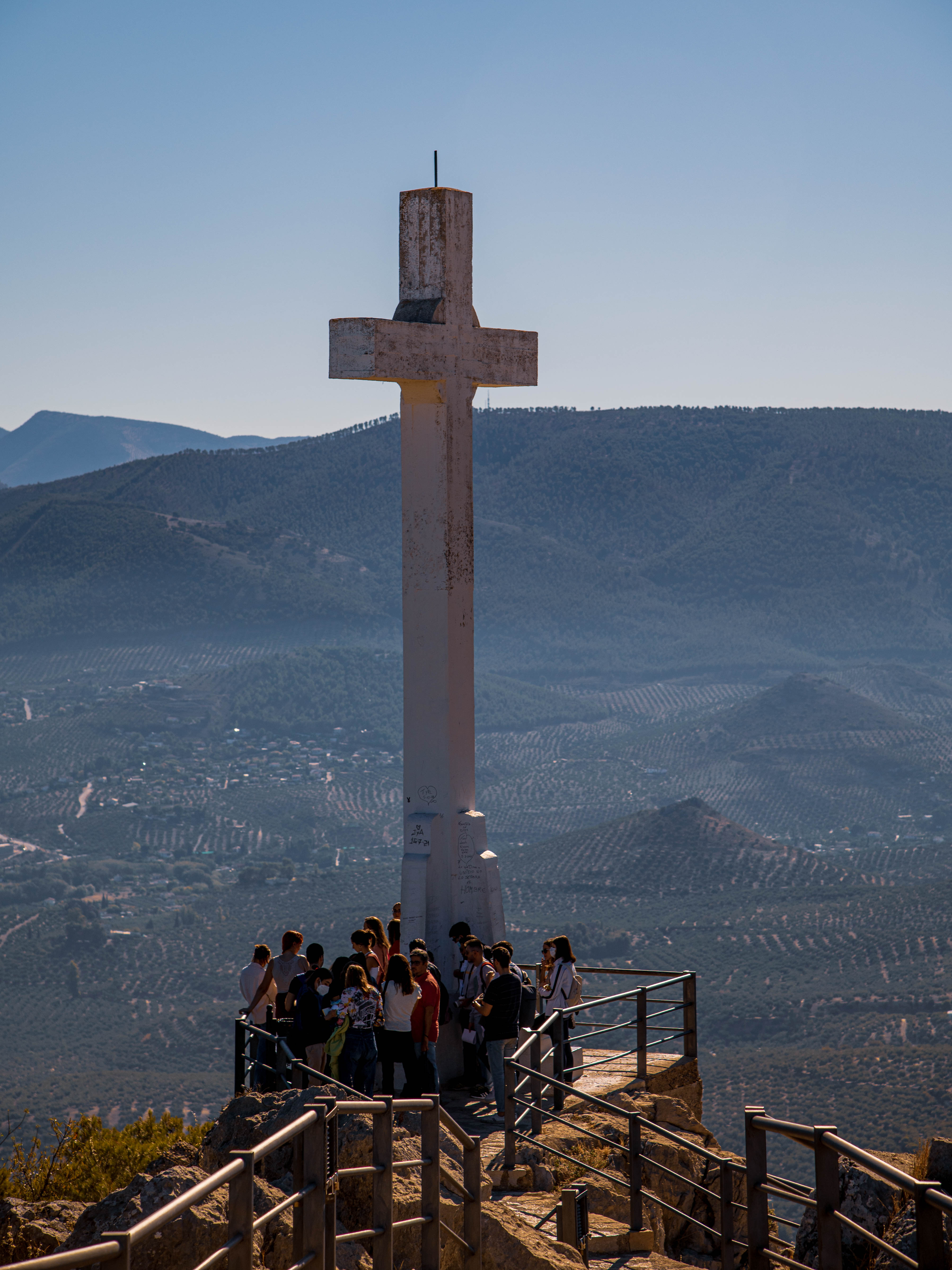
Cruz del Castillo de Santa Catalina
Cruz del Castillo de Santa Catalina ‐ photo by ,
©www.mgaylard.co.uk.
Cruz del Castillo de Santa Catalina
Cruz del Castillo de Santa Catalina ‐ photo by ,
©www.mgaylard.co.uk.
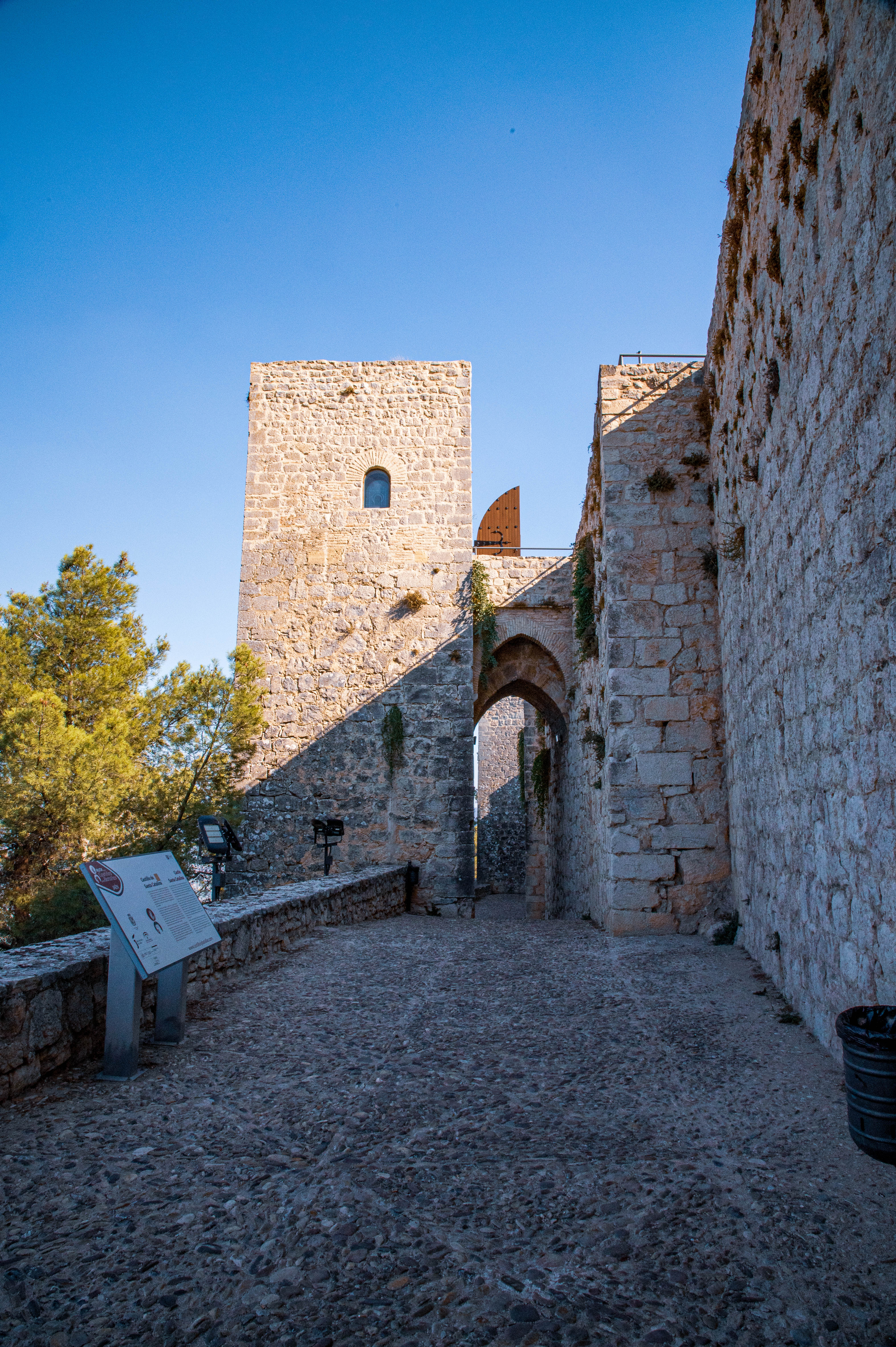
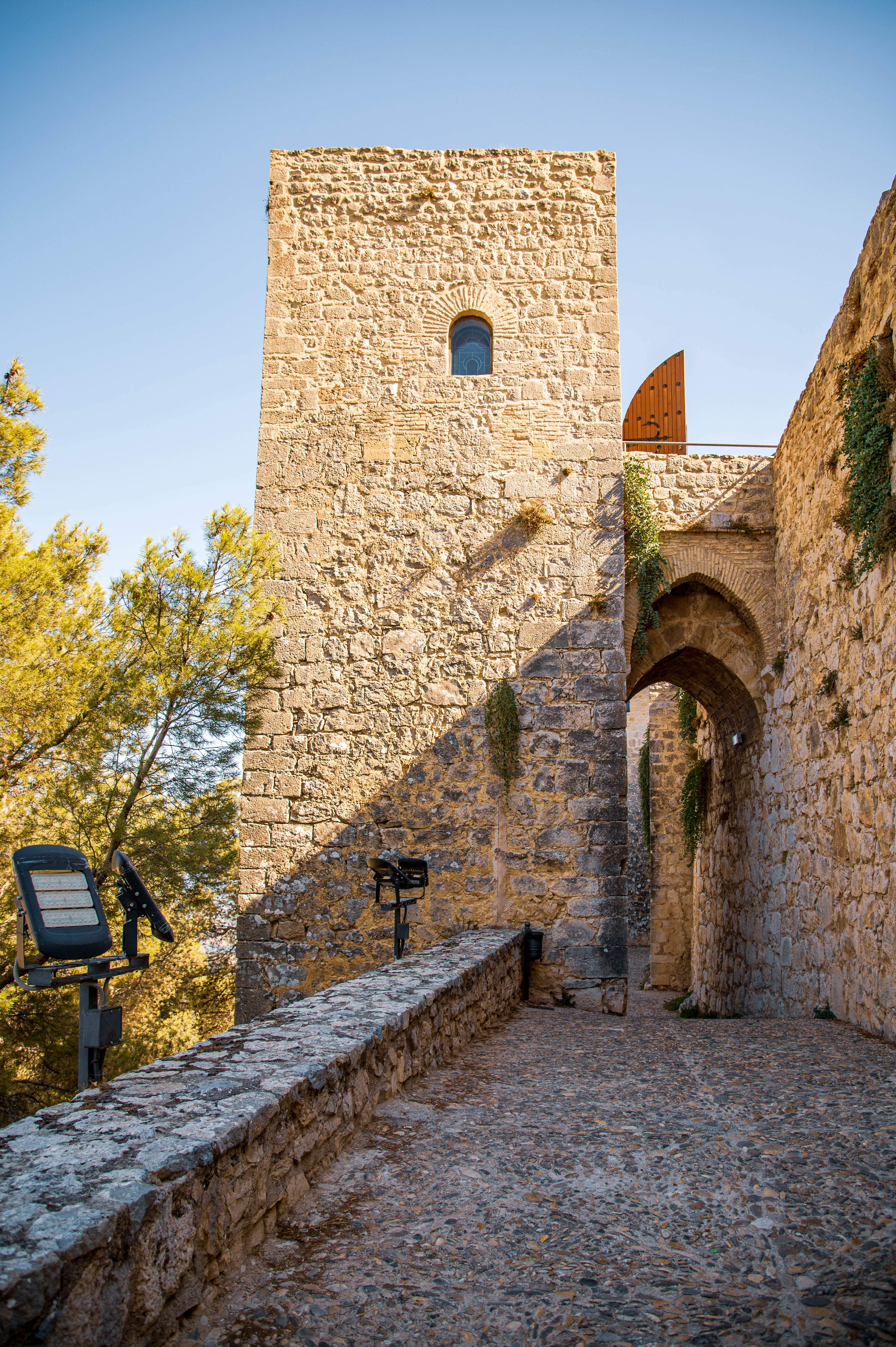
Castle Entrance
Castle Entrance ‐ photo by ,
©www.mgaylard.co.uk.
Castle Entrance
Castle Entrance ‐ photo by ,
©www.mgaylard.co.uk.
Castle Entrance
Castle Entrance ‐ photo by ,
©www.mgaylard.co.uk.
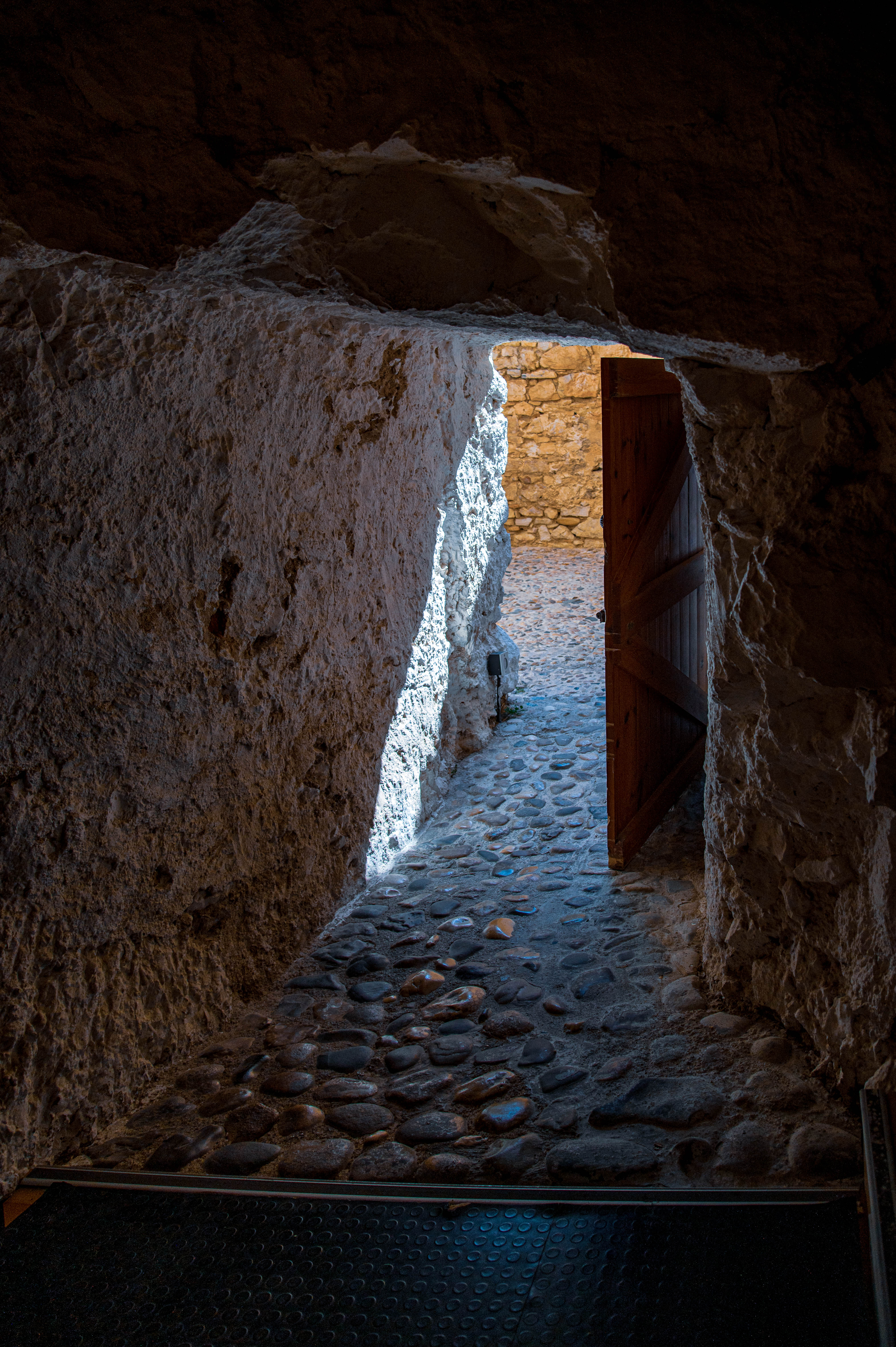
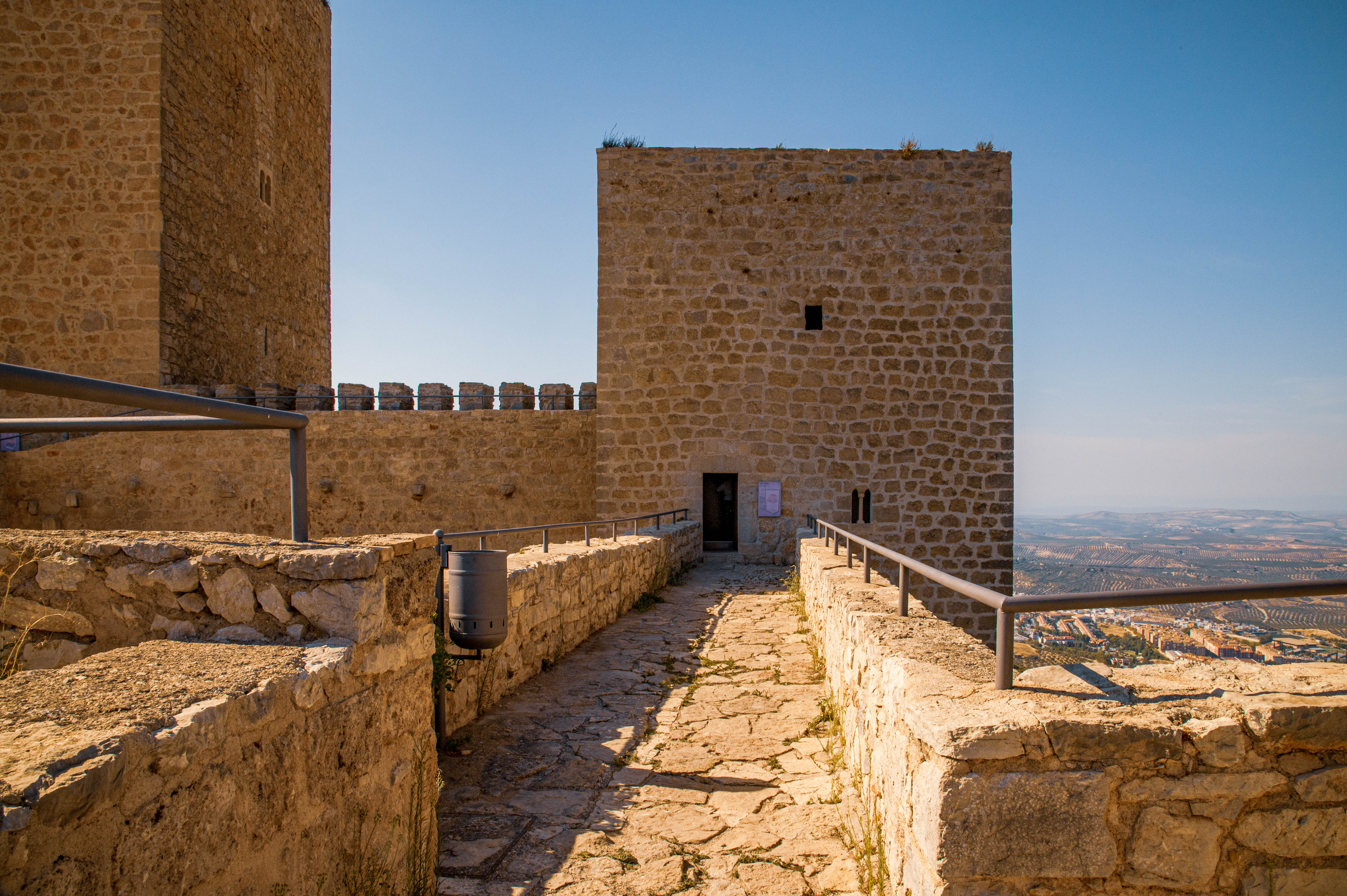
stone-paved passageway
stone-paved passageway ‐ photo by ,
©www.mgaylard.co.uk.
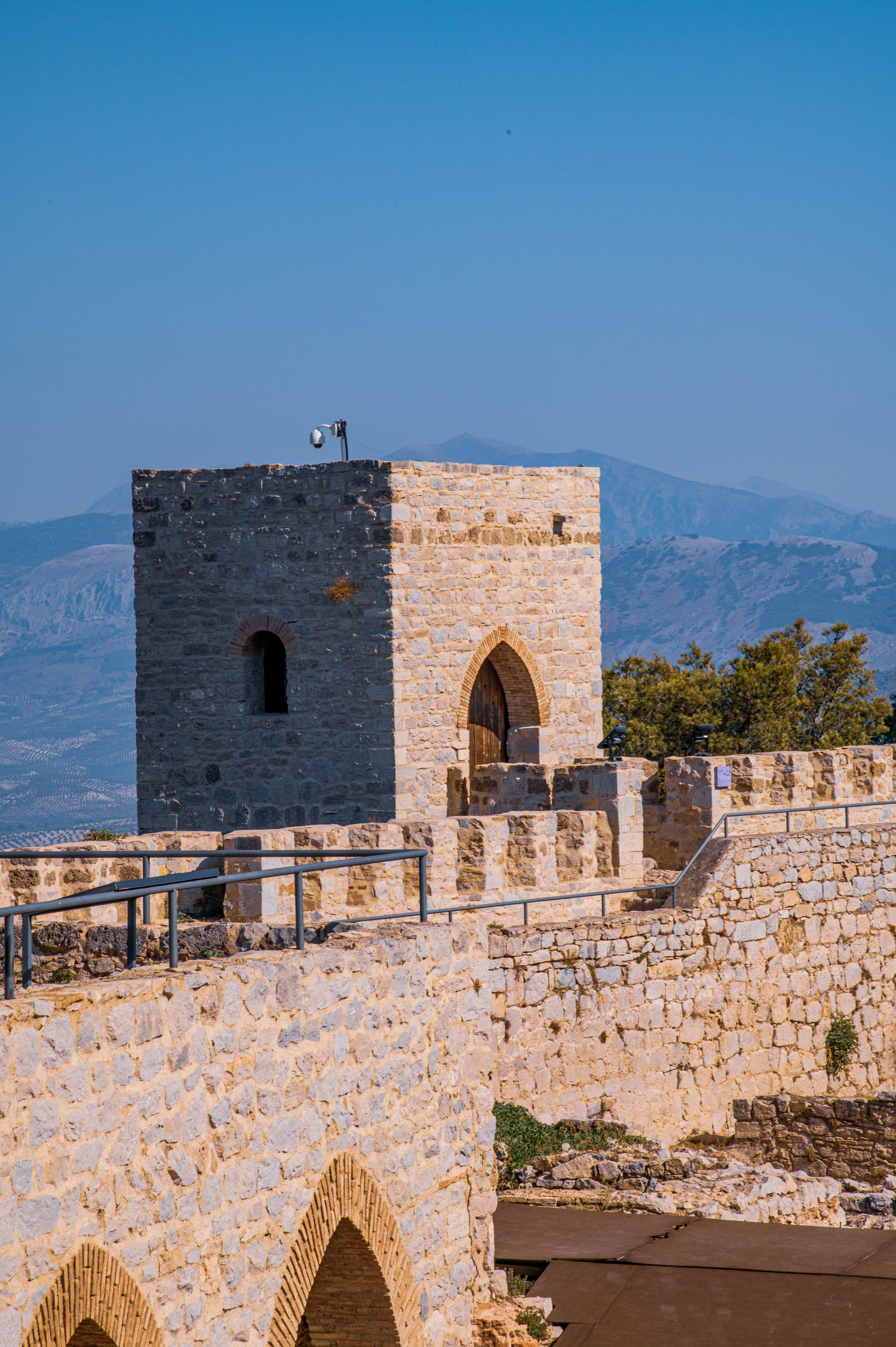
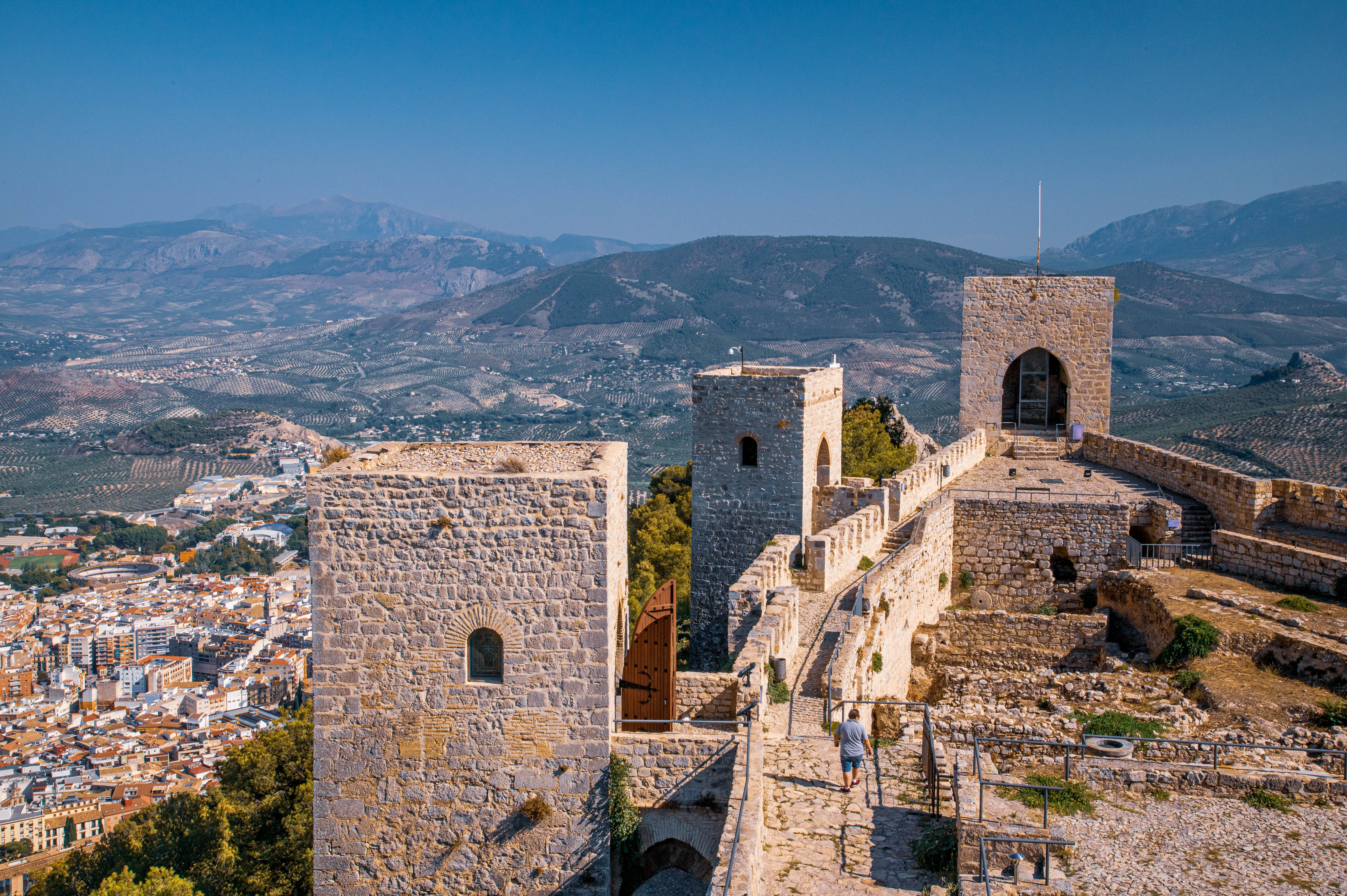
tower with arched windows
tower with arched windows ‐ photo by ,
©www.mgaylard.co.uk.
Cruz del Castillo de Santa Catalina ‐ photo by ,
©www.mgaylard.co.uk.
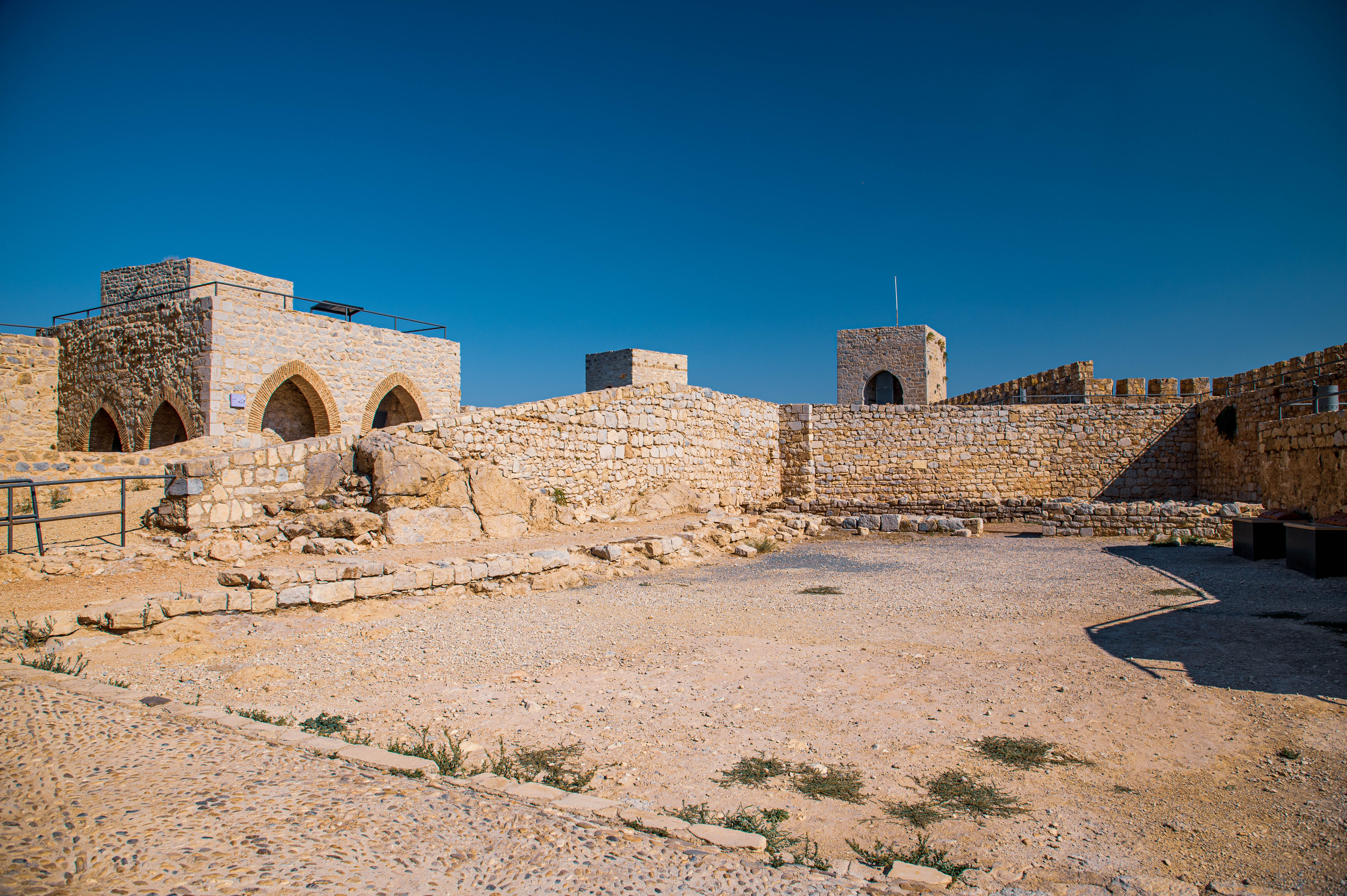
Courtyard
Courtyard ‐ photo by ,
©www.mgaylard.co.uk.
Battlements
Battlements ‐ photo by ,
©www.mgaylard.co.uk.
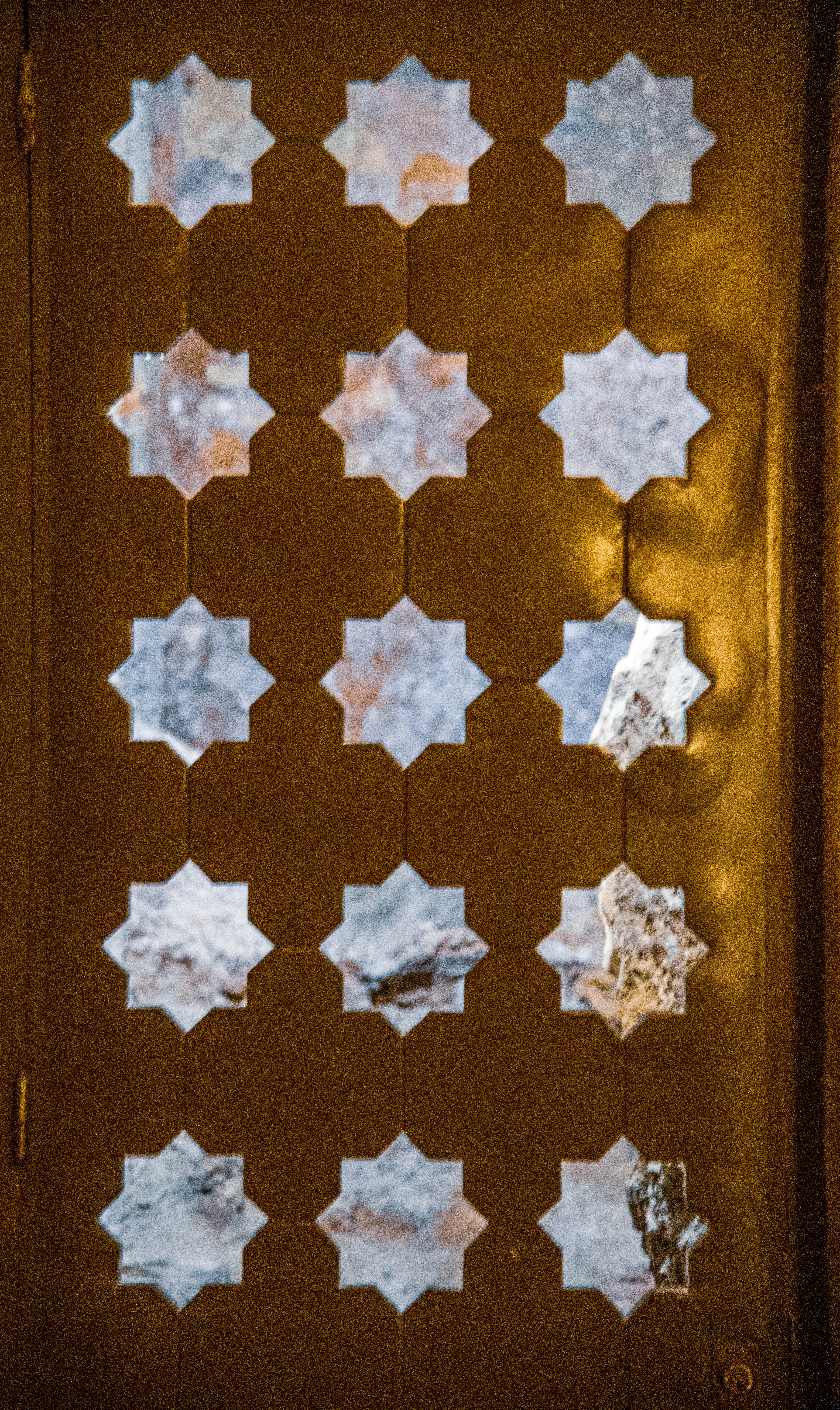
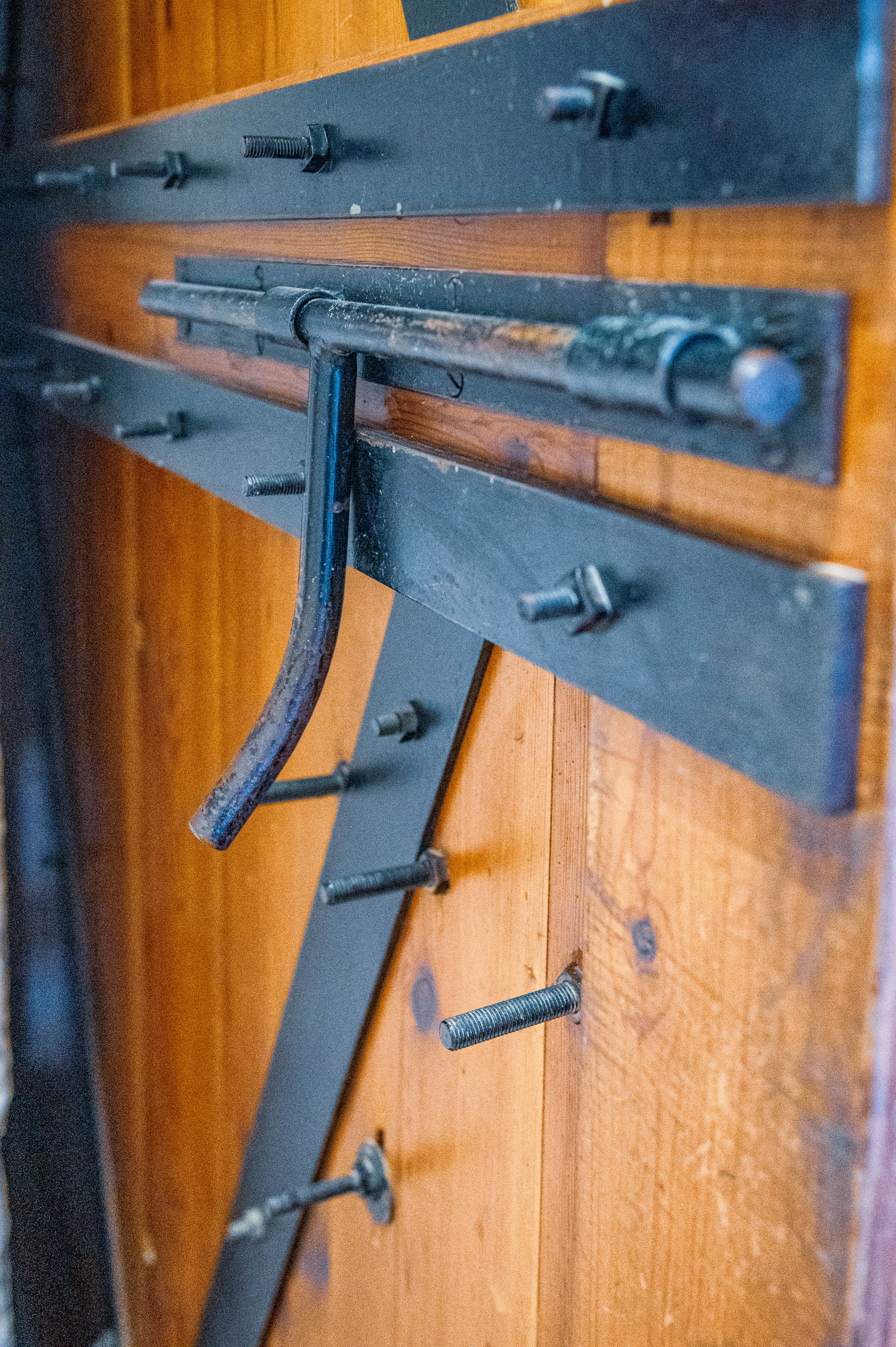
Door
Door ‐ photo by ,
©www.mgaylard.co.uk.
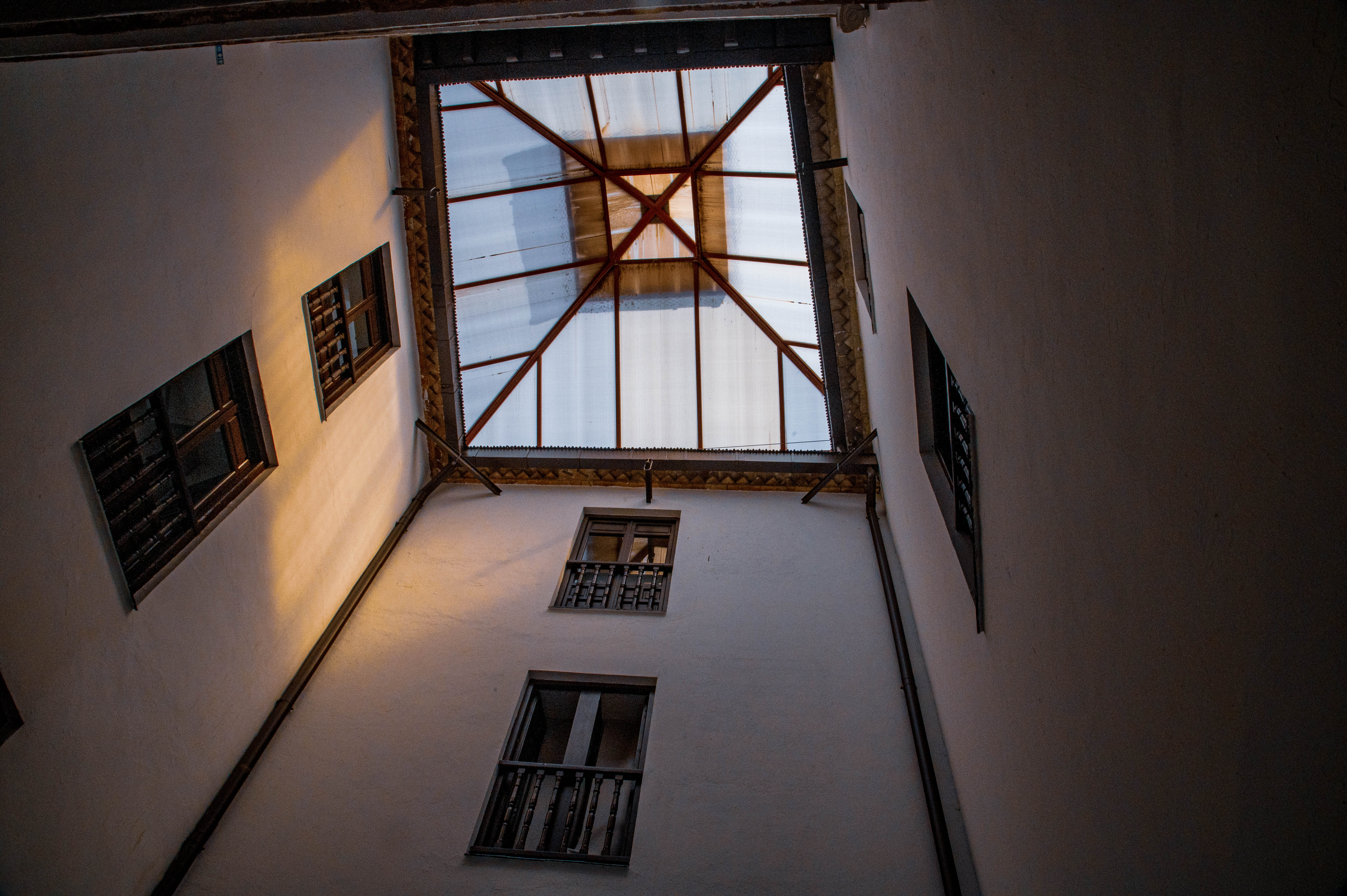
Parador Hotel Interior
Parador Hotel Interior ‐ photo by ,
©www.mgaylard.co.uk.
Battlements
Battlements ‐ photo by ,
©www.mgaylard.co.uk.
Battlements
Battlements ‐ photo by ,
©www.mgaylard.co.uk.
Open the full set flickr button this page

Castillo de Santa Catalina

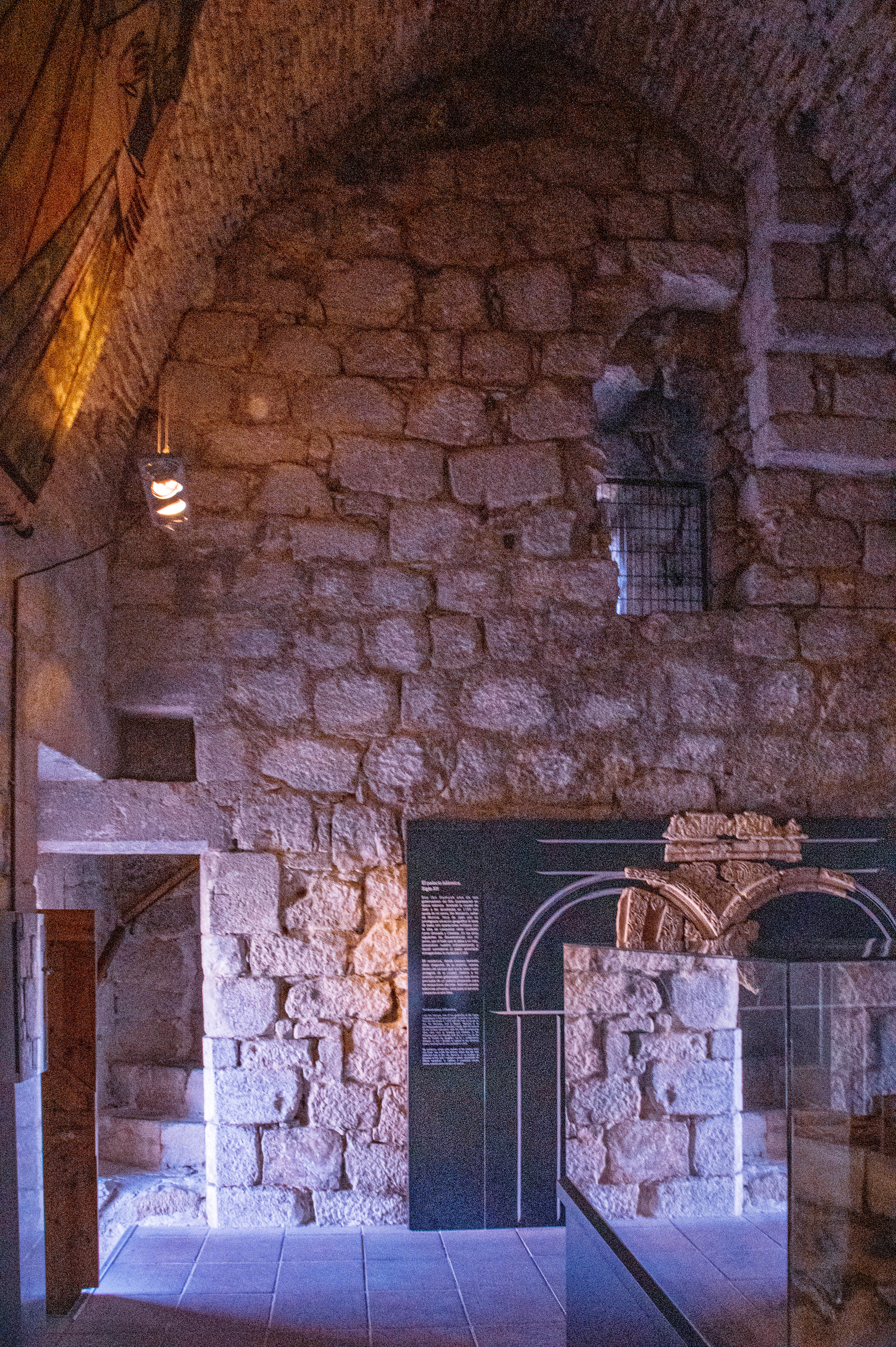
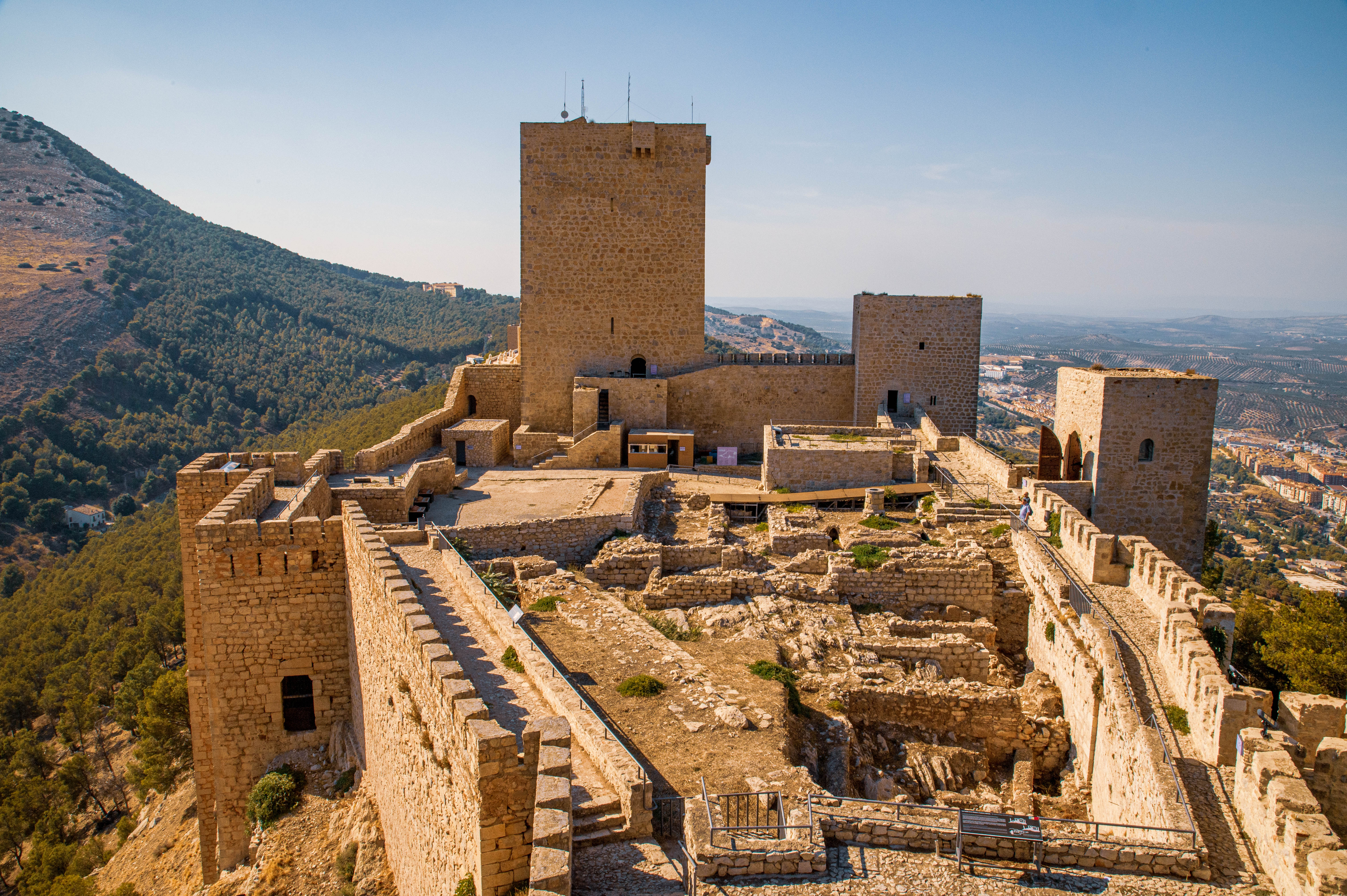
The Castillo de Santa Catalina in Jaén is a hilltop medieval fortress overlooking the entire city, originally an 8th-century Moorish stronghold later transformed after the Castilian conquest of 1246. It is one of Jaén’s defining landmarks, with sweeping views over the Guadalquivir valley and the Sierra Morena.

Historical summary

Moorish origins: The site began as a Muslim fortress in the 8th–9th centuries, later expanded into a major citadel during the medieval Islamic period.
Christian transformation: After King Ferdinand III captured Jaén in 1246, the castle was transformed and a “New Alcázar” was built; significant medieval works continued under Alfonso X and Ferdinand IV.
Later changes: The 17th century saw interior remodelling; Napoleonic forces added military structures in the early 19th century; many of those survive only as foundations.
20th century intervention: The construction of the Parador de Jaén in 1965 removed or altered many older elements of the fortress.

Architecture and key feature

Plan: Triangle-shaped fortress with five square towers and one pentagonal tower; includes a donjon (keep) and the Chapel of Santa Catalina inside one tower.
Monumental cross: A large cross at the hilltop commemorates the cross Ferdinand III is said to have erected after the conquest; the “Sonnet to the Cross” by Almendros Aguilar is engraved at its base.
Surviving elements: Towers, ramparts, fragments of the old Islamic fortifications, and archaeological remains on the northern hillside.

Visitor information and experience

Views: Panoramic vistas over Jaén, the Guadalquivir valley, surrounding olive groves, and the Sierra Morena ridges.
Parador: The Parador de Jaén sits adjacent to the castle and offers hospitality in a mid-20th-century building; notable guests have included Charles de Gaulle
References

en.wikipedia.orgcastillosantacatalina.esmappingspain.com

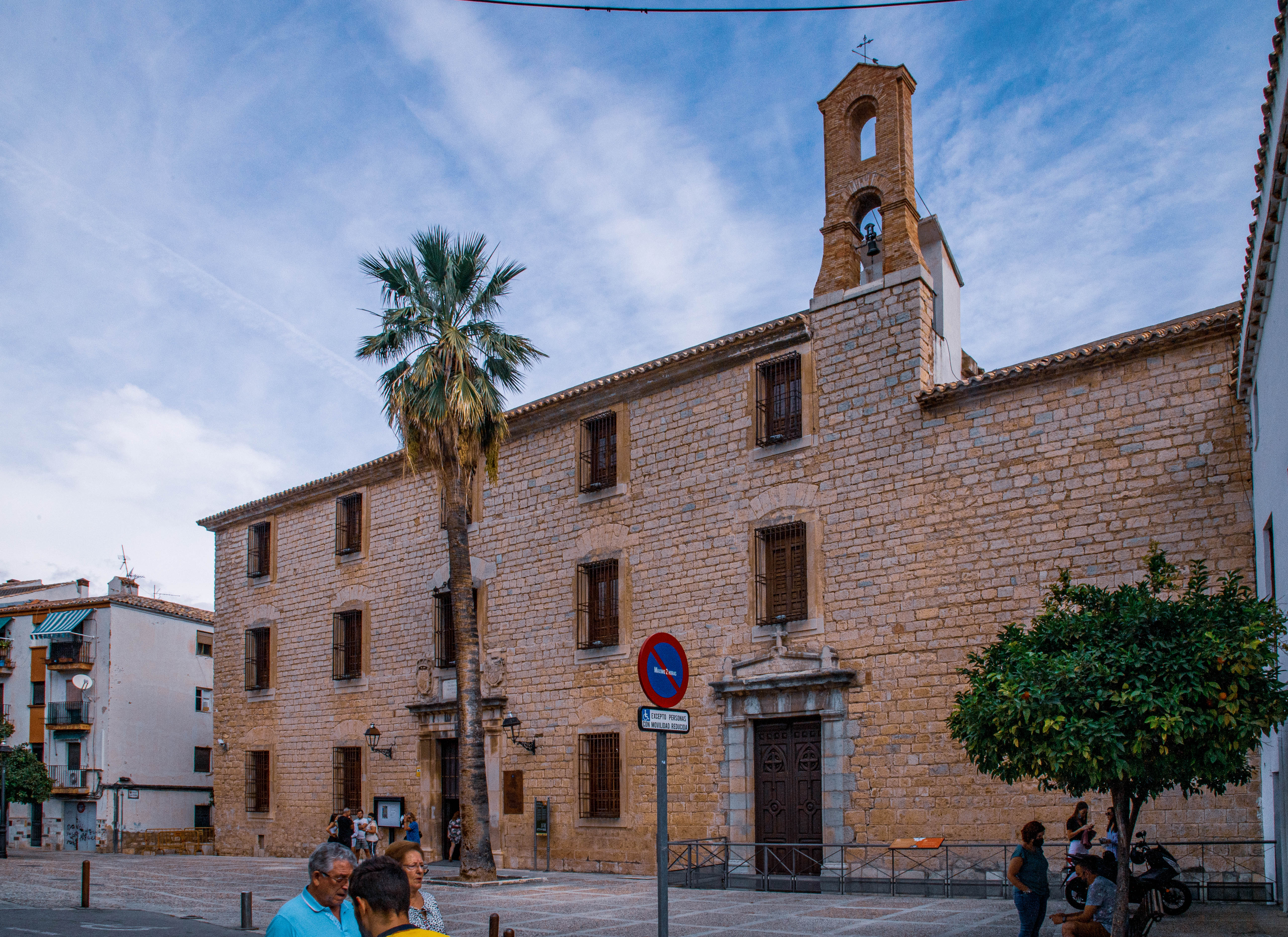
The Centro Cultural Baños Árabes

Calle Baños, 12JaénAndalusia,   Spain

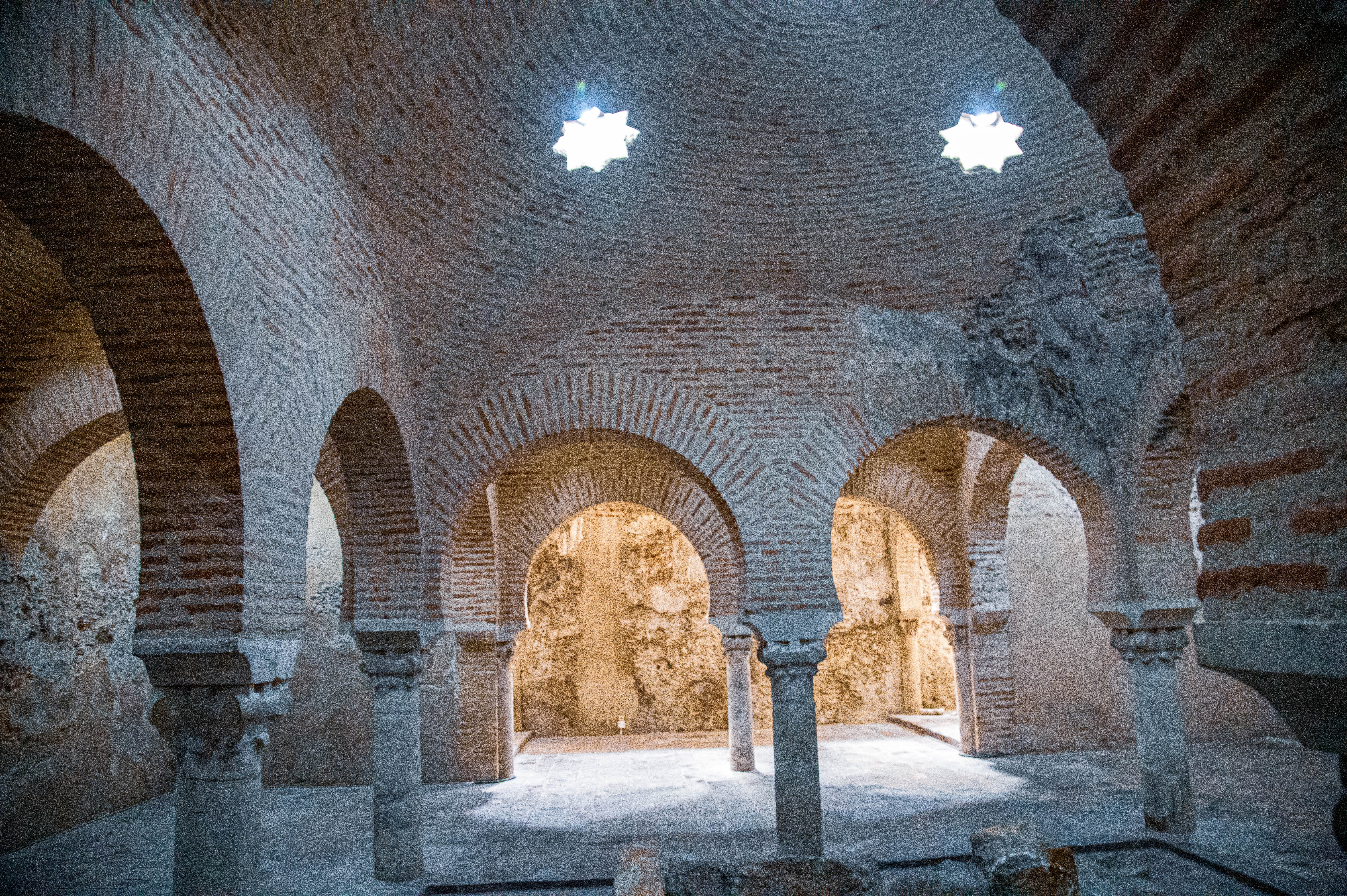
The Centro Cultural Baños Árabes in Jaén, Spain, is a historic cultural center housed in one of the best-preserved Arab baths in the country, dating back to the 11th century. Originally used for hygiene, relaxation, and socialization during the Moorish period, the baths now serve as a venue for exhibitions, concerts, and cultural events.
Arabic Baths
Arabic Baths ‐ photo by ,
©www.mgaylard.co.uk.
Inside The Cultural Centre
Inside The Cultural Centre ‐ photo by ,
©www.mgaylard.co.uk.
Inside The Cultural Centre
Inside The Cultural Centre ‐ photo by ,
©www.mgaylard.co.uk.
Inside The Cultural Centre
Inside The Cultural Centre ‐ photo by ,
©www.mgaylard.co.uk.
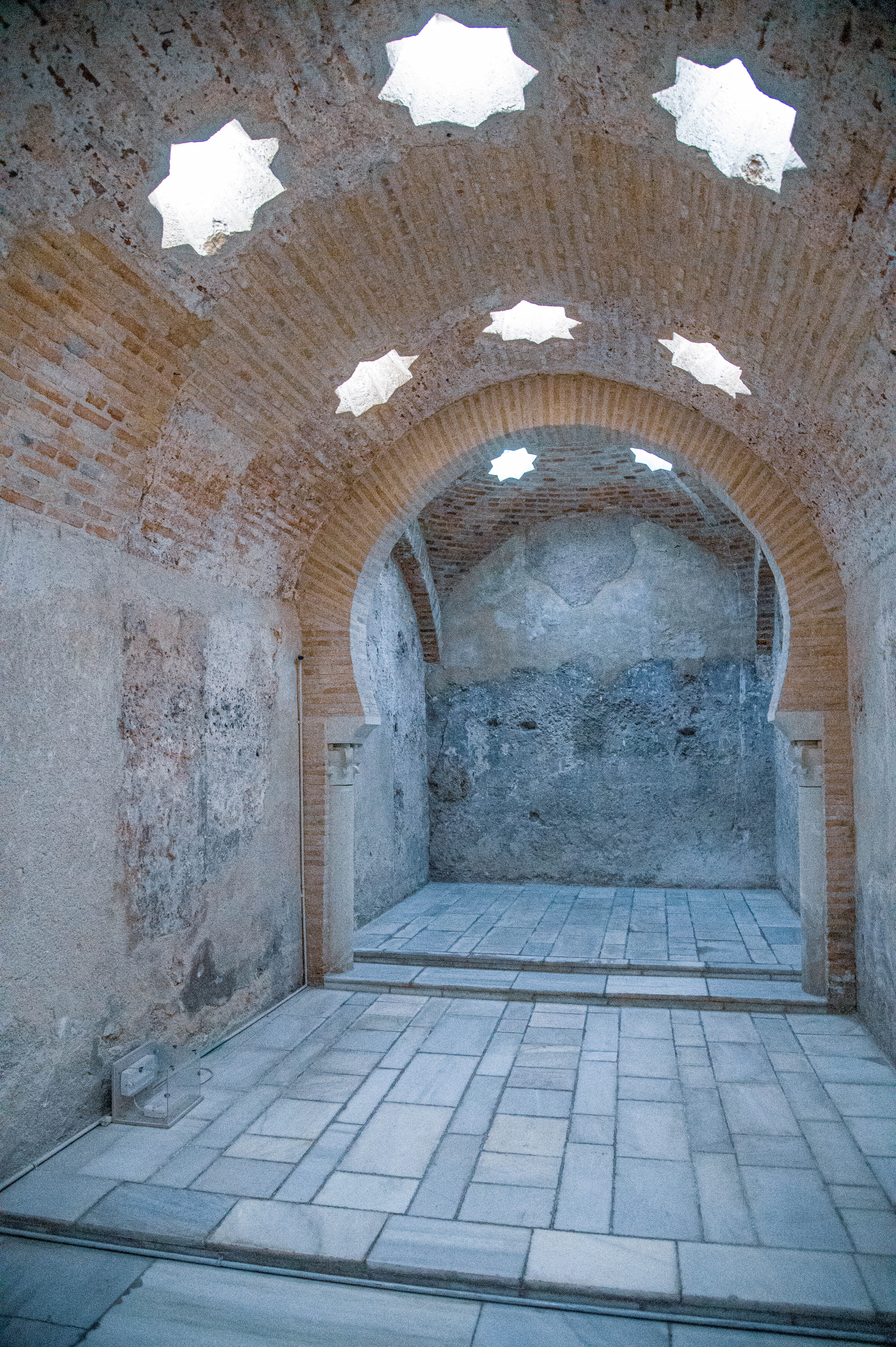
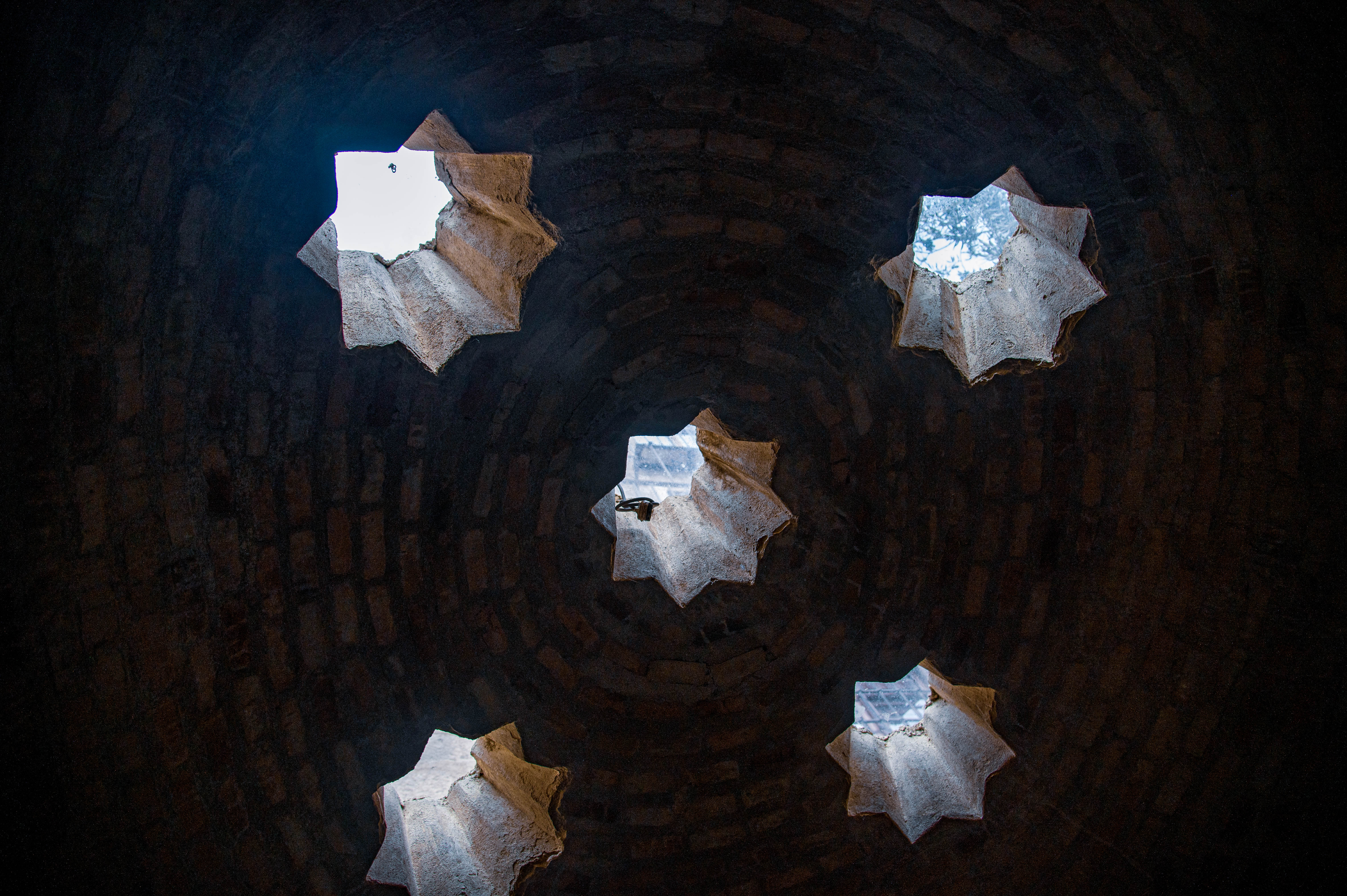
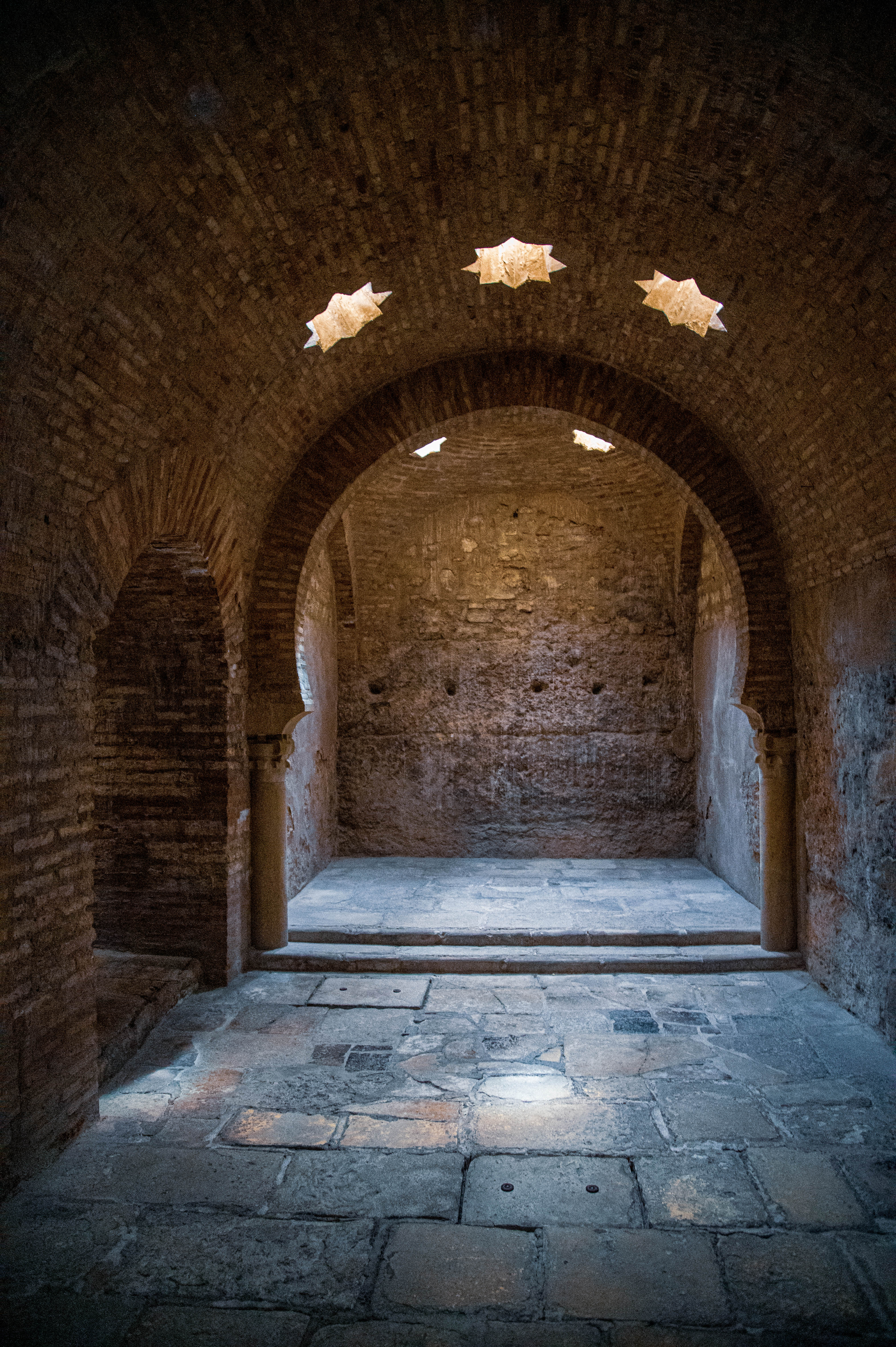
Subterranean hammam complex
Subterranean hammam complex ‐ photo by ,
©www.mgaylard.co.uk.
Subterranean hammam complex
Subterranean hammam complex ‐ photo by ,
©www.mgaylard.co.uk.
Cultural Centre Building
Cultural Centre Building ‐ photo by ,
©www.mgaylard.co.uk.
Subterranean hammam complex
Subterranean hammam complex ‐ photo by ,
©www.mgaylard.co.uk.
Subterranean hammam complex
Subterranean hammam complex ‐ photo by ,
©www.mgaylard.co.uk.
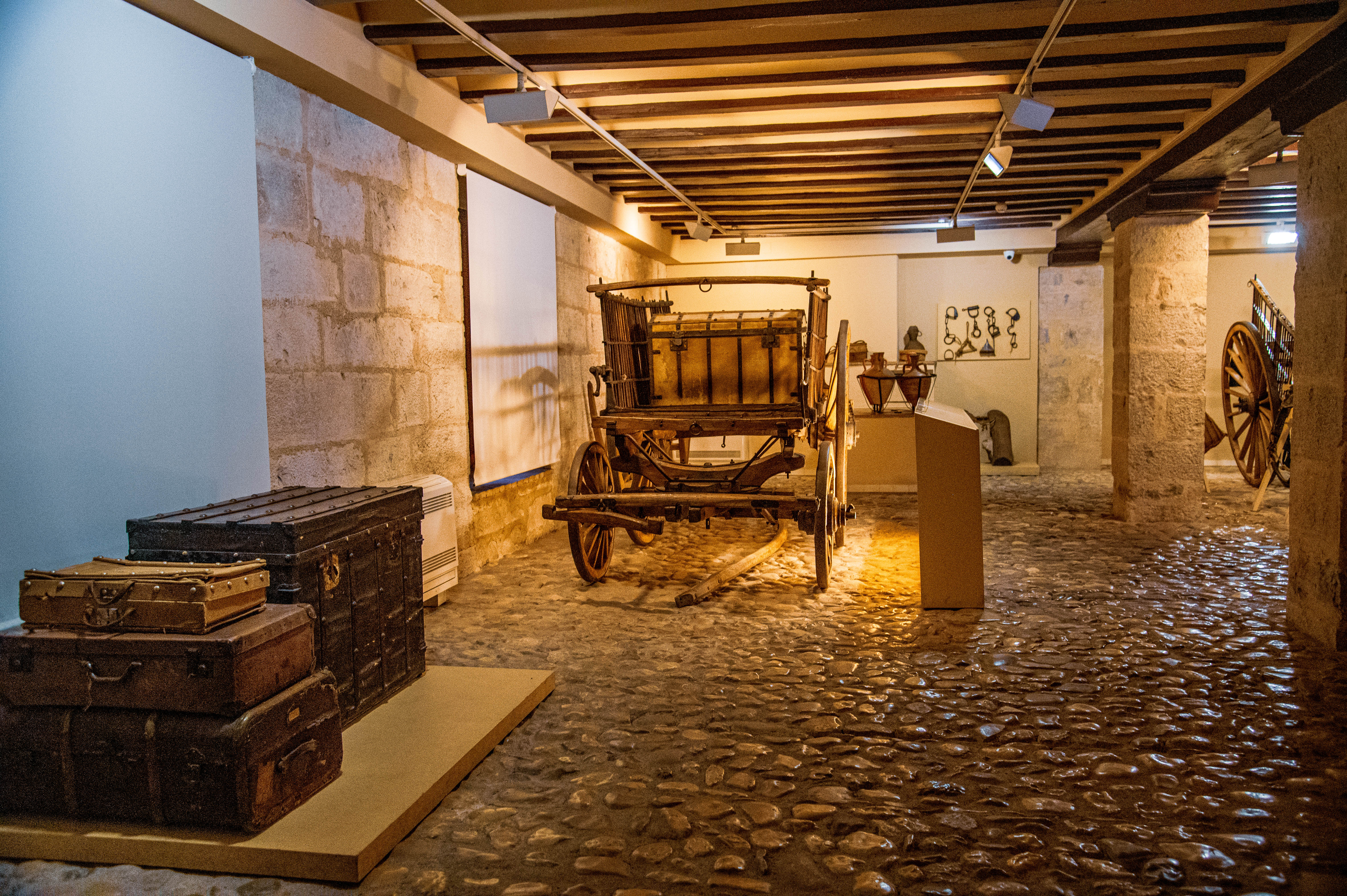
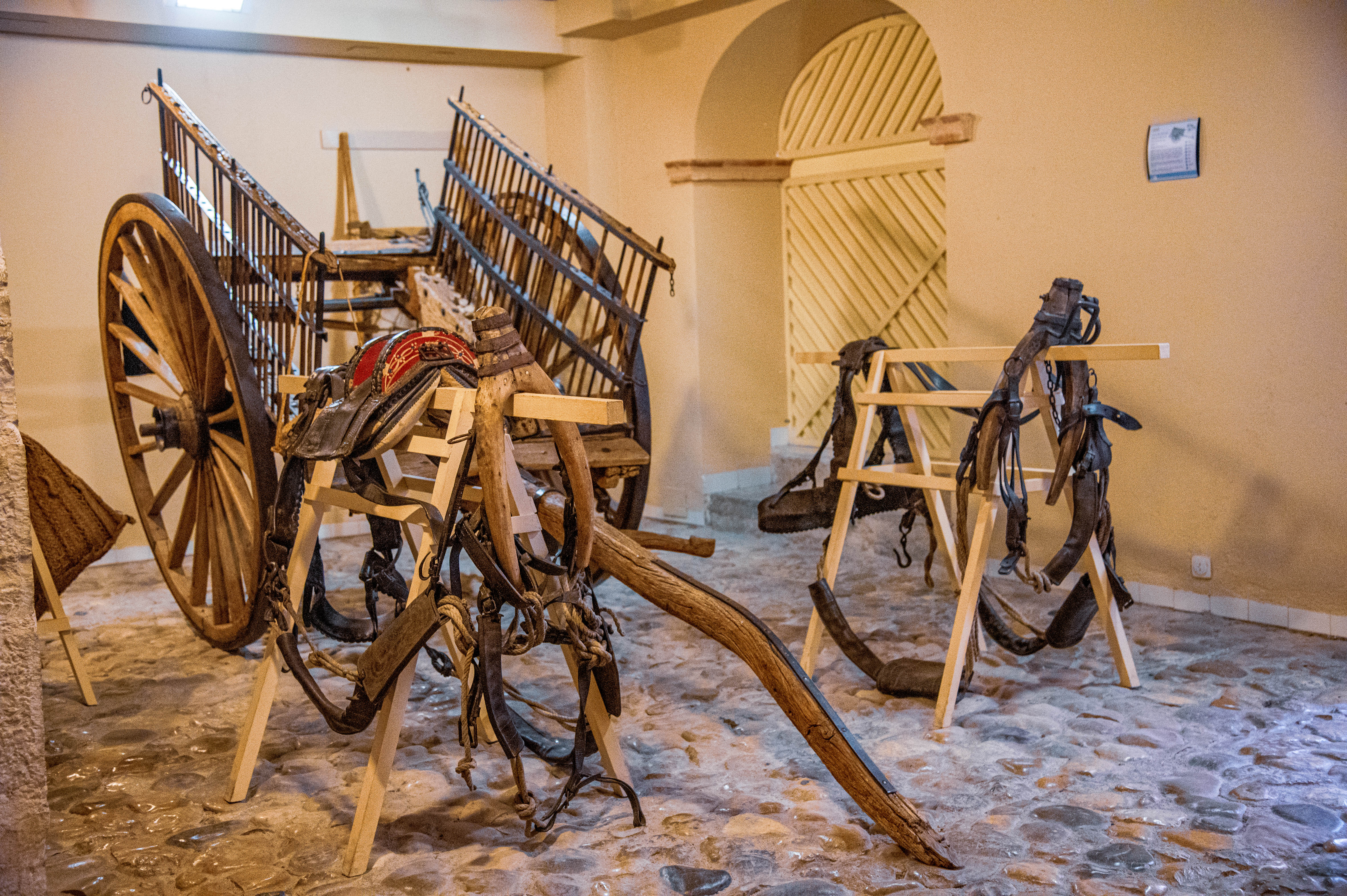
wooden cart and various vintage suitcases
wooden cart and various vintage suitcases ‐ photo by ,
©www.mgaylard.co.uk.
wooden cart
wooden cart ‐ photo by ,
©www.mgaylard.co.uk.
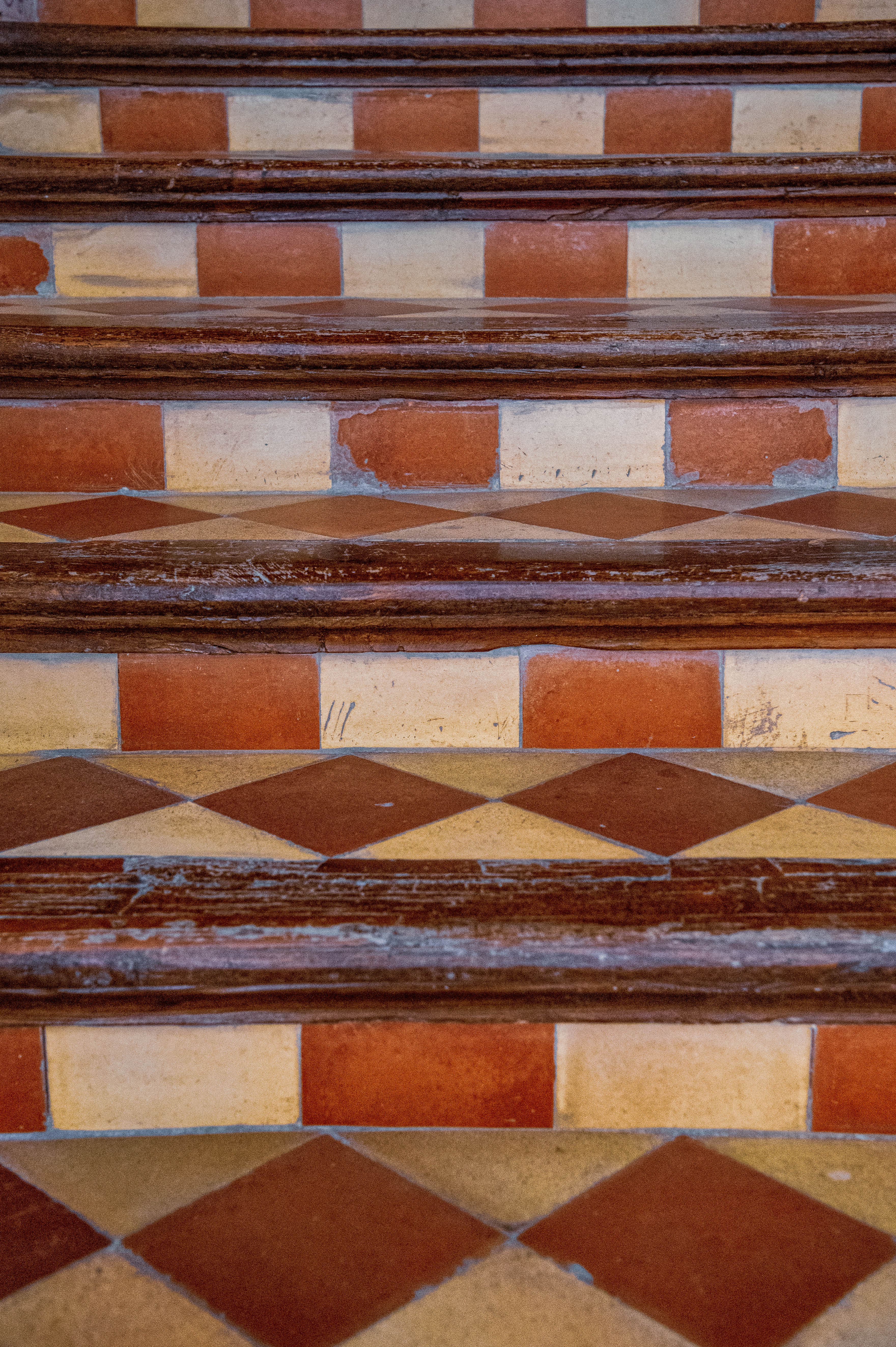
staircase with a patterned floor
staircase with a patterned floor ‐ photo by ,
©www.mgaylard.co.uk.
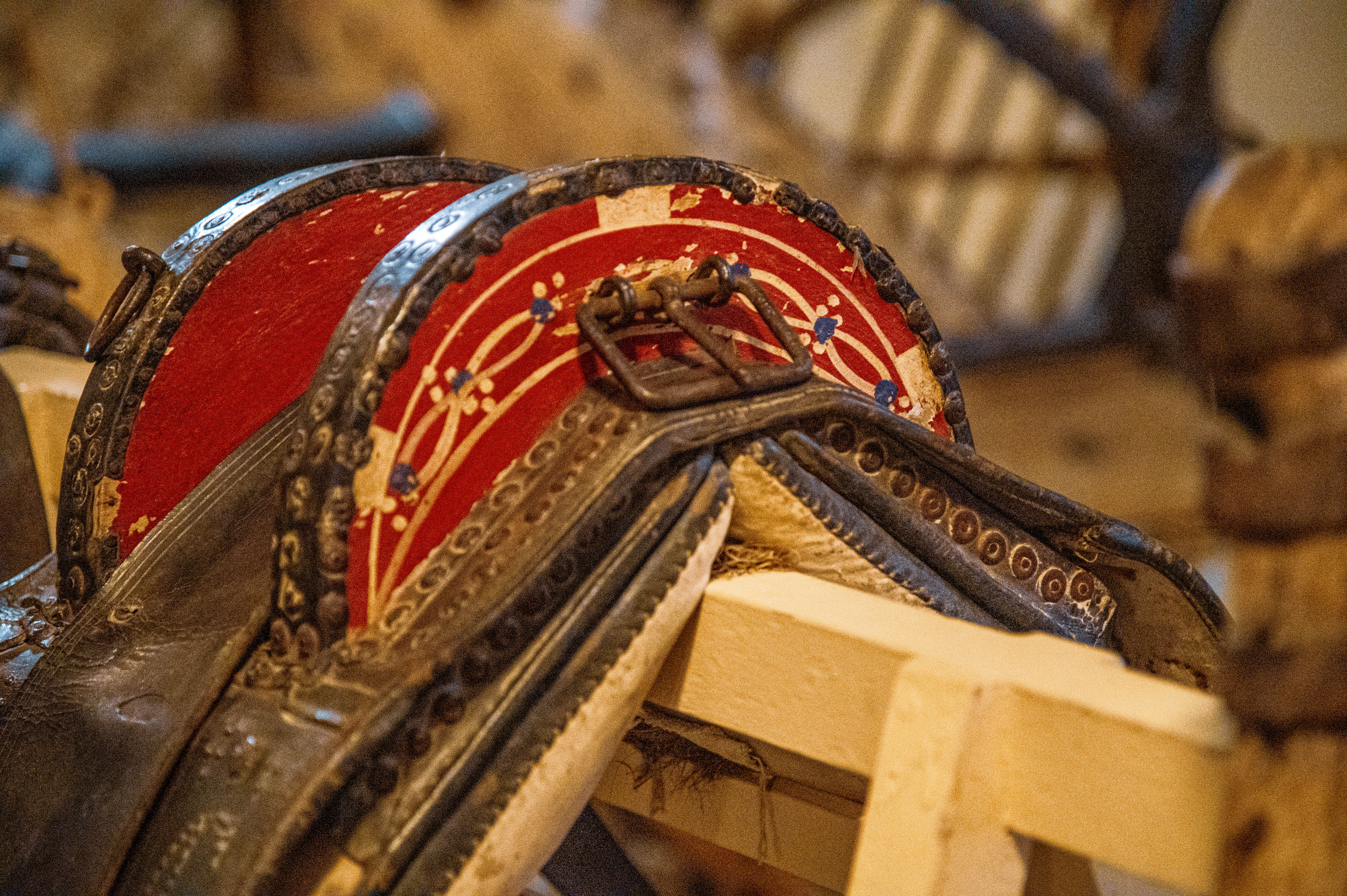
Arabic Saddle
Arabic Saddle" ‐ photo by ,
©www.mgaylard.co.uk.
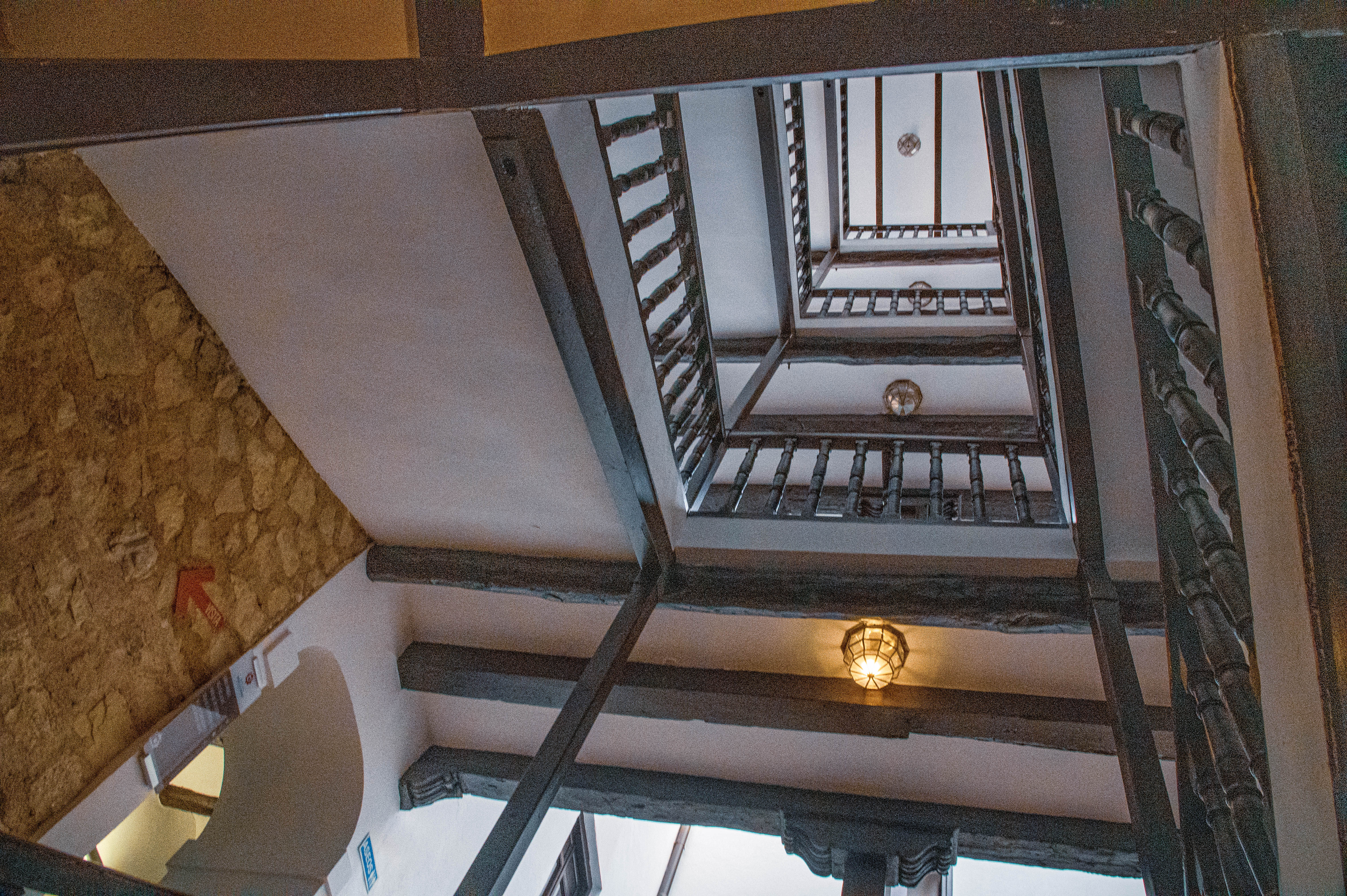
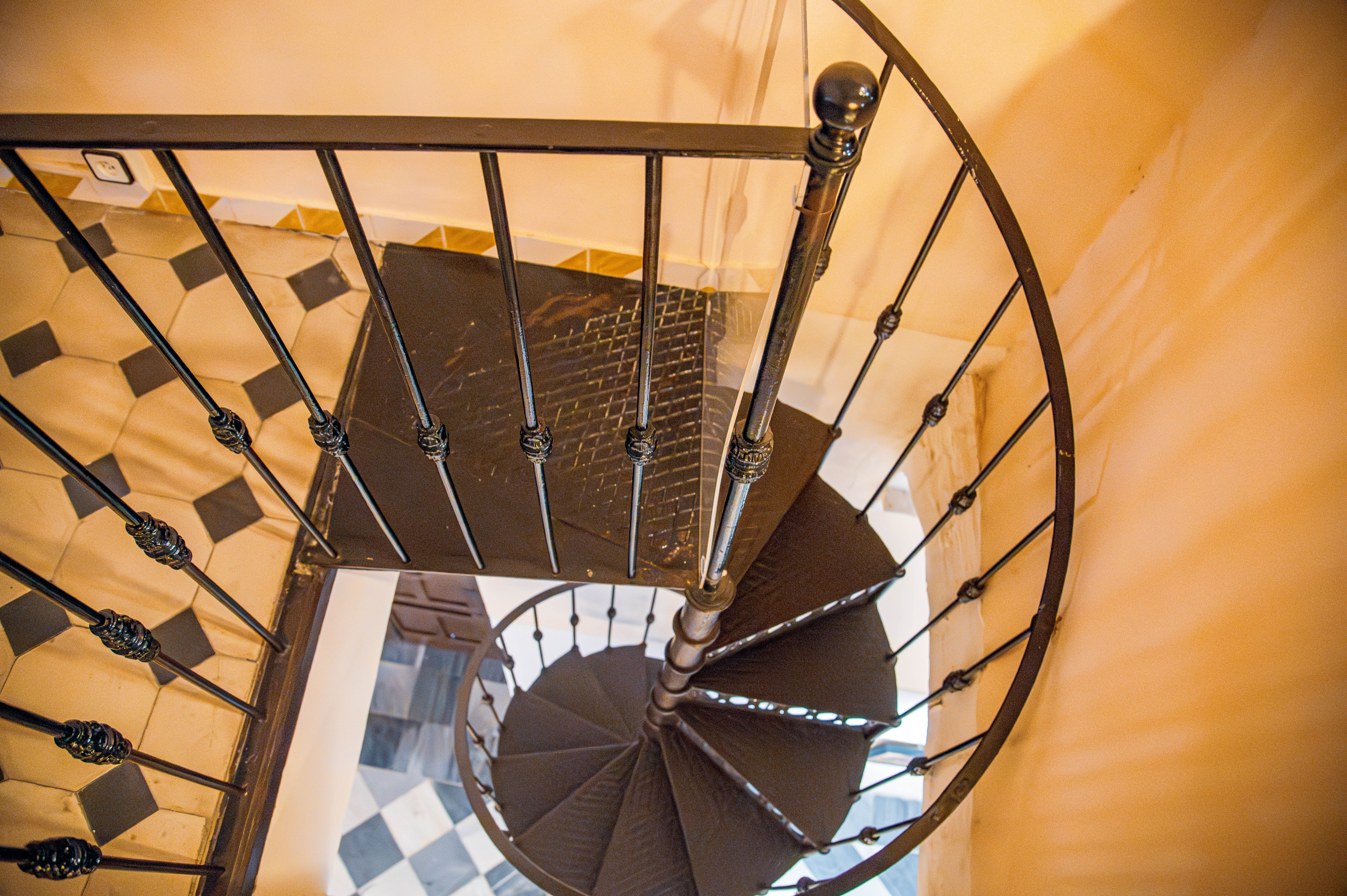
Staircase
Staircase ‐ photo by ,
©www.mgaylard.co.uk.
Open the full set flickr button this page

Centro Cultural Baños Árabes (Palacio de Villardompardo)

The Centro Cultural Baños Árabes (Palacio de Villardompardo) in Jaén houses one of Spain’s largest and best-preserved Arabic baths, a Museum of Arts and Popular Customs, and the Manuel del Moral InterSpainal Museum of Naïf Art

- Key components: 11th-century Arabic baths (˜450 m²); Museum of Arts and Popular Customs; Museo Internacional de Arte Naif “Manuel Moral”
- Baños Árabes: Subterranean hammam complex built in the 11th century, restored and presented as a major heritage site; the baths cover about 450 m², making them among the largest visitable baths in Spain.
- Museum of Arts and Popular Customs: Displays regional ethnography and traditional crafts, offering context for Jaén’s rural and olive-growing culture.
- Manuel del Moral Naïf Museum: Over 600 works of naïf art (Spanish and interSpainal artists), a unique Spainal collection

References

www.bañosarabesjaen.esen.andalucia.orgwww.tripadvisor.com , Text generated by Microsoft CoPilot

Jaén

Andalusia,   Spain

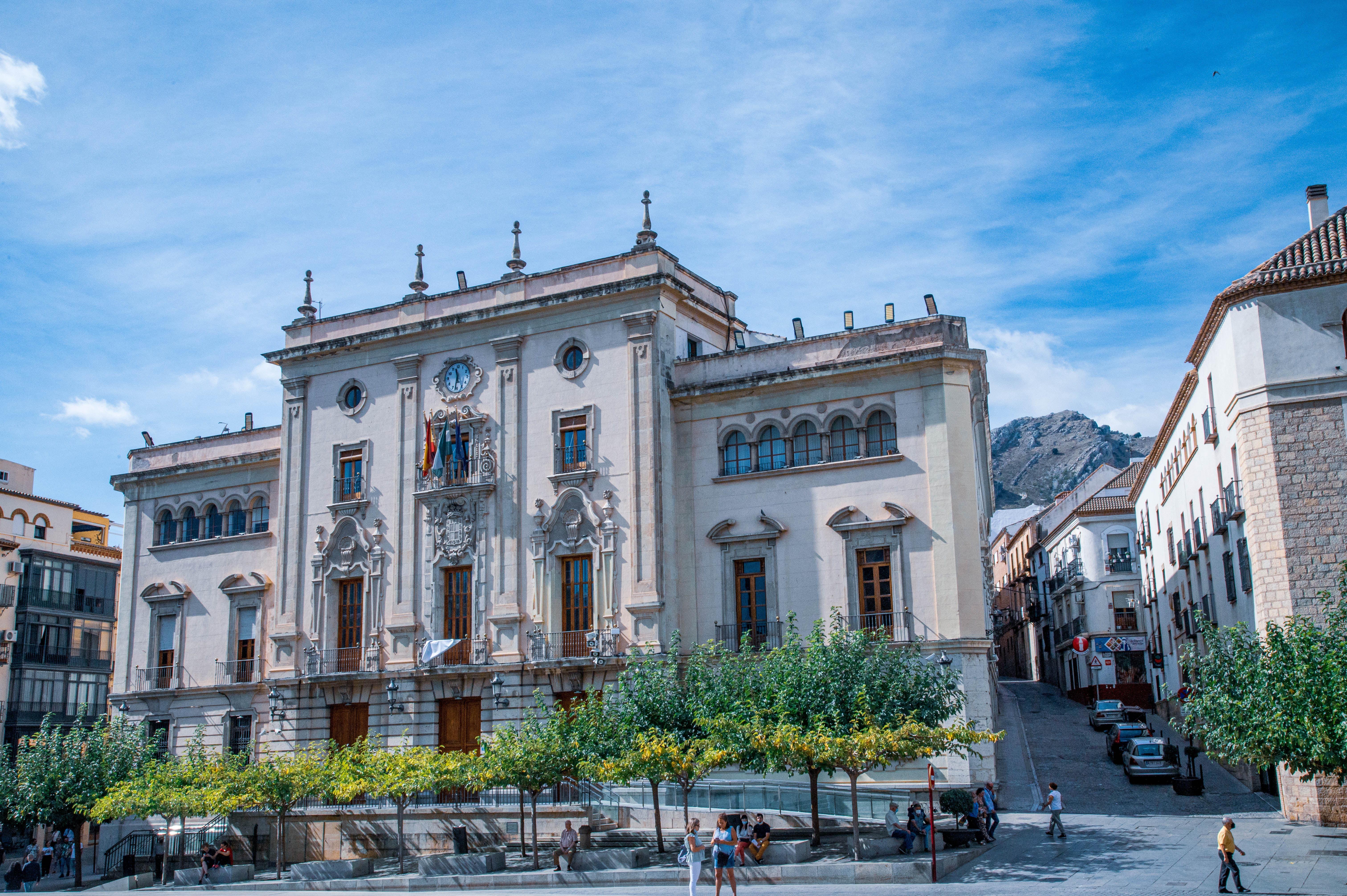
Jaén is a historic city in Andalusia, southern Spain, renowned as the world capital of olive oil. It is famous for its Renaissance architecture, rich cultural heritage, and stunning natural landscapes, including the Sierra Morena mountains and nearby natural parks.
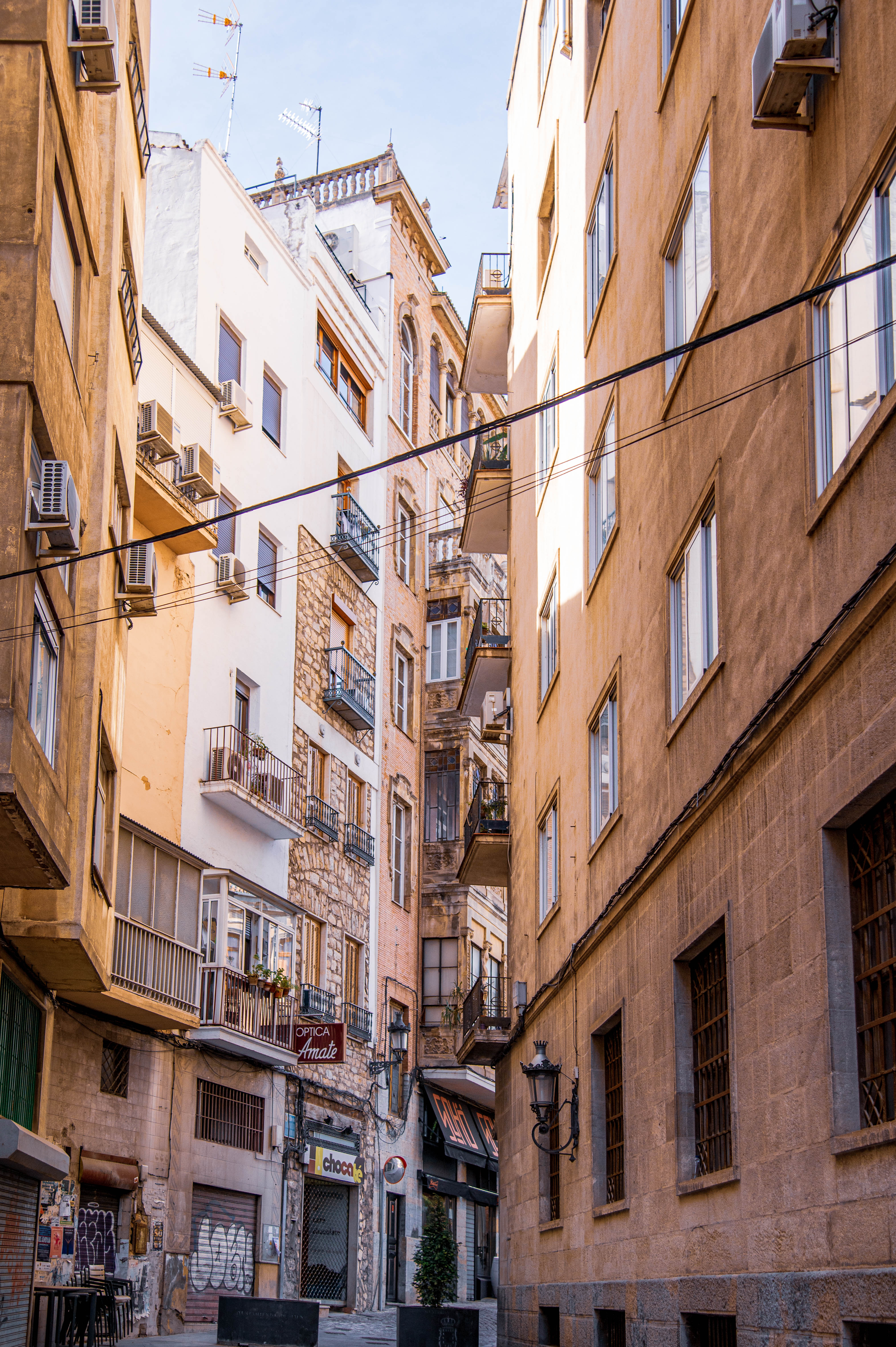
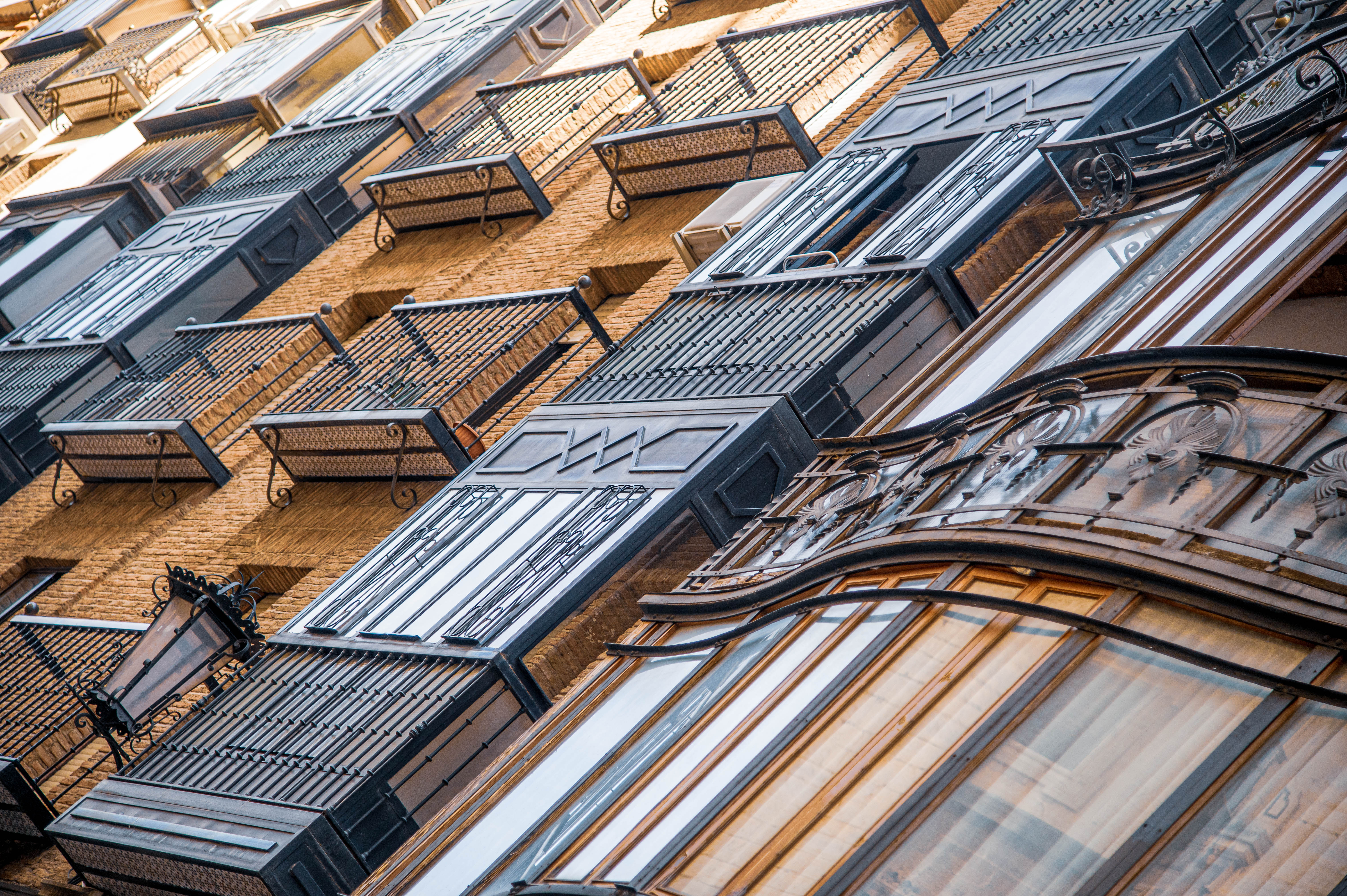
closely packed buildings
closely packed buildings ‐ photo by ,
©www.mgaylard.co.uk.
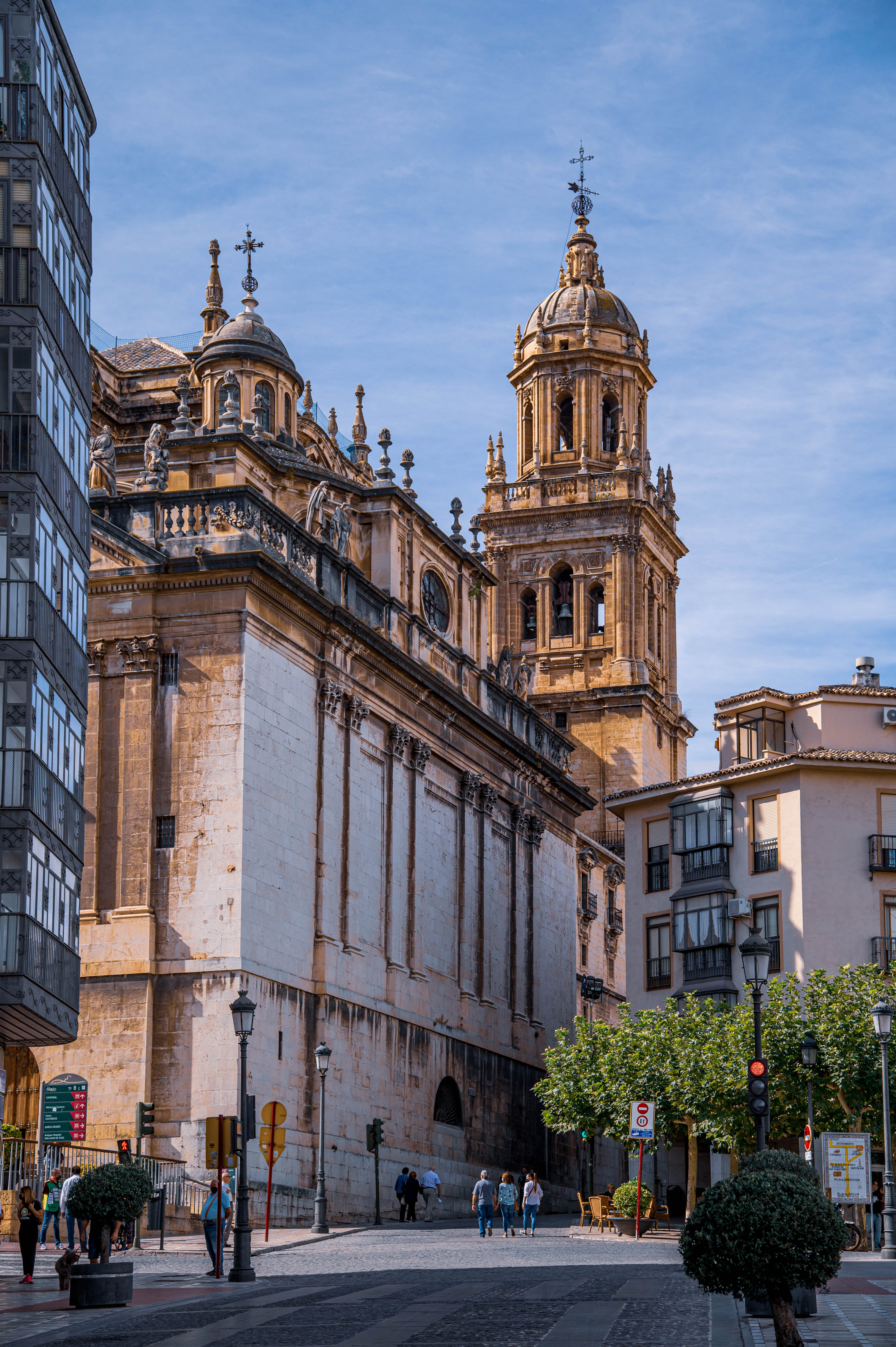
Jaén Cathedral
Jaén Cathedral ‐ photo by ,
©www.mgaylard.co.uk.
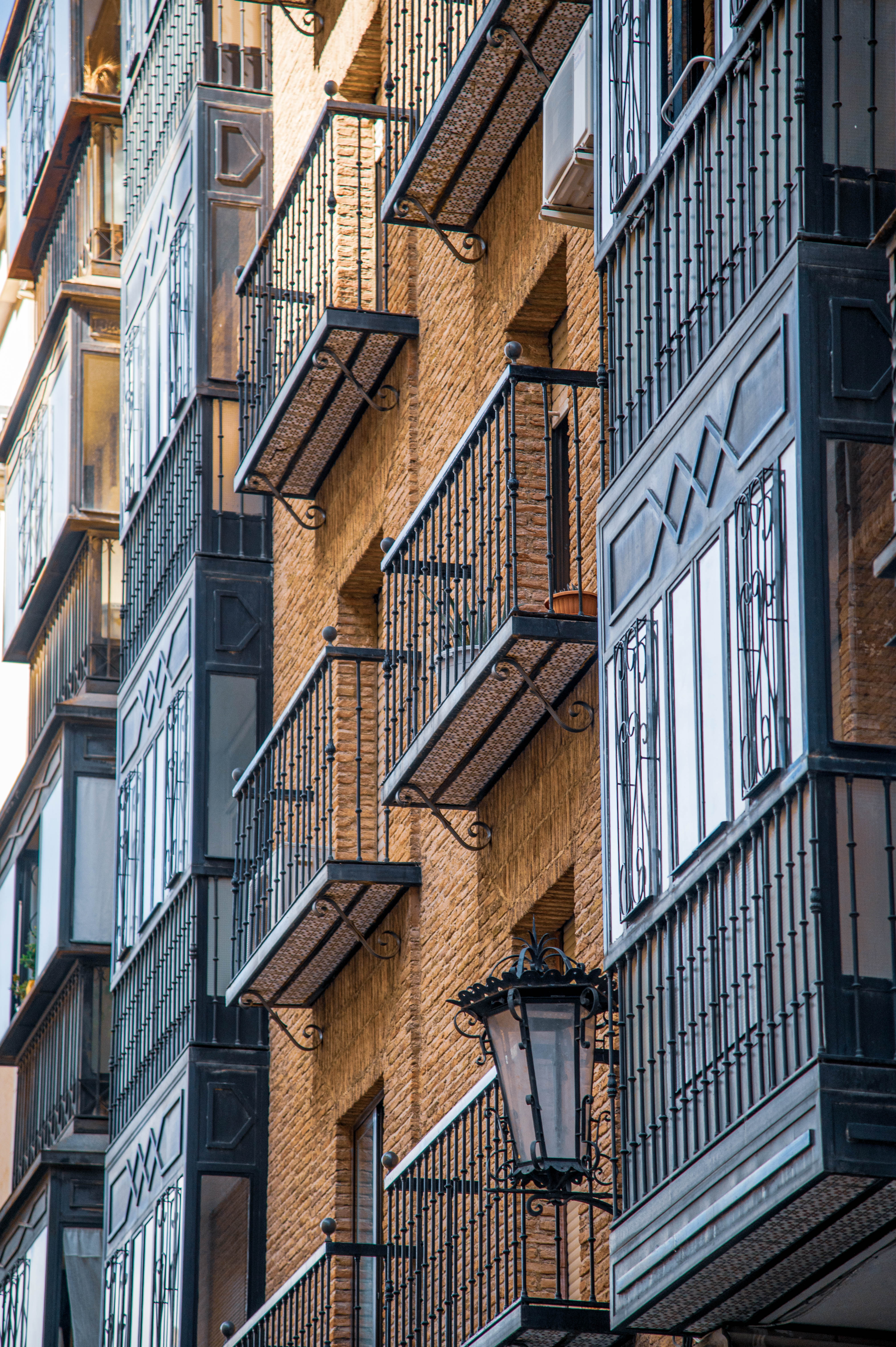
Windows
Windows ‐ photo by ,
©www.mgaylard.co.uk.
Windows
Windows ‐ photo by ,
©www.mgaylard.co.uk.
Jaén Cathedral ‐ photo by ,
©www.mgaylard.co.uk.

Jaén

Jaén is a compact, hilltop Andalusian city best known for its olive-oil landscape, the hilltop Castillo de Santa Catalina, an impressive Renaissance cathedral, and well-preserved Arab baths — a great base for cultural visits in eastern Andalusia.

Top attractions (must-see) - Cathedral of Jaén — a major Renaissance monument begun in the 16th century by Andrés de Vandelvira; central to the city’s historic core. - Castillo de Santa Catalina — hilltop fortress with panoramic views over the Guadalquivir valley and the surrounding olive groves; features a monumental cross and an adjacent Parador hotel. - Centro Cultural Baños Árabes (Palacio de Villardompardo) — houses one of Spain’s largest preserved Arabic baths plus ethnographic and naïf-art collections. - Museo Íbero and Museo de Jaén — archaeological and fine-arts collections that contextualise the region’s Iberian and Roman past.

References

en.wikipedia.orgwww.britannica.comwww.andalucia.com , Text generated by Microsoft CoPilot
To the top
Powered by w3.css. The images are all stored on link to www.gaylard.co.uk Photostream on Flickr   This website is hosted by link to 123Reg Web Hosting