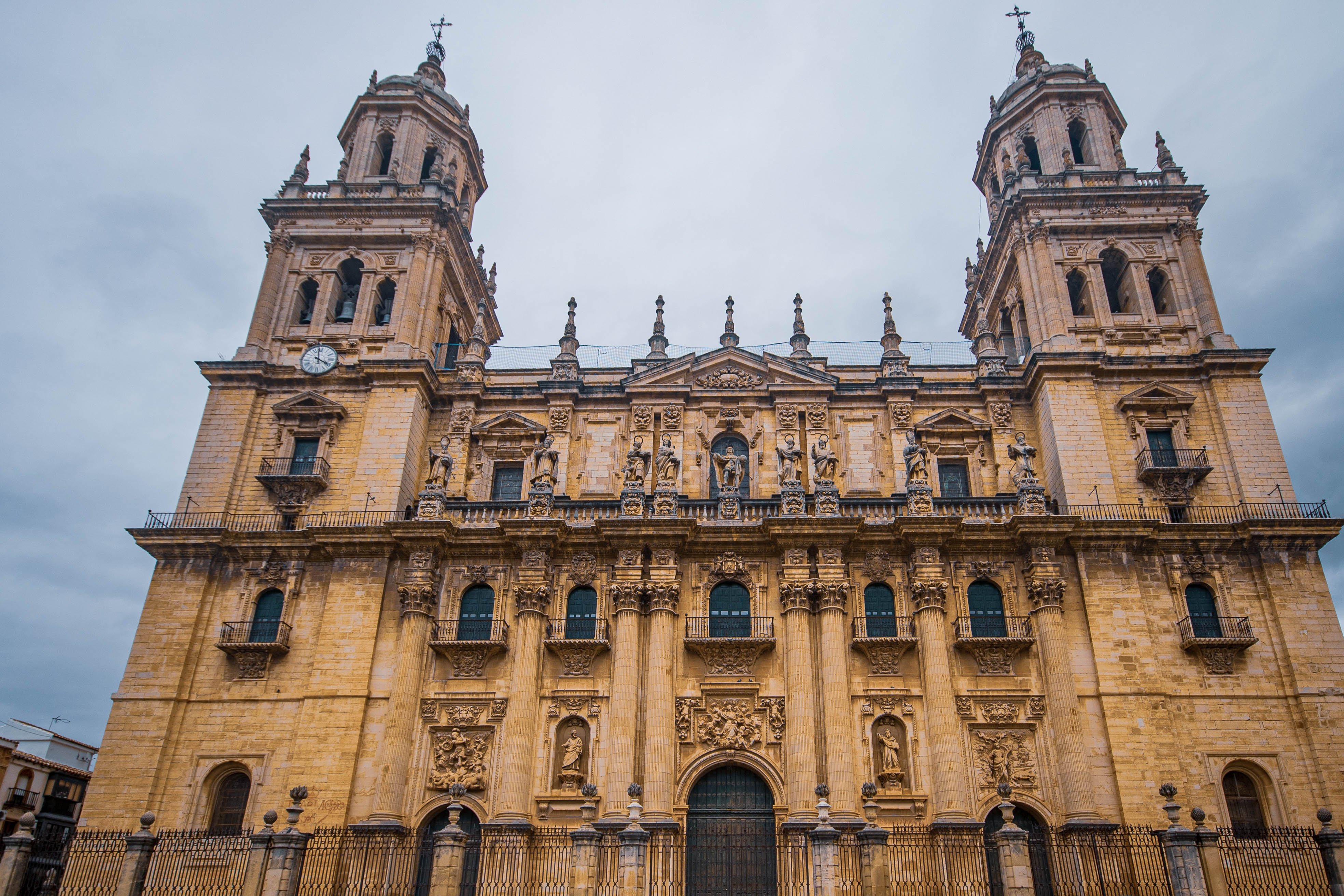


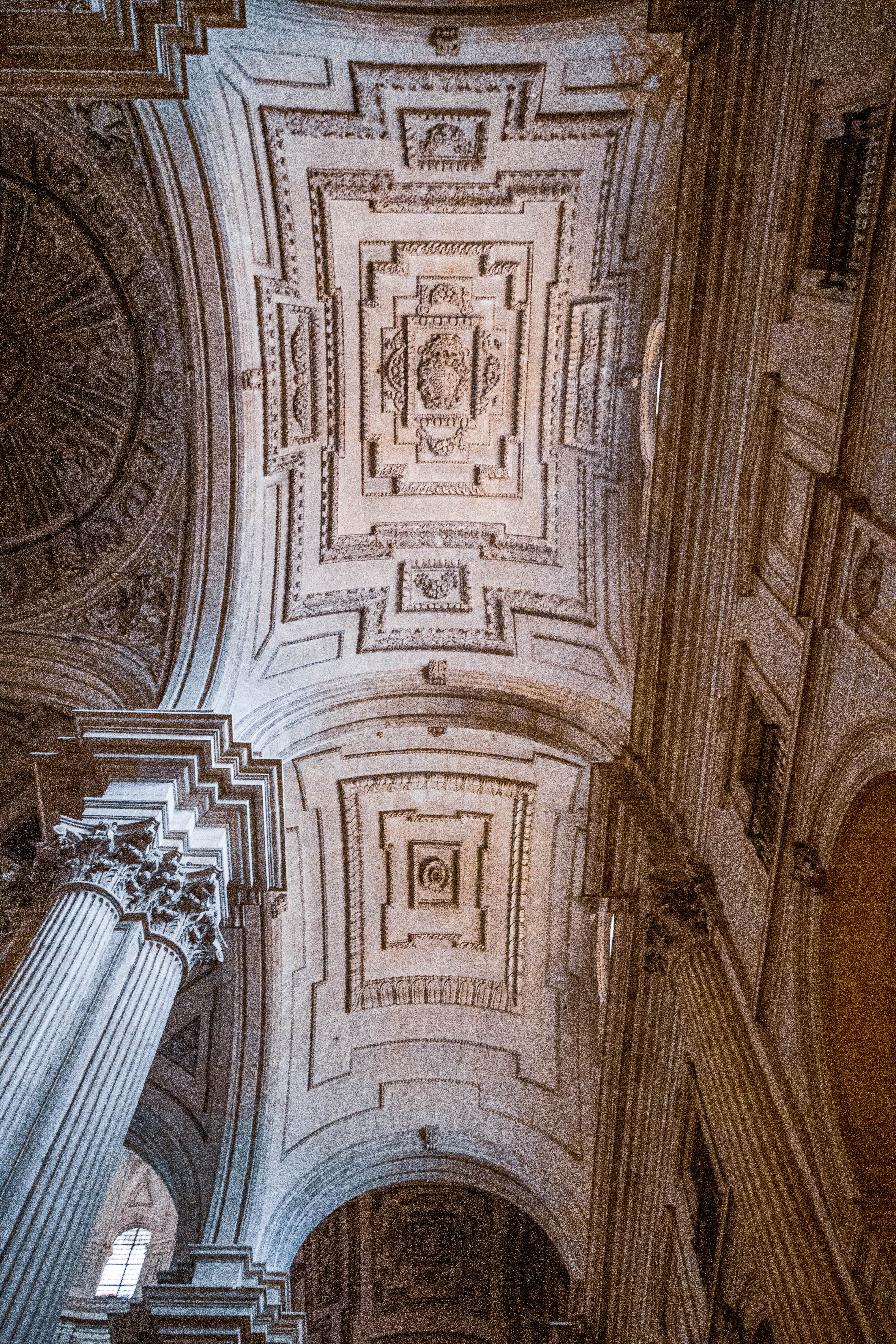



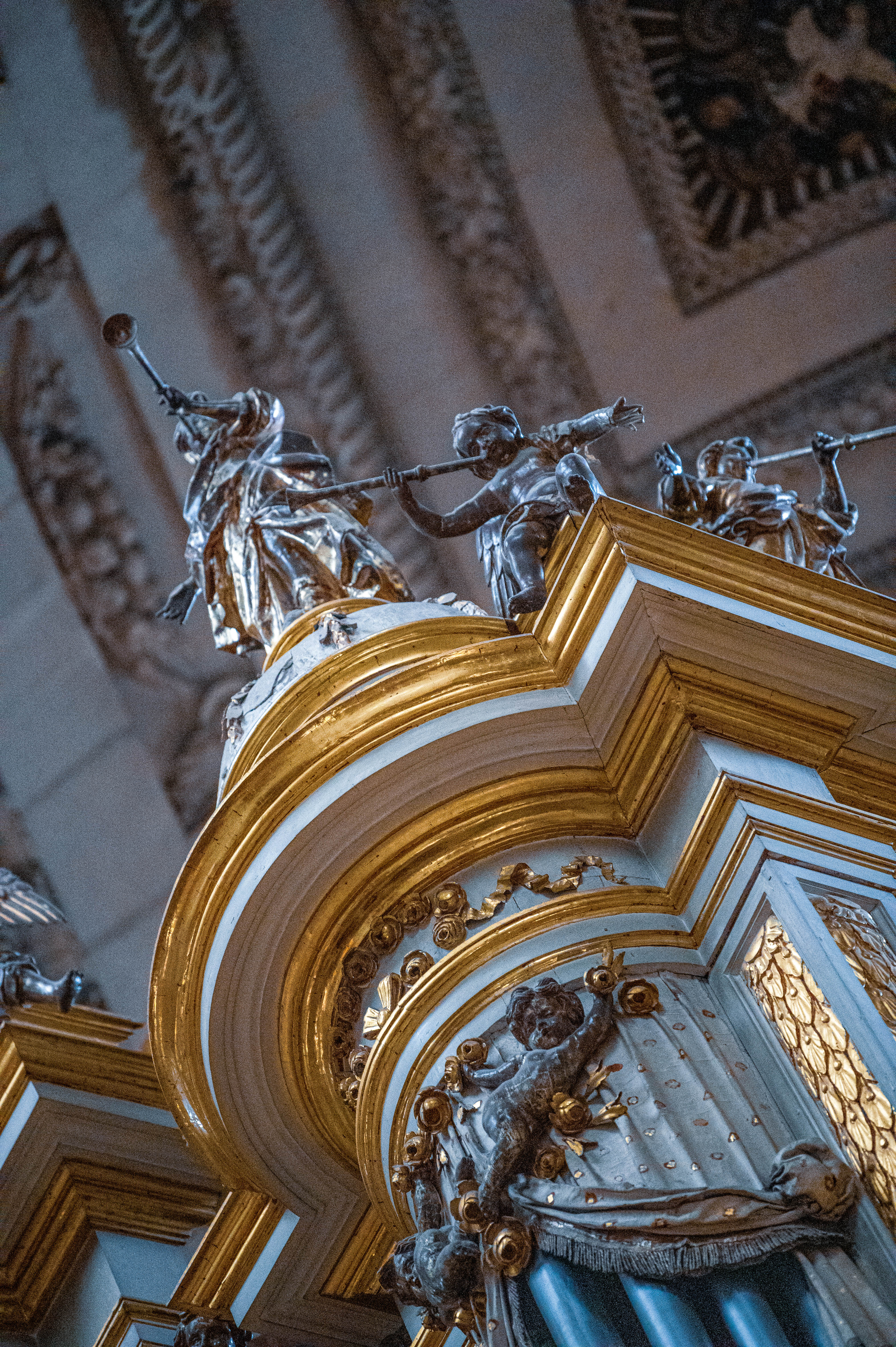
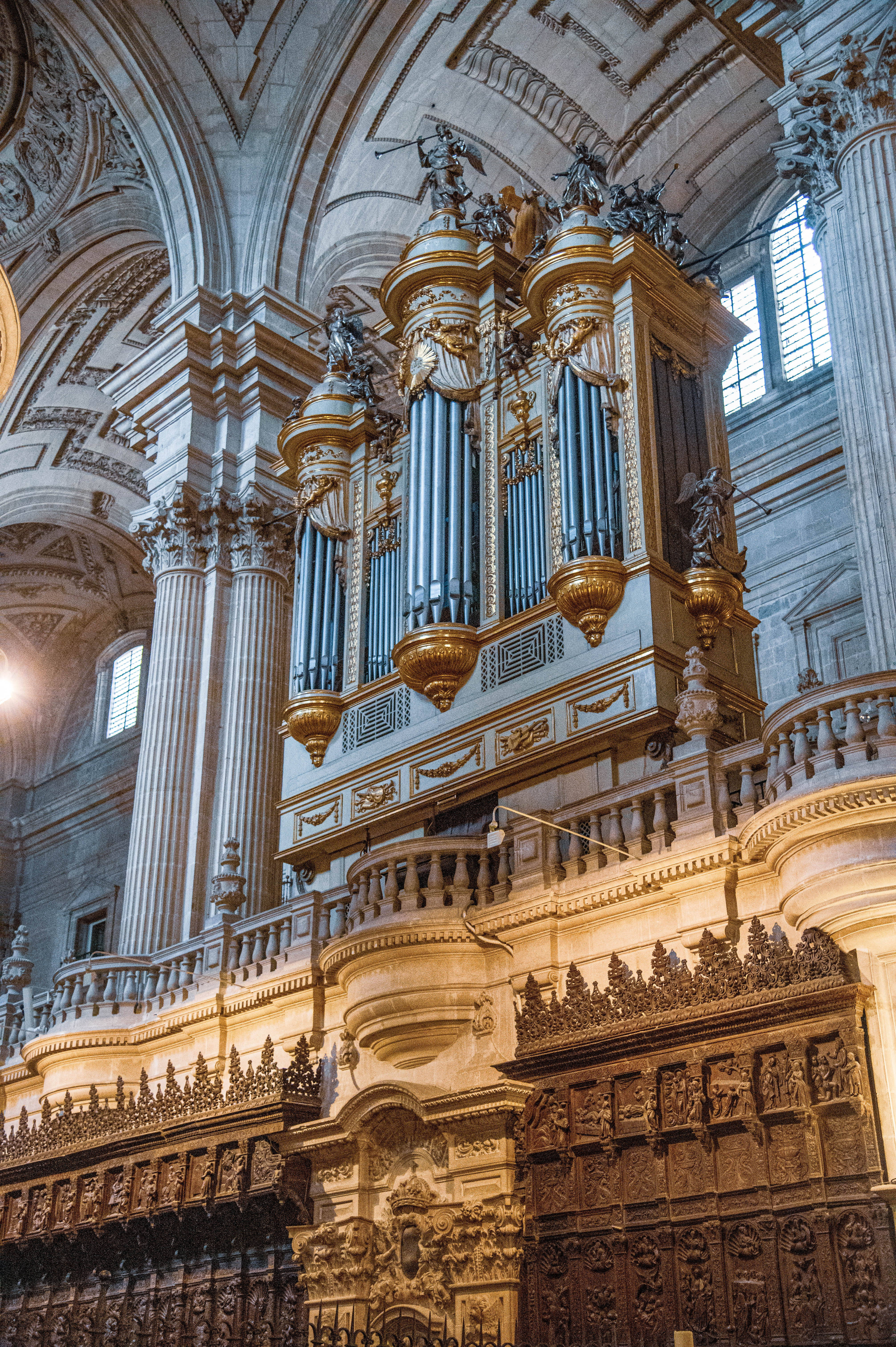
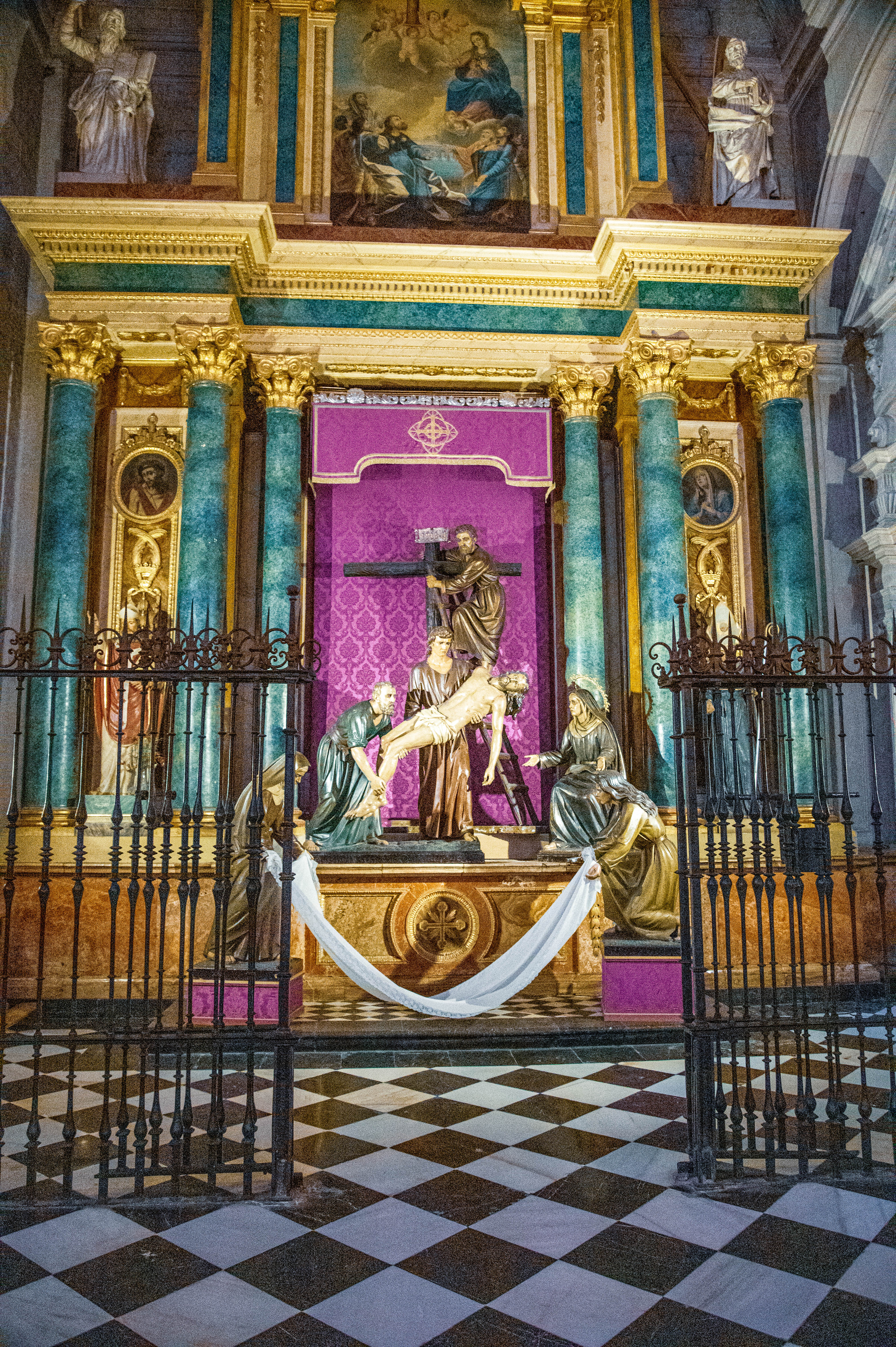
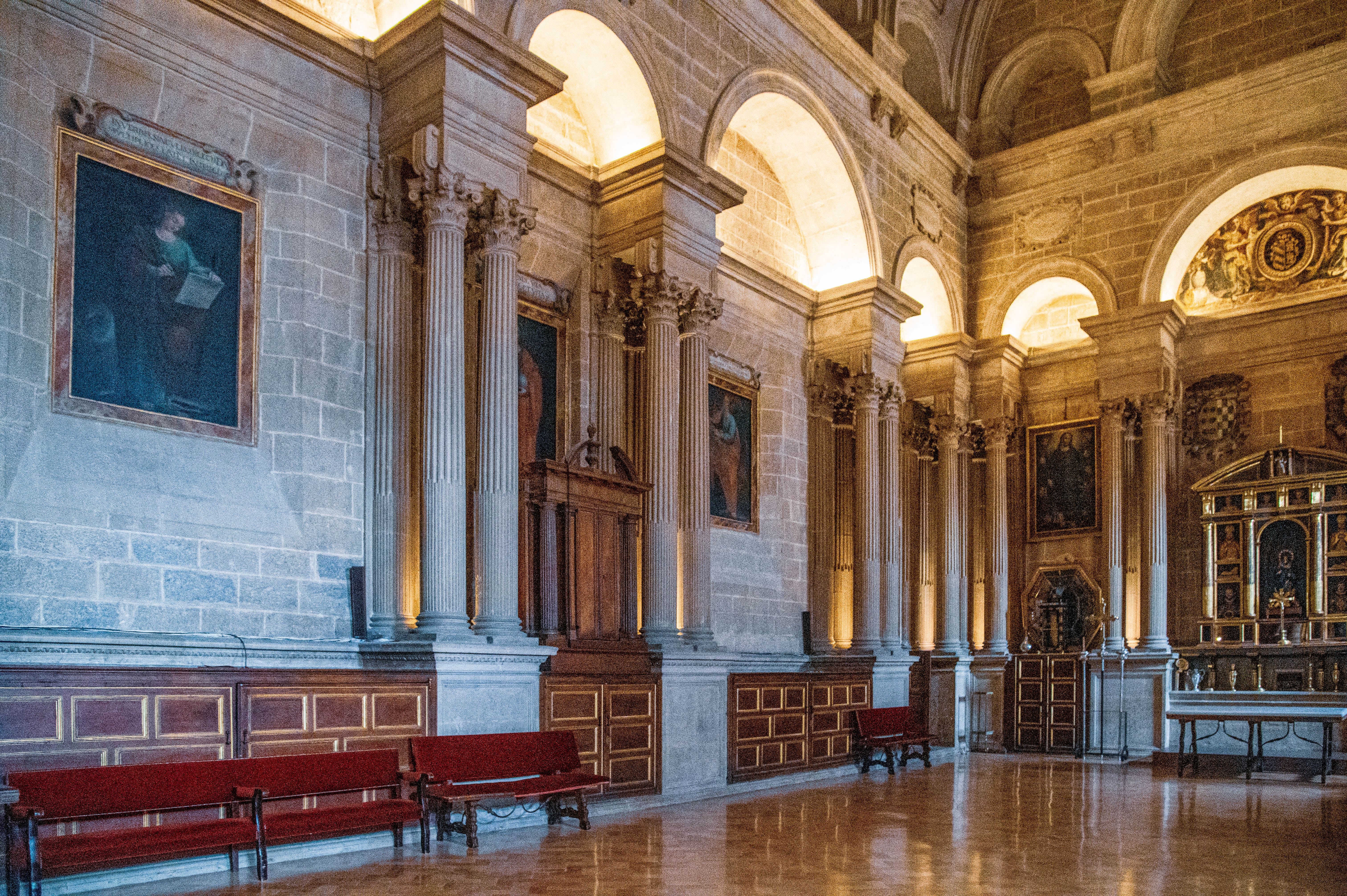





The Cathedral of the Assumption of the Virgin in Jaén (Catedral de la Asunción de la Virgen de Jaén) is one of Spain’s most important Renaissance cathedrals, built between the 16th and 18th centuries on the site of a former mosque. Its history reflects the city’s transition from Islamic to Christian rule and the evolution of Spanish Renaissance and Baroque architecture.
In essence, Jaén Cathedral embodies centuries of architectural evolution—from Gothic roots to Renaissance innovation and Baroque embellishment—while serving as a spiritual and cultural symbol of the city.
Origins and Early Foundations
1246: After King Ferdinand III of Castile conquered Jaén, the city’s main mosque was consecrated as a Christian church dedicated to the Virgin’s Assumption.14th century: Bishop Nicolás de Biedma demolished the mosque and began building a Gothic cathedral with five naves and a cloister.
Late 15th century: This Gothic structure proved unstable; Bishop Luis Osorio ordered its demolition and began a new Gothic church.
Renaissance Transformation
1525–1529: Structural problems led to plans for a new, more solid cathedral. Cardinal Esteban Gabriel Merino secured papal approval and indulgences to fund construction.
1551: Work began on the current cathedral, designed by Andrés de Vandelvira, one of Spain’s greatest Renaissance architects.
Vandelvira introduced a hall-plan design (eliminating the Gothic ambulatory), creating a spacious and unified interior.
His disciple Alonso Barba and later architects continued his vision, even as decorative elements shifted toward Baroque.
Later Developments
17th century: Economic crises under Philip II slowed construction. Work resumed intermittently, with Baroque influences added to the façade and ornamentation.
1660: The cathedral was formally dedicated to the Assumption of Mary.
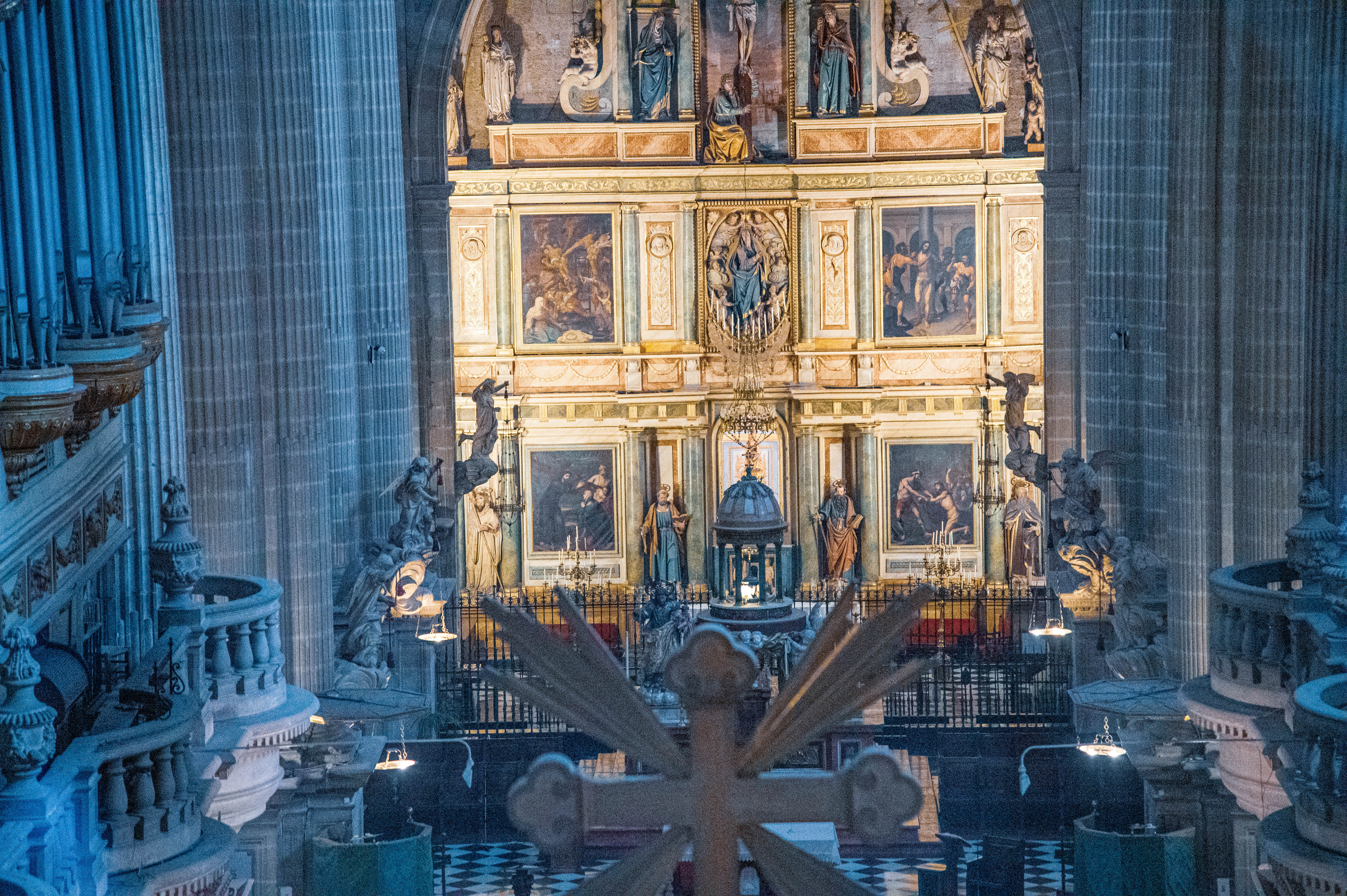
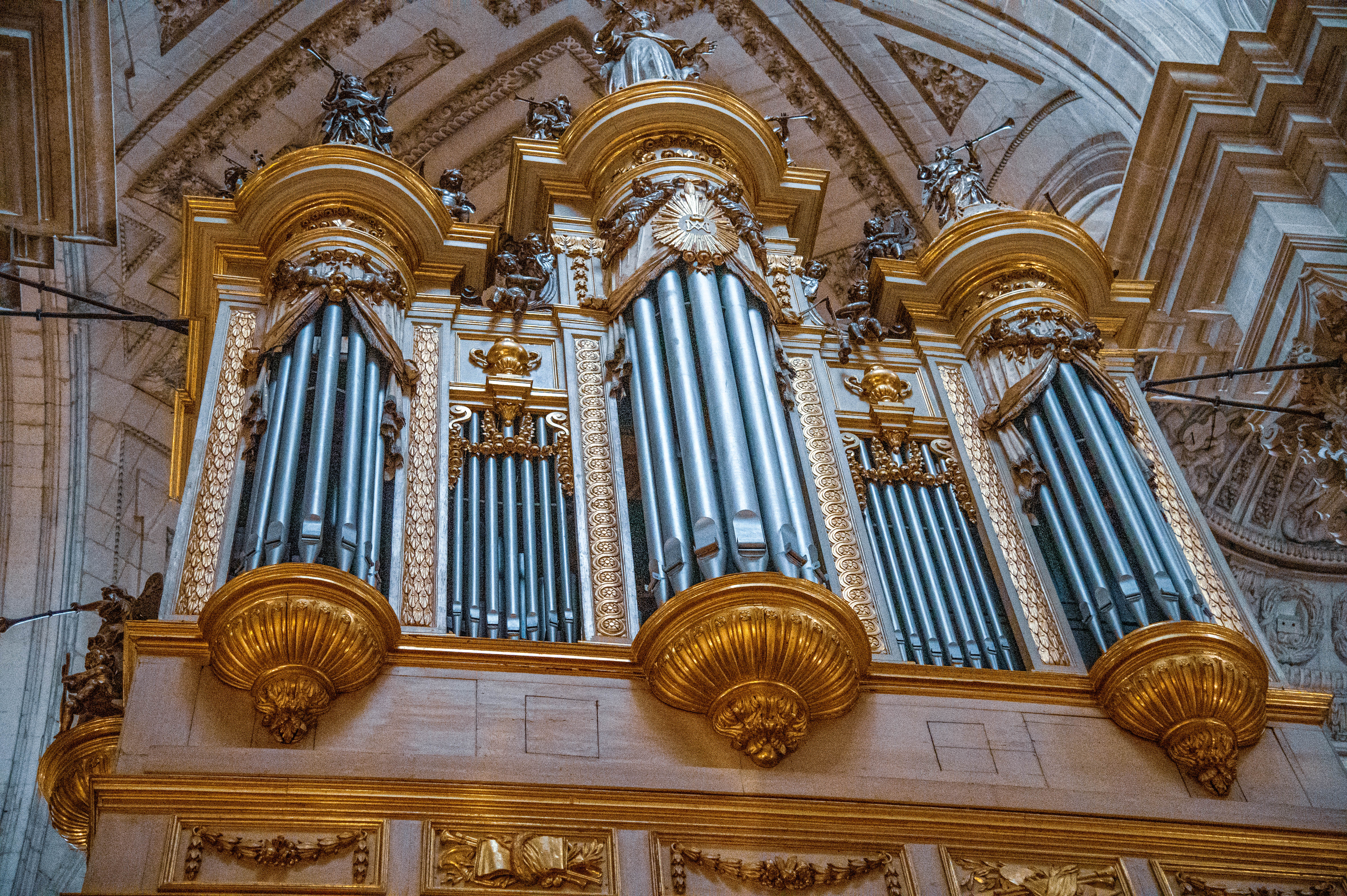
18th century: Construction continued, with the choir completed in Neoclassical style, making it one of the largest in Spain.
1801: The main building works were finally completed, though restoration and additions continued afterward.
Architectural Highlights
Façade: Baroque, with sculptures by Pedro Roldán.
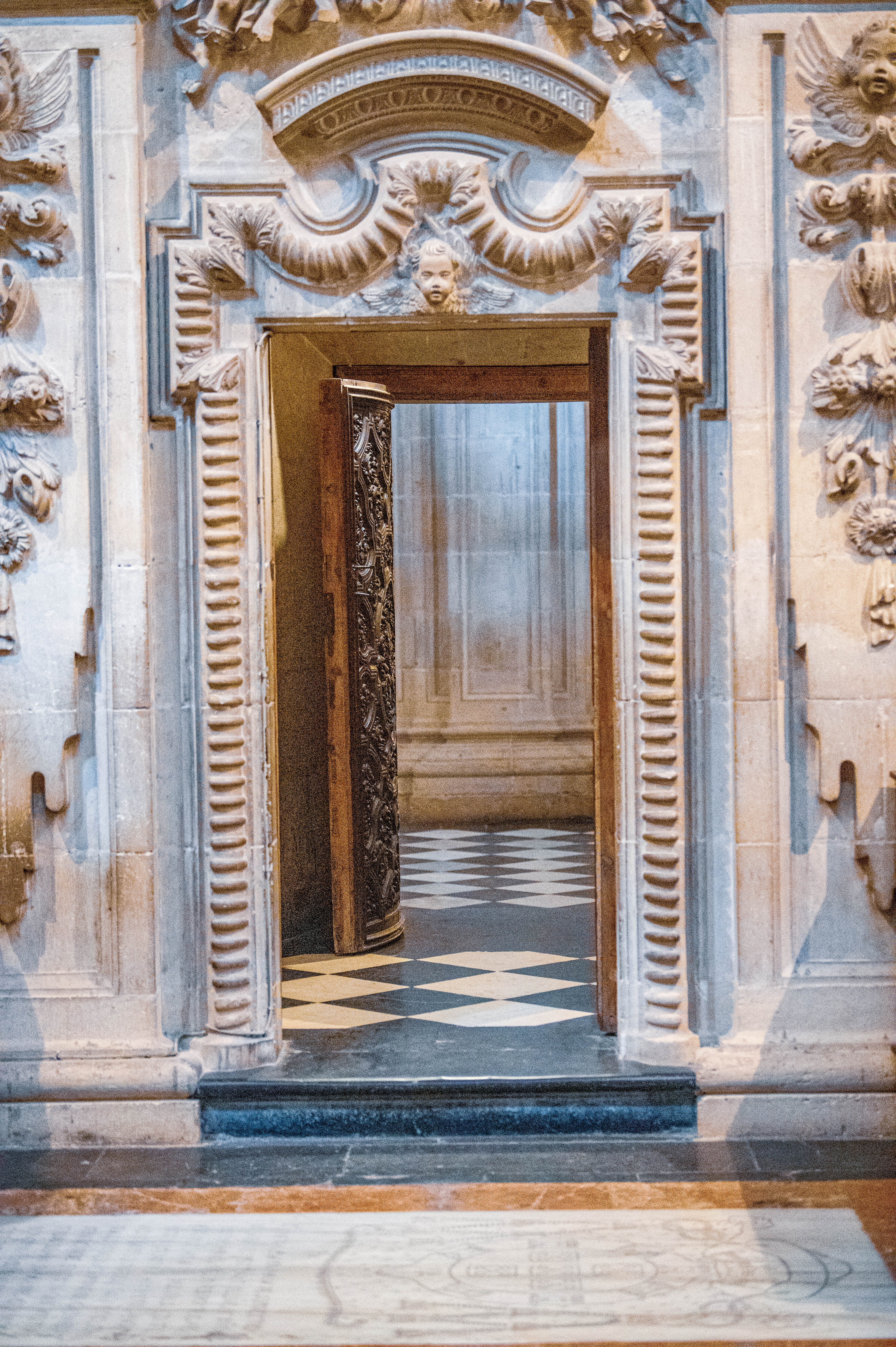
Chapter House & Sacristy: Masterpieces of Vandelvira, considered prime examples of Spanish Renaissance design.
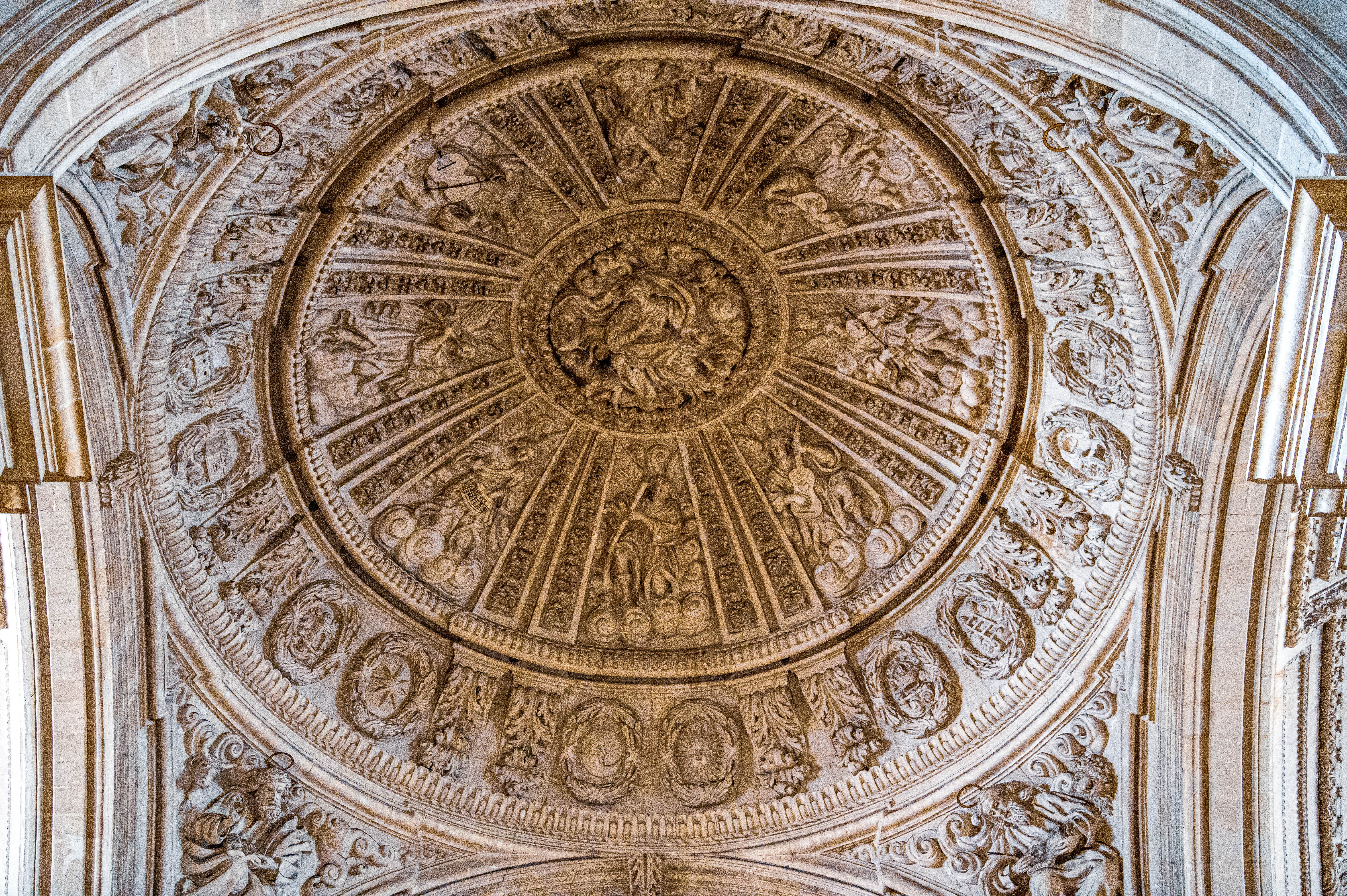
Dome: One of the largest in Spain, dominating Jaén’s skyline.
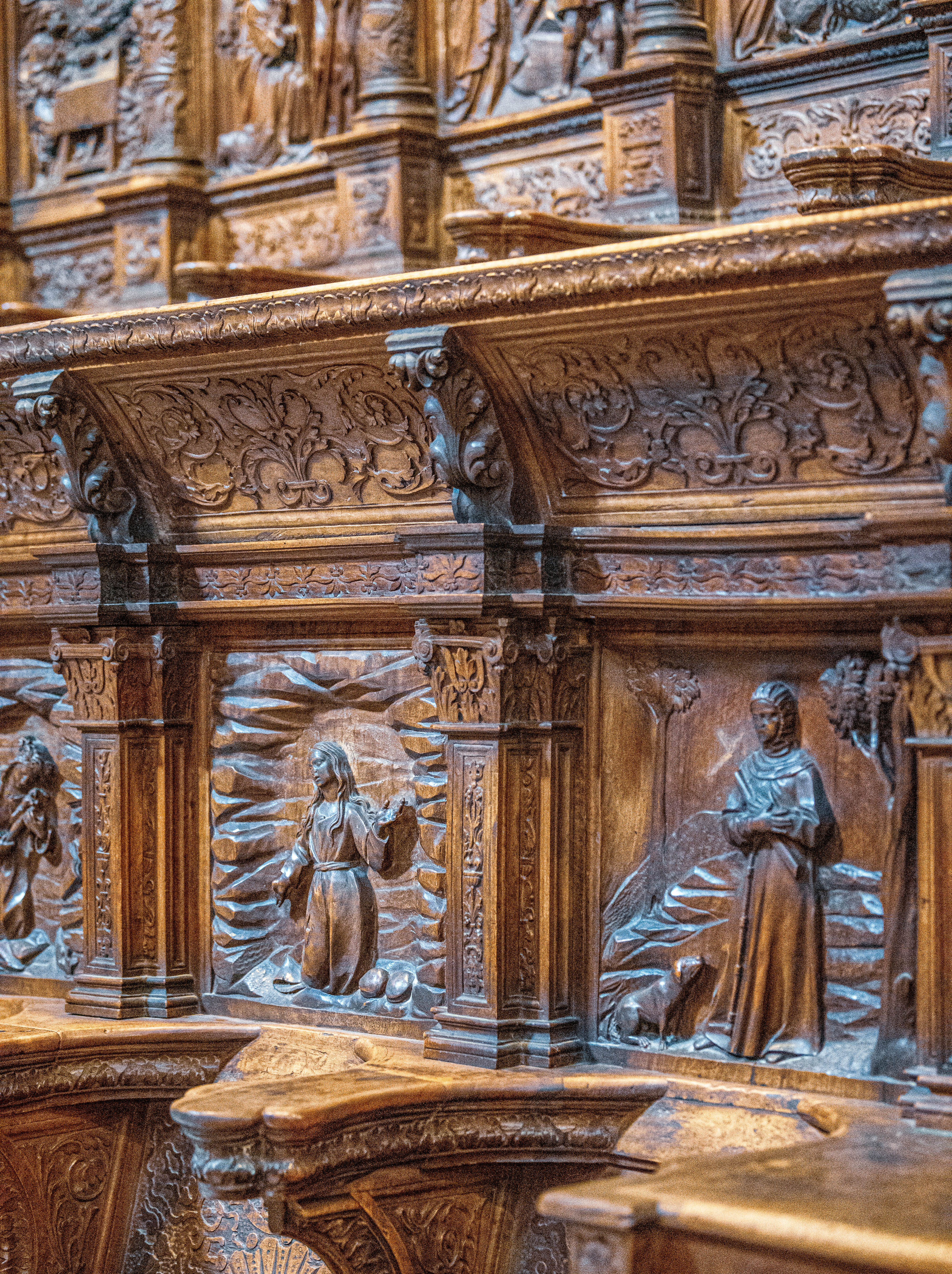
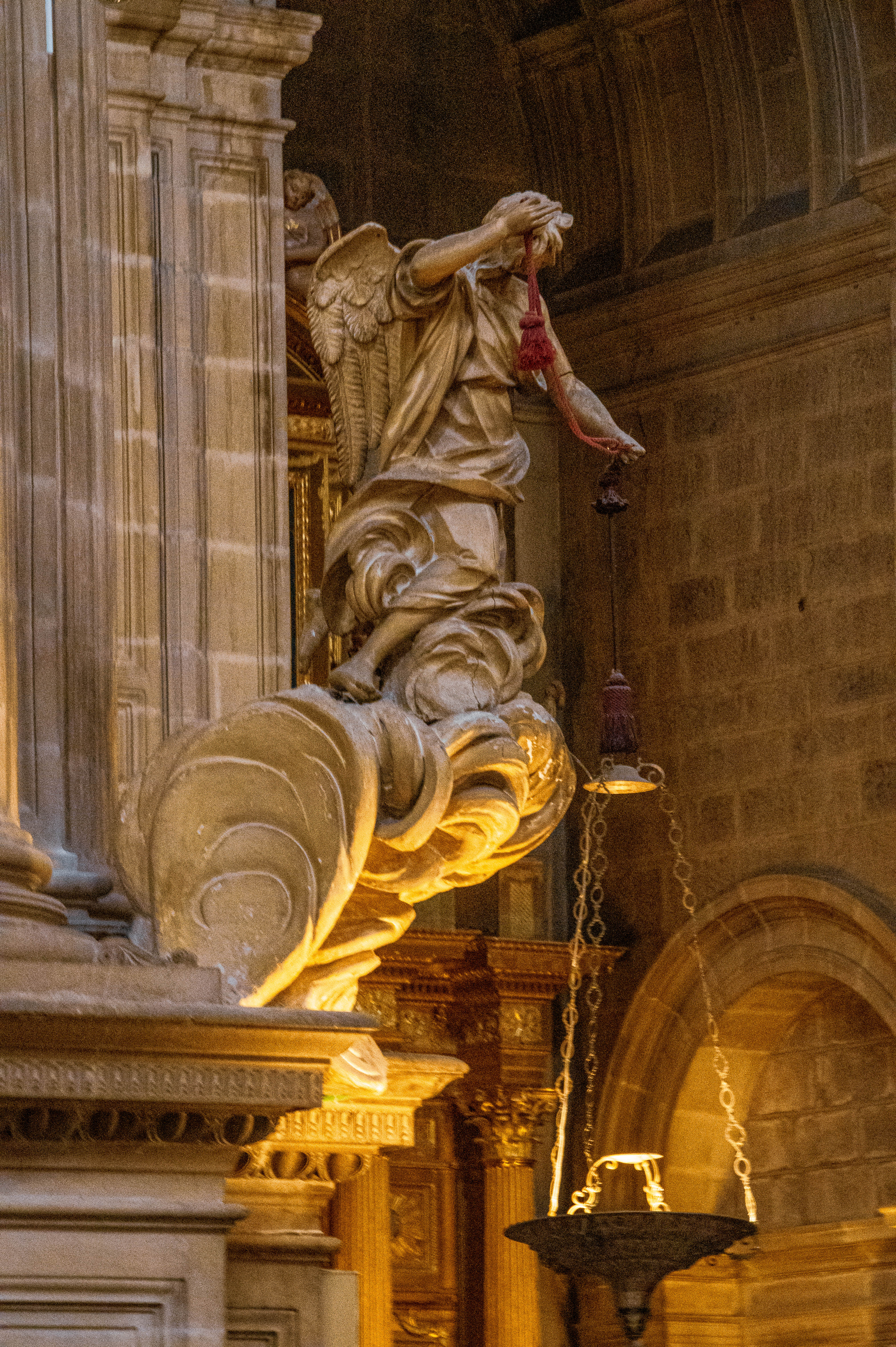
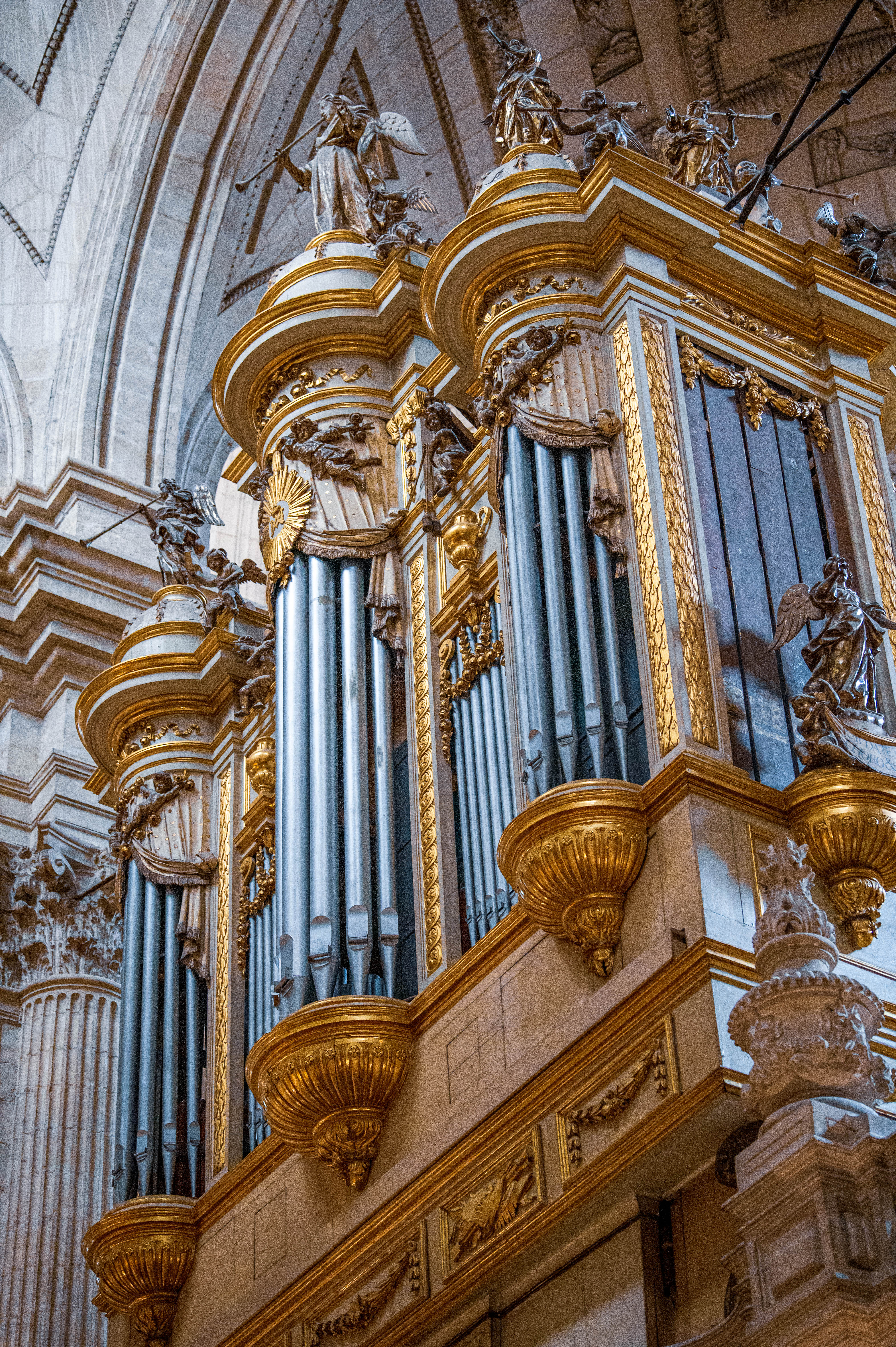
Interior: A vast nave with chapels, marble altars, and monumental choir stalls.
Religious and Cultural Significance
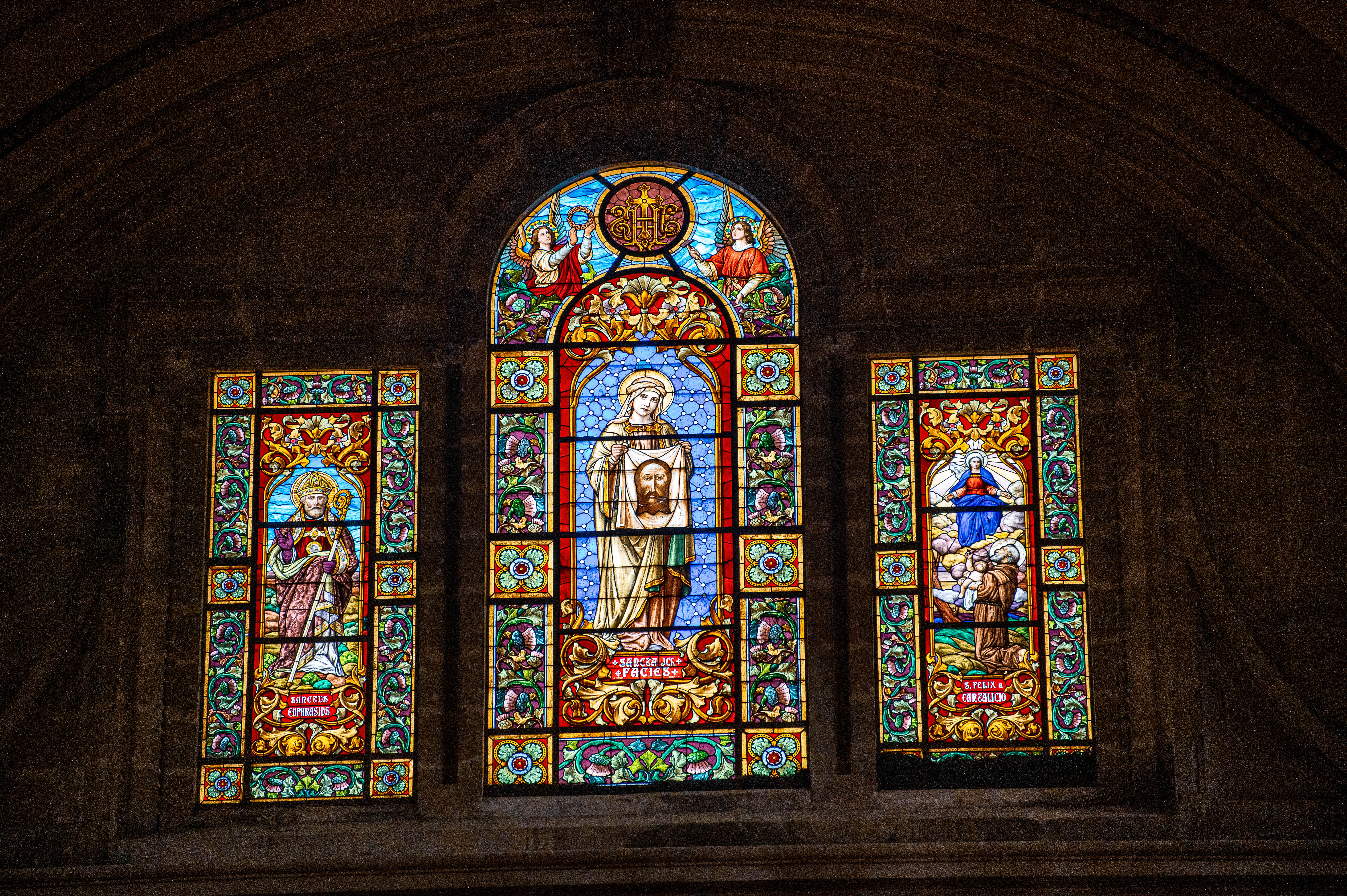
The cathedral houses the Santo Rostro (Holy Face), a relic believed to be the Veil of Veronica, acquired in the 14th century. It is displayed on Good Friday and the Feast of the Assumption.
It became a model for other cathedrals in Latin America, influencing colonial church design.
Declared a Spanish National Monument in 1931, it remains the seat of the Diocese of Jaén.
Why It Is Symbolically Important
Architectural Innovation: Vandelvira’s hall-plan eliminated the Gothic ambulatory, creating a vast, open interior space. This symbolized Renaissance ideals of clarity, rationality, and human-centered design.
Prototype for Colonial Cathedrals: Jaén Cathedral’s design was widely imitated in the Americas, influencing churches in Mexico, Peru, and beyond. It became a “template” for Spanish colonial religious architecture.
Integration of Styles: While fundamentally Renaissance, the cathedral absorbed Baroque and Neoclassical elements over time. This layering symbolizes Spain’s evolving identity and artistic transitions across centuries.
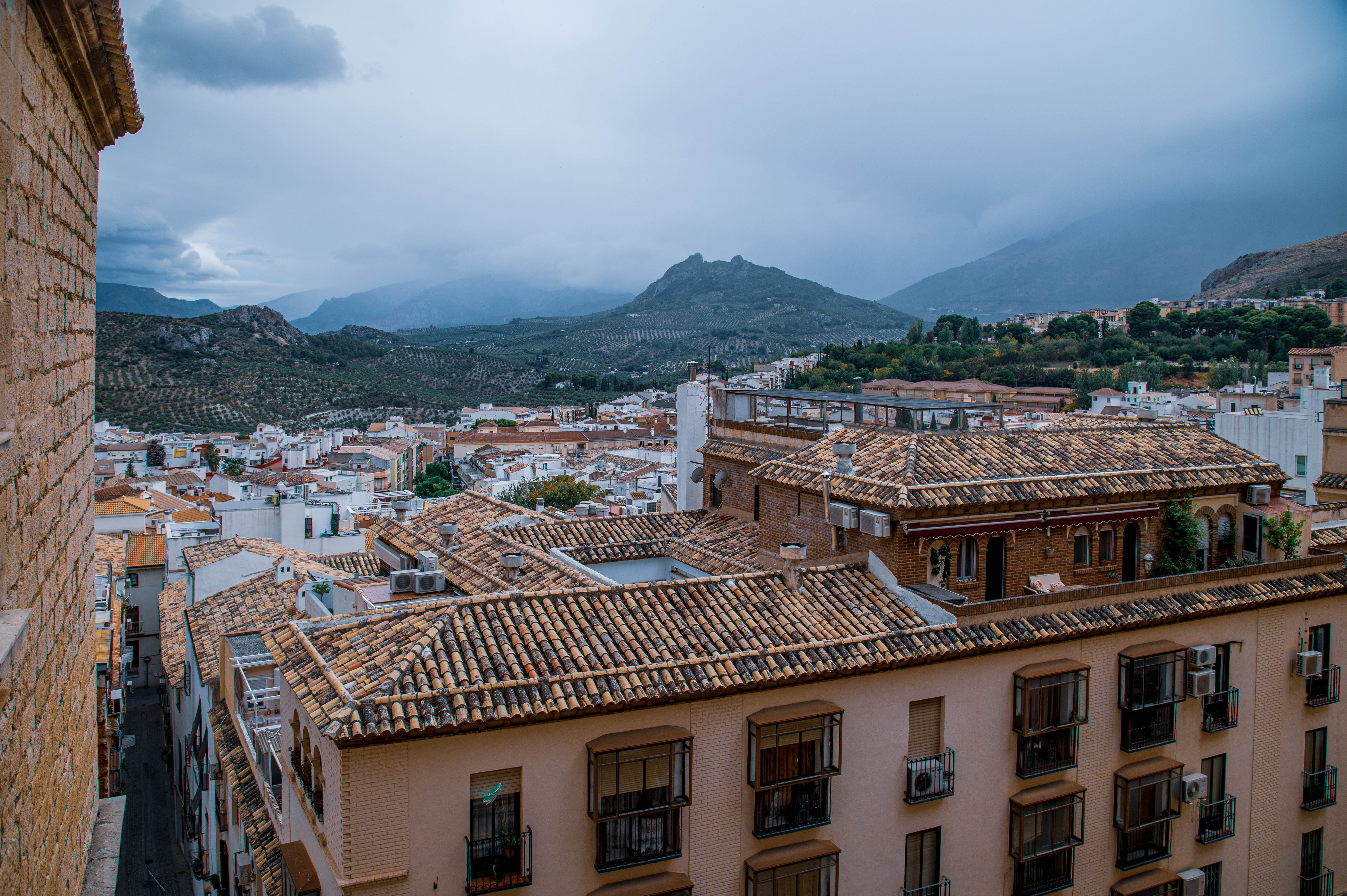
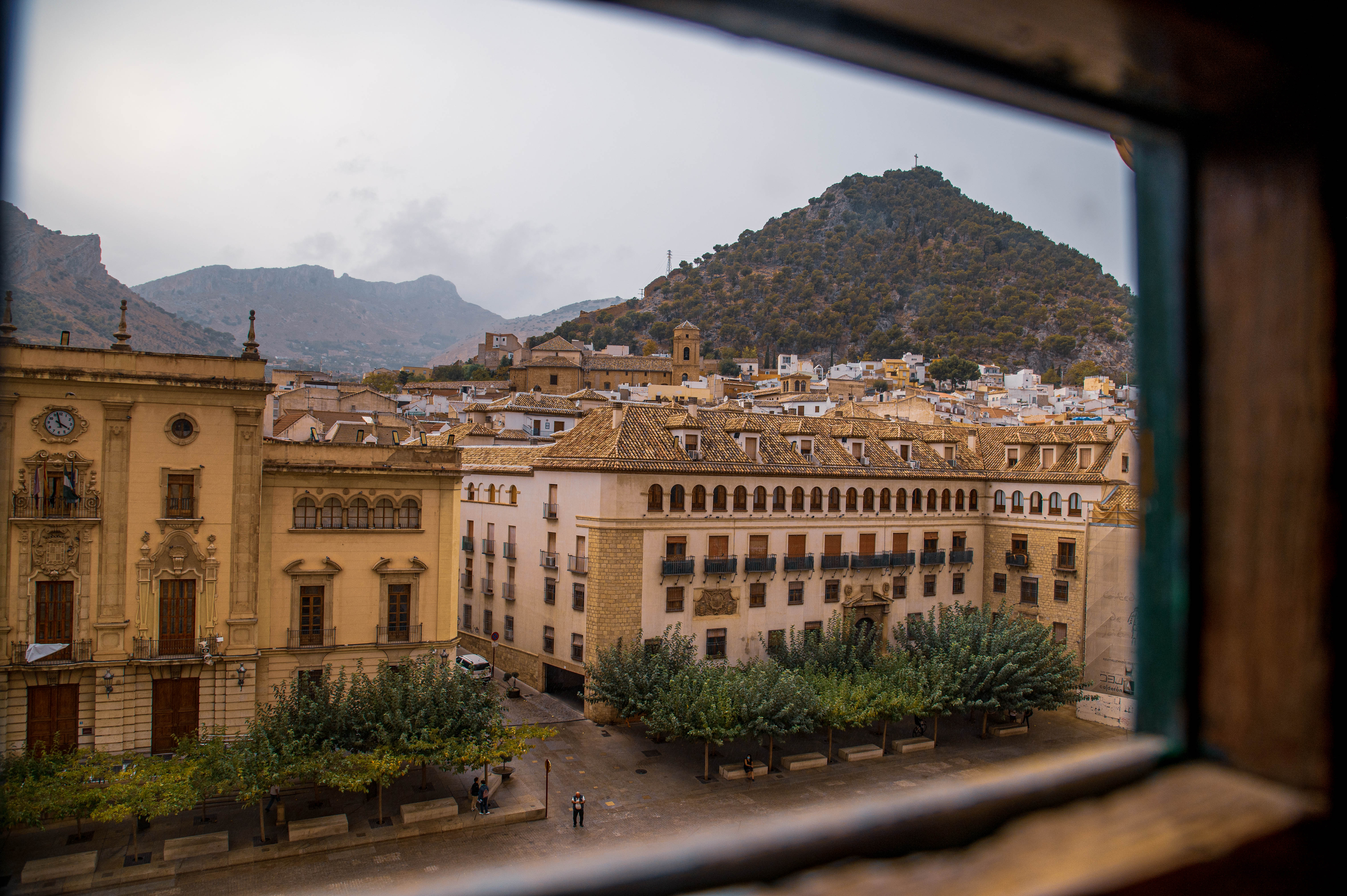
Urban Symbolism: Located in Plaza Santa María, the cathedral dominates Jaén’s historic center. Its monumental façade and dome embody civic pride and the triumph of Christianity after the Reconquista.
UNESCO Recognition: It has been proposed as an extension of the “Renaissance Monumental Ensembles of Úbeda and Baeza,” highlighting its symbolic role in the broader Andalusian Renaissance landscape.
