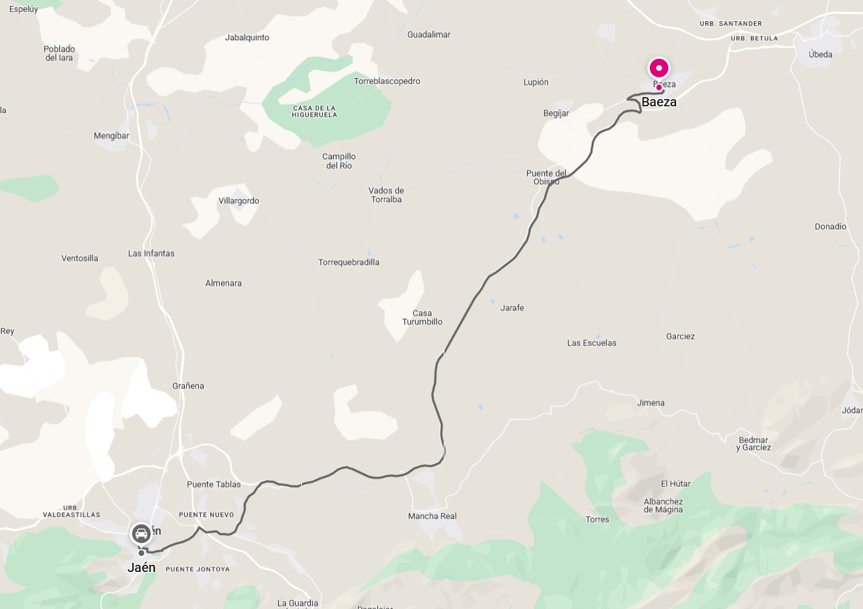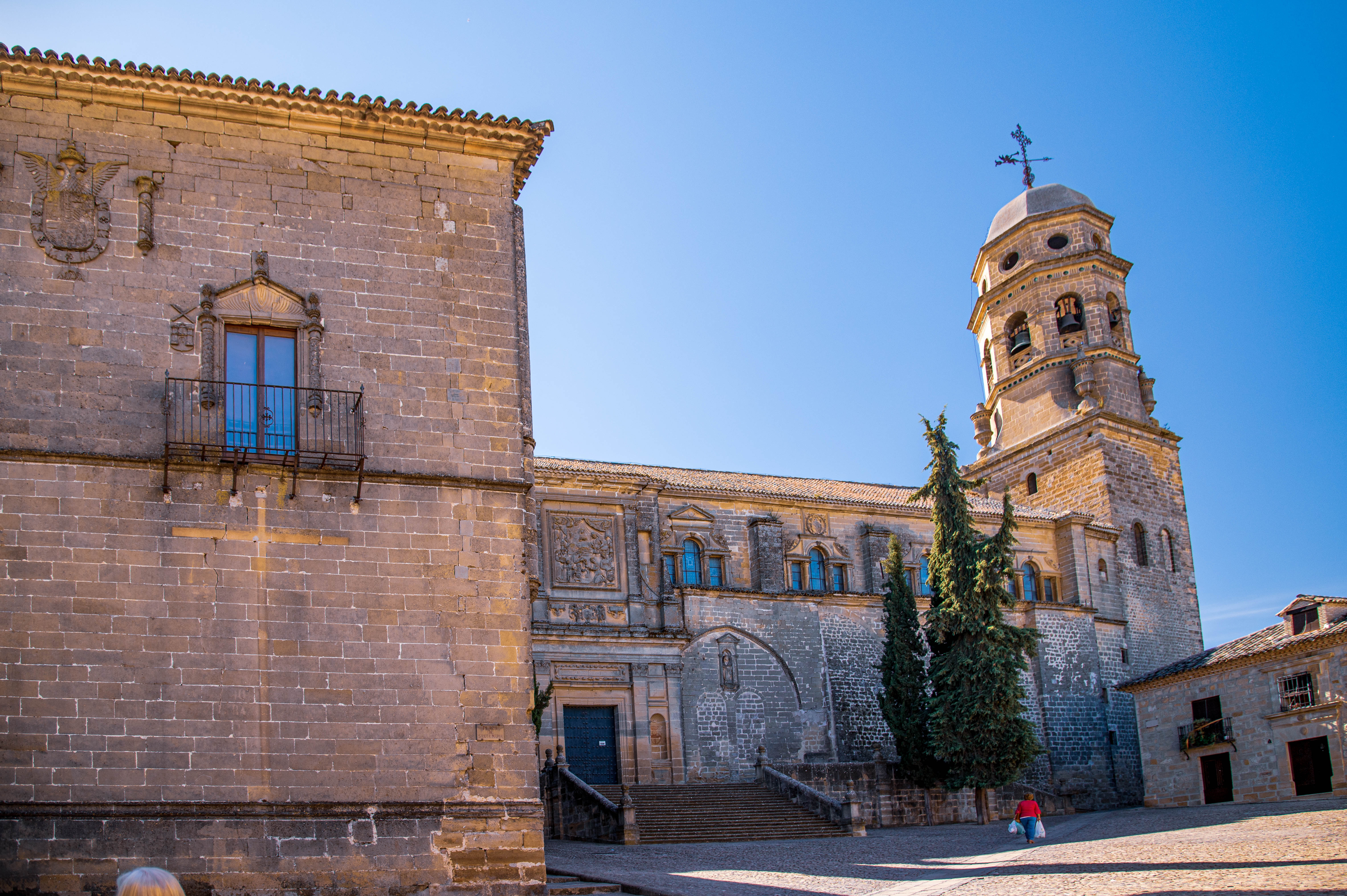
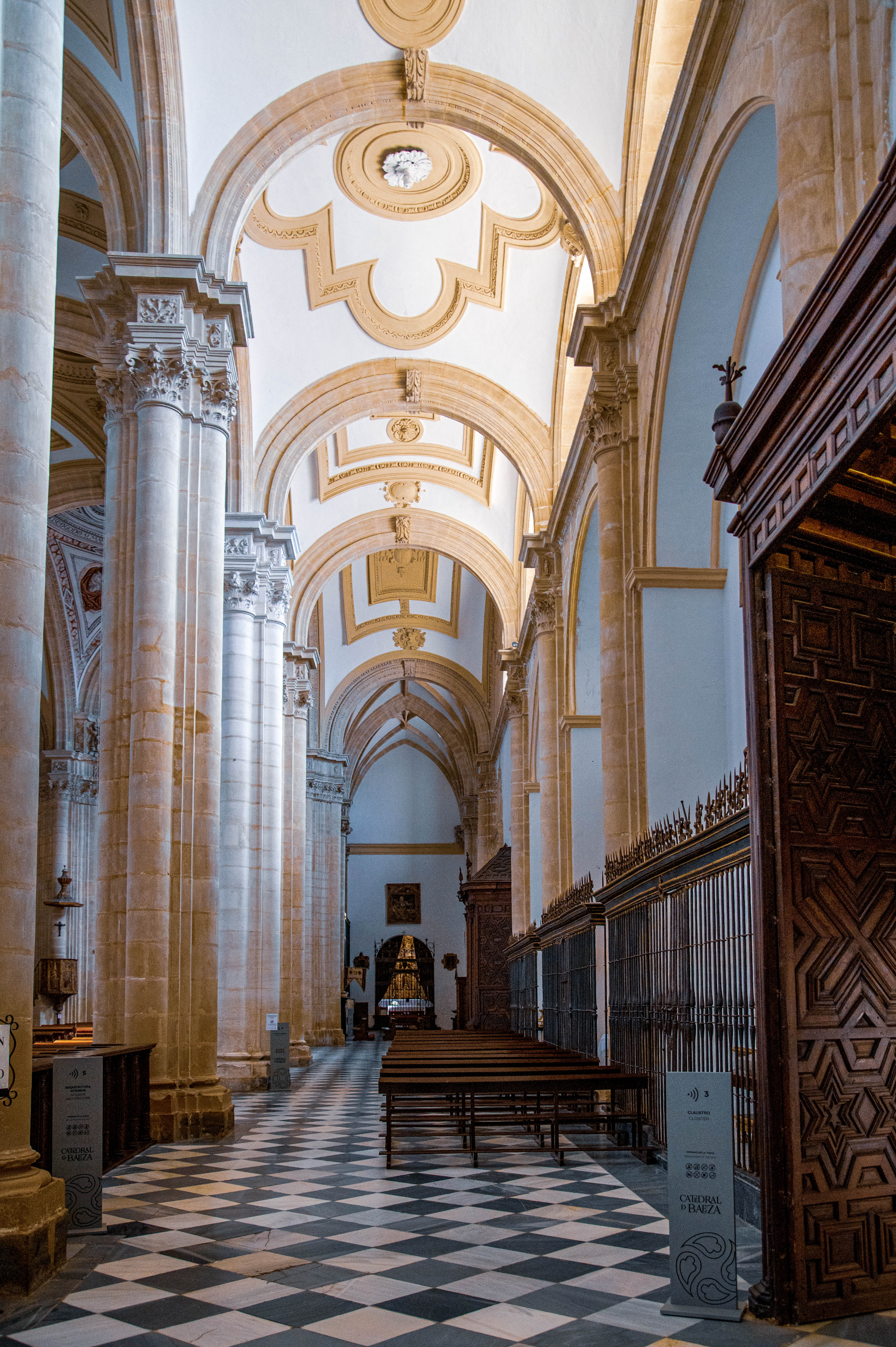
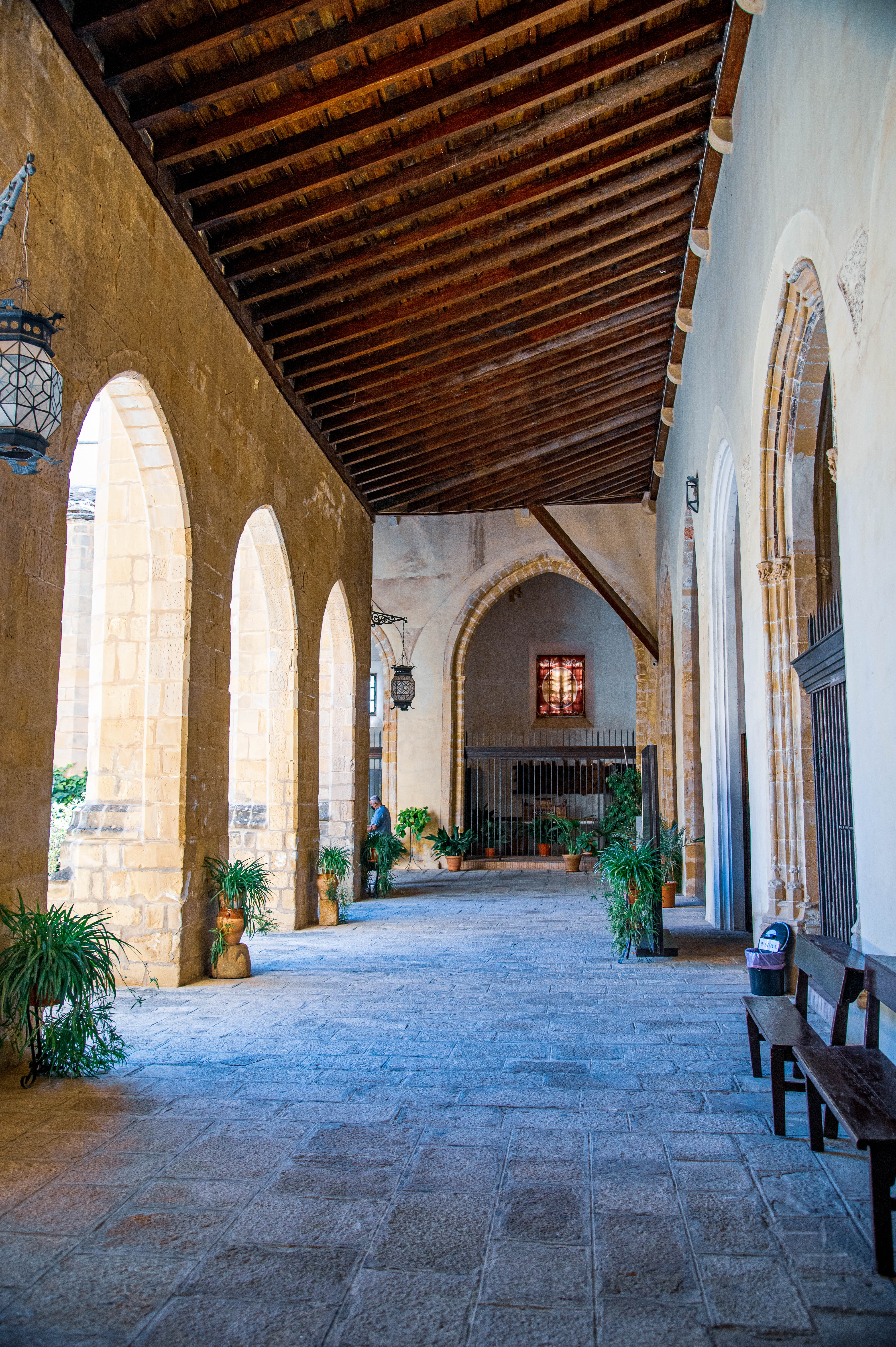
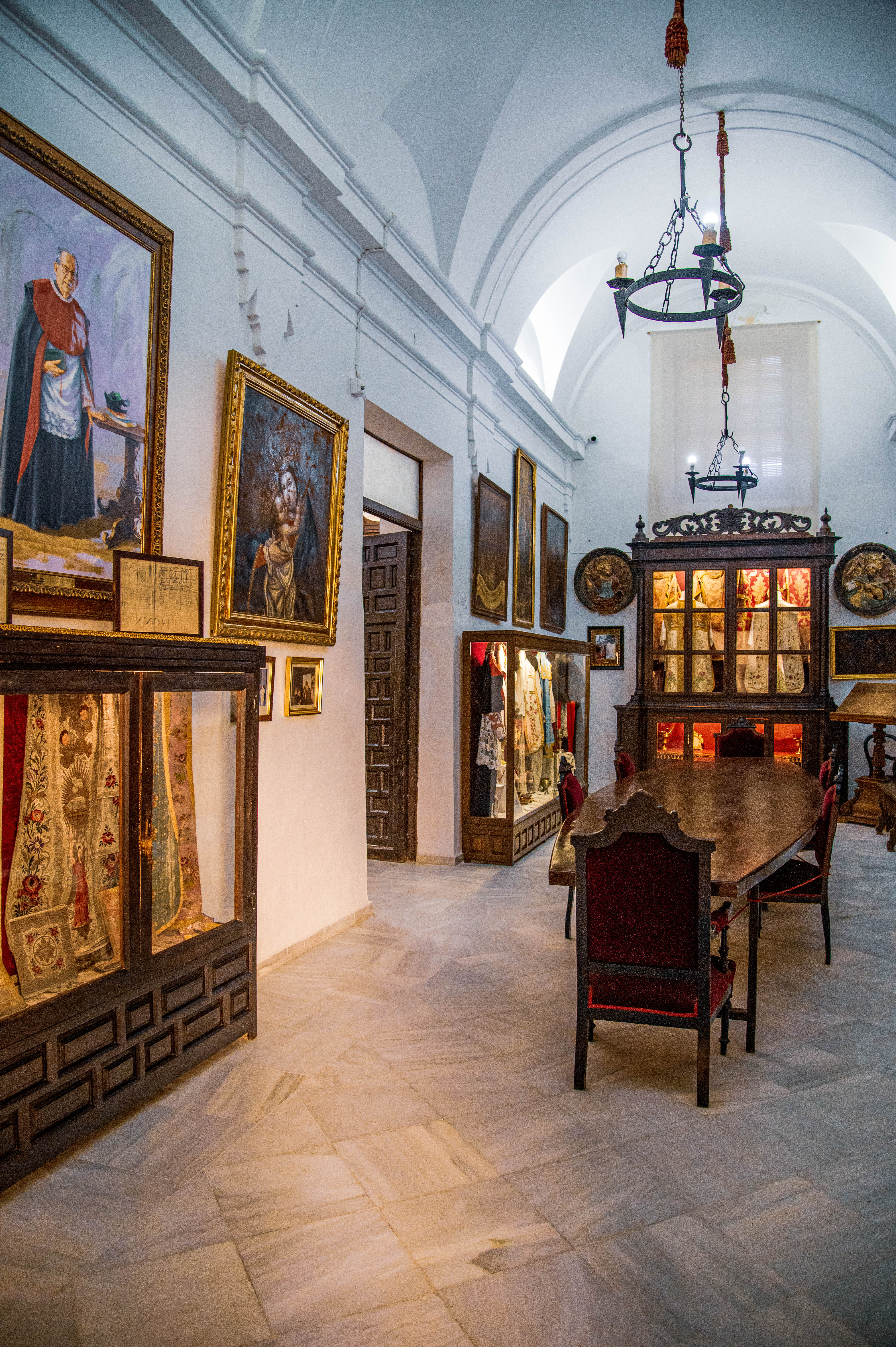
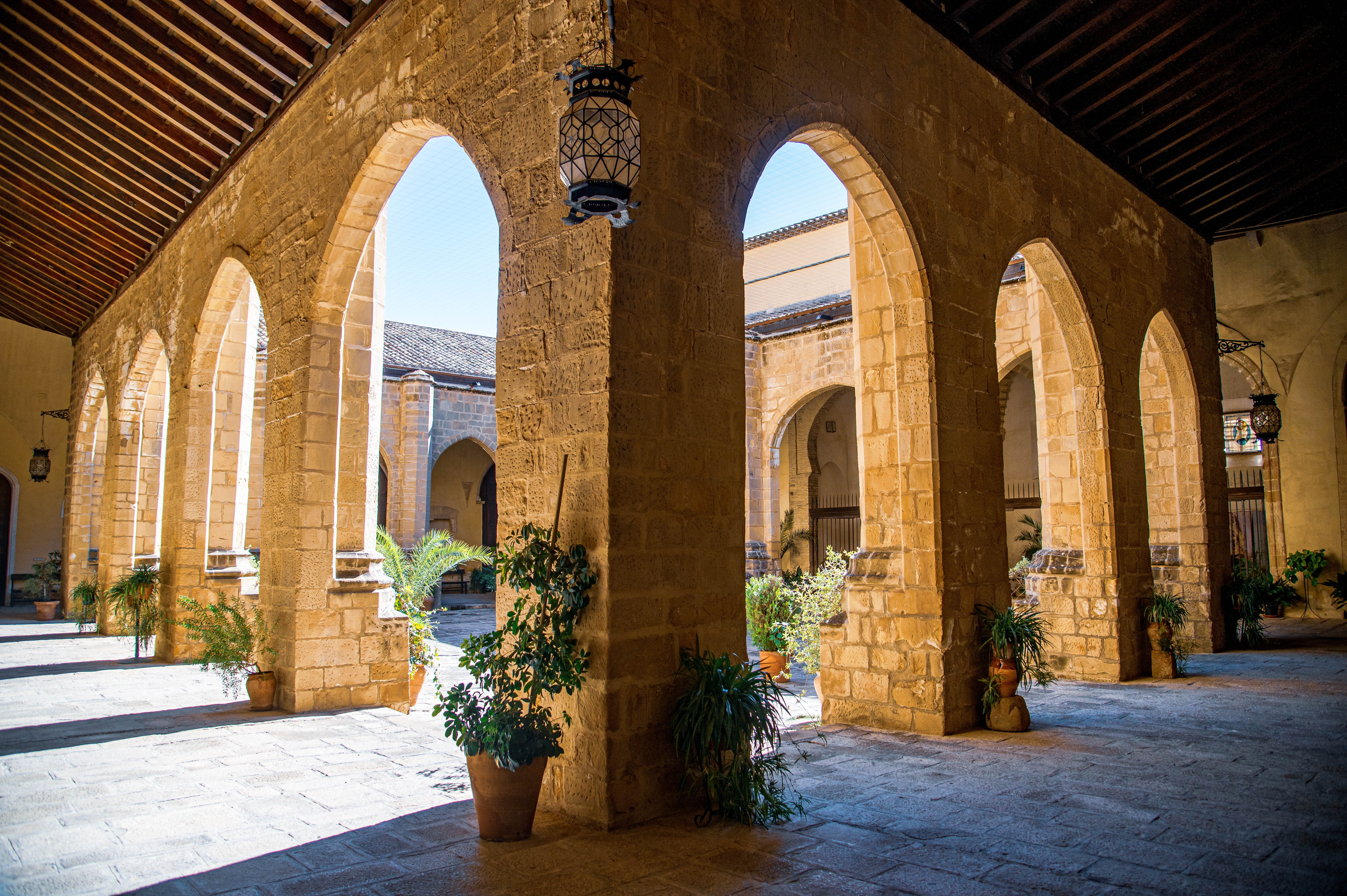
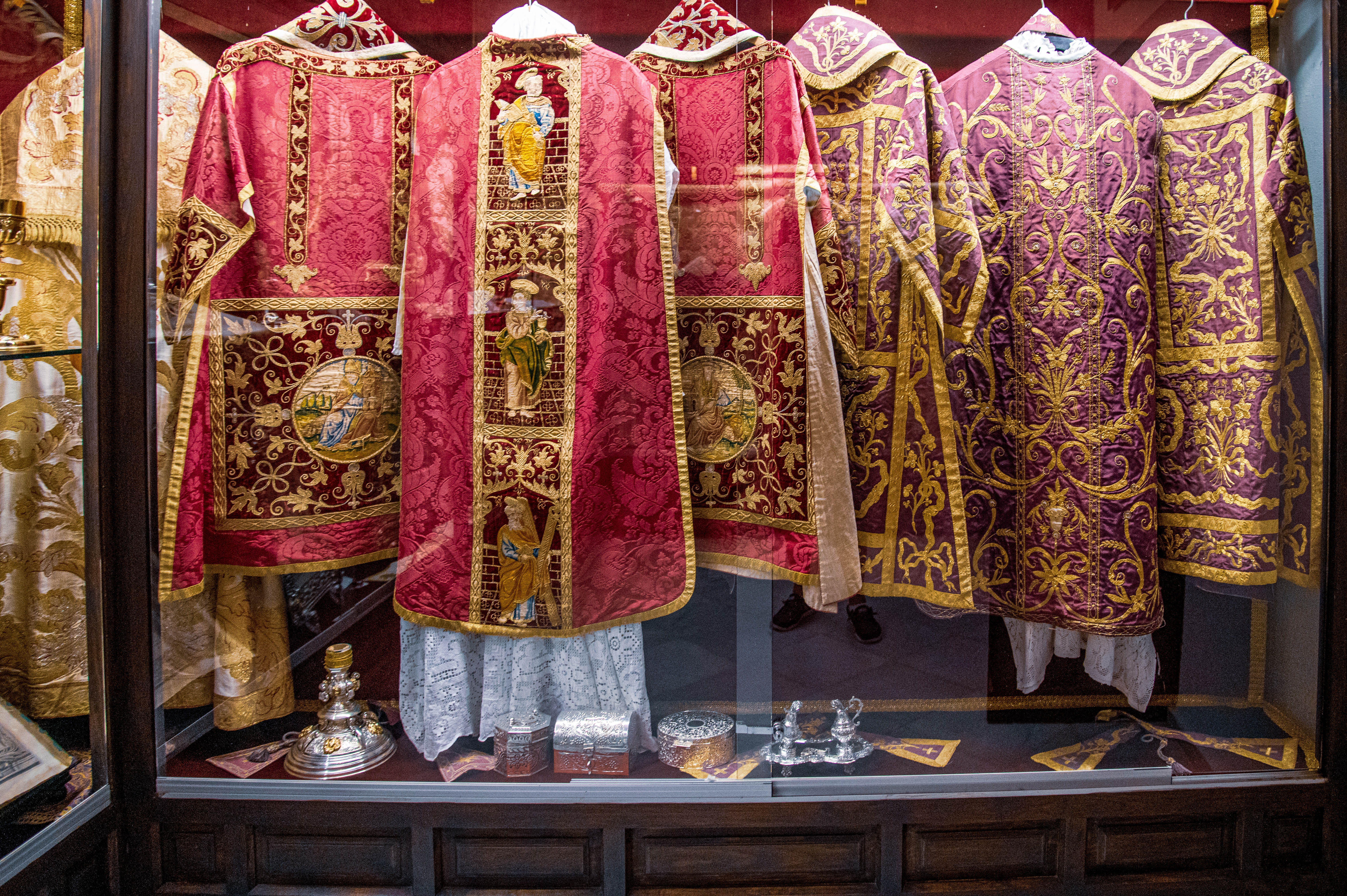
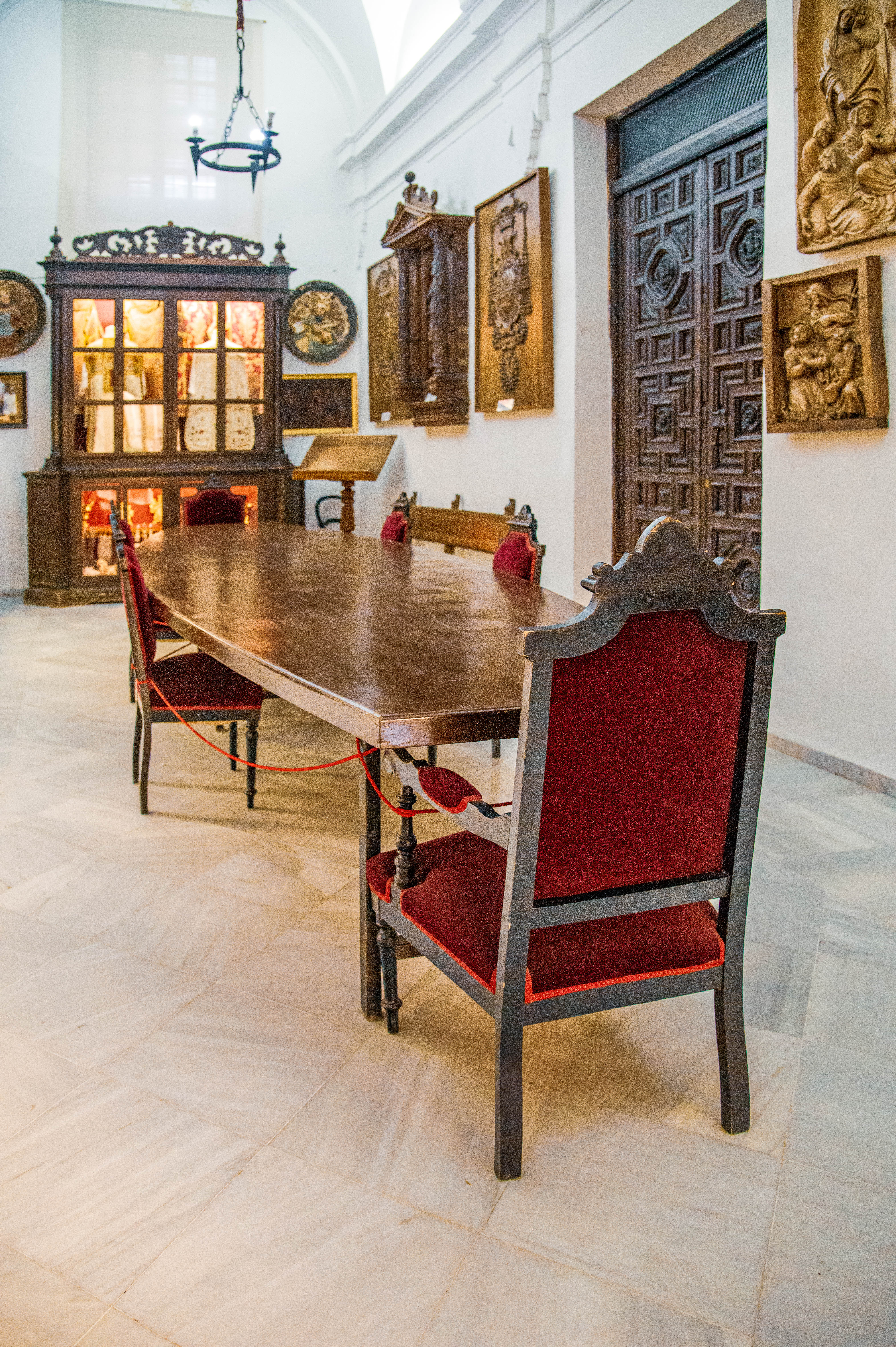
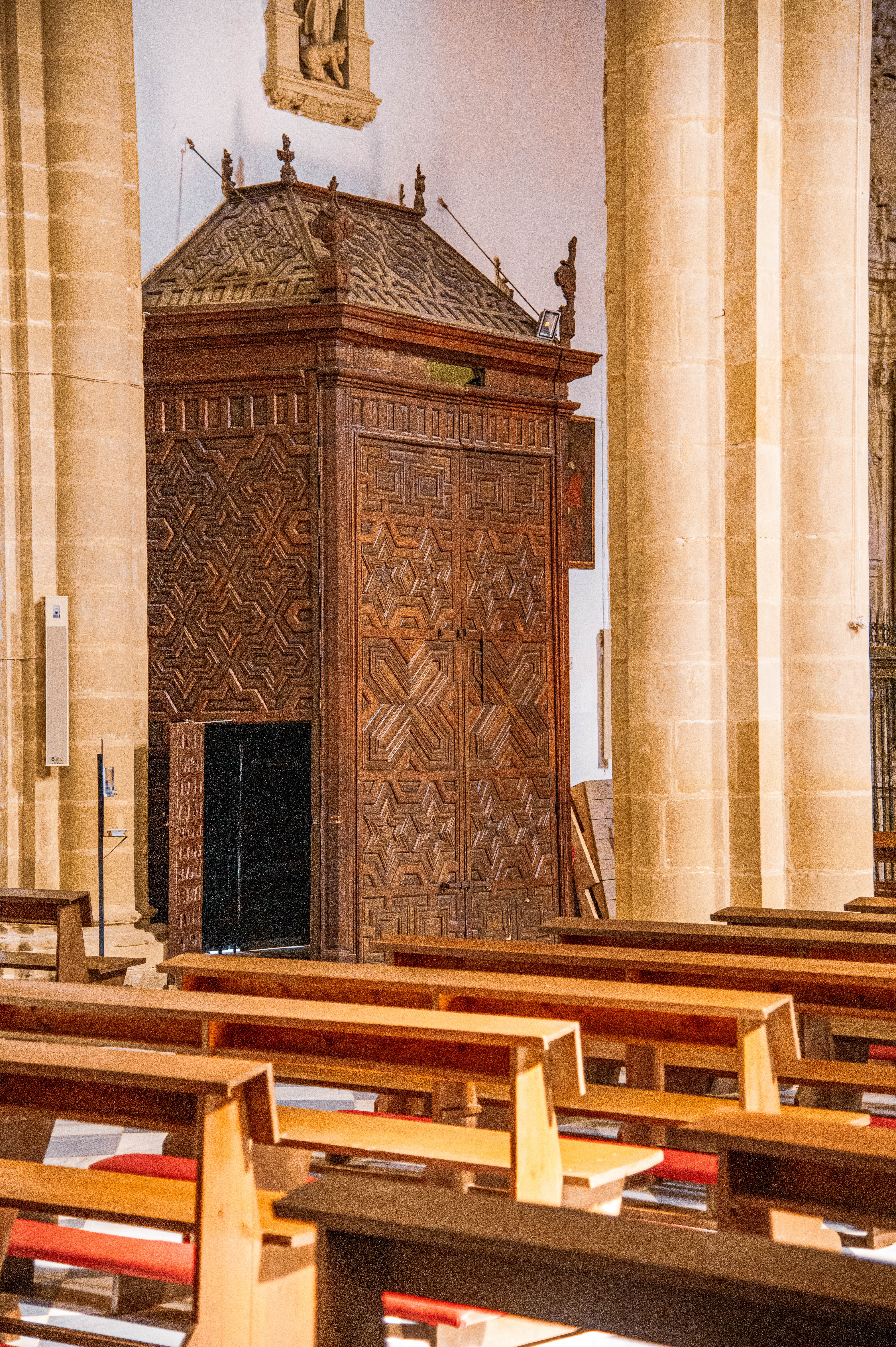
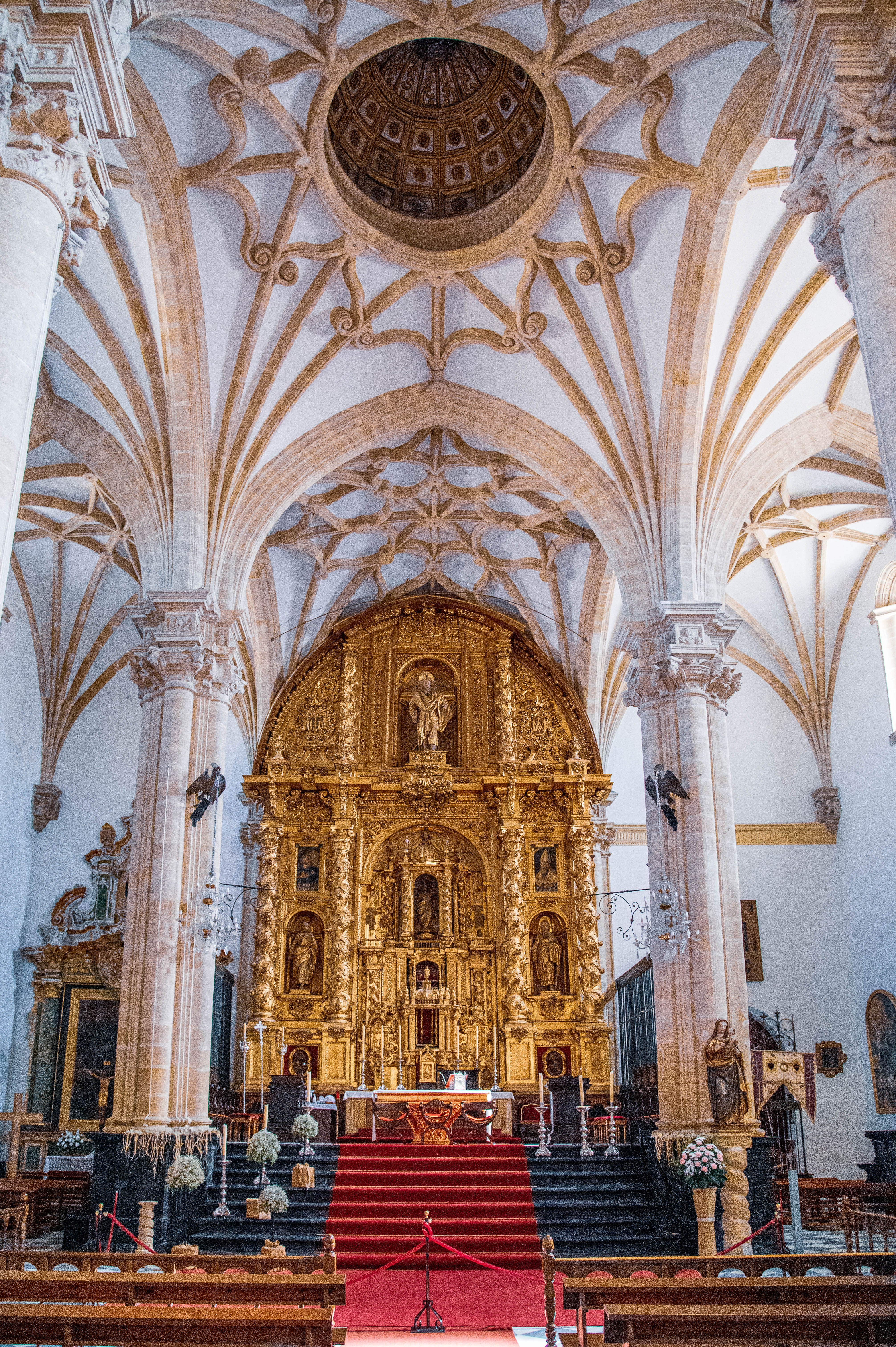
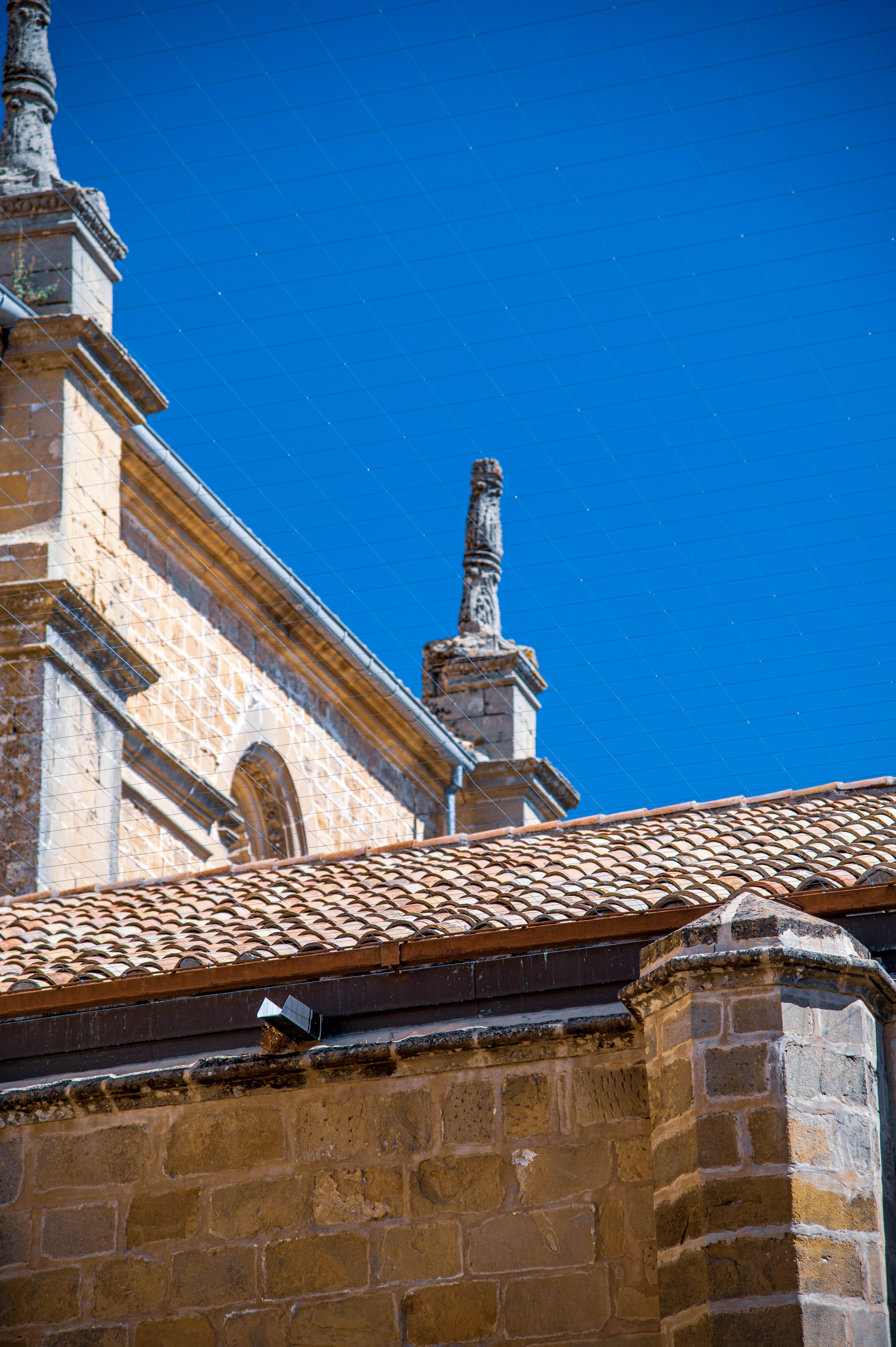
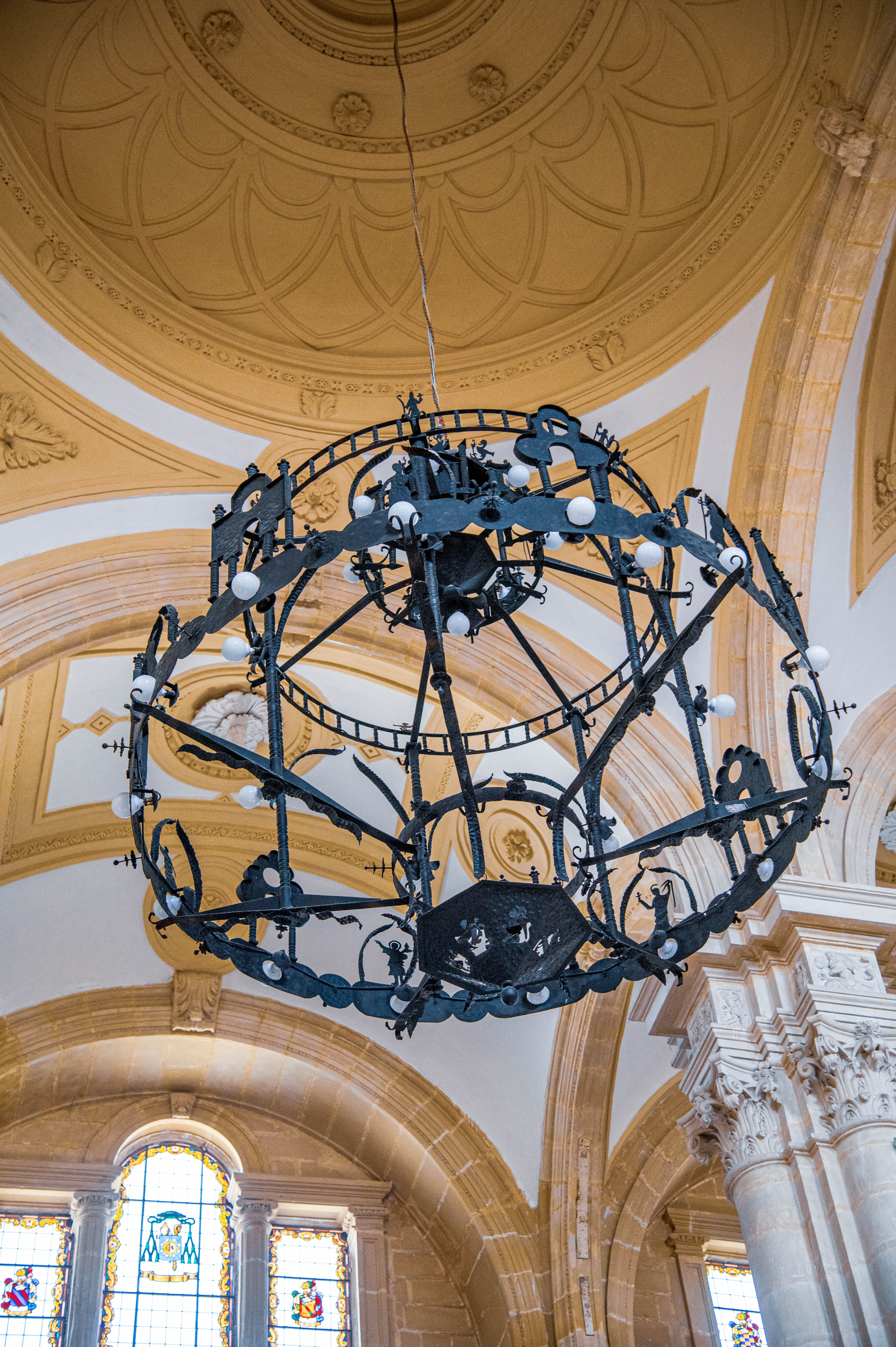
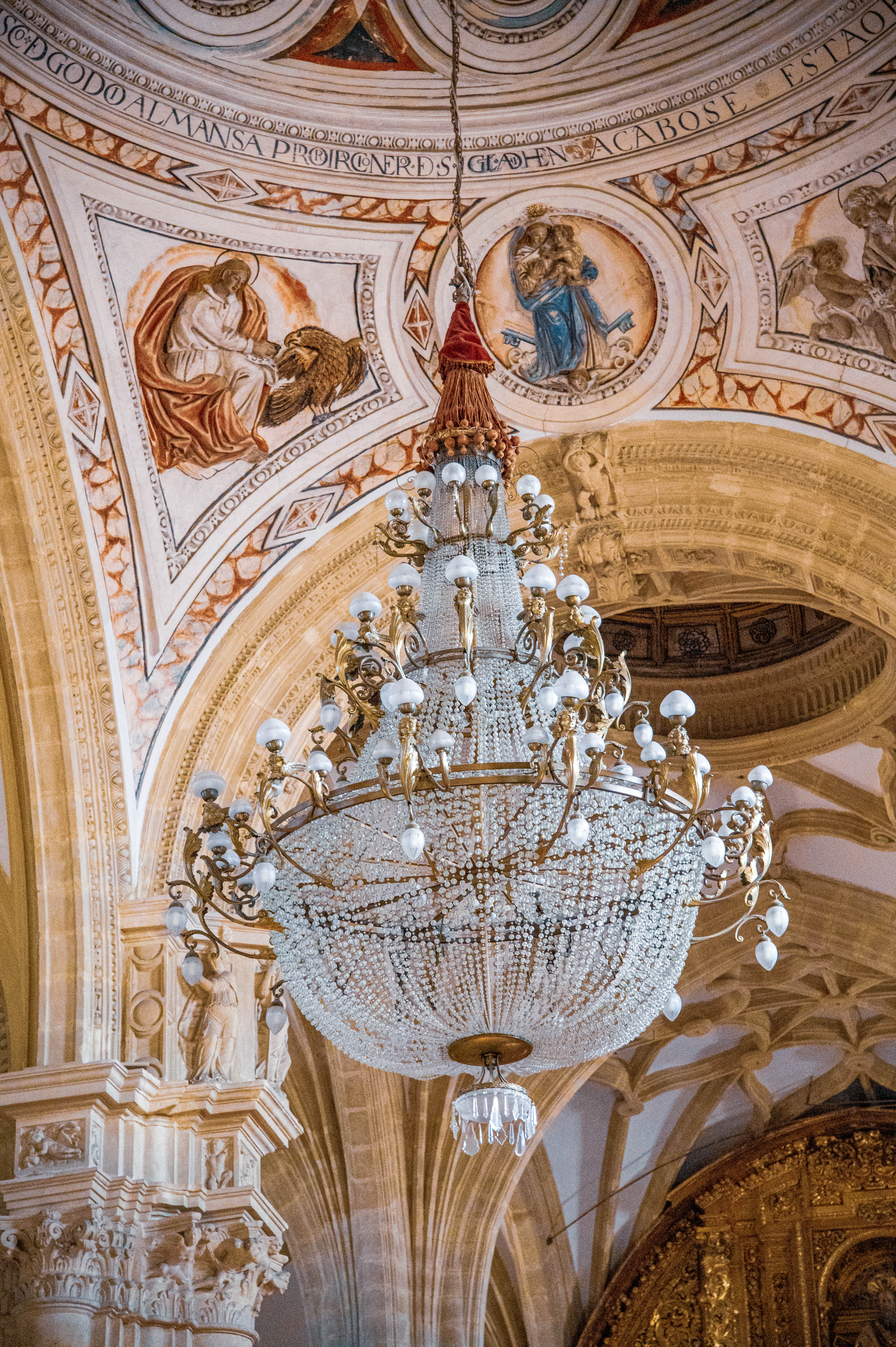
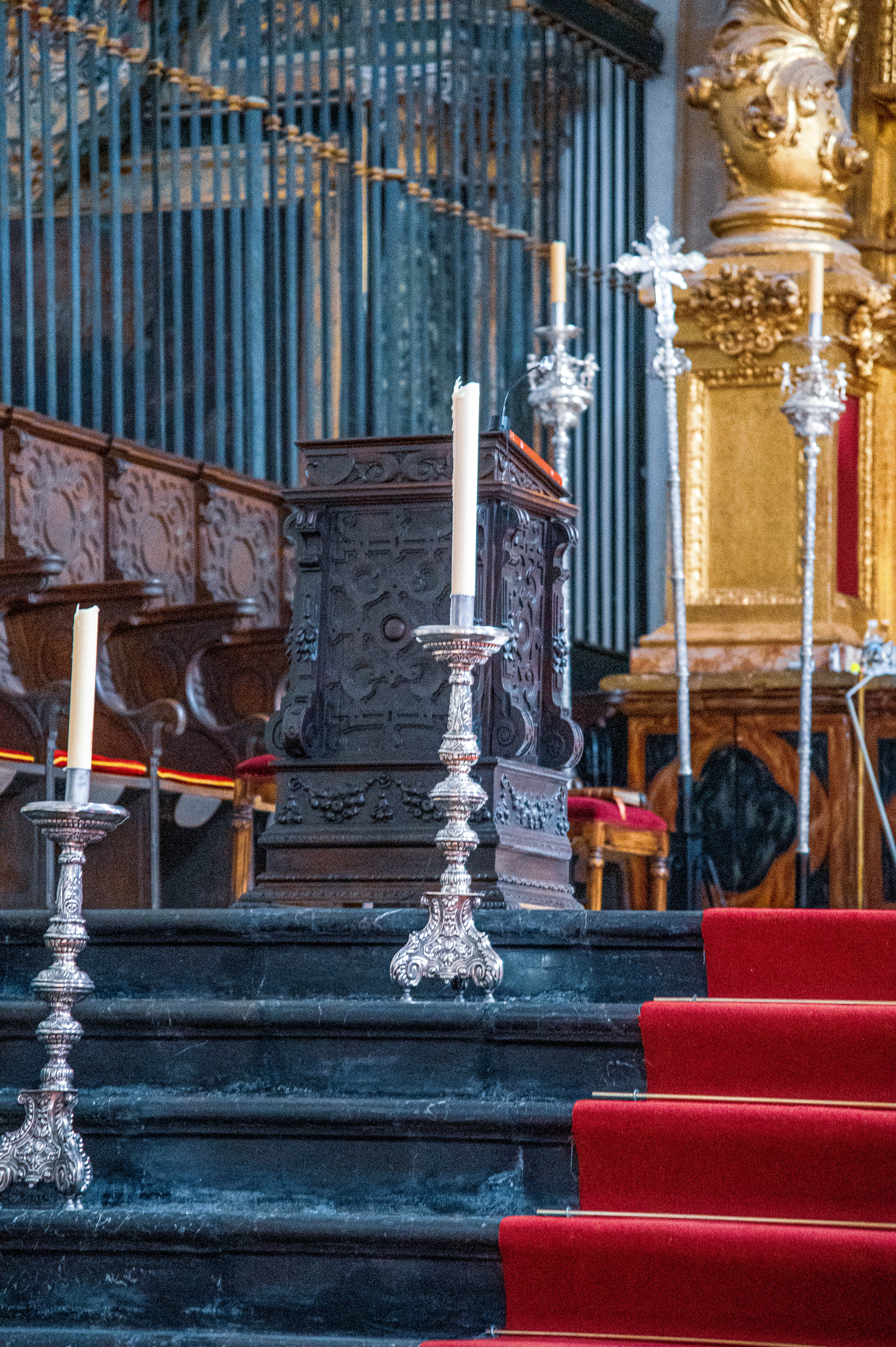
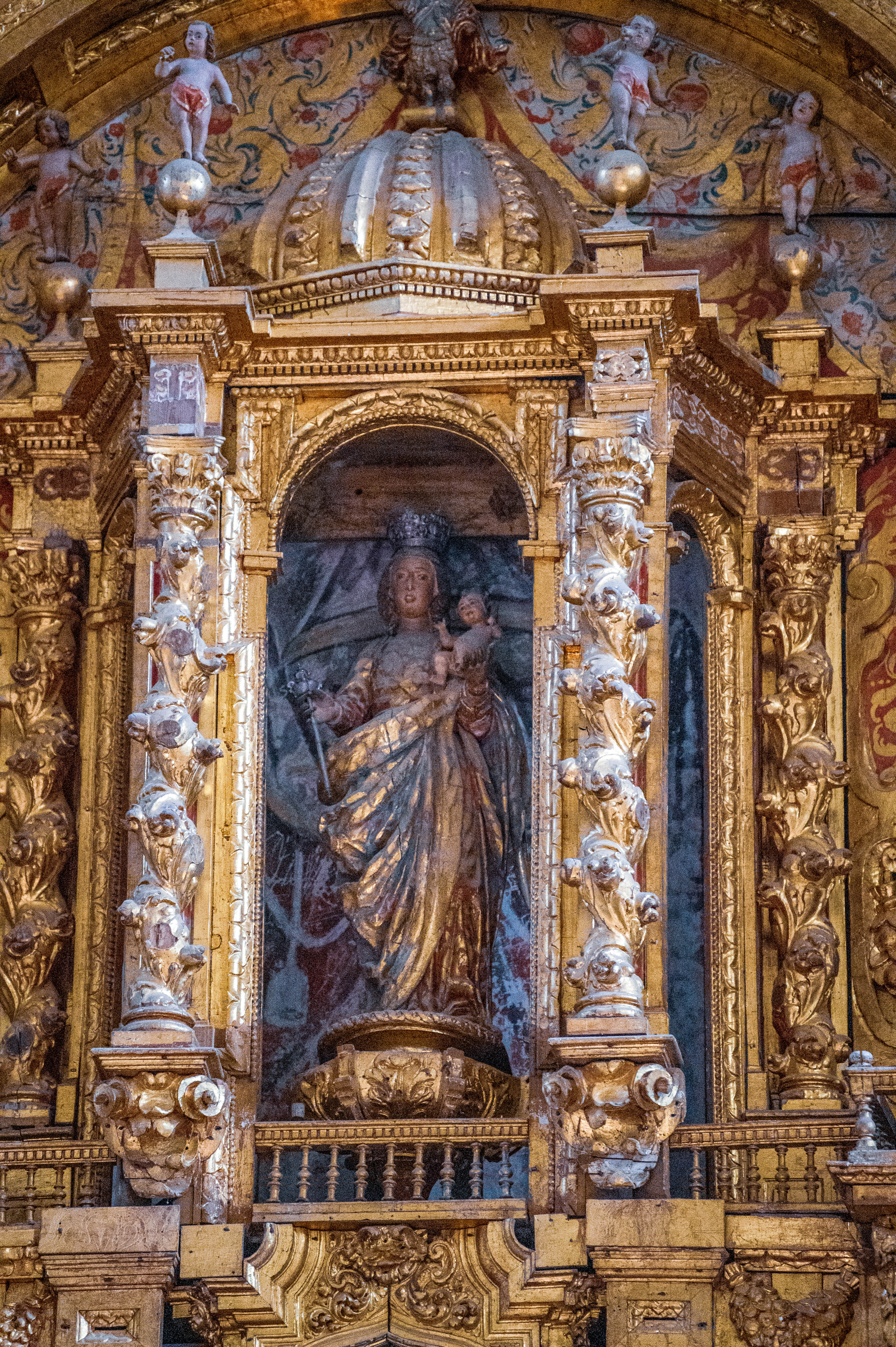
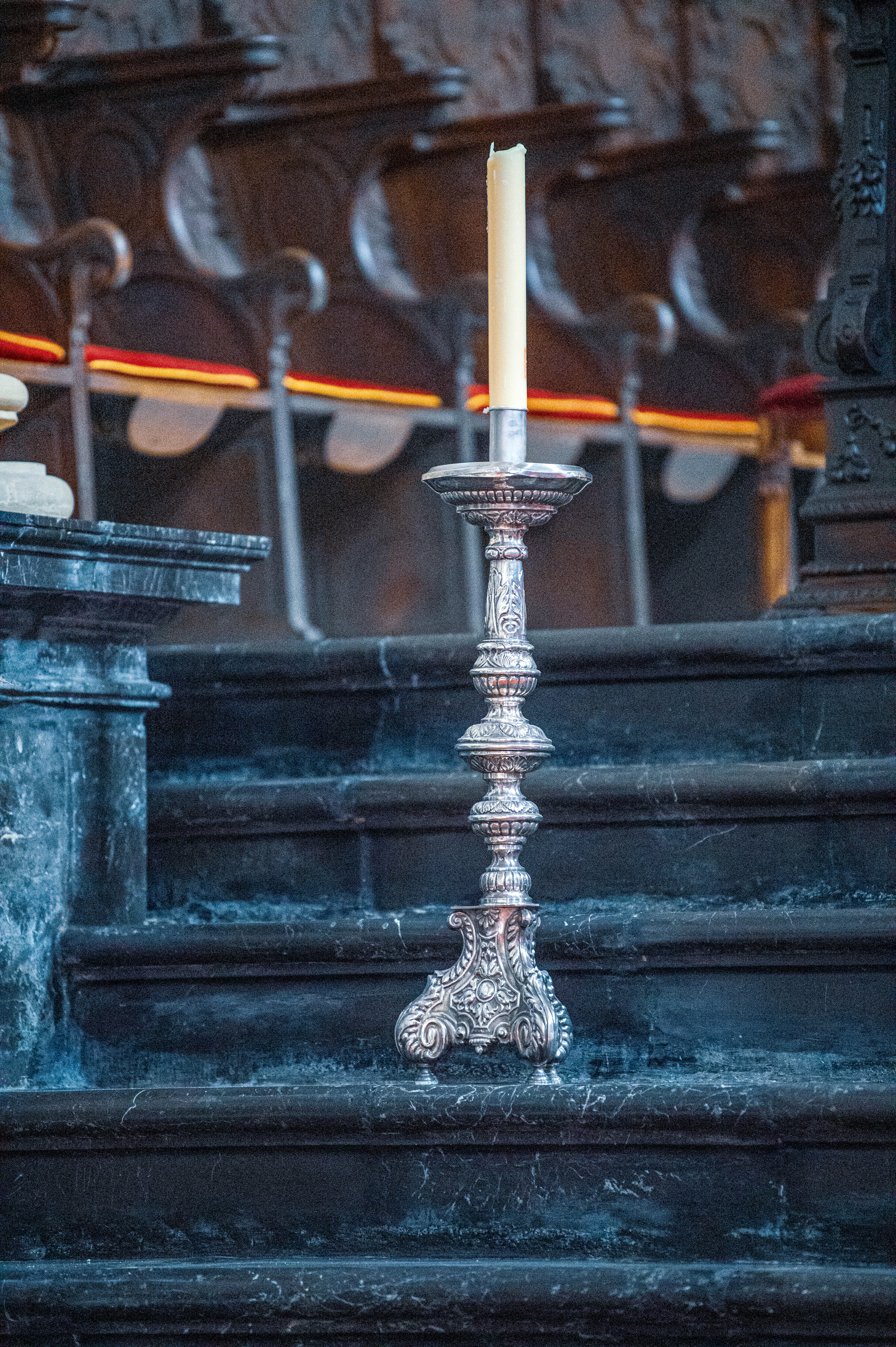
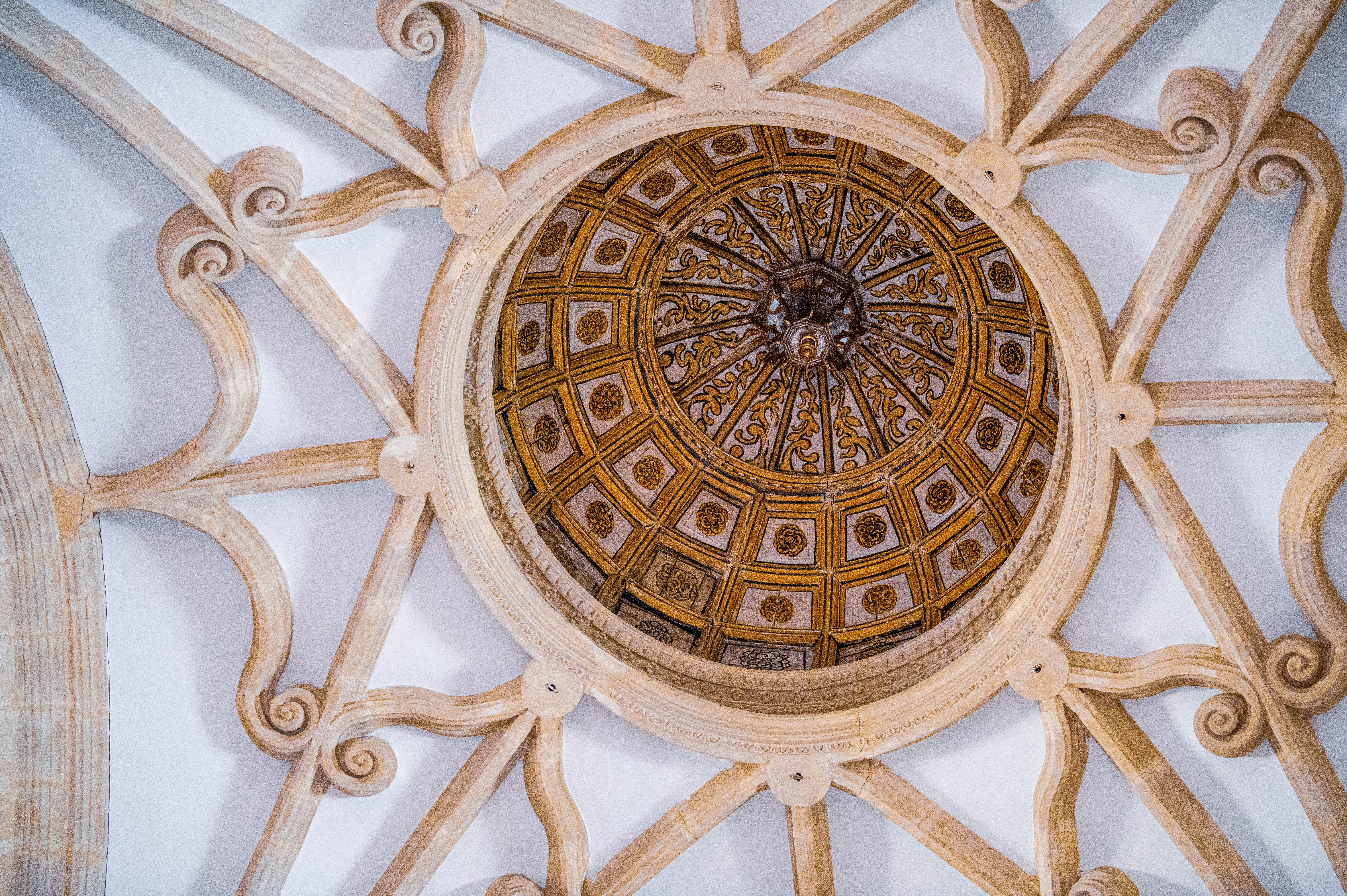
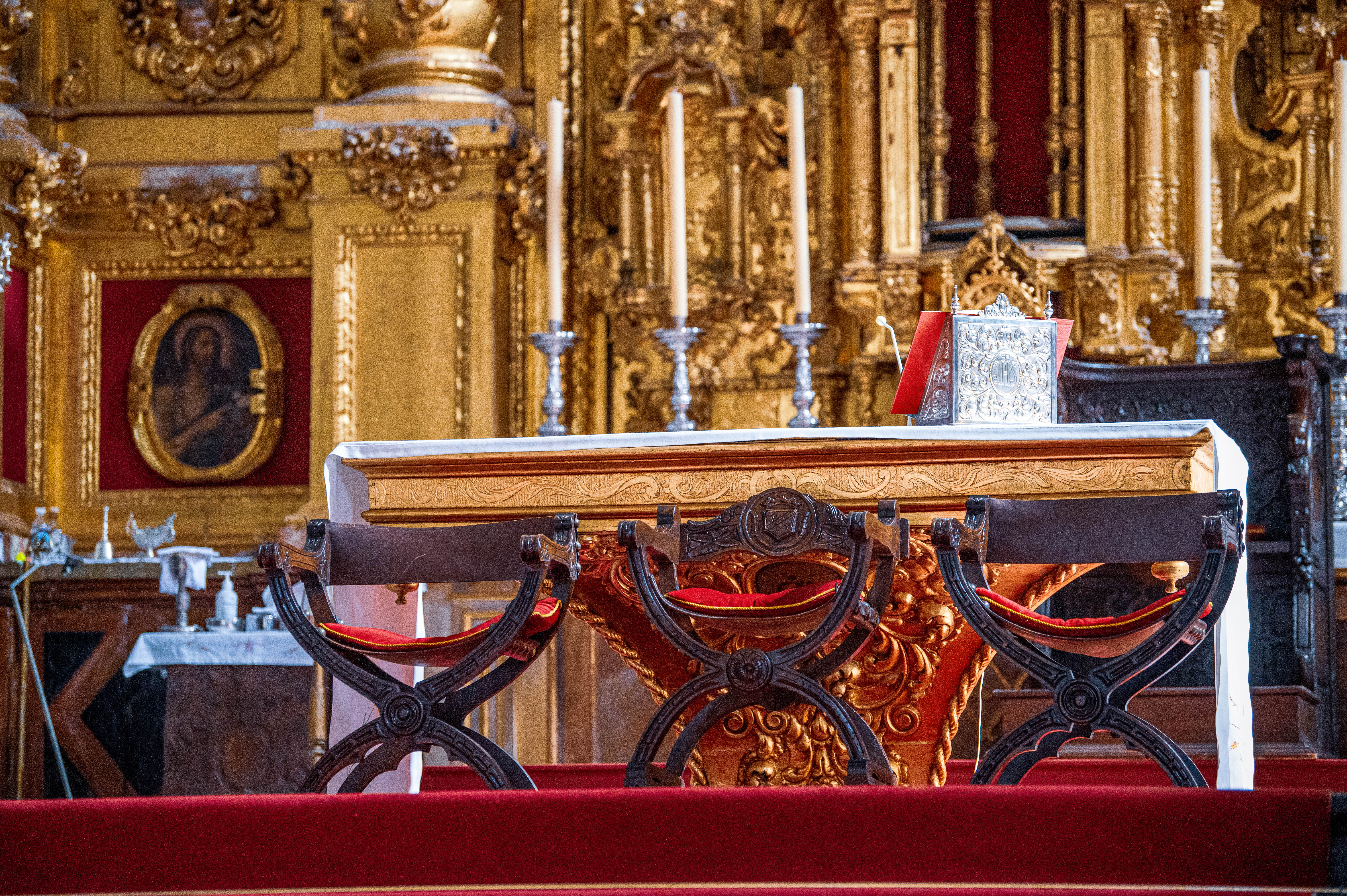
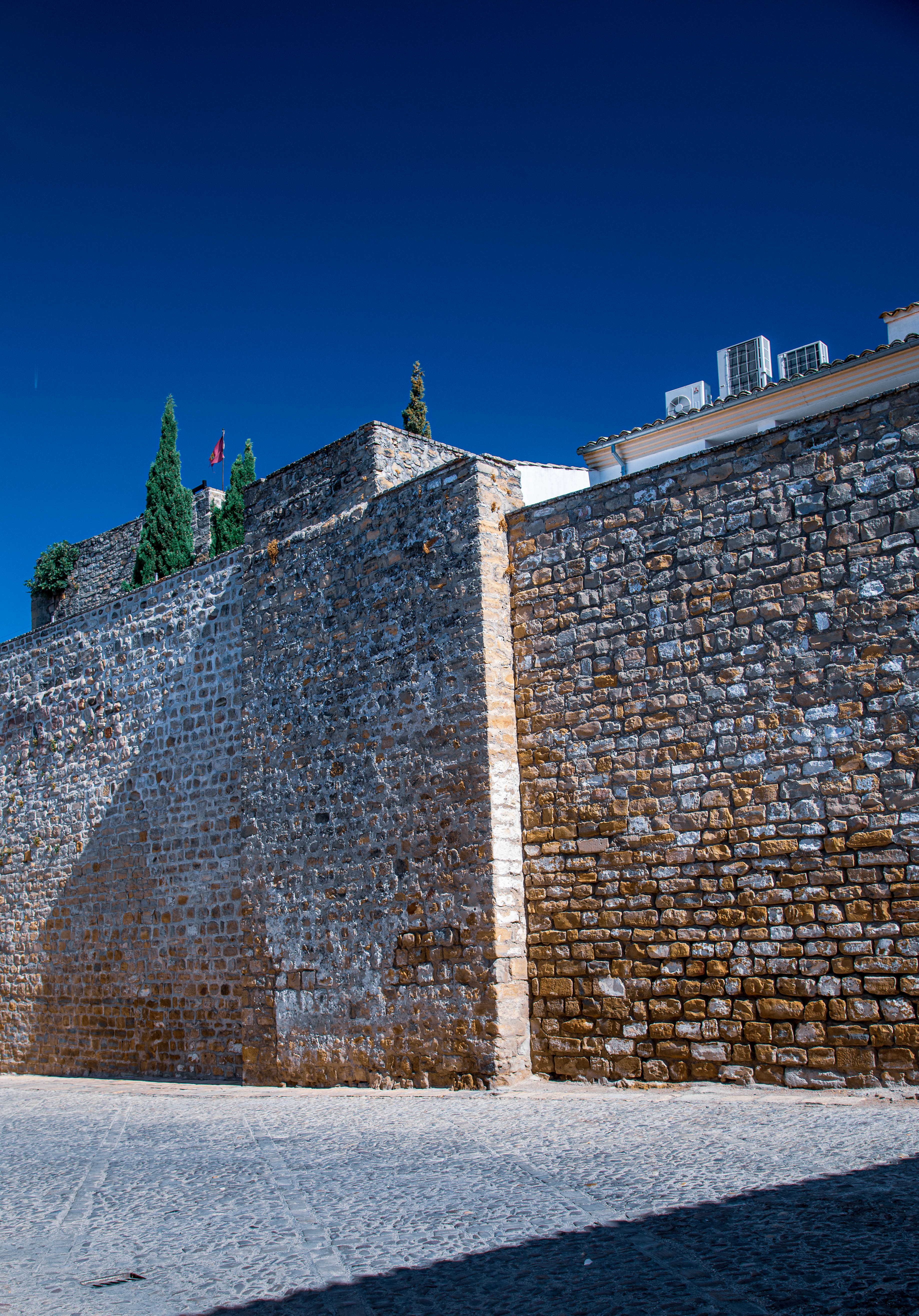
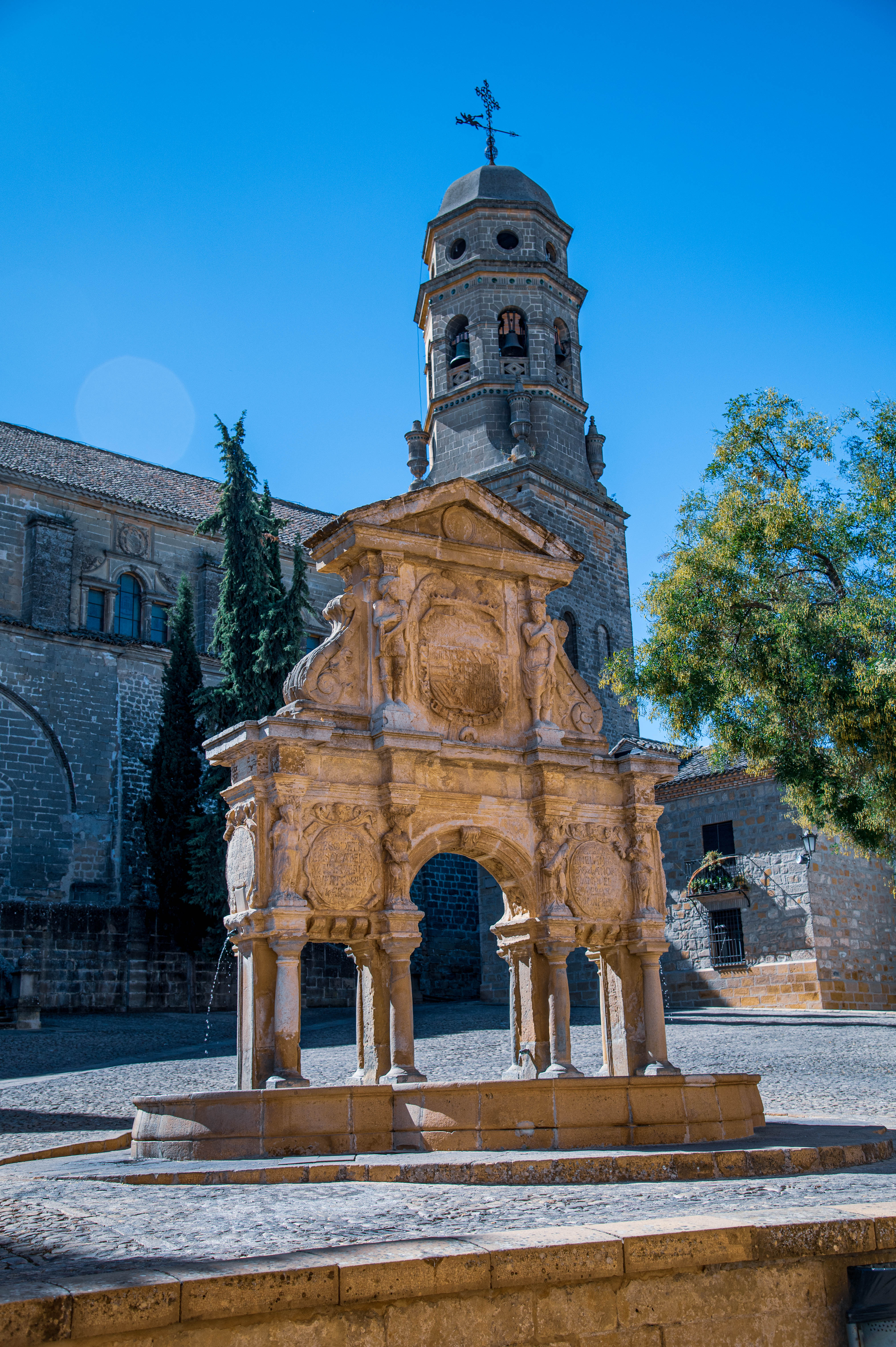


The Cathedral of the Nativity of Our Lady in Baeza (Catedral de la Natividad de Nuestra Señora de Baeza) is a Renaissance masterpiece in Jaén, Andalusia, built on the site of a former mosque and completed in 1593 under the direction of Andrés de Vandelvira. It symbolizes the city’s transition from Visigothic and Islamic rule to Christian dominance and forms part of the UNESCO World Heritage ensemble of Úbeda and Baeza.
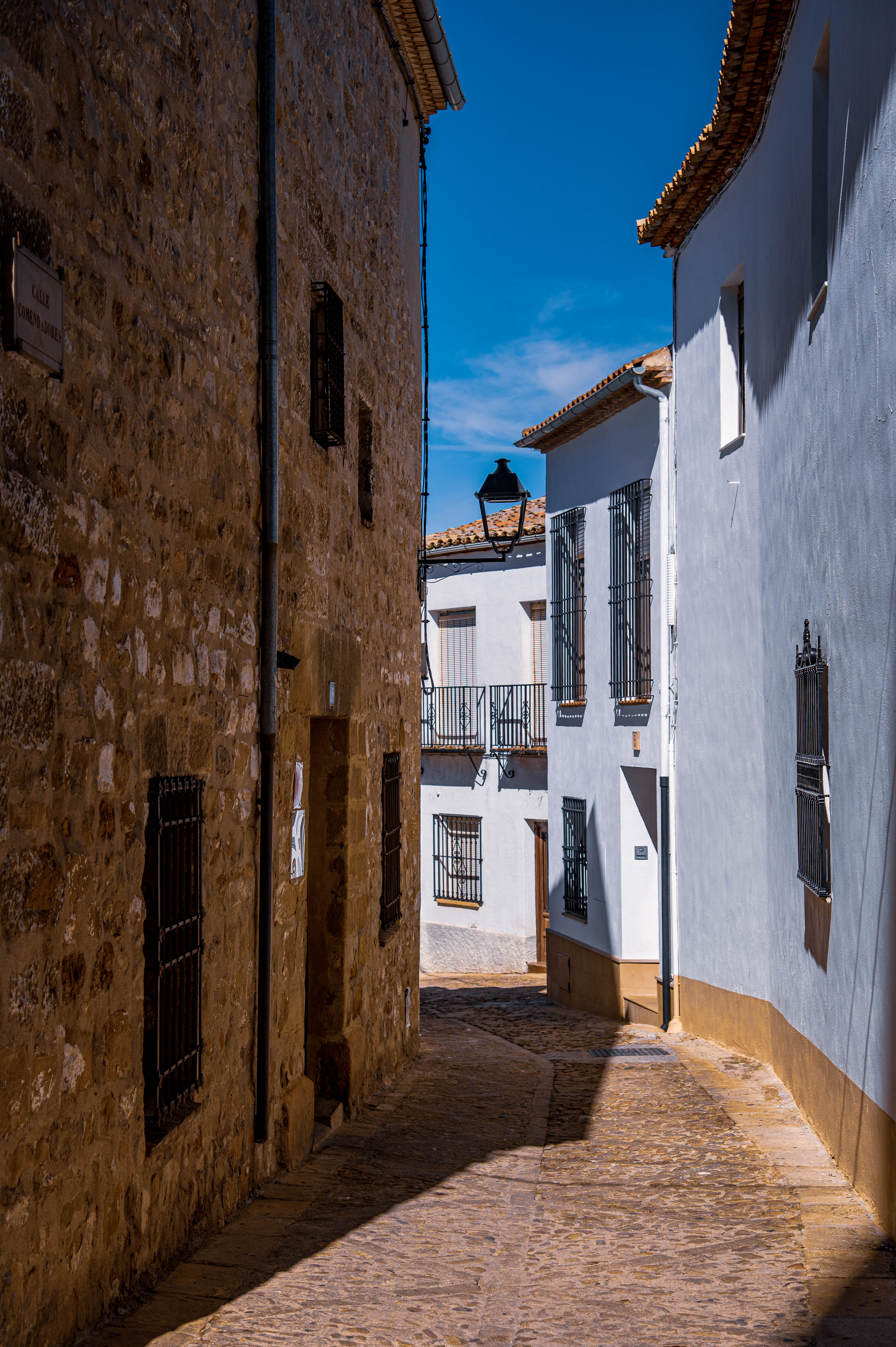
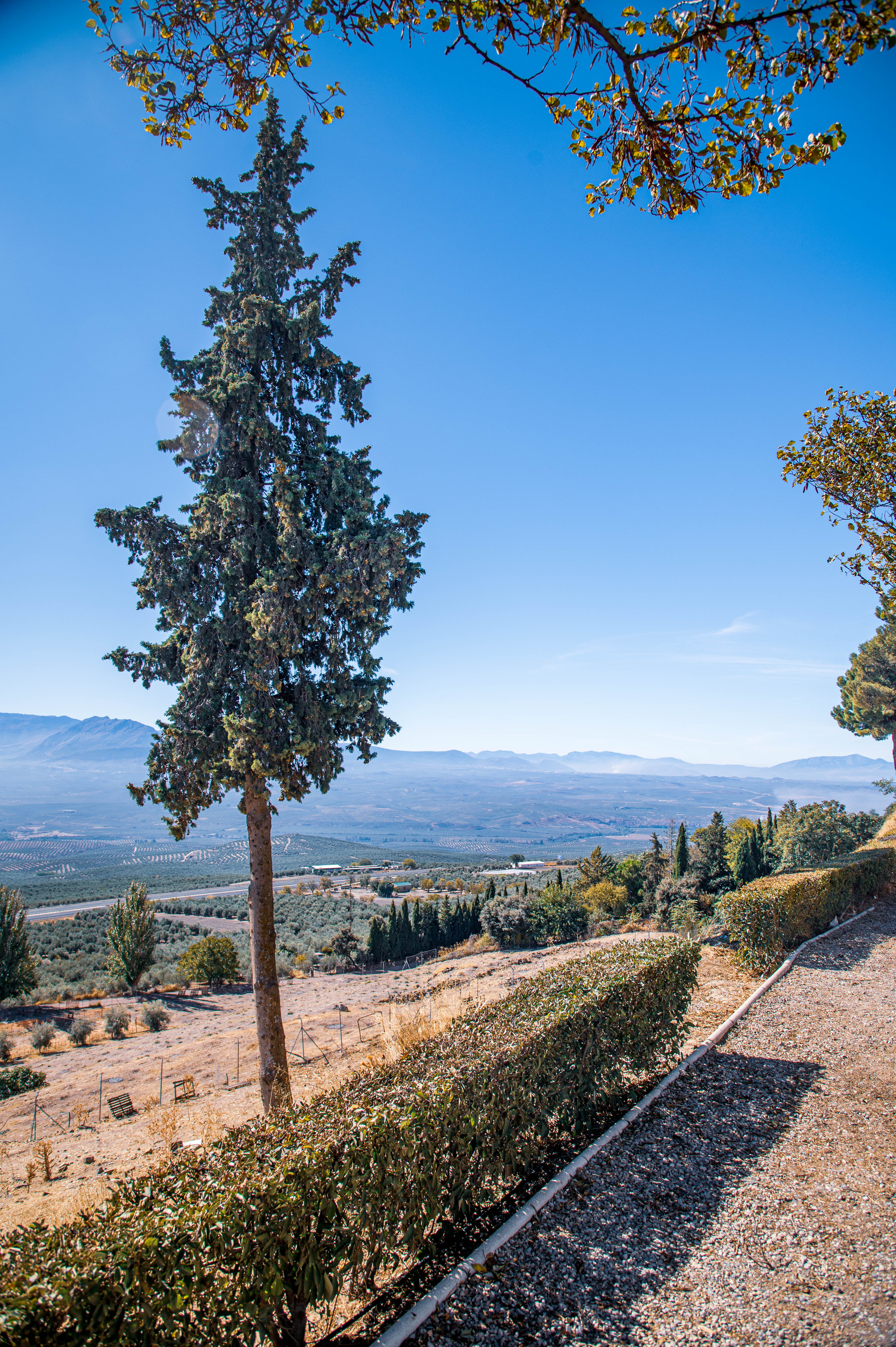
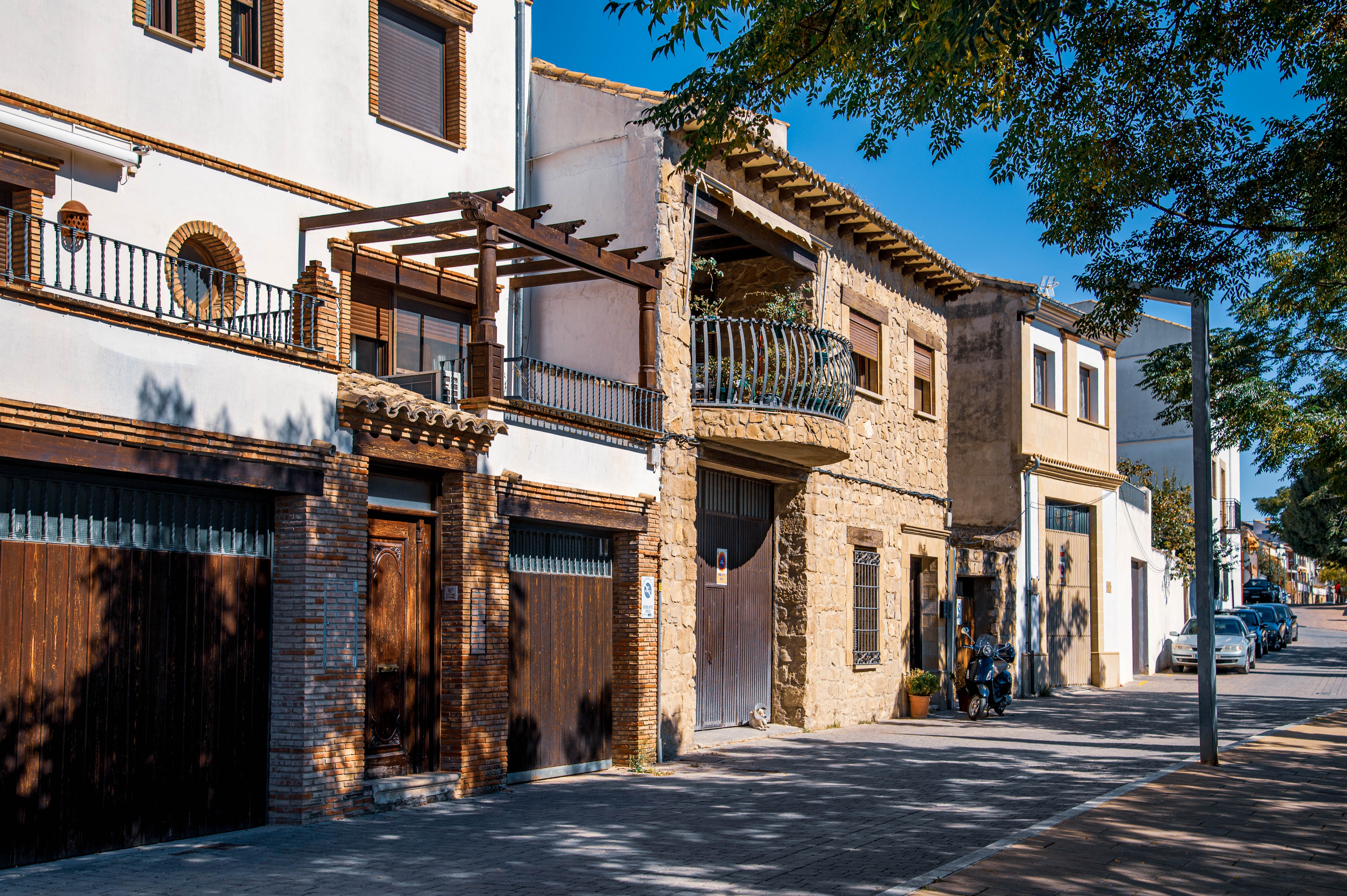
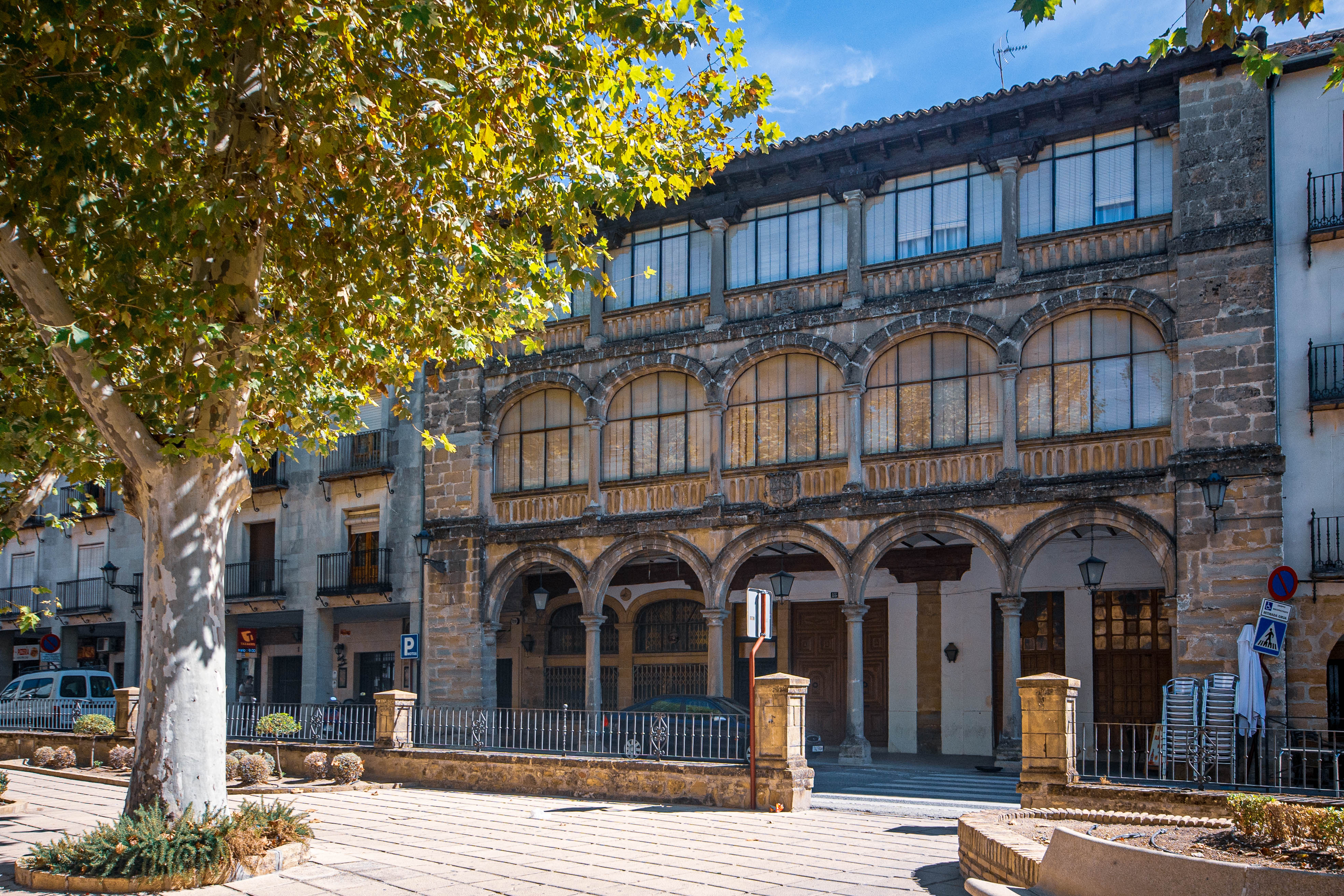
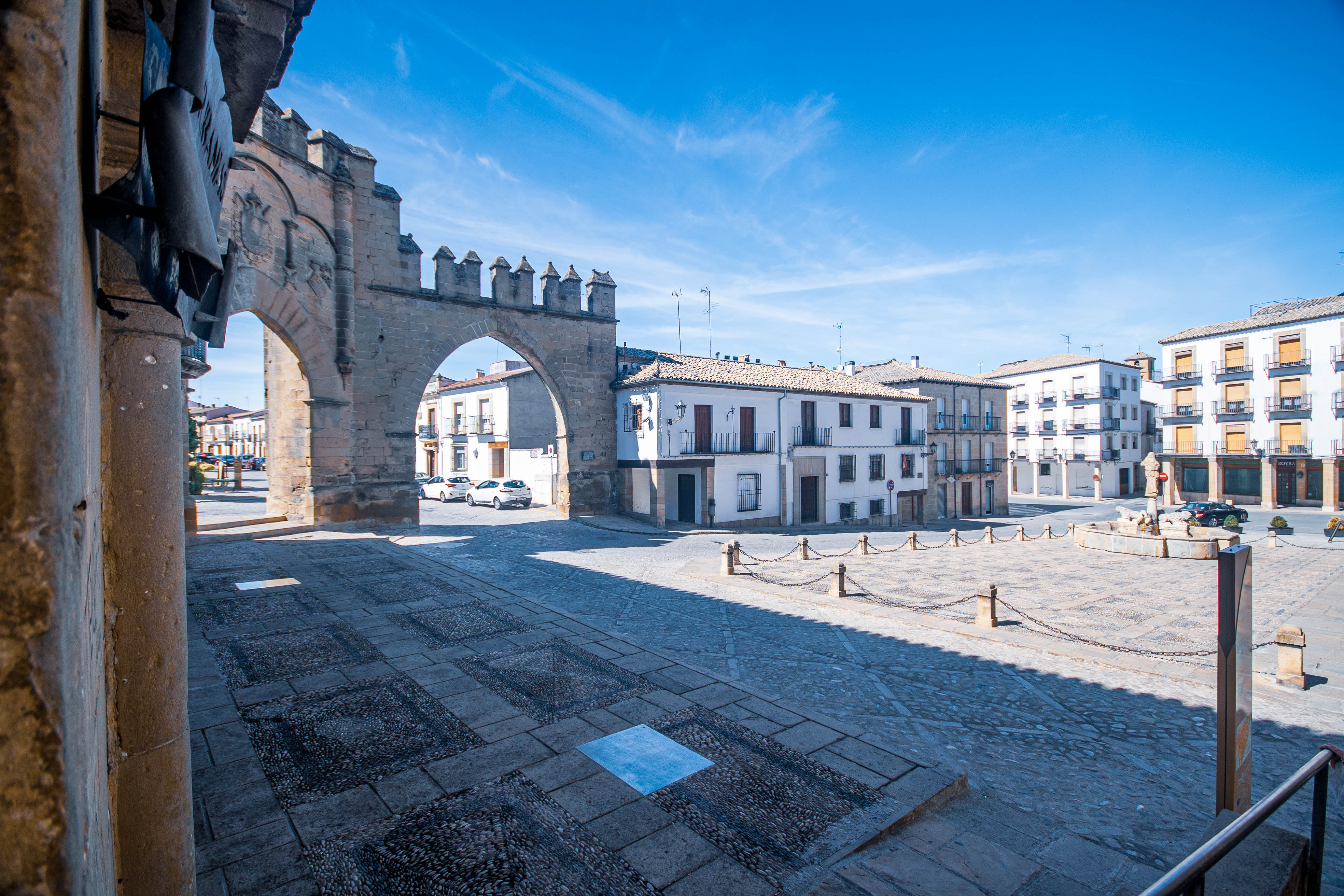
Baeza is a historic city in the province of Jaén, Andalusia (southern Spain), renowned for its Renaissance architecture and its role as a cultural and religious center during the Middle Ages and early modern period. Along with nearby Úbeda, it forms part of the UNESCO World Heritage Site “Renaissance Monumental Ensembles of Úbeda and Baeza” (designated in 2003).
Historical Development
Visigothic Era (7th century): Originally a bishopric seat.Muslim Period (8th–13th centuries): Converted into the city’s main mosque.
Reconquista (1227): King Ferdinand III reconquered Baeza, dedicating the building to the Virgin under the title of the Nativity.
Medieval Additions: Gothic elements such as the Gate of the Moon (Puerta de la Luna) with its lobed arch and rose window (13th–14th centuries).
Collapse of 1567: Much of the medieval structure fell, prompting a Renaissance reconstruction.
Renaissance Rebuild (16th century): Led by Andrés de Vandelvira, who gave the cathedral its classical Renaissance style.
Completion (1593): Finalized shortly after Vandelvira’s death.
Cultural and Religious Significance
Seat of the Diocese of Baeza until its suppression; later merged with Jaén.Relics: Contains remains of San Pedro Pascual, martyred in Granada in 1300.
UNESCO World Heritage Site: Recognized as part of the Renaissance monumental ensembles of Úbeda and Baeza.
National Monument: Declared in 1931.
Literary Reference: Federico García Lorca praised its monumental presence in Impressions and Landscapes.
Baeza Historical Overview
Roman & Visigothic roots: The area was settled in antiquity, with evidence of Roman and Visigothic presence.Islamic period: Baeza became an important fortified town under Al-Andalus.
>Reconquista (1227): King Ferdinand III of Castile reconquered Baeza, turning its mosque into the Cathedral of the Nativity of Our Lady.
Renaissance flowering (16th century): Thanks to figures like architect Andrés de Vandelvira, Baeza gained monumental buildings that still define its skyline.
Modern era: Though its political importance declined, Baeza remained a cultural hub, with its university and cathedral shaping local identity.